




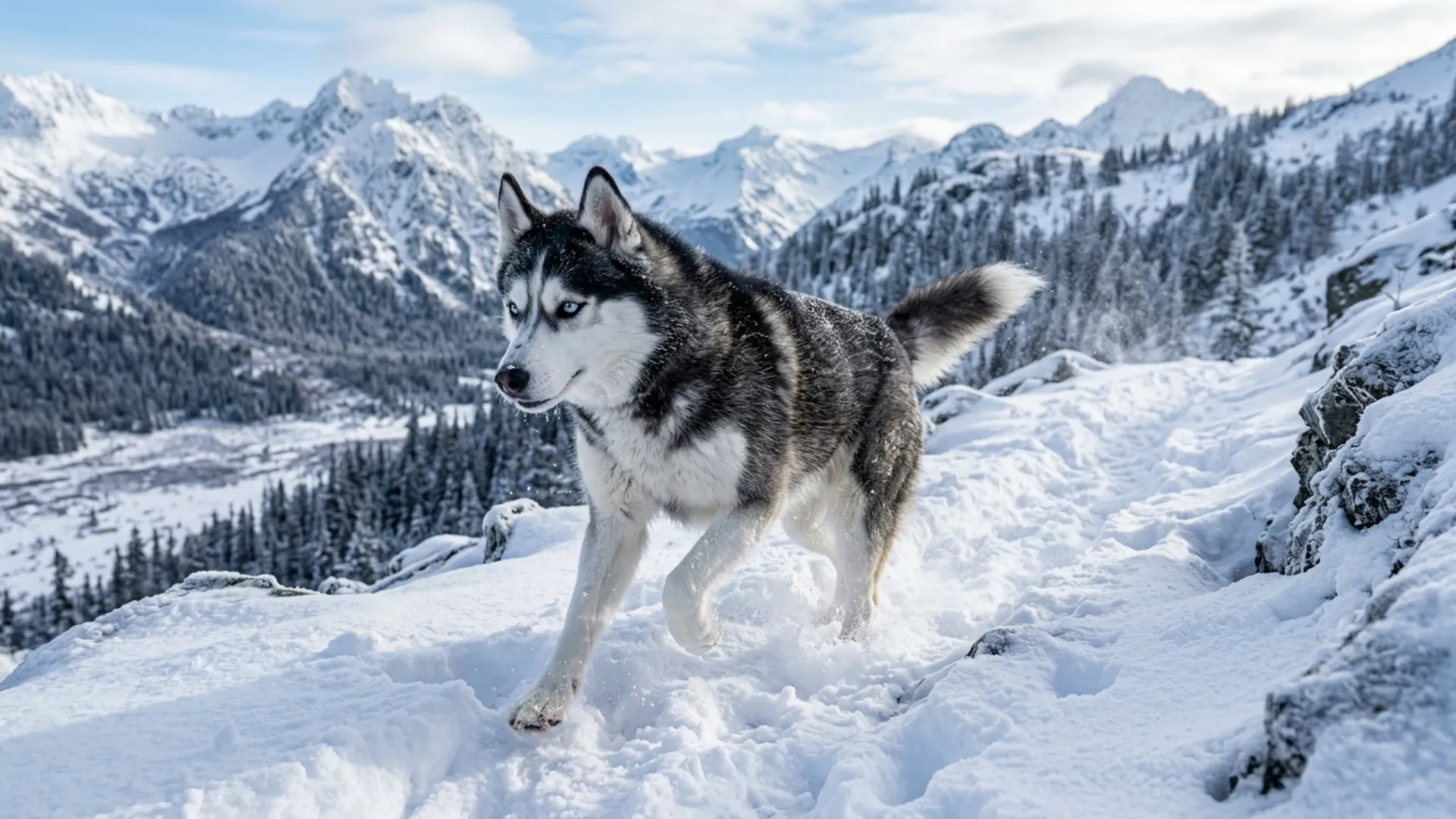
Having a powerful dog that can handle just about any condition makes a lot of sense if you live somewhere with extreme heat or cold, or if you’re the adventurous, outdoorsy type. But surviving nature’s harshest extremes takes far more than just physical strength, as you’ve probably already guessed.
Bone-chilling mountain freezes, scorching sun, and brutal terrain all demand serious endurance, the right coat type, and a good bit of mental grit.
These breeds aren’t just strong; they’re genuinely built to handle extreme conditions, whether that means a short or double coat, tough paw pads, or all of the above.
We’ve rounded up nine tough, dependable dog breeds that can handle whatever the weather throws at them. We’ll walk through their coat types, the climates they’re best suited for, along with their training and exercise needs. You’ll also get a sense of just how hardy and physically tough each one really is, so stick around.
Top Staunch Dog Breeds That Survive Extreme Conditions
1. Alaskan Malamute
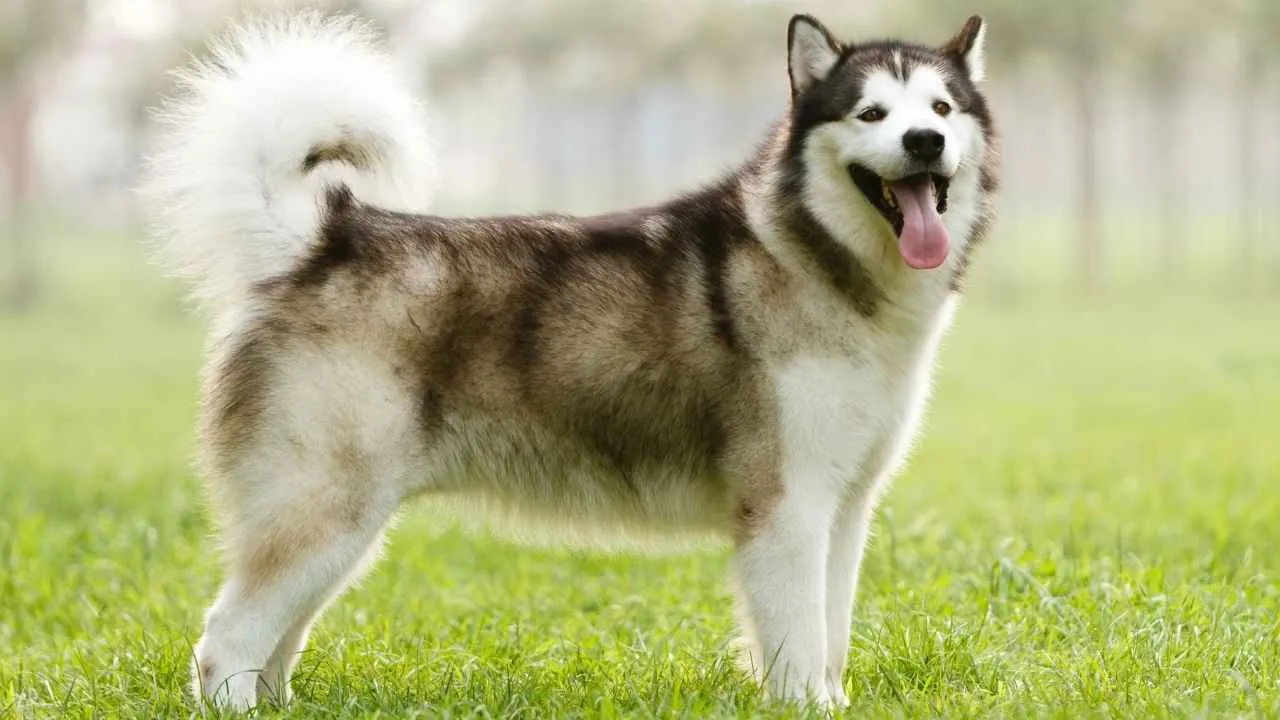
Alaskan Malamutes are affectionate, dignified, and loyal dogs with a powerful, work-driven personality. They form strong bonds with their families, but they also have a strong-willed, independent streak that calls for clear, confident leadership.
These large dogs were originally bred to haul loads across Arctic regions, and they’re considered among the strongest sled-pulling breeds around, according to the Royal Kennel Club. That working background gives them incredible strength, density, and endurance for extreme climates.
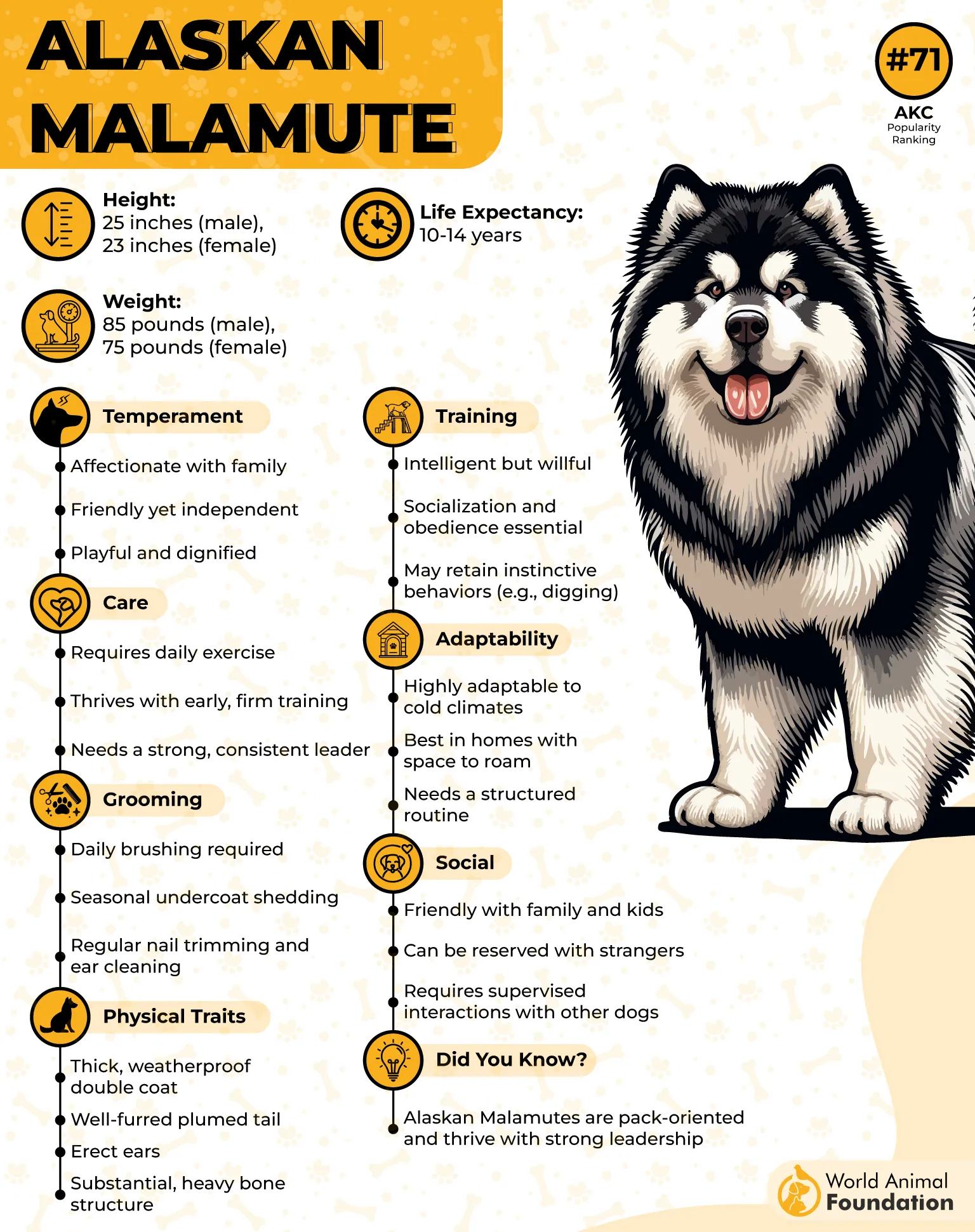
Malamutes also have a thick double coat that handles cold weather beautifully but makes them prone to overheating in hotter climates. Because of their power and drive, these loyal dogs need around 2 hours of exercise a day for proper mental stimulation, along with experienced owners who can offer firm, consistent training.
2. Siberian Husky
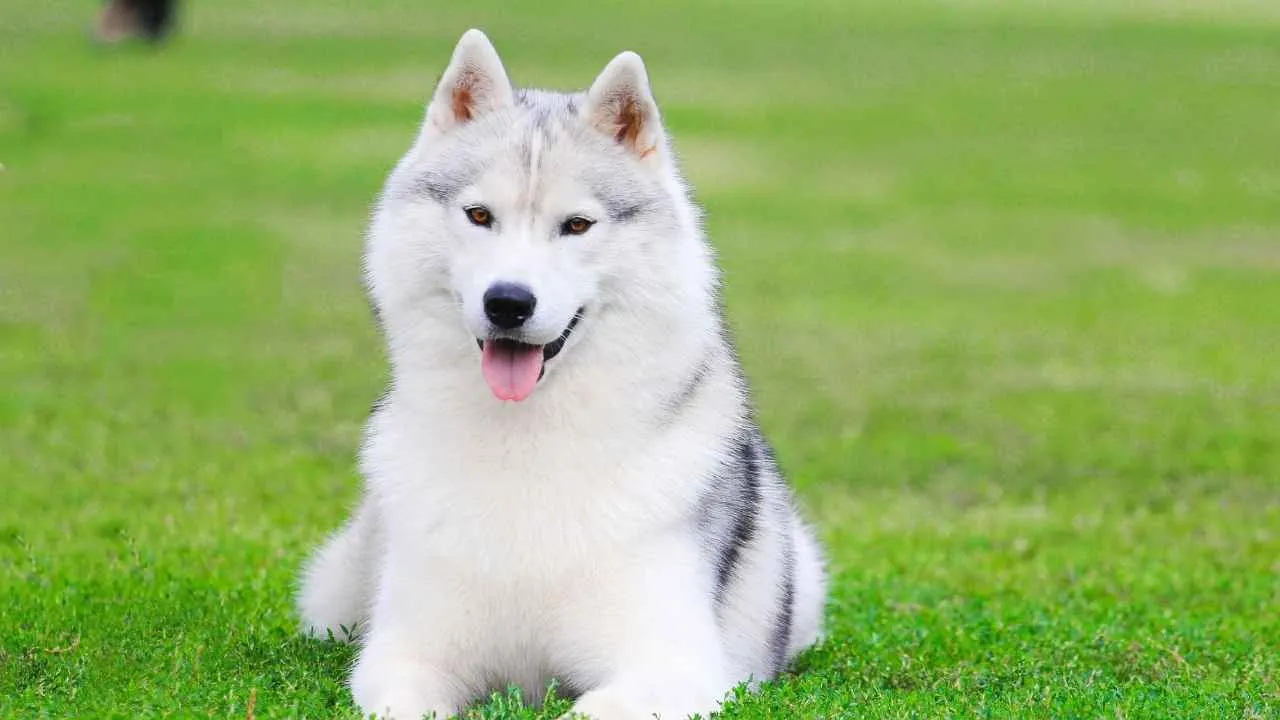
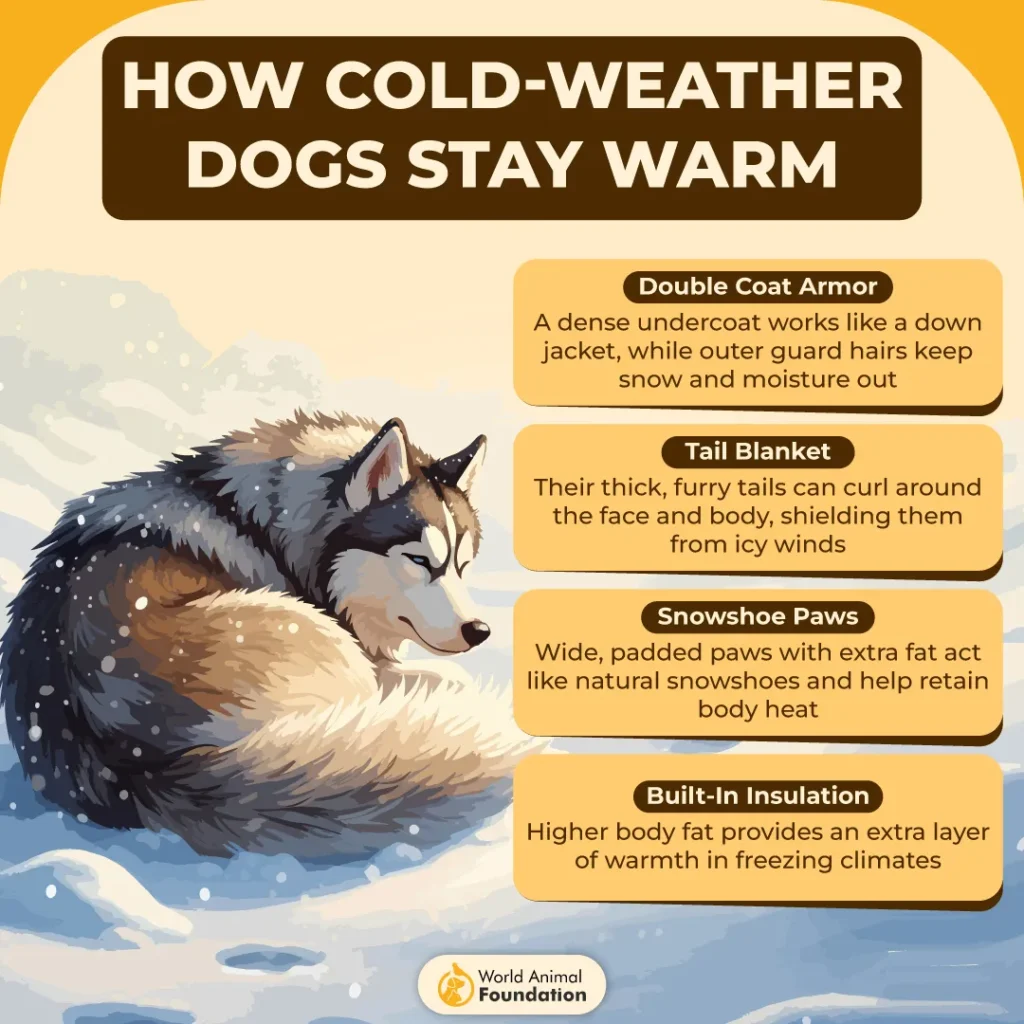
Siberian Huskies were originally bred as endurance sled dogs, built to haul loads over vast distances across frozen Arctic regions. Their thick double coat and natural strength allow them to endure temperatures as low as -50°F to -60°F.
That said, they struggle in warm weather, since their heavy fur is really their main survival tool. On the flip side, Huskies are also among the fastest sled dogs out there and pack an impressive amount of strength for their size. These muscular dogs are outgoing, energetic, and, let’s be honest, a little mischievous too.
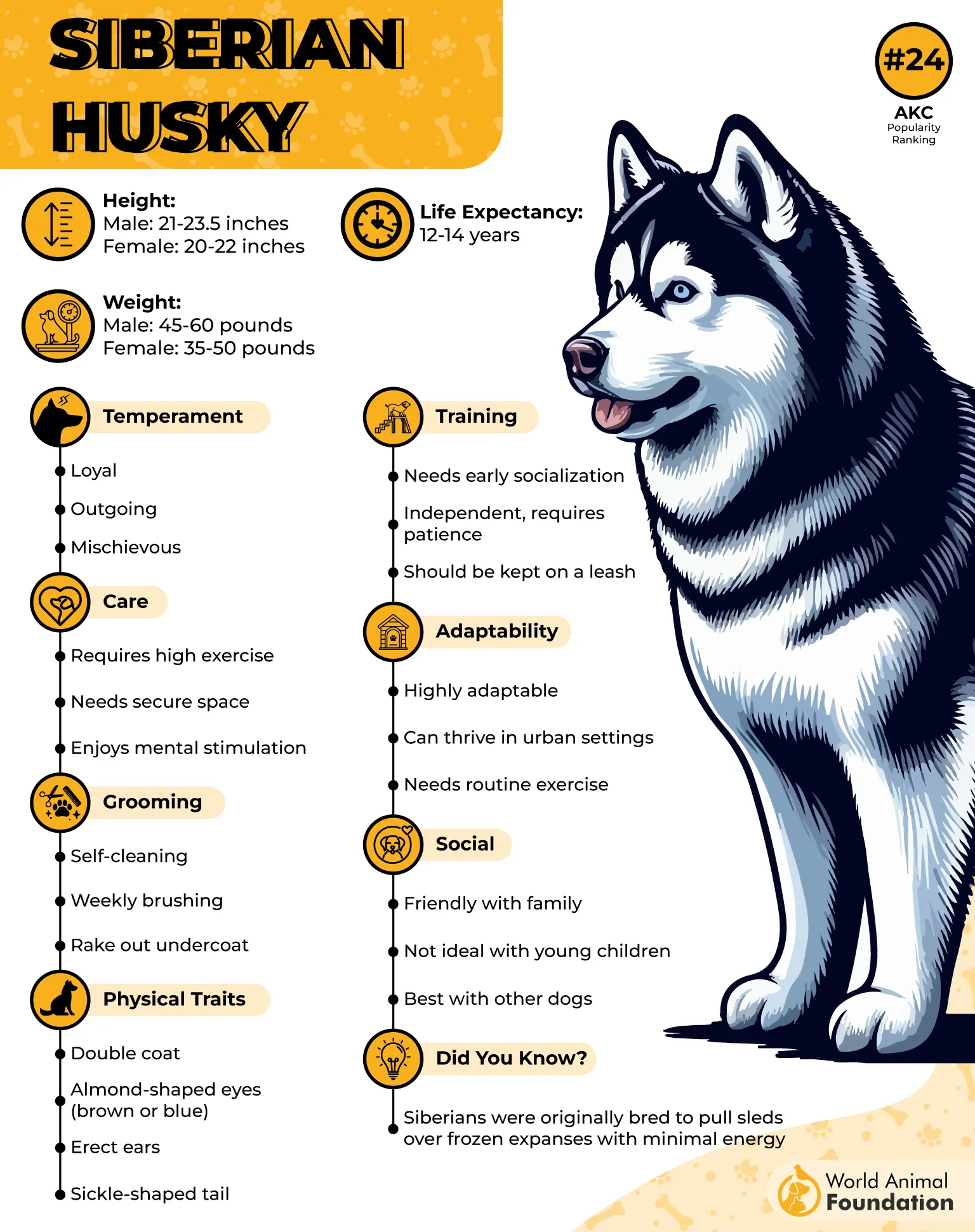
They’re best suited for experienced owners who can commit to at least 1.5 to 2 hours of regular exercise. Huskies also tend to be quite vocal, according to PDSA, so proper training matters here too. On top of that, they shed heavily year-round and need regular brushing to keep up with it.
3. Great Pyrenees
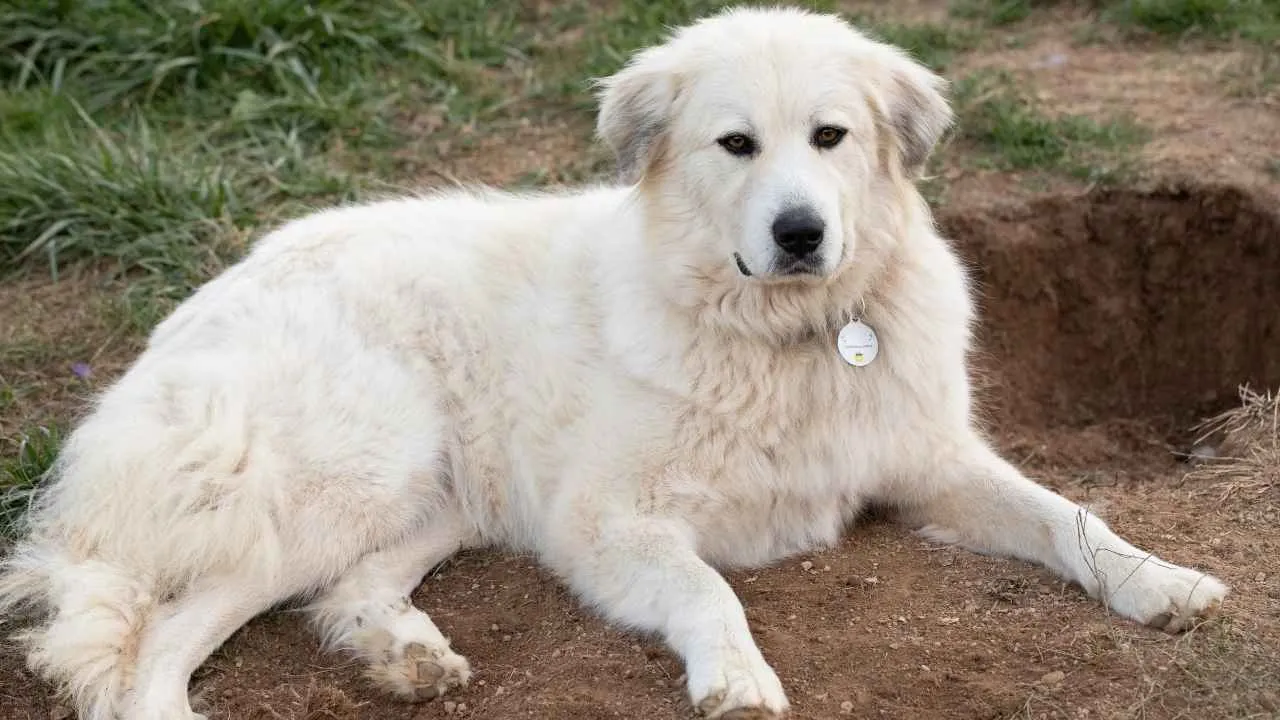
Great Pyrenees are calm, courageous, and deeply steadfast guardians. They’re gentle giants at heart, but they stay remarkably aware of their surroundings and can show real bravery when it counts. The breed originated in the Pyrenees Mountains, where it was bred to guard livestock.
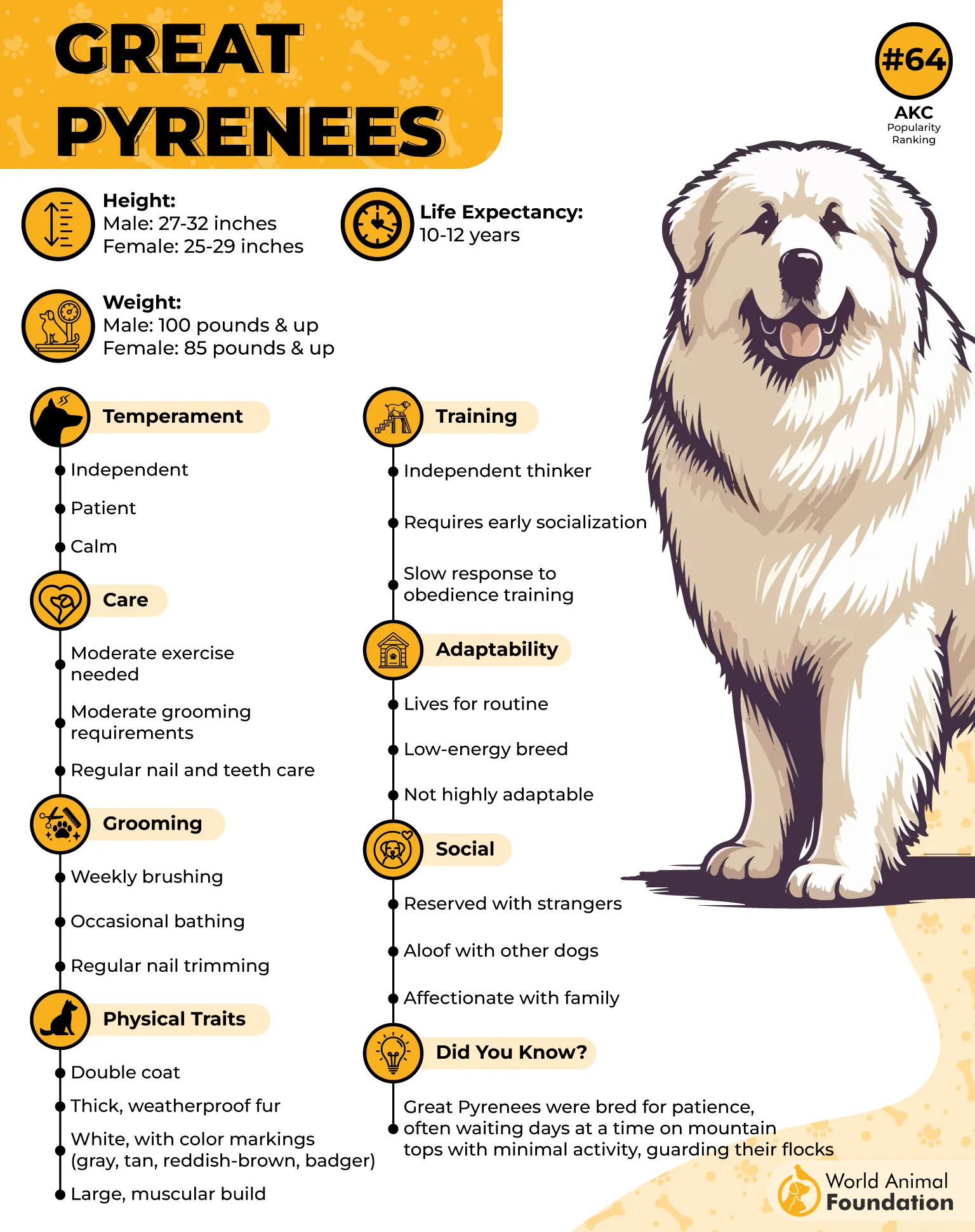
These working dogs can handle sub-zero temperatures thanks to their heavy coat, which provides excellent insulation against the cold, though they tend to struggle in hot climates. Their heavy-boned, powerful build also makes them a solid fit for wilderness adventures.
That said, Great Pyrenees have fairly moderate exercise needs, usually around 45 to 60 minutes of daily activity for mental stimulation. They can be a bit challenging to train due to their independent streak, and as protection dogs go, they shed quite heavily too.
4. Rhodesian Ridgeback
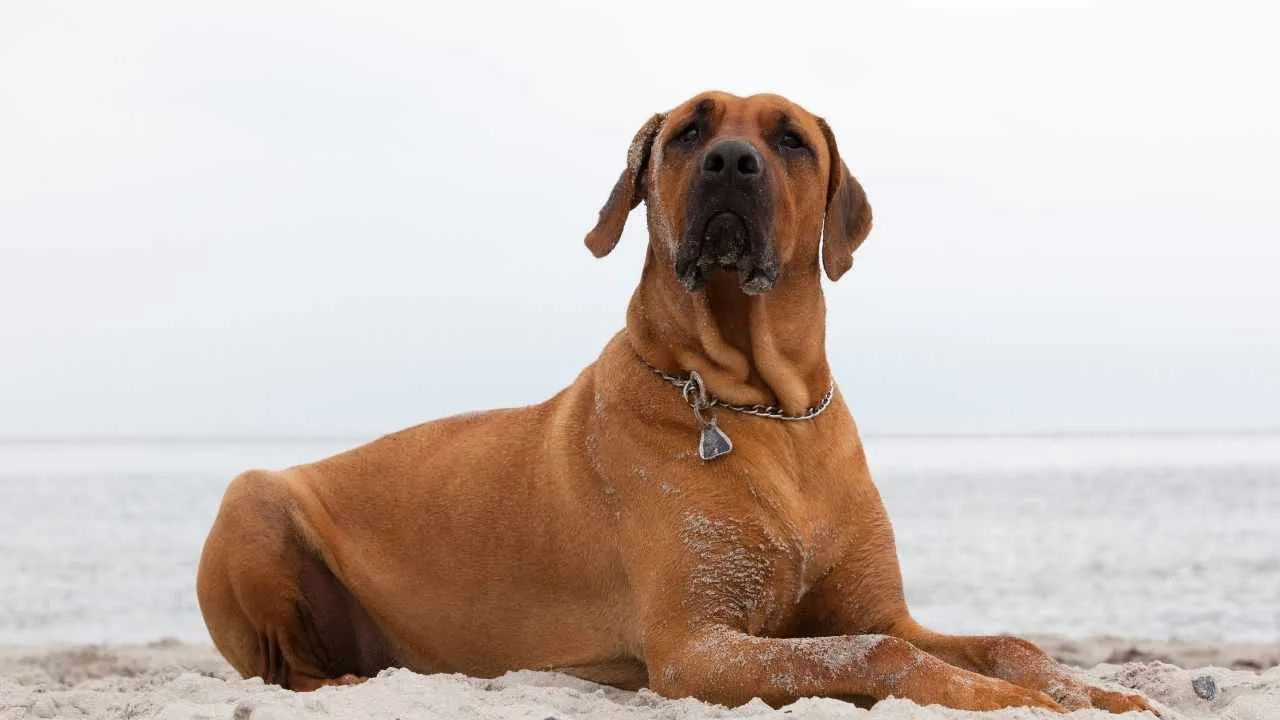
Rhodesian Ridgebacks are fearless, dignified, and remarkably calm under pressure. They tend to be quiet around the campsite, but their athletic instincts mean they’ll alert you to danger the moment it shows up. Originally bred as big game hunting dogs, that heritage still shows in how they carry themselves today.
RRBs are known for their signature “ridge,” a strip of backward-growing hair along their spine, as Hill’s Pet points out. They’re built specifically for warm weather, with a short coat that leaves them struggling in sub-freezing conditions. Their muscular build and tough paw pads make them plenty tough in the right climate, though.
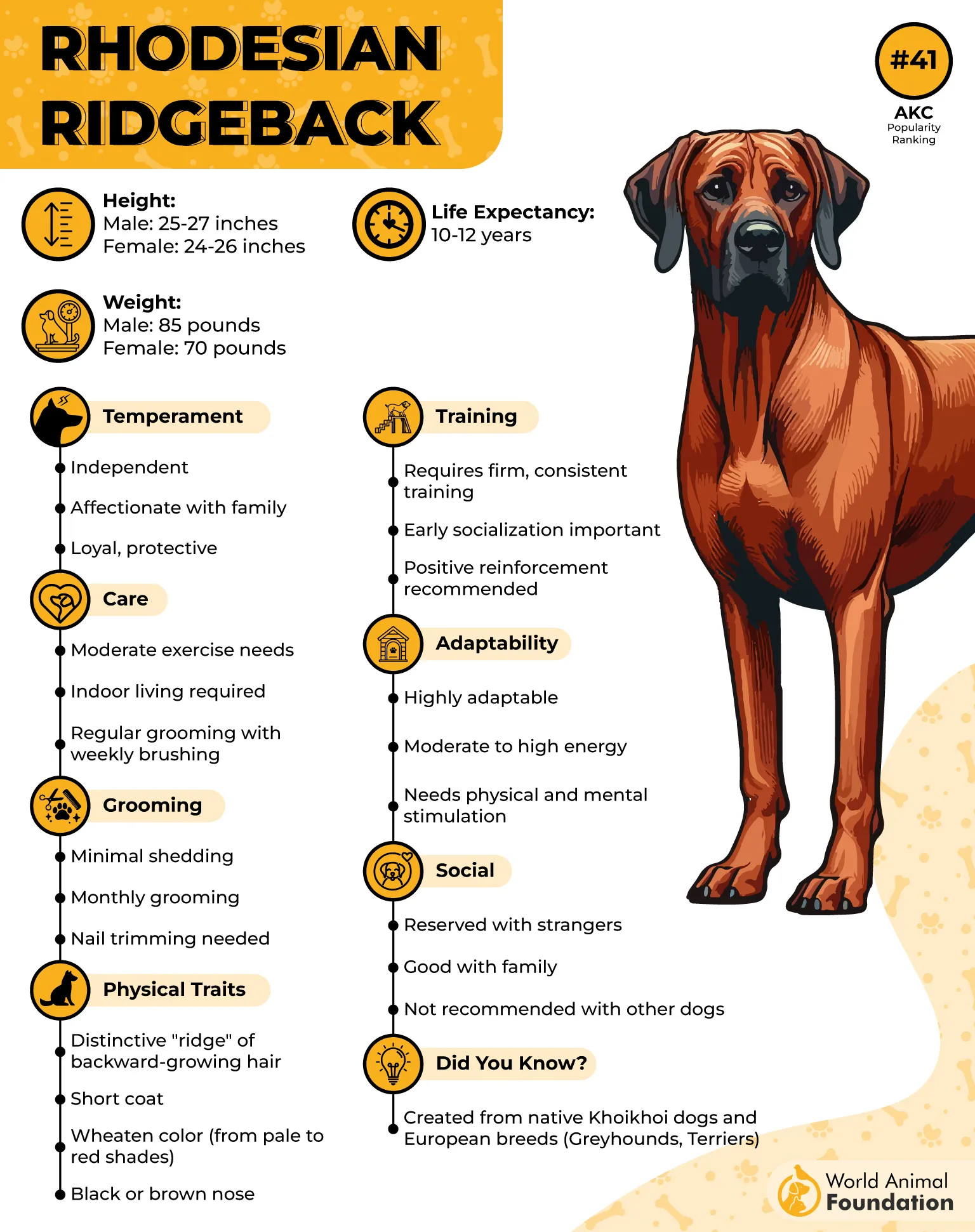
That said, Ridgebacks have high exercise needs and require intense, regular activity to stay engaged and happy. They can be moderately challenging to train due to their strong-willed nature, so early socialization and consistent training go a long way in helping manage their instincts.
5. Weimaraner
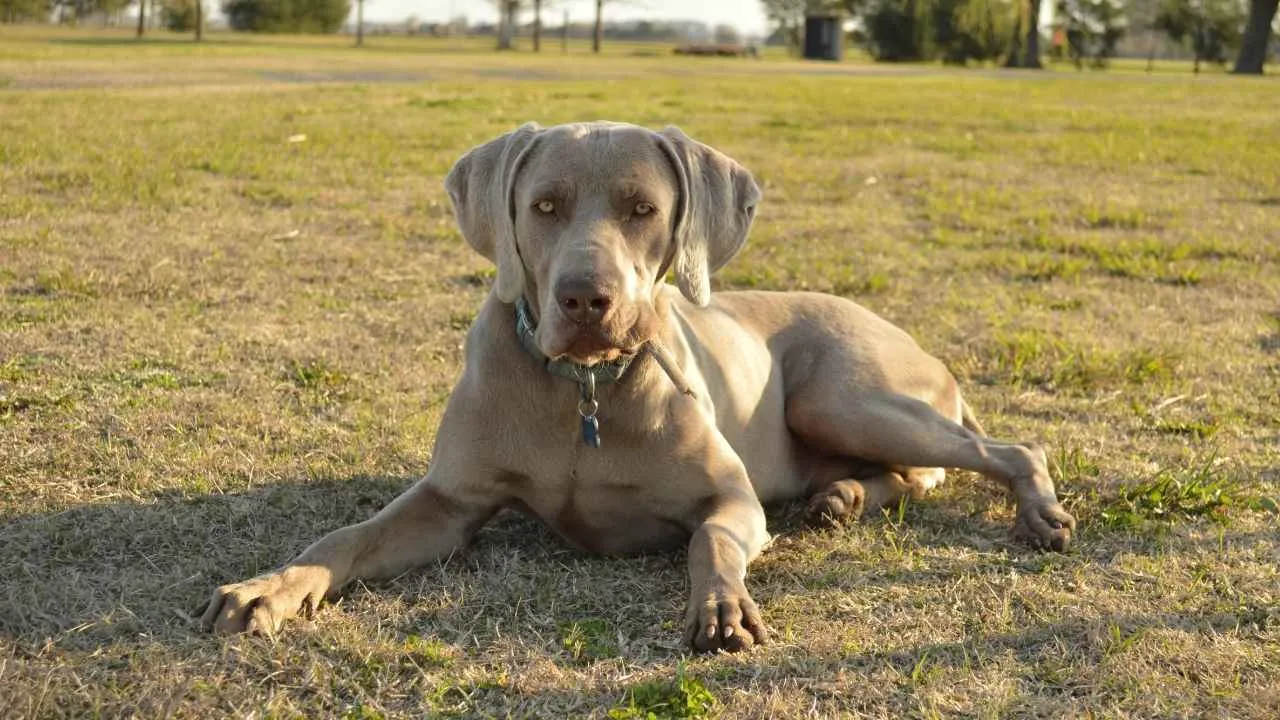
Weimaraners are powerful, energetic, and highly driven dogs, often nicknamed “Gray Ghosts” for their striking silver-gray coat. These large dogs were originally developed at the Weimar court for big game hunting, tracking animals like wolves and bears.
They’re lean, muscular, long-legged, deep-chested, and incredibly focused. Their tough paw pads can handle a beating on rough trails, and their short coat helps them cope with extreme heat, especially when paired with proper hydration.
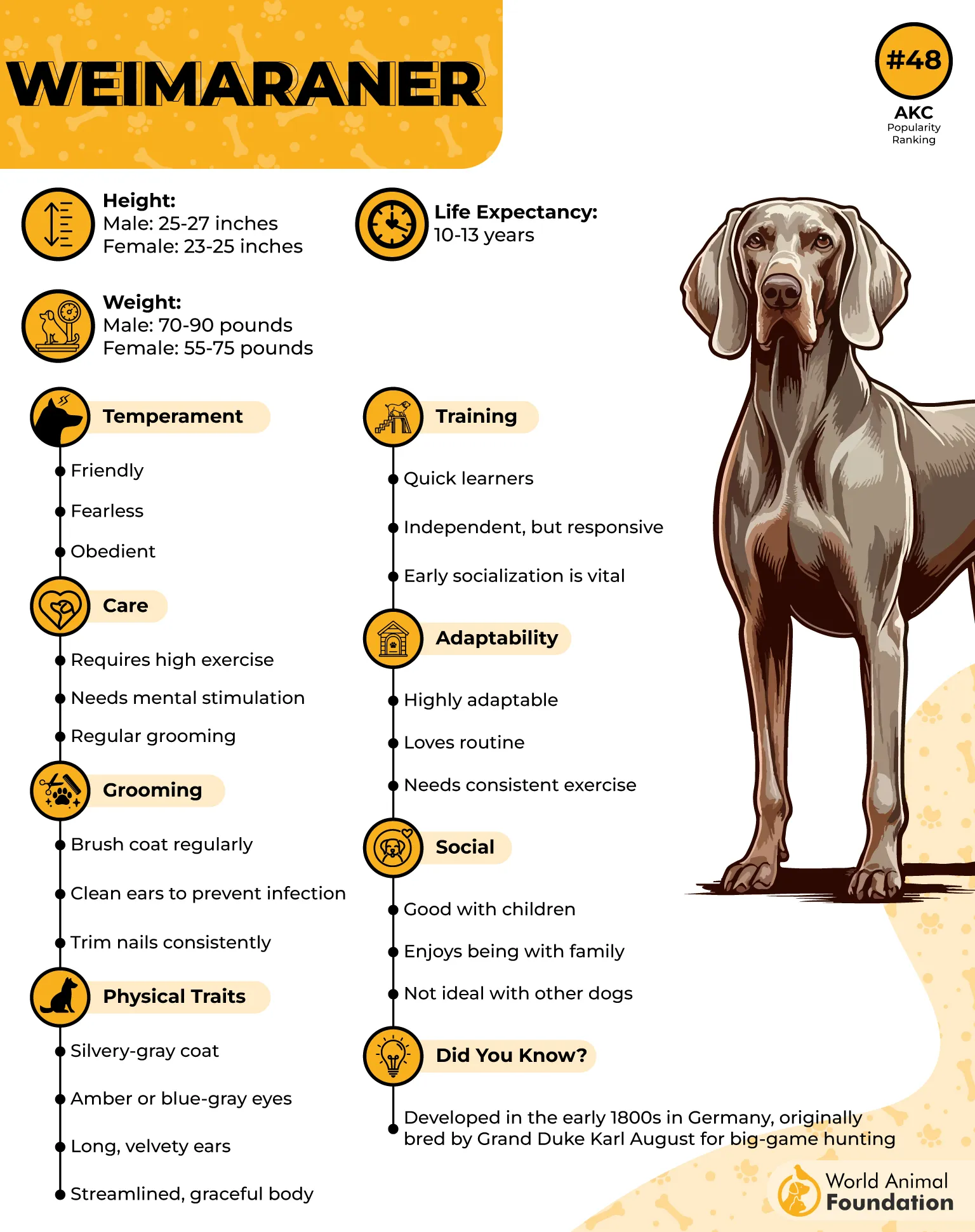
That said, Weimaraners shed year-round and need a quick weekly brushing to stay on top of it. They also have high exercise needs, making them best suited for experienced, highly active owners who can manage their strong prey drive, sizable build, and equally strong-willed nature.
6. Australian Cattle Dog
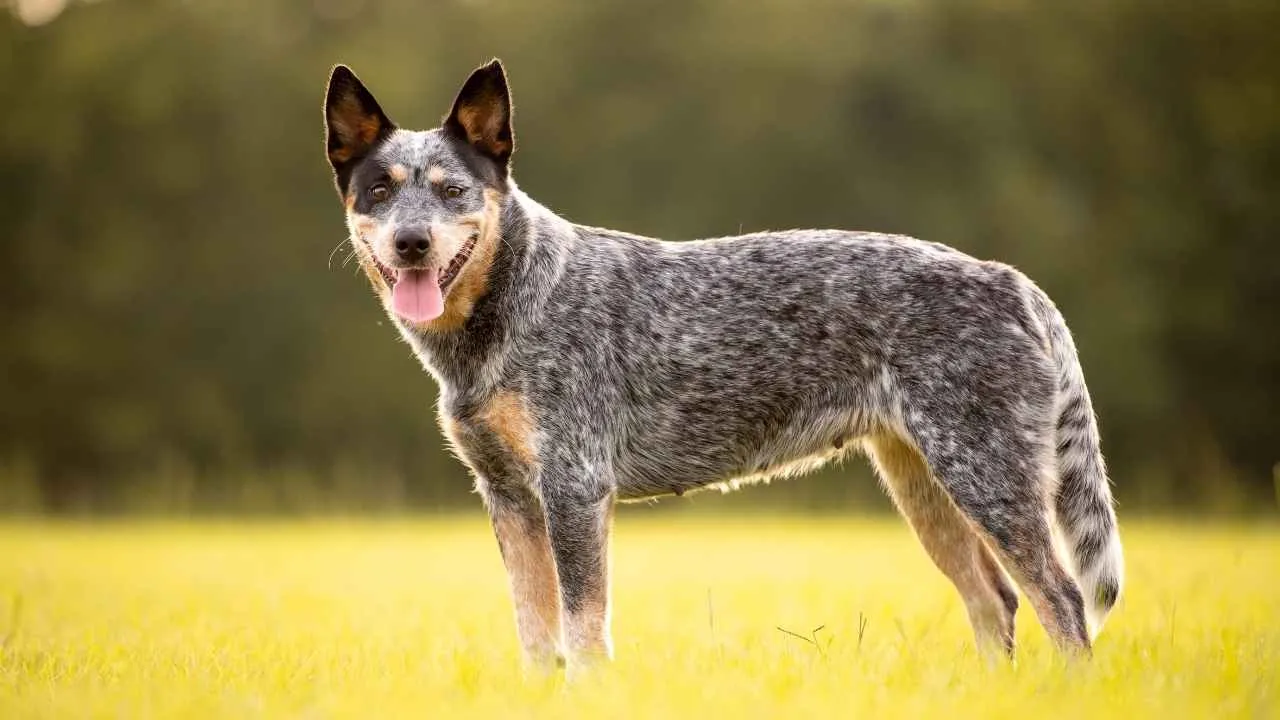
Australian Cattle Dogs, also known as Blue or Red Heelers, are famously tough, alert, and fiercely loyal. They’ve got sharp minds and an intensely focused temperament to match. ACDs tend to be affectionate with their family while staying wary of strangers.
These working dogs are uniquely built to handle both extremes, according to PetMD, managing intense heat and cold climates alike thanks to their Dingo lineage. Their compact, dense-boned, highly muscular build helps them power through tough situations without missing a beat.
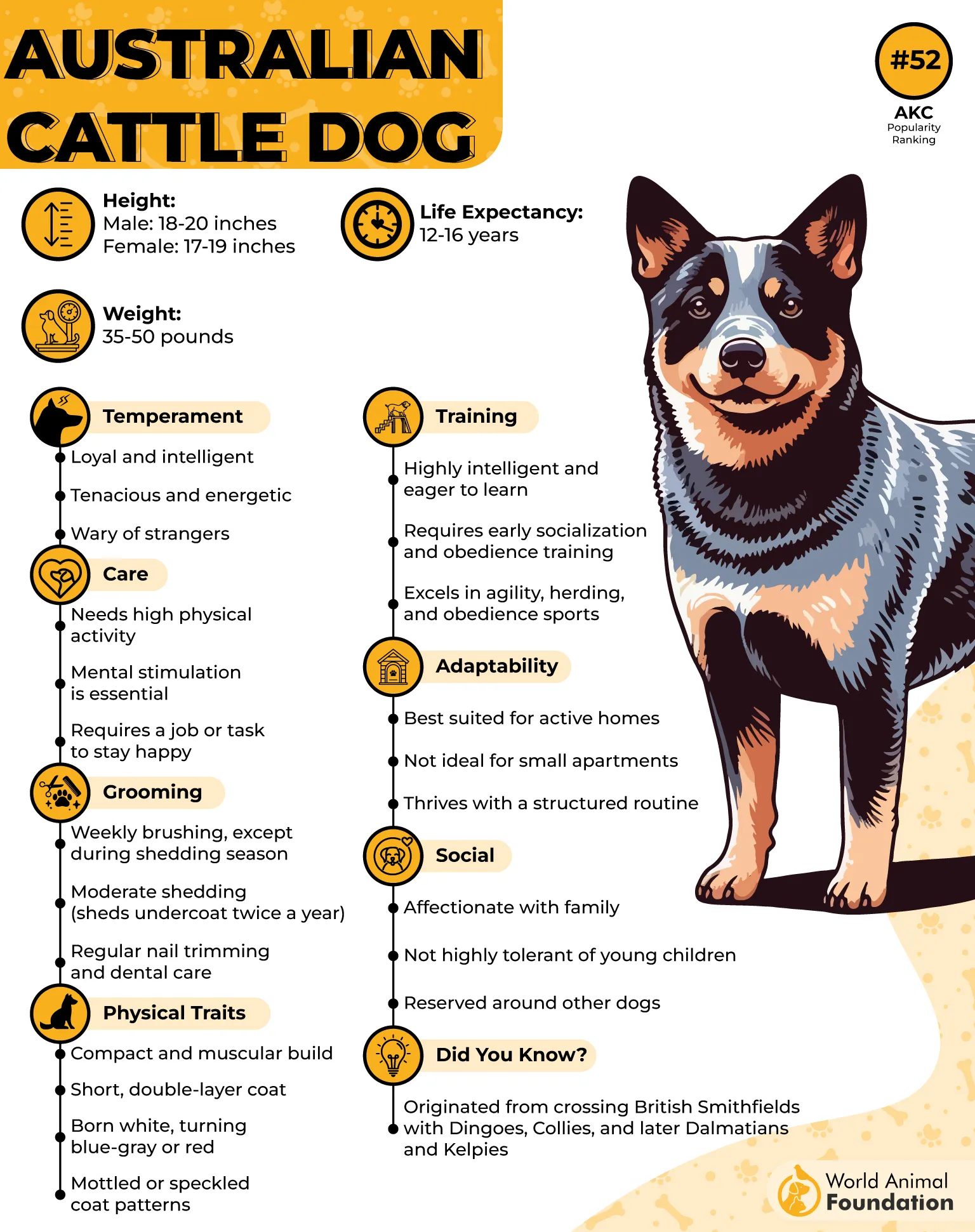
They also have a dense, weather-resistant double coat that sheds moderately year-round and “blows” once or twice a year. On top of high exercise needs, ACDs are strong-willed by nature, so they do best with confident, active owners who can keep up with them.
7. Bloodhound
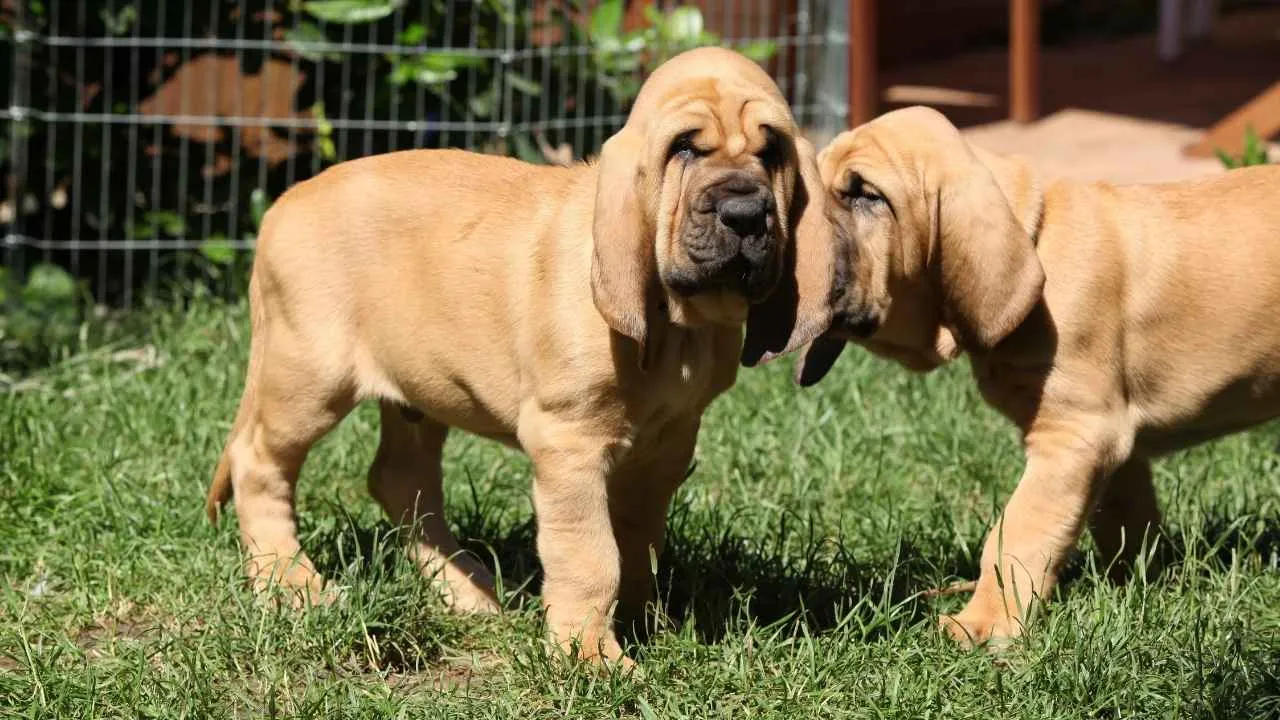
You probably already know Bloodhounds as some of the best scent-tracking dogs out there, and that reputation is well earned. But they’re also gentle, noble, a little stubborn, calm, and deeply affectionate. Developed for tracking big game and following cold trails, their scent work is so precise it’s actually been submitted as evidence in court.
These large dogs handle cold conditions well thanks to their double coat, though they do struggle in extreme heat. Bloodhounds are heavy-boned, powerful, and strong, and they need about an hour of exercise a day for mental stimulation, according to Chewy.
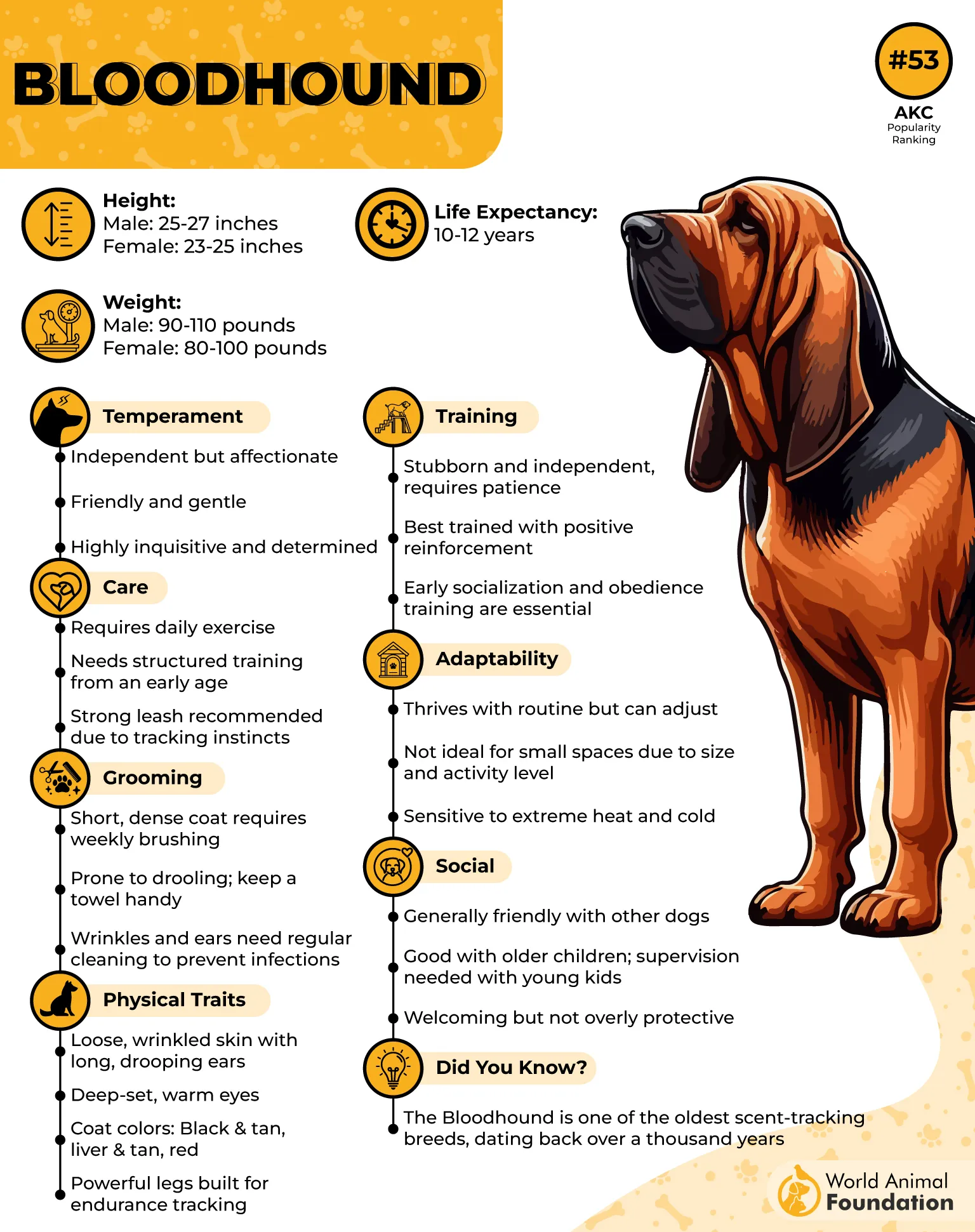
That said, these hounds are highly intelligent and determined, but notoriously independent too. They’re best suited for patient, experienced handlers who understand how scent hounds tend to think and behave. Bloodhounds do respond well to positive reinforcement and gentle, consistent training sessions.
8. Redbone Coonhound
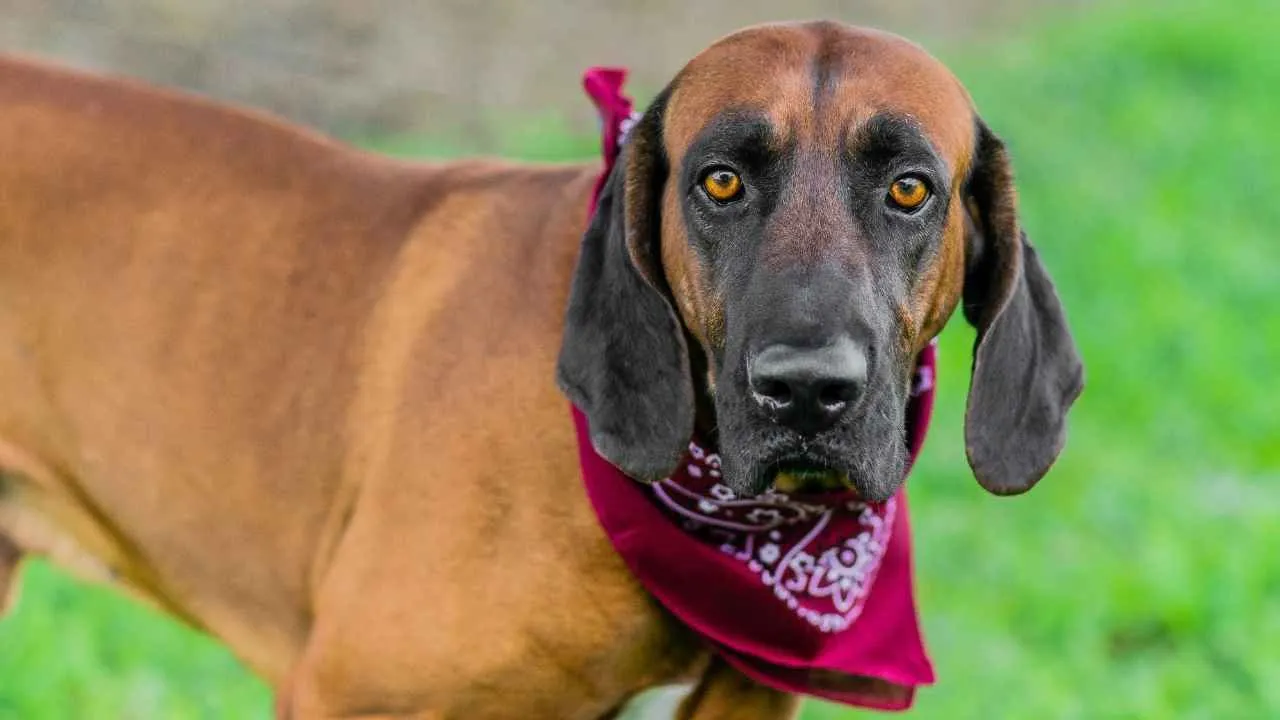
Redbone Coonhounds are even-tempered, warm, gentle, and easygoing dogs that tend to do well with children, making them excellent family pets. But make no mistake, they were bred to hunt big game like mountain lions, boars, and even bears, so a stubborn, independent streak comes with the territory.
These medium-to-large dogs handle hot, humid environments well thanks to their short, dense coat. They’re lean, muscular, and exceptionally agile, with cat-like compact feet and webbed toes that help them move with ease. Redbones can cover miles without tiring and genuinely seem to love outdoor adventures.
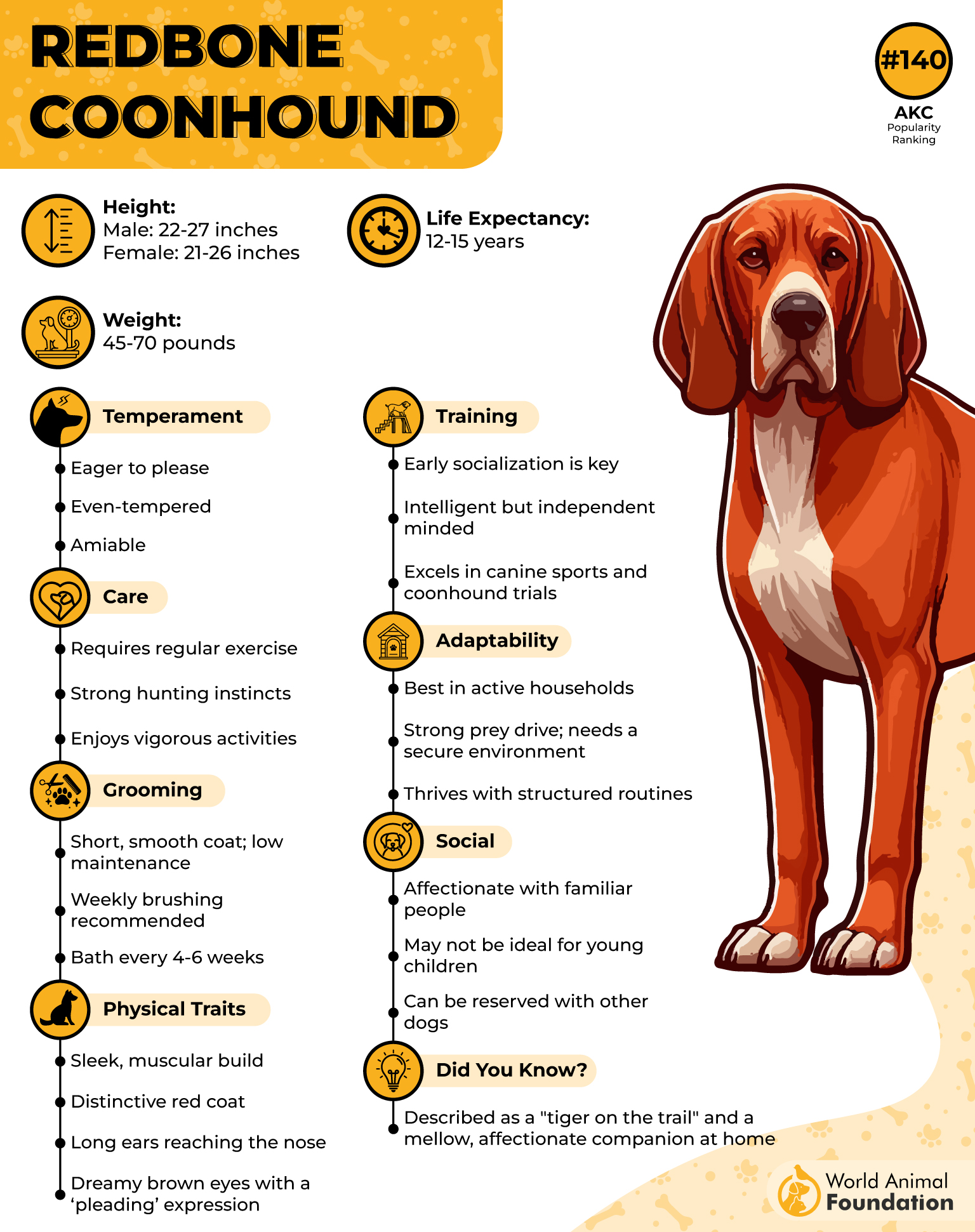
That said, these Coonhounds have high exercise needs and thrive on long-distance trail running, swimming, and tracking. They’re eager to please but still independent-minded, which makes them a better fit for experienced owners rather than first-timers. On the plus side, they’re fairly low-maintenance when it comes to grooming and brushing.
9. Black and Tan Coonhound
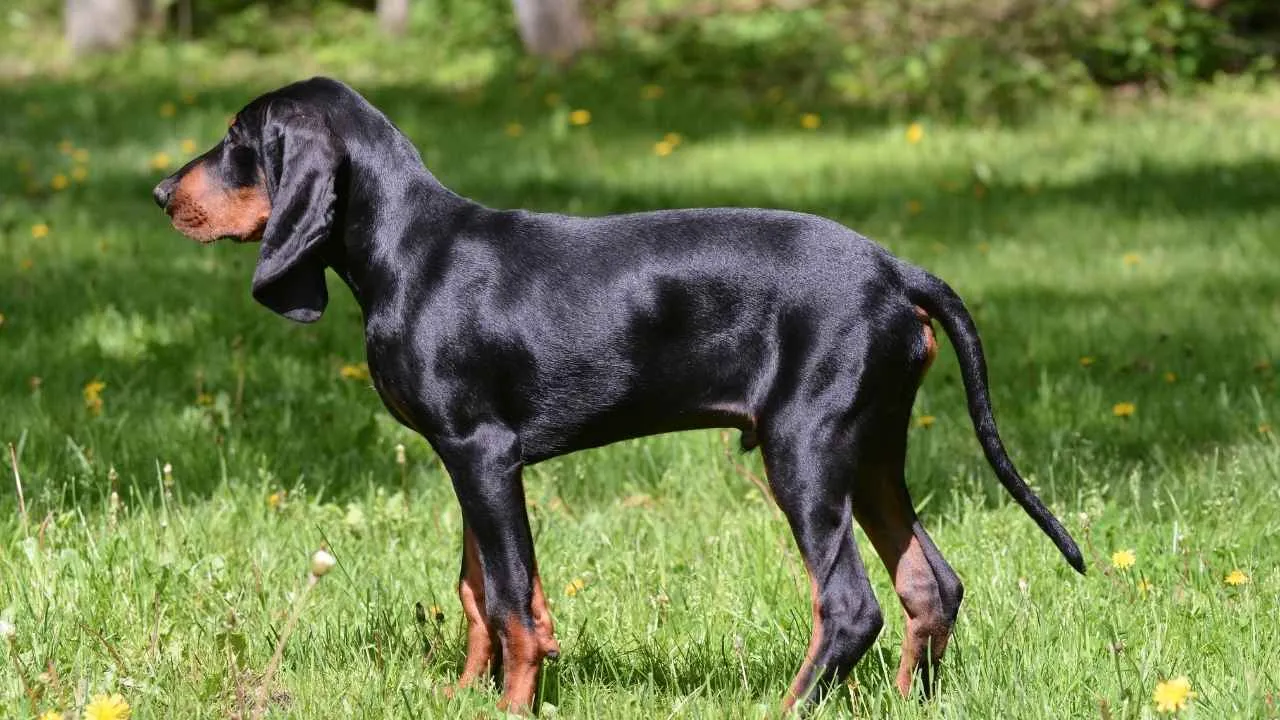
Black and Tan Coonhounds are calm, courageous, and steady working dogs. At home, they’re gentle, soft-spoken, and remarkably patient with their families. But step into the field, and that same dog switches to a fierce, laser-focused mindset, a trait rooted in their history of tracking big game.
These working dogs have a powerful, muscular frame and a broad chest, giving them real strength and toughness. Their short coat is a big part of their survival edge, helping them stay comfortable in hot weather. They do shed moderately throughout the year, but they’re otherwise very low-maintenance to groom.
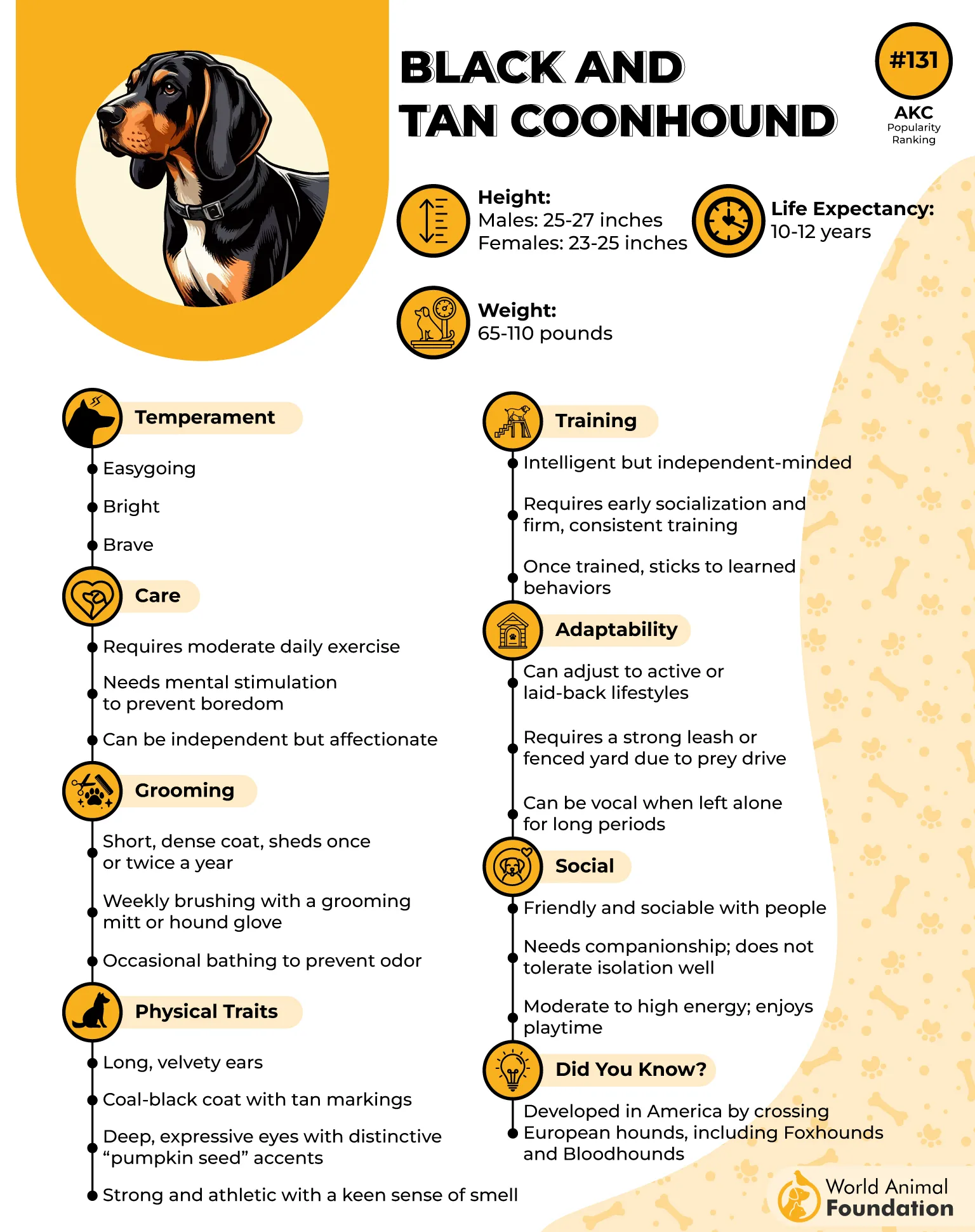
They also have high exercise needs, requiring about 2 hours of physical activity a day for proper mental stimulation. Black and Tan Coonhounds suit active runners and experienced owners best, since they respond well to positive reinforcement training.
Conclusion
The nine best dog breeds we’ve covered here all rely on their coats as a key survival trait. Some have short coats, while others have double coats, and that difference plays a big role in the temperatures they can comfortably handle. Generally speaking, short-coated dogs do best in warm weather, while double-coated breeds are better built for the cold.
Beyond that, every one of these is a true working breed, tough enough to keep going without wearing out. With proper socialization, they can all make wonderful family pets too, but they’re really best suited for active, experienced owners who can keep up with them. So take a good look at the details above before deciding which survival dog breed is the right fit for you.
