




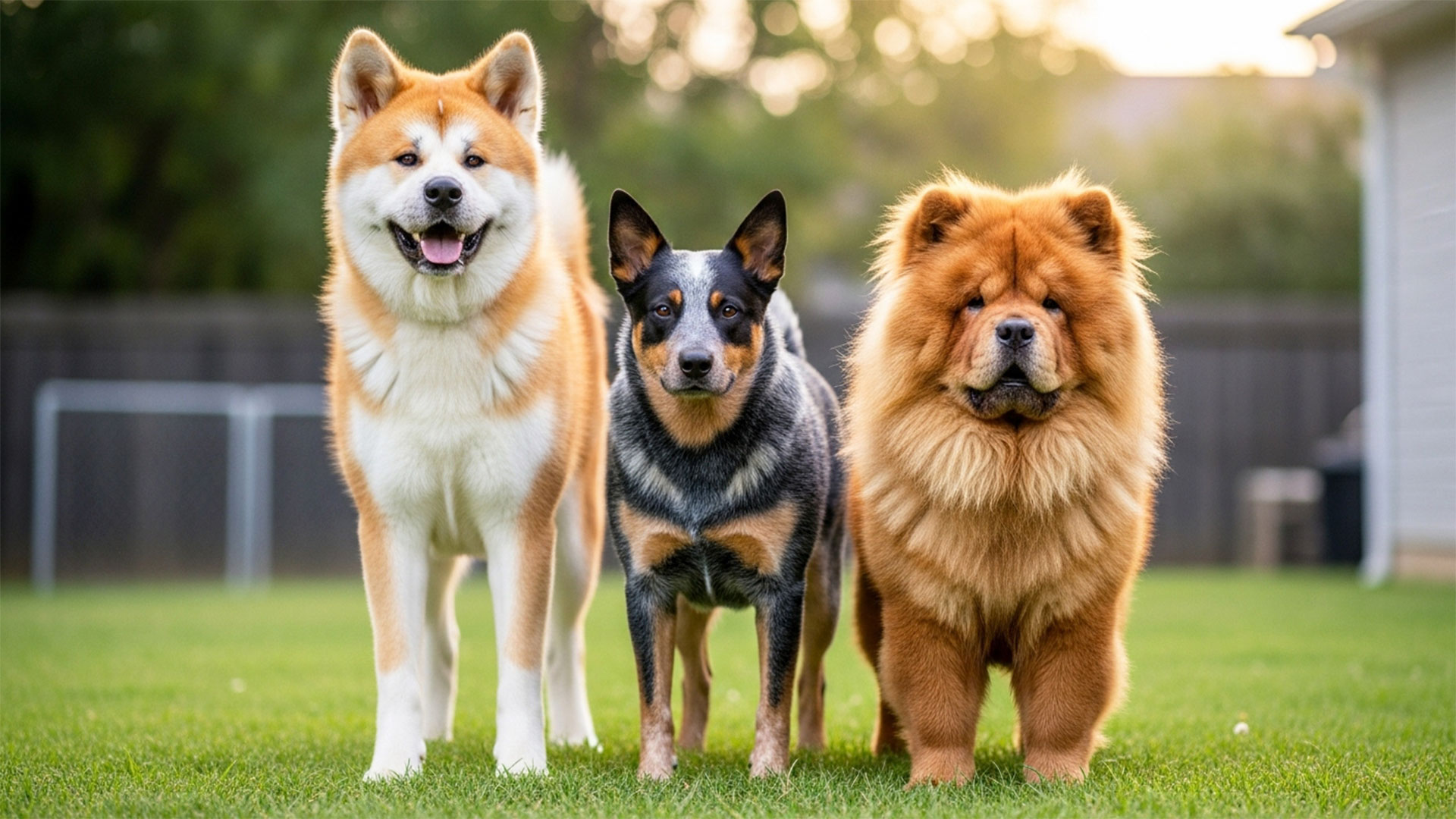
Choosing the right dog is more than falling in love with a wagging tail. Some dog breeds may look cute or noble, but not all are a good fit for first-time dog owners. Especially those who aren’t prepared for how much training and attention certain breeds really need.
While many popular dog breeds are friendly and easygoing, others can be strong-willed and demanding.
These dogs might show aggressive tendencies, need firm guidance, or crave constant physical and mental challenges. Without proper effort, they can develop dangerous behaviors or grow destructive over time.
In this guide, we explore dog breeds that might be a bad choice for beginners. Some were originally bred for guarding or hunting, while others are known for intense energy and dominant personalities.
By knowing what to expect, prospective owners can make confident decisions and build happier relationships with their pets.
Specialized Dog Breeds to Avoid
1. Akita
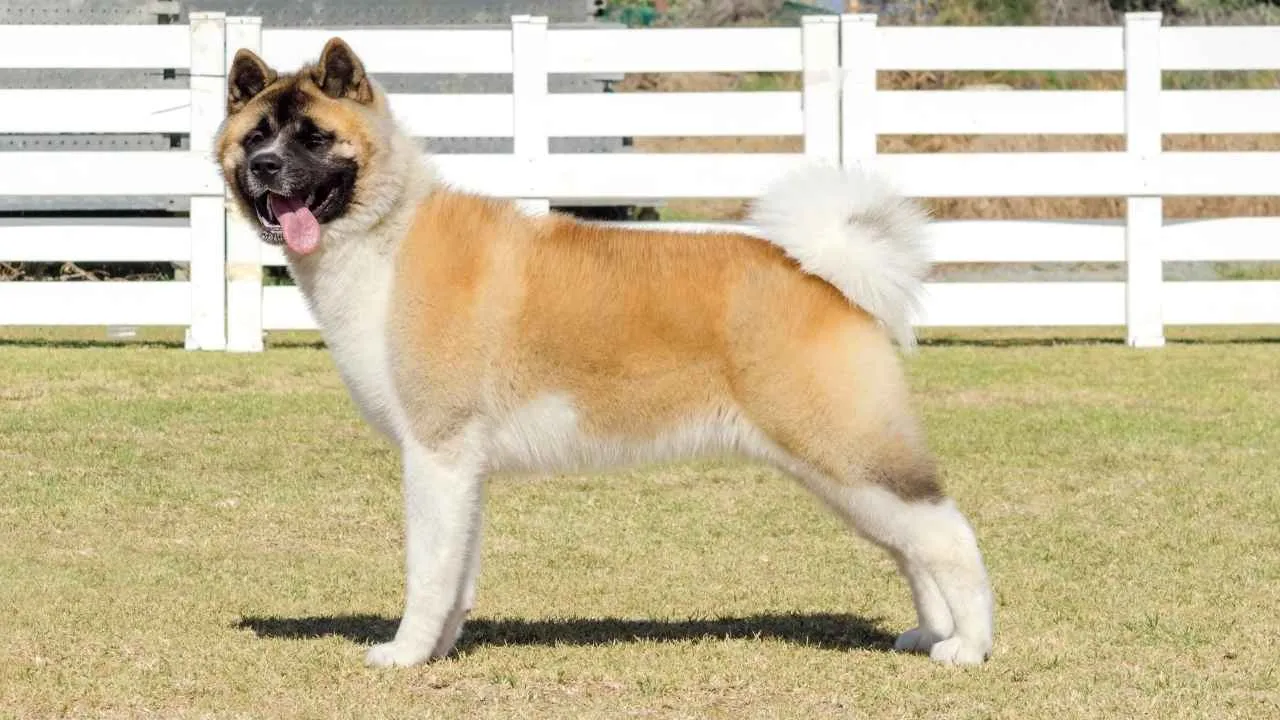
The Akita is a powerful and dignified dog, known for being protective and loyal. But beneath its calm exterior is a breed that can be unpredictable and can become a dangerous dog breed.
Due to their natural suspicion toward strangers and strong guarding instincts, Akitas have been involved in serious bite incidents and fatal dog attacks.
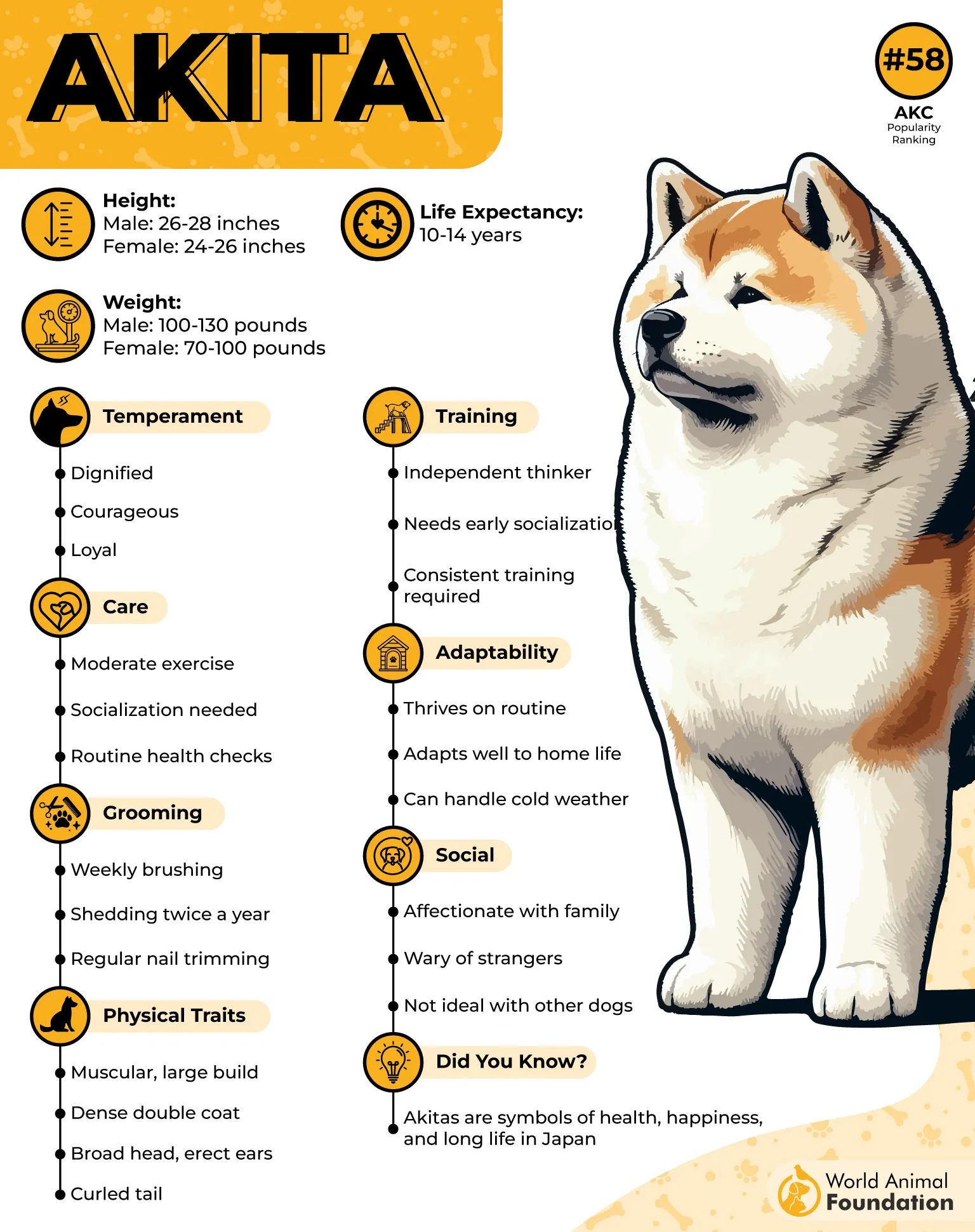
High-Risk Temperament
Akitas are a high-risk breed when proper training and socialization are lacking. Their strong prey drive and territorial behavior can turn dangerous without a confident, experienced handler. In fact, Akitas have been linked to several severe dog bite cases, including attacks on children and family members.
Their physical strength and dominant personality mean they need structured leadership from day one. For first-time owners or homes with kids, the risk of accidental injury or aggression is too high.
Because of their bite force and natural suspicion, Akitas are best left to experienced, committed dog owners who understand their unique challenges.
2. Australian Cattle Dog

The Australian Cattle Dog is one of the hardworking and intelligent dogs, but their intense energy makes them a bad match for novice owners.
Originally bred to herd livestock over long distances, they require constant physical and mental challenges. Without an active lifestyle, they can quickly become bored and destructive.
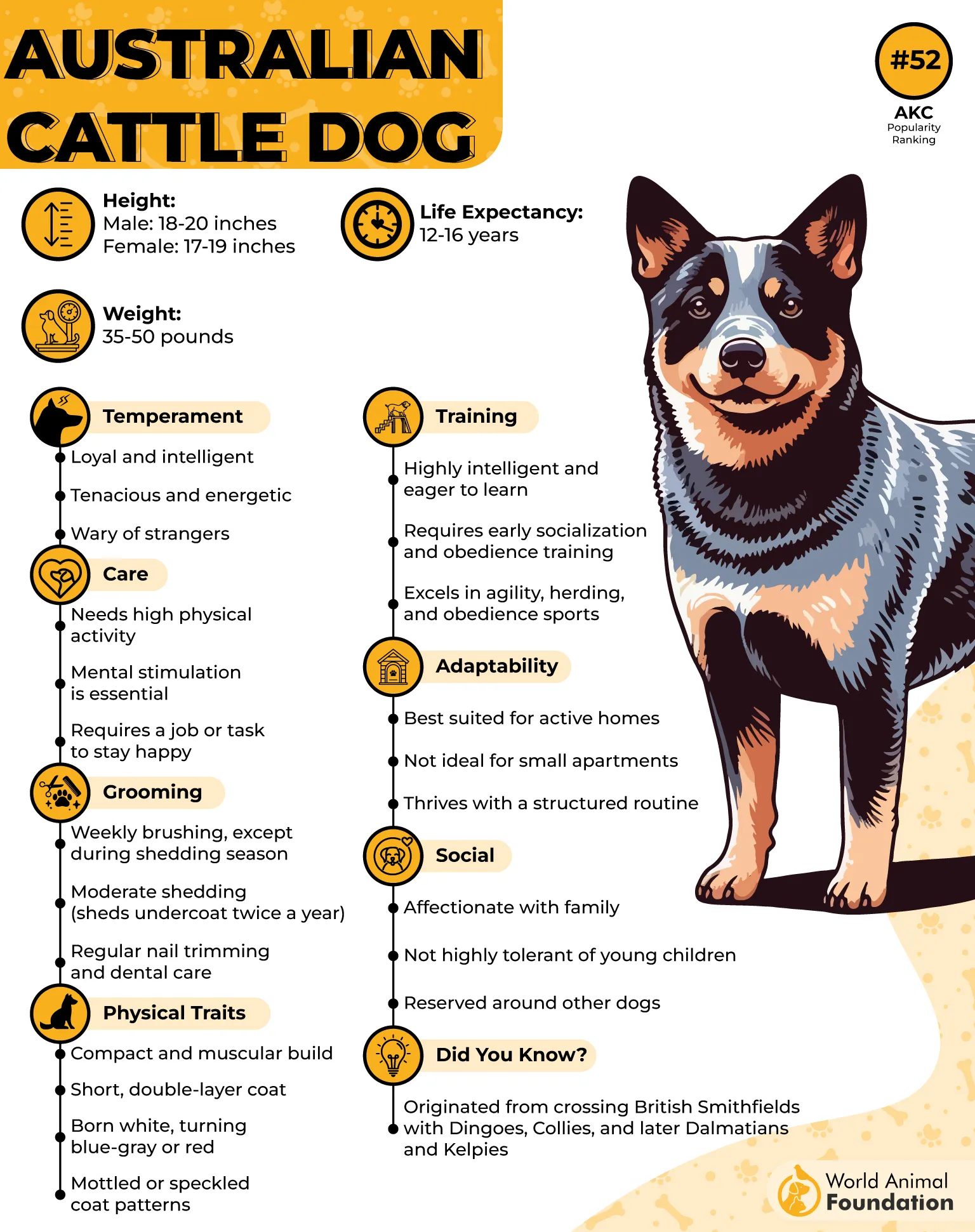
Demanding Energy Levels
This breed thrives on having a job, which means they need more than just a daily walk. They demand agility training, advanced obedience work, or daily herding tasks to stay mentally stable. Without this, they may develop stubborn behaviors or start nipping, a trait tied to their herding instinct.
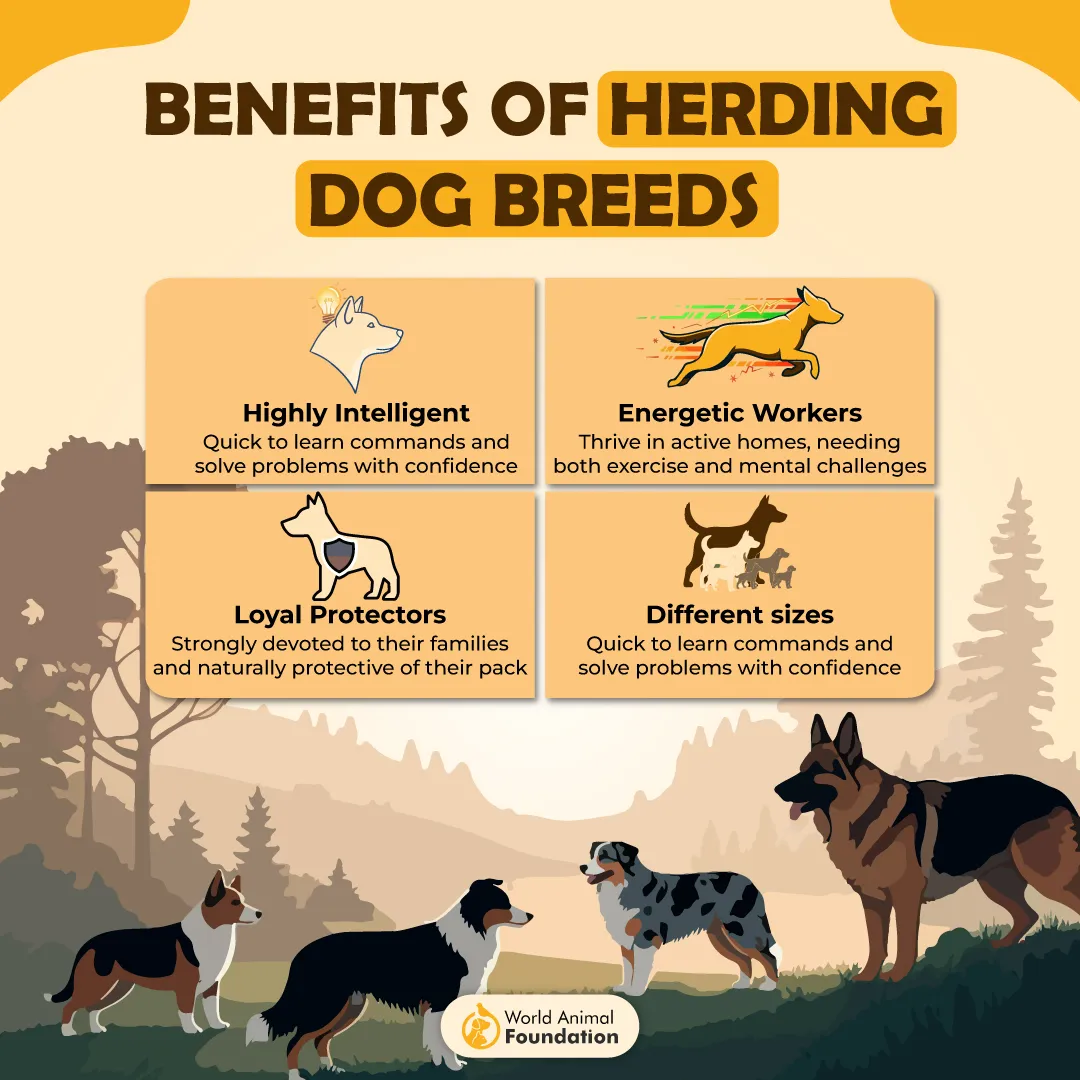
Australian Cattle Dogs bond strongly with their owners but expect tireless engagement in return. Their protective instincts and high drive can be overwhelming for families wanting a low-key pet.
For a first-time dog owner, their extreme energy, strong work ethic, and determination often lead to frustration. In the wrong environment, these intelligent dogs can turn disruptive rather than delightful.
3. Chow Chow
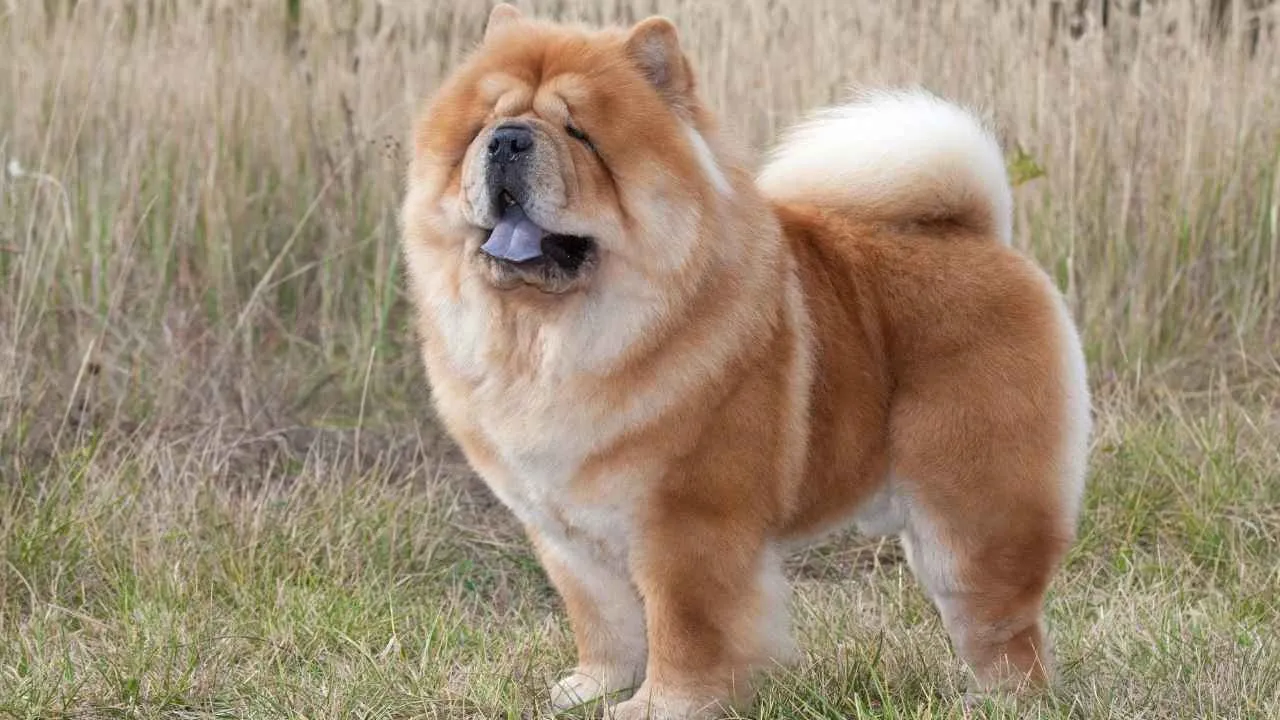
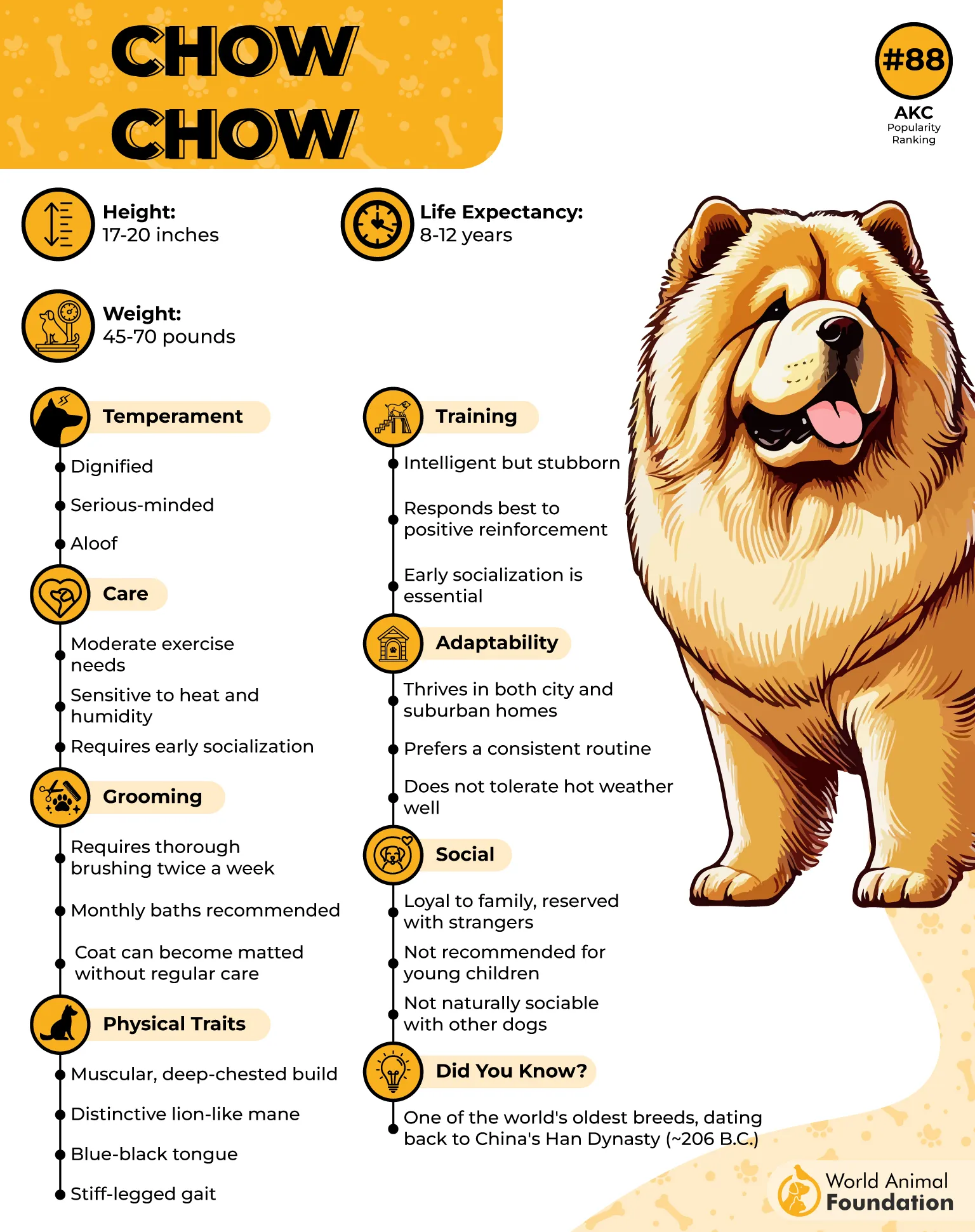
The Chow Chow is a striking breed with a regal presence and a history dating back to ancient China. Their lion-like mane and dignified behavior catch attention, but their aloof temperament often surprises new dog owners, according to the AKC.
This breed is naturally independent and reserved, making them less openly affectionate than many expect.
Requires Confident Handling
Chow Chows need early and ongoing socialization to prevent territorial or aggressive behavior. Their stubborn nature can make obedience training a challenge, especially for those unfamiliar with firm, patient, and positive training methods.
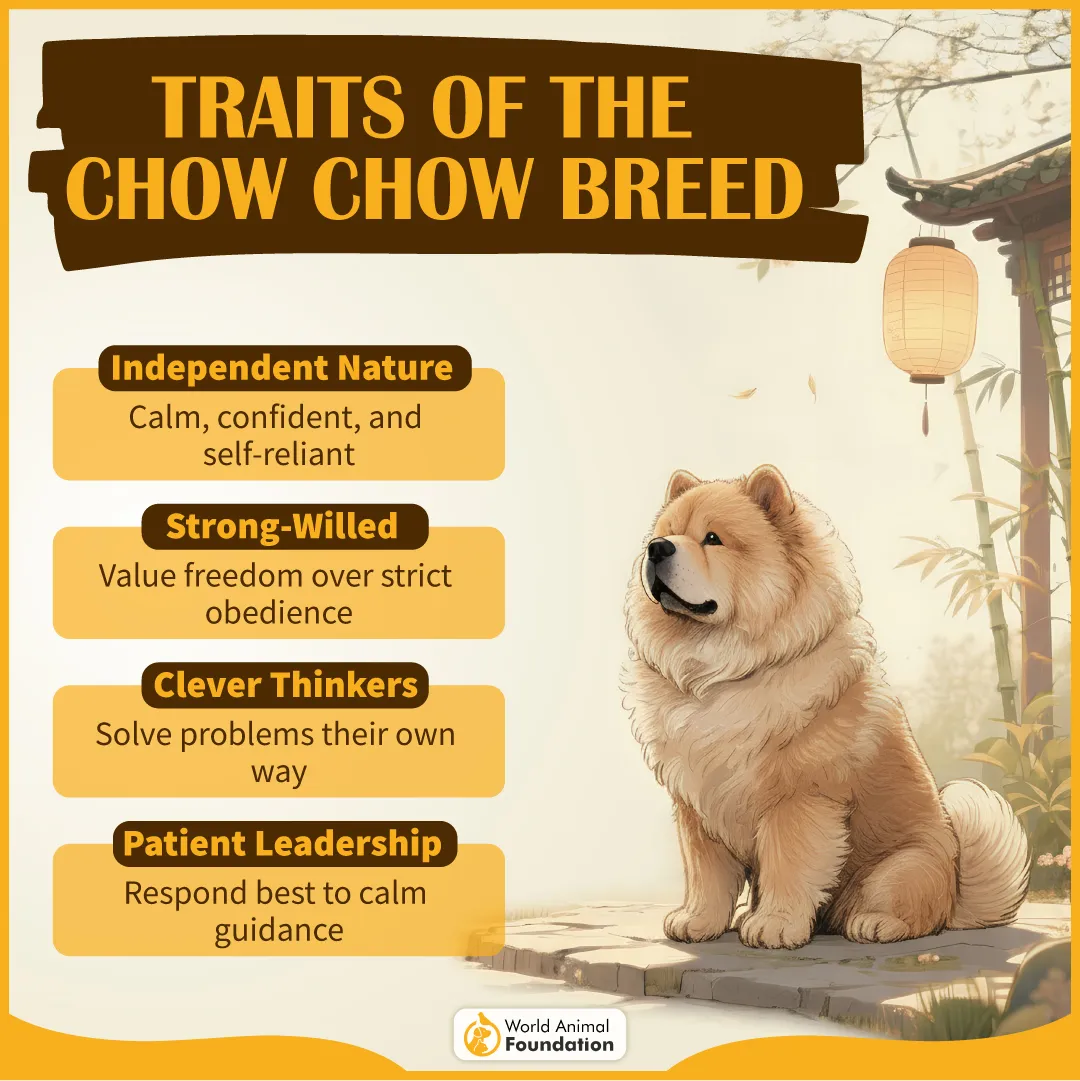
They don’t respond well to harsh discipline, which can damage trust and trigger defensiveness.
Although they don’t require heavy exercise, they do need consistent mental engagement and proper grooming due to their thick double coat. Without early socialization and clear boundaries, Chow Chows may become suspicious of strangers and other pets.
This combination of independence, strong will, and grooming needs makes them an unsuitable choice for inexperienced dog owners seeking an easygoing companion.
4. Belgian Malinois
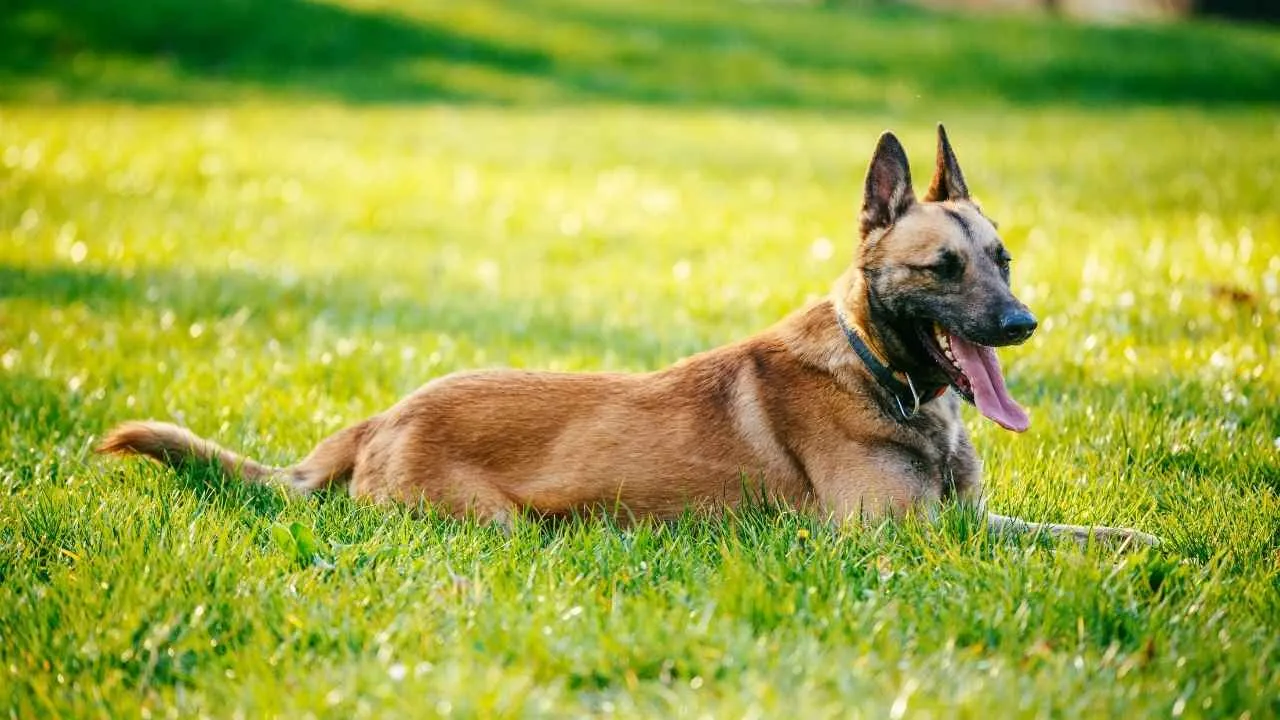
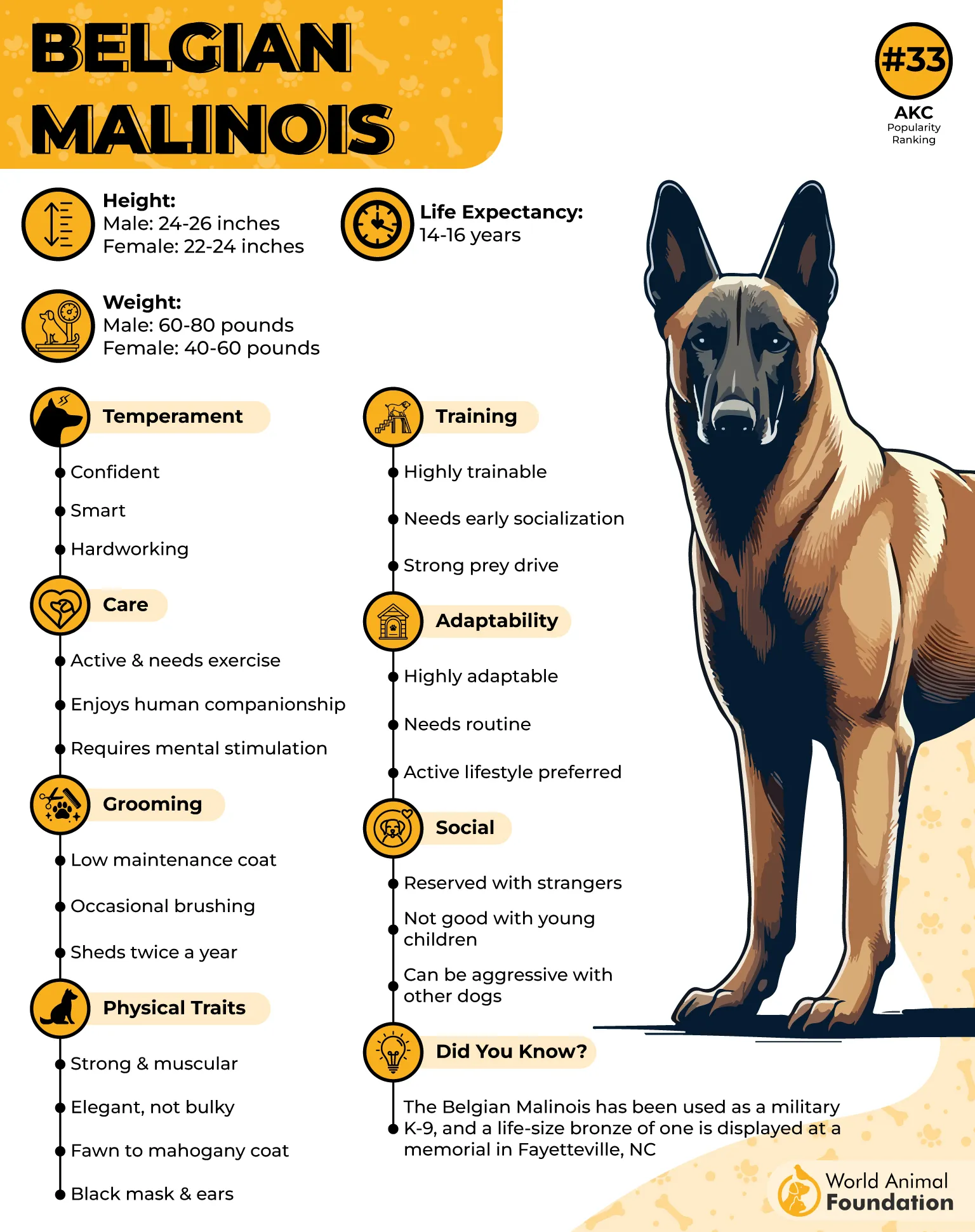
The Belgian Malinois is a highly intelligent and athletic breed, often employed by military and police forces worldwide. Their intense loyalty and drive to work make them exceptional in demanding roles. However, this same intensity often makes them the worst dog breed for inexperienced pet owners.
High Mental and Physical Demands
Belgian Malinois dogs need hours of daily exercise combined with mental stimulation. Without it, they can quickly become destructive, anxious, and even aggressive, as per Britannica.
This breed excels in complex activities like protection work, agility sports, and herding—but such demands can overwhelm anyone looking for a casual companion.
The Malinois is strong-willed, energetic, and requires constant engagement and training to stay balanced. They don’t adapt well to apartment living or inactive households, and their strength can be too much for children or elderly owners.
Without firm leadership and structure, Belgian Malinois can develop behavior issues, making them a risky choice for first-time dog owners seeking an easy-to-manage pet.
5. Cane Corso
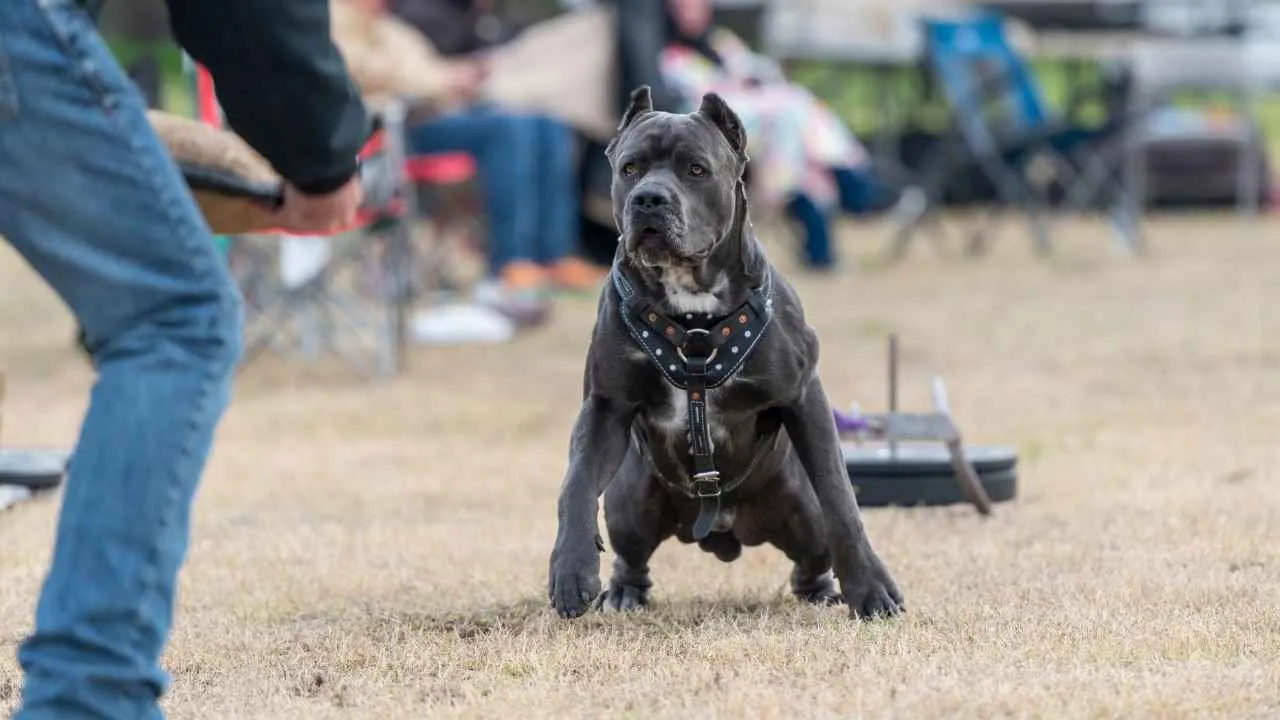
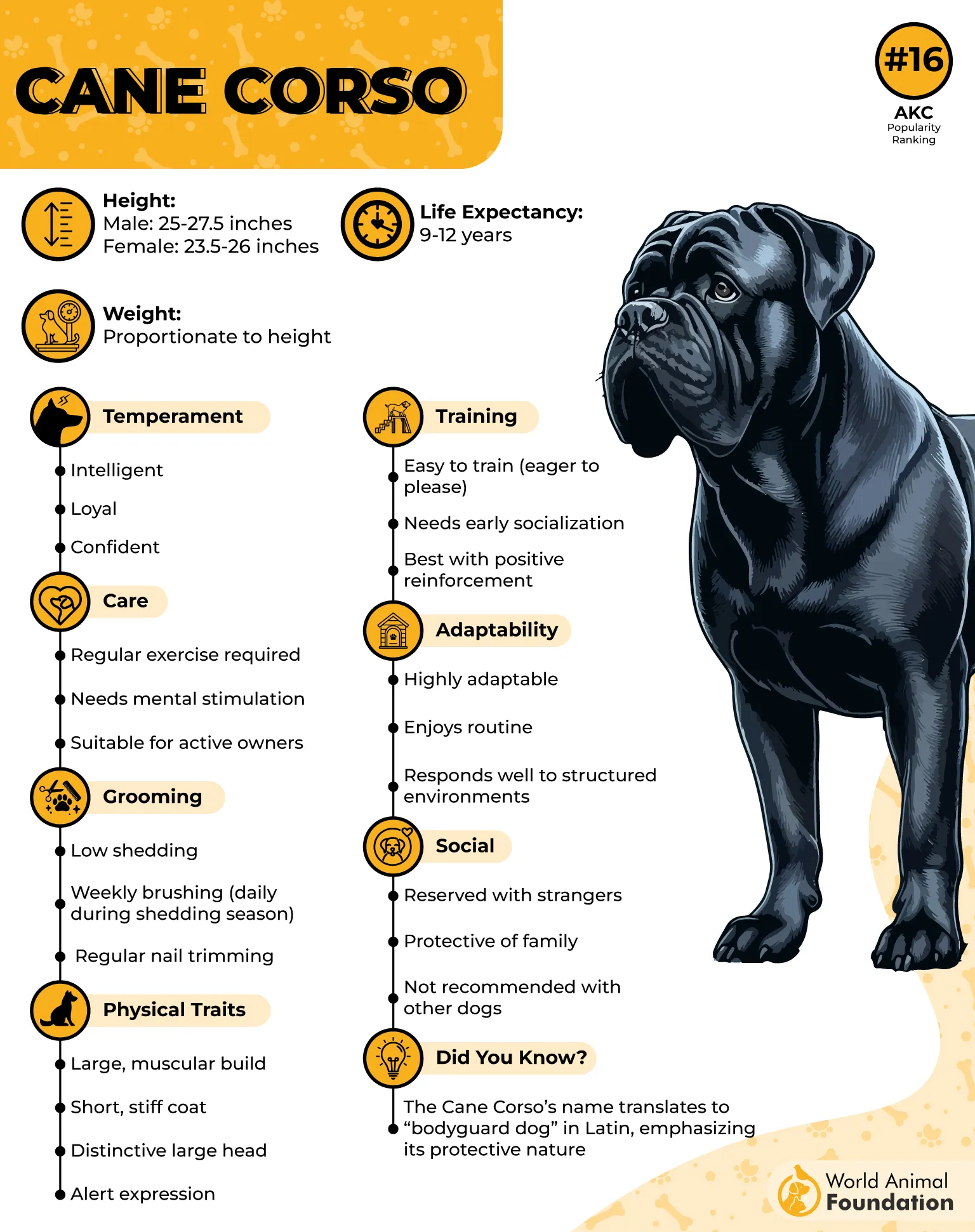
The Cane Corso is a muscular, commanding guard dog with ancestral ties to ancient Roman war dogs. Its loyalty and strength make it a highly effective protector—but these same traits can spell trouble for inexperienced owners.
Dangerous Dog Breeds for Beginners
The Cane Corso’s strong guarding instincts and powerful bite force have made it one of the top breeds linked to serious dog bite incidents and even fatal dog attacks.
Their large dogs with a strong-willed nature increase the risk of aggression, especially if they are not socialized early or properly trained. With bite forces reaching up to 700 PSI, a Cane Corso attack can cause severe, life-threatening injuries.
These dogs are not naturally welcoming to strangers, other animals, or unfamiliar environments. Their serious nature and lack of interest in typical play make them unsuitable for households with children or novice handlers.
Without firm leadership and a highly structured environment, a Cane Corso may exhibit dominant or unsafe behavior—turning into a liability rather than a companion.
Owning a Cane Corso is not just a commitment—it’s a responsibility that demands proper physical and mental stimulation, consistent training, and vigilance. For first-time owners, it’s a risk few are prepared to take.
6. Siberian Husky
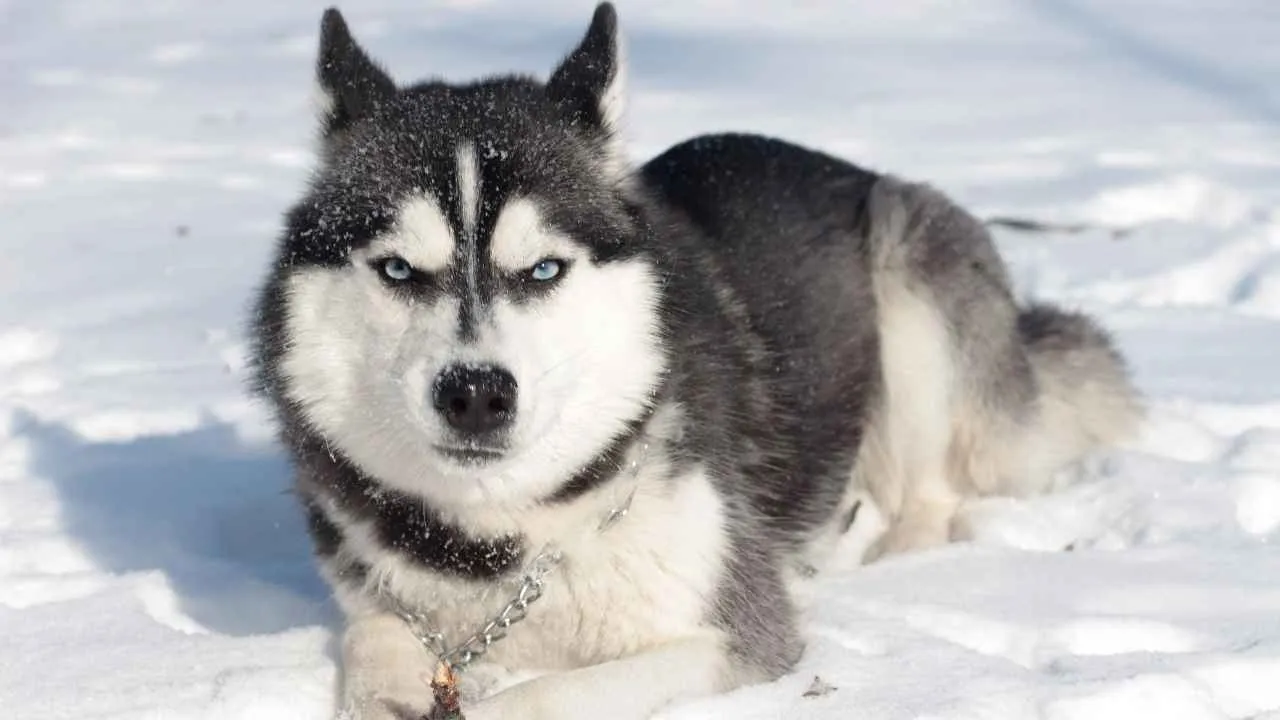
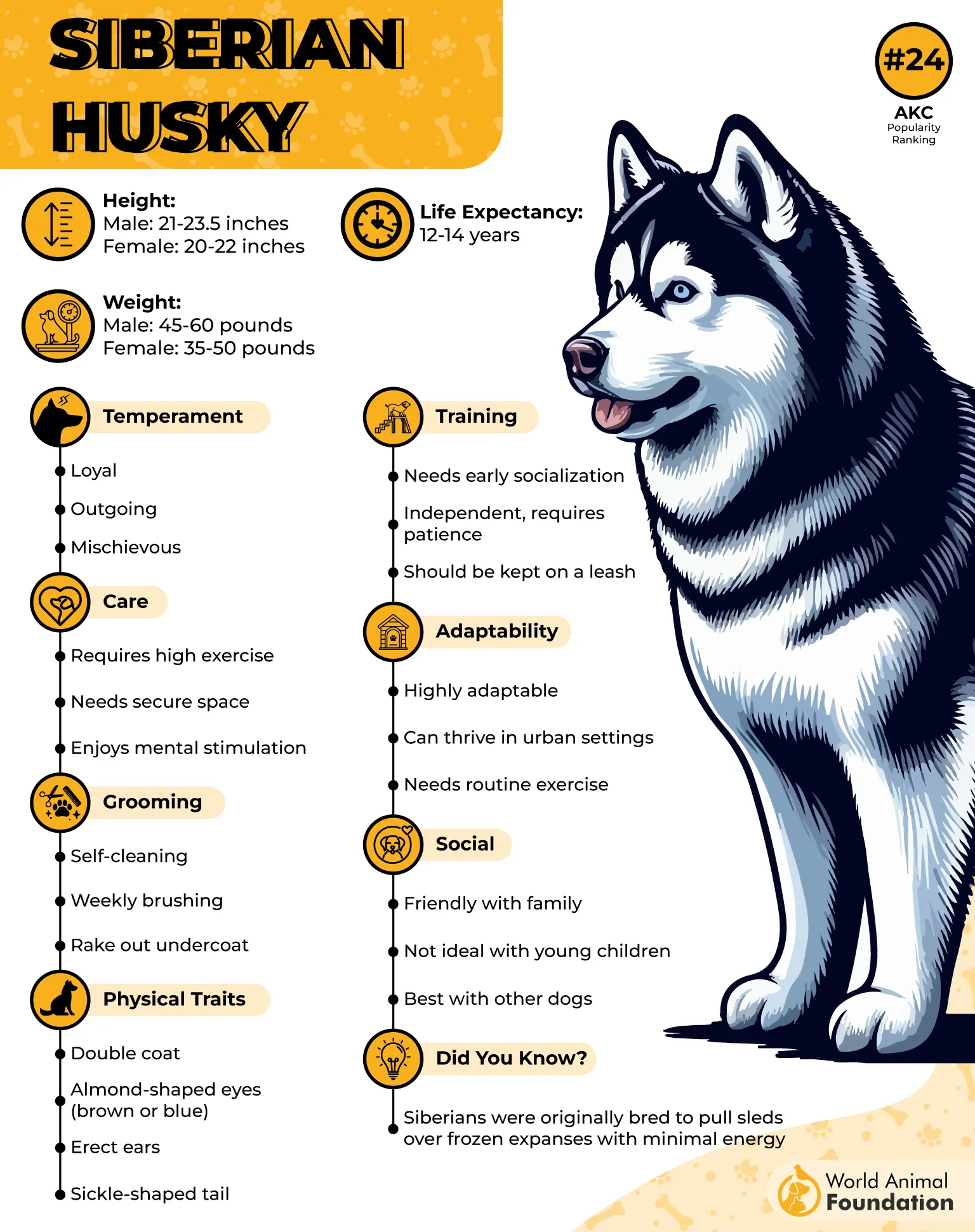
Siberian Huskies are iconic sled dogs known for their stunning looks and adventurous spirits. These dogs have high energy levels and were originally bred for long-distance work in harsh conditions.
While affectionate and sociable, their intense physical and mental demands make them a challenge for inexperienced owners.
High-Energy and Independent Nature
Huskies require constant physical exercise and mental stimulation to stay balanced. Without proper outlets, they tend to dig, chew, howl, and even escape from yards in search of excitement, as per PetMD.
Their independent and strong-willed personalities also mean they’re not as eager to please as other breeds, which can complicate training.
These dogs thrive in active households with room to run and owners who understand their unique needs. Training must start early and be consistent, with positive reinforcement to curb stubborn behavior.
For first-time dog owners who may lack time or experience, a Husky can feel overwhelming and develop destructive habits if not properly engaged.
7. Rottweiler
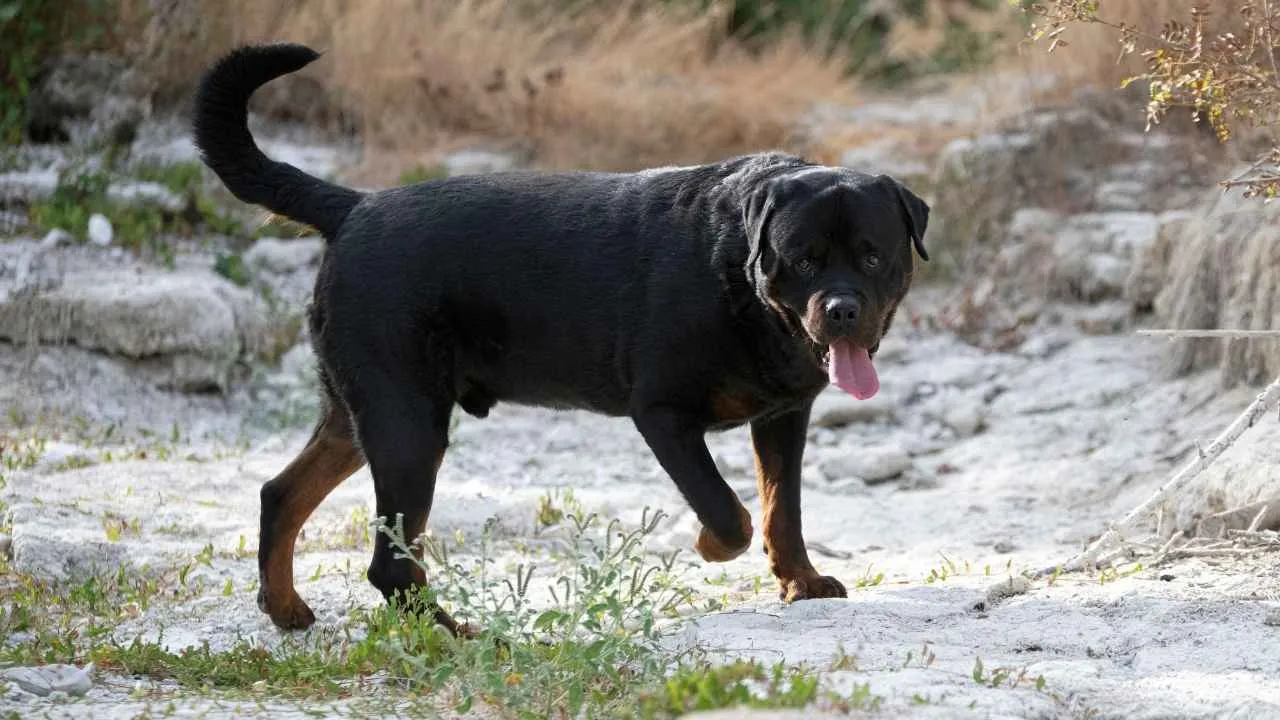
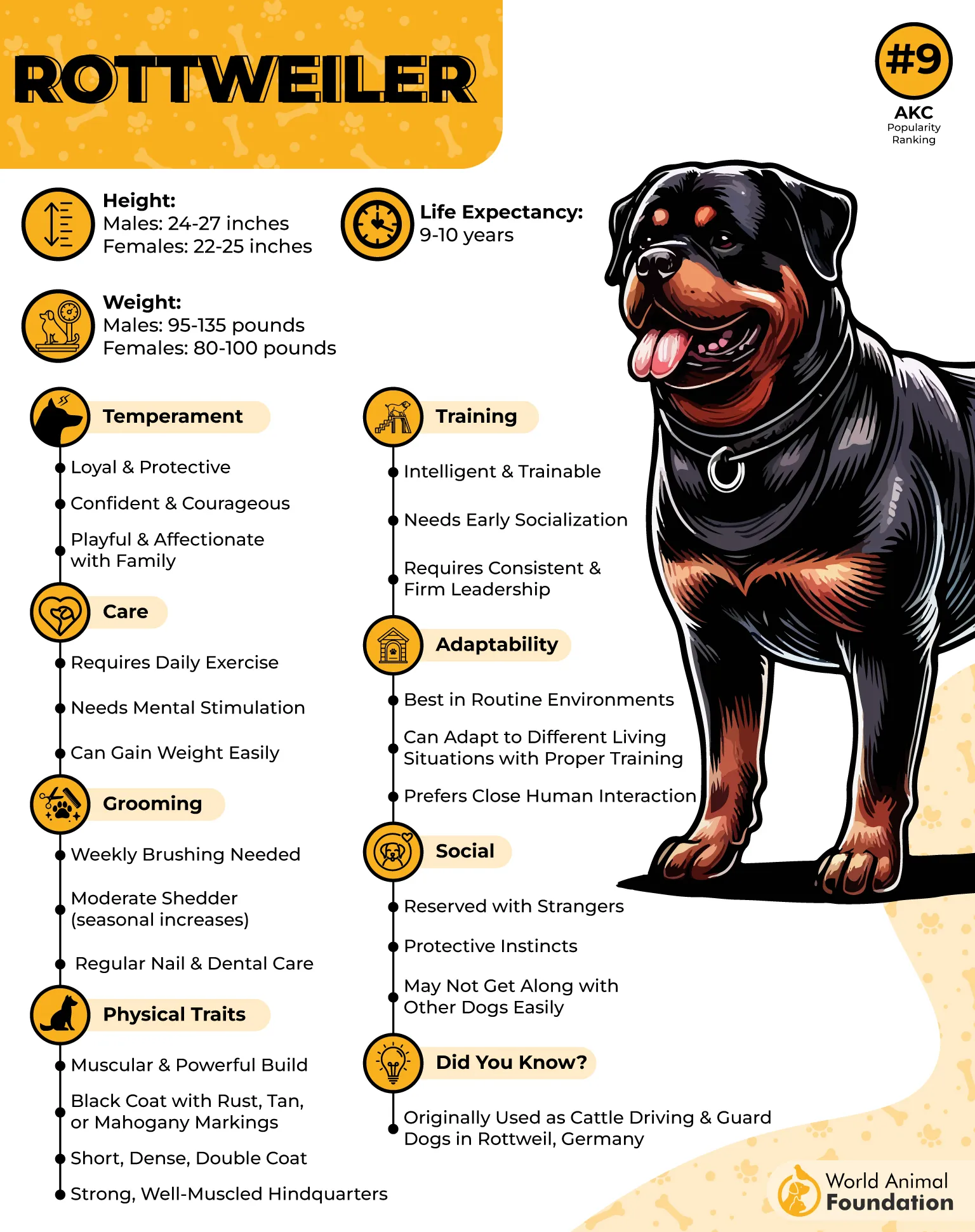
The Rottweiler is a strong, confident breed originally used to drive cattle and guard property. Their muscular build and protective instincts can be impressive, but they also demand consistent leadership and engagement from day one.
For first-time dog owners, these traits may pose challenges that are hard to manage without experience.
Requires Firm Leadership and Socialization
Rottweilers require early socialisation and disciplined, positive training to channel their natural guard-dog instincts. Without this guidance, they may become overly protective or dominant, and handling their strength becomes a serious responsibility.
Their size alone makes improper behavior potentially dangerous. While the Rottweiler can be a loyal and affectionate family companion, they are not suitable for casual pet ownership.
They thrive when given structure, clear rules, and plenty of exercise. Beginners may struggle to provide the consistent and confident environment these dogs need, which can lead to frustration and risk.
Therefore, the Rottweiler stands out as a breed best reserved for owners prepared for a serious commitment.
Conclusion
Choosing the right dog breed is a major decision, especially for first-time dog owners. While many breeds may look adorable or seem popular, it’s essential to understand their unique needs, temperament, and challenges.
Breeds like the Rottweiler, Australian Cattle Dog, and others discussed in this blog require experienced handling, consistent training, and a firm leadership style that many beginners may find overwhelming.
By avoiding breeds that demand advanced training skills or specialized care, first-time owners can set themselves—and their dogs—up for a happier, healthier, and more compatible life together.
Remember: the right match isn’t just about what you want in a dog—it’s also about what the dog needs from you.
