




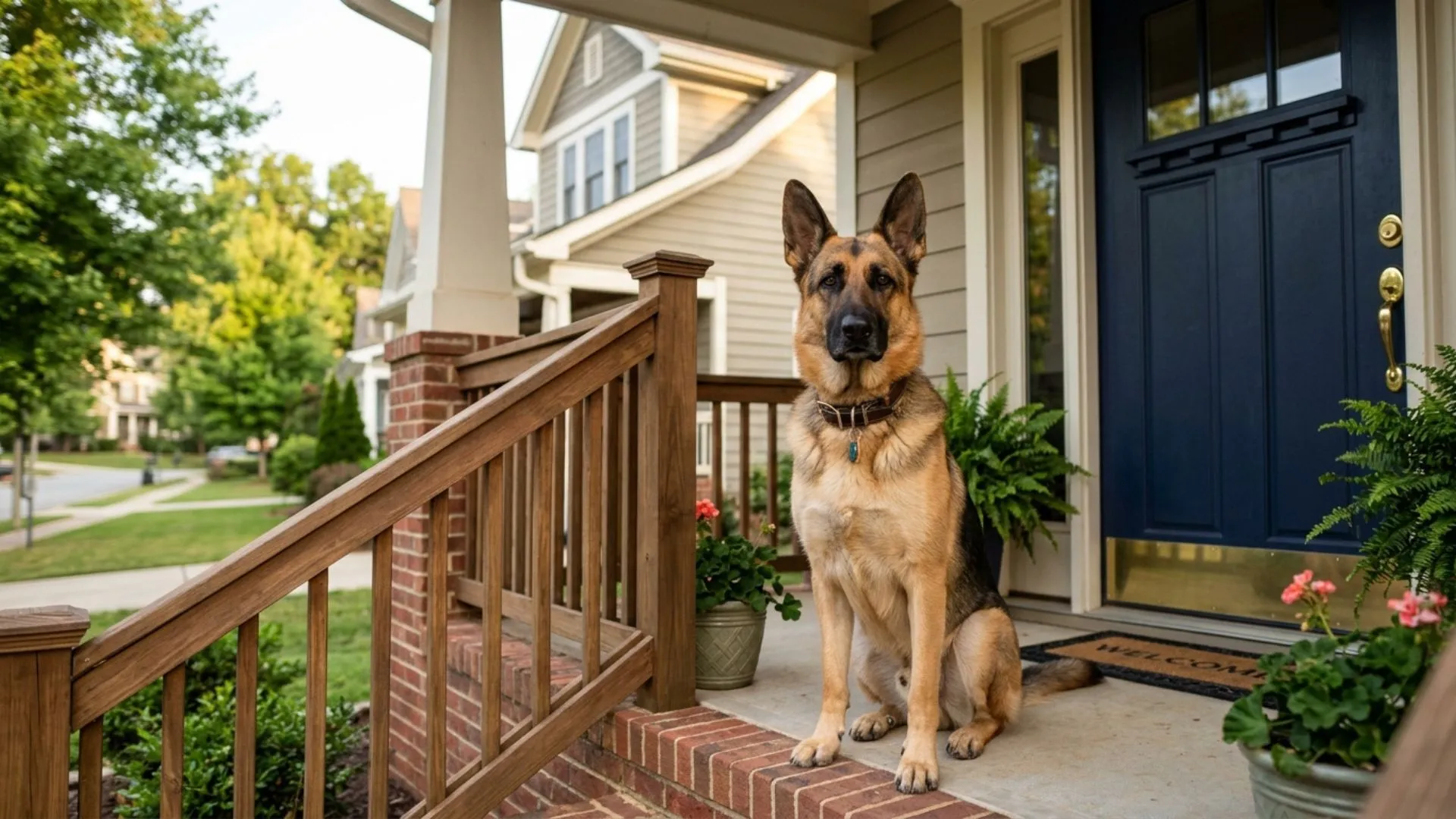
People have started thinking differently about home security over the years. Cameras, alarms, and stronger locks may help, but many homeowners still trust the presence of a smart dog more than anything else. There is a reason for that.
An intelligent protective dog notices things technology cannot fully understand. It learns familiar routines, recognizes unusual behavior, and reacts to changes in the environment almost immediately. That kind of awareness creates reassurance that feels personal rather than mechanical.
The best protective dog breeds are not simply aggressive or intimidating. They know how to remain calm around family while becoming alert the moment something unfamiliar enters their space. This balance is what makes certain breeds stand out as dependable household guardians.
The dogs ahead are respected for exactly those qualities, offering homeowners protection, loyalty, and awareness that naturally fit into daily life.
Key Takeaways
A smart protective dog notices things long before alarms or cameras ever can, quietly tracking routines, sounds, and unfamiliar movement around the home.
German Shepherds and Belgian Malinois built their reputation through police and military work, where quick decisions could change everything in seconds.
Akitas and Rottweilers bring a different kind of presence, staying calm with family while keeping a watchful eye on every corner around them.
The more you read, the clearer it becomes why these breeds are trusted as loyal guardians instead of ordinary household dogs.
Smartest Dog Breeds to Be Your Home’s First Line of Defense
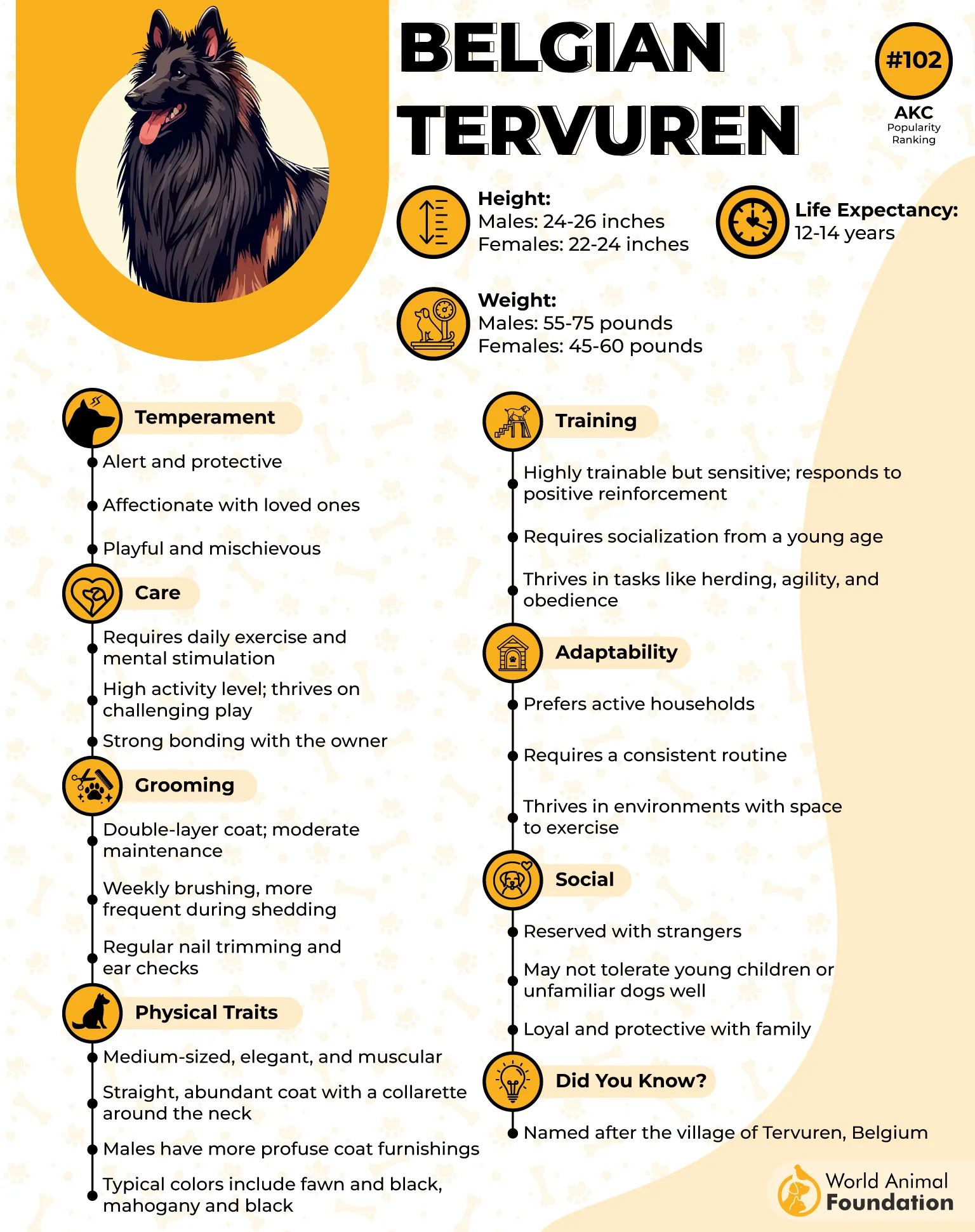
1. Belgian Tervuren
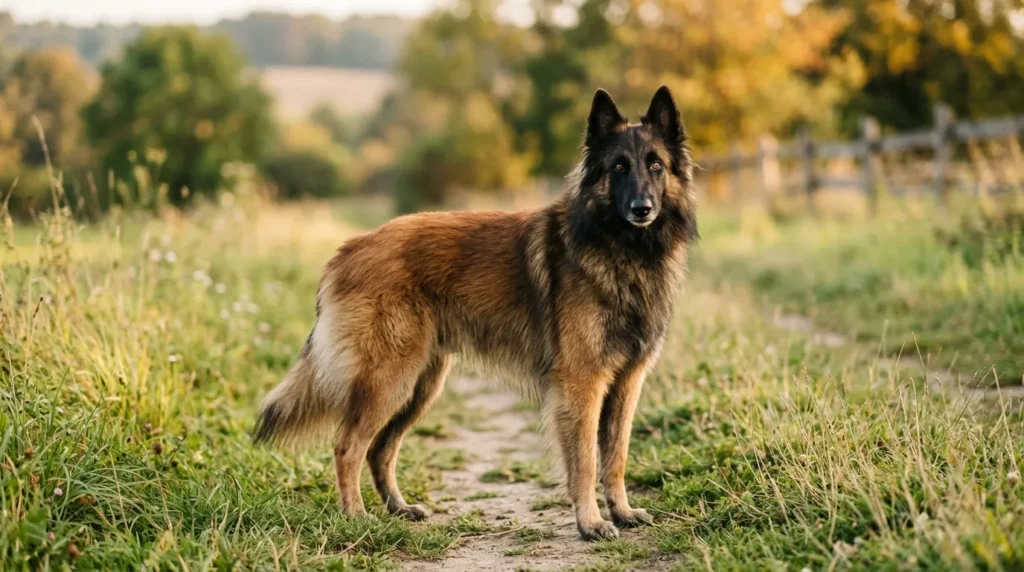
Belgian Tervuren reads its surroundings with remarkable speed, pairing sharp intelligence with the alert instincts of a serious herding and guarding dog. The elegant frame, proud posture, and focused expression create a breed constantly engaged with everything happening nearby.
Built Around Purpose
This smartest breed approaches daily life like a task waiting to be solved, finding genuine enjoyment in work, training, and interactive challenges. The breed’s athletic structure and tireless nature fit demanding routines naturally.
A few qualities shape that reputation:
Strong herding instinct
Fast problem-solving ability
Excellent performance focus
Energy That Needs Direction
As an energetic dog, they rarely settle into an inactive lifestyle, preferring long activity sessions that involve both movement and thinking. Herding drills, obedience work, agility tasks, and protection sports keep the breed mentally satisfied while strengthening responsiveness, as VCA Hospital stated.
Good Match If
- You enjoy outdoor activities.
- You can provide 1–2 hours of exercise daily.
- You enjoy training and teaching new commands.
- You want a highly responsive working dog.
Think Twice If
- You prefer a low-maintenance pet.
- Your dog will spend long hours alone.
- You have little interest in training.
- You cannot provide regular mental stimulation.
2. Akita
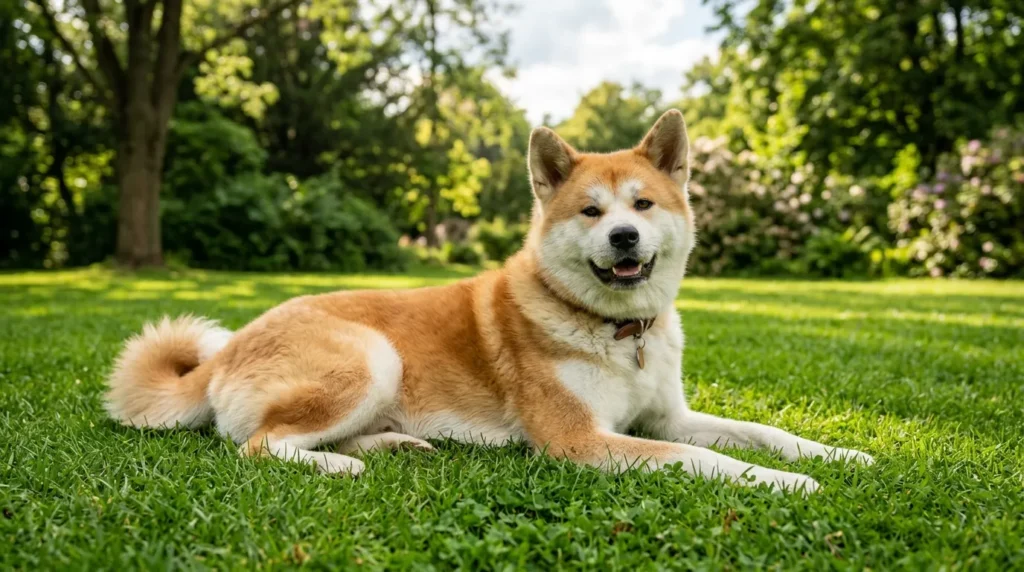
Akita commands attention through its composed presence, originally bred in Japan as a loyal working companion with strong protective instincts.
The thick neck, broad head, and tightly curled tail give the breed a powerful silhouette. Small, alert eyes constantly scan the surroundings with measured focus.
Power in Form
Akita’s heavy-boned frame and weather-resistant coat suit demanding environments where endurance and awareness matter daily. Every feature serves a practical role with the guarding nature of this smart breed.
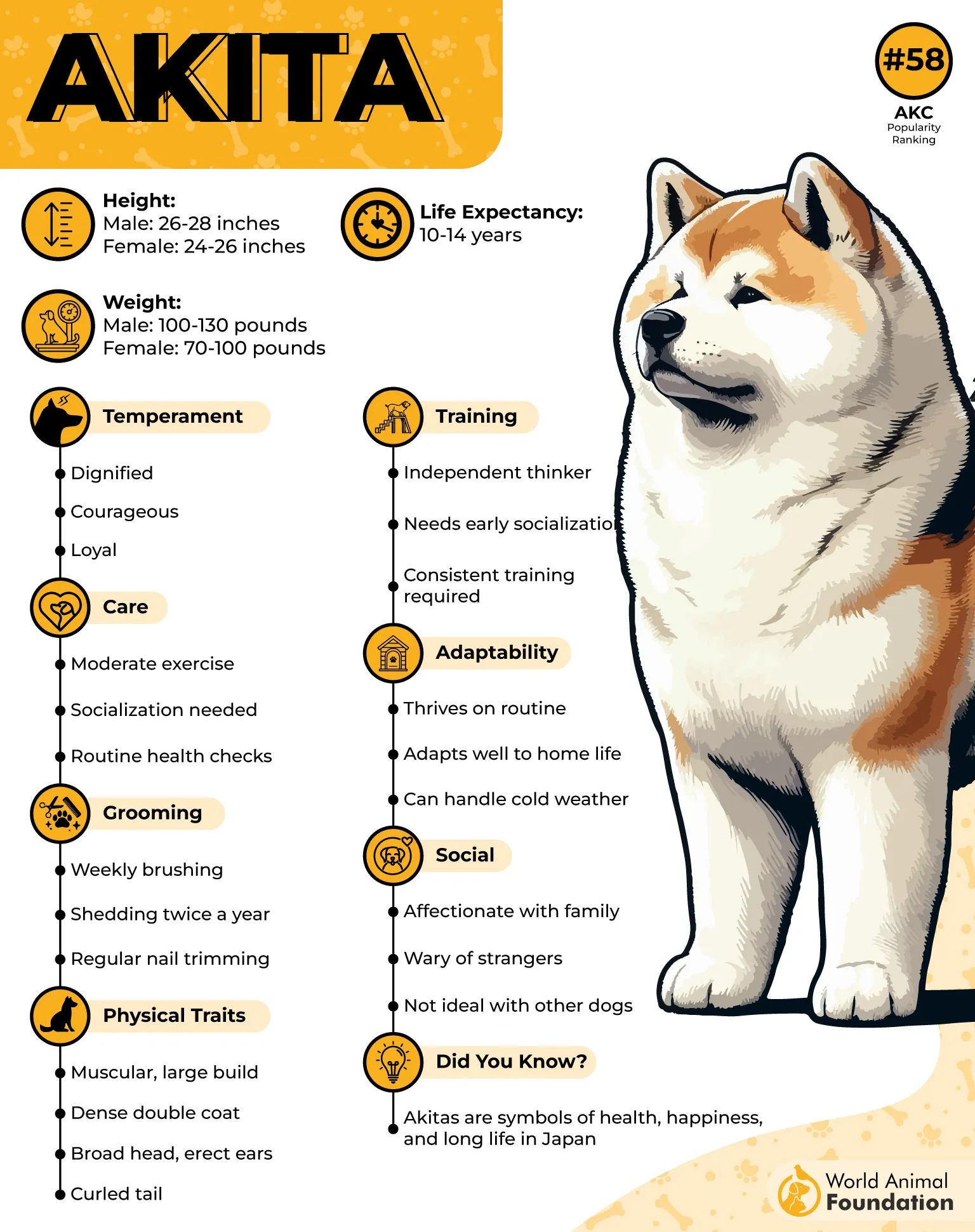
This structure reflects itself through:
Thick double coat suited for harsh weather
Triangular ears reacting quickly to sound
Powerful stride paired with balanced movement
Loyalty With Distance
This guard dog breed forms deep attachments with family members while remaining naturally reserved with unfamiliar people. Their quiet and fastidious nature adds to the controlled temperament. Firm boundaries and early socialization shape how this independent thinker responds to the outside world.
Good Match If
- You want a loyal family protector.
- You appreciate a more independent dog.
- You can commit to early socialization.
- You prefer a calm dog indoors.
Think Twice If
- You are a first-time dog owner.
- You frequently visit dog parks.
- You want a highly social dog.
- You are inconsistent with boundaries.
3. Belgian Laekenois
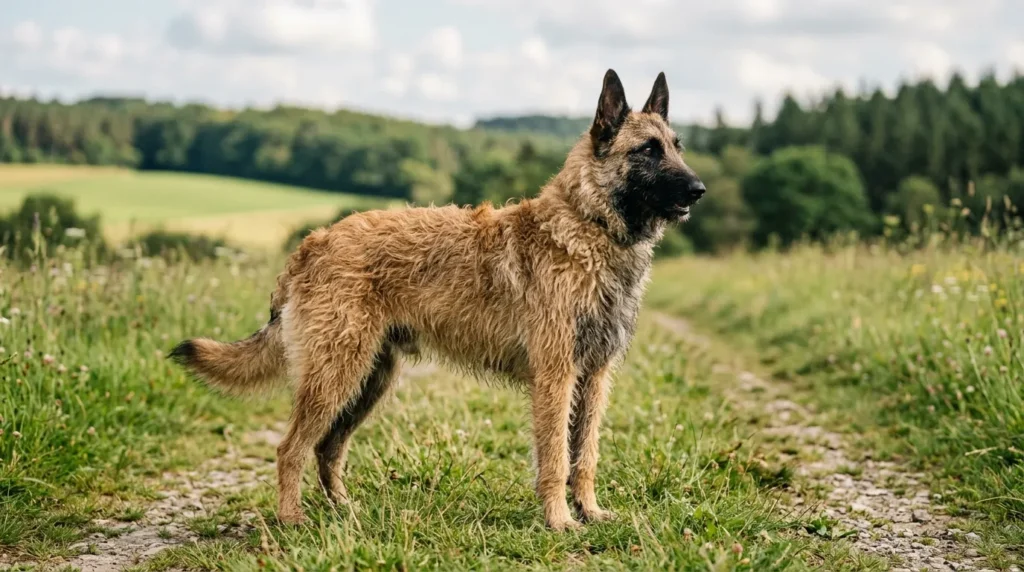
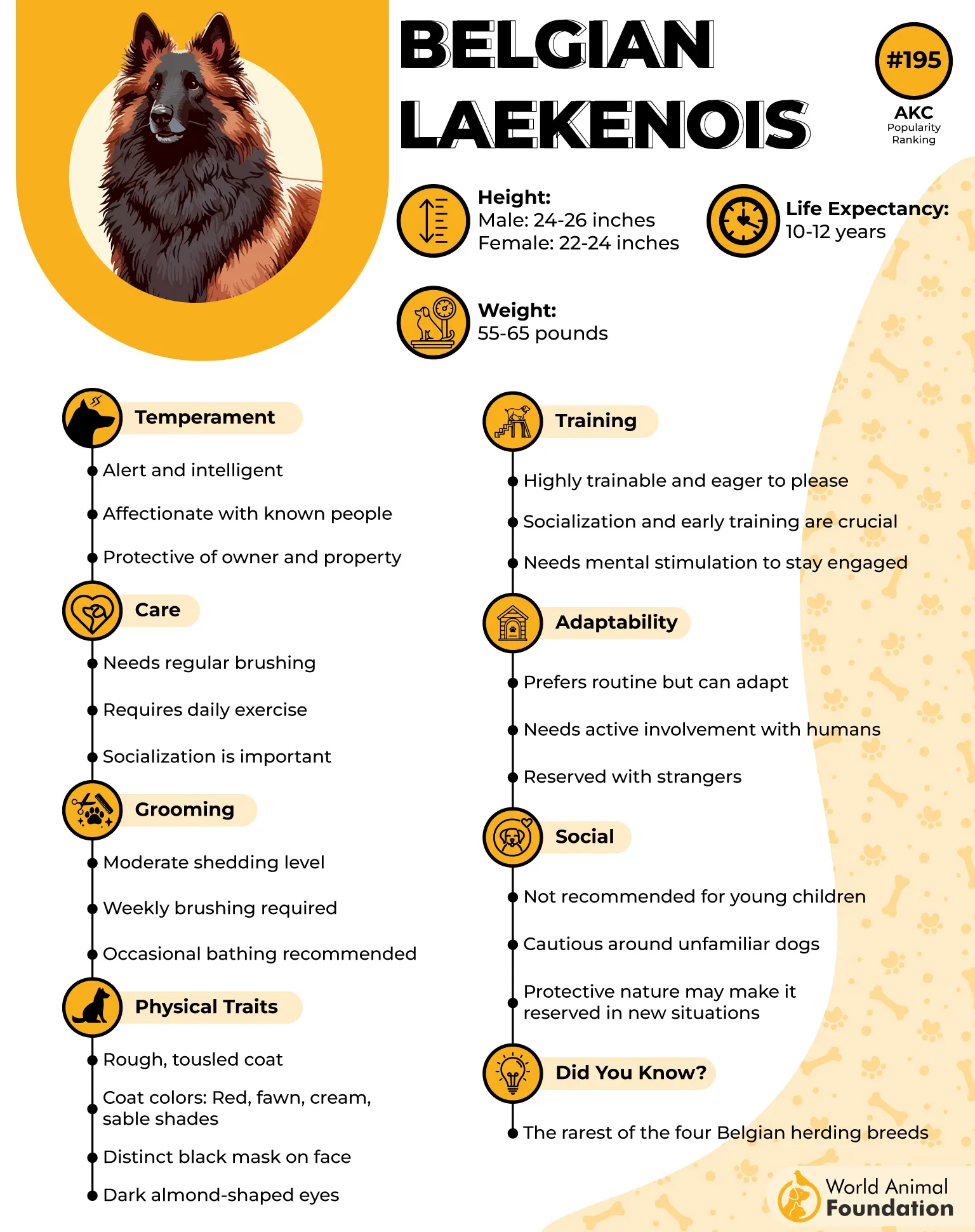
Belgian Laekenois earned trust in demanding roles long before becoming known in family homes, working beside police units and security teams where quick judgment mattered daily.
According to Omlet, during World War I, these dogs delivered messages across dangerous conditions with remarkable intelligence.
Reads the Room
This protection dog reacts quickly to unfamiliar activity and naturally keeps a close watch on its surroundings. Their guarding instincts come from careful observation rather than noise or impulsive reactions.

A few traits shape that behavior clearly:
Strong awareness of unfamiliar people
Quick problem-solving ability
Responsive to guidance and structure
Early Guidance Matters
They remain cautious around strangers until properly introduced. Early and proper socialization to different sounds, people, and environments helps shape a confident adult dog with steadier judgment. Without that foundation, nervousness or overly defensive reactions can become difficult to manage.
Good Match If
- You enjoy advanced obedience training.
- You want a highly alert watchdog.
- You have an active lifestyle.
- You can provide daily mental stimulation.
Think Twice If
- You are looking for a relaxed companion.
- You do not have time for regular training.
- You want a dog that entertains itself.
- You are new to high-drive working breeds.
4. German Shepherd
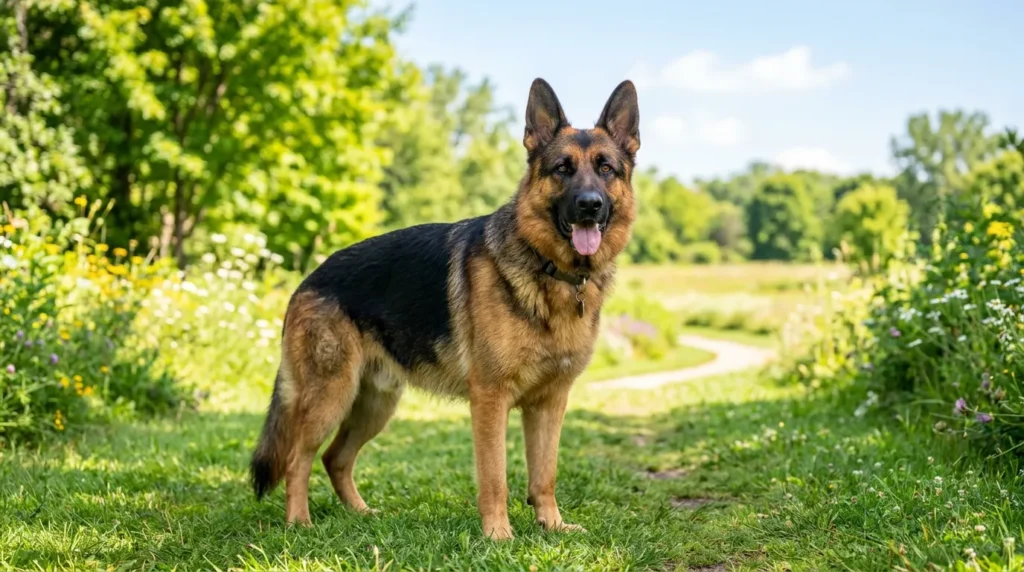
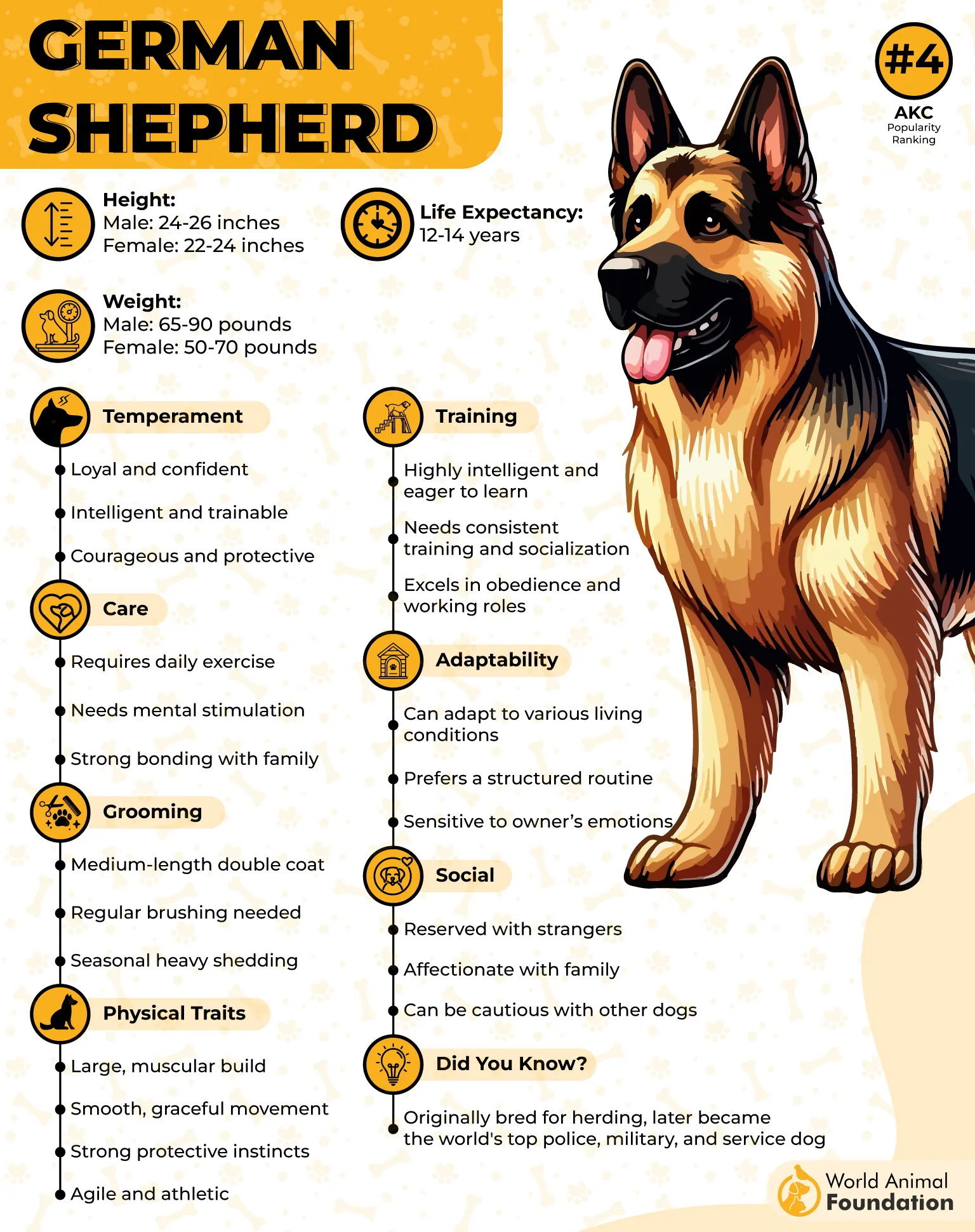
German Shepherds process situations with unusual speed, a reason it ranks among the highest in canine intelligence. Police units and military teams rely on this breed for patrol work, scent detection, and search operations requiring disciplined decision-making, as PetMD claims.
Built Around Purpose
As one of the excellent guard dog breeds, they combine athletic structure with mental sharpness, giving them the stamina to stay engaged through demanding routines. Daily structure matters because this breed quickly channels unused energy into restless habits.
Several traits shape that reputation:
Ranked 3rd in canine intelligence
Muscular and highly agile frame
Excels in obedience-based tasks
Driven to Learn
German Shepherd responds strongly to consistency, especially when training includes rewards, repetition, and clear direction. Herding instincts keep the breed mentally alert, so scattered routines often create frustration rather than cooperation.
Good Match If
- You want a family-friendly protector.
- You enjoy training activities.
- You can provide daily exercise.
- You want a dog that learns quickly.
Think Twice If
- You want a low-energy breed.
- You rarely have time for walks or play.
- You dislike regular shedding.
- You cannot provide structure and routine.
5. Doberman Pinscher
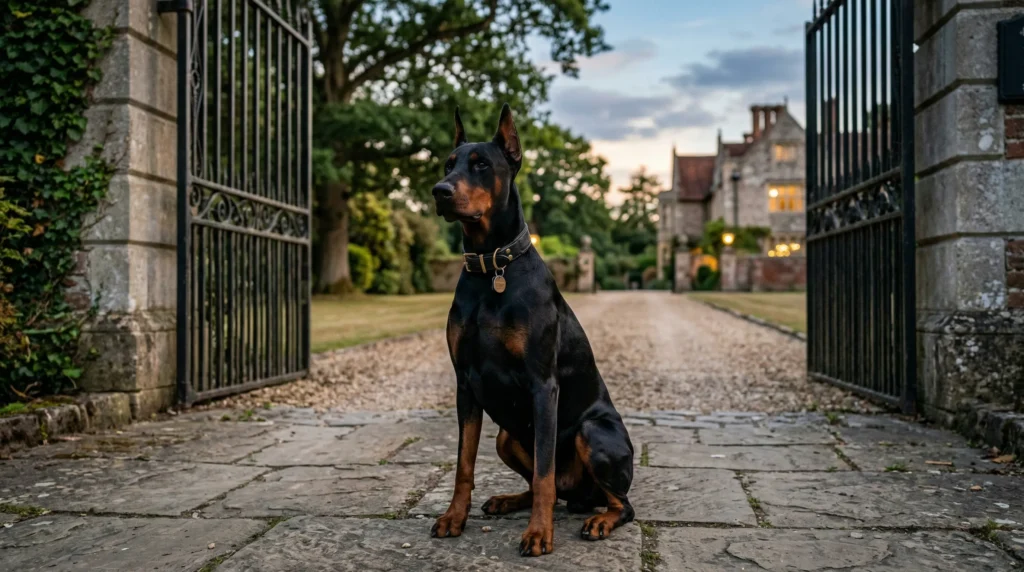
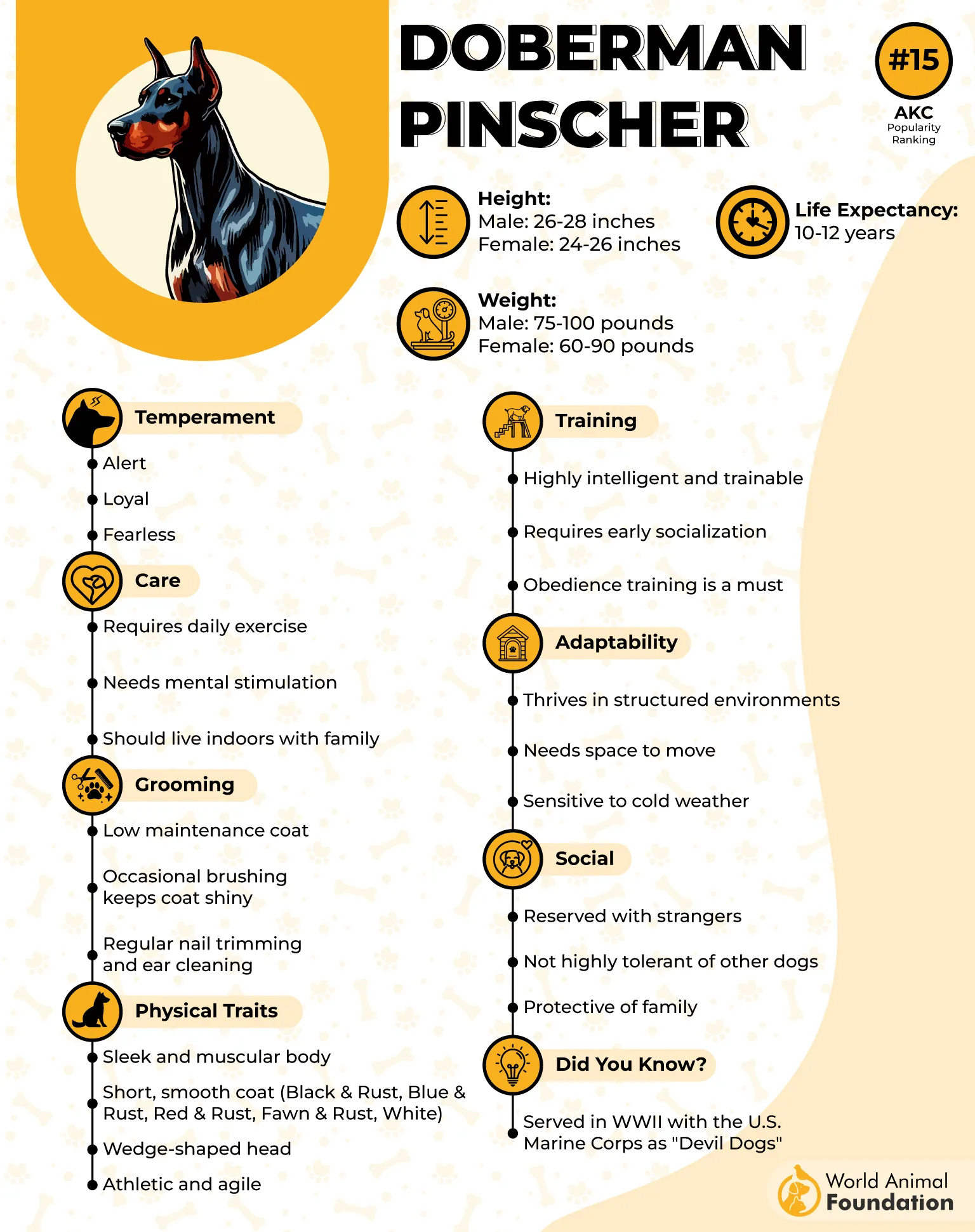
The Doberman Pinscher entered Germany in the late 1800s through the vision of Louis Dobermann, a tax collector seeking a dependable personal protector.
The breed quickly earned recognition for sharp awareness, quick learning, and unwavering loyalty. Its lean frame, alert posture, and focused expression reflect a dog built for serious responsibility.
Driven and Responsive
Dobermans process commands quickly and remain highly engaged with their surroundings, which explains their continued role in police work, security, and search operations.
Their working nature becomes clearer through traits like:
Strong instinct for obedience work
High focus during tracking tasks
Constant awareness of nearby activity
Energy With Direction
This large dog breed seeks activity that challenges both body and mind, making structured routines especially important from an early age.
Agility courses, nose work, and advanced obedience give them an outlet for their curiosity and stamina. Strong prey instincts also require secure outdoor control around squirrels, rabbits, and smaller pets.
Good Match If
- You want a highly trainable protector.
- You enjoy an active lifestyle.
- You can provide consistent leadership.
- You want a dog that stays close to family.
Think Twice If
- You leave dogs alone for extended periods.
- You prefer independent breeds.
- You cannot commit to regular exercise.
- You do not want a highly attached dog.
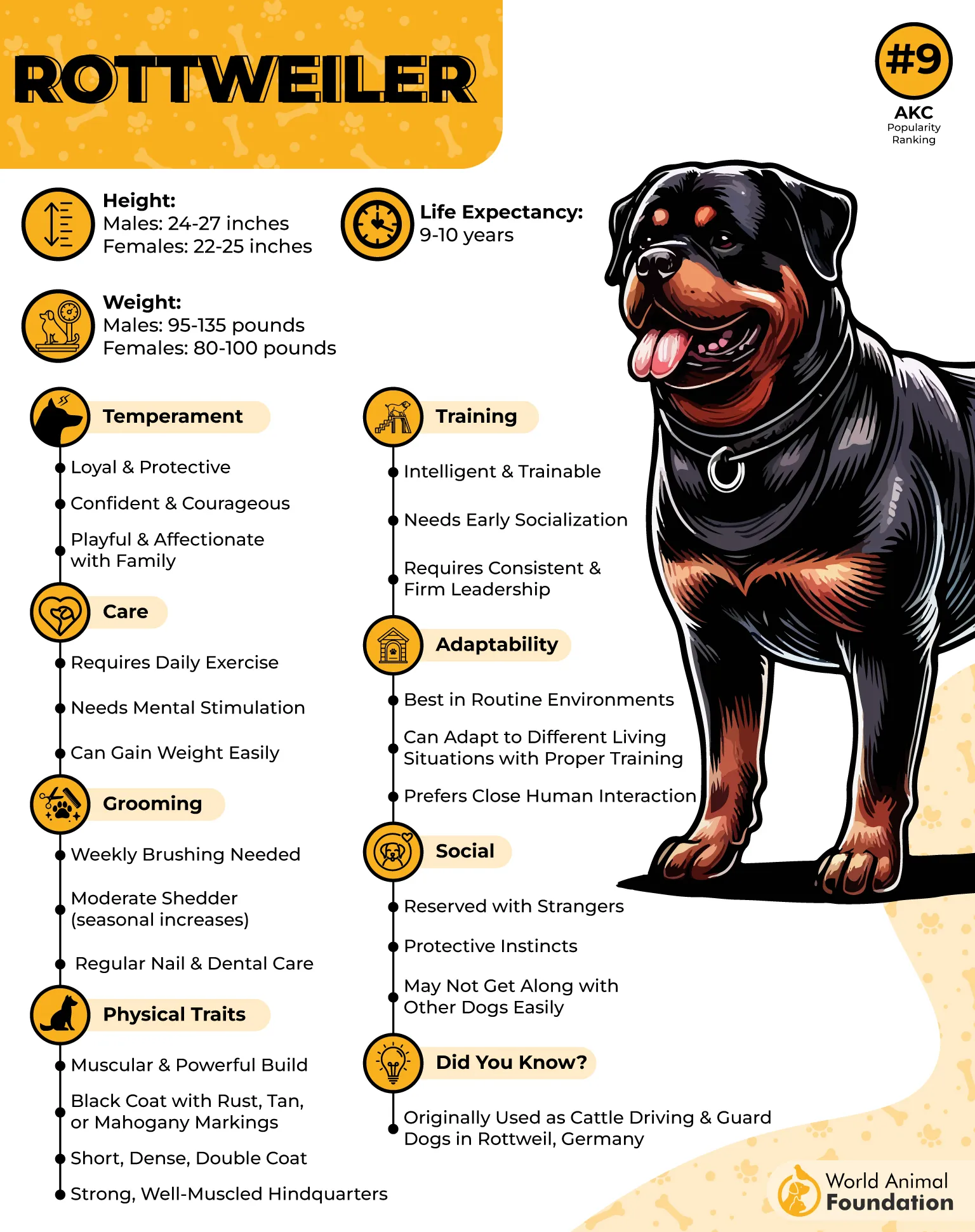
6. Rottweiler
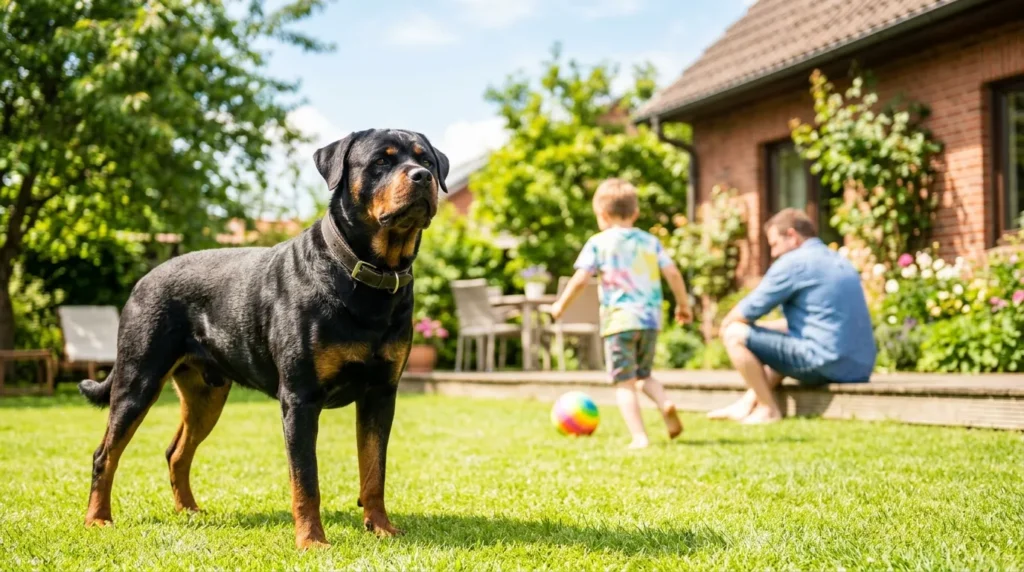
Rottweilers combine a broad skull, powerful frame, and focused expression with a quick-learning ability rooted in working-dog instincts.
Ancient Roman mastiff lineage influenced a breed built for control, awareness, and responsiveness. Its ranking among top obedience breeds reflects how efficiently it processes instruction.
Learning Speed with Structured Guidance
Rotties respond rapidly to command-based training, especially when reinforcement remains consistent and reward-focused. Mental engagement plays a major role in how this breed processes routines and expectations.
That learning pattern appears through practical behaviors:
Retains repeated commands efficiently
Connects reward with behavioral memory
Responds clearly to structured routines
Social Confidence Shaped Early
Rottweiler benefits from regular exposure to unfamiliar people, environments, and animals from puppyhood onward. Repeated introductions help reduce uncertainty and influence how the breed interprets new situations later in life. This early shaping affects both confidence and household behavior.
Good Match If
- You can establish clear rules and boundaries.
- You want a confident protector.
- You value obedience and structure.
- You can socialize your dog early.
Think Twice If
- You are uncomfortable managing powerful dogs.
- You want a dog that greets every stranger.
- You are inconsistent with training.
- You cannot handle a strong, large breed.
7. Belgian Malinois
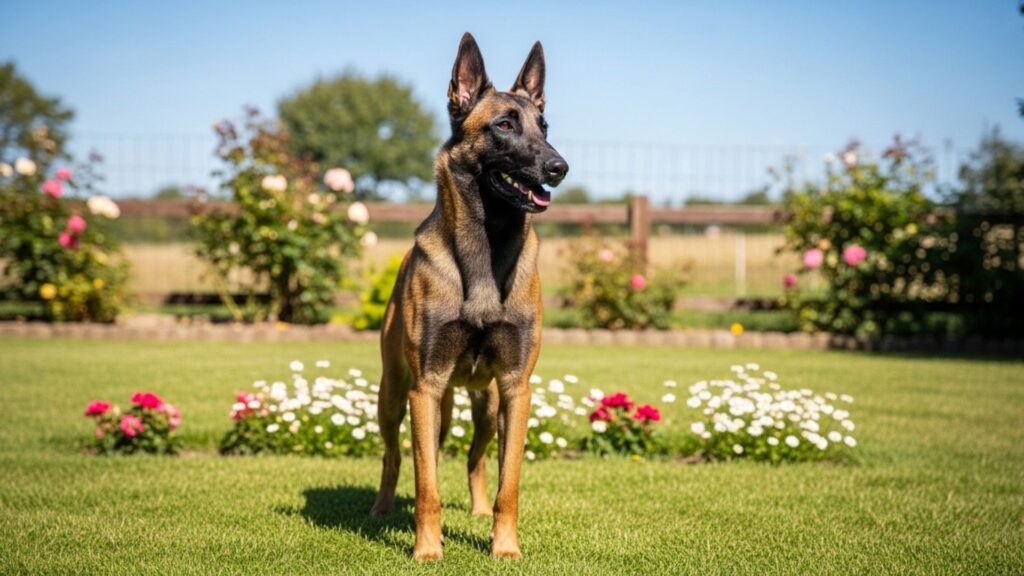
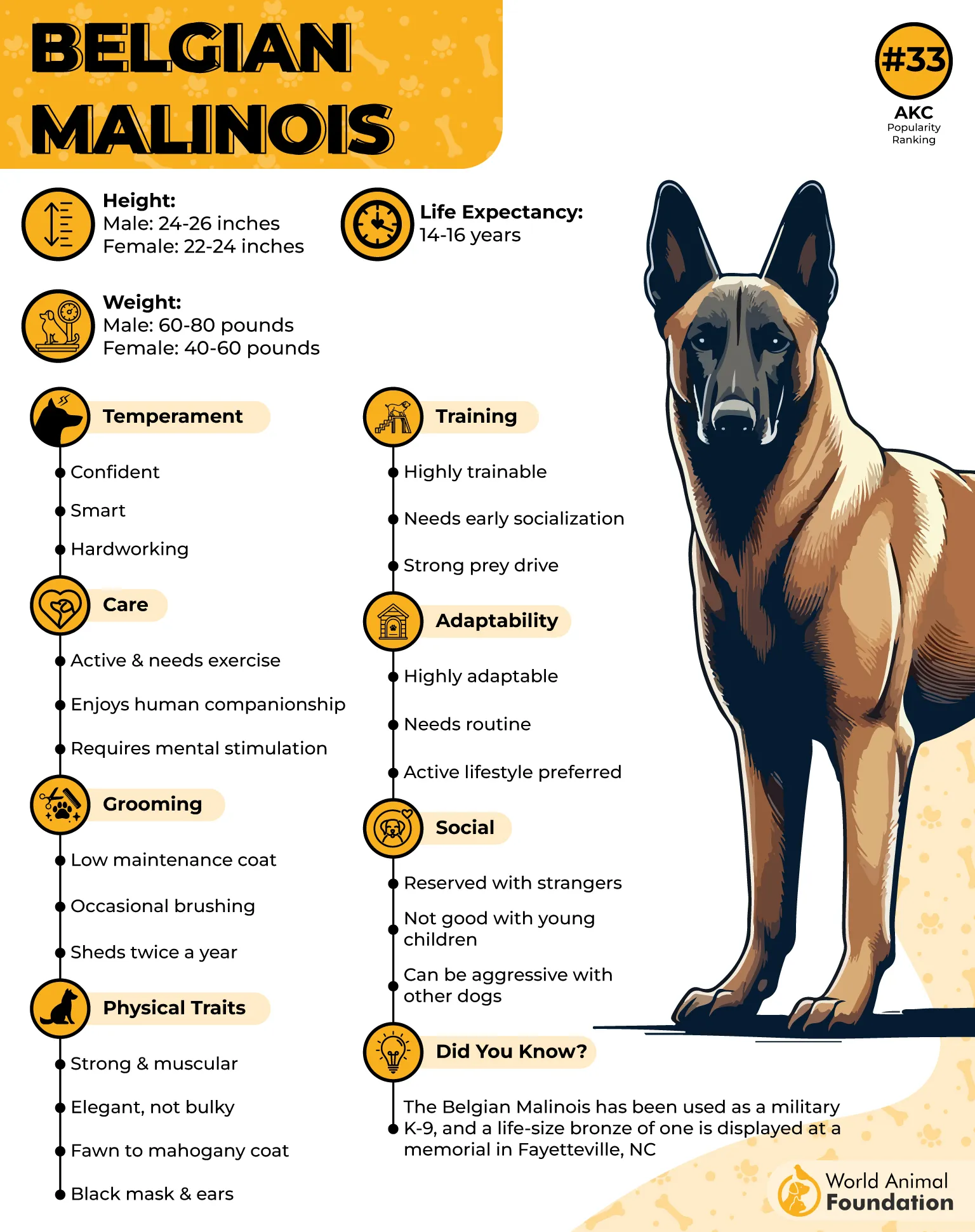
Belgian Malinois earned global respect through demanding police and detection work, where hesitation can ruin an operation. Originating near the Belgian city of Malines, this herding breed relies on sharp decision-making, intense focus, and fast responses.
Driven With Purpose
They approach daily life with relentless intensity, often searching for direction, activity, or structured tasks. Quiet routines rarely satisfy this breed for long.
What shapes that mindset most includes:
Advanced obedience capability
Strong tracking instincts
Exceptional work endurance
Energy That Requires Structure
Belgian Malinois bonds deeply with handlers who provide discipline, routine, and physically demanding outlets beyond short neighborhood walks.
Running, agility drills, scent work, and obedience exercises give this breed a productive focus. Without enough stimulation, that same intelligence quickly shifts into destructive habits inside the home.
Good Match If
- You have previous dog-handling experience.
- You enjoy advanced training challenges.
- You can provide intense daily exercise.
- You want a serious working dog.
Think Twice If
- You are a first-time owner.
- You want a relaxed family pet.
- Your dog will spend long periods inactive.
- You cannot dedicate time to training.
Conclusion
A smart watchdog changes the atmosphere of a home in ways cameras and alarms rarely can. These dogs learn routines, recognize unusual behavior, and remain aware of their surroundings even during quiet moments. Their presence feels reassuring because protection comes from judgment and natural instinct, which is why many rank among the best guard dog breeds.
Some quietly monitor sounds near the property, while others stay close to family without losing awareness of unfamiliar movement nearby. With proper training, they can deter intruders while living calmly around other pets as great family pets. That balance of intelligence and loyalty keeps these guardians trusted in homes around the world.
