




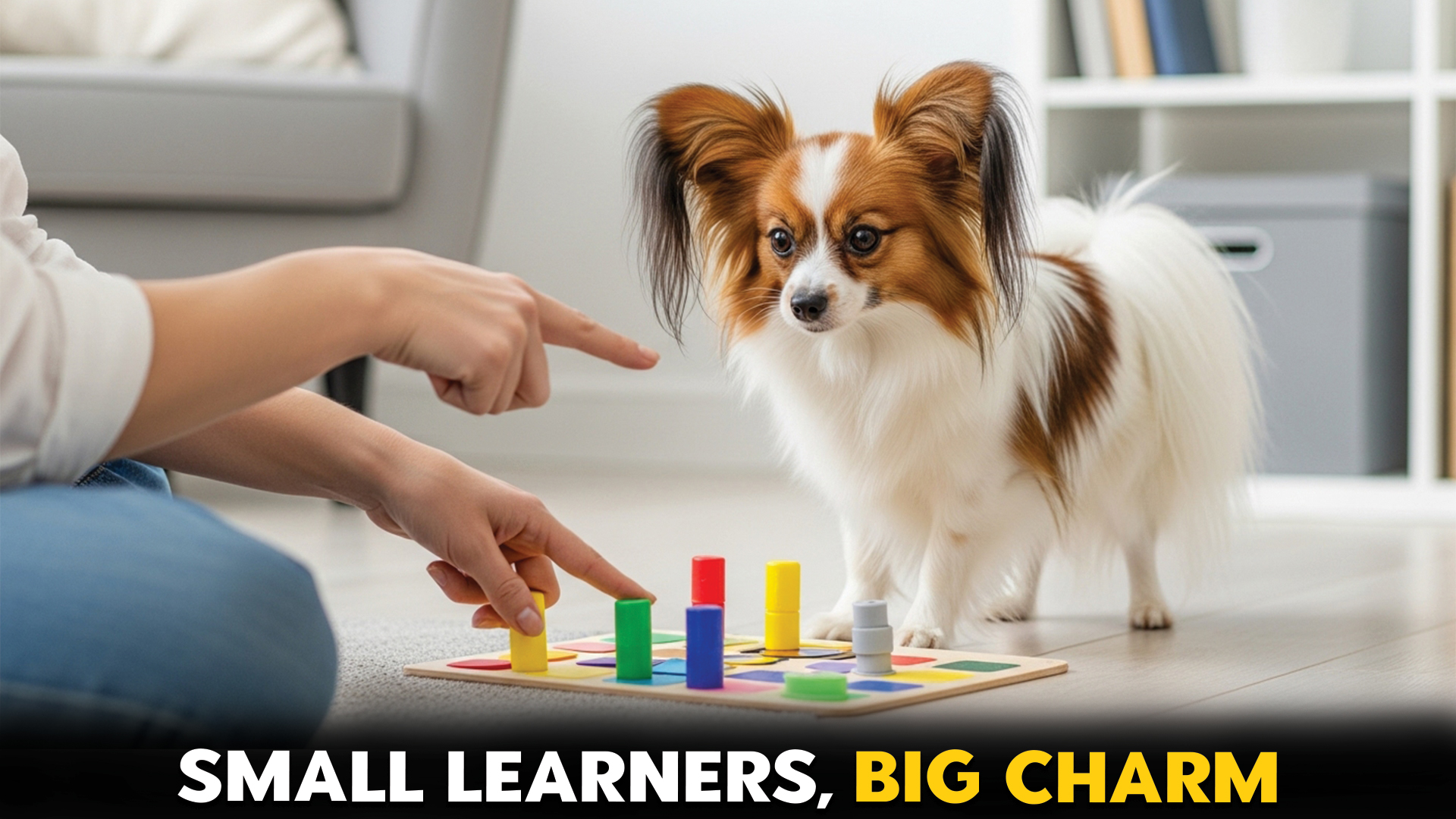
Tiny paws can carry huge brainpower, and the love is real.
Smart small dog breeds can fit into busy lives, small homes, and big feelings. They learn fast, notice patterns, and often pick up on moods before anyone says a word. For pet parents, that can feel like magic.
But why bother with that? Because a sharp mind can make daily life smoother. Training clicks faster. Games stay fun. Bored chewing and noisy drama can drop. These small dogs also shine in different living situations, from calm homes to homes with kids.
The key is giving the right mix of love, clear rules, and exercise. And here’s the best part! When a puppy feels understood, the bond gets deep fast.
This blog will cover 7 popular small dog breeds that are bright, sweet, and ready to become a true furry friend.
Smart Small Dog Breeds You’ll Adore
1. Toy Fox Terrier
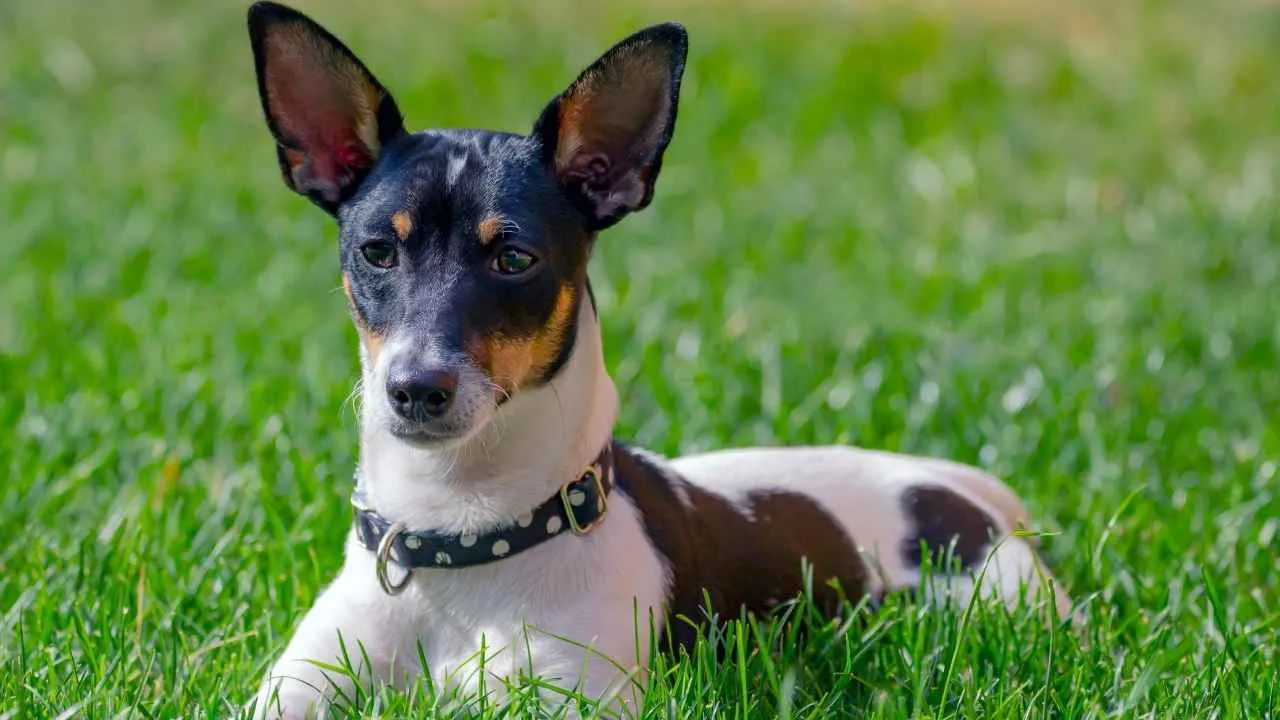
Toy Fox Terrier energy is not shy. This breed walks into a room like it owns the place, then tries to make friends with everyone. These little intelligent dogs are fast thinkers and love having something to do.
A simple game can turn into a full mission. Give clear cues, and the puppy often connects the dots in minutes. For first-time dog owners, that quick learning can feel like a gift, as long as the house stays consistent.
This breed is easy to train when sessions stay short and upbeat. But wait, there’s more! A Toy Fox Terrier can also get crafty.
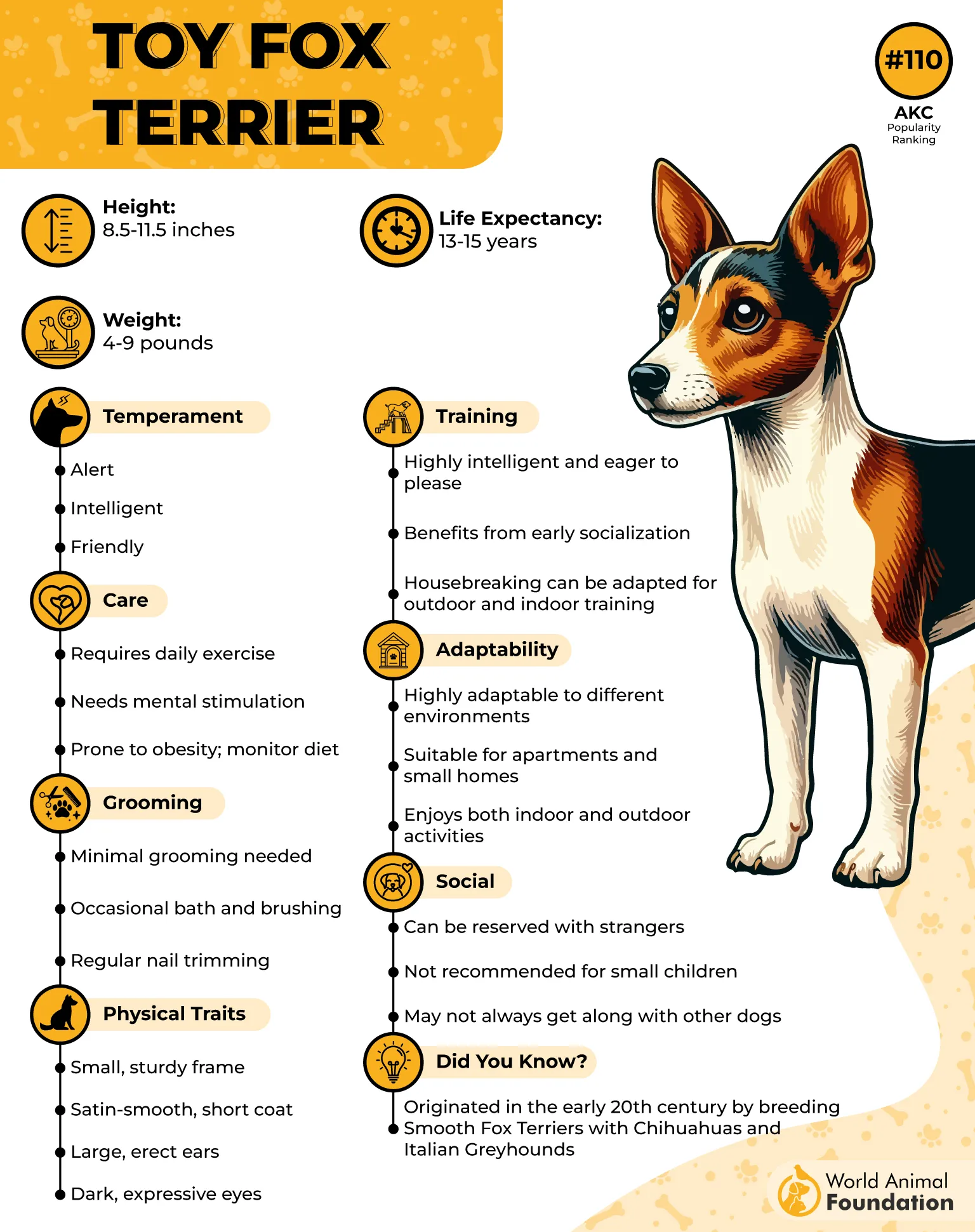
Without mental stimulation, the pup may test limits, steal socks, or invent new ways to climb. That is not “bad,” it is a smart dog solving a boredom problem. A steady daily routine helps. So does a calm voice and rewards that match the effort.

PetMD notes that they are affectionate with their favorite humans and love human companionship. When the day is rough, this small dog can bring laughter back fast. Keep the body moving, keep the mind busy, and the breed stays perfectly happy.
Quick learning with a new command when rewards are clear
Loves indoor play on rainy days
Strong bond forms with steady attention
Needs exercise that feels like a job, not just a stroll
2. Toy Poodle
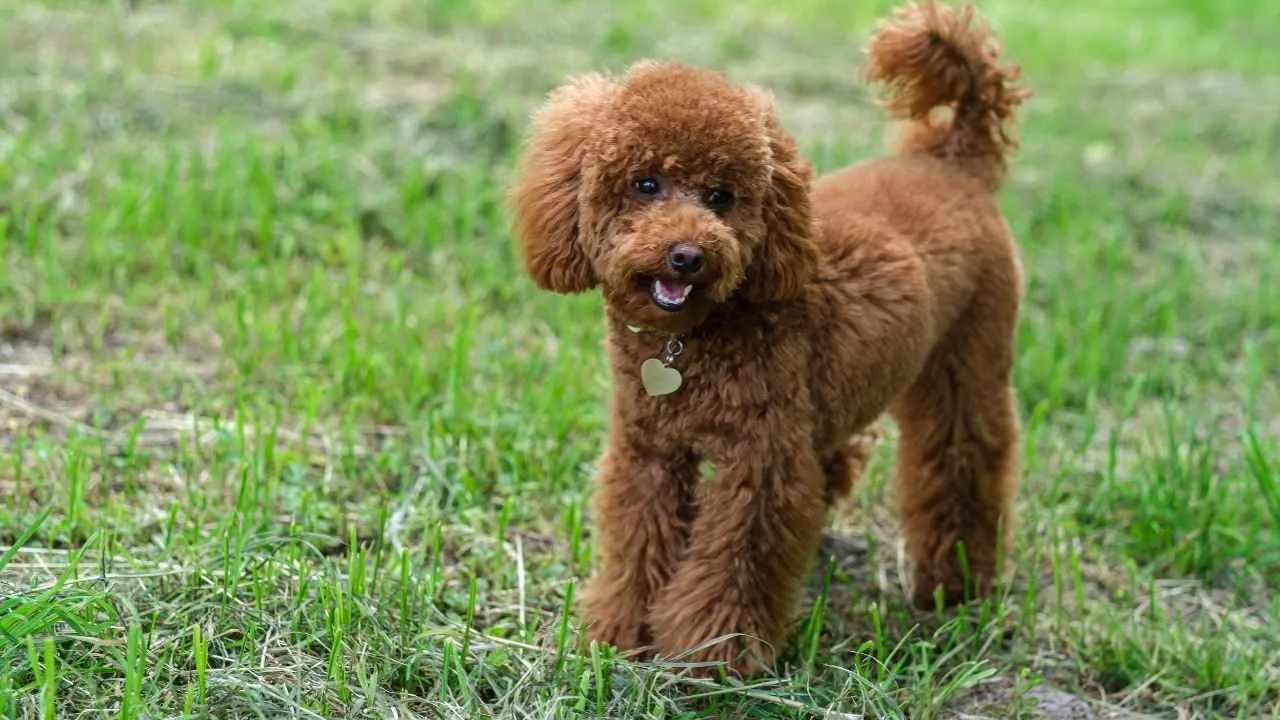
The toy poodle is a classic for a reason. This breed is compact, bright, and tuned in to people. Many small dog breeds learn tricks, but this one learns patterns. That makes training feel smooth, even in a smaller space.
With the right setup, a puppy can practice manners in the living room and still stay sharp. This is one of those small dogs that can make pet parents feel like pros.
This breed is part of the poodle group and shares that quick mind. A toy poodle can stay obedient, agile, and focused. Sounds crazy, right? Some dogs in this breed line even show hunting skills in tests, which says a lot about drive and control.
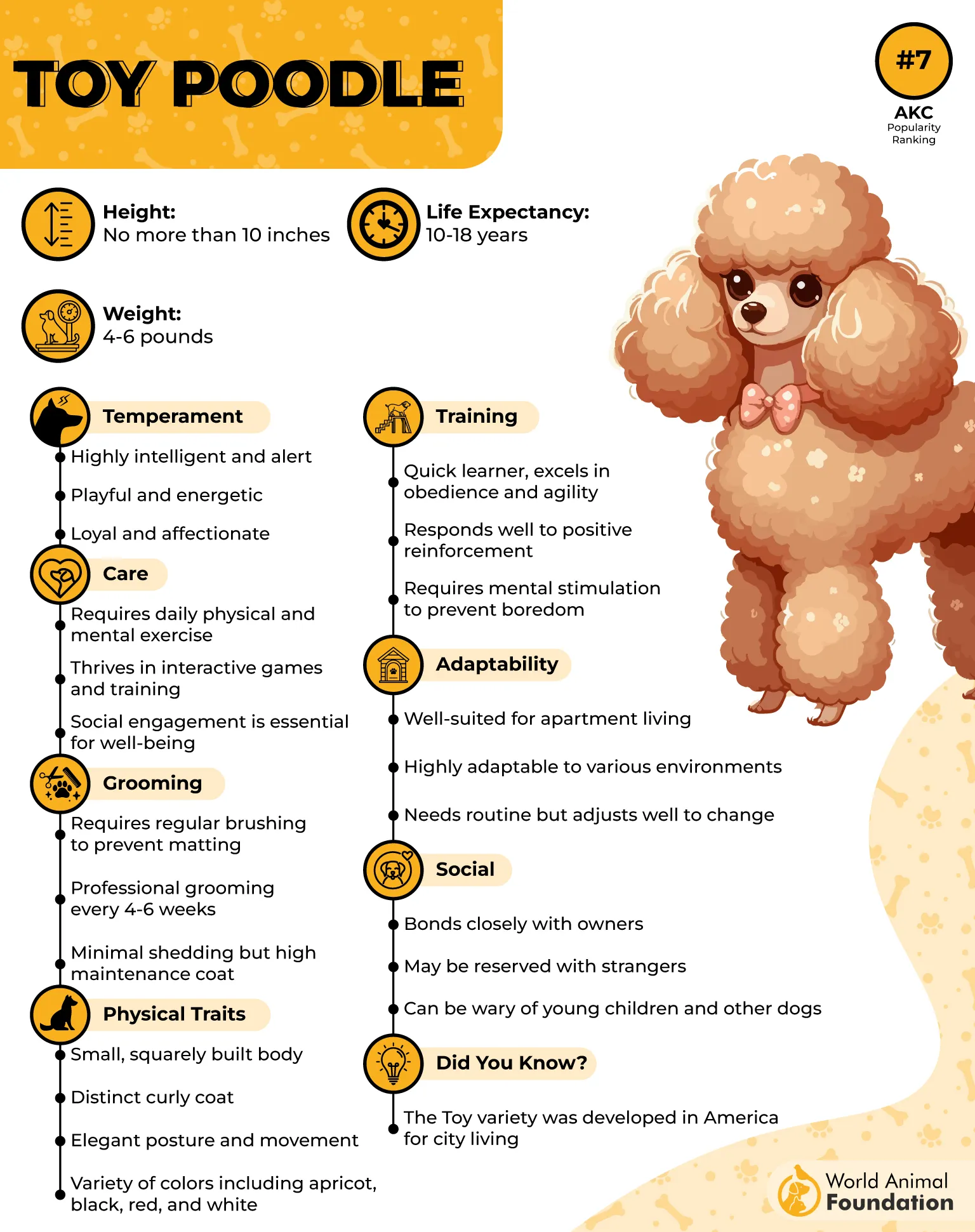
Some owners also meet the miniature poodle and notice the same “watch and learn” style. The mind is busy, so mental stimulation matters. Puzzle feeders, hide-and-seek, and short drills help keep peace.
The coat is often curly, and coat types can vary in texture and thickness. Regular grooming supports comfort and helps the pup stay healthy.
This breed can be sweet with people it trusts, and it enjoys playtime when the rules stay fair. With daily walks and kind practice, the toy poodle can feel like the best breed for a home that loves learning.
Highly trainable with clear signals and short sessions
Likes to spend time close to owners without being clingy
Energy levels stay steady with exercise and brain games
Often does well around other pets with early social time
3. Havanese
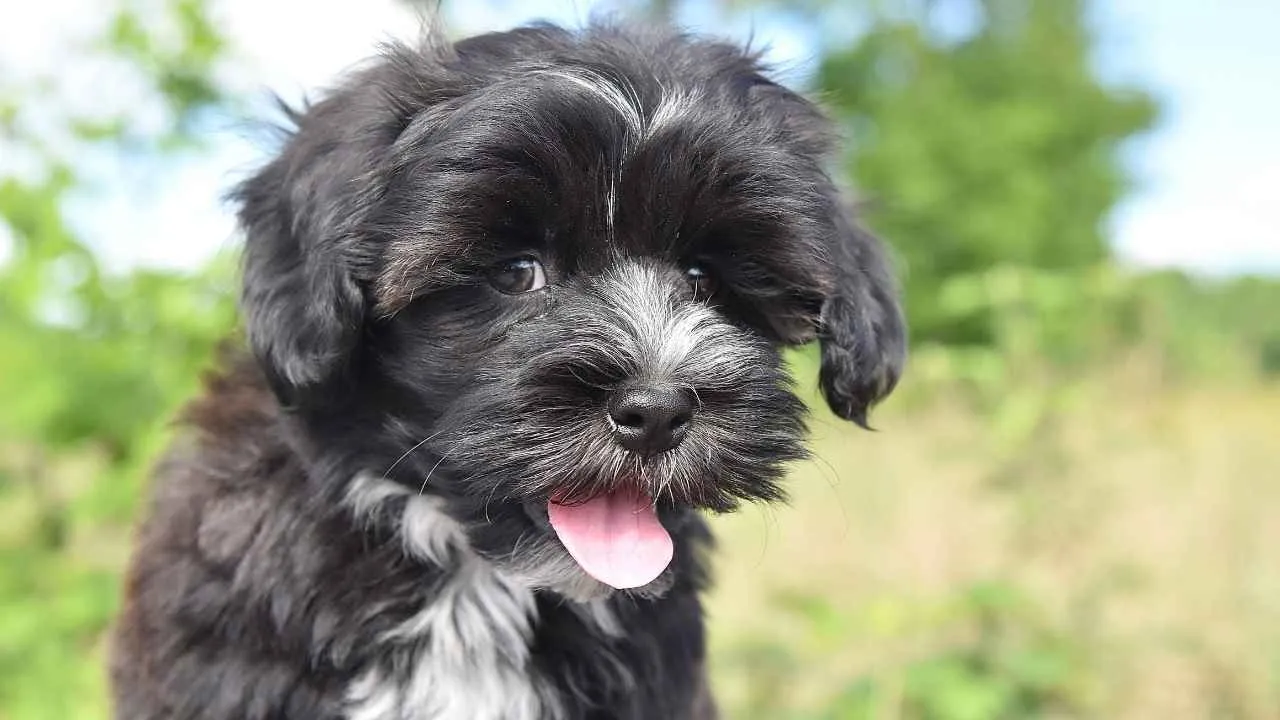
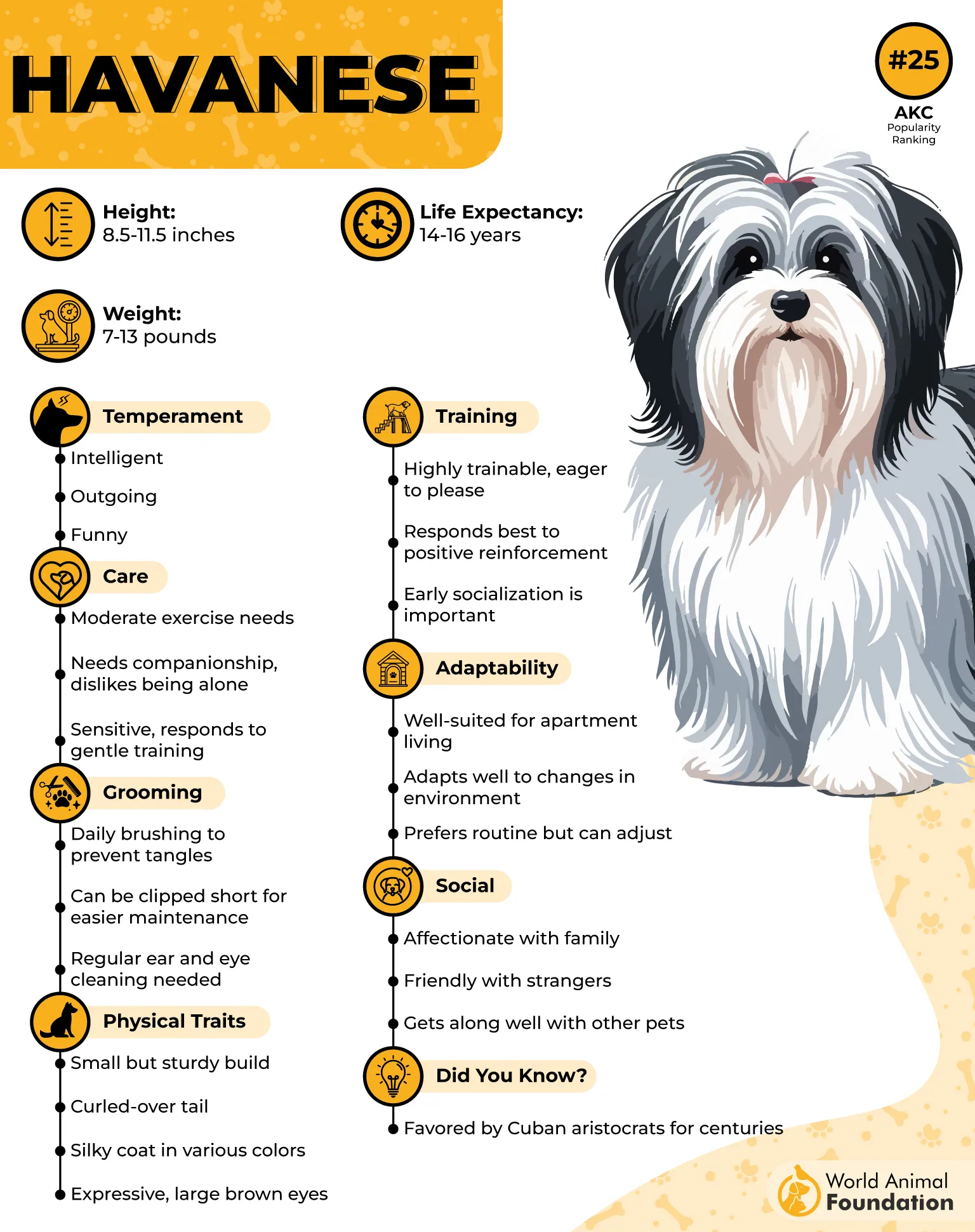
The Havanese has a look that feels thoughtful, almost like a tiny old soul. This cute breed thrives on connection and wants to please. That desire makes training feel lighter, not like a power struggle.
When the puppy gets praise, the learning speeds up. Many pet parents love that the breed stays tuned in even during busy days. For small dogs, this one can feel like a quiet teammate.
Here’s the good part. This breed shines in emotional awareness. It can notice human emotions and react with gentle timing. That does not mean mind-reading, but it does mean careful attention to faces, tone, and routine.
The pup learns what brings smiles and what brings stress. Harsh scolding can shut the dog down, so calm guidance works best. Keep train sessions positive, and the pup keeps trying.
The Havanese often has a longer coat that can feel light and soft when cared for. Grooming is part of life, but many owners find it relaxing.
This breed can be affectionate without being overwhelming. It often warms up to a home quickly, and it can handle visitors with a steady intro. Give daily walks, a few skill games, and a loving vibe, and this furry friend stays bright and joyful.
Learns best with patience, love, and steady rules
Strong bond grows through calm praise and simple routines
Enjoys gentle exercise and playful learning games
Often fits homes with younger kids when supervision is solid
4. Bichon Frise
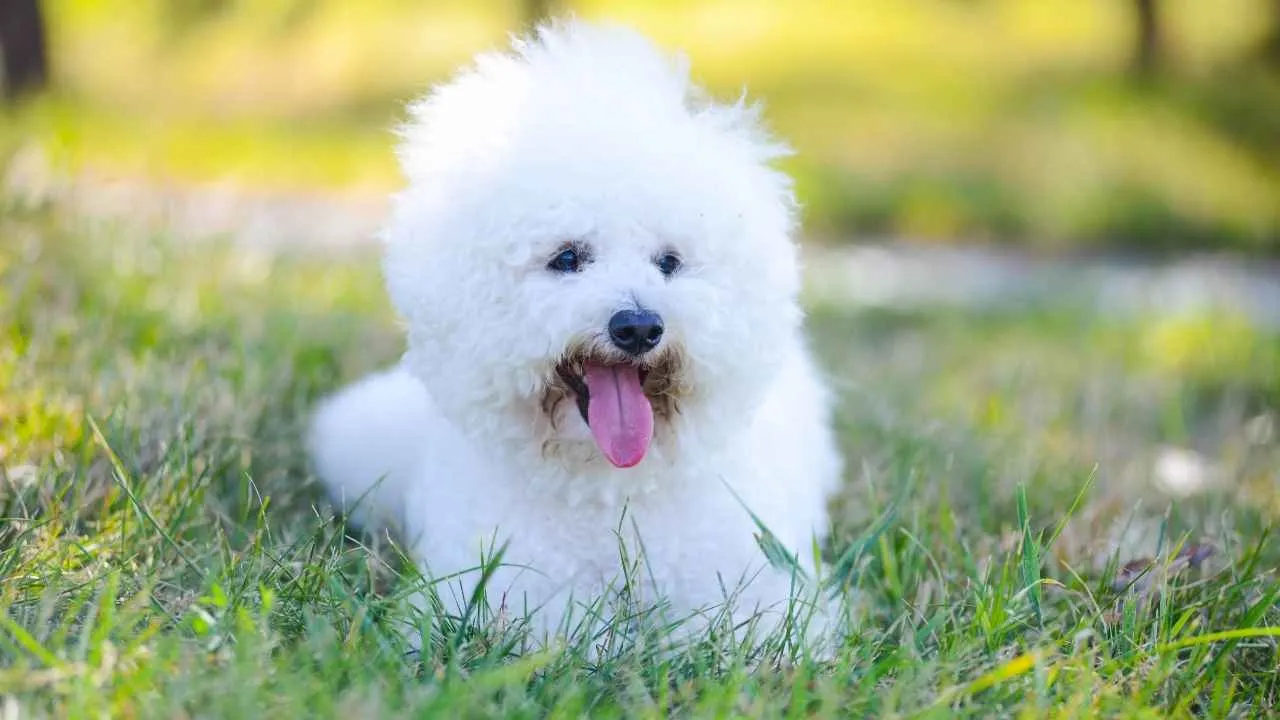
The bichon frise is a soft cloud of cheer with a real talent: it reads the room. This breed may not chase complex tasks all day, but it notices people deeply. For many small dog breeds, intelligence is about tricks.
For the bichon frise, it can be about awareness. When a puppy watches faces and reacts to tension, it can help a home feel calmer. That is why many people call it a great companion.
According to WebMD, this breed can also learn quickly when the method is fair. It may repeat a mistake once, then avoid it later, which shows adaptive learning. It gets even worse, though, when the pup feels ignored.
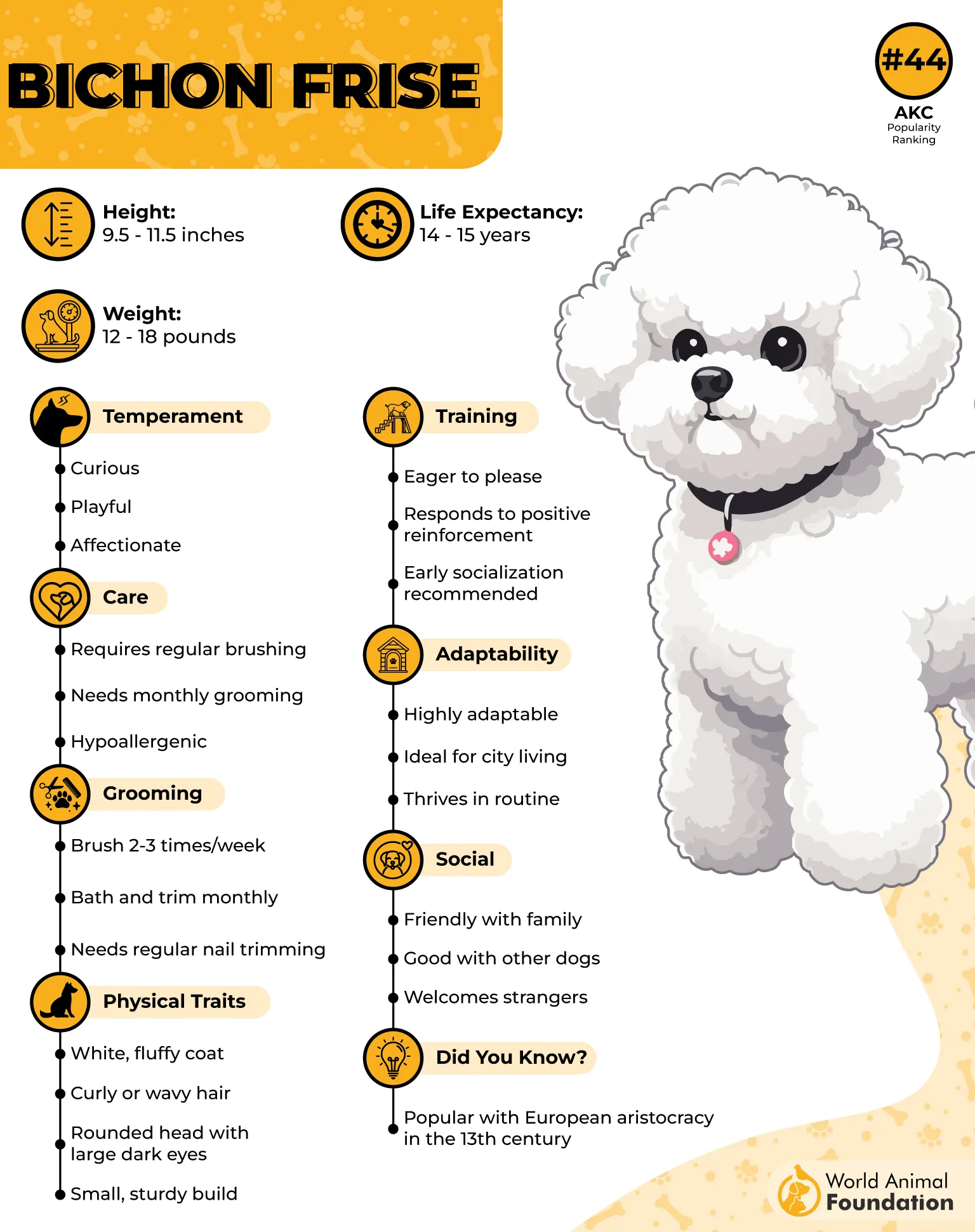
Boredom can bring noisy moments or silly attention grabs. The fix is simple: short games, gentle rules, and warm praise. With that, the dog stays sweet and steady.
Because of its caring nature, the bichon frise can be a therapy dog in the right setting. It may also do well in a home with other pets when introductions are slow.
Coat care matters, since grooming keeps the pup comfy and clean. Keep exercise consistent, add a little brain work, and this breed becomes a bright light in the home.
Picks up on mood shifts and changes in the home fast
Affectionate and sweet when it feels safe
Learns best with rewards, not harsh tones
Needs steady exercise and playful training to stay balanced
5. Papillon
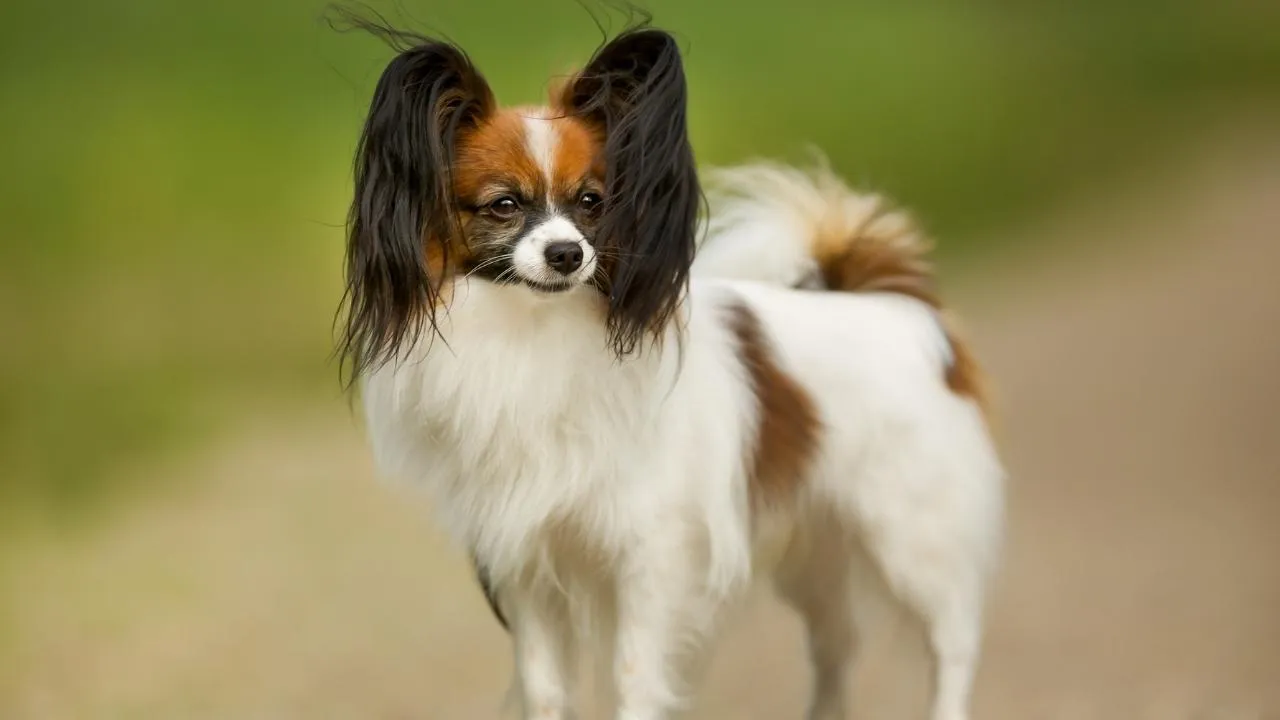
Papillon ears look fancy, but the brain under them is the real star. According to AKC, this breed is known for being sharp, alert, and curious. Many small dogs bark a lot, but this one often stays calmer with good social habits.
The puppy can learn house rules quickly, which makes life easier for owners who want peace. And here’s the best part! Training can happen right at home with simple tools and a little patience.
Papillons tend to enjoy learning new things. They can pick up routines, cues, and small tasks without drama. That makes them easy to train in a fun, friendly way.
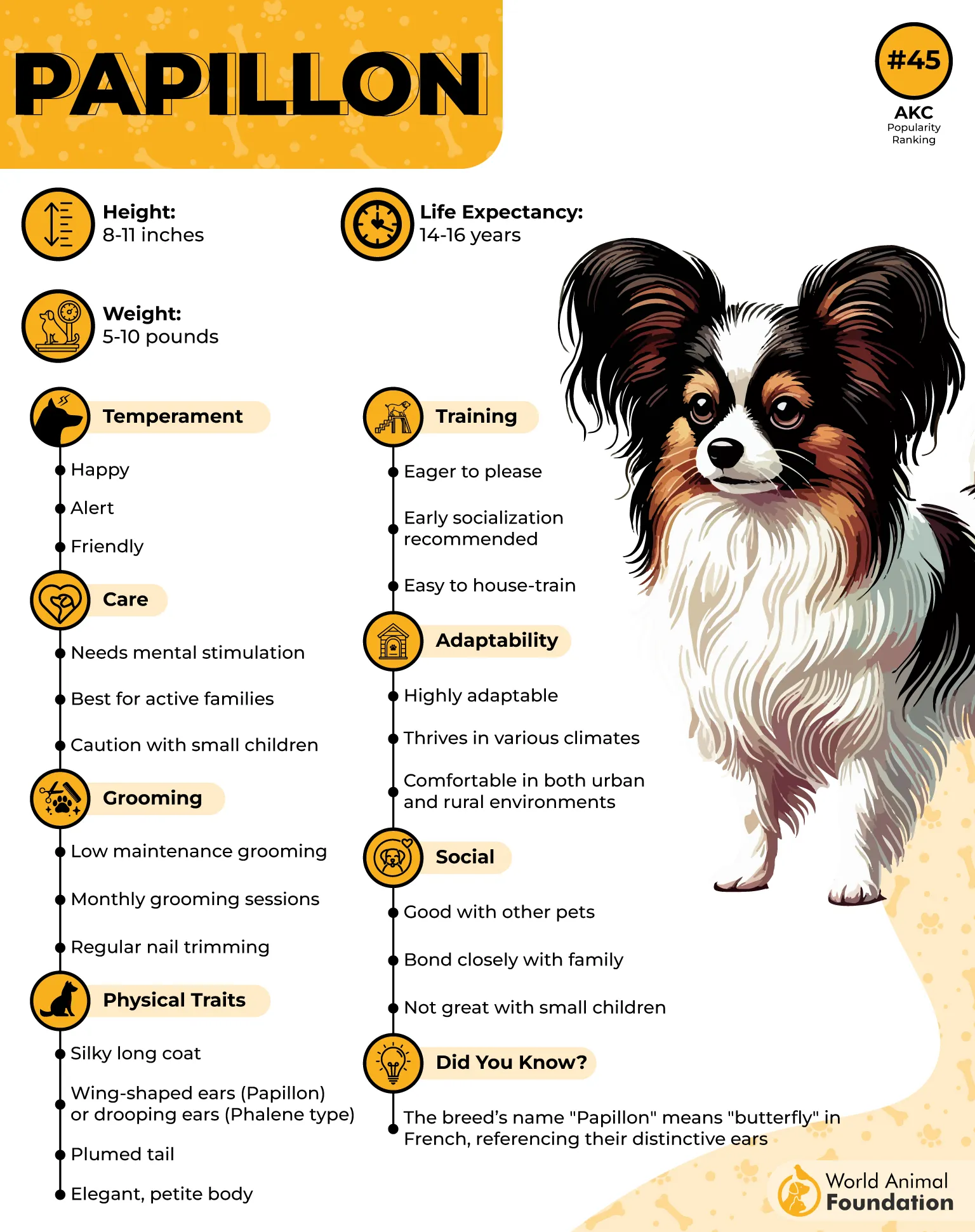
Keep sessions short, and the pup stays engaged. Give rewards for focus, not just for speed. This helps the dog think before reacting, which is great for a busy home.
This breed often loves to socialize with other pets and can handle friendly strangers when social time starts early.
It has a big personality in a small frame, so gentle rules matter. Exercise does not need to be extreme, but it should be steady. A brisk walk plus a quick brain game can keep the pup calm for the rest of the day.
Learns fast with consistent cues and simple rewards
Enjoys playtime without needing nonstop action
Can fit many living situations with a steady structure
Often stays polite around other dogs with early practice
6. Schipperke
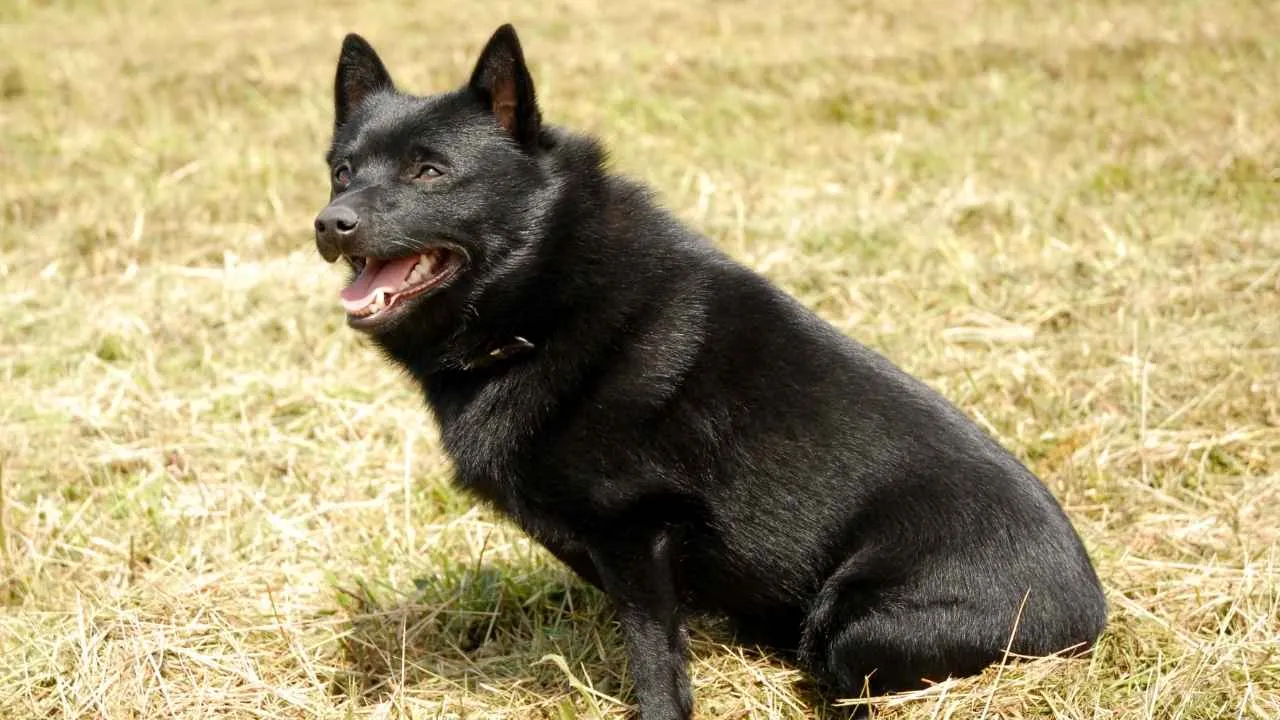
Schipperke is a small breed with bold energy and a sharp mind. This breed can look cute and compact, but the drive is serious.
It often has more energy than many expect, and it wants to explore everything. Chewing can become a hobby if the puppy is bored. That is why this breed often suits pet parents with experience and a plan, not just good intentions.
Training can be tricky because the breed can be stubborn. But why bother with that? Because this dog is highly intelligent and needs respect, not force. Harsh discipline can backfire fast.
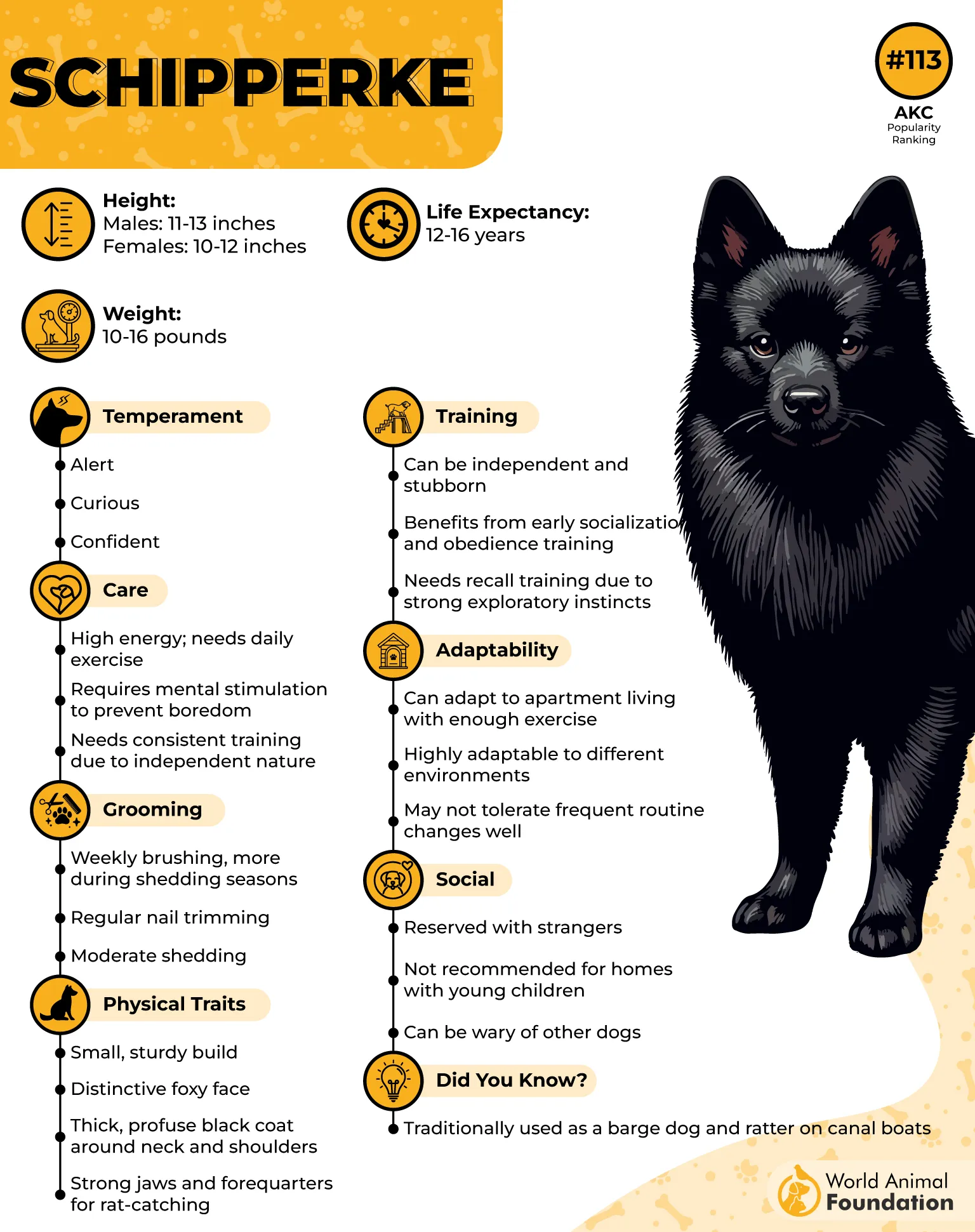
The pup may shut down or push harder. Positive steps work better: clear rules, quick rewards, and steady repetition. When the pup trusts the process, it starts to train with more focus.
Schipperkes can have a slightly smaller body than many expect under all that fluff, but the confidence is huge. Daily walks help burn energy, and puzzle games add mental stimulation.
When exercise is missing, the dog may invent chaos. When needs are met, the breed becomes a loyal furry friend with a unique personality that keeps life interesting.
Needs a steady plan for exercise and safe chew options
Can shed, so light grooming helps keep the home tidy
Learns best with calm rewards and clear limits
A strong bond builds when the pup feels understood
7. Pomeranian
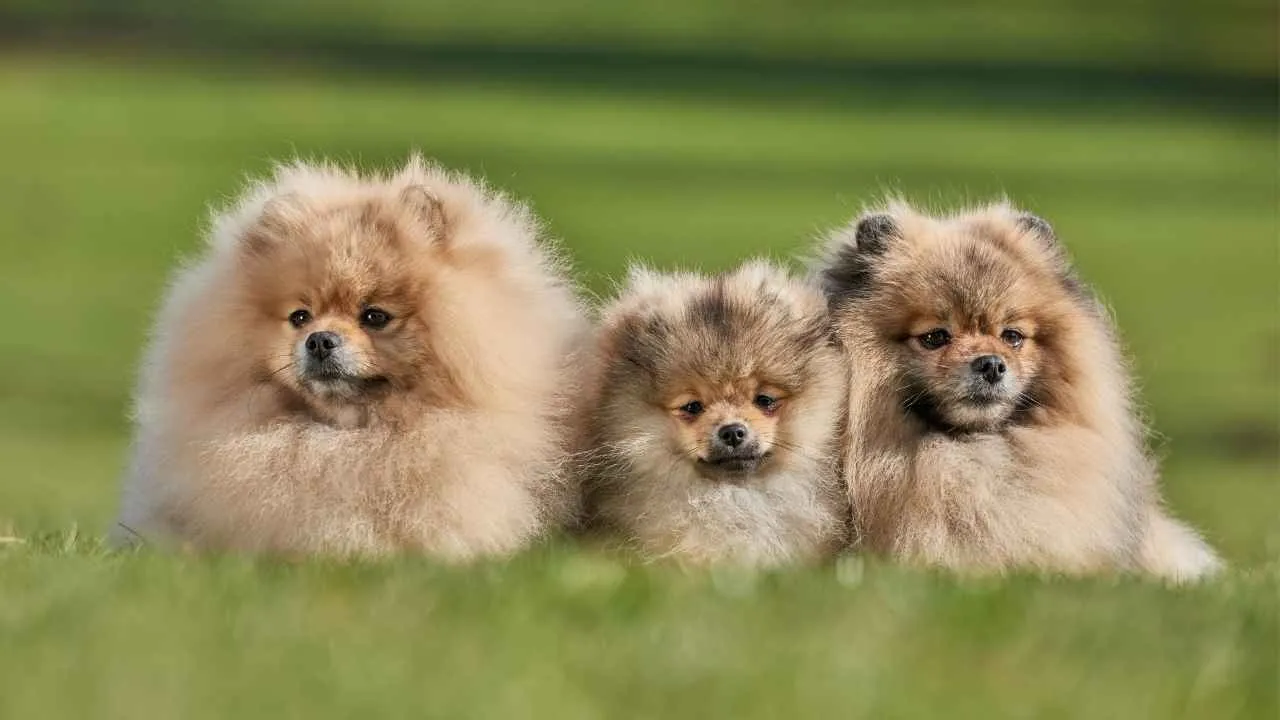
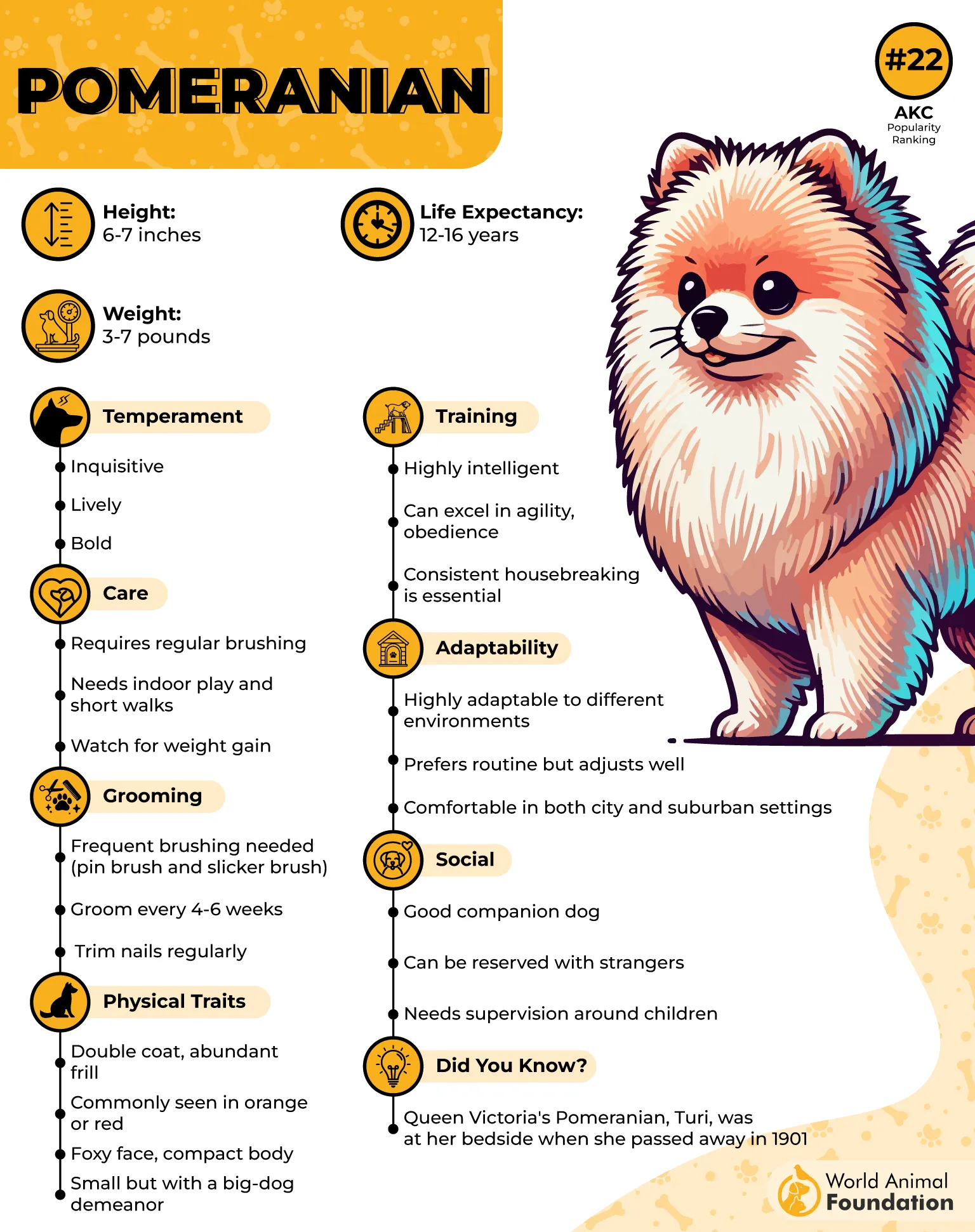
Pomeranians look like tiny celebrities, and many people assume they are only for looks. But wait, there’s more! This breed often has a sharp mind and a bold will. It can be independent, quick to learn, and eager to perform.
Some dogs in this breed even rank well for obedience and working skills, which surprises people who only see the cute face. For small dog breeds, that mix of charm and grit is a big deal.
This breed can be competitive and loves having a purpose. That can make training fun, but it also means rules matter. The puppy may test limits if rewards are unclear. Keep training upbeat, and the dog responds with focus.
Add simple games that teach patience, like waiting at doors or holding a sit. That kind of practice helps the pup feel proud and steady.
Pomeranians often form a strong bond with owners and can get protective. Early socialization helps the dog stay polite with strangers. Grooming supports comfort, and many owners notice the coat feels full and soft.
Some Pomeranians shed, so brushing helps. With daily walks, playful exercise, and calm structure, this breed becomes an affectionate little star that brings joy.
Big personality and alert nature in a compact size
Can learn fast when training stays fun and clear
Enjoys playtime and can handle many pets with slow intros
Often does well in apartment living for apartment dwellers with a routine
Conclusion
Smart small dog breeds can bring laughter, comfort, and real teamwork into daily life. Each breed in this blog has its own personality, and that is the fun of it. The best results come from matching energy levels to the home, then building habits with calm training and steady exercise.
A puppy that gets daily walks, brain games, and warm rules is far less likely to cause chaos. And here’s the good part. When pet parents stay patient, these dogs often give back ten times more love.
Pick the breed that fits the home, start simple, and keep showing up. That strong bond can turn a small dog into a lifelong furry friend, even on the hard days.
