




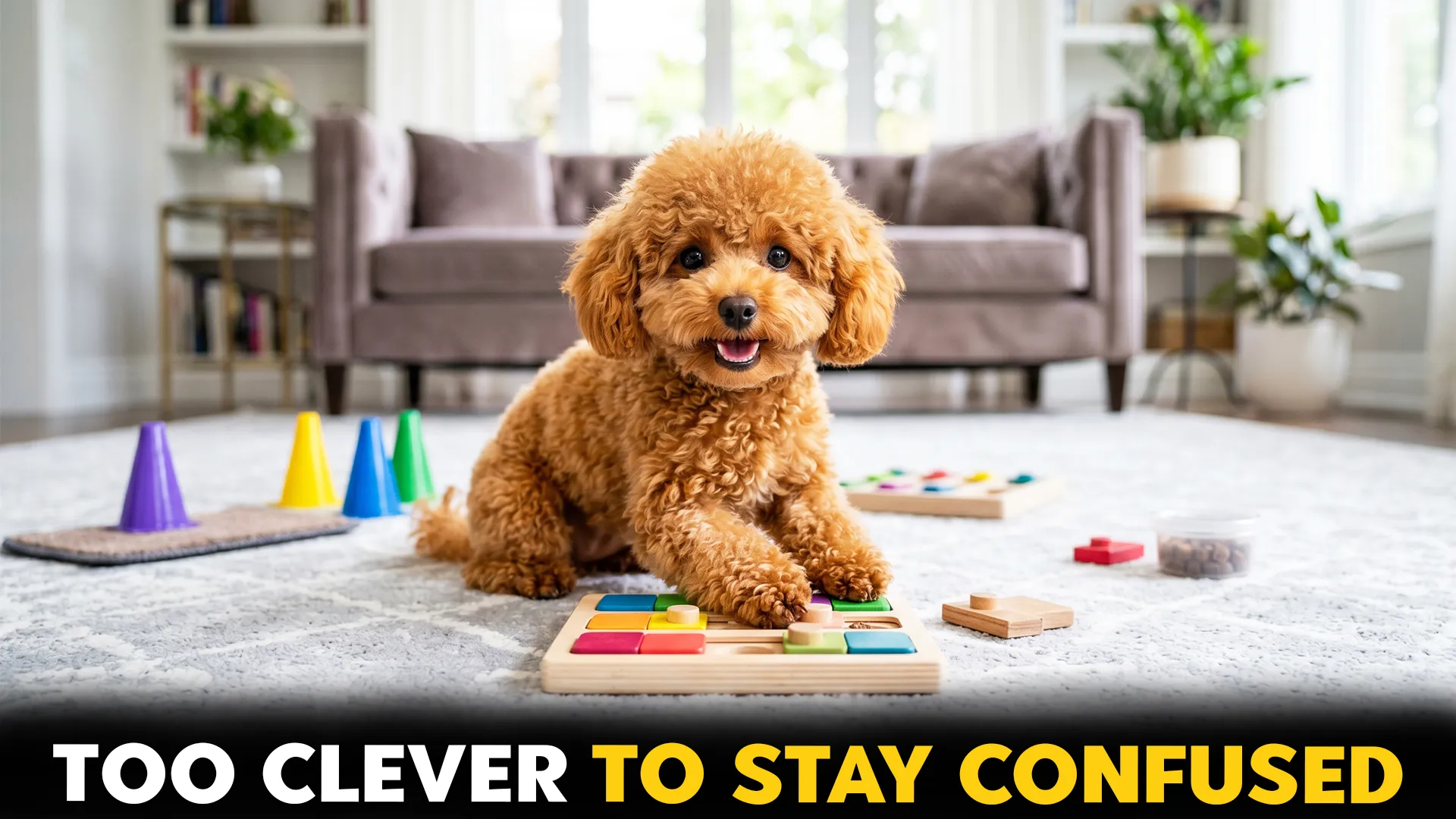
Big brains don’t always come in big packages. Some of the smartest dogs on the planet are compact enough to fit comfortably on your lap, yet they possess intelligence that can rival many larger working breeds. These tiny geniuses learn commands quickly, adapt to new situations, and often surprise their owners with problem-solving skills that seem almost human.
Many small breeds consistently rank among the easiest dogs to train because they quickly understand commands and eagerly work alongside their humans. This combination of intelligence and enthusiasm creates the perfect recipe for training success.
Training a smart dog is both rewarding and hilarious. One moment you’re teaching a simple command, and the next, your dog has figured out how to open a cabinet, locate hidden treats, and negotiate for extra rewards. It’s basically living with a furry roommate who has unlimited curiosity.
Let’s meet ten small dogs that prove intelligence isn’t measured by size. These breeds consistently impress trainers, veterinarians, and dog owners around the world with their ability to learn, adapt, and excel.
Smart Small Dog Breeds That Excel in Training
1. Toy Poodle
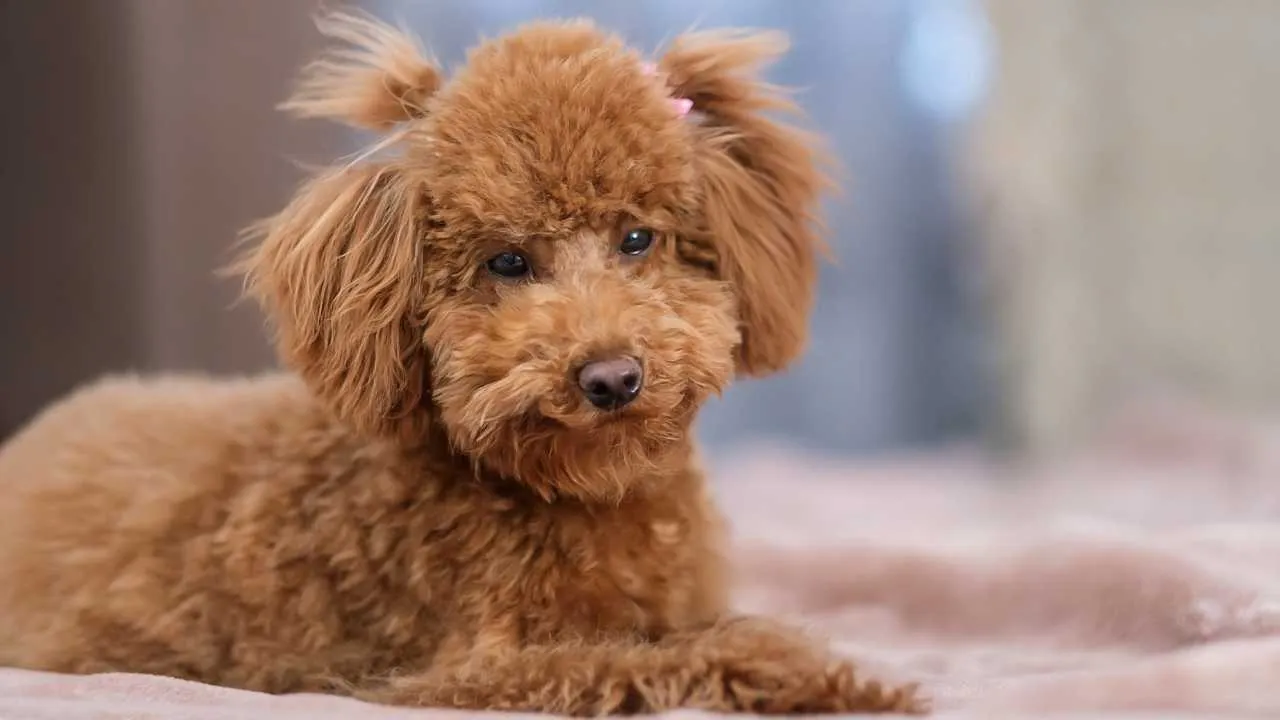
Toy Poodles are often considered the honor students of the small dog world. Despite their elegant appearance, they were originally developed from working dogs known for retrieving waterfowl. Their intelligence remains one of the breed’s strongest traits today.
When researchers discuss canine intelligence, Poodles regularly appear near the top of the rankings. As some of the most intelligent dog breeds, they learn new commands in very few repetitions, making them favorites among professional trainers.
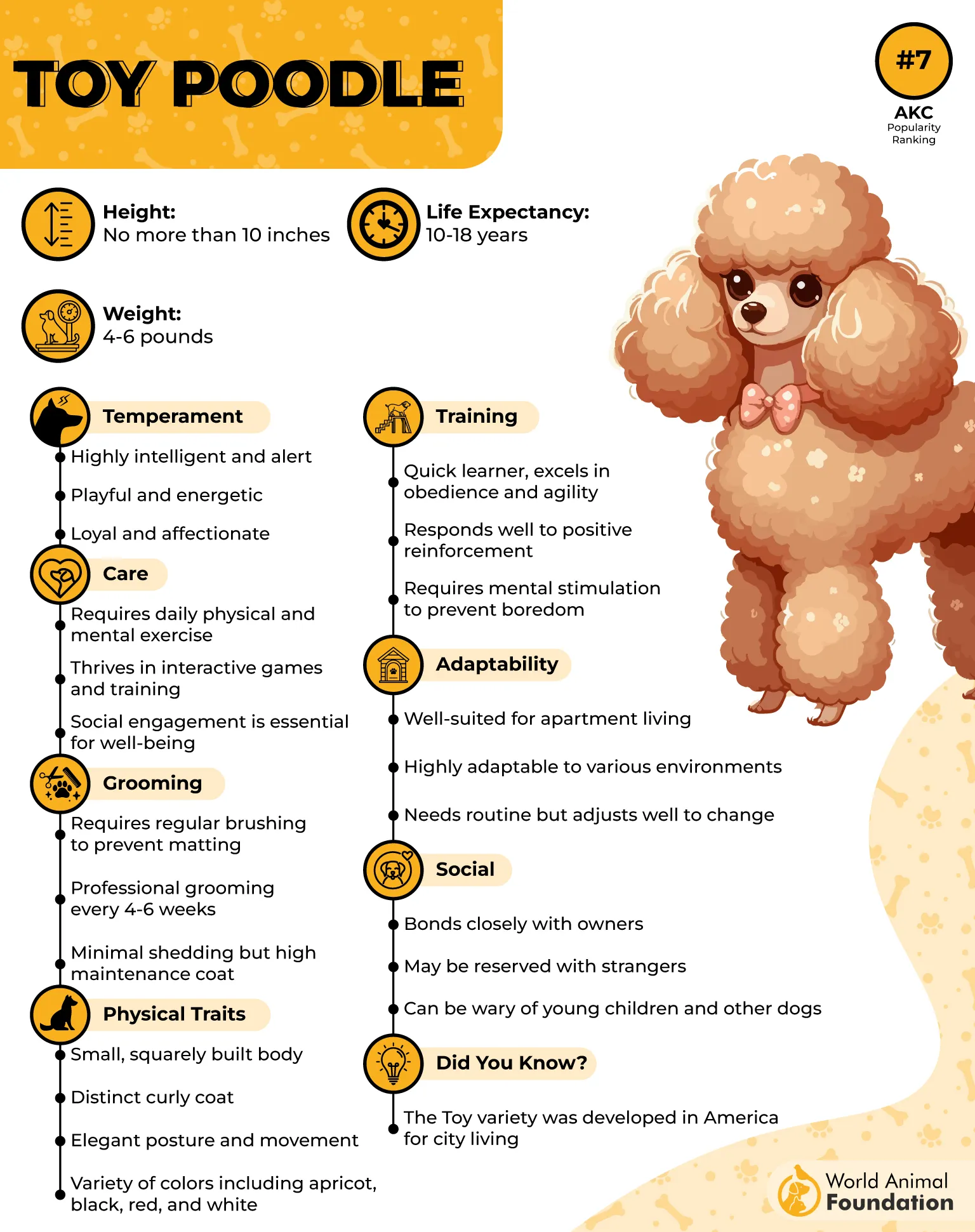
Training sessions with a Toy Poodle often feel less like teaching and more like teamwork. They actively look for patterns, pay close attention to human behavior, and quickly connect actions with rewards. This level of engagement allows them to master advanced tricks far faster than many other breeds.
Beyond obedience, Toy Poodles excel in canine sports such as agility, rally, and scent work. Their athleticism combines perfectly with their intelligence, creating a dog that loves both physical and mental challenges.
Owners frequently describe Toy Poodles as “human-like” in their ability to observe and adapt. They often learn household routines, anticipate schedules, and pick up subtle cues without direct instruction. This makes them exceptional companions for people who enjoy interactive relationships with their pets.
Some Training Tips You Need To Know
Challenge their minds regularly, because repetitive drills become surprisingly boring.
Introduce new tricks frequently to keep their problem-solving abilities sharp and engaged.
Positive reinforcement produces outstanding results because Toy Poodles genuinely enjoy learning from their people.
2. Papillon
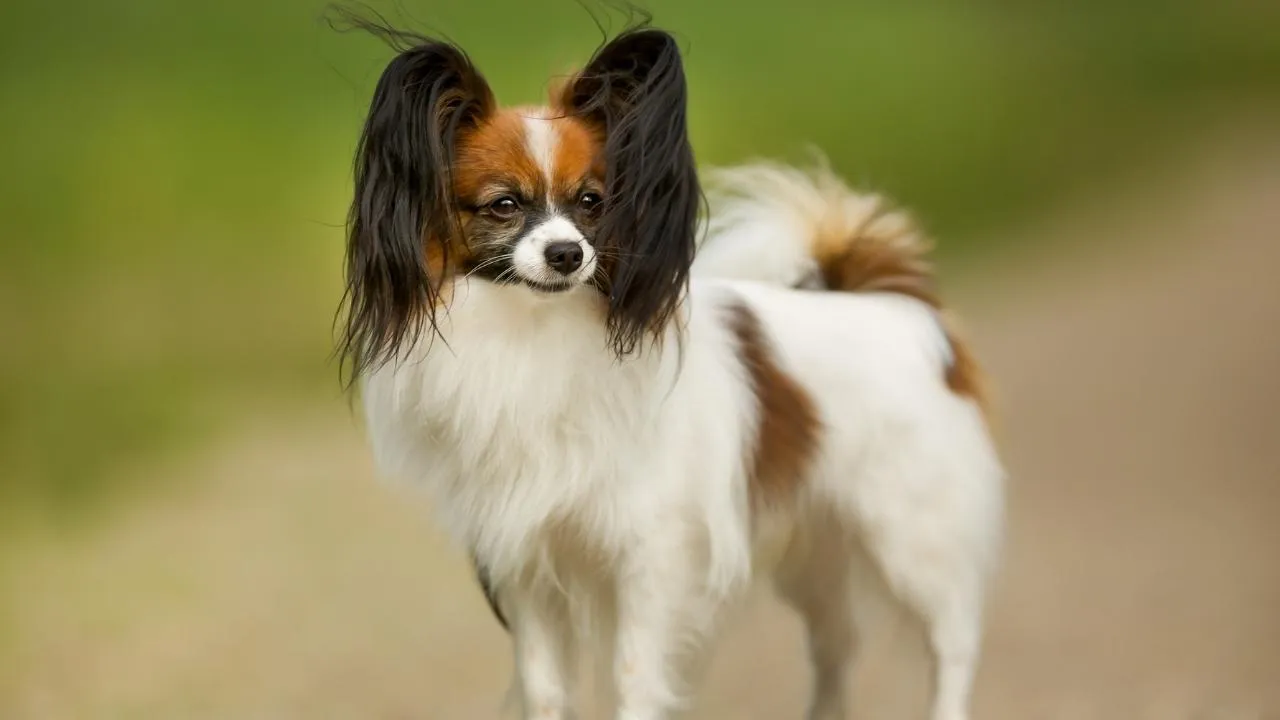
Papillons may look like delicate little butterflies with ears that inspired their name, but don’t let the cute package fool you. These dogs are considered one of the smartest toy breeds in the world and consistently perform well in obedience competitions.
One of the reasons trainers love them is their incredible attention span. Unlike some small breeds that get distracted by every moving object, Papillons often stay focused on their handler during training sessions. This ability helps them master commands quickly and retain lessons for long periods.
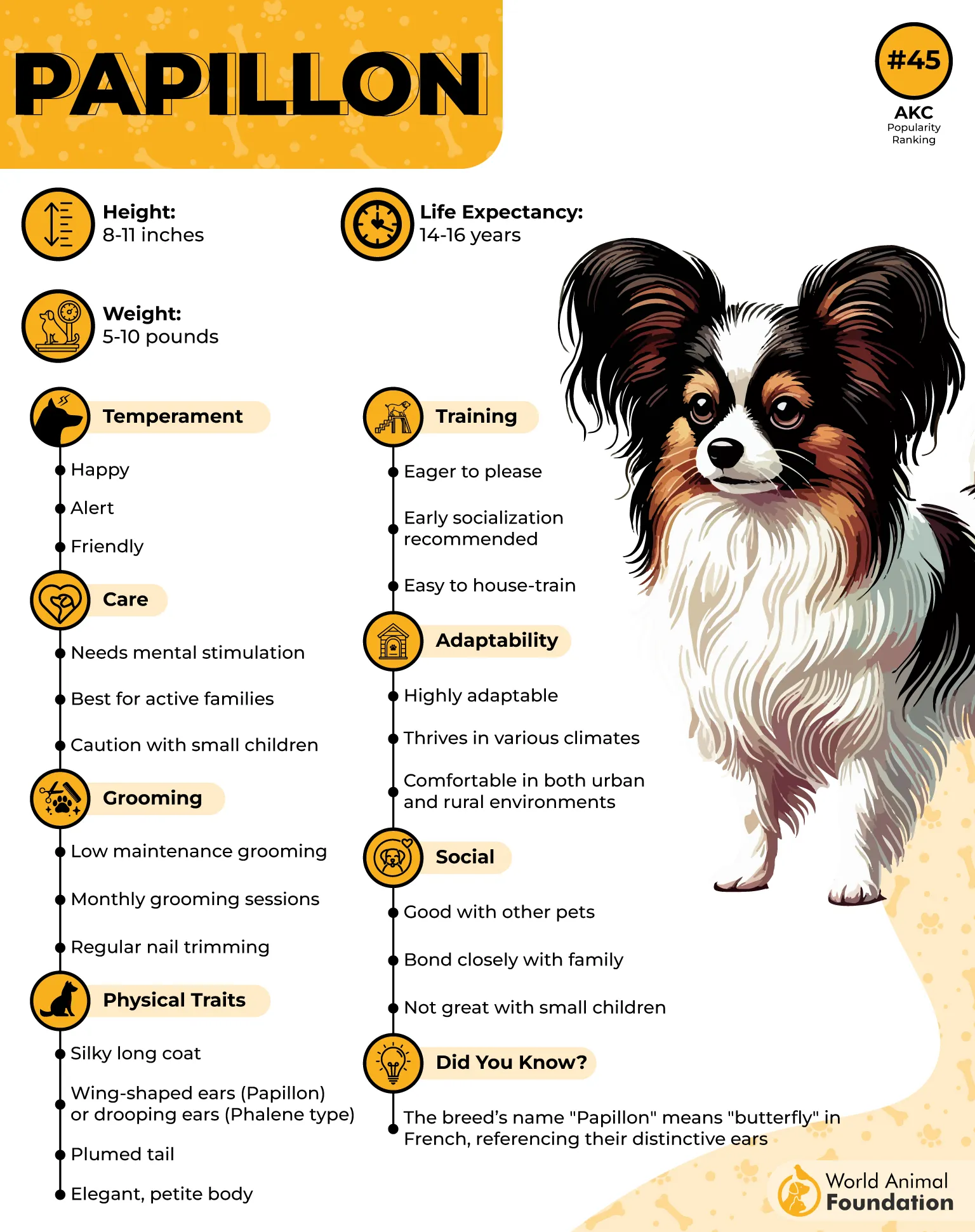
They display the same combination of elegance and intelligence that made them favorites among aristocrats.
Agility competitions are where Papillons truly shine. Their lightweight bodies, fast reflexes, and sharp minds allow them to navigate courses with remarkable speed and precision. Many competitors are surprised when these tiny dogs outperform much larger breeds.
Owners often describe Papillons as energetic little scholars. They love interactive games, puzzle toys, and advanced trick training that challenges their minds. A bored Papillon will often invent its own entertainment, which may or may not involve stealing socks.
Some Training Tips You Need To Know
Short, engaging sessions work best because Papillons thrive on variety and excitement.
Agility-style activities help channel their natural athleticism into productive learning.
Mental enrichment games can prevent boredom-driven mischief around the house.
3. Miniature Schnauzer
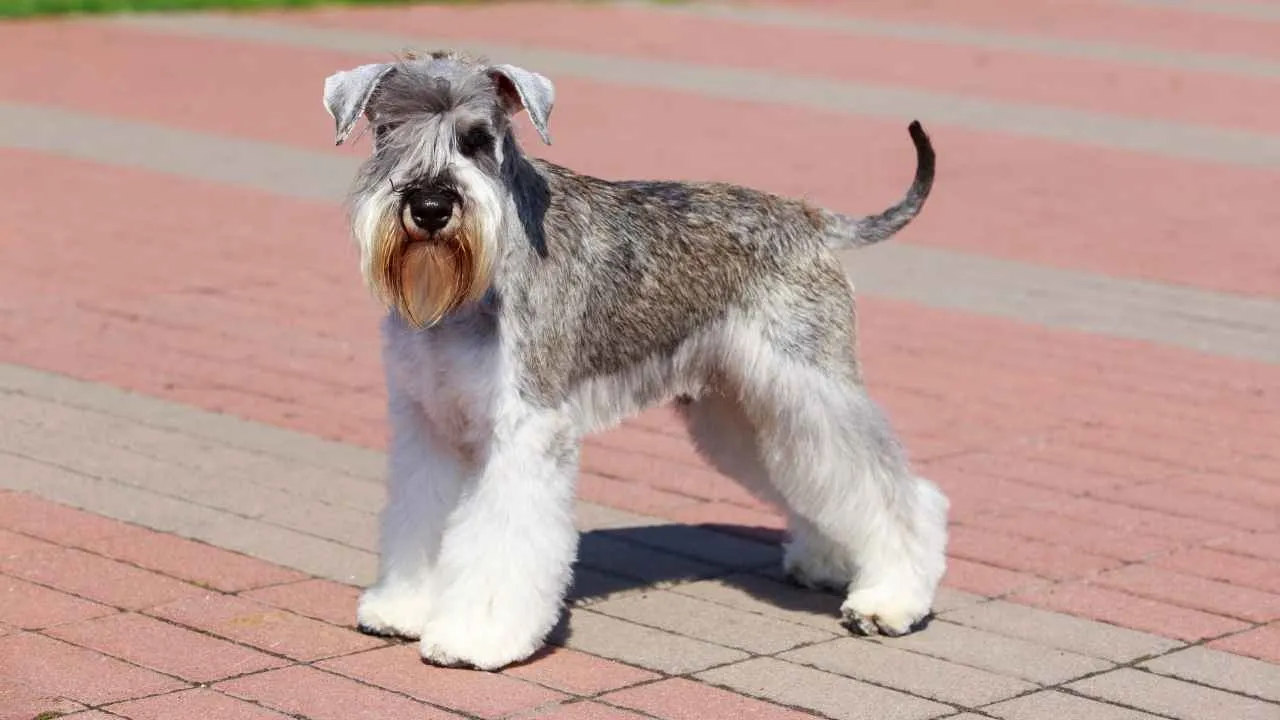
Miniature Schnauzers combine intelligence with a strong desire to participate in family activities. They learn quickly, enjoy problem-solving, and often develop impressive obedience skills when trained consistently. Their expressive faces make it easy to tell when they’re paying attention—and when they’re judging your decisions.
Originally bred in Germany as farm dogs, these small dogs were tasked with controlling rodents and alerting farmers to unusual activity. This working heritage contributed to their intelligence and awareness. Even today, they remain highly observant and quick to react to their environment.
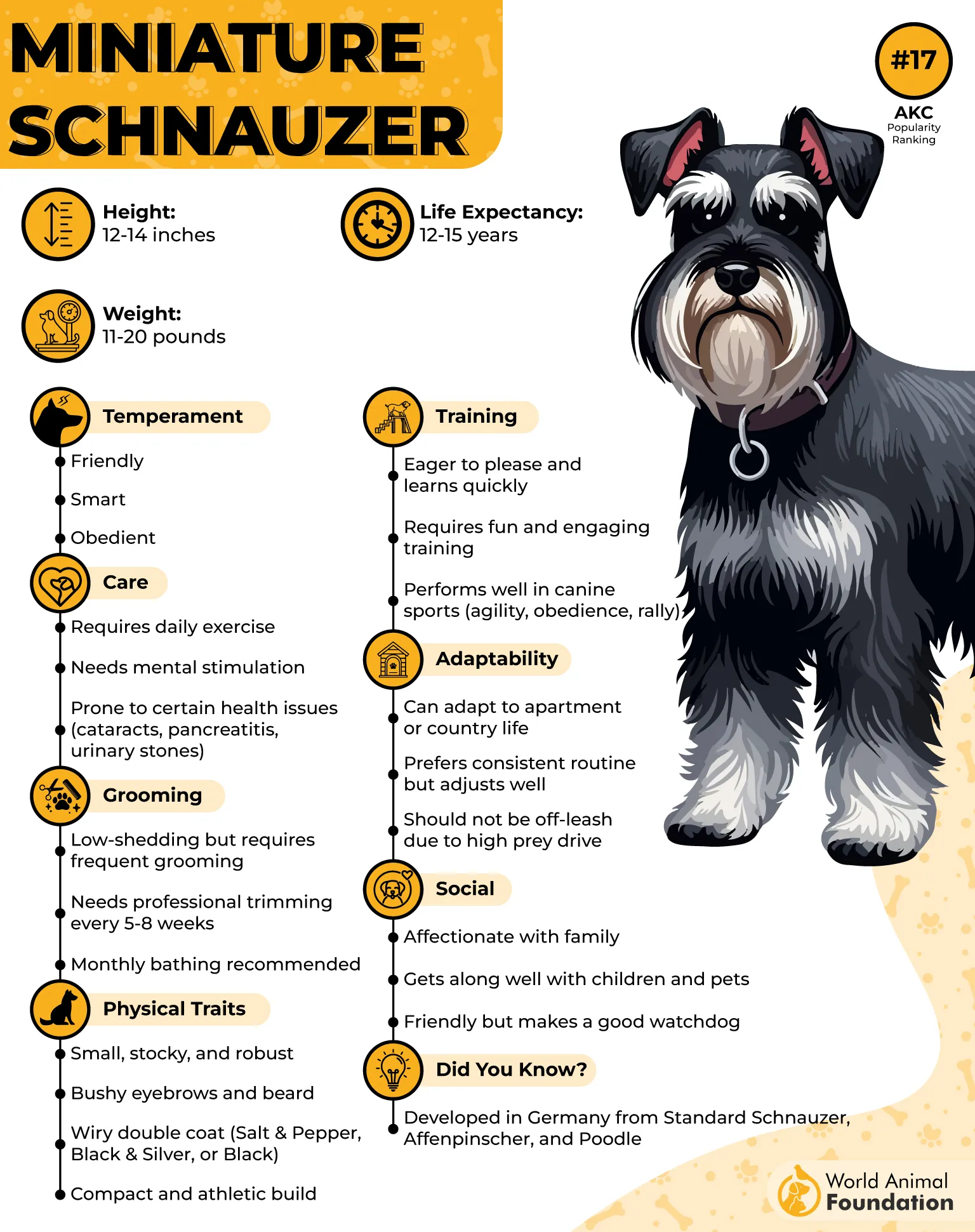
One of the breed’s strongest traits is adaptability. They perform well in various training activities, from basic obedience to advanced canine sports. Many owners find that their Schnauzers enjoy learning simply because it allows them to spend time with their favorite humans.
Miniature Schnauzers are known for their confidence and independence. While this can occasionally lead to stubborn moments, it also means they can think through problems effectively. Positive reinforcement usually produces excellent results with this breed.
These dogs are also natural communicators. They often use vocalizations, body language, and facial expressions to interact with their families. Training becomes much easier when owners learn to recognize and respond to these signals.
Some Training Tips You Need To Know
Consistency matters because Schnauzers quickly notice when rules change.
Reward calm behavior to balance their naturally alert watchdog instincts.
Incorporate games into training to keep lessons fun and memorable.
4. Havanese
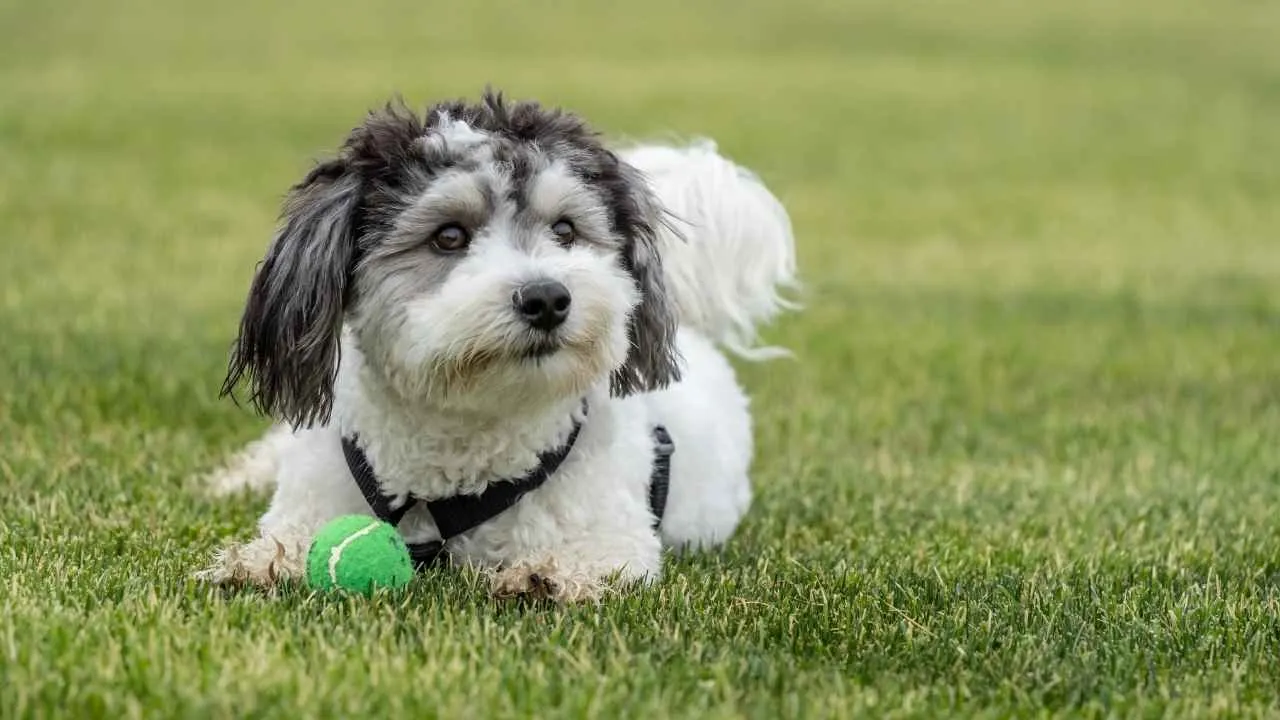
The Havanese is often described as a social butterfly wrapped in a fluffy coat. This Cuban companion breed combines intelligence, charm, and trainability into one delightful package. They genuinely enjoy learning because it allows them to interact with people.
Havanese dogs are particularly skilled at reading human emotions and body language. Purina mentions that these pups respond to subtle changes in tone and mood. This sensitivity makes them highly responsive during training sessions.
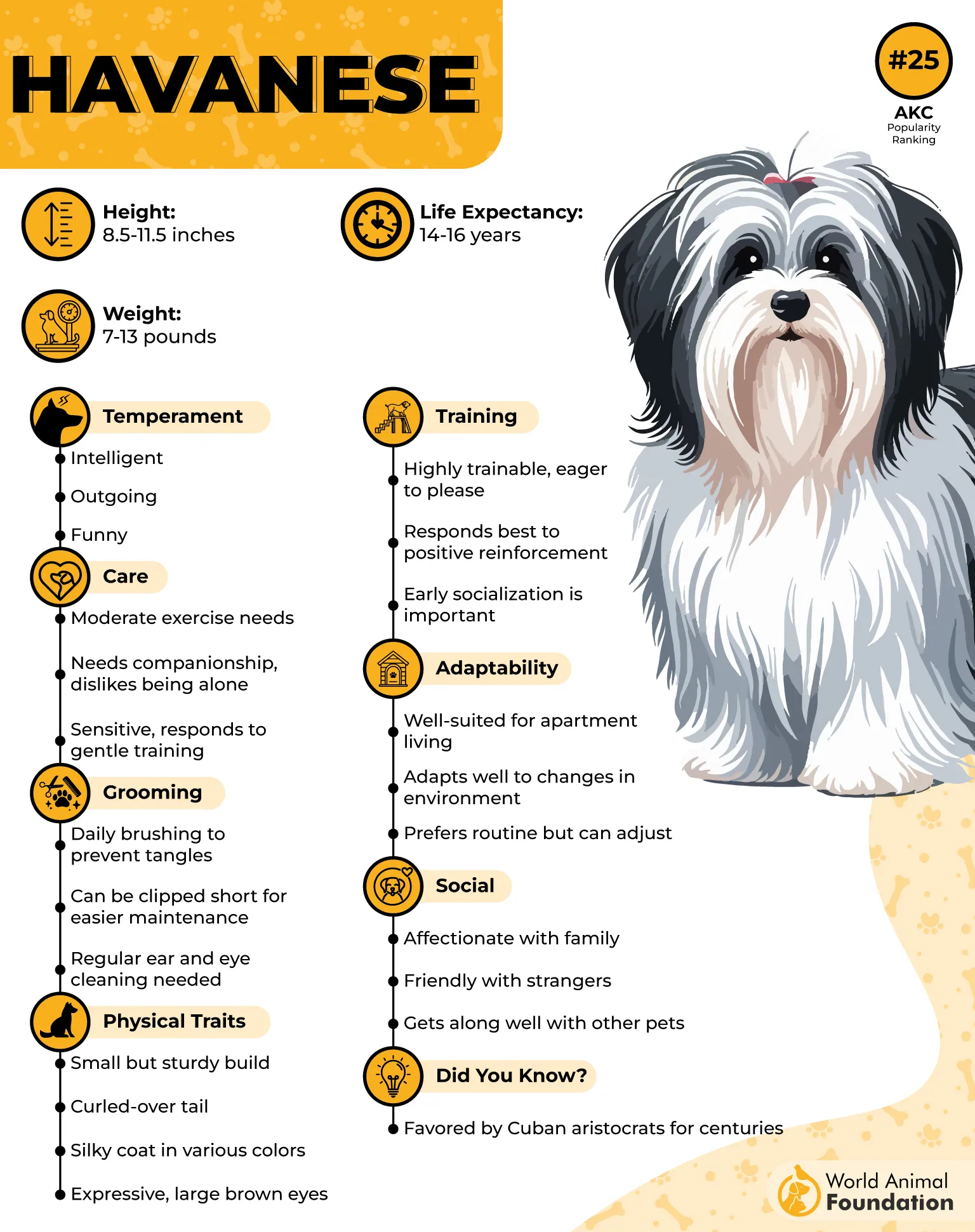
They excel in trick training because they enjoy attention and praise. From spinning and dancing to retrieving specific objects, Havanese dogs often learn complex behaviors with surprising speed. Their enthusiasm makes training sessions entertaining for everyone involved.
Many therapy dog programs value the Havanese for its gentle nature and intelligence. Their ability to remain calm while learning new tasks contributes to their success in service-oriented roles. They’re proof that small dogs can make a big impact.
Some Training Tips You Need To Know
Use enthusiastic praise because Havanese dogs love positive attention.
Socialization should begin early to build confidence in different environments.
Teach new tricks regularly to satisfy their curious and people-oriented minds.
5. Toy Fox Terrier
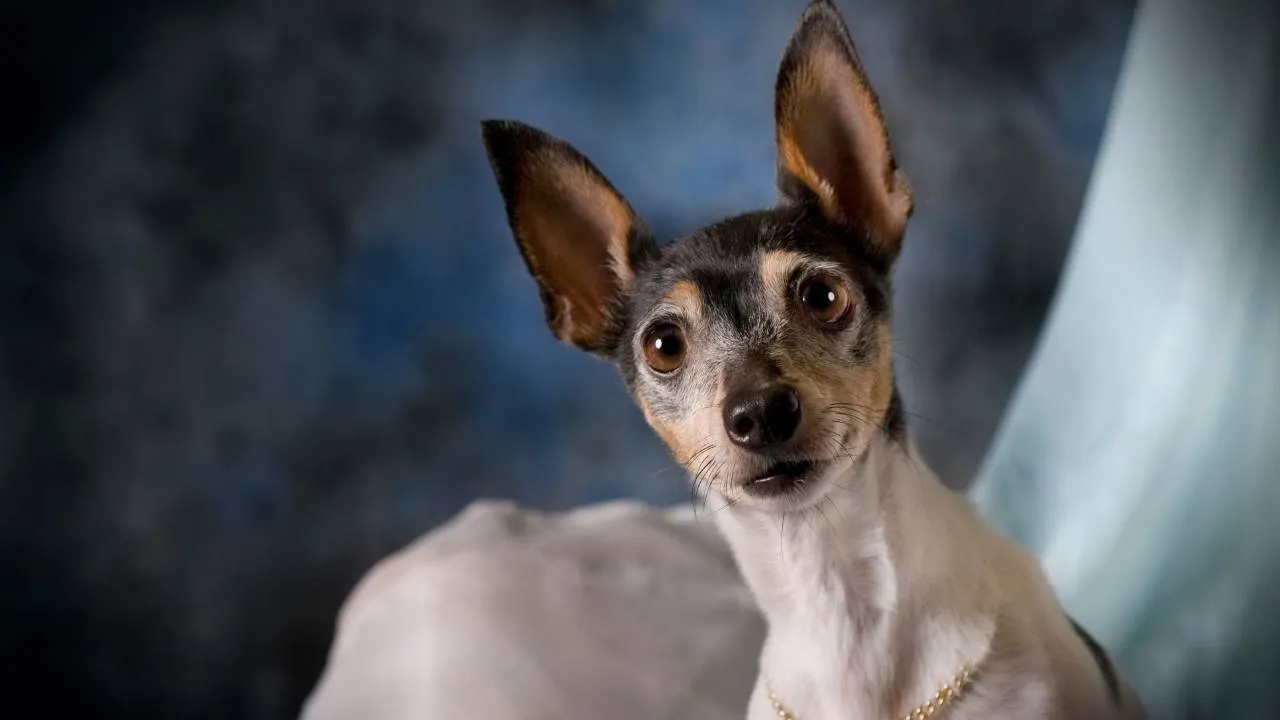
The Toy Fox Terrier is a tiny dog with enormous confidence and intelligence. Developed from larger Fox Terriers, they retained the sharp minds and determination of their ancestors while fitting into a much smaller package—their eagerness to learn often surprises first-time owners.
These dogs were originally bred to hunt small pests on farms. This working background contributed to their quick decision-making abilities and strong problem-solving skills. They often approach training challenges with enthusiasm and creativity.
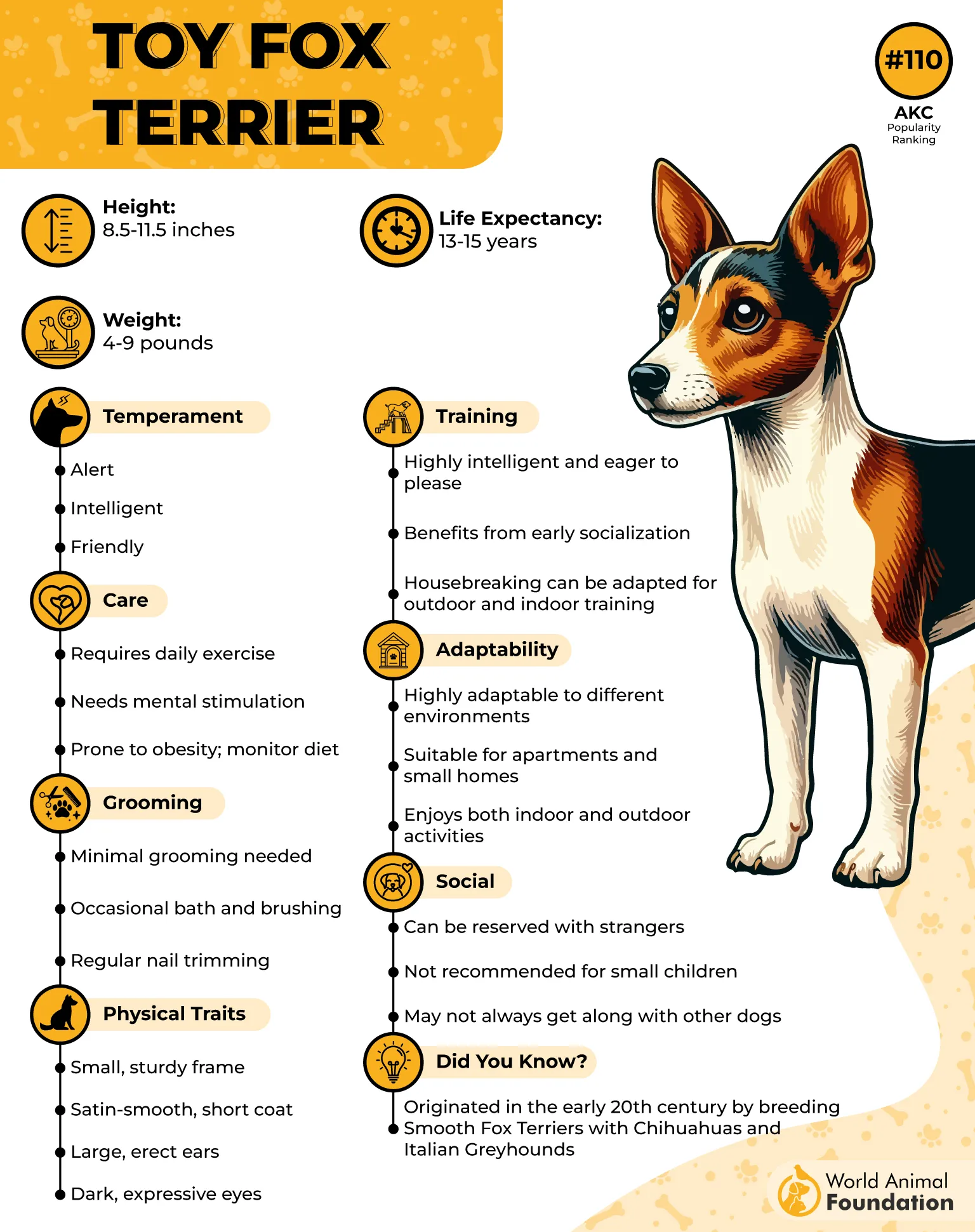
Toy Fox Terriers tend to form strong bonds with their families. Because they enjoy human interaction, they are highly motivated by praise and rewards. This makes them particularly responsive during obedience training.
Athletic and energetic, they excel in activities that require speed and precision. Many participate successfully in agility, rally, and advanced trick competitions. Their combination of intelligence and agility makes them entertaining to watch.
Toy Fox Terriers are often described as fearless despite their size. They approach new situations with confidence and curiosity. This bold personality often accelerates their learning process.
Some Training Tips You Need To Know
Keep sessions upbeat because these dogs respond best to energetic teaching.
Redirect their natural prey drive into games and structured activities.
Frequent practice helps reinforce commands and maintain focus.
6. American Eskimo Dog
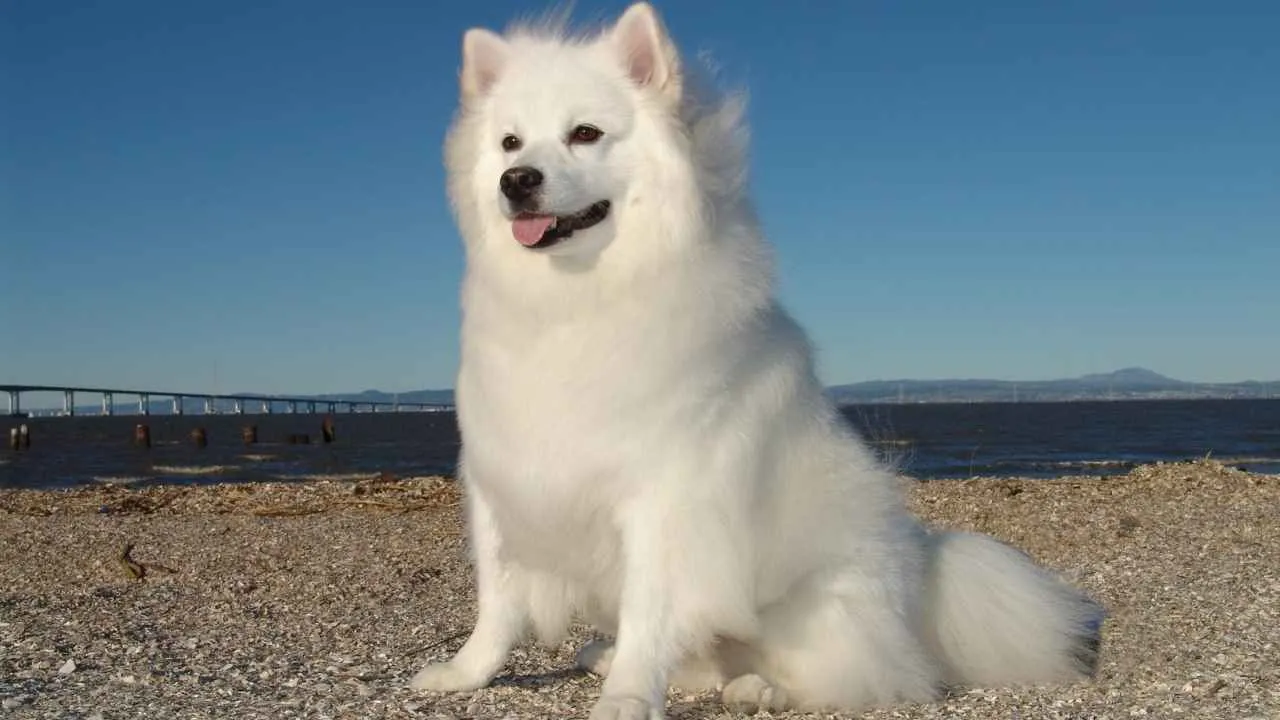
The American Eskimo Dog may come in toy, miniature, and standard sizes, but even the smallest variety possesses remarkable intelligence. Known for their striking white coats and expressive faces, these dogs are among the most trainable companion breeds. Their eagerness to learn makes them stand out.
Historically, AEDCA says these dogs performed in traveling circuses throughout the United States. Their ability to learn complex routines and tricks impressed audiences everywhere. This history highlights just how intelligent and adaptable they truly are.
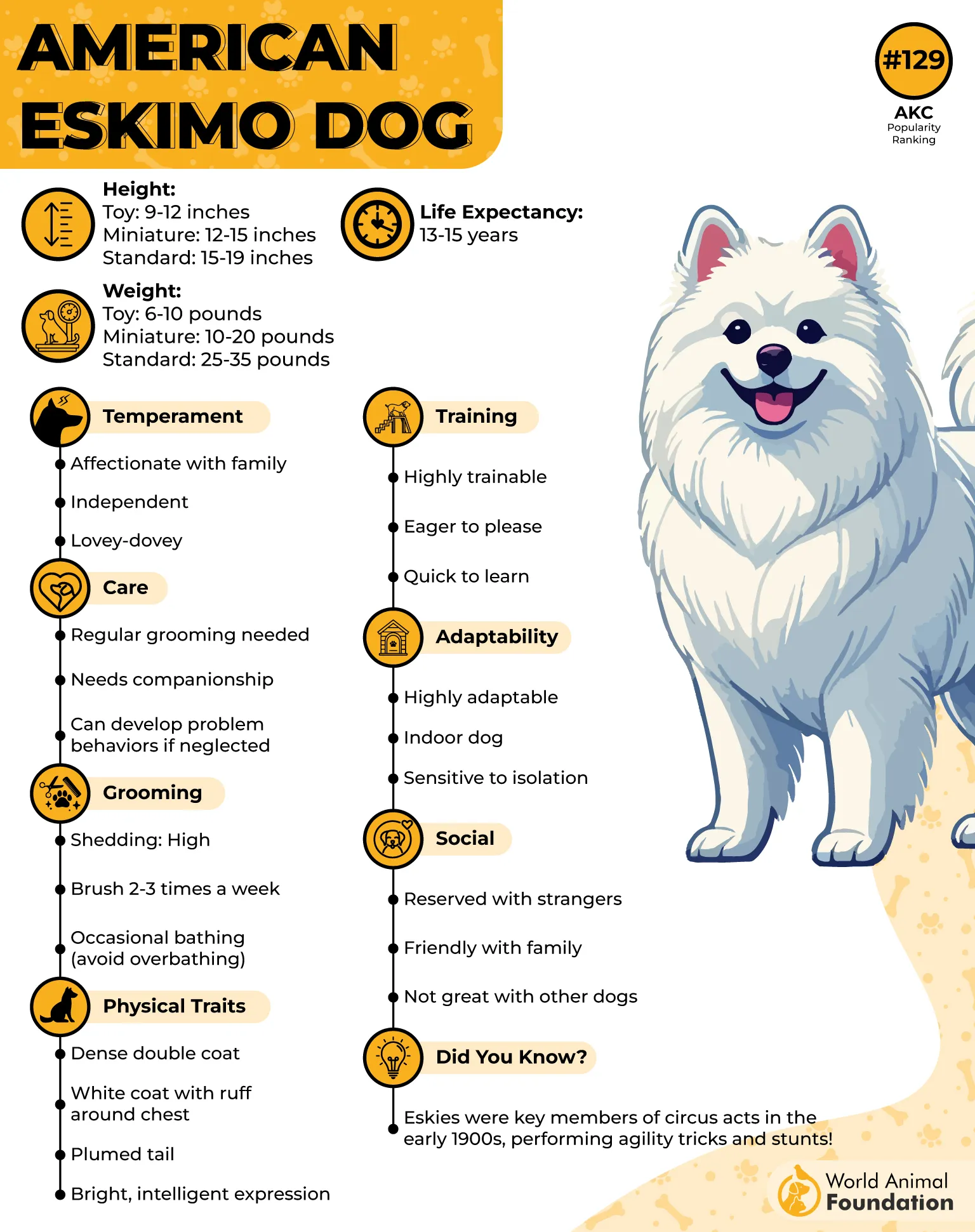
These dogs thrive when given opportunities to use their minds. Obedience training, agility, scent games, and advanced tricks all appeal to their natural curiosity. Without mental stimulation, they can become bored surprisingly quickly.
American Eskimo Dogs are also known for their loyalty. They enjoy working closely with their owners and often form deep emotional connections. This bond strengthens their responsiveness during training.
Many experienced trainers recommend them for people who enjoy active participation in dog sports. Their intelligence, enthusiasm, and work ethic make them exceptional students. They genuinely seem to enjoy the challenge of learning something new.
Some Training Tips You Need To Know
Rotate activities frequently to keep their intelligent minds engaged.
Early socialization helps prevent excessive caution around strangers.
Advanced obedience exercises provide valuable mental stimulation.
7. American Hairless Terrier
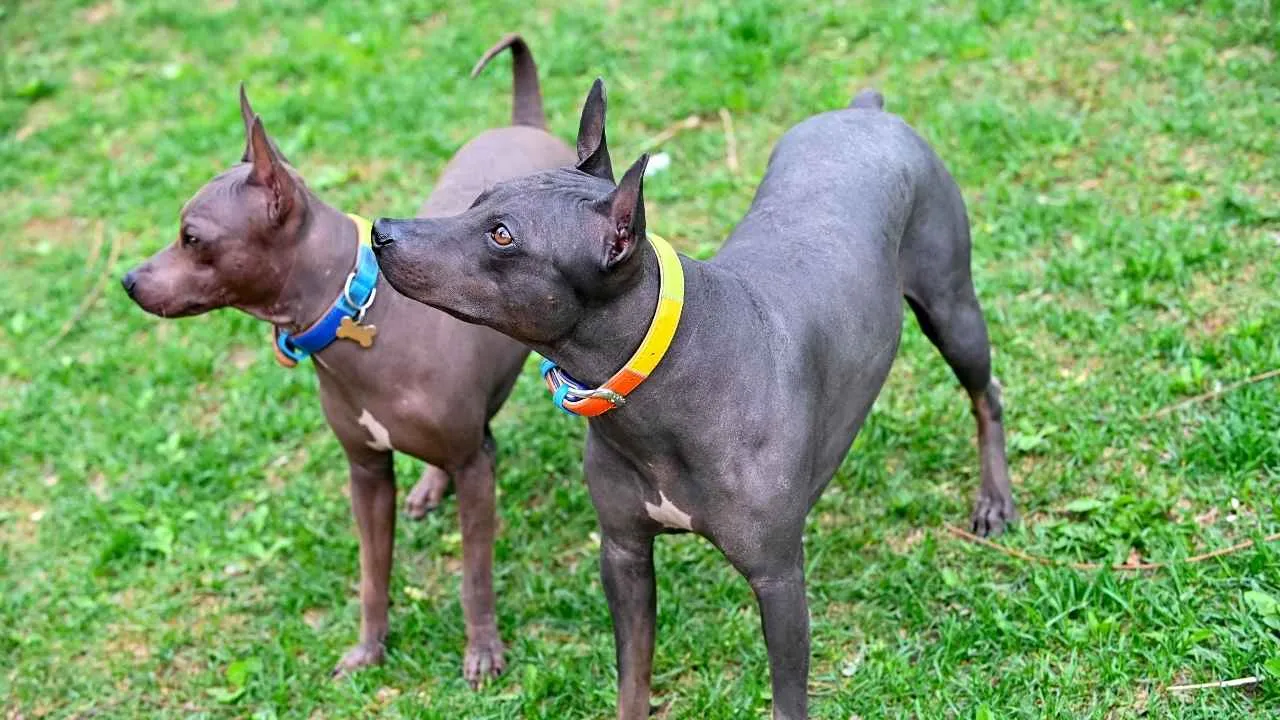
The American Hairless Terrier is unique not only for its lack of coat. This breed combines curiosity, intelligence, and athleticism in a package that stands out from the crowd. Their sharp minds make them quick learners in a variety of training situations.
Developed from Rat Terrier lines, these dogs inherited strong problem-solving abilities. They were originally valued for pest control and continue to display impressive awareness of their surroundings. This intelligence translates beautifully into modern training activities.
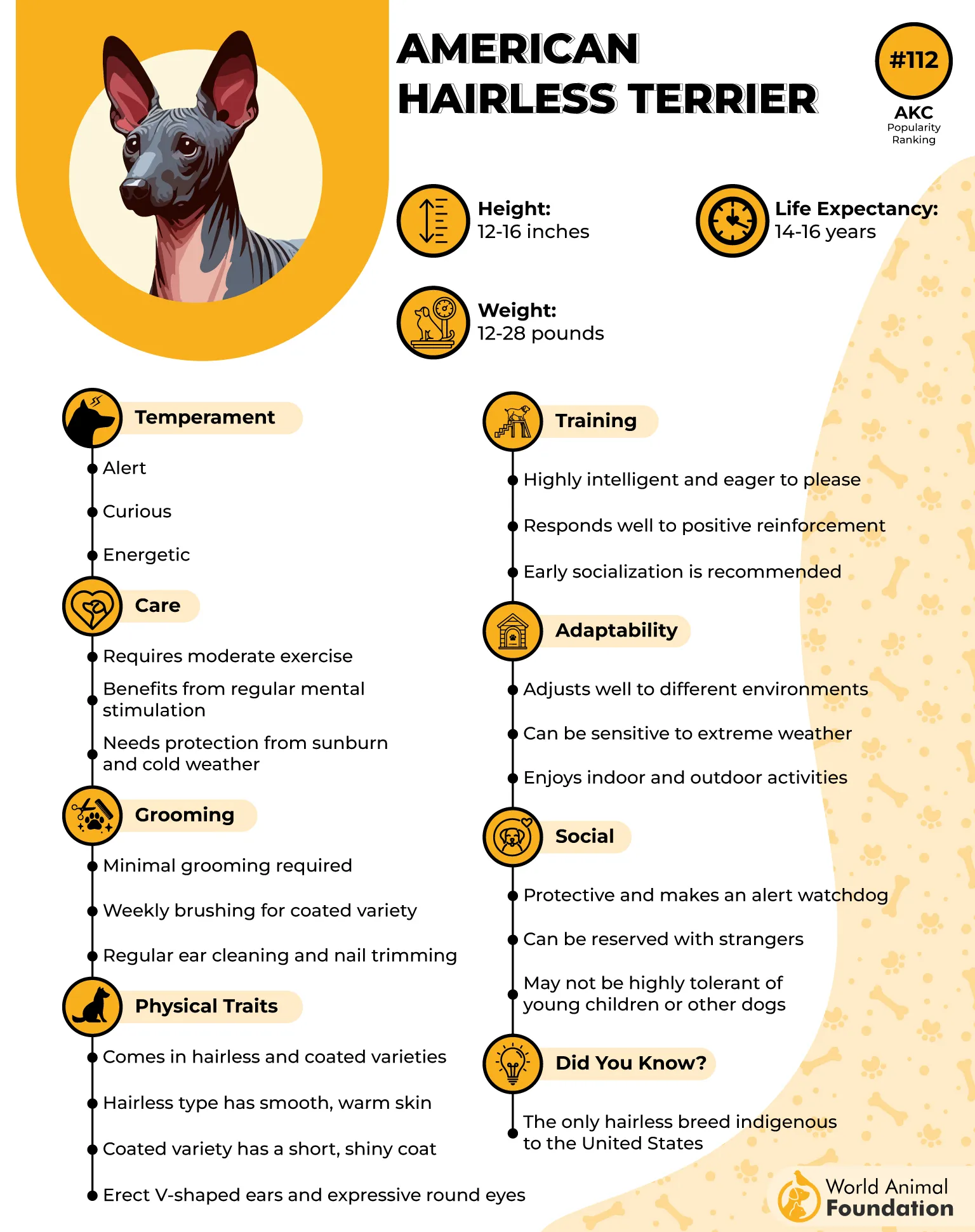
Owners often appreciate how attentive these dogs are during lessons. They pay close attention to body language and quickly identify patterns in training exercises. This helps them master commands efficiently.
Their playful nature contributes significantly to their trainability. Because they enjoy interaction, training often feels more like a game than a formal lesson. Positive reinforcement works particularly well with this breed.
Some Training Tips You Need To Know
Interactive games help maintain focus and strengthen learning.
Reward initiative because these dogs enjoy figuring things out independently.
Frequent social exposure builds confidence and adaptability.
8. Australian Terrier
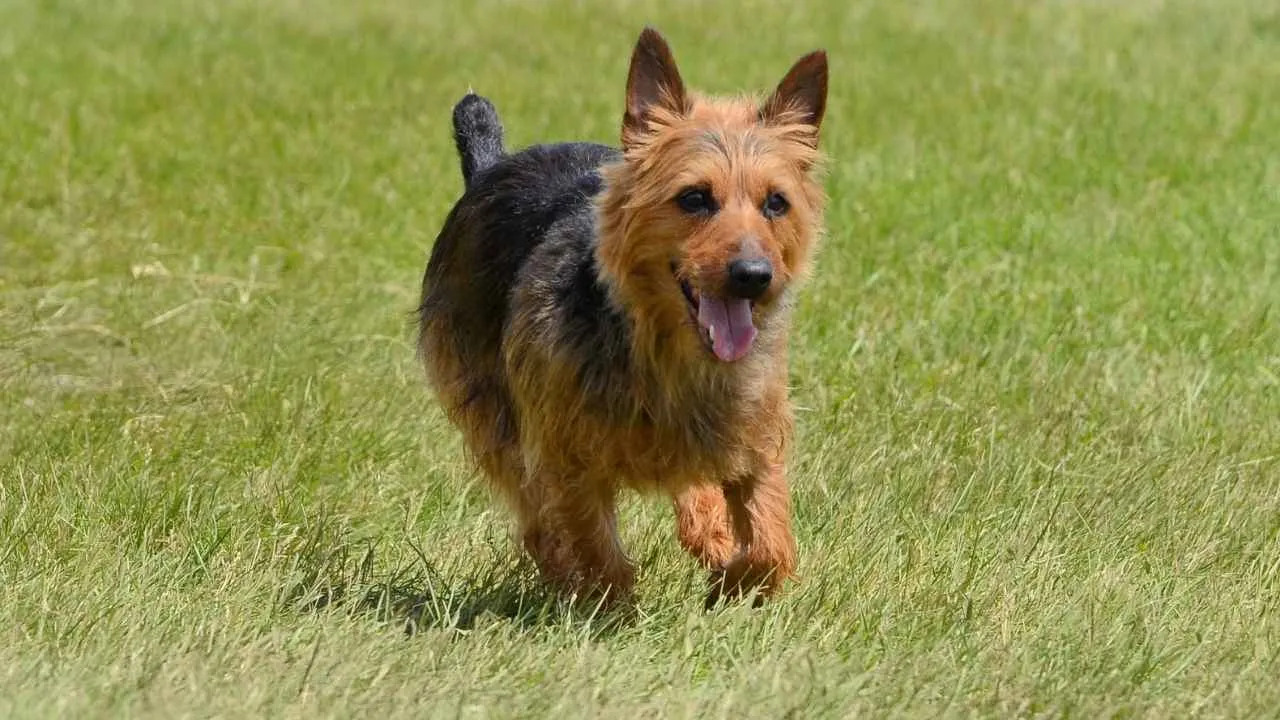
The Australian Terrier may be small, but it carries the confidence of a dog three times its size. Developed in Australia during the 19th century, this breed was originally tasked with hunting rodents and even snakes in harsh environments. That working heritage created a dog that is intelligent, resilient, and always ready to tackle a challenge.
One of the most impressive things about Australian Terriers is their ability to learn through observation. Many owners report that their dogs quickly pick up household routines and begin anticipating activities before they’re announced. This natural awareness makes training feel surprisingly smooth when consistency is maintained.
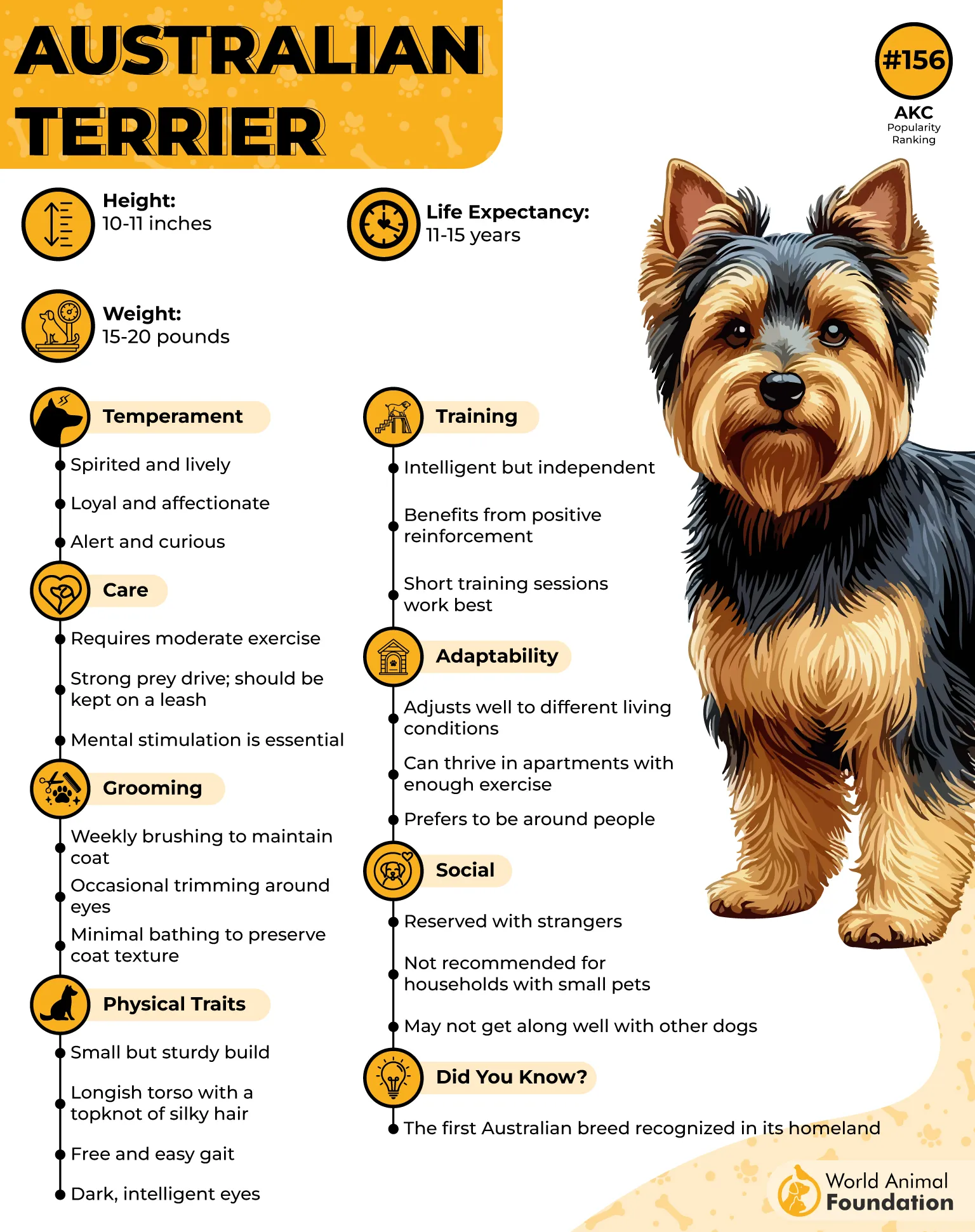
Unlike some companion breeds that primarily seek affection, Australian Terriers enjoy having a purpose. They thrive when given tasks, puzzles, and structured activities that engage both their minds and bodies. Training sessions become far more effective when they feel like exciting missions rather than repetitive drills.
Their independent streak can occasionally create moments of selective hearing. However, experienced trainers often note that this isn’t stubbornness so much as confidence and curiosity. When motivated properly through rewards and positive reinforcement, Australian Terriers become enthusiastic learners.
Many canine sports enthusiasts appreciate the breed’s versatility. Australian Terriers have successfully participated in obedience, agility, earthdog trials, and scent work. Their combination of intelligence, determination, and athletic ability enables them to excel in environments that require both thinking and movement.
Some Training Tips You Need To Know
Create training challenges that encourage problem-solving rather than simple repetition.
Use high-value rewards to maintain enthusiasm during more advanced lessons.
Incorporate scent games to satisfy the breed’s natural investigative instincts.
9. Bichon Frise
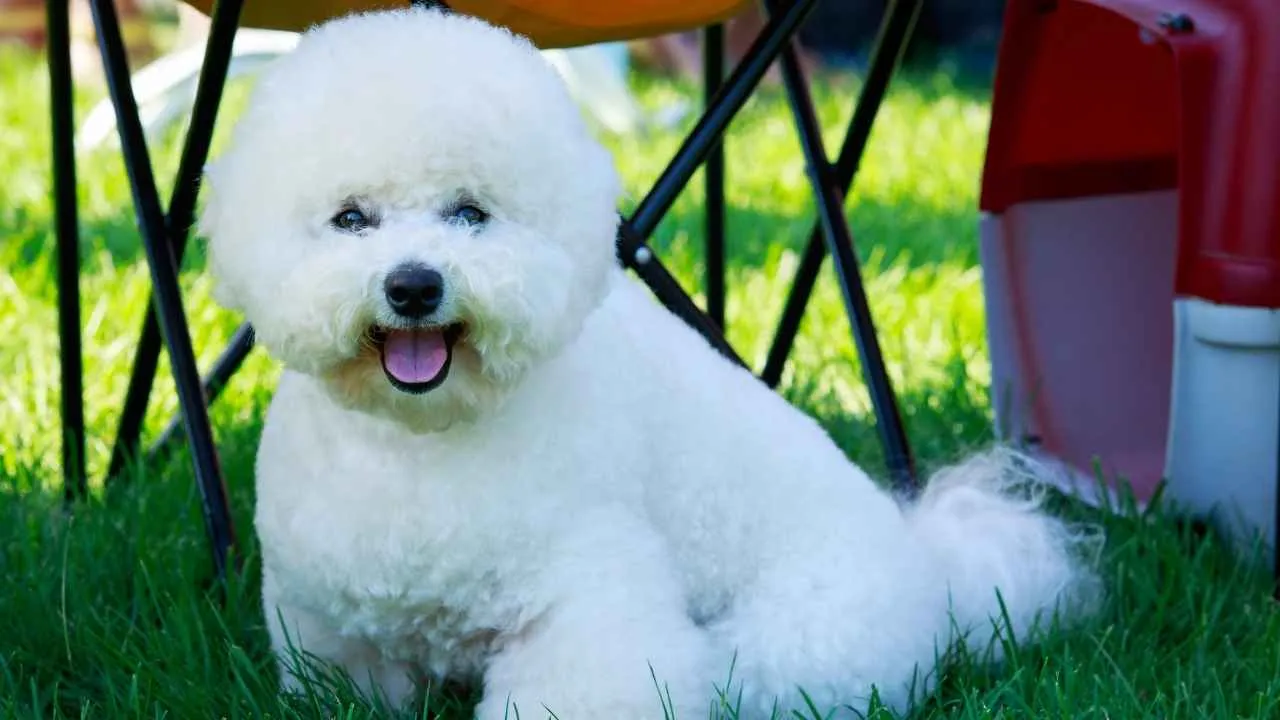
The Bichon Frise looks like a living cotton ball, but behind that adorable appearance is a surprisingly intelligent and trainable dog. Historically, these cheerful companions traveled with sailors, performed in street shows, and charmed European nobility.
One reason Bichons excel in training is their strong desire to interact with people. They genuinely enjoy attention and often view training sessions as quality bonding time. This people-oriented nature makes positive reinforcement especially effective.
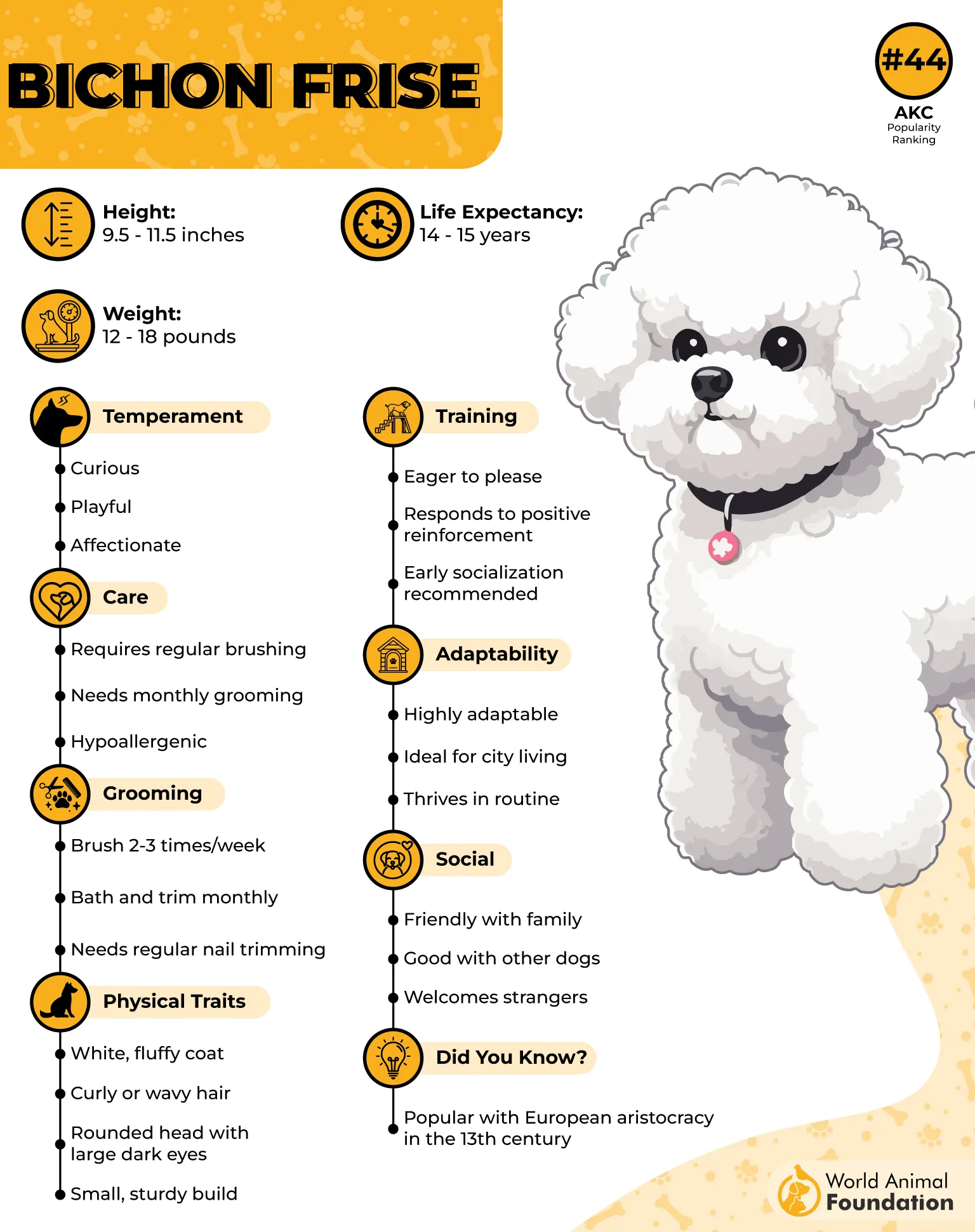
Professional trainers frequently praise the breed’s willingness to learn tricks. Bichons often perform exceptionally well in trick competitions because they combine intelligence with a natural flair for entertaining. It’s almost as if they know they’re the main character.
PetPlan says their social personalities also contribute to successful learning experiences. Bichons generally enjoy meeting new people and exploring new environments, which helps them adapt quickly during socialization training. Early exposure to a variety of situations can help build an incredibly confident adult dog.
Owners often describe Bichons as emotionally intelligent companions. They seem particularly skilled at reading human expressions and adjusting their behavior accordingly. This sensitivity allows them to respond well to gentle, consistent training methods.
Some Training Tips You Need To Know
Keep lessons upbeat because Bichons respond best to cheerful interactions.
Introduce new tricks regularly to satisfy their playful and curious nature.
Focus heavily on socialization to build confidence in unfamiliar situations.
10. Bolognese
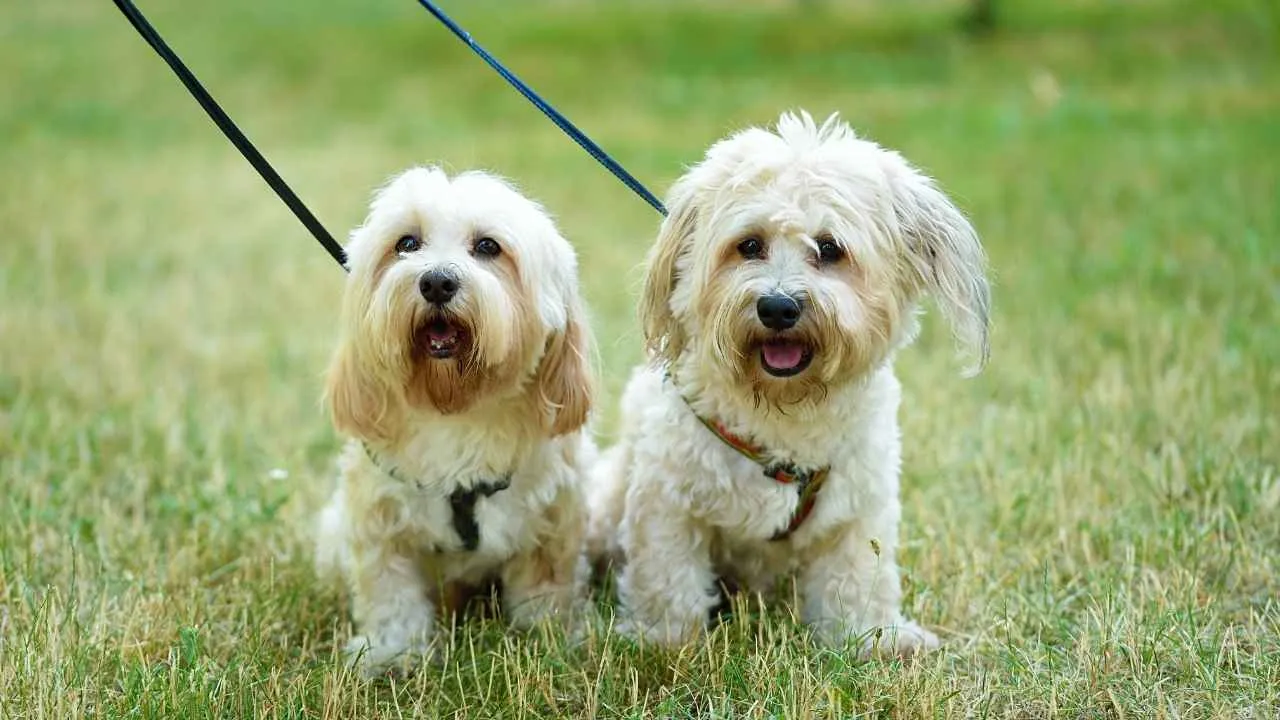
The Bolognese may not be as famous as some other small breeds, but dog enthusiasts often consider it one of the hidden gems of the canine world. Originating in Italy, this charming companion breed was treasured by aristocrats for centuries.
Beyond its fluffy appearance lies a thoughtful and highly trainable personality.
These dogs are known for their exceptional attentiveness, according to the AKC. They carefully observe human behavior and often seem to understand routines, schedules, and expectations with remarkable accuracy. This attentiveness provides a strong foundation for successful training.
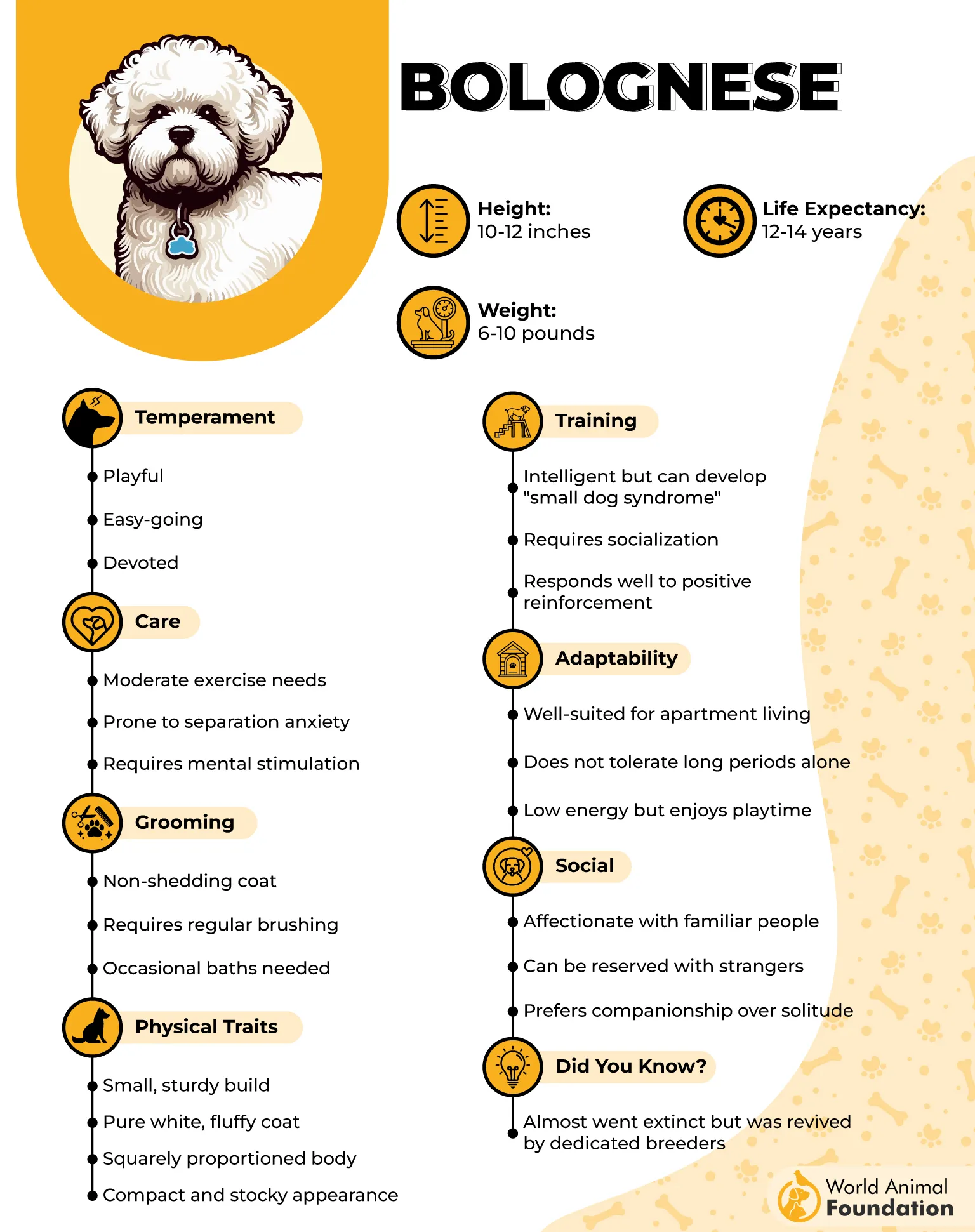
Unlike highly energetic breeds that bounce between activities, the Bolognese often approaches learning with calm focus. Their steady temperament allows them to concentrate during lessons without becoming overly excited or distracted. This quality makes them particularly appealing to first-time dog owners.
Many trainers note that the breed responds exceptionally well to positive reinforcement techniques. Harsh corrections can damage confidence, while encouragement and rewards help them flourish. Their sensitive nature means they genuinely want to please their people.
Some Training Tips You Need To Know
Use gentle guidance because this breed responds best to encouragement and patience.
Build lessons around relationship-based learning rather than strict correction methods.
Reward attention and focus frequently to strengthen engagement during training.
Conclusion
When it comes to trainability, size truly doesn’t matter. These ten remarkable small dog breeds prove that intelligence, adaptability, and eagerness to learn can come in compact packages. From the lightning-fast learning abilities of the Toy Poodle to the thoughtful attentiveness of the Bolognese, each breed brings unique strengths to the training journey.
Problem-solving skills, adaptability, social awareness, and communication all contribute to a dog’s ability to excel in training. The breeds featured in this guide showcase these qualities in different but equally impressive ways.
Cavalier King Charles Spaniels, Labrador Retrievers, and Golden Retrievers also have the ability to learn quickly, which often makes training more enjoyable and rewarding for both dog and owner.
At the end of the day, the smartest dog is often the one that enjoys learning alongside you. Invest time, patience, and positivity into the relationship, and you’ll discover that these small breeds are capable of truly extraordinary things. They may be compact in size, but their intelligence, personality, and capacity for learning are absolutely massive.
