




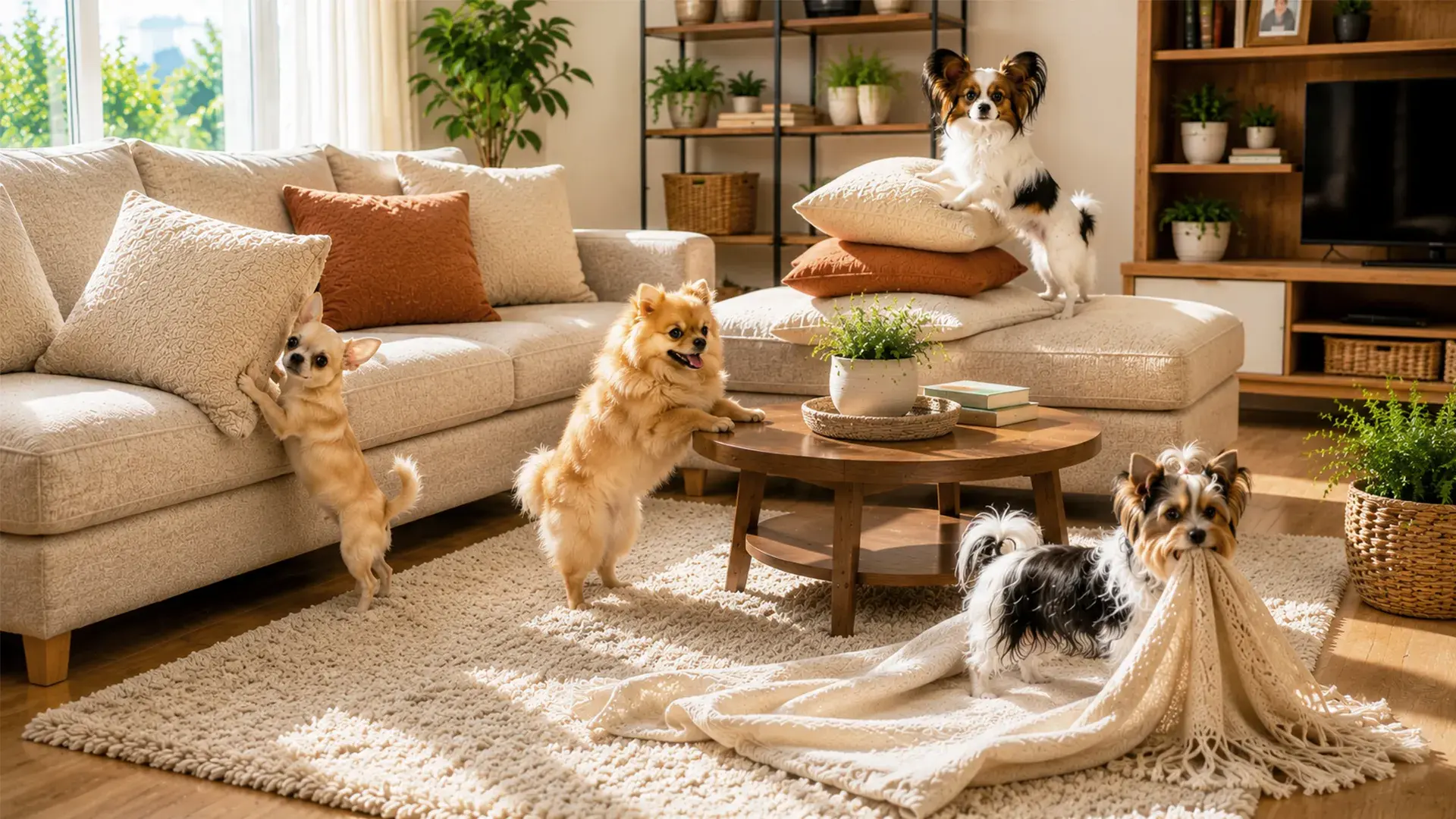
Big dog energy packed into a tiny body? That’s basically the entire toy group in one sentence. These pint-sized pups prove you don’t need a mansion or a huge backyard to enjoy life with a canine best friend.
Many of the world’s smallest breeds were developed as companion animals, making them naturally suited to spending lots of time close to their humans. With proper exercise, enrichment, and training, these apartment-living dogs can flourish in condos and compact homes while bringing just as much personality as dogs ten times their size.
Veterinary organizations and kennel clubs consistently remind owners that size alone doesn’t determine suitability for apartment life. Mental stimulation, socialization, routine walks, and responsible ownership are equally important for creating a happy and healthy companion, regardless of square footage.
Smallest Dog Breeds for Cozy Living Arrangements
1. Chihuahua
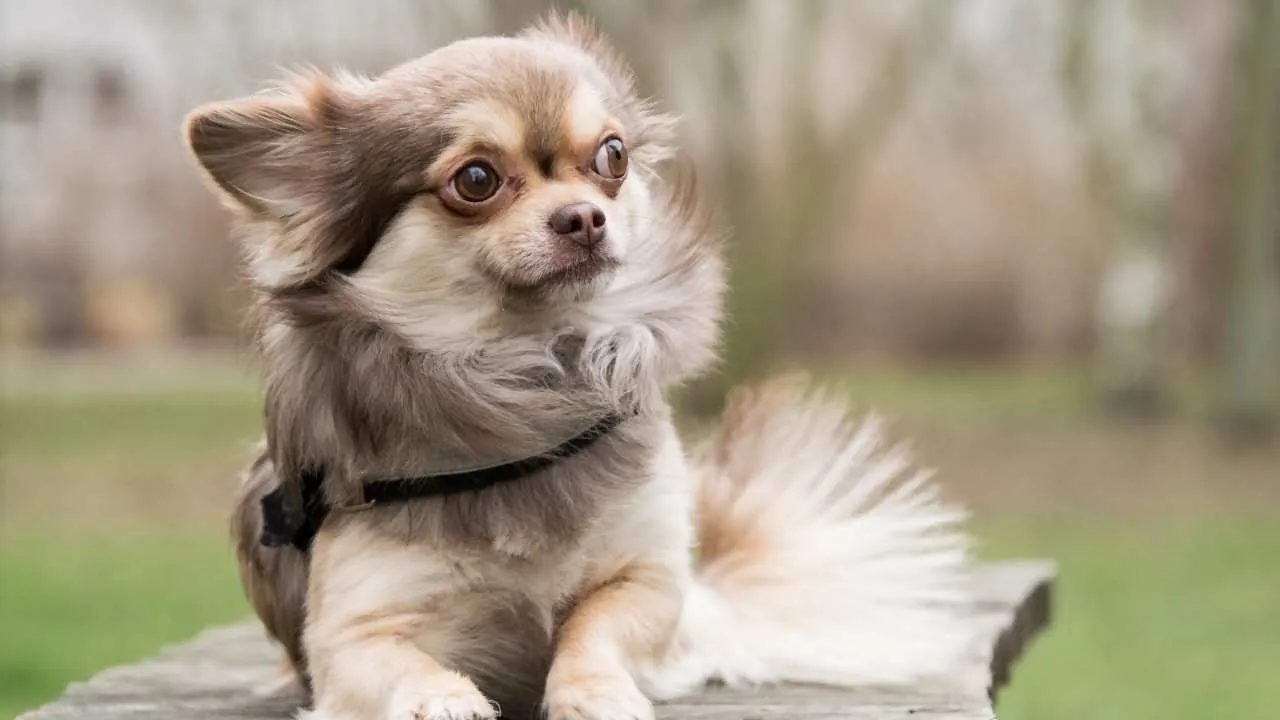
The Chihuahua may be tiny enough to fit in a tote bag, but its confidence could easily fill an entire football stadium. Spend a day with one, and you’ll quickly understand why owners joke that they believe they’re actually Great Danes.
One of the breed’s biggest strengths is adaptability. A few brisk walks, interactive toys, and indoor games can satisfy much of their exercise requirement, making them well-suited for city apartments and cozy homes. They’re happiest when involved in family activities rather than being treated as decorative accessories.
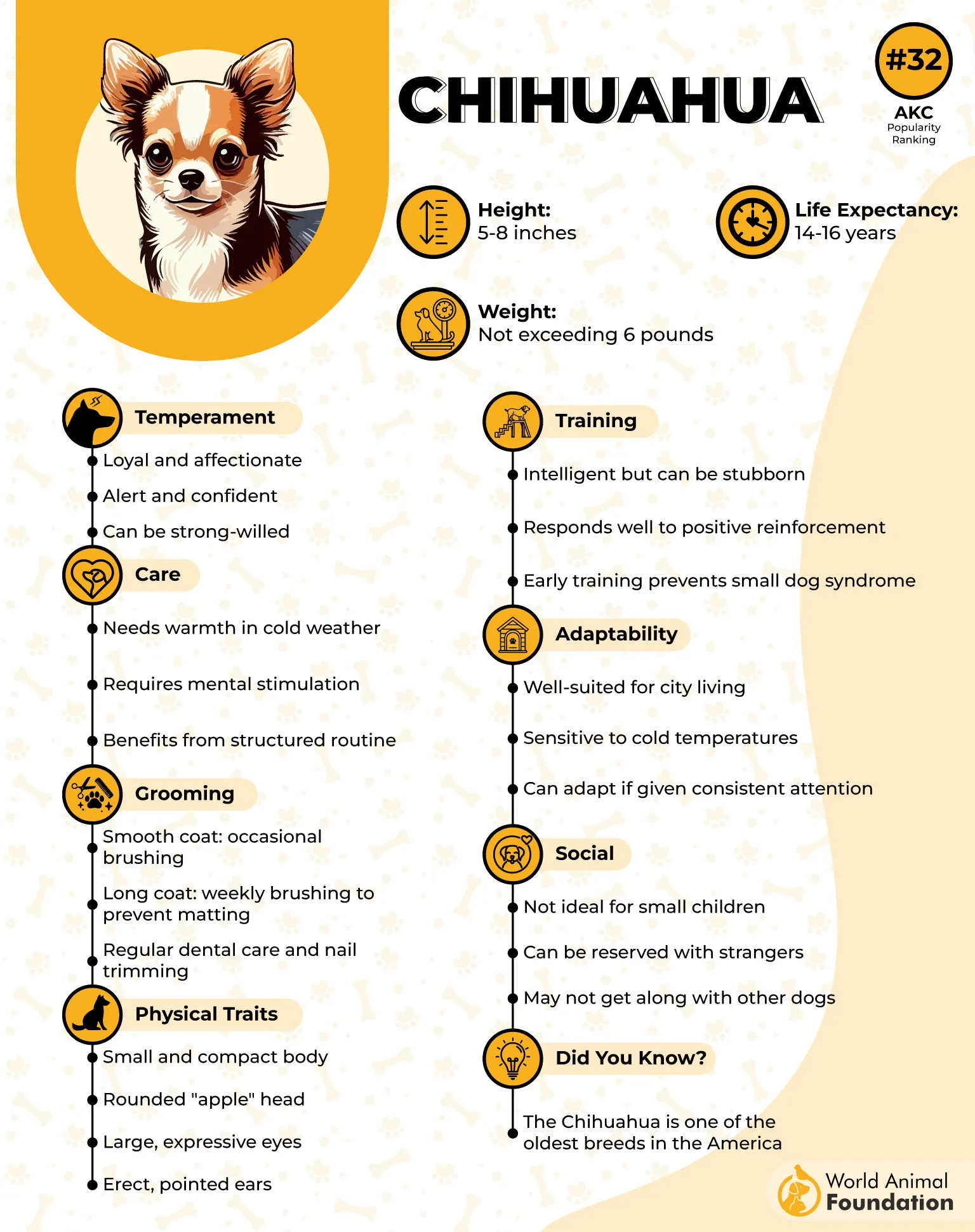
Their alert personality also makes them excellent watchdogs despite their size. Chihuahuas tend to notice unfamiliar sounds or visitors quickly, though consistent positive training helps prevent excessive barking from becoming a neighborhood concert. Socialization from puppyhood can significantly improve confidence around strangers and other animals.
Living with such a small dog requires paying attention to household safety. High furniture, steep stairs, unsecured balconies, and loose objects can pose genuine risks due to their delicate nature. Many experienced owners use ramps or pet steps to reduce jumping injuries and create safer pathways around the home.
Managing Their Small Size At Home
Add pet stairs or ramps near beds and sofas to reduce strain on tiny joints.
Store choking hazards like coins, batteries, and small toys well out of reach.
Create a designated quiet corner where your Chihuahua can retreat and relax.
2. Pomeranian
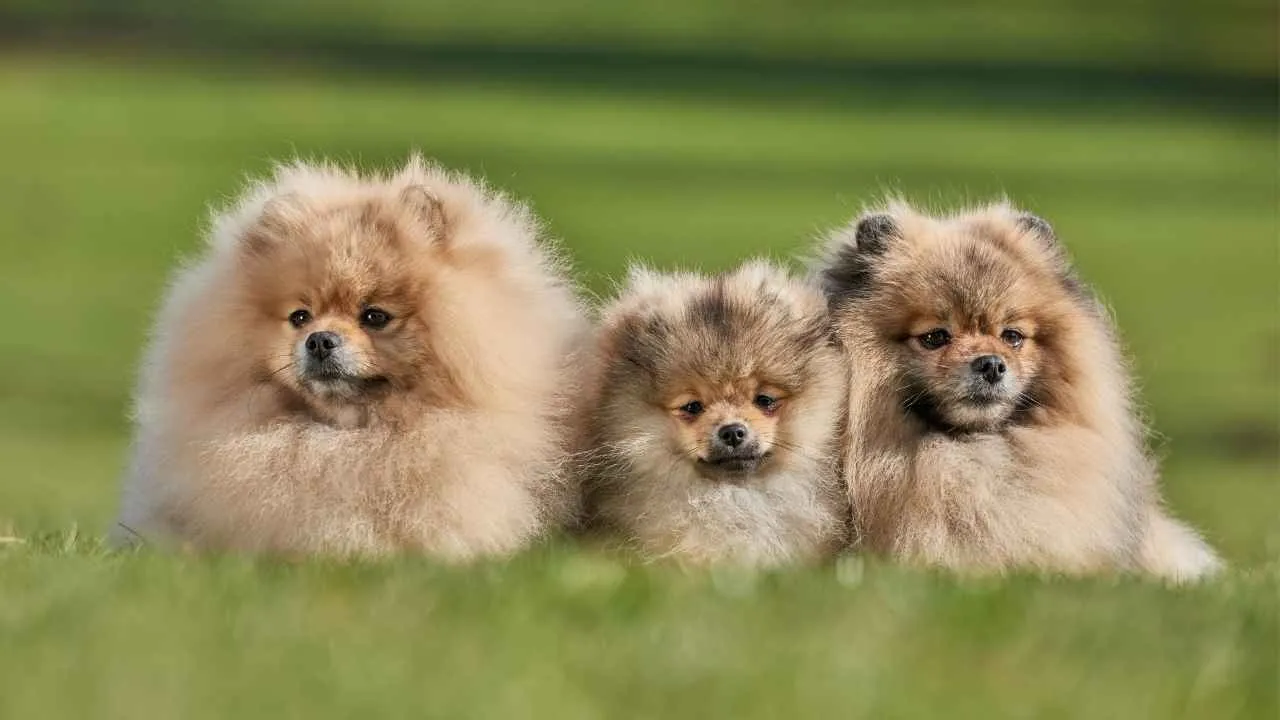
Descended from much larger Spitz working dogs, today’s Pom retains remarkable confidence while fitting comfortably into a small apartment. Their fox-like faces and luxurious coats make them instant attention magnets during neighborhood walks.

Although compact, they enjoy staying active through games, short walks, and puzzle toys. They don’t require marathon hikes, but they do appreciate opportunities to explore new scents and environments. Their curiosity helps keep daily routines entertaining for both dog and owner.
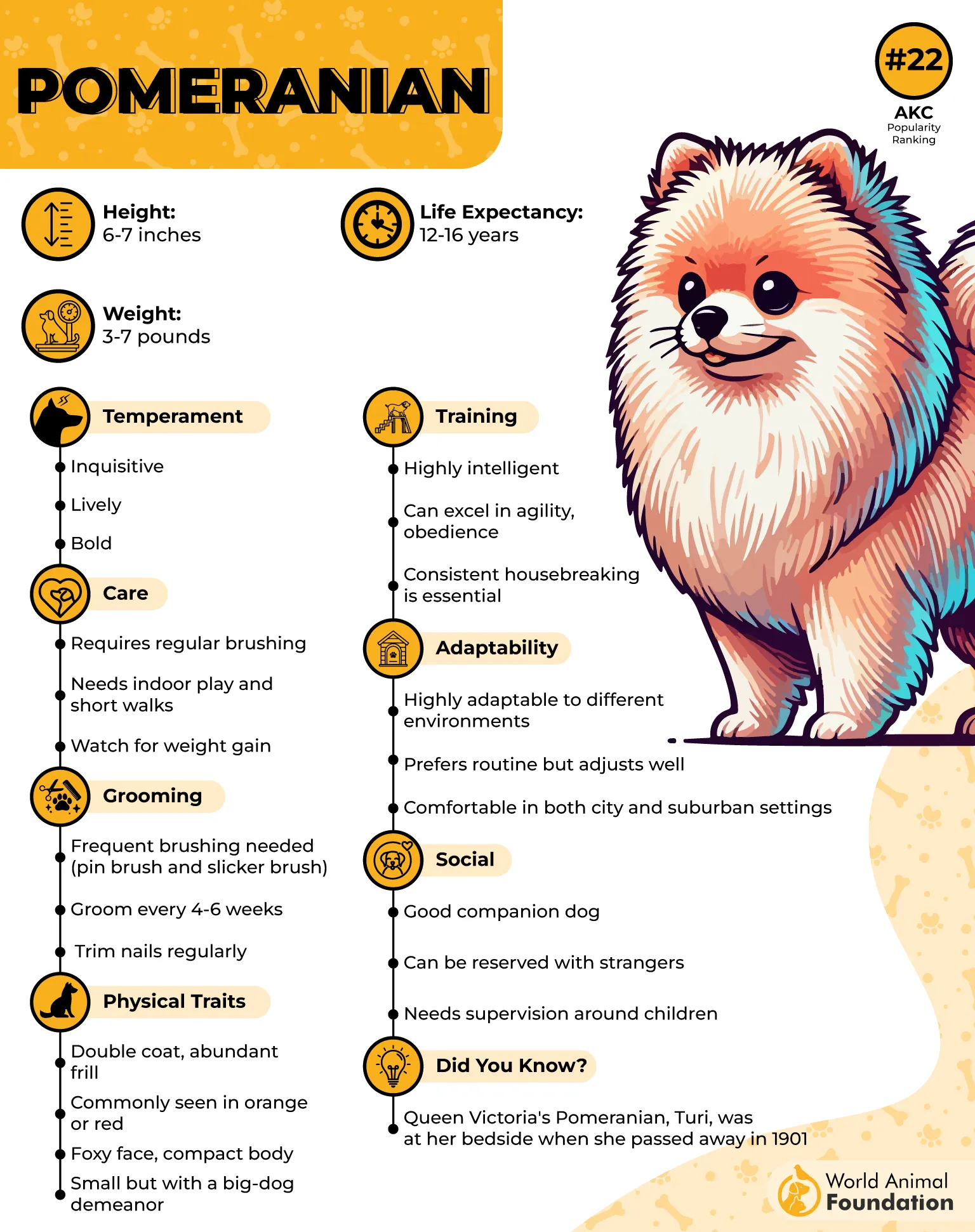
This breed often forms especially close bonds with its family and thrives on companionship. Many owners describe their Poms as tiny shadows that happily follow them from room to room, supervising household chores with great seriousness. Positive reinforcement training channels their intelligence into fun tricks and reliable manners.
Their famous double coat deserves consistent maintenance. Frequent brushing removes loose fur, minimizes tangles, and helps distribute natural oils that keep the coat healthy and plush. Grooming sessions also provide a chance to check ears, skin, and nails for any developing issues.
Managing Their Small Size At Home
Use a lightweight harness instead of relying solely on a neck collar during walks.
Supervise interactions with significantly larger dogs to avoid accidental injuries.
Offer brain games indoors so your Pom stays mentally engaged in compact spaces.
3. Biewer Terrier
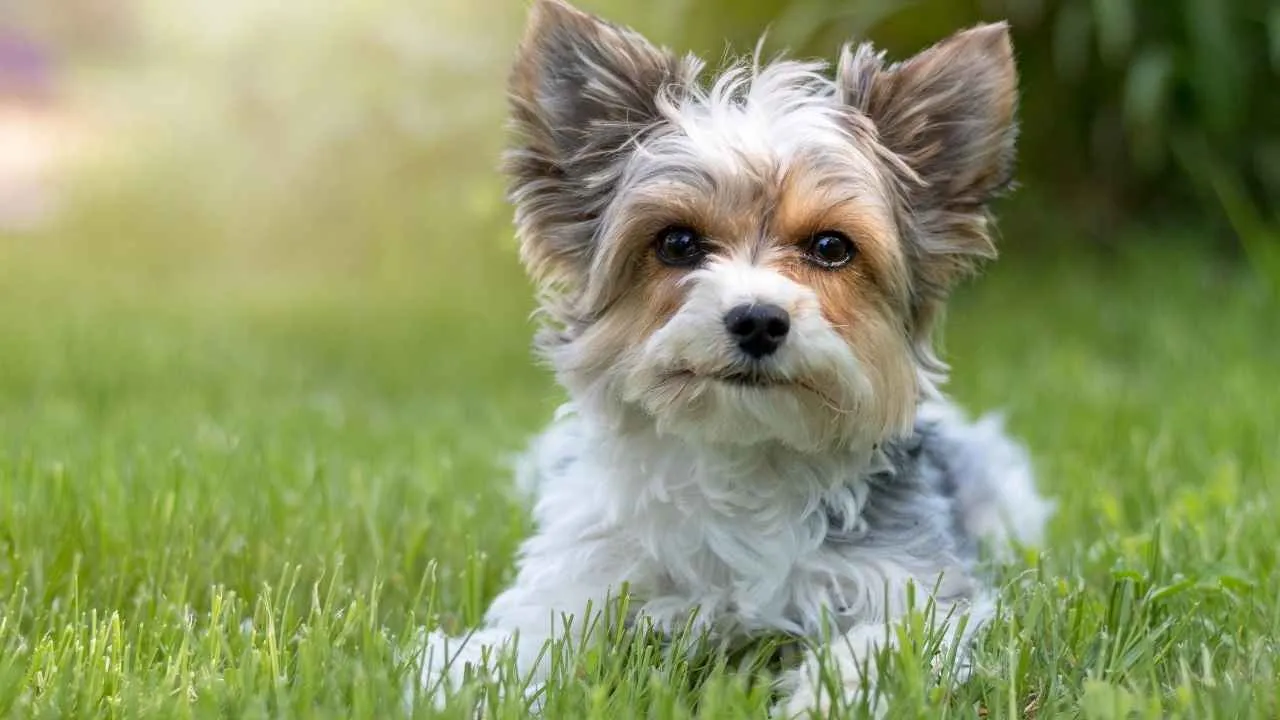
The Biewer Terrier combines elegant looks with an endlessly cheerful attitude. These silky-coated companions bring remarkable charm into surprisingly small packages. Their playful personalities often make even routine evenings at home feel more entertaining.
Despite their refined appearance, Biewers love interactive play and family involvement. They enjoy learning tricks, chasing soft toys, and participating in gentle games that exercise both mind and body. Their enthusiasm means they rarely need huge outdoor spaces to stay content.
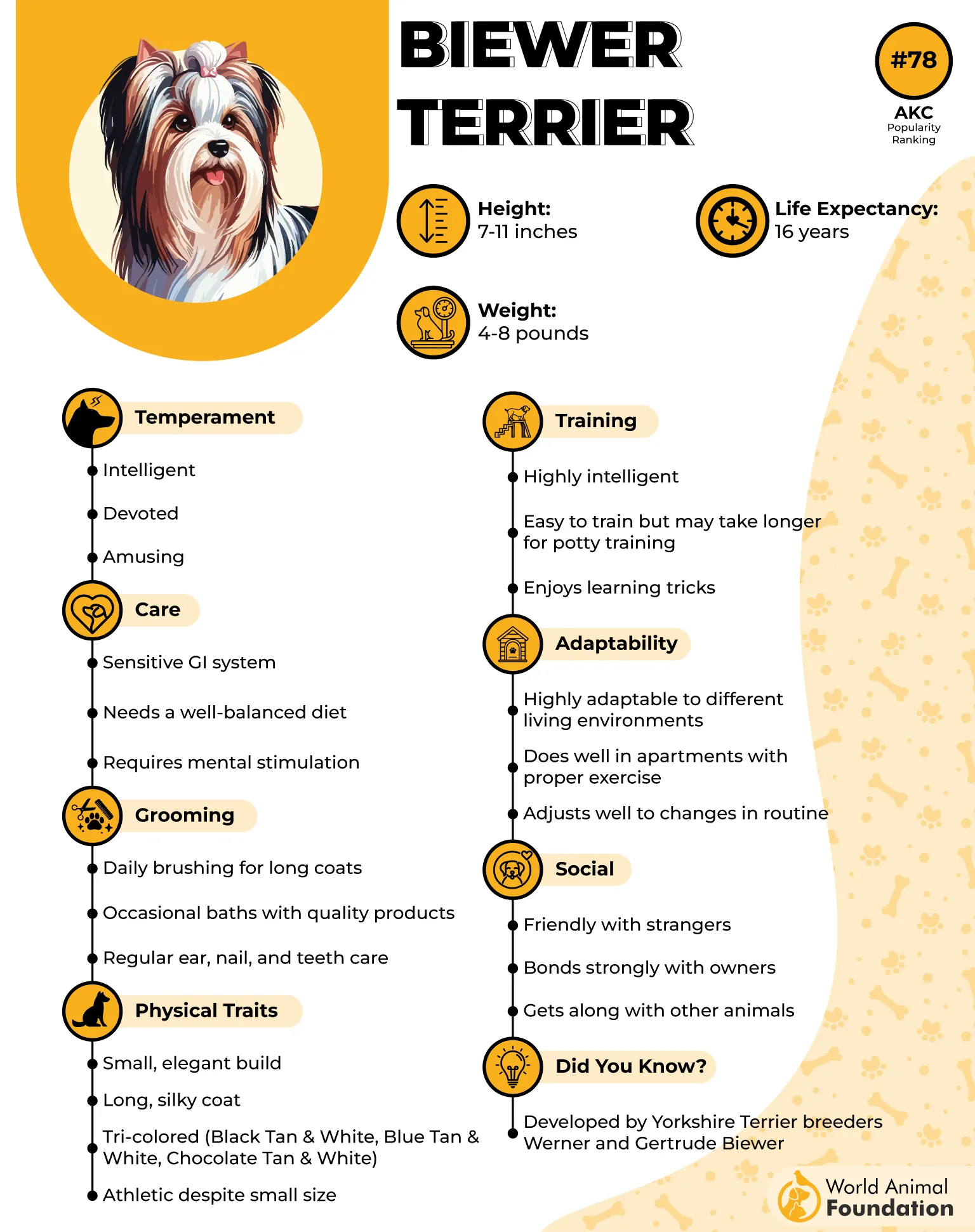
Affection is one of the breed’s defining characteristics, as per the AKC.
Many become deeply attached to their owners and prefer to stay nearby throughout the day, earning them comparisons to tiny “Velcro dogs.” This devotion makes them wonderful companions but also highlights the importance of gradually teaching independence to reduce separation-related stress.
Nutrition deserves careful consideration because of their petite frame. Small-breed diets with appropriately sized kibble often make chewing easier while supporting healthy metabolism and dental function. Regular veterinary guidance helps owners tailor feeding plans as puppies mature into adults and eventually seniors.
Managing Their Small Size At Home
Keep feeding stations in quiet areas where larger pets cannot crowd them.
Brush frequently to prevent knots that can develop quickly in fine, silky hair.
Introduce alone time gradually so attachment doesn’t evolve into anxiety.
4. Papillon
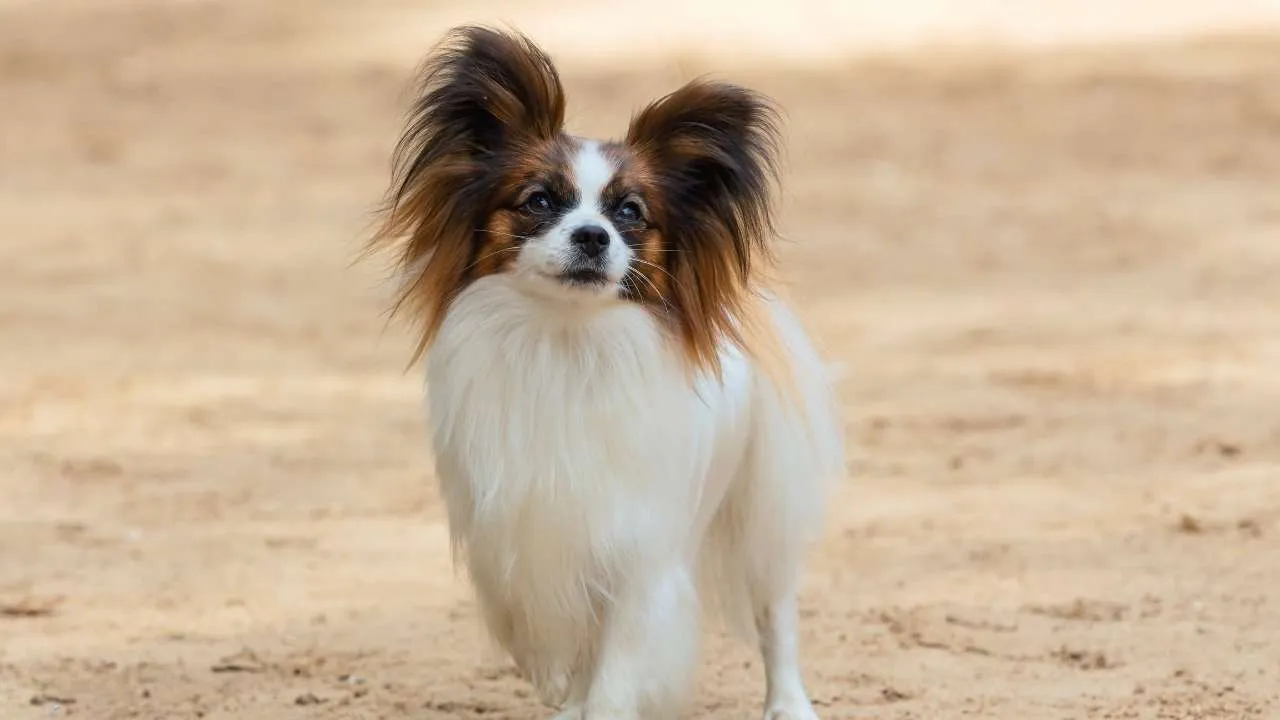
Don’t let the dainty frame fool you—the Papillon is basically a tiny athlete with butterfly ears and a PhD in learning tricks. Named after the French word for “butterfly” because of its distinctive ear shape, this breed combines elegance with boundless enthusiasm.
Unlike some toy breeds that are content lounging all day, they thrive on mental stimulation. They excel in canine sports like agility and obedience, often outperforming much larger dogs thanks to their intelligence and eagerness to learn. A few short training sessions and puzzle toys can keep them happily occupied indoors.
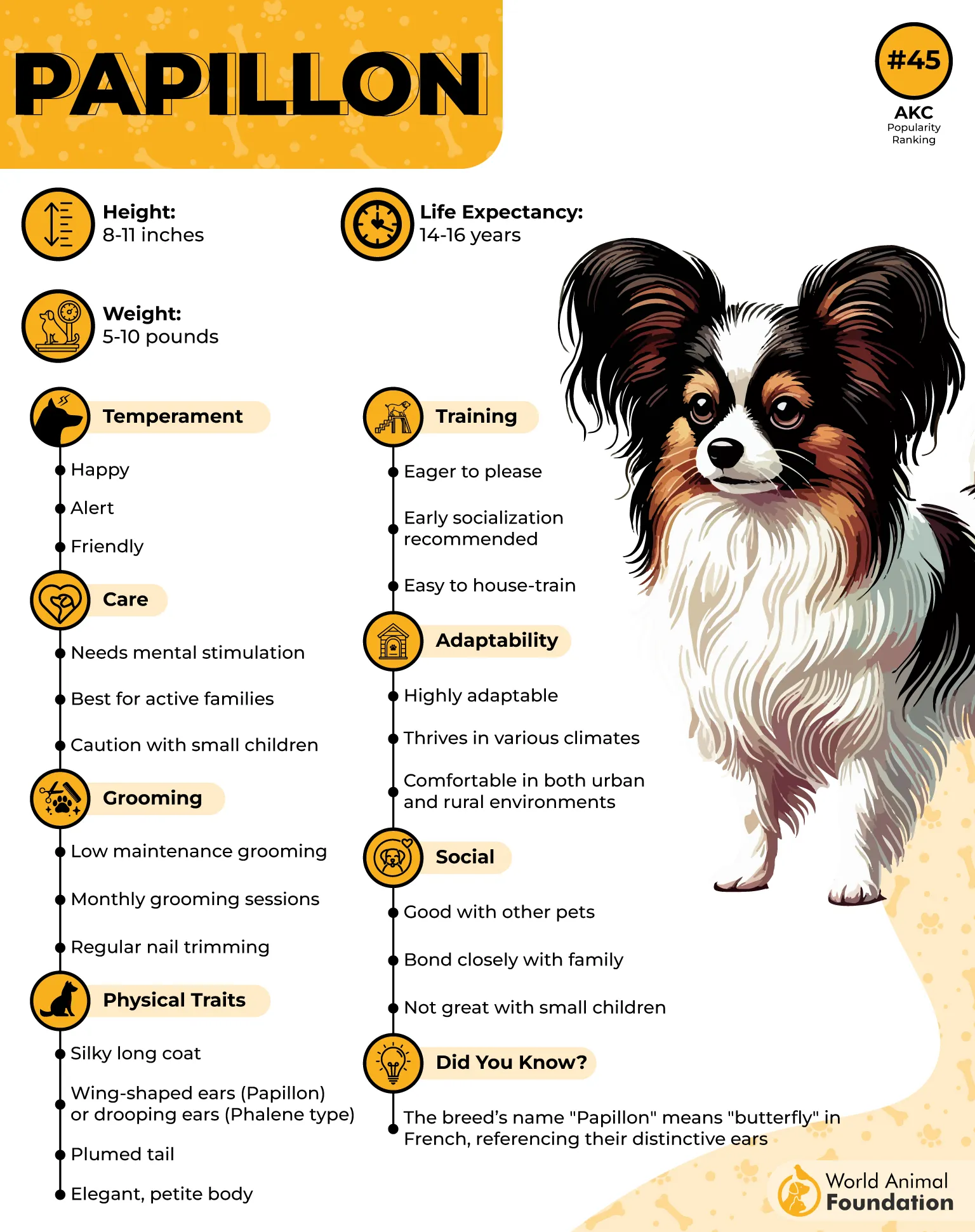
One of the breed’s greatest strengths is its sociable nature. Well-socialized Papillons usually enjoy meeting new people and often coexist peacefully with other pets, making them adaptable to busy apartment buildings or family homes. Their friendly attitude also means they tend to welcome visitors with curiosity rather than suspicion.
Despite being energetic dogs, they don’t require acres of space to stay happy. Daily walks, indoor fetch games, and opportunities to explore new environments provide plenty of enrichment. Their lightweight build also makes travel easier, whether you’re visiting friends or heading out on a weekend getaway.
Managing Their Small Size At Home
Rotate interactive toys regularly to satisfy this clever breed’s active mind.
Use baby gates when needed to keep adventurous explorers away from unsafe areas.
Encourage confidence through positive experiences with elevators, stairs, and city sounds.
5. Maltese
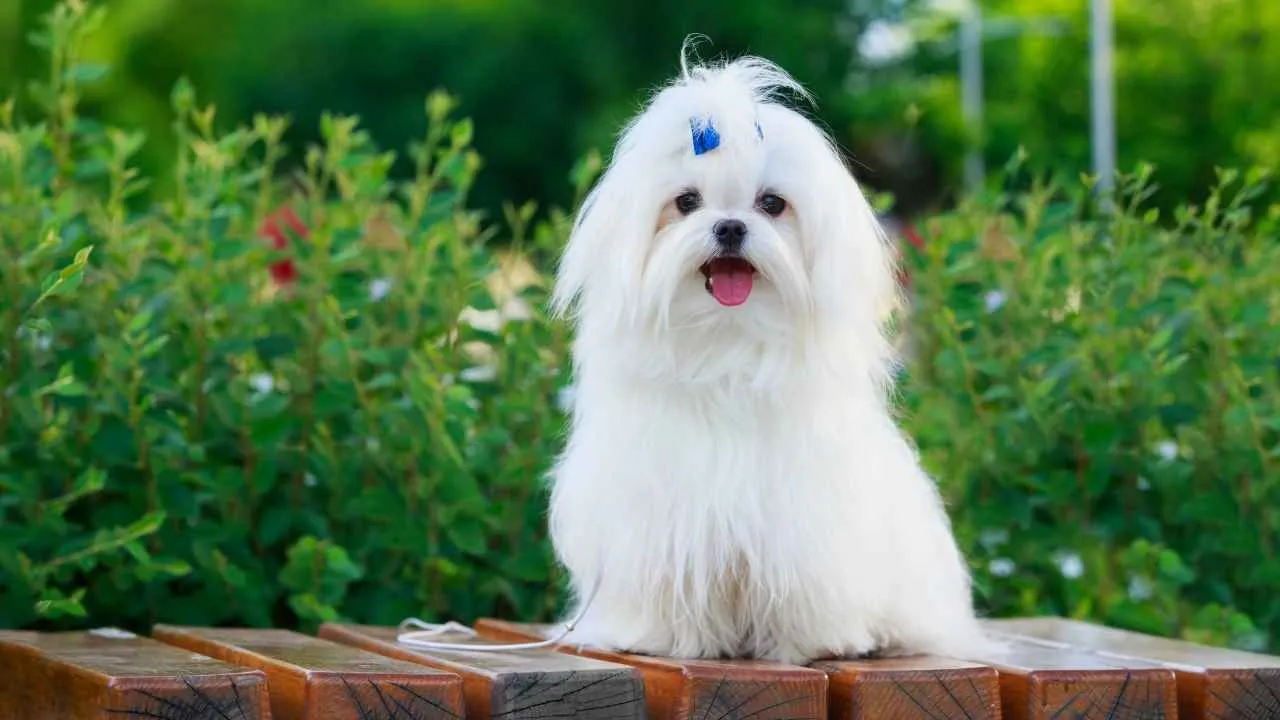
If luxury came with four paws, it would probably resemble the Maltese. Draped in flowing white hair and carrying itself with effortless elegance, this breed has charmed royalty and companion dog lovers for centuries.
One reason the Maltese thrives in compact homes is its modest exercise requirement. A couple of daily walks combined with indoor play sessions usually provide enough activity to maintain both physical and mental well-being. They’re often just as happy curling up on the couch afterward as they are exploring the neighborhood.
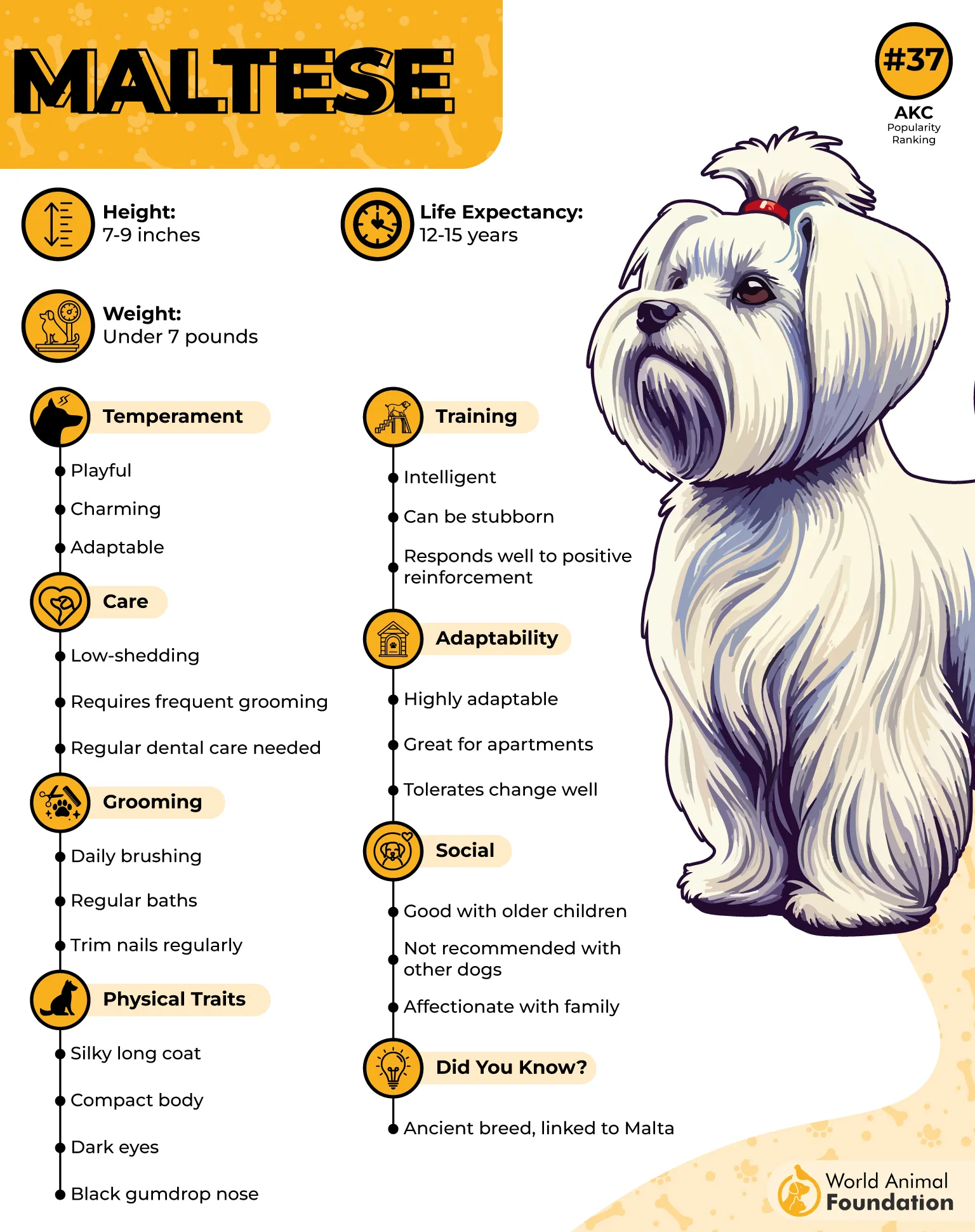
Their devotion to family is one of their defining traits. Maltese dogs frequently form deep bonds with their owners and prefer to be involved in daily routines rather than spend long hours alone. This loyalty makes them wonderful companions, but it also means that gradual independence training can be beneficial.
The breed’s silky single coat sheds very little compared with many double-coated breeds, though no dog is completely free of allergens. Regular brushing prevents tangles and mats, while professional trims can simplify upkeep for owners who prefer a shorter hairstyle.
Consistent grooming also keeps the brilliant white coat looking fresh.
Despite their delicate appearance and affectionate nature, Maltese dogs possess surprising confidence and curiosity. Early socialization helps them become comfortable around visitors, children, and other animals, allowing their naturally friendly personalities to shine.
Managing Their Small Size At Home
Maintain a predictable routine to reduce stress and strengthen house-training success.
Schedule frequent coat care to keep long hair from collecting dirt and tangling indoors.
Offer cozy resting spots away from heavy foot traffic where they can nap peacefully.
6. Bolognese
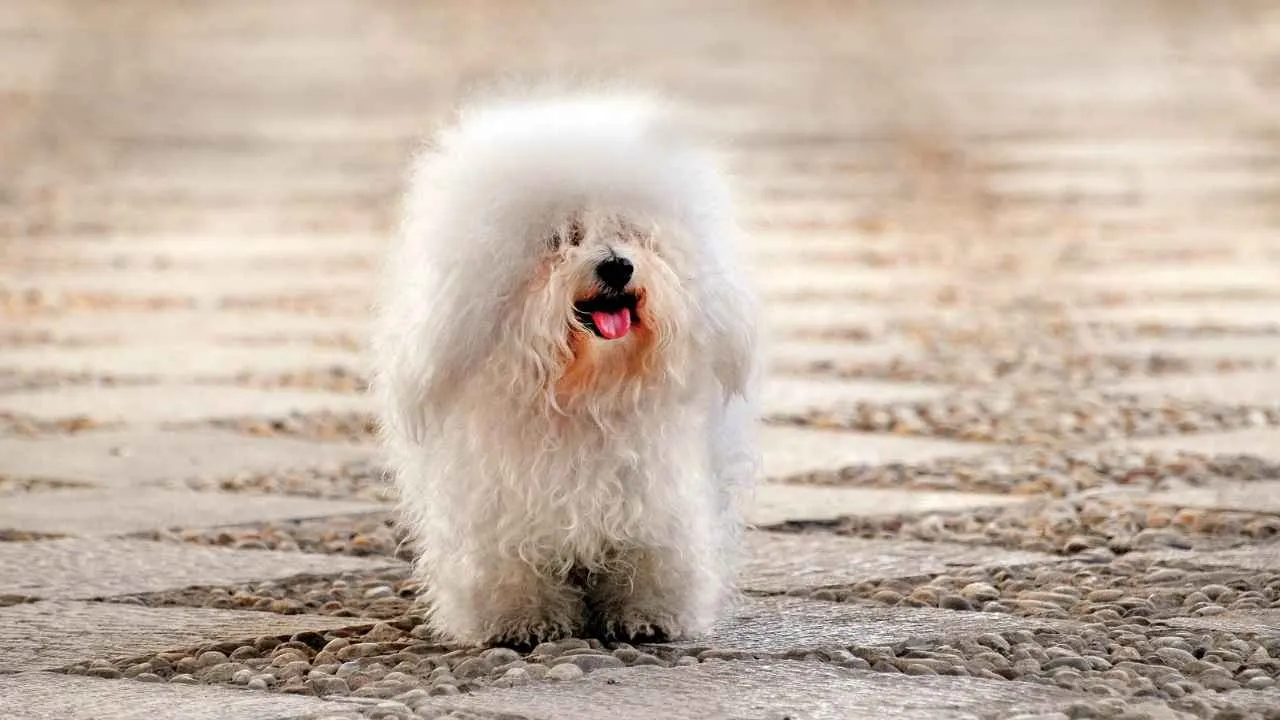
The Bolognese may not be as famous as some toy breeds, but it quietly wins over owners with its sweet nature and fluffy charm.
Developed in Italy as a companion dog, this breed was designed to spend time with people rather than perform physically demanding work. That history still shows today in its affectionate and people-oriented personality.
These lively little dogs adapt remarkably well to smaller living environments. They enjoy strolls, gentle play sessions, and relaxing beside their favorite humans, making them ideal for those who prefer a calmer household. Their moderate energy level means they rarely demand constant activity to stay satisfied.
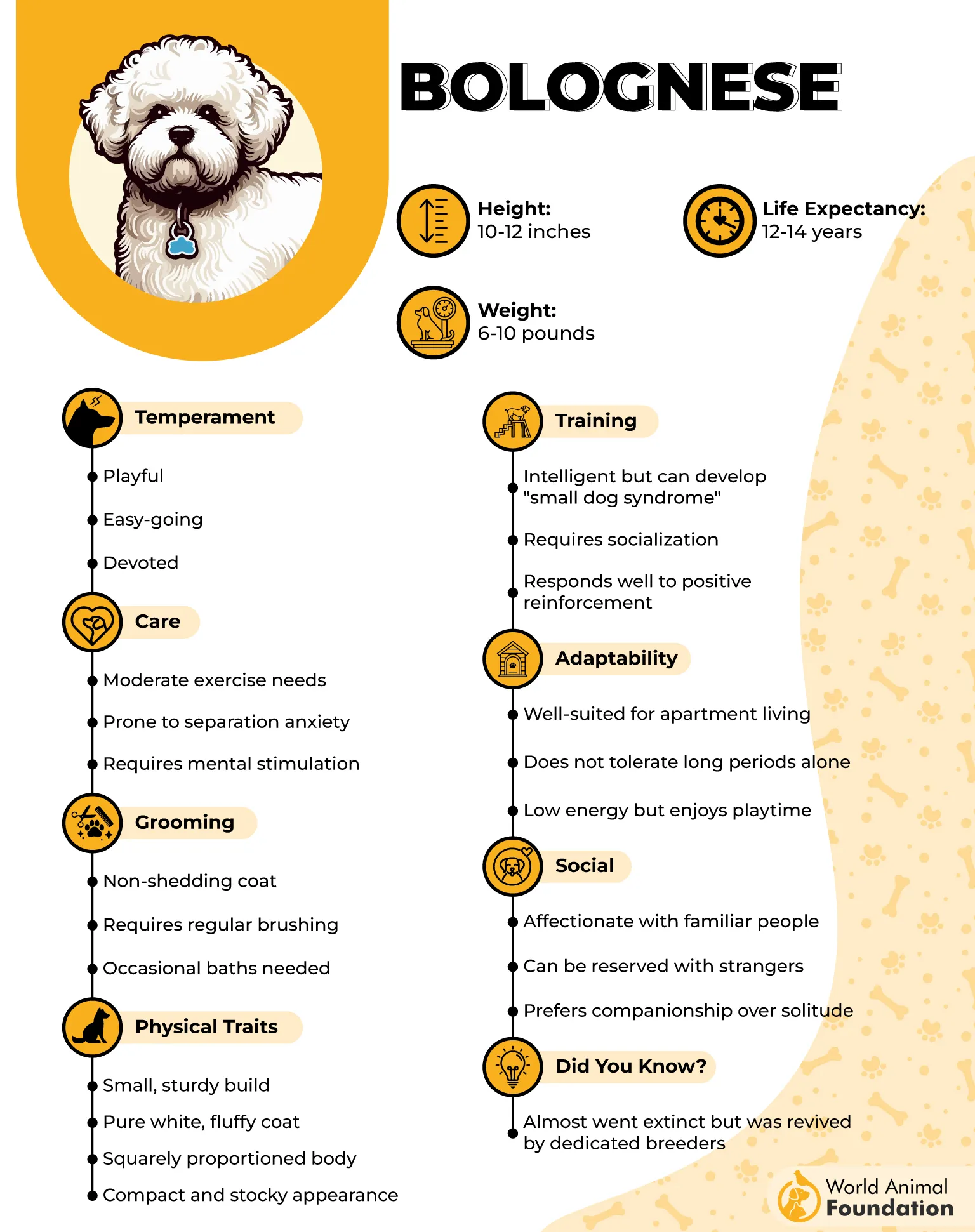
Purina claims that these dogs often form exceptionally close attachments to their families. While this loyalty is endearing, it also means they may struggle with extended periods of isolation if not gradually accustomed to being alone. Many experienced owners recommend interactive toys or pet sitters during extended absences.
Their soft, cotton-like coat is one of the breed’s signature features but requires dedicated care. Frequent brushing prevents mats from forming and keeps the coat comfortable, while occasional professional grooming helps maintain its distinctive appearance. Grooming sessions can also double as valuable bonding time.
Managing Their Small Size At Home
Build confidence through gradual introductions to guests and unfamiliar situations.
Keep grooming tools handy, so coat maintenance becomes part of the weekly routine.
Balance cuddle time with enrichment activities to encourage independence and curiosity.
7. Yorkshire Terrier
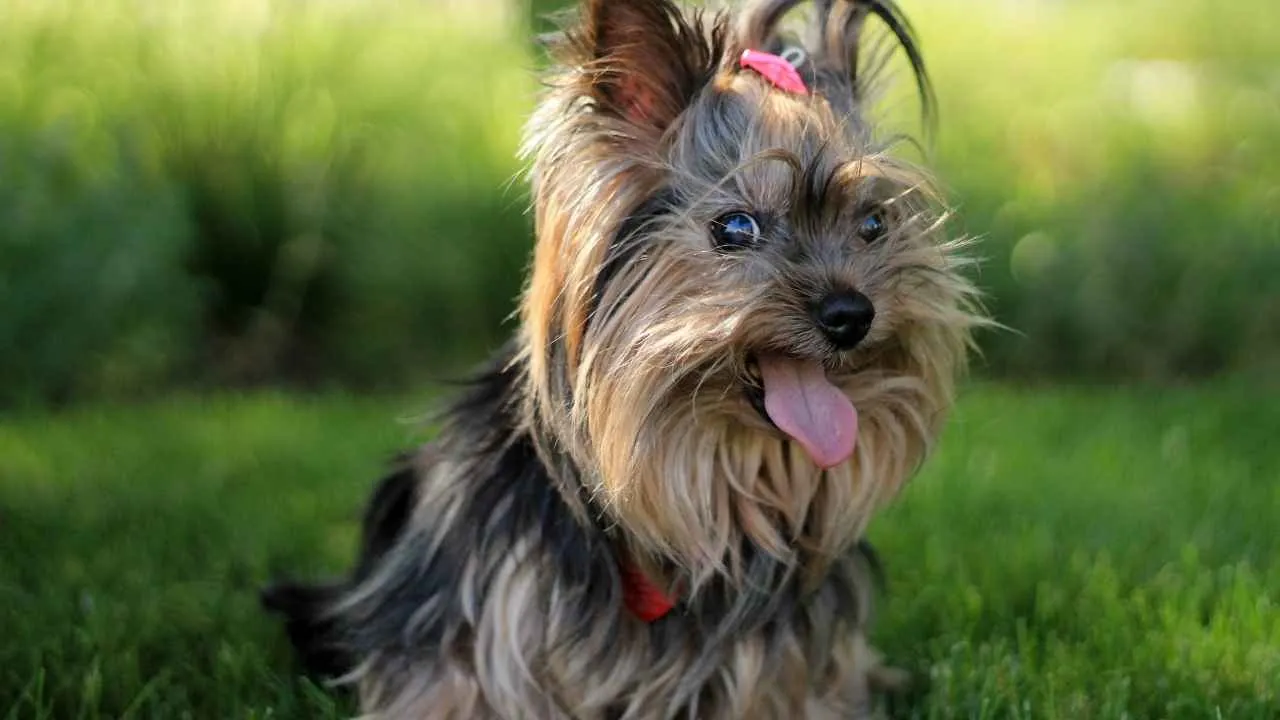
The Yorkshire Terrier proves that confidence has absolutely nothing to do with size. They carry themselves like they own the entire neighborhood and expect everyone else to agree. Their silky coats and expressive faces give them a glamorous appearance.
These apartment dogs have working-dog roots despite their modern reputation as fashionable lap companions. That history explains their boldness, intelligence, and willingness to investigate every corner of the house. They love interactive games and often excel at learning tricks when training is fun and reward-based.
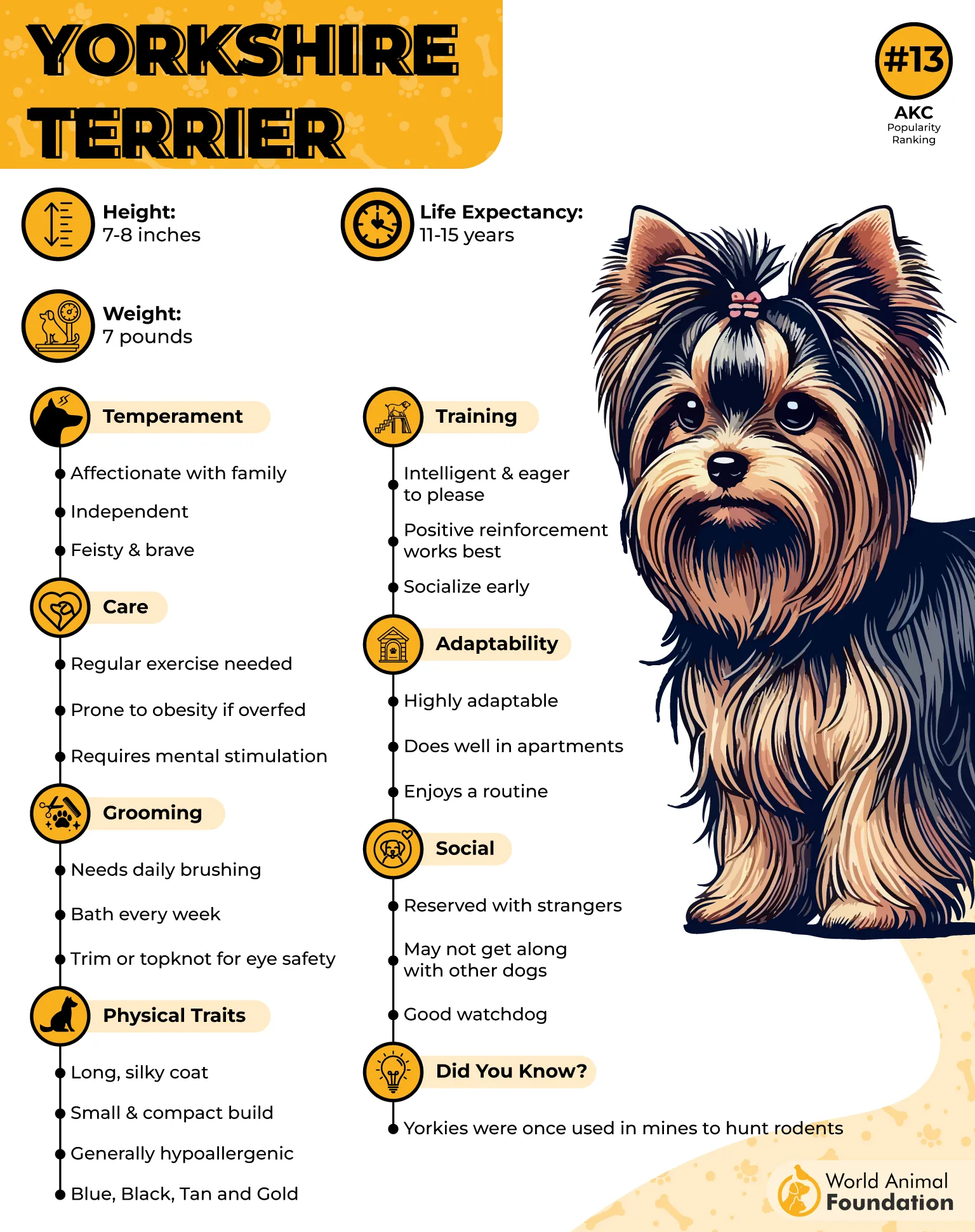
For apartment dwellers, the Yorkshire Terrier strikes an excellent balance between energy and practicality. A daily walk of around 30 minutes, combined with indoor play sessions, is usually enough to keep them physically and mentally satisfied.
Omlet suggests that puzzle feeders, hide-and-seek games, and short obedience sessions also help prevent boredom.
One of the best small dog breeds for new owners, the breed’s coat is a defining feature because it resembles human hair more than traditional dog fur. While shedding is minimal, regular brushing and scheduled trims are essential to prevent tangles and keep the coat manageable.
Managing Their Small Size At Home
Secure gaps behind furniture where a curious Yorkie might squeeze through unnoticed.
Keep long hair trimmed around the paws to improve traction on smooth indoor flooring.
Provide lightweight toys designed for toy breeds to avoid unnecessary strain on tiny jaws.
Conclusion
Living in a smaller home doesn’t mean sacrificing the joy of dog ownership—it simply means choosing a breed whose needs align with your lifestyle. Of course, “small” should never be confused with “low effort.”
Tiny dogs still need daily exercise, mental stimulation, socialization, veterinary care, and consistent training to become confident and well-adjusted companions.
Plenty of city dogs lead fulfilling lives because their owners prioritize engagement over acreage.
If you’re searching for a pet that fits seamlessly into a cozy living arrangement, these smallest dog breeds offer an impressive variety of personalities and appearances.
