




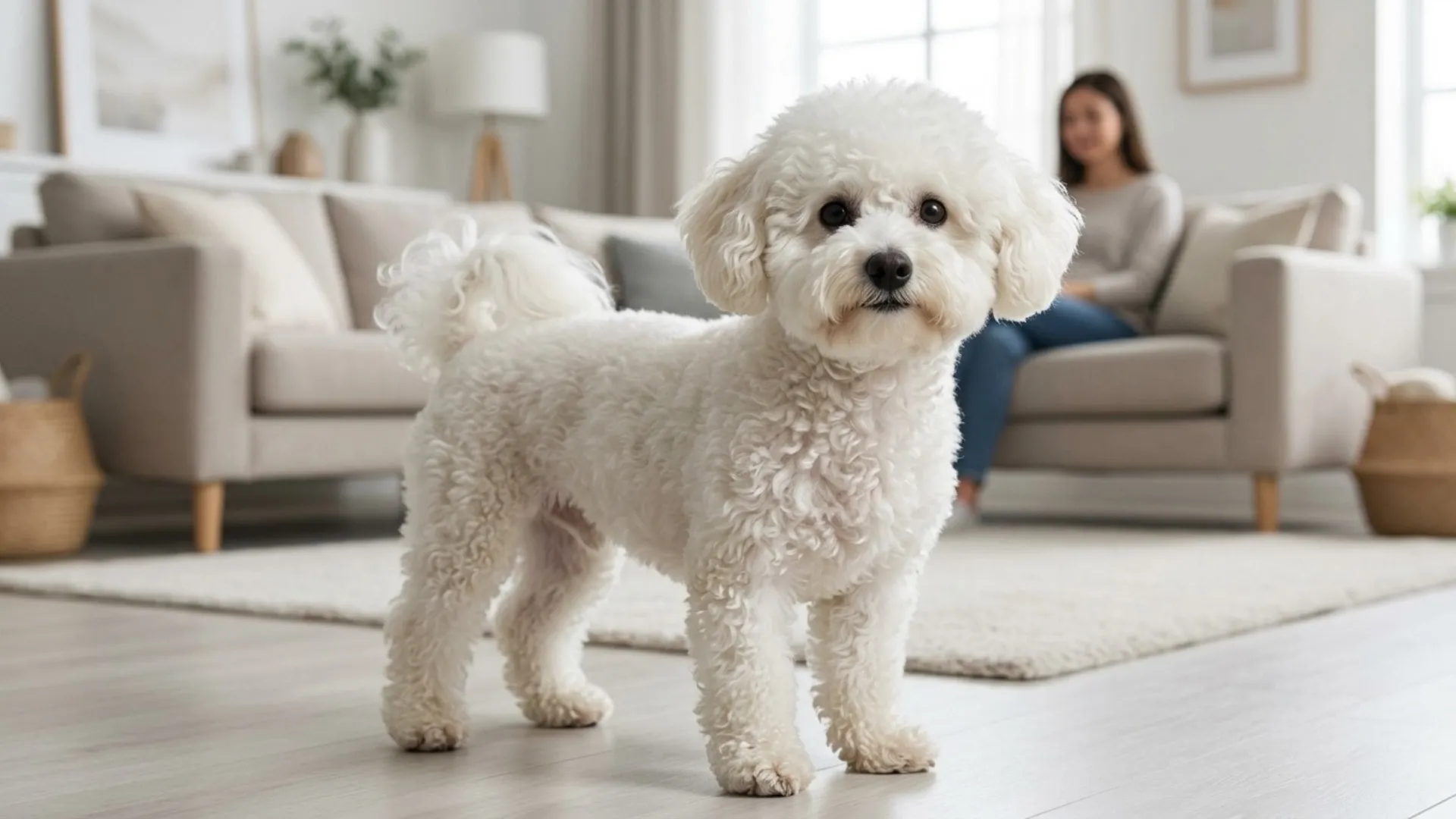
Choosing your first dog is exciting, but where should you start?
Small dogs can make great pets for new pet parents. They fit well in many homes and often enjoy life indoors. But don’t let their size fool you! Each breed has its own needs, habits, and care routine.
Some small dogs love to play and learn new tricks. Others prefer quiet days and cozy naps by your side. You also need to think about grooming, daily walks, and health care. Small dogs can face dental issues and knee problems, so vet visits matter, too.
So, which small dog is right for you? This guide explores seven small-sized dog breeds ideal for novice owners. You’ll learn what makes each breed special and what care it needs. That way, you can find a loving friend who fits your home and lifestyle.
Small‑Sized Dog Breeds Ideal for Novice Owners
1. Yorkshire Terrier
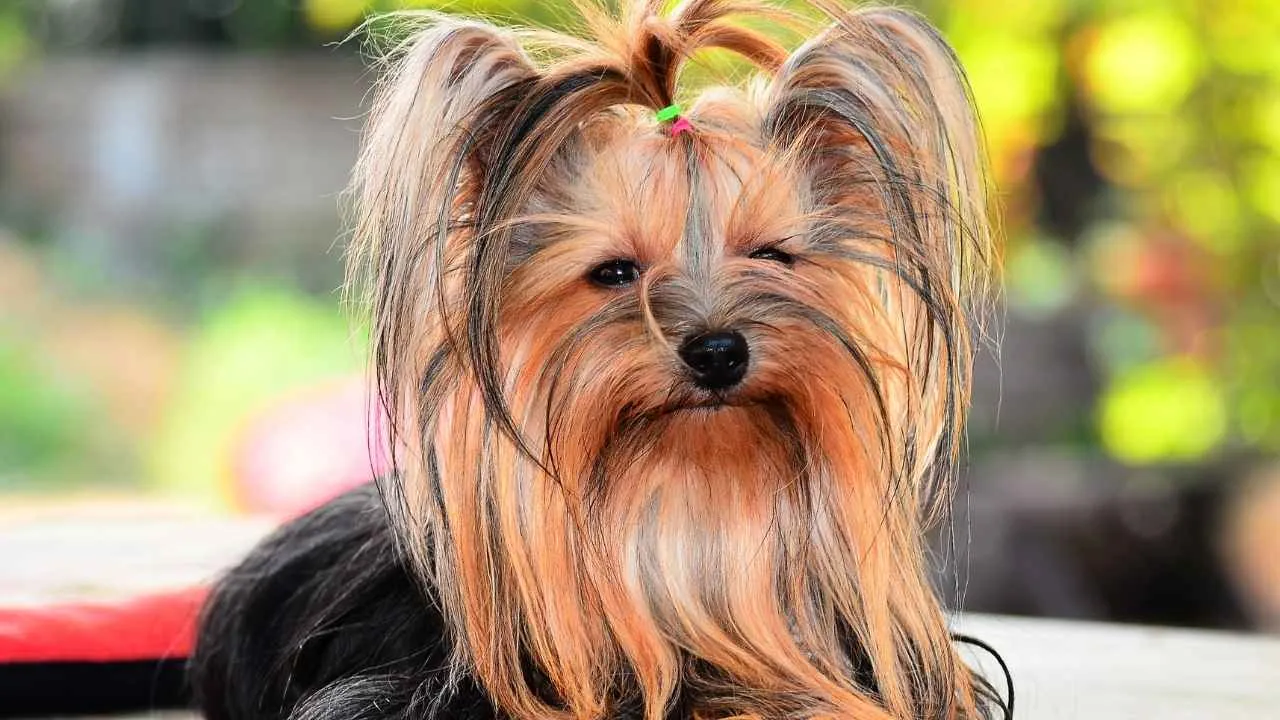
A Yorkshire Terrier may be small, but it has a bold spirit. This small dog breed is alert, playful, and full of energy. According to PetMD, Yorkies are affectionate little dogs that can sometimes act bossy. They also have a strong desire to explore and stay busy.
The American Kennel Club recognizes their lively nature and confident attitude. Still, each dog has its own needs and habits. A first-time dog owner should start consistent training early.
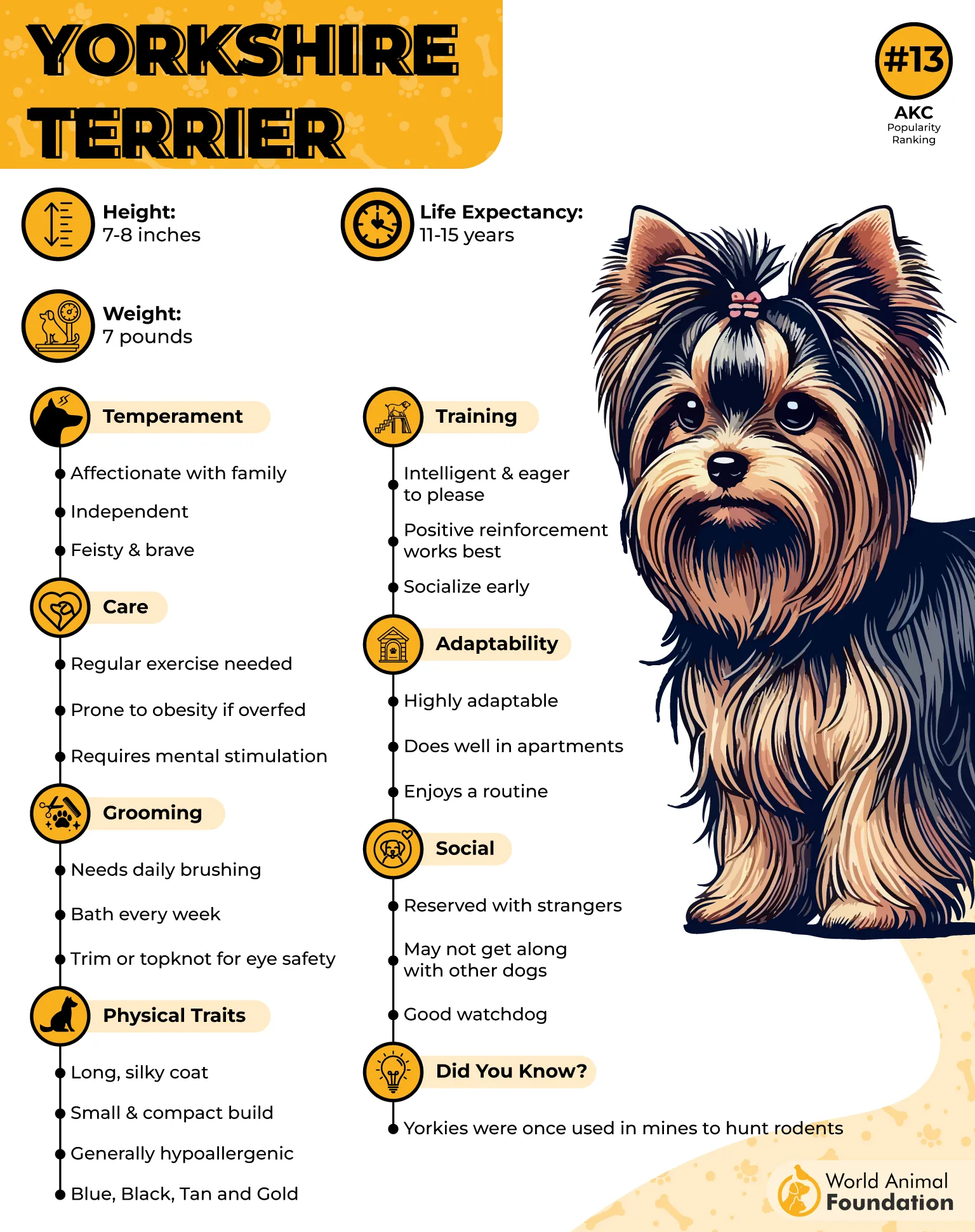
Yorkies can bark often if they lack clear rules. They may be well suited to a family with older children who handle pets gently. However, early socialization helps them live with cats and other pets. Adult dogs may need time to accept new housemates.
Tips for First-Time Yorkie Owners
Use short games to keep their minds active.
Teach quiet cues to manage alert barking.
Introduce new people and pets with care.
Keep grooming sessions calm and positive.
Set clear rules and reward good choices.
2. Shih Tzu
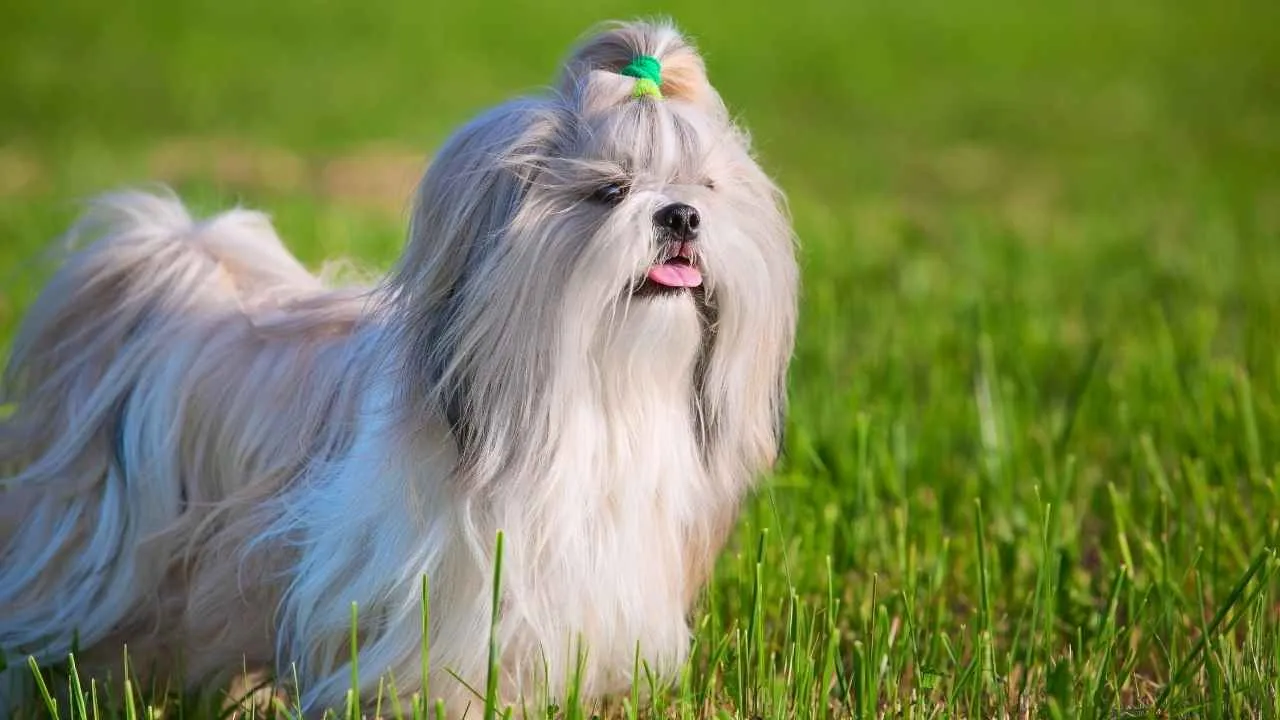
The Shih Tzu has a long history as a loving companion. In China, people bred these dogs to live close to their families. Over time, they became beloved pets rather than working guardians. This small dog breed typically weighs 9 to 16 pounds.
Its affectionate nature makes it a lovely choice for a new dog owner who wants a close bond. According to the American Kennel Club, Shih Tzus enjoy life indoors and can thrive in apartments.
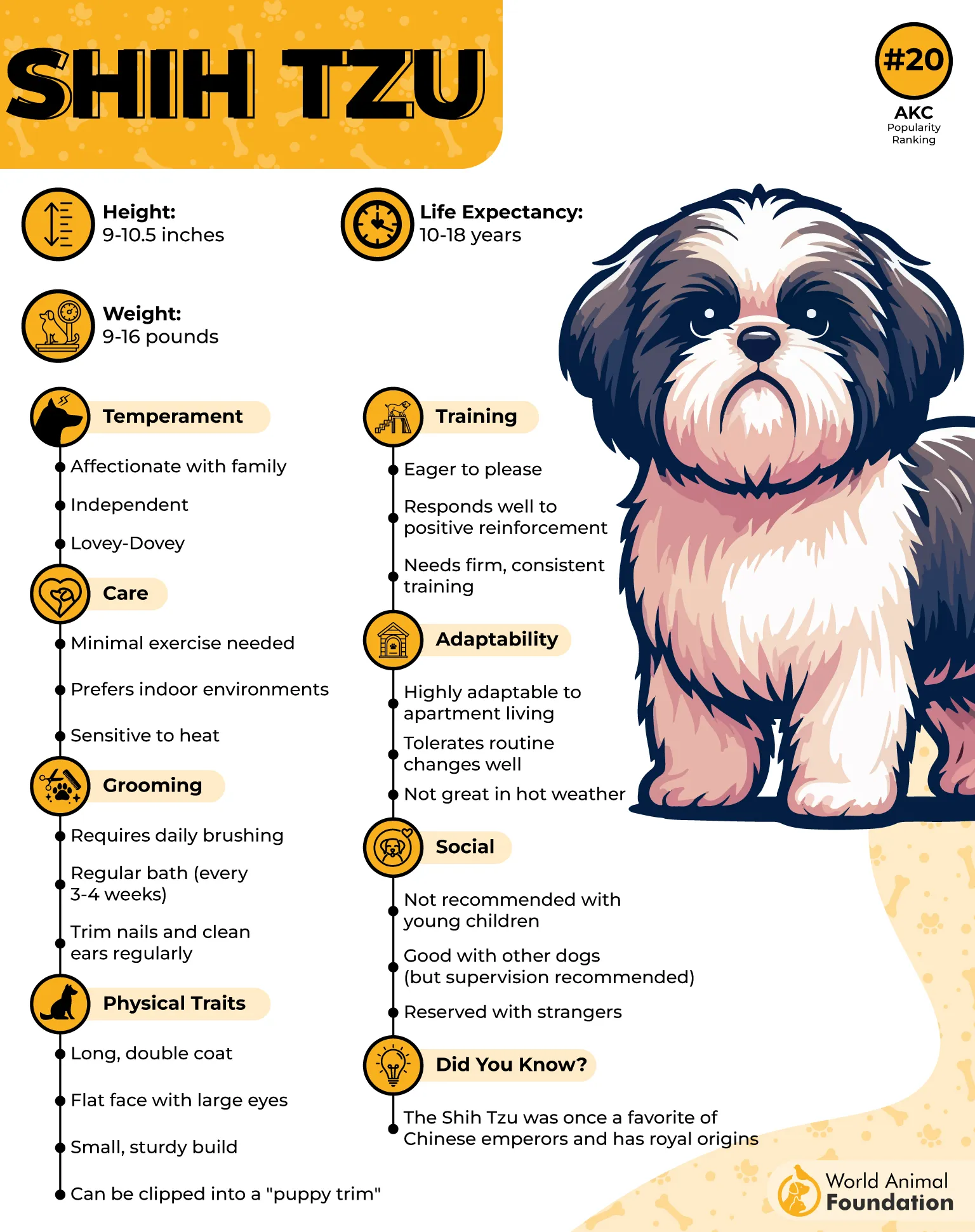
They often love lap time more than long outdoor adventures. Short walks and indoor games can keep them happy. They can also get along with other dogs when socialized early. Their gentle ways may suit homes with small children who treat pets with care.

Simple Ways to Care for a Shih Tzu
Brush the long coat often to prevent tangles.
Keep the hair around the eyes clean.
Offer toys for calm indoor play.
Teach simple cues with praise and treats.
Make time for cuddles and daily company.
3. Pug
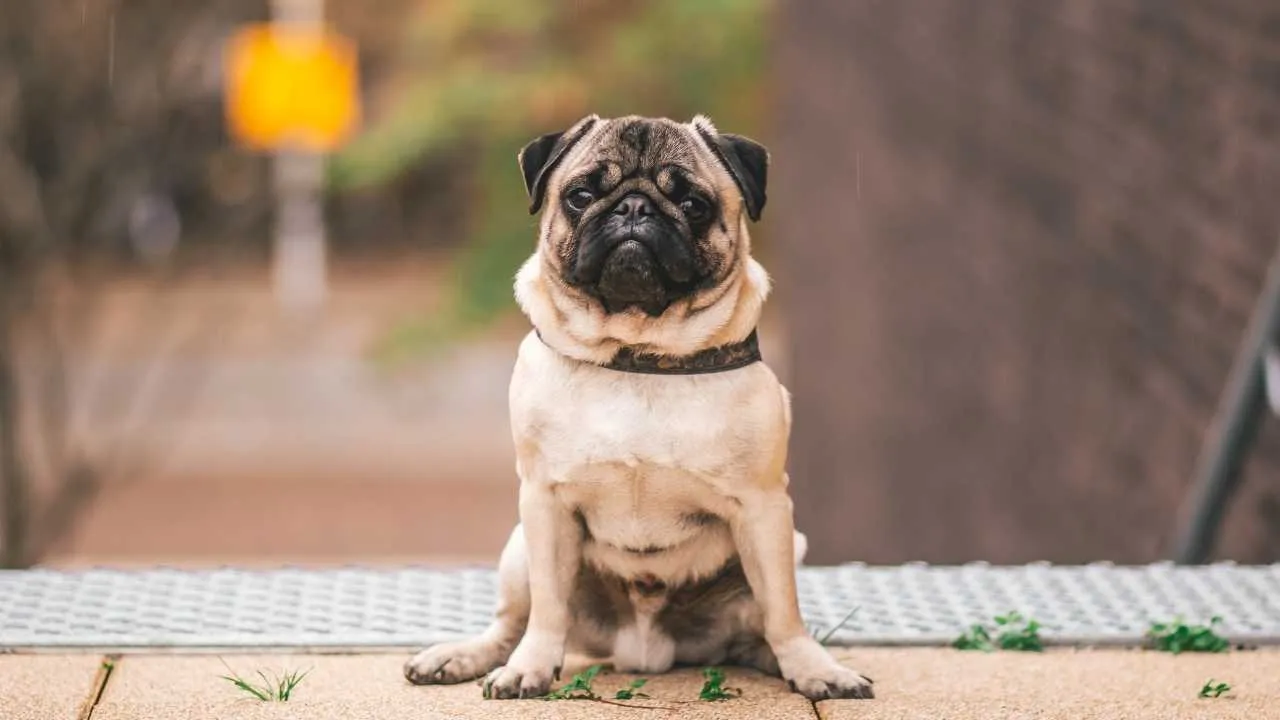
Looking for a small dog breed with a charming nature? The Pug could be a lovely match. This small breed is known for its loyalty, alertness, and gentle temperament.
According to Britannica, Pugs likely came from China before Dutch traders brought them to England in the late 1600s. Their short, glossy coat makes them fairly low maintenance in terms of brushing.
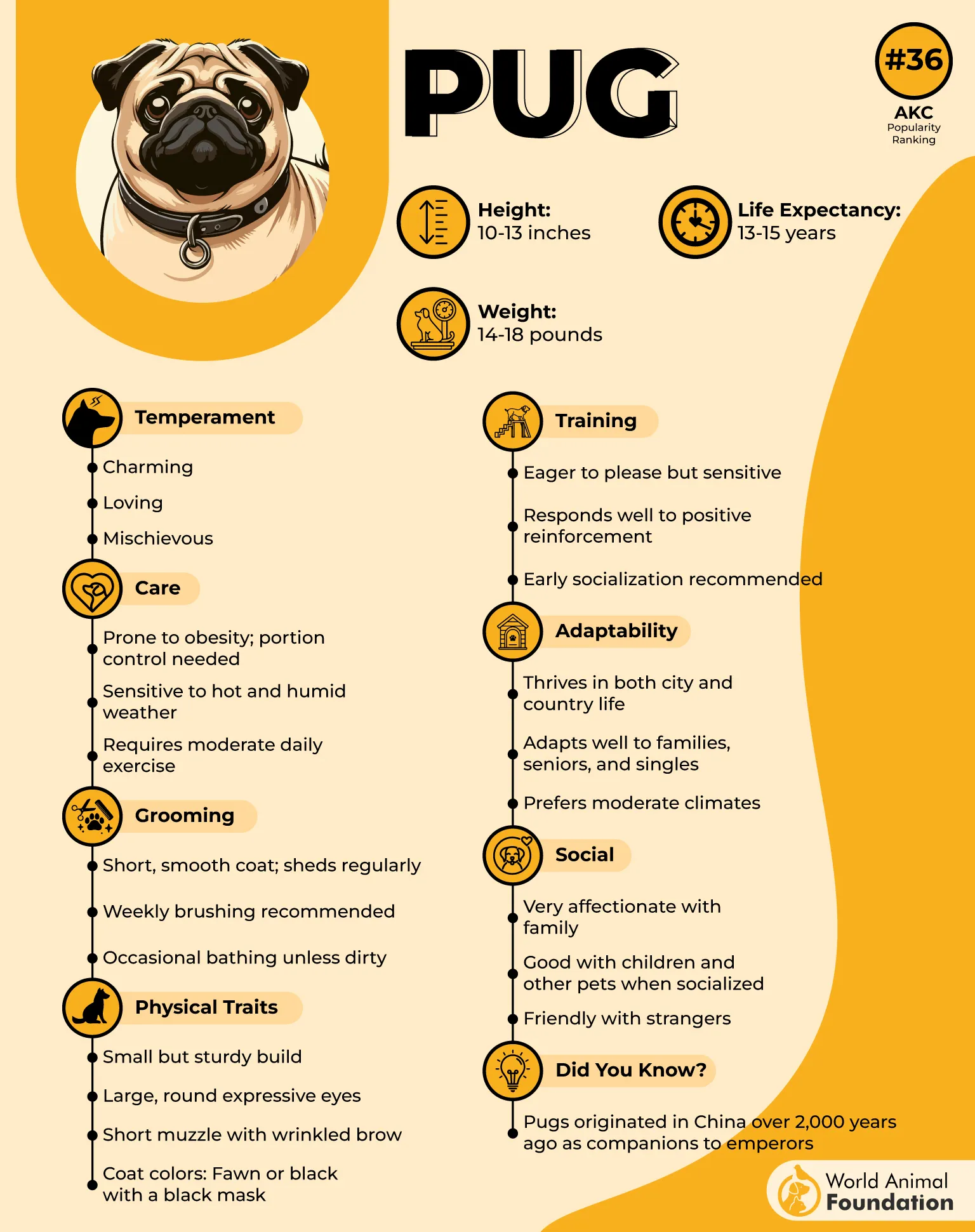
Pugs also suit a relaxed lifestyle, as they enjoy naps and short play sessions. However, their flat faces make them a brachycephalic dog breed. This brings an important health consideration, as breathing can be harder in heat or during exercise.
A caring family should keep them cool and watch for signs of strain. Pugs can fit well with older children who play gently.
Everyday Tips for Happy, Healthy Pugs
Clean facial folds gently to prevent skin irritation.
Avoid hard exercise during hot, humid weather.
Keep fresh water available throughout the day.
Watch for noisy breathing or unusual tiredness.
Book routine vet visits to monitor their health.
4. Maltese
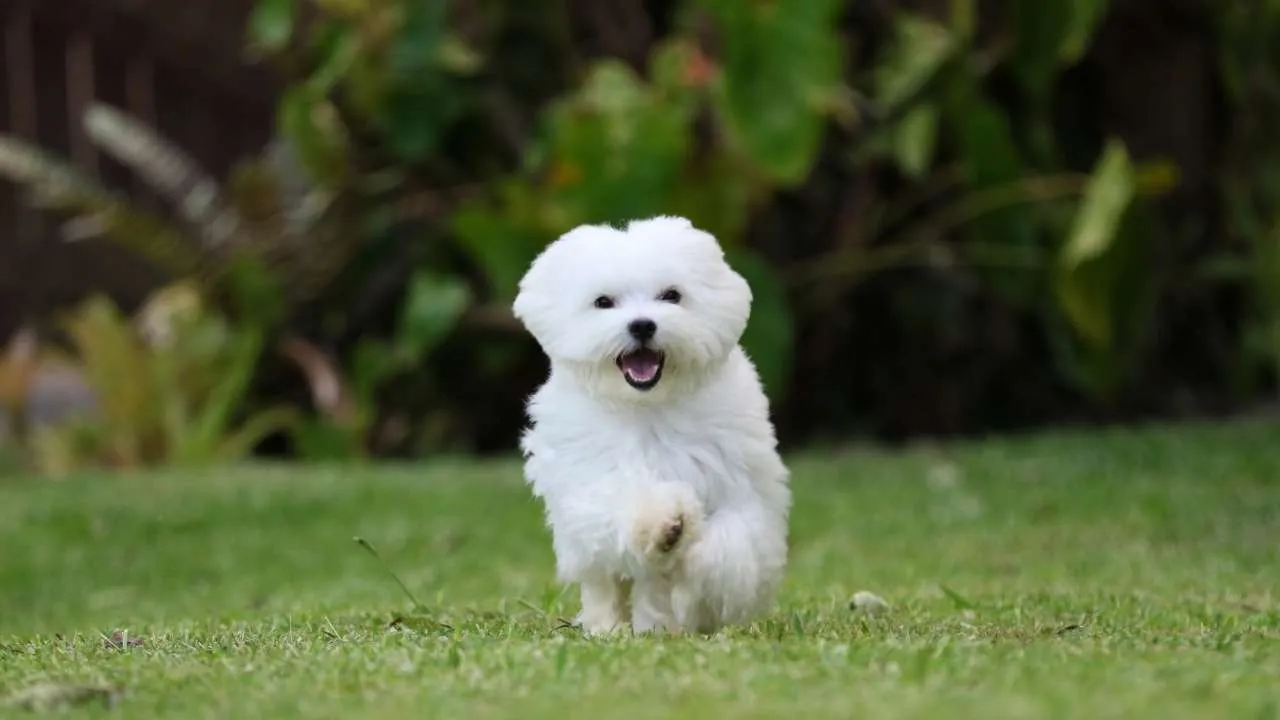
The Maltese is an ancient small dog breed known for its loving heart. Often called one of the oldest dog breeds, it has charmed people for centuries. This toy breed is gentle, smart, and eager to learn.
According to Hill’s Pet, Maltese dogs enjoy tricks and playful games. They form strong bonds with their owners and can thrive in families with gentle children. Their small size also makes them a good fit for apartment living.
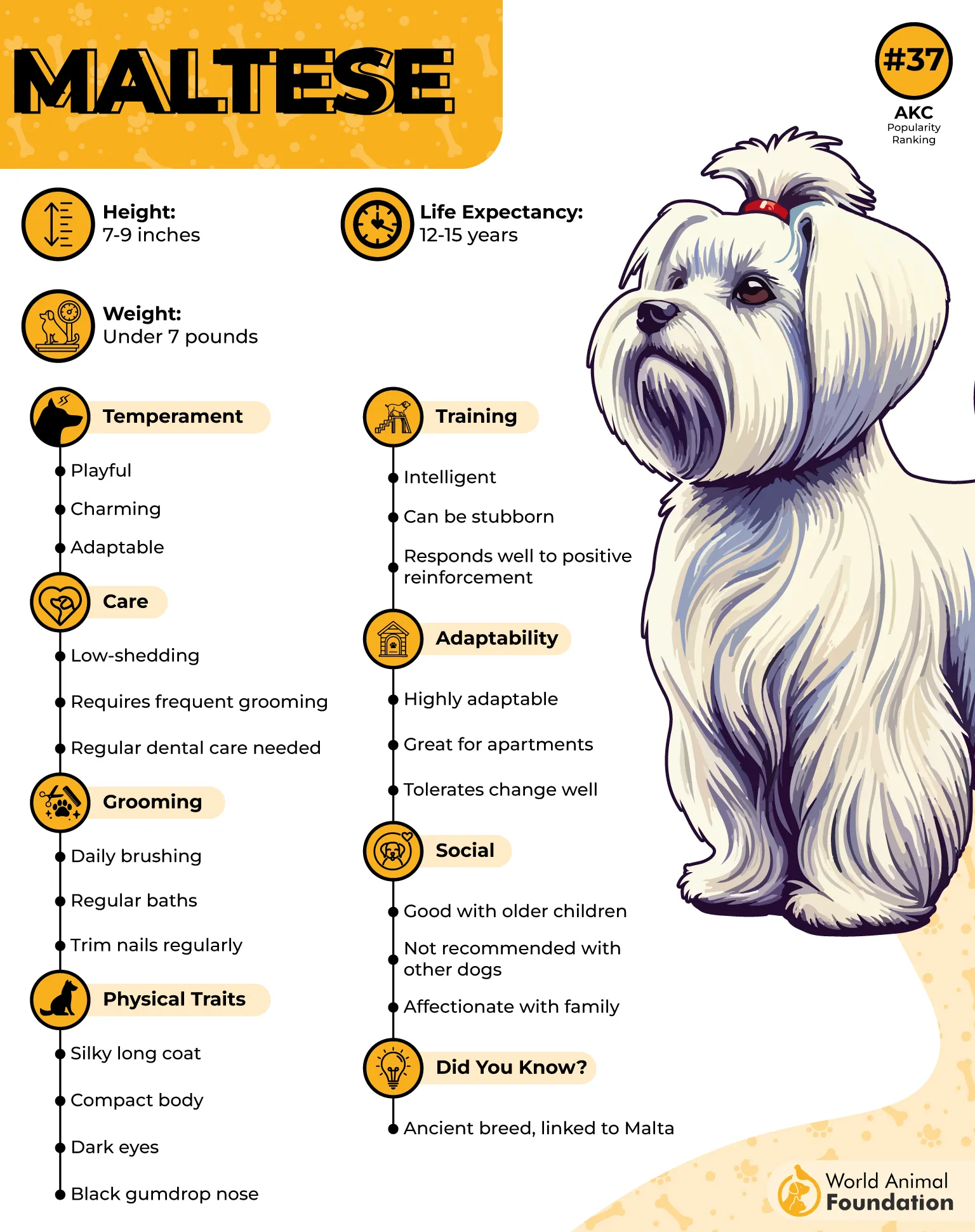
Still, they have a bold side and may bark at strange sounds. They can even stand their ground around a large dog. Their long, silky coat needs care to prevent knots. With kind training and fun tasks, they can enjoy daily life and even try a canine sport.
Easy Ways to Care for a Maltese
Brush the coat often to stop tangles.
Keep hair away from the eyes.
Start dental care early to protect tiny teeth.
Reward calm behavior when new sounds arise.
Teach tricks through short, fun sessions.
5. Bichon Frise
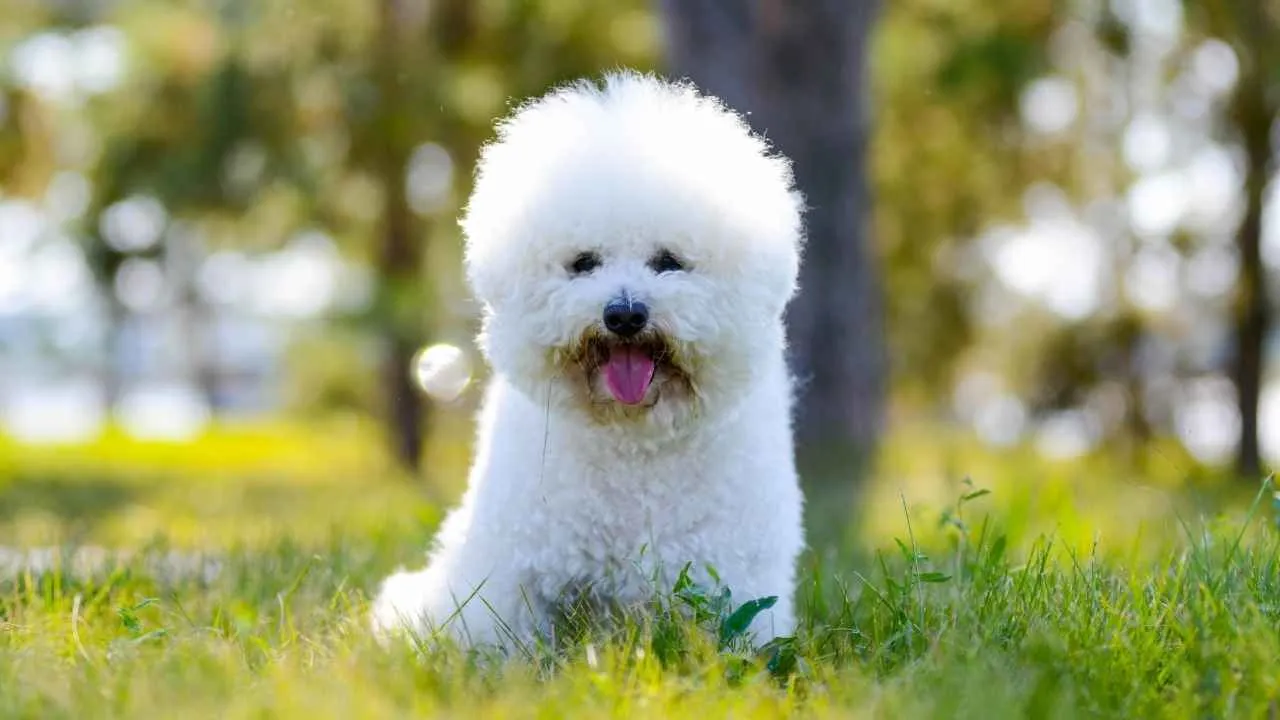
The Bichon Frise is a fun-loving small dog breed with a bright spirit. Its fluffy, silky white coat and small face give it a sweet look. This breed often suits families who want a loving pet but have less space. According to PDSA, Bichons are affectionate dogs that get along well with children and other pets.
Their friendly nature can make them a good choice for a first-time owner. They may also live well with cats when introduced with care.
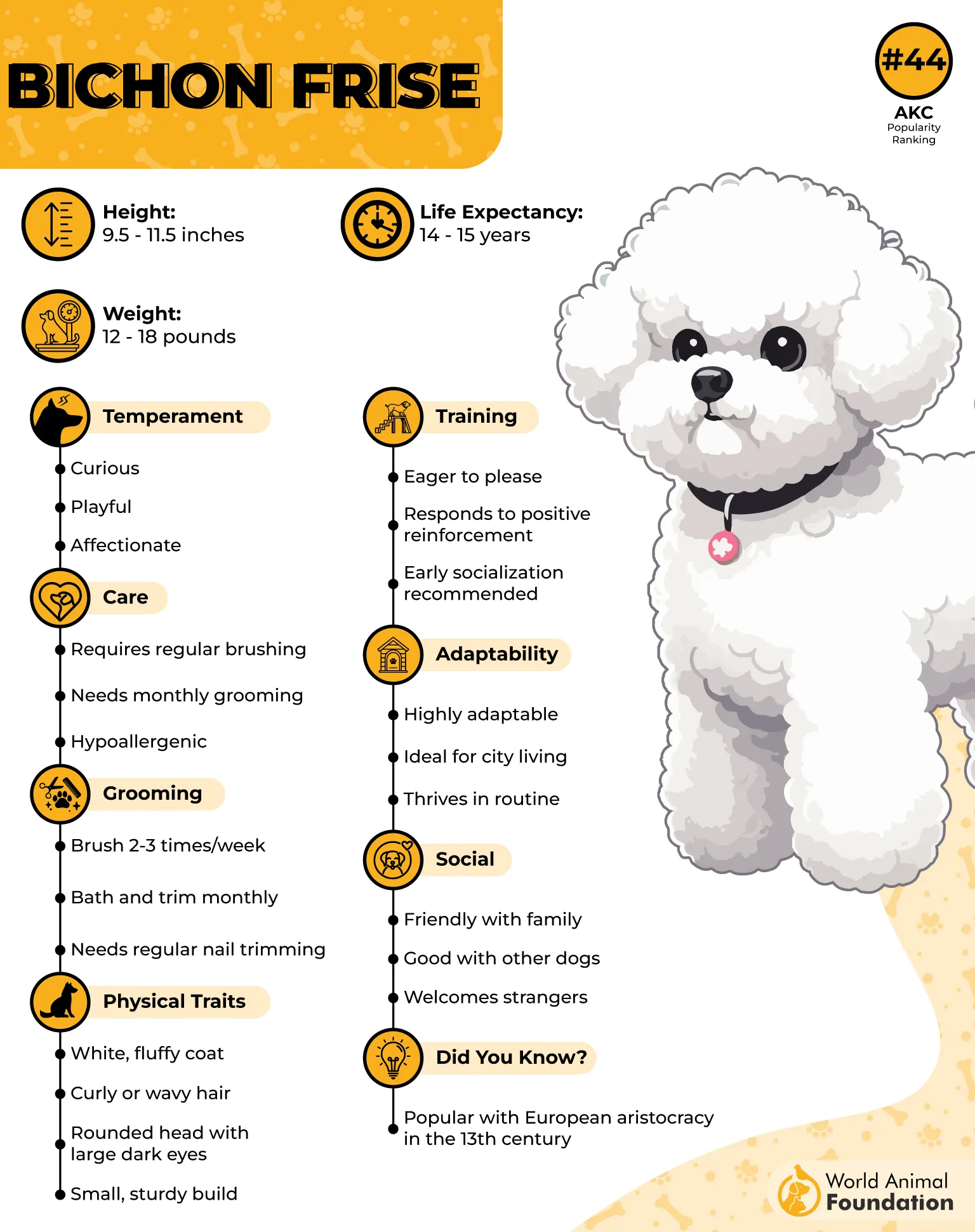
Often called a hypoallergenic dog breed, the Bichon may suit some people with allergies, but no dog is fully allergy-free. Their energy level calls for daily play, while their coat needs frequent grooming and trimming to stay neat.
Simple Ways to Keep a Bichon Happy
Book coat trims every few months.
Use treats to reward calm, friendly behavior.
Introduce cats and new pets slowly.
Plan daily games to meet their need for play.
Schedule vet checks to support a healthy life.
6. Papillon
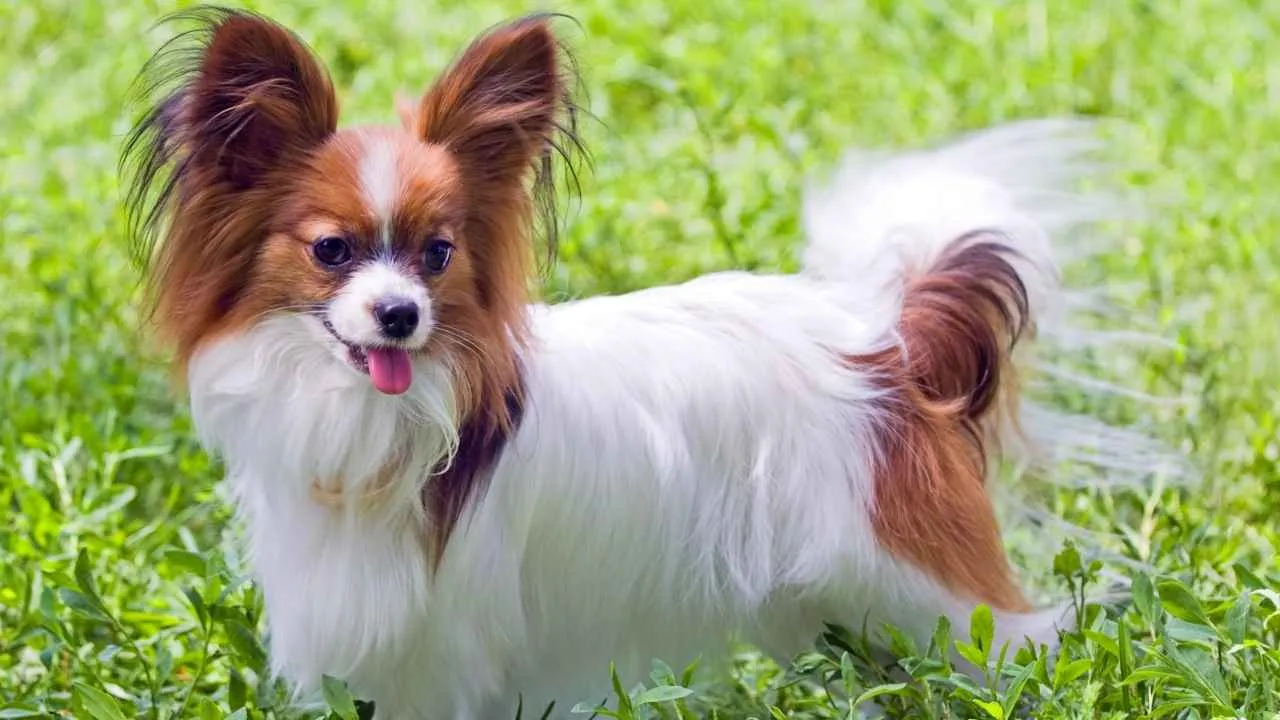
The Papillon is a bright small dog breed with a lively mind. Its name means “butterfly” in French, thanks to its wing-shaped ears. Originally bred as a companion dog, it still loves being close to people.
According to Purina, Papillons are alert, friendly, and energetic. They enjoy family activities and quiet time on laps, too. Often seen as one of the smartest dog breeds, they can learn new cues with ease. Their quick minds need mental stimulation, not just walks and play.
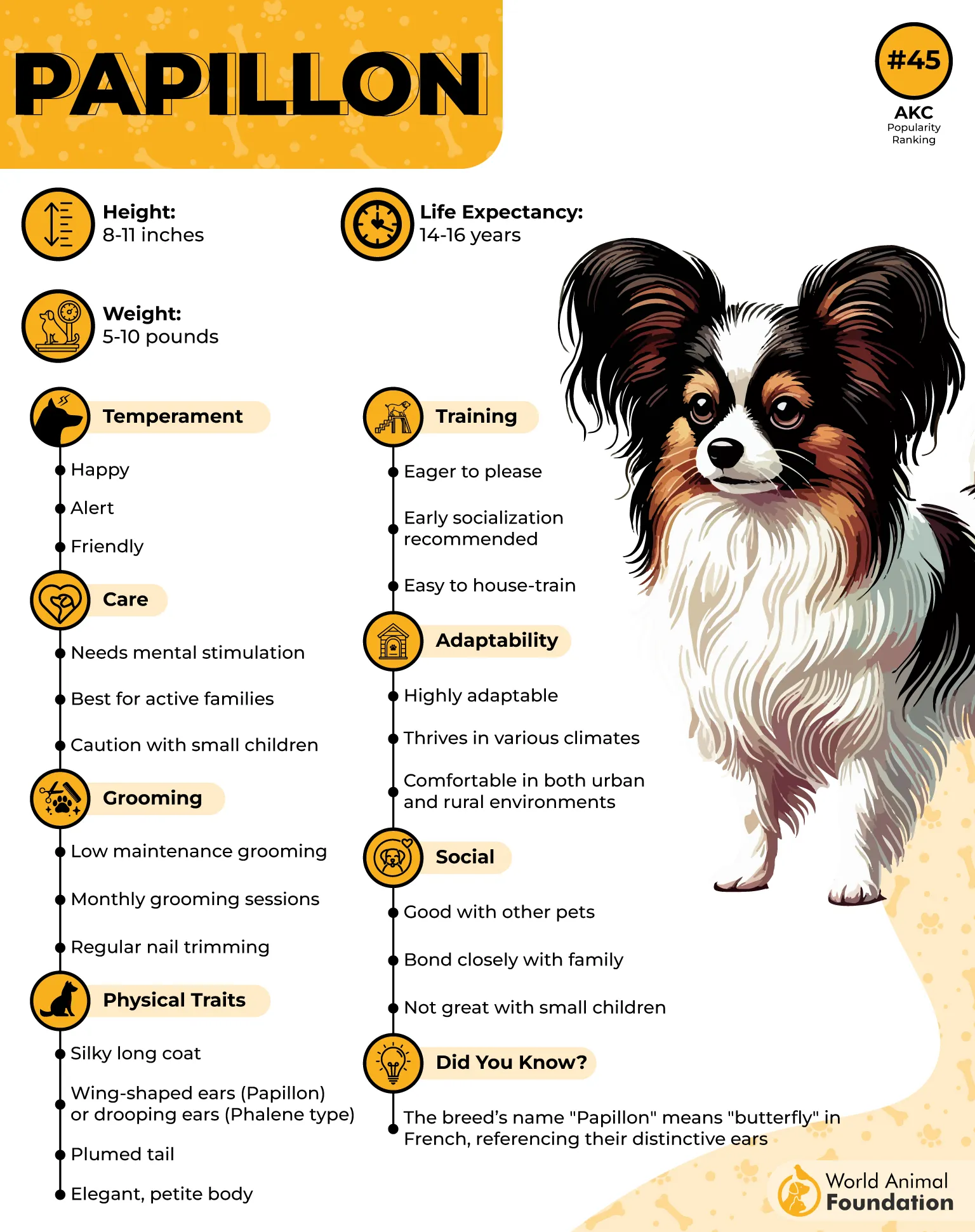
This breed may suit families with children who know how to handle small pets gently. However, rough play can cause injury due to its tiny frame. Papillons can also shine in an agility competition, where they put their speed and focus to use.
Ways to Keep a Papillon Engaged
Teach one new cue during each short session.
Hide treats around a room for sniffing games.
Use praise and treats to reward good choices.
Keep play safe around larger dogs.
Offer new tasks to make daily life more fun.
7. Pomeranian
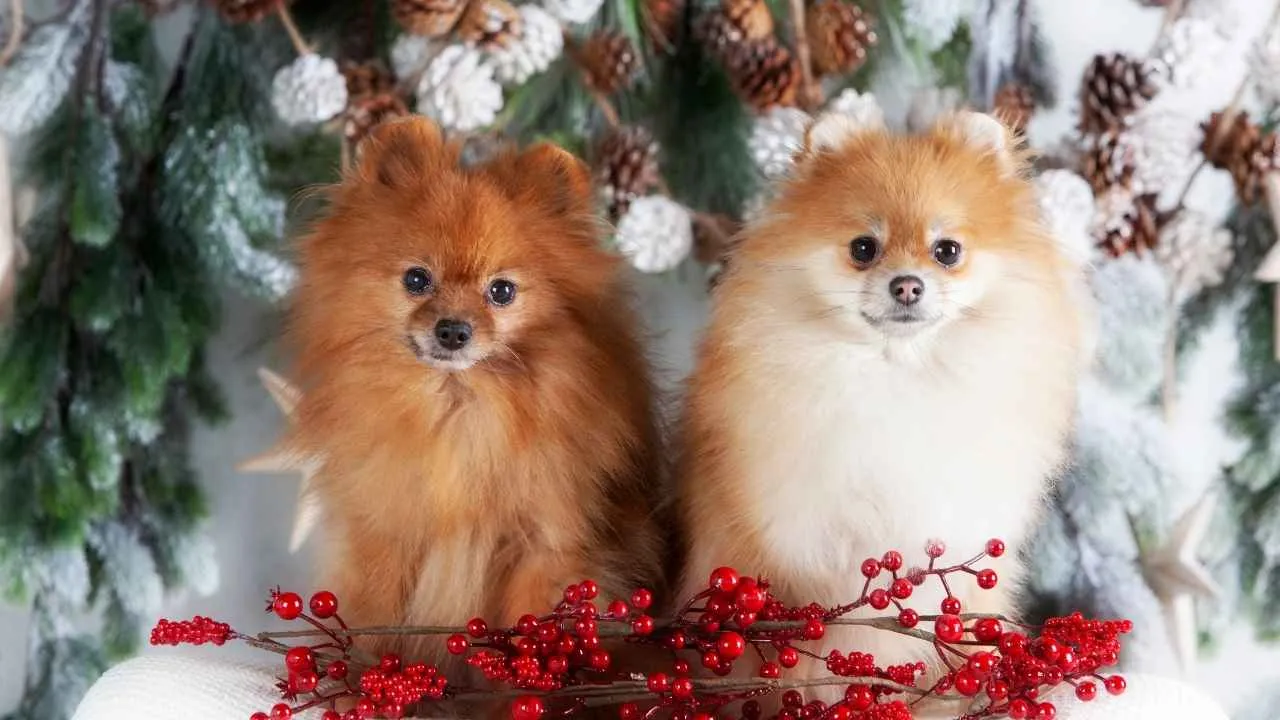
The Pomeranian is a spitz-type dog breed with a bold heart and bright mind. Among small dog breeds, it stands out for its lively spirit and fluffy look. According to WebMD, Pomeranians are friendly, curious, and full of life. This affectionate breed can form close bonds with its family and bring joy to daily life.
Despite its size, the Pomeranian is surprisingly hardy and often acts like a much larger breed. Its sturdy build and confident nature reflect its larger counterparts in the spitz family.
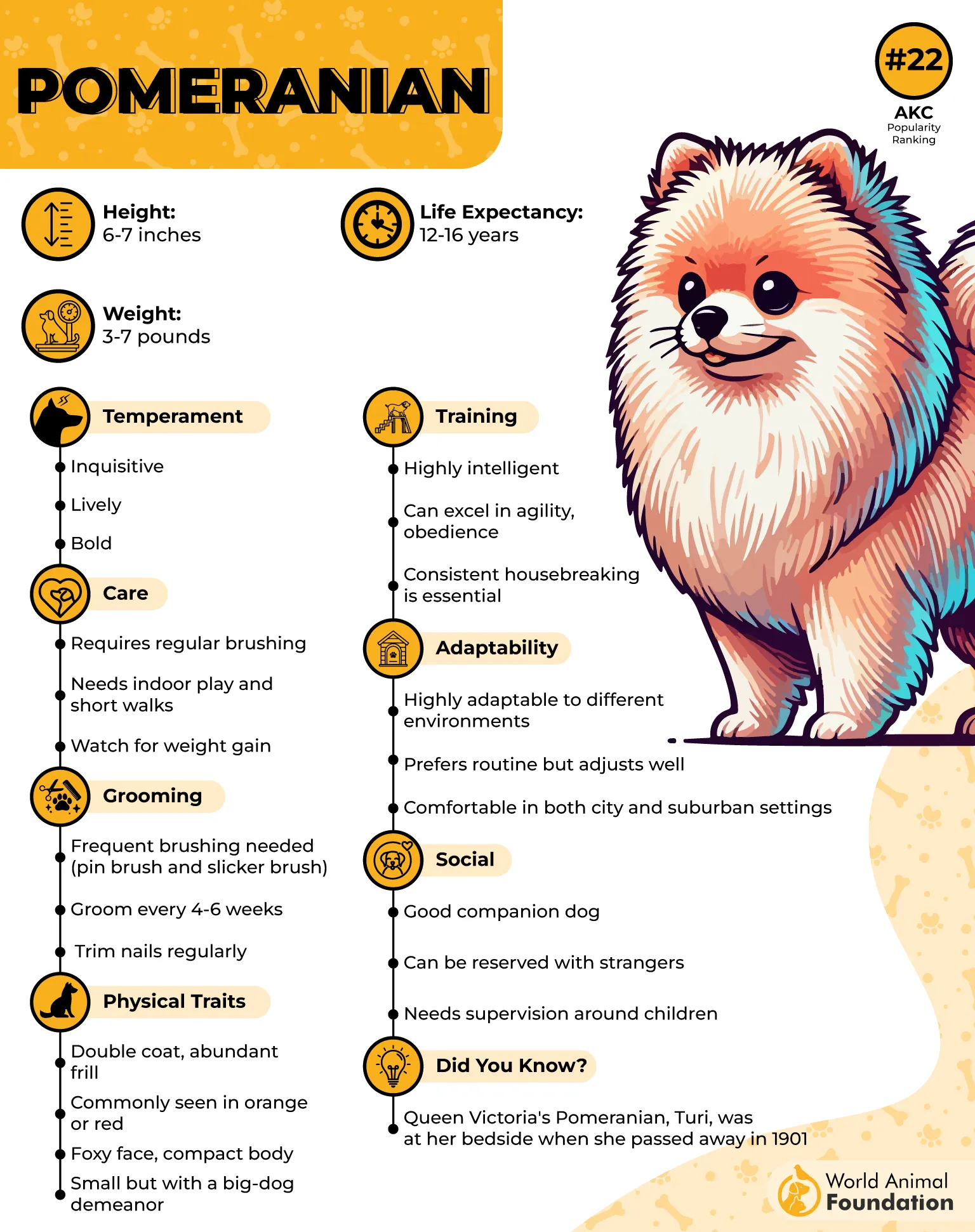
Still, this dog may not be the right match for homes with very young children. Kids must learn to handle pets gently and respect their space. With patient training and kind care, a Pomeranian can be a loving companion.
Tips for Raising a Happy Pomeranian
Brush the thick coat often to limit tangles.
Teach calm greetings to help manage barking.
Use gentle play to protect their small frame.
Set clear rules from the start.
Give children simple lessons on safe pet handling.
Conclusion
Choosing your first dog can be a joyful step, especially when you find a companion that fits your home and lifestyle. Many small breeds make wonderful pets, but each has its own needs, habits, and personality.
As a first-time dog owner, take time to choose the right breed for your daily routine, budget, and experience. A small breed may need less space, but it still needs proper training, patient care, and plenty of human interaction.
Plan for grooming, dental care, and regular vet visits to help your dog stay healthy. If you have children, teach them to handle their new friend gently and respect its space. With the right care, a dog’s loving nature can bring years of fun, comfort, and companionship.
