




Smartness and a manageable size often go hand in hand in the canine world. Many dogs are naturally intelligent, eager to please, and highly trainable, but if you’re looking for a companion that can comfortably curl up in your lap, stay small forever, and still impress you with its sharp mind, you’re in the right place.
Highly trainable small dog breeds combine intelligence, attentiveness, and adaptability in a compact, easy-to-live-with package. These breeds thrive on interaction, structure, and mental stimulation, making them perfect for owners who want a pet that offers both affectionate companionship and responsive cooperation.
Contrary to the common myth that small dogs are stubborn or hard to train, many are actually quick learners when guided with the right approach. With consistency, patience, and positive reinforcement, they can easily master house rules, pick up new tricks, and even excel in advanced training.
Let’s explore these clever little companions and discover just how capable they truly are.
Small‑Size Dog Breeds That Are Exceptionally Trainable
1. Toy Poodle
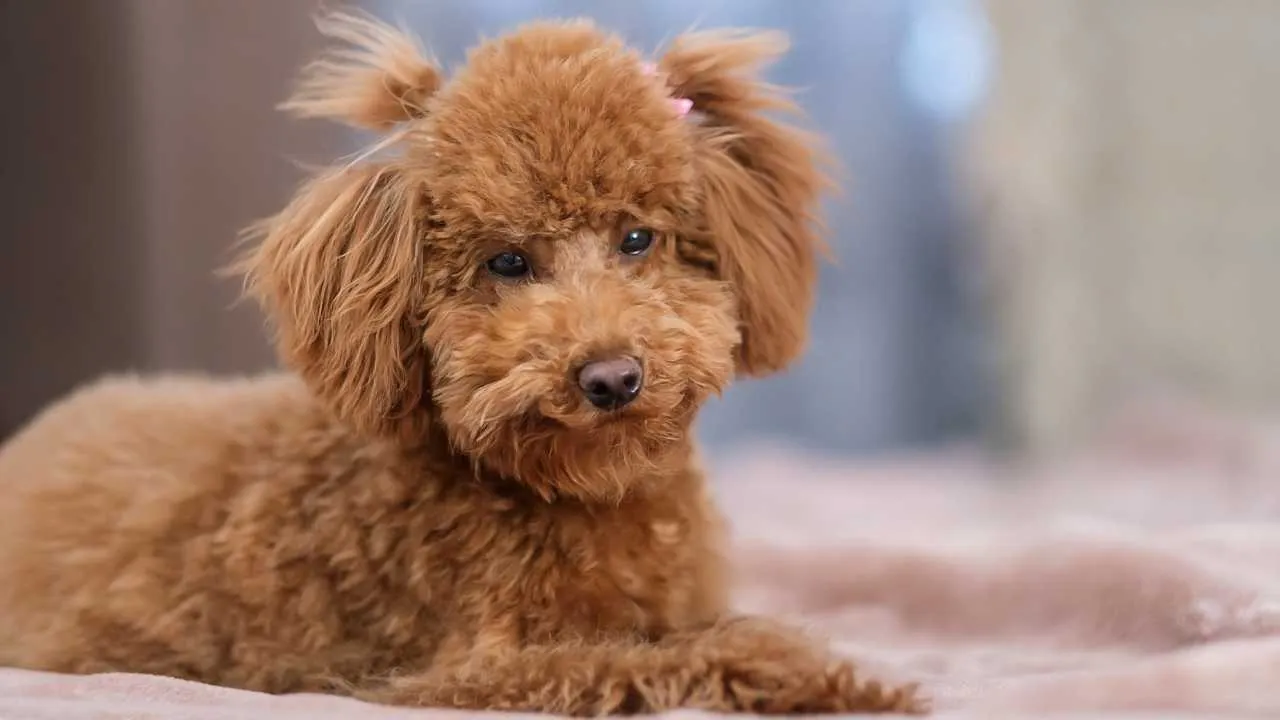
Poodle consistently ranks as the second most intelligent dog breed, regardless of size. So if you’re looking for a small, highly intelligent companion packed with personality and adaptability, you don’t need to look any further. The Toy Poodle is a perfect example: petite, affectionate, and wonderfully playful.
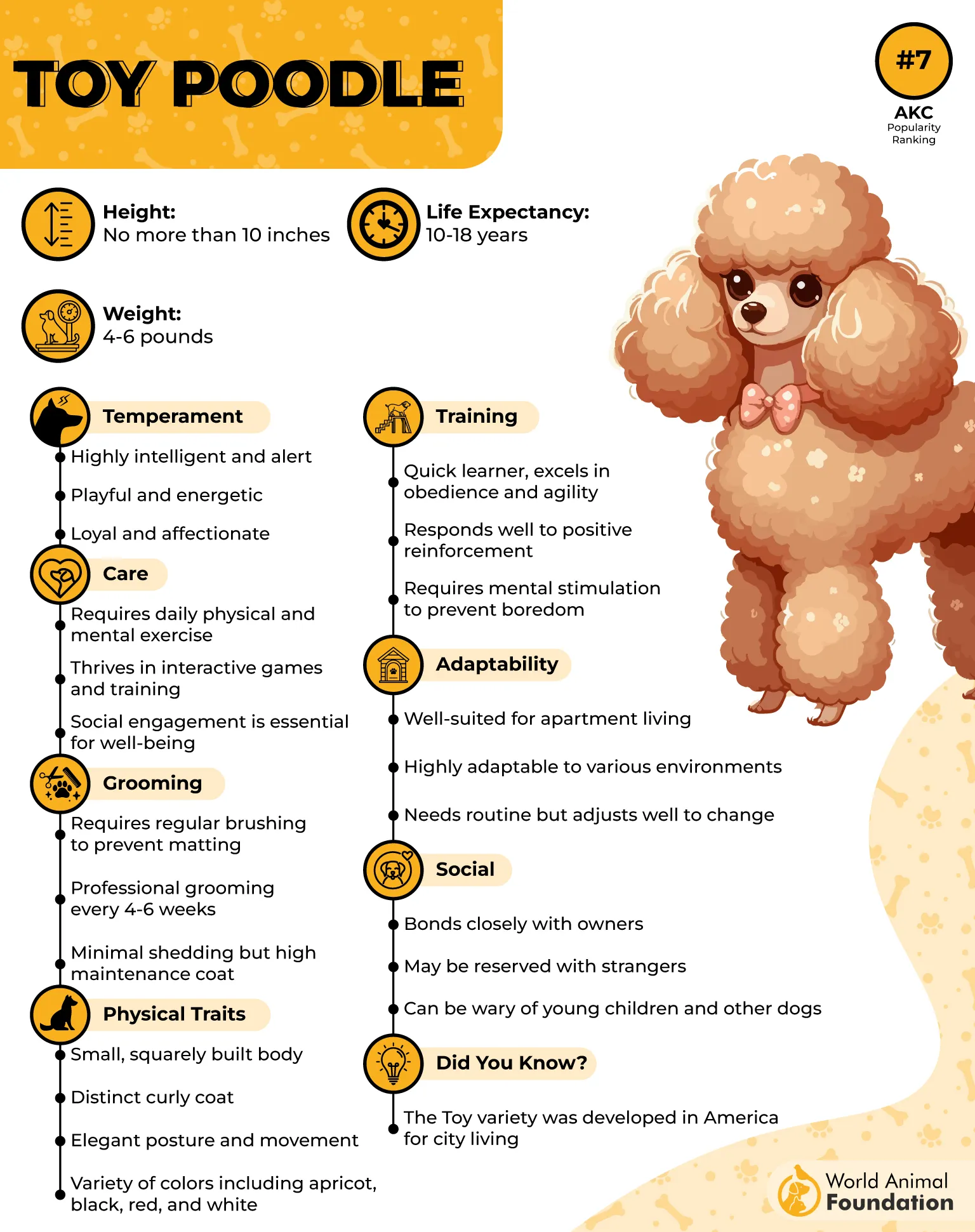
Toy Poodles are quick learners and can pick up basic commands and new skills after just a few repetitions. Their sharp intelligence, combined with an eager-to-please nature, makes them one of the most trainable small dog breeds—an excellent match even for first-time dog owners.
While they make fantastic lap dogs, Toy Poodles also need regular exercise and mental stimulation to stay happy and balanced in any home environment. Training sessions should be engaging, creative, and varied; otherwise, their high intelligence can quickly turn into boredom.
2. Papillon
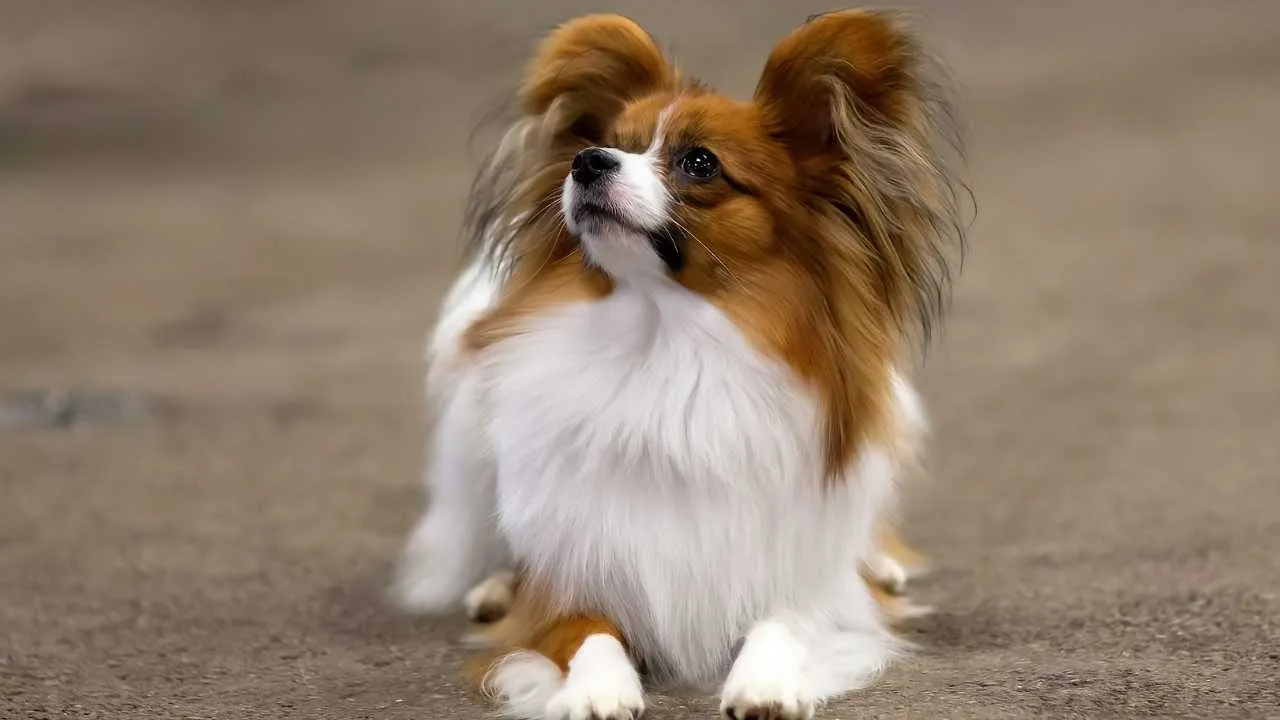
This small dog breed often surprises people with its sharp intelligence and bold personality, all packed into a delicate, tiny frame. The Papillon is especially well known for its distinctive butterfly-like ears, but beyond its elegant appearance, it also offers an affectionate nature and friendly temperament, making it a wonderful family pet.
When it comes to training, Papillons truly shine. Whether it’s house training or agility work, they tend to pick things up quickly and make the process feel enjoyable rather than challenging. You may even be surprised to see how easily they switch from being content lap dogs to fully embracing an active, energetic lifestyle.
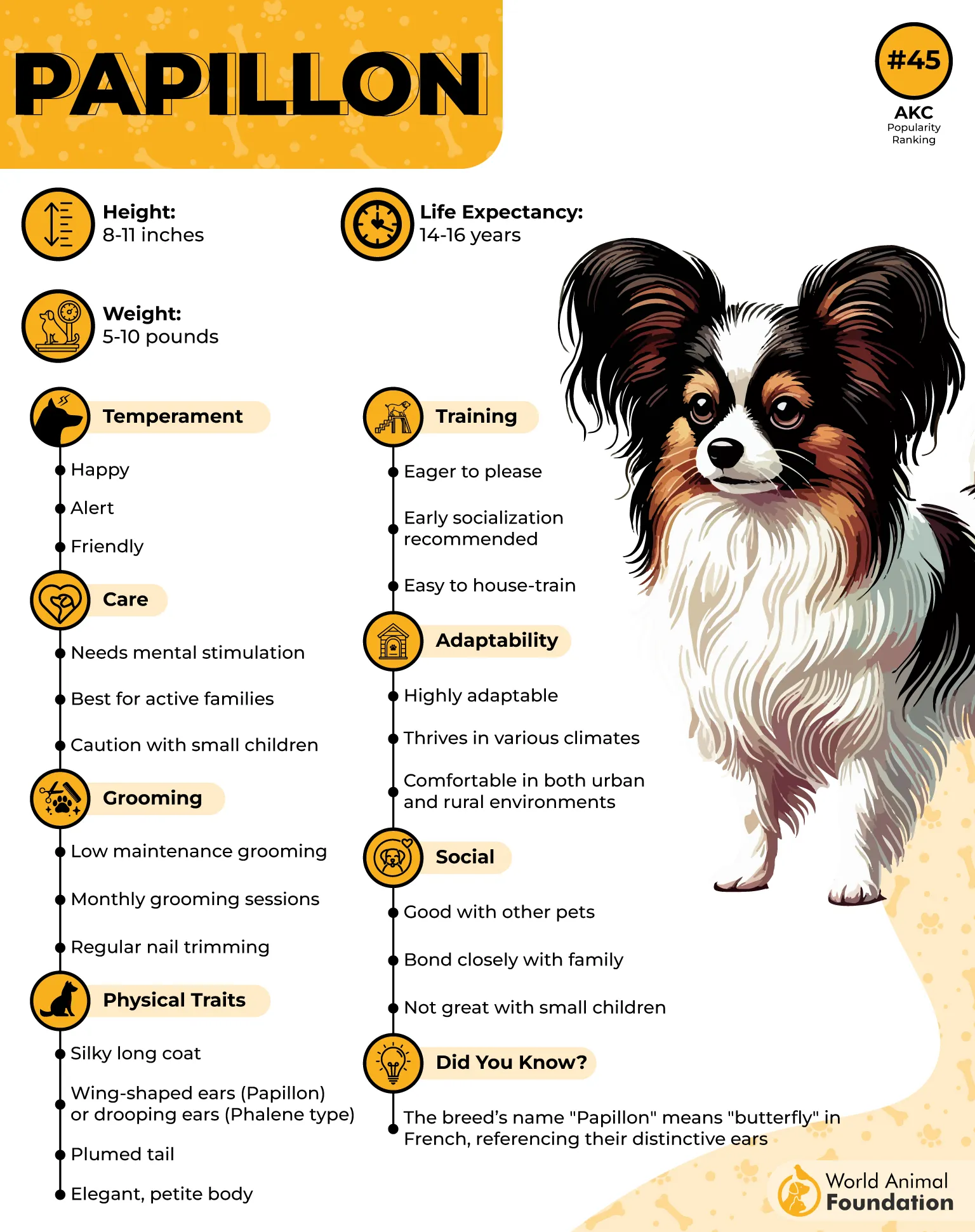
The Papillon is an intelligent breed that needs proper outlets to channel its energy. Pet parents can keep them engaged through dog sports, along with regular walks and interactive play sessions at home. They are sensitive dogs, so they respond best to positive reinforcement methods, thriving in environments where encouragement and consistency go hand in hand.
3. Miniature Schnauzer
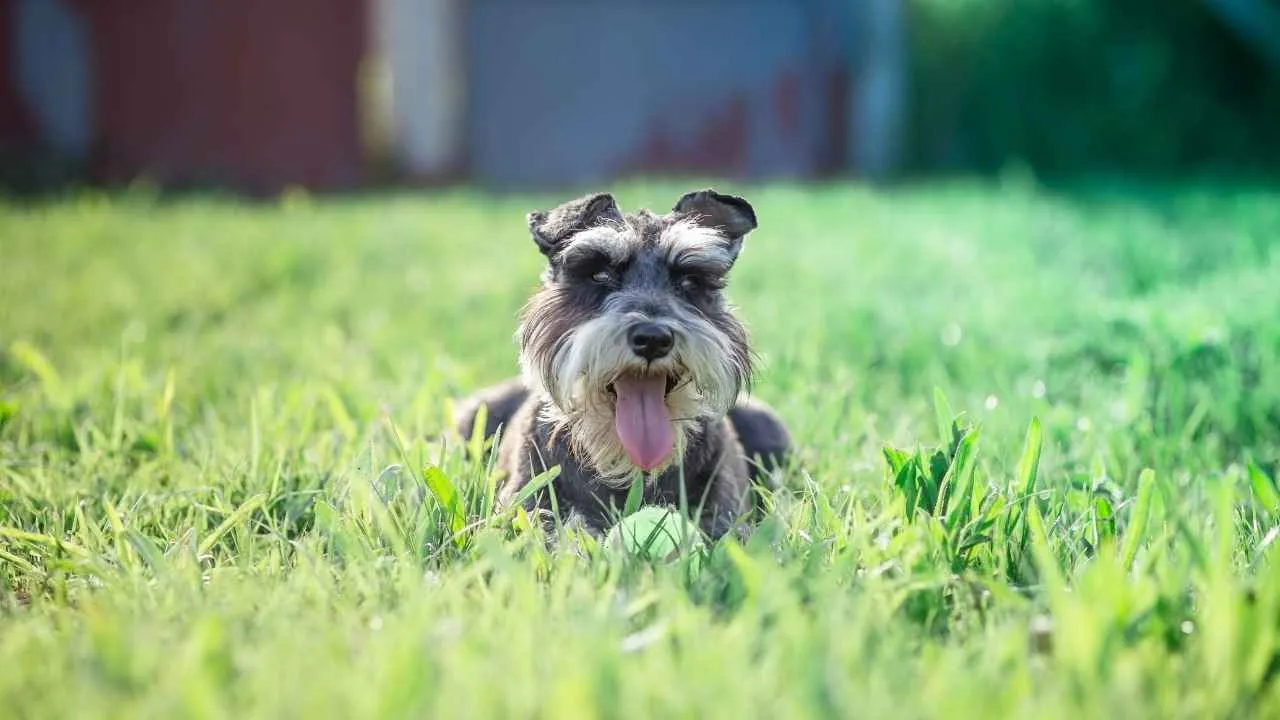
Originally bred as working dogs in Germany as early as the 14th century, the Miniature Schnauzer has evolved into a beloved family companion known for its friendly personality and easy-to-train nature. These dogs are also praised for their strong problem-solving abilities and can often learn new skills in fewer than 15 repetitions.
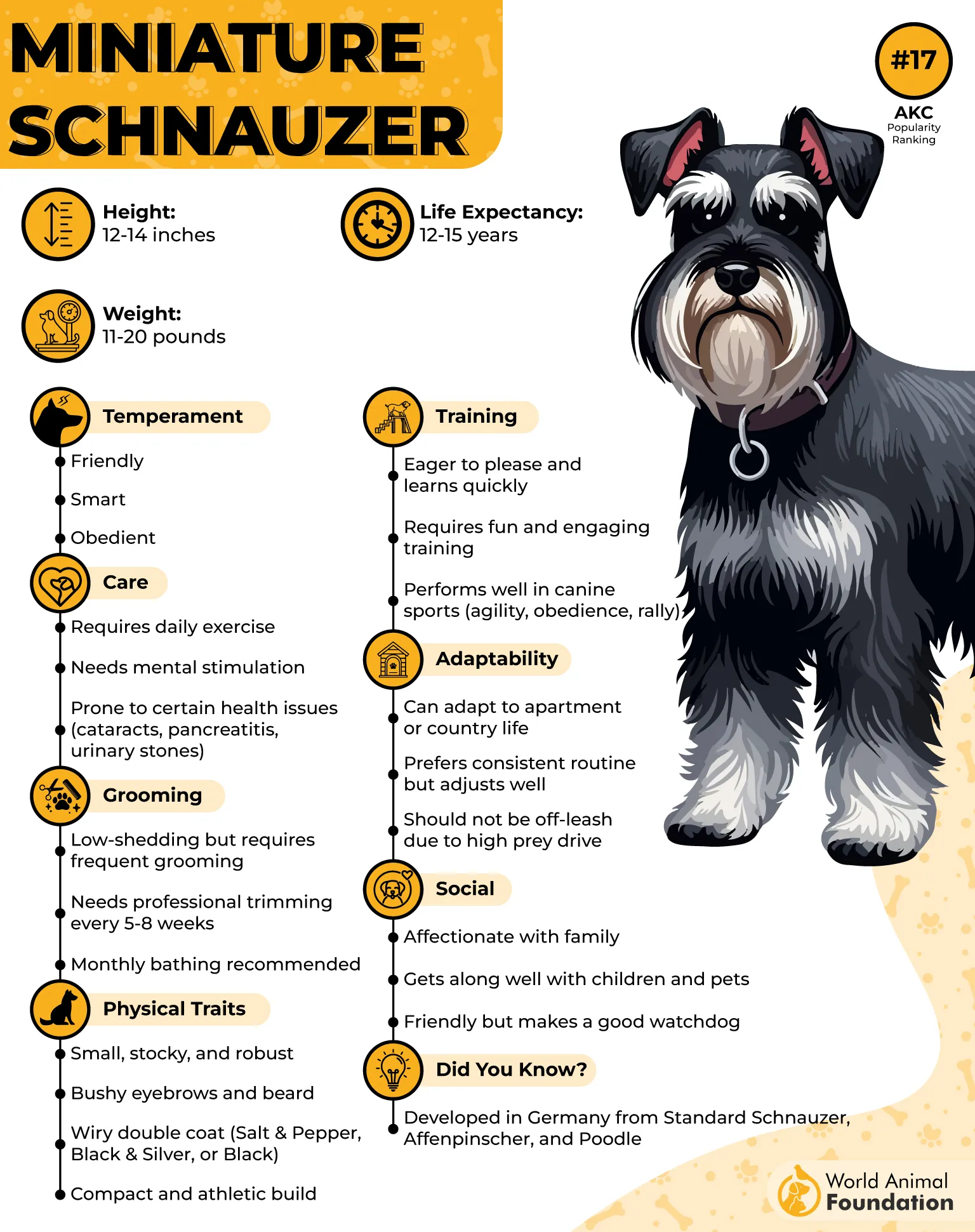
Miniature Schnauzers excel in obedience training and are naturally alert, making them reliable watchdogs while still being deeply affectionate toward their human families. They enjoy companionship and, after a good amount of daily exercise, are more than happy to settle in for long, cozy nap sessions, whether in a compact city apartment or a spacious countryside home.
Their wiry, medium-length coat sheds very little and is often described as hypoallergenic, making them a popular choice for people with mild dog allergies, according to PetMD.
With their terrier-like alertness and spirited nature, Miniature Schnauzers benefit greatly from consistent training and early socialization, especially when guided through reward-based methods.
4. Havanese
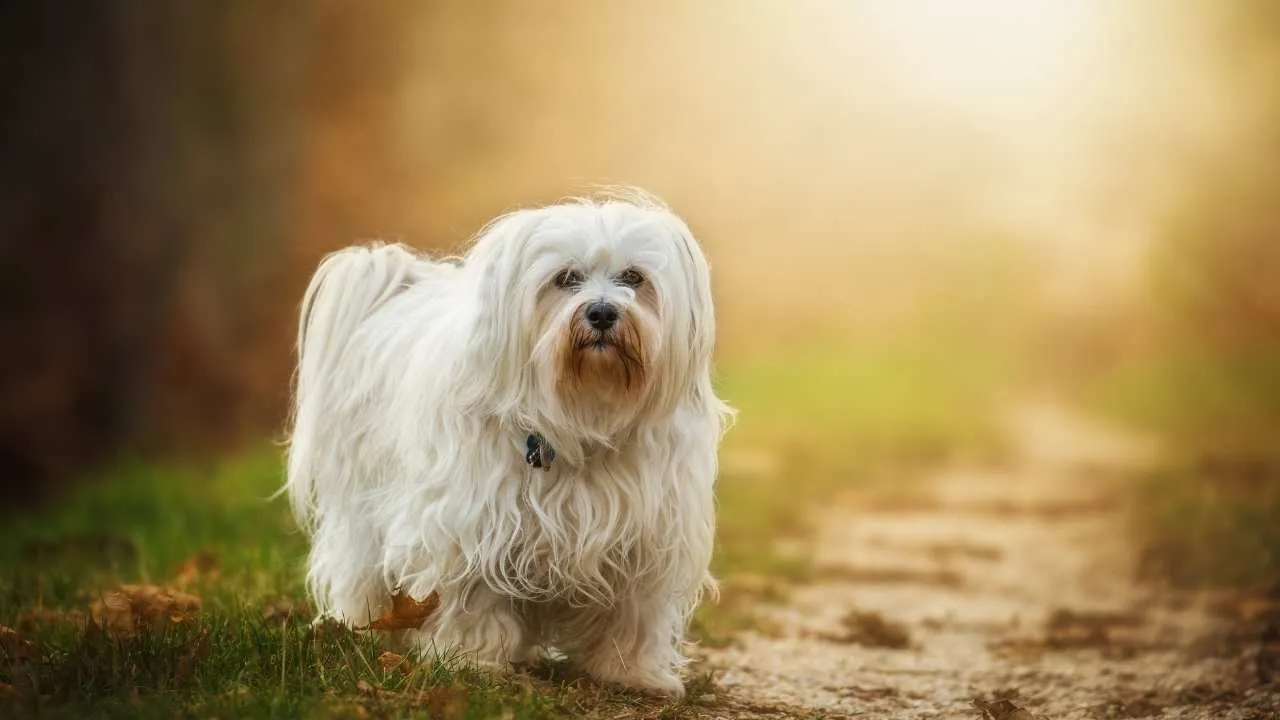
If you’ve ever seen a Havanese, you might notice their charming expression that often resembles a little old wise soul. Known for their affectionate temperament and strong desire to please, Havanese rank among the most trainable small dog breeds, thanks to their social nature and impressive ability to read human emotions.
Havanese thrive as true companion dogs. They form deep bonds with their owners and generally get along well with children and other pets when given proper early socialization and consistent training. However, they don’t enjoy being left alone for long periods, as their sensitive nature can make them prone to separation anxiety.
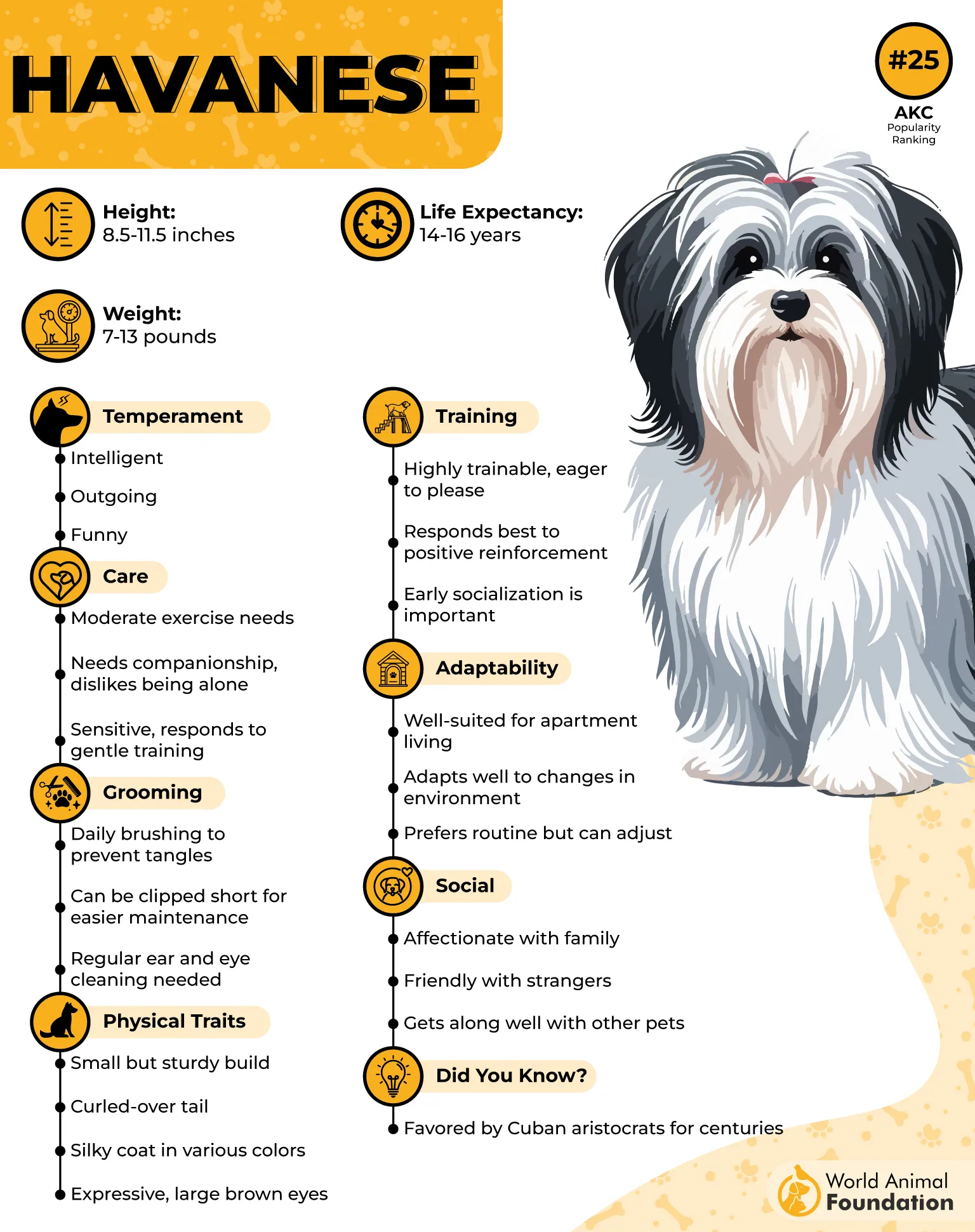
According to Purina, although they belong to the toy group of dogs, Havanese still need regular short walks and engaging indoor play sessions to stay healthy and happy.
These hypoallergenic dogs are especially appealing to cleanliness-conscious owners, as their silky double coats shed minimally. However, that beauty comes with responsibility; they require regular grooming and care to keep their coat in top condition.
5. Bichon Frise
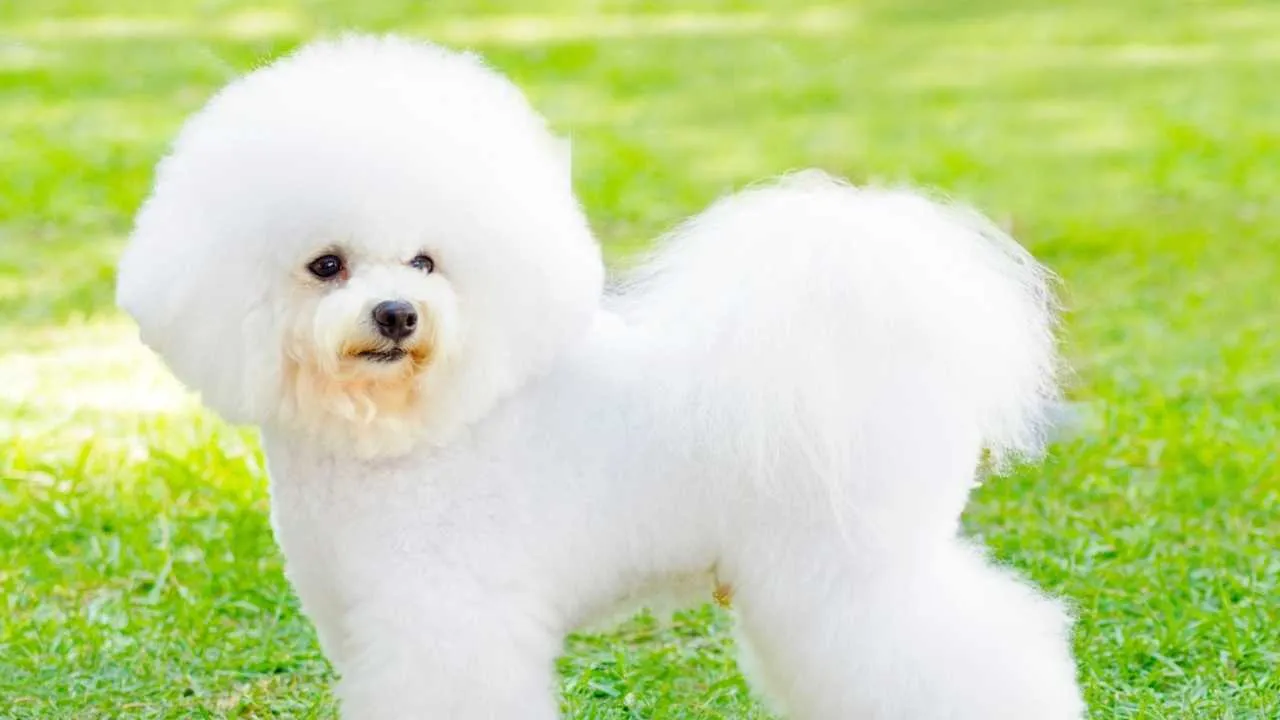
Sharp enough to occasionally outwit both other dogs and even people during playtime to earn rewards, the Bichon Frise is a delicate, fluffy white breed with a surprisingly confident and charming personality. Despite their soft appearance, they are highly intelligent dogs that pick up new commands quickly and often make training look effortless.
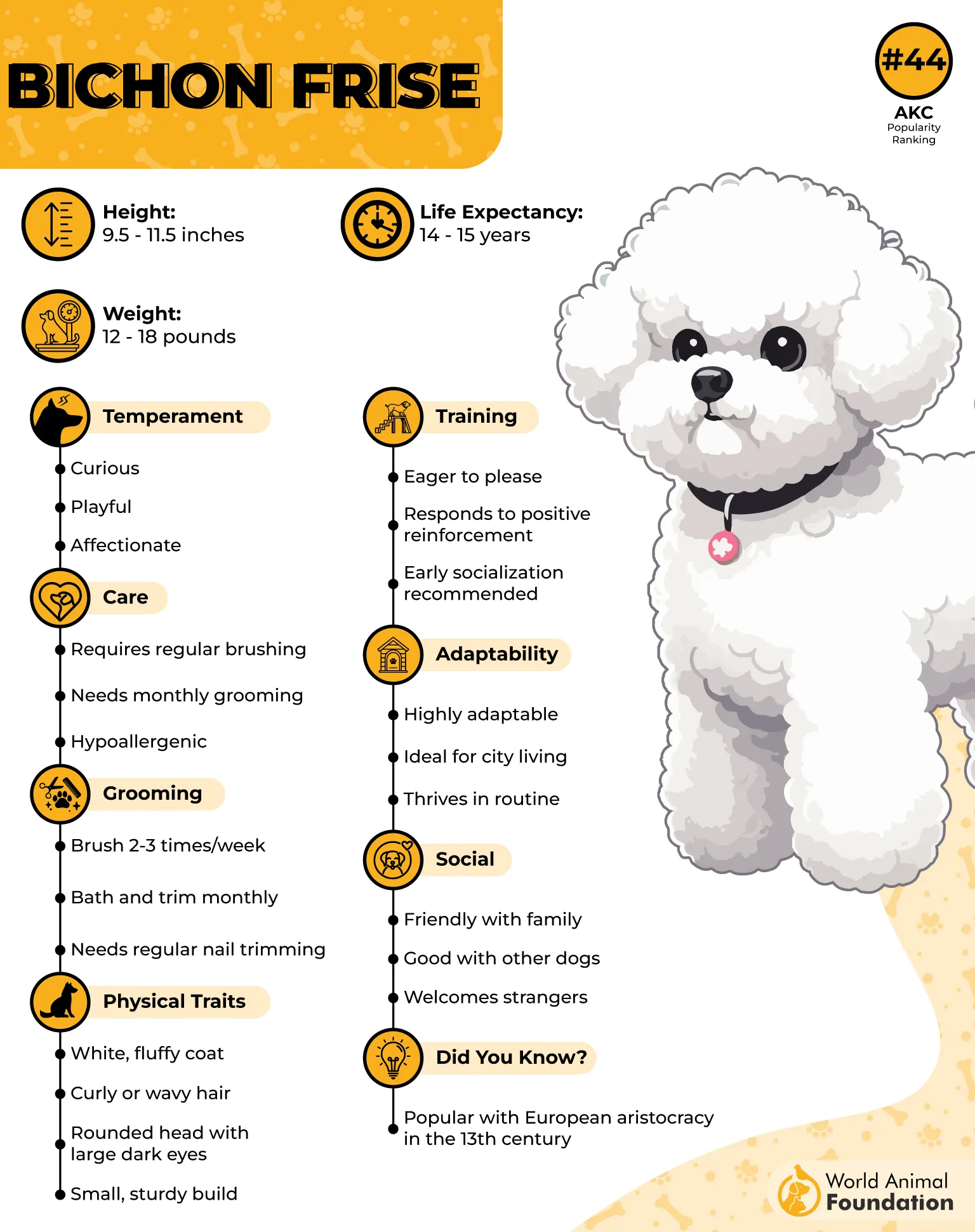
Bichon Frises crave human attention, and if they feel ignored, they may become vocal or stressed. However, they are generally easy to train and tend to get along well with people of all ages, including seniors, children, and families. Like the Havanese, they also make excellent emotional support companions due to their affectionate and people-oriented nature.
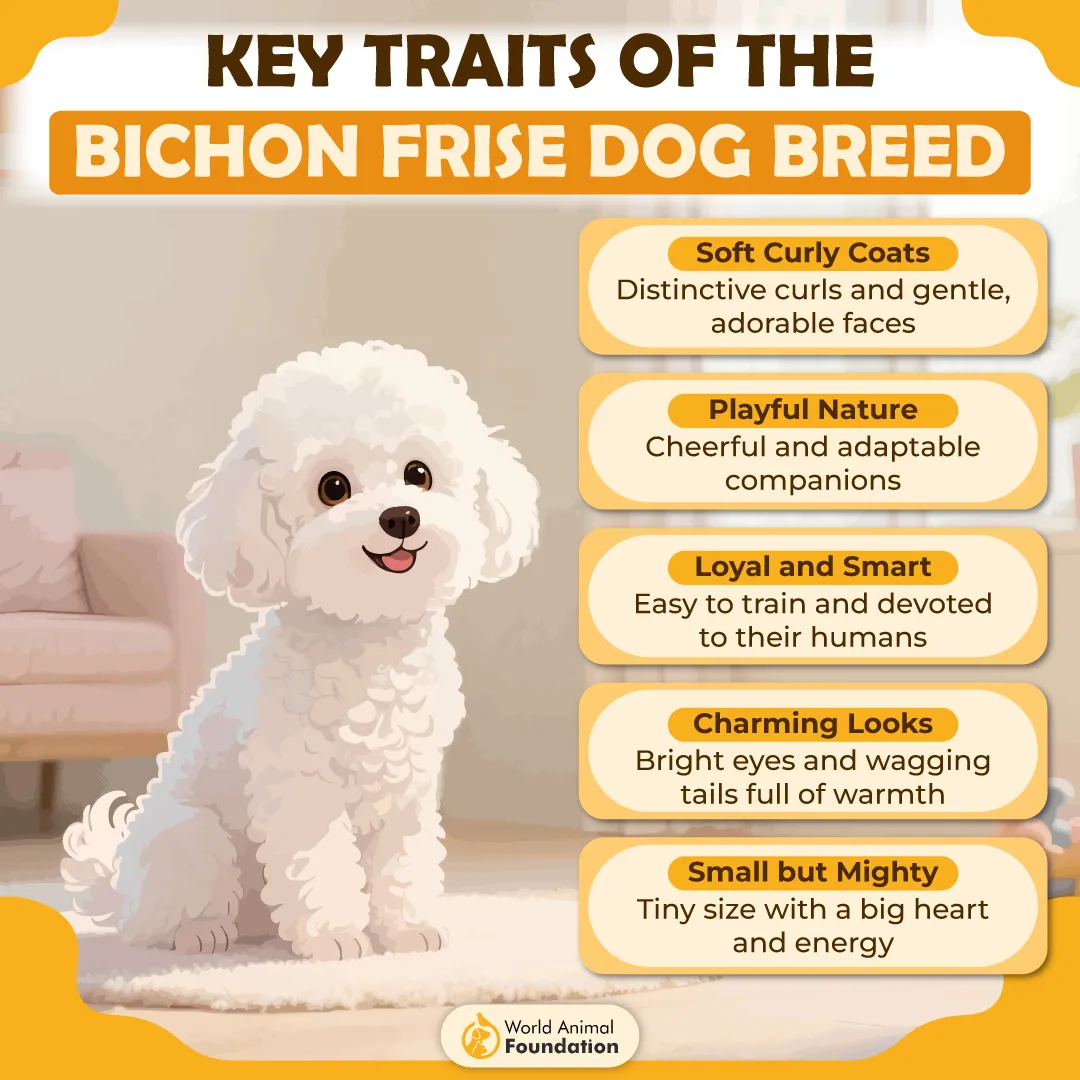
With proper training and guidance, their adaptive intelligence helps them avoid repeating unwanted behaviors, especially when consistent reinforcement is used. Thanks to their flexible temperament, they adapt well to both apartment living and active family lifestyles.
Although they typically live 14 to 15 years, potential health concerns include skin allergies, dental disease, and patellar luxation, which responsible pet parents should keep in mind.
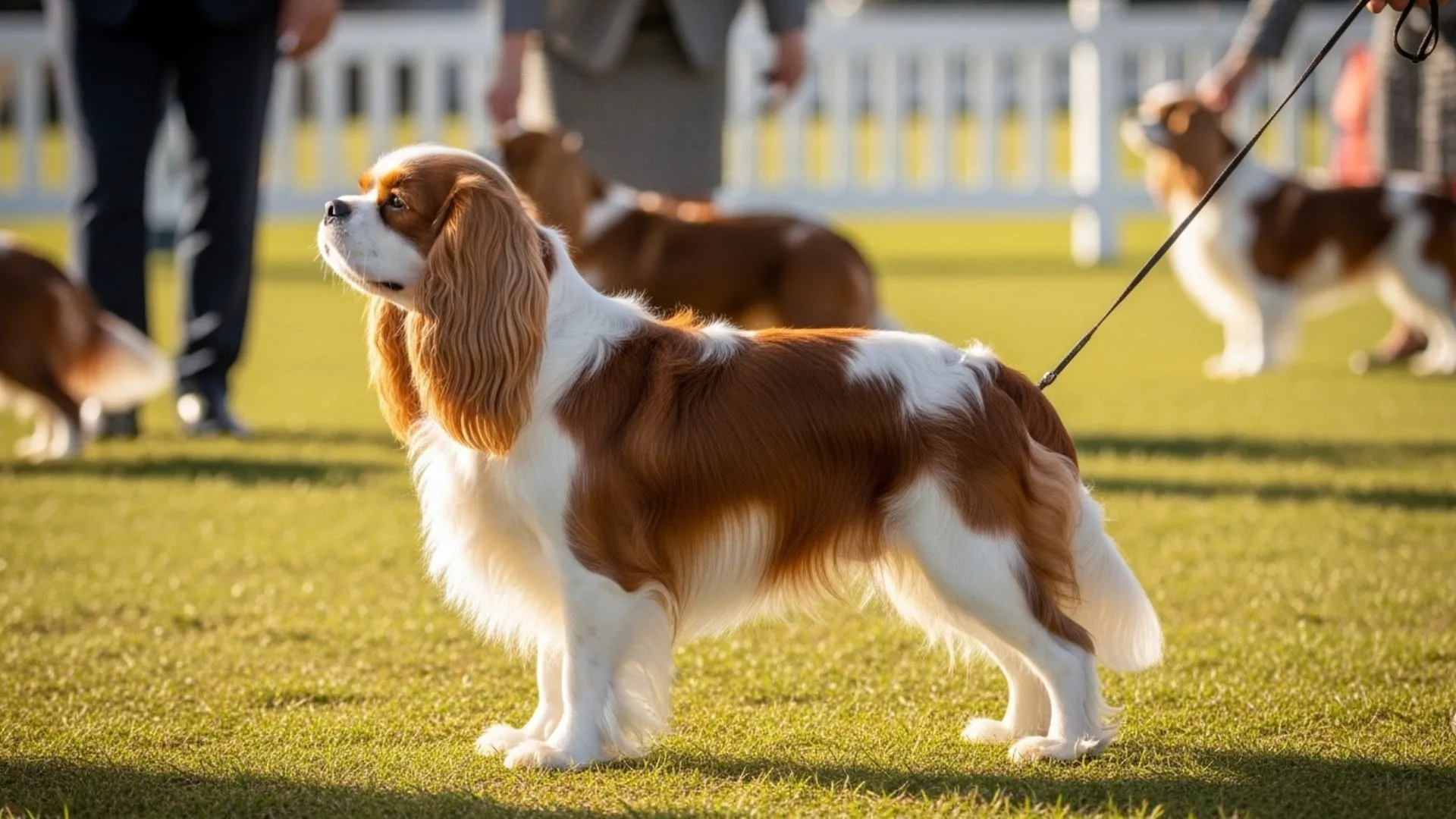
6. Cavalier King Charles Spaniel
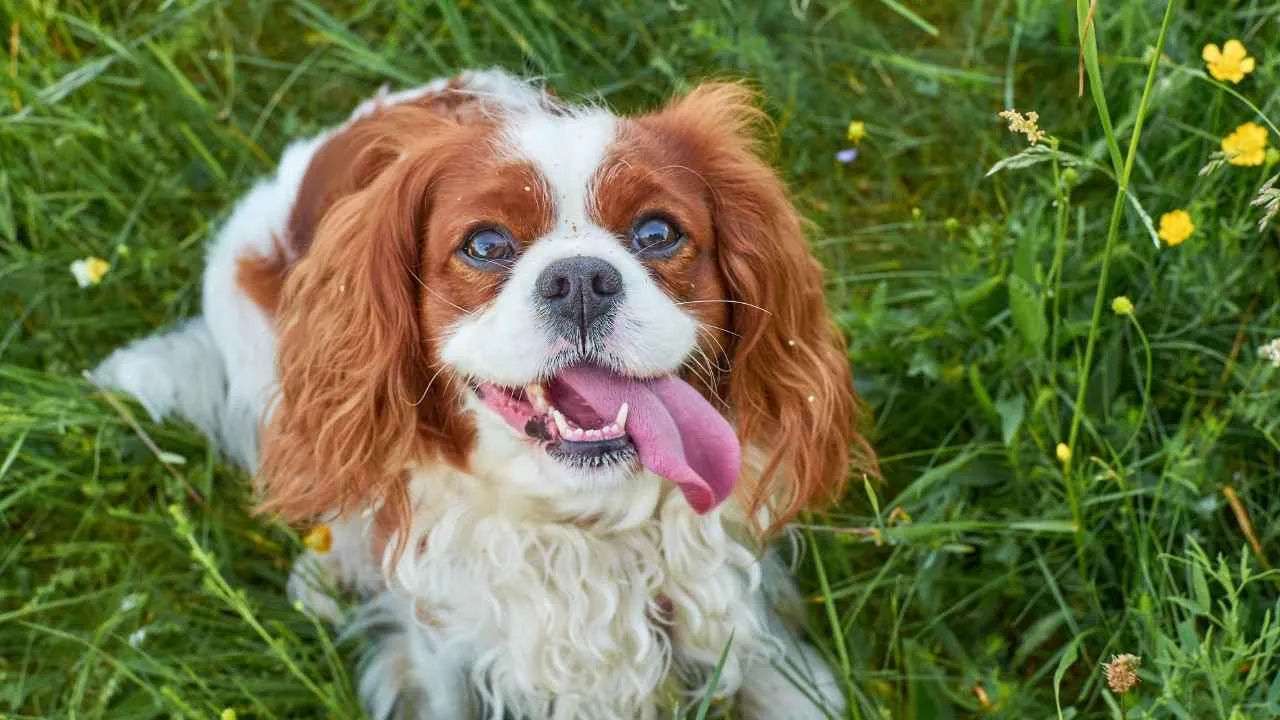
One of the most popular toy breeds, the Cavalier King Charles Spaniel is well known for its affectionate, easygoing personality and ranks among the easiest dogs to handle and train. These gentle companions respond quickly to reward-based training methods and pick up basic obedience and household routines with impressive ease.
Although they are not particularly known for independent problem-solving abilities, Cavaliers excel in emotional intelligence. They form deep, loyal bonds with their families and are highly attuned to human emotions, which is why they are often considered excellent candidates for therapy work and emotional support roles.
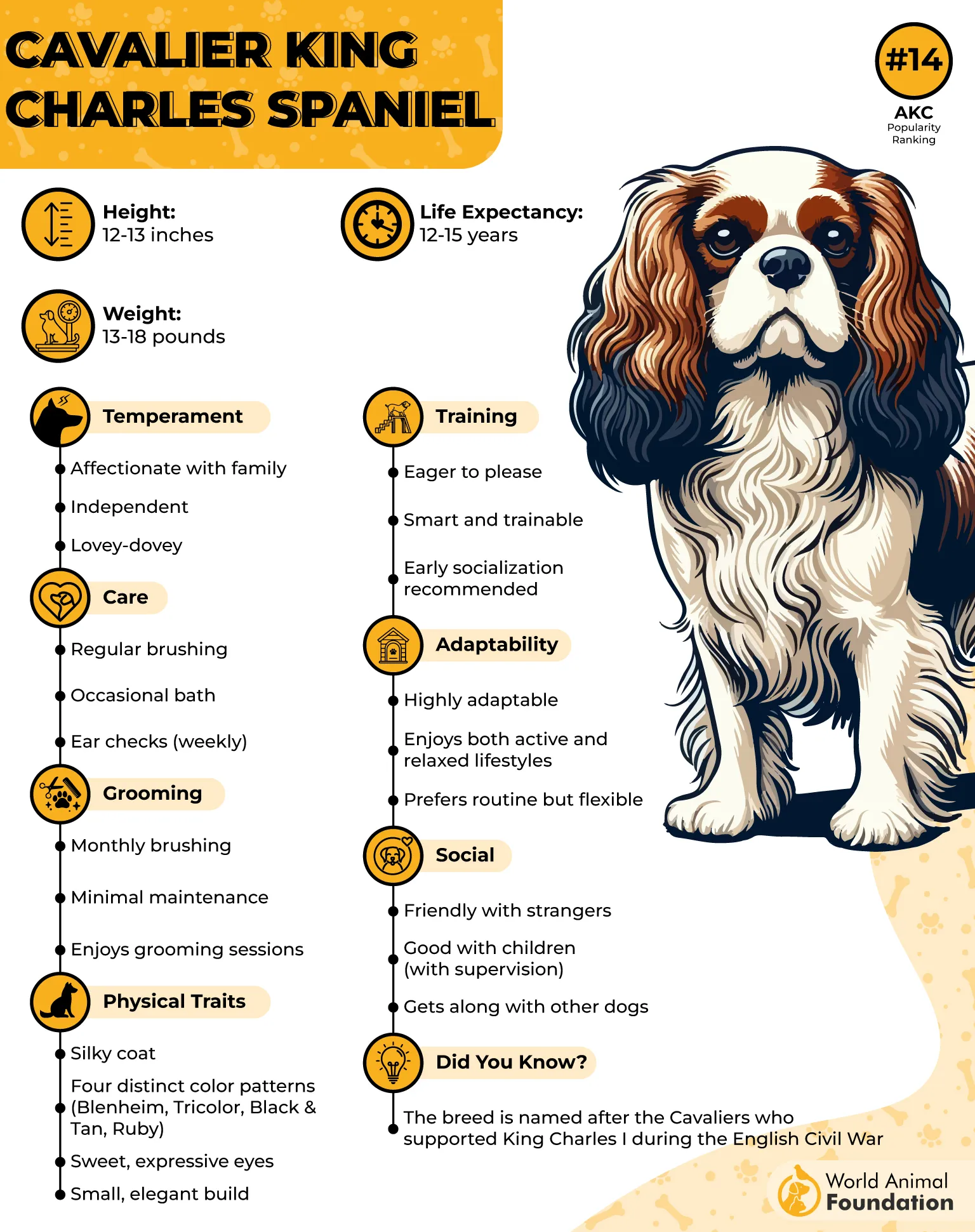
Cavalier King Charles Spaniels have long, silky coats that come in a variety of beautiful color combinations. Their friendly and gentle temperament allows them to coexist peacefully with other pets and children in the same household.
Despite their calm nature, they still enjoy playtime and moderate exercise, such as fetch sessions or relaxed neighborhood walks, which help keep them happy and healthy.
7. Yorkshire Terrier
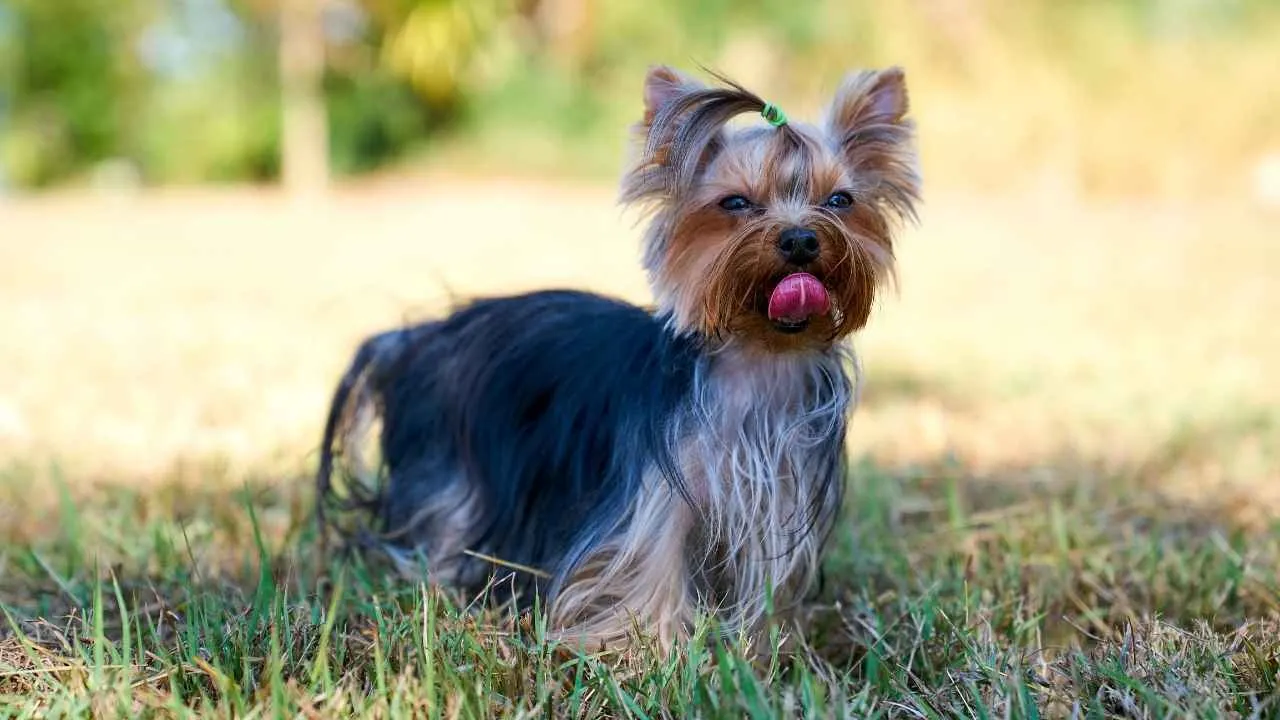
Nicknamed “Yorkies,” the Yorkshire Terrier is a small yet spirited breed known for its confident gait, lively personality, and one of the most elegant flowing coats in the canine world. As a highly trainable small dog breed, Yorkshire Terriers respond well to early guidance, especially when training begins in puppyhood and involves positive interaction with their trusted humans.
Like many toy breeds, Yorkies can be a bit independent and strong-willed, which actually reflects their clever problem-solving abilities. However, this also means they require consistency, patience, and plenty of positive reinforcement from their owners. For people who enjoy teaching tricks and engaging a dog’s mind, Yorkies are a perfect match.
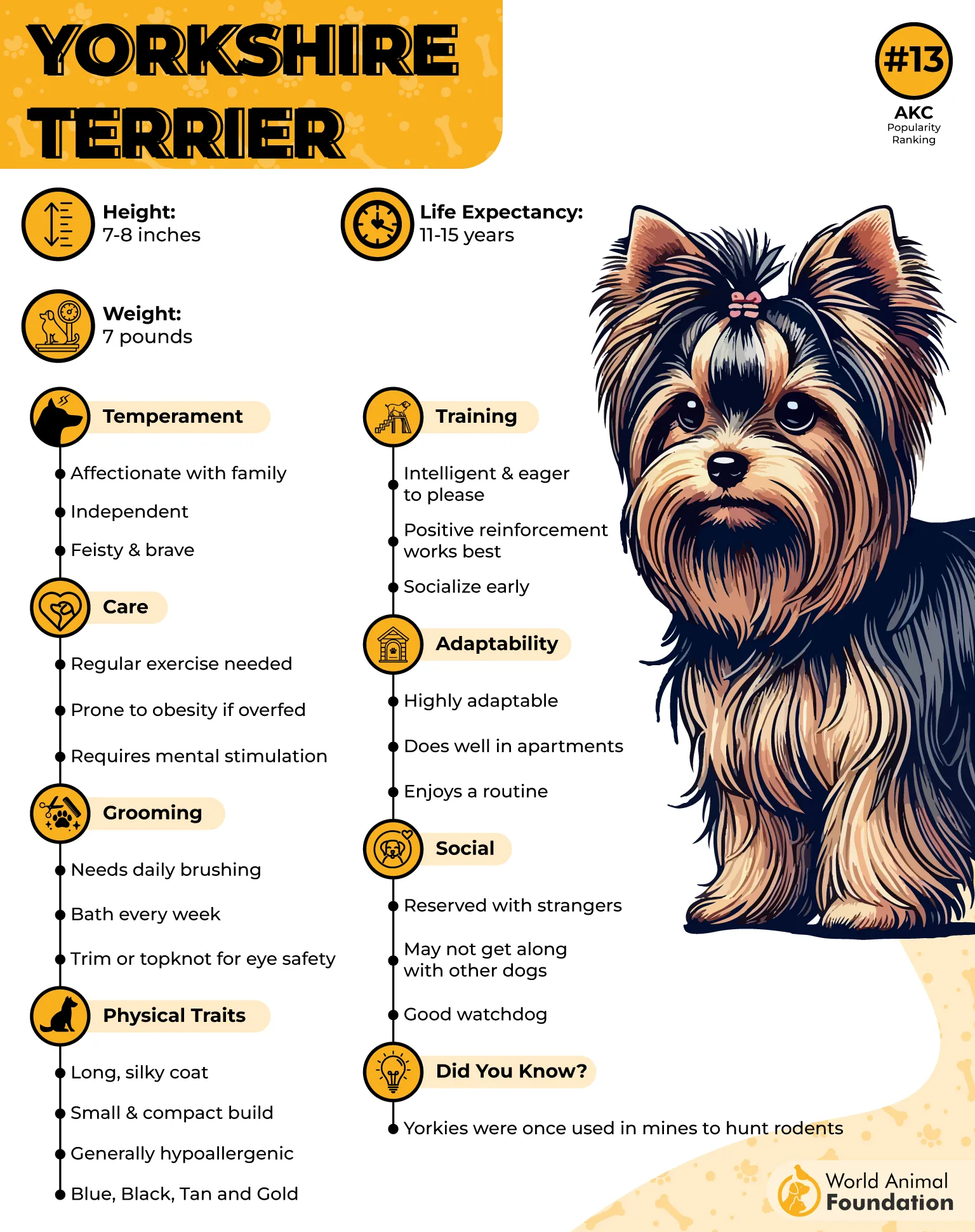
Yorkshire Terriers are equally happy being lap companions and active little explorers outside the home. Their compact size and adaptable nature make them ideal for city living, even in small spaces. Interestingly, these elegant dogs were originally bred to hunt rats in England’s textile mills and coal mines, as noted by the AKC, which explains their fearless and determined personality despite their tiny frame.
Conclusion
Small dog breeds prove that intelligence has nothing to do with size. With the right training approach, consistency, and positive reinforcement, these compact companions can master commands, daily routines, and even advanced tricks with surprising ease.
Choosing the right small breed means more than just finding a cute pet; it’s about welcoming one of the easiest dog breeds that adapts smoothly to your lifestyle while constantly impressing you with its learning ability, emotional awareness, and personality.
