




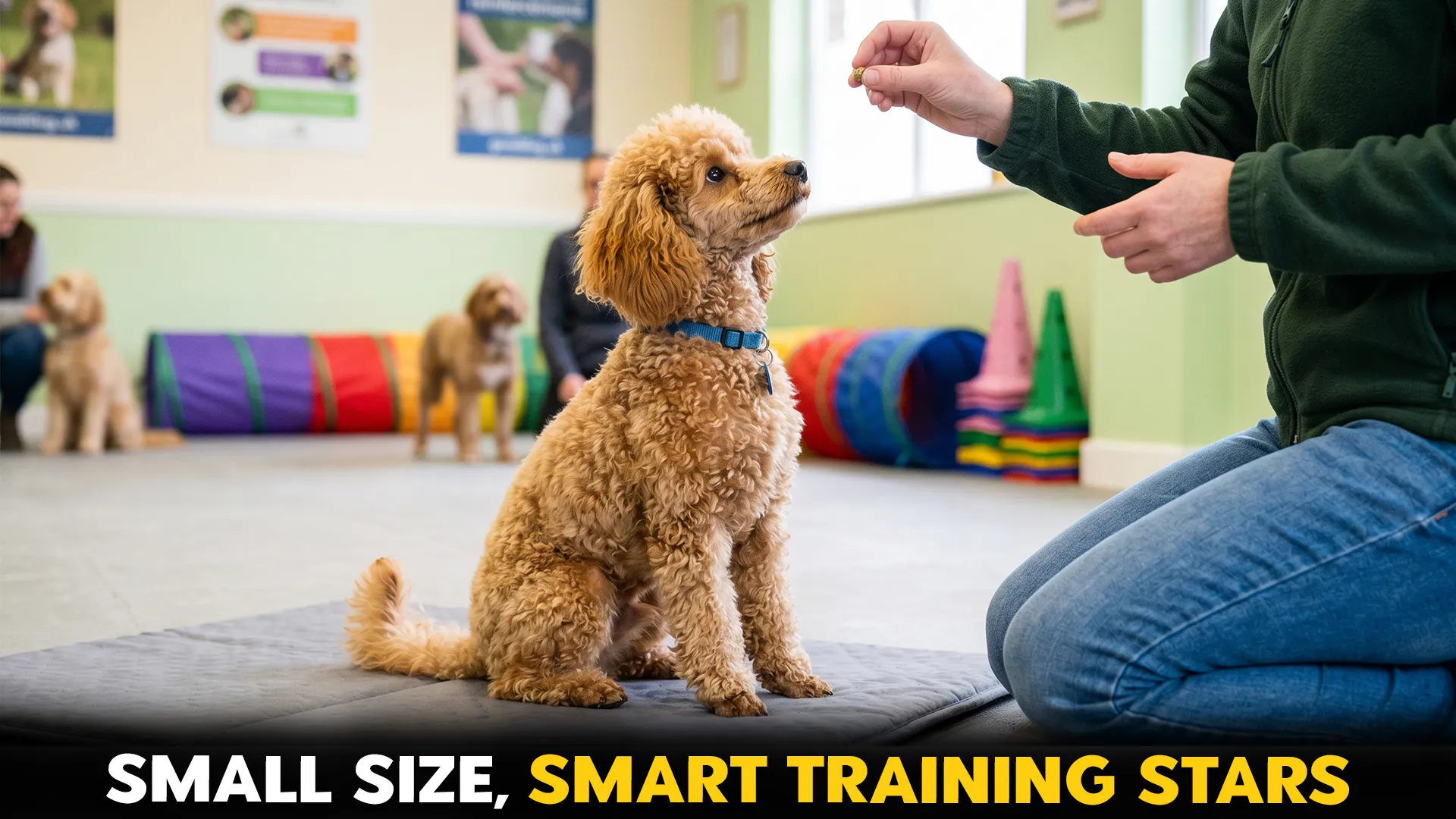
Small dogs are often seen as difficult to train. The idea is repeated so often that many people accept it without question. In reality, that belief does not always hold up.
Some small-sized dogs show a level of focus and responsiveness that makes basic training surprisingly smooth. They follow commands with consistency, stay attentive during sessions, and build habits without constant correction. The problem is not the size, but the expectation built around it.
When people assume training will be difficult, they approach it with hesitation. That mindset often creates the struggle they were trying to avoid. Once you look beyond that assumption, a different pattern becomes clear. Certain small dogs are naturally suited for structured learning. They adapt quickly and respond with clarity.
The sections ahead focus on those dogs and what makes them stand out in handling basic training with steady progress.
Key Takeaways
It only takes one well-trained small dog to question everything people say about training struggles.
Toy Poodles and Miniature Schnauzers pick things up fast, staying focused during sessions and responding clearly to simple cues.
Papillon and Bichon Frise learn best through interaction, turning short training moments into something that feels natural and consistent.
As you go through all seven, the pattern becomes clearer with each breed you meet.
Small‑Size Dog Breeds That Excel in Basic Training
1. Toy Poodle
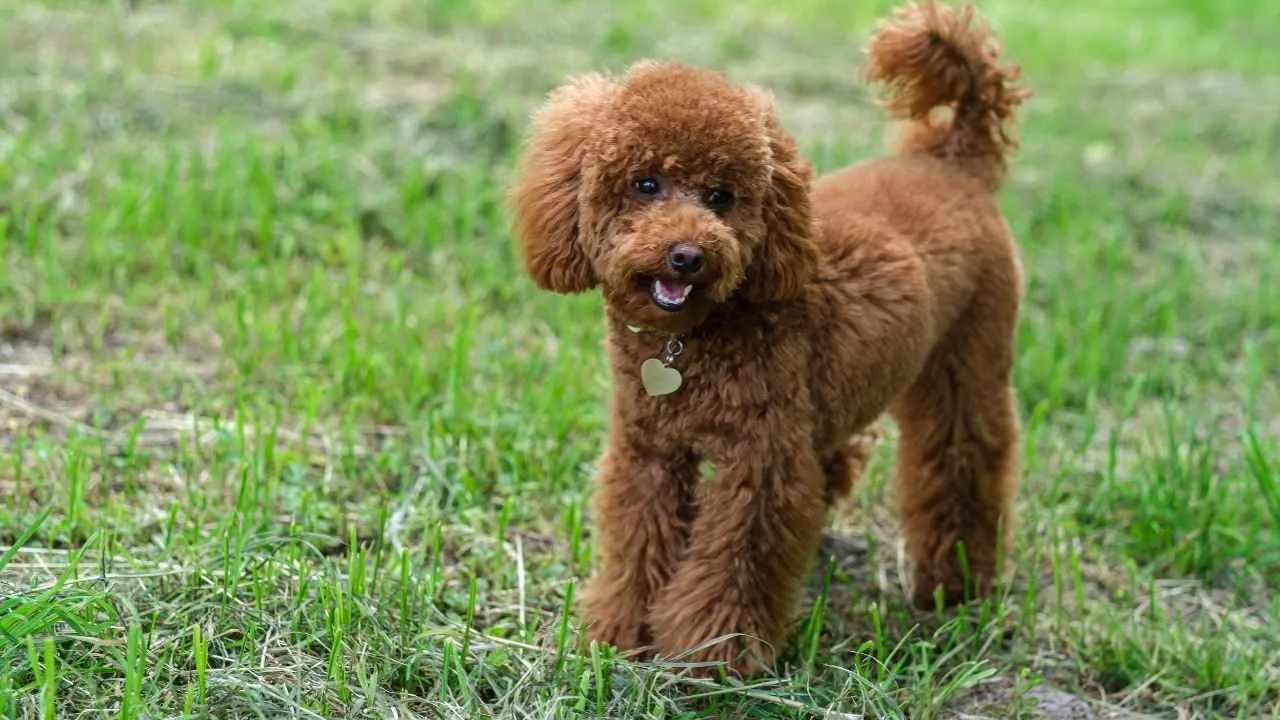
Toy Poodle reflects a lineage tied to working water dogs, shaped for tasks like retrieving and guided herding across terrain.
Its curly coat once served a practical role in cold water, while its sharp mind handled complex tasks. This working intelligence now appears in how quickly it processes instructions.
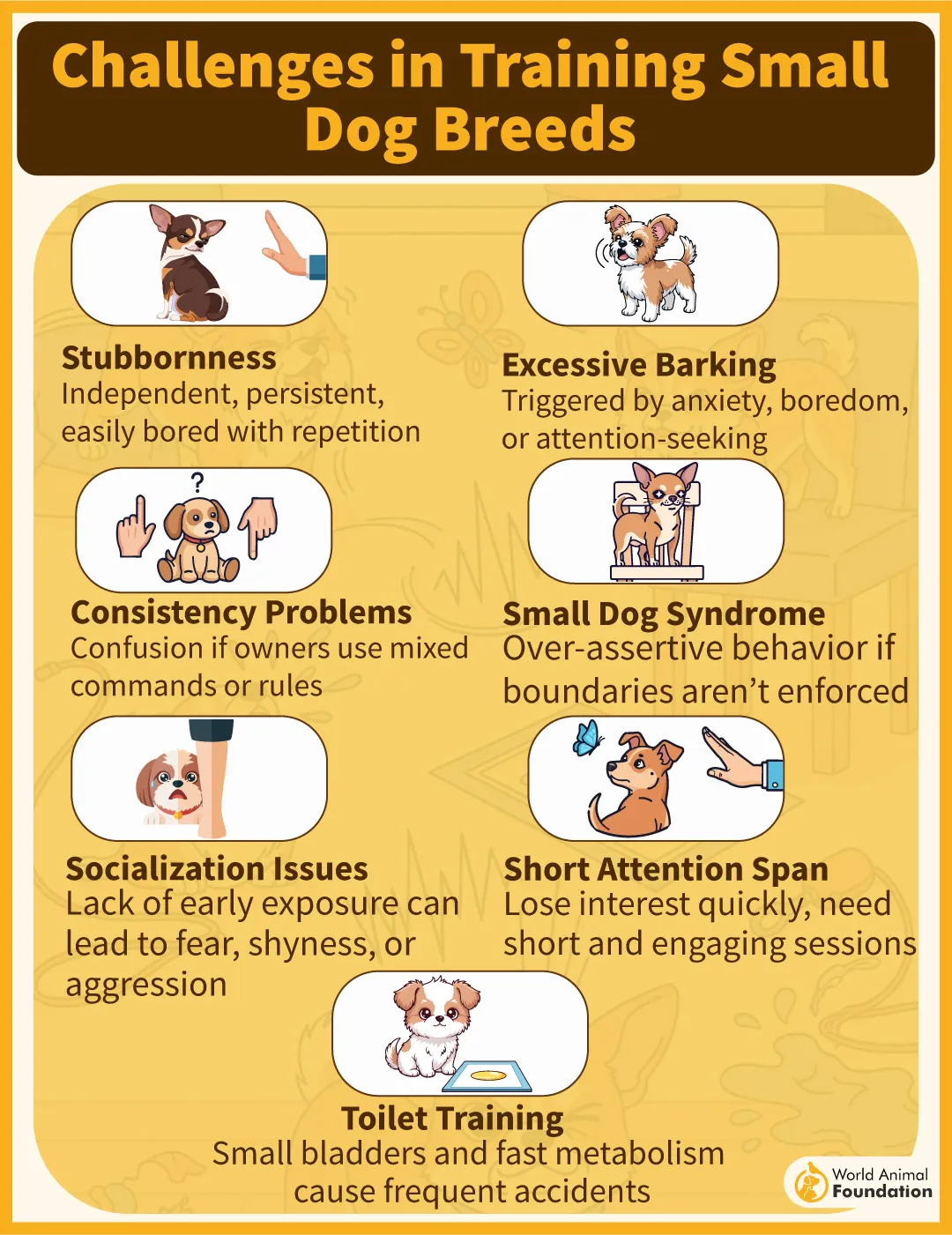
Fast learning with a performer’s edge
This small dog breed engages with training sessions as an active exchange, responding quickly to reward-based interaction and structured routines, as stated by Omlet. Its natural inclination toward performance connects directly with how it absorbs new commands.
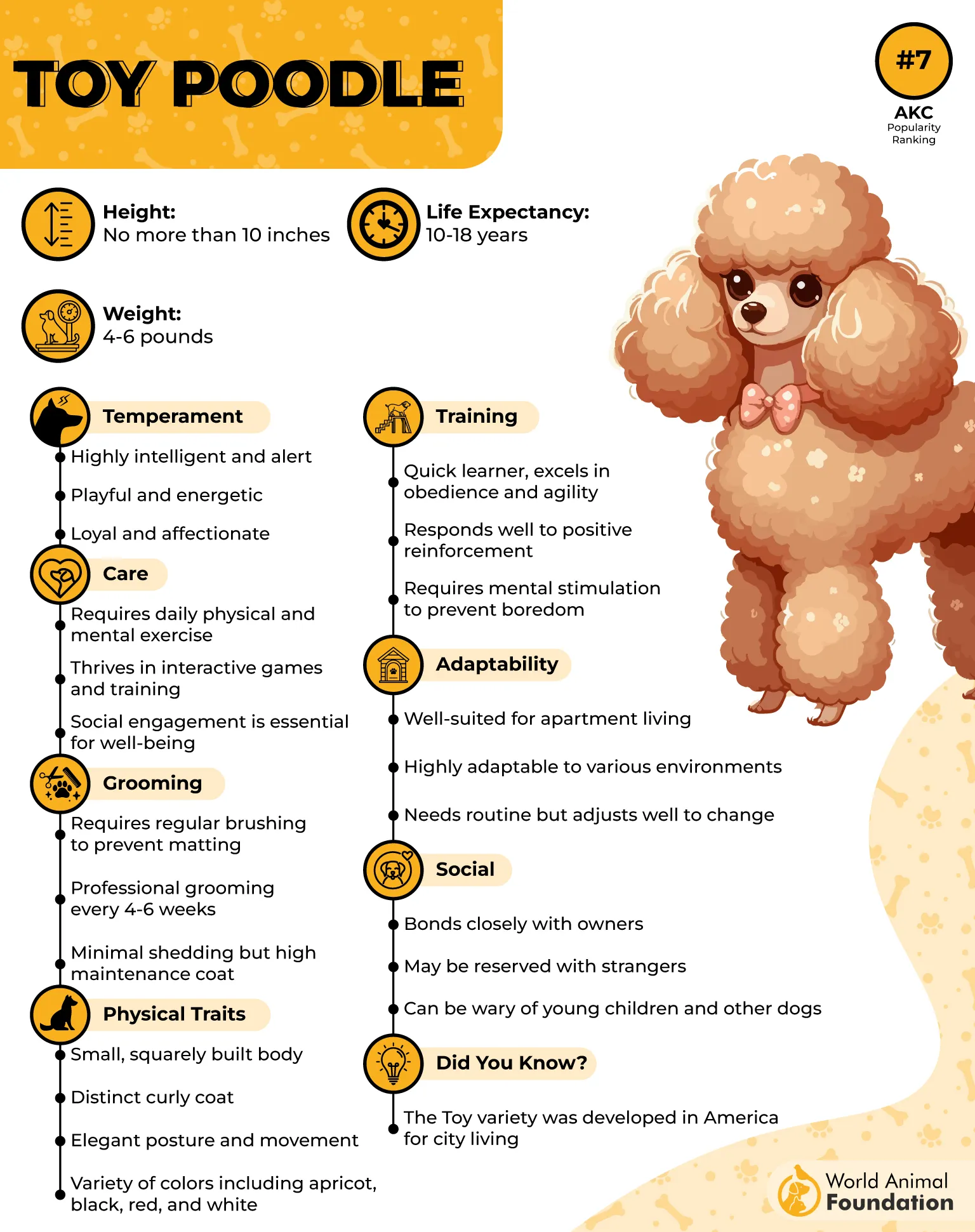
That rhythm becomes clear in everyday learning:
Picks up commands with minimal repetition
Responds strongly to reward-based cues
Engages easily with trick-based training
Social behavior and household presence
The Toy Poodle remains highly people-focused, often seeking interaction throughout the day rather than isolating itself. It stays active indoors, frequently initiating play or attention-seeking behavior when left without engagement. This constant need for involvement shapes how it behaves in the home.
2. Miniature Schnauzer
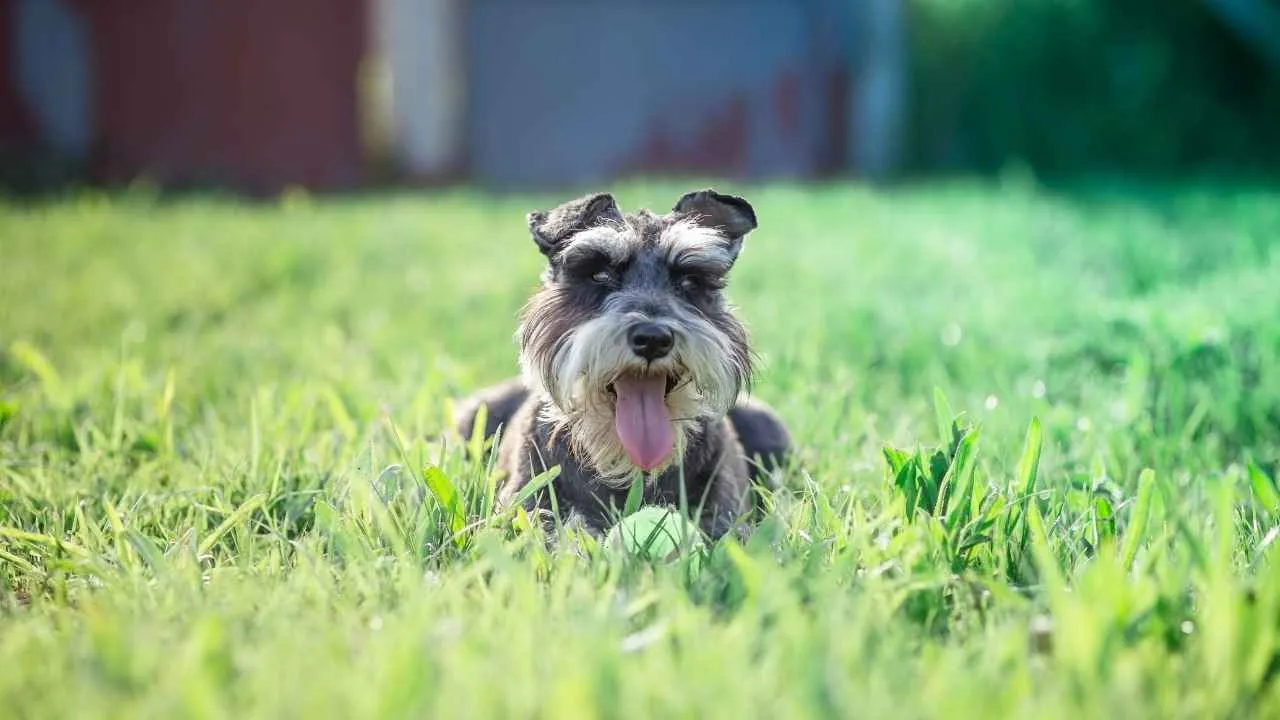
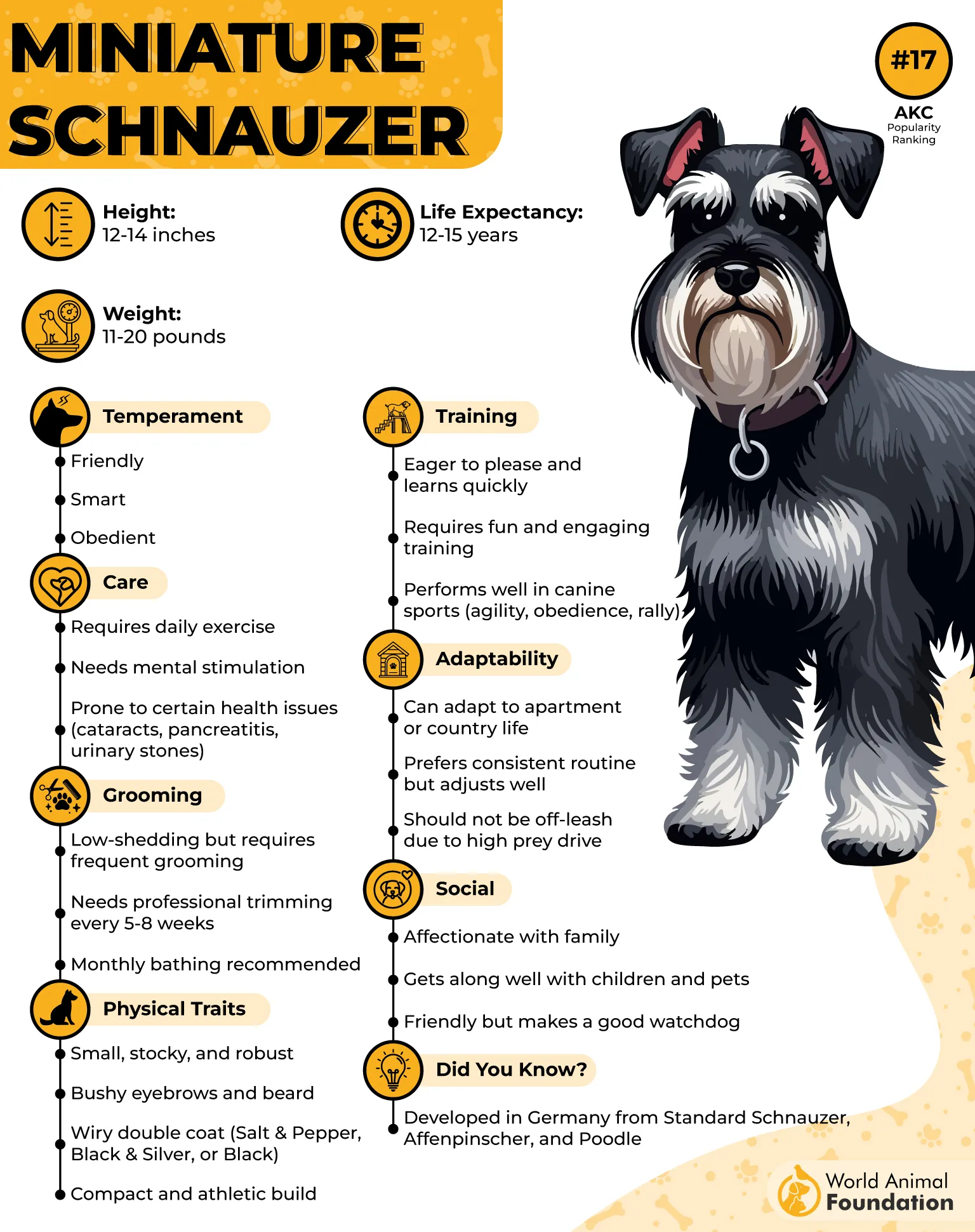
The Miniature Schnauzer emerged in late 1800s Germany through crosses with Affenpinscher and Poodle, shaping a compact dog suited for rat catching and alert duties.
Its quick reaction to sound often leads to immediate barking, acting as an early signal indoors. This sensitivity keeps it tuned into small environmental changes.
Quick learner with a firm streak
This obedient small dog responds fast to training, picking up commands with clarity while occasionally testing limits, as per the AKC. Its willingness to engage with structured tasks connects well with basic obedience routines.
That balance shows in everyday learning patterns:
Grasps commands quickly during repetition
Responds well to consistent direction
May resist when routines lack structure
Playful energy and curiosity
The Miniature Schnauzer keeps a lively approach to daily activity, often extending its puppy-like behavior well into early years. Its interest in small moving objects reflects its original ratting purpose, especially during walks. Without direction, this curiosity can shift toward chewing or self-made activities.
3. Papillon
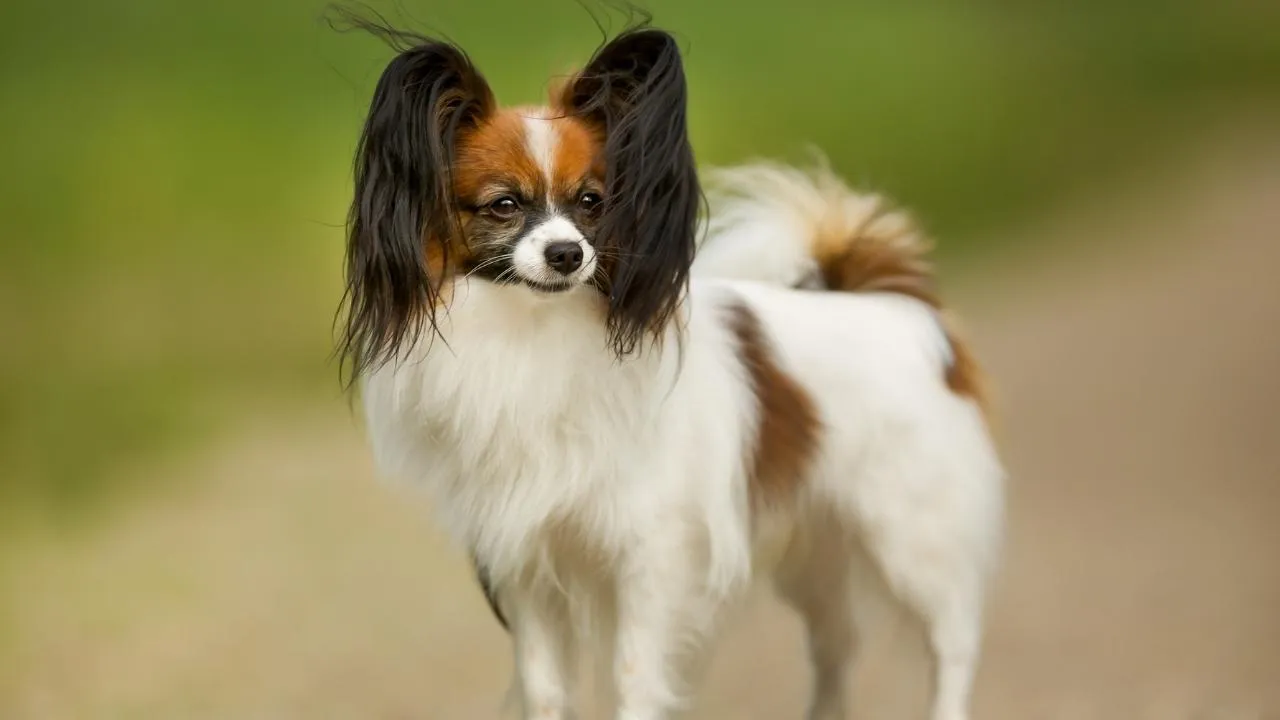
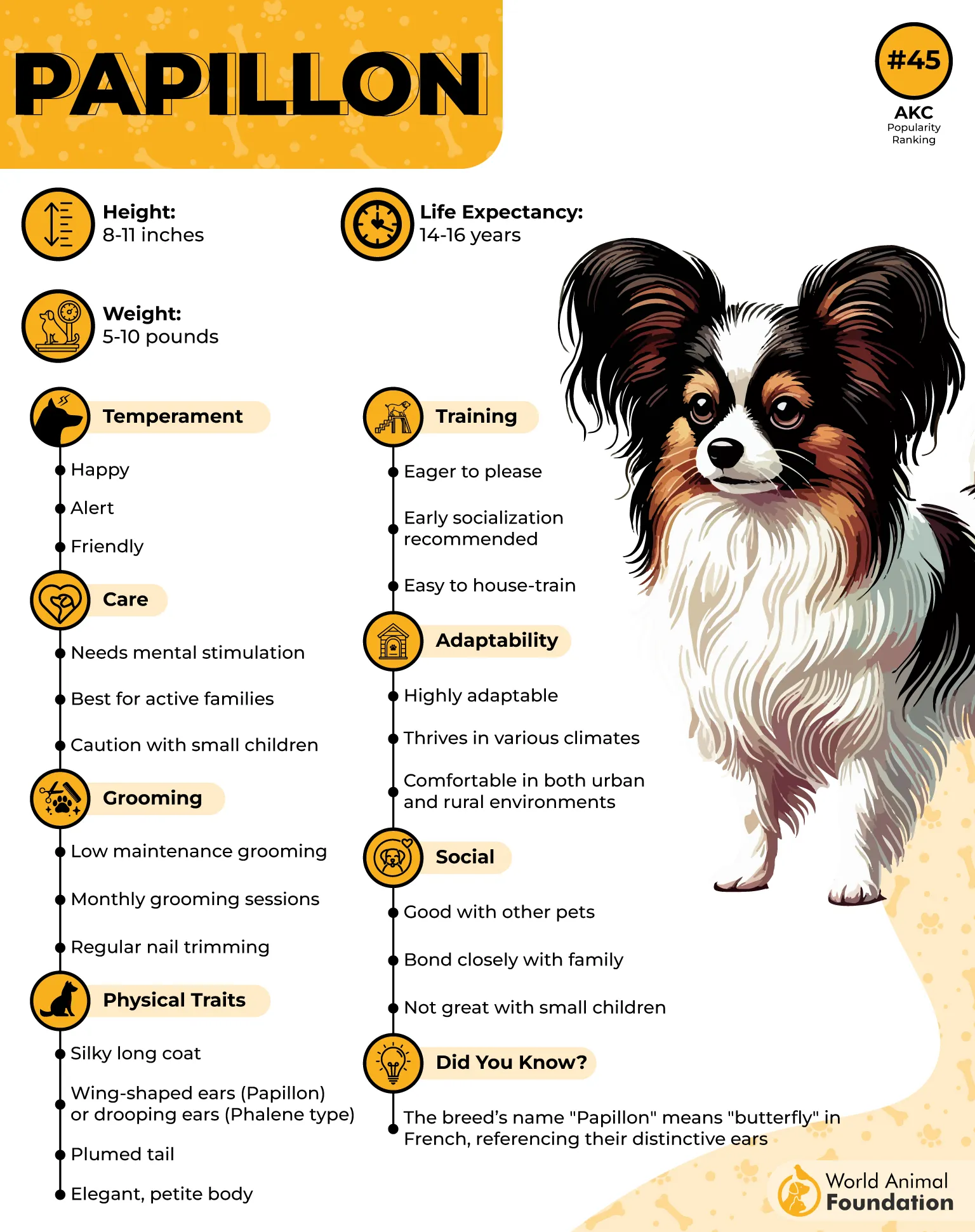
The Papillon draws attention through its wing-shaped ears, a detail that inspired its name from the French word for butterfly. Its long presence in European courts appears in centuries-old artwork. This visual identity pairs with a personality that stays actively engaged with people.
Learning driven by interaction
This toy breed responds quickly to training, especially when attention, play, and praise are part of the process. It enjoys learning tricks and remains engaged during sessions, making instruction feel like interaction rather than routine.
That learning pattern appears in clear behaviors:
Picks up commands with quick repetition
Responds well to praise-based teaching
Retains recall with consistent practice
Temperament shaped by independence
The Papillon enjoys companionship yet prefers choosing when to engage, rather than constant closeness. According to PetMD, it interacts easily with other dogs and children, while still reacting to new arrivals with alert barking. Early exposure helps manage their confidence around larger dogs.
4. Toy Fox Terrier
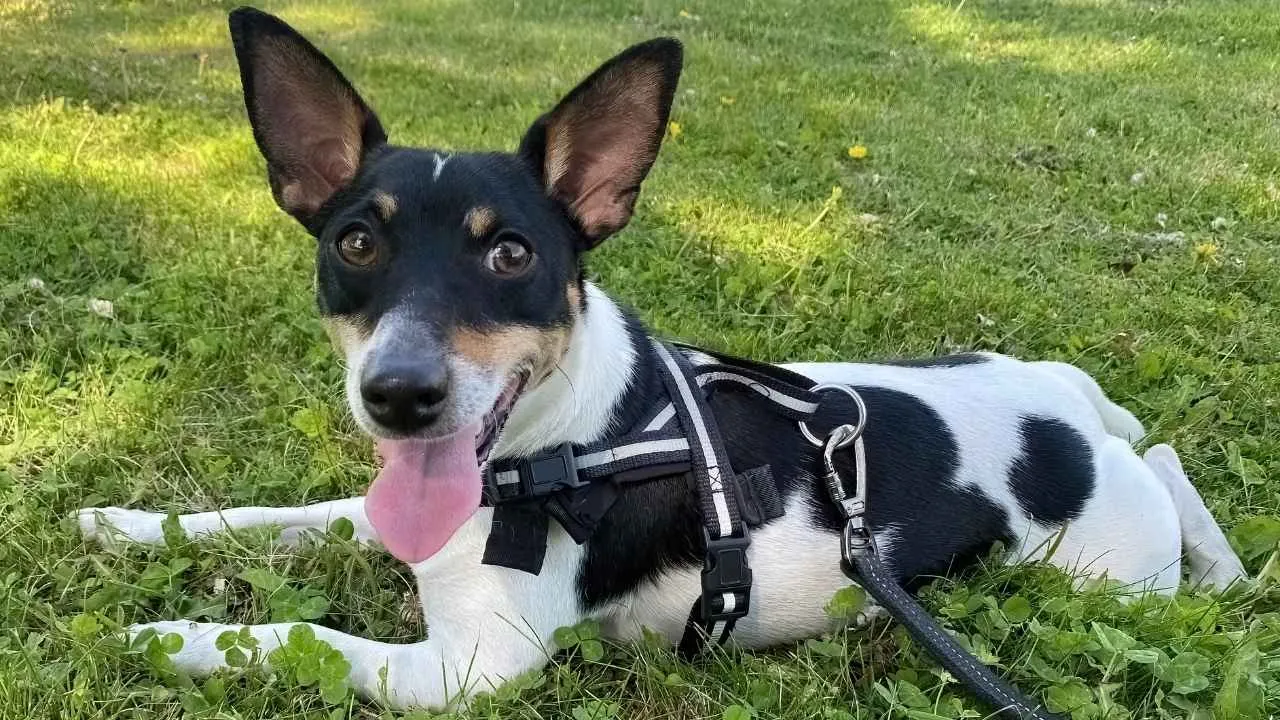
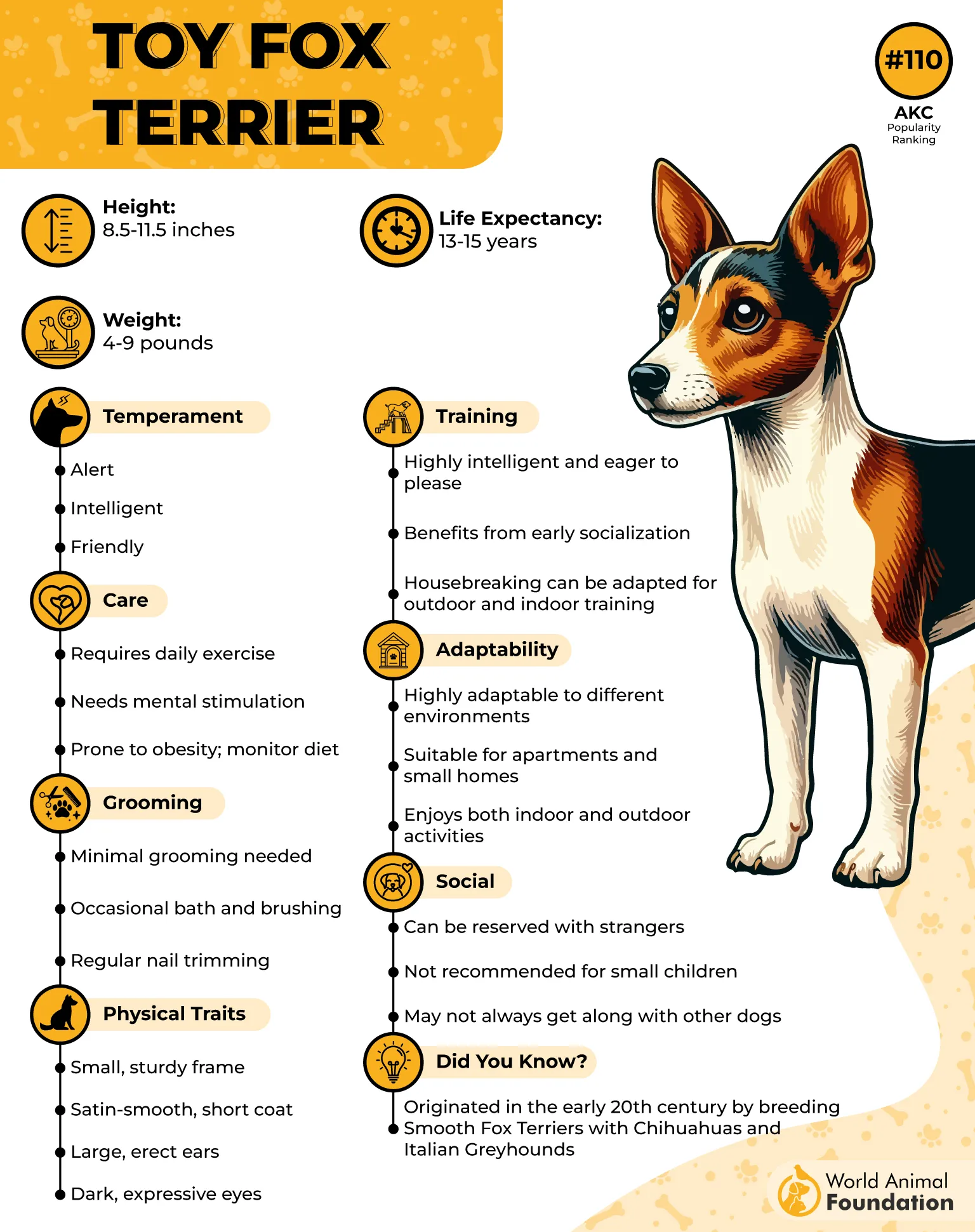
The Toy Fox Terrier fits under a foot tall, yet its alert expression and upright ears reflect constant attentiveness. The satin coat outlines a balanced, agile body built for quick reaction. This small size, paired with lively awareness, creates an engaging presence indoors.
Learning shaped by intelligence and response
This smart breed picks up routines quickly, aided by its eager, extroverted nature and sharp focus on human interaction. Training feels direct as the dog connects actions with outcomes without delay.
That clarity appears through simple patterns:
Responds quickly to basic commands
Adapts easily to house or pad training
Engages actively during instruction
Social behavior and daily flexibility
The Toy Fox Terrier interacts easily with people, often shifting between active play and relaxed lounging without resistance. It remains comfortable across different routines, from short training sessions to quiet indoor time. Early social exposure shapes how this outgoing nature settles into everyday life.
5. Bichon Frise
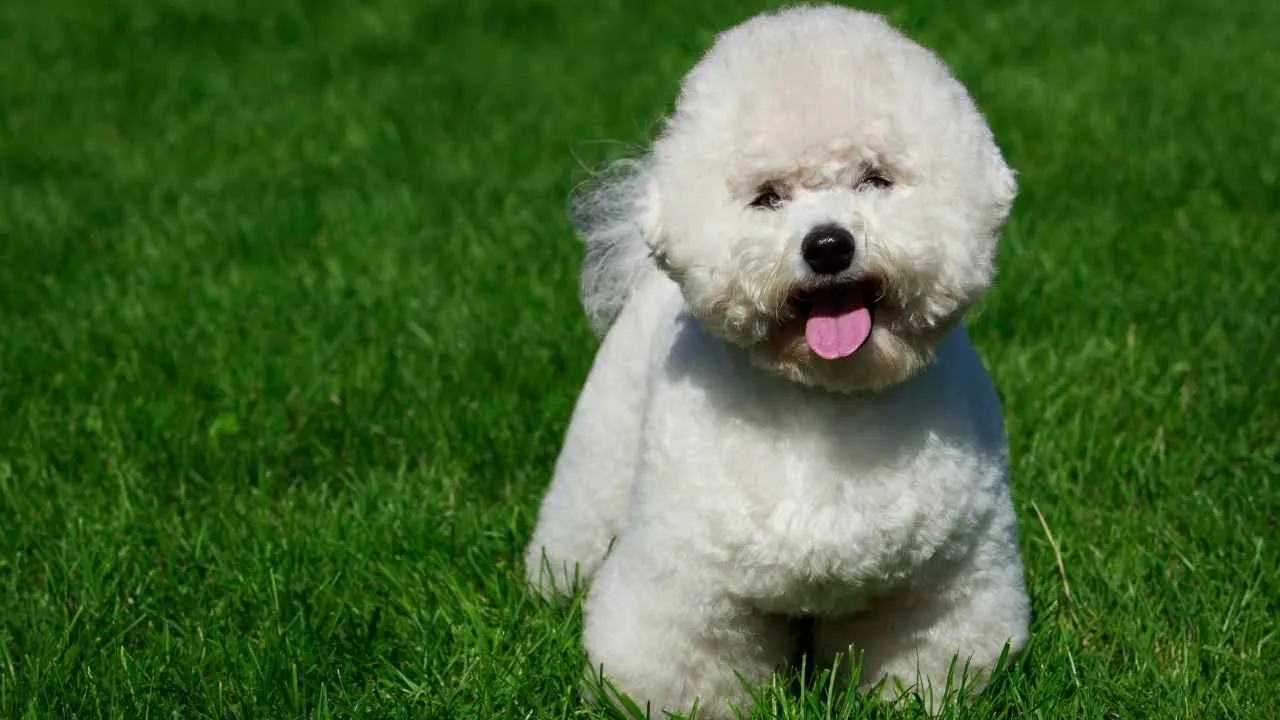
The Bichon Frise comes from a line of Barbichon dogs formed by mixing water dogs with small white companions around the Mediterranean.
Its early role kept it close to people, shaping a dog that seeks constant interaction. That connection influences how quickly it responds during basic learning.
Quick learning through human connection
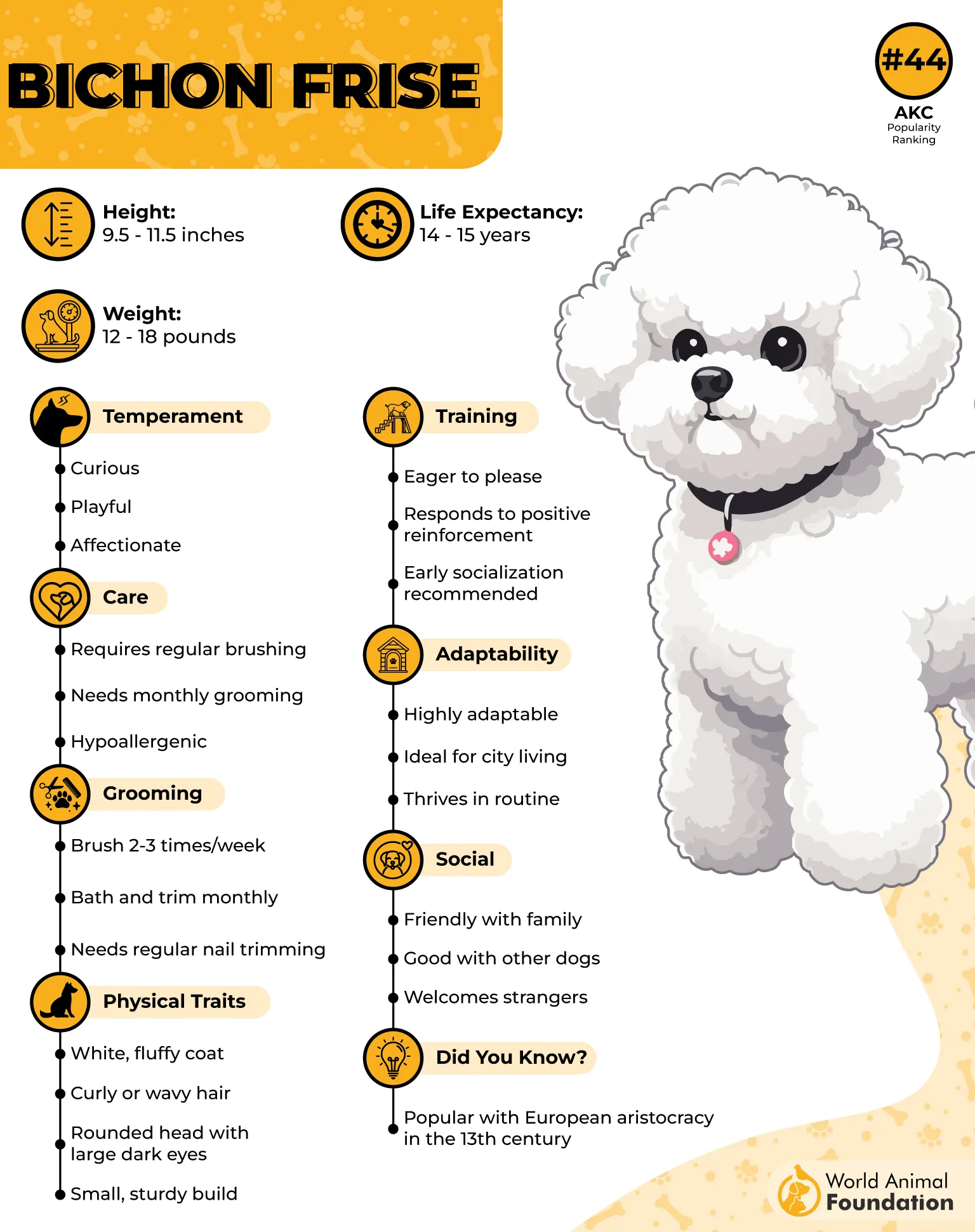
The Bichon Frise reacts strongly to attention, picking up cues more quickly when training feels like an interaction rather than a routine. Its sensitivity to tone and environment helps it adjust behavior in real time.
That responsiveness becomes clear in daily patterns:
Eager to please during short, repeated sessions
Responds to changes in voice and mood
Learns best through consistent contact
Companionship shaping behavior
Bichon Frise prefers constant presence and may act out if left alone for long periods, sometimes turning restless indoors. Regular interaction keeps its behavior balanced and supports proper training routines. This close attachment also explains why it is considered a wonderful family pet.
6. Boston Terrier
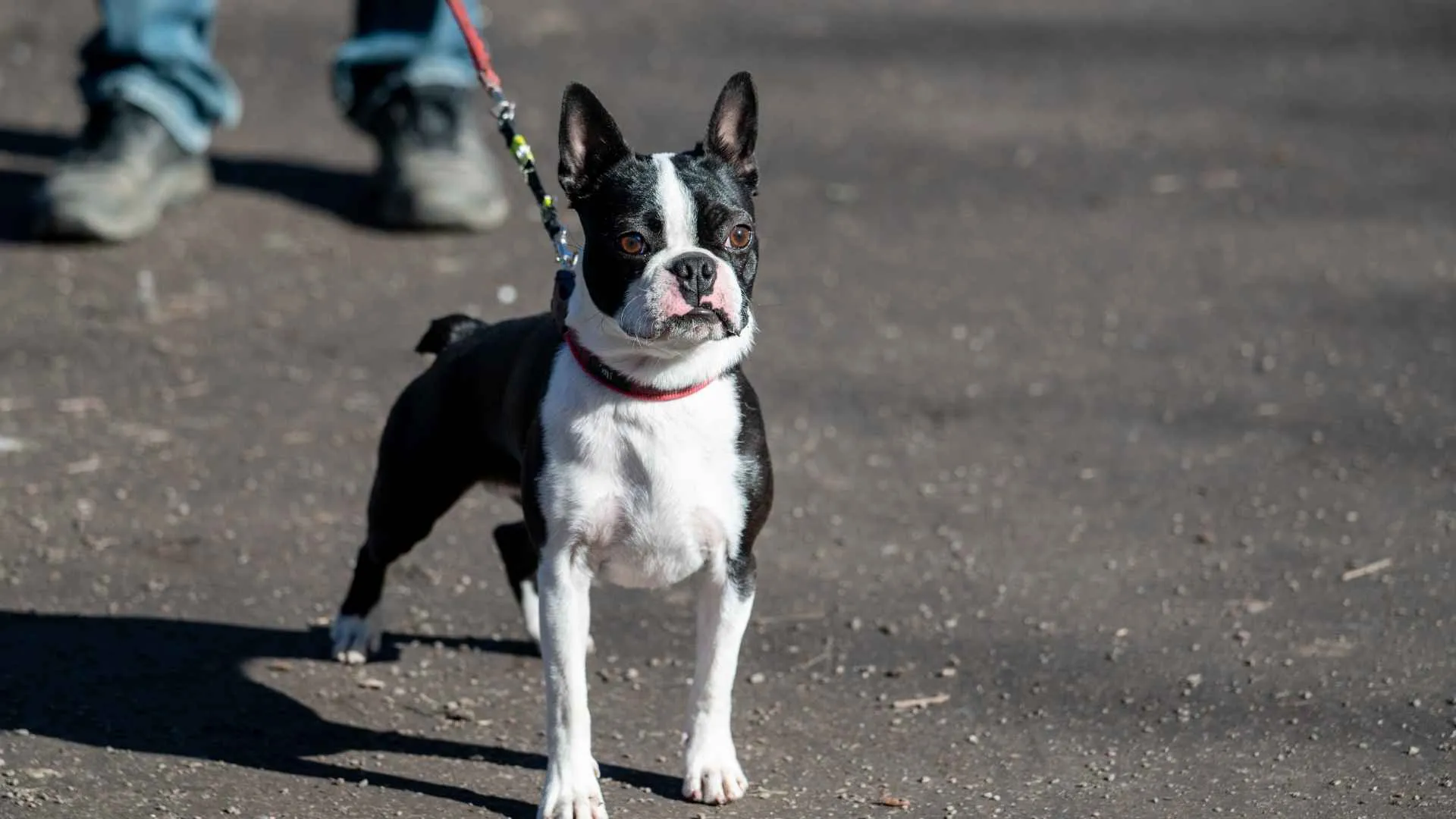
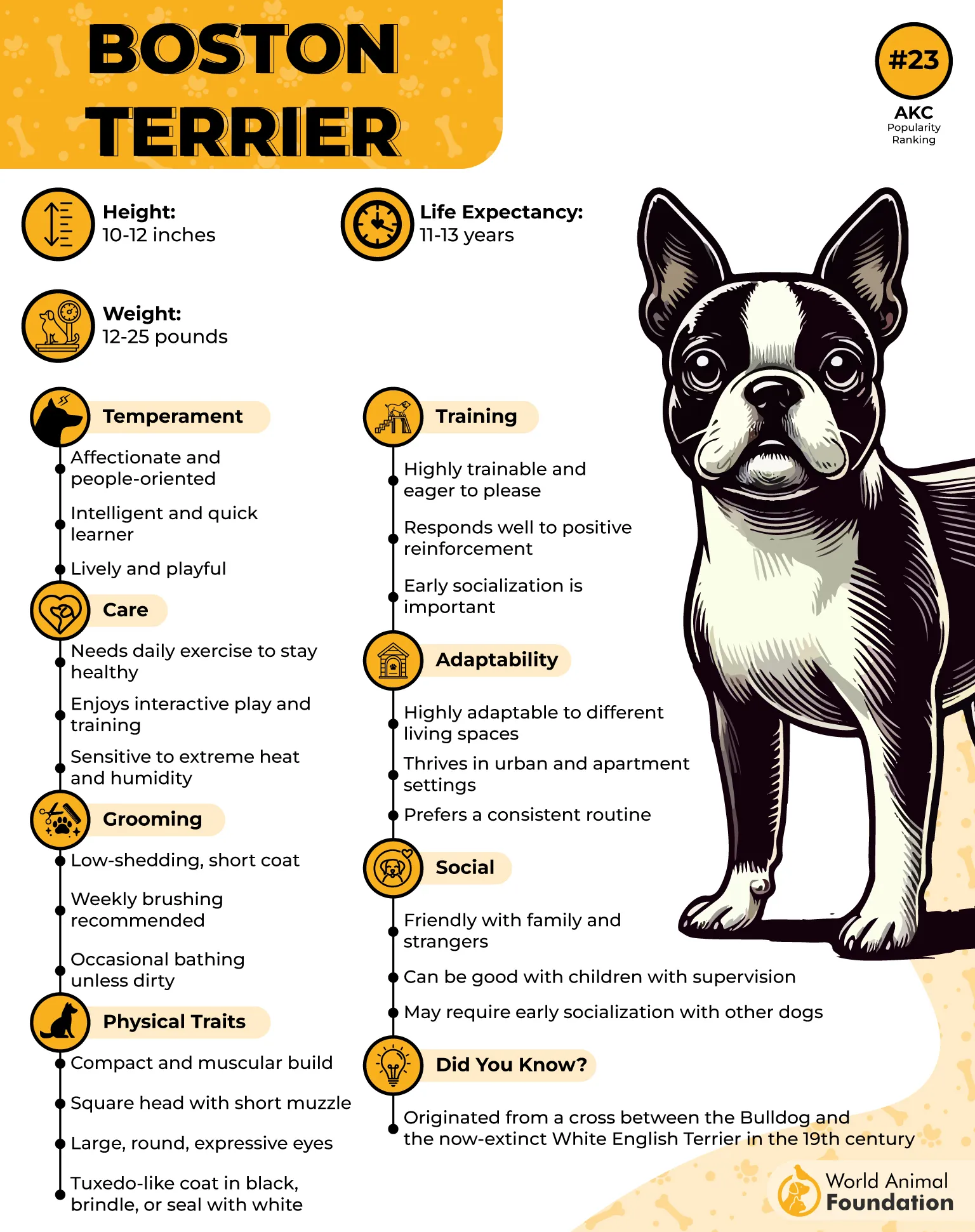
Boston Terrier comes from a mix of Bull and Terrier-type dogs with French Bulldog influence, shaping a compact and expressive personality.
Its bright, alert expression reflects a dog that reacts quickly to people and surroundings. This awareness blends with an easygoing nature suited to close living spaces.
Quick learner with playful resistance
This small breed responds well to positive reinforcement, picking up commands fast while keeping a playful, independent streak during training. It stays engaged longer when learning feels interactive rather than repetitive.
That training pattern becomes clearer through small behaviors:
Learns commands quickly with reward-based methods
Loses focus during repetitive drills
Responds better when sessions feel like play
Everyday habits and handling approach
The Boston Terrier spends active time playing with toys, often shifting suddenly from high energy to complete rest on familiar spots like the sofa. During leash training, a harness works better to reduce strain on the airway. Early socialization routines help shape a more balanced adult temperament.
7. Havanese
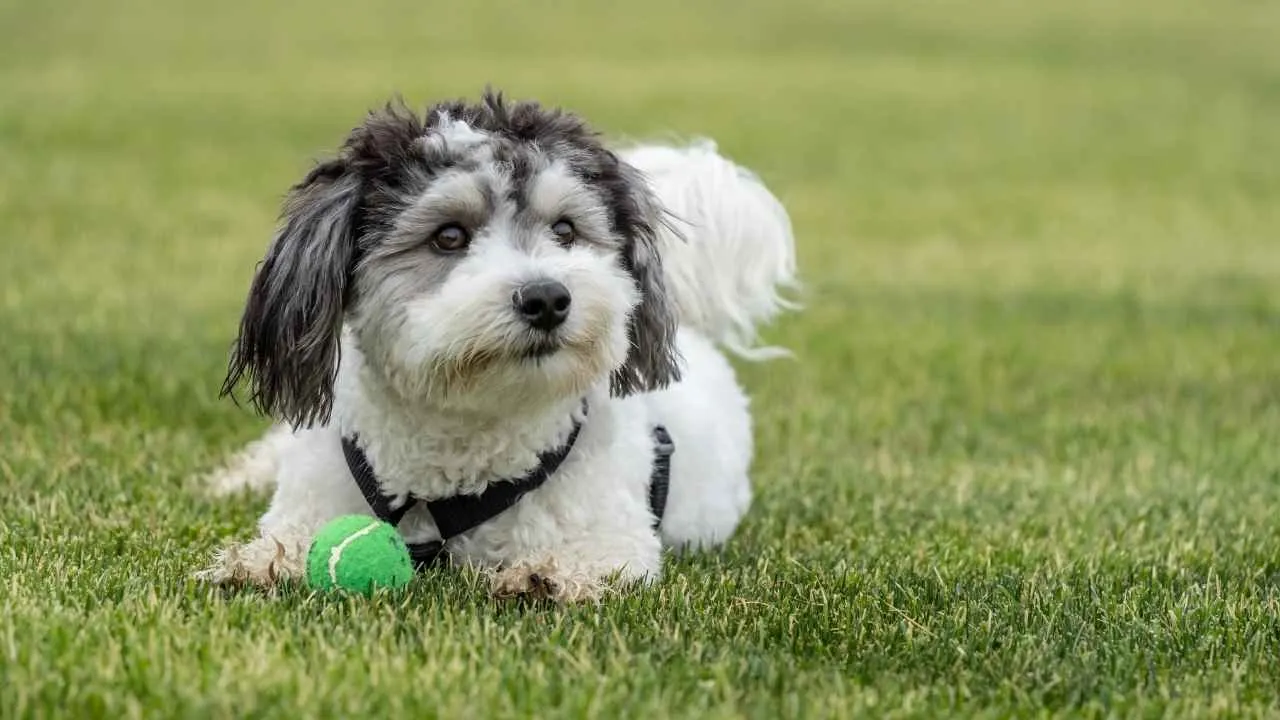
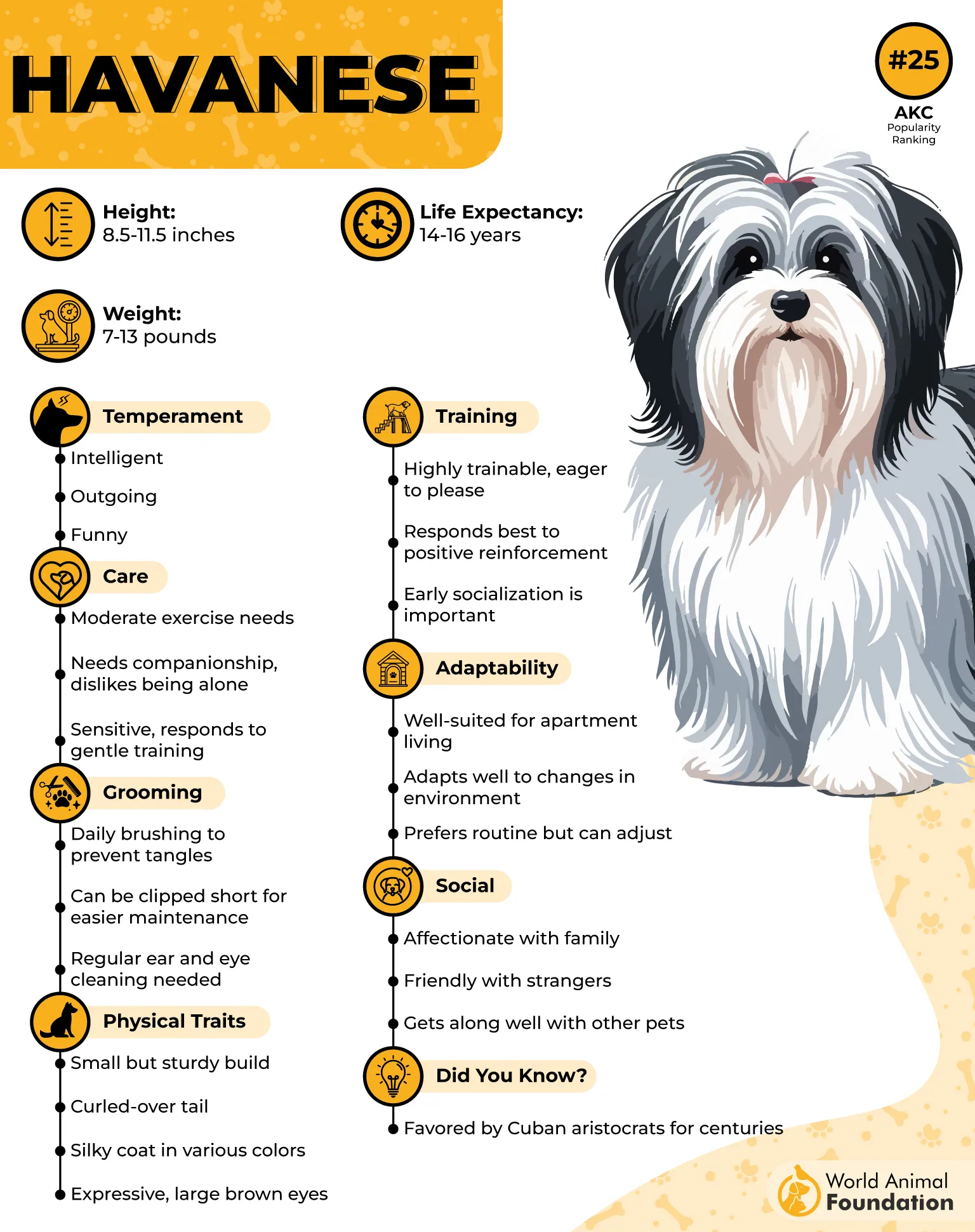
Havanese draws attention with lively expressions, bright eyes, and a light, springy way of moving through space. As the only breed native to Cuba, it reflects a companion style built around close human interaction. Its playful awareness often shifts easily into focused learning moments.
Trainability shaped by social intelligence
The Havanese is quick in training, especially when engagement feels interactive rather than repetitive. Its natural tendency toward tricks connects with a sharp mind and eagerness to participate.
That pattern becomes clear in everyday learning:
Picks up commands through positive interaction
Adapts quickly to new routines
Responds best to gentle correction
Personality rooted in attention and connection
This little dog seeks engagement with people, often positioning itself where interaction is constant and visible. Its behavior blends affection with alert awareness, making it attentive without excessive noise. This balance reflects a companion that reads its environment closely.
Conclusion
Training small dogs often gets framed as a challenge, but these breeds show a different pattern. What stands out is not just intelligence, but how naturally they respond when guidance is clear and consistent training is in place. Their size does not limit their ability to learn, whether in daily routines or dog sports and canine sports.
Over time, that responsiveness becomes part of daily life. Commands turn into habits, and routines settle without constant correction. As companion animals, they fit easily into structured living. In the end, they become great pets that move in sync with their environment.
