




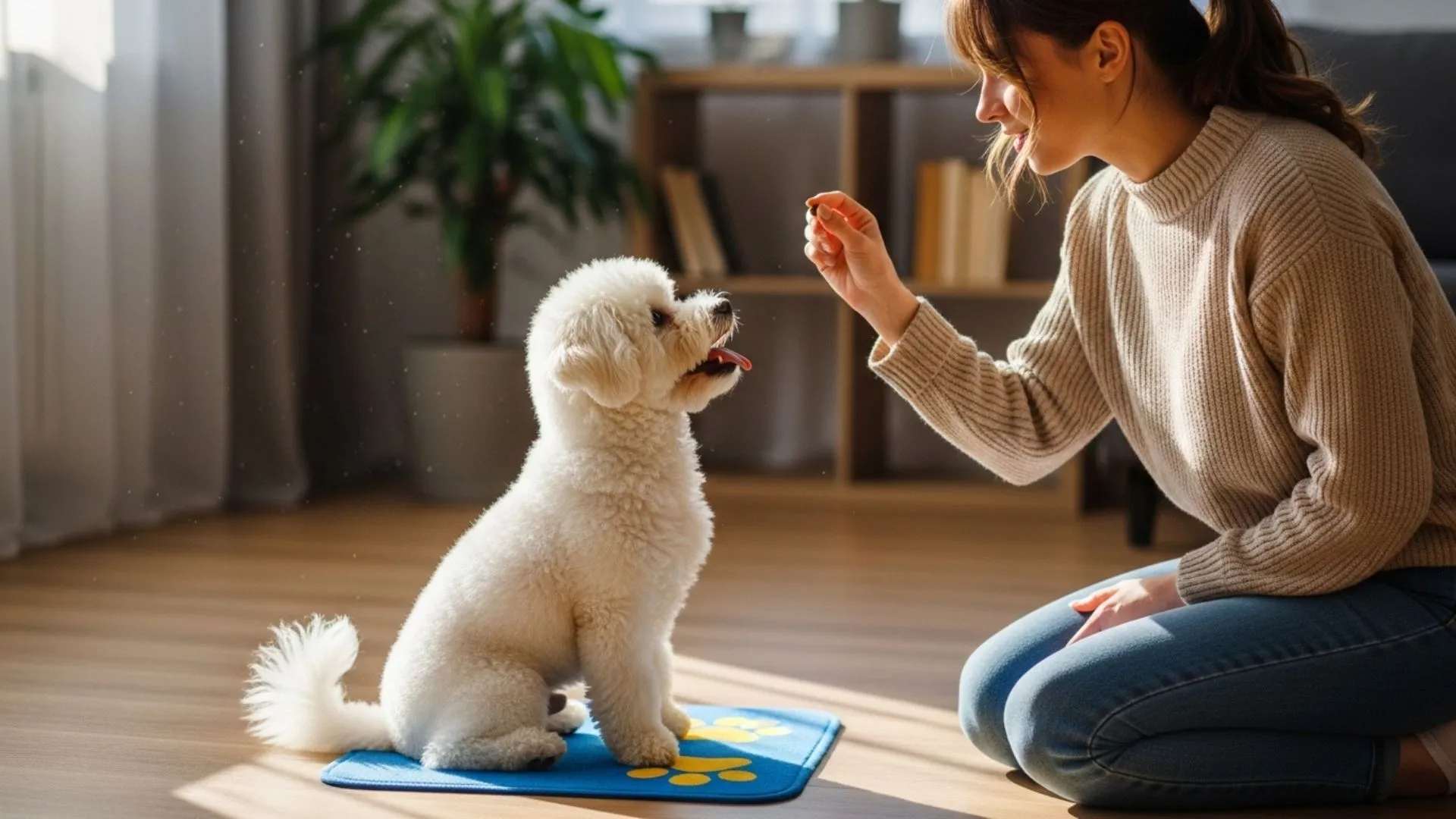
Life with a dog is at its best when you and your pup are totally in sync. There is something so rewarding about a daily routine that feels effortless, where your furry friend understands exactly what you need without you having to say a word. A well-trained dog doesn’t just follow commands; they become a seamless part of your world, making every day a little more peaceful and a lot more fun.
Don’t let those tiny paws fool you! There is a common myth that small dogs can’t keep up with big brains like Golden Retrievers, but that couldn’t be further from the truth. Many professional trainers actually prefer working with smaller breeds because they are packed with intelligence, adapt to new homes in a heartbeat, and are incredibly eager to please their favorite humans.
Choosing the right small companion is the start of a beautiful partnership where you both grow together. When you find that perfect match, training becomes less of a chore and more of a way to bond. Let’s dive in and meet these clever little stars.
Fun Fact
Small dogs weren’t always just meant for lounging on laps. Historically, many of these breeds were bred for tough jobs that required them to stay sharp and make split-second decisions. This hardworking heritage is exactly why they crush it in agility courses and obedience trials today.
Small Size Dog Breeds Ideal for Rapid Training
1. Toy Poodle
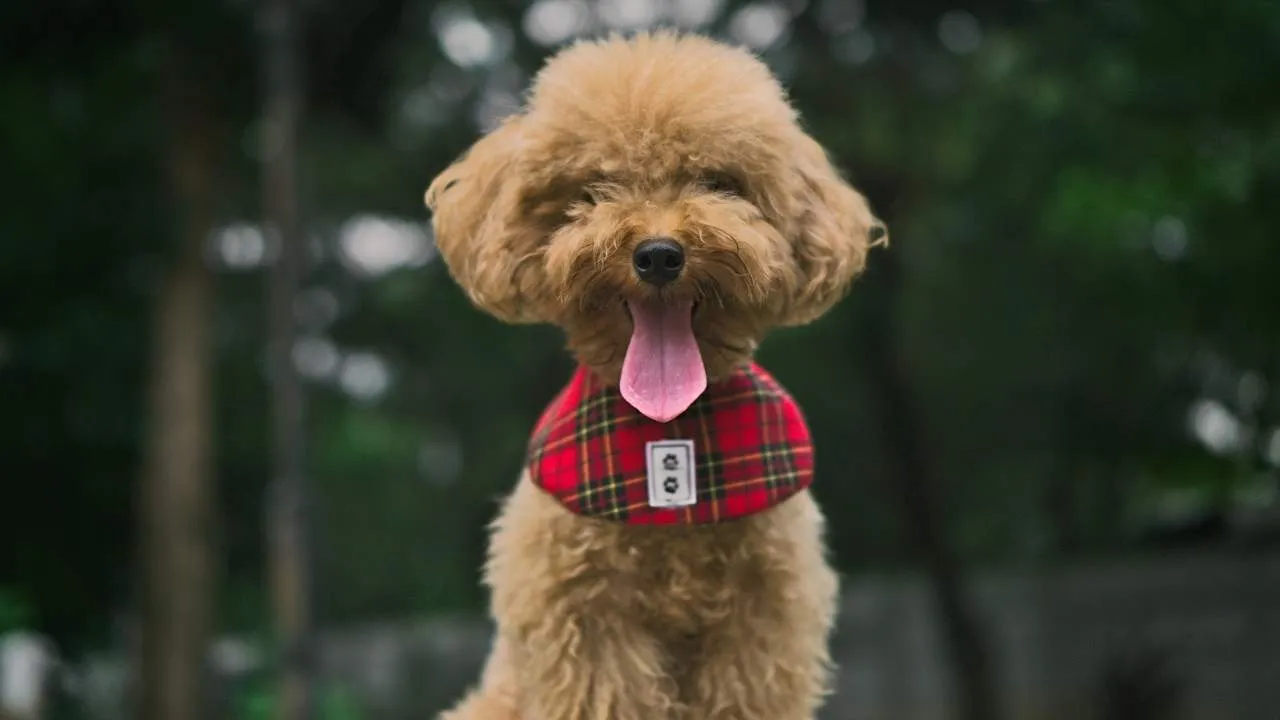
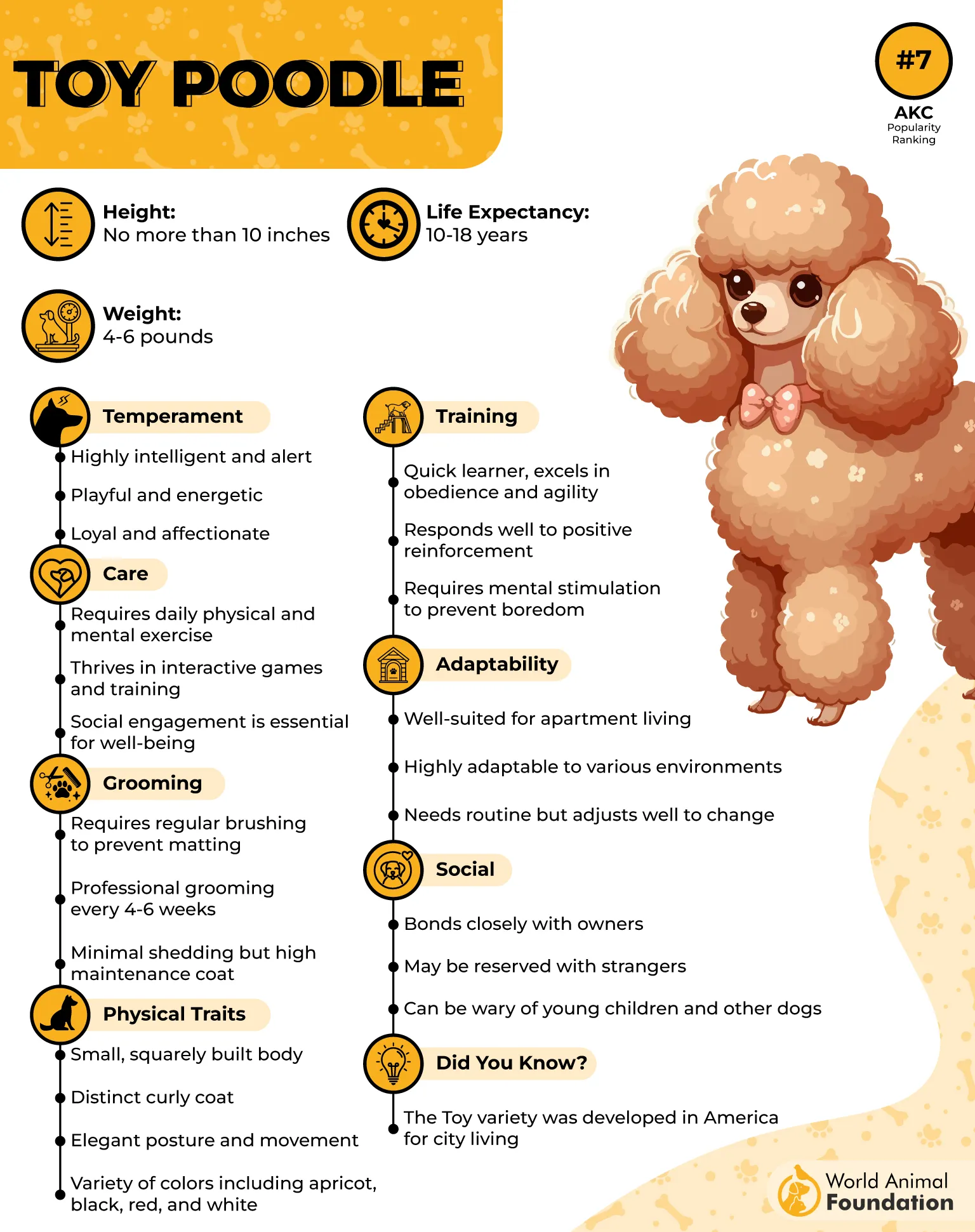
Toy Poodles are widely known as one of the most intelligent dog breeds. This small dog breed exhibits delicate features, but it performs better when trained in controlled environments because it requires little time to learn new commands.
The combination of training sessions with mental stimulation through puzzle activities and interactive play will create better training outcomes. The American Kennel Club reports that poodles rank as one of the easiest dog breeds to train because they possess excellent problem-solving abilities and a flexible nature.
This dog breed excels in competitive sports and organized training activities. When trained properly, Toy Poodles acquire advanced trick skills and performance capabilities while maintaining their concentration and enthusiastic attitude. Regular practice combined with structured routines helps sharpen memory and improve overall responsiveness
2. Papillon
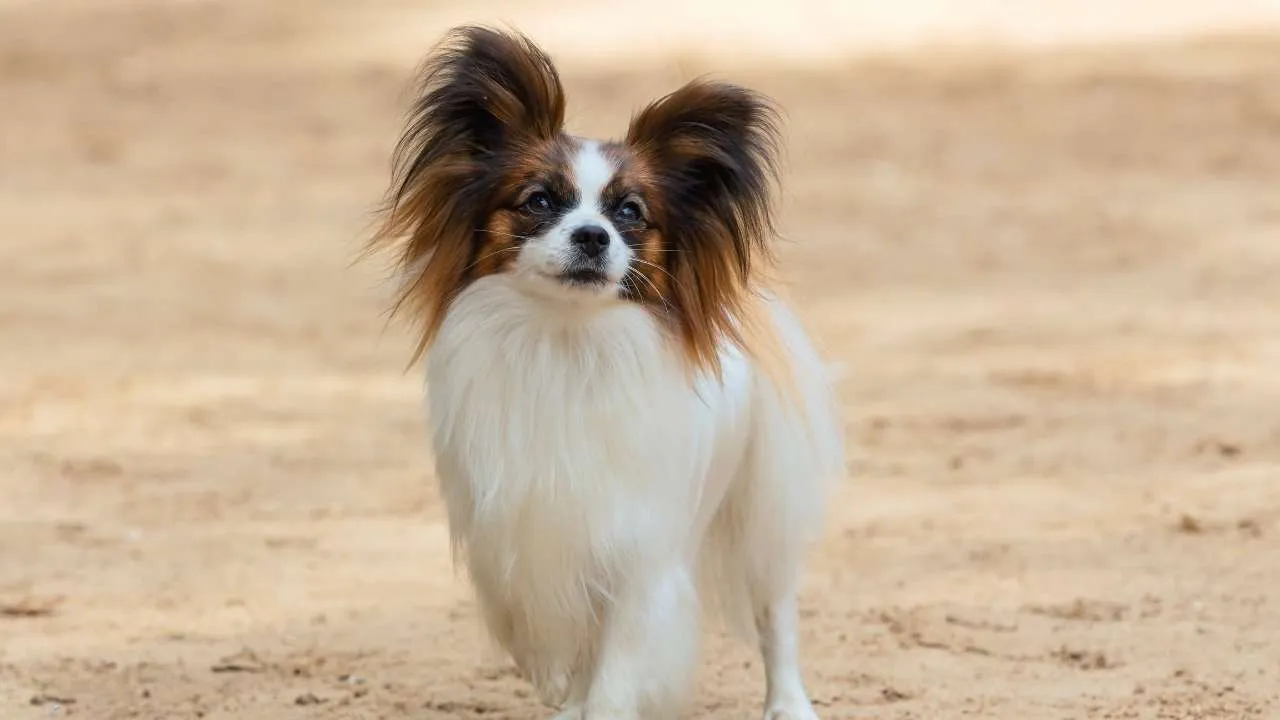
Papillon brings a perfect balance of charm and intelligence. The butterfly-shaped ears define their distinct appearance, yet their primary advantage lies in their capacity to learn rapidly and maintain watchful alertness.
This breed finds training activities straightforward because it prefers to participate in active work. PetMD states that Papillons need regular mental challenges to remain active and alert, which helps them improve their training speed.
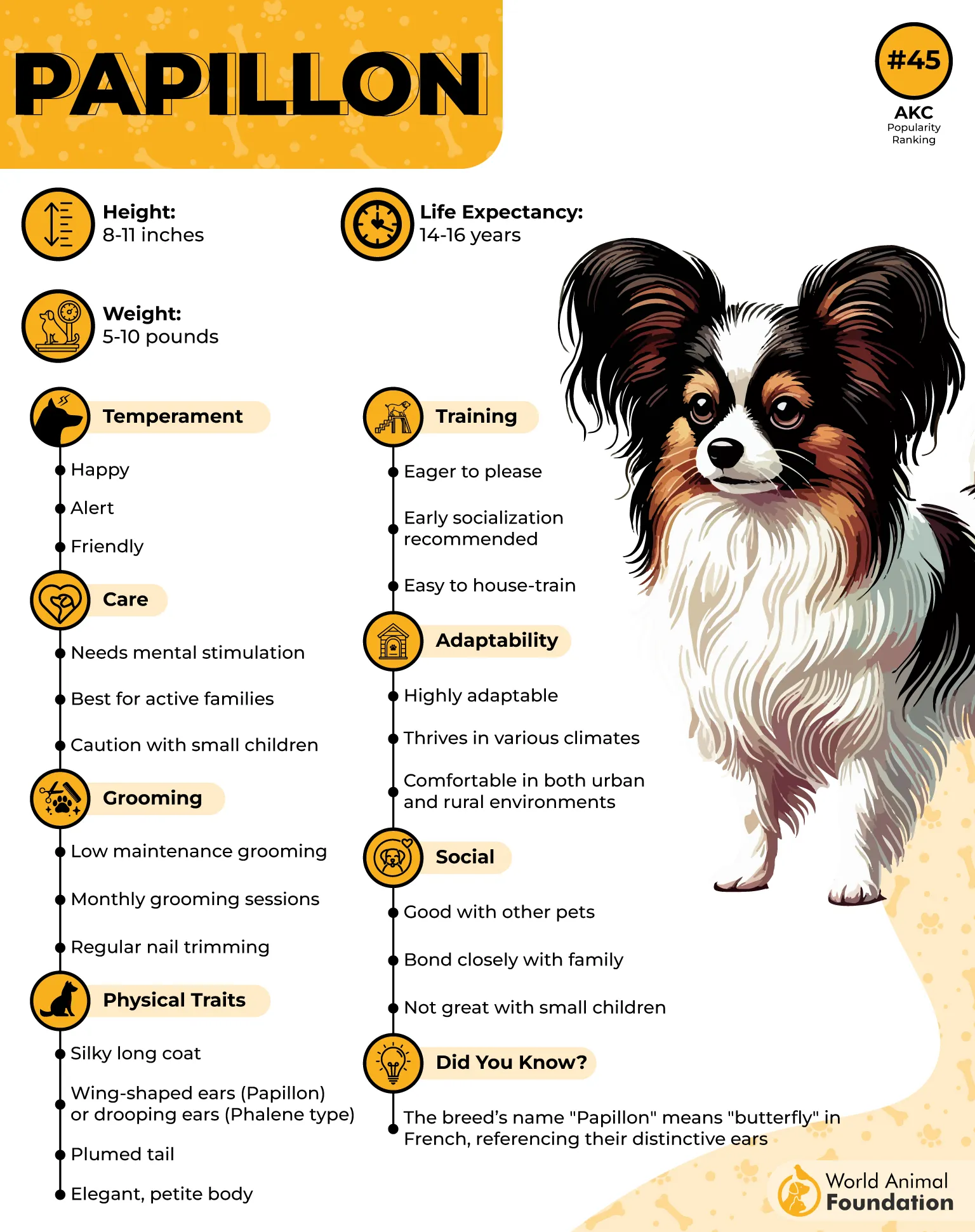
This breed adapts well to different living spaces, making it suitable for apartments or houses. The affectionate nature of Papillons combines with their strong ability to bond with others to create an intense training devotion, which they show throughout their training sessions.
3. Miniature Schnauzer
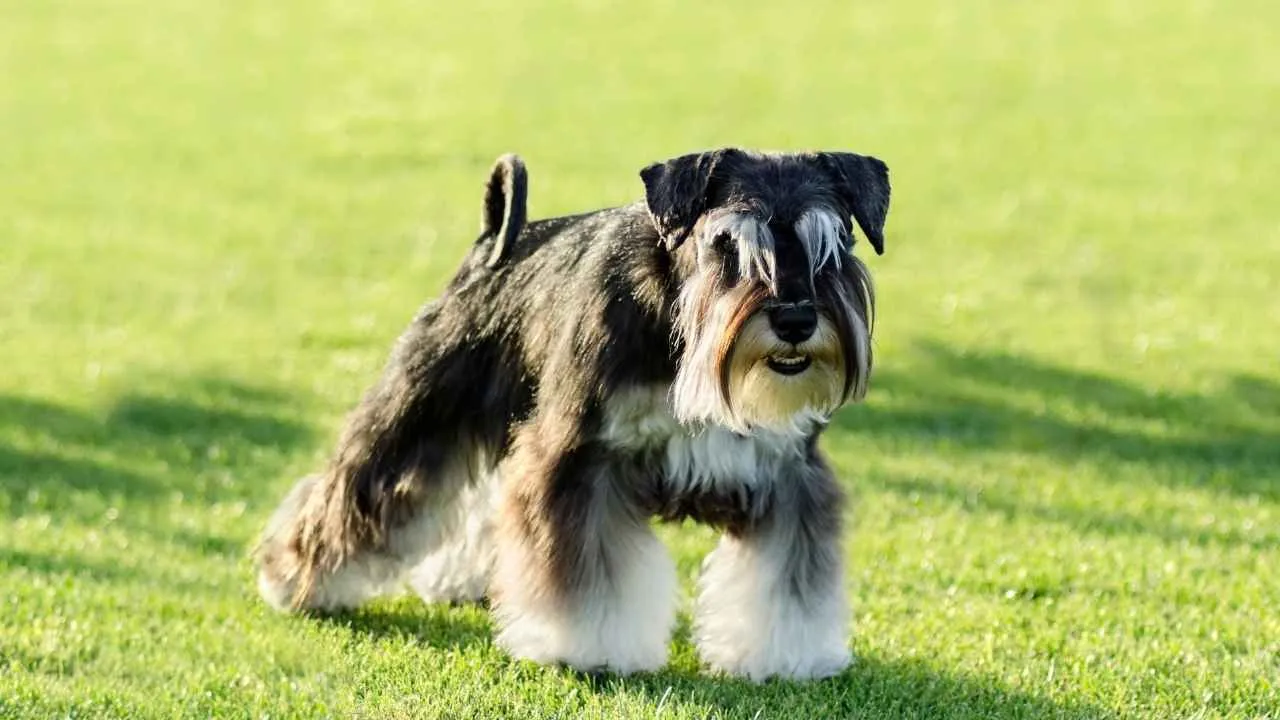
The Miniature Schnauzer stands out among trainable small dog breeds because it combines intelligence and protective instincts. The breed maintains its original farm working purpose through its instinctive abilities, which enable it to learn new skills and respond to training.
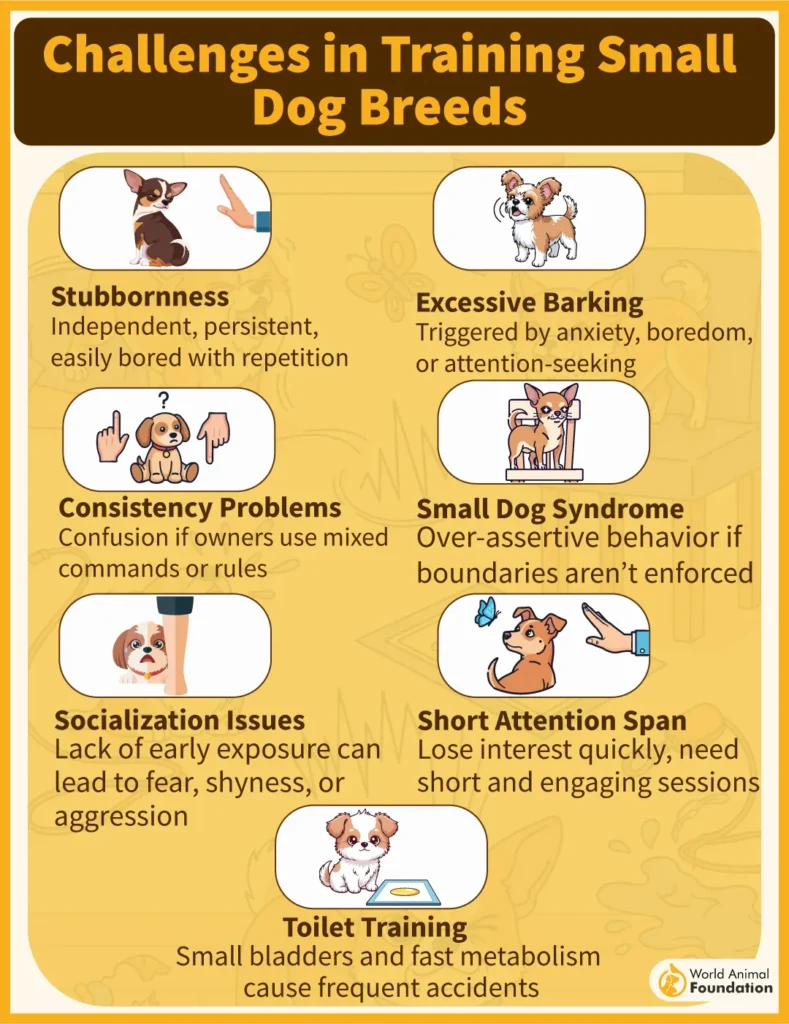
The most effective training approach uses structured training methods for optimal results. Petplan reveals that early training, together with socialization, shapes this pet’s behavior while preventing the formation of undesirable habits.
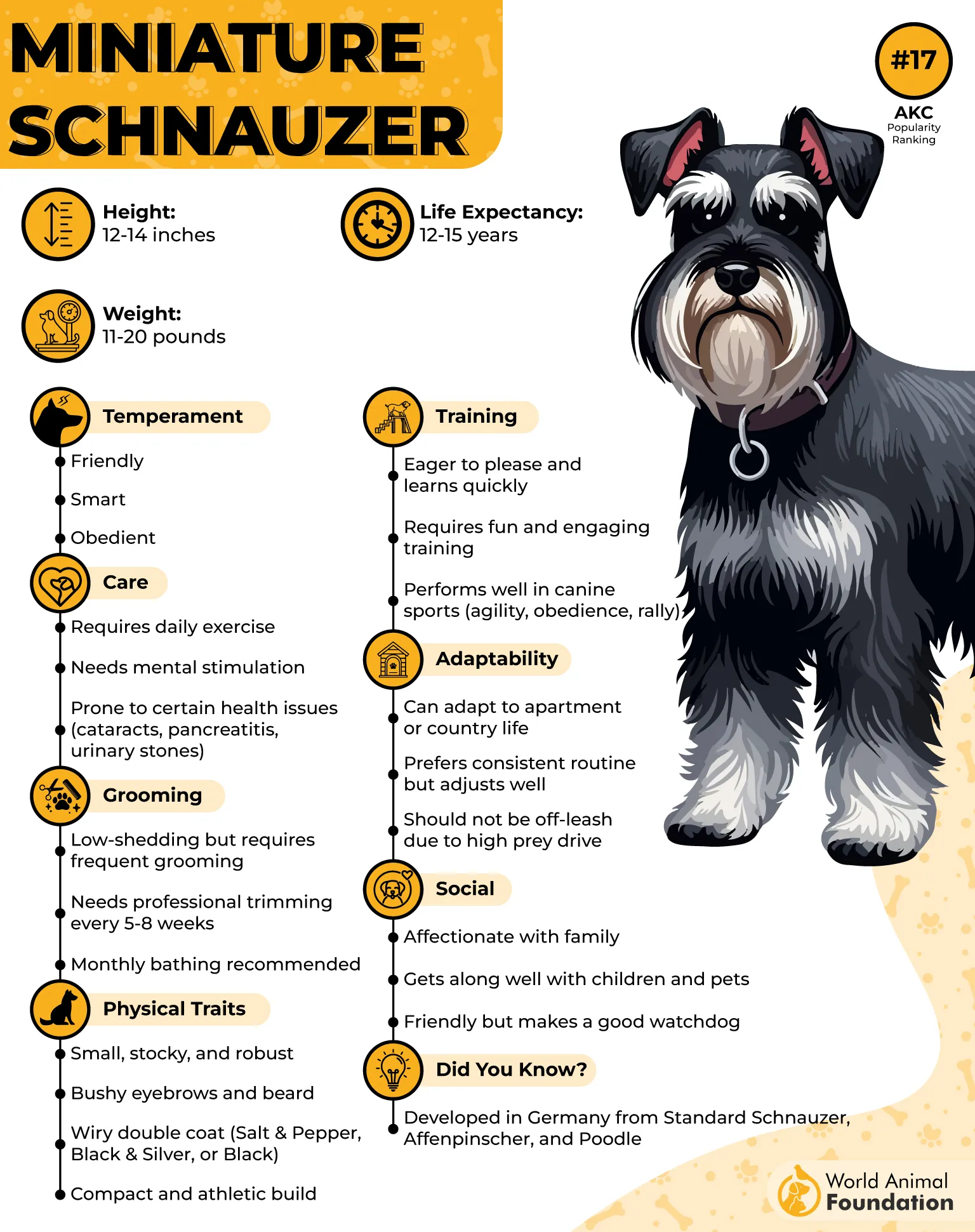
This breed needs proper exercise, together with mental challenges, to become a dependable and well-behaved pet. The combination of consistency and patience, together with a proper training system, enables this small dog breed to concentrate better while learning and developing into a well-mannered pet that can adapt to various home environments.
4. Bichon Frise
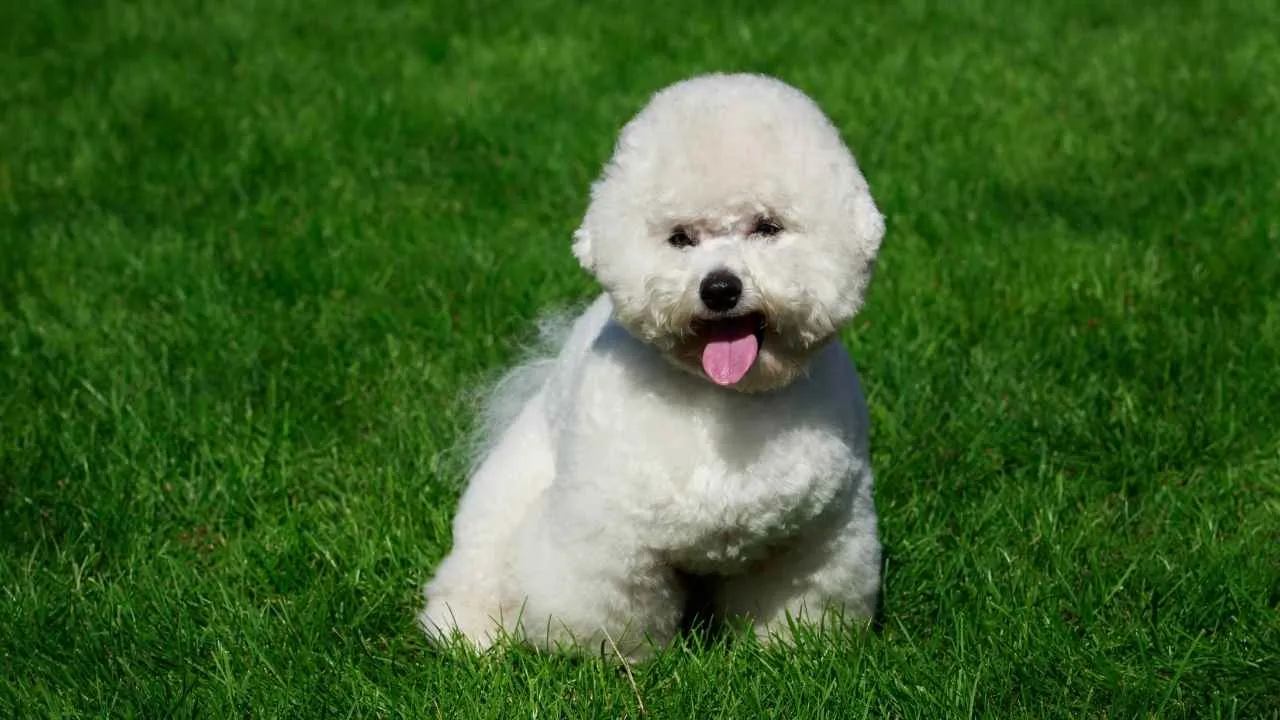
Bichon Frise brings warmth and positivity into every home. This small breed shows natural happiness, which results in better training when people interact with the dog during the process.
The method of positive reinforcement shows exceptional effectiveness. Purina states that this wonderful family pet learns better through positive reinforcement methods, which help them build stronger emotional bonds with their trainers.
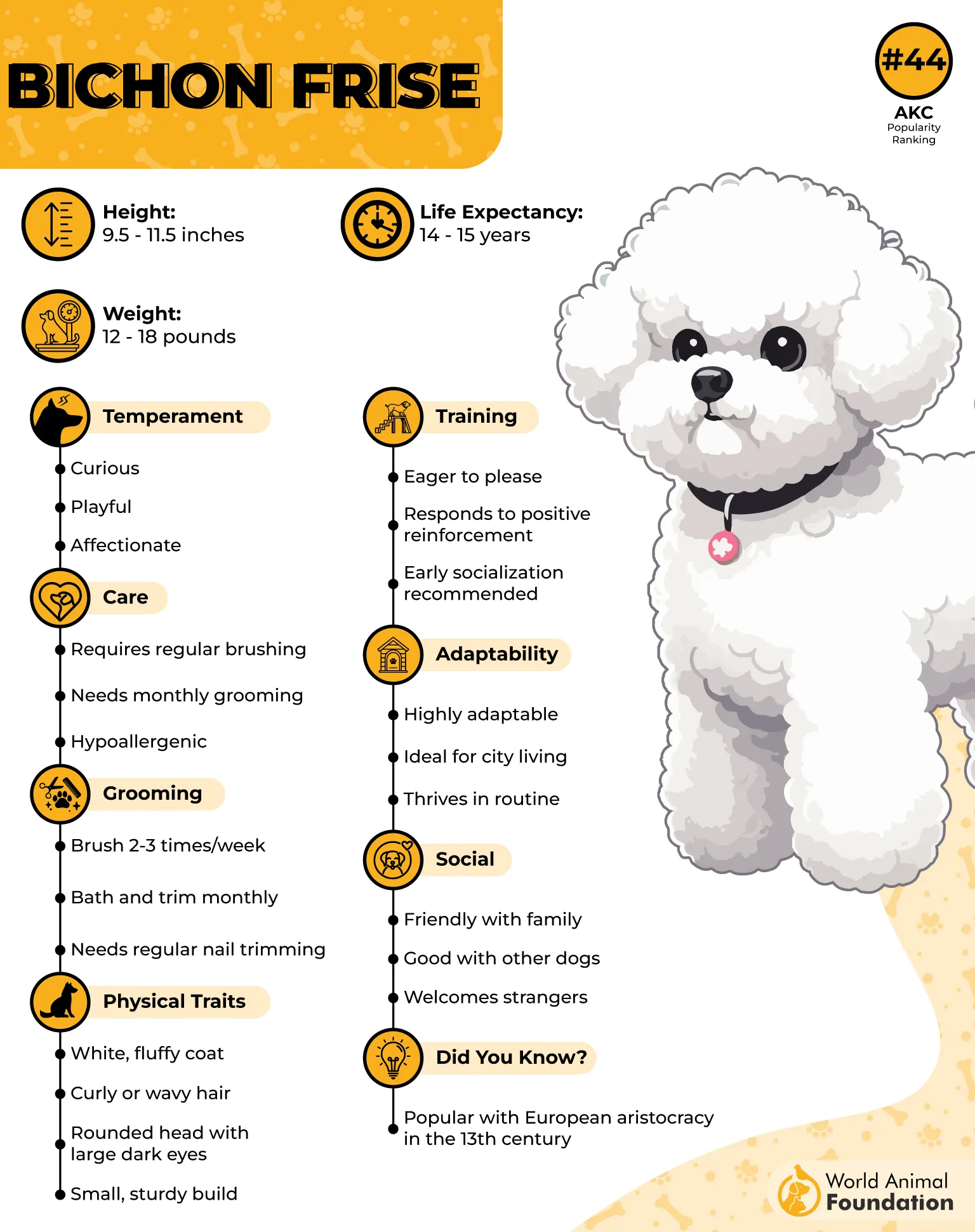
Bichons demonstrate strong adaptive skills because they can quickly adjust to fresh environments, which keeps their playful and cheerful nature intact. The dogs thrive in homes that have both children and other pets because they like to socialize with people, and they create deep connections with their family members.
5. Pomeranian
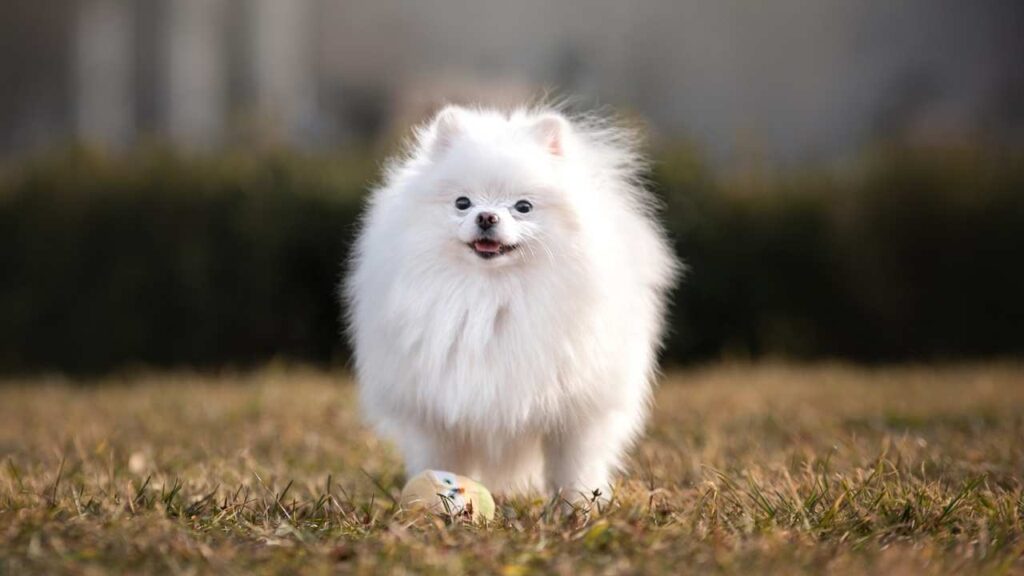
Pomeranians show strong personality traits, which they express through their small body size. This little dog breed demonstrates high levels of curiosity, together with intelligence, which enables it to learn commands through proper training methods.
The research demonstrates that training sessions that last for a short time and maintain a narrow focus produce optimal results. Hill’s Pet Nutrition notes that these great family dogs need constant training and proper physical activity to maintain their mental stability and complete responsiveness.
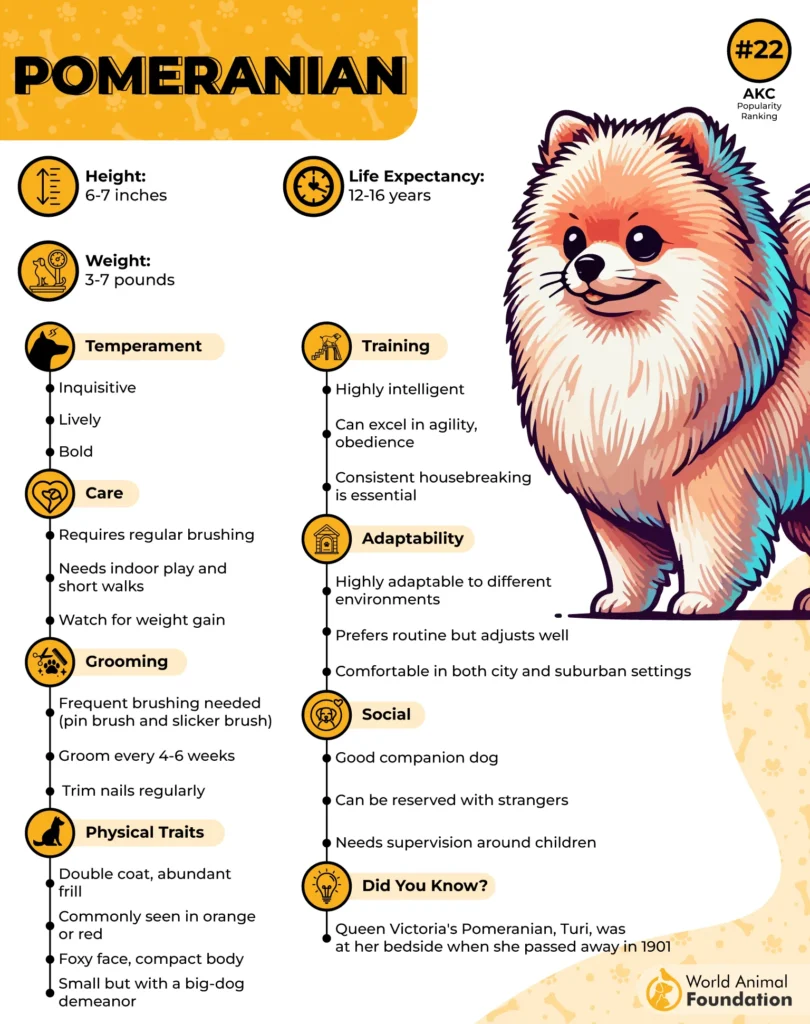
The independent nature of Pomeranians exists together with their ability to learn through activities that attract their focus. Their character combines energy and intelligence, which enables them to work as active friends and productive students.
6. Boston Terrier
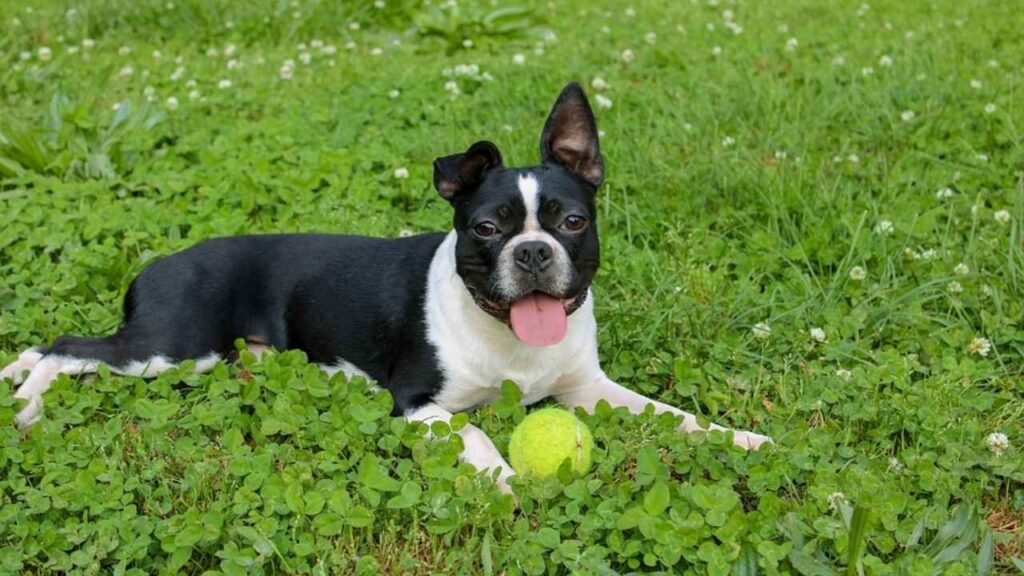
People love Boston Terriers because they possess a calm personality and a friendly disposition. This breed exhibits both intelligence and a laid-back personality, which enables training sessions to proceed without interruptions.
The best training methods operate through positive reinforcement because it achieves optimum results. PDSA says that this dog breed learns better when trainers maintain consistent patterns while providing constant motivation.
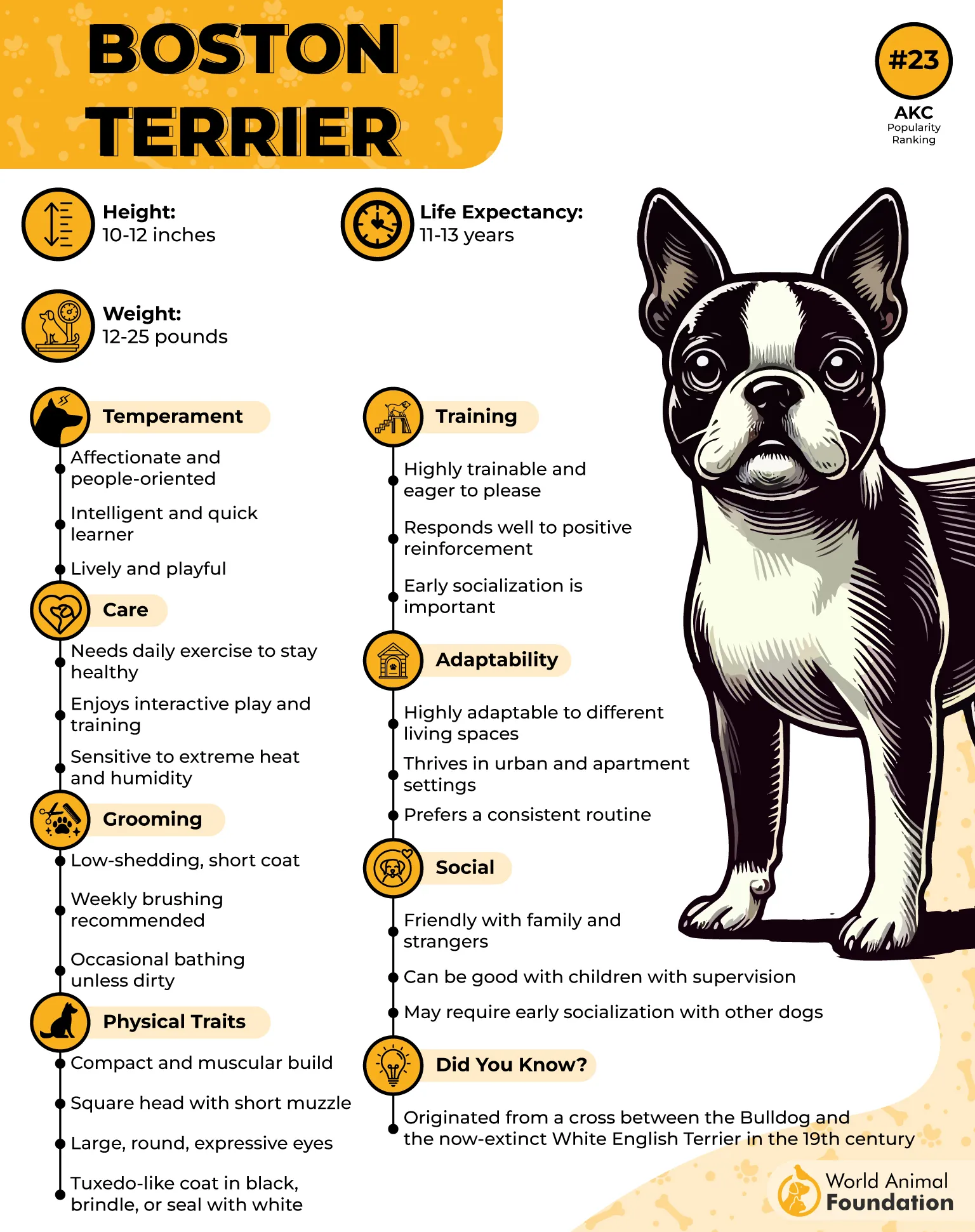
This breed maintains its engagement through three activities, which include consistent mental stimulation, gentle reinforcement, and interactive play. This breed makes a suitable companion dog for families who have children and other pets.
7. Brussels Griffon
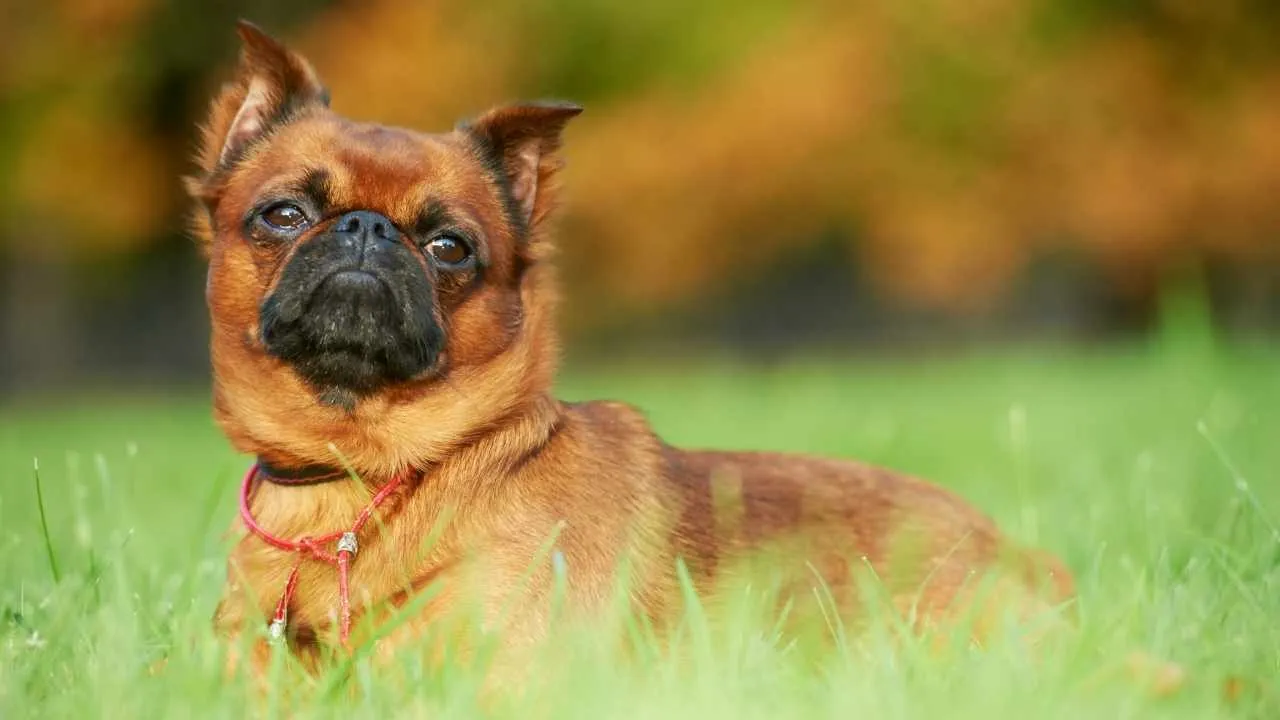
Brussels Griffon is a small breed with a strong emotional connection to human companionship. The process of teaching training requires trust and comfort to create an environment that enhances learning.
Through patient work, training becomes more successful. Omlet reports that this dog breed prefers to participate in games and tricks while using interactive learning methods to stay engaged and avoid becoming bored. The process of early socialization helps individuals develop better behavioral skills across various environments.
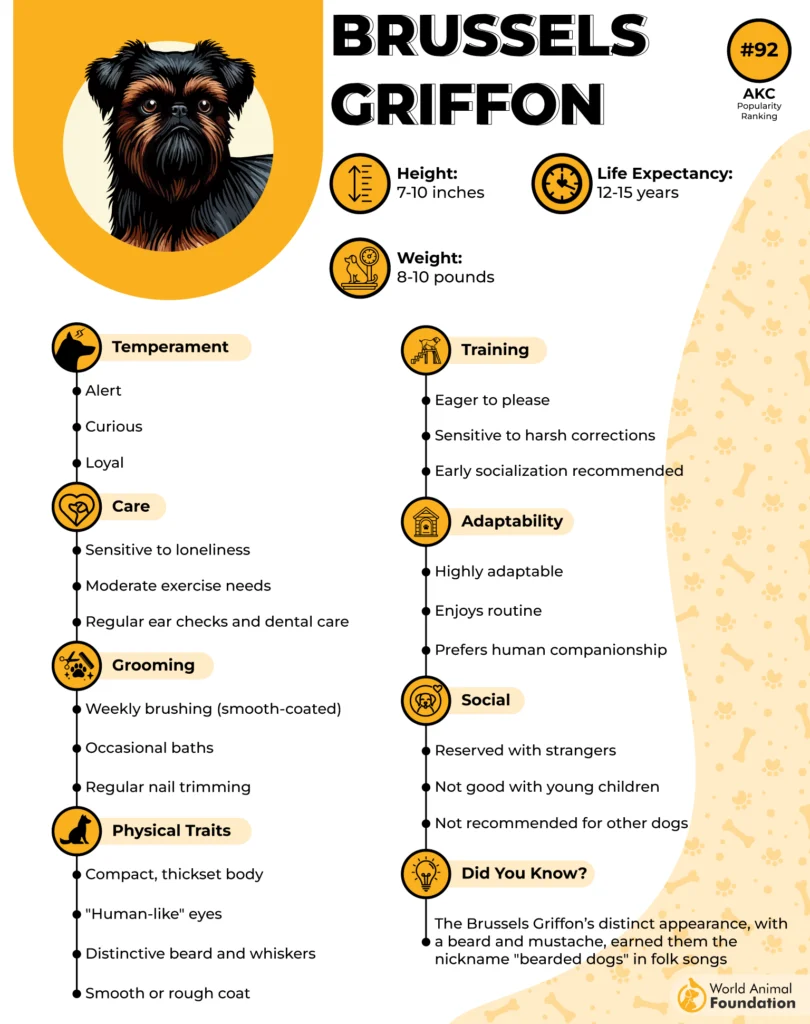
The breed develops into a faithful companion who shows dedication to training when owners commit to continuous practice. The short interactive training sessions, which involve playtime activities, help the small dog breed to develop better focus and better response skills while keeping their composure and good behavior.
Conclusion
A small dog that learns quickly can transform everyday life into a smoother and more enjoyable experience. Training becomes less about effort and more about connection, where each step strengthens trust and understanding. The breeds discussed above are not just easy to train but also bring emotional warmth and companionship into a home.
Each breed’s characteristics are distinct, but all breeds demonstrate exceptional capacity to adapt and learn, and respond with quick efficiency. Building a successful relationship with a dog depends on consistency, patience, and the right training methods. The smallest companion develops into a well-behaved pet who builds trust through training when these elements reach their optimal states.
