




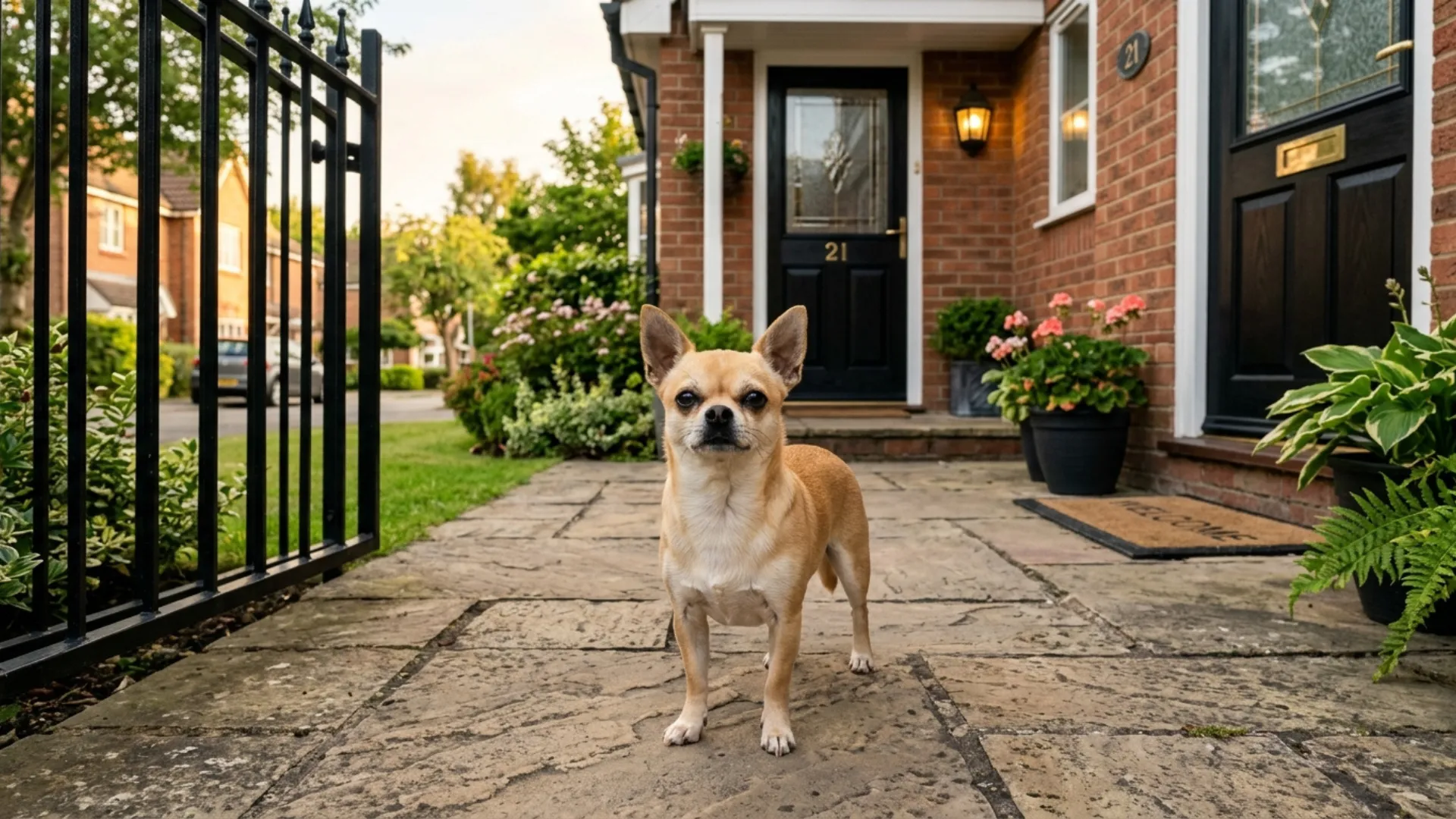
Small guard dog breeds are not usually meant to stop danger physically, and that is an important distinction. Their real strength is awareness: noticing sounds, visitors, delivery drivers, movement near the door, or changes in the home routine. For seniors who live alone or in quieter households that value peace of mind, that early warning can feel incredibly reassuring.
There is also an emotional side that does not get enough hype. A loyal little dog can make a house feel less empty, encourage gentle activity, and bring structure to the day. Feeding, brushing, walking, and talking to a dog can create small daily rituals that feel grounding and warm.
Let’s meet the small guard dog breeds that can help elderly families feel more secure without needing a giant dog bed in the living room.
Small Guard Dog Breeds That Keep Elderly Families Secure
1. Chihuahua
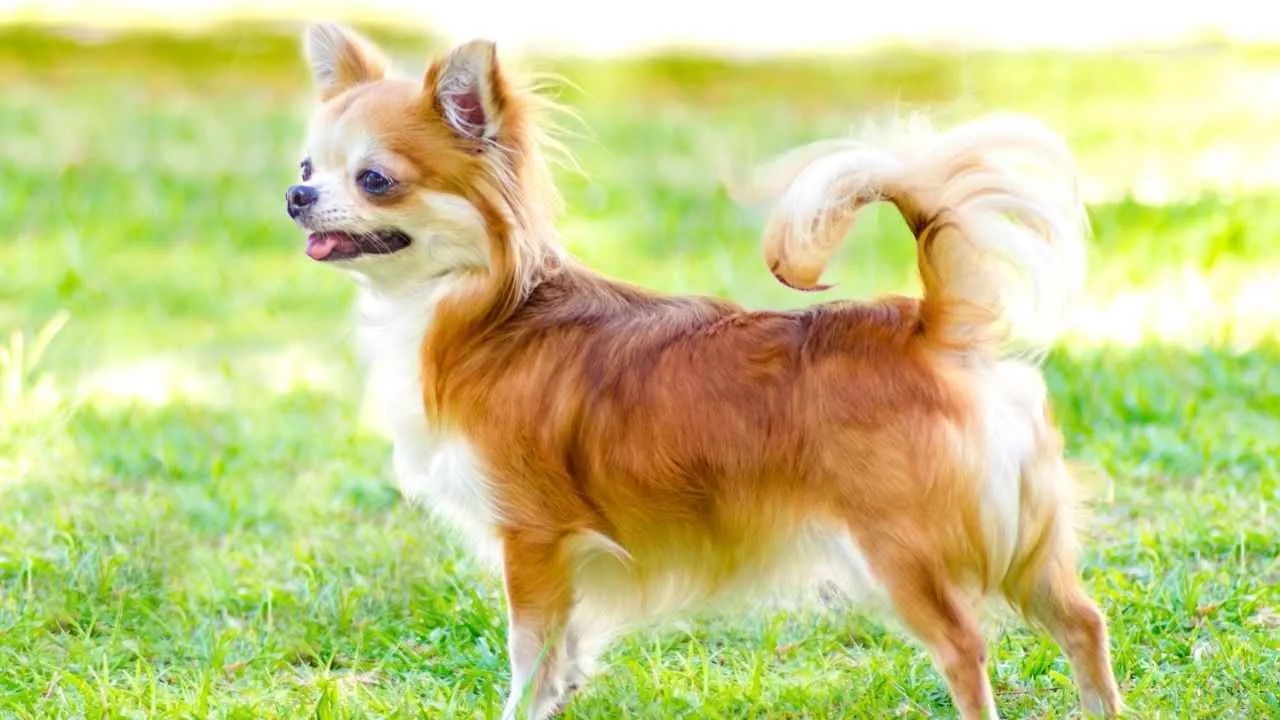
The Chihuahua may be tiny, but this breed has never received the memo. It often carries itself like a big dog in a travel-size body, complete with confidence, suspicion, and strong opinions about strangers. For elderly families, that bold personality can become a useful watchful presence around the home.
This incredibly loyal breed is especially known for bonding closely with its chosen people. Once this best guard dog decides you are its person, it can become deeply loyal and highly aware of your movements, moods, and routines.

That attachment can feel comforting to seniors who want a companion who stays close without needing much space.
As a watchdog, the Chihuahua’s biggest tool is its voice. It may alert quickly when someone knocks, when footsteps pass the door, or when an unfamiliar visitor enters the room. That bark can be helpful, but it needs training so the home does not become a 24-hour alarm concert.
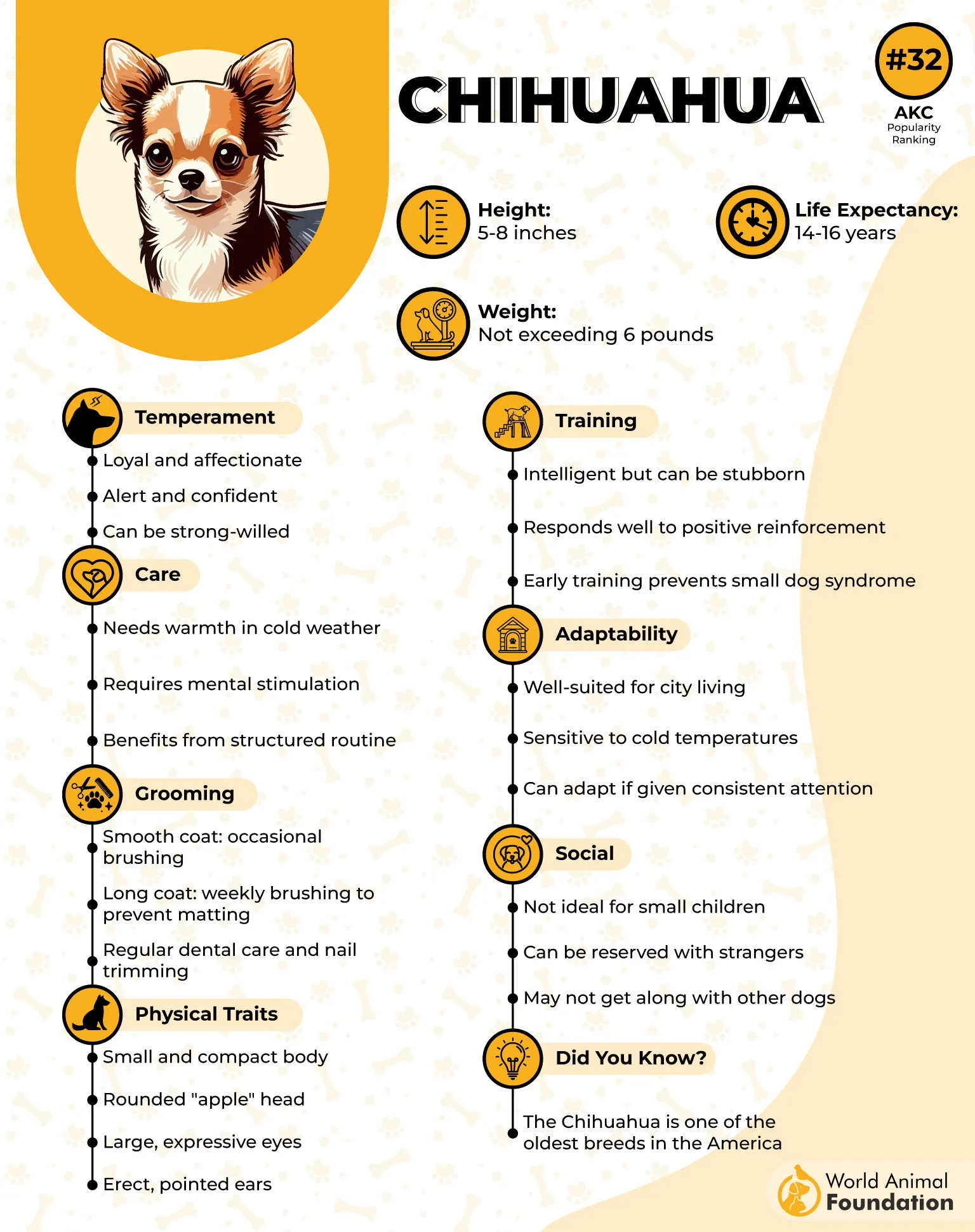
They are also practical for many elderly households because they are very small and easy to carry when needed. They can live well in apartments, condos, or smaller homes as long as they have attention, gentle exercise, and safe indoor spaces.
The main challenge is their sensitivity. A Chihuahua may become snappy or nervous if frightened, overhandled, or poorly socialized. With calm introductions, patient training, and a peaceful home routine, this tiny watchdog can become a loving little shadow with serious alert energy.
How Do They Serve The Elders
Their sharp barking can notify seniors when someone is near the door, window, or hallway.
Their tiny size makes daily care easier for older owners who cannot manage a heavy dog.
Their strong attachment can reduce loneliness by offering close, constant companionship.
2. Dachshund
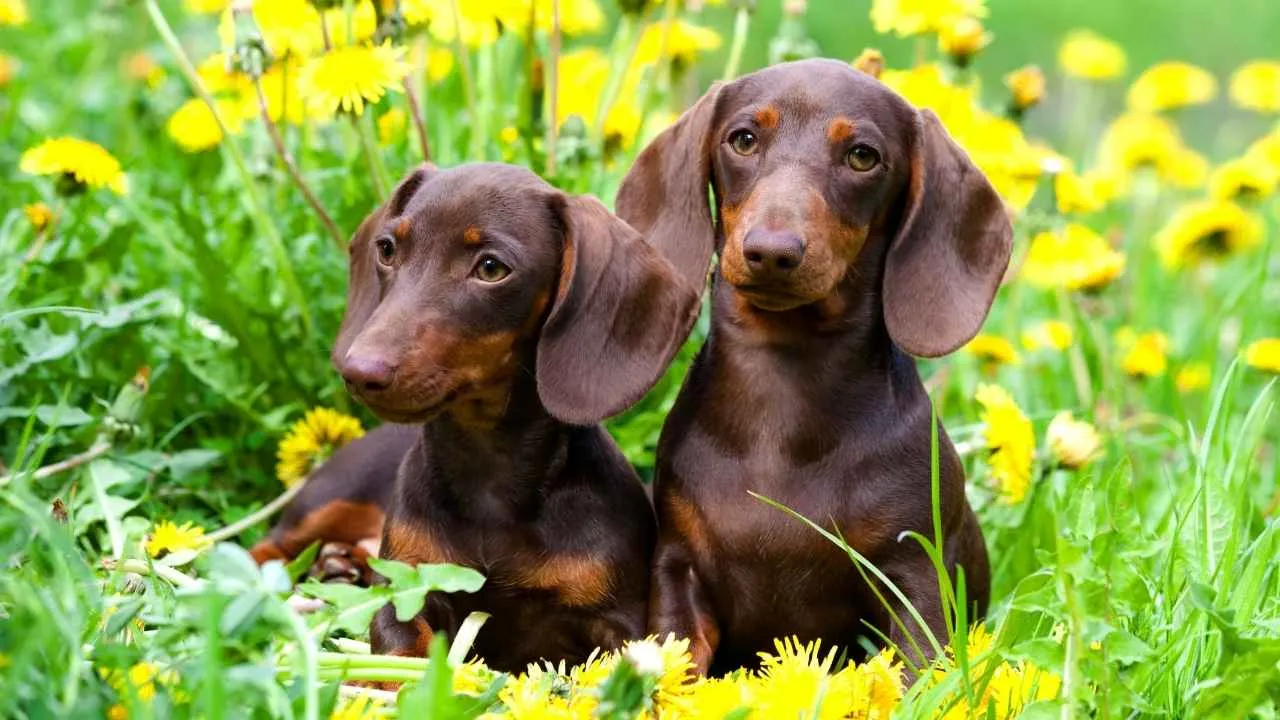
The Dachshund looks funny, walks proudly, and has the confidence of a dog that believes the hallway is its kingdom. Originally developed in Germany for hunting, this breed still has courage packed into that long, low body. For elderly families, it can be both a comic relief machine and a surprisingly alert little home guardian.
These energetic dogs are often vocal, which makes them useful as watchdogs. They are quick to announce visitors, strange noises, or anything that violates their personal security policy. Their bark can sound bigger than their body, which is honestly part of the brand.
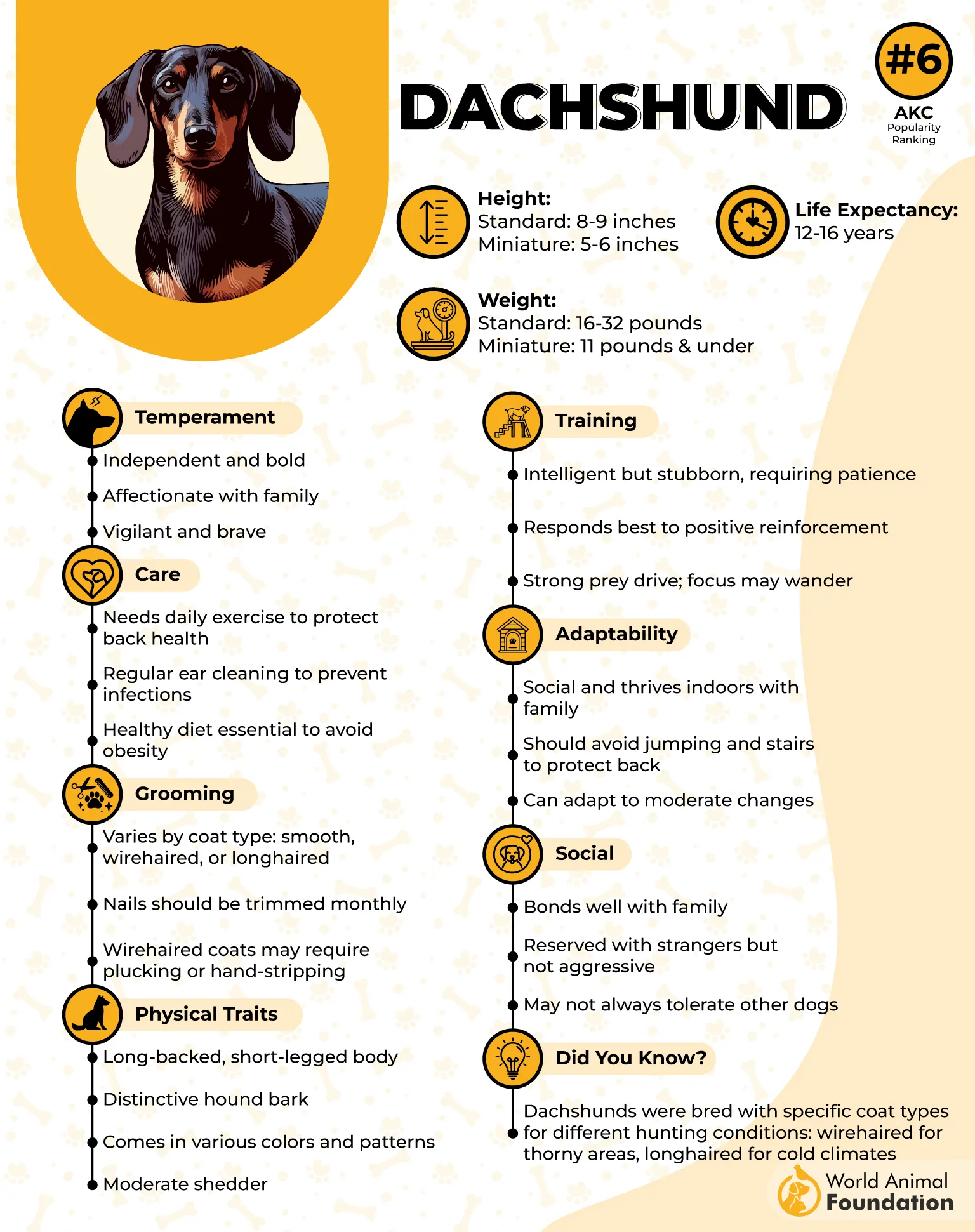
This athletic dog is affectionate toward family and often forms strong bonds with its people, notes the AKC. Many elderly owners enjoy their mix of cuddly loyalty and independent personality. A Dachshund may nap beside you like a soft loaf one minute and patrol the room like a detective the next.
Care does require some smart planning, especially because of their long backs. Jumping from furniture, climbing too many stairs, or becoming overweight can be risky for this breed. Seniors who choose this family pet should set up ramps, keep the dog lean, and avoid letting it launch itself off couches like an action hero.
Training may take patience because these muscular dogs can be stubborn in a very “I heard you, I just disagree” way. Food rewards, consistency, and short sessions usually work better than pressure. When kindly guided, a Dachshund can offer elderly families loyalty, laughter, and a bark that misses little.
How Do They Serve The Elders
Their naturally vocal nature can help alert older family members to visitors or unusual sounds.
Their affectionate personality makes them enjoyable companions during quiet days at home.
Their moderate size gives seniors a sturdy small dog without the handling demands of a large breed
3. Pomeranian
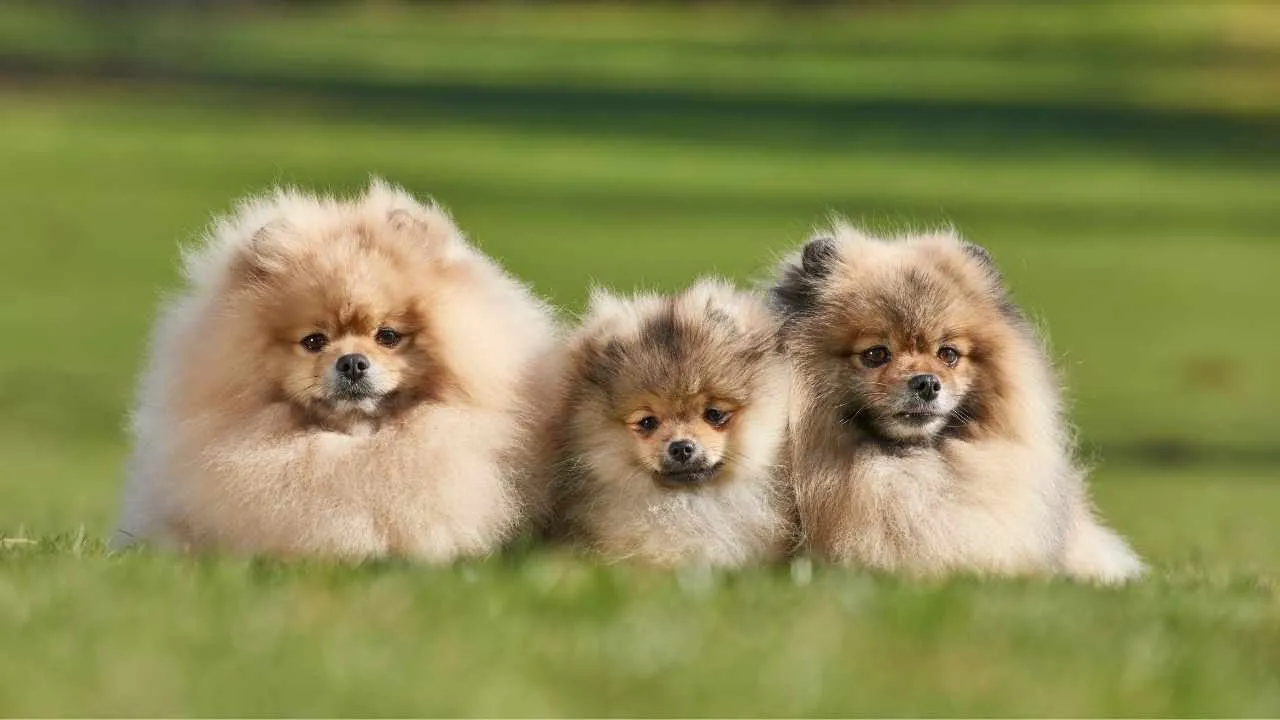
The Pomeranian looks like a fluffy decorative pillow until it hears something suspicious. Then suddenly, the tiny cloud becomes a security announcement system with legs. This bright, lively breed can be a fun match for elderly families who want charm, companionship, and an alert little presence.
They descend from larger Spitz-type dogs, and some of that bold old-school spirit still shows. They are often confident, curious, and very aware of what is happening around them. If someone comes to the door, a Pom is rarely the last to know.
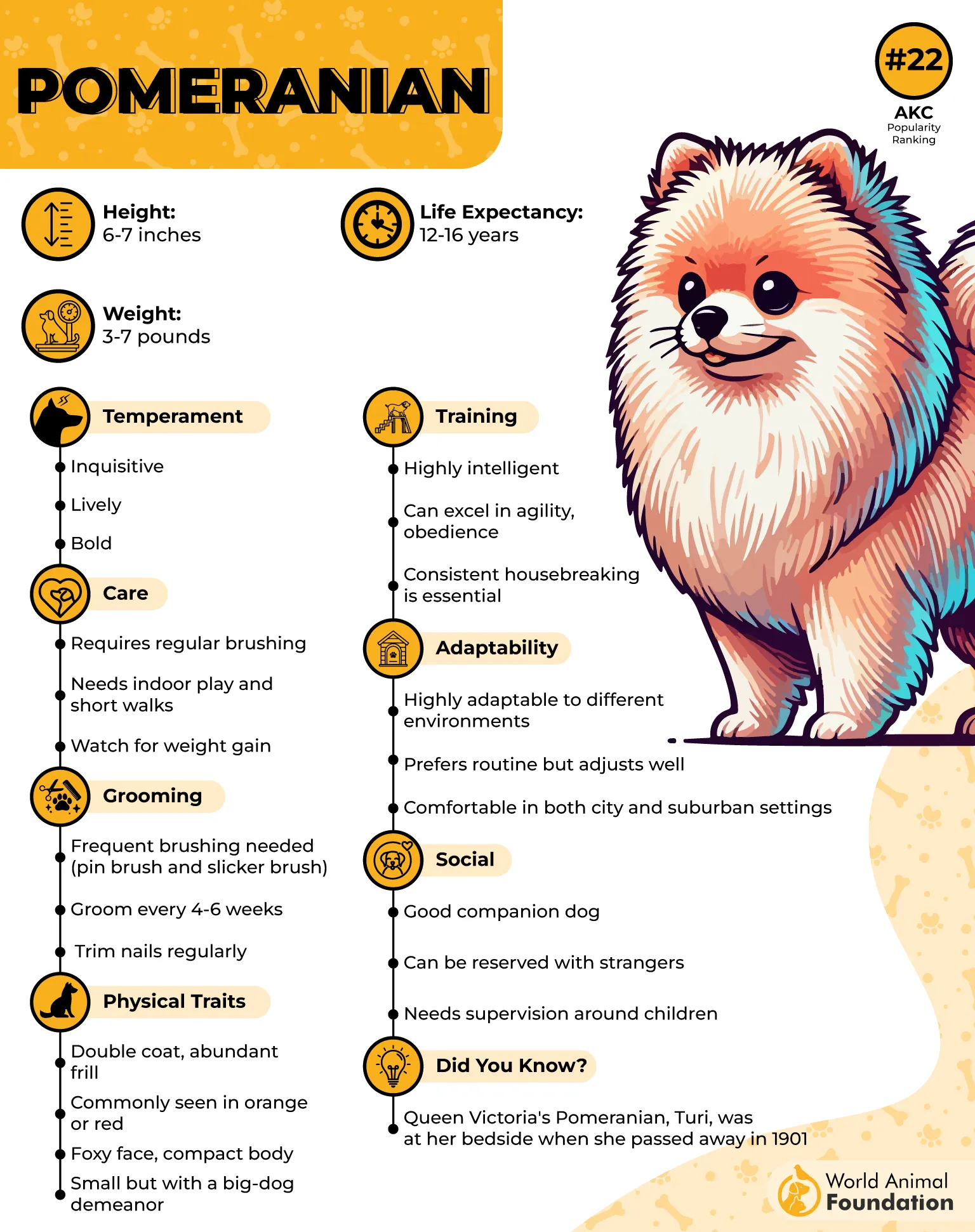
Their compact size makes them easy to live with in apartments and smaller homes. Omlet mentions that they do not need a massive yard, but they do need attention, short walks, play, and mental stimulation. A bored Pomeranian may decide that barking at invisible drama is a full-time career.
For elderly owners, the Pomeranian’s affectionate nature can be a major gift. Many Poms enjoy being included in daily routines, whether that means sitting nearby, riding along safely, or supervising household chores. They bring a lively spark that can make a quiet home feel brighter.
The beautiful double coat needs brushing, and their small size means they should be handled carefully around stairs, furniture, and excited visitors. With training and coat care in place, the Pomeranian can serve as a tiny, glamorous watchdog with big emotional value.
How Do They Serve The Elders
Their alert personality can bring quick attention to movement, knocks, or unfamiliar voices.
Their cheerful energy can brighten routines without requiring intense outdoor exercise.
Their small-home suitability makes them a practical companion for seniors in apartments or retirement communities.
4. Miniature Pinscher
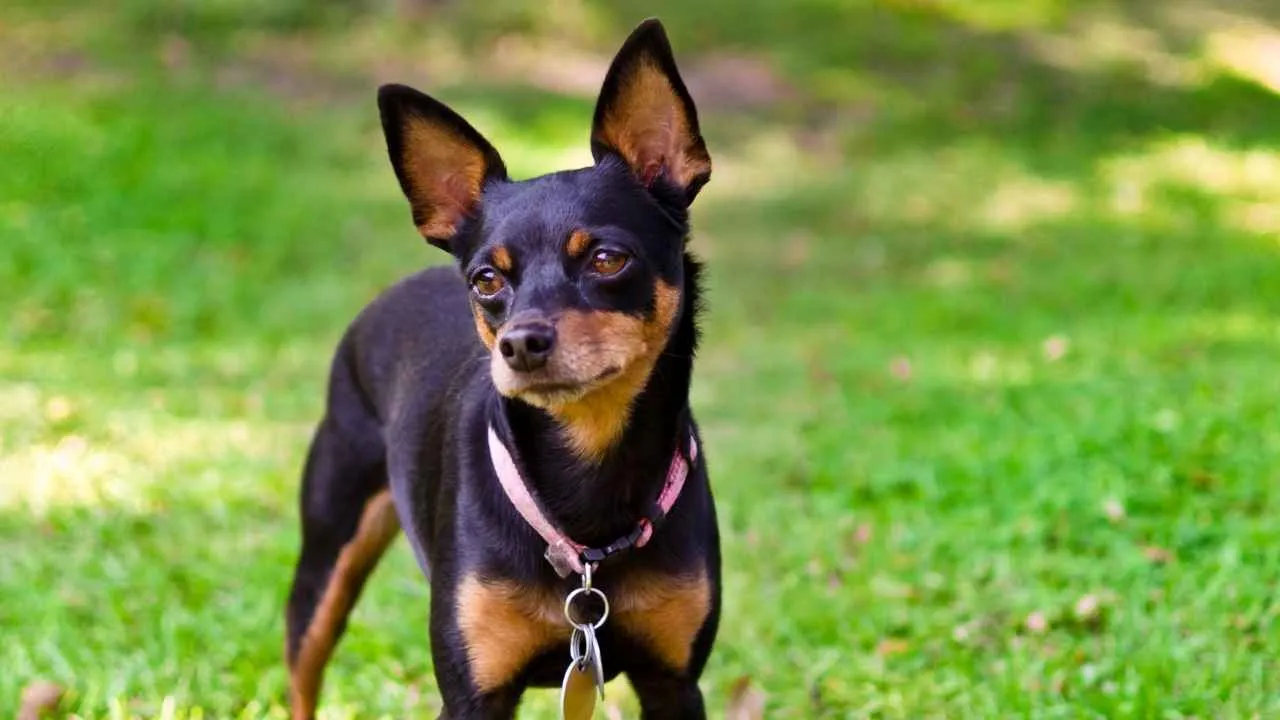
The Miniature Pinscher, often called the “King of Toys,” is not here to be ignored. This sleek little dog walks like it owns the sidewalk, the living room, and possibly the entire neighborhood. For elderly families who like a spirited companion, the Min Pin can bring bold watchdog energy in a compact body.
Originally bred in Germany as a ratter, the Miniature Pinscher has quick reflexes and a highly alert mind. It notices movement, sound, and new people with impressive speed. That makes it a strong small watchdog, especially in homes where early alerts are valued.
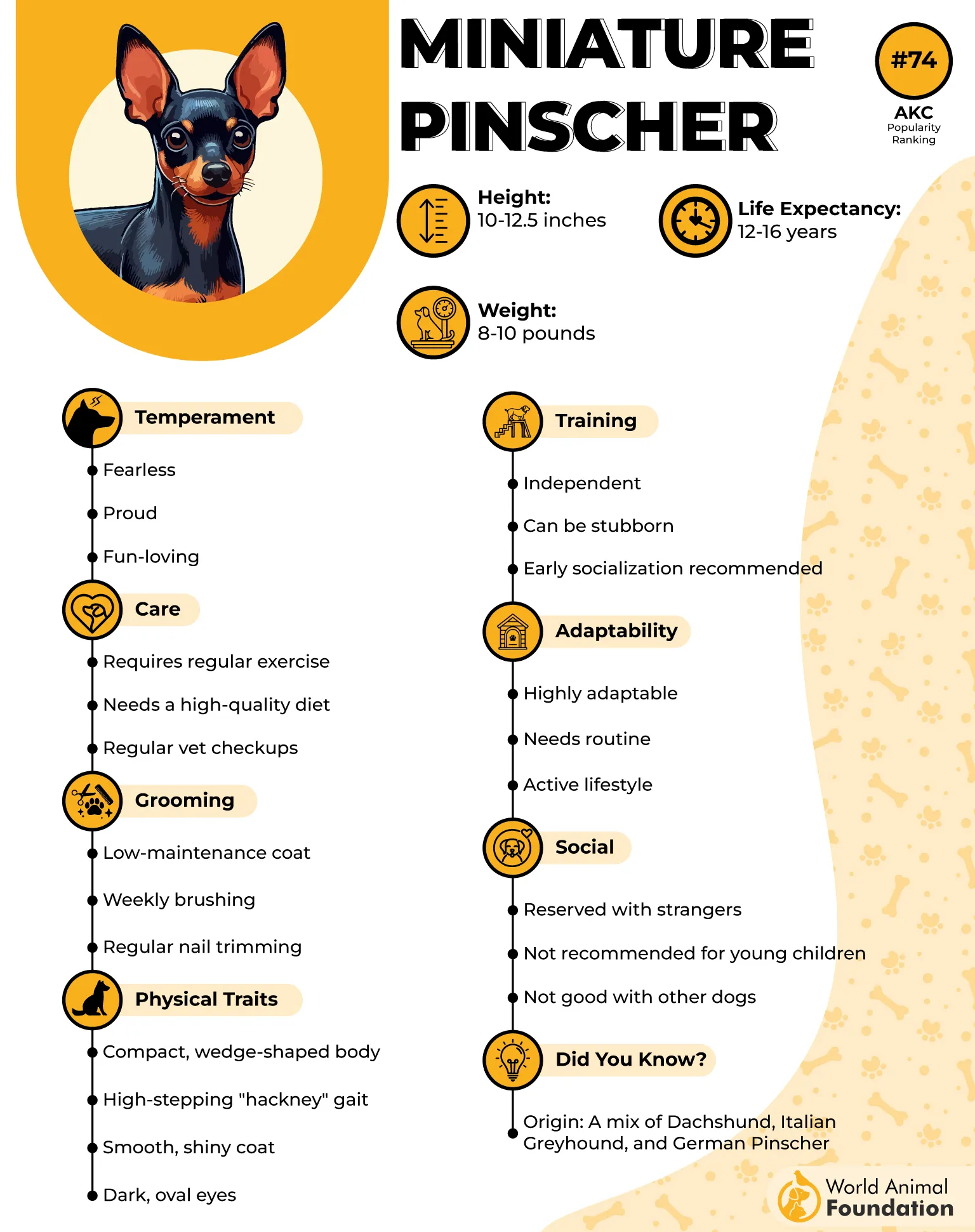
This breed is energetic, so it suits seniors who still enjoy walks, play sessions, and interactive activities. A Min Pin does not need a giant yard, but it does need activity and engagement. Without enough stimulation, it may become noisy, mischievous, or determined to invent its own entertainment plan.
Min Pins are also known for being independent and strong-willed. That means training should start early and stay consistent, even if the dog is already an adult rescue. Clear boundaries help this breed become a confident companion rather than a tiny boss with Wi-Fi-level control over the house.
Safety management matters because Min Pins can be escape artists. Secure doors, safe fencing, a well-fitted harness, and supervision outdoors are important. In the right home, this breed offers elderly families a lively guardian who is stylish, brave, and absolutely not boring.
How Do They Serve The ELders
Their quick reactions can help seniors notice changes around the home before they miss them.
Their active personality encourages gentle movement, play, and daily structure.
Their compact build offers watchdog confidence without the physical strength of a large dog.
5. Lhasa Apso
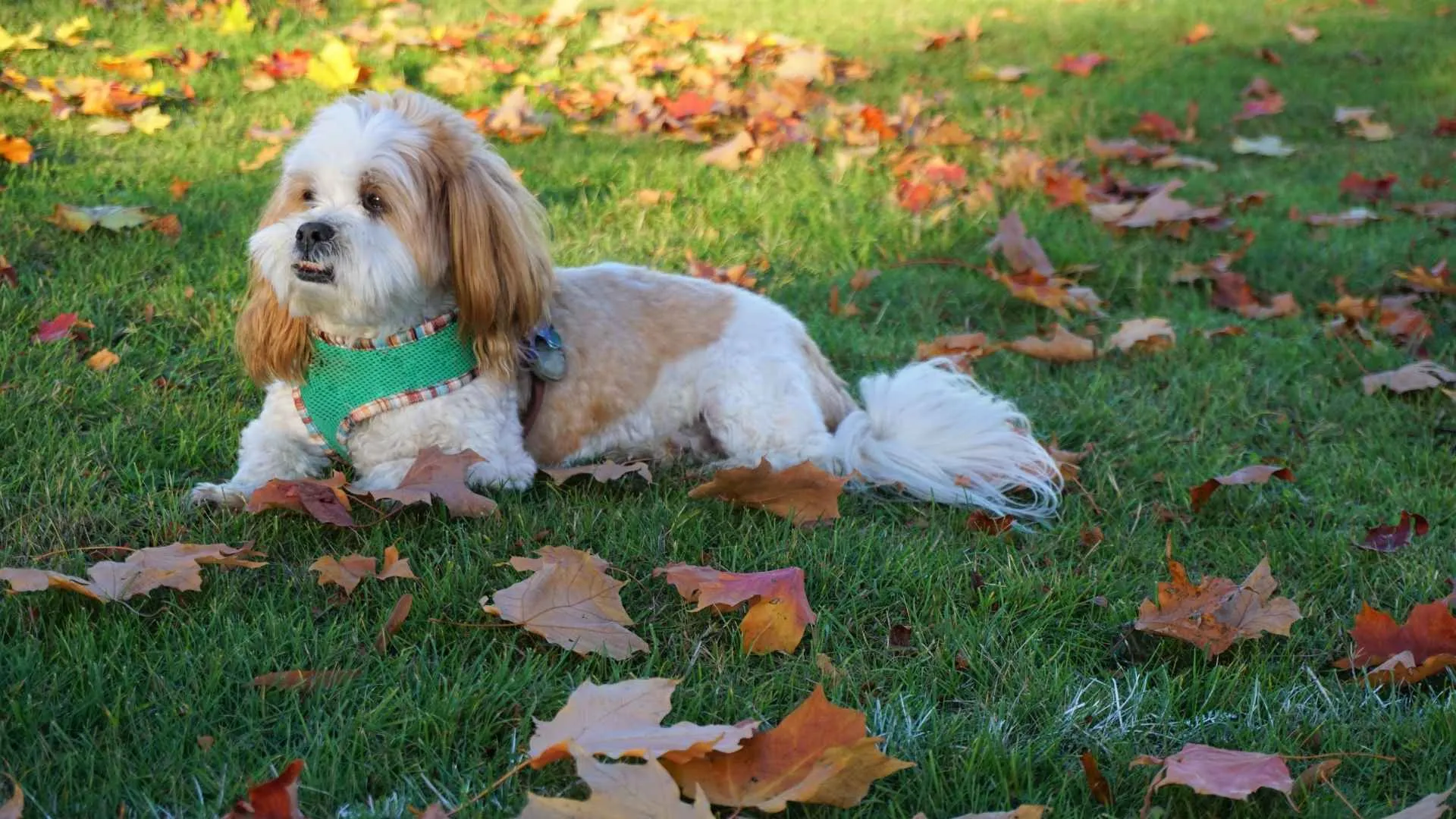
The Lhasa Apso may look elegant, but this breed has ancient watchdog energy under that flowing coat. Bred in Tibet to help guard monasteries and homes, the Lhasa was never just a pretty lapdog. For elderly families, that history shows up as loyalty, alertness, and a serious attitude toward strangers.
This breed tends to be watchful and selective with new people. It may not instantly welcome every visitor like a party host, which can be useful for seniors who want a dog that pays attention before relaxing. Once it trusts someone, though, it can be affectionate, funny, and deeply devoted.
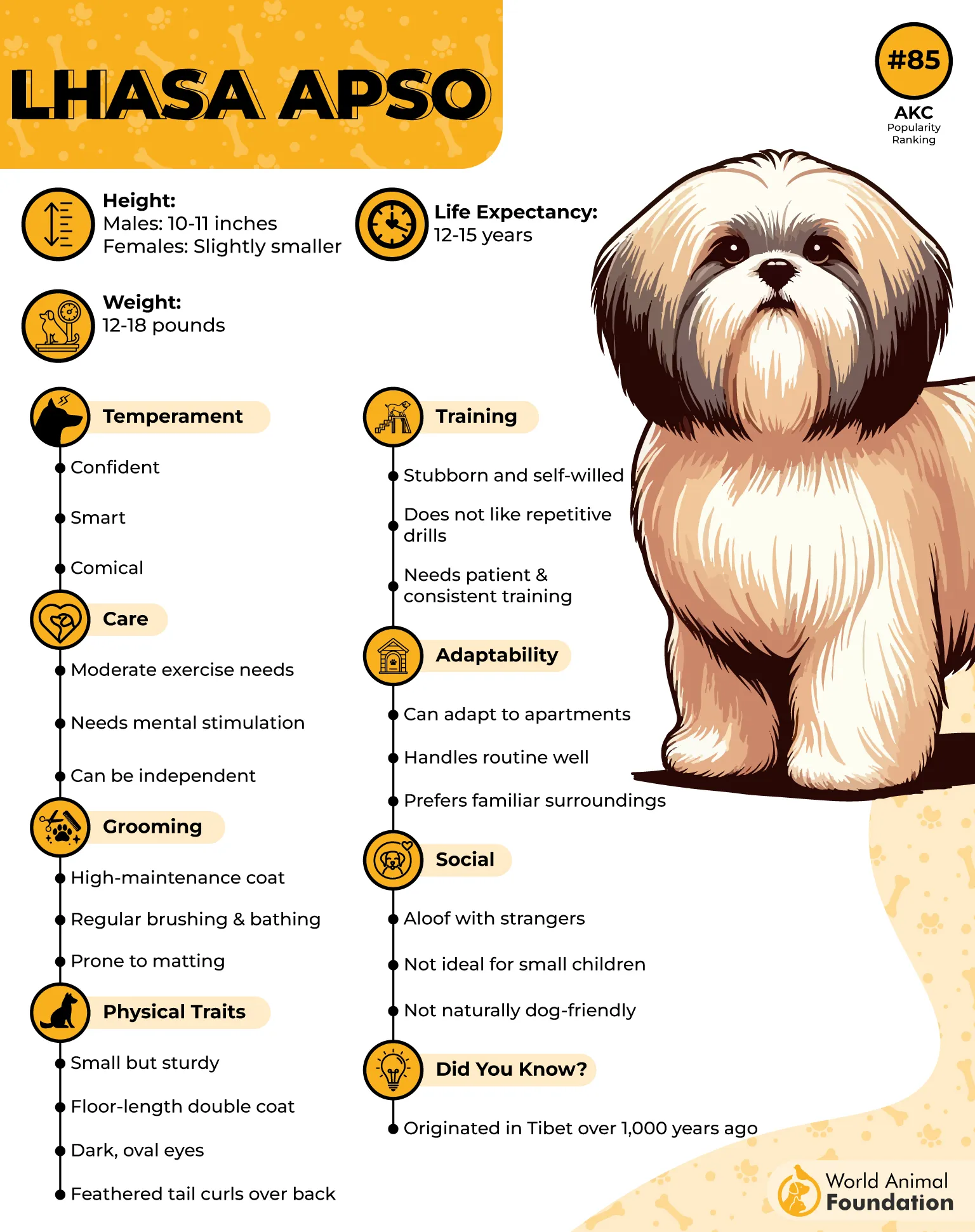
Purina says they generally have moderate exercise needs compared with some terriers. They enjoy walks and play, but are not usually demanding marathon-level activity. That balance can suit older owners who want a companion with presence but not nonstop athletic chaos.
The coat is the major maintenance zone. A long Lhasa coat needs regular brushing and grooming, while a shorter pet trim can make daily life easier. Elderly owners should think honestly about whether they can manage grooming at home or schedule professional help.
Training a Lhasa requires patience because this breed can be independent. It may listen, evaluate the request, and then decide whether your idea has value. With positive training, early socialization, and a calm household, the Lhasa Apso can become a dignified little sentinel with a warm heart.
How Do They Serve The Elders
Their natural suspicion of strangers can help create a watchful layer of home awareness.
Their moderate activity needs may fit seniors who prefer relaxed walks and indoor companionship.
Their devoted nature gives elderly families both emotional comfort and a steady alert presence.
6. Jack Russell Terrier
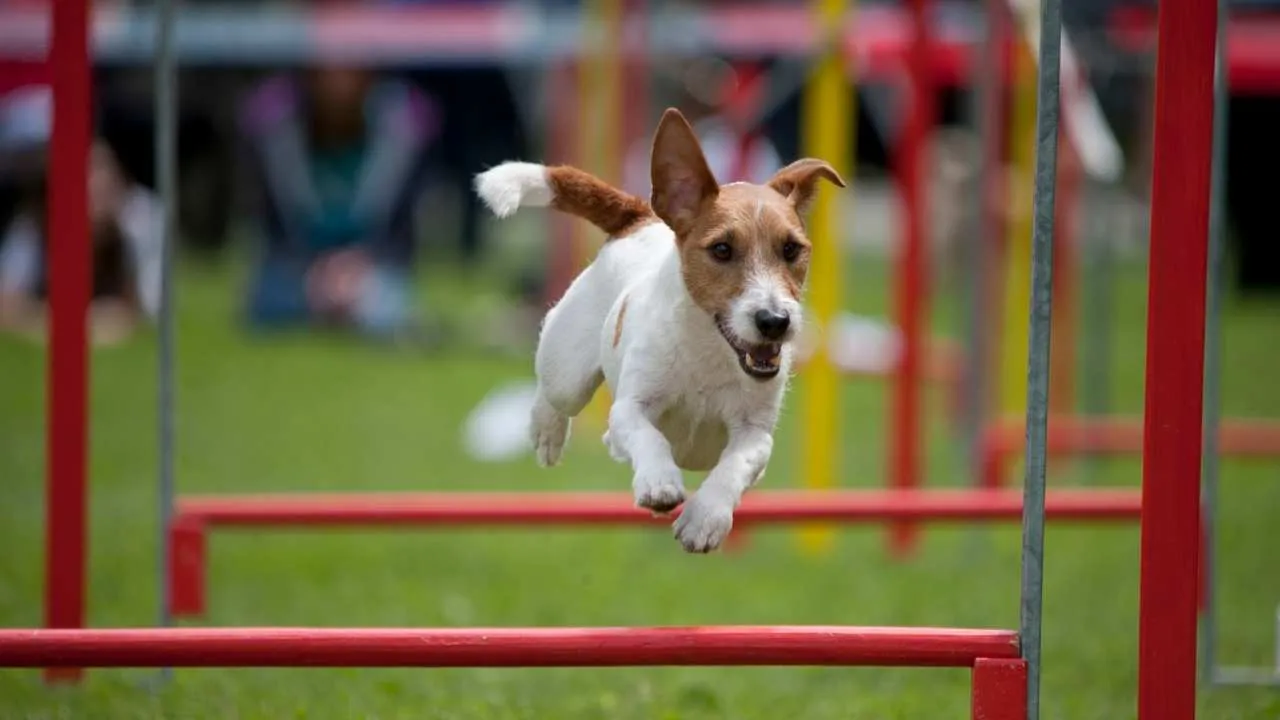
The Jack Russell Terrier is small, but spiritually it is powered by rocket fuel. This breed was developed for fox hunting, and it still carries boldness, stamina, and a sharp mind. For elderly families, a Jack Russell can be a brilliant watchdog, but only when the household can match its energy.
This dog notices everything, says The Royal Kennel Club. A squirrel, a visitor, a leaf moving suspiciously, or a strange sound near the porch can all trigger its attention. That alertness makes it useful for security awareness, but barking and chasing habits need management.
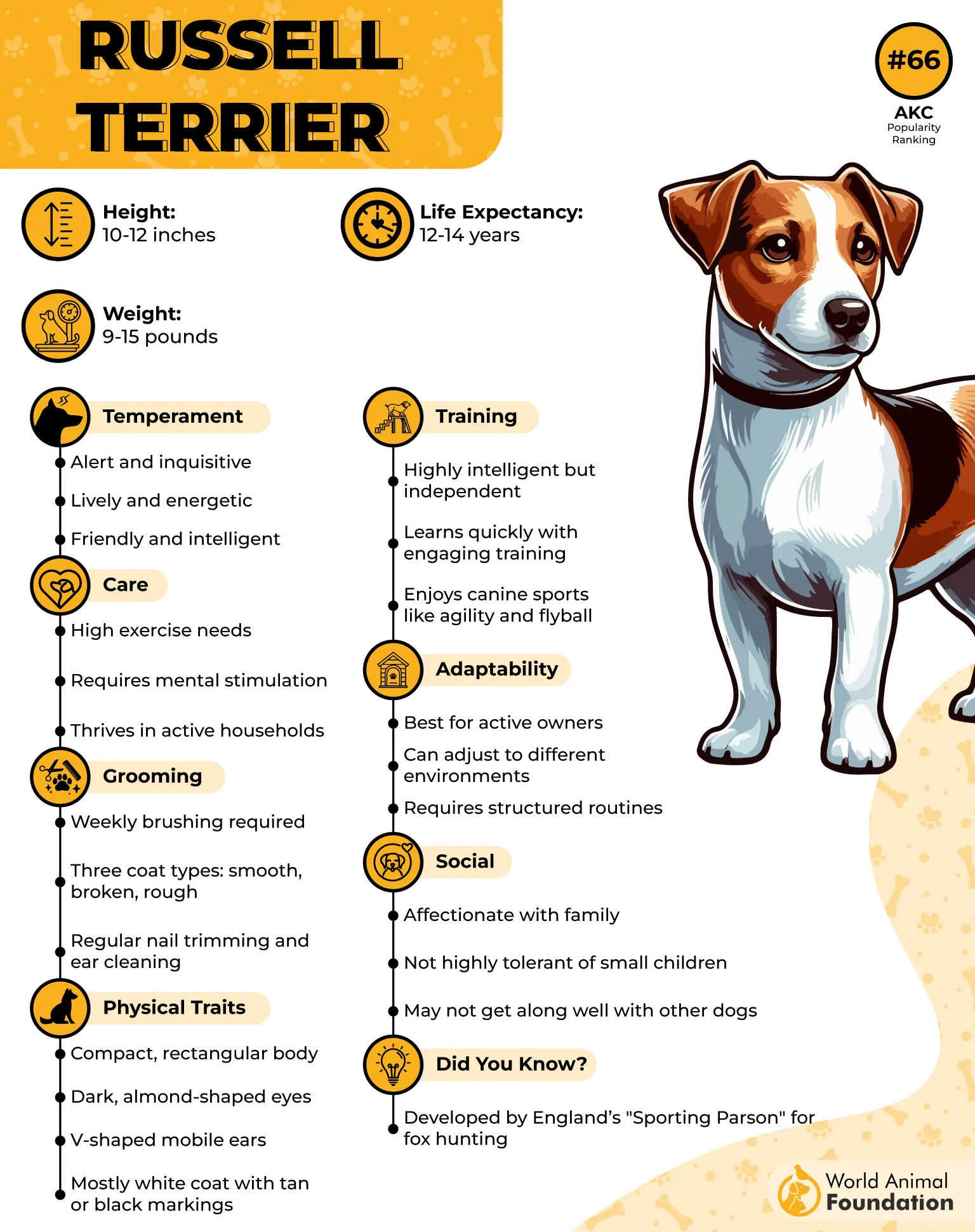
Jack Russells are affectionate and loyal, but they are not low-effort pets. They need exercise, games, proper training, opportunities to sniff, and mental challenges to stay balanced. A bored Jack Russell may dig, bark, chew, or create a personal renovation project nobody requested.
For active seniors, this breed with a protective instinct can be a joyful match. It can encourage walking, outdoor time, play, and a more energetic daily rhythm. For seniors with mobility limits, however, the breed may be too demanding unless family members or dog walkers help.
Training should be fun, firm, and consistent. Jack Russells are smart enough to learn quickly and clever enough to test weak spots in the rules. With the right guidance, this little terrier becomes a loyal alarm system, adventure buddy, and chaos gremlin in the most lovable way.
How Do They Serve The Elders
Their high alertness can help detect unusual movement, outdoor activity, or unexpected visitors.
Their playful drive may motivate active seniors to keep a healthier walking routine.
Their loyalty and courage can make them feel like a small but mighty household teammate.
7. Miniature Schnauzer
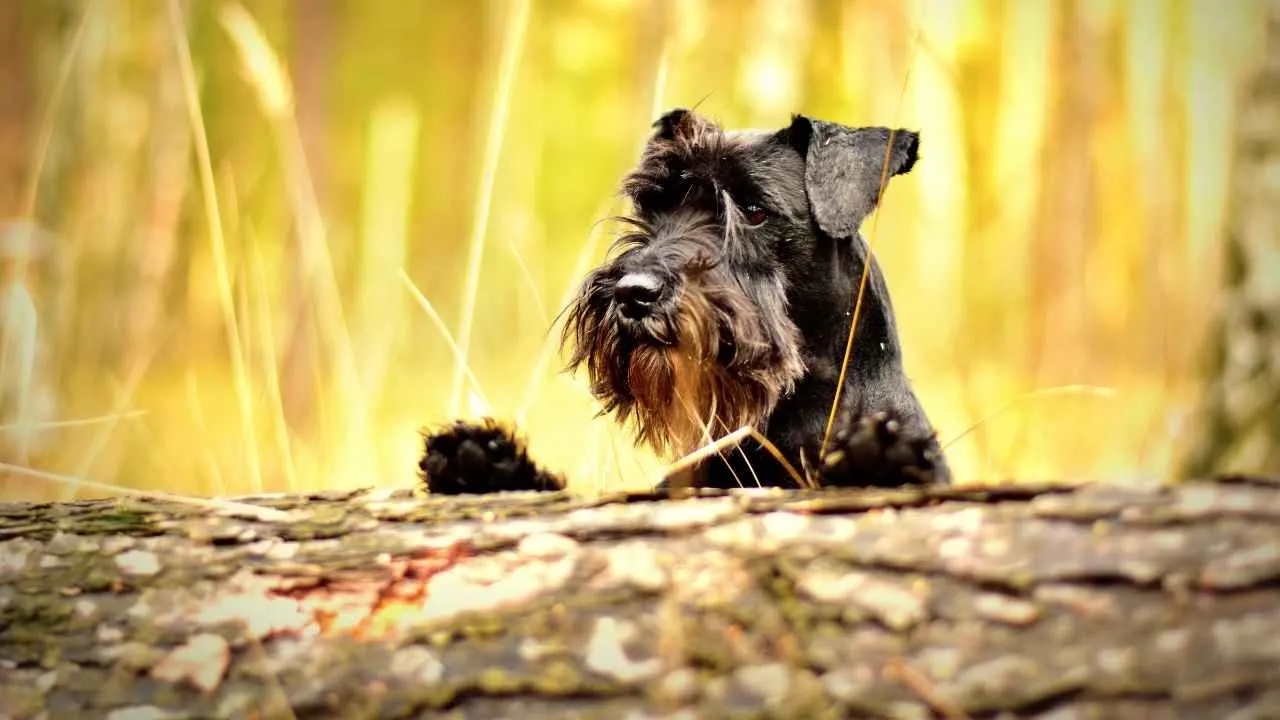
The Miniature Schnauzer brings eyebrows, beard, brains, and watchdog talent in one tidy package. This breed is known for being alert, loyal, and people-focused, which makes it a strong option for elderly families. It has enough personality to entertain the room without being oversized or hard to manage.
These excellent guard dogs were developed from German farm dogs and have a history connected to ratting and property awareness. That background helps explain their keen hearing, curiosity, and tendency to bark when something changes. They often take “Who is at the door?” very seriously.
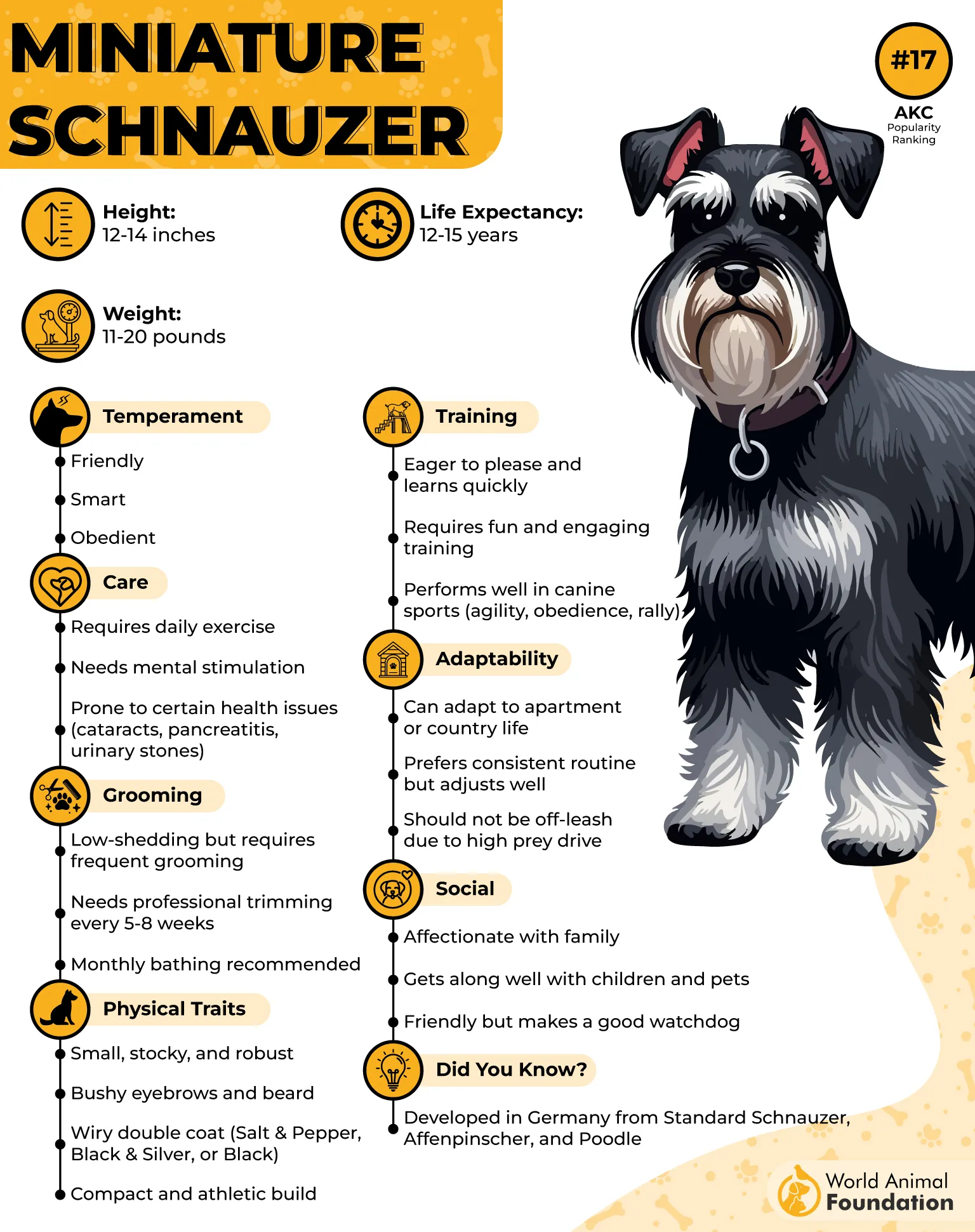
For seniors, this breed can be a nice balance of affectionate and practical. Miniature Schnauzers are usually sturdy enough for regular walks but still small enough for manageable home life. They often enjoy being near their people and participating in daily routines.
Their intelligence is a major advantage. These protective dogs can learn commands, routines, and polite behavior with consistent training. The flip side is that smart dogs also notice loopholes, so owners should not accidentally reward barking, begging, or bossy behavior.
Their coat is often considered low-shedding, which some households appreciate. With exercise, socialization, and boundaries, the Miniature Schnauzer can be one of the most well-rounded small watchdogs for elderly families.
How Do They Serve The ELders
Their loyal watchdog instincts can provide seniors with dependable alerts without requiring a large protection breed.
Their trainability makes it easier to shape barking, greeting manners, and household routines.
Their small, sturdy size supports daily walks while remaining manageable for many older owners.
Conclusion
These best dog breeds can bring elderly families more than cute faces and cozy lap time. They can offer alert barking, emotional companionship, routine, and a sense of security that makes home feel less quiet and more protected. For seniors, that combination can be genuinely meaningful.
German Shepherd, Doberman Pinscher, Boston Terrier, Giant Schnauzer, Great Dane, and Cane Corso are also excellent watchdogs for senior pet parents.
Elderly families should also consider grooming, exercise, health risks, and the dog’s size before choosing. A breed that needs heavy coat care, high activity, or constant supervision may require help from family, groomers, walkers, or vets. The right support can make dog ownership much more enjoyable.
In the end, a small guard dog can be a big-hearted partner in daily life. Whether it is a bold Chihuahua, a watchful Lhasa Apso, or a clever Miniature Schnauzer, the right dog can help an elderly home feel warmer, livelier, and more secure. Tiny paws can leave a huge sense of peace.
