




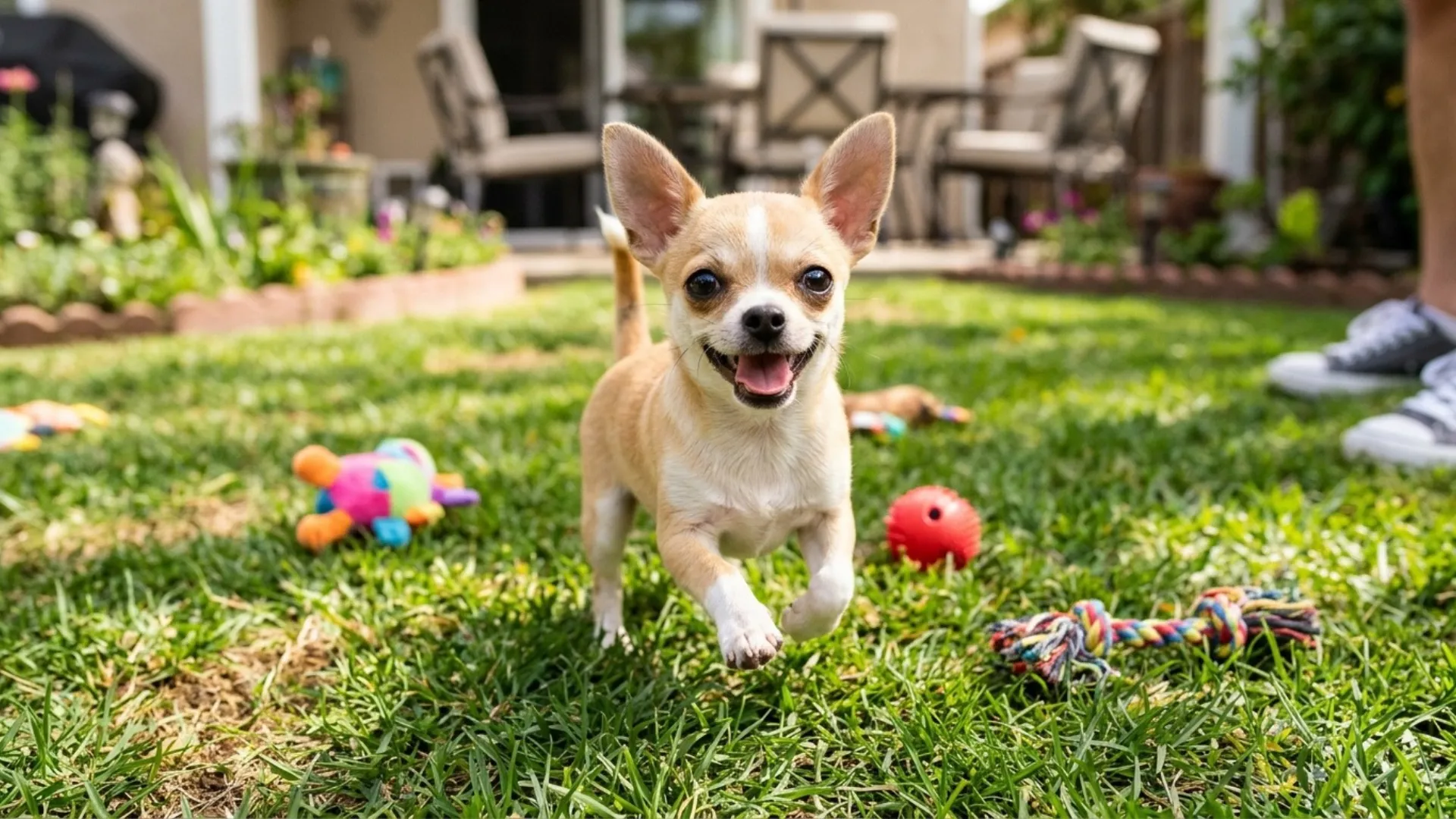
Something quietly magical lives in a small dog. It fits beside you on the couch, slips into your morning routine, and somehow becomes the center of every happy memory at home.
These little companions do not need a mansion or a huge yard to thrive. They need attention, patience, and someone willing to laugh at their daily antics.
A tiny dog can turn a boring Tuesday into a story worth telling. Some are bold, some are gentle, and some act like they run the entire house. If you have ever wanted a companion with a big personality in a small body, these seven breeds may be exactly what your heart and your home have been waiting for.
Small Dog Breeds That Bring Joy, Laughter, and Boundless Play
1. Chihuahua
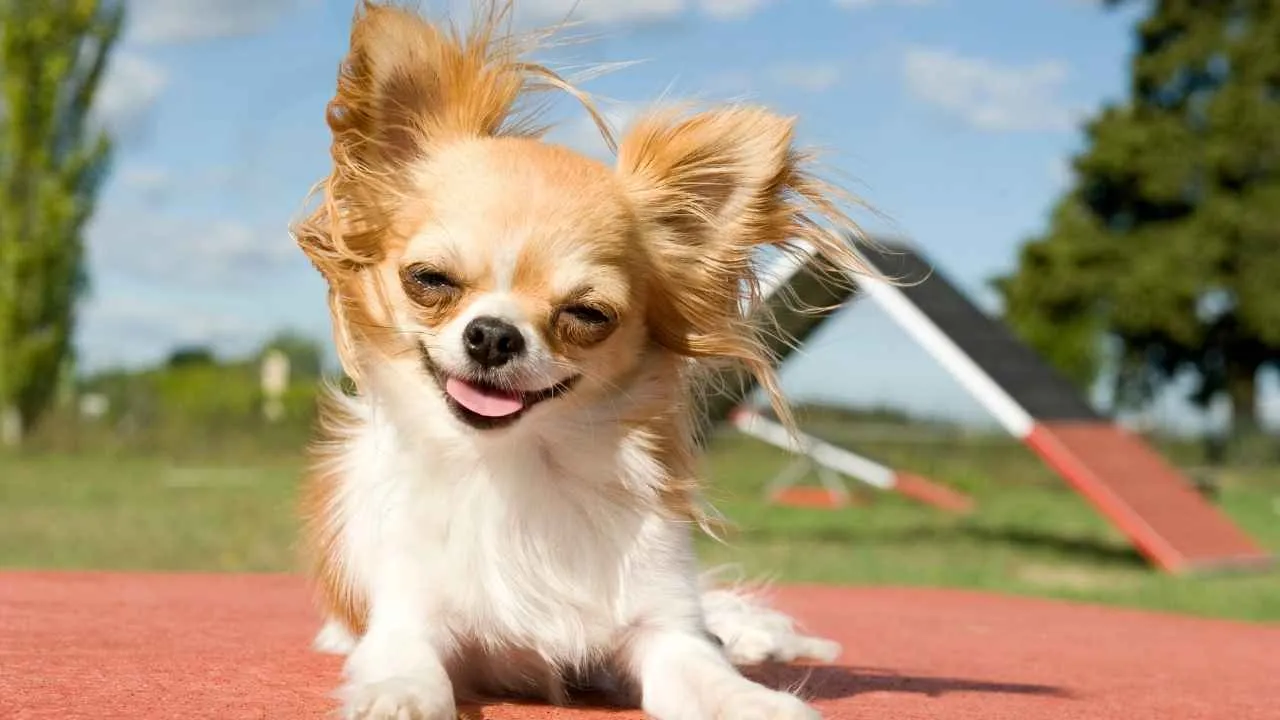
The smallest dog in the canine kingdom was originally bred in Mexico and is thought to have descended from the Techichi dog. The breed was refined by the Aztecs in the 12th century. This dog gained popularity in America in the mid-18th century, according to Purina.
It has a Velcro nature and loves burrowing under pillows, clothes, blankets, and laps. It possesses a terrier-like demeanor and barks to alert the owner to a stranger. This little dog tends to communicate with different frequencies: grunts, whines, and “chatter.” The breed looks for a sunbeam to lie flat on the floor and absorb sun warmth.
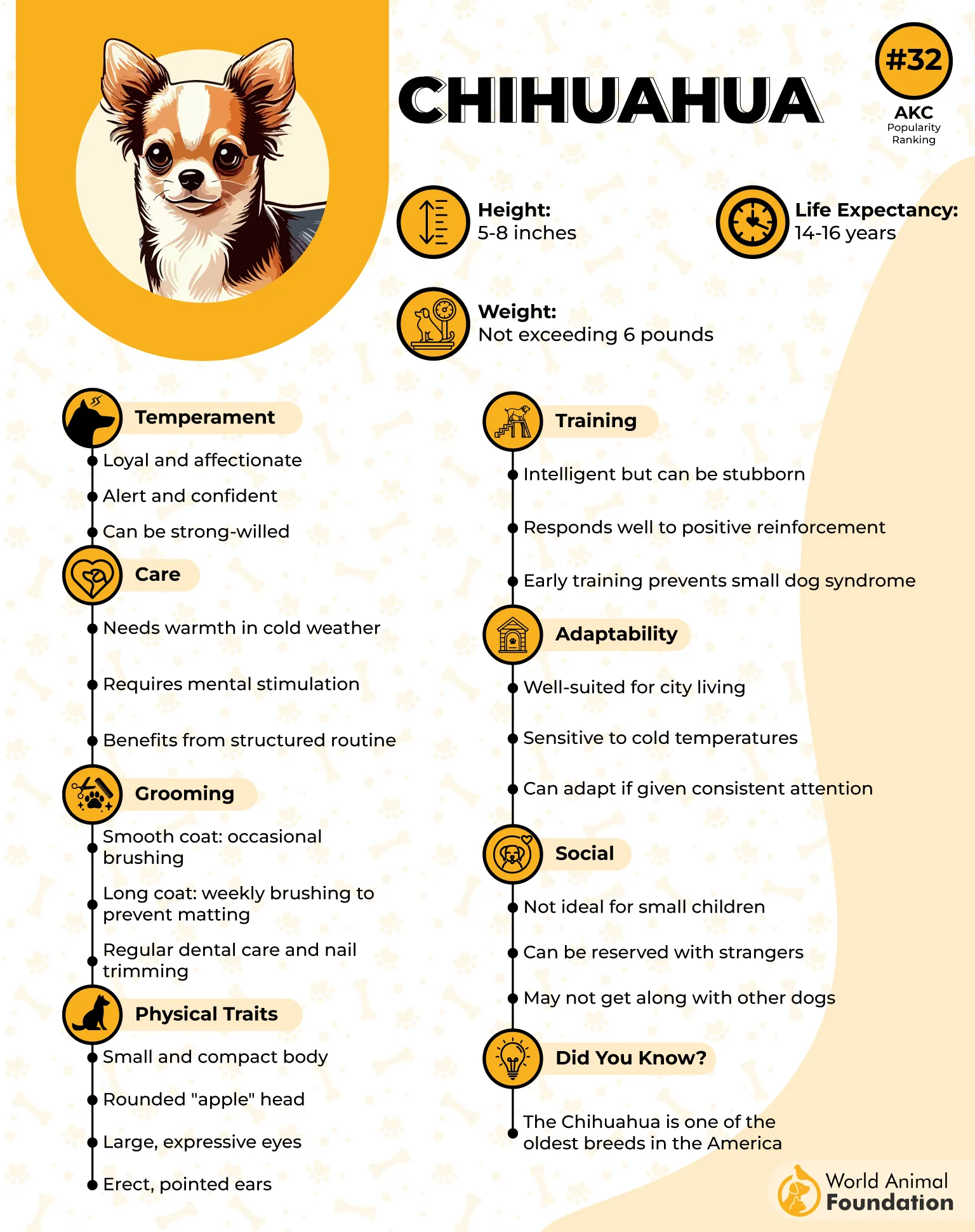
It displays a rapid body tremor when anxious or excited. The happiest dog breed needs 30-60 minutes of daily exercise in 2-3 sessions. Obedience training with positive reinforcement is required.
2. Pomeranian
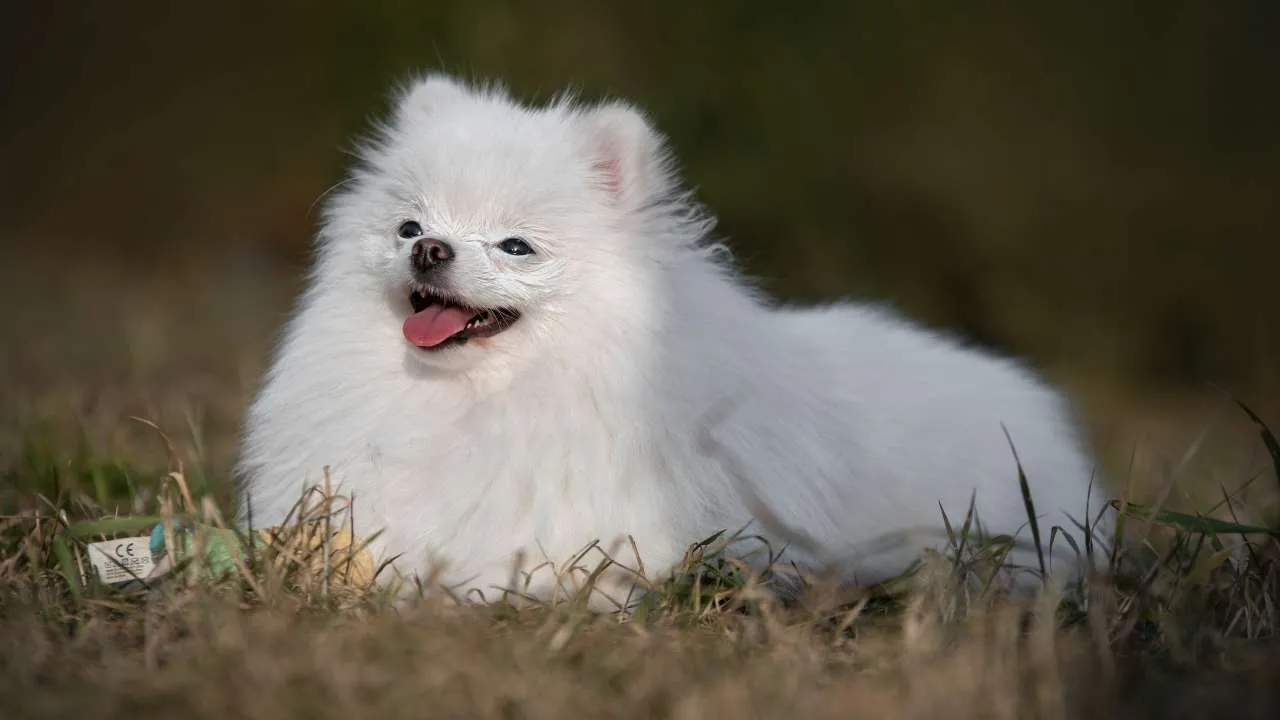
Also known as the Zwergspitz, the playful dog breed is the smallest among all Spitz dogs and was originally developed as a larger breed but went through size reduction during the Queen Victoria regime. The primitive version weighed around 30 pounds and was used to herd sheep.
The fox-like face has a smiley expression when relaxed or excited. The breed loves being the centre of attention and shows playful antics to grab attention. It has a spinning habit where it moves in tight and dizzying circles to release its joy. It loves stealing small household objects, including socks and tissues, and stashing them.
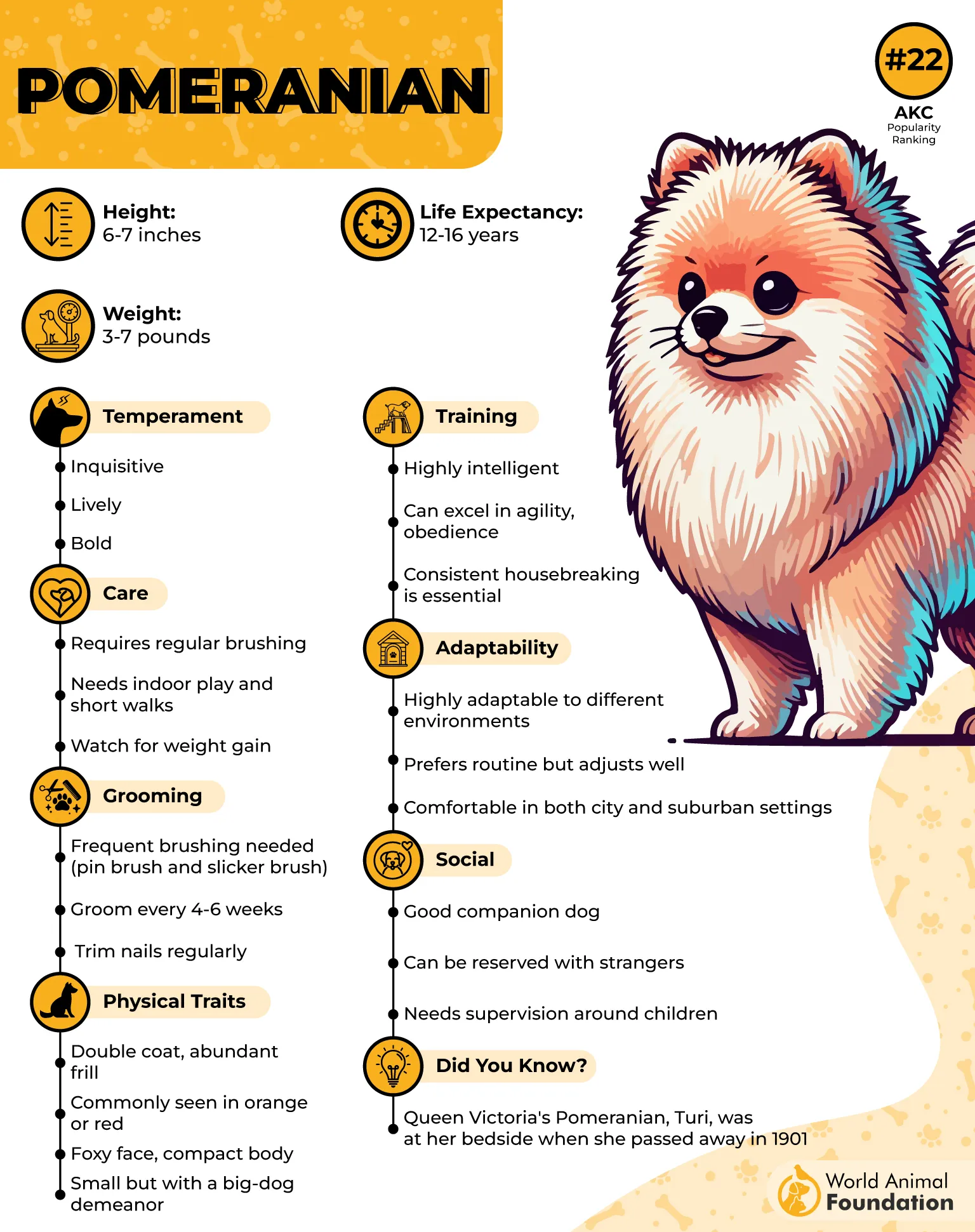
This dog is famous for sitting flat on its rump with its hind legs completely standing straight out. It has daily exercise needs because of its high energy level (30-60 minutes).
3. Bichon Frise
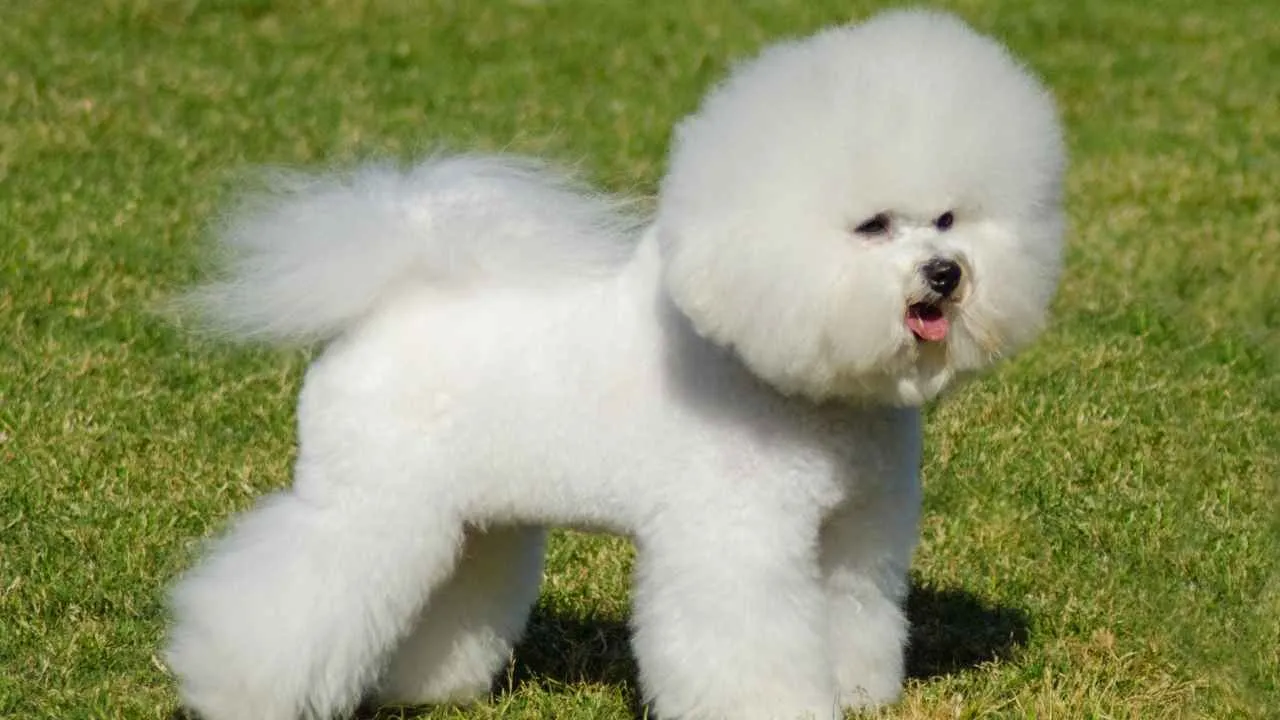
The history of the cute white dog traces back to the Canary Islands, where it was developed in the 13th century. It was famously used to travel with the Spanish traders to accompany them on ships and then traded off. It was later adopted by the French aristocrats and served as a lap dog.
The social butterfly makes everyone its friends and is known for ‘Bichon Blitz,’ which is circling in tight circles and jumping, followed by a prolonged resting phase. Historically used as a circus performance, it tends to perform various tasks to entertain its owner.
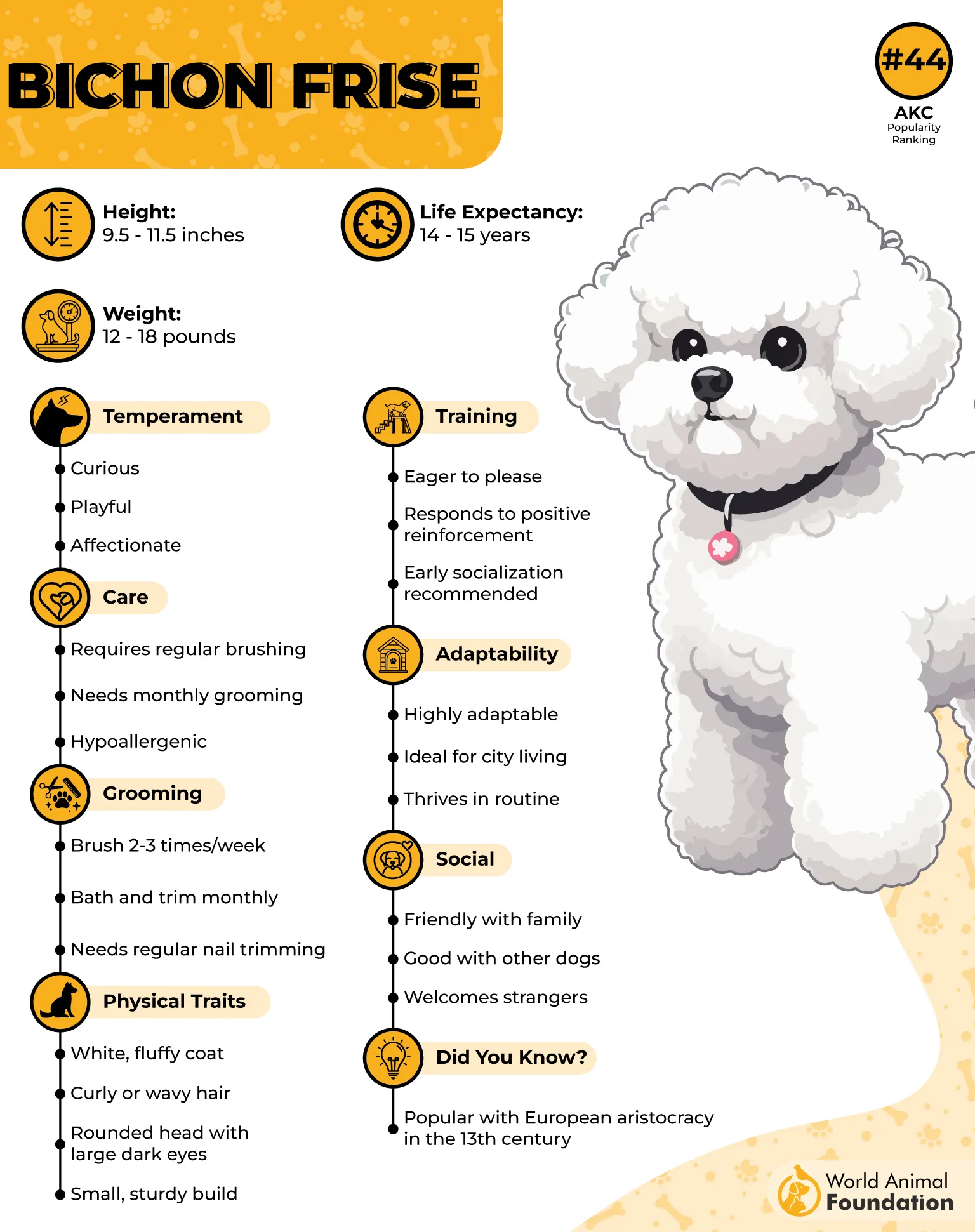
This dog has a loosely curled plumed tail that acts as a constant visual indicator of its cheerful disposition. The round white face features a black nose and button eyes, giving it a teddy bear-like appearance.
4. Toy Fox Terrier
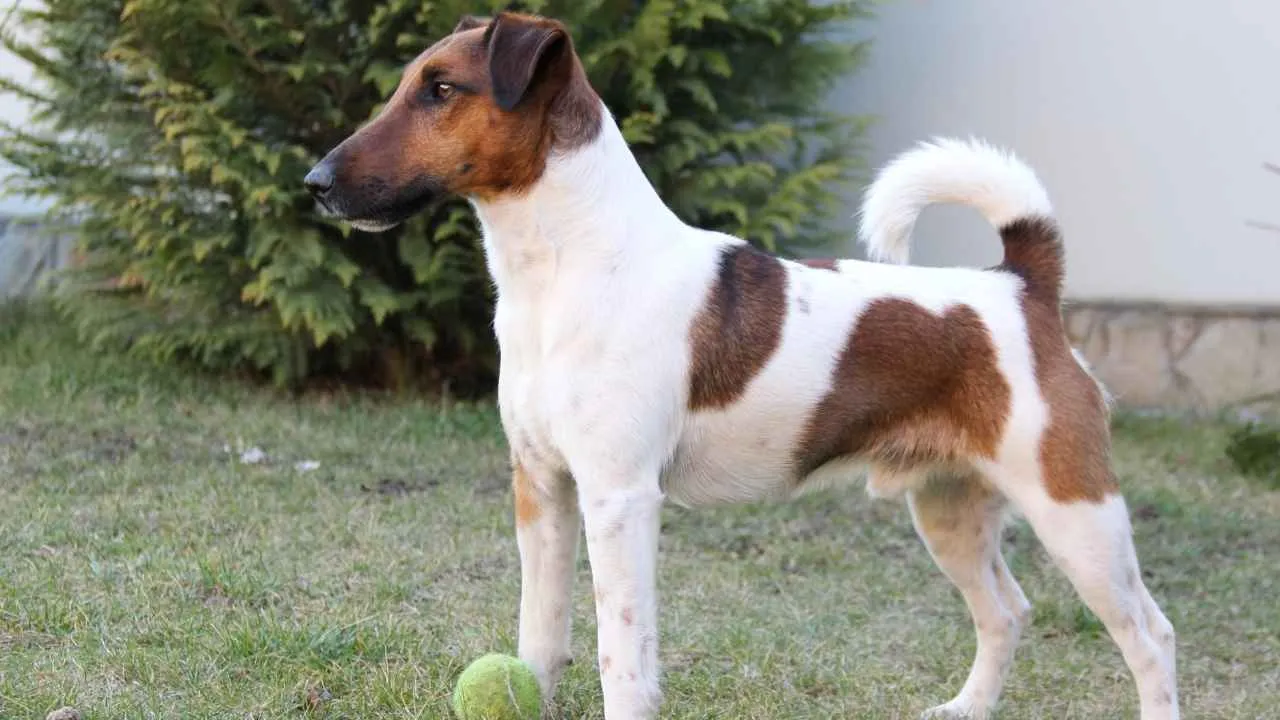
Originating in America in the 19th and 20th centuries by crossing various toy dogs, including Chihuahua, Manchester Terrier, Miniature Pinscher, and the Italian Greyhound. It arrived in England as a fox hunter; the best small dog breed was recognized by the UKC in 1936.
The dog loves to play acts, such as balancing and dancing on its hind legs. It is also famously known for leaning over the owner’s shoulders and ‘reading the newspaper.’ The dog carries its playful spirit into adulthood. This intelligent dog will follow you from room to room to ‘supervise’ tasks.
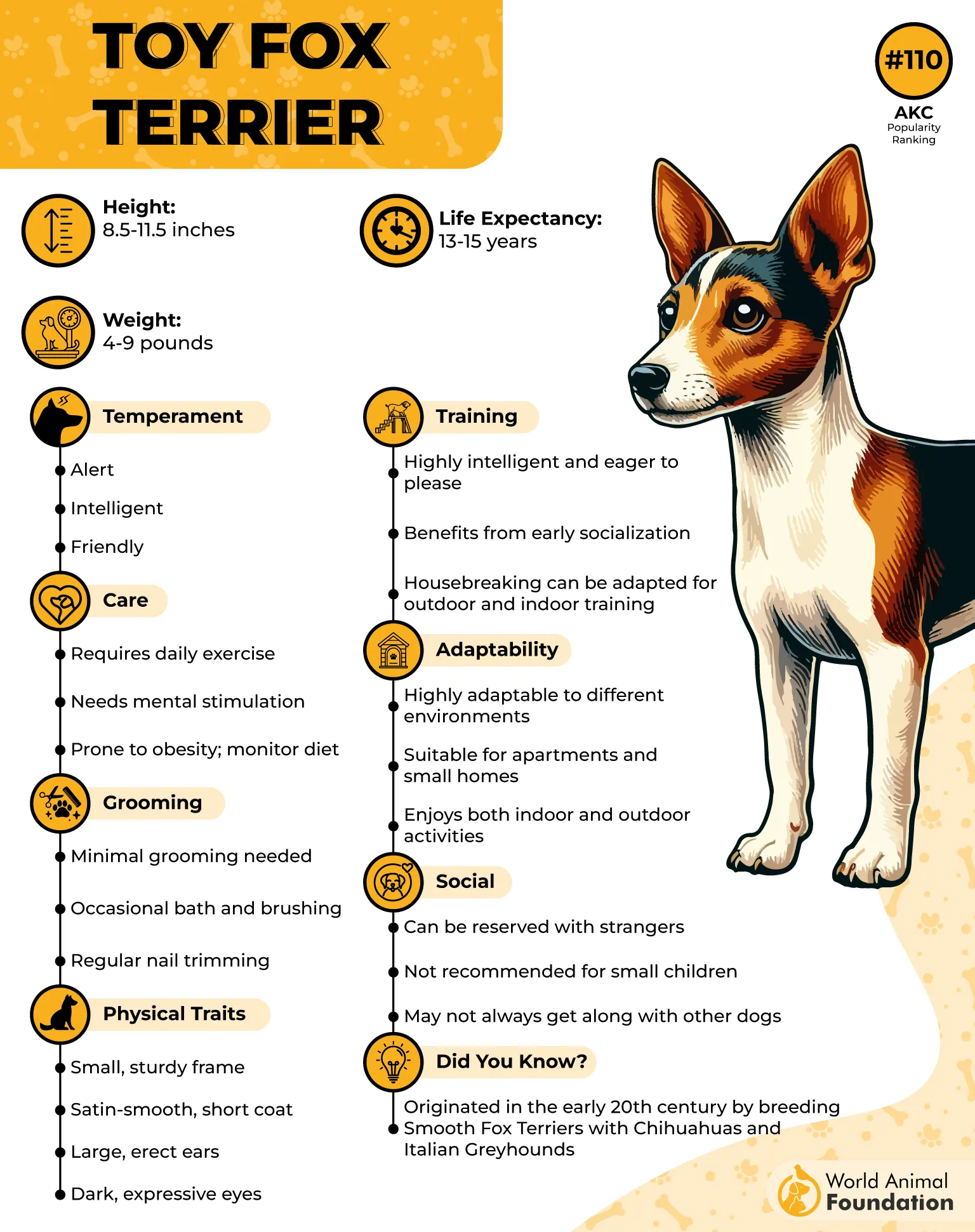
The dog thrives on regular physical activity and mental stimulation (60 minutes): leash walks, high-speed games, outdoor fetching, agility, barn hunts, flyball, and hide-and-seek.
5. Papillon
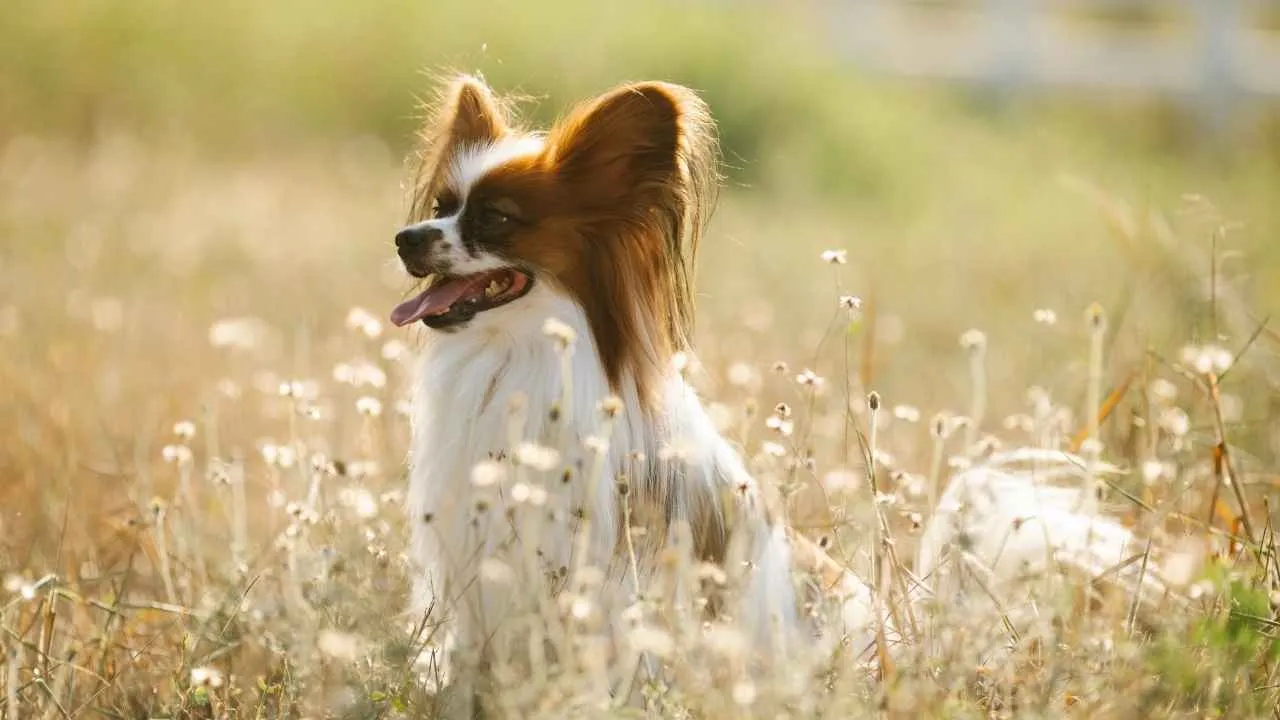
Descended from the European Toy Spaniel, the small breed has been depicted in ancient European paintings in the 16th century. Known for its butterfly-like ears, the breed gained popularity in the fashion industry in the 19th century, as reported by Hill’s Pet.
Not only aesthetically appealing, the dog’s ears also act as an active radar system that constantly moves in the direction of the sound source. The breed happily tries to engage larger dogs or cats in play. It thrives on human companionship, and the coat has minimal dog odor.
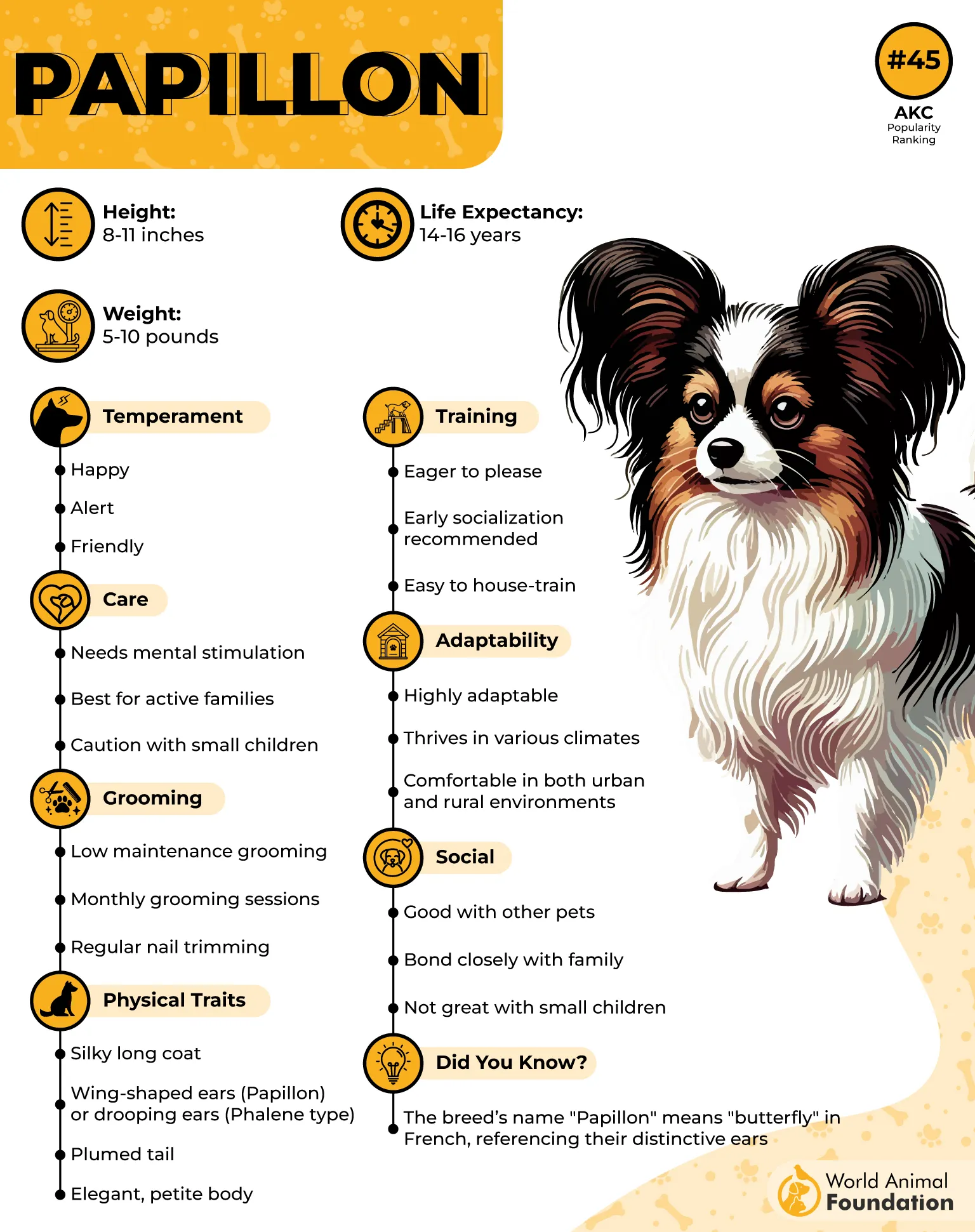
The small, energetic dog needs daily exercise for 30-45 minutes: 2-3 short walks, indoor agility, scent work, and interactive play sessions. The lightning-fast nature makes it assert dominance over larger dogs at parks.
6. Maltese
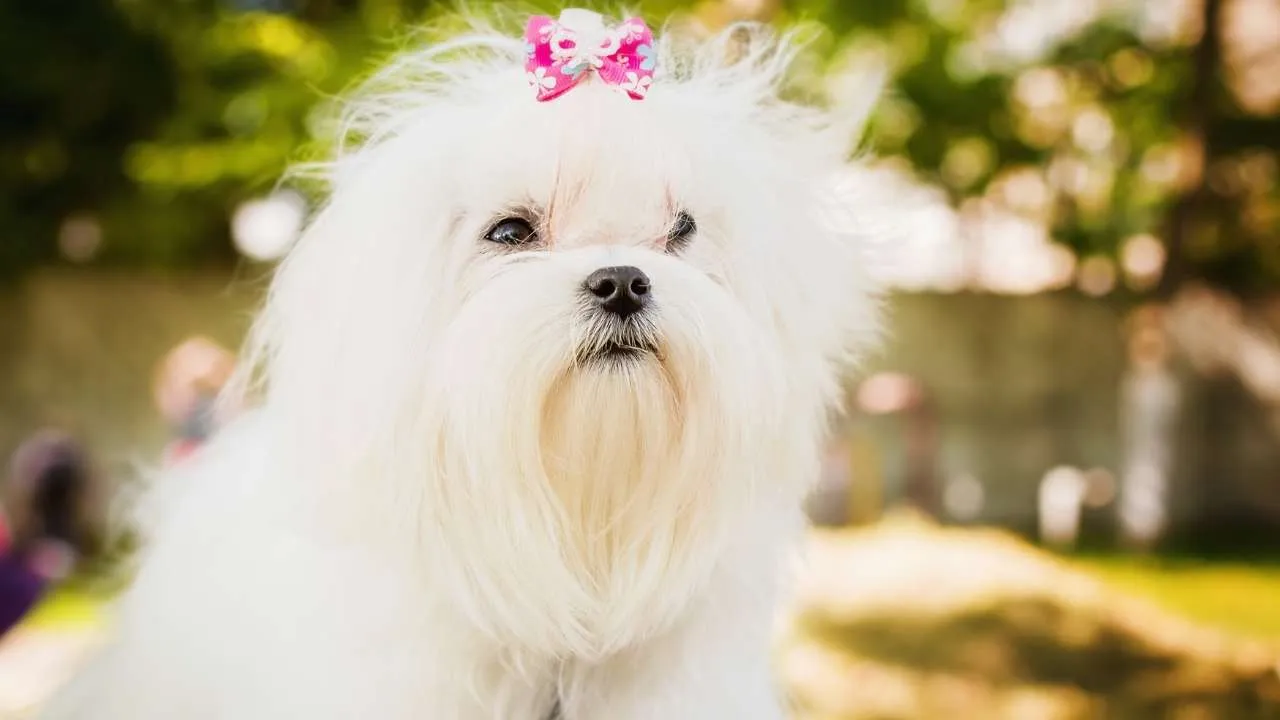
This tiny dog was developed in the Maltese region some 28 centuries ago. It was also depicted in ancient Greek artwork in the 5th century. The breed was recognized by the American Kennel Club in 1888. The small dog is known for its confidence and affectionate nature.
The Maltese glide is because of the adorable visual illusion the coat creates. The high emotional intelligence makes it read human micro-expressions and body language. The dog produces a flurry of barking to alert the owner of an approaching stranger.
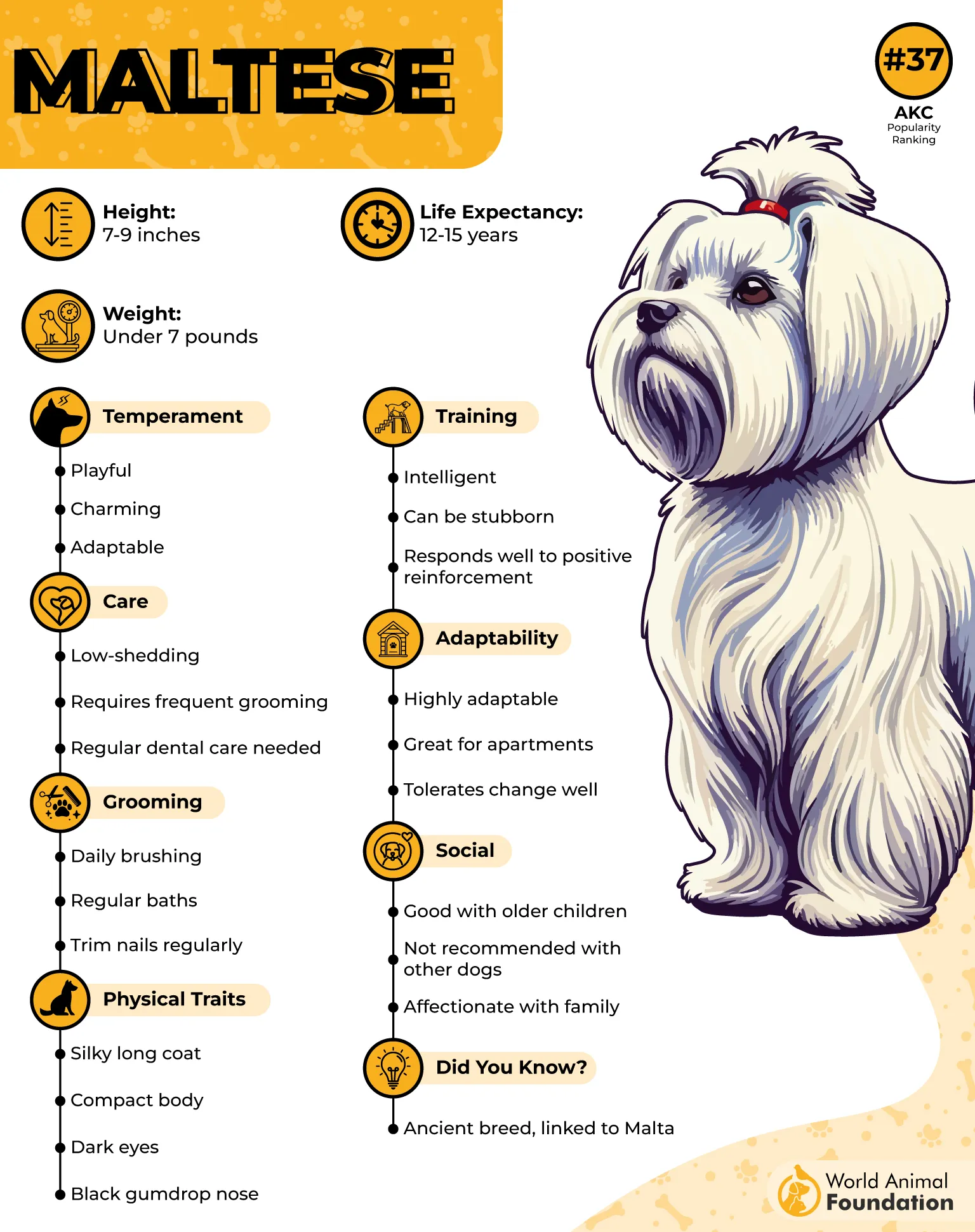
The breed loves to sniff out tissues, napkins, or toilet paper. Since the breed has an independent streak, it is prone to stubbornness and selective hearing. The high-energy breed can easily hike up to 1-2 miles.
7. Toy Poodle
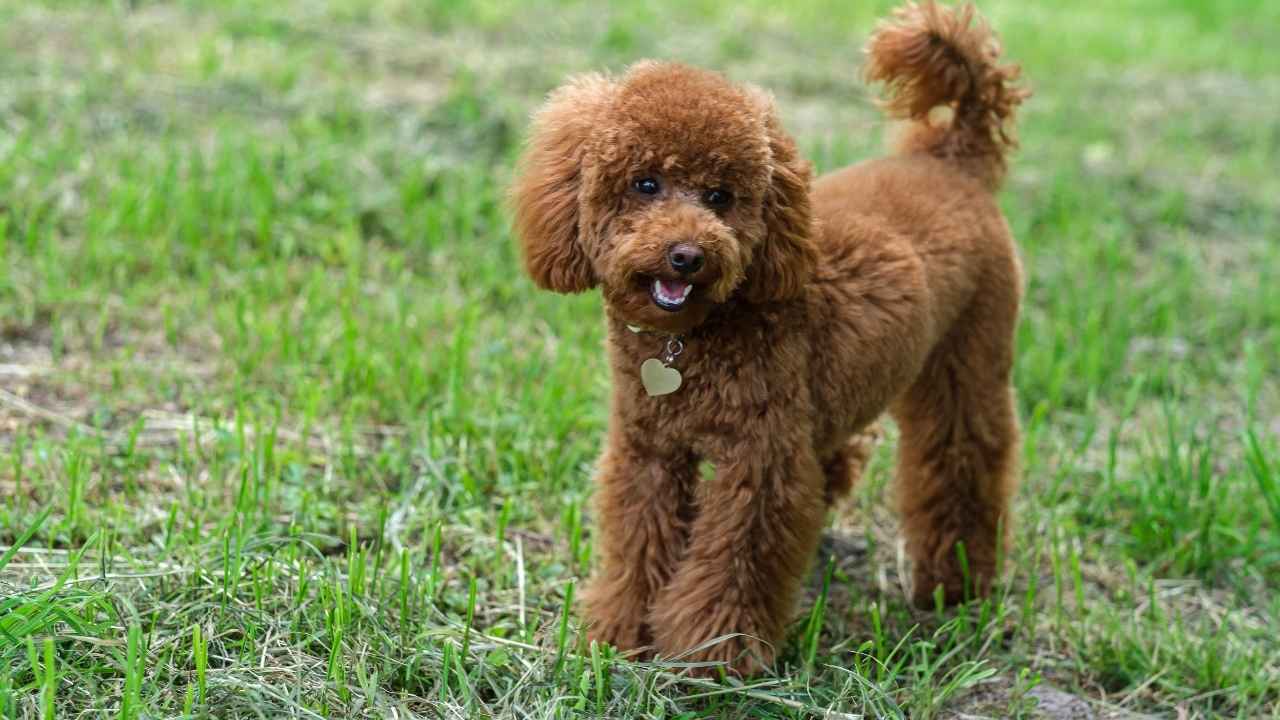
Originally bred in Germany as a water retriever for duck hunting, the Poodle later gained popularity in France, where its distinctive grooming styles and elegant appearance were further developed. Throughout history, it has served as a hunting companion, circus performer, and versatile working dog. Today, the Poodle is a beloved family pet known for its intelligence, charm, and versatility.
The Toy Poodle carries itself with a high-stepping prance that gives it an almost dance-like appearance. Despite its small size, it retains the athletic instincts of its retriever ancestors and enjoys swimming and playing fetch. It is also known for its expressive side-eye, playful personality, and cat-like habit of perching on elevated spots to observe its surroundings, as noted by PetMD.
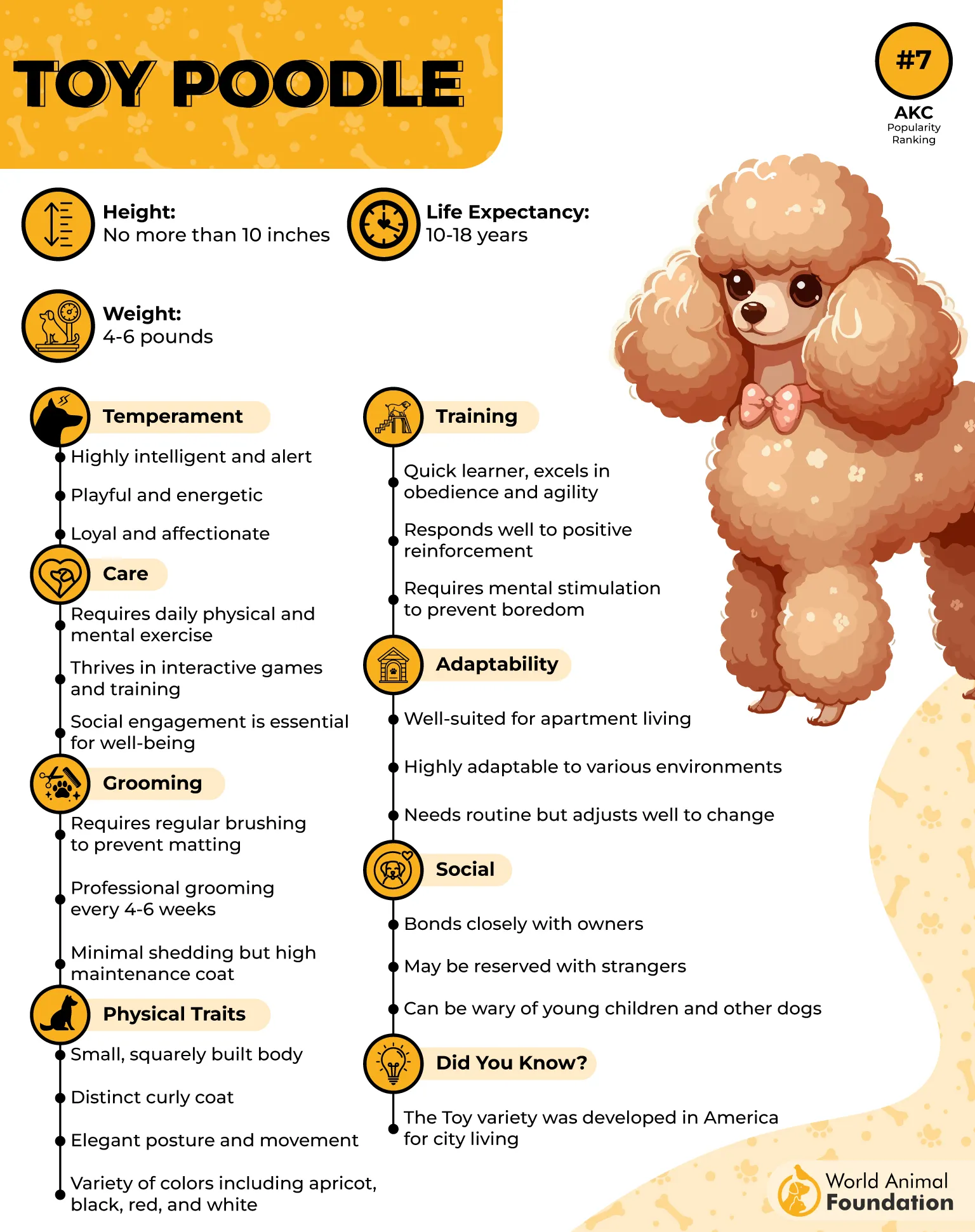
Toy Poodles benefit from around 30–60 minutes of daily exercise, including short walks, interactive games, swimming, and trick training. Their intelligence makes them excellent candidates for obedience exercises and mental enrichment activities. They also require regular brushing and professional grooming to keep their curly coats healthy and free from mats.
Conclusion
Choosing a small dog is less about finding the most popular breed and more about finding the right kind of company. Some people want a playful shadow that follows them everywhere. Others need a calm companion after long, busy days. A few owners love a clever little athlete, while others simply want a warm, furry friend to share quiet moments with.
Before bringing one home, think honestly about your schedule, space, budget, and patience for grooming or training. Every breed has its own rhythm, and the best match will feel natural rather than forced. When you choose with care, a small dog becomes more than a pet. It becomes a daily source of comfort, laughter, and unconditional love.
