




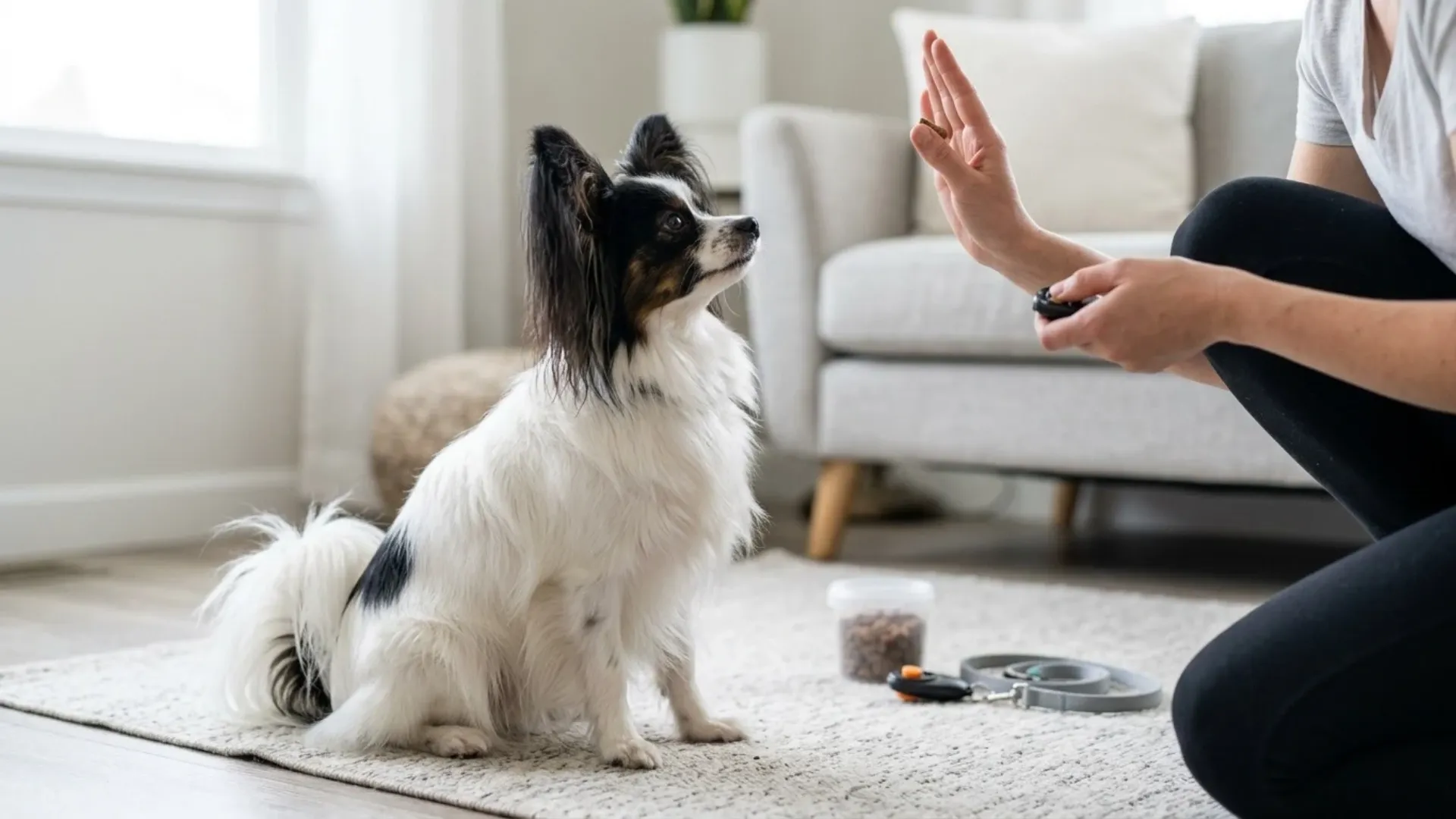
Ever notice how everyone assumes small dogs are the stubborn ones? Turns out, size has almost nothing to do with it.
According to Stanley Coren’s research on canine intelligence, the sharpest and smartest dogs learn a new command in fewer than 5 repetitions and obey it correctly 95% of the time on the very first try.
That kind of quick learning isn’t about being a large dog or a tiny furry companion. It comes down to how engaged a pet parent stays during training, not how much living space the dog has.
First-time pet parents often assume all small breeds learn the same way, but different breeds pick things up at very different speeds. So which highly intelligent, easy-to-train pups actually top the list?
Stick around, because the breeds below might just change how you train your next furry companion.
Small Dog Breeds Perfect for Quick Learning & Obedience
1. Australian Terrier
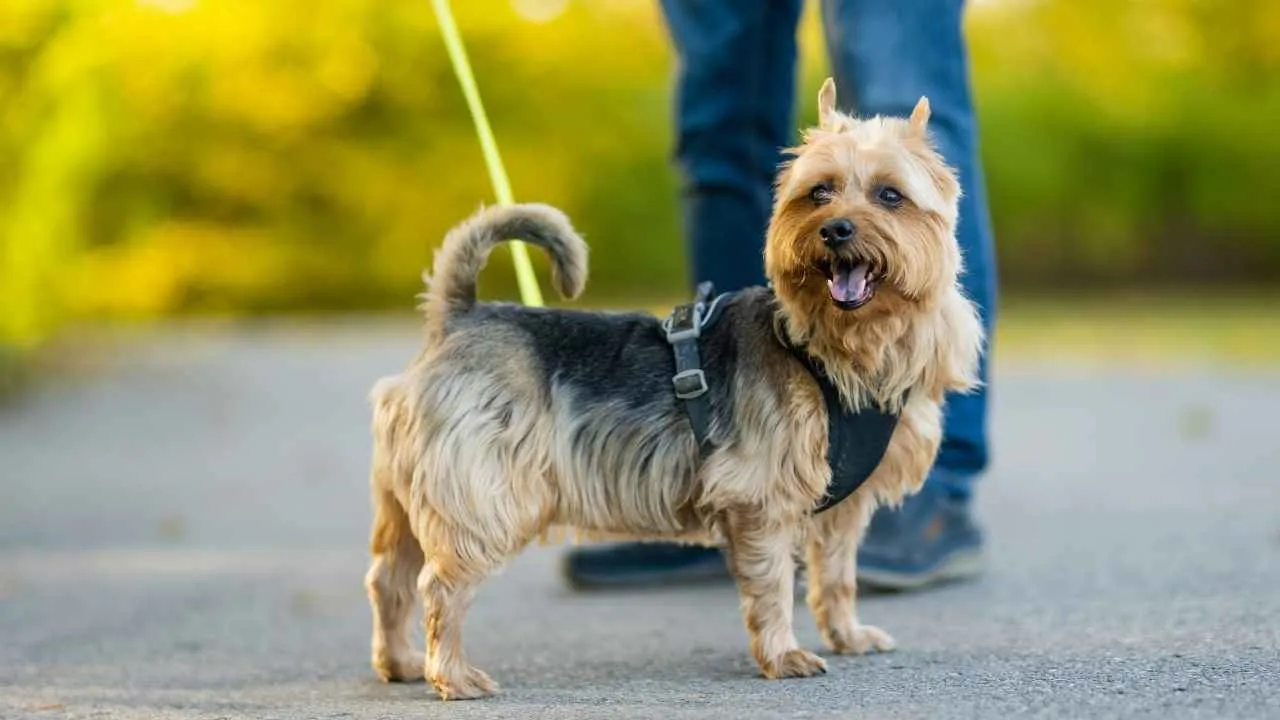
The Australian Terrier carries a reputation for quick learning that many small terrier breeds don’t share.
Short, upbeat training sessions suit this breed best. Many owners report the Australian Terrier grasping new commands within days, often faster than other terrier-type small breeds working through the same basic lessons. Early training pays off fast and builds strong bonds between pet parent and pup.
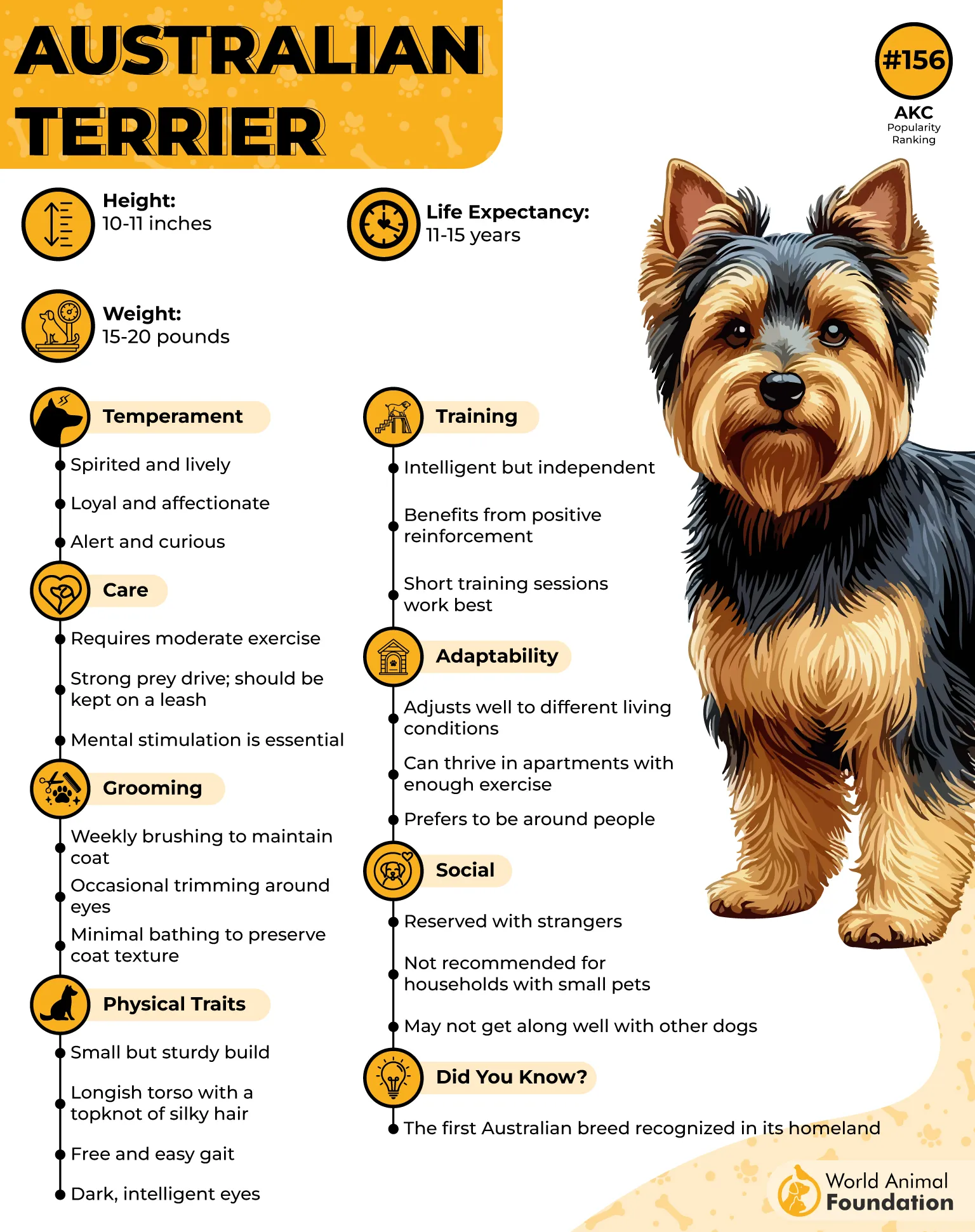
Motivator: Play sessions and praise work better than treats alone for keeping focus during practice.
Shines in: Everyday household commands and simple tricks rather than competitive obedience trials.
An independent streak shows up once the novelty fades, and this breed can test boundaries if lessons feel repetitive. Owners who mix up training goals and keep sessions fresh see the most progress. A little stubbornness here is normal, not a sign that training isn’t working.
2. Bichon Frise
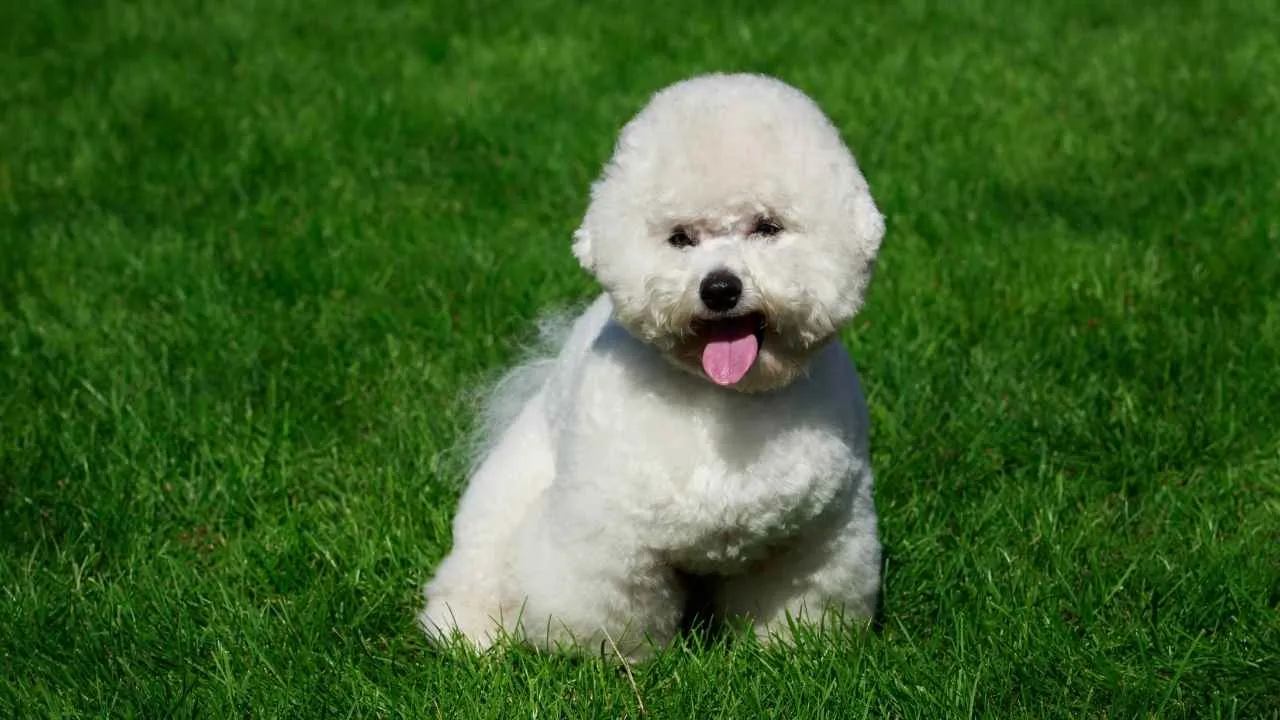
The Bichon Frise ranks among the most people-focused small breeds, which makes early training click fast, according to the AKC.
This breed settles into training routines quickly and rarely needs much convincing to cooperate. Many Bichon Frise pups grasp new commands within their first few weeks, often quicker than other small breeds working solo on the same lessons. Consistent training mixed with patience keeps their positive attitude intact session after session.
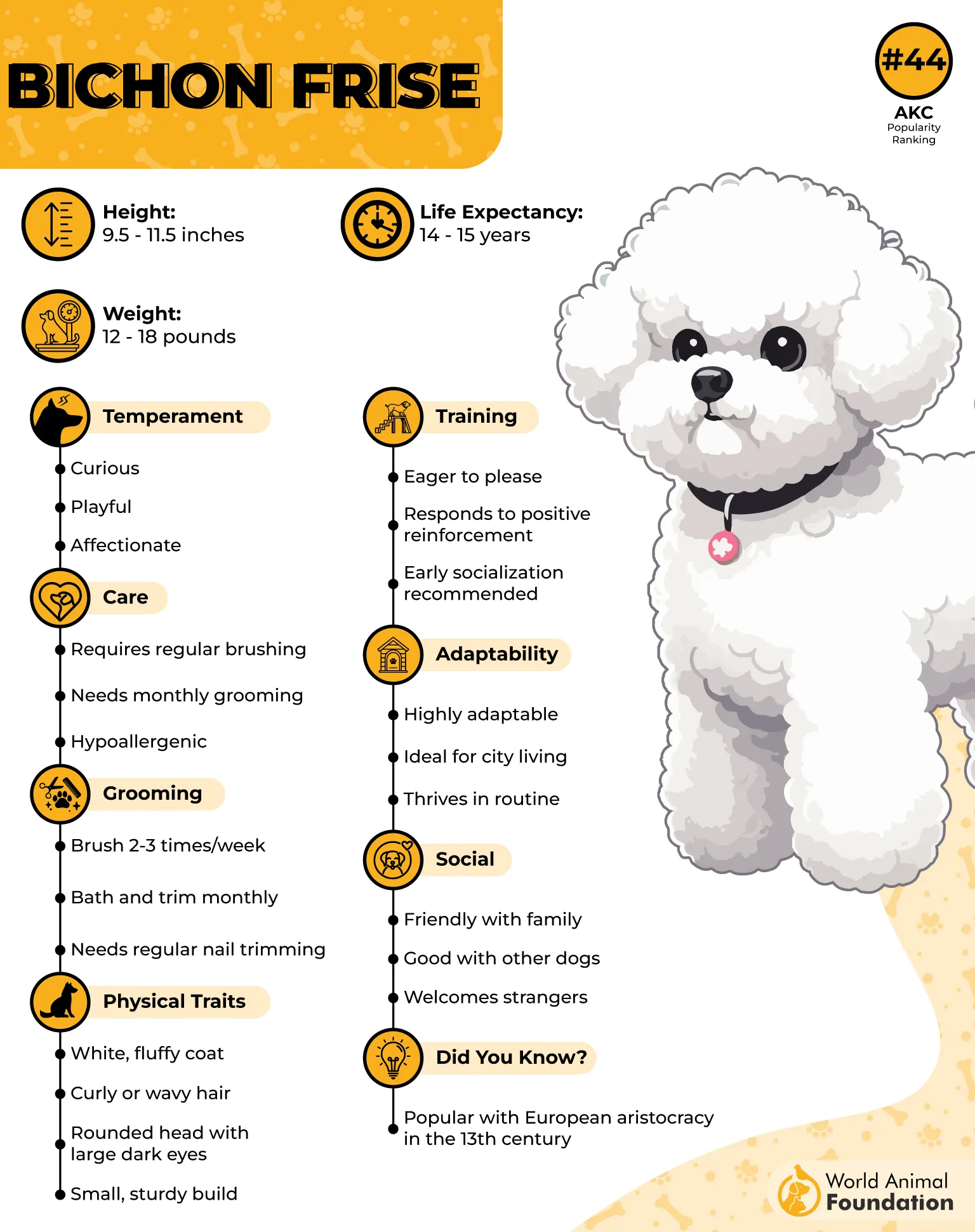
Motivator: Praise and physical affection outweigh treats for most Bichon Frise during practice.
Shines in: Trick training and household manners more than high-pressure obedience trials.
A short attention span can slow things down in longer sessions, so pacing matters more than most owners expect. Breaking training into quick bursts keeps this breed’s focus sharp. Sensitivity to a harsh tone can set progress back, so a gentle approach works best.
3. Toy Poodle
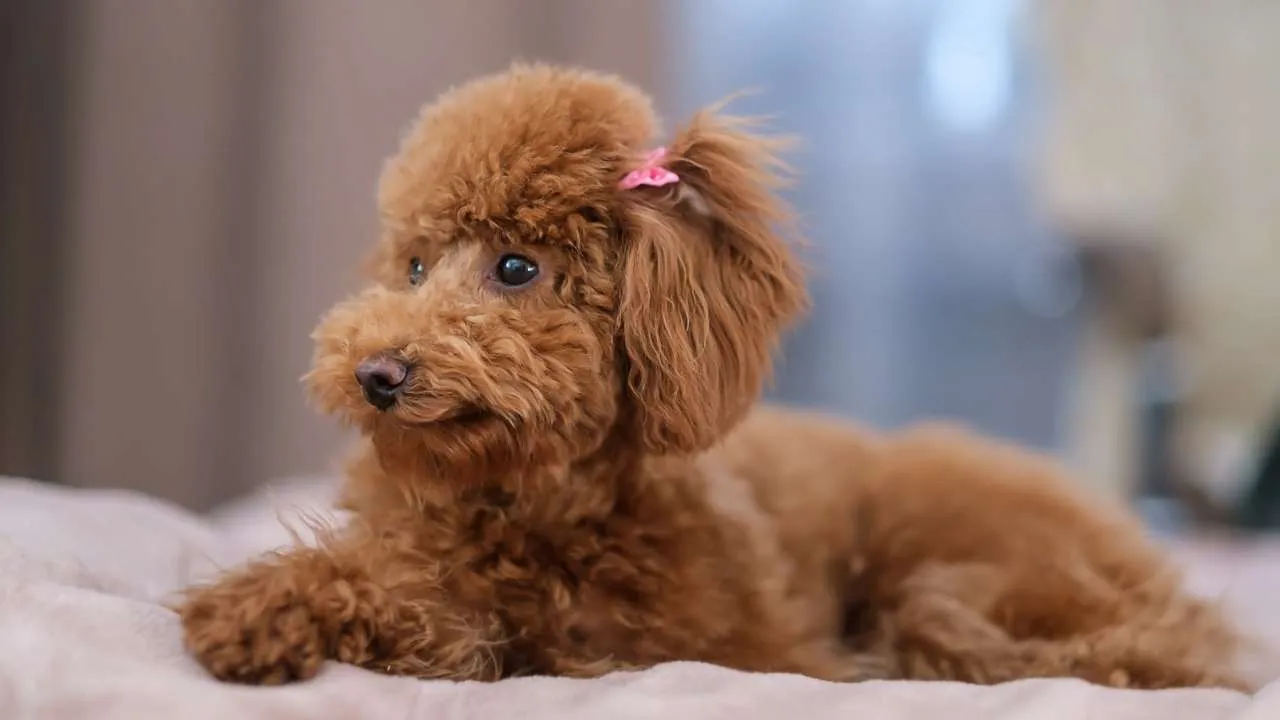
Toy Poodle fans often call this breed one of the quickest learners among small breeds, and PetMD backs that reputation.
New commands rarely take more than a handful of repeats to stick with this breed. Many owners notice their Toy Poodle learning faster than other small breeds working through the same lesson side by side. Mental stimulation through training sessions keeps this sharp mind content and focused.
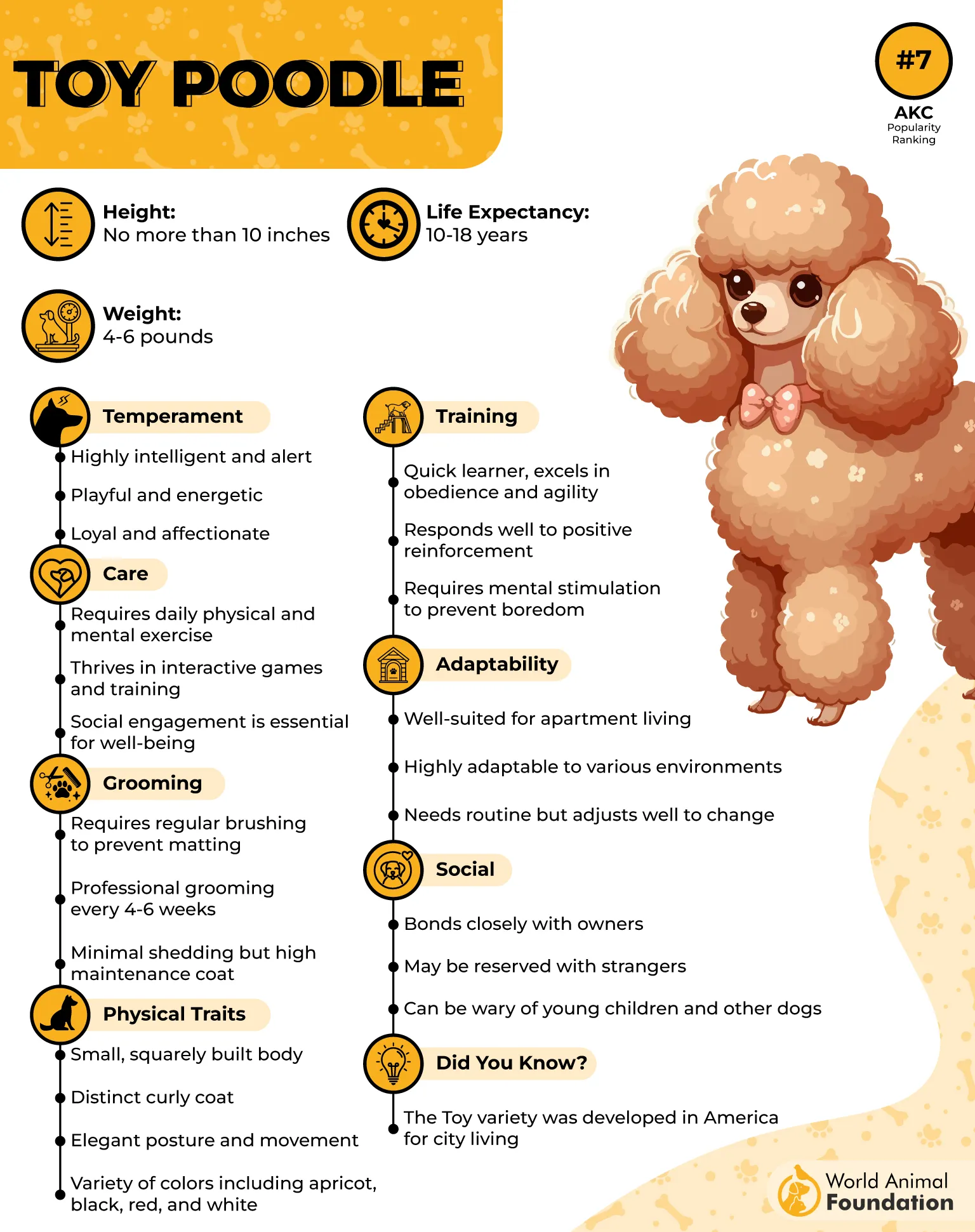
Motivator: Treats paired with praise drive the fastest results during training sessions.
Shines in: Obedience trials and agility work thanks to sharp focus and energy.
Boredom sets in fast if lessons repeat too often, and this breed notices the moment practice gets stale. Owners who rotate new tricks into training goals keep this cute breed engaged longer. A need for mental stimulation means this isn’t a breed to leave untrained for long.
4. Papillon
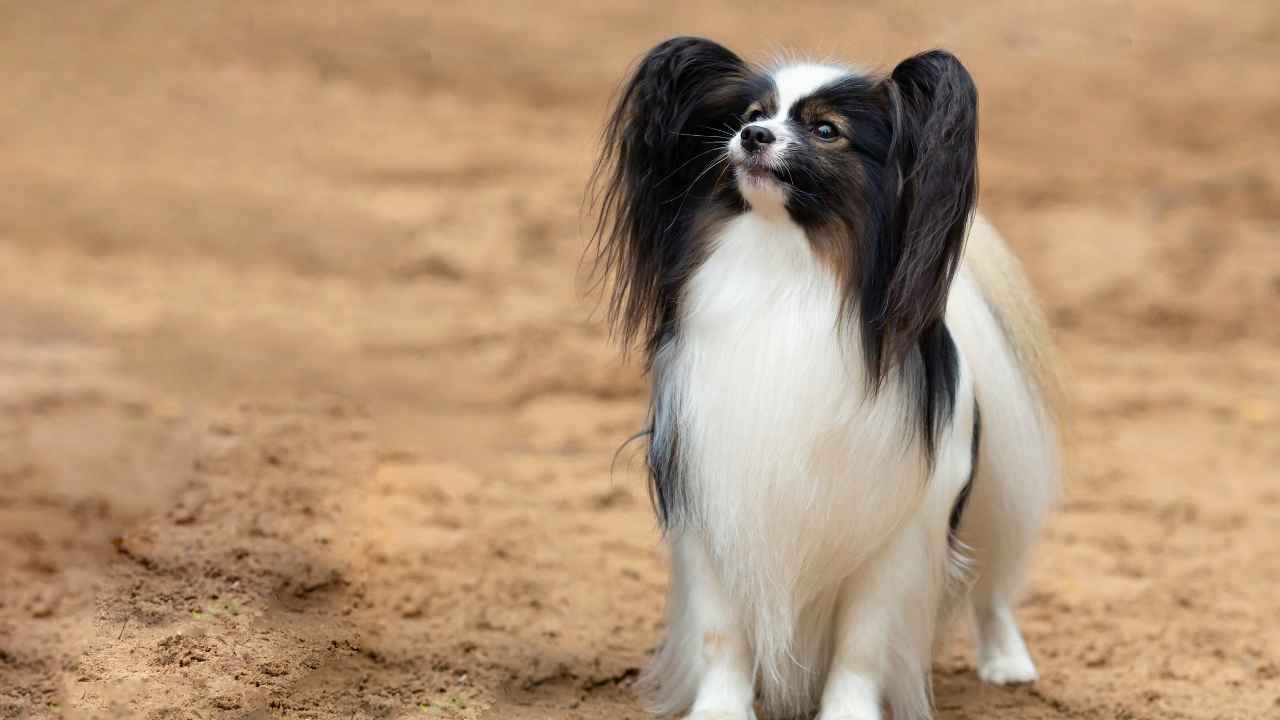
The Papillon regularly tops lists of highly trainable small breeds, with VCA noting its sharp, eager-to-learn temperament.
New commands often click within the first few training sessions for this breed. This breed tends to learn faster than many larger toy breeds working through similar lessons at the same pace. Consistent training early on sets the tone for a lifetime of good behavior.
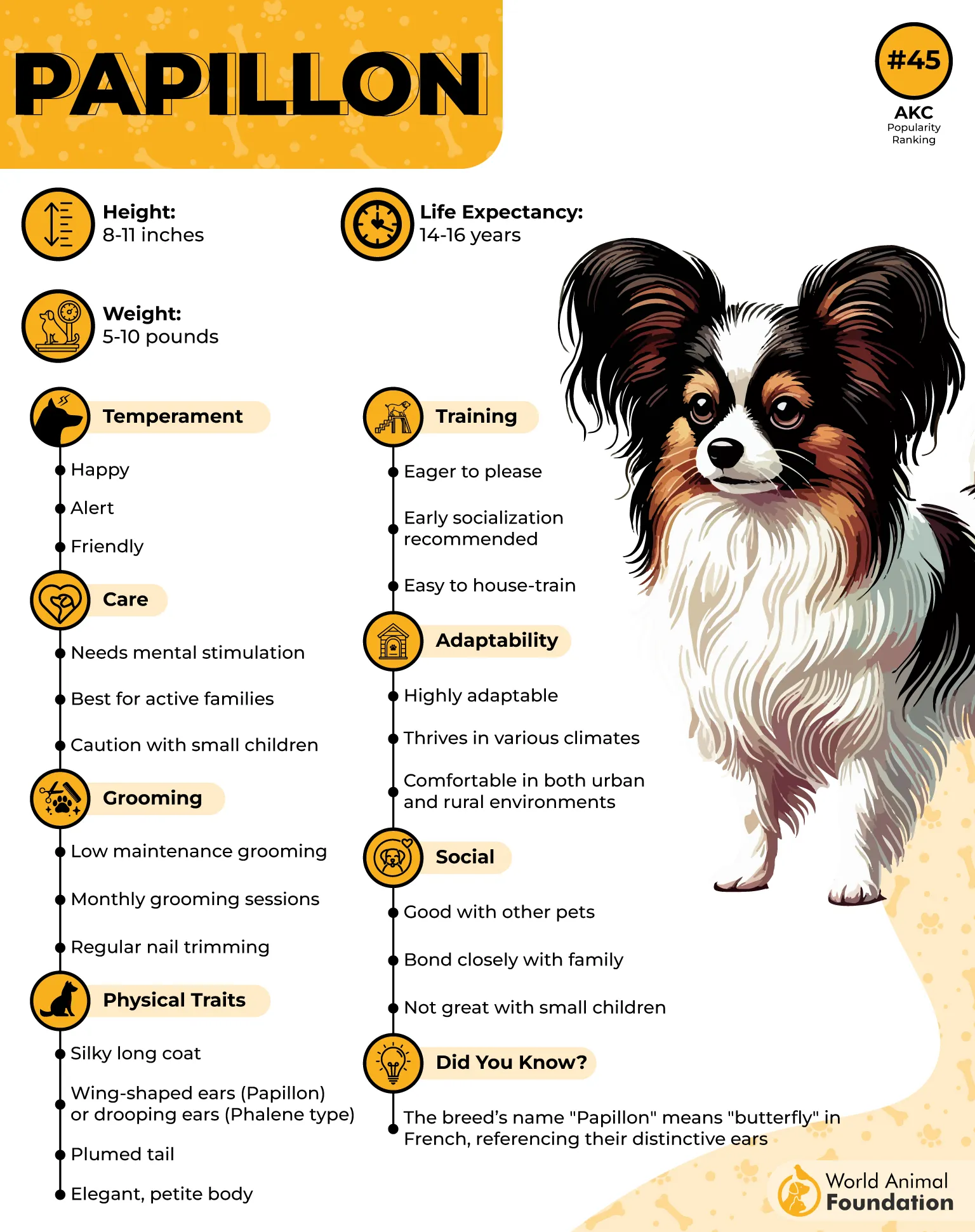
Motivator: Treats work fastest, though praise alone keeps attention during longer sessions.
Shines in: Agility and trick training, where quick reflexes and focus pay off.
Sensitivity to tone matters more with this breed than most, and a raised voice can undo a good session fast. A sharp tone during training can set back progress for days. Owners who stick to a calm, positive attitude see steadier results.
5. Miniature Schnauzer
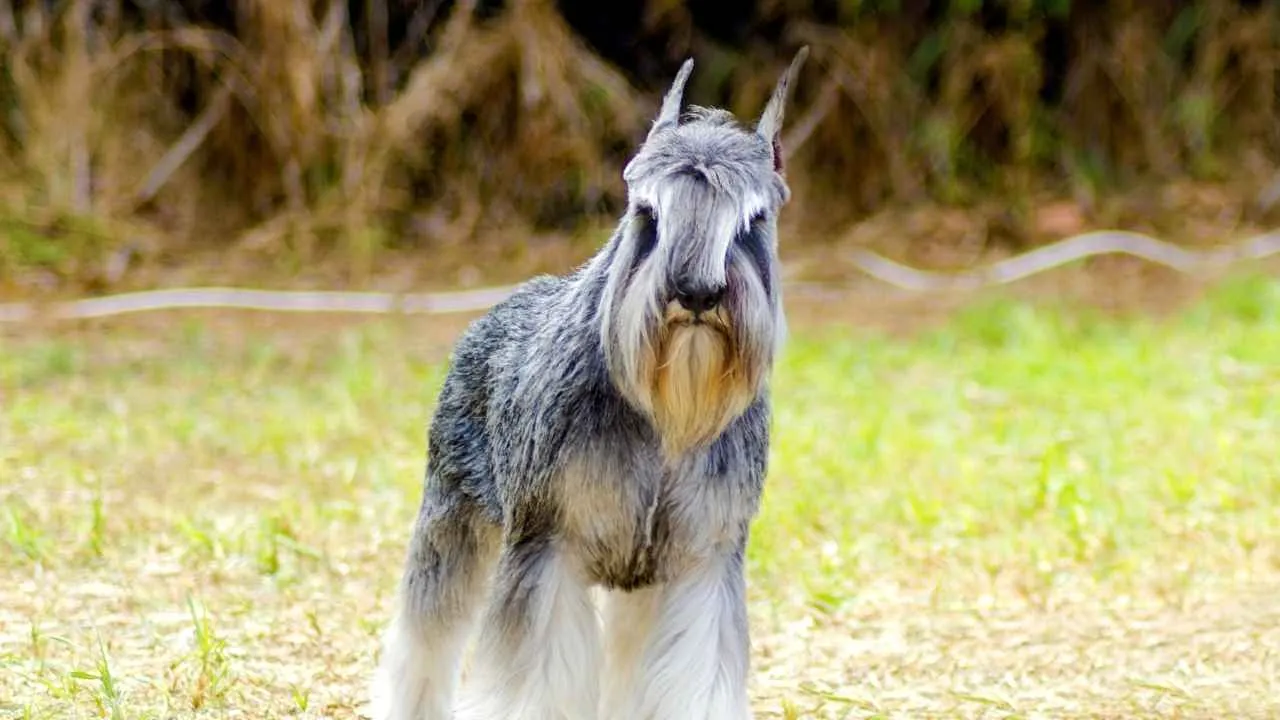
The Miniature Schnauzer carries a reputation as one of the easier small breeds to train, and Purina credits this to its alert, people-pleasing nature.
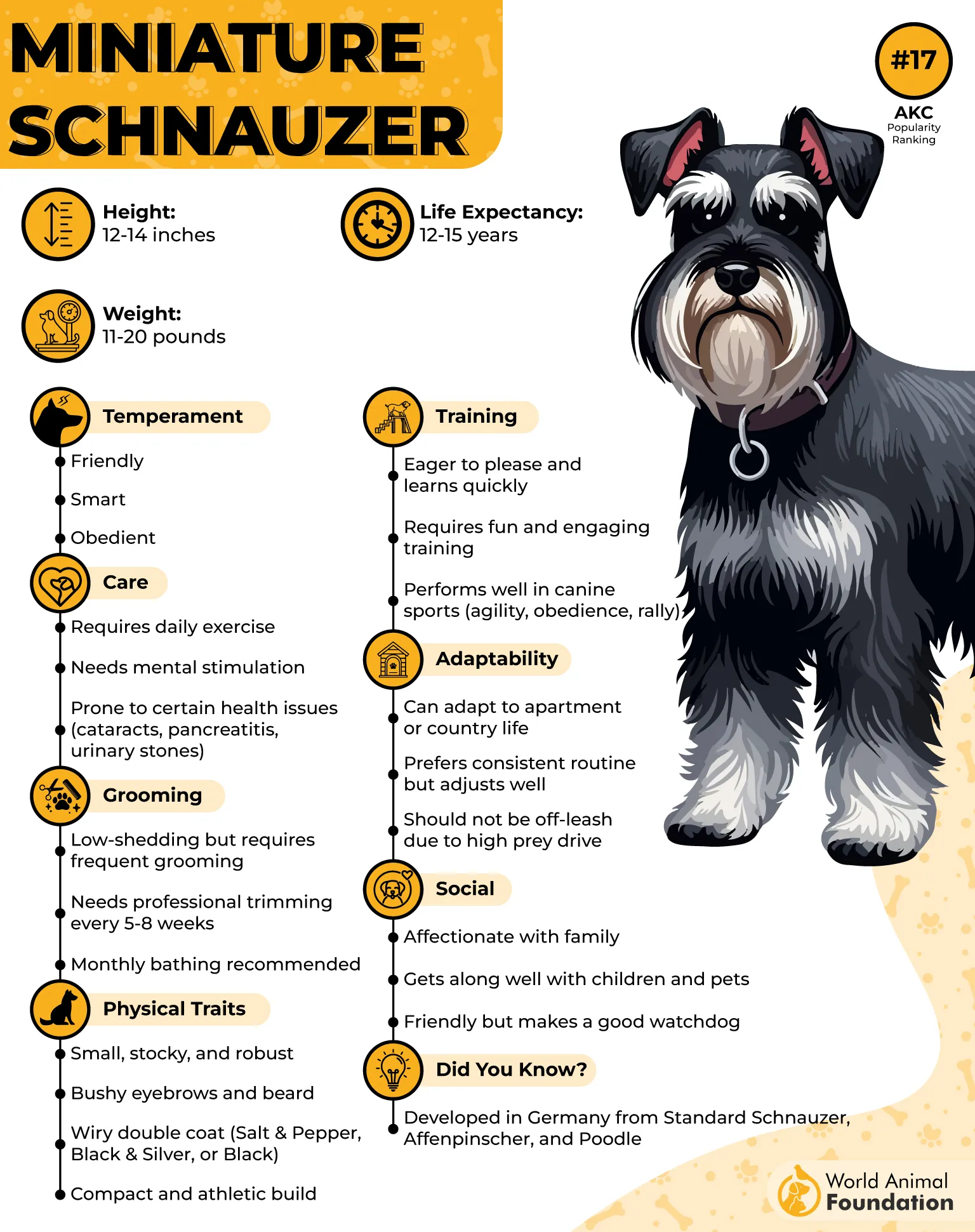
New commands tend to stick after just a few repeated sessions with this breed. This breed often learns faster than other small breeds still working through the same lesson. Daily walks paired with short lessons keep energy levels in check while reinforcing good behavior along the way.
Motivator: Treats and play sessions both work well, depending on the pup’s mood that day.
Shines in: Everyday household commands and basic obedience training rather than flashy tricks.
A stubborn streak can surface without consistent training, especially once a routine starts to feel predictable. This breed also tends toward vocal alerts, which training sessions should address early. Owners who stay patient through the occasional standoff see steady improvement.
6. Havanese
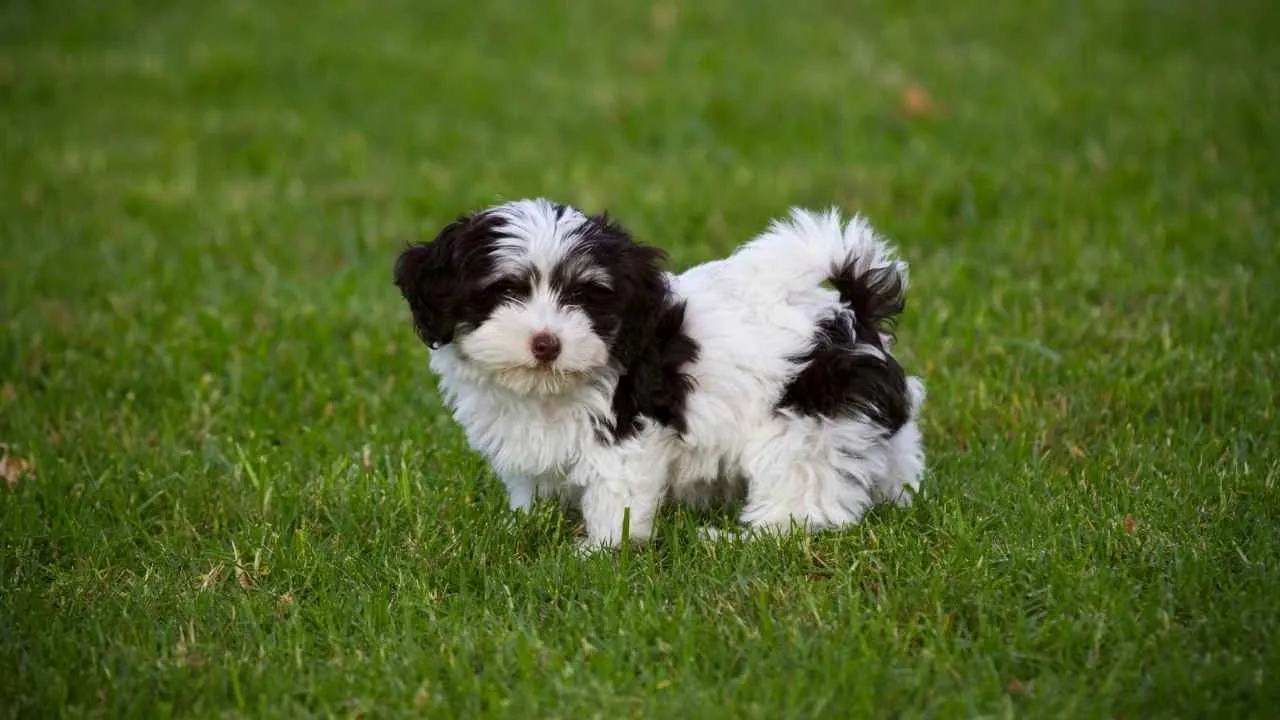
The Havanese earns a reputation as one of the most eager-to-please small breeds, which speeds up every stage of training.
Many Havanese pups grasp new commands within their first week of consistent training. This breed often learns faster than other small breeds that lean more independent during the same early lessons. Human companionship during training sessions keeps this breed focused longer than almost anything else.
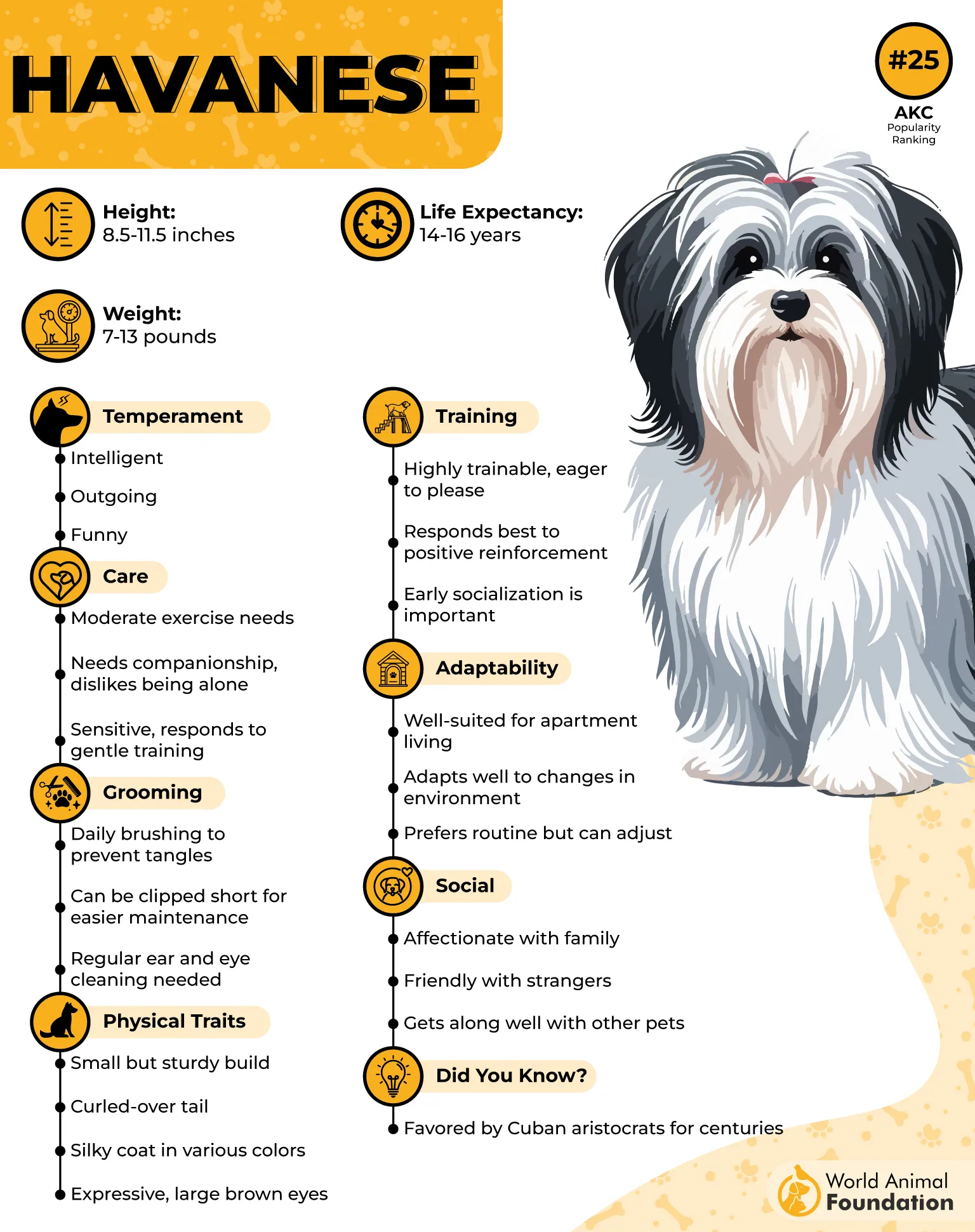
Motivator: Praise and closeness to their pet parent drive this breed more than treats.
Shines in: Trick training and companion obedience rather than competitive trials.
Too much time alone can stall progress fast, since this breed learns best when a person stays close by. This breed needs training woven into daily routines, not isolated sessions. A short attention span in puppyhood fades quickly once consistent training becomes a habit.
7. Toy Fox Terrier
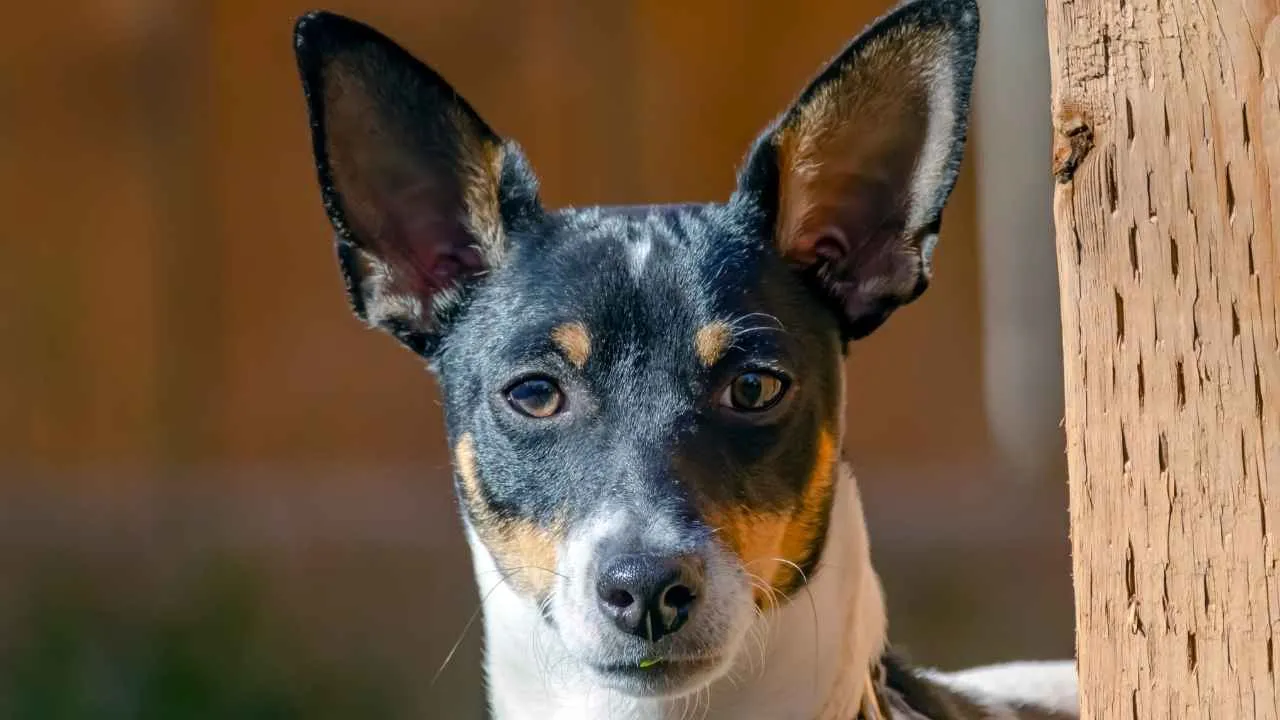
The Toy Fox Terrier is frequently named among the smartest small breeds, a reputation Forbes has highlighted in breed rankings.
This breed often masters new commands within days, outpacing many other small breeds in raw learning speed. Short, energetic training sessions suit its quick mind best. Early training channels this breed’s sharp focus into good behavior rather than household mischief.
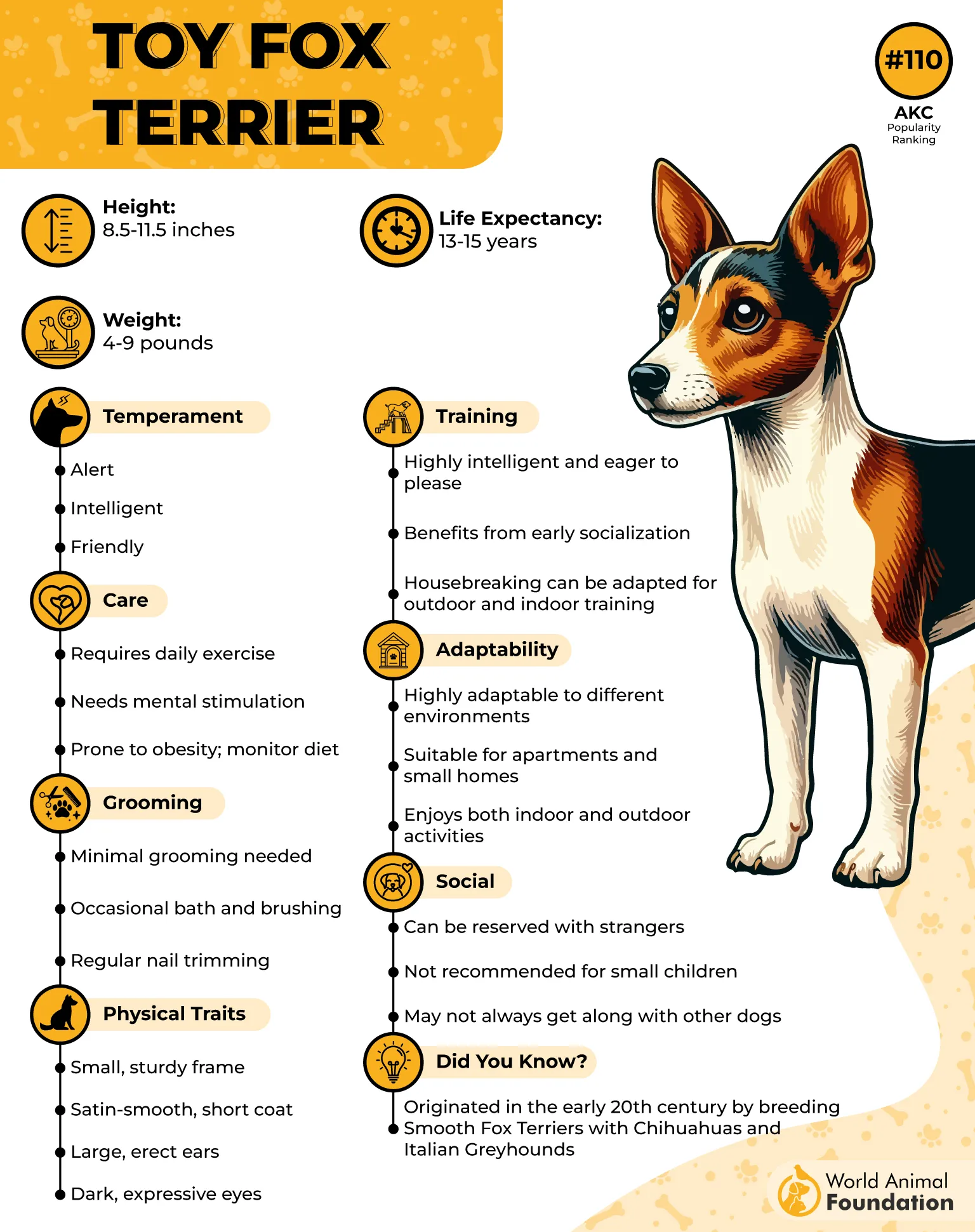
Motivator: Play and praise motivate faster progress than treats alone for most Toy Fox Terriers.
Shines in: Trick training and agility, where quick thinking and energy both pay off.
An energetic breed like this can get restless without enough physical exercise built into the day. Skipping daily walks often shows up as distraction during training sessions. Owners who balance exercise with lessons see the quickest results.
Conclusion
These seven breeds prove that small dogs can be some of the most highly trainable, easy-to-train companions around, as long as pet owners lean into what makes each one tick. Quick learners still need positive reinforcement and a motivator suited to their personality, from treats and toys to a little extra praise during training sessions.
First-time dog owners and seasoned pet parents alike will get the most out of these breeds by starting basic commands early and staying consistent. Pick the breed whose energy matches your lifestyle, then start training today and watch a well-behaved, quick learner come to life.
