




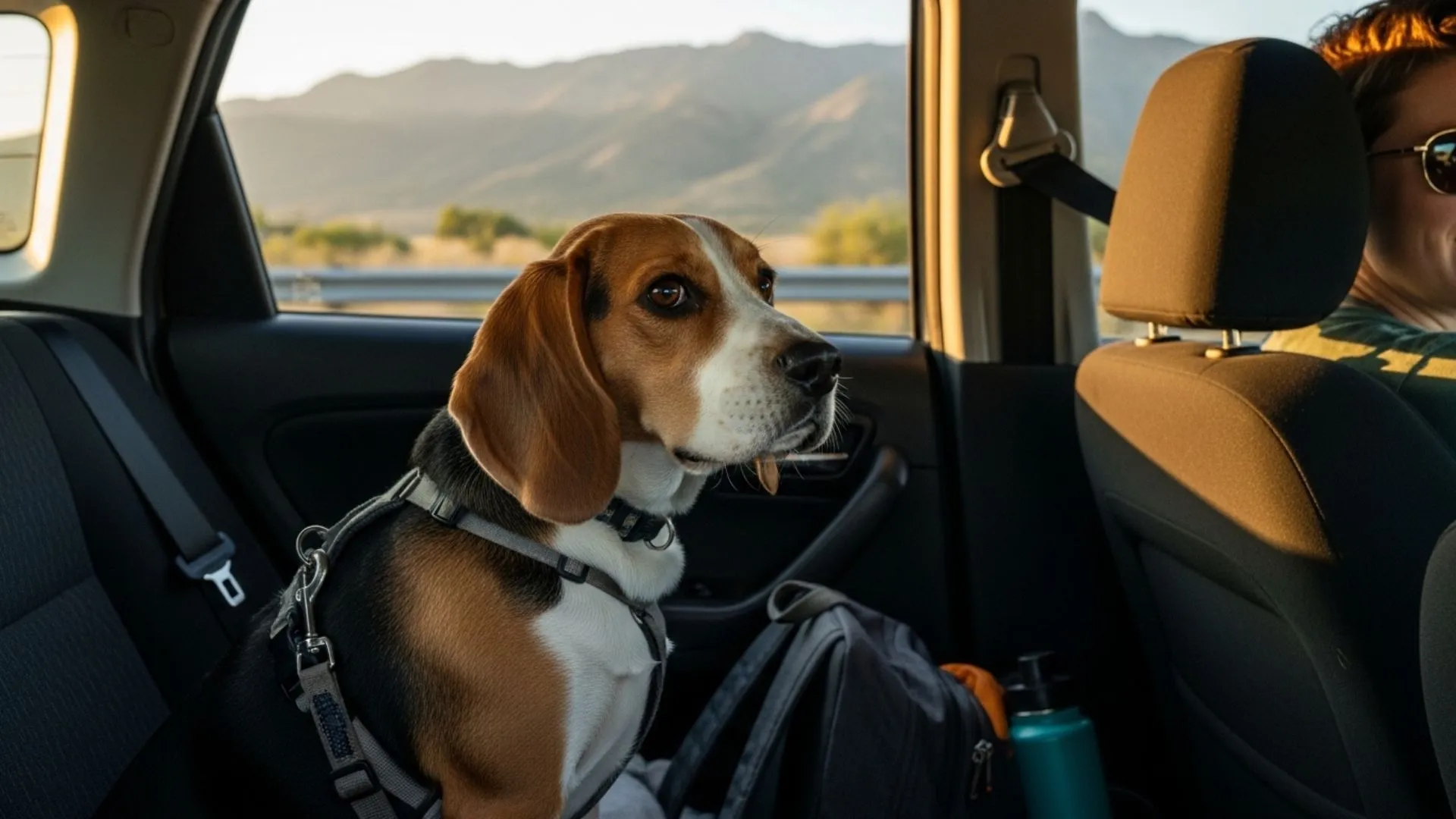
Camping and outdoor travel often seem suited for large, rugged dogs that can handle distance and terrain with ease. Yet, in many real situations, smaller dogs prove to be far more practical.
They take up less space, require less physical management, and adapt more quickly to temporary environments. While larger dogs may appear stronger, they can also demand more effort in transport, feeding, and control. Small dogs shift that balance.
They simplify movement without reducing companionship. Still, this advantage only holds when the dog’s temperament aligns with the demands of travel. Some small dogs are easily unsettled, while others remain steady regardless of surroundings.
This article focuses on those differences, helping you understand how certain small dogs manage outdoor conditions effectively and what makes them better suited for travel compared to others of the same size.
Key Takeaways
Camping trips are often linked with big, rugged dogs, but some small breeds handle the outdoors with surprising ease.
Jack Russell Terrier brings nonstop energy to trails, while Miniature Schnauzer stays alert and steady in new surroundings.
Beagles and Cairn Terriers turn every campsite into a space to explore, following scents, digging, and staying fully engaged.
As you go through these seven breeds, it becomes clear which small companions actually thrive beyond the comfort of home.
Small Dog Breeds Perfect for Camping and Outdoor Travel
1. Jack Russell Terrier
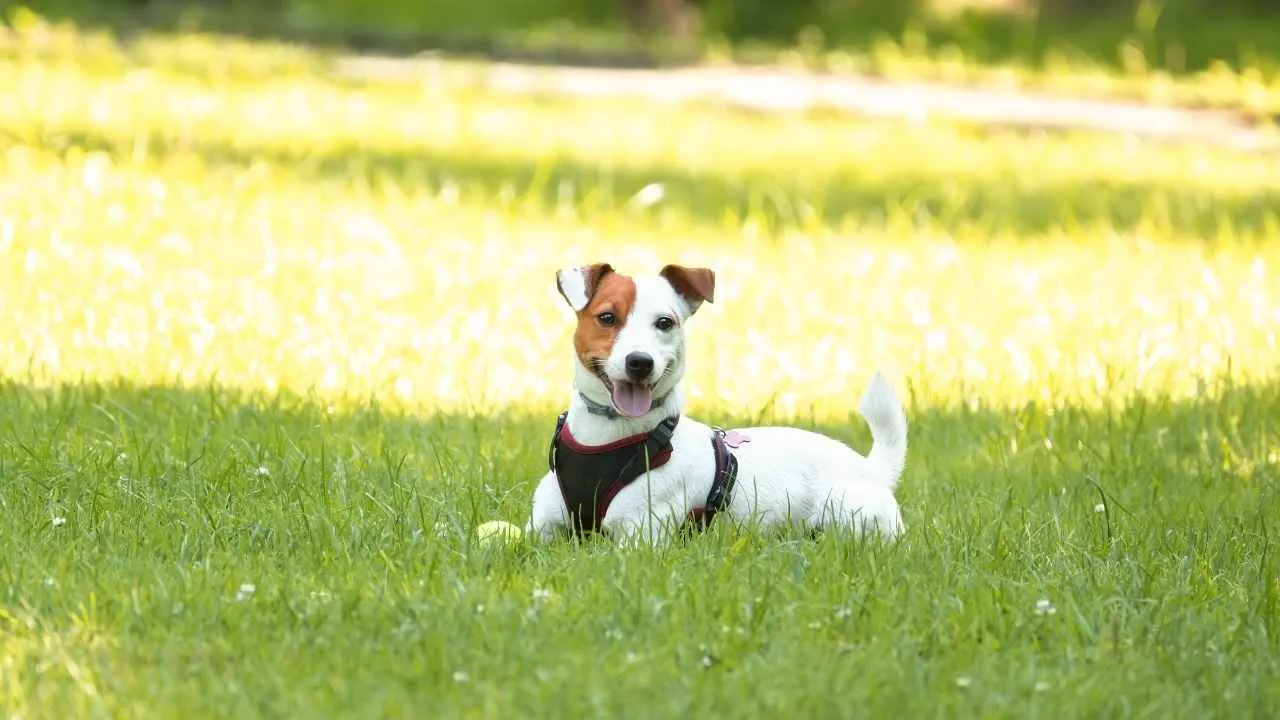
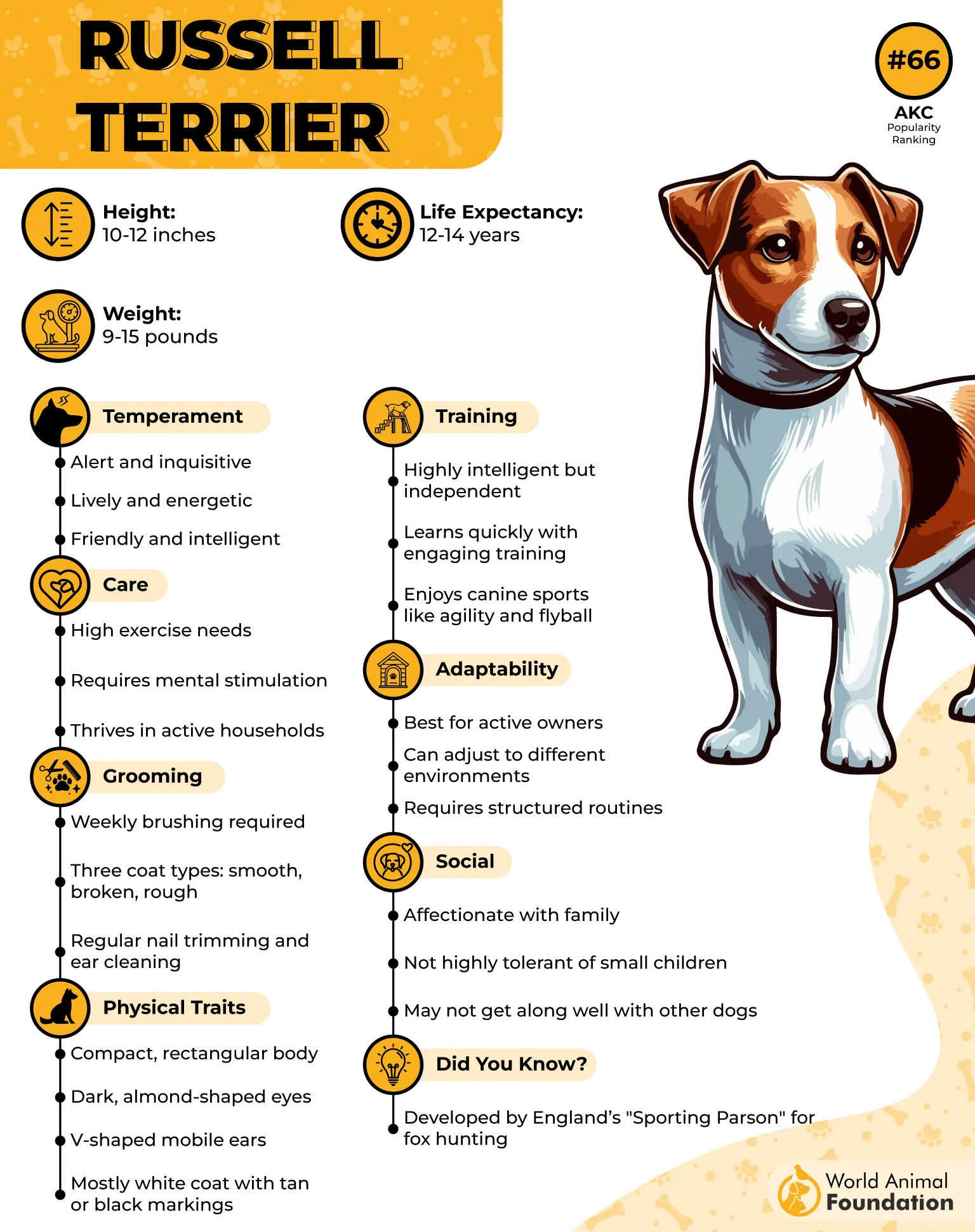
Jack Russell Terriers are constantly active, with an upbeat, inquisitive nature that keeps them engaged in outdoor settings. Bred for active work, it approaches every environment with alertness and curiosity. This lively behavior fits naturally into camping routines that involve movement and exploration.
Compact Build with Working Drive
Their small, rectangular bodies are packed with strong personality and tireless energy. Developed for foxhunts, it was expected to stay active and responsive during demanding outdoor tasks.
Here’s how they play out outdoors:
High energy suited for long walks and hikes
Eager participation in interactive outdoor games
Strong curiosity during exploration
Behavior and Social Awareness
These terriers maintain a strong prey drive, shaped by their hunting background, as stated by PDSA. Early social exposure helps manage interactions, especially in open outdoor spaces. Its lively personality also connects well with children who understand how to interact with dogs.
2. Miniature Schnauzer
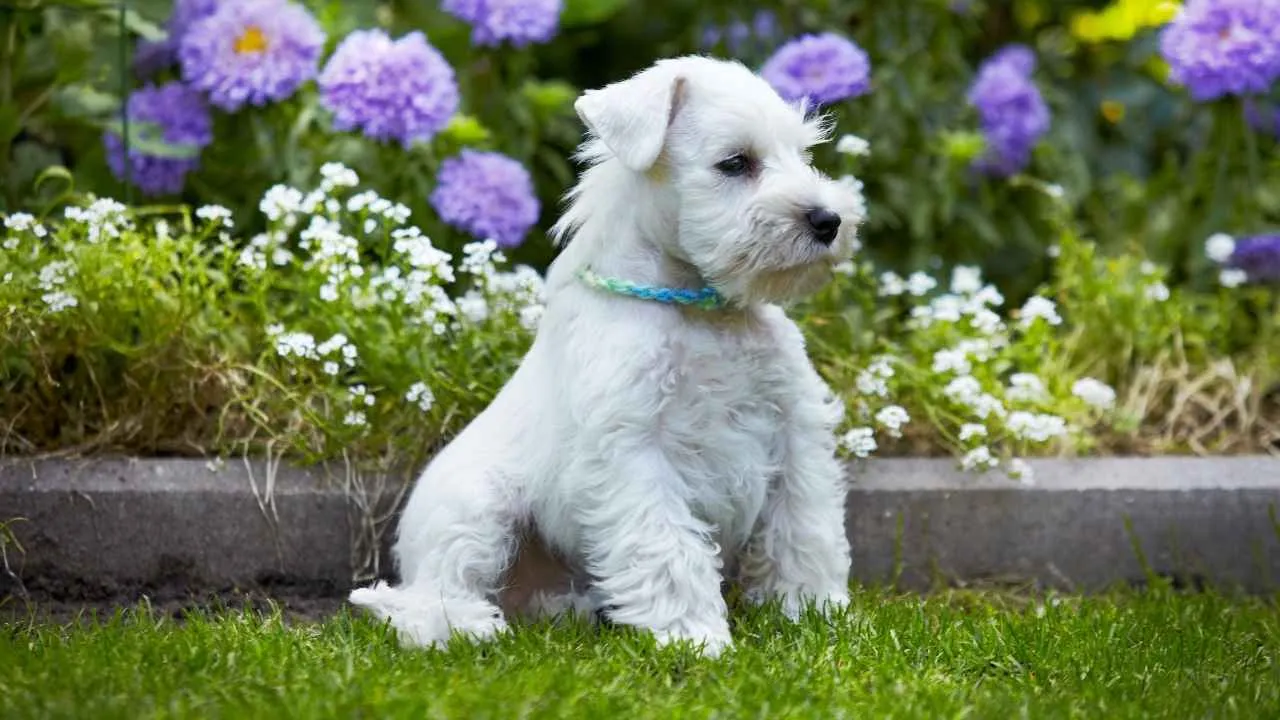
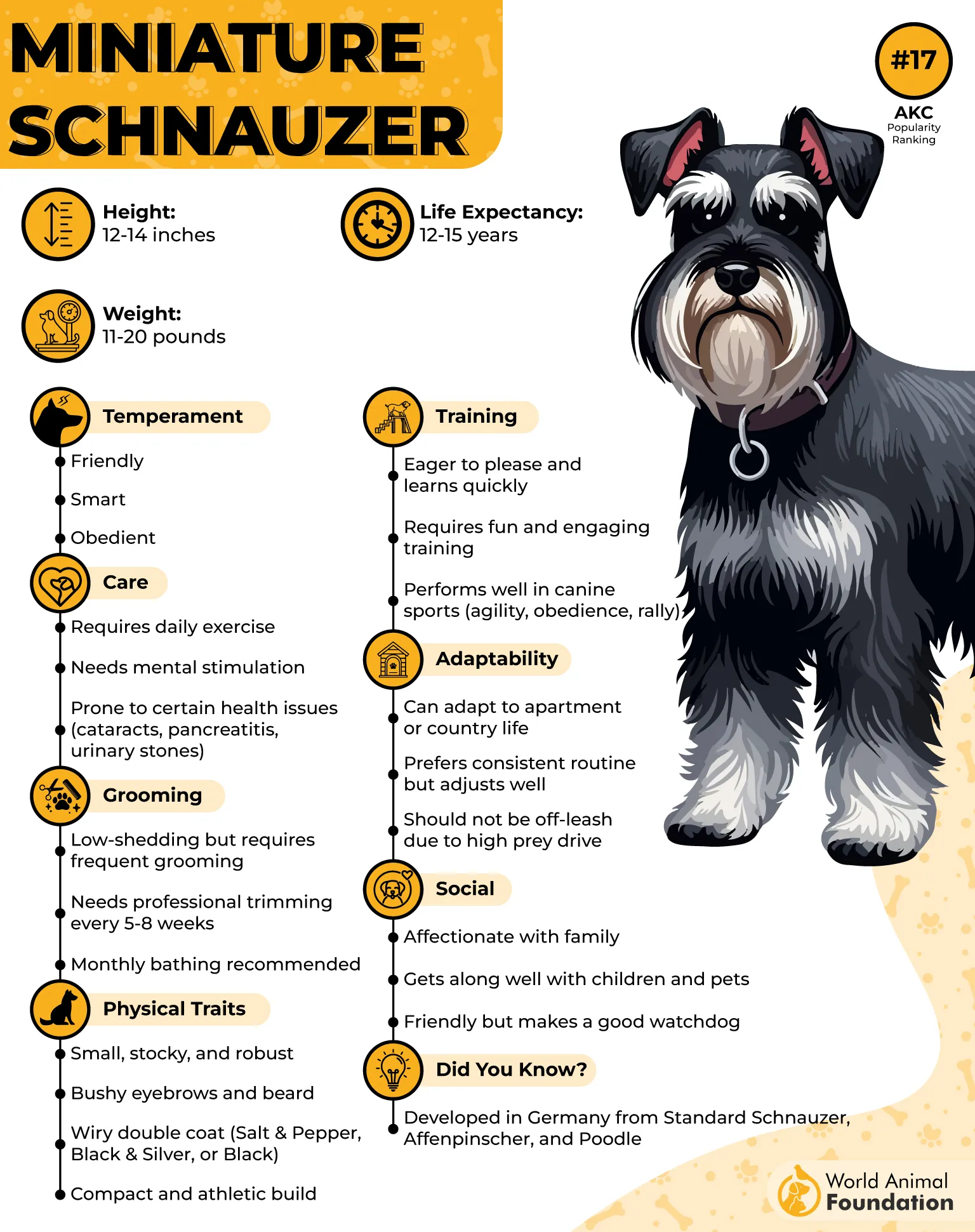
Miniature Schnauzer stands out with a stocky, robust build paired with an outgoing and lively personality. Its small size makes movement easy during travel, while its fearless yet controlled nature keeps it responsive in new environments.
Functional Background and Daily Energy
They were developed as tough farm dogs and raters, built to stay active and alert throughout the day, as per the AKC. Its muscular frame and steady energy level support consistent activity without slowing down.
These working traits explain how this translates outdoors:
Bred for active, all-around farm tasks
Strong prey drive for chasing small animals
Medium energy suited for regular movement
Activity and Interaction Needs
Miniature Schnauzer prefers staying engaged through shared activities and regular movement. It benefits from secure spaces where it can run and play safely during outdoor time. Keeping it on a leash outside controlled areas helps manage its instinct to chase.
3. Miniature Pinscher
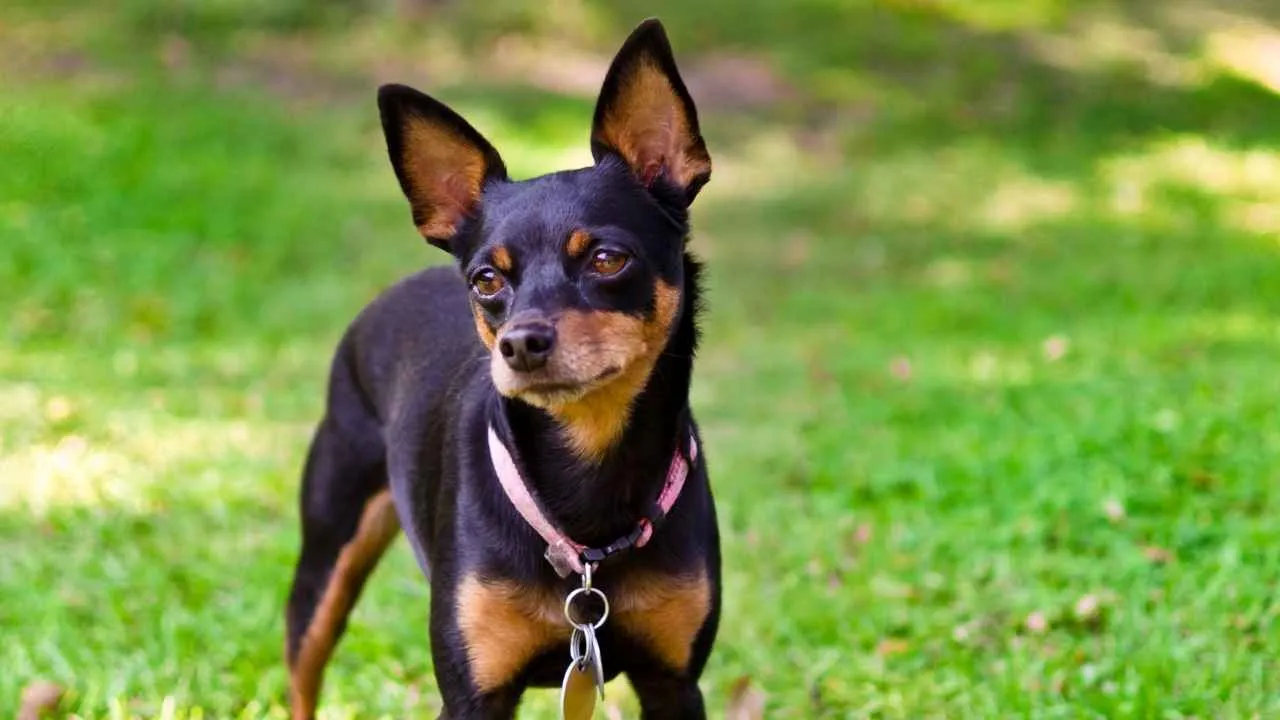
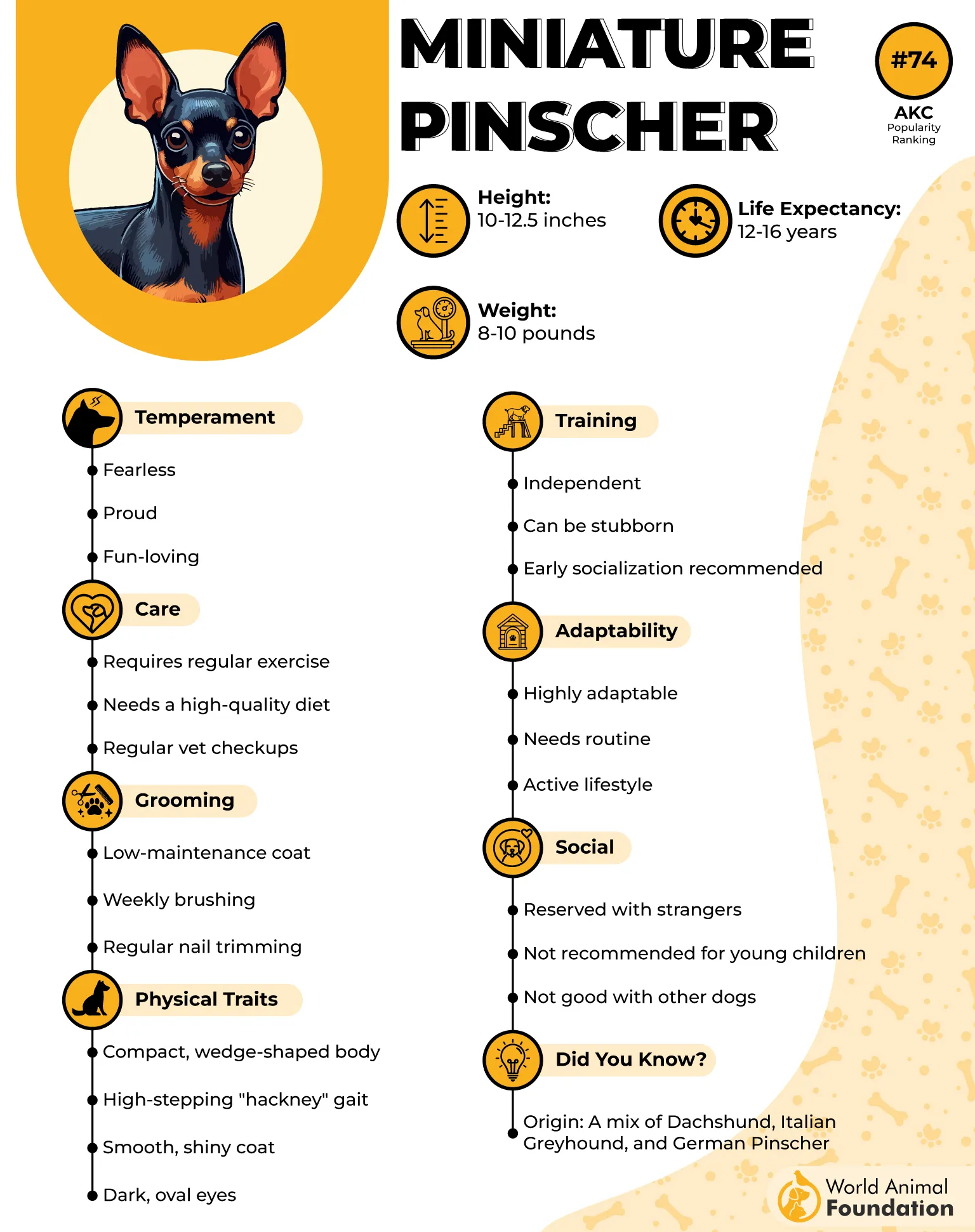
Miniature Pinscher stands out with a bold, fearless personality packed into a compact, wedge-shaped body. Its high-stepping hackney gait reflects alert movement and constant readiness for action. This lively nature fits well with outdoor settings that involve regular movement.
Activity and Outdoor Engagement
They are highly active and athletic, requiring consistent daily movement to stay balanced. Regular walks and interactive play help maintain both physical condition and mental sharpness.
A quick look at how it stays engaged outdoors:
Fetch and chasing games in open spaces
Agility-style movement across varied terrain
Play sessions that involve running and quick turns
Movement and Play Behavior
Min Pin also shows enthusiasm for running, chasing, and interactive outdoor play, as mentioned by Royal Canin. The breed quickly shifts from relaxed indoor moments to active bursts outside. This ability to switch between rest and movement supports flexible travel routines.
4. Beagle
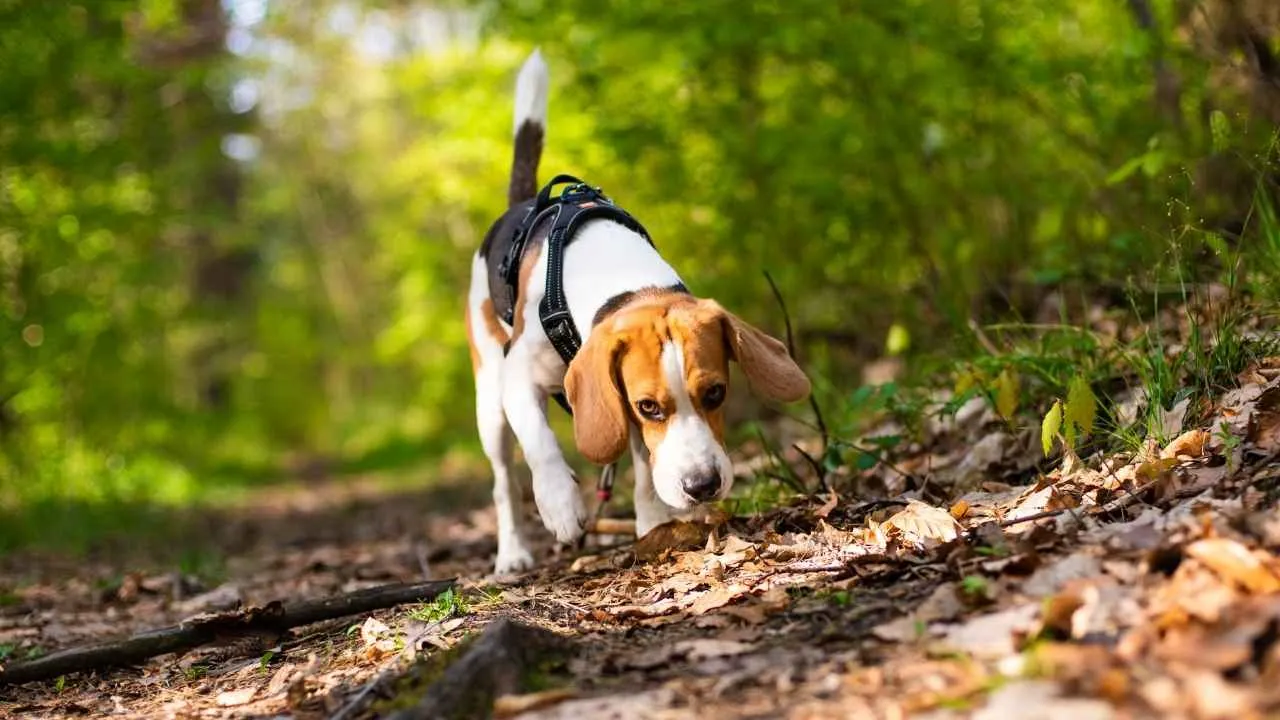
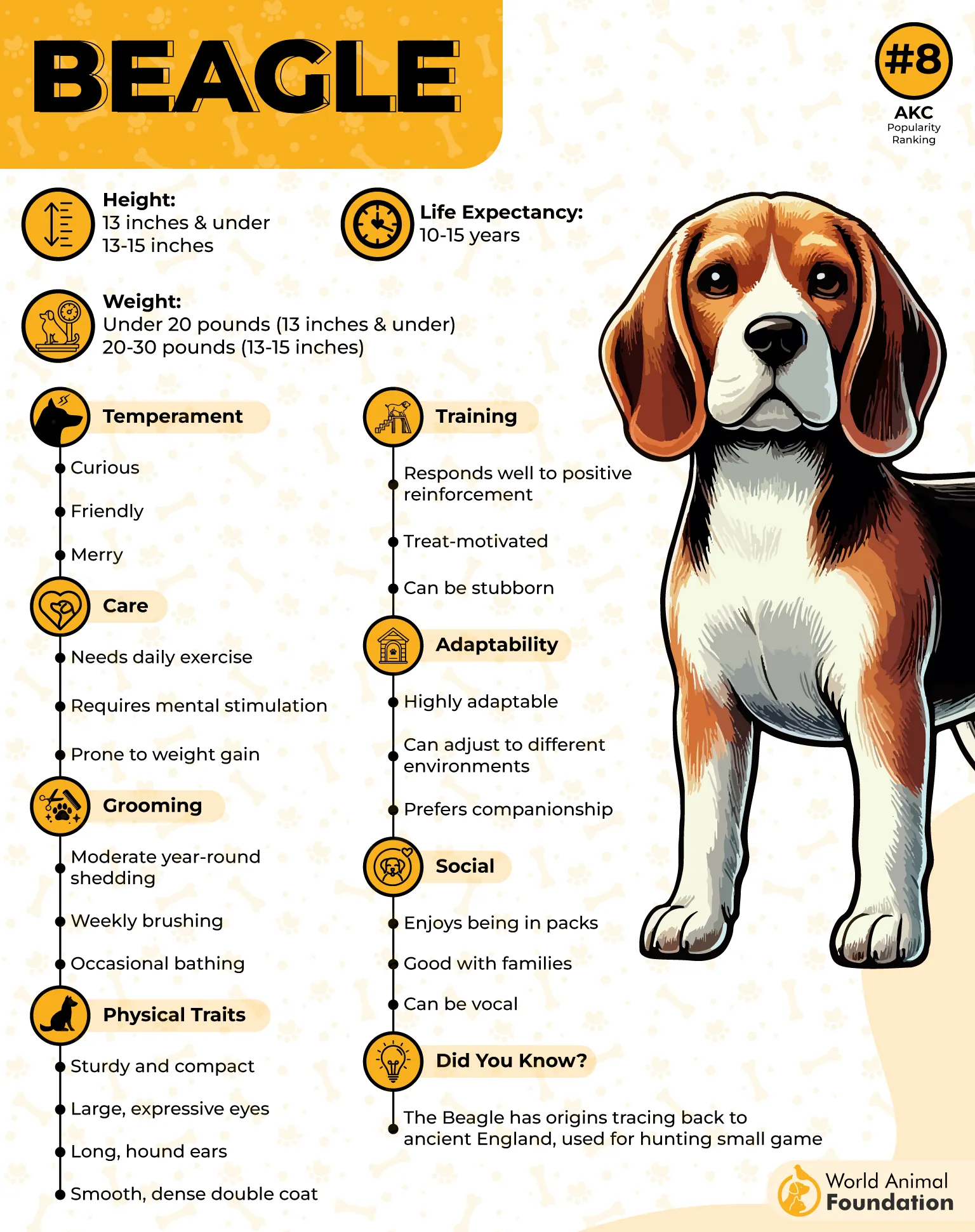
Beagles are pack-bred hound that naturally enjoys company, making them well-suited for shared outdoor experiences. Its happy and easygoing personality keeps the atmosphere light during trips. This social nature makes group travel and camping feel more engaging.
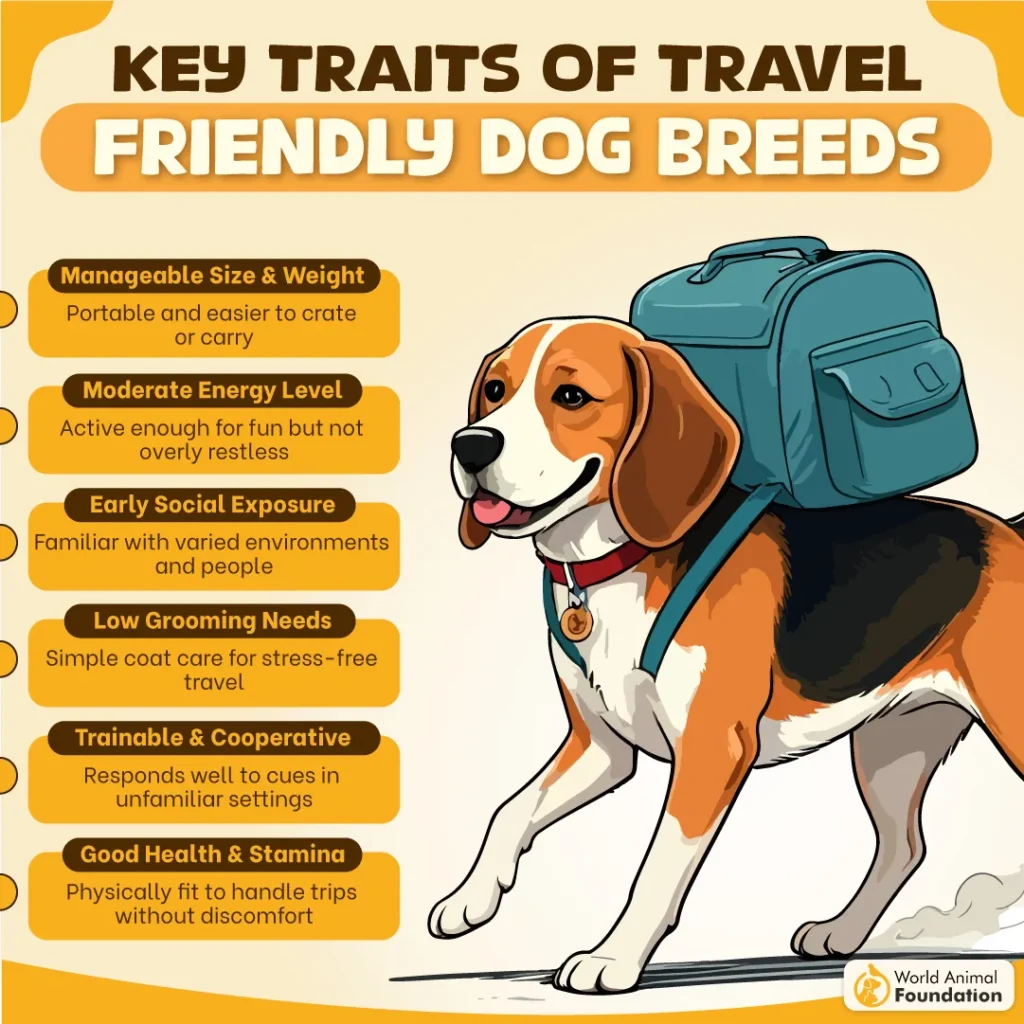
Energy and Activity Style
They are an energetic and curious breed that needs consistent play and movement throughout the day. Its active nature fits well with outdoor routines that involve walking, exploring, and interactive tasks.
These activities show their energy in real outdoor use:
Nose work and scent-based games
Hiking and long walks
Interactive play, like hiding toys
Engagement and Companionship Needs
Beagles stay mentally balanced when they have company, whether human or canine, during extended time outdoors. Long periods of isolation can lead to destructive behavior, especially in confined settings. Regular interaction keeps its playful and curious nature in check.
5. Cairn Terrier
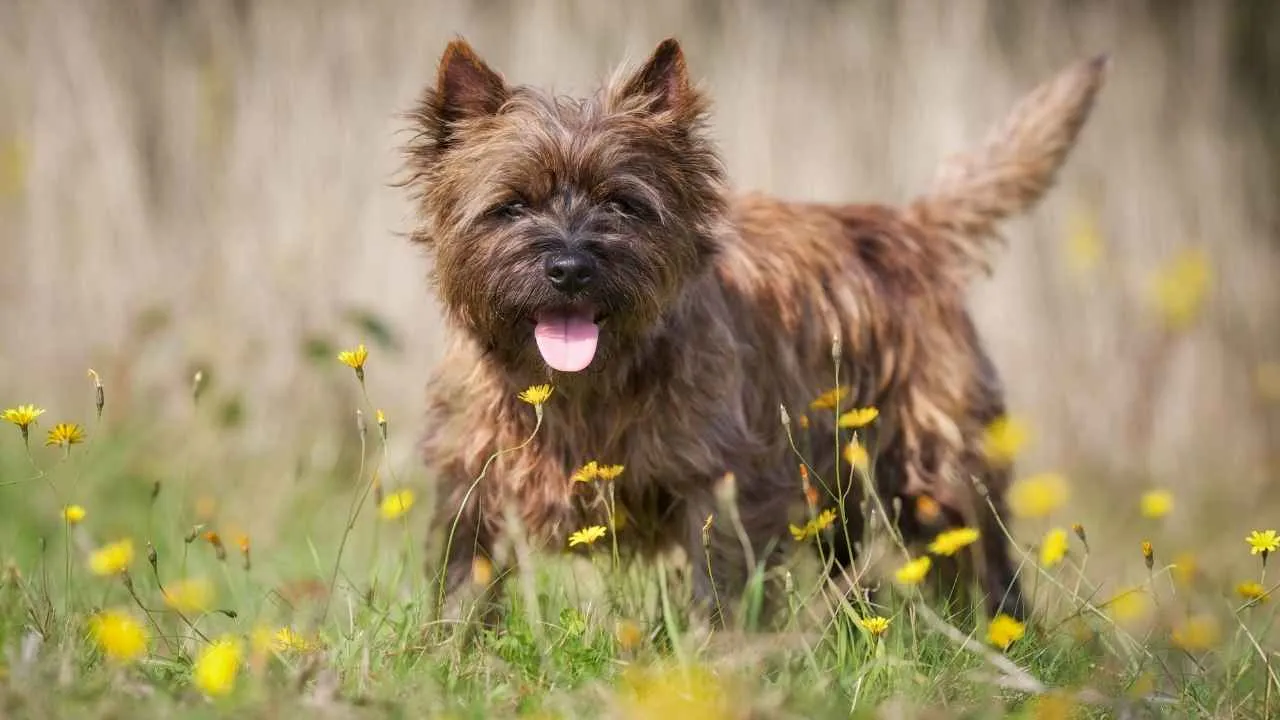
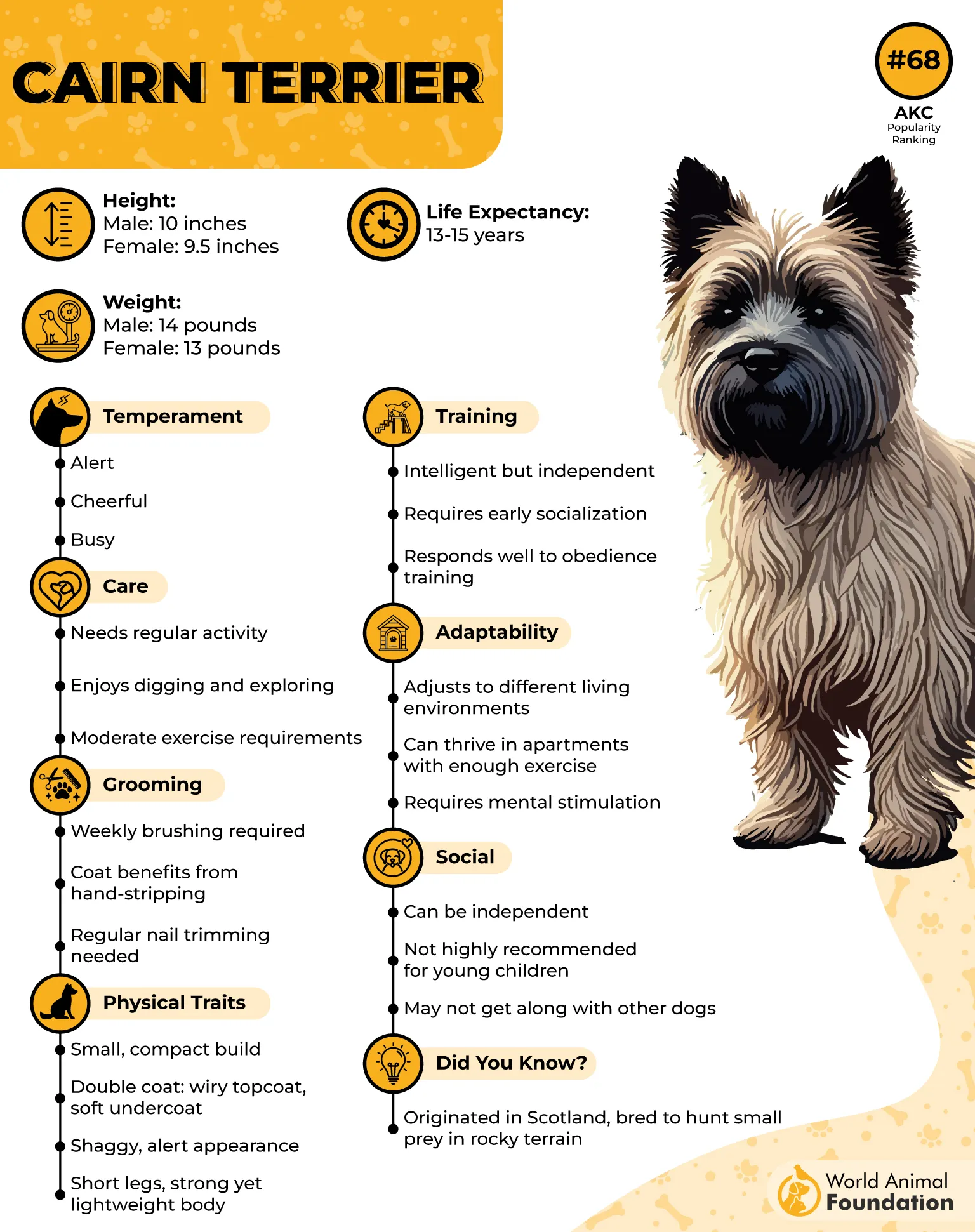
The Cairn Terrier is a curious and alert earthdog bred to root out foxes and small prey in rocky Scottish terrain. Its instinct to explore and dig fits naturally with outdoor settings where movement and discovery are constant. This active nature keeps it engaged during travel and campsite surroundings.
Size, Energy, and Outdoor Flexibility
Their small frame with a sturdy build, making them suitable for both close companionship and active play. It adapts easily to different environments when given daily outings and regular engagement.
Here’s a look at their outdoor tendencies:
Enjoys digging and exploring new ground
Handles both open land and compact spaces
Participates in varied outdoor activities
Activity and Engagement Outdoors
They benefit from activities that involve both movement and problem-solving, including agility, tracking, and earthdog events. These outlets reflect its working roots and keep it mentally engaged during extended outdoor time. Play-based tasks like fetch and long walks also match its active pace.
6. Rat Terrier
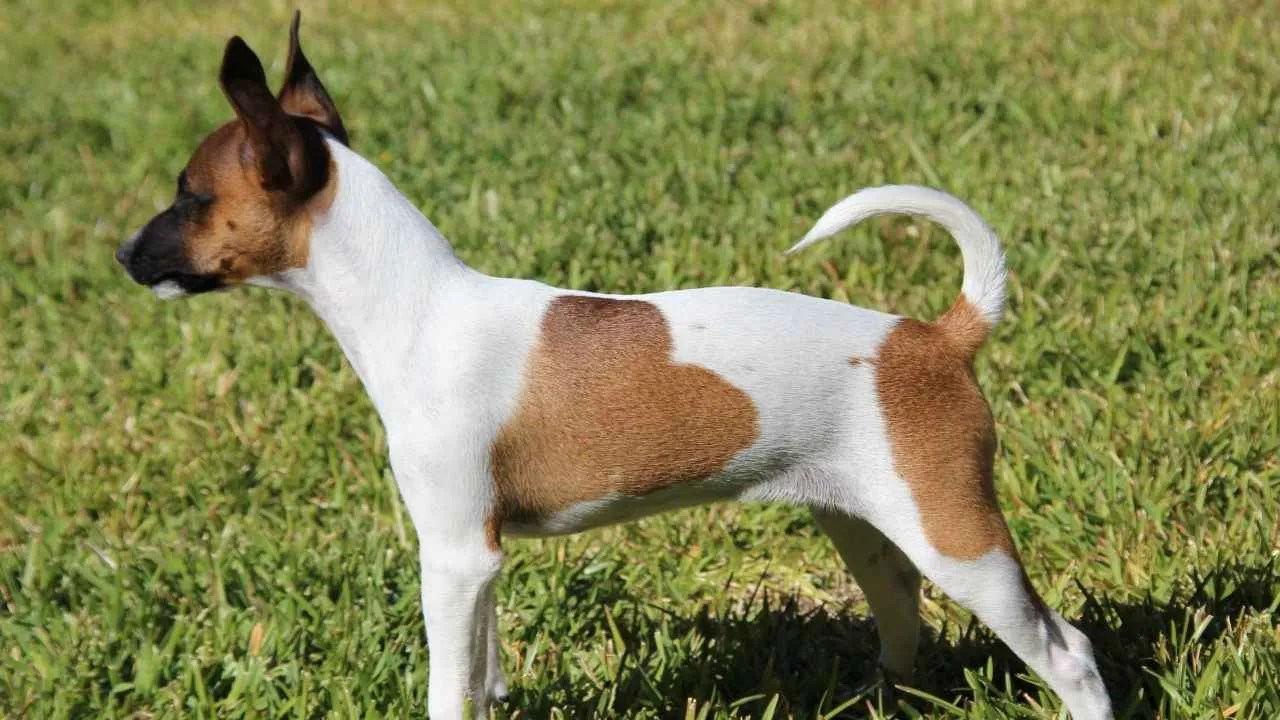
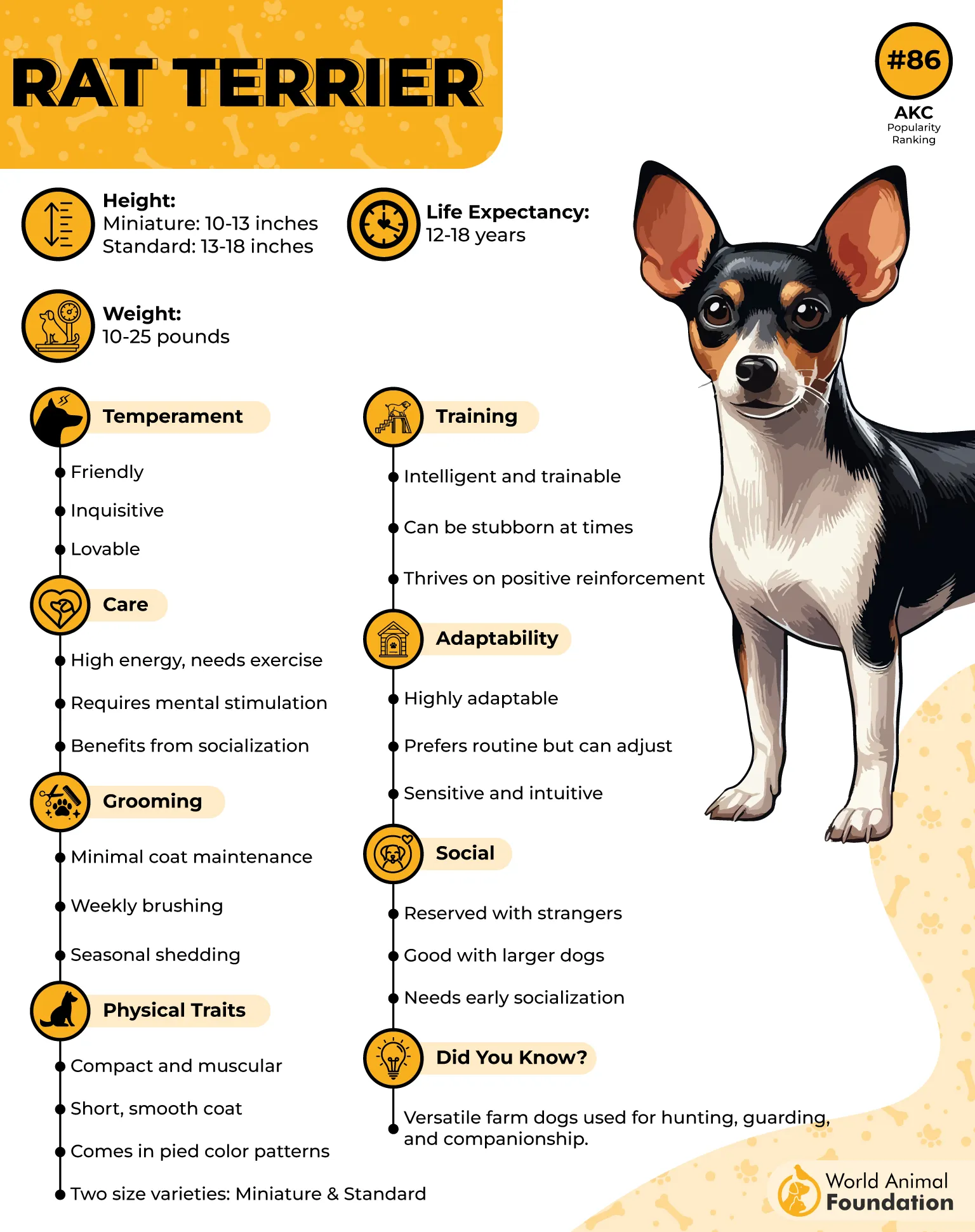
Rat Terrier is a compact, smooth-coated dog known for toughness and balanced structure. Its small size, combined with durability, makes it easy to handle in outdoor settings. This build allows flexibility when moving between campsites and open spaces.
Activity Style and Engagement
They are playful and active, showing a strong interest in games and movement-based tasks. It can stay engaged through indoor play, but performs better with regular walks and outdoor interaction.
That energy shows up clearly in how it spends time outdoors:
Enjoys hiking and jogging activities
Participates in agility and tracking tasks
Engages in play like ball chasing and toys
Behavior and Social Interaction
Rat Terrier is generally cheerful and social, often getting along with other dogs of similar or larger size. Early social exposure and structured training help shape consistent behavior in different environments. This makes interactions smoother during shared outdoor experiences.
7. Papillon
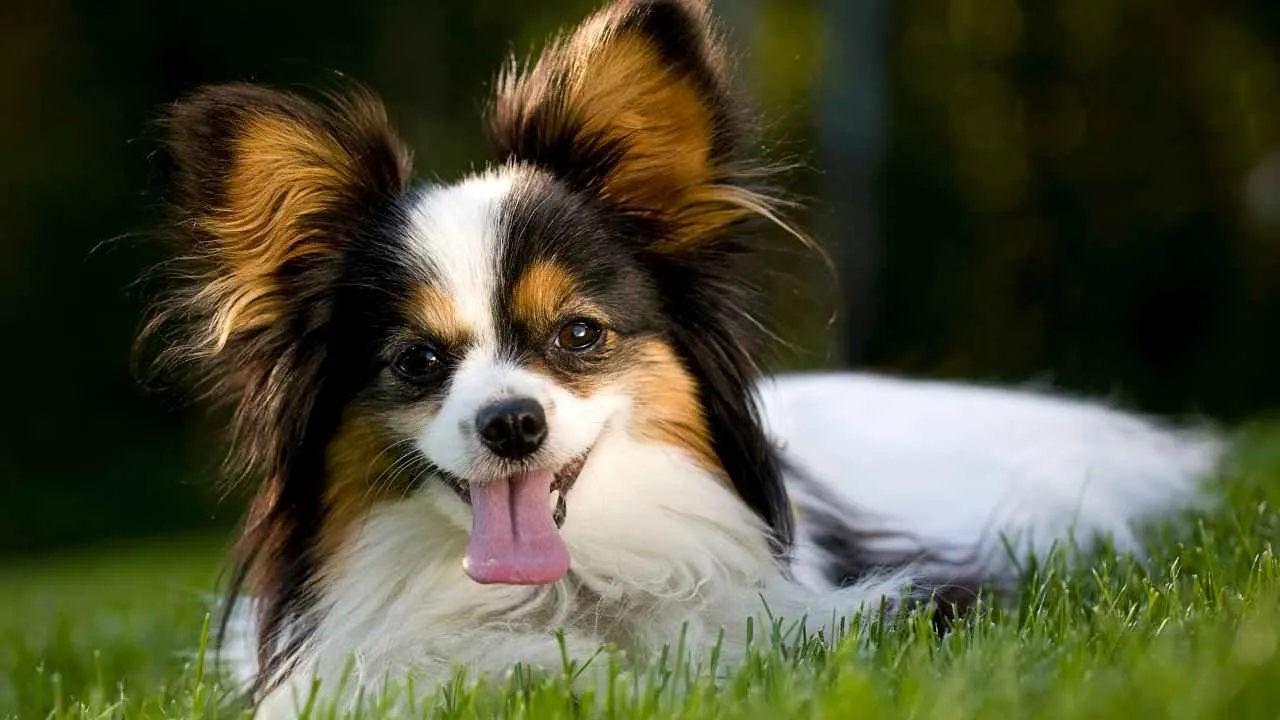
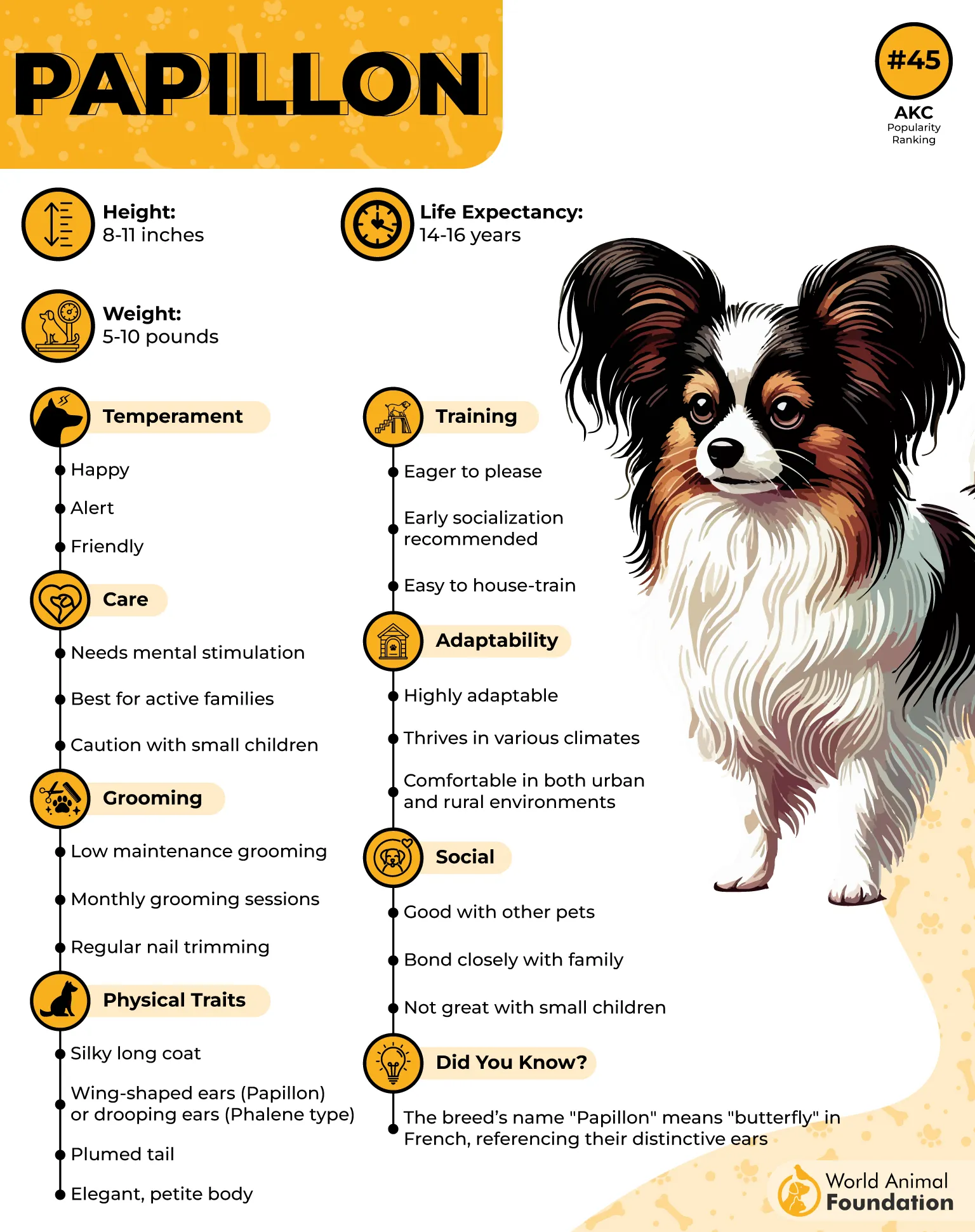
Papillon stands out for its quick, curious nature paired with upbeat athleticism that keeps it constantly engaged. This small dog moves with surprising energy, making it comfortable during active outdoor routines. Its alert and friendly attitude keeps it responsive in changing surroundings.
Activity Style and Engagement
They remain active and mentally sharp, showing a clear interest in interactive play both indoors and outside. It quickly learns games like retrieving toys and enjoys repeating them with enthusiasm.
Their playful side is reflected in these habits:
Leash walking with steady responsiveness
Retrieving small toys during breaks
Agility and obedience-based engagement
Movement and Exploration
Papillon shows a natural tendency to run and chase, often reacting quickly to small moving distractions outdoors. This behavior connects to its spaniel background, where movement and alertness played a role. Its small size does not limit its willingness to explore open spaces.
Conclusion
Small dogs prove that size does not limit performance in outdoor adventures. These athletic dogs reflect breed characteristics shaped for movement, awareness, and adaptability. While a big dog may seem more suited for travel, each individual dog responds differently based on proper training and environment.
A properly socialized companion handles outdoor adventures with confidence, even in changing conditions. Some were bred to hunt badgers or track small prey, which adds to their alert behavior. Their big personalities support an active lifestyle, while mental stimulation keeps them balanced.
Understanding their primary health concern also helps maintain safe and consistent outdoor adventures over time.
