





A small dog can be surprisingly serious about protecting its home. Size may affect how much force a dog can use, but it does not decide whether the dog will notice a stranger, react to an unusual sound, or alert people when something feels unfamiliar.
Some small dogs are watchful, vocal, and quick to respond when something changes around them. Their compact size can also make them easier to handle in apartments, smaller homes, and busy households. Still, protective behavior needs to be understood in context.
Barking at every noise is different from calmly alerting you to someone approaching the door, and a dog that feels threatened may become fearful rather than protective. Genetics, early socialization, training, confidence, and the environment all influence how these traits appear.
If you want a smaller companion with a watchdog instinct, choosing for temperament matters as much as appearance. This article explores small yet best guard dogs known for that watchful side.
Key Takeaways
A tiny dog may spend most of the day beside you, yet suddenly become very serious when a stranger comes near the door.
The Toy Manchester Terrier has a history that goes back to rat-catching in England, while the Chihuahua is known for challenging dogs much bigger than itself.
Miniature Pinschers and Lhasa Apsos bring their own strong watchdog instincts, with the Lhasa Apso even having a bark said to carry across the Himalayas.
The Miniature Schnauzer, Yorkie, and Scottish Terrier add more personality and protective spirit to the list, each with a fascinating story of its own as a great family dog.
Small Dog Breeds With a Protective Instinct
1. Toy Manchester Terrier
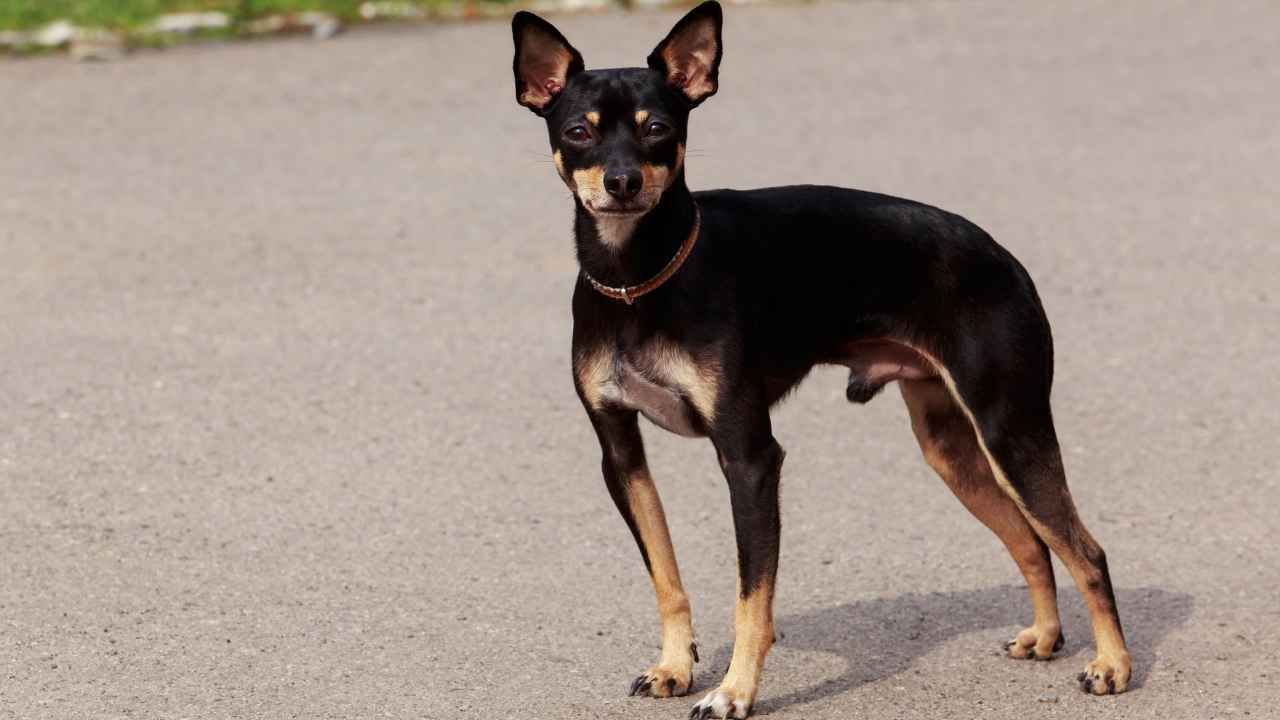
Toy Manchester Terrier descends from dogs associated with 16th-century England, when Black and Tan Terriers were valued for catching rats. Crosses involving these terriers and Whippets in the mid-1800s produced Manchester Terriers in both standard and smaller sizes, as Omlet highlighted.
Territorial by Nature
Toy Manchester Terrier is particularly alert to activity around its home and can be highly protective of its territory and the people within it. As a watchdog, it may bark repeatedly when someone arrives until it feels the household has been alerted.
There is more to discover about this quirky companion:
Can live well with familiar cats and dogs
May chase small animals due to prey drive
Better suited to homes with older children
A Terrier With Zest
This little protective dog breed has plenty of personality and enjoys active play with its family, while its energy level remains lower than that of many terriers. Regular exercise and early socialization are important for preventing unwanted behavior from taking over daily routines.
2. Chihuahua
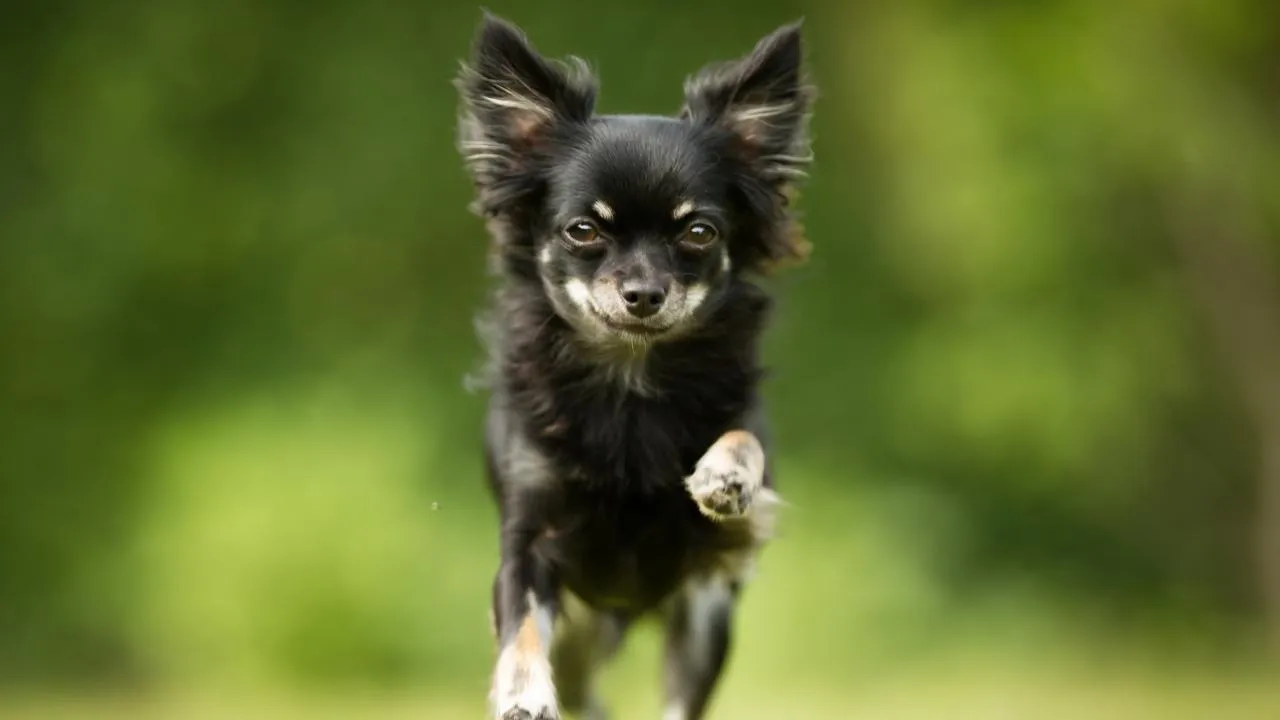
Chihuahua’s origins remain uncertain, with one theory linking the breed to the Techichi, a Central or South American dog associated with the Toltec civilization as early as the 9th century. American visitors encountered these dogs in Mexico during the 19th century, particularly in the state of Chihuahua.
An Alarm With Attitude
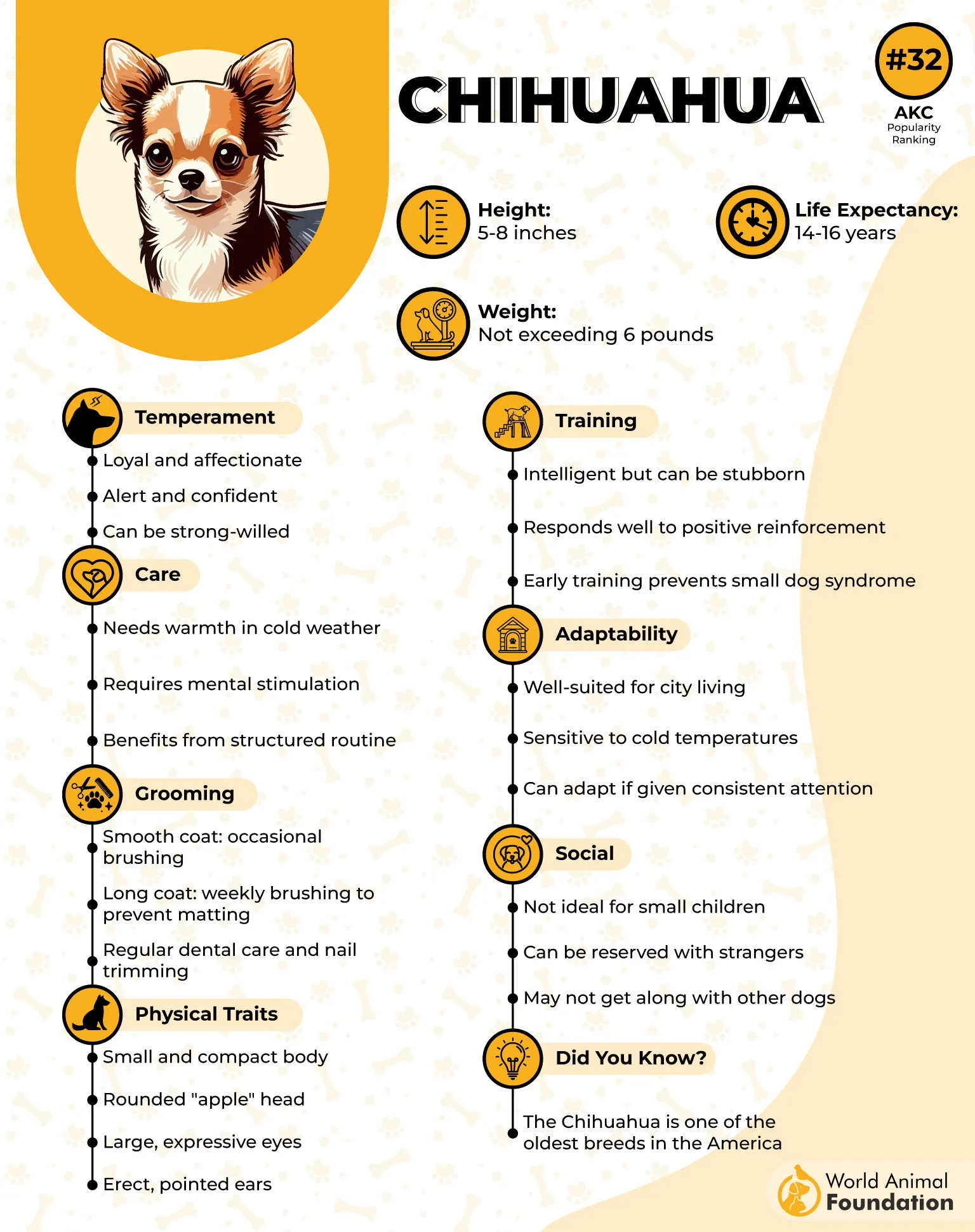
This little guard dog has exceptionally sharp hearing and reacts quickly when unfamiliar people approach, according to Orvis. Its loud barking can make it an effective early warning system, especially when someone enters its territory or comes too close to its favorite person.

That bold nature of this smartest breed has other sides too:
Helped with rescue missions
Known to challenge larger dogs
Early socialization helps reduce their combative behavior
Choose Companions Carefully
Chihuahuas can be active and expressive when bored or overstimulated, so their small size does not mean they need little daily engagement. Older children who understand gentle handling are generally a better match, while familiar cats can become suitable household companions.
3. Miniature Pinscher
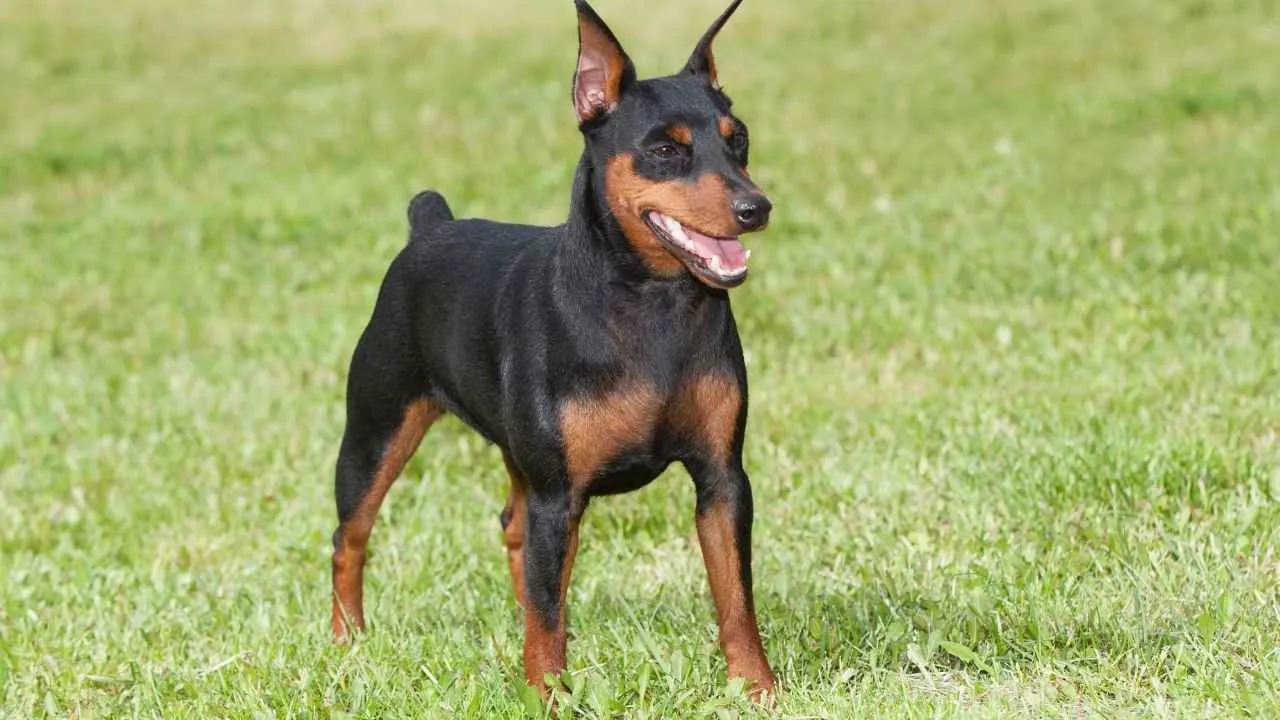
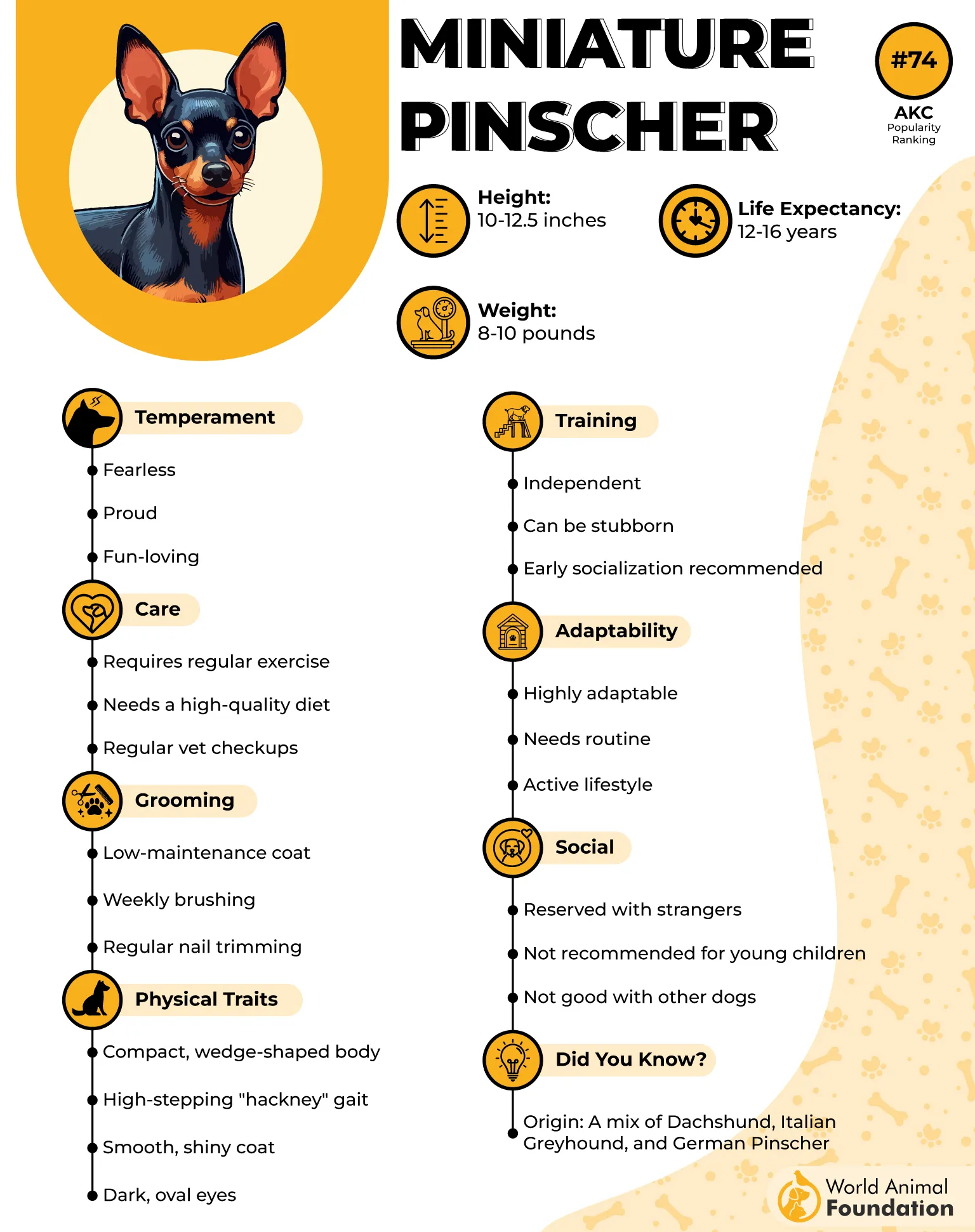
Miniature Pinscher originated in Germany and has been around for hundreds of years, although written records of the breed only reach back roughly two centuries. Its original work involved catching rats and controlling vermin around homes and farms, long before the Doberman Pinscher came along.
A Natural Alarm
Min Pin has the alertness and suspicion that can make a small household dog surprisingly vocal when an unfamiliar person appears outside. Its frequent barking can be useful for alerting a household, though the same habit can become difficult in an apartment.
Three details matter when considering that instinct:
Assertive, independent, and sometimes willful
Early socialization helps reduce suspicion
Benefits from obedience training and puppy classes
Spirited by Nature
Miniature Pinscher has an assertive personality and plenty of independence, so it does not fit the passive lapdog image often associated with smaller breeds. During adolescence, that willful streak can become especially noticeable, while its intelligence gives obedience training a workable foundation.
4. Lhasa Apso
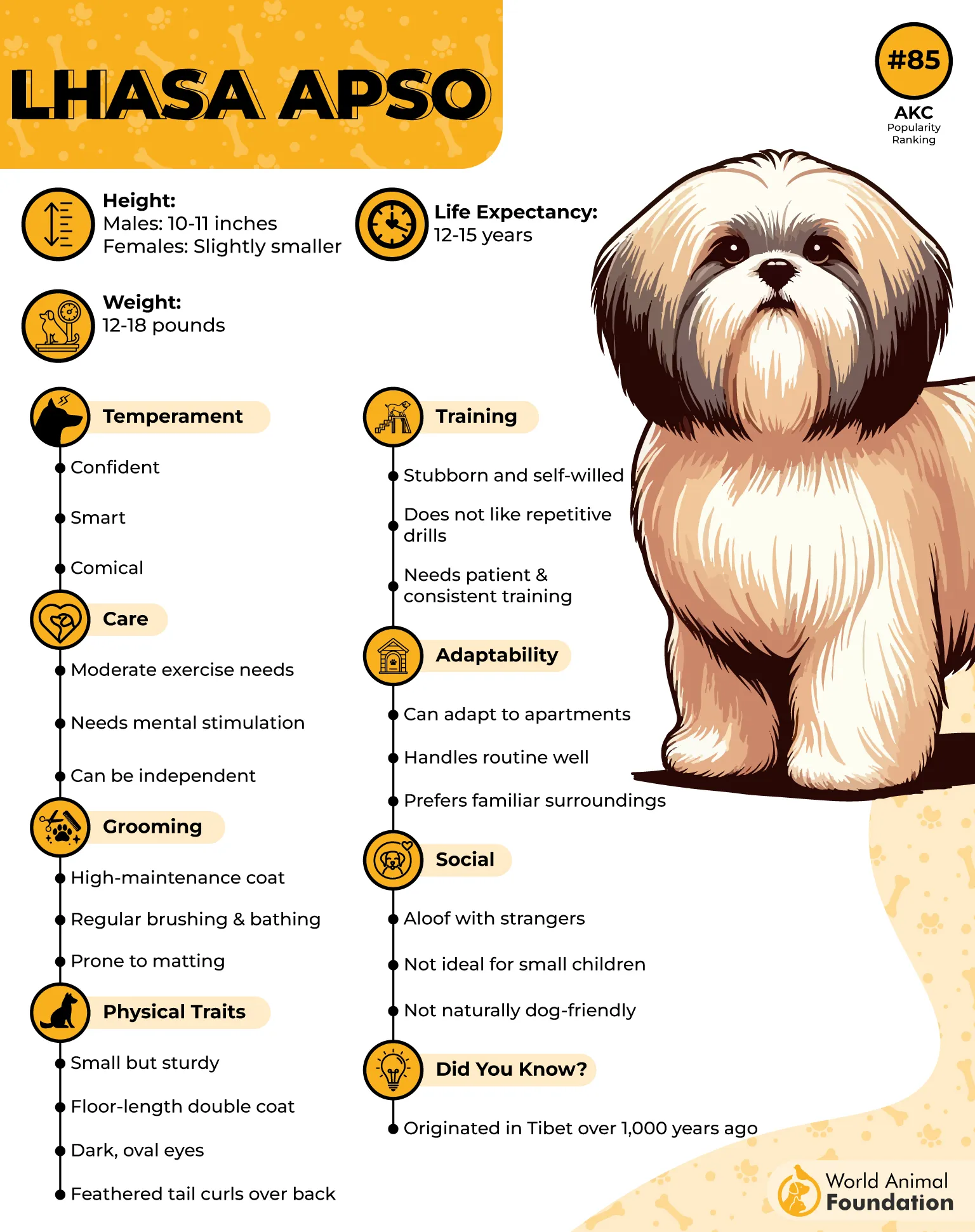
Lhasa Apso comes from Tibet and has watched over Buddhist monasteries for thousands of years, with records placing its domestication as far back as 800 BC. Its name also carries a local clue, with Lhasa referring to Tibet’s capital, while Apso means “bearded” in English.
Quick to Sound Off
Lhasa Apso has exceptionally keen hearing and reacts quickly when an unfamiliar person approaches the household, as Omlet claimed. Its small frame does not prevent it from sounding a forceful alarm, with a bark described as powerful enough to carry across the Himalayas.
The little things make this breed special:
Gentle with familiar children
May dislike rough play
Can live well with familiar dogs and cats
Plenty of Personality
Around familiar people, Lhasa Apso can be playful, amusing, and eager to get a reaction, while its independent streak becomes stronger when left to its own activities. It also enjoys learning tricks and playing outdoors, giving its lively side plenty of room to come through.
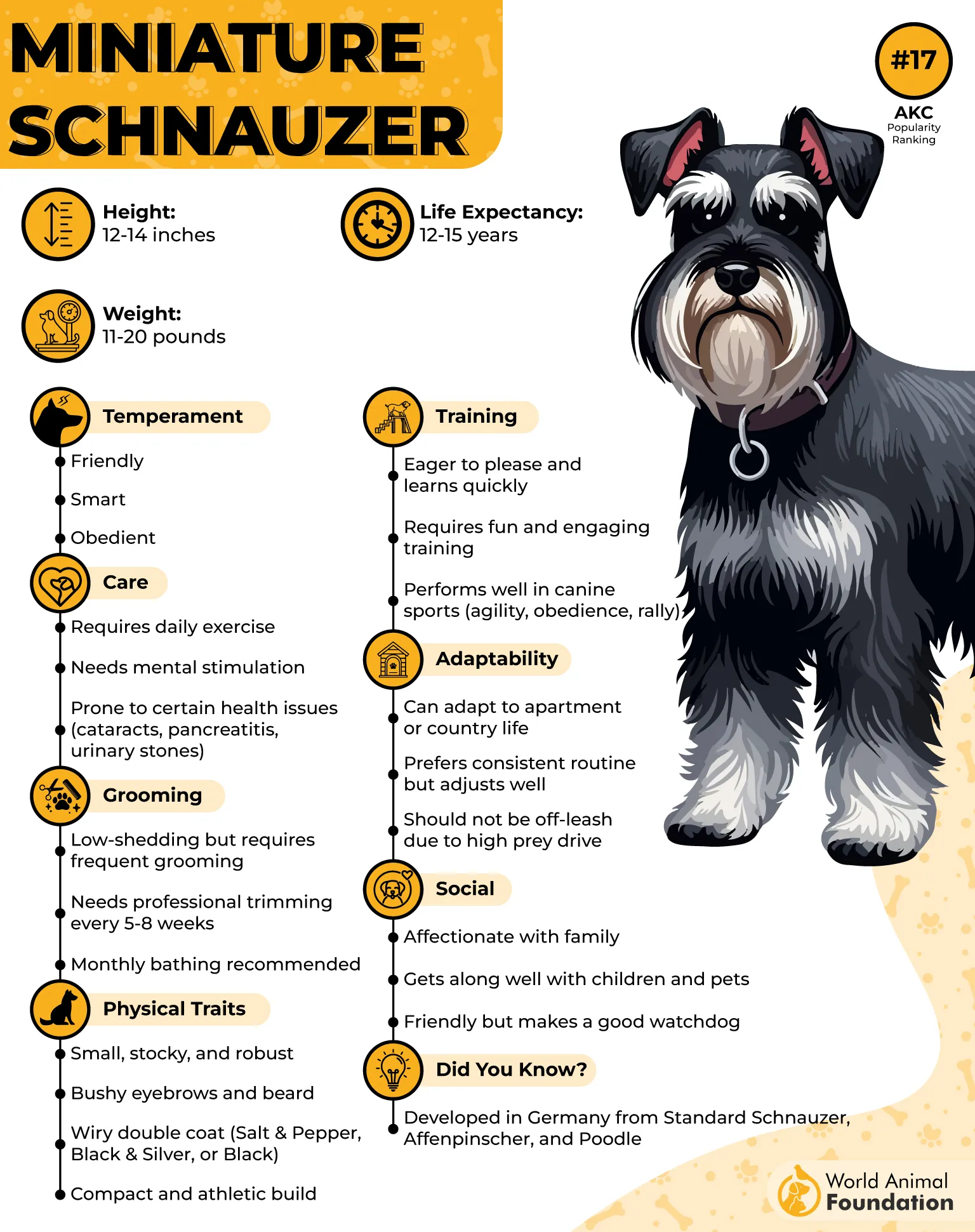
5. Miniature Schnauzer
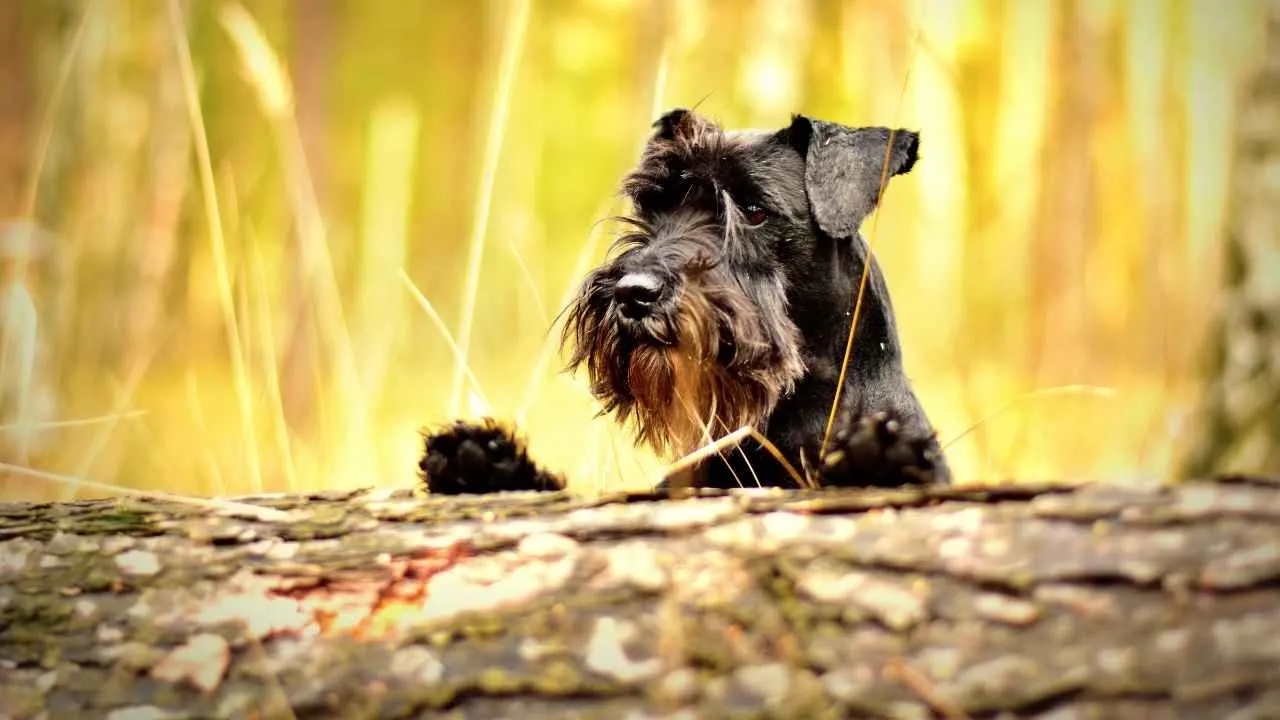
Miniature Schnauzer belongs to a German Schnauzer lineage that worked on farms from at least the 14th century, tackling vermin and guarding livestock and property. The smaller version emerged near the end of the 19th century, with several theories about the breeds involved in its ancestry.
A Keen Little Watcher
Miniature Schnauzer rarely misses a change in its surroundings and may react when someone unfamiliar shows up. A person approaching the door or coming onto the property can quickly become the reason you hear that unmistakable bark.
Its everyday habits can be quite amusing:
Needs two good walks each day
Benefits from brain-focused games
Puzzle feeders challenge its sharp mind
Different Personalities
Miniature Schnauzers can range from tenacious and strongly prey-driven to calmer and more docile, so individual temperament can vary considerably. Some males can also be selective about canine companions, while proper socialization can support better interactions with other dogs.
6. Yorkshire Terrier
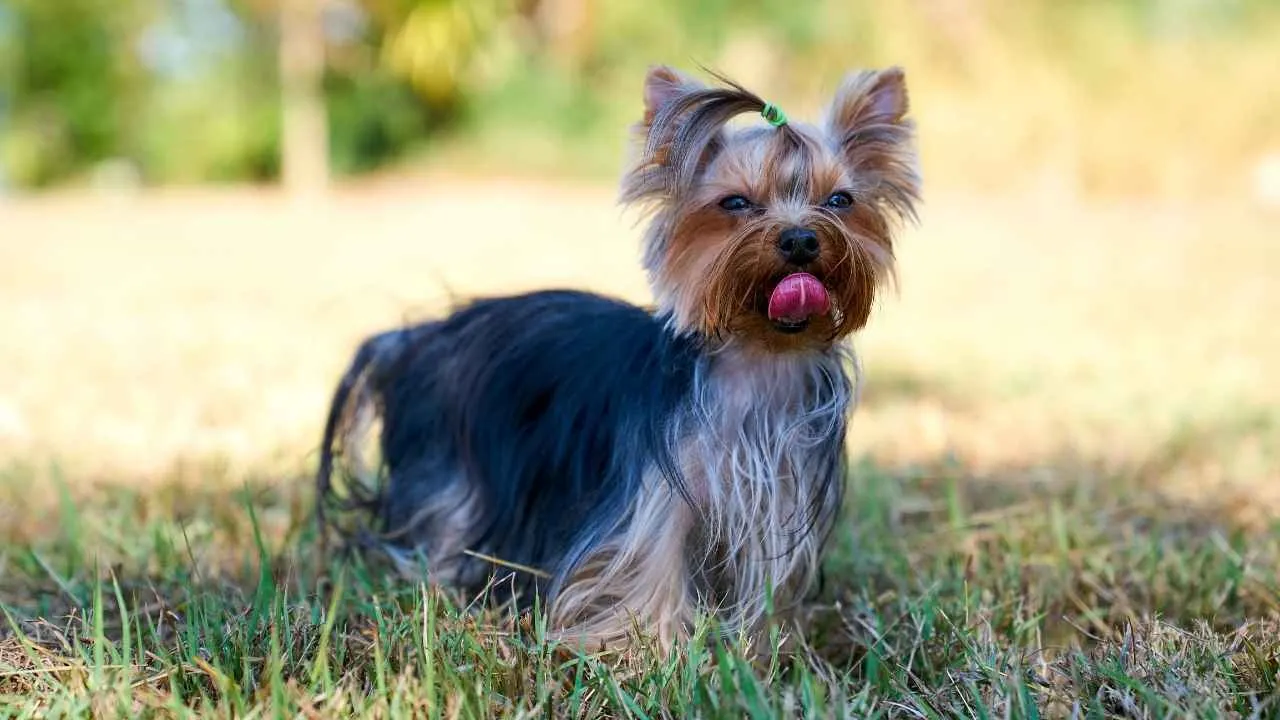
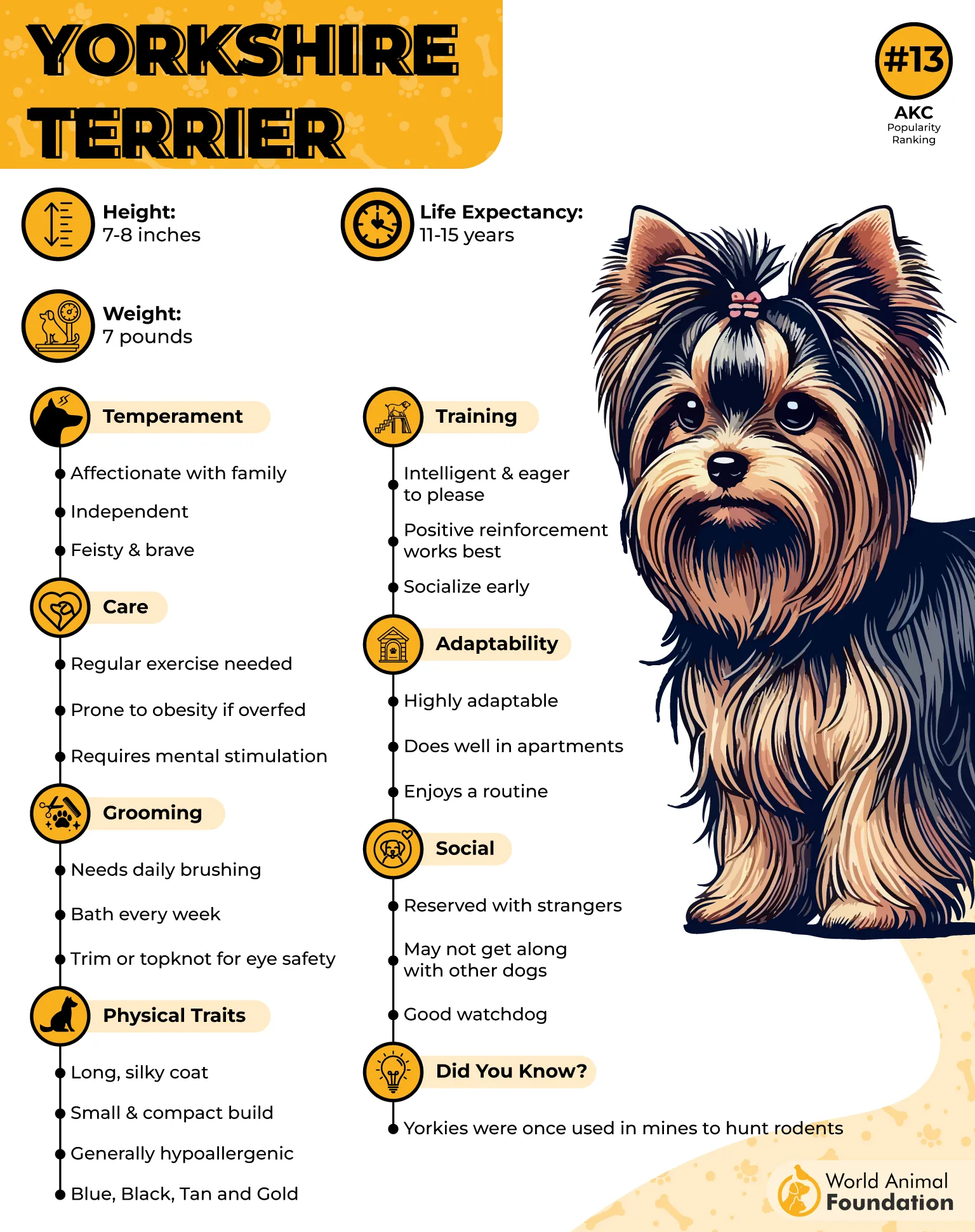
Yorkshire Terrier originated in Yorkshire during the mid-19th century after Scottish workers brought small terriers into the region’s cotton mills. These little dogs were used to catch rats, with Waterside, Paisley, and Skye Terriers among the breeds linked to their ancestry.
A Built-In Watchdog
Yorkies may spend plenty of time being playful, but their working-dog nature can show when something feels wrong. It may stand its ground against dogs much larger than itself and can be particularly protective when someone enters its home territory.
That little frame hides plenty of personality:
Intelligent and eager to please
Responds well to early training
Benefits from socialization at 7–8 weeks
Small Dog, Firm Limits
Yorkshire Terriers can be playful and affectionate with family, while rough handling from young children can prompt the dog to protect itself. Supervised interaction matters, especially because a child may underestimate the size and intensity of this small terrier.
7. Scottish Terrier
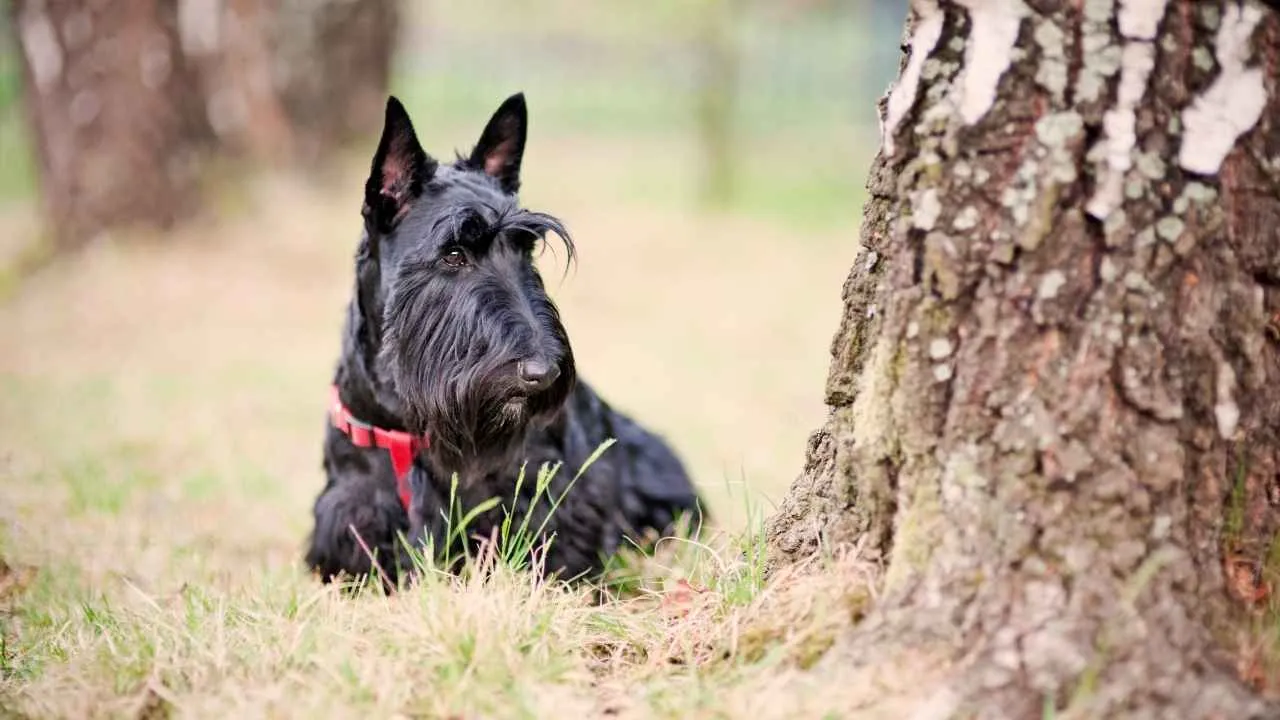
Scottish Terrier has a documented record reaching back to the 1400s, although accounts suggest these little dogs may have existed for a thousand years or more. They were once grouped among Skye-type Terriers before smaller Terrier breeds were divided into separate groups in the late 1800s.
A Serious Watcher
Scottish Terrier’s vermin-hunting background still shows in the way it keeps tabs on what is happening around home. Someone arriving at the door may hear a bark, while unfamiliar dogs and visitors may be met with a more cautious attitude.
This is how their protective nature appears day to day:
Prefers a high perch on the sofa back
Can be sensitive to tension inside the home
Needs consistent and patient training
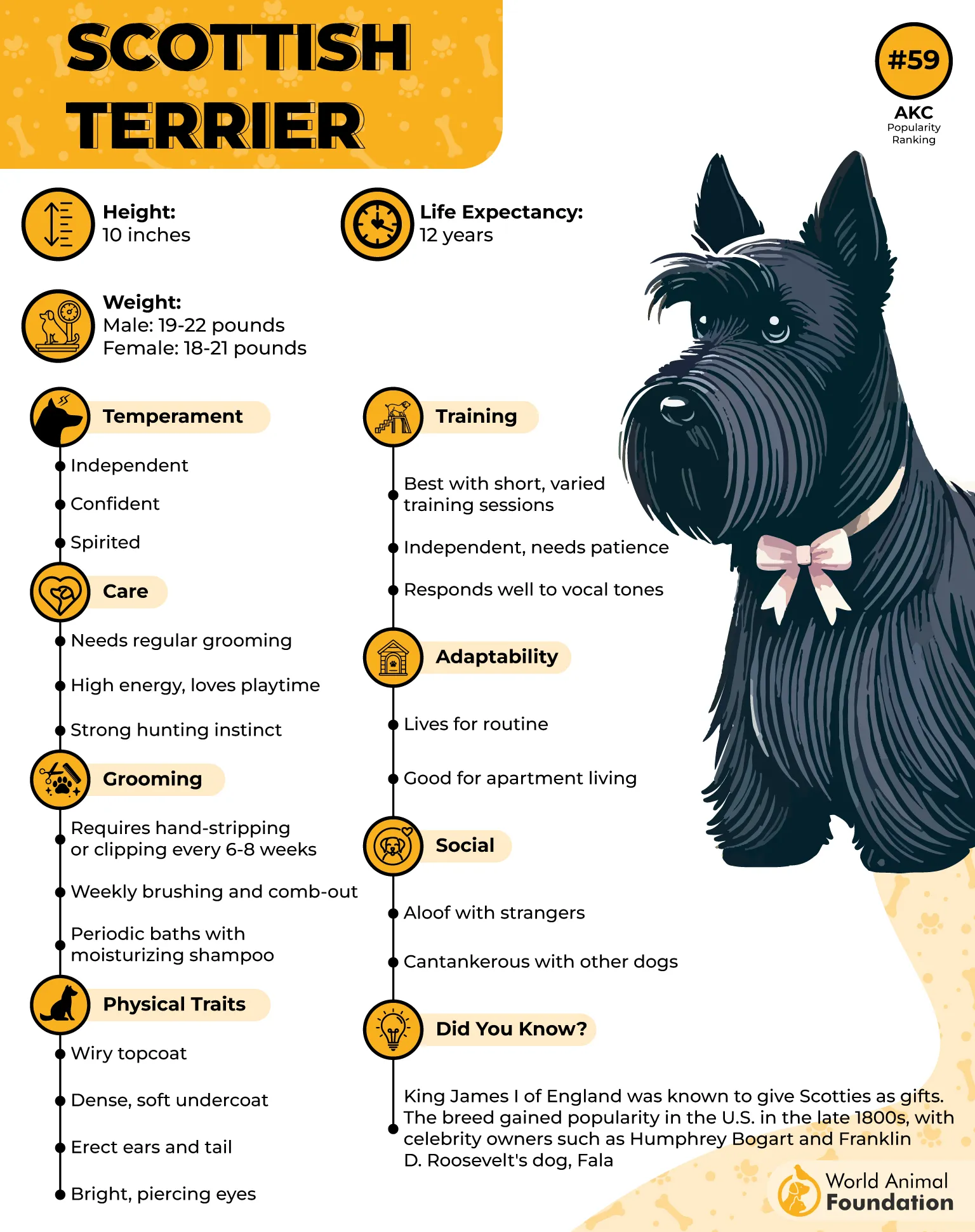
Hunter at Heart
Scottish Terrier can become intensely interested in potential prey and may dig enthusiastically when something catches its attention. That instinct means off-leash freedom is unsuitable in every setting, while a designated digging area can redirect its enthusiasm away from the garden.
Conclusion
A protective instinct can make a small companion feel like a much bigger presence around the home. Sharp hearing, territorial awareness, confidence, and a willingness to sound the alarm can all make excellent guard dogs for families who want an attentive companion. However, protective behavior still needs direction through proper training.
Early socialization, consistent handling, and calm guidance can help prevent alertness from turning into fear, excessive barking, or defensive reactions. The best dog breeds are not simply those with the fastest reactions, but those with strong territorial instincts whose temperament fits your household and whose behavior you can guide confidently through everyday situations.
