




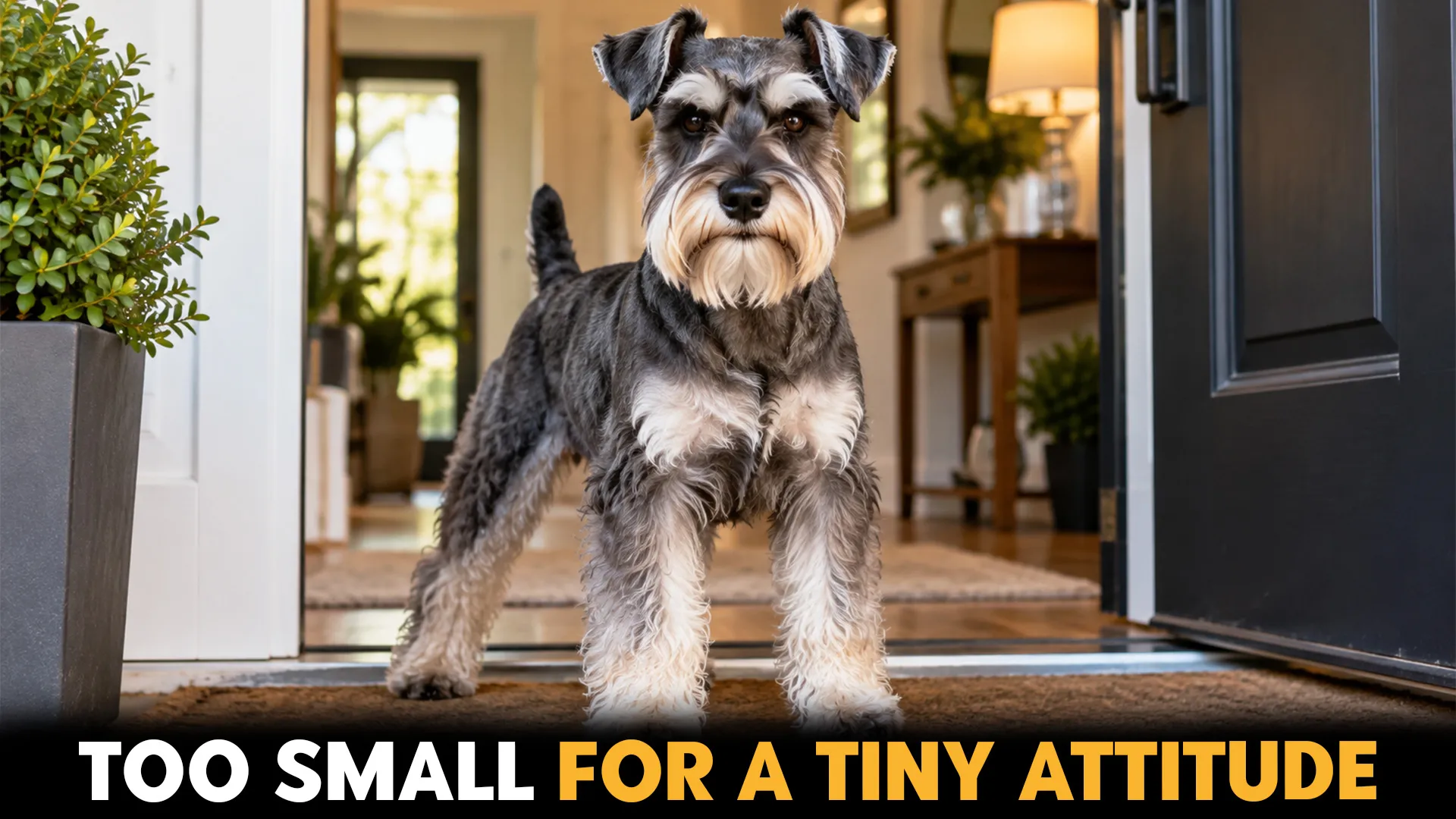
When you picture a guard dog, you probably imagine a large, powerful dog standing by the front door, ready to protect its home. But what if a much smaller companion could keep just as watchful an eye on your surroundings?
Small dogs may not have the size to scare off an intruder, but their sharp senses, quick reactions, and fearless personalities can make them surprisingly good at keeping you alert.
The secret lies in their attitude, not their size. Many small dogs are naturally alert, loyal to their families, and quick to bark when they notice unfamiliar people or unusual sounds.
Some are even bold enough to stand their ground despite being much smaller than the person or animal in front of them. With proper training and socialization, these little companions can learn to tell the difference between everyday activity and situations that deserve your attention.
Ready to meet some of the best small guard dog breeds? Let’s explore the breeds that prove you don’t need a big body to have a bold personality.
Top Small Dog Breeds With a Big-Time Guard Dog Attitude
1. Australian Terrier
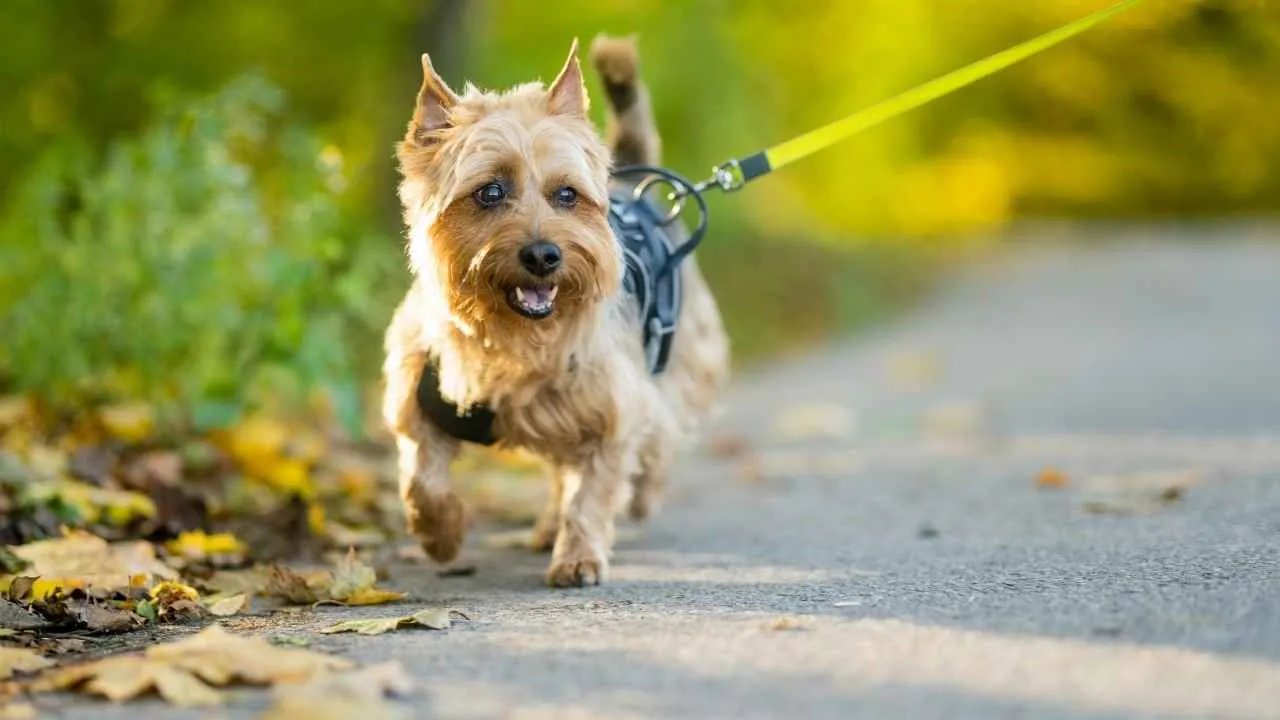
Australian Terriers may be small, but they have the confidence and alertness of much bigger dogs. Developed in Australia in the 1800s, these sturdy terriers helped farmers control rodents and protect their properties.
Their working background gave them a strong hunting instinct, quick reactions, and plenty of courage.
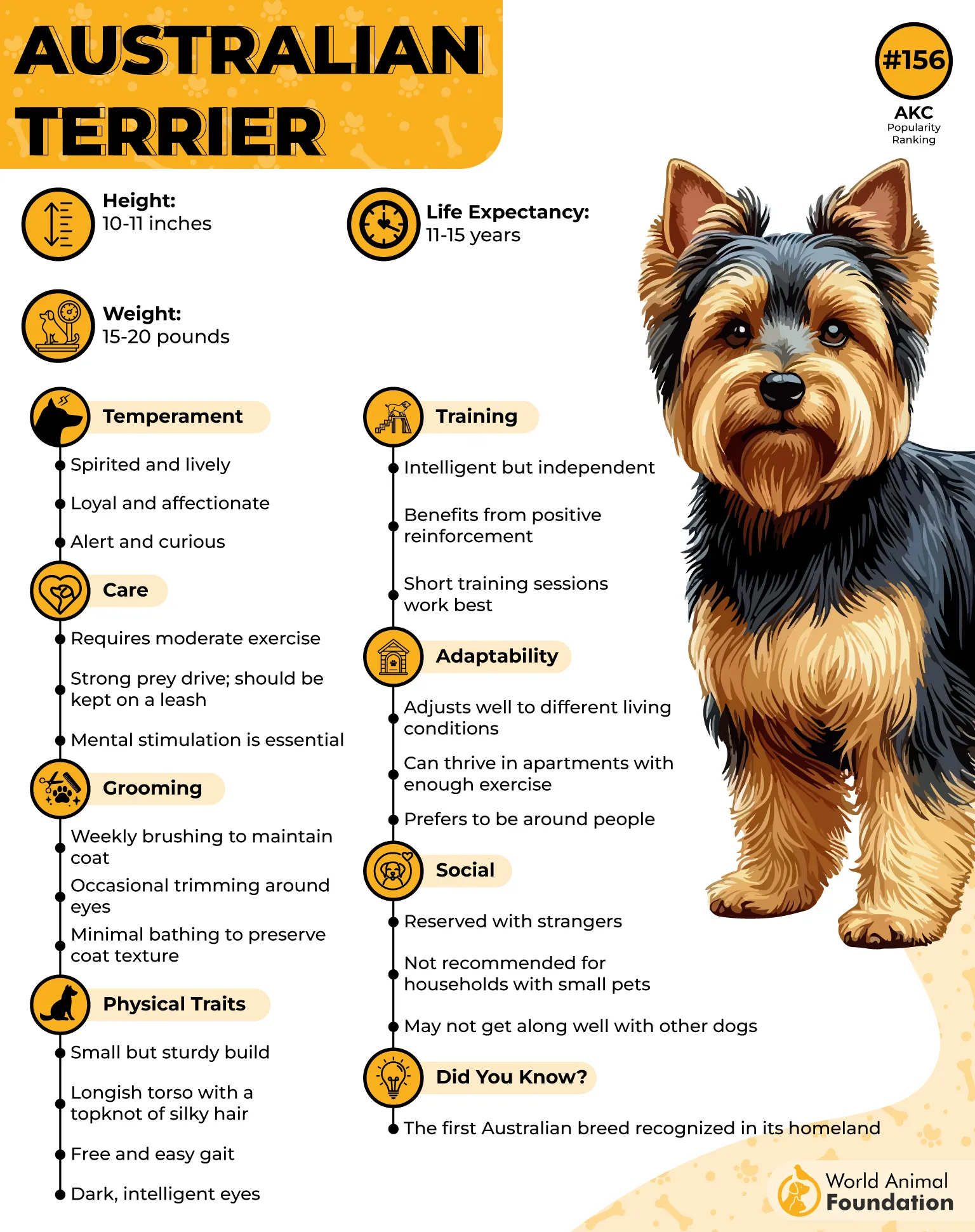
Alert and Loyal Watchdogs
Australian Terriers are lively, intelligent, and devoted to their families. They are quick learners and often alert their owners to unfamiliar people or unusual activity.
Although they can be reserved around strangers, early socialization helps them feel more comfortable in new situations. Their independent nature also means they need consistent training.
Exercise and Daily Life
These energetic dogs need daily exercise, play, and mental stimulation. Without enough activity, they may become mischievous or bark excessively.
PetMD says they can adapt to apartment living and form strong bonds with their families, but they may struggle when left alone for long periods.
Their hunting instincts can also lead them to chase smaller animals, including cats and rabbits, so careful introductions and supervision are important.
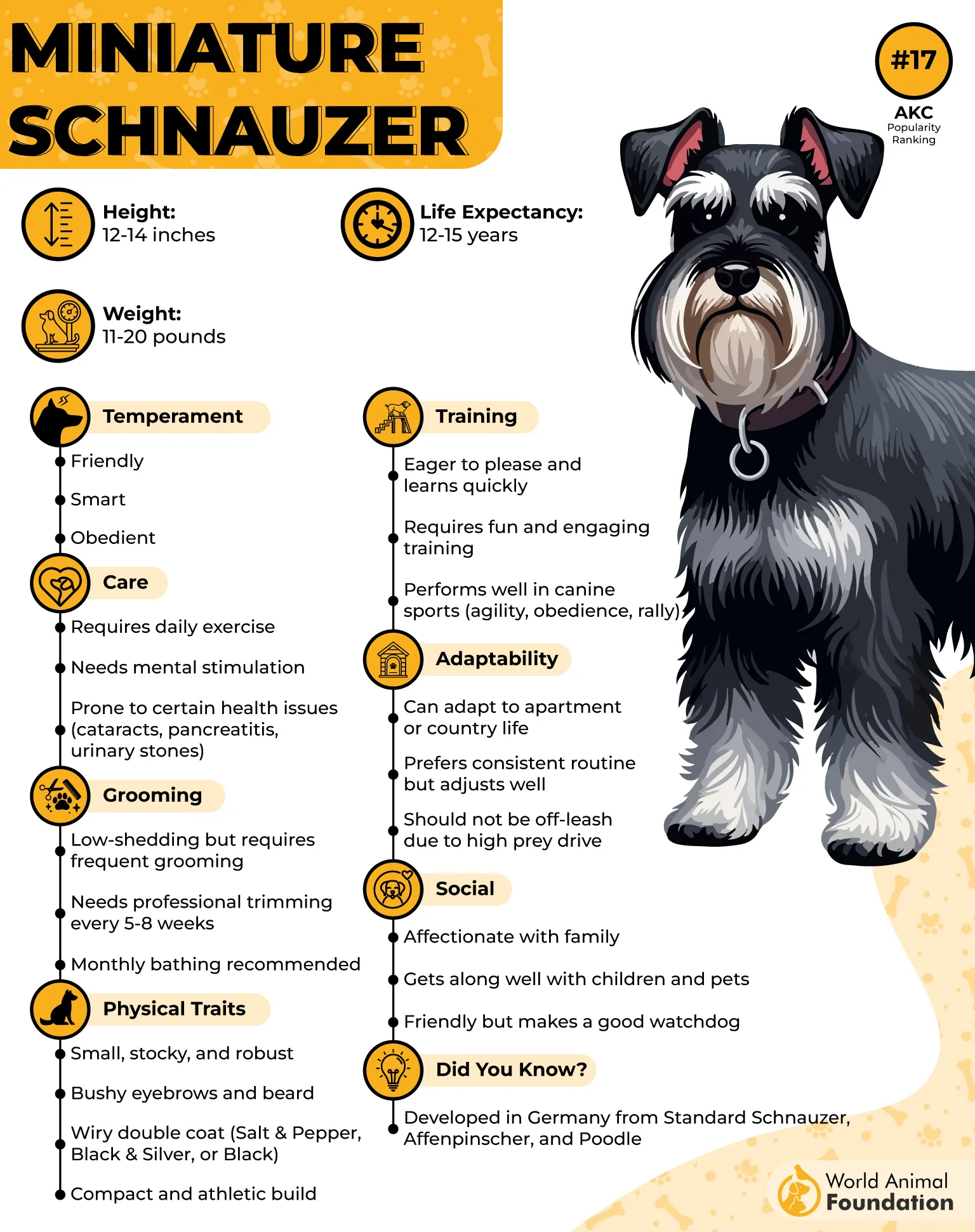
2. Miniature Schnauzer
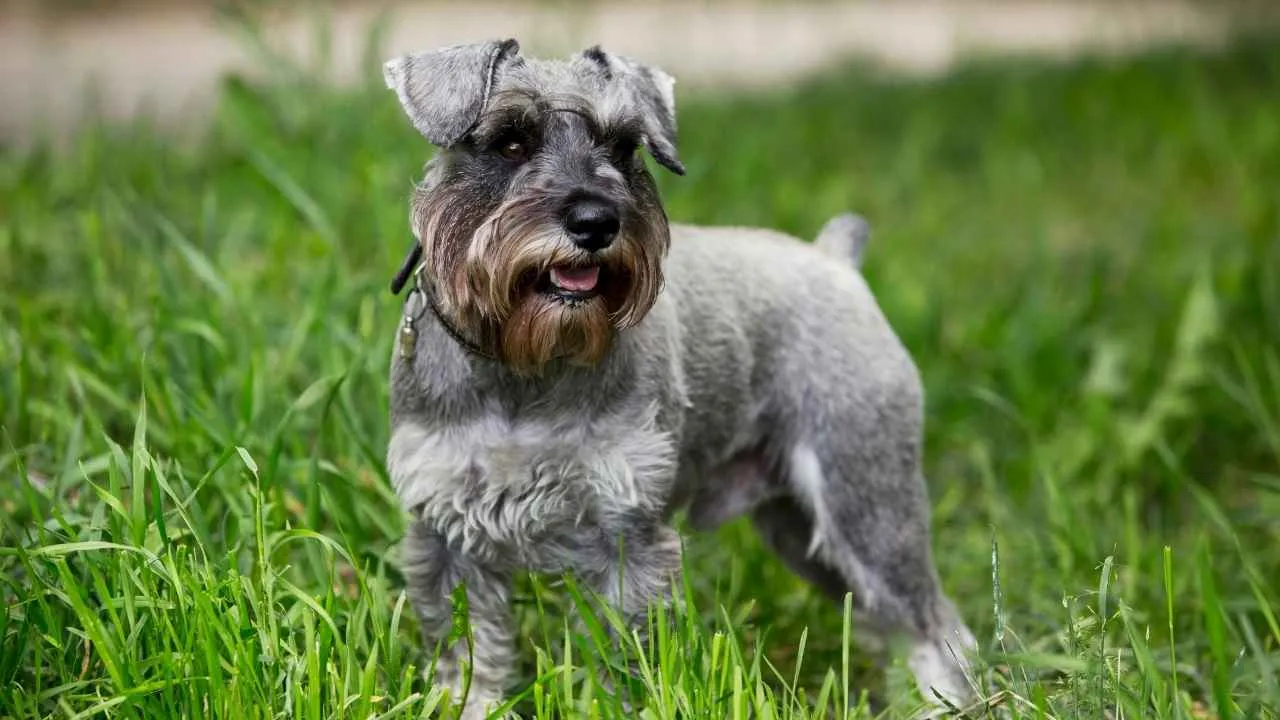
Miniature Schnauzers may be the smallest of the three Schnauzer breeds, but they are tough, fearless, and full of personality. They were developed in Germany from larger Schnauzers and worked as farm dogs and ratters.
Their bushy beards and eyebrows give them a distinctive look, while their working background makes them alert and ready to investigate unusual activity.
Alert and Intelligent Companions
These bright, friendly dogs make excellent watchdogs. They are quick to notice unfamiliar sounds and often bark to alert their families. Although they can be stubborn at times, they respond well to consistent training and positive reinforcement.
They are generally friendly with children, other dogs, and strangers, making them devoted family companions without an overly aggressive nature.
Exercise and Daily Care
Miniature Schnauzers are adaptable and can live happily in apartments or larger homes. They need regular walks, active play, and mental stimulation to stay happy. Puzzle games, agility, and learning new tricks are great ways to keep their minds busy.
Their low-shedding, wiry coats also appeal to owners who prefer less loose hair around the home, though regular grooming is still important.
3. Miniature Pinscher
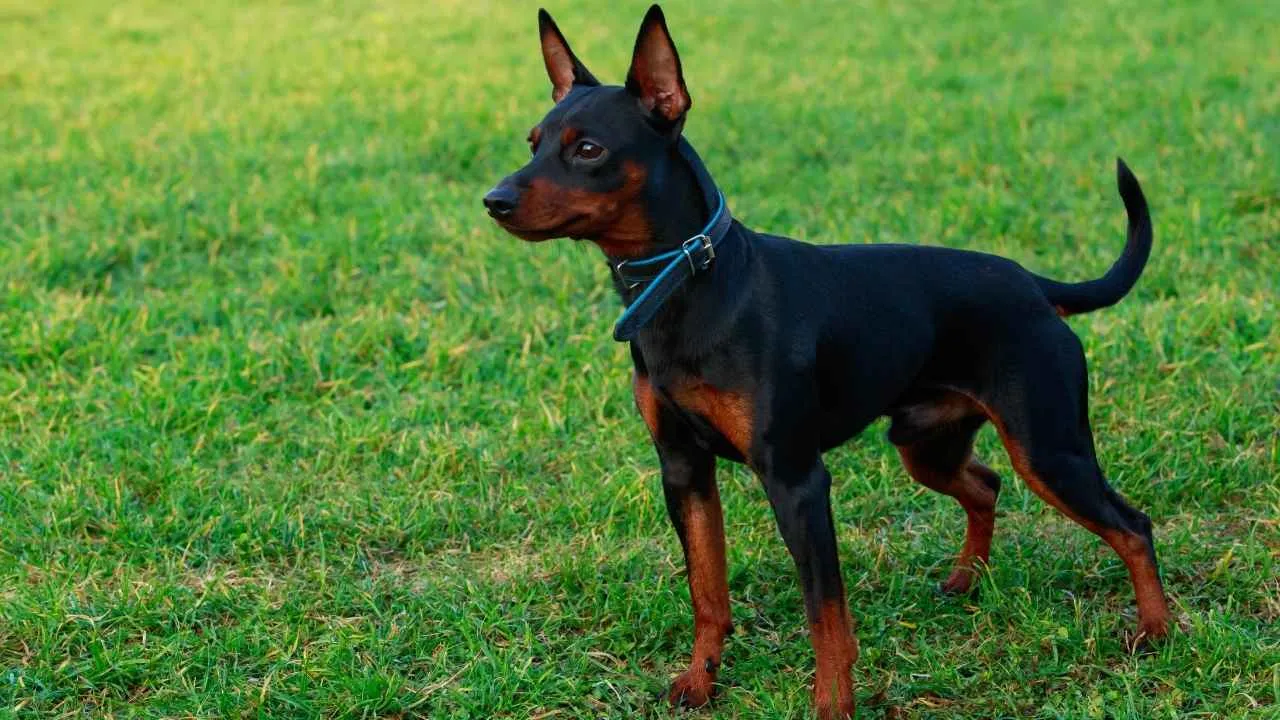
Often called the “King of the Toys,” Miniature Pinschers have bold personalities that seem much bigger than their size. Although they resemble small Dobermans, the two breeds are not related.
Miniature Pinschers were developed in Germany centuries ago to hunt rats and other pests. They remain energetic, curious, and determined, with a strong instinct to chase small animals.
Alert and Territorial Watchdogs
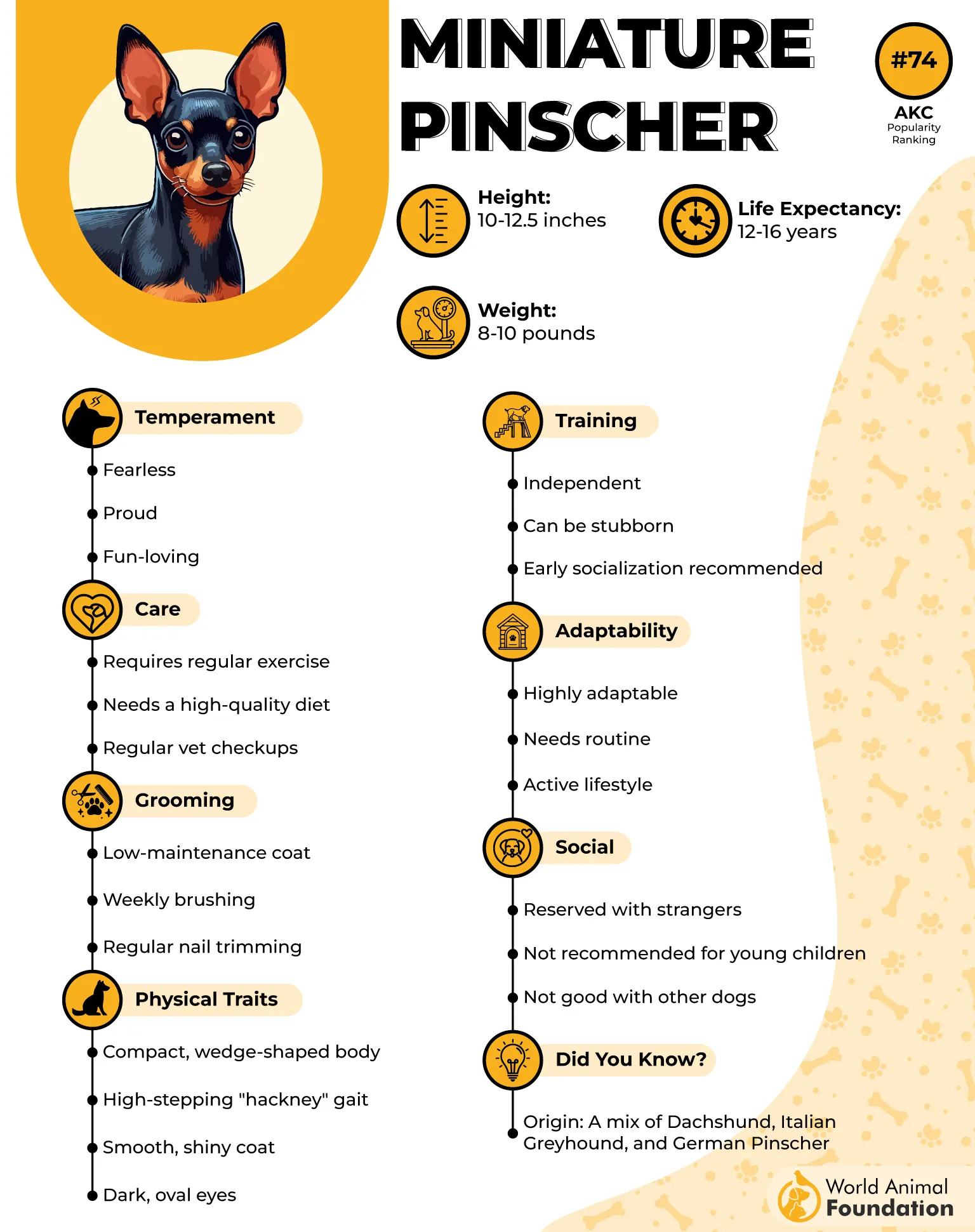
Miniature Pinschers are loyal to their families and quick to bark when strangers approach their homes. Their bold, insistent barking makes them excellent watchdogs, even if their small size cannot physically deter an intruder.
These confident dogs can be stubborn and independent, so early socialization and patient, consistent training are important. They can be affectionate companions, but their strong personalities may make them challenging for first-time dog owners, as Orvis notes.
Exercise and Daily Care
Despite their small size, Miniature Pinschers need regular walks and plenty of playtime to burn off their energy. They can adapt well to apartment living, provided they get enough daily activity.
Their strong prey drive means they should be kept on a leash or in a secure, enclosed space outdoors. They may get along with other household pets when introduced properly, but homes with small animals such as hamsters may not be suitable.
4. Rat Terrier
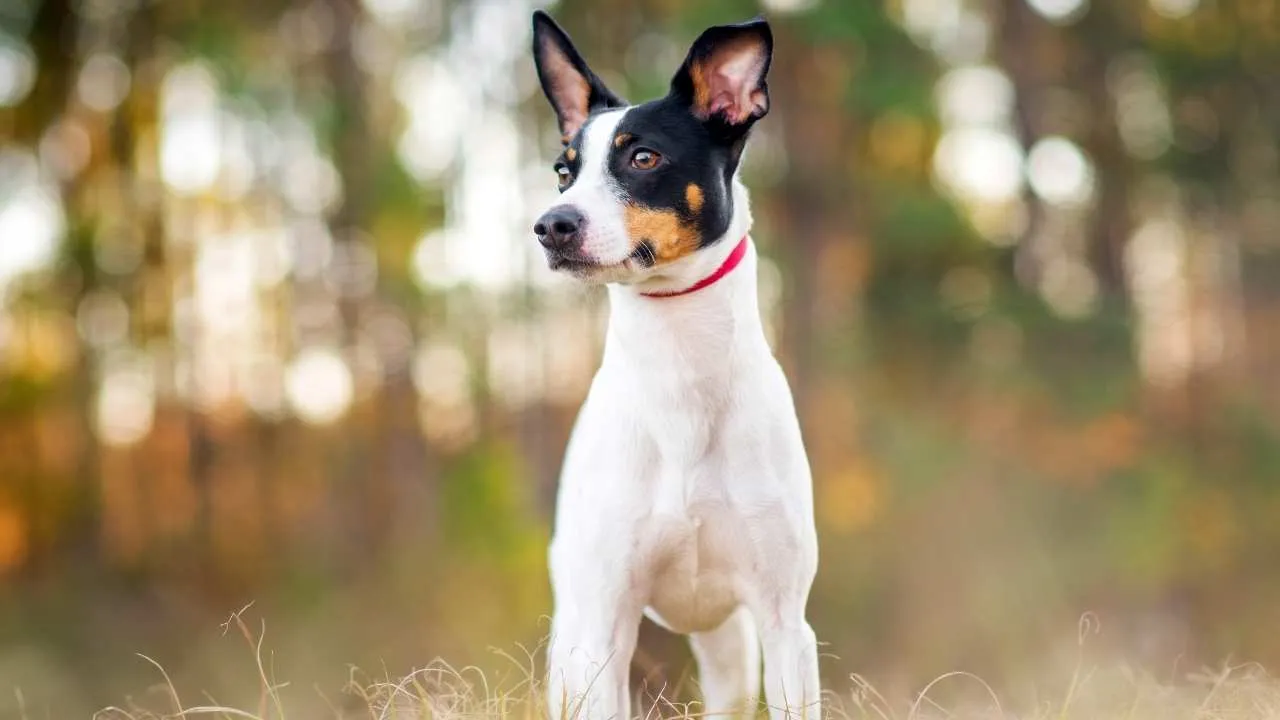
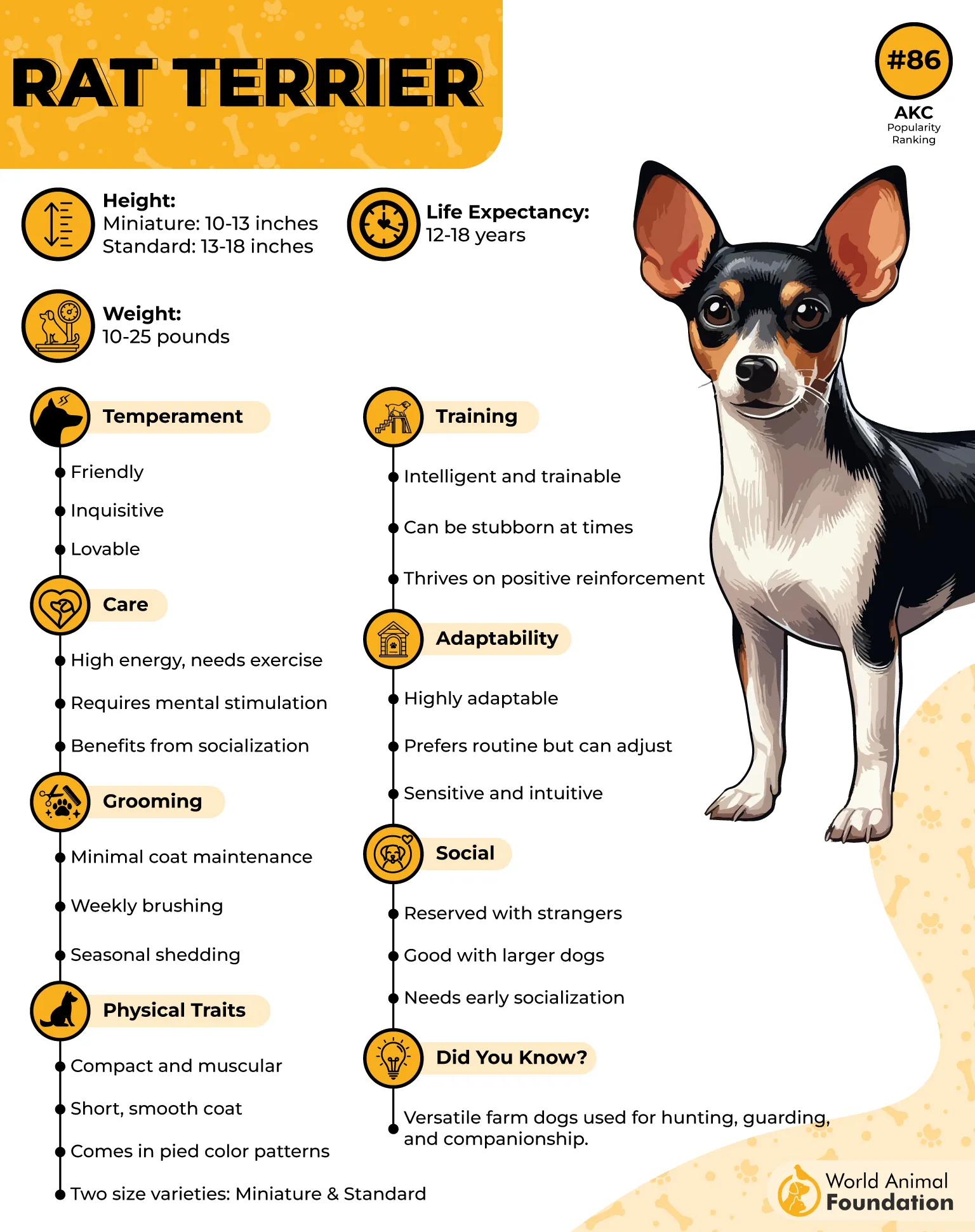
Rat Terriers are lively, intelligent dogs with a strong work ethic and plenty of confidence. They were popular on American farms during the 1920s and 1930s, where they helped control rats and other pests.
Today, these compact, smooth-coated dogs are playful companions who love staying busy and being involved in family activities.
Protective and Quick to React
Rat Terriers may not be traditional guard dogs, but they make alert watchdogs. They often bark when people or other animals approach and may be reserved around strangers.
With proper socialization, they can learn to accept newcomers without becoming aggressive. They are loyal to their families and generally playful with children, although some may act boldly or get scrappy around other dogs.
Training and Daily Care
These energetic dogs need regular exercise, games, and mental challenges to stay happy. They learn quickly and respond well to reward-based training that uses treats or play, but they can become bored and distracted without variety.
Rat Terriers also enjoy companionship and may struggle if left alone for long periods. Their strong prey drive means they may not be suitable for homes with small pets, especially rodents such as mice and hamsters.
5. Chihuahua
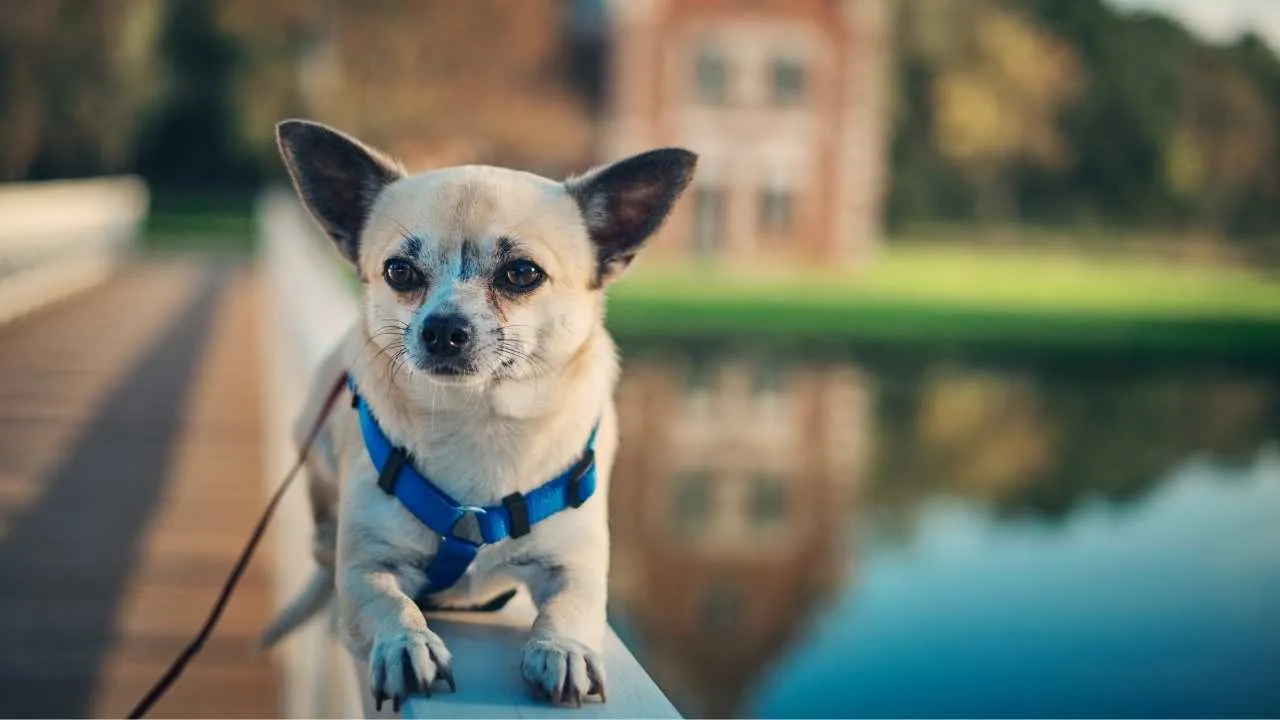
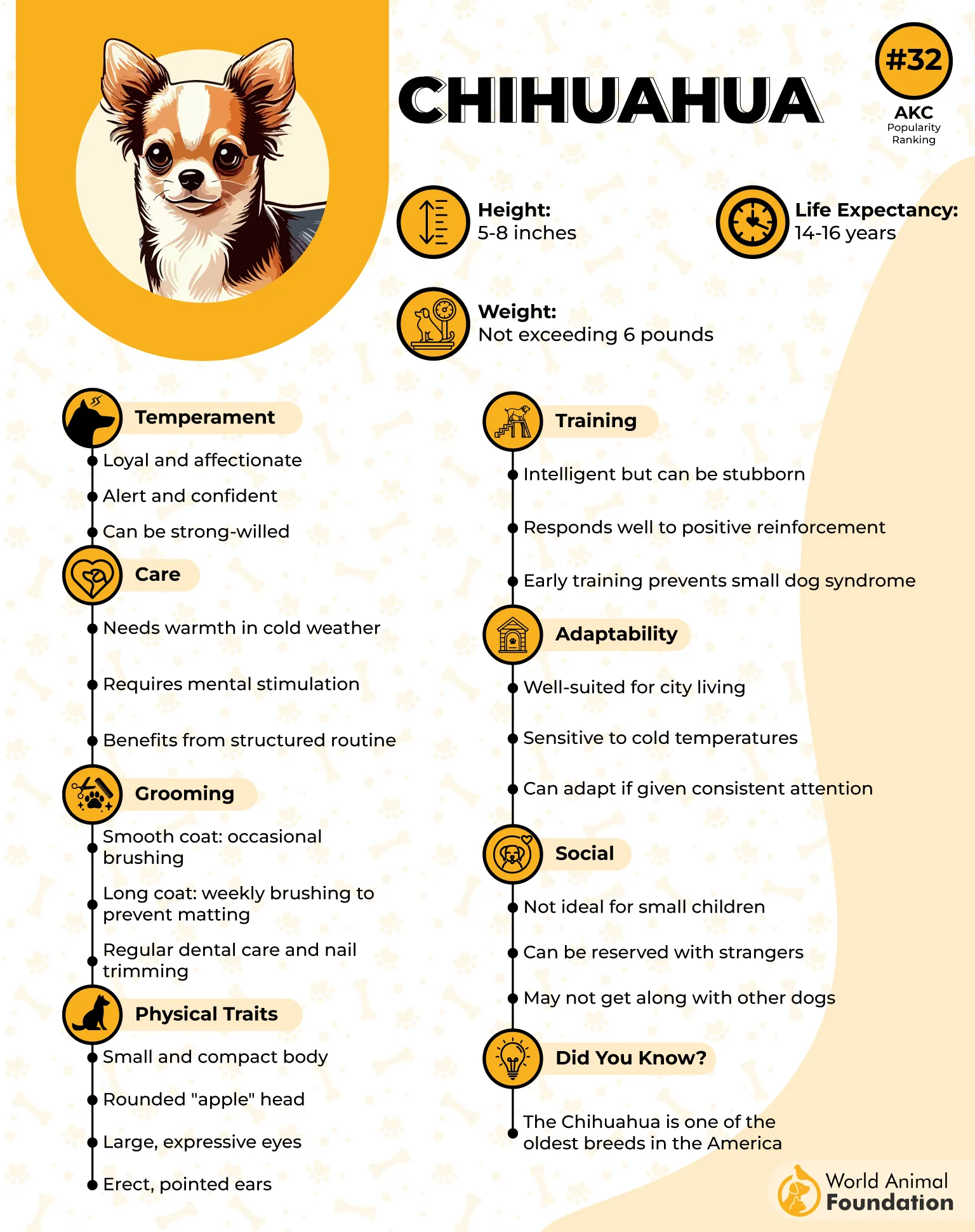
Chihuahuas may be famous for sitting on laps, but these tiny dogs have plenty of energy and courage. Originating in Mexico, they are among the oldest dog breeds in the Americas, according to the American Kennel Club.
They come in long-haired and short-haired varieties, with expressive eyes and alert ears that match their lively personalities. Despite their size, they often act much bolder than expected.
Fearless and Vocal Watchdogs
Chihuahuas form strong bonds with their families and are often reserved around strangers. They are quick to bark when they notice unfamiliar people or feel something is wrong, making them useful watchdogs. Some may even challenge much larger dogs.
However, their small size means they cannot physically protect a home from an intruder. Early socialization helps them feel more comfortable around new people and animals while preventing excessive barking.
Exercise and Daily Care
These playful dogs need daily walks, indoor games, and opportunities to explore their surroundings. Although they enjoy cuddling on laps, they should not miss out on regular activity.
Chihuahuas can be difficult to train at times, so starting early and using consistent methods is important. Their small bodies also need gentle handling, especially around young children and larger dogs.
6. Yorkshire Terrier
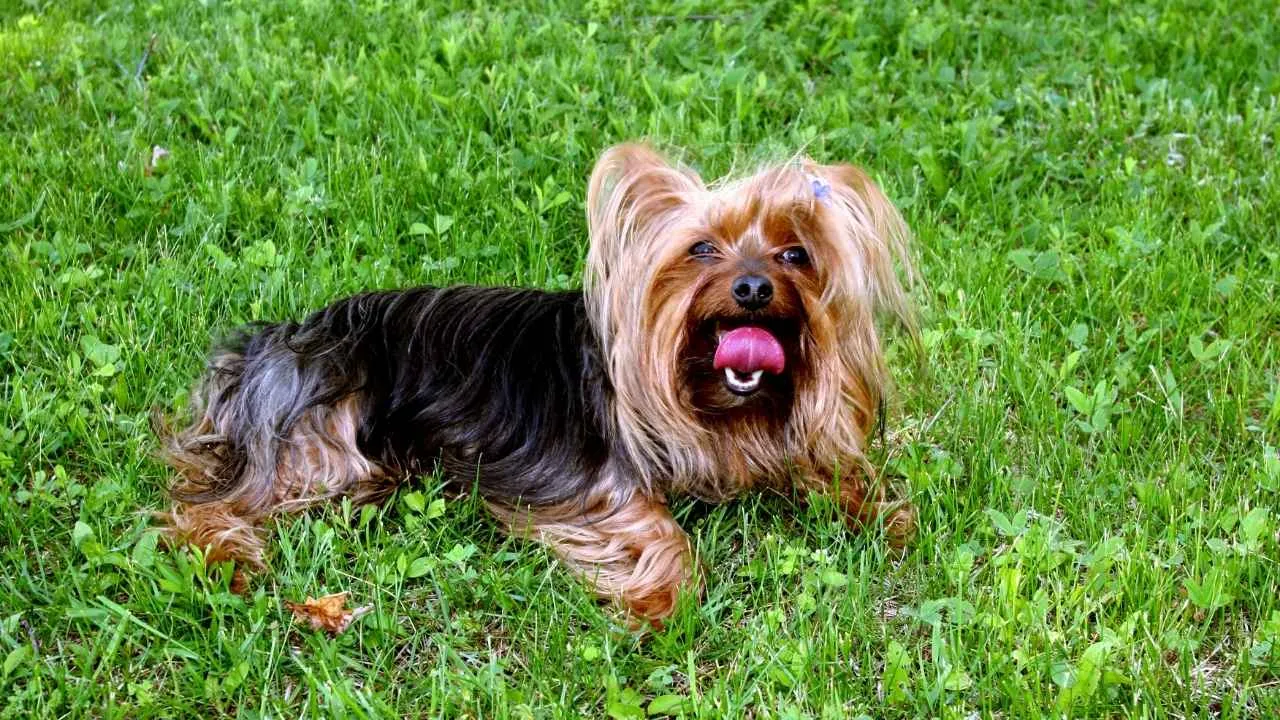
Yorkshire Terriers, affectionately called Yorkies, may look like delicate lapdogs, but they have the bold spirit of traditional terriers. They were originally bred to hunt rats and mice in mills and mines in 19th-century England.
Today, these lively, curious dogs are known for their silky coats, playful nature, and confidence that seems far bigger than their size.
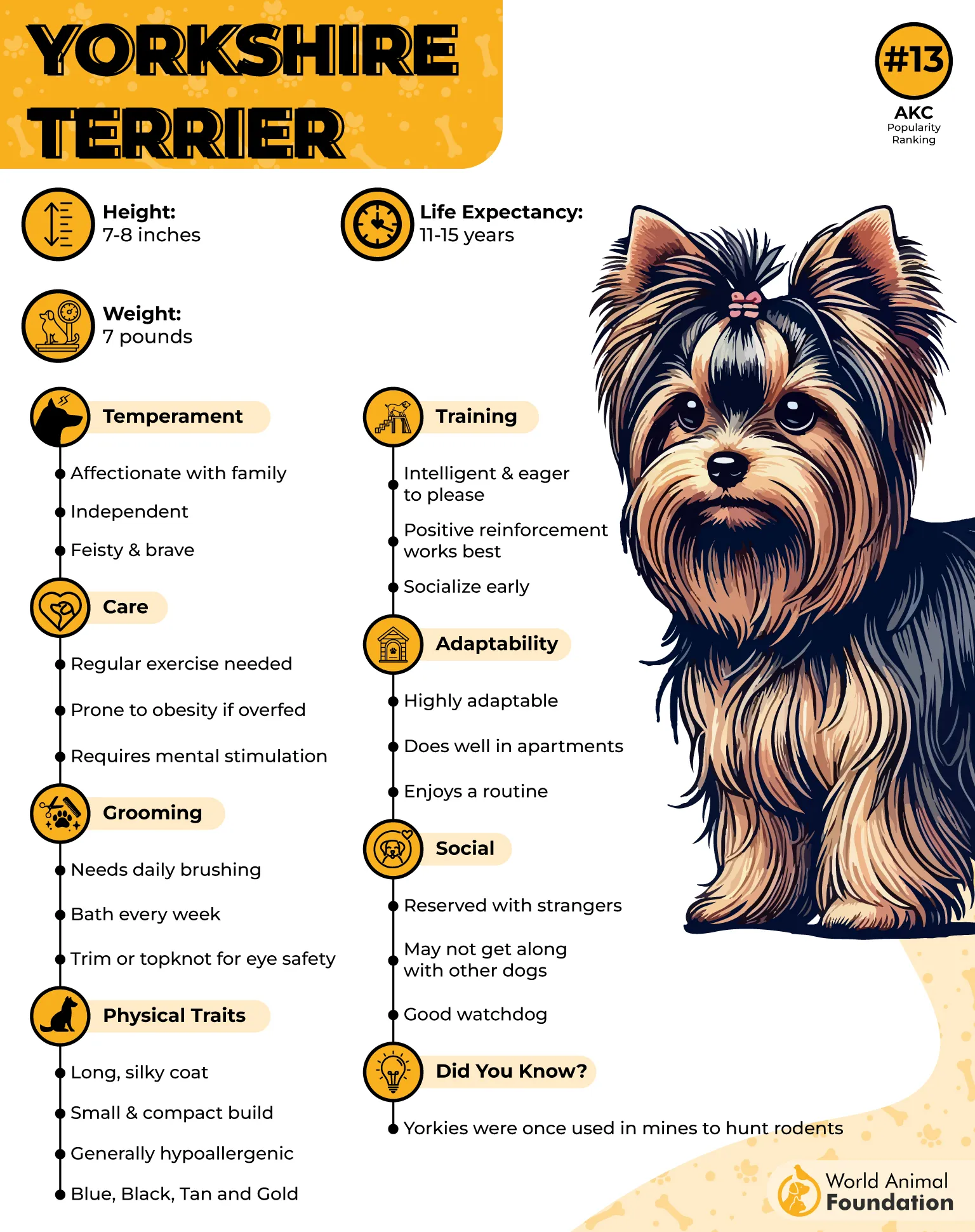
Alert and Protective Watchdogs
Yorkies are excellent watchdogs that quickly notice when someone approaches the front door. They often bark to alert their families and may become overprotective of the people they love.
These intelligent dogs learn quickly and respond well to training, but early socialization is important to help them feel comfortable around strangers. Their independent, inquisitive nature also means they need plenty of attention and mental stimulation.
Exercise and Daily Care
Yorkies enjoy short walks, indoor games, and activities that keep their minds busy. They form close bonds with their families and may become unhappy when left alone for long periods.
They can make good family companions when treated carefully, but their strong hunting instincts mean small pets such as hamsters and gerbils may not be safe around them.
7. Lhasa Apso
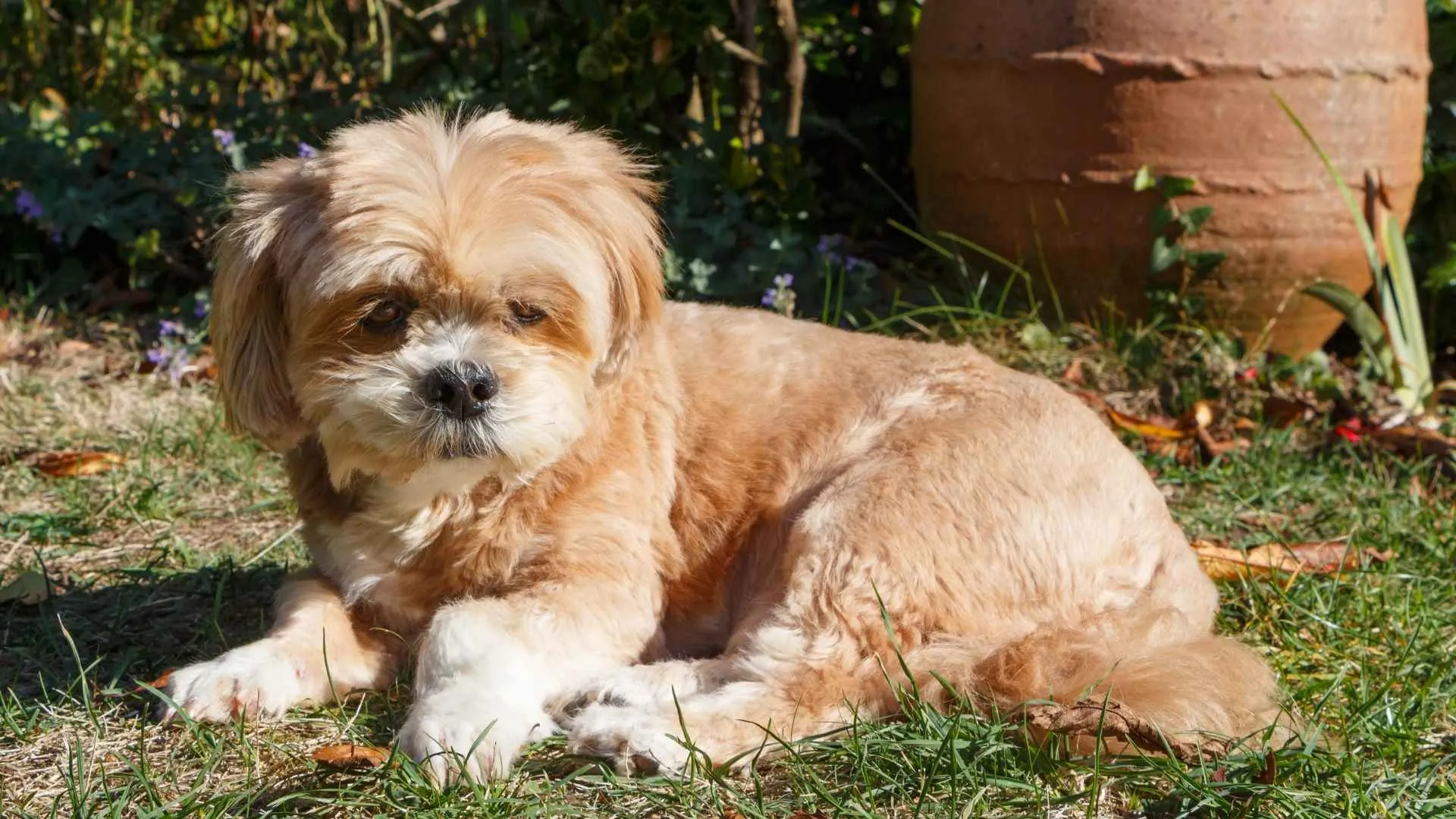
Lhasa Apsos may look elegant with their long, flowing coats, but these small dogs have a fearless and watchful nature. They originated in Tibet around 800 BCE and were bred to guard monasteries and palaces.

Their keen hearing and alert personalities helped them notice unfamiliar activity. Even today, they remain naturally cautious around strangers and use their bark to alert their families.
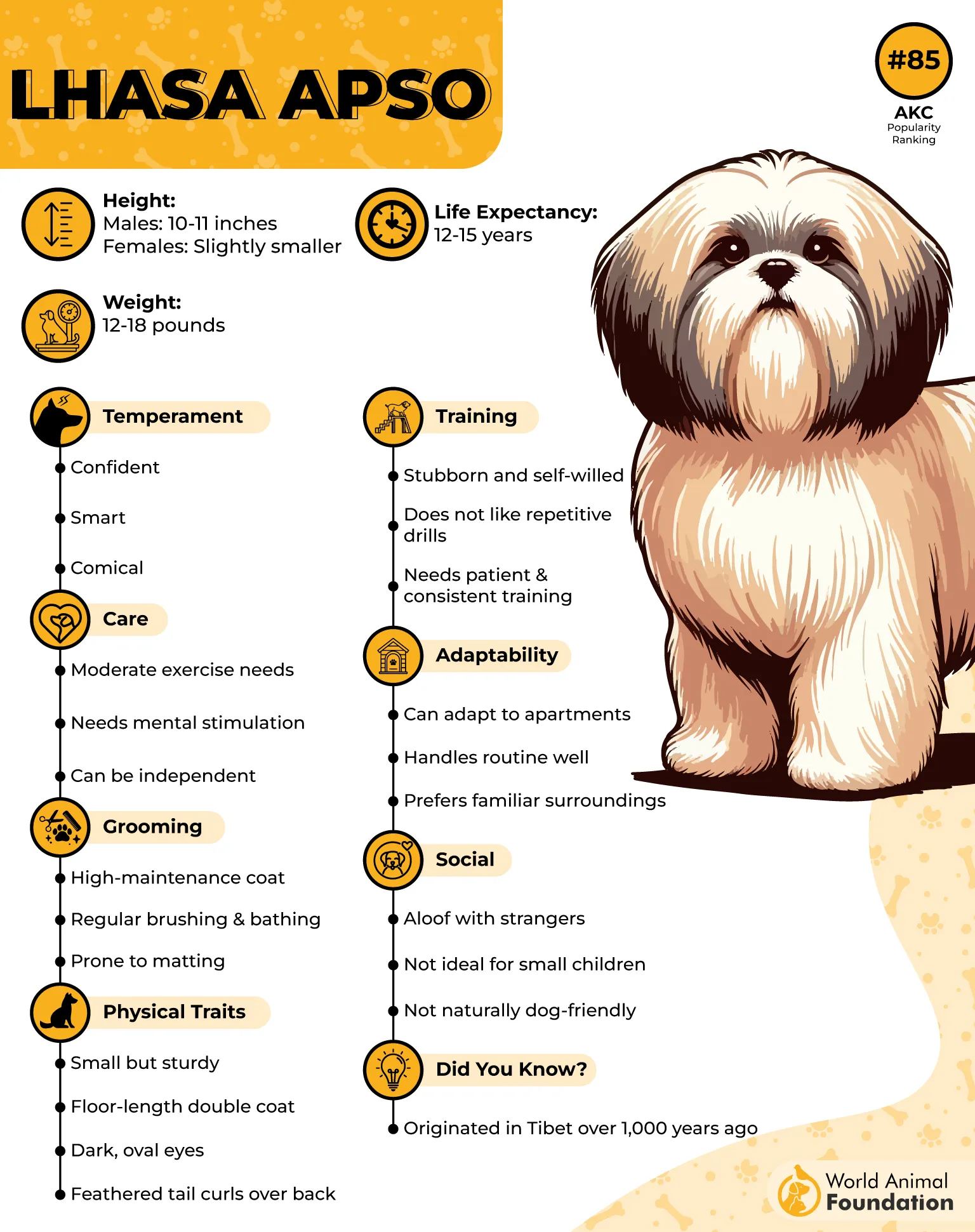
Watchful, Loyal, and Independent
Lhasa Apsos are devoted to their families but can be reserved around unfamiliar people. They are intelligent, curious, and playful, though their independent nature can make training challenging.
Firm, consistent training and early socialization help them become comfortable in different situations. Despite their watchdog instincts, they are affectionate with trusted family members and enjoy both cuddles and watching their surroundings from a high spot.
Exercise and Daily Care
These adaptable dogs can live comfortably in apartments and usually do well with short daily walks and playtime. They can also manage being alone for short periods.
However, their long, thick coats need frequent brushing and regular grooming to prevent tangles. Lhasa Apsos mature slowly and may retain their puppy-like energy for several years.
Conclusion
Small dogs may not have the size to stop an intruder, but their alertness, loyalty, and fearless personalities can make them excellent watchdogs. These breeds show that a big guard dog attitude has little to do with physical size.
Each has its own temperament, energy level, and care needs, so the best fit depends on your home and lifestyle.
Before bringing one home, consider how much exercise, training, grooming, and companionship you can provide. Early socialization and consistent training will help your dog become a confident, well-behaved companion.
After all, the best little watchdog is not simply the one that barks the loudest, but the one that feels secure, trusts its family, and keeps a watchful eye on the home.
