





Ever heard that small dogs are just cute little lap companions… nothing more?
Think again.
Because sometimes… the smallest bark in the room is the one that changes everything.
They don’t look like protectors. Not at first glance. That’s the mistake most people make. The assumption is simple… “big dog = safety.” But the truth? It doesn’t always work that way.
Some of the most alert, watchful, always-on-edge companions are the ones you’d easily overlook at the door. Tiny bodies. Sharp instincts. A habit of noticing things before you even realize something is off.
And here’s the twist… they’re not trying to be heroes. They’re just wired to care. To react. To warn. Sometimes loudly. Sometimes instantly.
Safe doesn’t always mean strong-looking. And quiet doesn’t always mean calm.
So what happens when protection comes in a smaller package… with a louder voice than expected?
Let’s find out.
Best Small Dog Breeds to Keep You and Your Family Safe
1. Cairn Terrier
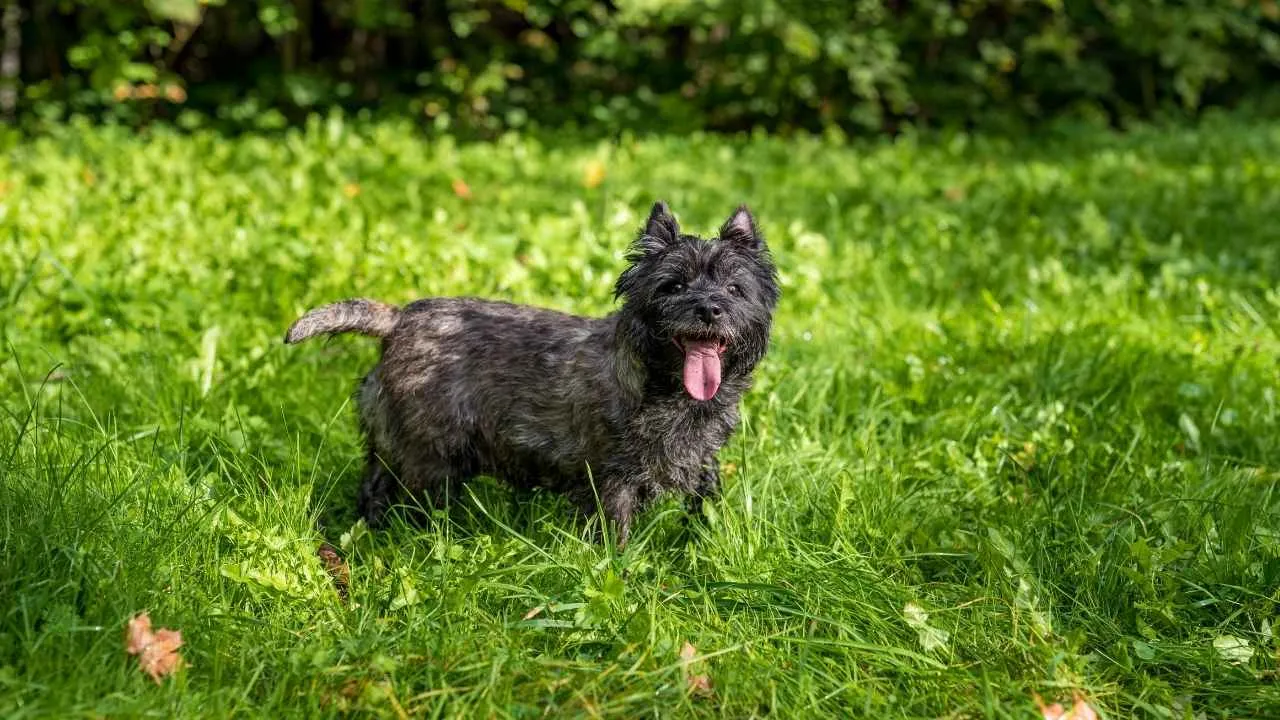
Built from generations of working in tough outdoor environments, the Cairn Terrier developed a habit of staying mentally engaged with its surroundings. That awareness didn’t fade in modern homes—it simply shifted indoors.
Cairn Terriers are fiercely territorial and have a bold bark, making them effective small guard dogs that react at once to perceived threats.

It’s less about aggression and more about communication—an early signal that something has changed in the environment.
Inside the home, this breed tends to stay connected to activity rather than drifting away. It often follows family movement and positions itself where it can observe without being intrusive, which makes it naturally aware of household flow.
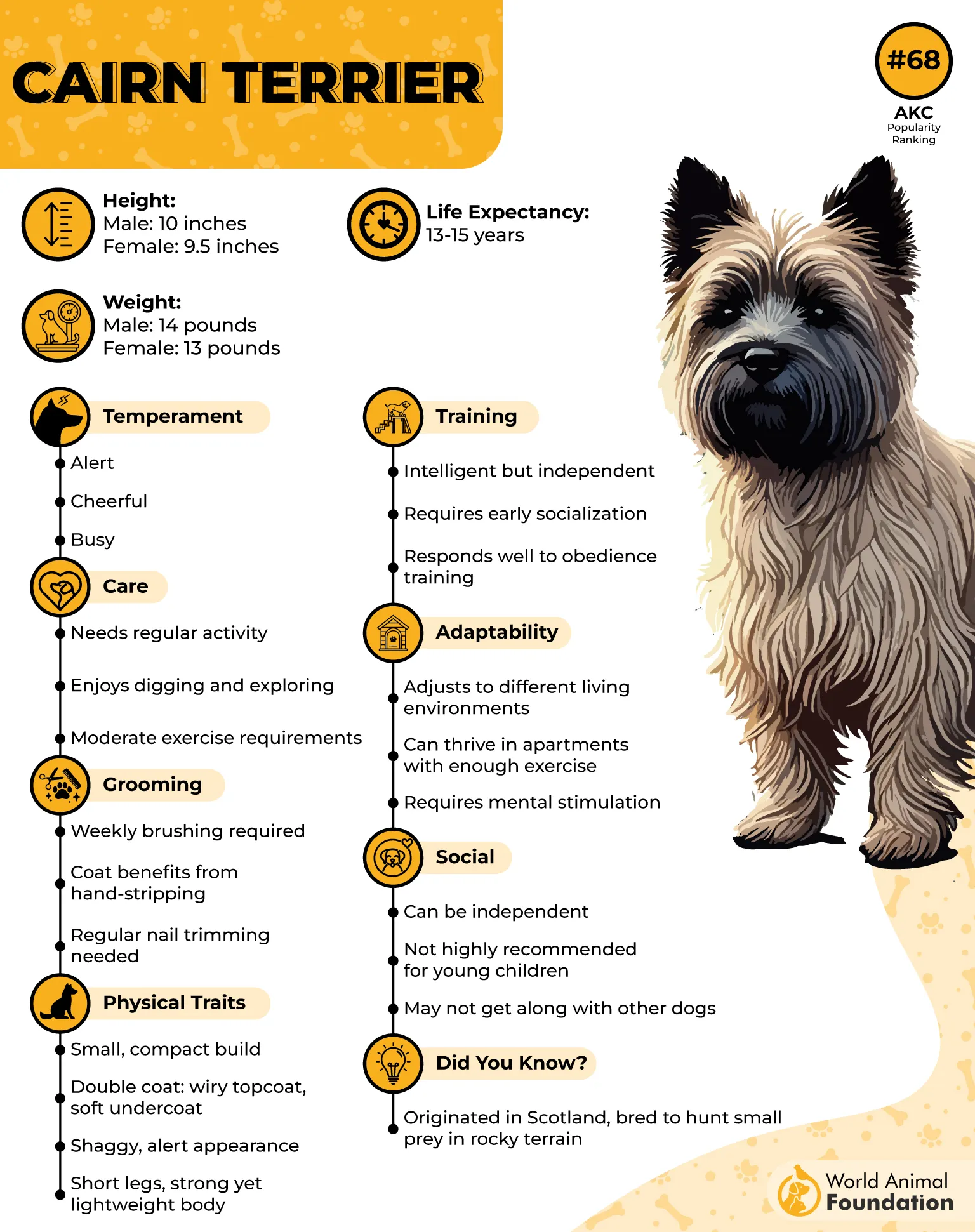
For families, this means an added layer of attention during normal routines—especially in situations where doors, visitors, or outdoor activity are involved.
Its value lies in timing and awareness, not force… making it a steady presence in everyday home settings where early notice matters more than confrontation.
2. Lhasa Apso
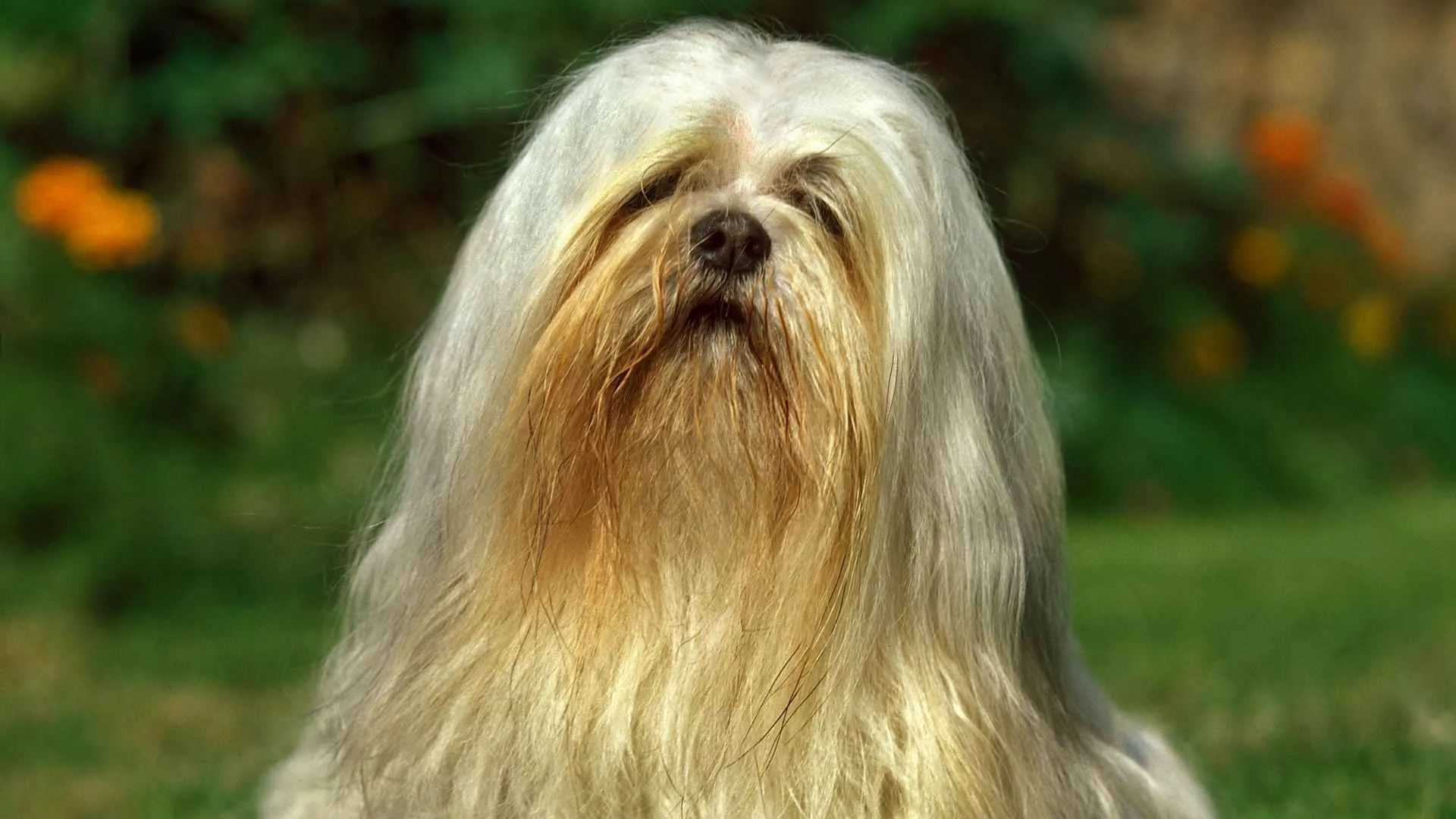
The Lhasa Apso’s origins trace back to Tibetan monasteries, where it was kept indoors as a quiet but highly observant presence, a trait still noted in veterinary behavior, as mentioned by WebMD.
That background shows up in modern homes in a very specific way: this breed tends to “read” its environment closely.
Changes in sound patterns, movement near entry points, or unfamiliar presence in its space are often enough to trigger a clear response.
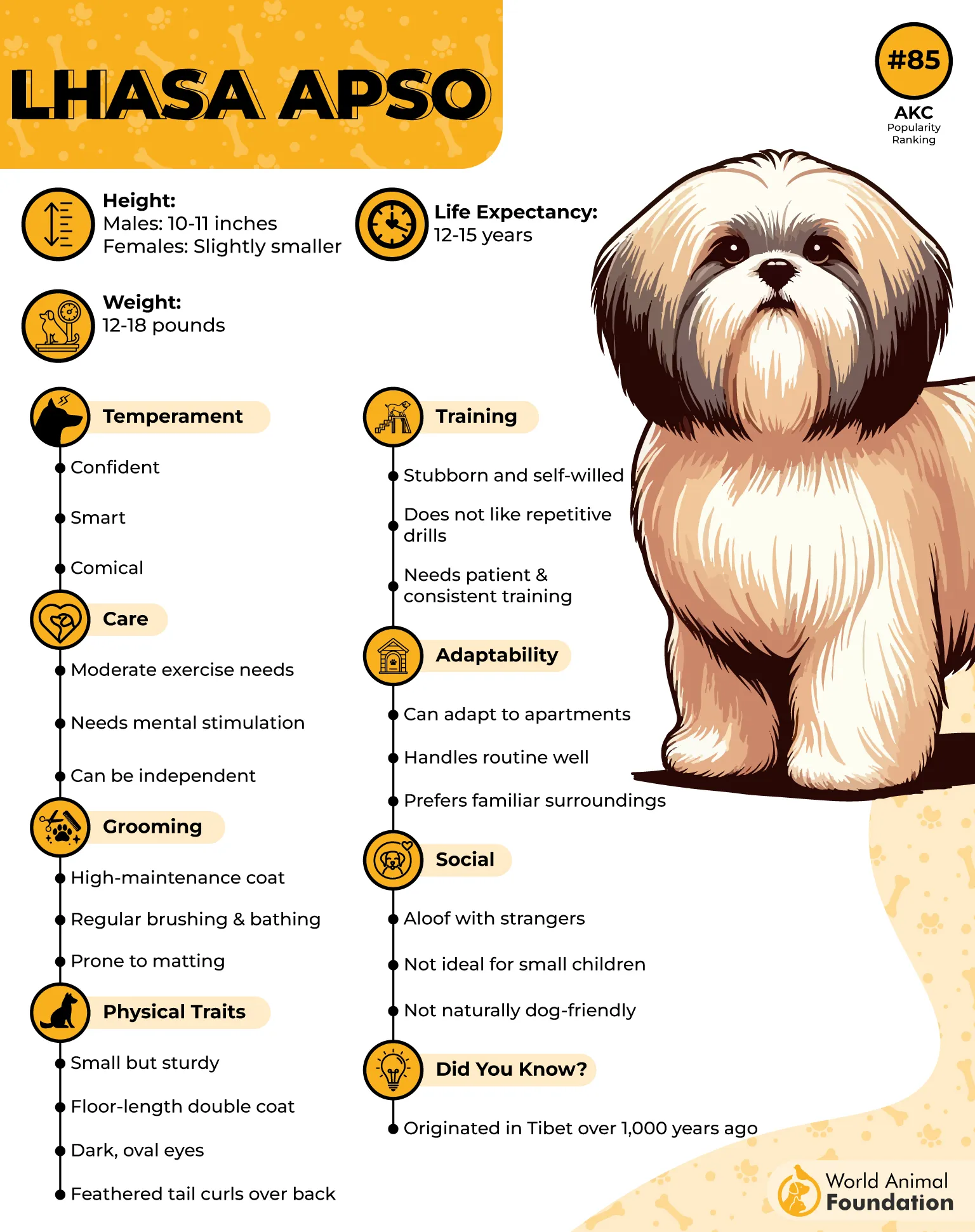
In daily routines, it doesn’t drift passively through the home. Instead, it often chooses positions that give it a wide view of activity—hallways, entry areas, or spots where household movement naturally converges.
This isn’t random behavior; it reflects a long-developed tendency toward environmental monitoring.
At the same time, its behavior inside the family circle is noticeably different. Familiar people usually see a calmer, more affectionate side that blends into routine life rather than standing apart from it.
This combination—heightened environmental awareness paired with strong attachment to familiar people—explains why it continues to be valued in homes where early awareness of visitors or changes in surroundings is useful.
3. Scottish Terrier
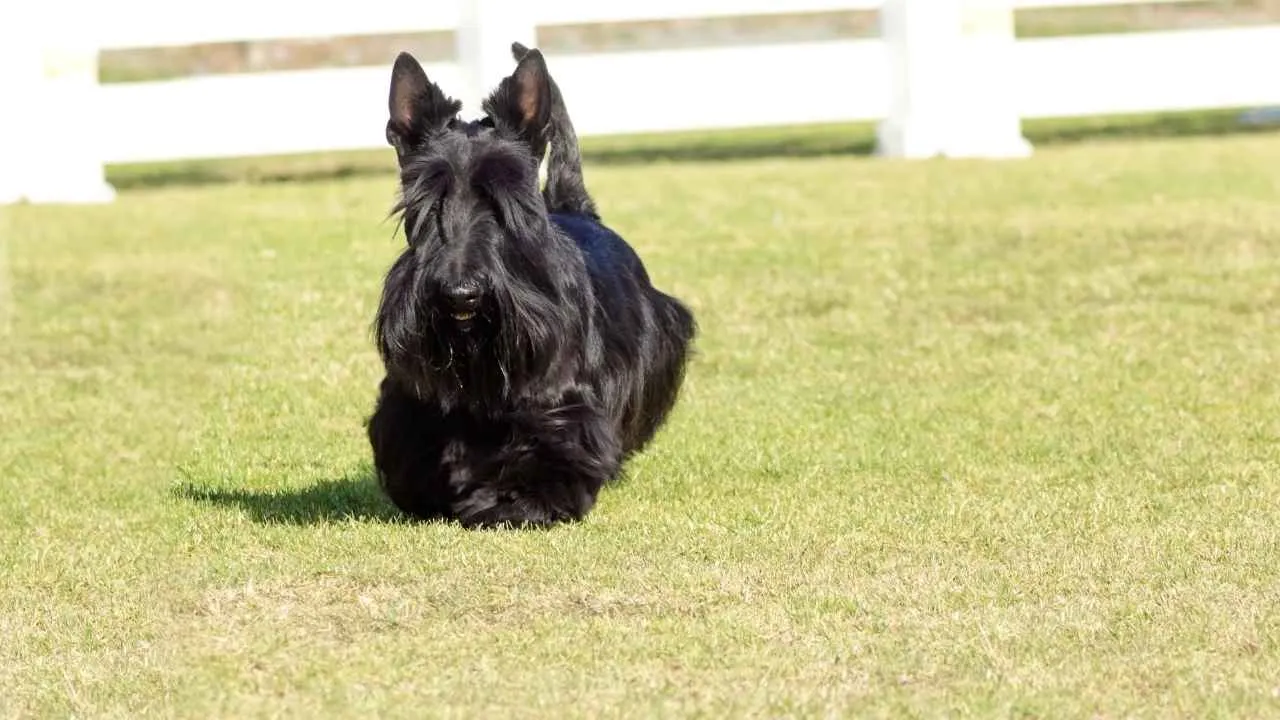
The Scottish Terrier has long been associated with independence in working breed history, originally developed for tasks that required persistence and self-direction rather than constant human guidance, as referenced by the AKC.
That background explains a key trait seen in home environments today: selective attention.
Instead of reacting to everything around it, this breed tends to focus on what it interprets as meaningful change—unfamiliar movement near entry points, irregular sounds, or activity that doesn’t match its usual household pattern.
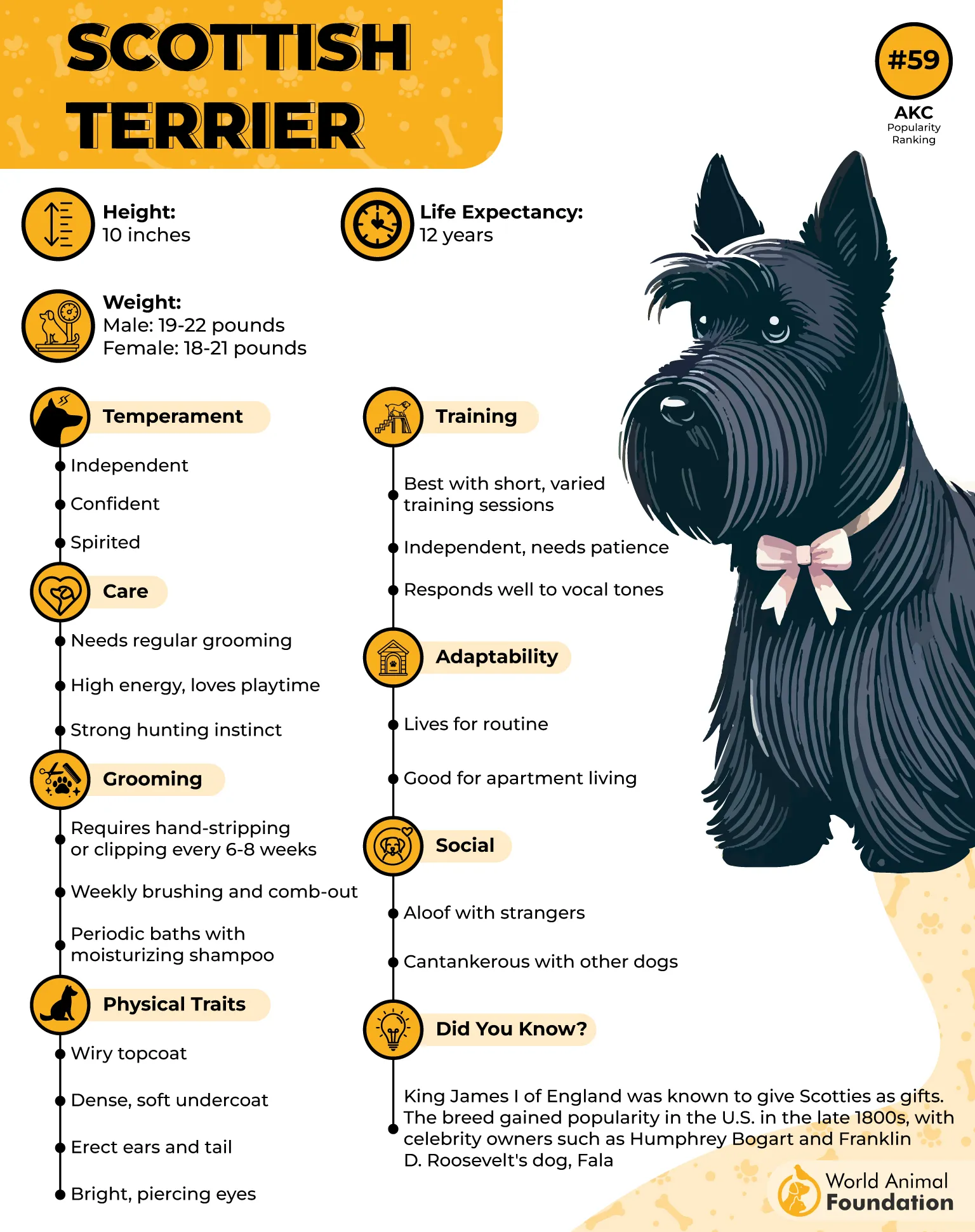
Its behavior indoors is often steady and observant rather than overly expressive. Many households notice that it doesn’t immediately seek interaction with unfamiliar people, preferring to assess situations before responding.
This reserved approach is part of what makes it attentive to environmental shifts.
In family settings, familiarity changes its entire demeanor. Once trust is established, it integrates into daily life with strong attachment and consistency, often forming predictable routines with household members.
The combination of independence, environmental awareness, and cautious evaluation creates a companion that naturally fits into homes where quiet attentiveness is valued over constant social engagement.
4. Toy Fox Terrier
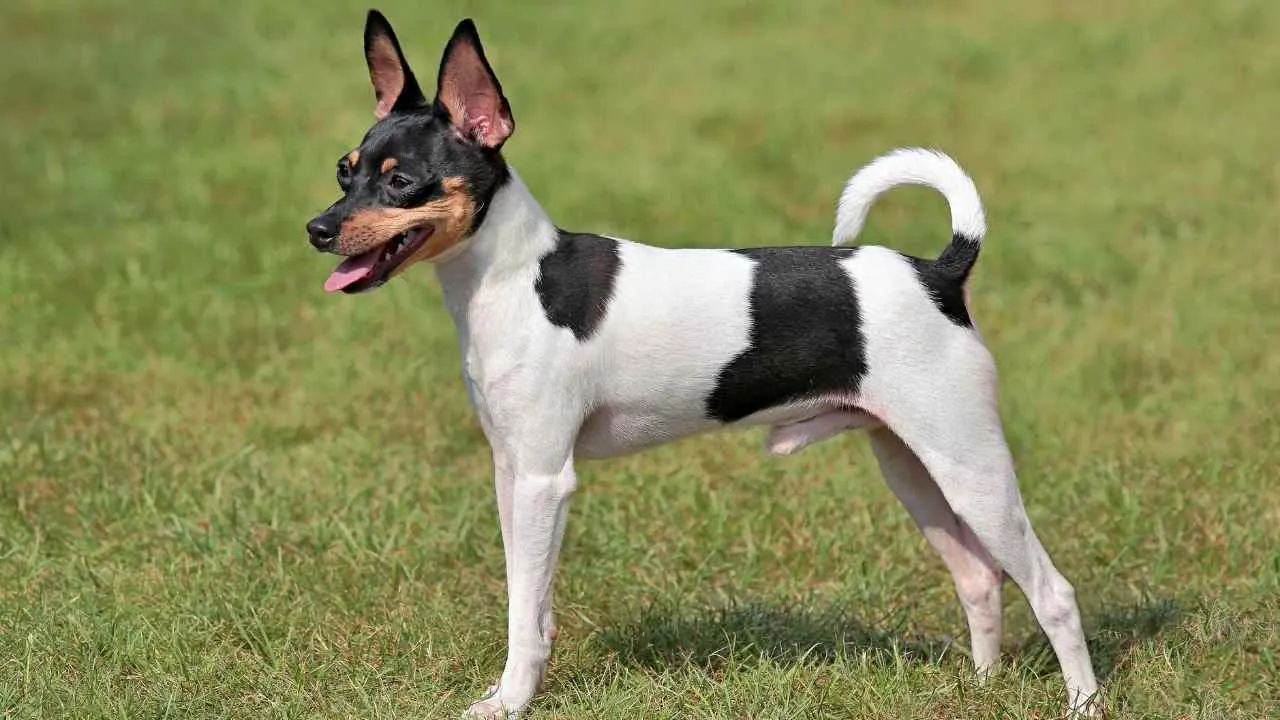
A Toy Fox Terrier brings a noticeable shift in household energy the moment it becomes part of a family environment.
Behaviorally, this breed is known for strong attachment patterns, often prioritizing close proximity to familiar people and maintaining high situational awareness throughout daily routines.
In practical home settings, this translates into quick responses to environmental change, like movement near entrances or activity outside usual patterns.
Rather than a delayed reaction, the breed tends to respond immediately, which is why it is often discussed in small-dog behavior studies as highly alert in domestic environments.
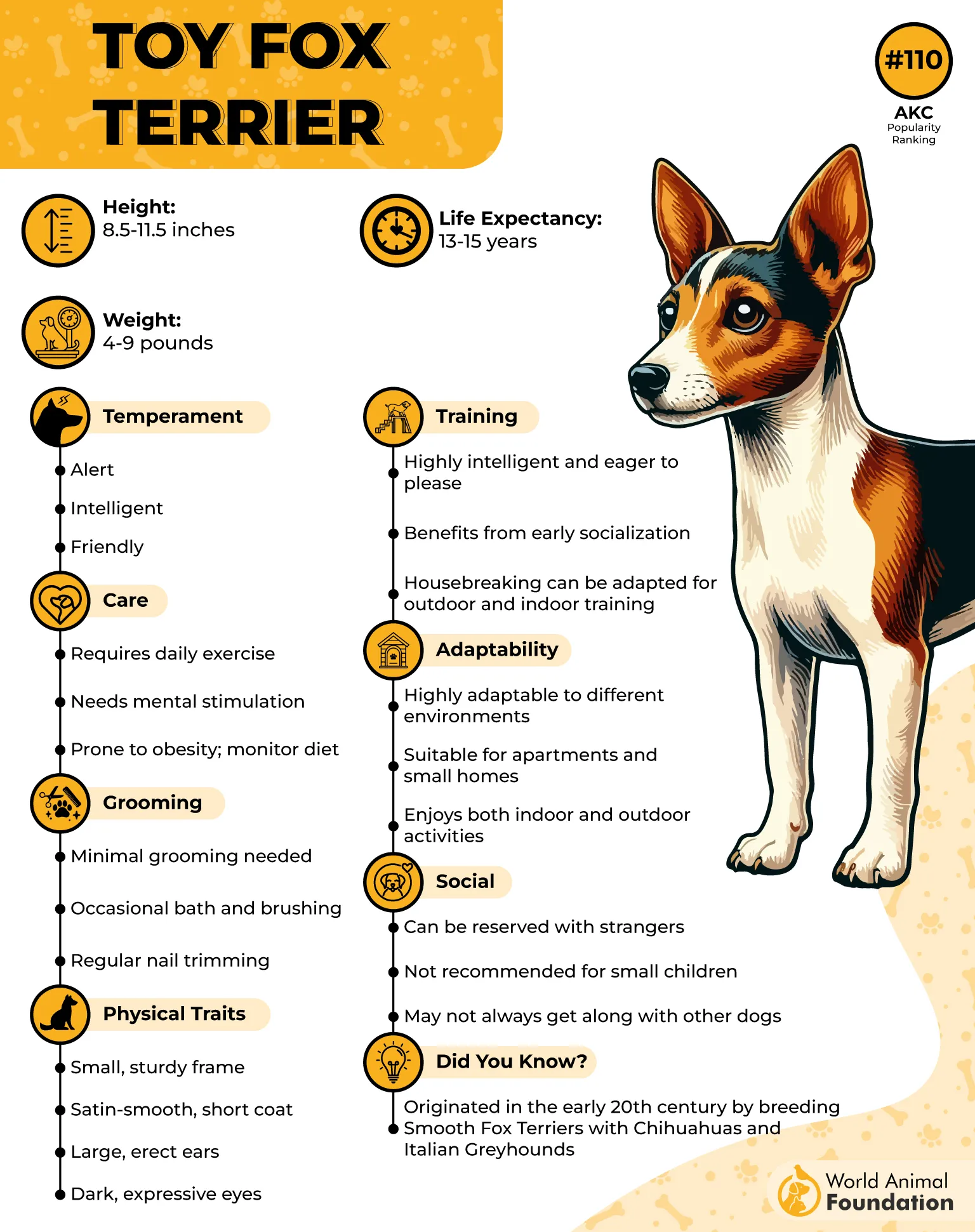
Social behavior is equally defining. Interaction is typically centered around trusted individuals, with a preference for constant engagement and routine involvement.
Extended isolation can lead to restlessness, reflecting the need for both stimulation and companionship.
At the same time, sensitivity plays a role in how it navigates busy households. It adapts well to structured environments but requires guidance when interacting with very young children due to its reactive and emotionally responsive temperament.
Overall, its role in a home is shaped less by physical presence and more by attentiveness, responsiveness, and strong human bonding patterns.
5. Miniature Schnauzer
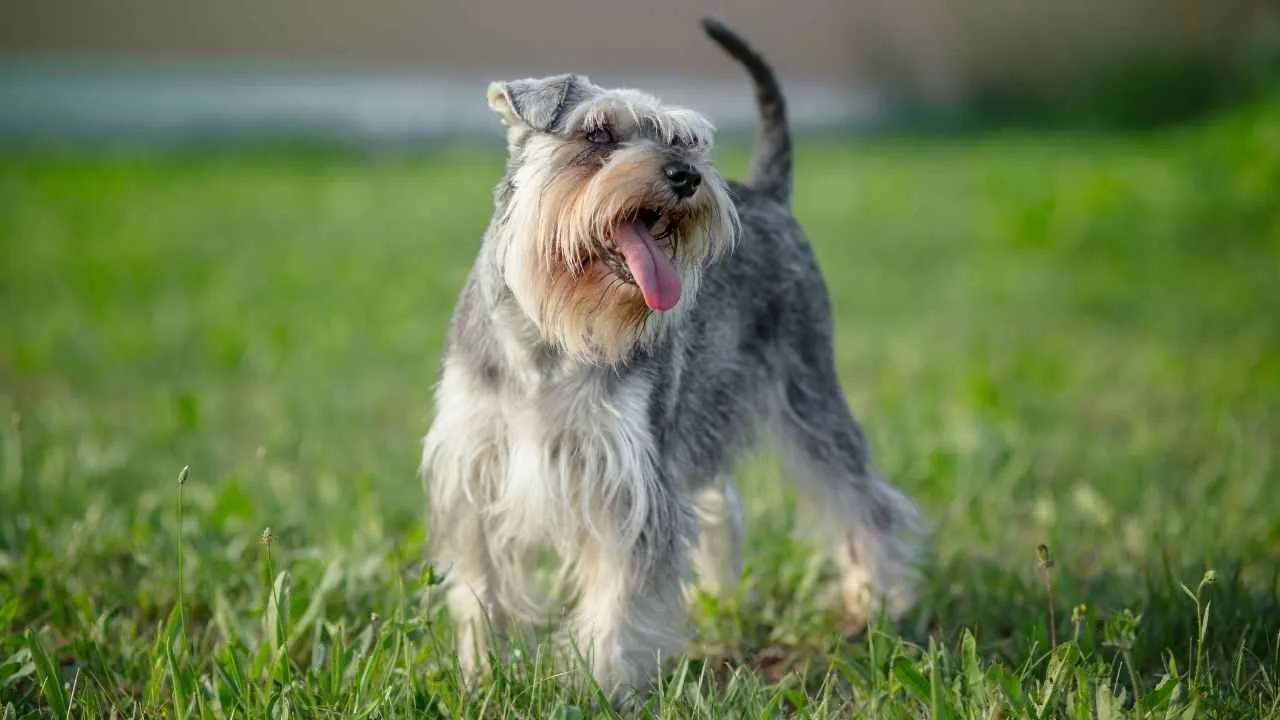
The Miniature Schnauzer is known for its strong instincts to protect, watchful behavior, and being highly vocal, making it an excellent small guard dog, as mentioned by Orvis.
Originally bred to hunt small pests, this breed developed sharp hearing and strong alert instincts that still stand out today.
A Miniature Schnauzer often notices unusual sounds before anyone else in the house, whether it is footsteps near the gate, a vehicle stopping outside, or someone approaching the front door late at night.
Instead of acting aggressively, they usually respond by barking loudly to warn their family that something unfamiliar is happening. This balance of protectiveness and friendliness makes them especially popular in homes with children.
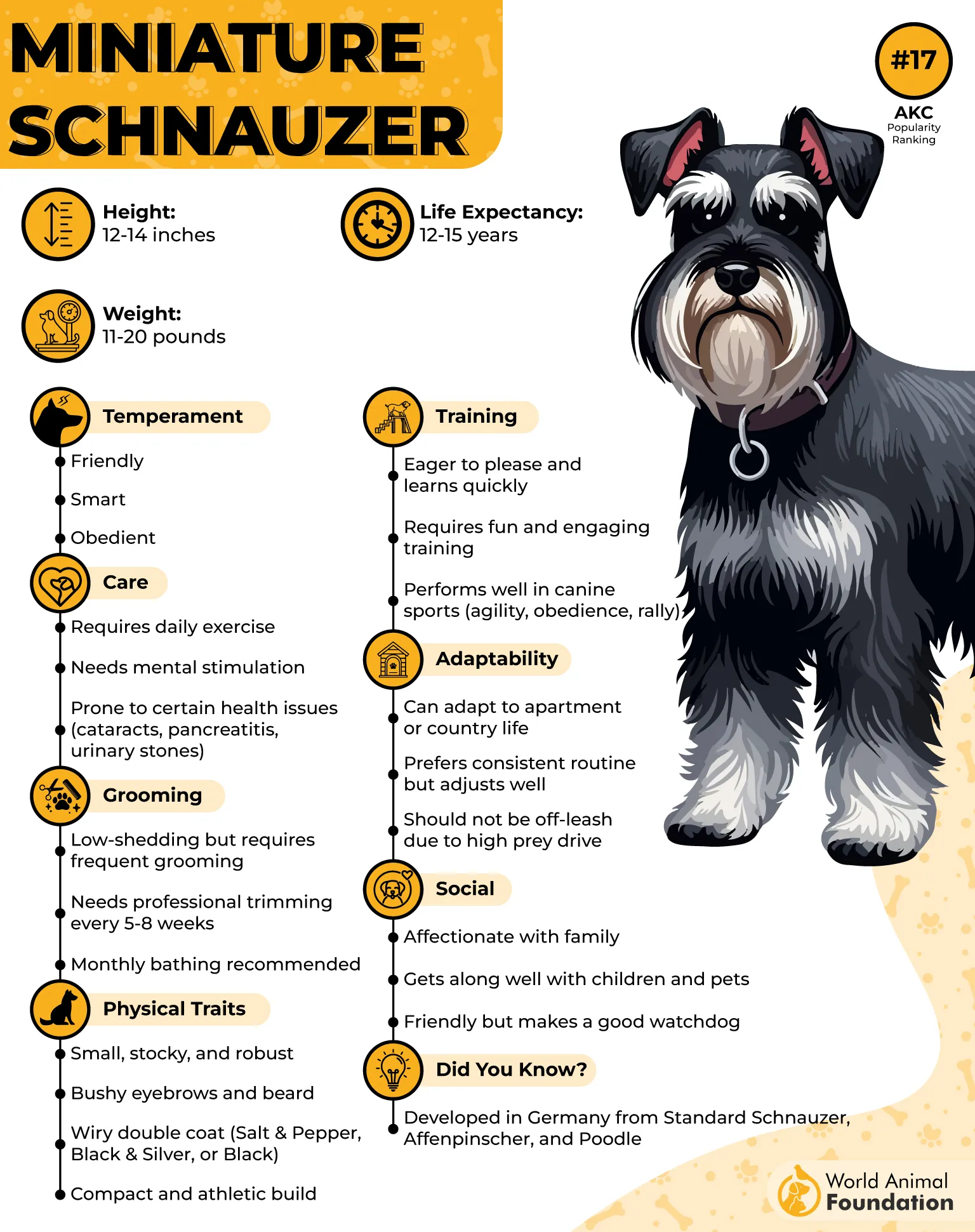
Miniature Schnauzers are also known for their intelligence and eagerness to please, which makes them highly trainable and adaptable to various family activities.
They are even-tempered with family members, enjoy being involved in daily activities, and quickly settle down once they understand a visitor is welcome.
Their fearless personality also means they rarely back away from unfamiliar situations, even in busy neighborhoods or crowded apartment settings.
Families or dog owners looking for a small breed dog that combines companionship, awareness, and steady watchdog behavior often find the Miniature Schnauzer a reliable choice for creating a more secure and connected home environment.
6. Australian Terrier

The Australian Terrier developed in practical working environments where alertness and responsiveness were essential for daily tasks alongside humans.
That background still shapes how it behaves in modern homes, where environmental awareness remains one of its defining traits.
Rather than reacting randomly, this protection dog breed tends to respond to changes in movement patterns or sound shifts within its surroundings.
Activity near entry points or unfamiliar presence around the home is often enough to trigger immediate attention, making it naturally tuned to household dynamics.

In day-to-day living, it integrates closely with family routines. It follows activity from room to room and stays engaged with ongoing movement, which reflects both its energy level and need for consistent interaction.
This also explains why structured activity and mental stimulation are important for its overall balance.
Socially, it tends to observe before fully engaging with unfamiliar people, especially in new environments. With time and proper socialization, it becomes more relaxed while still maintaining its natural attentiveness.
Its value in a home setting comes from consistency rather than intensity—steady awareness, responsiveness to change, and close integration into daily family life across different living environments.
7. Chihuahua
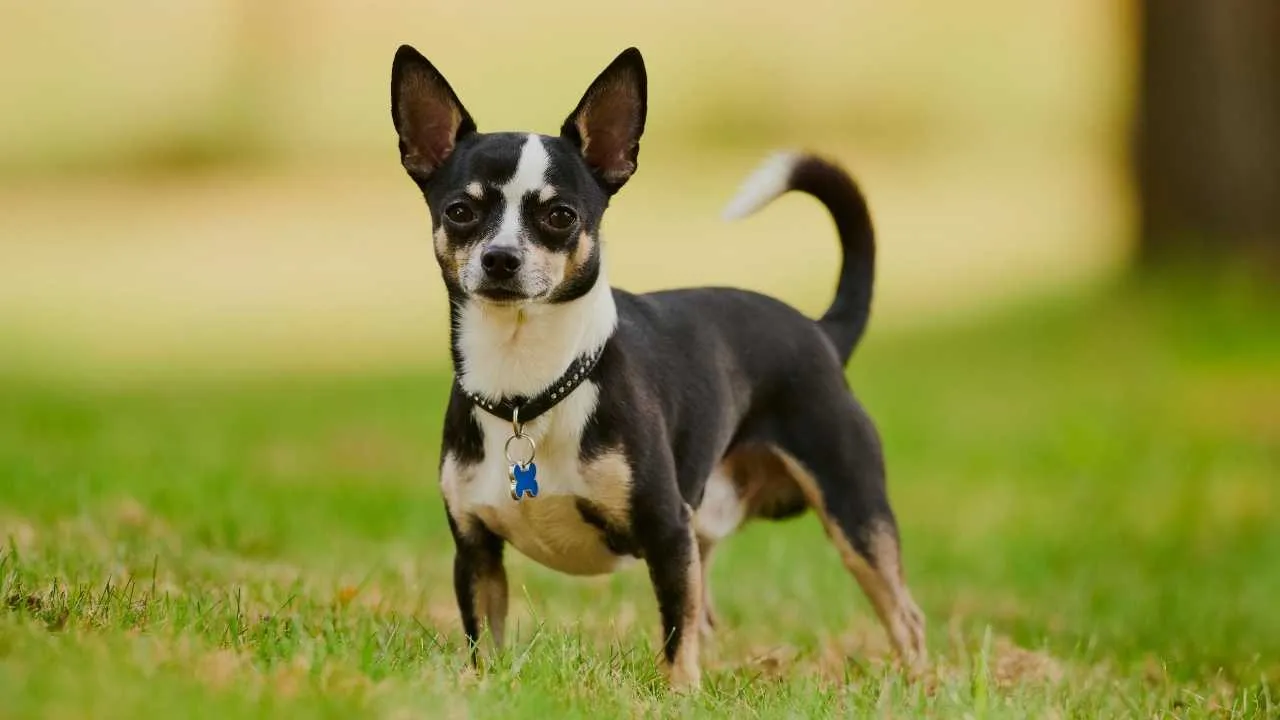
Chihuahuas, despite their small size, are known for their loyalty and protective nature, making them one of the best guard dogs that will alert their owners to any potential threats.
Known for forming close bonds with one or two family members, this highly intelligent and incredibly loyal dog breed stays highly attentive to movement, footsteps, and changes in routine within the house.
When someone steps toward the entryway or an unfamiliar activity occurs nearby, it reacts without delay with barking that signals the household to pay attention.
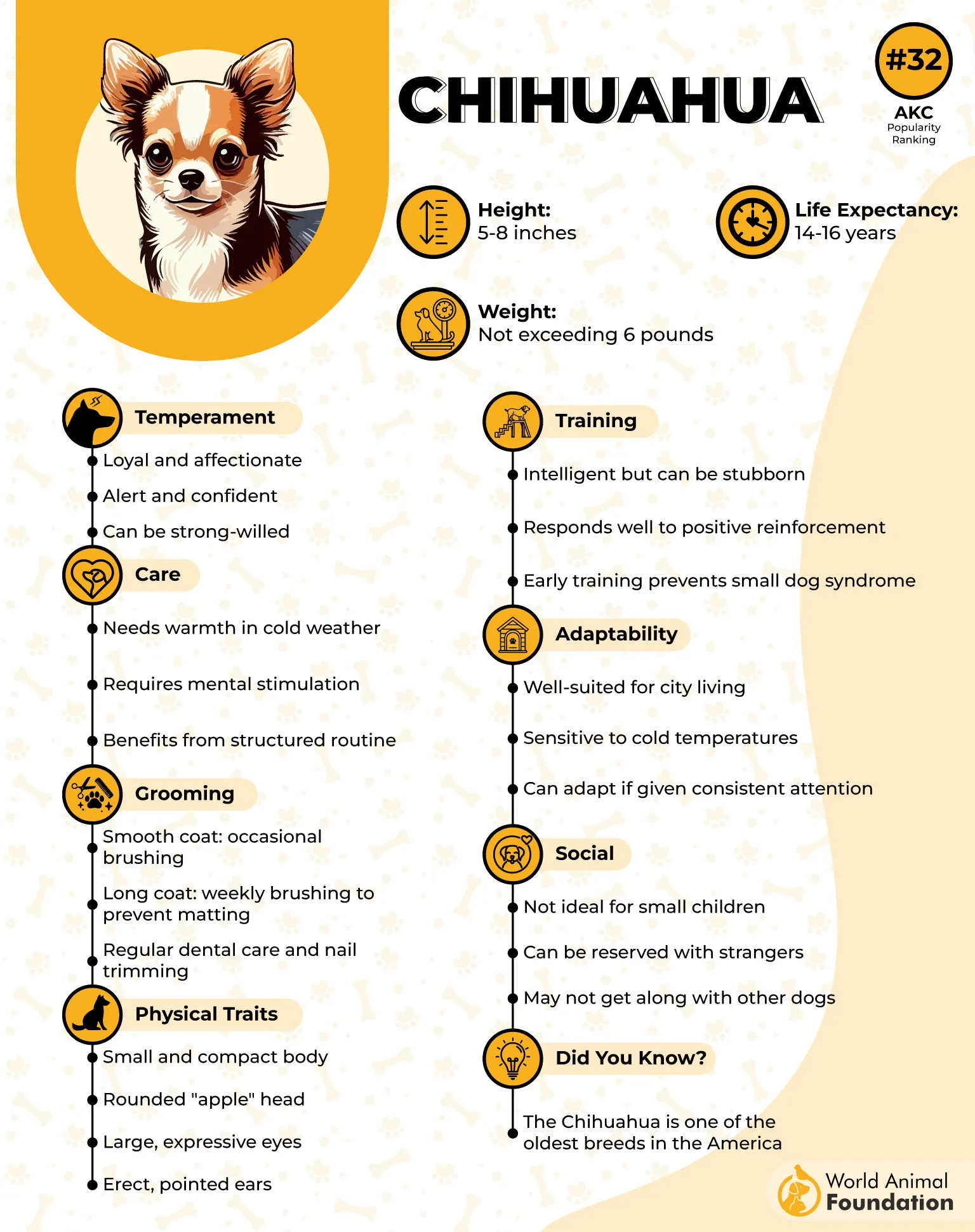
In everyday life, it prefers staying close to its chosen person, following them from room to room and reacting strongly if strangers come too close.
While affectionate and playful during calm moments, a Chihuahua can become vocal and protective when it senses disruption in its space.
With patient guidance, it learns household routines and adjusts well to structured living. In apartments or smaller homes, it serves more as a warning companion than a physical deterrent.
It helps families stay aware of visitors or unexpected activity while also providing constant companionship and emotional connection throughout the day at home.
Conclusion
Small protective dogs bring a valuable mix of awareness, loyalty, and companionship into everyday family life.
Their quick reactions to unfamiliar situations or movements help households stay informed about what is happening around the home, especially in apartments and busy neighborhoods.
While they are not meant to confront danger directly, their alert nature provides an added sense of security through timely warnings.
Along with this protective instinct, they offer strong emotional bonds, playful energy, and constant companionship. For families seeking comfort and everyday awareness in one, these great dogs remain a dependable and reassuring presence.
