




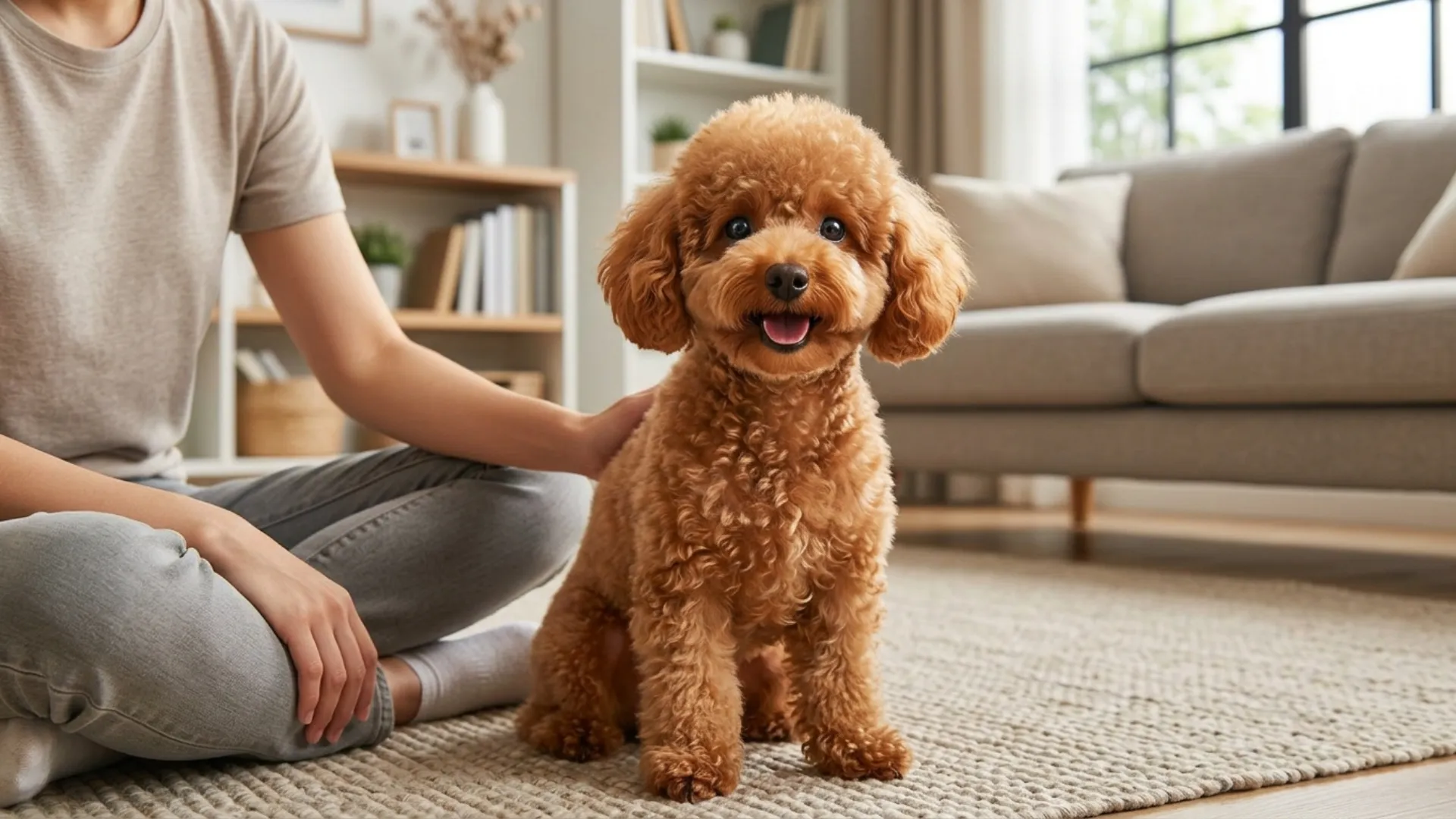
There is a practical reason small dog breeds appeal to first-time owners: everyday care can feel more manageable when the dog itself is easier to handle.
A smaller companion usually needs less physical space, can be transported more easily, and may be simpler to control on a leash while you learn basic training skills. That can matter in real situations, from visiting the veterinarian to keeping a curious puppy out of trouble. Still, small does not automatically mean low-maintenance.
Exercise needs, grooming, barking, separation tolerance, and training requirements differ from one breed to another too. Some are happiest with a relaxed household, while others want regular play and plenty of interaction. First-time owners benefit from understanding those differences before choosing your dog.
The breeds featured here bring different temperaments and care needs, so you can compare what each offers and find a small companion that makes sense for your lifestyle today.
Key Takeaways
What makes a small dog easier for a first-time owner? The right breed can make everyday handling, training, and life at home feel much more manageable.
Cavalier King Charles Spaniels bring an especially gentle nature, while Shih Tzus keep their exercise needs fairly simple for someone learning the ropes.
Then come the clever ones. Toy Poodles and Papillons can pick up training quickly, giving new owners plenty to work on together.
Havanese, Bolognese, and Maltese each bring their own needs too, so there is plenty to consider before choosing your first little companion.
Small Dog Breeds the First-Time Owner Will Love
1. Cavalier King Charles Spaniel
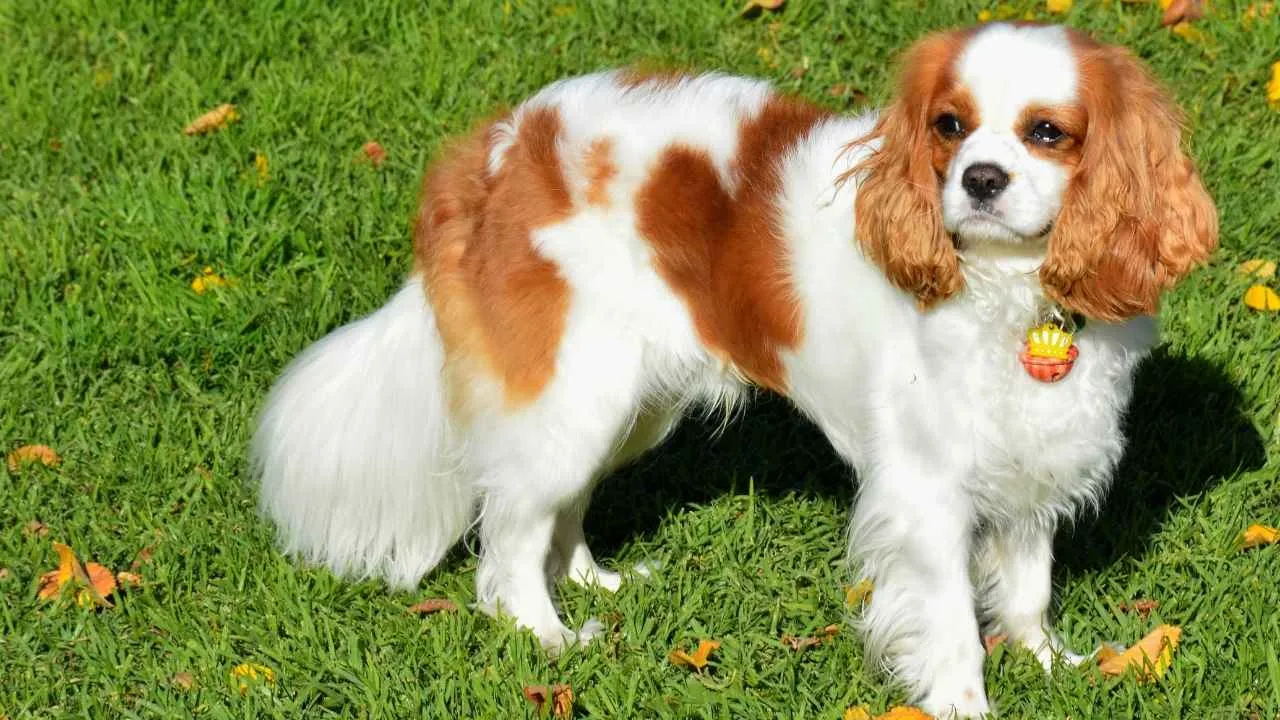
Cavalier King Charles Spaniel has deep ties to British royalty, with small spaniels appearing in paintings alongside members of the English court. The breed’s name itself reflects King Charles II, who was famously associated with these companion dogs.
Gentle in Daily Life
They have an easygoing nature in everyday routines, with enough playfulness to enjoy family activities and enough affection to seek plenty of human company. Their manageable size also makes ordinary care and handling less demanding for a first-time dog parent.
There is more to its personality:
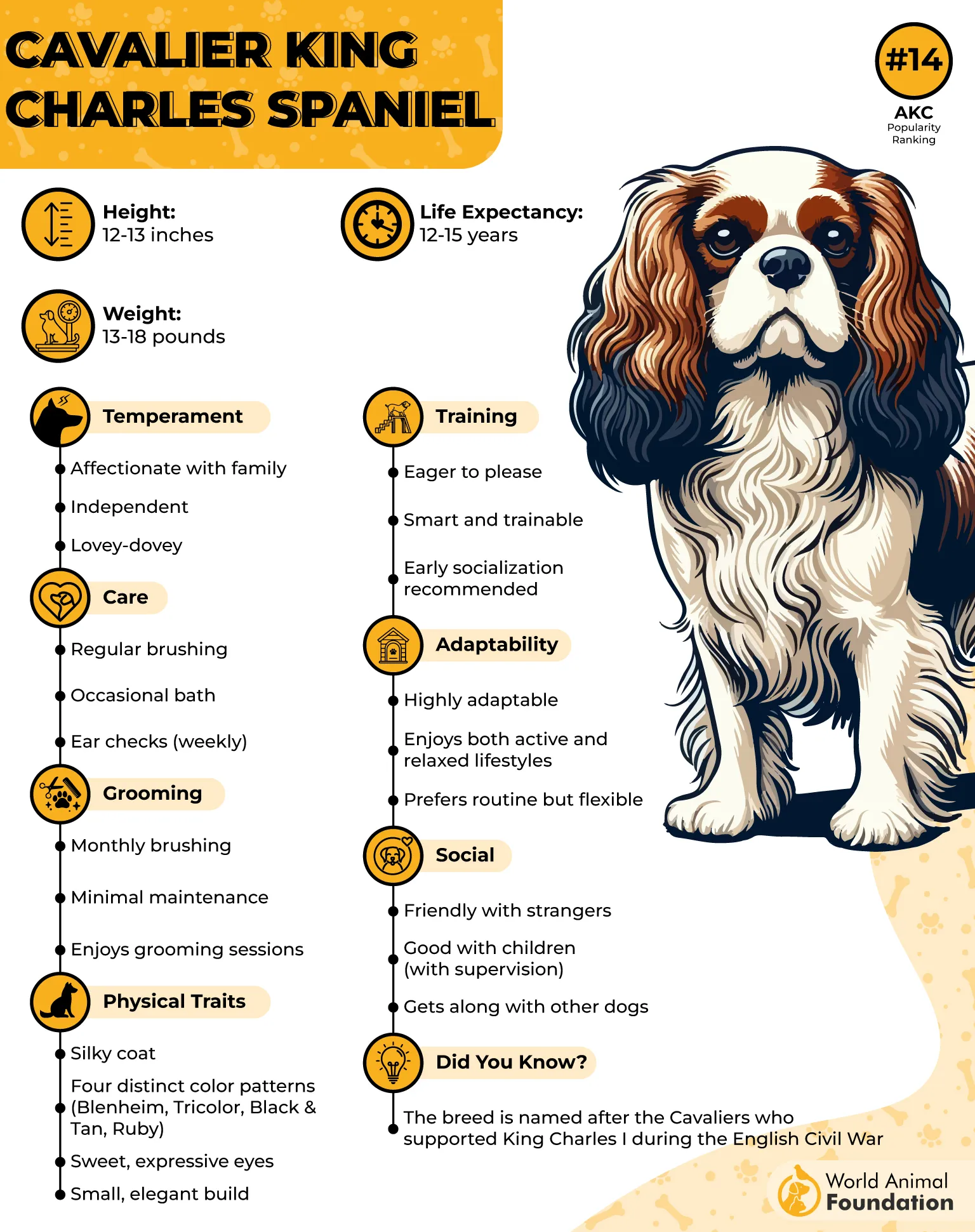
Often eager to please during training
Generally friendly toward unfamiliar people
Enjoys games as much as quiet companionship
Easy to Engage
Cavalier King Charles Spaniel responds well to positive training and usually enjoys learning alongside the people around them. Their willingness to cooperate can make early lessons, household manners, and basic commands less intimidating for new owners.
2. Shih Tzu
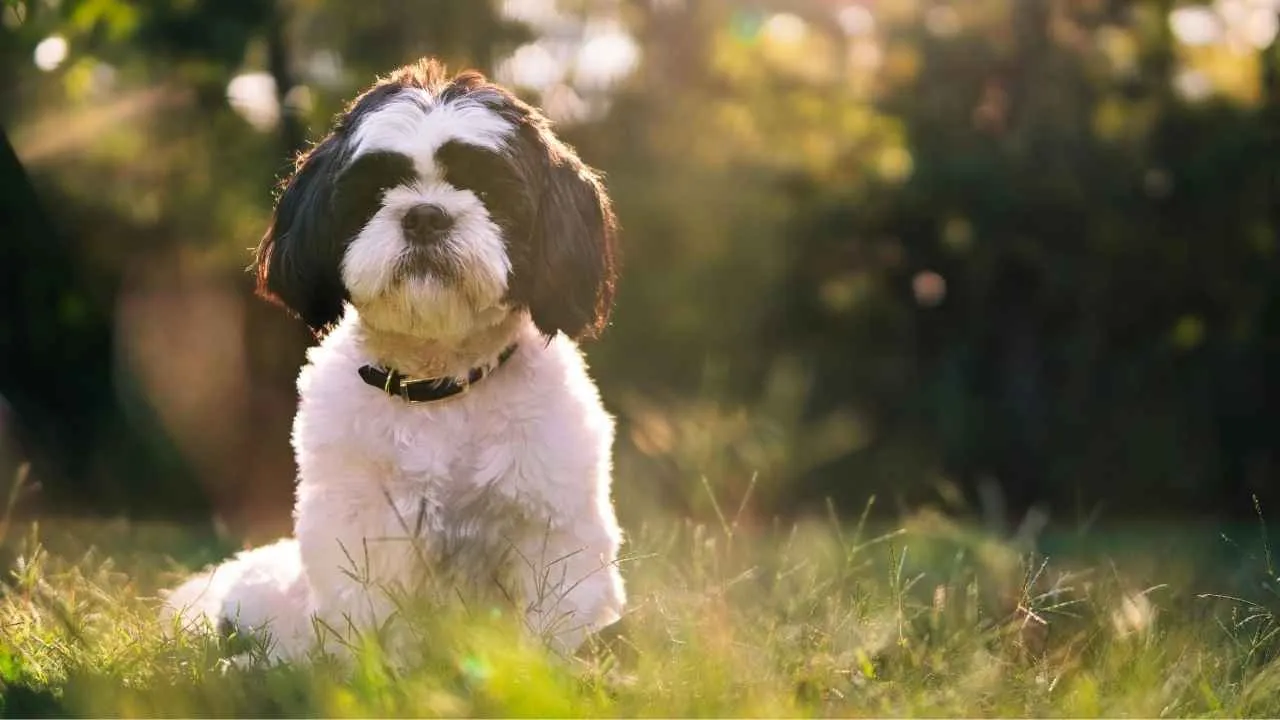
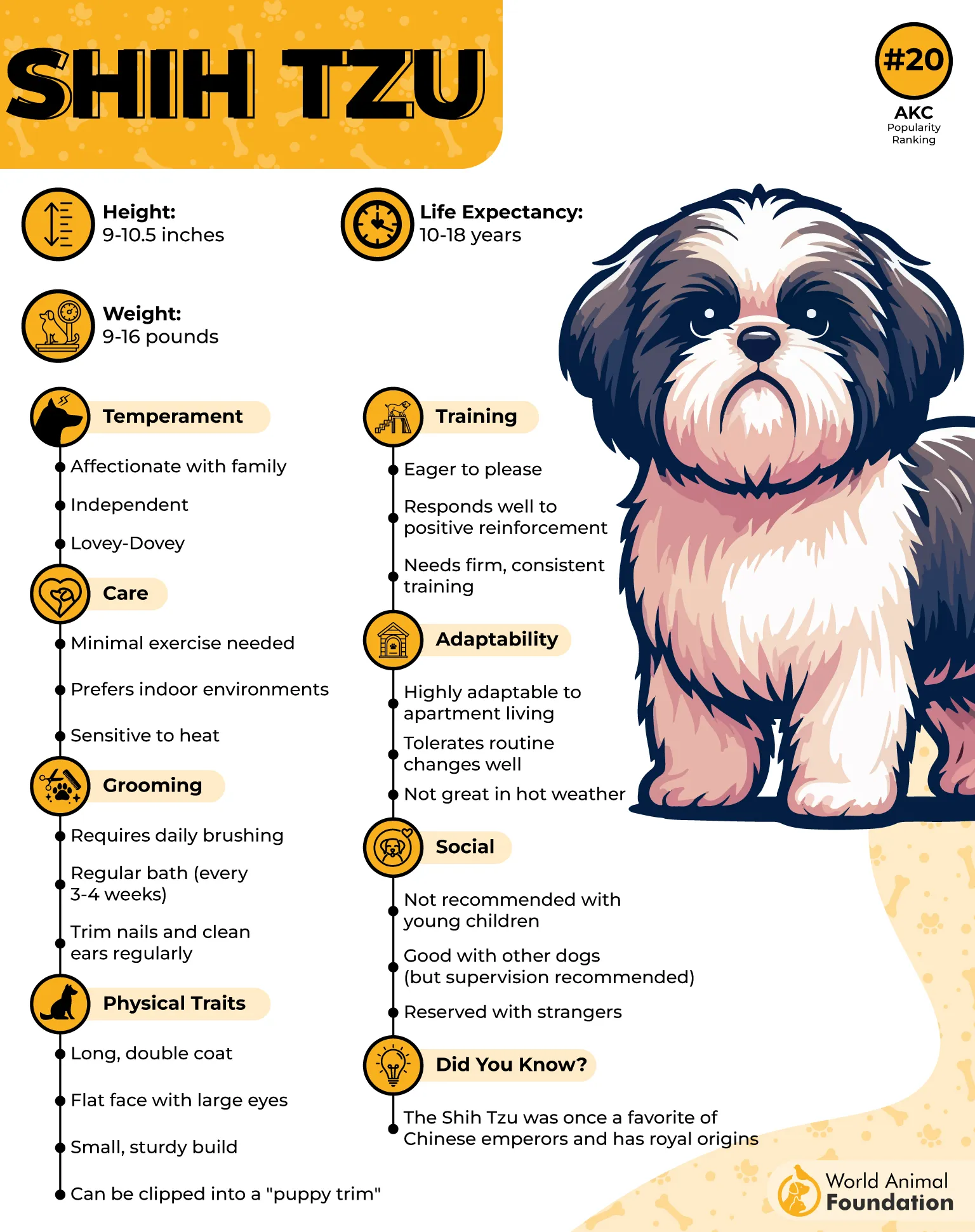
Shih Tzu has roots linked to Tibet and China, where the little Lion Dog became closely associated with Buddhist culture and was held in high regard.
One theory suggests its lineage involved the Pekingese and Lhasa Apso, with the smaller, broader-skulled type later recognized separately.
Easygoing Exercise
Shih Tzu asks for relatively little physical activity, making its routine manageable for someone learning the basics of dog care. A stroll around the block can provide enough outdoor time before this playful companion heads back for a long nap on a lap, bed, or sofa.
Here are some more worth-noting details of the breed:
House training can take extra patience
Basic obedience often progresses slowly
Praise and treats can encourage learning
Social Little Companion
This little dog generally enjoys meeting people and can get along with other dogs and pets, while respectful children can also be good playmates, as Purina stated. Its alertness around the front door often comes from excitement about a visitor and the attention that may follow.
3. Toy Poodle
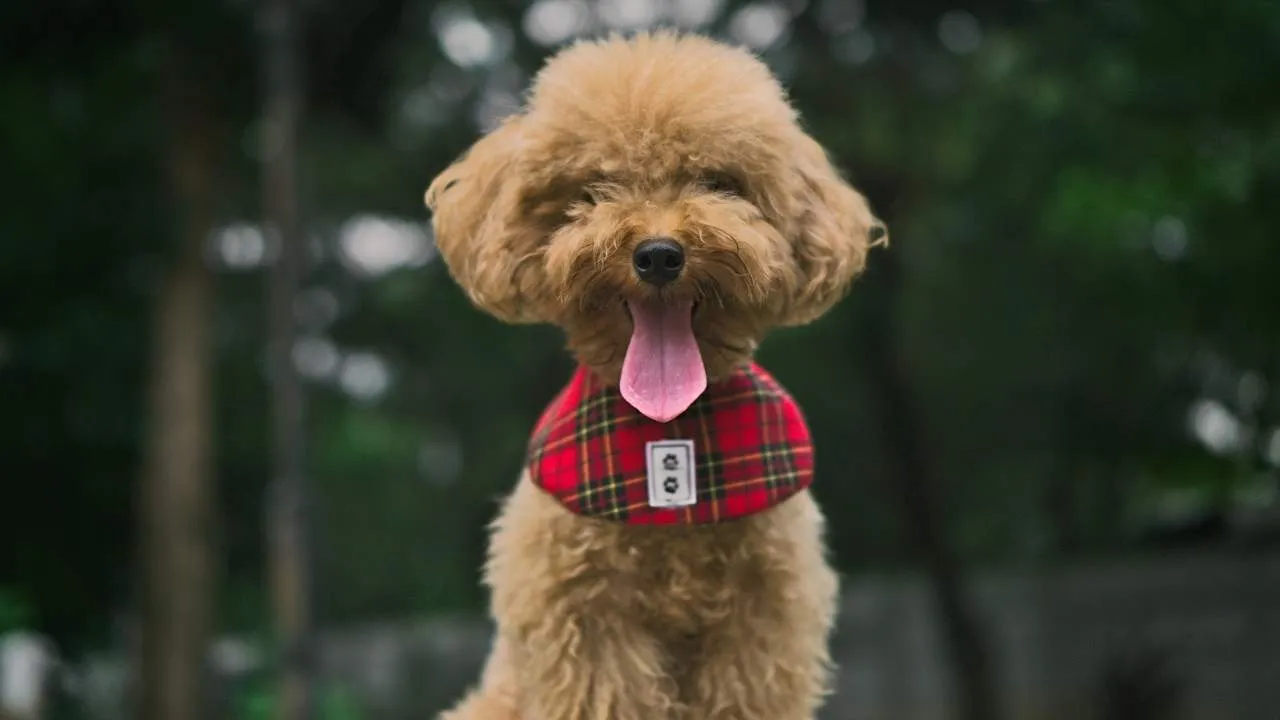
Toy Poodle began as the smallest member of the Poodle family, a breed long associated with skilled water retrieving and close cooperation with people. Its sharp intelligence later made it useful for learning routines quickly, from simple household rules to more involved training.
Quick to Learn
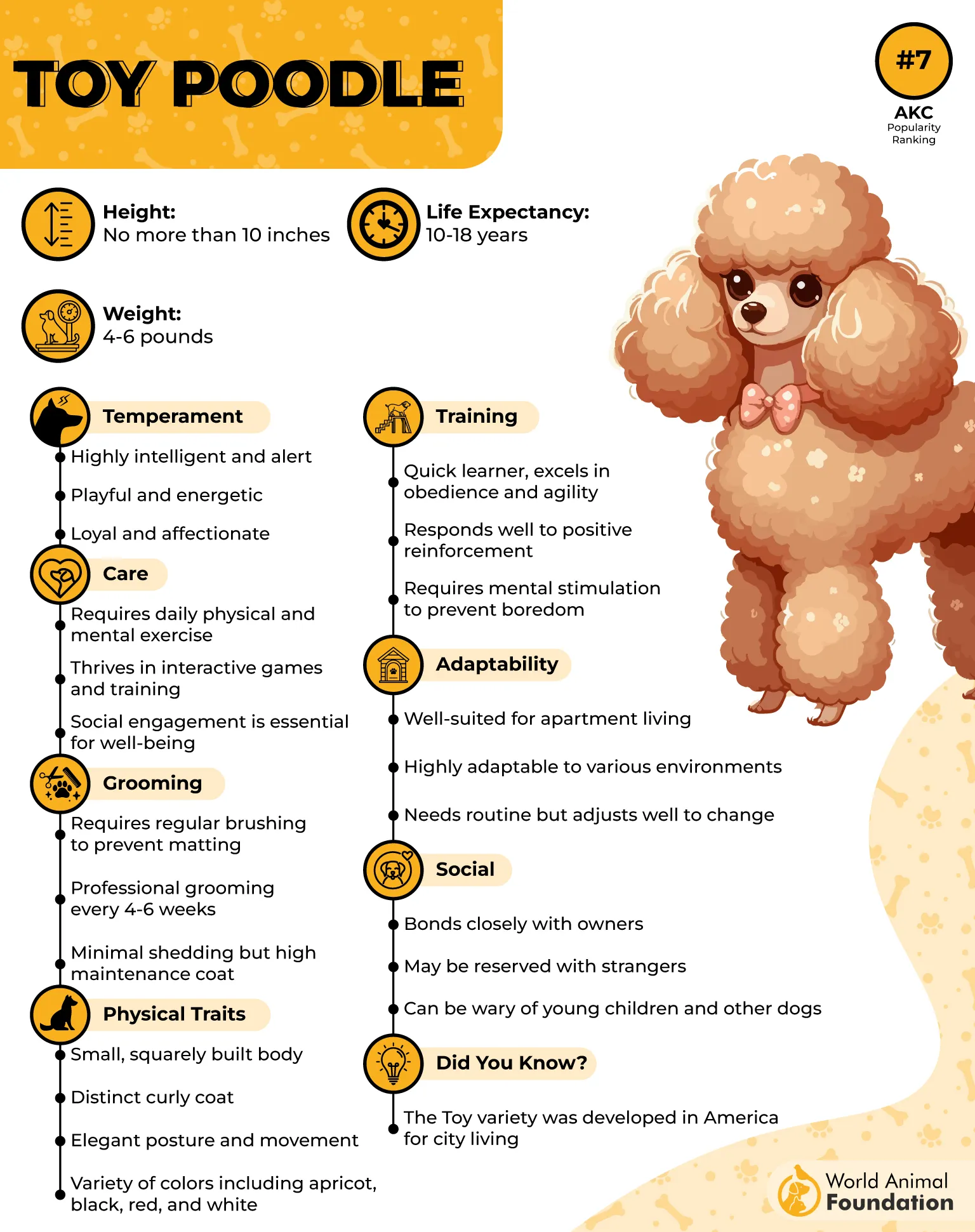
Toy Poodle brings an attentive, highly intelligent nature that can make basic training rewarding to someone new to dog ownership. Consistent, positive lessons work especially well because Poodles tend to respond readily to people and can adapt to different living environments.
The following details make this little dog especially interesting:
Curly coat sheds minimally
Toy variety measures under 10 inches
Can participate in dog sports
Grooming Matters
This small and adorable dog has a dense, curly coat that can mat when brushing is neglected, so regular grooming becomes an important part of the routine.
However, keeping the coat clipped shorter can reduce the daily brushing involved with longer hair, while professional grooming may be useful as the coat grows, as Chewy reported.
4. Havanese
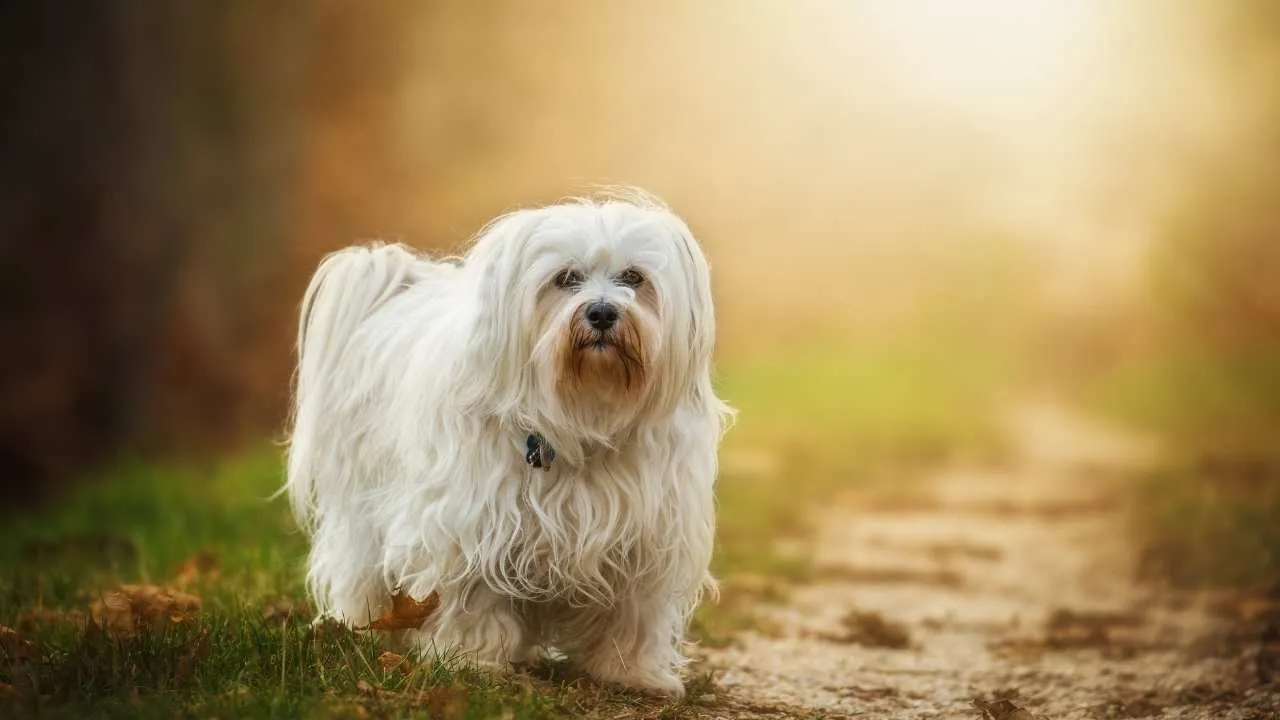
Havanese is the only dog breed native to Cuba, where it became closely associated with the country’s upper-class families and was prized as a household companion. Its journey through Cuba also gave the breed the nickname “Havana Silk Dog,” a nod to its soft, flowing coat.
Easy Days, Happy Dog
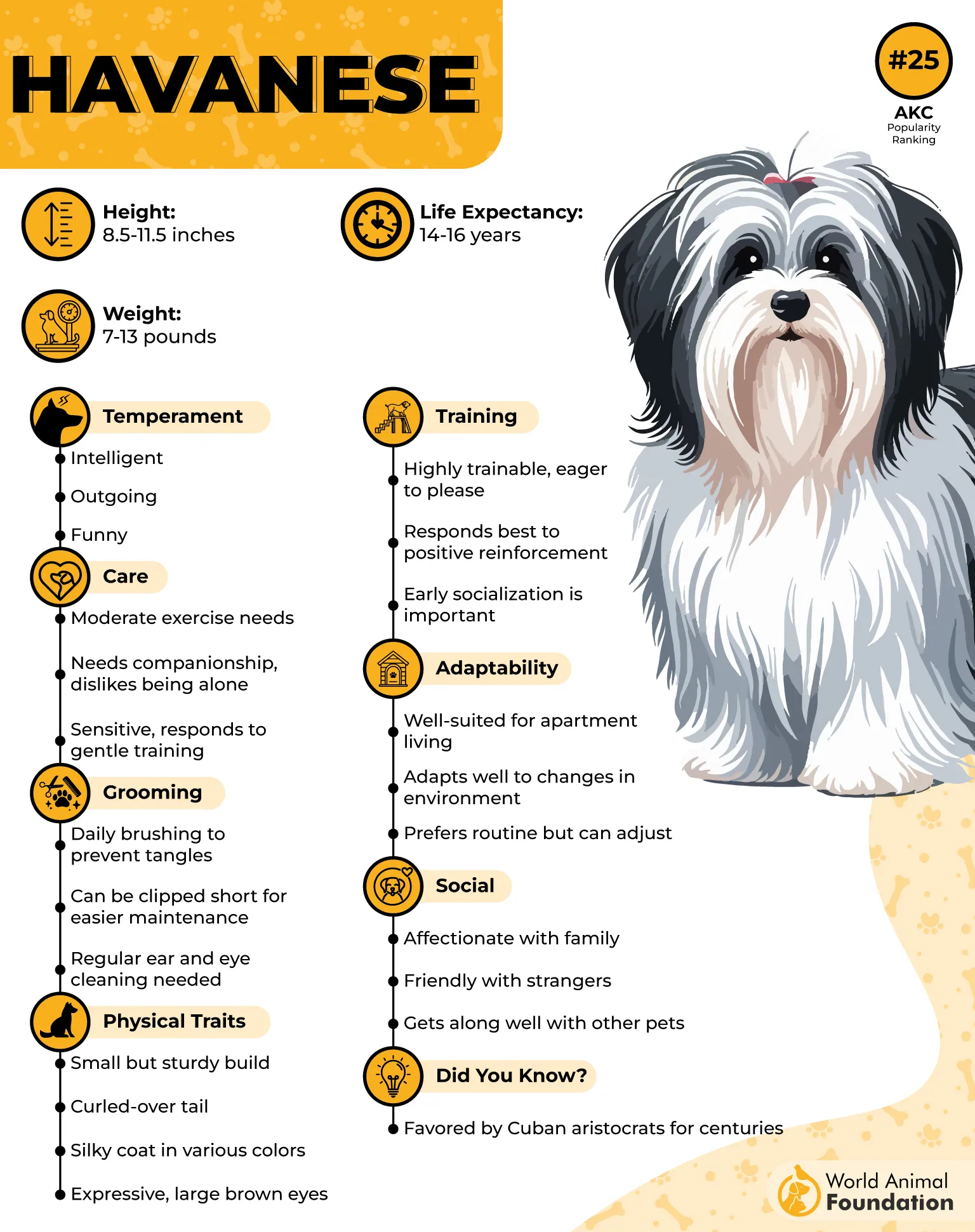
This lap dog brings a manageable activity routine, with brisk walks or play sessions generally enough to keep this lively little dog occupied. It can also adapt well to city life and does not need a large outdoor area to get its daily dose of activity, as Hill’s Pet claims.
This is how daily life looks with this breed:
Brushing helps prevent coat mats and tangles
Positive training suits their sensitive nature
Long periods alone can be difficult for them
A Social Little Shadow
Havanese tends to follow its favorite people closely and enjoys being included in ordinary household activity. Their friendly nature can work well around children and other animals, while some individuals may bark when unfamiliar people arrive, making early guidance useful for keeping greetings under control.
5. Papillon
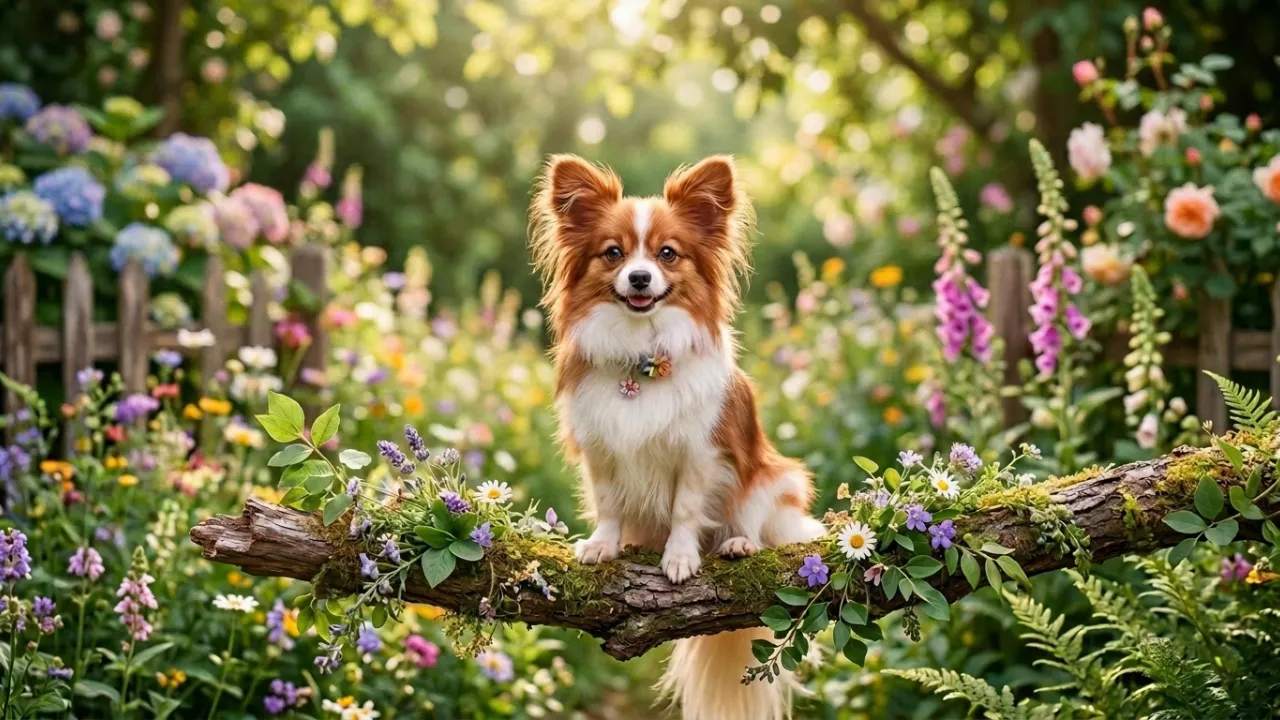
Papillon became a familiar companion in European courts centuries ago, appearing in paintings from the Renaissance period alongside aristocratic families. Its famous upright ears became associated with butterfly wings, giving the breed the French name Papillon.
Small Home, Big Brain
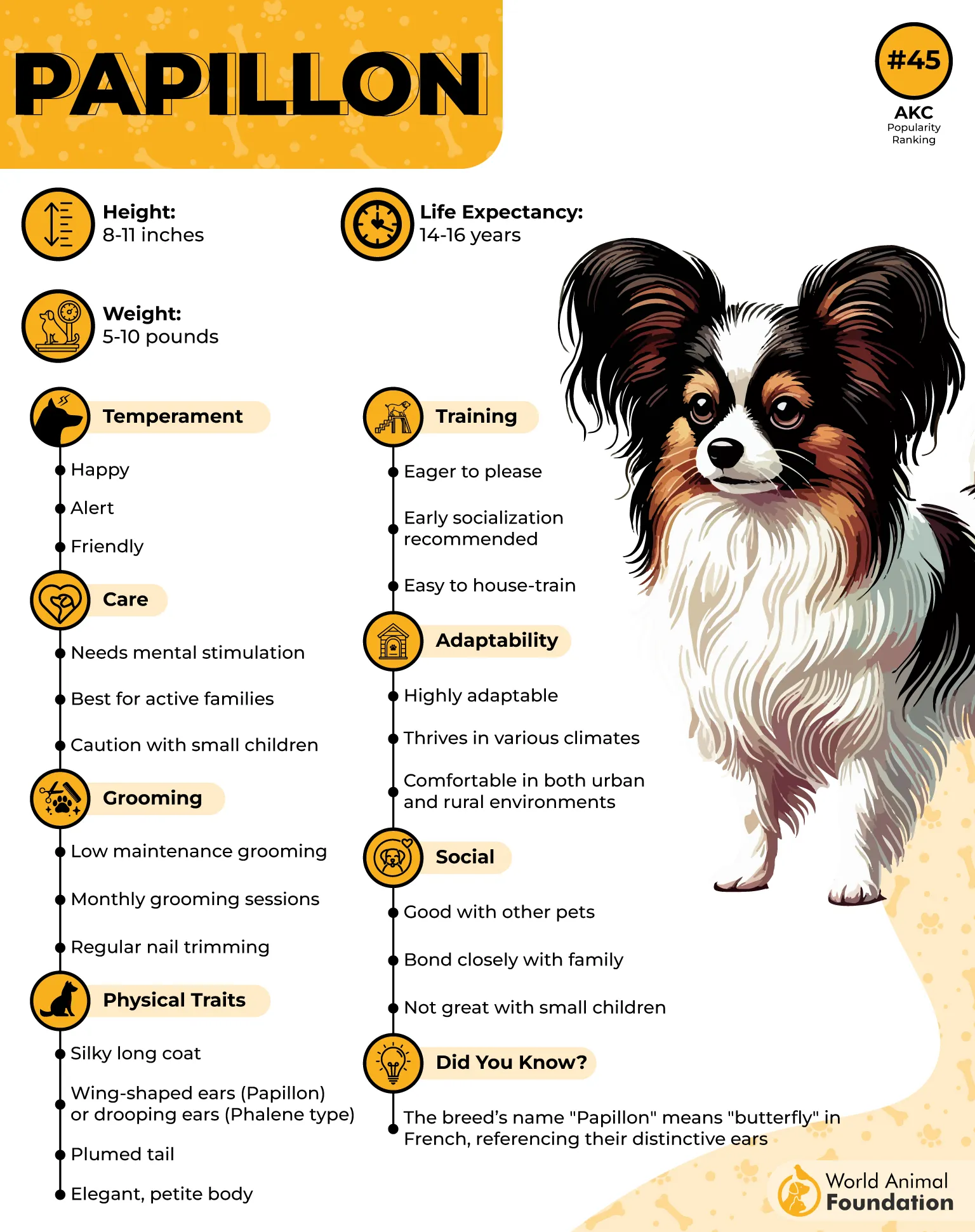
This smaller dog can adapt well to apartment living because it can get meaningful activity indoors as well as outside. Its curiosity and quick learning also give this first dog plenty of ways to teach useful behaviors through short, positive sessions.
These specifics make this little companion especially interesting:
Enjoys both outdoor play and indoor games
Seeks close human companionship
Can excel in agility and obedience
Quick to Learn
Papillon is an eager learner that enjoys picking up new tricks and responding to training, making early lessons more rewarding for someone learning dog ownership. Its alert, curious nature also gives it plenty of interest in what is happening around the home.
6. Bolognese
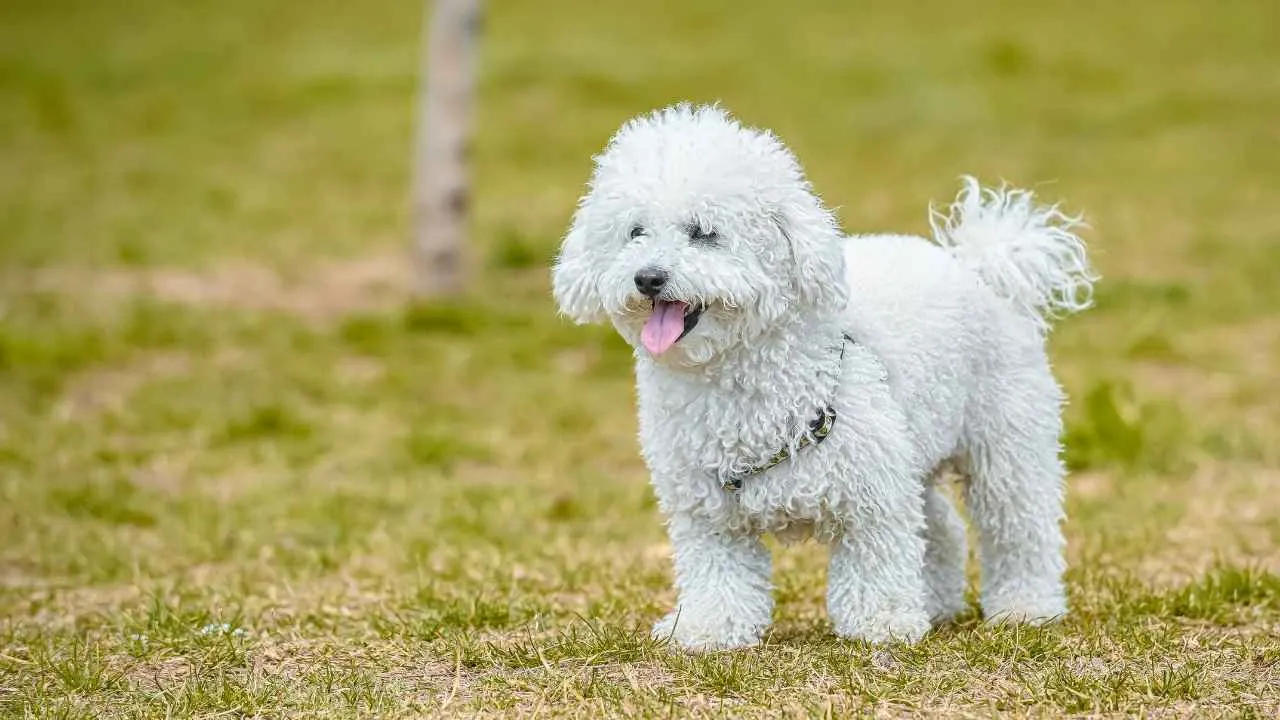
Bolognese originated in the Italian city of Bologna and belongs to the old Bichon family of companion dogs. In the Mediterranean, early Bichon-type dogs came from crosses involving larger water dogs and small white dogs, while Bolos later became favored lap dogs among wealthy Italian families.
Easy Daily Rhythm
Bolognese offers a manageable activity routine, with two 20-minute walks plus indoor play usually covering its daily exercise needs. Hide-and-seek, rolling a ball across the floor, and learning tricks can turn a living room into an engaging play space.
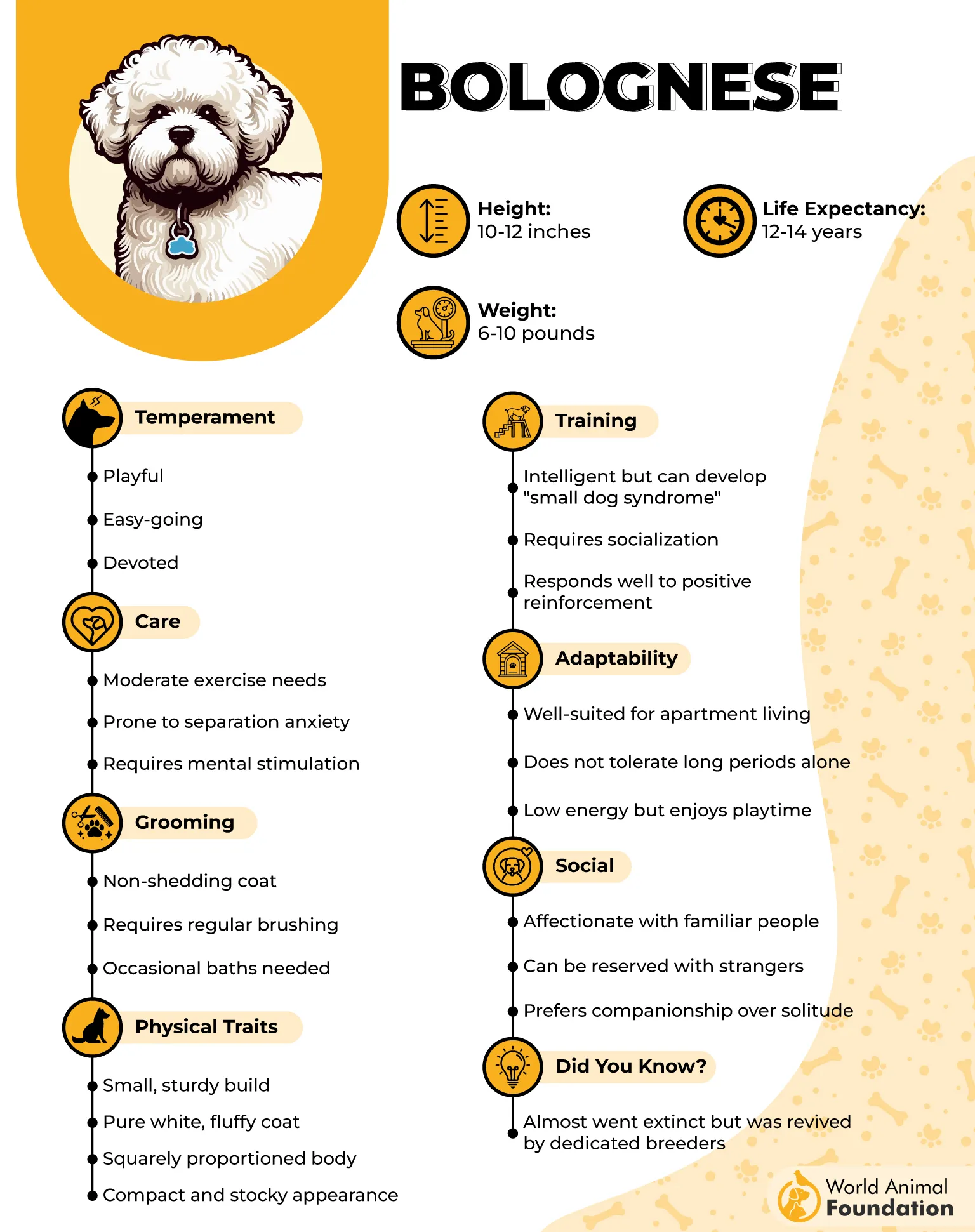
These traits make that routine even easier:
Indoor games can replace longer outings
Puzzle toys add mental work without demanding extra space
Supervision is needed around young children
People Matter
This furry companion is highly people-oriented and tends to follow its favorite person from room to room, making it especially suited to someone who wants a close companion.
Long periods alone can lead to chewing, barking, or separation-related problems, so this breed suits households with plenty of daily company.
7. Maltese
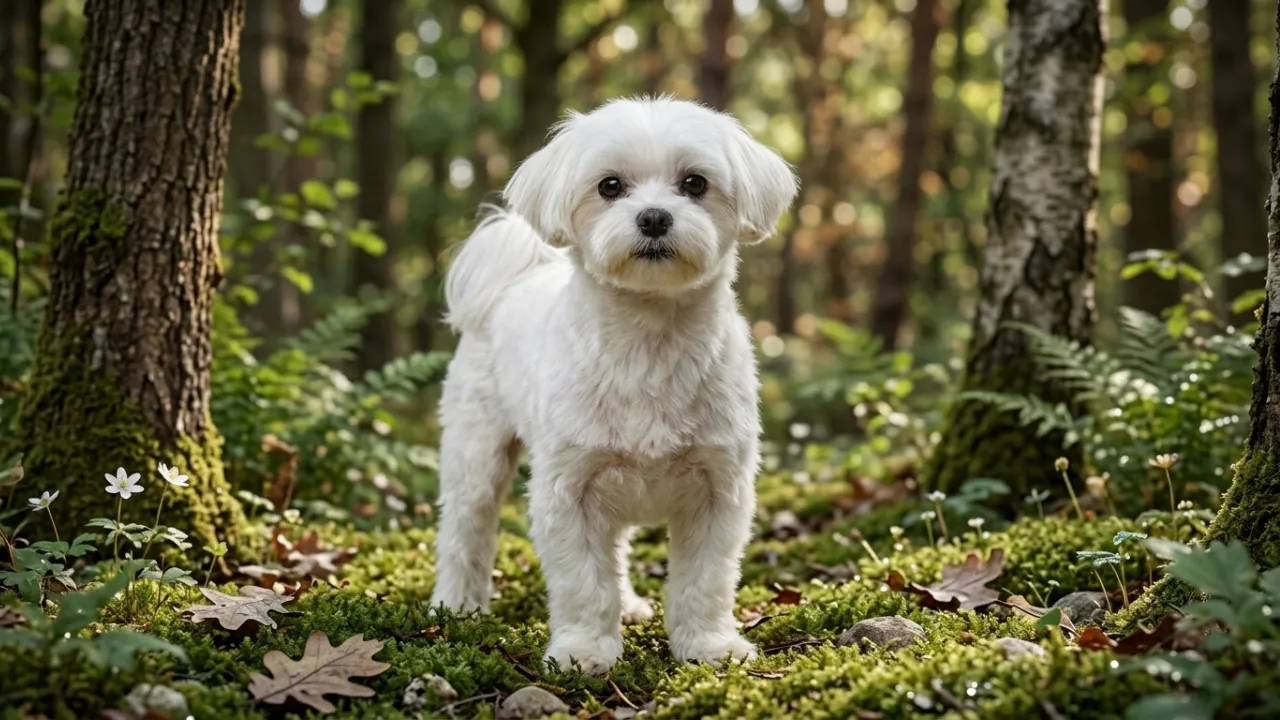
Maltese has roots reaching back more than 2,000 years, with the Mediterranean island of Malta closely linked to its early story. Ancient Greek artists depicted similar dogs, while Aristotle described the breed as “perfectly proportioned,” and Roman noblewomen prized them as companions.
People-Oriented Personality
This furry friend has a strong preference for being near its favorite person, whether that means sharing the sofa or joining in everyday household activity.
Its affectionate nature and eagerness for praise can make reward-based training especially useful for someone learning the basics of a starter dog.
There is more to this little companion:
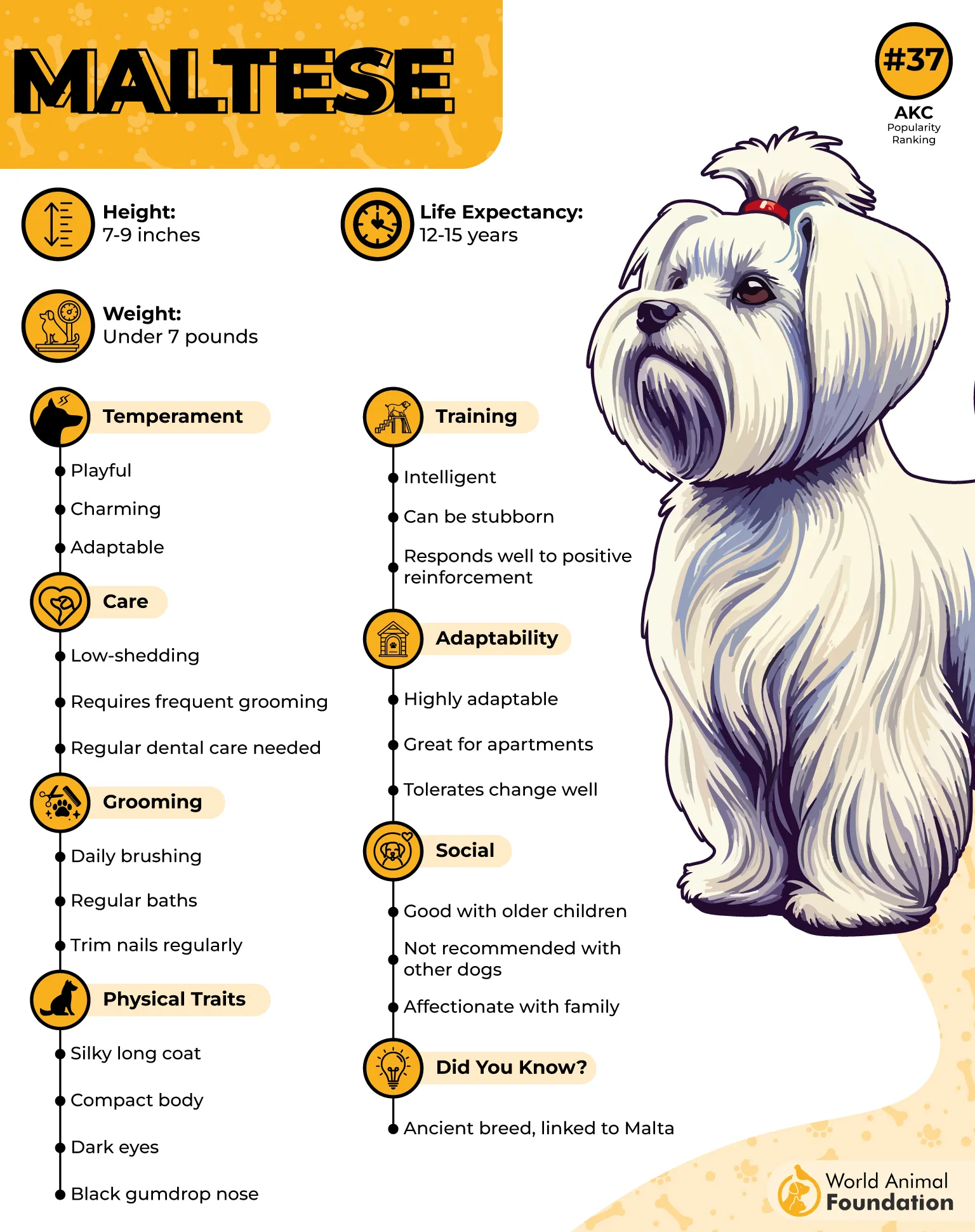
Often weighs under seven pounds
Can participate in agility and obedience
May bark when left lonely
Manageable Daily Activity
Maltese does not need the demanding workout routine associated with high-drive working breeds, yet a daily 20- to 30-minute brisk walk helps meet its activity needs. Indoor games, scent work, fetch, and interactive toys can add variety without requiring a large outdoor area.
Conclusion
Small dogs can make appealing first companions, especially when their size makes everyday handling less complicated. Carrying them during travel, managing leash walks, and fitting their routine into a smaller home can often feel easier for a single pet owner new to dog ownership. However, even low-maintenance pups need proper training, exercise, grooming, socialization, and regular attention.
Coat care may take more time than expected, while barking or difficulty with house training can become important considerations during the first year. Some top dog breeds may be affectionate and love to cuddle, while others can be more demanding than expected. The right breed depends on more than appearance or convenience, especially when comparing top dog breeds with demanding breeds.
