




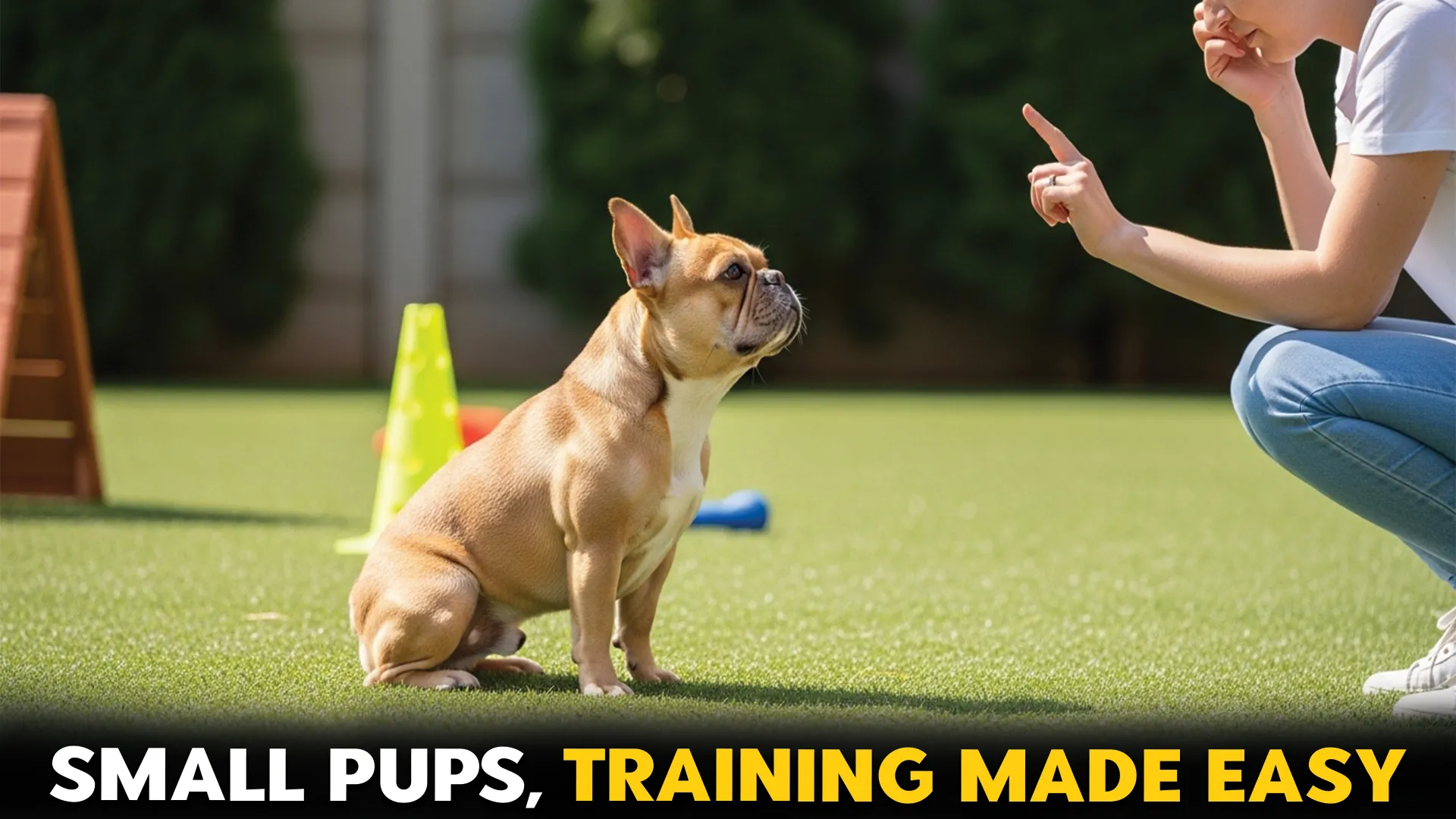
Training a small dog is like discovering a tiny bundle of curiosity and personality ready to impress. These little companions are full of energy, cleverness, and charm, making every lesson an adventure that can be both fun and rewarding. Short, interactive sessions keep them engaged, while plenty of praise makes learning feel like a game.
According to the Veterinary Ireland Journal, puppies gain confidence when exposed early to new people, places, and experiences. Reward‑based dog training works best, while harsh methods cause stress. Using puzzles, routines, and positive reinforcement keeps dogs happy, focused, and eager to learn.
This blog highlights top small dog breeds that are easy to train, showing you how to raise smart, obedient, and playful companions with ease.
Top Small Dog Breeds That’re a Breeze to Train
1. French Bulldog
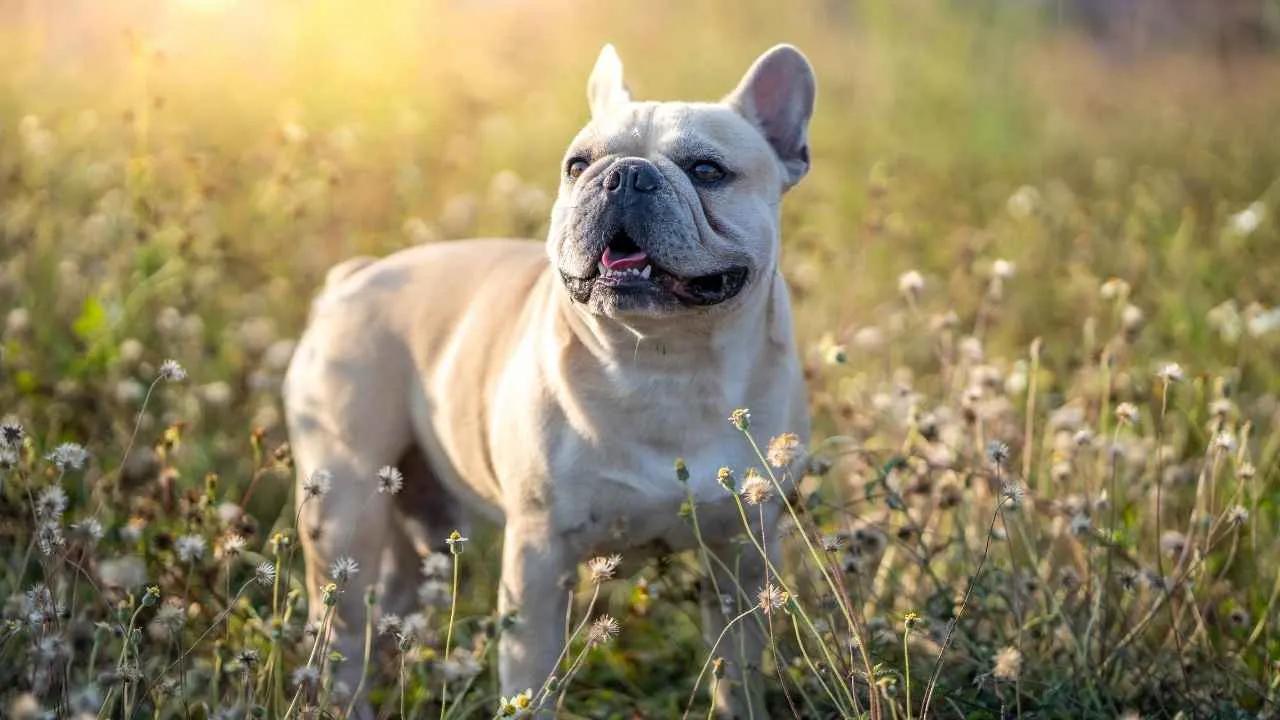
Surprisingly, the French Bulldogs are intelligent dog breeds despite their compact size. These clever pups possess high-level thinking skills. Consequently, they remain very trainable for owners who appreciate a sharp, capable canine companion.
Furthermore, French Bulldog personalities are famously affectionate and truly wonderful. These dogs crave constant company and will shadow your every move. Because they bond so deeply, these loyal companions occasionally become quite possessive of you.
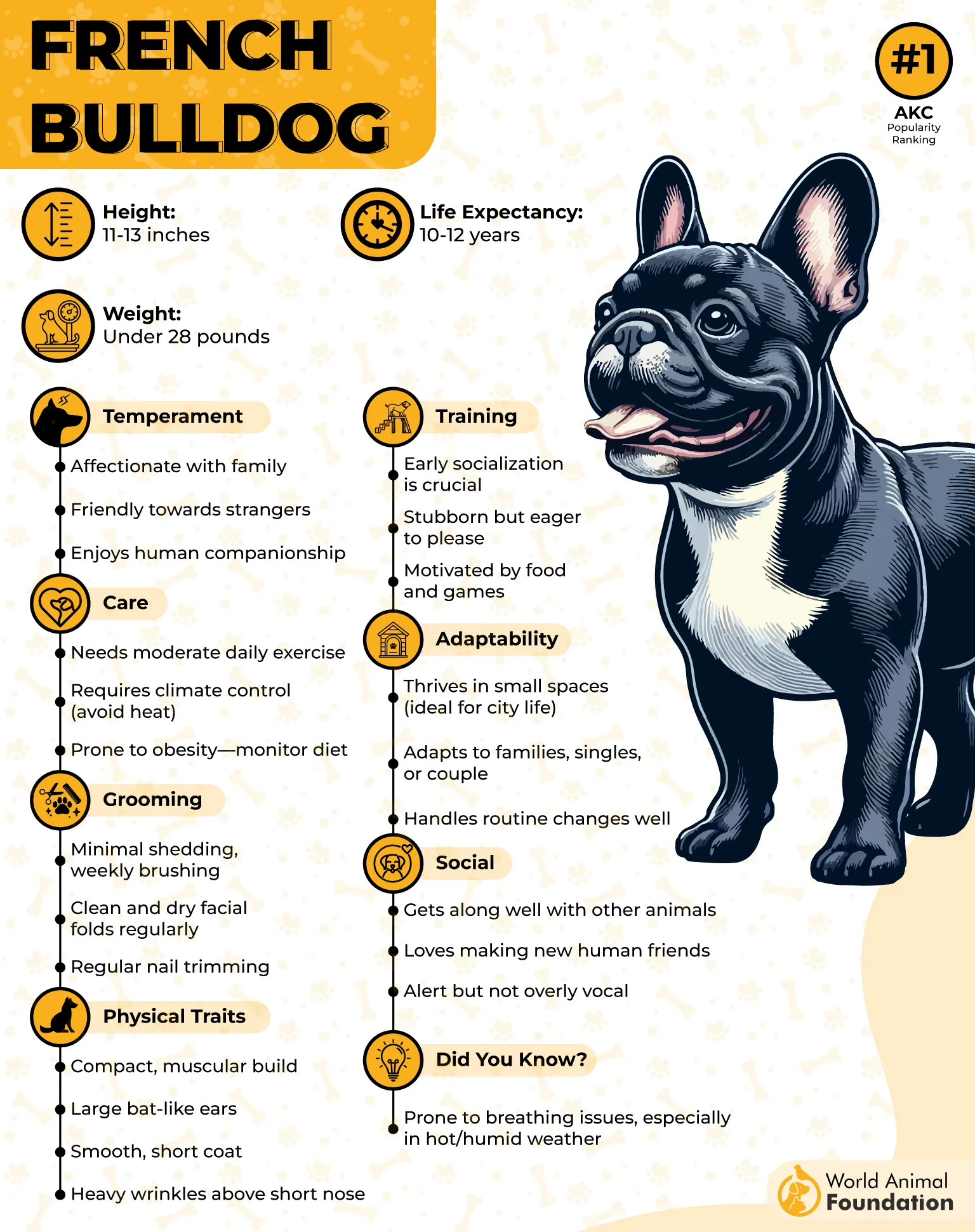
Training sessions feel like a treat since a French Bulldog loves spending quality time together. These moderate-energy dogs thrive on quick bursts of play followed by long naps. Short games of fetch keep them very happy. Overall, it is a perfect pup for a first-time dog owner.
Finally, the naturally non-aggressive behavior of a French Bulldog is a true gift. Since they lack hostile tendencies, teaching new behaviors feels remarkably smooth. You will find that their gentle nature simplifies the entire learning process.
Build their self-control and patience.
Make listening and rules non-negotiable.
Focus on habits they learn outside training sessions.
2. Papillon
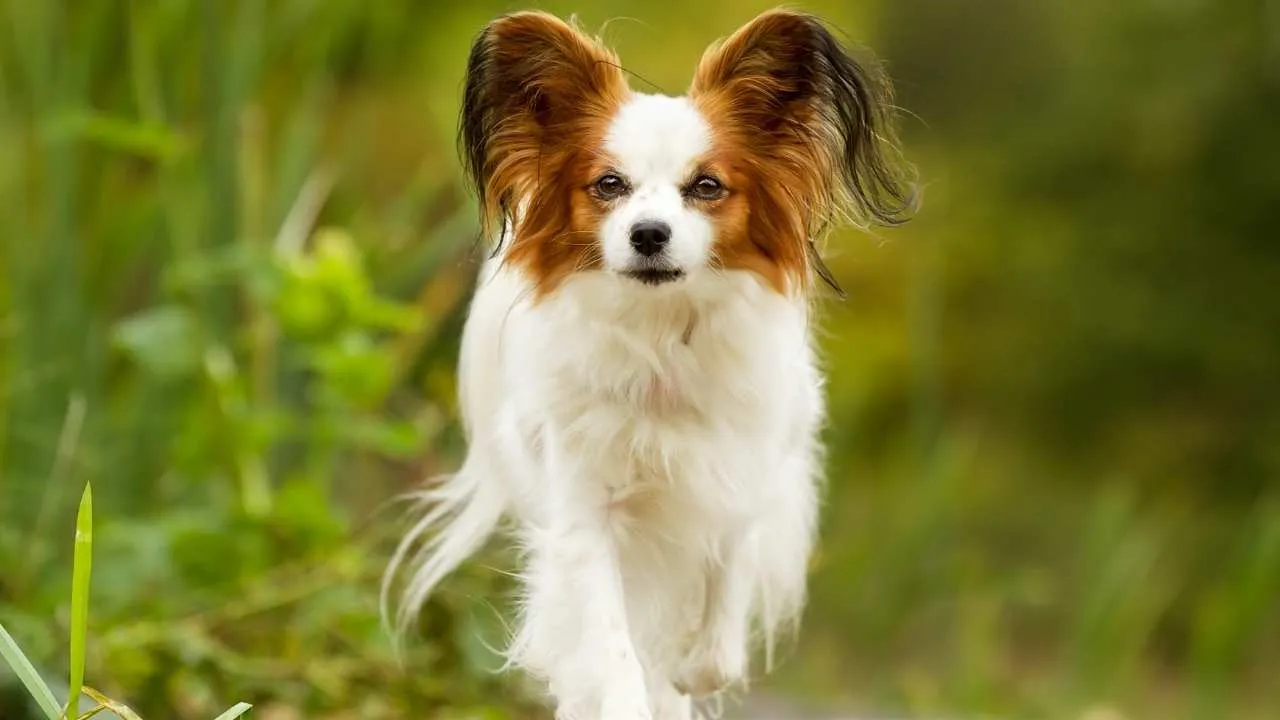
The Papillon is a brilliant dog breed that stays consistently eager to please. Because they prioritize your happiness, obedience training is simple. These smart little lap dogs catch on quickly when you use the proper training methods.
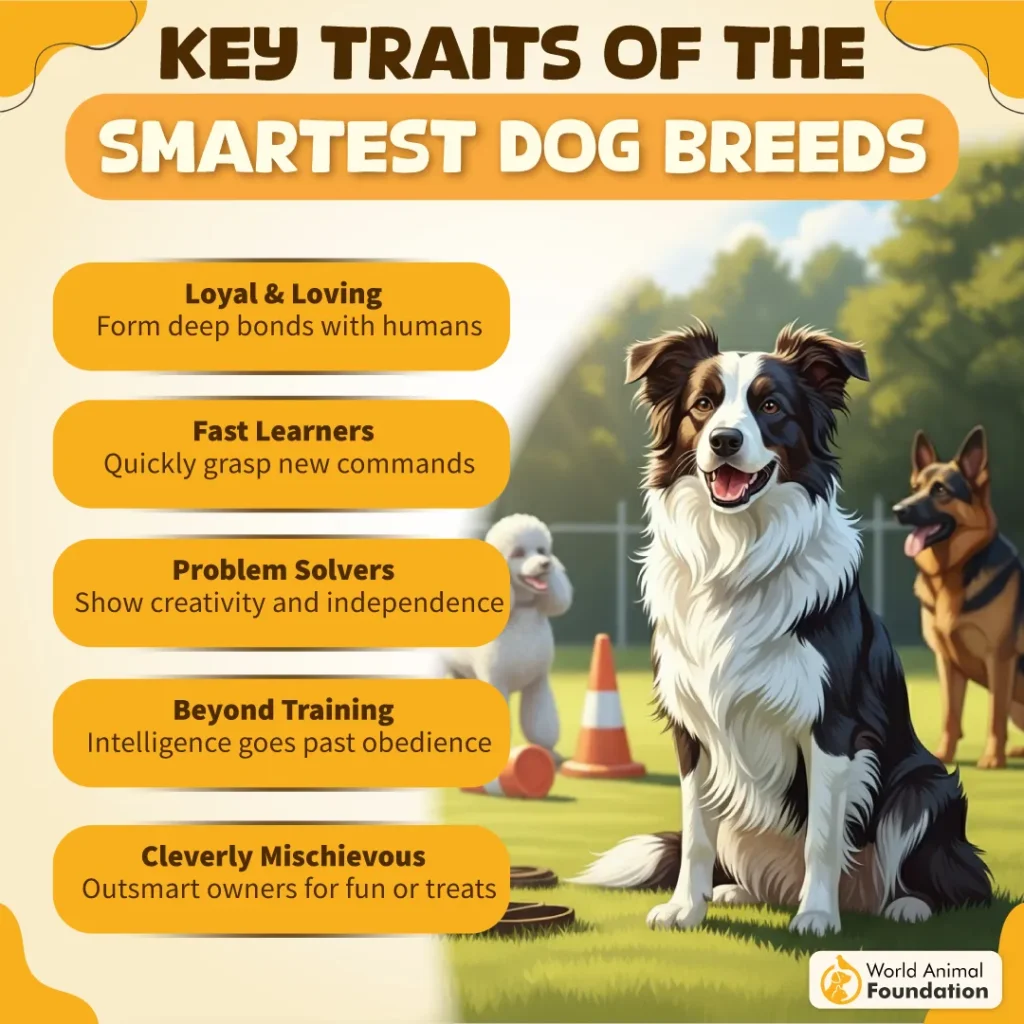
Additionally, positive reinforcement techniques work wonders for every Papillon. These sensitive souls thrive on rewards, praise, and gentle guidance. Remember to stay patient and consistent while providing plenty of essential mental stimulation to keep them engaged.
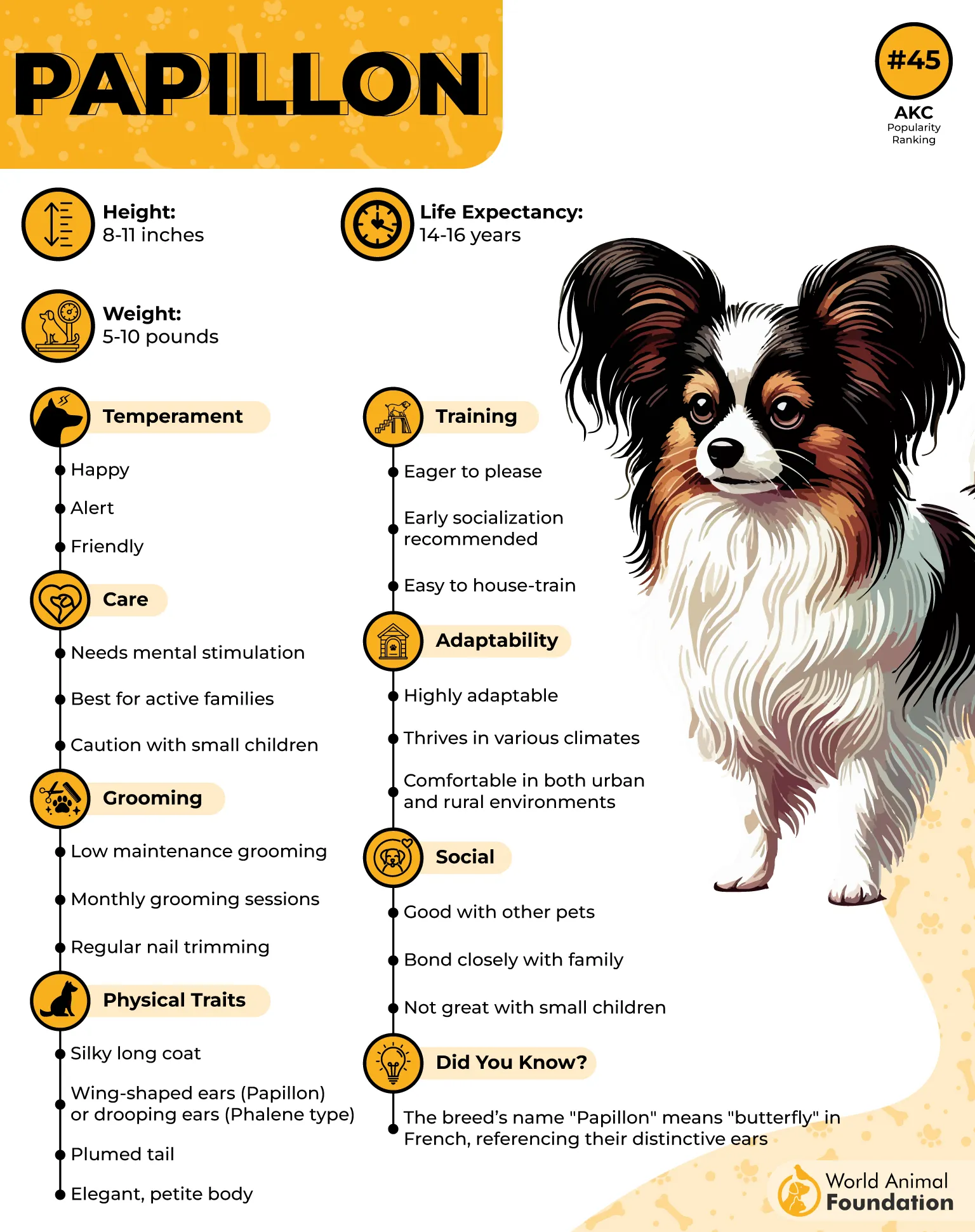
Their quick learning abilities allow them to excel in various advanced activities. These hardy toy dogs handle physical tasks with surprising ease and grace.
Lastly, the alert and friendly demeanor of a Papillon aids the training process. Their petite yet sturdy frame allows for active movement during lessons. This social butterfly remains approachable, which helps create a stress-free environment for learning.
Pet owners should start training their Papillon as soon as they come home to build good habits early.
Stay consistent with housebreaking to avoid confusion and speed up progress.
Use positive reinforcement, as Papillons learn best with praise and rewards.
3. Cavalier King Charles Spaniel
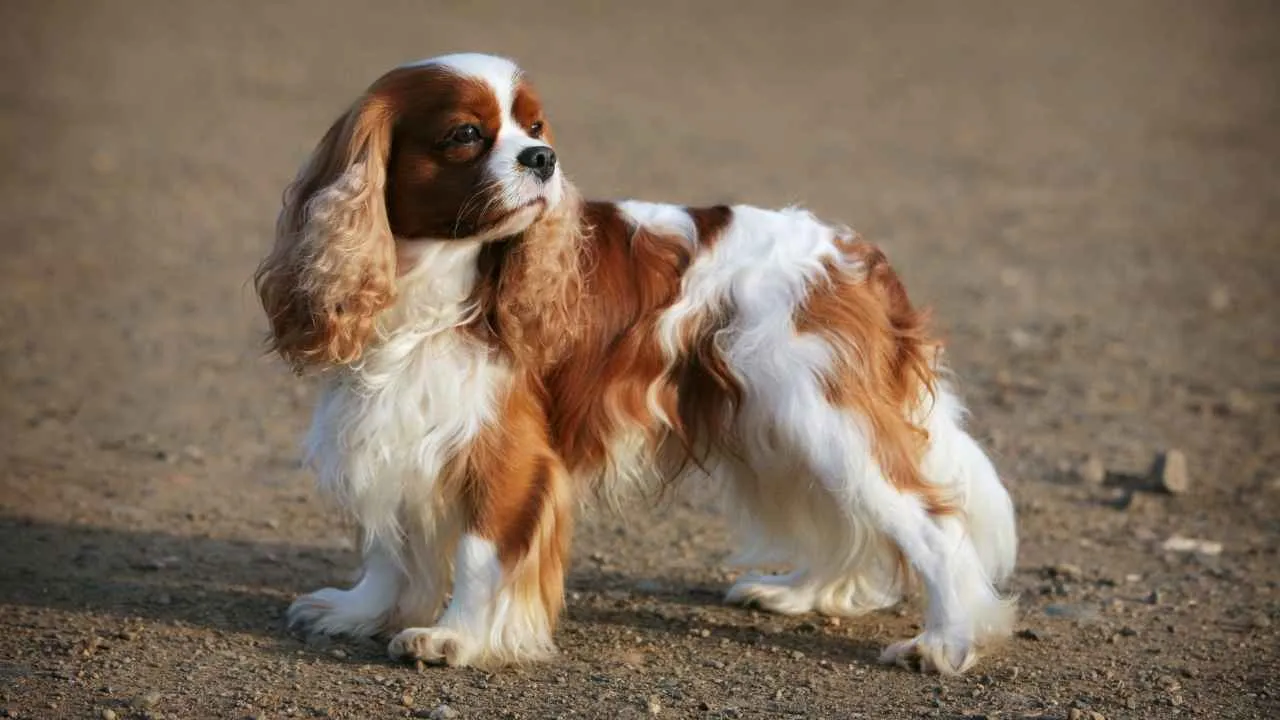
A Cavalier King Charles Spaniel generally responds beautifully to positive reinforcement. These are eager to please dogs and love spending time with you. This affectionate bond creates a perfect foundation for teaching them important new household rules.
Many owners find that a Cavalier King Charles Spaniel is quite intelligent. They genuinely enjoy learning fun new commands and impressive tricks. Luckily, training these pups to behave reliably is a straightforward task.
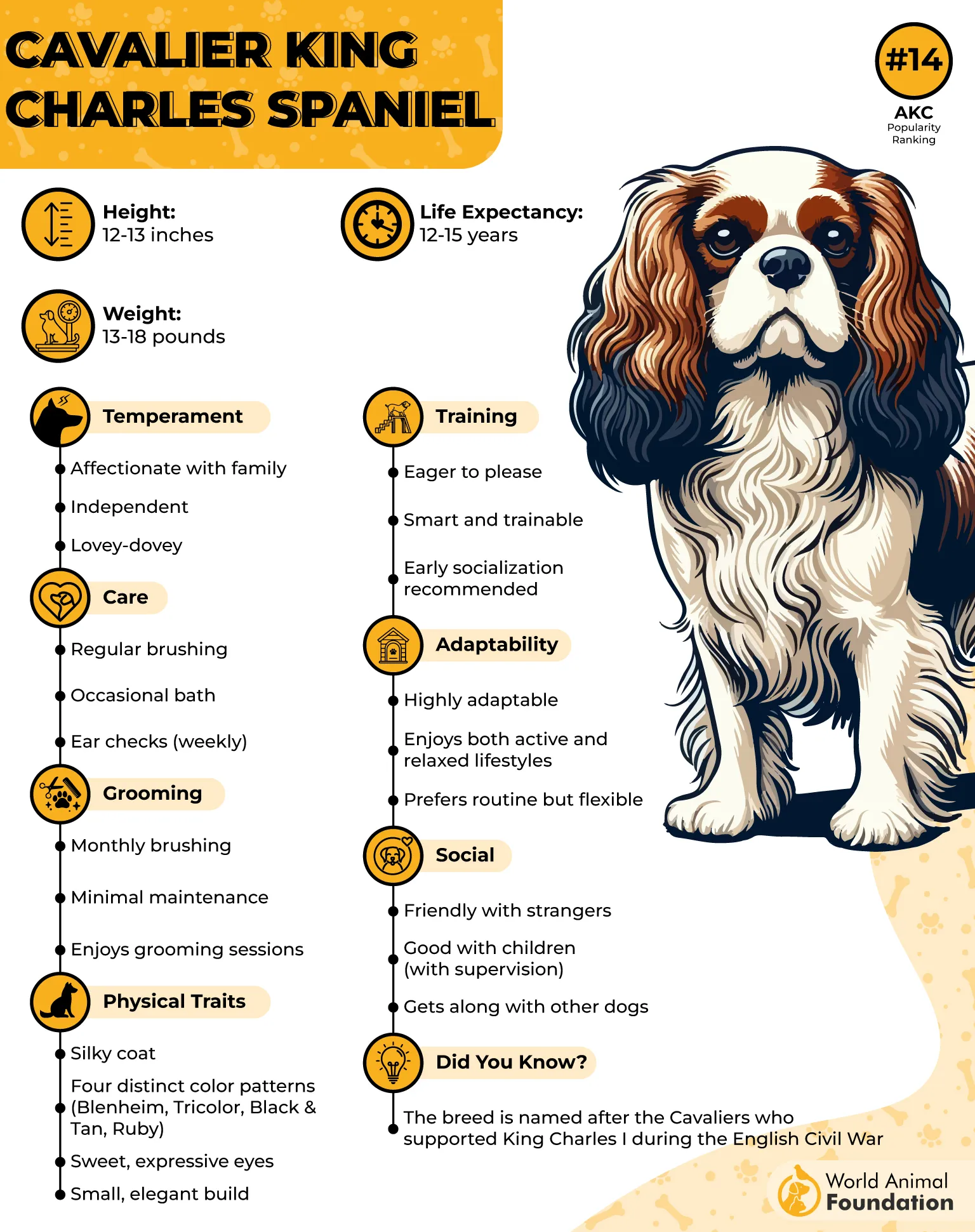
With enough patience, a Cavalier King Charles Spaniel can truly excel in obedience, as mentioned by PetMD. They often participate in various dog sports like agility training or trials. Consistent practice helps these elegant spaniels showcase their natural talents and focused athletic abilities.
Moreover, a Cavalier King Charles Spaniel is typically not an aggressive animal. Their peaceful temperament ensures that lessons remain calm and productive. This lack of hostility provides a massive advantage for any novice dog owner today.
Start socializing early to help them grow into confident, well-adjusted dogs.
Set clear training goals, so you know what you are working toward.
Keep sessions short and repeat them often for better results.
4. Havanese
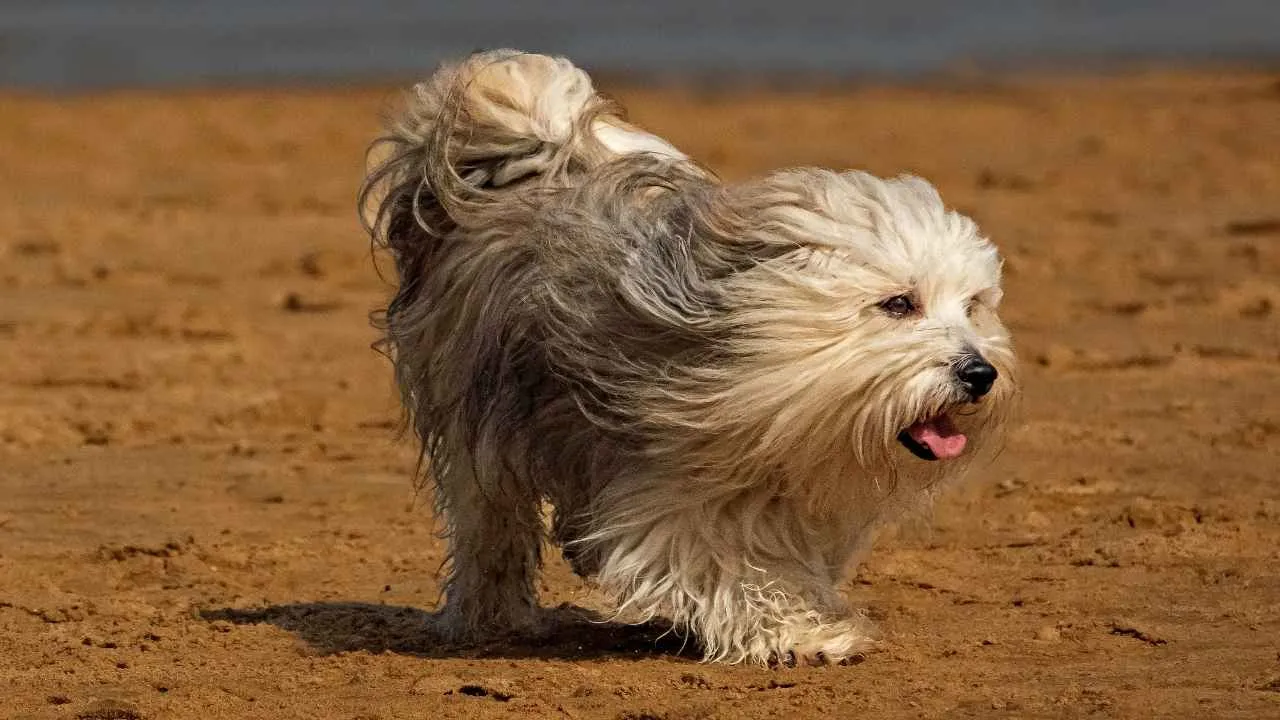
Exceptional intelligence is a hallmark of the Havanese breed. This mental sharpness helps them grasp new concepts with very little effort. Therefore, you will likely find that teaching them basic manners is a quick and rewarding experience.
These playful little dogs learn most effectively through interactive games. A Havanese thrives when you use rewards and upbeat, positive reinforcement. Keeping the atmosphere light and fun ensures they stay focused on your specific instructions throughout the day.
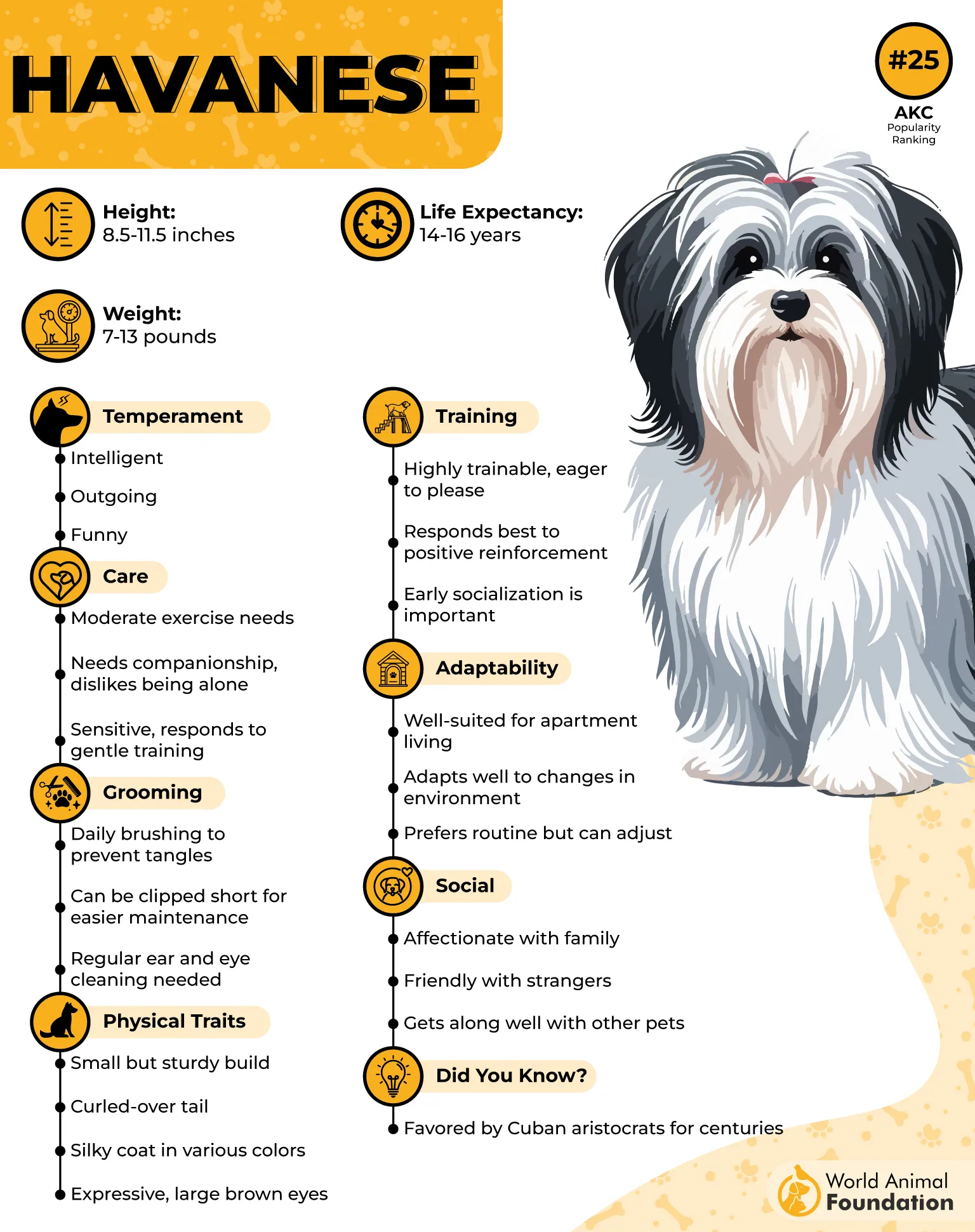
Orivis notes that the Havanese is a happy, affectionate dog that prefers staying near its owner. They do not thrive in kennels because they crave human interaction. Consequently, these wonderful family pets cherish every single moment spent learning alongside their favorite human.
Since the Havanese is an energetic and entertaining toy breed, they stay quite active. This high spirit helps them remain focused during long practice sessions. Their lively nature and calm demeanor help ensure that every lesson feels like an exciting performance.
Keep training sessions short so your Havanese stays focused and engaged.
Make every session positive; they respond best to praise and rewards.
Stay consistent and patient; steady guidance brings lasting results.
5. Toy Fox Terrier
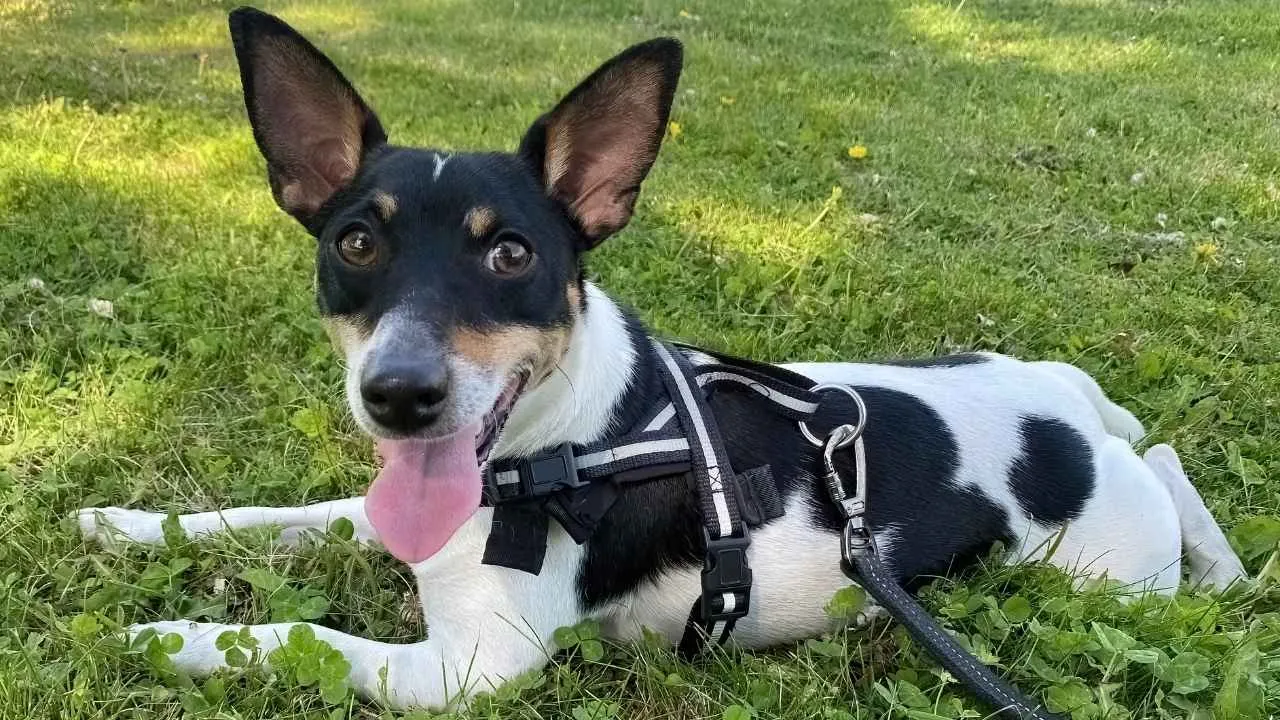
Despite their tiny stature, a Toy Fox Terrier is an excellent candidate for advanced obedience. Their athletic energy allows them to master complex dog sports and agility. These small powerhouses tackle every physical challenge with incredible enthusiasm.
A clever Toy Fox Terrier responds exceptionally well to consistent reward-based routines. Using positive reinforcement techniques is essential for their development. This extremely intelligent breed appreciates clear goals and high-value prizes for their hard work and focused attention.
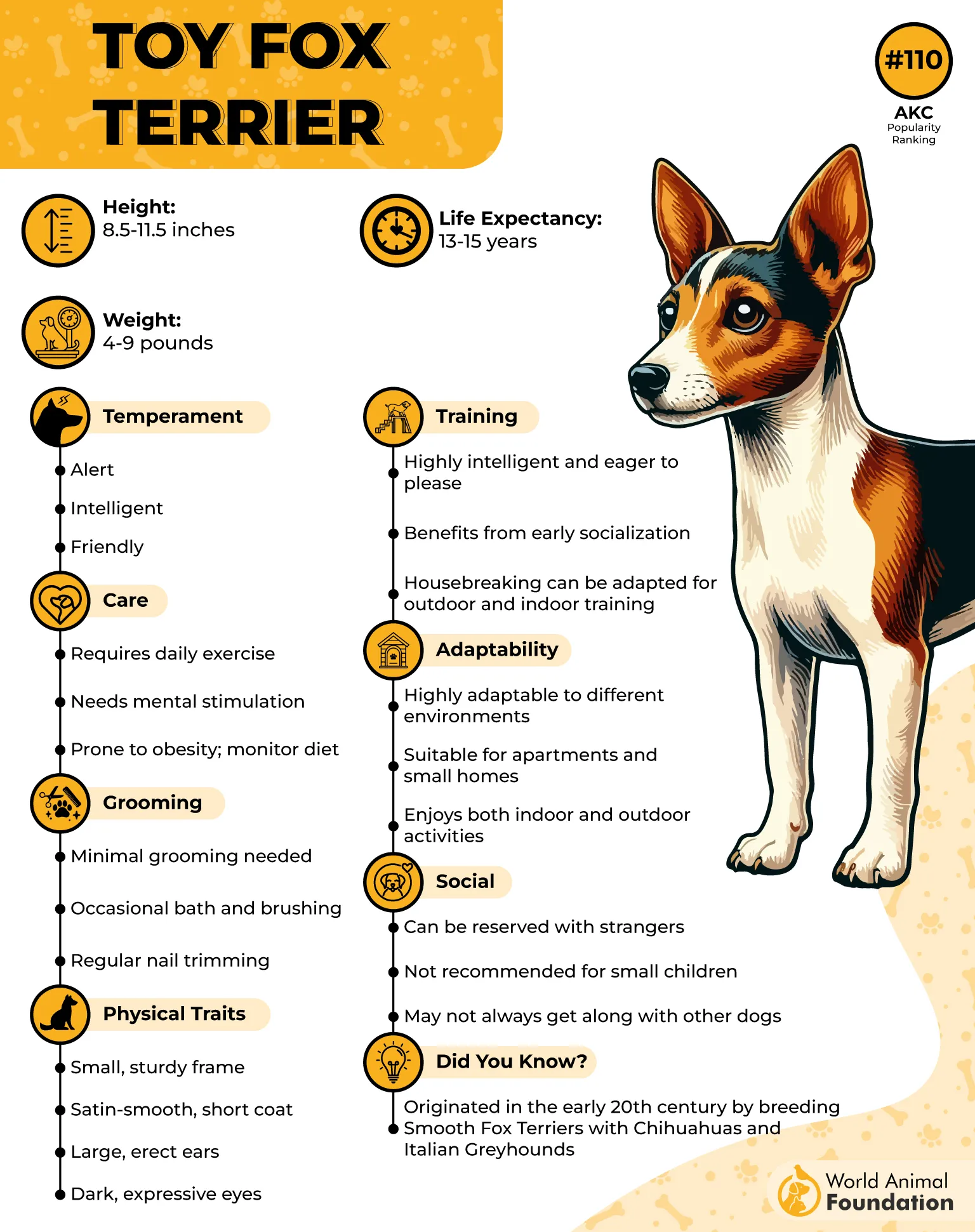
The Toy Fox Terrier possesses an affectionate temperament and forms a deep, lasting bond. They act as devoted companions who stay loyal during every lesson. This strong connection helps them focus entirely on your voice and hand signals.
Furthermore, a Toy Fox Terrier is gentle and lacks aggressive traits. This peaceful personality simplifies the teaching process for families. Their non-threatening behavior ensures that every interaction remains safe, and they remain excellent family pets.
Train two to three times a day for steady, manageable progress.
Use rewards your dog truly loves, such as small treats, toys, or praise.
End every session on a positive note to keep them eager to learn.
6. Yorkshire Terrier
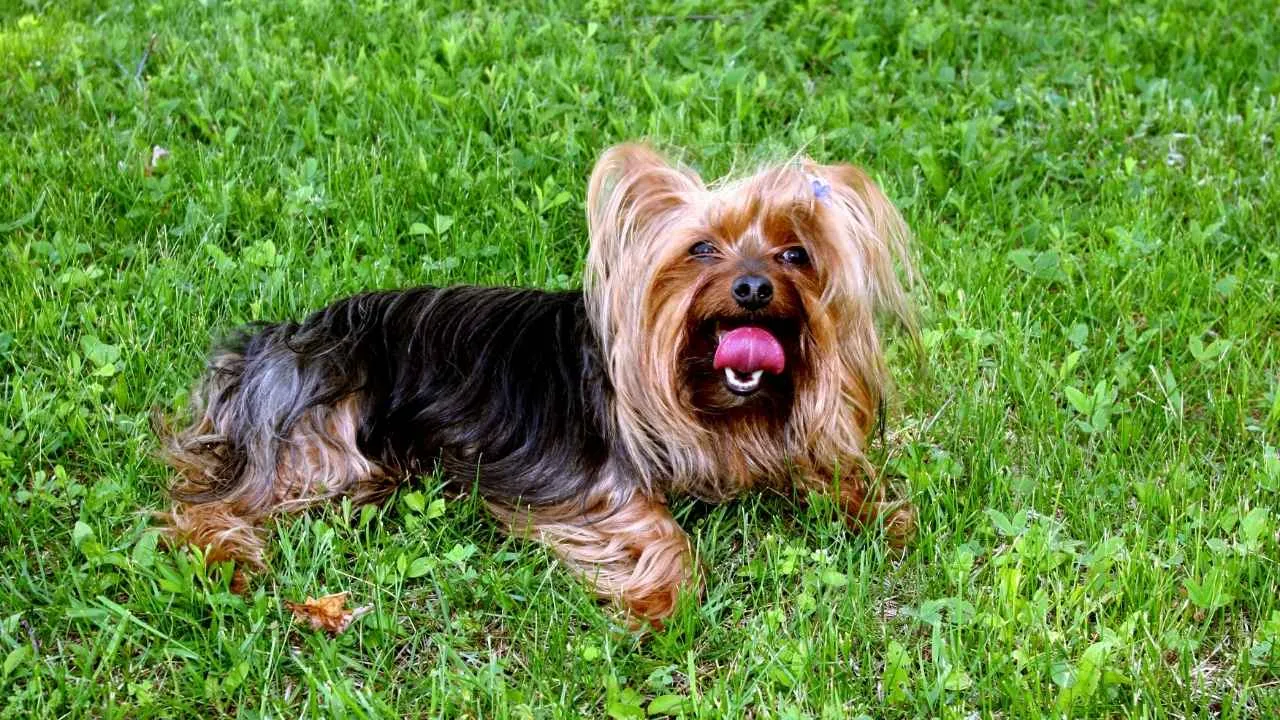
A Yorkshire Terrier is naturally full of energy and a massive personality. This vibrant spirit helps them engage fully during every practice session. Their lively character ensures that teaching them never feels like a boring or repetitive chore.
Quick learning comes naturally to the curious Yorkshire Terrier. These companion dogs love mental stimulation and solve puzzles with great speed. Providing them with interesting challenges keeps their bright minds sharp and their tails wagging with pure joy.
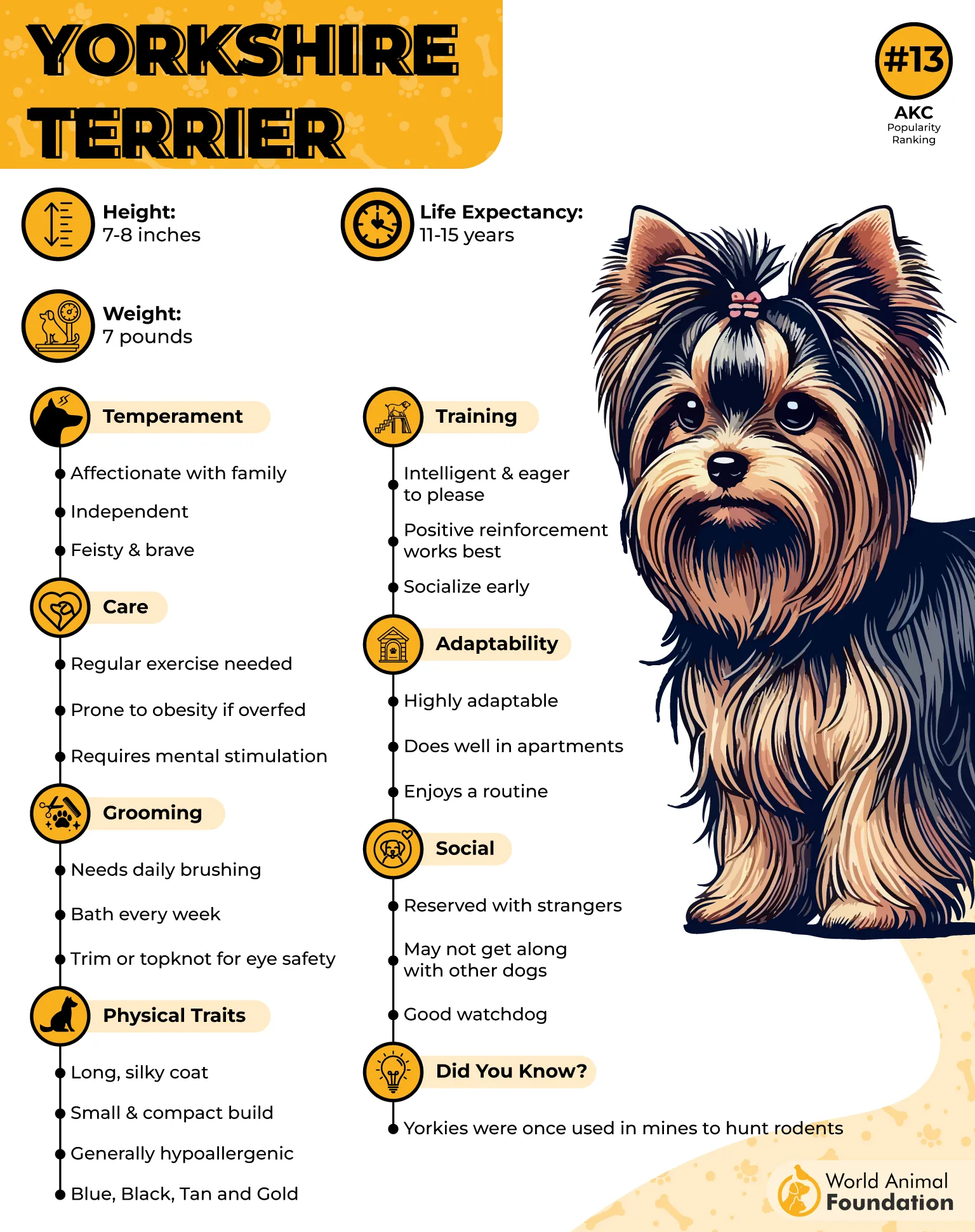
A Yorkshire Terrier is not typically aggressive and maintains a very gentle soul. This calm underlying nature helps them focus on your commands. You will find that their friendly attitude creates a very productive training atmosphere.
Finally, the Yorkshire Terrier is famous for forming incredibly strong bonds with its owner. They are affectionate pets that love spending quality time with you. This deep devotion motivates them to listen and follow your lead perfectly.
Conduct training sessions between meals to keep your Yorkie motivated.
Focus on tricks that match your Yorkie’s natural behaviors for easier learning
Train one trick at a time to avoid confusion and ensure success.
7. Maltese
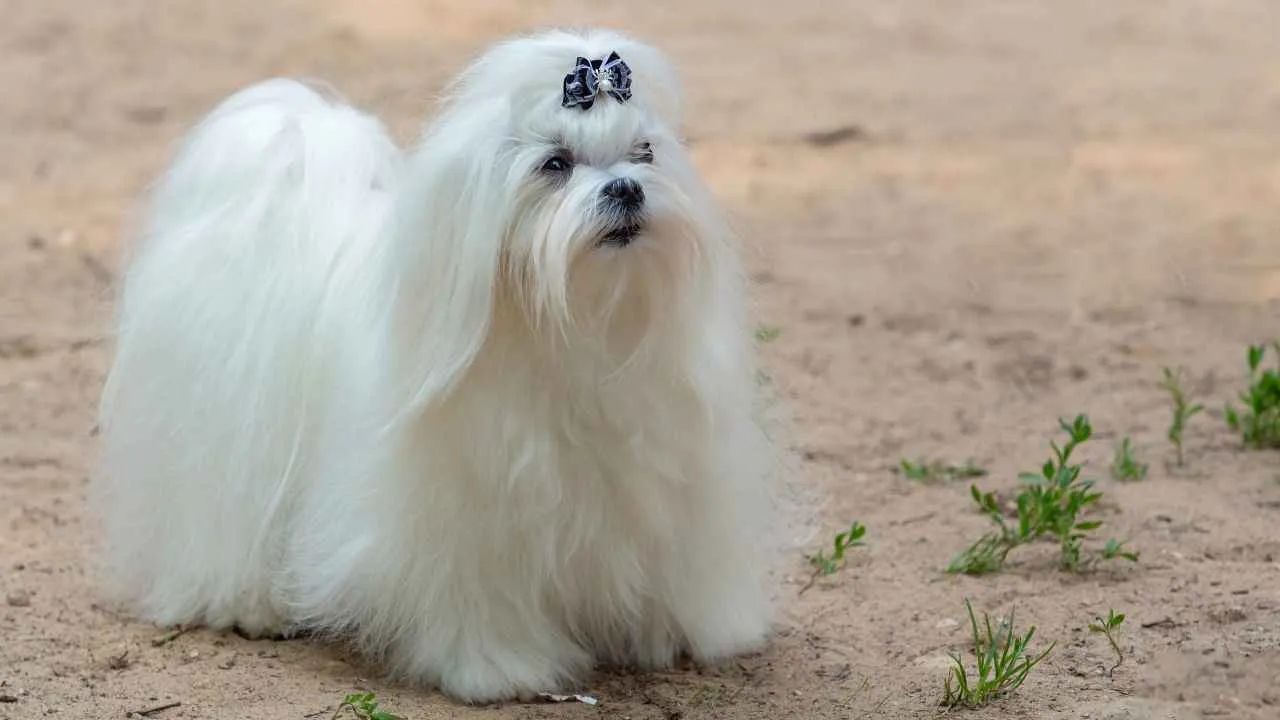
The Maltese is widely known for having a charming and very affectionate nature. They thrive on human companionship and love being the center of attention. This desire for your approval helps facilitate a very smooth training experience.
A playful and lively personality helps the Maltese stay engaged during lessons. This combination of traits helps turn every teaching moment into a fun activity. Their upbeat energy ensures that they remain interested in whatever you are showing them.
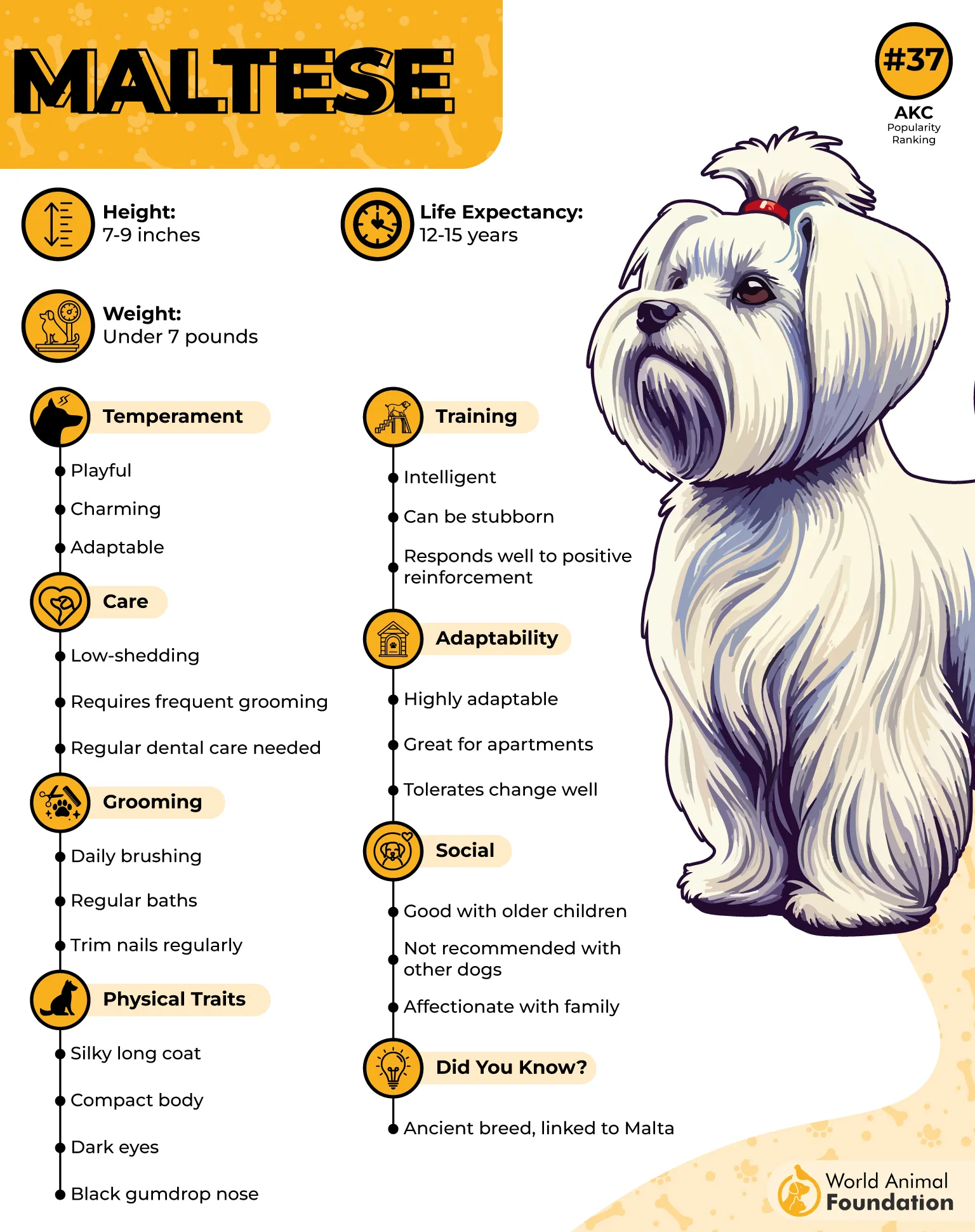
Beyond their love for couch cuddles, the Maltese is highly intelligent. These furry friends can excel in advanced tricks or even professional agility classes. Their mental capacity is quite impressive for such a small and dainty toy breed.
Moreover, the Maltese is a gentle creature that rarely shows any aggression. This soft temperament allows owners to teach them without any fear or stress. Their peaceful hearts help them become one of the easiest breeds to manage.
Use clear, consistent verbal or hand signals when teaching your dog.
Start with teaching basic commands
Provide a crate as a safe, comfortable space for your dog when stressed or overwhelmed.
Conclusion
Training small dogs can be surprisingly easy when approached the right way. These little furry companions are smart, curious, and full of energy, making learning both fun and rewarding. Short, engaging sessions with praise and rewards turn training into a playful bonding experience for both of you.
Early exposure and consistent training are essential. Puppies grow confident when they encounter new people, places, and experiences. Reward‑based methods help them stay motivated, while mental stimulation through games or puzzles keeps boredom and behavioral issues at bay.
With patience and positivity, raising a well-behaved, obedient small dog is entirely achievable. These breeds show that intelligence and trainability can make training a breeze.
