




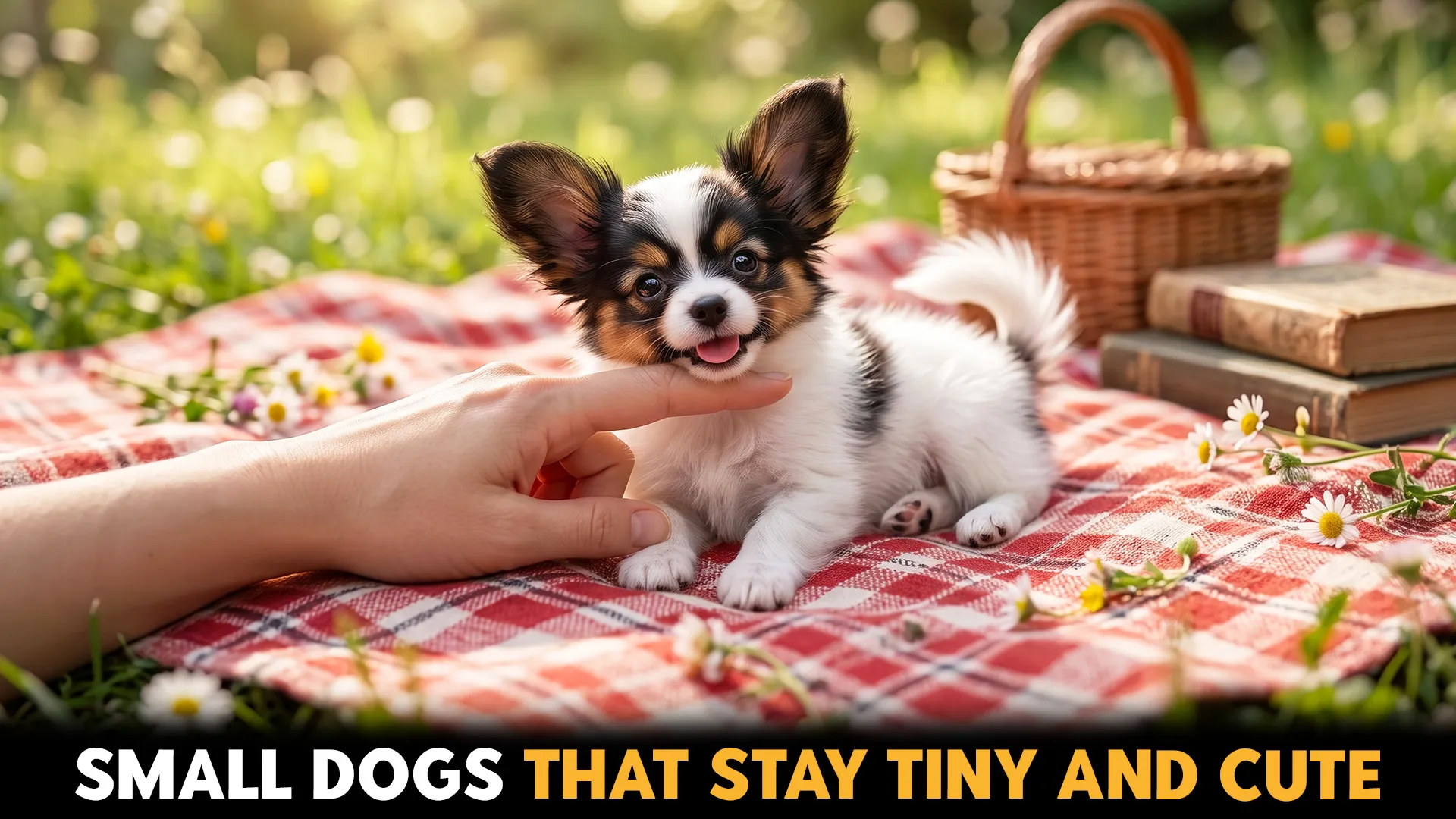
Small dogs have a way of stealing the spotlight. They may be tiny in size, but they can bring just as much personality, affection, and fun into a home as much larger dogs. For many people, their compact size also makes them easier to manage, especially when space, travel, or day-to-day convenience matters.
Living in an apartment, looking for a little travel companion, or simply wanting a dog that stays small throughout life? A small breed can fit nicely into many different lifestyles.
They are often easier to carry, take up less space, and may cost less to feed and care for than larger dogs. Their size can also make everyday walks and social outings feel a little more manageable.
But small does not mean low-maintenance or lacking personality. These pint-sized dogs can have big characters and still need exercise, attention, training, and plenty of love. From playful and outgoing to calm and cuddly, there is a small dog for almost every kind of household.
In this article, we’ll look at the cutest dog breeds that stay little and full of personality as they grow.
Small Dog Breeds That Stay Small and Cute Forever
1. Pomeranian
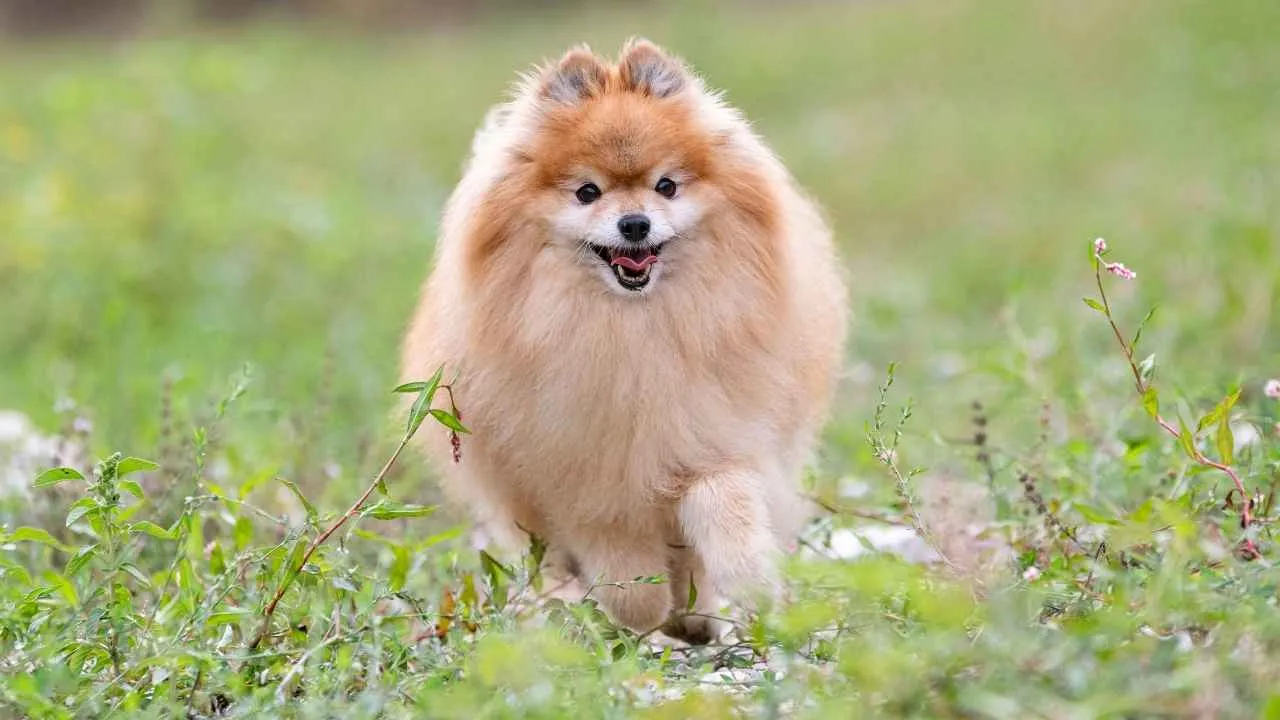
Pomeranians may be tiny, but their personalities are anything but small. These cheerful dogs are alert, curious, clever, and full of confidence. They enjoy games, short walks, and indoor play, but they are not usually hyperactive. Their playful nature also makes them adaptable.
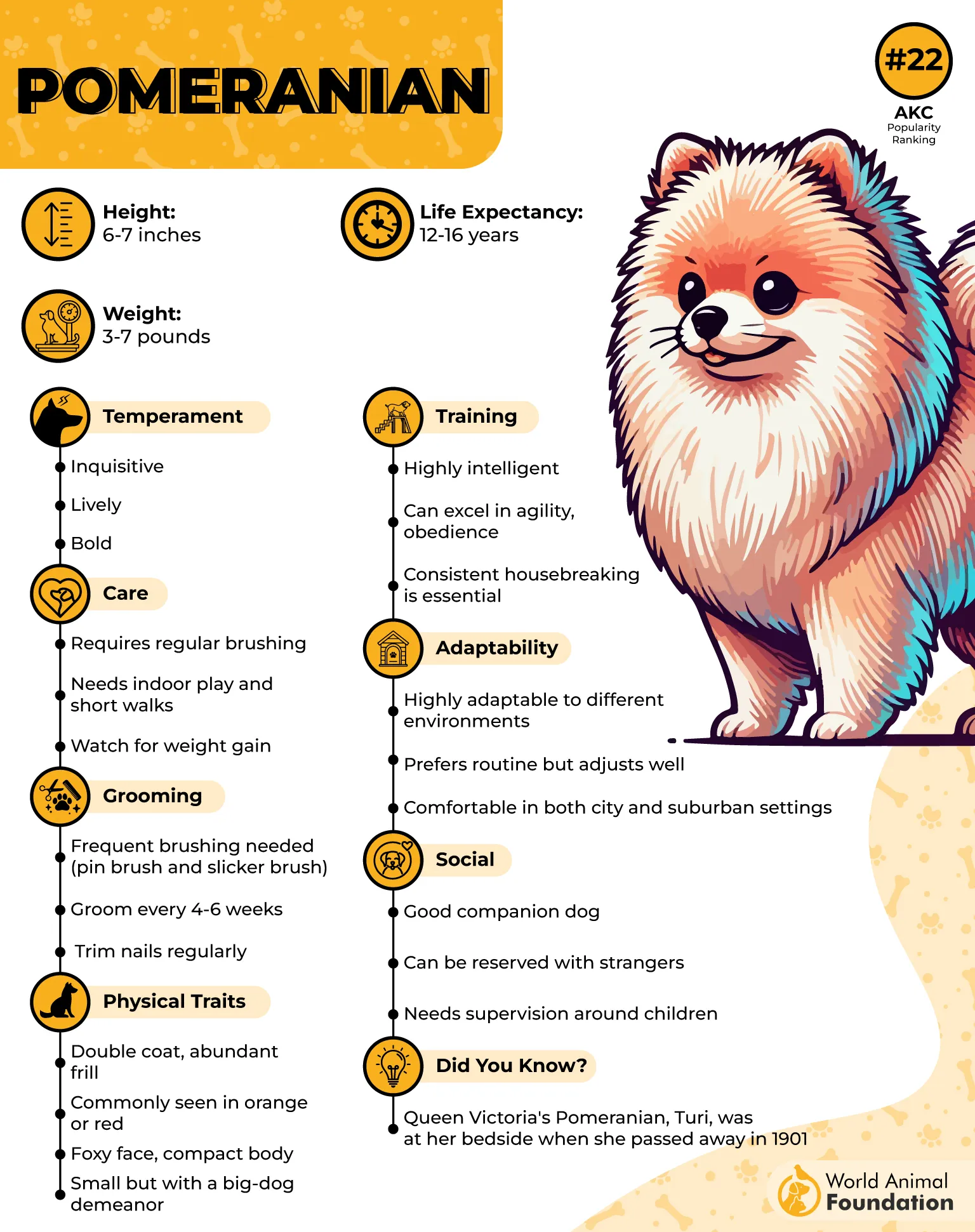
Big personalities: Pomeranians are sassy, spunky, and sometimes stubborn. They can be entertaining companions and great watchdogs, although they may bark excessively.
Easy to fit into daily life: Indoor play and short walks are often enough for them. They can suit families, singles, and older adults, and can live well in cities or suburbs. However, their small size makes them fragile around young children.
Fluffy and eye-catching: Pomeranians have foxlike faces, thick neck scruffs, square bodies, and fluffy double coats. Their coats come in many colors and patterns, including sable, brindle, merle, white, black, and tri-colored varieties. Daily grooming is needed to keep their coats healthy.
Originally, Pomeranians were much larger dogs used for herding. PetMD says they are miniaturized descendants of Spitz sled dog breeds. Today, they are among the smallest dog breeds.
Their intelligence makes them relatively easy to train, and they can learn tricks and games with ease. They are also known to be escape artists, so small gaps and short fences may not always stop them.
2. Yorkshire Terrier
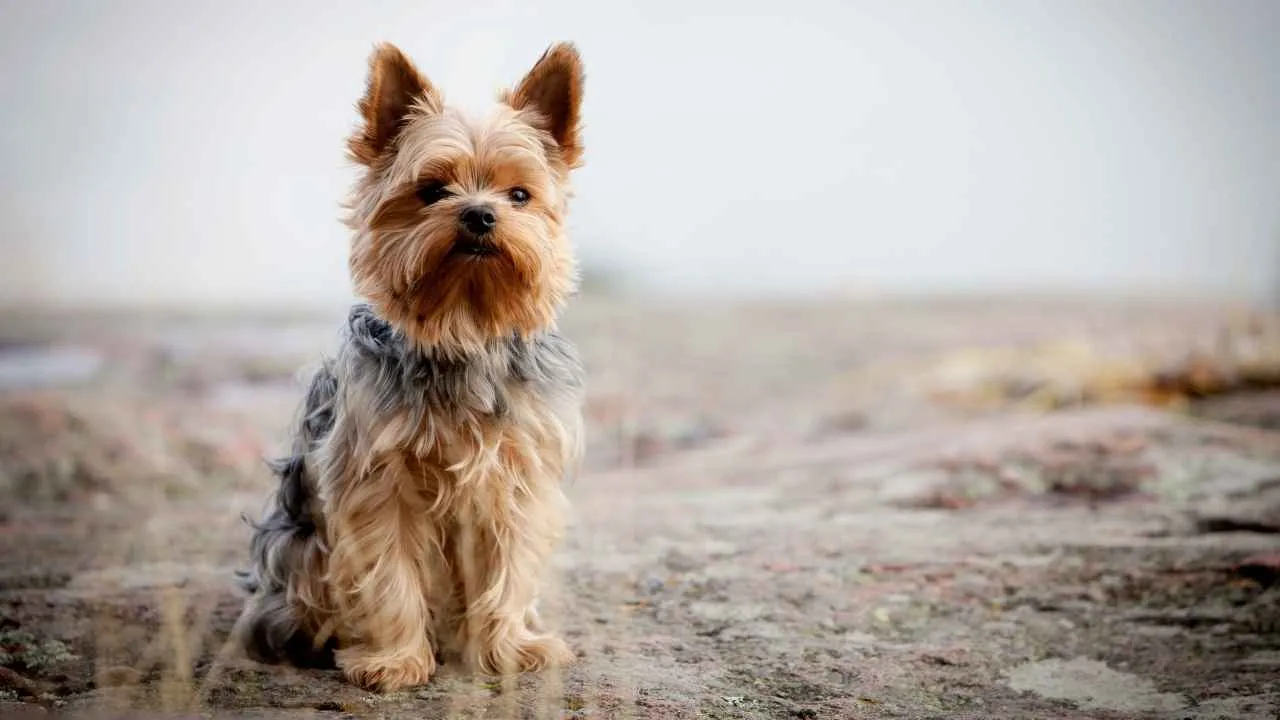
Yorkshire Terriers may be small, but they carry themselves like much bigger dogs. These lively and curious terriers love being involved in everything their families do. They can happily cuddle on a lap one moment and race after another dog the next.
Their bold nature also makes them alert watchdogs. They tend to bark often and will quickly let their owners know when someone is approaching.
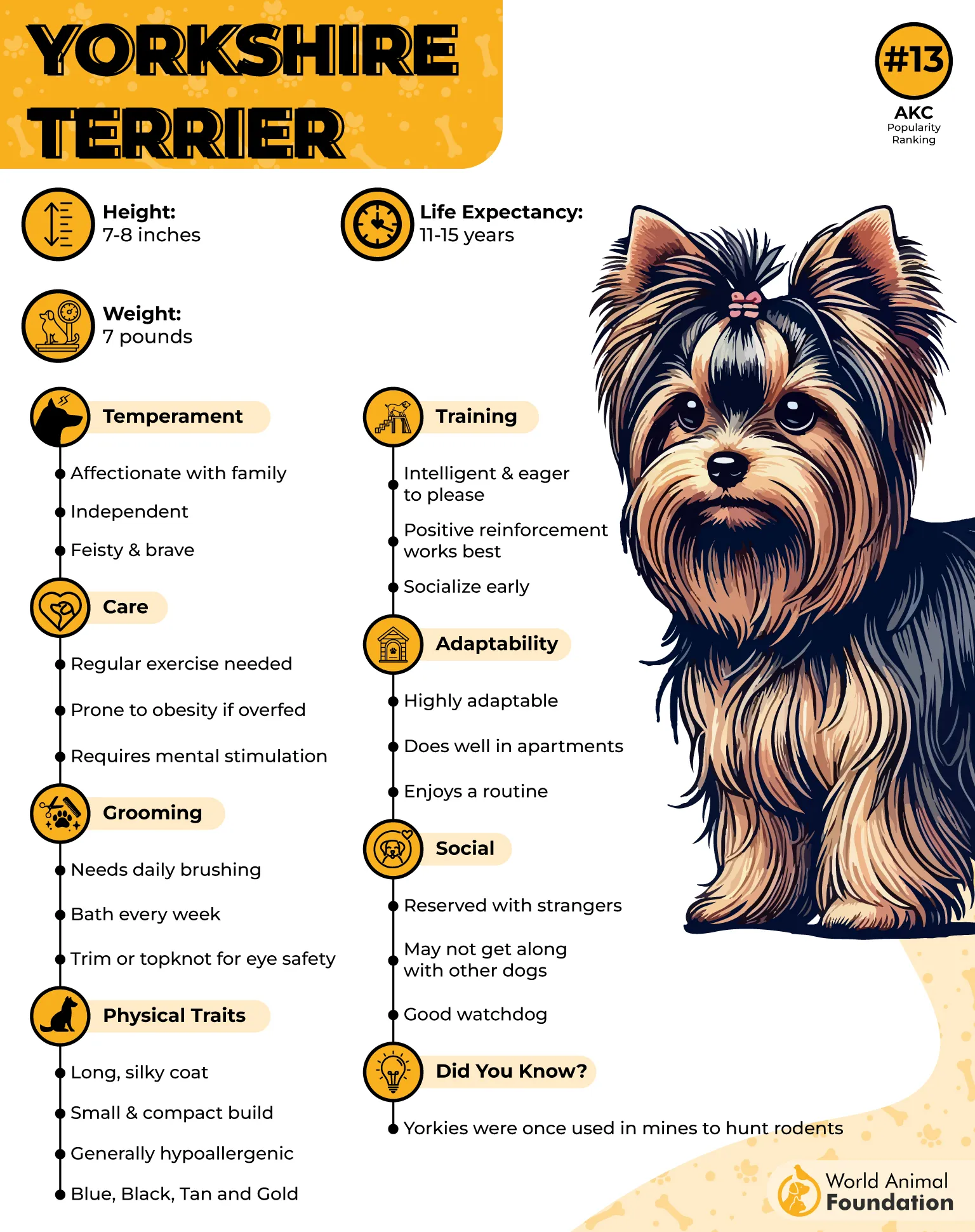
Busy and playful: Yorkies need physical and mental stimulation. Short walks, indoor games, and fetch can keep them happy and active. They also enjoy having a job or something to focus on.
Smart and social: They are quick learners and respond well to training. Early socialization and puppy classes are important. They enjoy company and do not like being left alone for long periods.
Terrier instincts: Yorkies were bred to hunt rats and mice, so small furry pets may not be safe around them. They can also be independent, bossy, and protective of their owners.
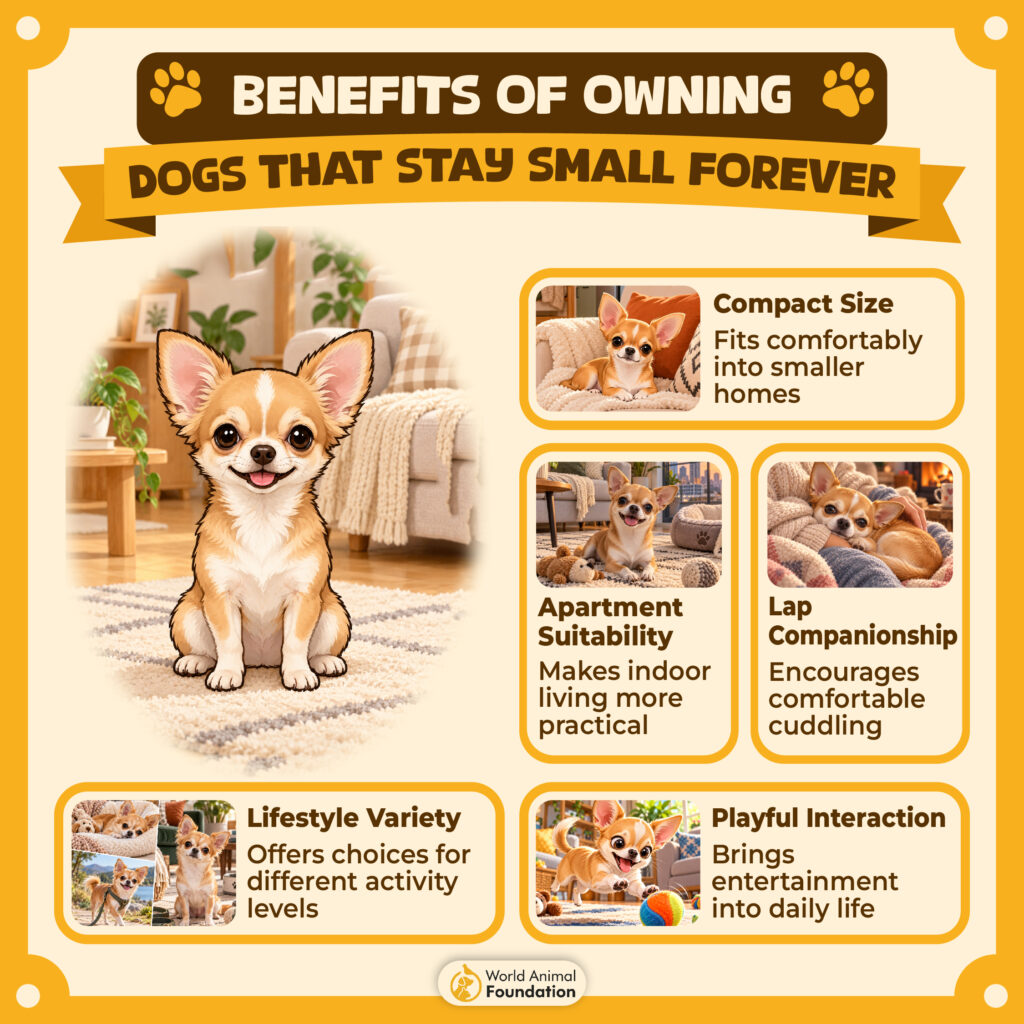
Yorkies are affectionate and can become good family dogs with proper socialization. They can live happily in apartments or larger homes, but because of their small size, young children should always be supervised around them. Their long, hair-like coats also need regular grooming.
3. Maltese
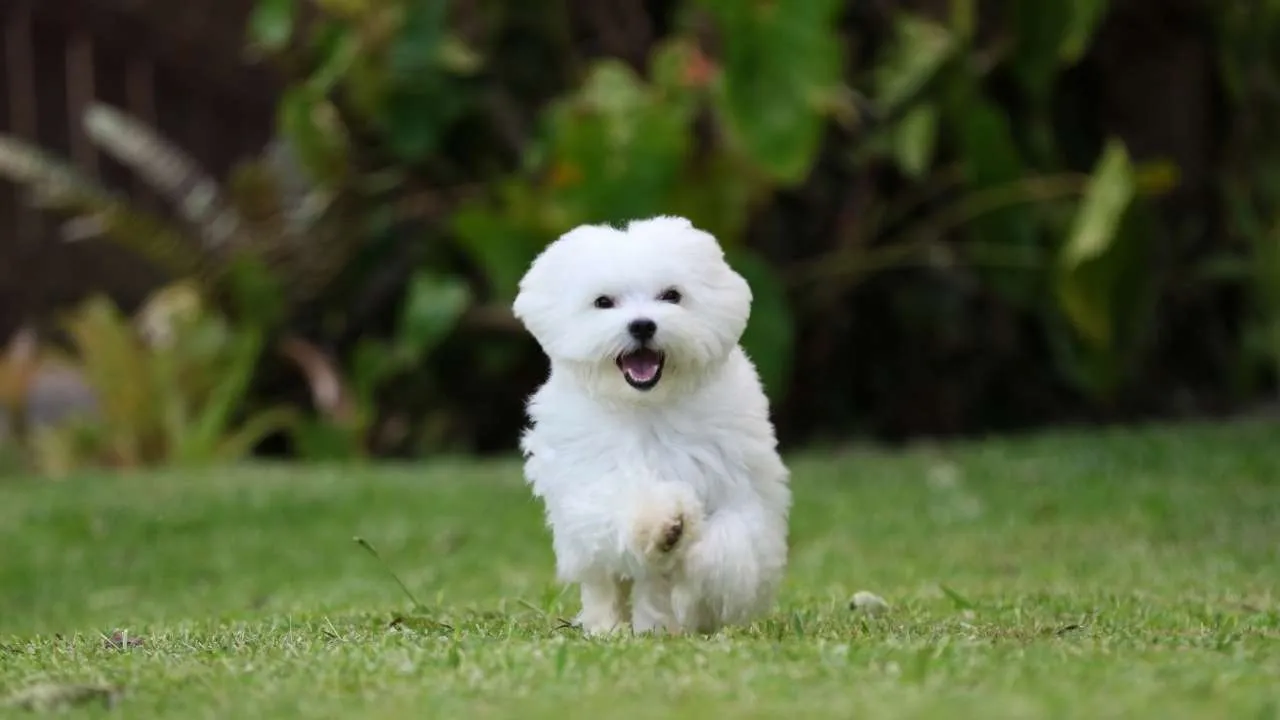
The Maltese may be tiny, but their sweet and lively personalities make them hard to overlook. Known for their beautiful white coats, these friendly dogs have been devoted companions for centuries.
They are affectionate, playful, and happiest when they are close to their people. Their small size also makes them adaptable to different homes and lifestyles.
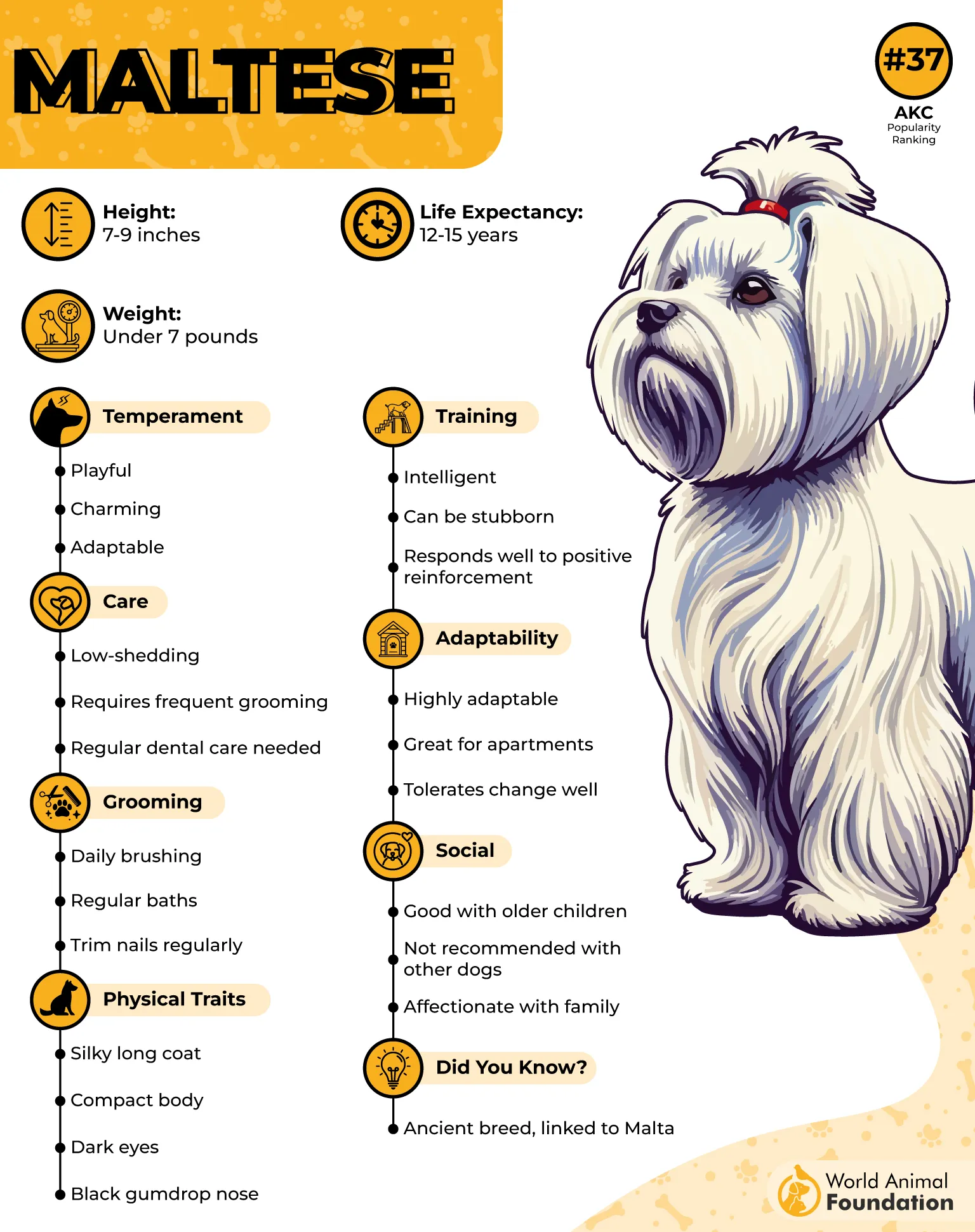
Loving companions: Maltese love laps, cuddles, and human attention. They enjoy playing around the house or garden and usually need only short walks. They can also make good therapy dogs.
Playful and clever: They enjoy learning tricks and can be relatively easy to train with rewards and positive reinforcement. Daily mental stimulation and socialization are important, especially to help them become comfortable when left alone.
Beautiful but demanding coats: Their long, flat, silky white coats need daily brushing and frequent bathing to prevent mats. The breed is often called hypoallergenic, although no dog is completely allergen-free.
Maltese are generally friendly with other dogs and pets when properly socialized, as Omlet notes. They can also be good family companions, but their tiny size means young children should always be supervised around them.
They can bark when someone approaches the door, although training can help manage excessive barking. These dogs love being with their people and may struggle when left alone for long periods.
4. Papillon
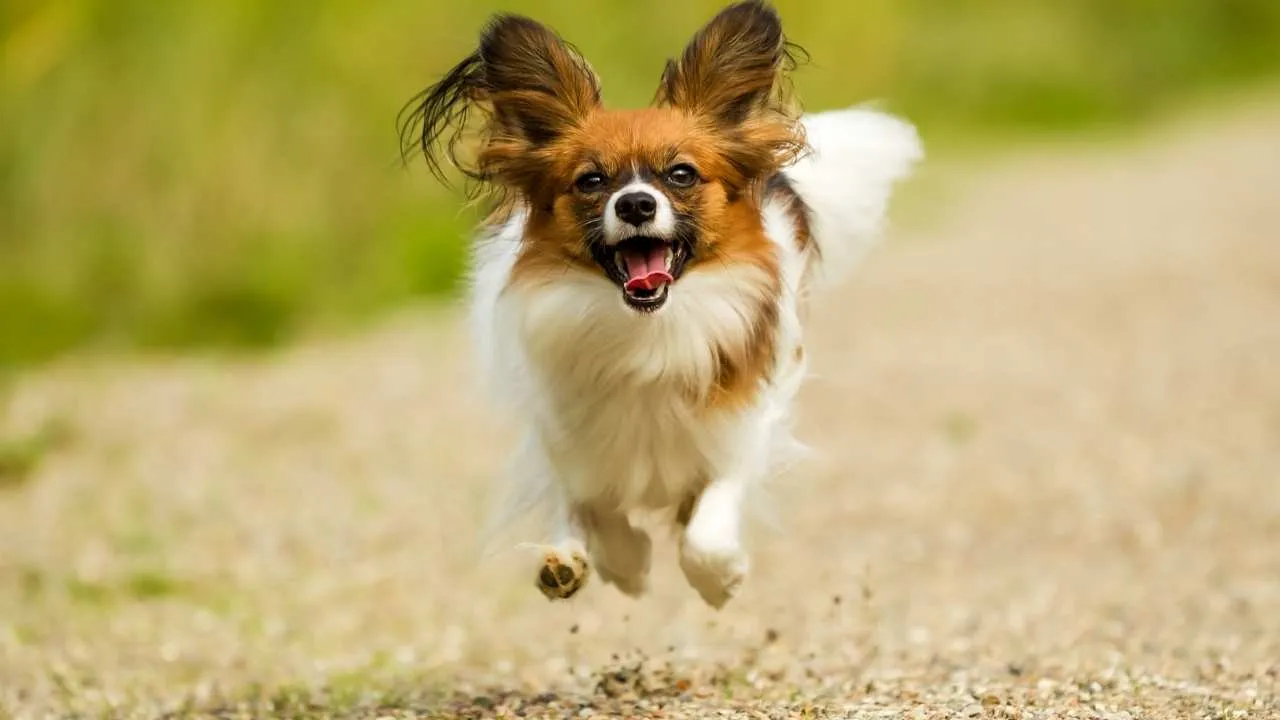
Papillons may look delicate, but these tiny dogs are energetic, athletic, and incredibly smart. Their name means “butterfly” in French, inspired by their large ears and wispy hairs.
They are friendly, alert, and eager to please. They enjoy being part of family activities and can happily switch from active play to relaxing on a lap.
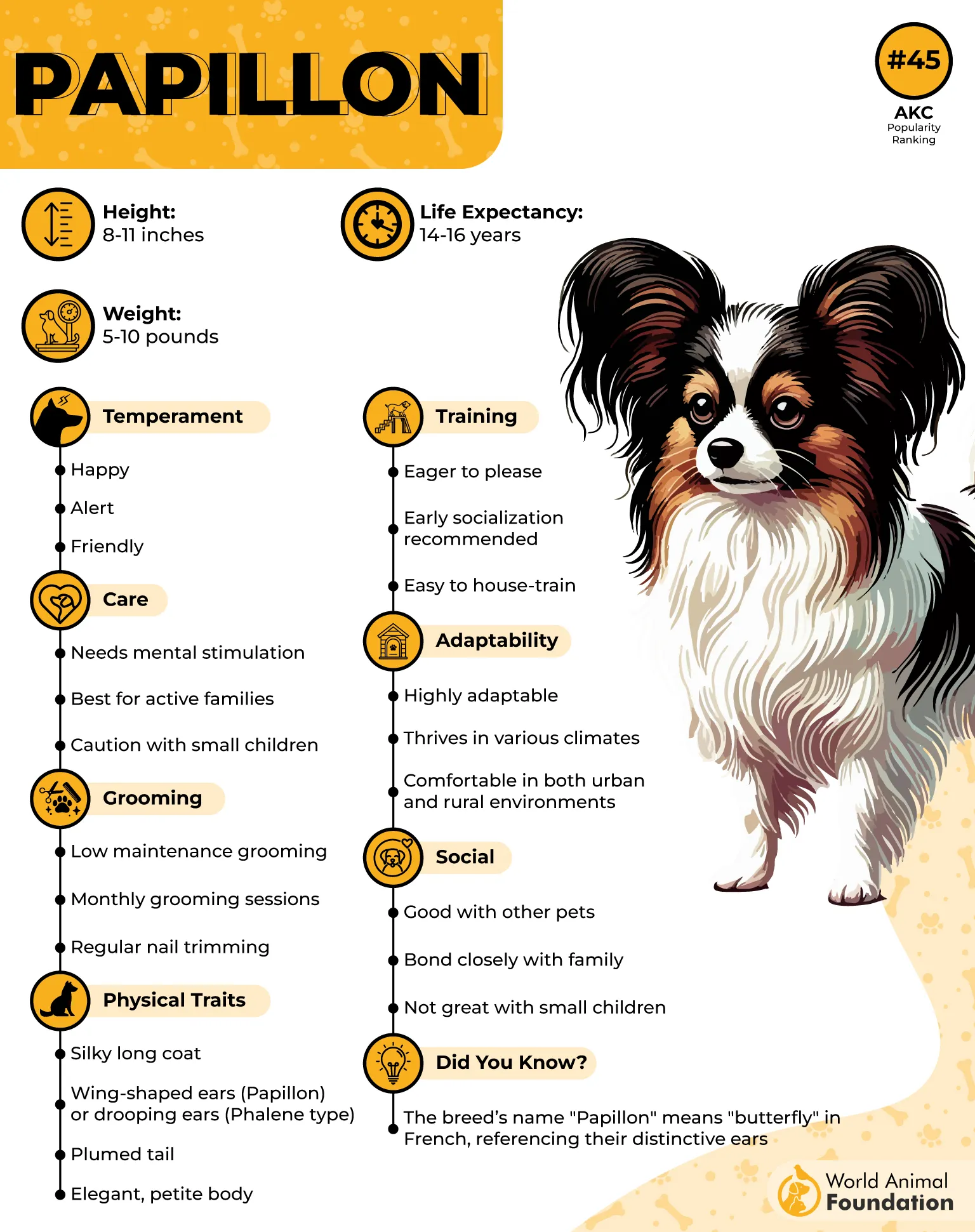
Smart and trainable: Papillons are considered among the smartest toy dogs. They learn commands and tricks quickly and can excel in obedience and agility. They also enjoy games like catch and retrieve.
Active little companions: They need plenty of mental stimulation and more exercise than many other toy breeds. Indoor games, walks, and safe spaces to run can help them use their energy.
Friendly and adaptable: Papillons generally get along well with people, dogs, and other pets when socialized from puppyhood. They can make loving family companions, as well as therapy and service dogs. However, their small size means young children should be supervised around them.
Papillons have long, feathered coats that need brushing or combing a few times a week to prevent tangles and mats. Consistent training and positive reinforcement are also important.
Some may bark excessively when excited. Although they are poor protection dogs because of their size, their alert nature makes them good watchdogs.
5. Toy Poodle
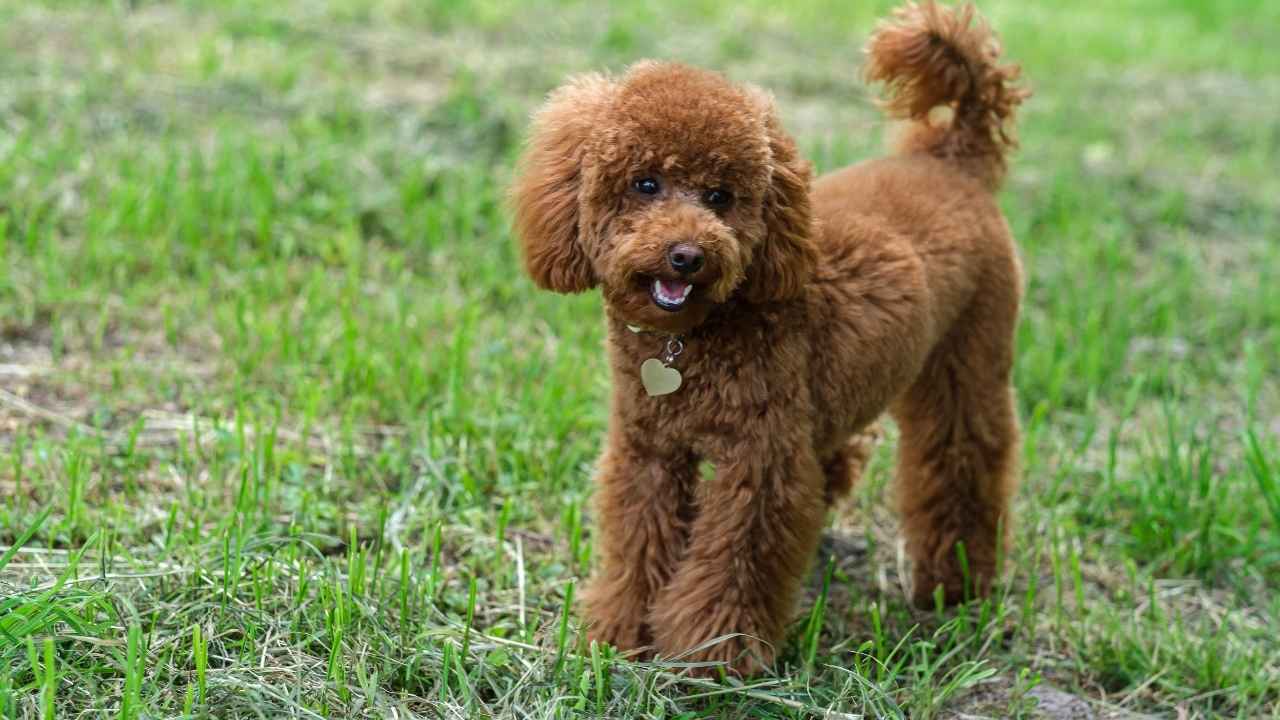
Toy Poodles may be tiny, but they have plenty of personality. They are highly intelligent, playful, affectionate, and eager to please. They love being included in family activities and can quickly become the center of attention.
Their lively nature makes them entertaining companions, while their gentle and affectionate side makes them happy to spend time with their people.
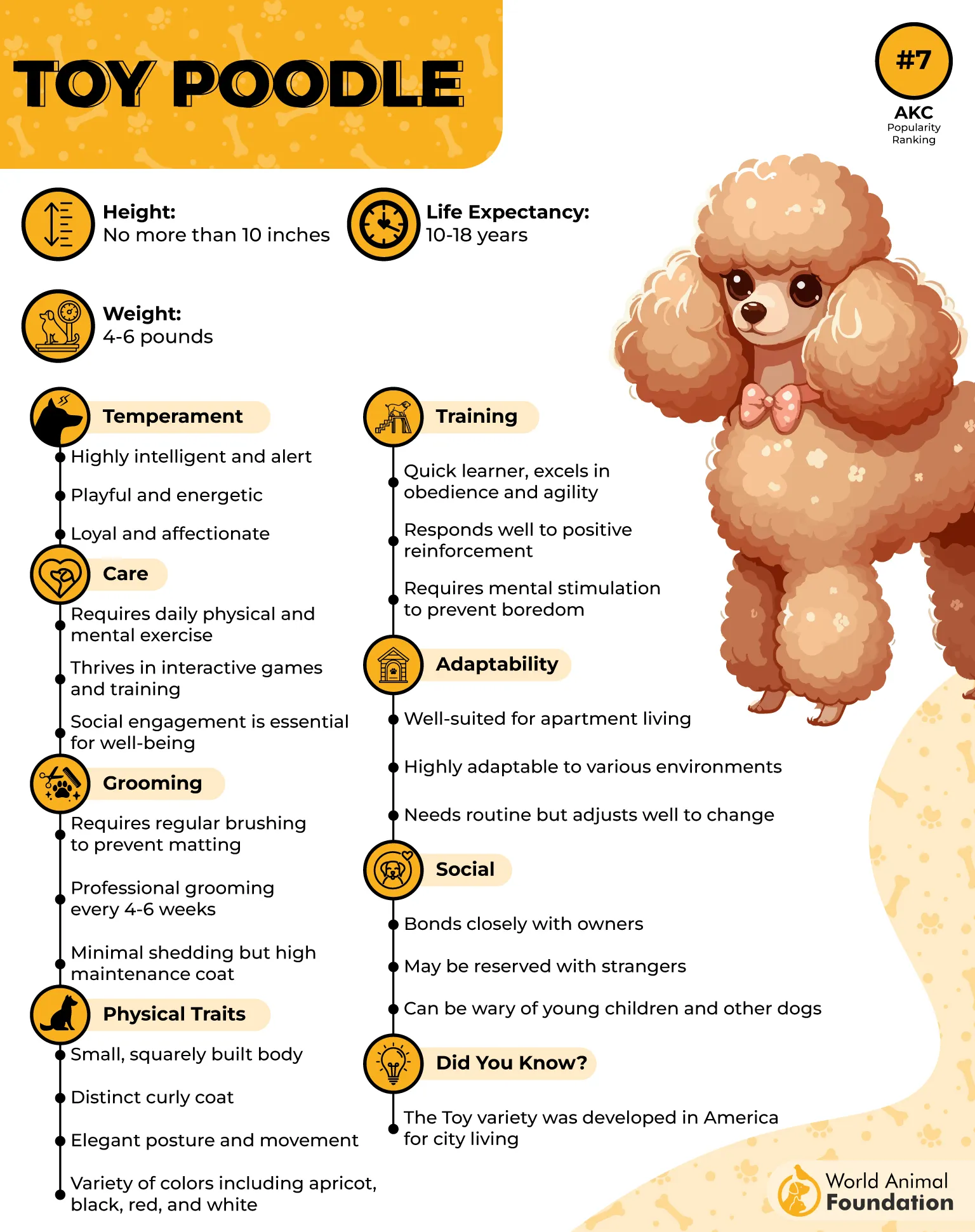
Smart and easy to train: Toy Poodles learn quickly and enjoy tricks, obedience, agility, and even more complex games. Their intelligence keeps them mentally engaged.
Playful but adaptable: Daily walks and play sessions help meet their exercise needs. They enjoy playing with children and can be gentle and quiet when needed.
People-focused: Toy Poodles form close bonds with their owners and do not like being left alone for long periods. They may develop stress-related behaviors when they lack attention or company.
Their curly coats grow continuously and need regular grooming, with trims generally needed every four to six weeks. They also shed very little, although no dog is completely hypoallergenic.
Toy Poodles can make good family pets, but their small size means children and larger dogs should be supervised during play. Purina mentions they are also alert watchdogs that may announce visitors without being aggressive.
6. Havanese
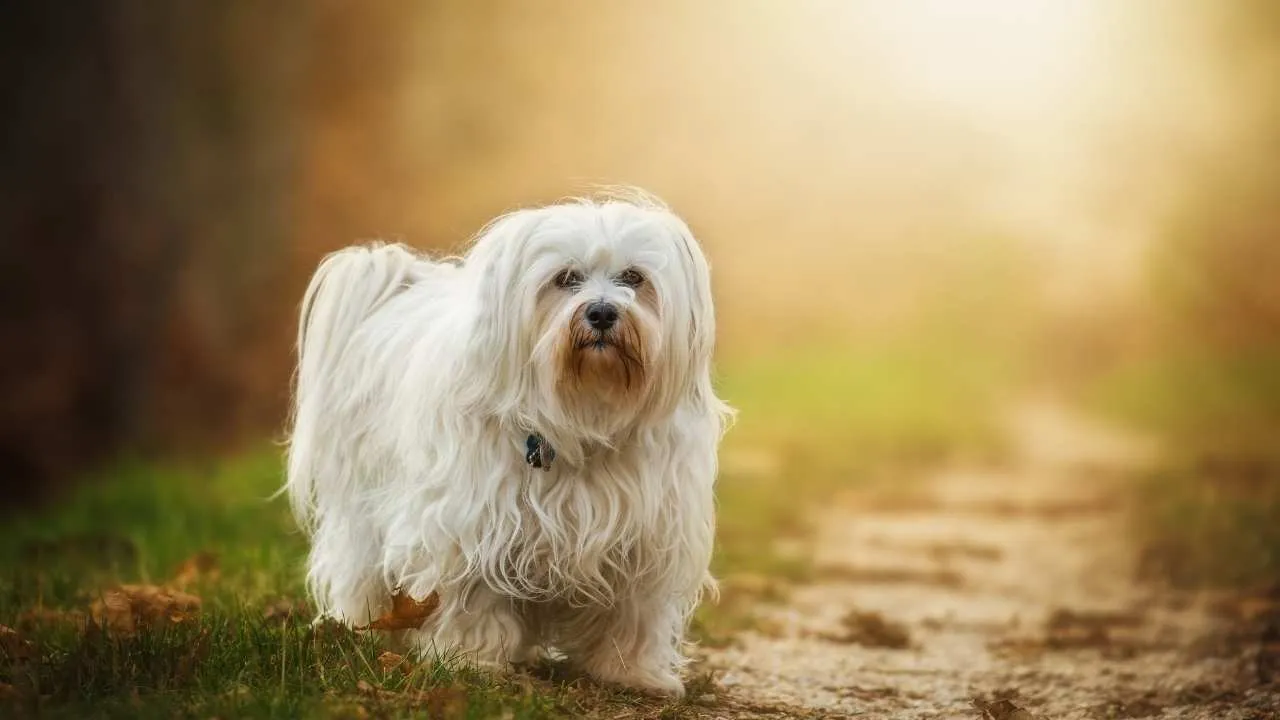
Havanese dogs may be small, but their personalities are full of life. They are happy, friendly, curious, and eager to please.
Their history traces back to Cuba, where their ancestors were brought from Spain in the 1600s. Today, they are devoted companions who enjoy cuddling, family activities, and staying close to the people they love.
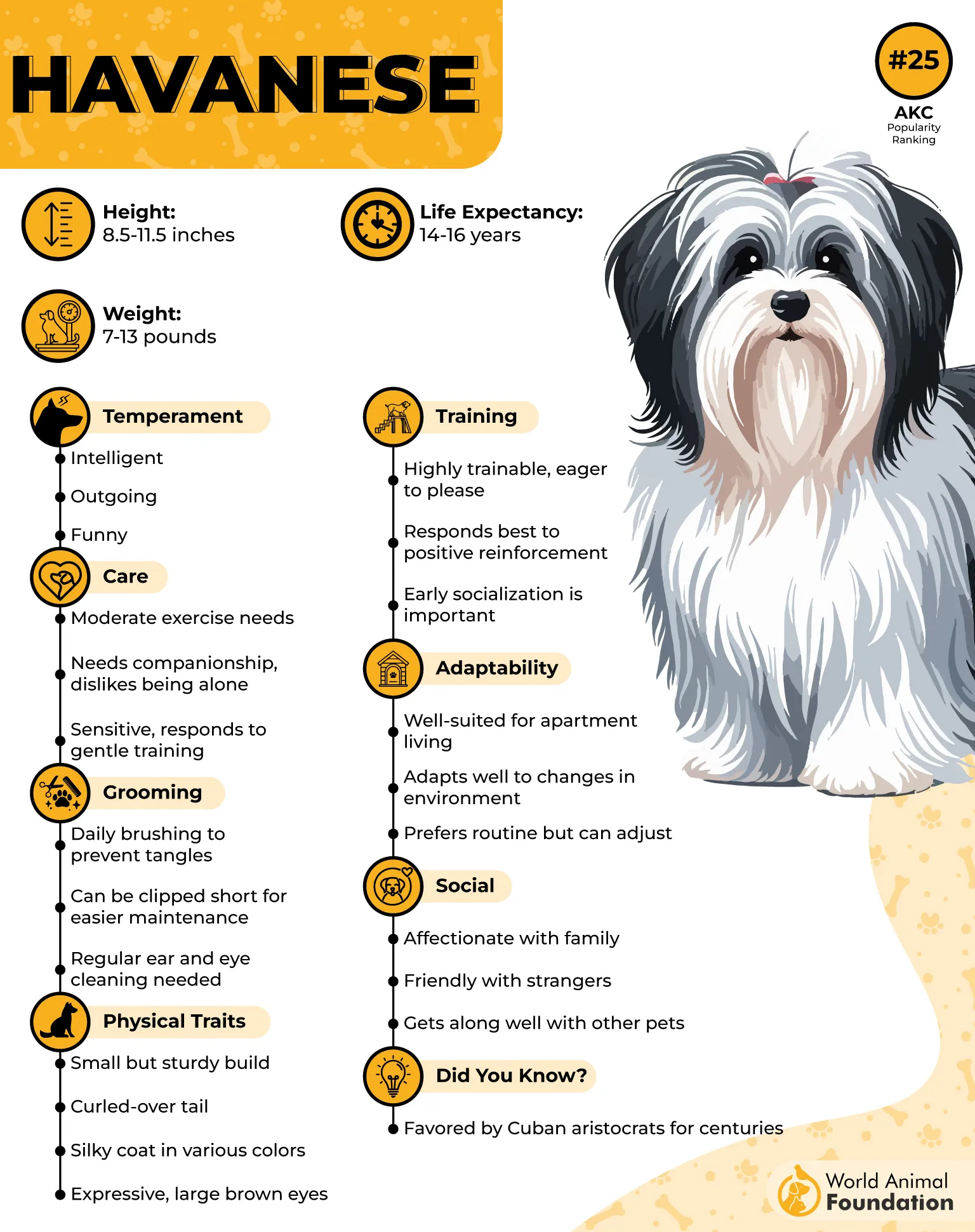
Friendly and family-focused: Havanese generally get along well with children, dogs, cats, and strangers. They are not aggressive, but their alert nature can make them good watchdogs.
Smart and playful: They are highly trainable companion dogs and enjoy learning new tricks. They can also do well in agility and therapy work. Consistent training helps manage attention-seeking barking.
Active little dogs: They need daily exercise, including walks and playtime. A couple of decent walks can help keep them active and prevent weight gain.
The Havanese has a long double coat that can be straight or wavy and needs frequent brushing to prevent tangles. Some can also develop a corded coat with effort.
These little dogs love being around people and are often called “velcro dogs” because they like to stay close to their owners. They are also playful performers who enjoy learning tricks and being the center of attention.
7. Shih Tzu
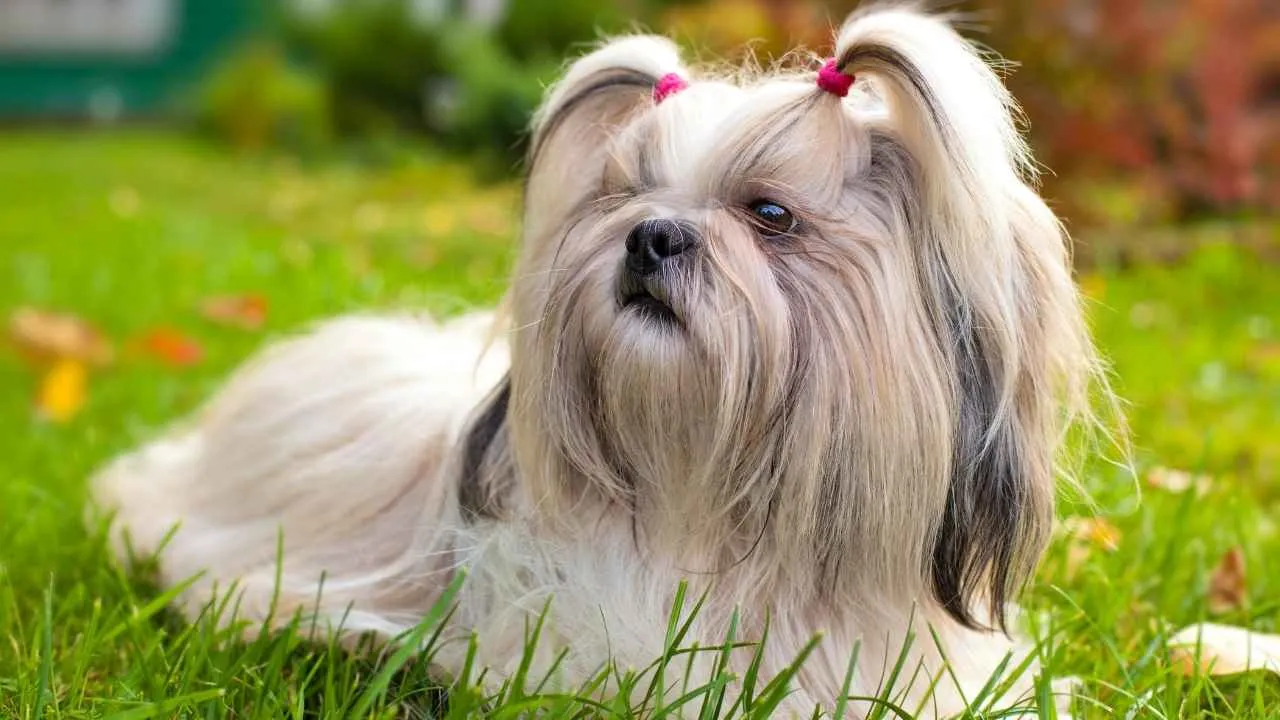
Shih Tzus were originally bred to be loving companion dogs, and they still take that role seriously today. These cheerful lap dogs are playful, outgoing, and friendly with people and other animals.
They enjoy attention and are just as happy joining a family walk as they are curling up on the sofa. Their name means “lion dog,” reflecting their long history and association with Buddhism and Chinese imperial rulers.
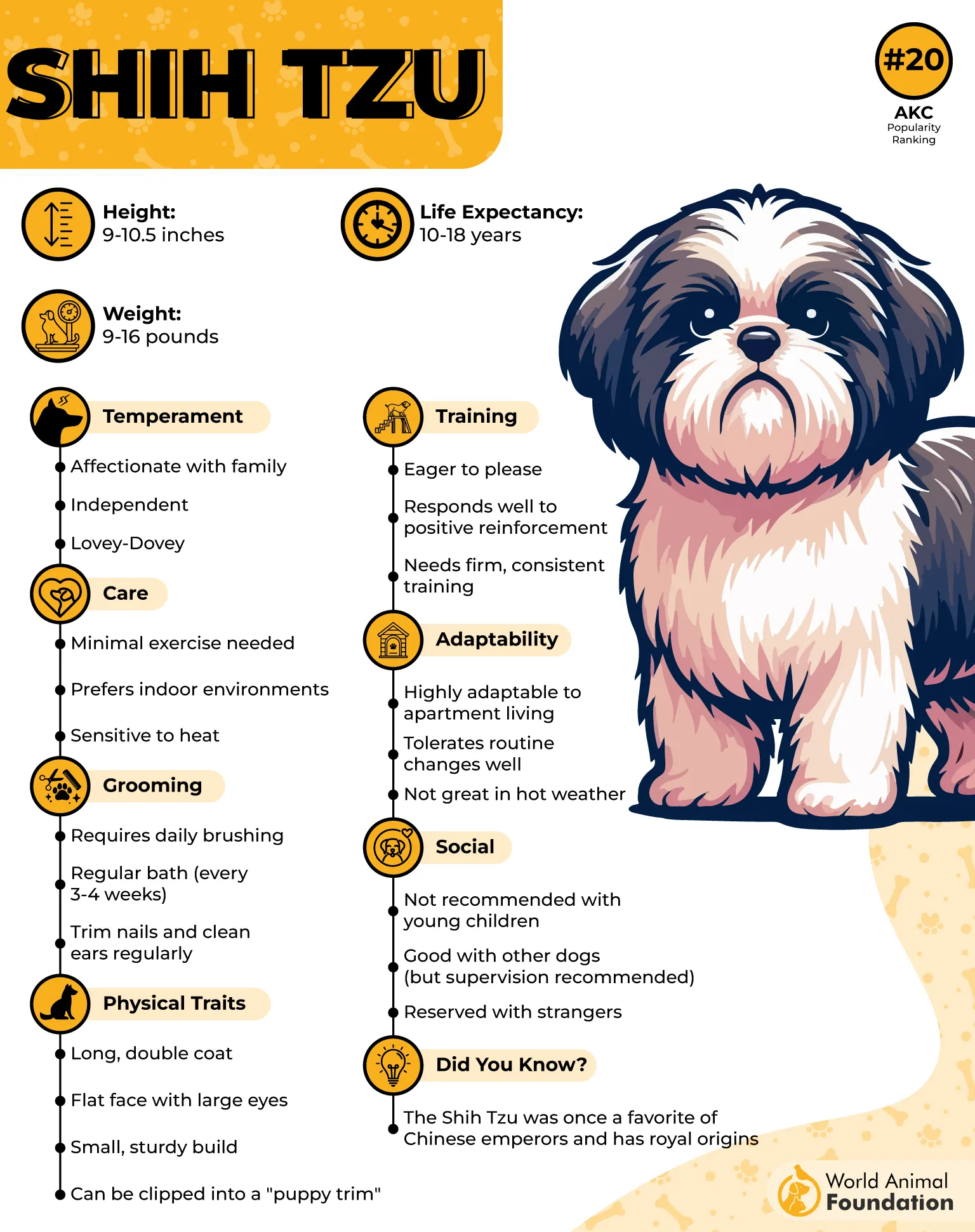
Playful companions: Shih Tzus enjoy family activities, short walks, and plenty of time with their people. They generally do not like being left alone for long periods.
Friendly and social: They can get along well with people, children, dogs, and other pets. Early socialization can help prevent anxiety and unwanted behaviors such as excessive barking.
Small but lively: Their compact size makes them easy to manage, while their playful nature keeps them active. They can learn quickly once they decide to cooperate, although they may be slow to obey at times.
Shih Tzus have long, smooth coats that need regular grooming. Their coat is also considered hypoallergenic and does not shed, but it still needs proper care.
A 30-minute walk along with playtime at home can usually keep them happy and active. Because of their anatomy, a harness is better than attaching a leash directly to the collar.
Conclusion
Small dogs may stay tiny, but they can bring plenty of personality, energy, affection, and charm into everyday life. From playful and affectionate companions to cuddly dogs that love being close to their people, each breed has its own needs and character.
Their small size can be convenient, but they still need proper care, attention, training, and companionship. Before bringing one home, take time to think about your lifestyle, living space, and the kind of personality that fits your household.
The right tiny dog breed is not just one that stays cute and little. It is one whose needs you can happily meet for years to come. After all, a tiny dog can leave a very big place in your heart.
