




Picture two puppies born on the same day, one a tiny breed and one a giant. The tiny one could be fully grown before its first birthday, while the giant is still stretching out months later.
The AKC actually backs this up, noting that toy and small breeds typically wrap up growing by around 6 to 8 months old.
Try eyeballing a puppy’s future size, and you are basically guessing. Oversized paws, puffball coats, and small but feisty attitudes can all fool even seasoned dog lovers.
What follows digs into which tiny pooches are the real deal, the ones that stay small for good, plus the tells that separate finished growth from a pup still catching up.
Ready to spot a forever-tiny pup from a mile away? Stick around for the full rundown.
Small Dog Breeds That Remain Petite as Adults
1. Chihuahua
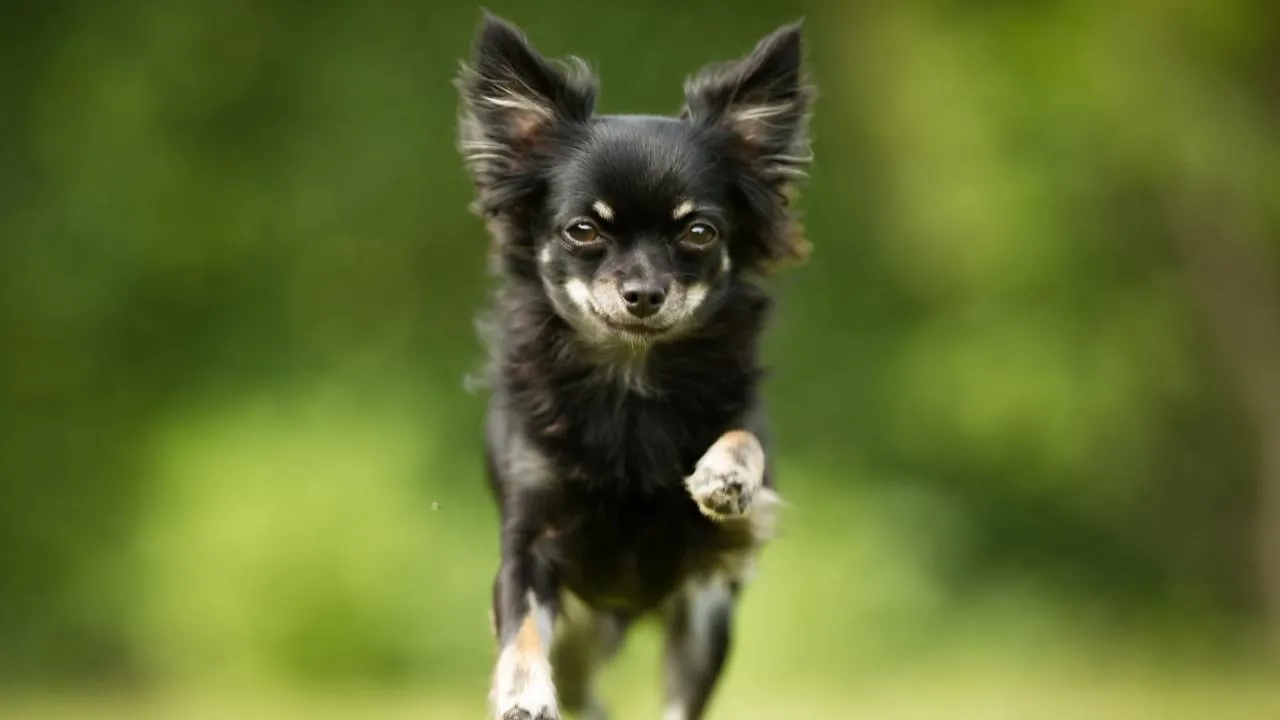
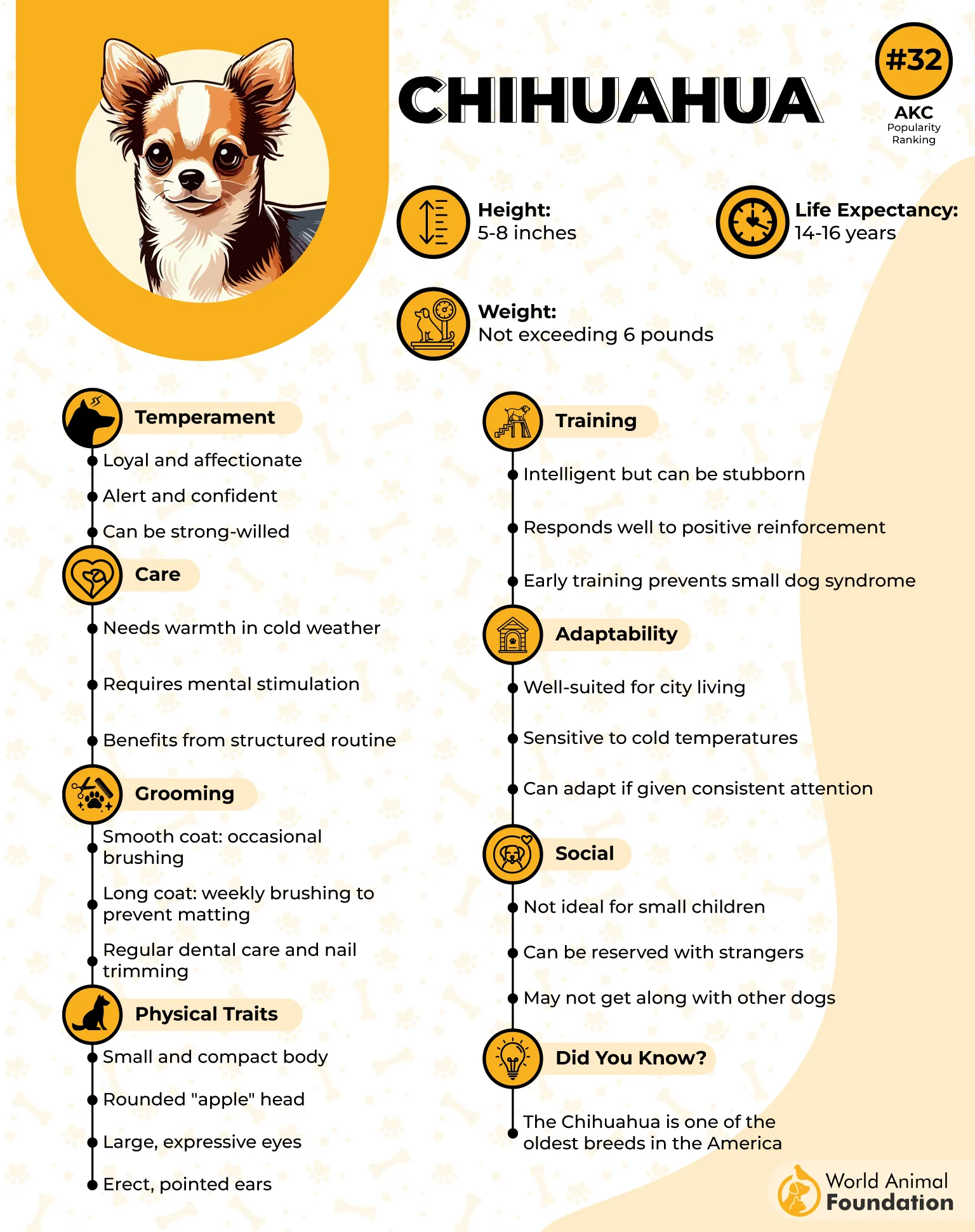
Most Chihuahuas finish growing within their first year, often settling by around 9 to 10 months. Their tiny skeleton means growth plates close early compared to bigger breeds. This short growth window is part of why the Chihuahua stays among the smallest dog breeds around.
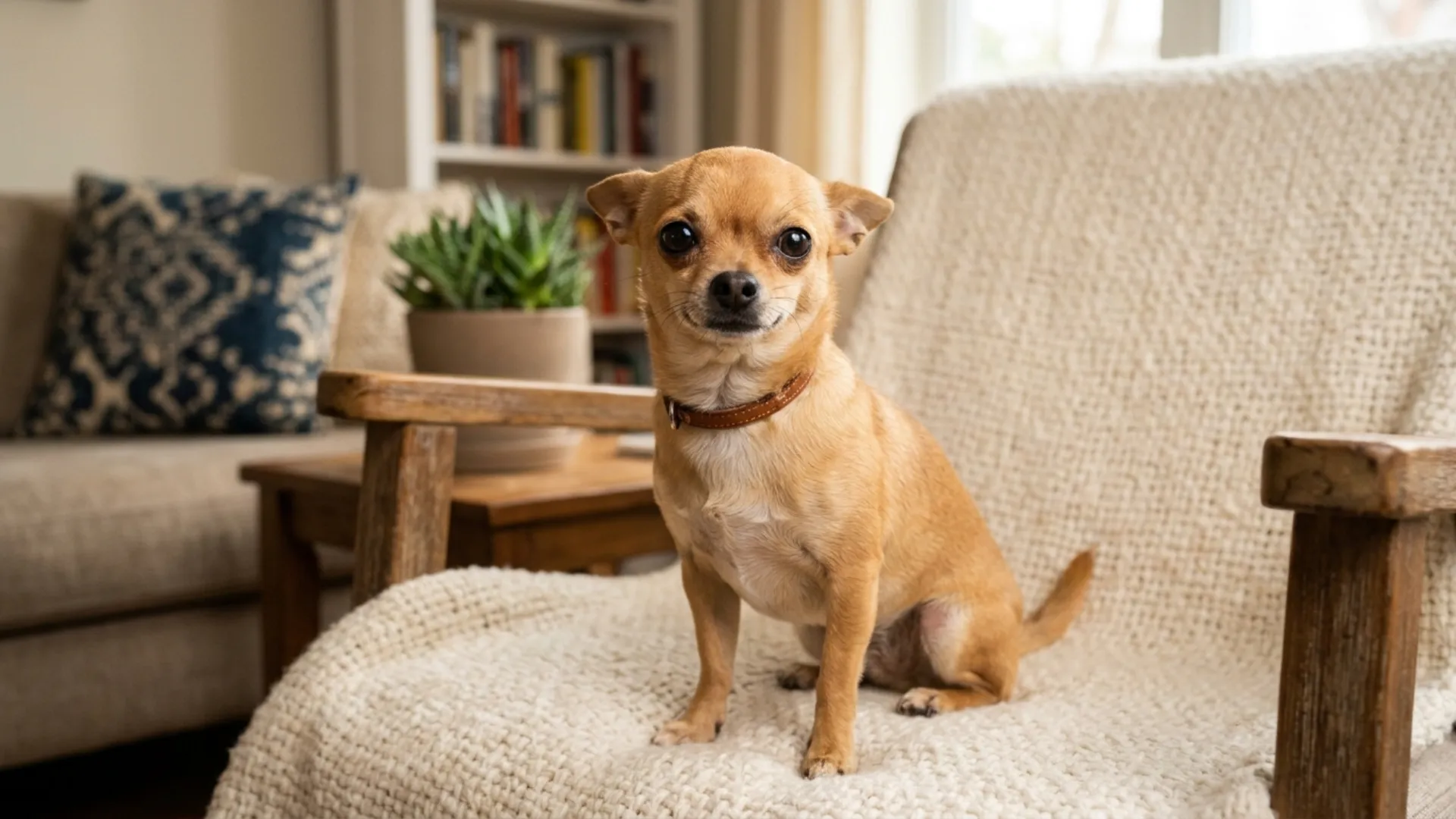
A common myth claims the soft spot on a Chihuahua’s skull means the head is still growing and needs more time to close. In reality, this spot, called a molera, stays present for life in many chihuahuas and has nothing to do with whether growth has finished, according to Hill’s Pet.
Growth signal: A weight that holds steady across 2 separate weigh-ins a few weeks apart means the puppy has stopped growing.
At a shelter or breeder, weigh a Chihuahua puppy twice, a few weeks apart, rather than trusting one number. Ignore head shape or a soft spot as a sizing clue, since neither predicts the adult weight. A tiny demeanour at 8 weeks says little about the dog standing in front of you later.
2. Yorkshire Terrier
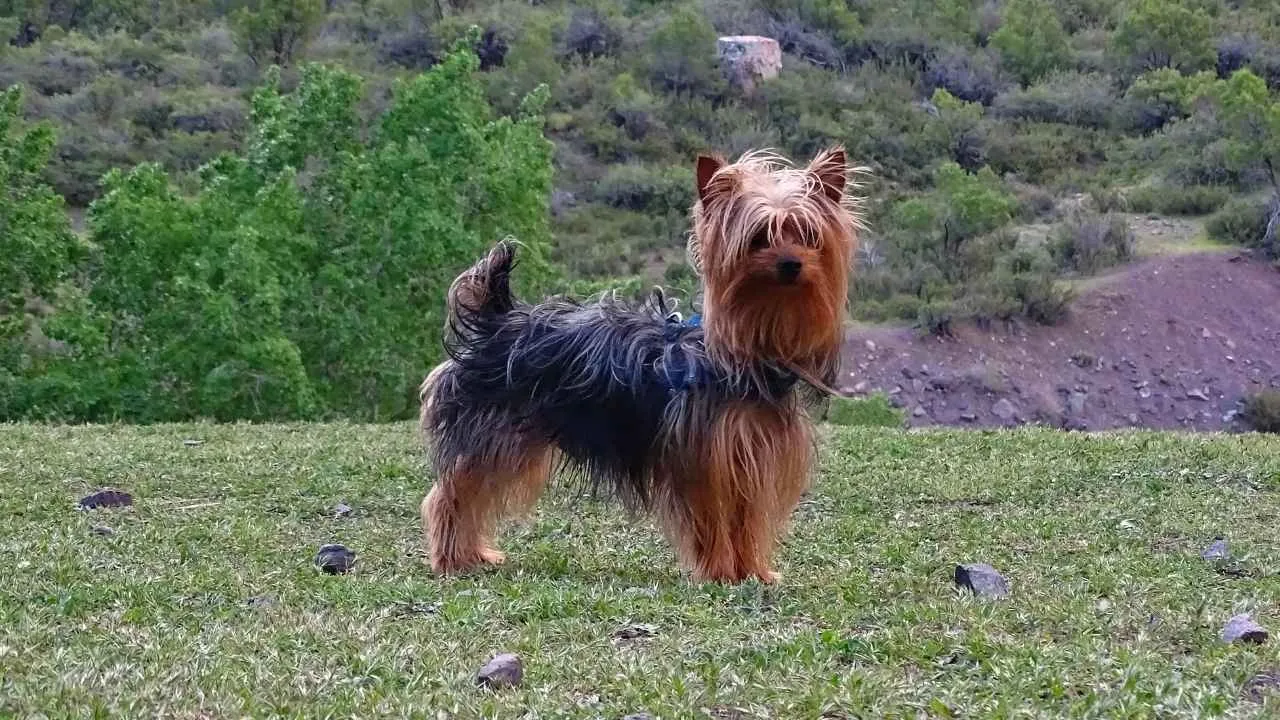
A Yorkshire Terrier’s frame typically settles by around 9 to 12 months, even though the coat keeps changing well past that point. This gap between body size and coat development often confuses new owners. It is one of the quirks that makes Yorkies such a distinctive terrier-type breed.
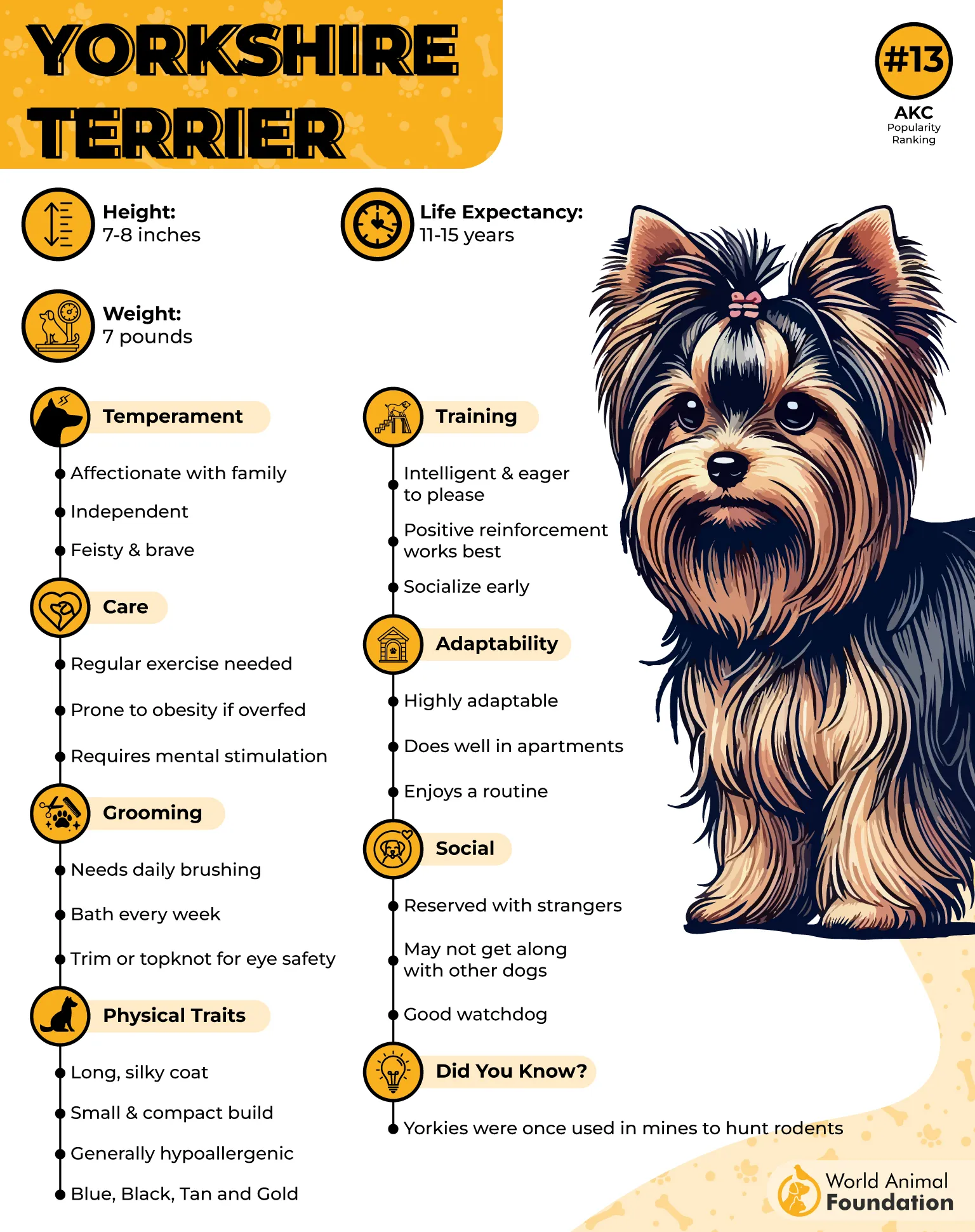
Many owners assume a Yorkie’s fading puppy coat signals a dog that is still growing, when the color shift from black and tan toward steel blue and gold is a separate pigment change.
Growth signal: A collar that stops needing adjustment for 2 straight months points to a frame that has finished lengthening.
Ask a breeder for the weight history of both parents rather than guessing from the puppy in front of you. Do not judge final size by how dark or light the coat looks at 8 weeks, since that shift continues long after the body stops growing.
3. Pomeranian
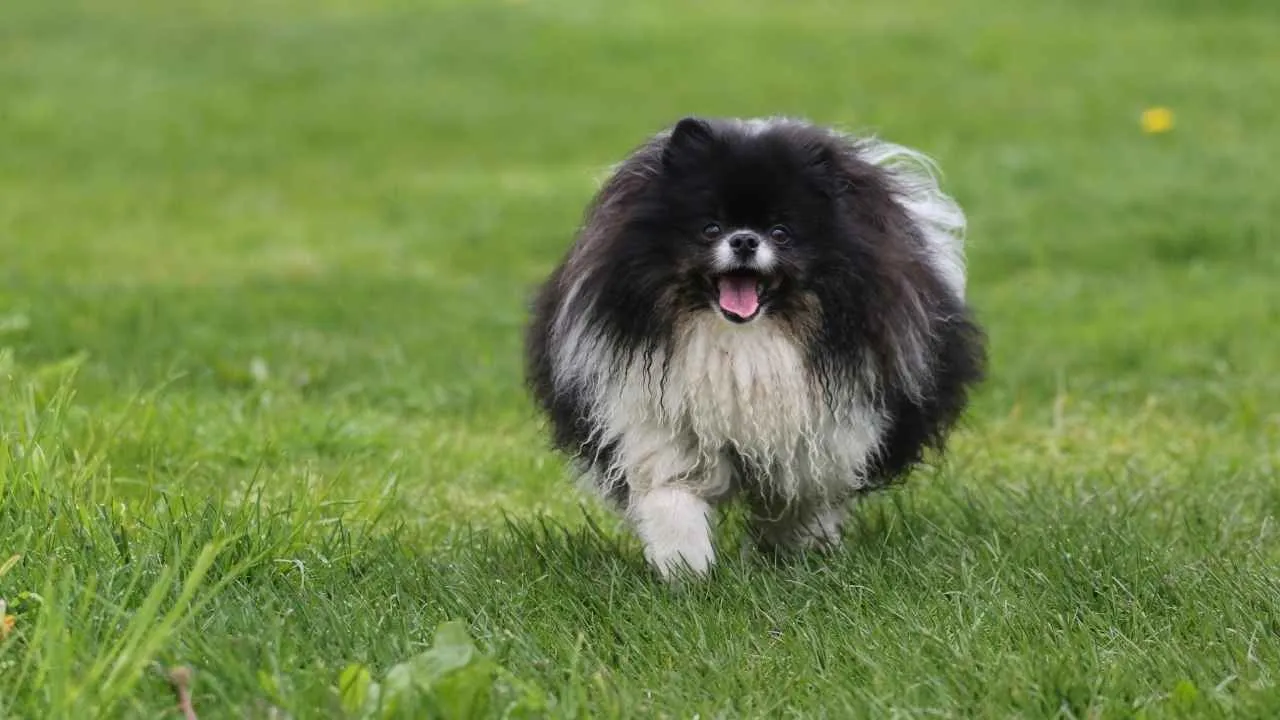
A Pomeranian typically reaches mature size by around 7 to 10 months, earlier than many other small dog breeds. The body finishes growing well before the coat reaches its full volume. This makes the breed an interesting case for owners trying to judge size from looks alone.
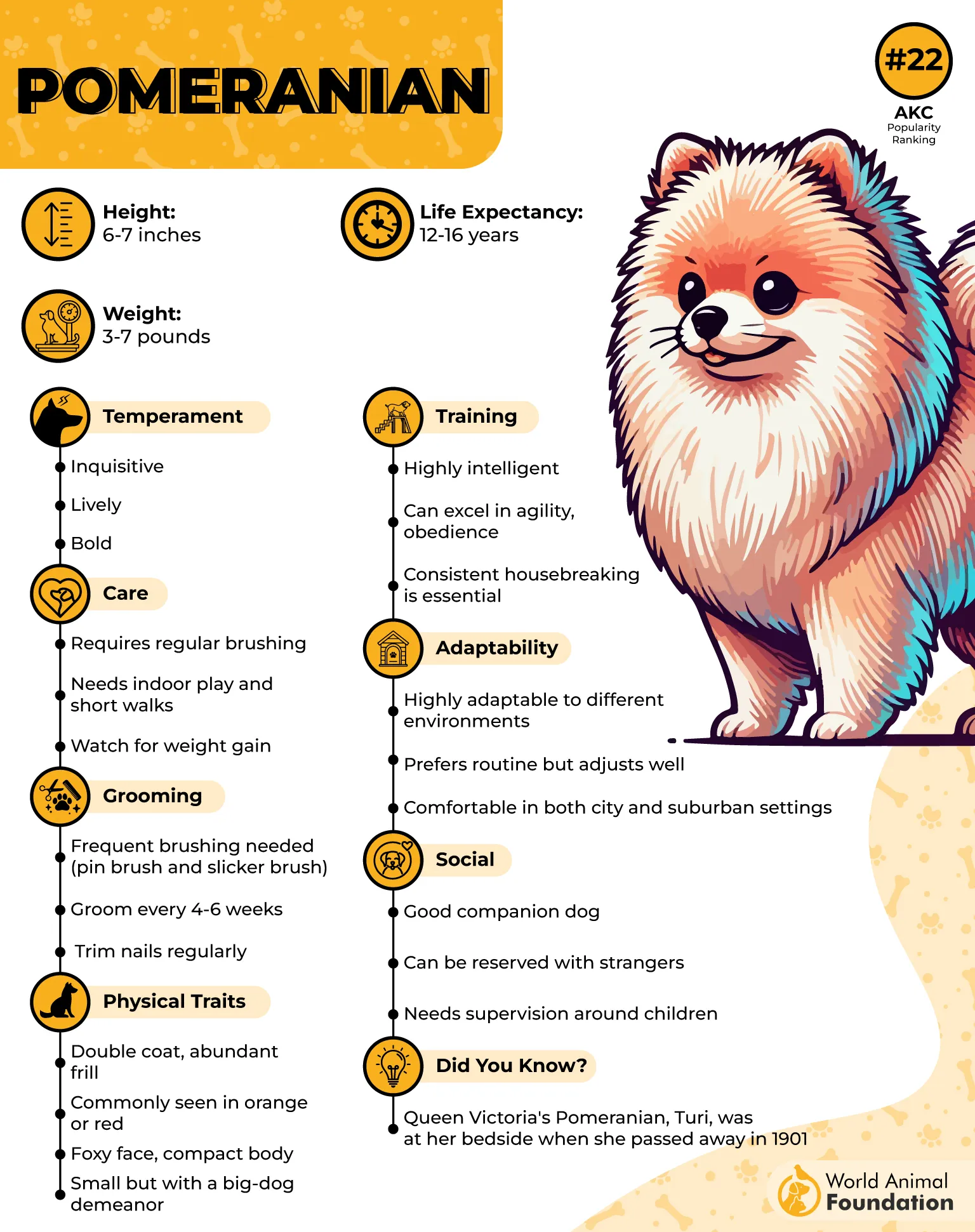
Because the double coat adds so much visual bulk, owners often assume a fluffy young pom still has growing left to do, when it is the fur filling in, not the frame underneath. A Pomeranian’s amazing little canine build is usually set long before the coat catches up.
Growth signal: Paws that no longer look oversized for the legs mark a frame that has reached its final proportions.
Feel the ribs and legs under the coat rather than judging size by fluff alone. A compact, sturdy frame at 8 to 9 months is a better clue than how big the coat makes the puppy look.
4. Maltese
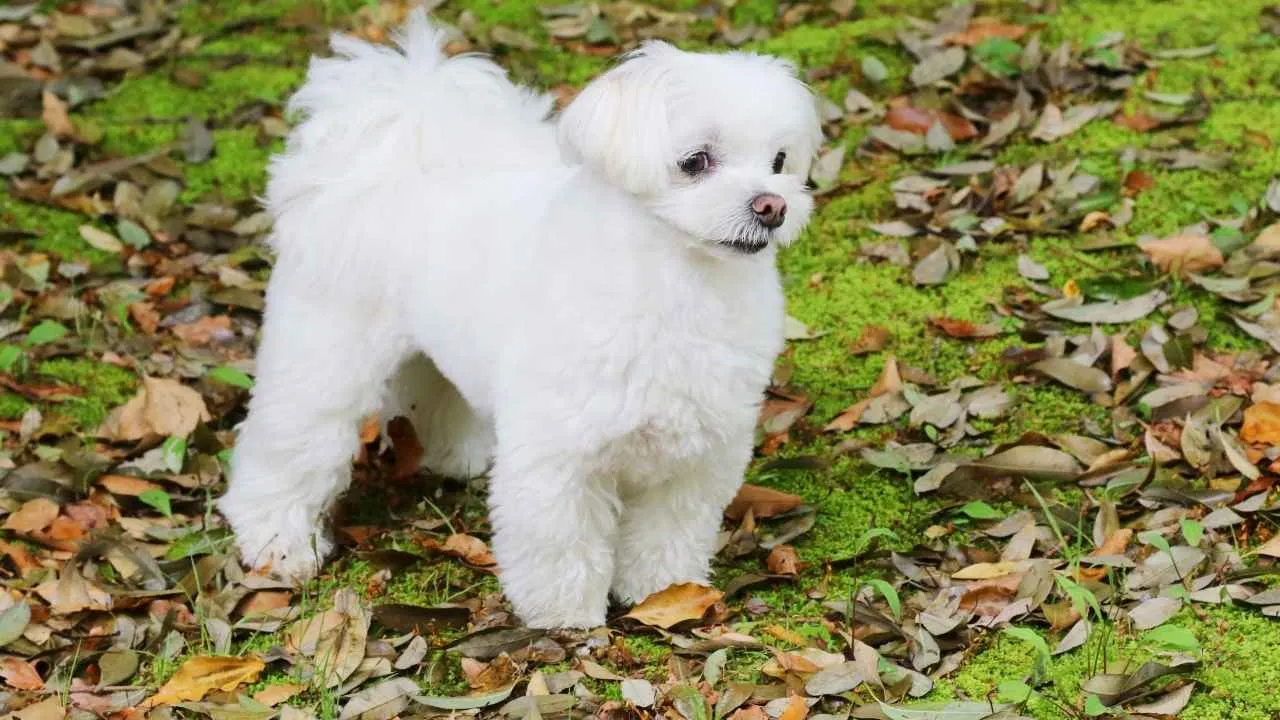
A Maltese typically finishes frame growth by around 9 to 10 months, though the silky coat keeps lengthening well beyond that. Owners sometimes mistake ongoing coat growth for the dog itself still growing. Separating the two is the key to reading this breed correctly.
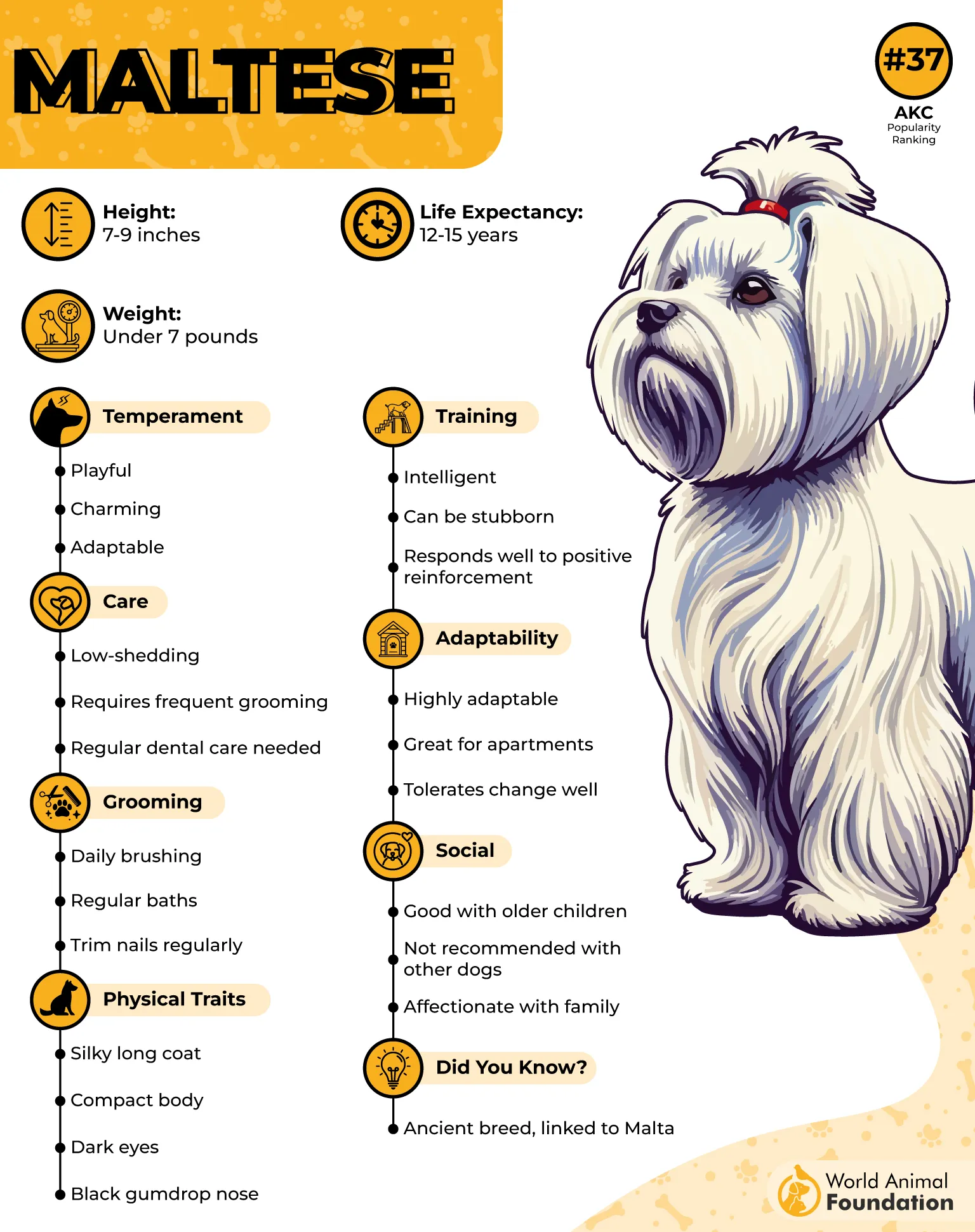
Many assume every Maltese stays at the smallest end of toy size, but Britannica notes real variation in the breed, including some males that grow a noticeably bigger frame than the smallest individuals.

Growth signal: A body that has stopped lengthening while the coat keeps pooling toward the floor marks true growth completion.
Ask to see both parents in person rather than assuming toy automatically means teacup. Judge the pup’s frame and weight trend, not the length of its coat, when predicting adult size.
5. Toy Poodle
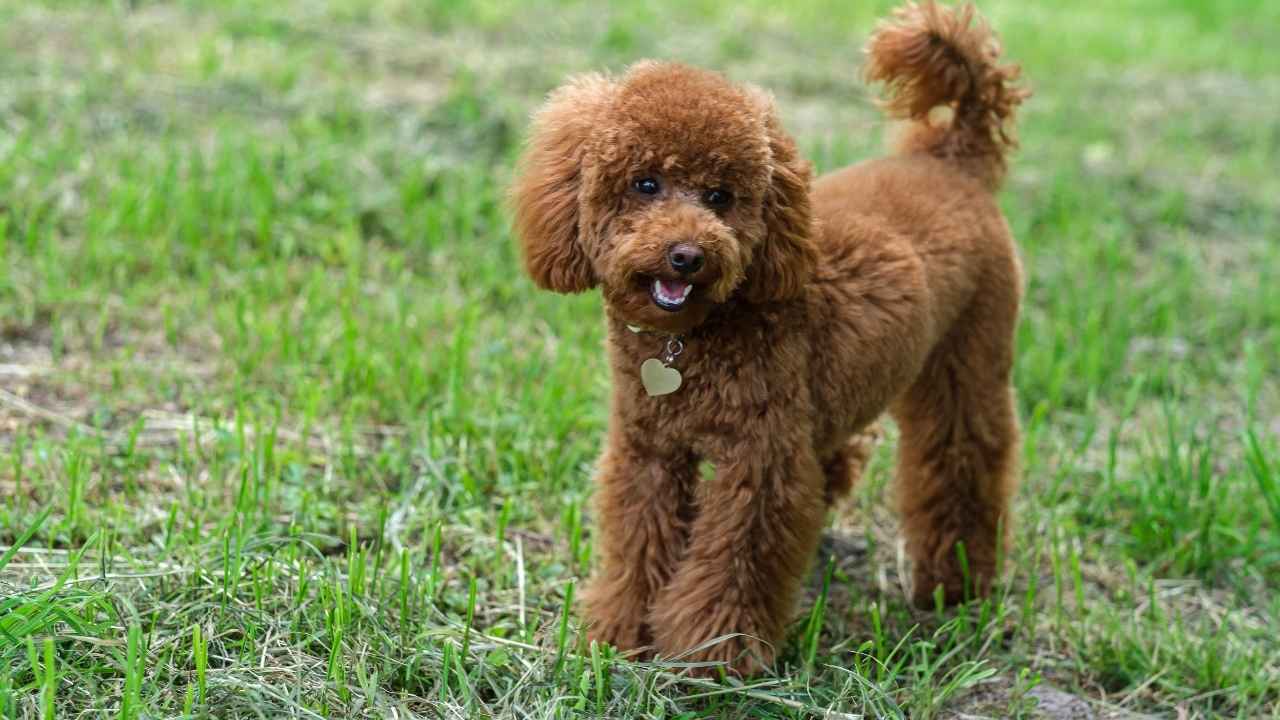
A Toy Poodle generally reaches full height by around 9 to 12 months, standing no taller than 10 inches at the shoulder once done. The small size is set early, though muscle tone continues to fill in after that. This makes early measurements more useful than they might seem.
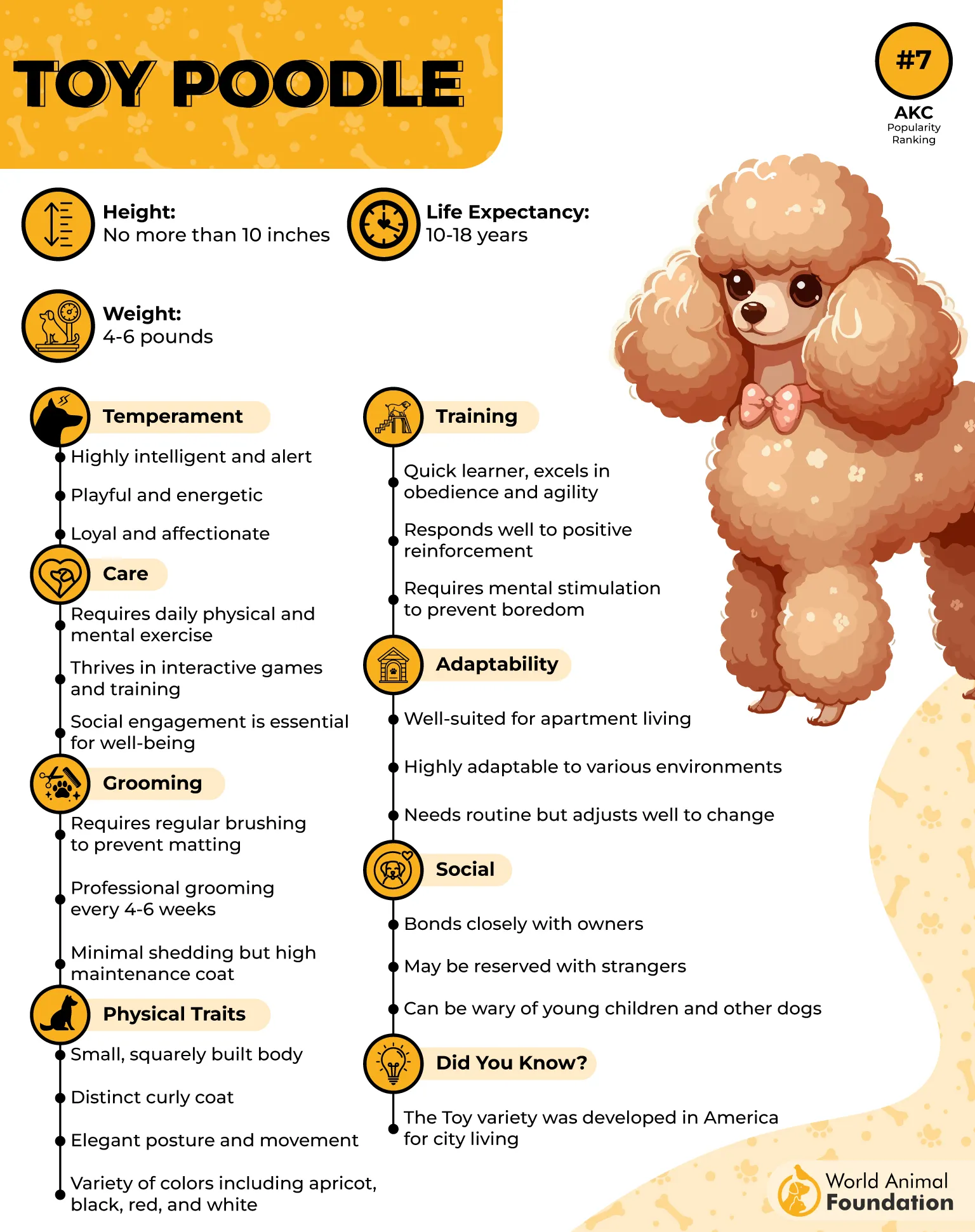
Because Toy and Miniature Poodles look nearly identical as small puppies, owners sometimes assume a currently tiny pup will catch up to mini size later, when PetMD confirms the two are separate size varieties from birth.
Growth signal: Shoulder height that matches at 2 vet visits a few months apart confirms the dog has topped out.
Ask the breeder which variety, toy or miniature, both parents are registered as, rather than guessing from puppy size. A small frame now does not guarantee a small frame later without that confirmation.
6. Papillon
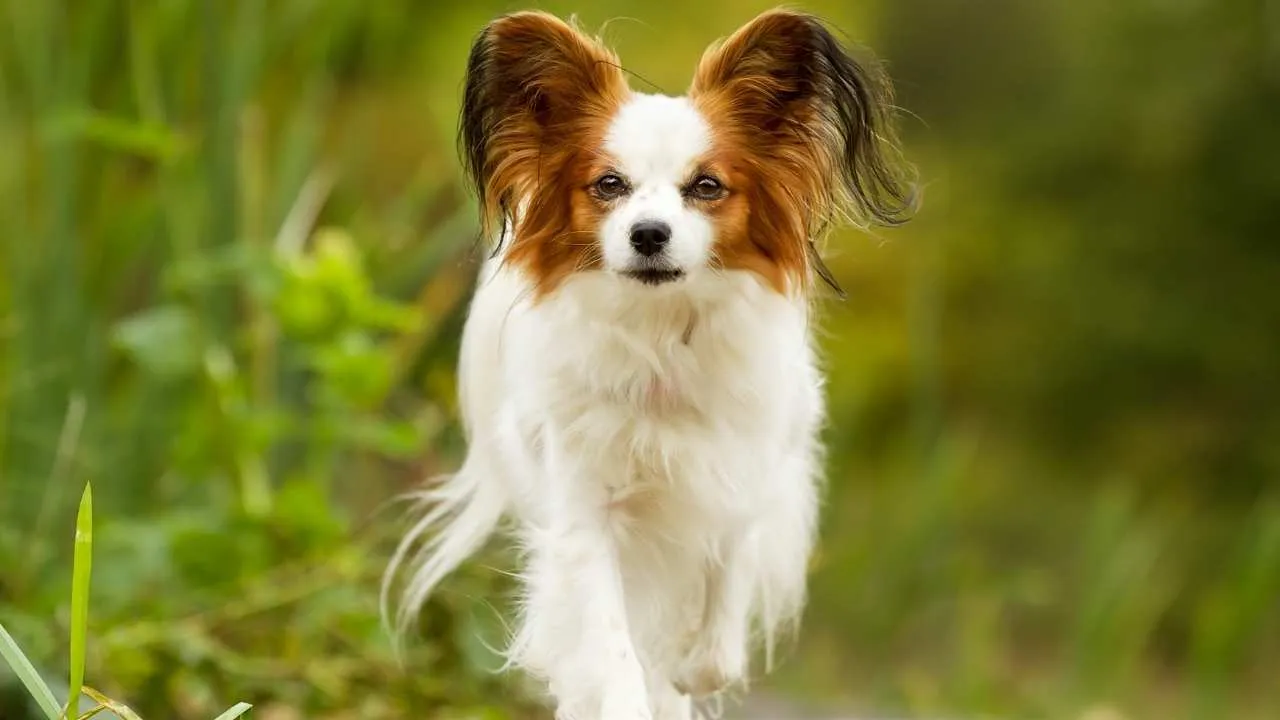
A Papillon’s frame typically settles by around 9 to 10 months, well before its signature butterfly ears finish shaping the overall look. The ears reach their full flare early, which can distort how big the rest of the dog seems. Owners often misread this proportion at a glance.
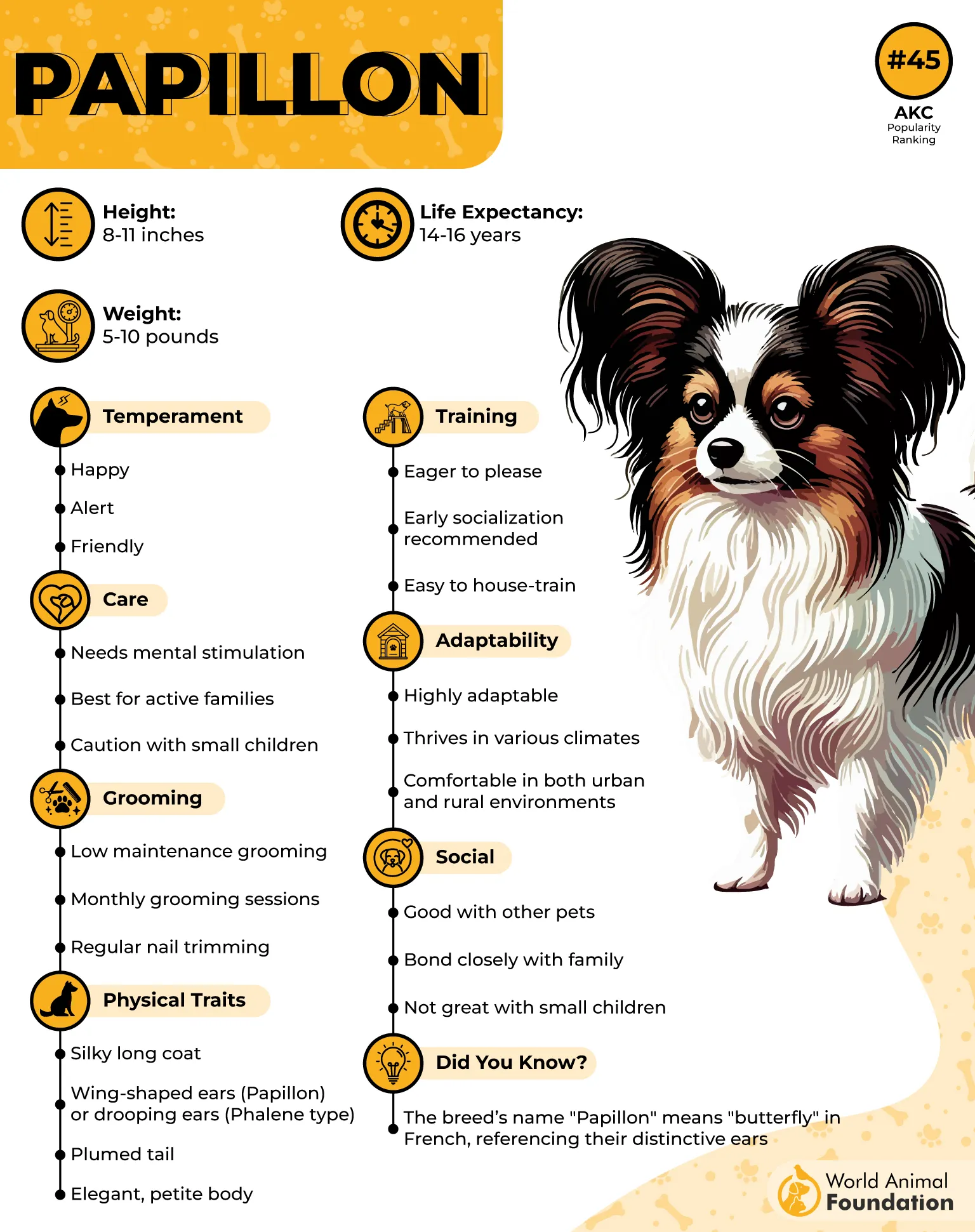
Those oversized ears on a young papillon sometimes lead owners to expect an equally large adult body to grow into them, but ear size settles early, and the body rarely follows at the same scale.
Growth signal: Front leg length that stops increasing between 2 measured check-ins marks the end of growth, regardless of ear size.
Judge leg and chest proportions, not ear size, when sizing up a papillon puppy at a shelter. A pup with already-large ears is not promising a correspondingly large adult.
7. Russian Toy
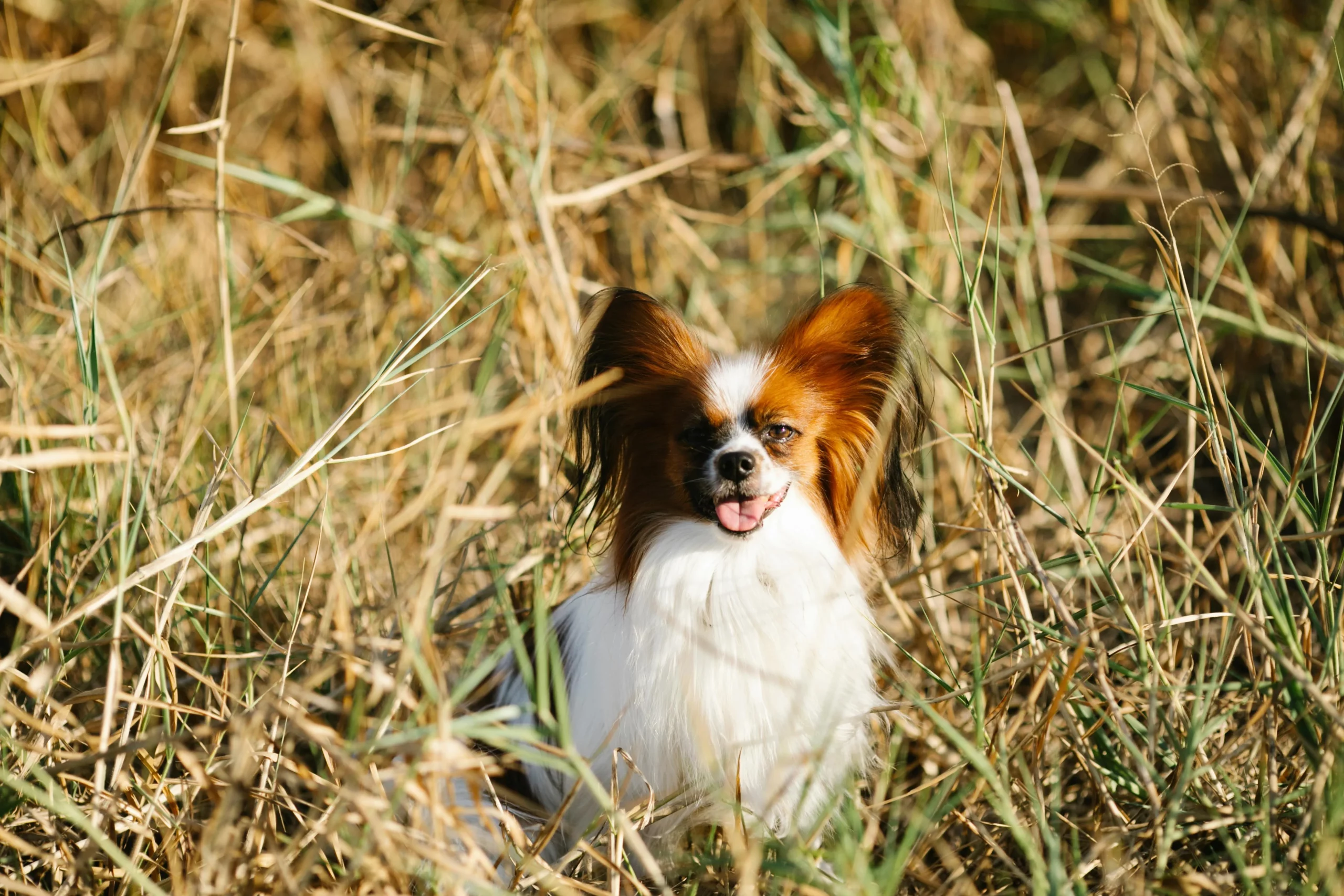
A Russian Toy’s frame generally settles within its first year, in line with other toy dog breeds, though published growth data for this rarer breed is limited. Fewer breeders and fewer records make early size prediction trickier than with more common breeds. That gap is worth planning around.
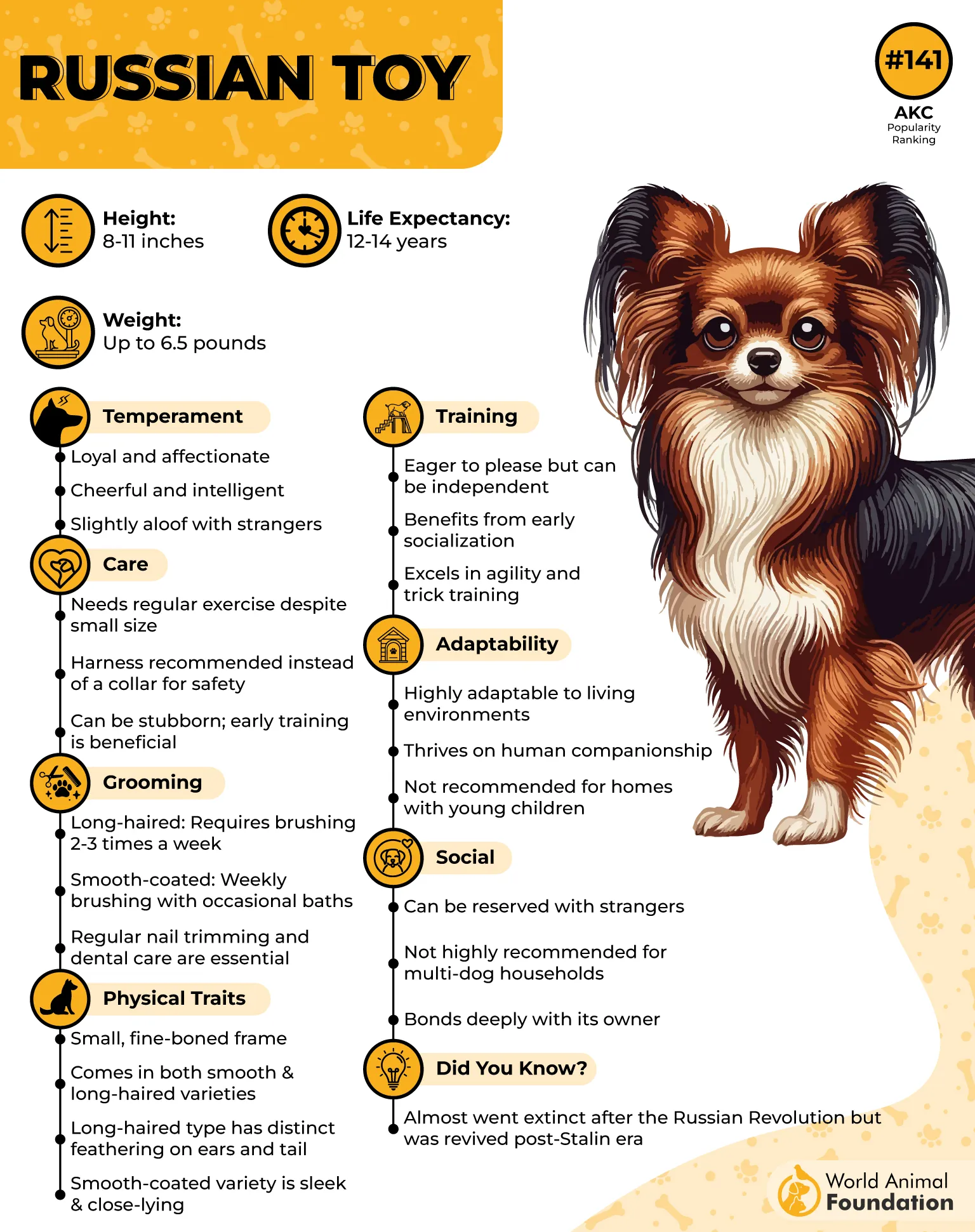
Because the breed is so uncommon, it is easy to assume it will grow toward the size of a better-known, larger toy terrier it resembles, when russian toys are bred specifically to stay small and feisty for life.
Growth signal: A weight that holds level across 2 separate weigh-ins is the clearest sign of finished growth, given how little breed-specific data exists.
Ask the breeder for the registered weight of both parents, since general toy breed charts are harder to apply here than to more common breeds.
8. Brussels Griffon

A Brussels Griffon’s frame typically finishes filling out by around 9 to 12 months. The face, though, often looks fully mature long before the chest and body catch up. This mismatch between face and frame is one of the breed’s more distinctive quirks.
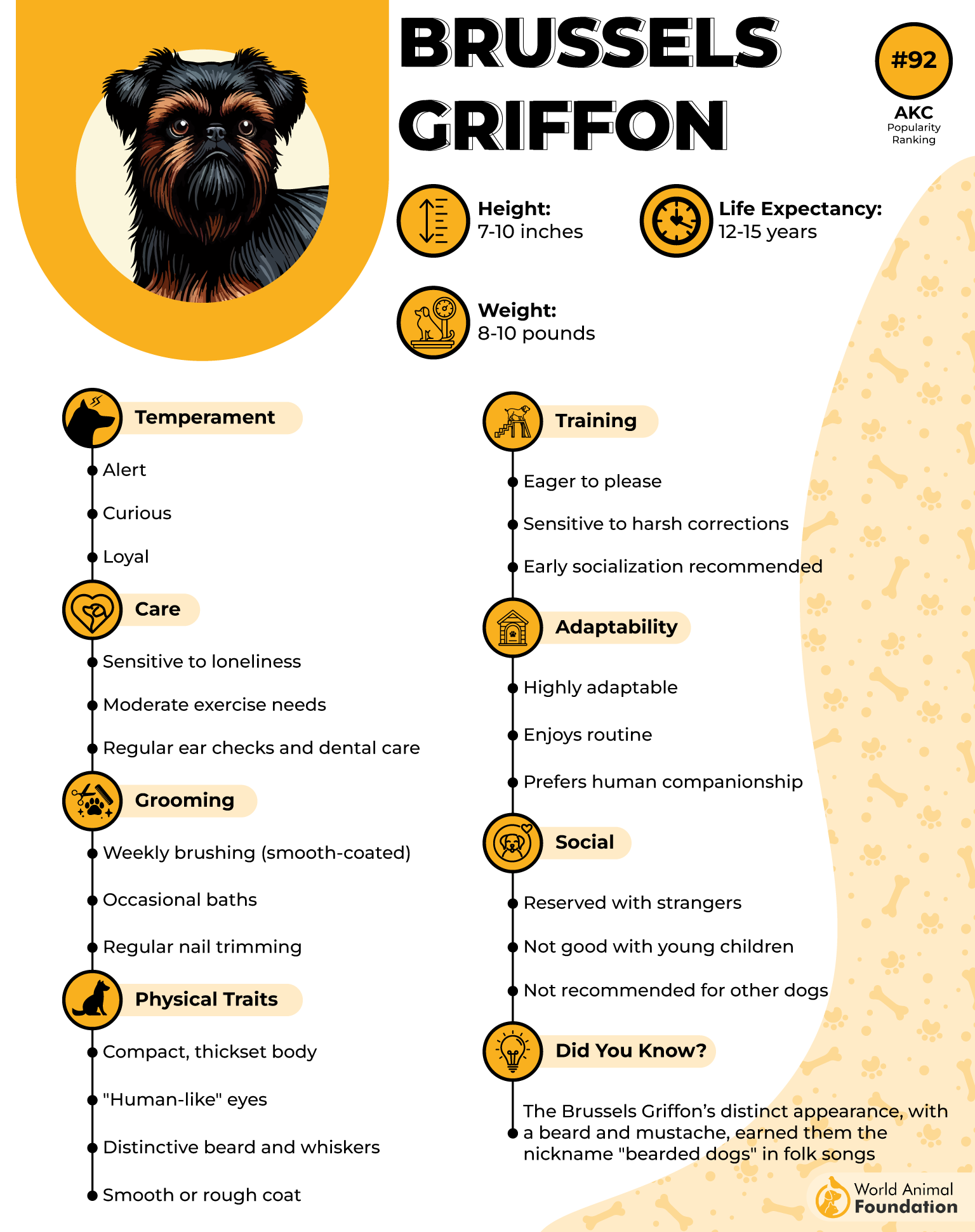
Owners often read the dog’s remarkably human-like, expressive face as a sign of early maturity and expect the body to be just as finished, when the chest and frame typically take longer to fill out than the face does.
Growth signal: Chest depth that stops increasing while the face stays unchanged marks the point a Brussels Griffon has reached full size.
Look past an already expressive, grown-up face and ask about the pup’s current weight trend before guessing at its adult size.
9. Japanese Chin
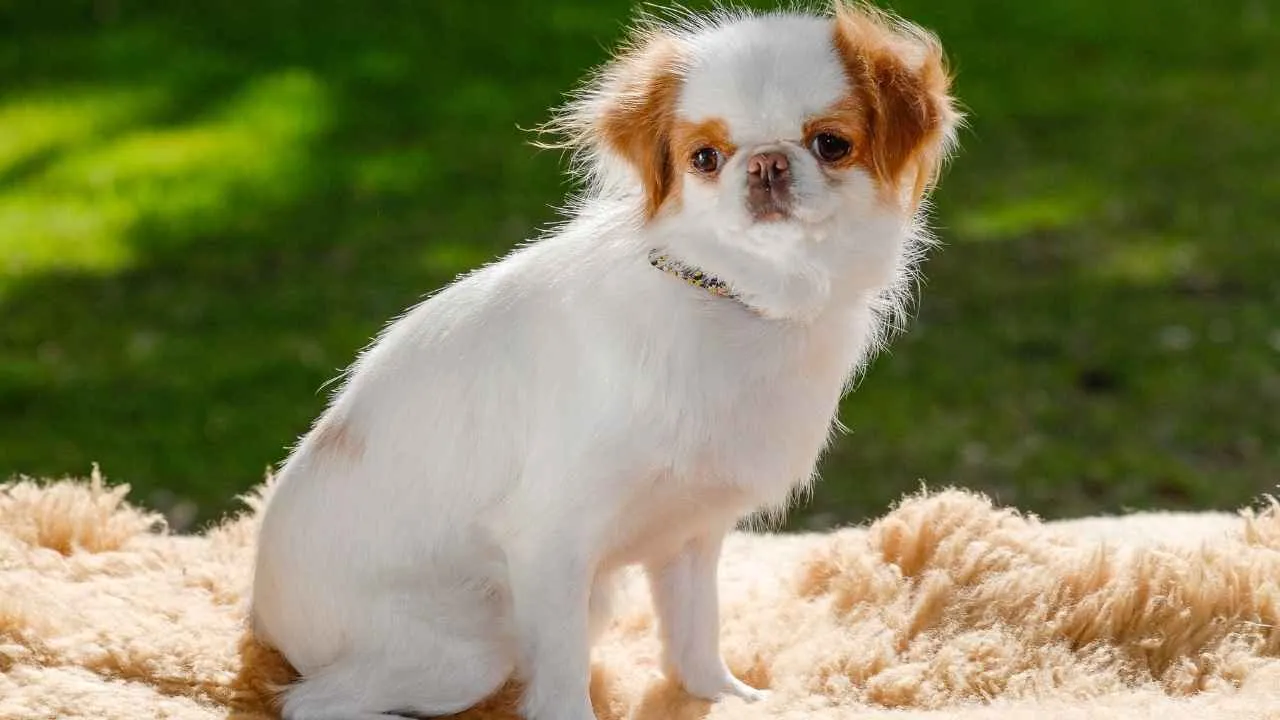
A Japanese Chin typically finishes growing by around 9 to 10 months, with its silky coat continuing to fill in afterward. This toy dog’s elegant coat can make its growth stage hard to read at a glance. Knowing what to check helps separate coat from body.
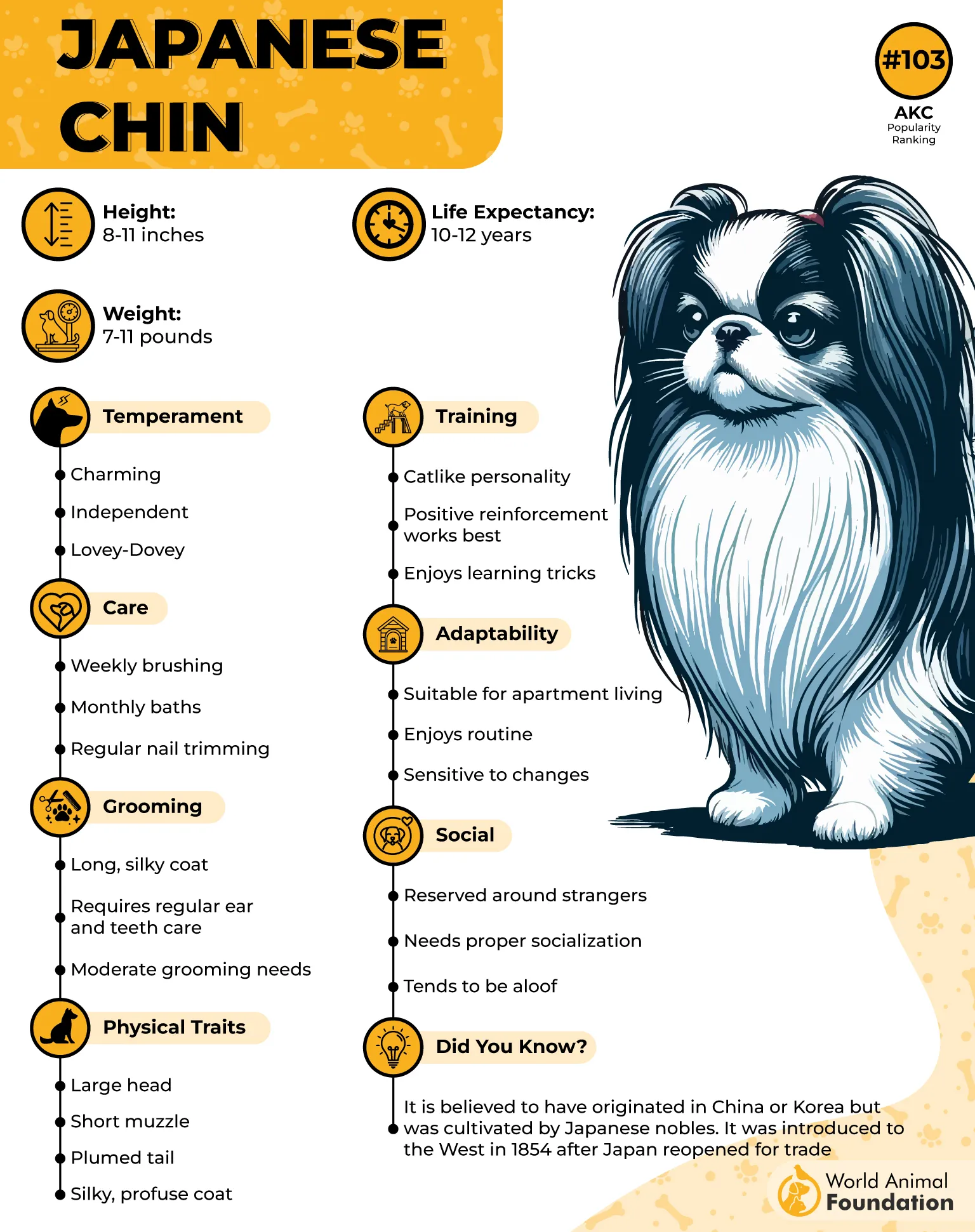
Because the coat looks so full, owners sometimes assume it is still thickening the way a double coat would, but Orvis notes the Japanese Chin carries only a single coat layer, so coat volume is not a growth stage at all.
Growth signal: A tail plume that has reached its full feathered length is a better growth clue than overall coat thickness.
Ask whether a puppy’s parents have single, flatter coats or something denser, and judge body size by weight checks rather than by how full the coat currently looks.
Conclusion
Knowing when these petite dog breeds stop growing takes the guesswork out of choosing a lap dog built for limited space, a full lifespan, and years as a loyal human companion.
Trust the frame, not the fluff or the ears, and you will land on a dog with tiny legs, a good-tempered nature, and genuinely adorable staying power.
From a feisty little terrier to a fun-loving lap dog that stays petite for life, let your home, your short walks, and your family pets guide the pick. Ready to meet your perfect little pup? Start asking breeders and shelters the right growth questions today.
