




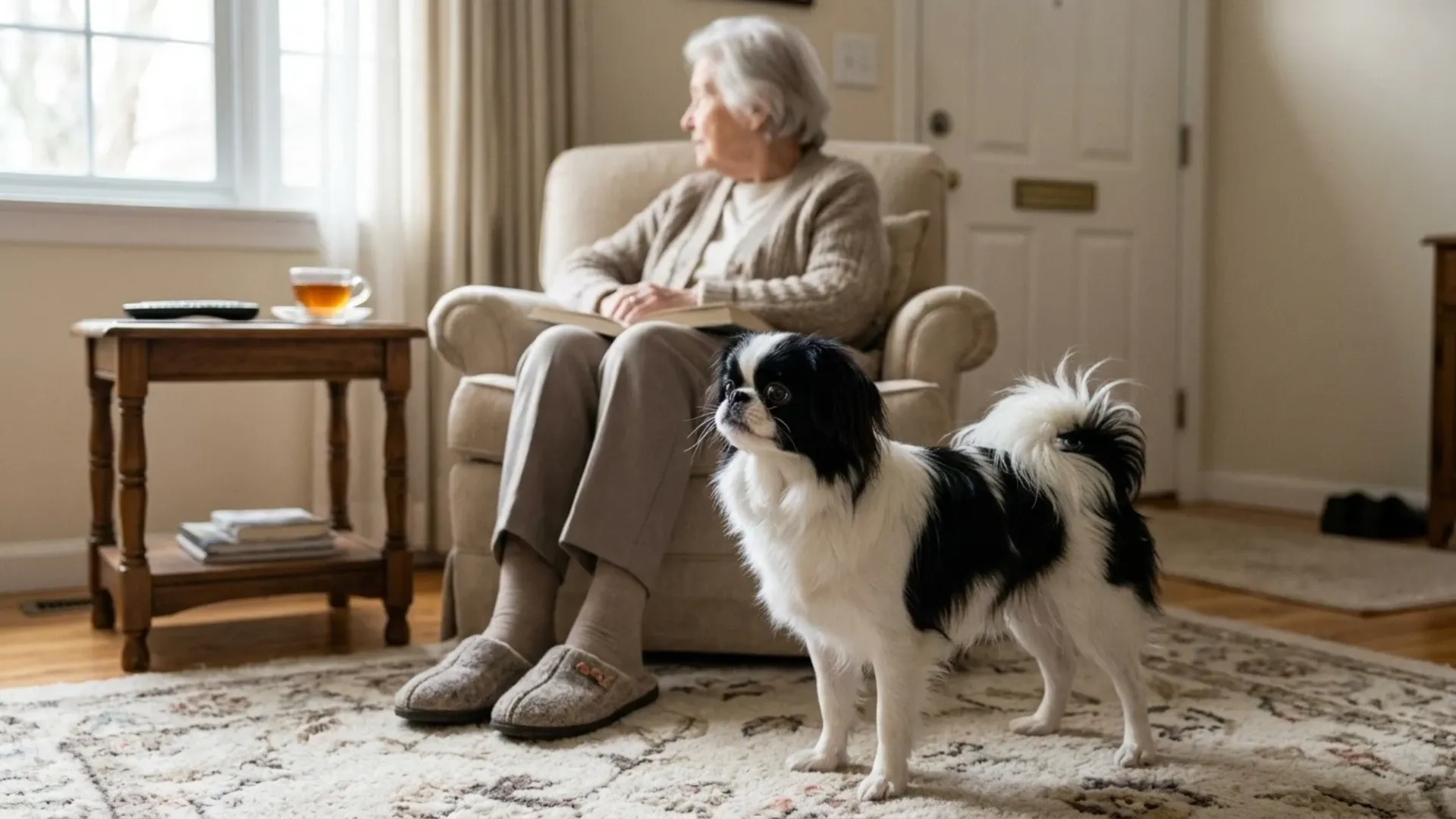
A peaceful home feels even better when a little set of paws is keeping you company. For older adults, the right companion can bring warmth, routine, gentle activity, and an extra pair of ears for those mysterious sounds at the door.
The small dog breeds that provide safety for senior living in this guide are not protection dogs in the traditional sense. Their value comes from being alert, responsive, and vocal when something unfamiliar catches their attention. That little bark can be surprisingly reassuring when you live alone.
The best dog breeds for this lifestyle also need to match your mobility, home, grooming tolerance, and preferred energy level. Some are happy with short walks and plenty of cuddle time; others need more movement and mental stimulation.
Here are seven tiny companions worth knowing if you want companionship with a watchful little personality.
Small Dog Breeds That Provide Safety for Senior Living
1. Chinese Crested
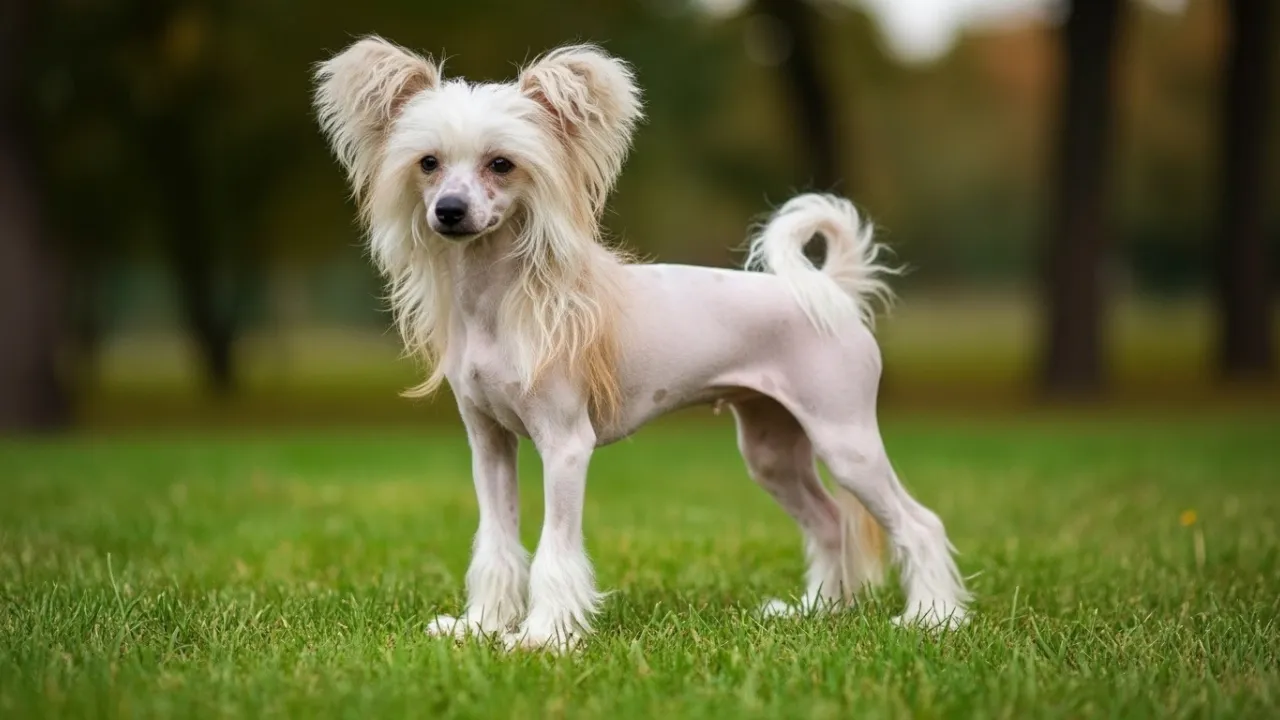
For senior living, the Chinese Crested brings a playful little presence that stays closely connected to its favorite person. This distinctive small dog is affectionate, lively, intelligent, and highly responsive to activity around the home. Orvis describes the breed as an ultra-affectionate companion with a cheerful, frolicsome personality.
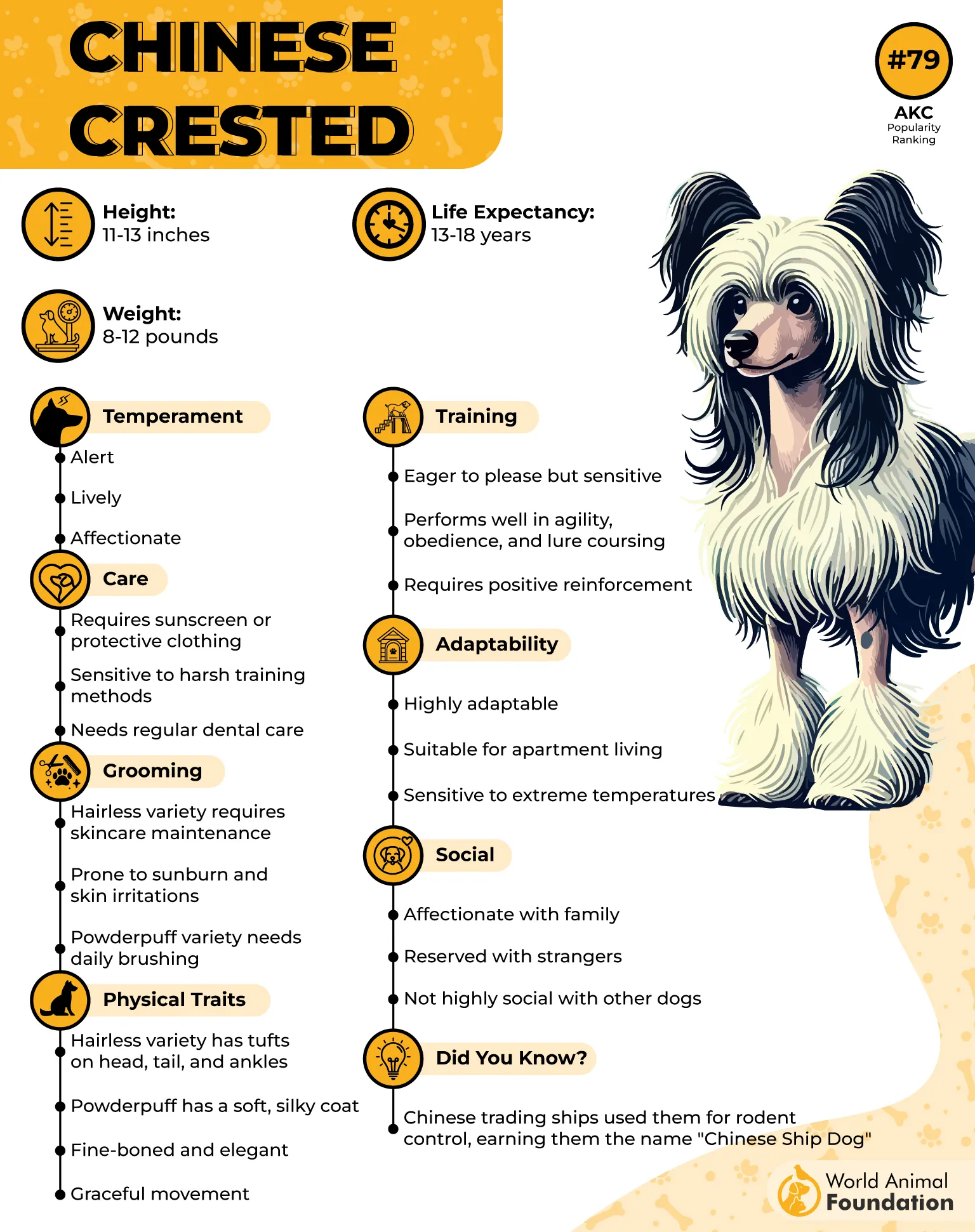
That close attachment has a practical side. This Chinese breed tends to pay attention to what its owner is doing, making it a sweet household companion. Its petite frame also works nicely for smaller living spaces, and its activity needs can be met through play, indoor games, and gentle walks.
The breed comes in hairless and powderpuff varieties, giving prospective owners different grooming considerations. The hairless type needs protection from environmental exposure, especially strong sunlight and cold weather.
Their alertness does not turn them into a guard dog, but an unexpected noise or visitor can certainly get their attention. Add that to their funny hairdo, expressive face, and affectionate nature, and daily life gains a tiny companion with plenty of personality.
2. Russian Toy
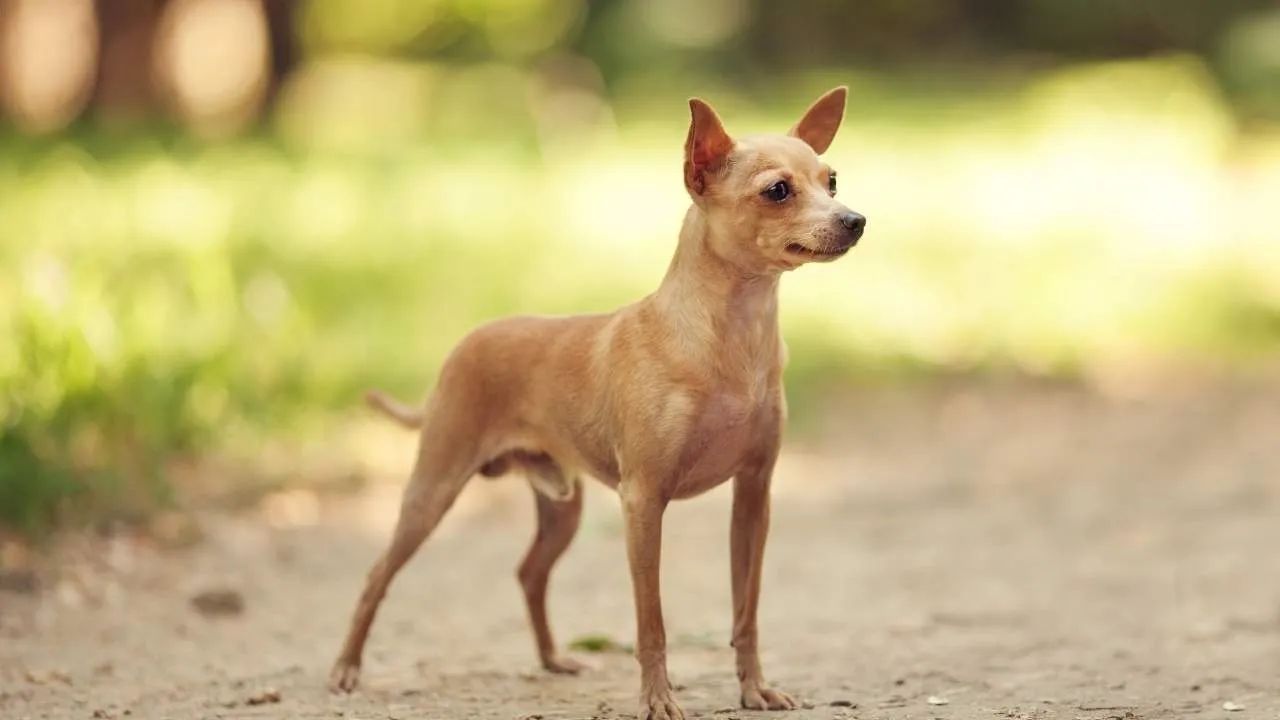
When a senior household calls for a tiny companion with a surprisingly lively spirit, the Russian Toy brings plenty of charm in a compact package. This elegant breed is active, cheerful, keenly intelligent, and eager to stay close to their human companions. This small dog breed loves to snuggle, although it can be somewhat reserved around unfamiliar people.
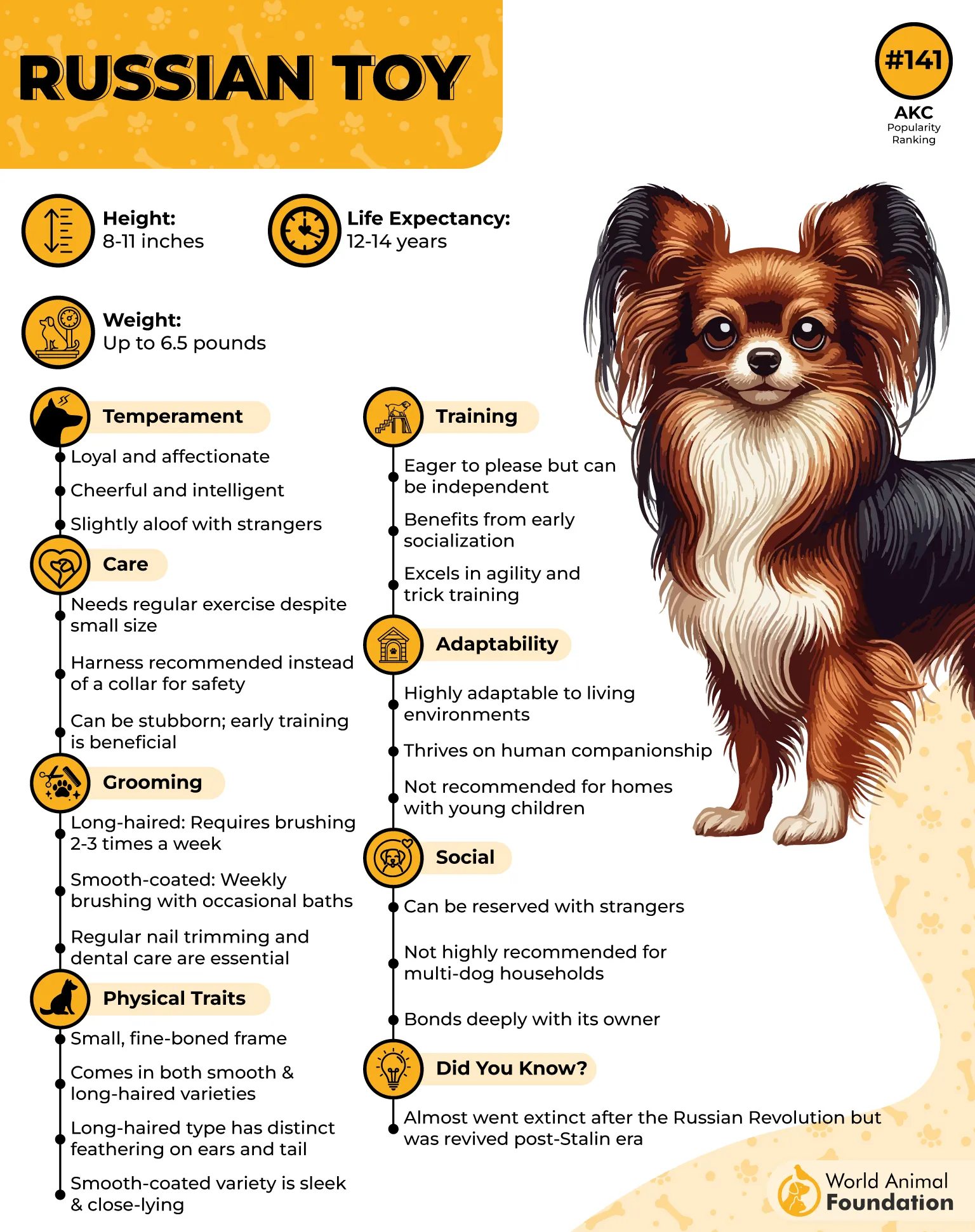
That combination can be useful for dog breeds for seniors who want companionship without bringing a large animal into the house. Purina notes that their small size makes everyday handling simpler, and their bright nature gives them an appetite for games, training, and interaction.
They do need sensible activity rather than being treated as a decorative lapdog. Short walks and indoor play can add movement to a senior’s daily routine without turning exercise into a major outing.
Their delicate build deserves thoughtful handling, especially around furniture, stairs, and busy households. Socialization also matters because their reserved response to strangers should not become unnecessary nervousness.
For someone seeking a tiny shadow with expressive eyes, a lively attitude, and plenty of affection, the Russian Toy has a lot packed into a very little dog.
3. Pekingese
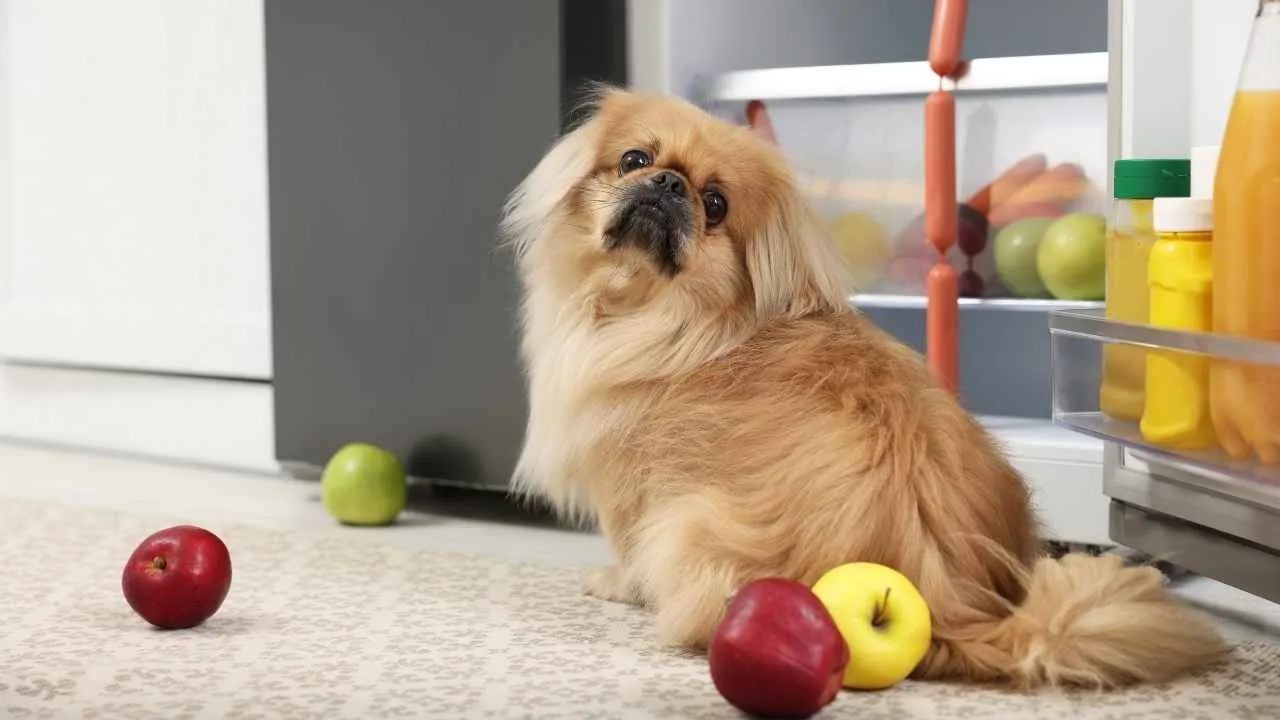
Picture a tiny aristocrat hearing a suspicious noise and immediately deciding that somebody needs to know. That is where the Pekingese earns its place among small dog breeds suited to senior households. They are compact, confident, loving, independent, and naturally alert, with a history rooted in ancient Chinese royal households.
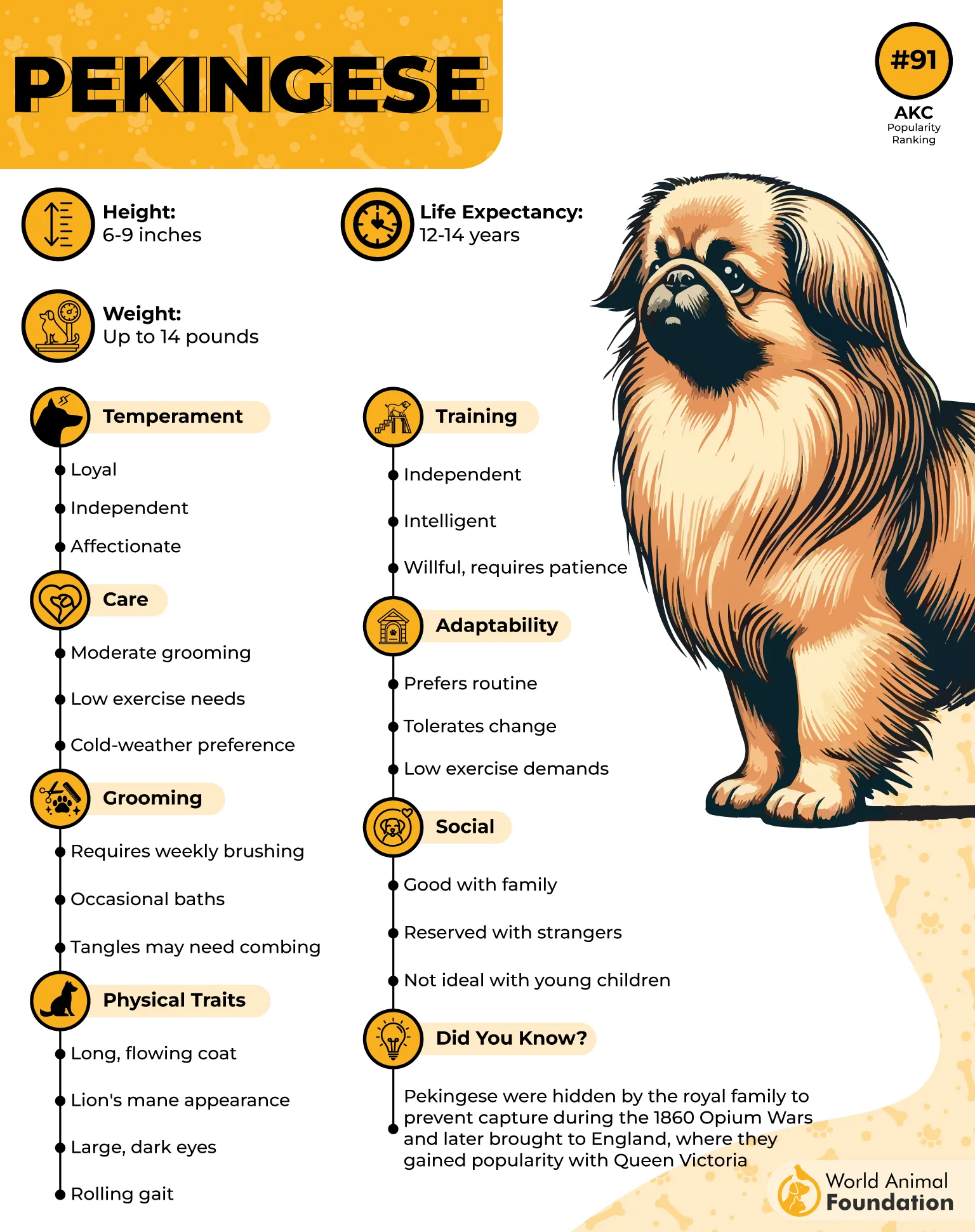
Their watchdog instincts are one of their most relevant qualities here. A Pekingese can become vocal about unfamiliar visitors or activity, giving an older owner a useful auditory heads-up without needing a physically imposing animal.
Their low energy needs also suit quieter lifestyles. Gentle walks, play sessions, and mental stimulation provide enough activity for many individuals. Their independent streak means training requires patience and consistency rather than expecting instant obedience.
The luxurious coat is the trade-off. Regular brushing helps prevent tangles and mats, and grooming becomes part of the weekly routine. They also need care in warm weather because their facial structure can contribute to overheating concerns.
For someone who wants a dignified little housemate with a bold voice and plenty of character, this ancient companion brings a wonderfully entertaining presence.
4. Japanese Chin
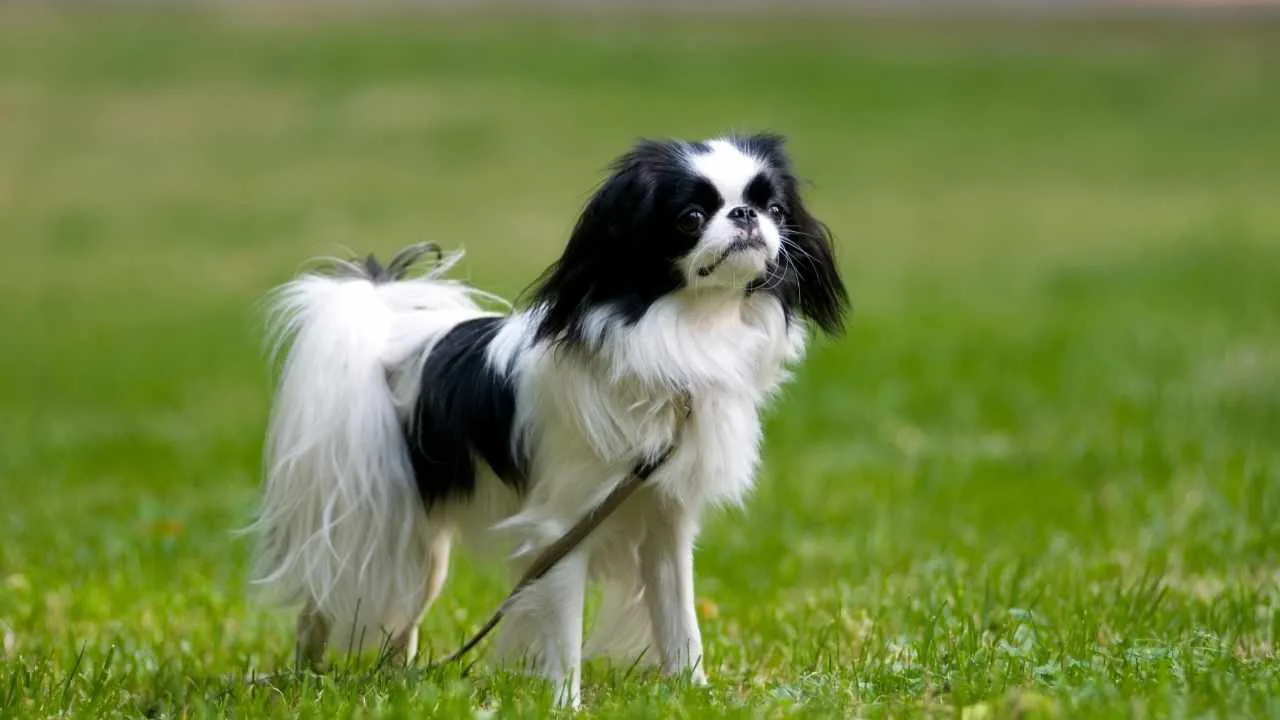
For a quieter senior home, the Japanese Chin brings an almost feline sense of grace, curiosity, and self-possession. This tiny companion is bright, amusing, fastidious, and generally quiet, according to the AKC.
That quieter temperament matters if constant barking would make home life stressful. The Japanese Chin still notices changes in its surroundings, but its personality is more refined than relentlessly noisy.
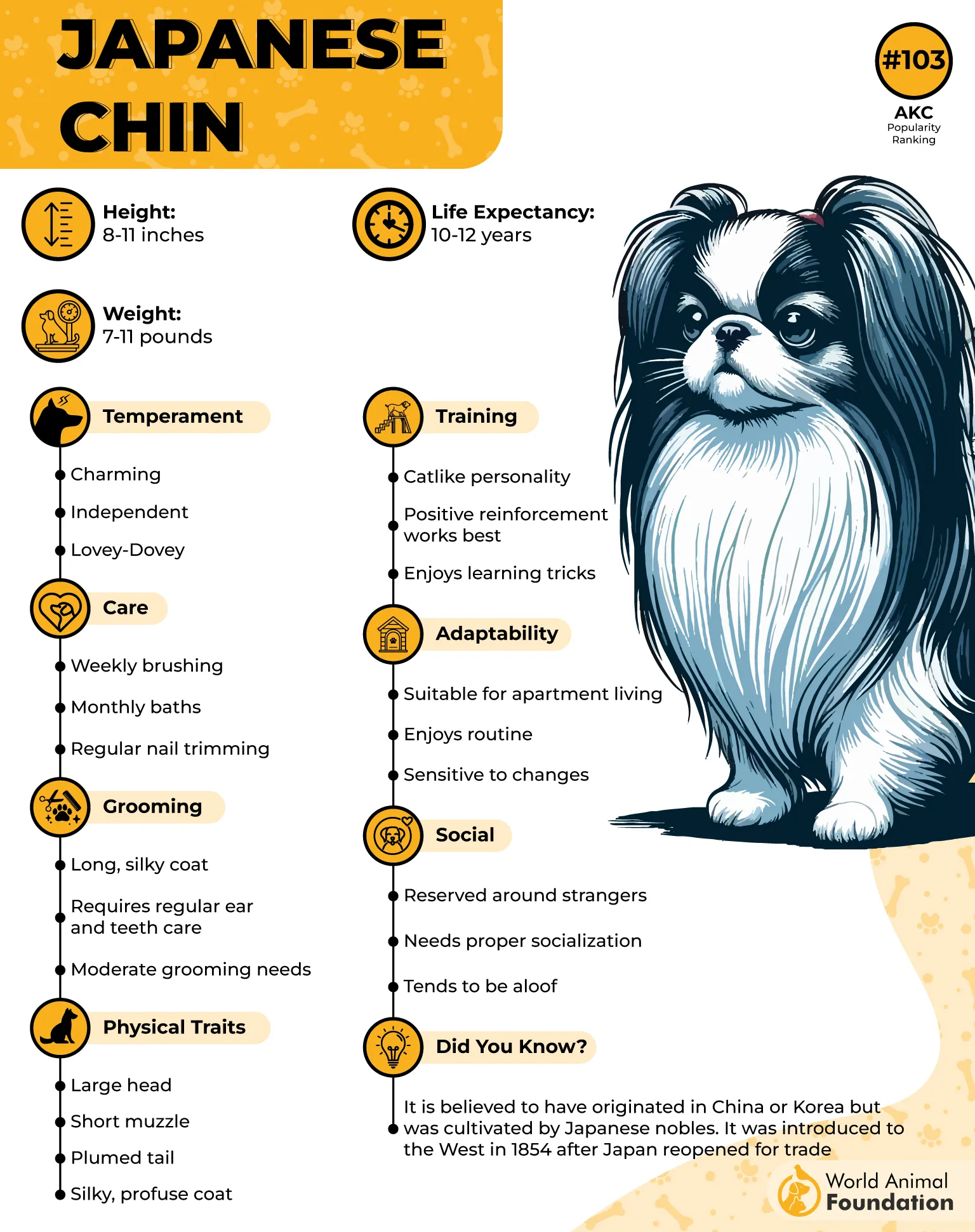
They can happily spend time close to their owner, making companionship feel natural rather than demanding. Their small stature also makes them manageable for people who prefer a compact animal around the house.
Gentle walks, interactive games, and time together can provide enough stimulation for a relatively relaxed lifestyle.
Their silky, profuse coat requires regular grooming, so prospective owners should be comfortable with brushing and basic coat care. Their small frame also means a clutter-free walking path is helpful; an accidental knock from a person or piece of furniture can be much harder on a tiny dog.
There is something wonderfully amusing about the breed’s graceful personality. One minute they are quietly observing the room; the next, they are performing some quirky little behavior that reminds you why companionship can add so much joy to an ordinary day.
5. Dachshund
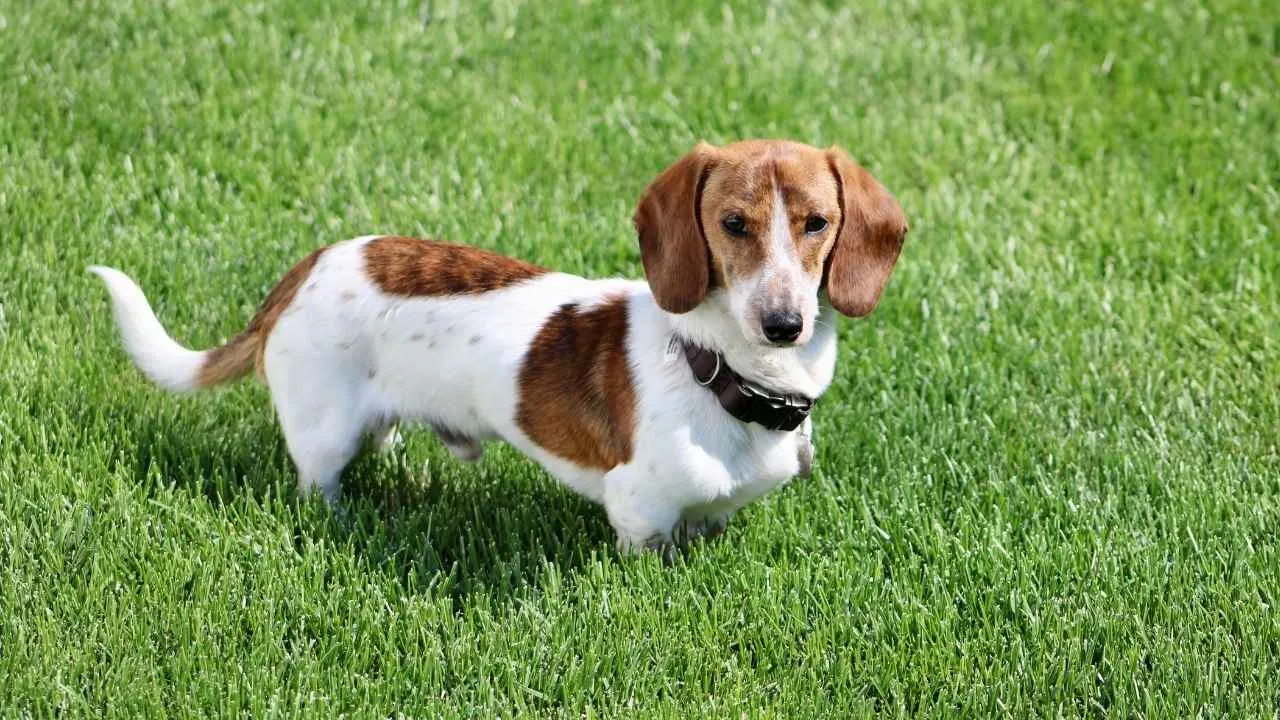
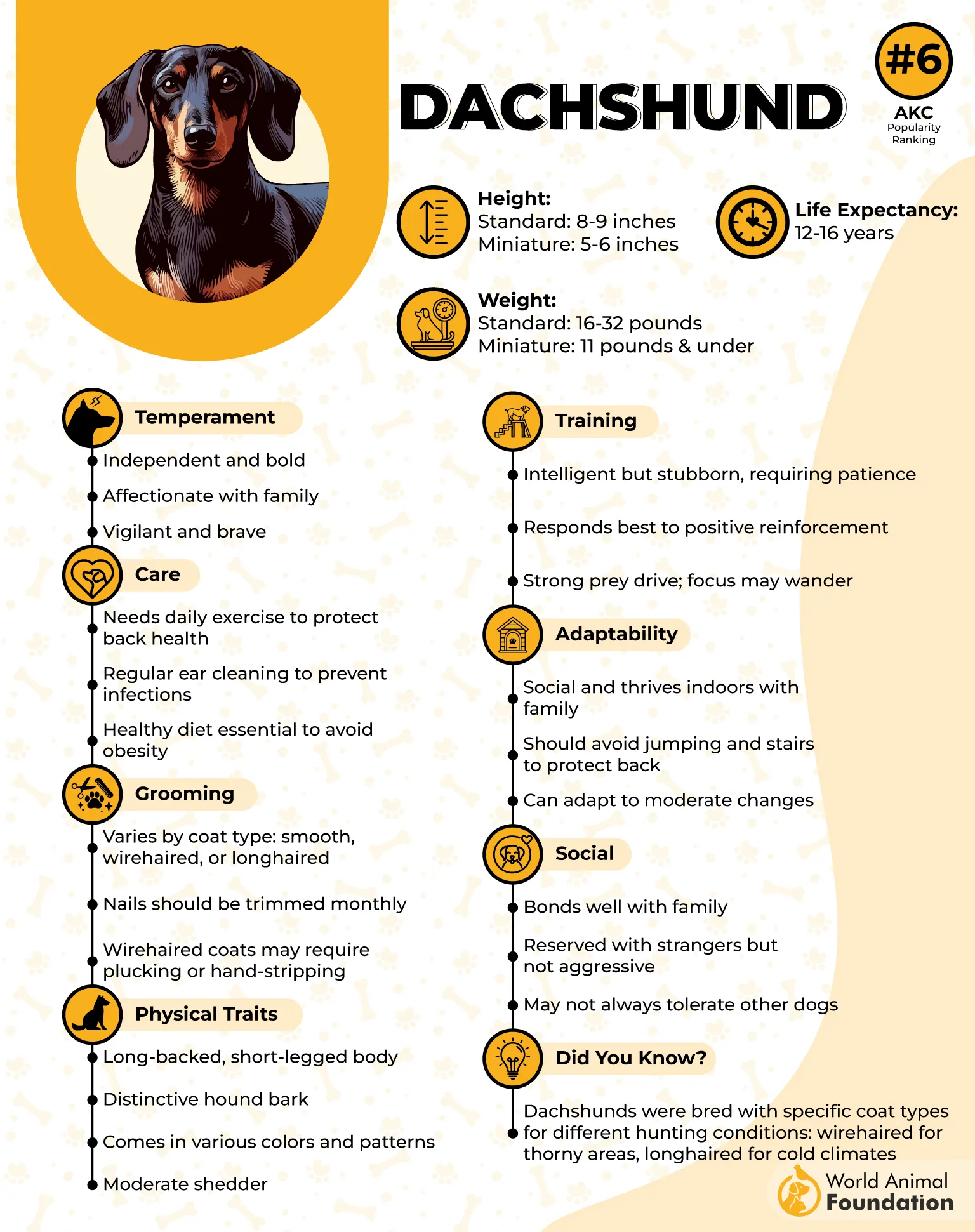
If you want a small companion with a voice much bigger than its legs, the Dachshund arrives with confidence already switched on. This long-bodied, short-legged breed is intelligent, vigilant, courageous, affectionate, and famously alert. Despite their small stature, Dachshunds are quite vocal watchdogs.
That makes them particularly interesting for seniors who appreciate a dog that announces visitors and unusual activity. Their bold personality adds plenty of entertainment too; this is not a dog who quietly fades into the furniture.
Their energy level deserves attention. According to Petplan, Dachshunds are more active than their size suggests and benefit from regular exercise, including two daily walks.
Their famous long back also changes how a senior home should be arranged. Jumping from furniture and racing up stairs should be discouraged because spinal problems are a significant concern for the breed.
They come in standard and miniature sizes and three coat varieties, so grooming needs differ between individuals.
For an active older owner who wants companionship plus a remarkably enthusiastic little watchdog, the Dachshund can bring plenty of personality into everyday life.
6. Havanese
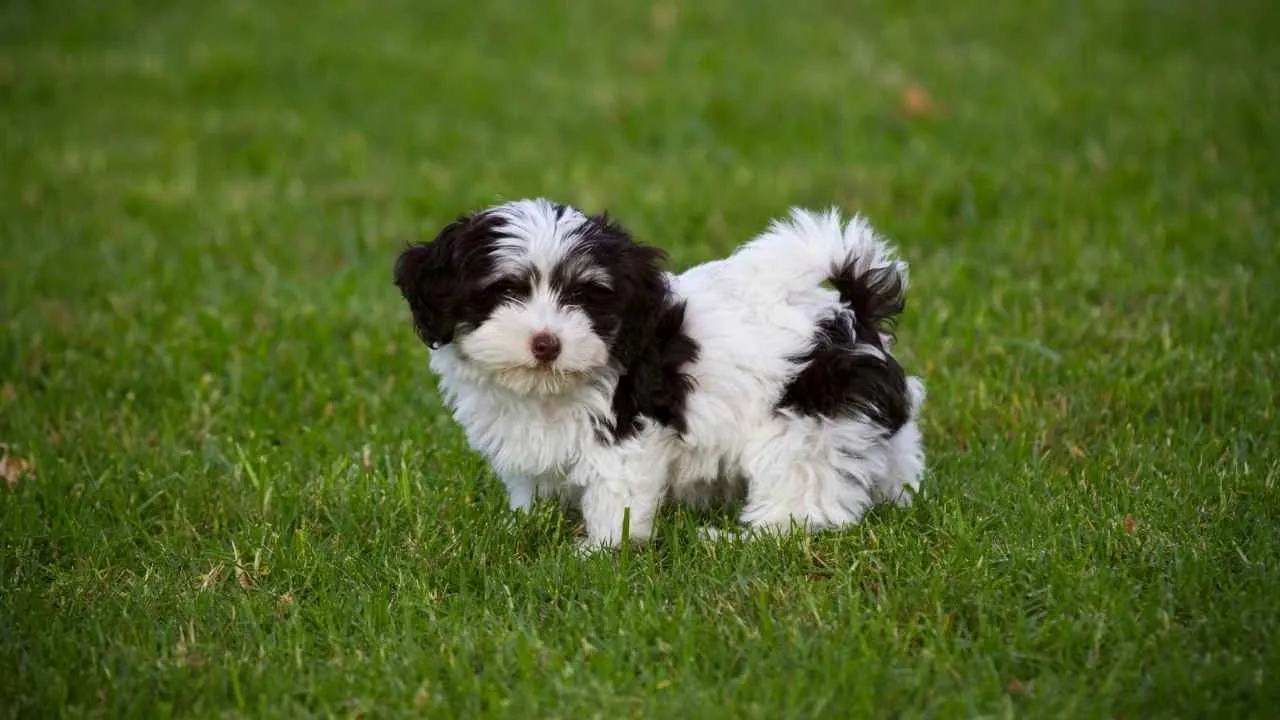
Some dogs seem determined to turn every quiet afternoon into a social event, and the Havanese is wonderfully talented at it. For seniors wanting a friendly companion with useful alertness, this Cuban breed combines a cheerful personality, intelligence, sociability, and a naturally people-focused temperament.
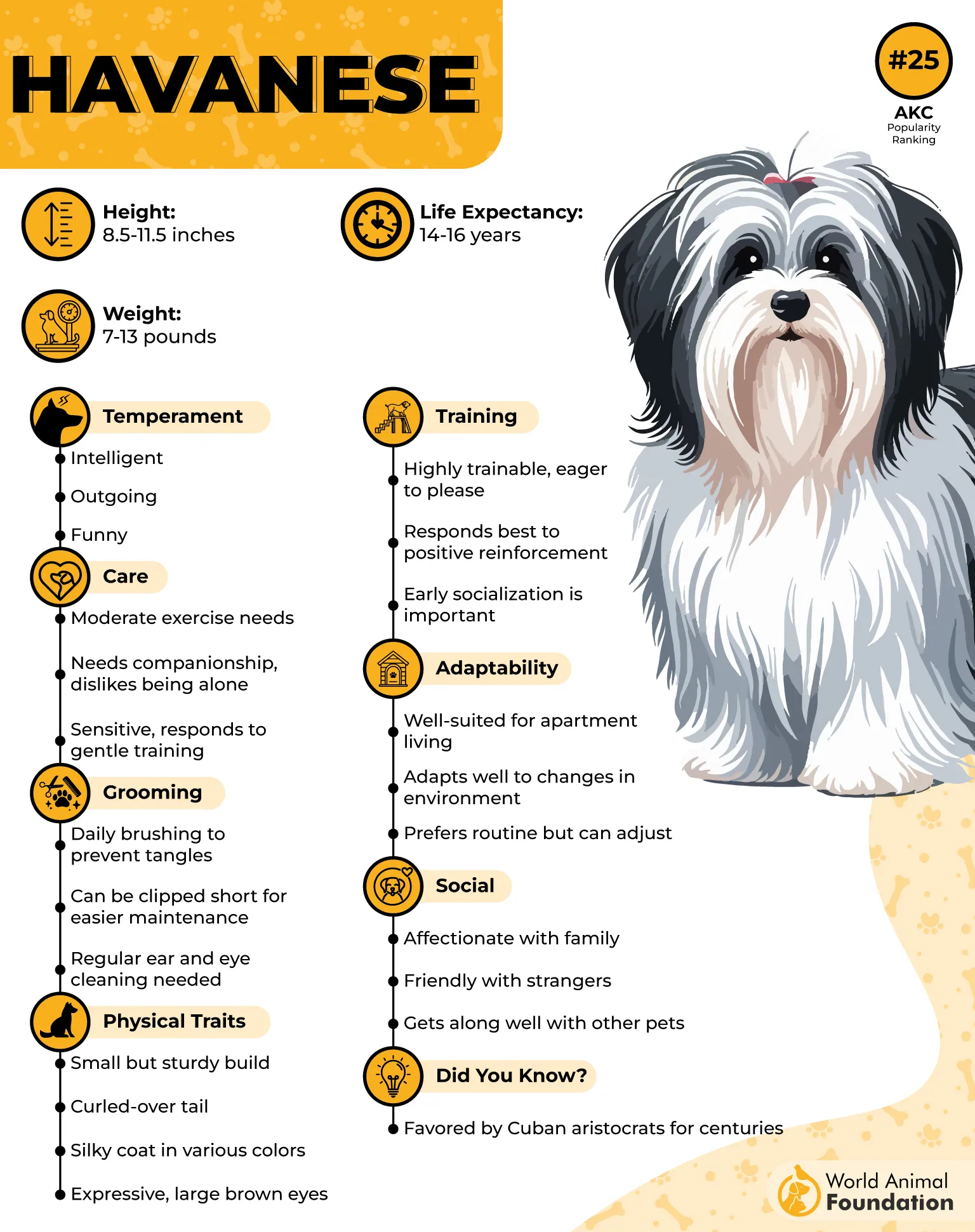
The Havanese is known for barking to alert its owners rather than simply making noise without purpose. That can be reassuring when an unfamiliar person approaches the door, or something unusual happens outside.
Their moderate exercise needs also fit a lifestyle built around manageable activity. Brisk walks, playtime, and interactive games can provide enough movement without requiring demanding outdoor adventures. The breed is also highly adaptable, making them comfortable in city homes and suburban households alike.
There is one important consideration: that beautiful silky coat requires daily brushing to prevent mats and tangles. Some owners keep the hair clipped shorter to simplify maintenance.
Their social personality means they also appreciate plenty of human company. For many seniors, that can become one of the sweetest parts of the arrangement. A Havanese does not simply share the home; they tend to make themselves part of the daily rhythm.
7. Lhasa Apso
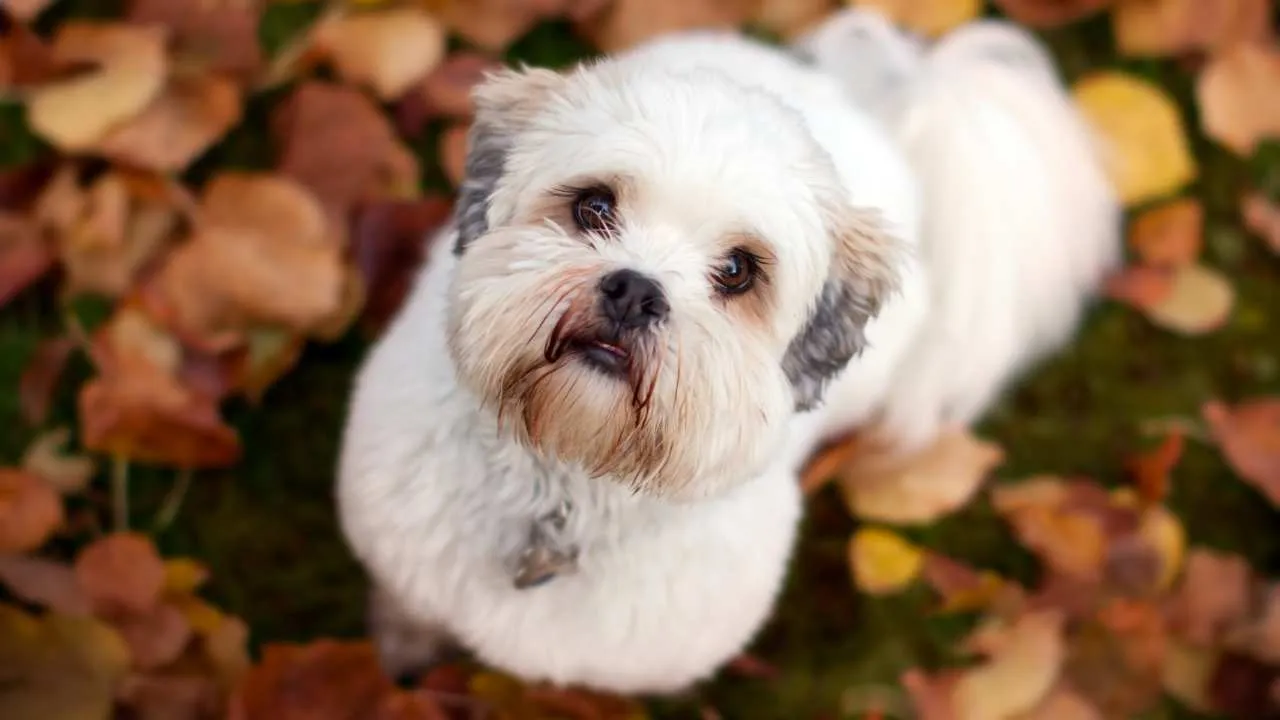
The Lhasa Apso has an impressive résumé for a little household companion: this breed was originally bred as an indoor sentinel in Tibetan palaces and monasteries. That history still shines through their alert, independent personality.
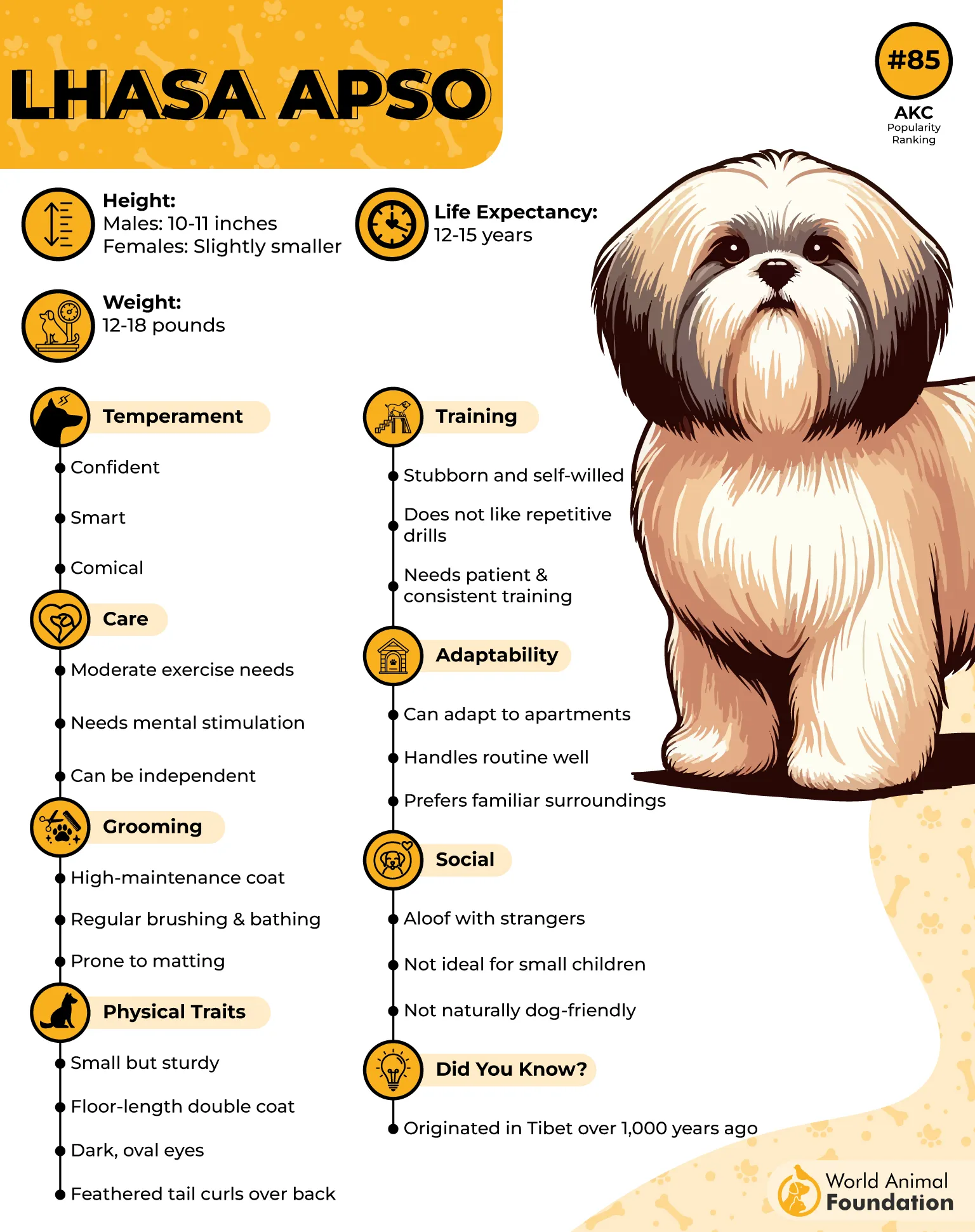
For seniors who want a dog that takes unfamiliar activity seriously, the Lhasa Apso has a particularly relevant temperament. Omlet added that it is suspicious of strangers and known to bark at intruders, but it doesn’t bark at every passing sound.
Their modest exercise requirements also suit apartment living and quieter households. Regular walks provide physical activity and enrichment without requiring a demanding schedule. Their independent streak can also make them comfortable spending some time at home.
Training benefits from patience because this intelligent problem-solver likes having opinions. Basic obedience gives household boundaries a clear structure, and short positive sessions keep learning enjoyable.
Coat care deserves consideration too. Daily brushing helps prevent tangles, although keeping the hair in a shorter trim can simplify maintenance.
For a senior wanting a compact companion with a serious little watchdog personality, the Lhasa Apso brings history, character, and plenty of attitude to the sofa.
Conclusion
The best match depends on much more than size. Think about your mobility, home layout, grooming preferences, tolerance for barking, exercise capacity, and how much companionship you want throughout the day.
These dogs provide awareness rather than physical protection. Their real contribution is beautifully simple: they stay nearby, notice changes, and let you know when something has caught their attention. For many older adults, that little bark followed by a wagging tail can make a quiet home feel considerably more connected.
Whether you choose a dignified sentinel, an energetic watchdog, or a cheerful lap companion, the right breed should fit comfortably into your lifestyle, not force your lifestyle to revolve around them.
