




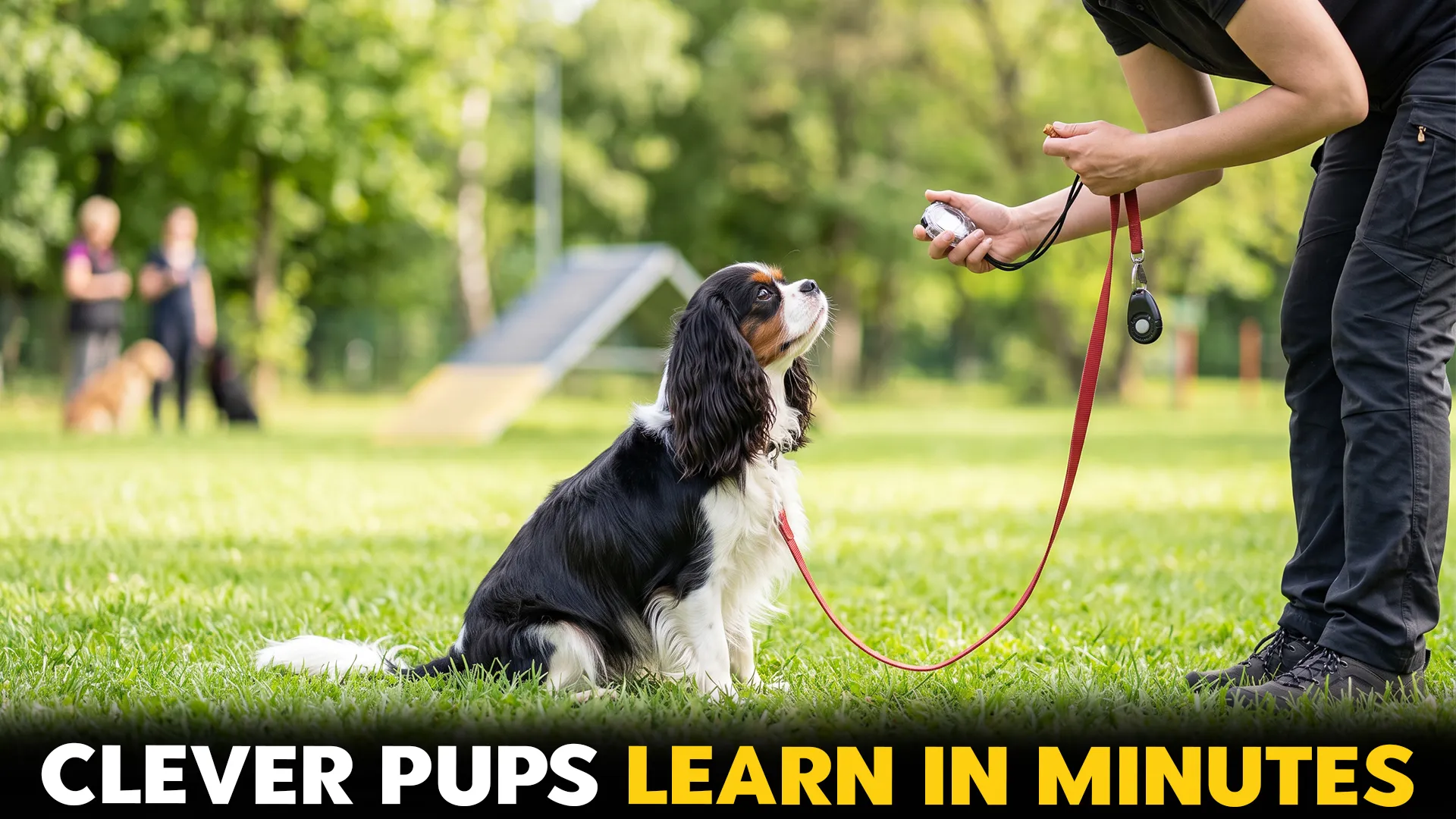
Small dogs are often treated like adorable accessories whose main responsibilities are to look cute and to occupy the warmest spot on the couch. In reality, many compact breeds are intelligent working or companion dogs capable of learning obedience cues, tricks, household routines, and dog sports at impressive speed.
Fast training does not mean a puppy arrives already understanding recall, toilet habits, leash manners, and why stealing socks is socially unacceptable. Breed tendencies can make learning easier, but success still depends on consistency, timing, socialization, appropriate rewards, and the individual dog’s personality.
Positive reinforcement is usually the cheat code for the breeds on this list. Reward the behavior you want as soon as it happens, keep sessions brief enough to prevent boredom, and increase difficulty in small steps rather than expecting instant perfection.
Small-Dog Breeds That Get Trained in Record Time
1. Toy Poodle
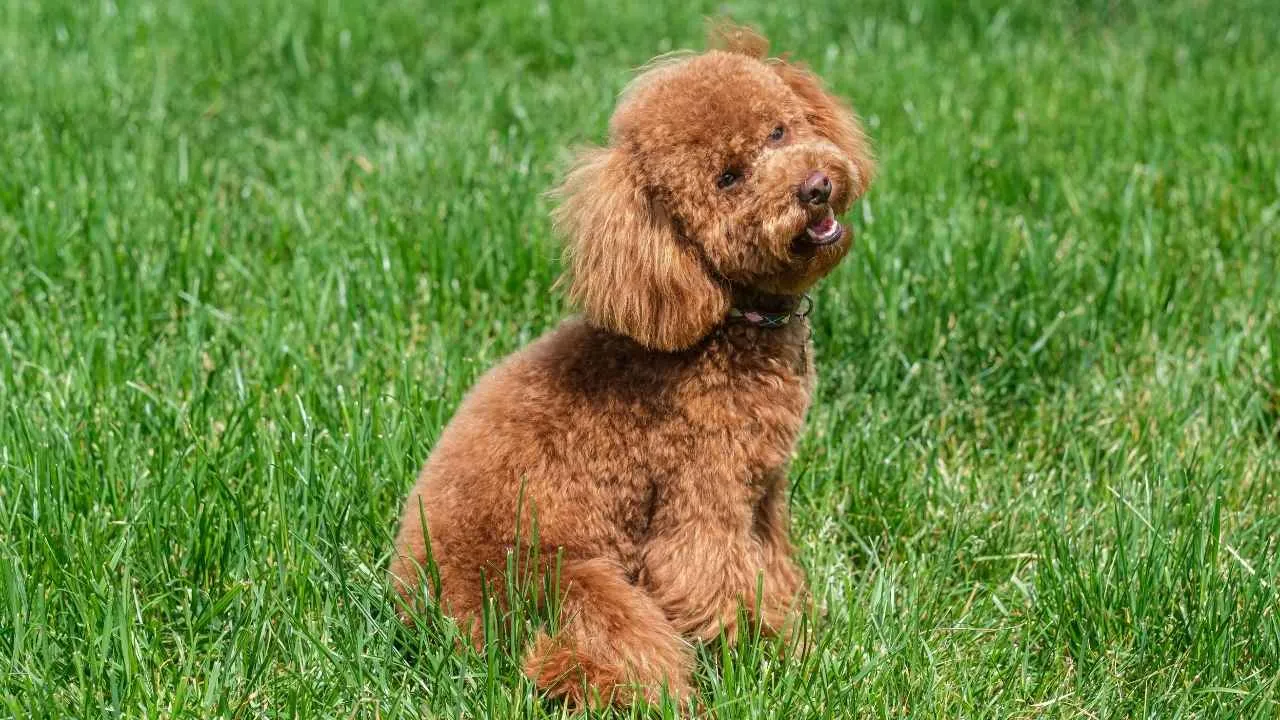
The Toy Poodle may look like it has arrived for a luxury photoshoot, but behind that carefully styled coat is a ridiculously capable canine brain. Despite being small, they share the athletic build, intelligence, and trainability associated with the larger Poodle varieties.
The American Kennel Club describes them as intelligent, self-confident, and capable of succeeding in activities such as obedience, agility, and tracking.
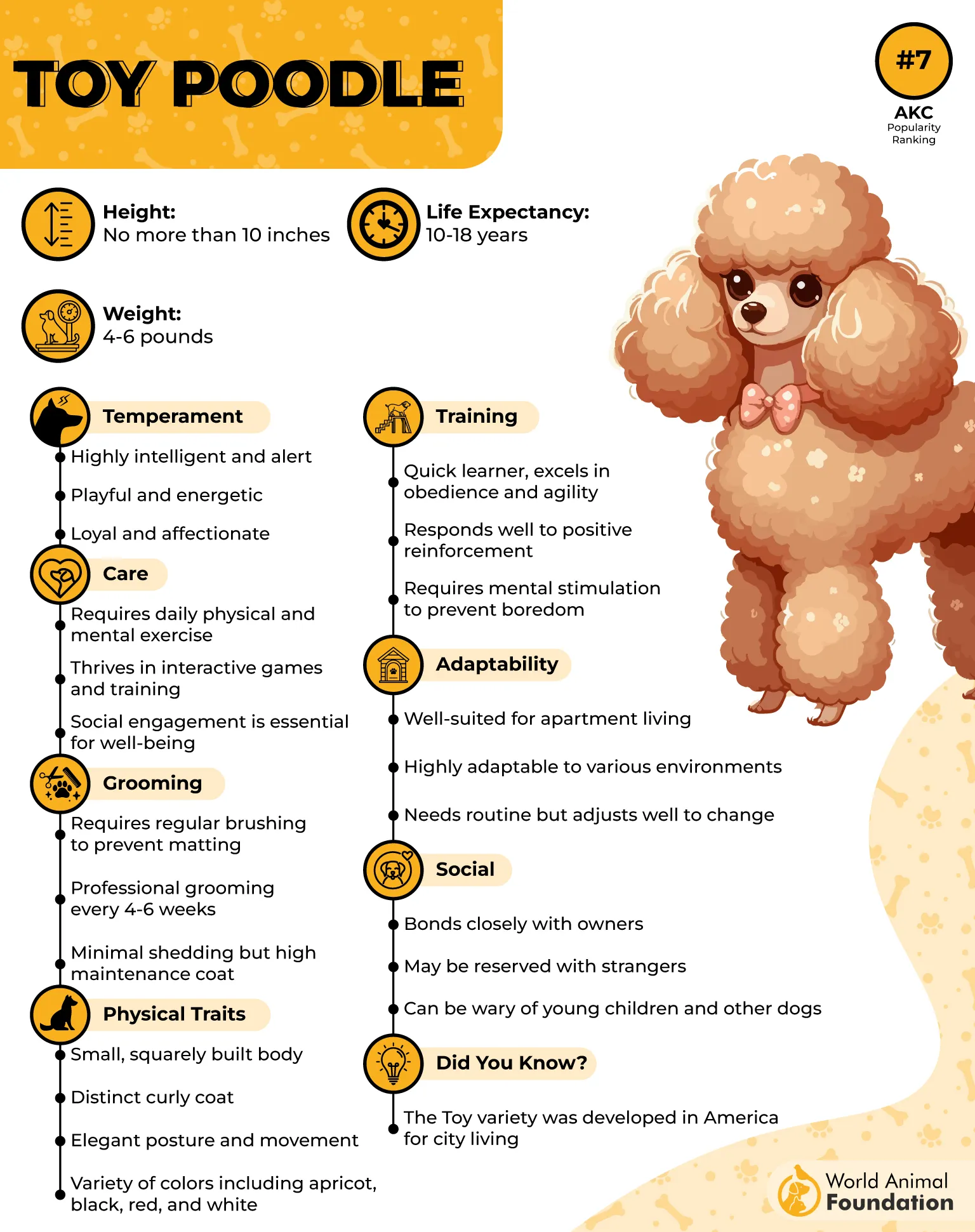
These dogs learn patterns quickly, which means they can master useful behaviors before many owners have finished watching the second training tutorial. Sit, touch, spin, retrieve, settle, and place training can all become exciting games when rewards are delivered at the right moment.
Fetch-based lessons can therefore teach impulse control, releasing objects, waiting politely, and returning when called while satisfying instincts.
Training should be upbeat for these highly intelligent dogs but not repetitive, as drilling the same cue twenty times can make an intelligent dog mentally log off. Rotate between obedience, scent searches, tricks, handling exercises, and short play breaks to keep the dog invested.
Tip To Train Them Super Fast
Use a marker word, such as “yes,” the instant the correct behavior occurs, then deliver the reward immediately.
Switch exercises after a few successful repetitions so their sharp brain never reaches the “this meeting could have been an email” stage.
2. Papillon
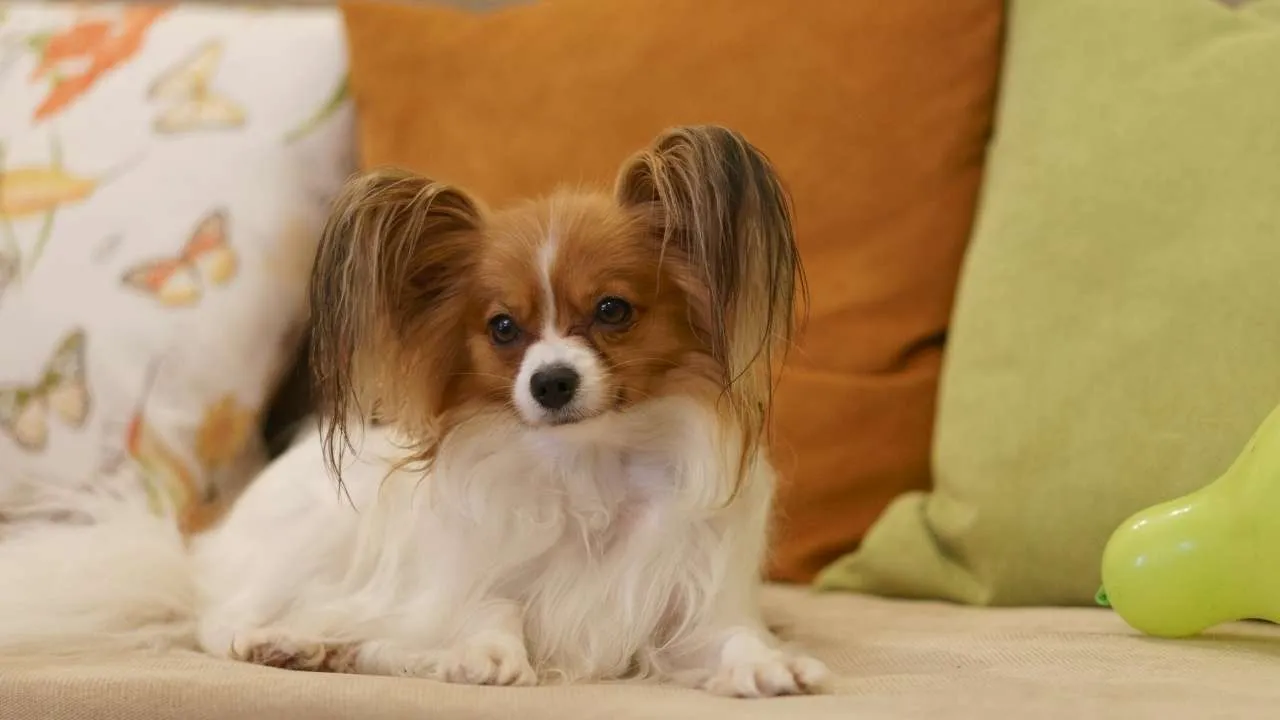
The Papillon’s butterfly-shaped ears may be its most famous feature, but its intelligence deserves equal screen time. They are described as alert, friendly, eager to please, and highly responsive to the humans with whom they form bonds.
Many small breeds, like Papillons, approach training with the enthusiasm of a student who has already read the next three chapters. They tend to enjoy learning tricks, running short agility courses, retrieving small toys, puzzle toys, and solving food puzzles.
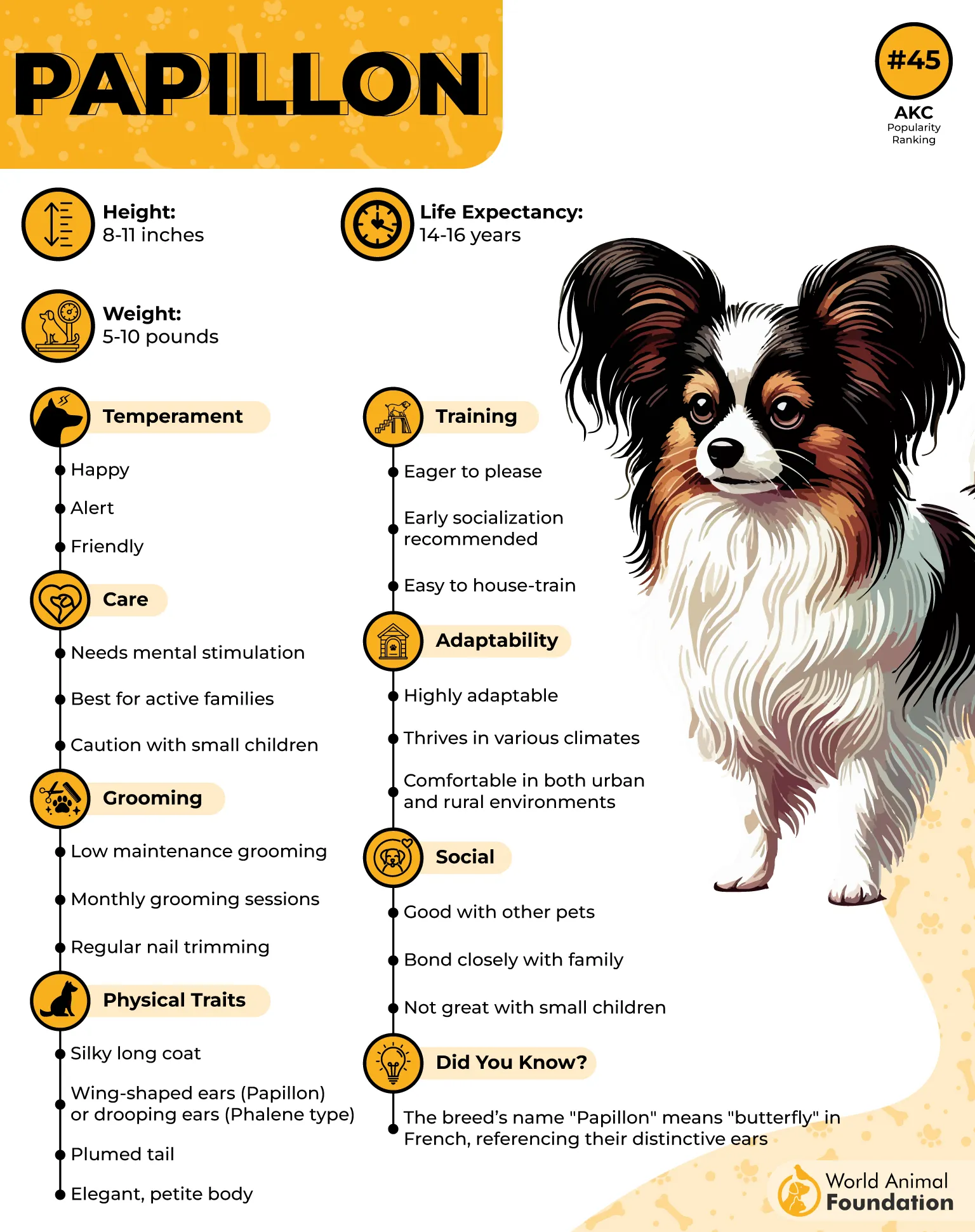
House-training can sometimes take longer in very small breeds because tiny bladders require frequent opportunities to go outside. They often make the process easier than some other compact dogs, especially when owners maintain a predictable routine.
Scheduled toilet trips, supervision, and immediate rewards for outdoor success prevent confusion far better than punishment after an accident. They may be petite, but many have strong chasing instincts connected to their spaniel heritage.
A squirrel, insect, or fast-moving leaf can suddenly become the most important breaking news story of the day. PetMD says social education deserves as much attention as formal obedience because an under-socialized Papillon may become nervous or overly vocal.
Tip To Train Them Super Fast
Schedule toilet breaks after waking, eating, drinking, playing, and napping, rather than waiting for the puppy to ask.
Practise recall through a hallway game in which two people take turns calling and rewarding the dog.
3. Miniature Schnauzer
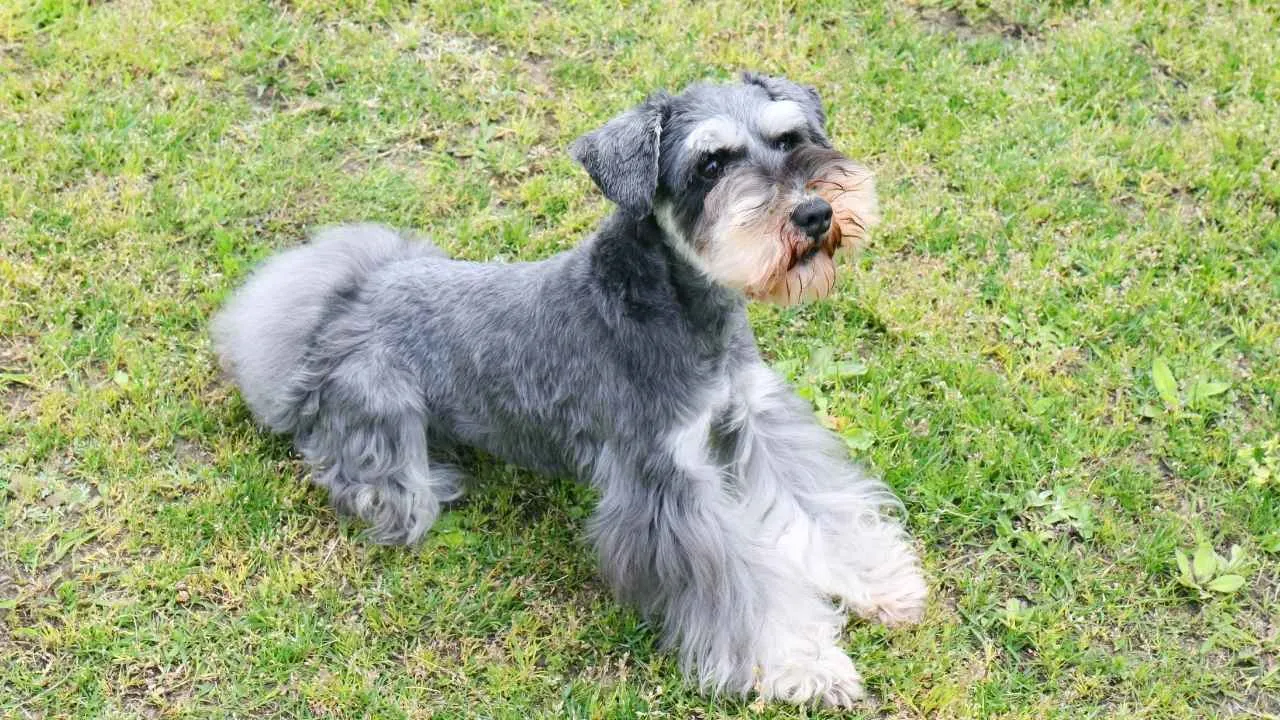
The Miniature Schnauzer brings expressive eyebrows, a magnificent beard, and the energy of a neighborhood supervisor who has noticed absolutely everything.
These dogs frequently compete in obedience, rally, agility, and earthdog activities because they combine brains with serious enthusiasm. The main training mistake is assuming that quick understanding means the dog needs endless repetition.
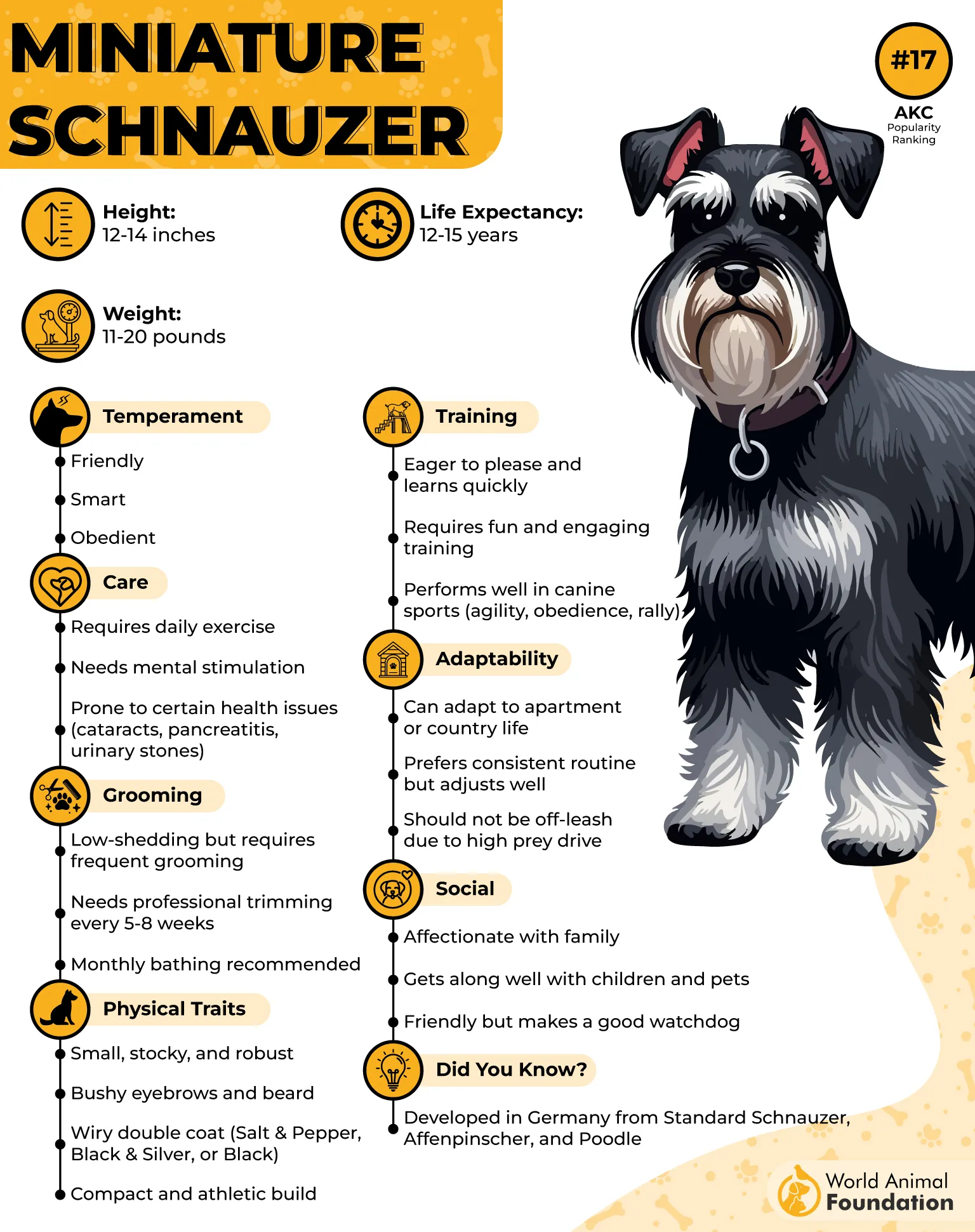
A Miniature Schnauzer may perform beautifully three times and then begin improvising because the original assignment has become ancient history.
Purina claims that their watchdog tendencies make barking control an important early lesson. Rather than shouting over the dog, acknowledge the alert, ask for a known behavior such as “place,” and reward the return to calmness.
A strong prey drive means off-leash freedom should be limited to secure areas, even when obedience looks impressive at home. Chasing rodents was part of the breed’s original purpose, and one rapidly departing squirrel can temporarily delete a casual recall cue.
Tip To Train Them Super Fast
Present each new exercise as a puzzle, then reward the dog for actively figuring out the correct response.
Keep a rotation of treats, toys, praise, and permission to sniff so the reward never becomes painfully predictable.
4. Cavalier King Charles Spaniel
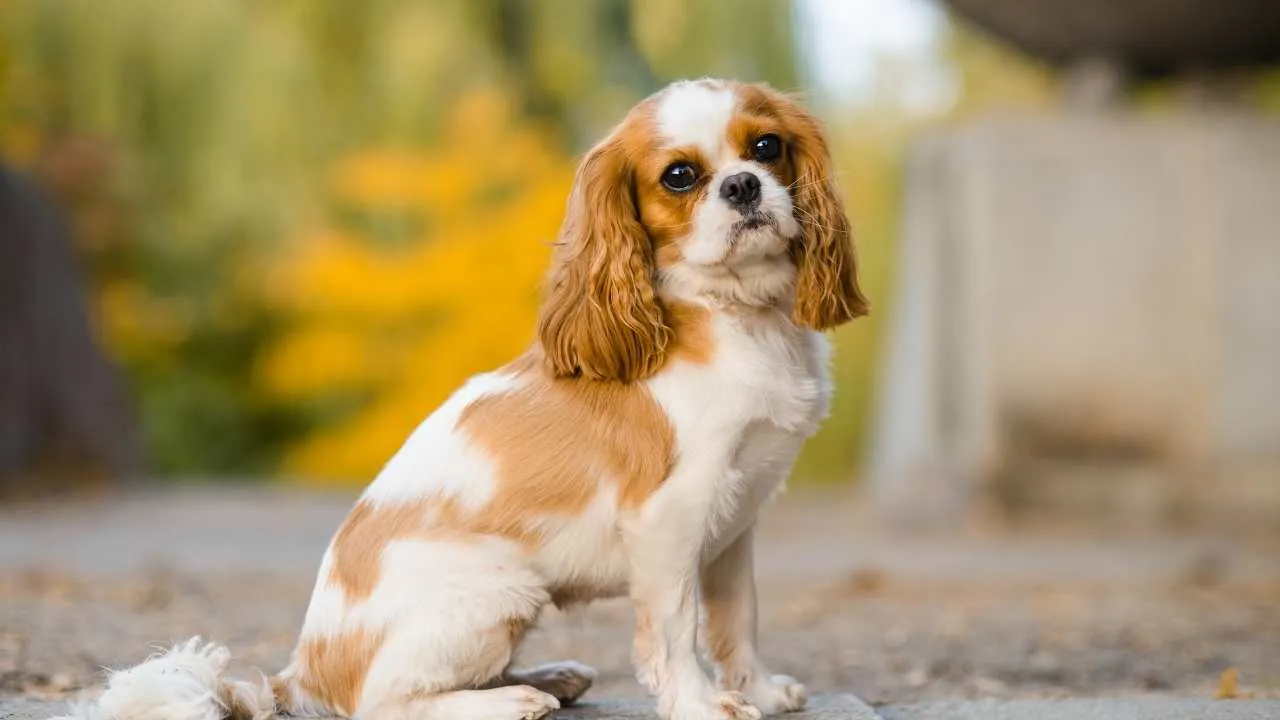
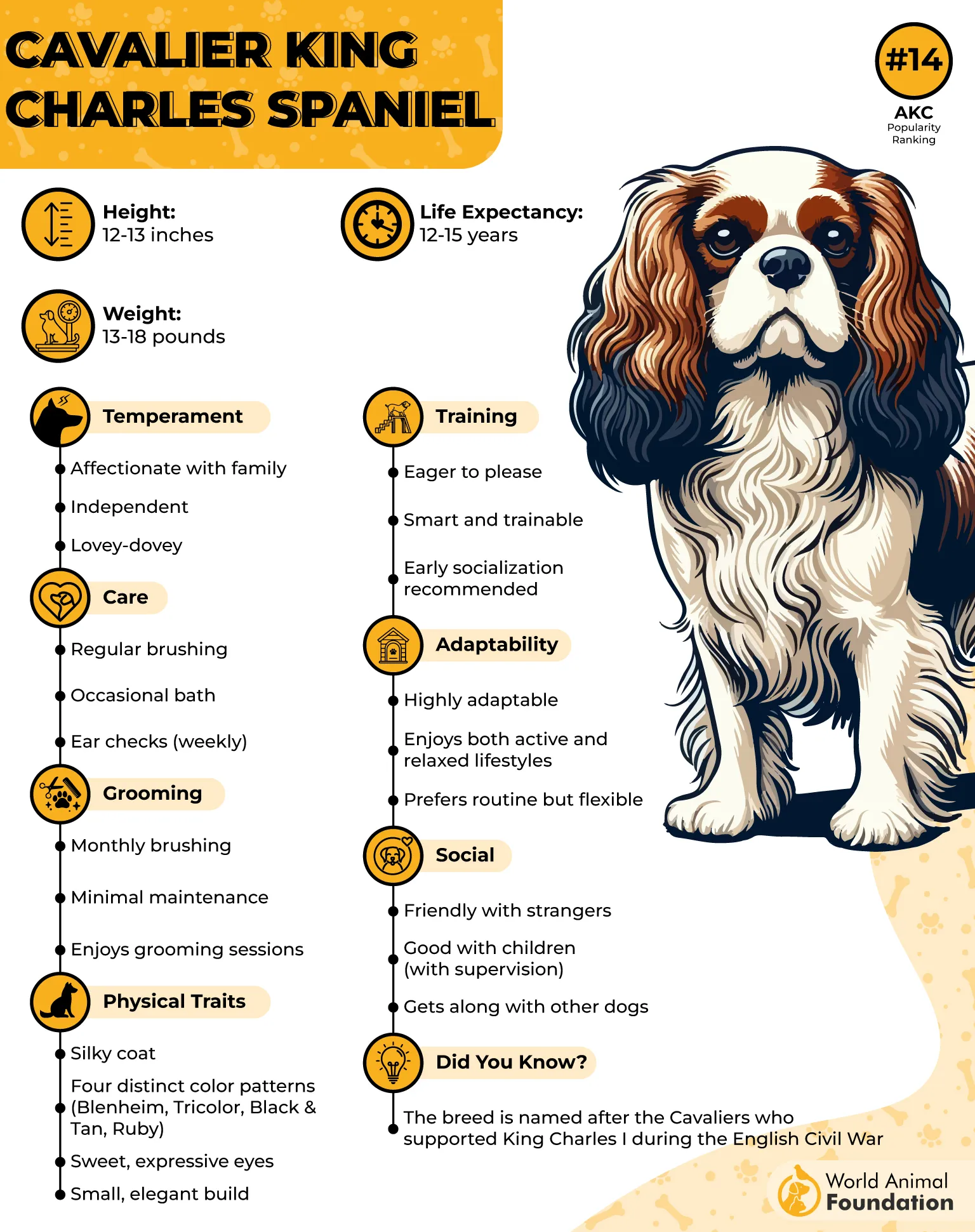
The Cavalier King Charles Spaniel is basically emotional support wrapped in silky ears, but this gentle breed is not short on learning ability. They are affectionate, intelligent, and eager to cooperate with their people, which makes basic training feel less like a negotiation.
Their biggest training advantage is a sincere desire to make human beings happy. Praise, soft encouragement, tiny treats, and a cheerful voice can motivate a Cavalier without requiring intense pressure.
Cavalier puppies benefit from lessons that fit naturally into daily life. Ask for a sit before meals, a brief wait at doors, four paws on the floor before greetings, and a settled position during quiet family time.
Although Cavaliers appear devoted enough to follow their owners anywhere, their scenting and hunting heritage can interfere with recall. Owners should still introduce new experiences gradually so that the puppy builds confidence rather than becoming overwhelmed.
Tip To Train Them Super Fast
Build lessons into meals by using part of the dog’s measured food allowance to reward calm everyday manners.
Speak gently and celebrate correct choices, since emotional confidence helps a sensitive Cavalier learn efficiently.
5. Havanese
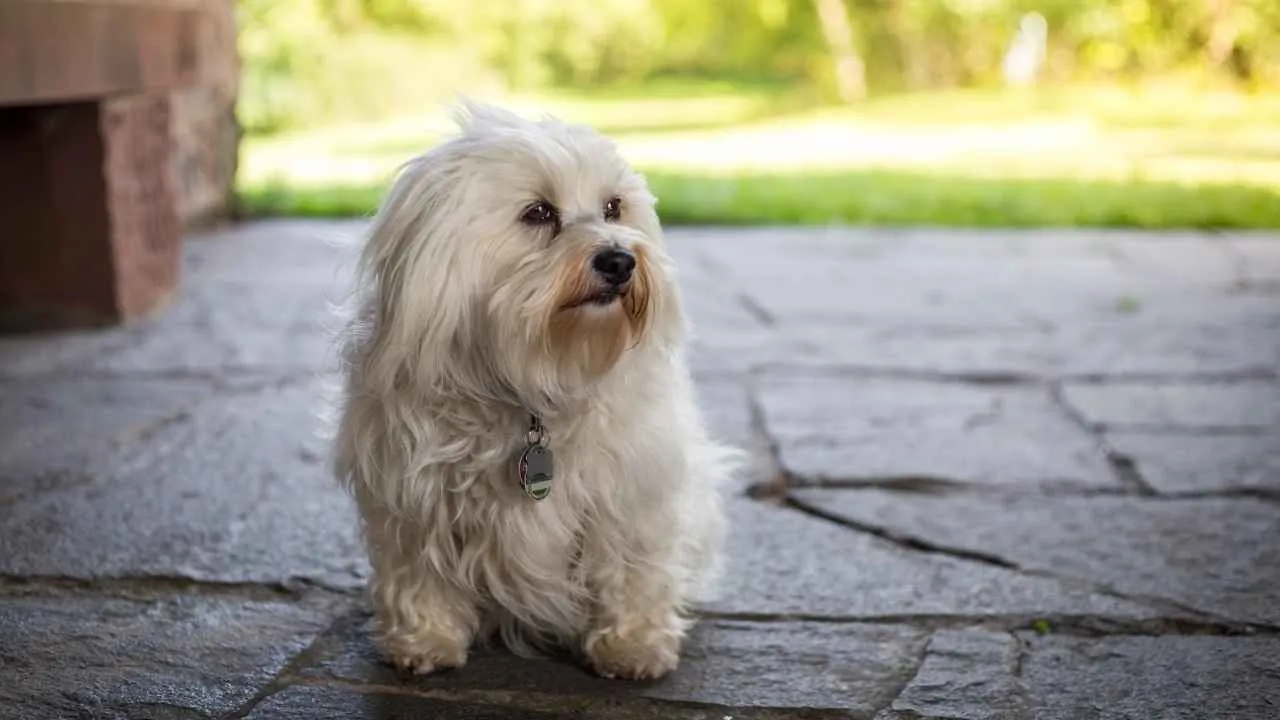
The Havanese enters the training arena with charm, intelligence, and the unmistakable confidence of a dog that knows everyone is watching. These sociable companion dogs are highly attentive to their humans and generally eager to earn approval.
Training works best when the lesson feels like quality time rather than strict classroom discipline. Their playful personalities suit tricks such as waving, circling, weaving between legs, ringing a bell, or putting toys into a basket.
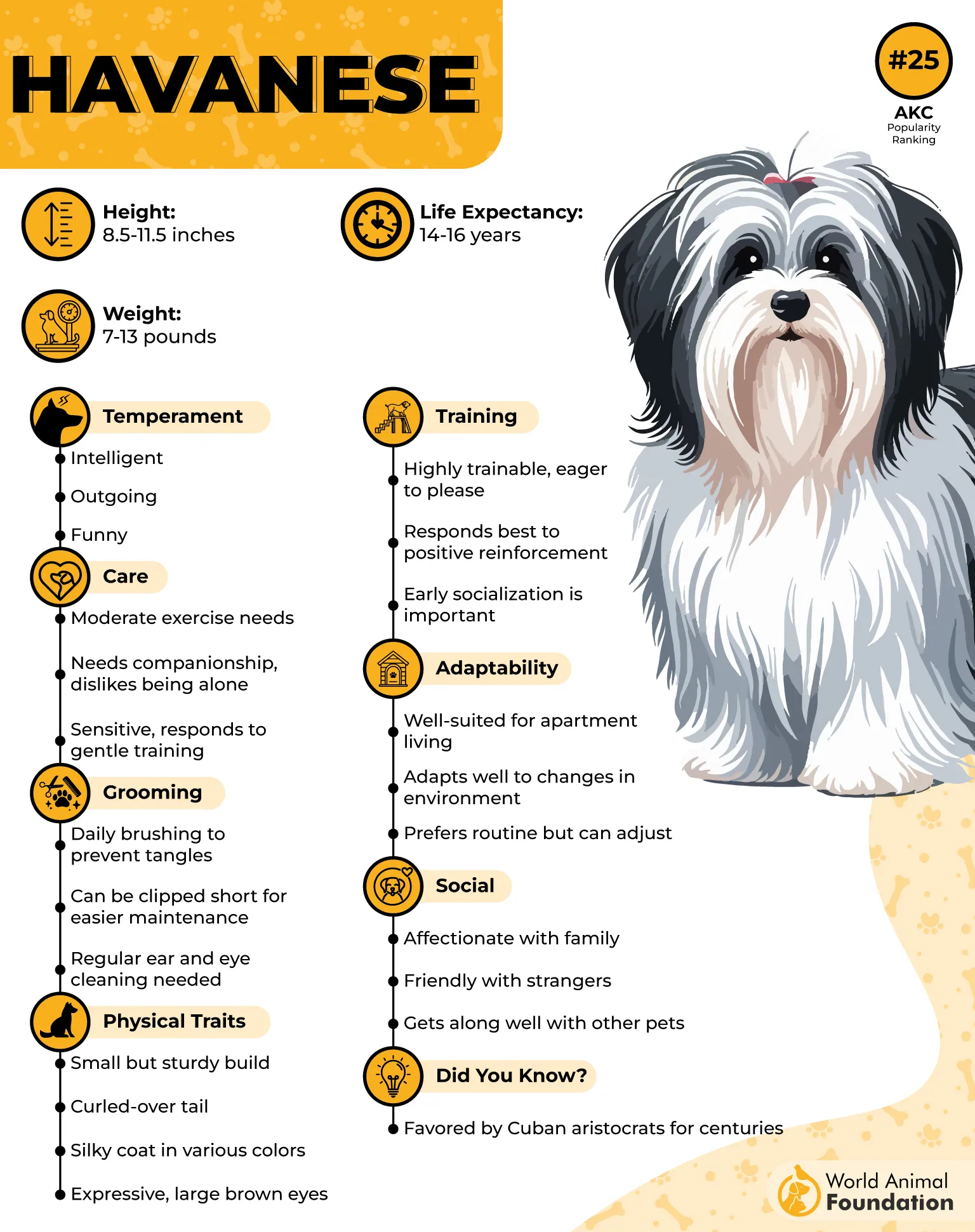
These small dogs can be emotionally sensitive, so frustration travels down the leash faster than owners sometimes realize. Scolding may cause hesitation, avoidance, or confusion instead of helping the dog understand what should happen next.
Because Havanese dogs love company, independence training should begin while the puppy still feels secure. Provide a comfortable pen or resting area, offer a safe chew, step away briefly, and return before distress escalates.
Moderate exercise improves concentration because a dog with excess energy may struggle to remain still.
Tip To Train Them Super Fast
Break complicated tricks into miniature steps and reward every visible piece of progress before joining the sequence together.
Practise brief, pleasant separations daily so independence develops alongside obedience.
6. Bichon Frise
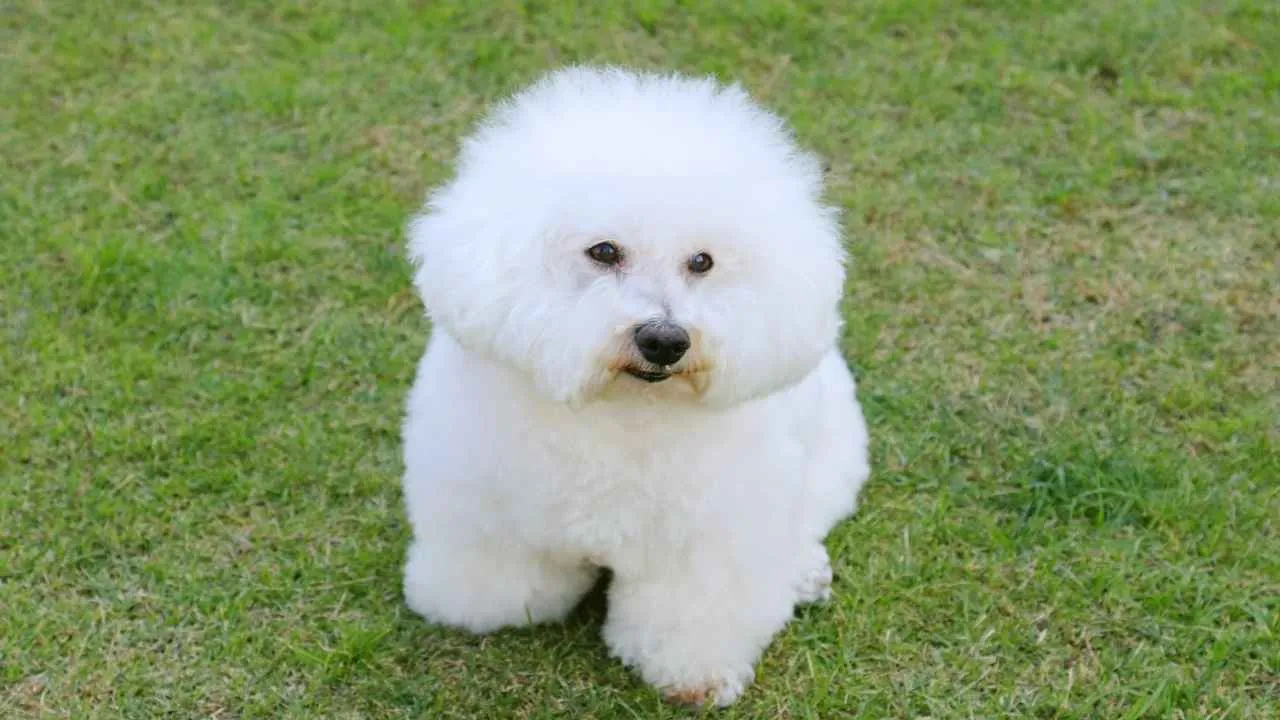
The Bichon Frise looks like a cheerful cotton ball that has recently received excellent news. Underneath the cloud-like coat is a curious, people-focused dog that loves applause and quickly discovers which behaviors generate it.
Performance comes naturally to a breed whose ancestors spent part of their history entertaining audiences. Modern Bichons can enjoy obedience, agility, rally, and trick training because they combine sociability with surprising athletic ability.
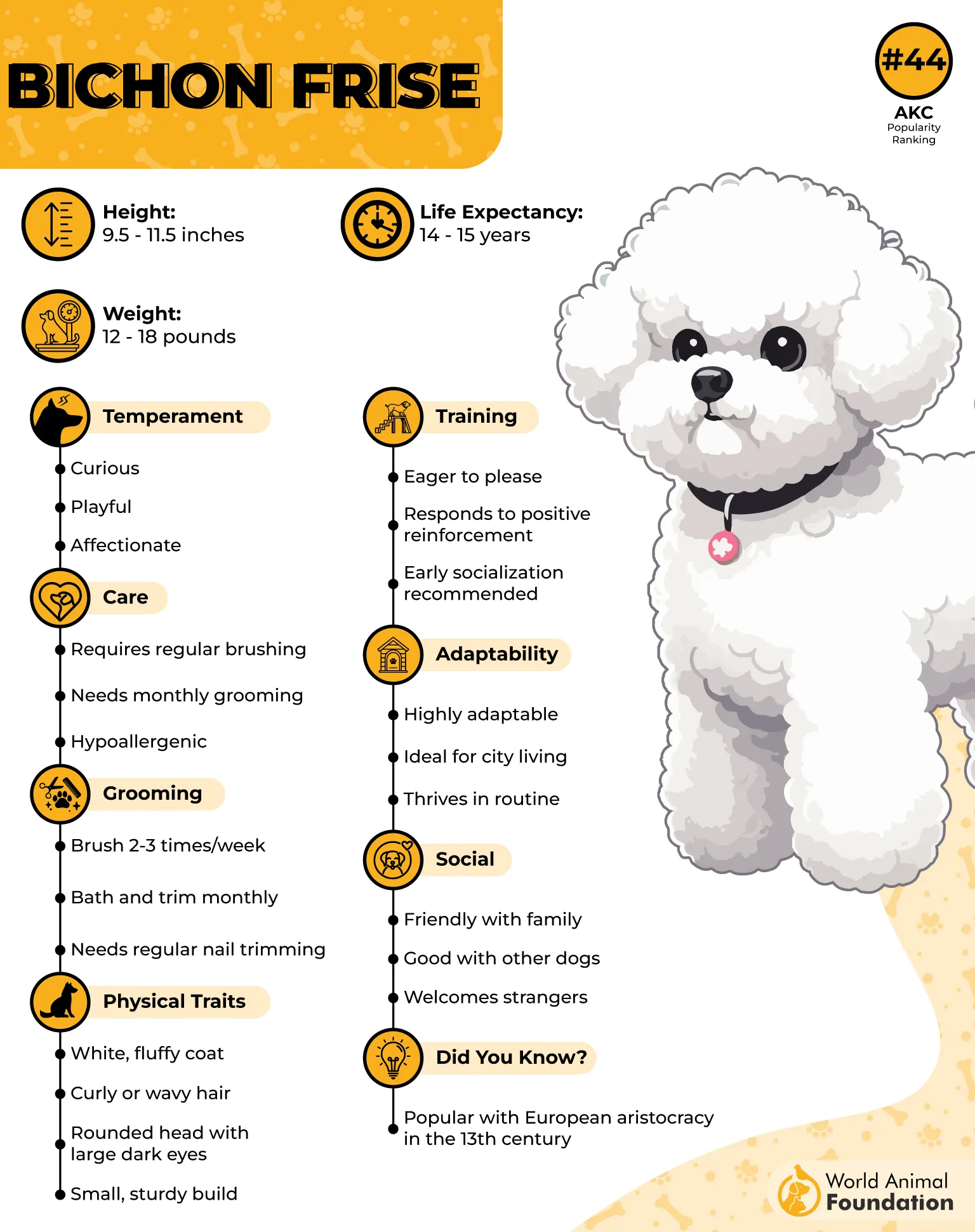
The important reality check is house-training, claims The Royal Kennel Club, an area in which Bichons have a reputation for being more challenging. Their small size, dislike of unpleasant weather, and opportunities to sneak away indoors can slow progress when supervision is relaxed.
Their enthusiasm sometimes produces jumping during greetings, especially when a favorite person returns home. Teach the dog that attention begins only when four paws remain on the floor or the dog sits calmly.
Tip To Train Them Super Fast
Track meals, water, naps, accidents, and successful toilet trips for several days to reveal the puppy’s natural schedule.
Use trick training as a reward for calmer exercises, allowing the Bichon to finish each session with something theatrical.
7. Toy Fox Terrier
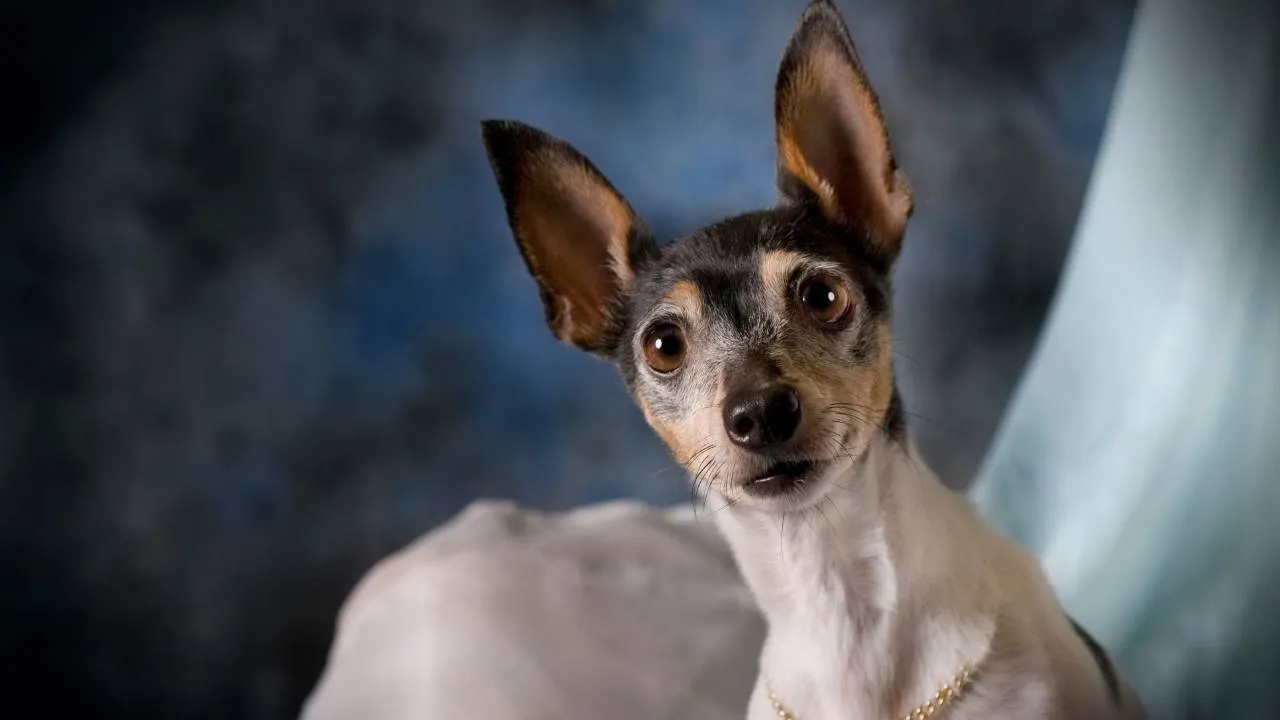
The Toy Fox Terrier is what happens when lapdog charm and terrier determination are compressed into a little body. These small dogs tend to learn quickly because they notice movement, routines, rewards, and environmental changes with intense focus.
With consistent training, these compact companions can move from household obedience to tricks, scent games, rally exercises, or miniature agility challenges without losing enthusiasm.
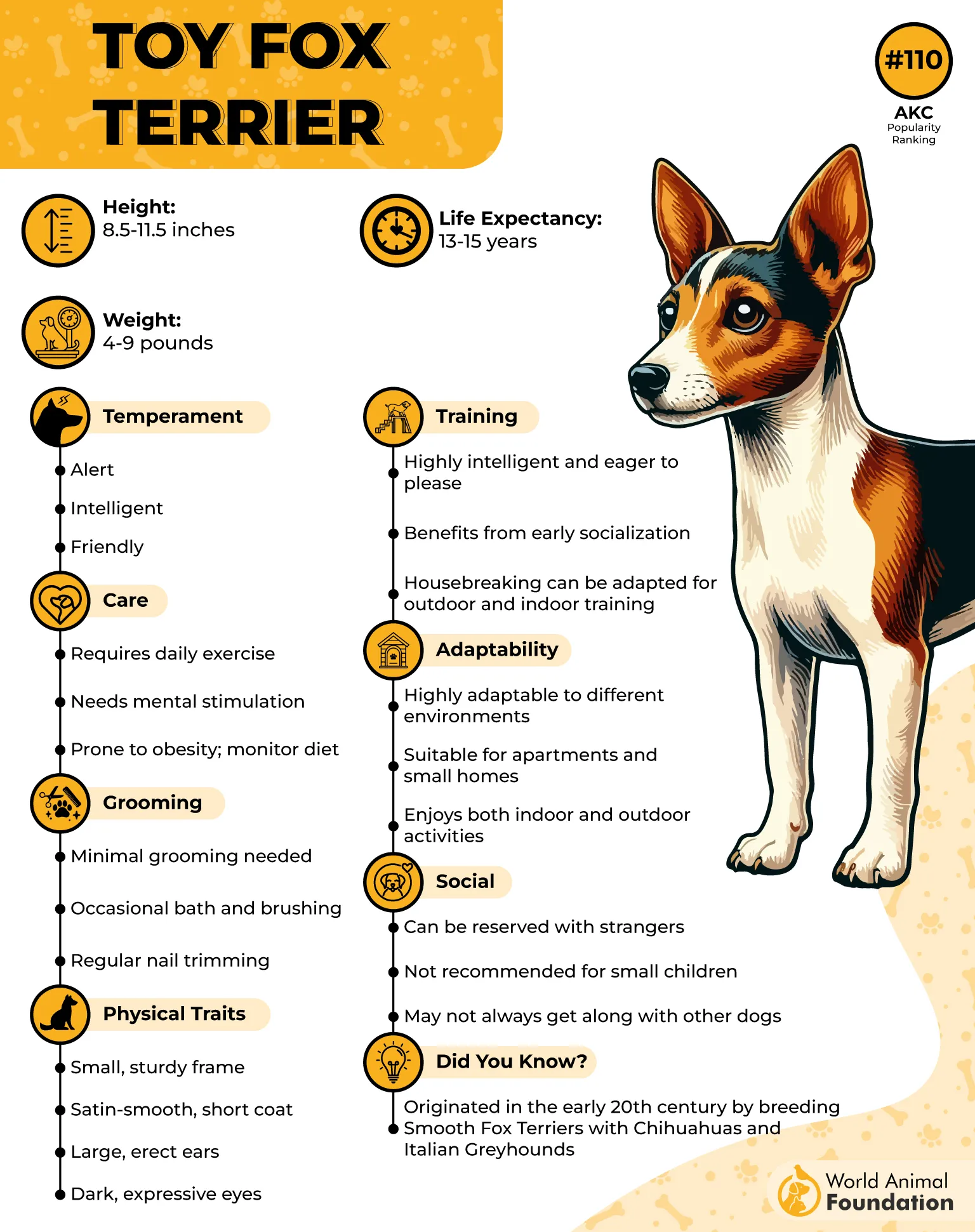
Terrier instincts mean impulse-control training sessions should start before the dog has developed a full-time obsession with chasing. “Leave it,” “wait,” “drop,” and attention around moving objects can reduce the chances of the dog launching after something small and fast.
These great family pets often enjoy food rewards after physical exercise, but their tiny bodies cannot absorb an unlimited training buffet. Divide treats into extremely small pieces or use part of the dog’s daily meal to prevent accidental overfeeding.
Tip To Train Them Super Fast
Reward eye contact around gradually faster-moving toys before teaching the dog to ignore real outdoor distractions.
Cut treats into crumb-sized pieces so dozens of successful repetitions do not overload a four-to-nine-pound trainee.
Conclusion
Breed tendencies provide a head start, not a guaranteed graduation certificate. Choose a dog whose energy, grooming, sensitivity, and personality suit your household, then train with patience from the first day. Keep the lessons short, make the rewards meaningful, and your tiny bestie may start collecting new skills faster than you can think of commands.
Miniature Poodles and Border Terriers are also quick learners that understand new tricks pretty fast.
