




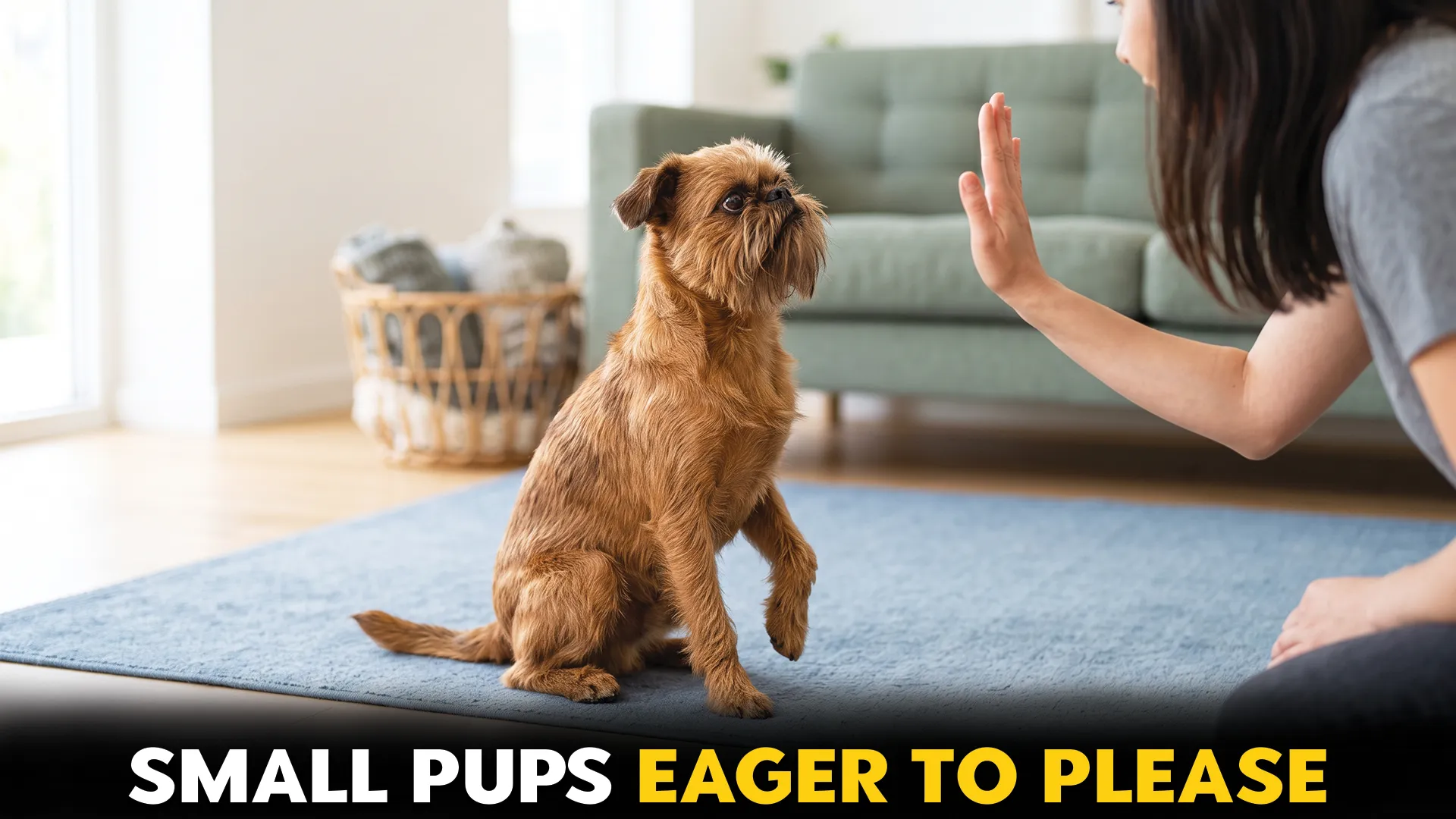
Small dogs sometimes get away with behavior that would cause absolute chaos in a larger breed, simply because their owners can scoop them up and carry them away. That strategy may stop the immediate drama, but it does not teach polite greetings, reliable recall, calm leash walking, or sensible household manners.
“Eagerly obey” does not mean that every dog from these breeds will perform like a furry remote-controlled vehicle. Genetics influence qualities such as attentiveness, sensitivity, energy, independence, and motivation, but age, health, early experiences, and training history also shape behavior.
Positive reinforcement is the shared cheat code for all nine breeds in this guide. Reward desired behavior immediately, keep lessons short, practise in different locations, and avoid repeating commands until they become meaningless background noise.
Small Dog Breeds That Eagerly Obey
1. Toy Poodle
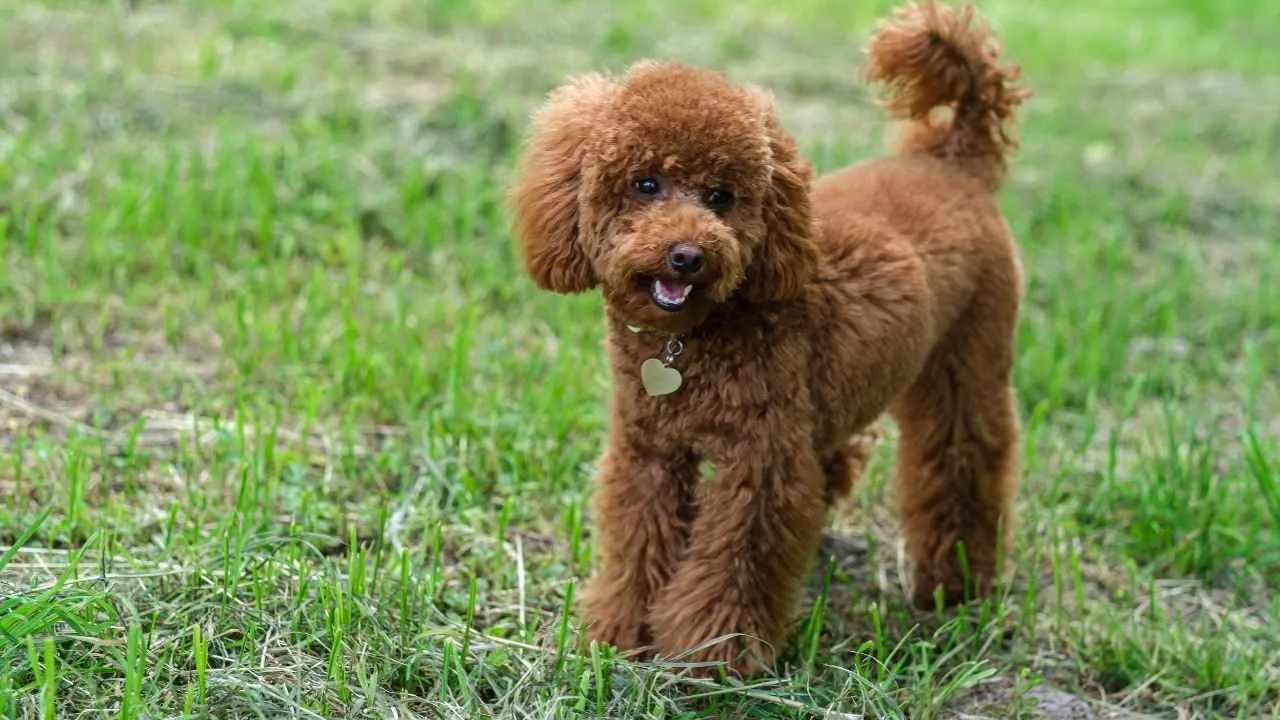
The Toy Poodle is proof that an elegant haircut and a serious working brain can exist in the same tiny package. The American Kennel Club describes Poodles as eager, versatile dogs that can be trained successfully in obedience, agility, tracking, and other activities.
These miniature overachievers often learn new words, movement patterns, and household routines after surprisingly few well-timed repetitions. They tend to watch their owners closely, making it easier to capture behaviors such as sitting calmly, offering eye contact, following a hand target, or settling on a mat.
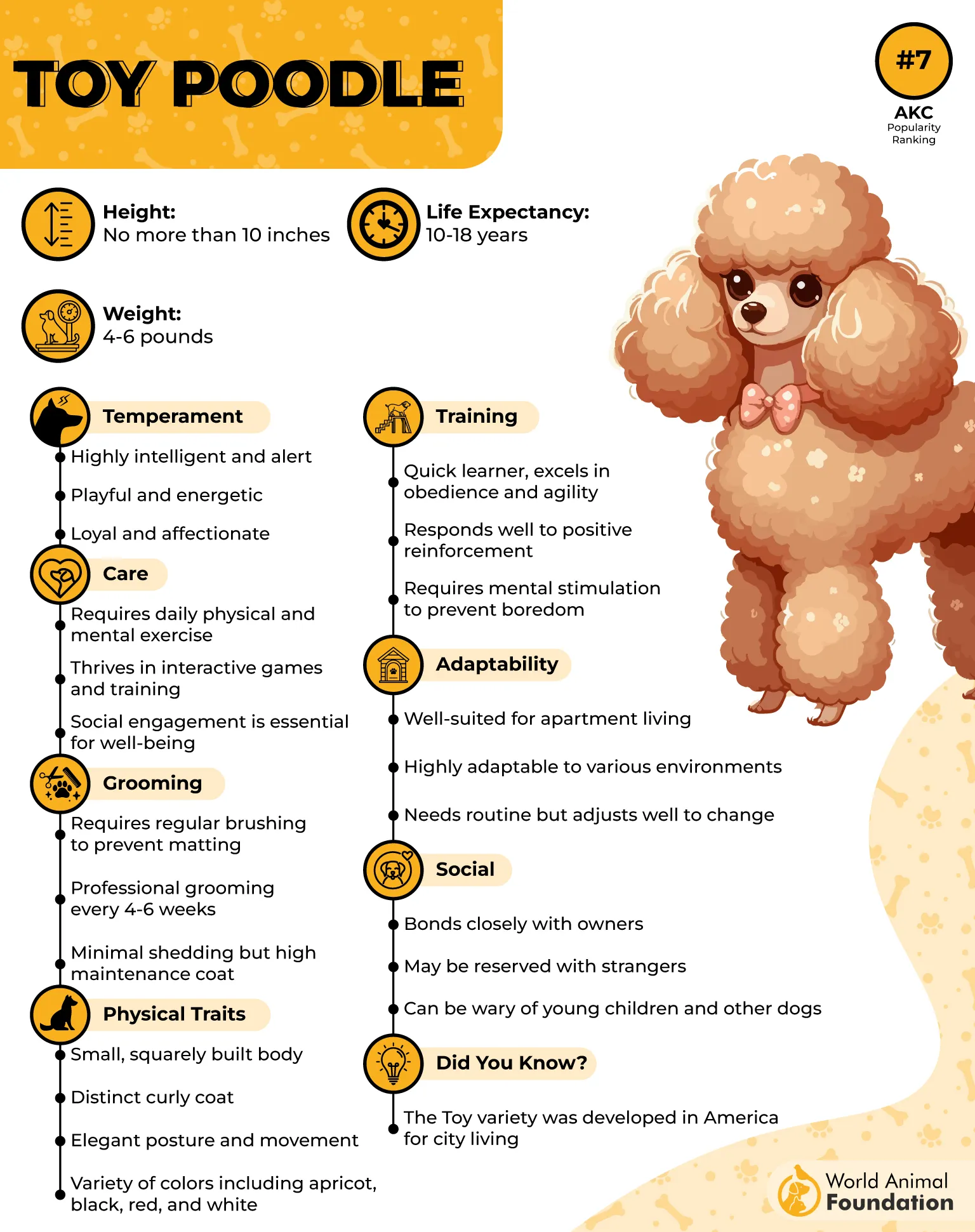
This intelligent breed of dogs has retrieving ancestry, so many Toy Poodles naturally enjoy chasing, carrying, and returning suitable objects. Owners can use that instinct to teach “take it,” “bring,” “drop,” and “leave it” while giving the dog an appropriate physical outlet.
Giving attention when the dog demand-barks, opening the door during scratching, or dropping food during dramatic begging can create habits that become difficult to reverse. Everyone in the household should therefore follow the same rules, because a Toy Poodle will locate the weakest link with corporate-level efficiency.
2. Shih Tzu
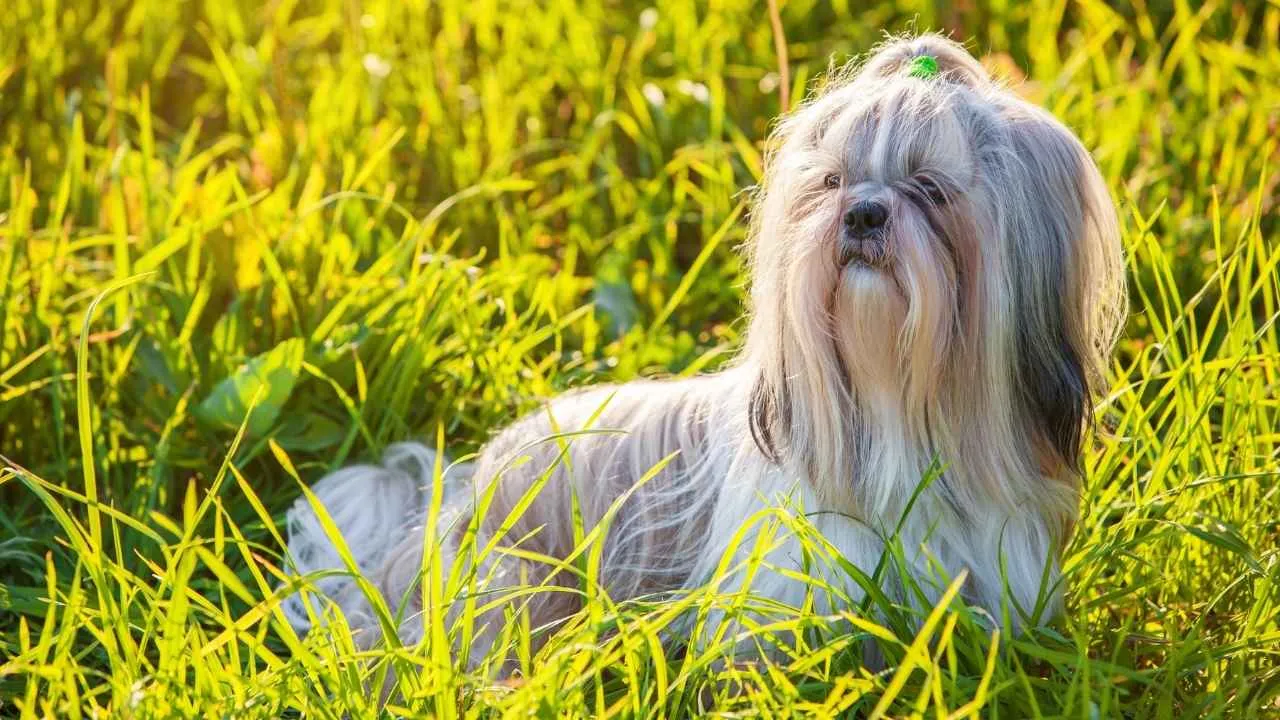
The Shih Tzu was developed as a companion rather than a field worker, so its strongest motivation is often remaining close to favorite people. Their affectionate, outgoing nature can support training beautifully when owners make attention and praise part of the reward.
Training a Shih Tzu can be equal parts adorable and strategically challenging, suggests PetMD. These dogs are clever enough to recognize when an owner will abandon a rule after one soulful stare, and they may repeat whatever behavior successfully produces attention.
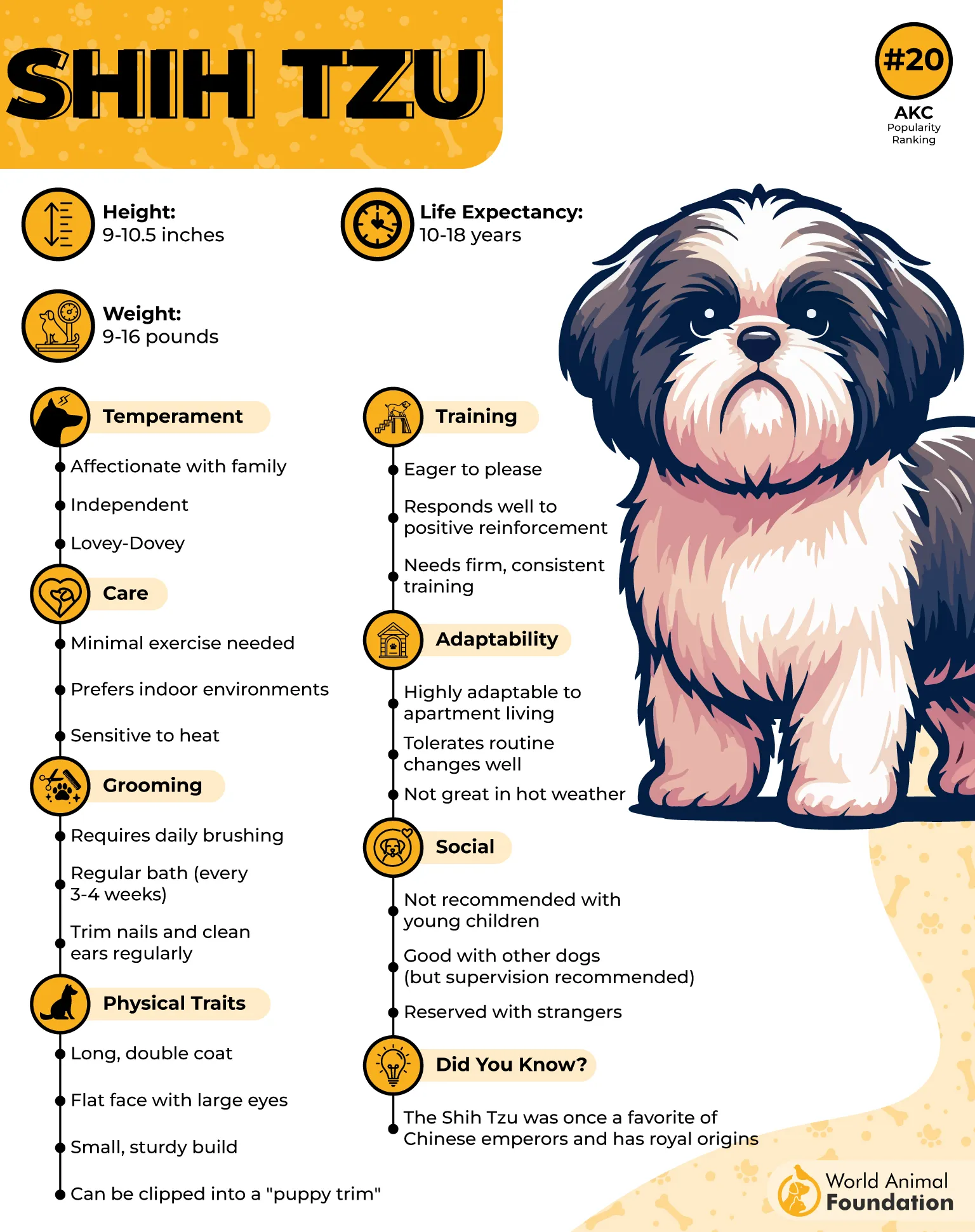
Praise, food, play, and access to valued spaces can all reinforce cooperation. Ask for a brief sit before meals, clip the leash only when all four paws are on the ground, and open doors after a moment of calm. These tiny daily lessons build obedience naturally without turning the household into a permanent training seminar.
House-training requires extra patience because small companion dogs may need frequent bathroom breaks and close supervision. A predictable schedule after waking, eating, playing, and napping prevents more accidents than punishment ever could.
3. Brussels Griffon
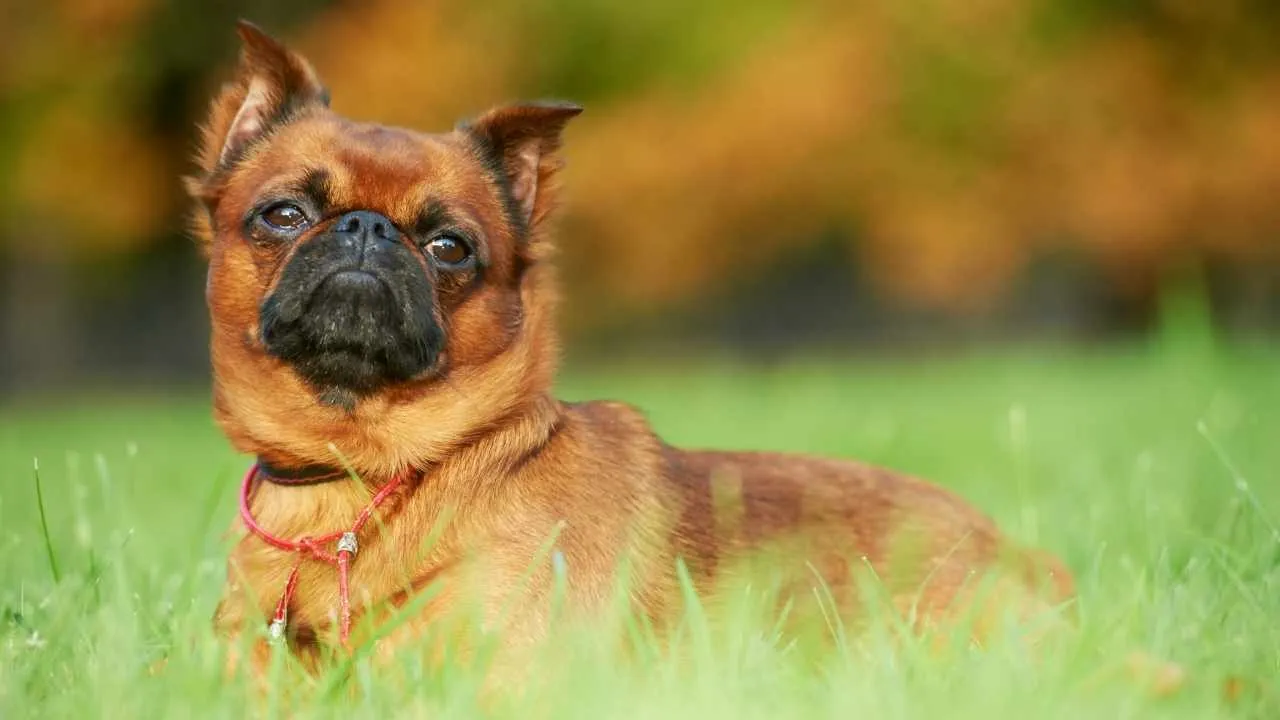
The Brussels Griffon looks like a pocket-sized philosopher who has already formed several complicated opinions about your decisions. The breed’s intense attachment to its people often makes human approval a powerful training reward.
Griffons tend to follow their chosen humans from room to room, which gives owners many natural opportunities to reinforce good behavior. A dog that voluntarily checks in can be rewarded for eye contact, walking nearby, settling quietly, or coming when called.
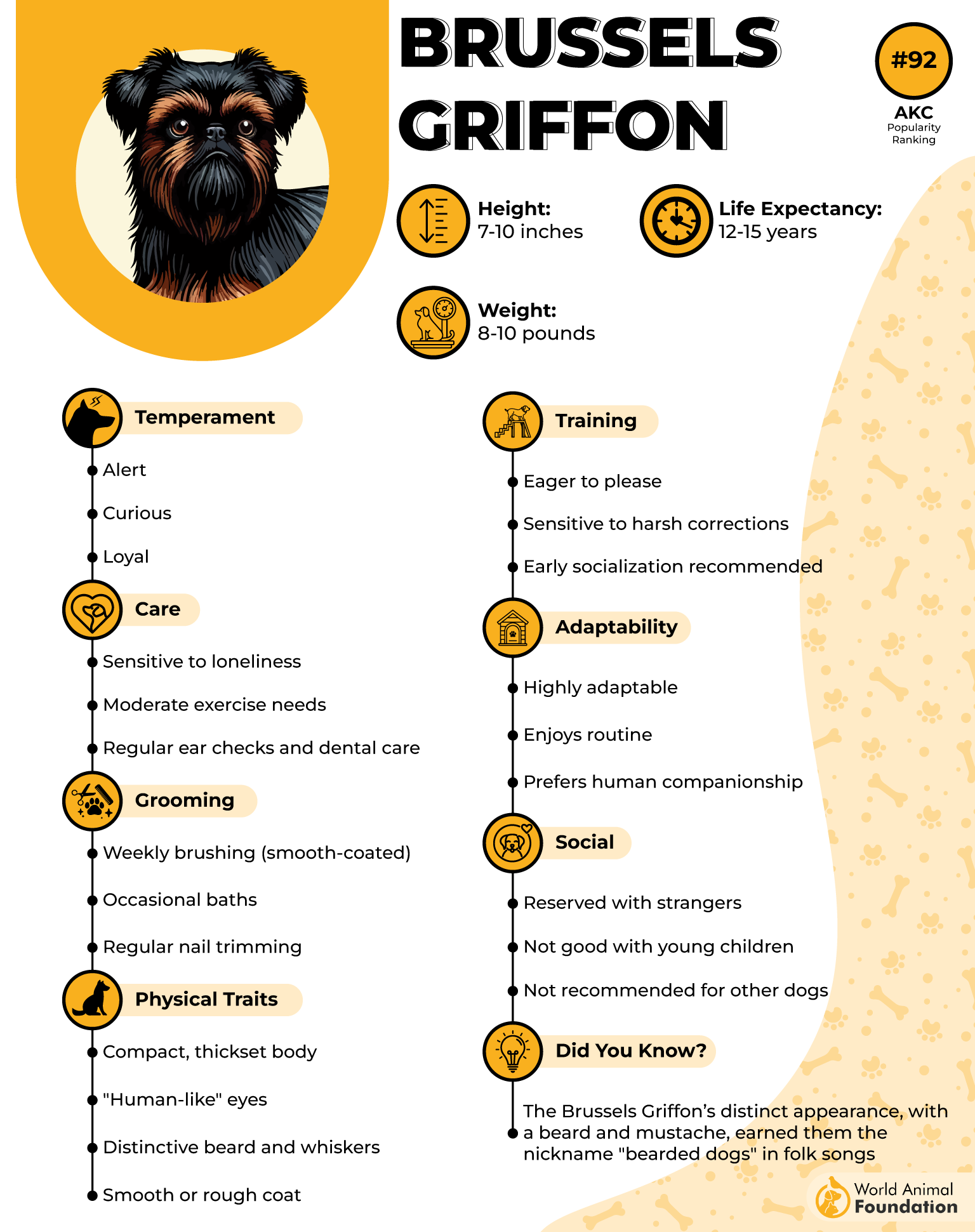
Sensitivity is both a strength and a responsibility with this breed. Brussels Griffons quickly notice tone, body language, and frustration, so harsh corrections may make them anxious or reluctant to participate.
Griffons generally need at least half an hour of moderate daily exercise, and training can provide part of that activity. Many enjoy ball games, agility-style obstacles, obedience, tracking, and energetic play conducted with their favorite person.
4. Havanese
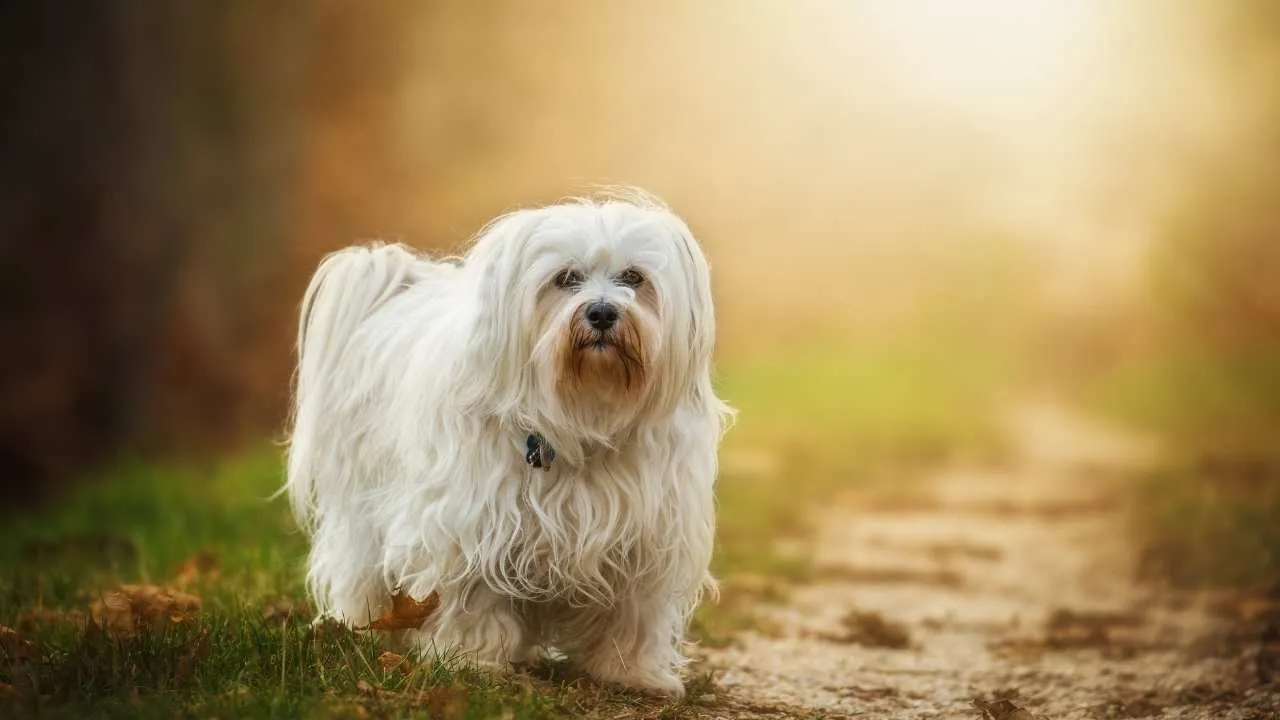
The Havanese is Cuba’s native dog breed and a cheerful companion known for intelligence, humor, and serious social confidence. These dogs are natural entertainers that often enjoy learning tricks because every successful performance creates another opportunity for attention.
Havanese dogs respond especially well when complex behaviors are divided into simple steps. Teaching a dog to place toys in a basket might begin with touching the basket, progress to holding an object above it, and end with releasing the toy into the basket.
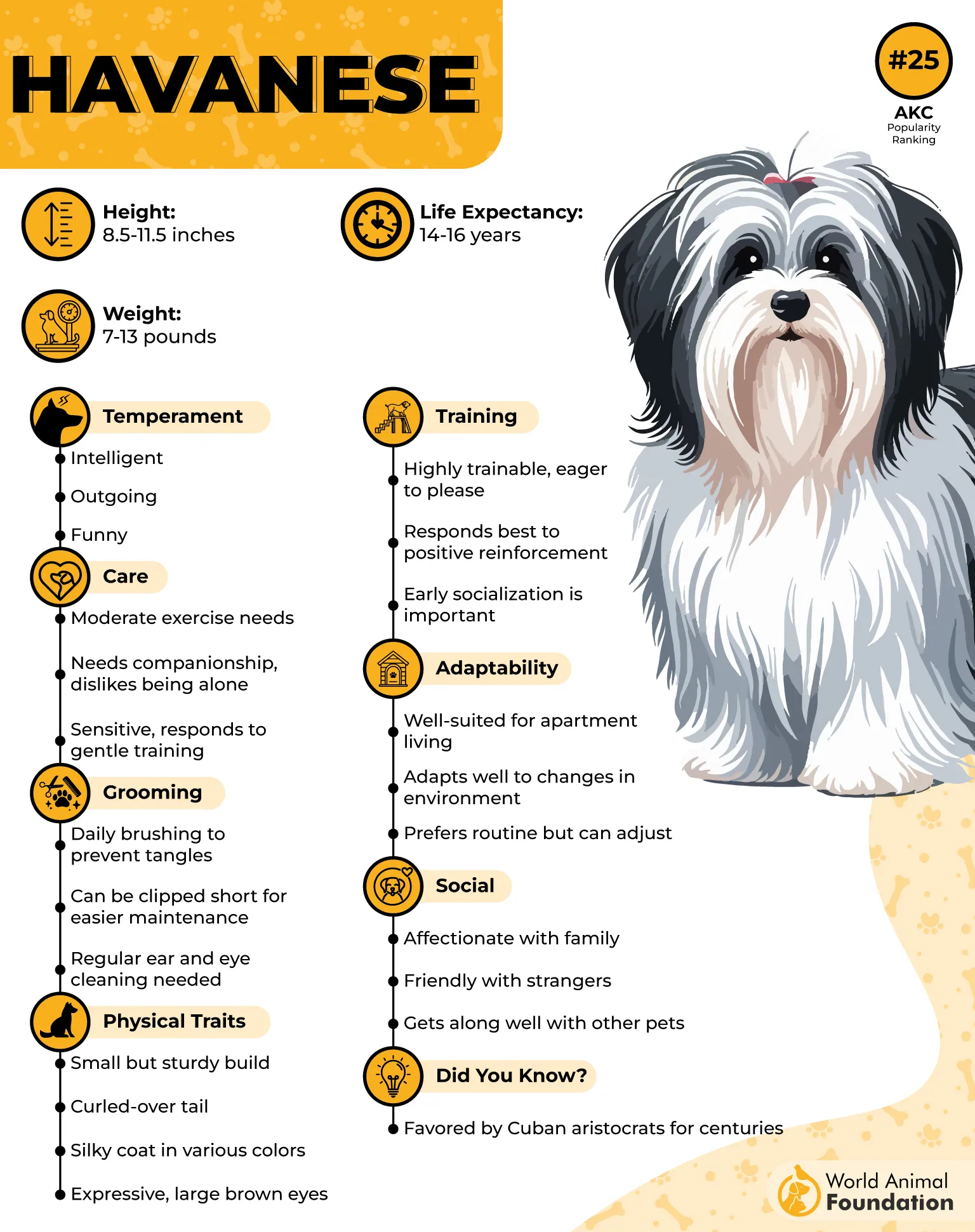
Harsh scolding is a major training flop with this sensitive breed. A frightened or discouraged Havanese may freeze, avoid the owner, or stop offering behavior altogether rather than suddenly becoming more obedient.
Gentle redirection, clear markers, and rewards for the correct alternative usually restore cooperation much faster.
Because Havanese dogs form strong attachments, consistent training should accompany obedience from puppyhood. Owners can provide a safe resting area, offer an appropriate chew, step away briefly, and return while the dog remains relaxed.
5. Papillon
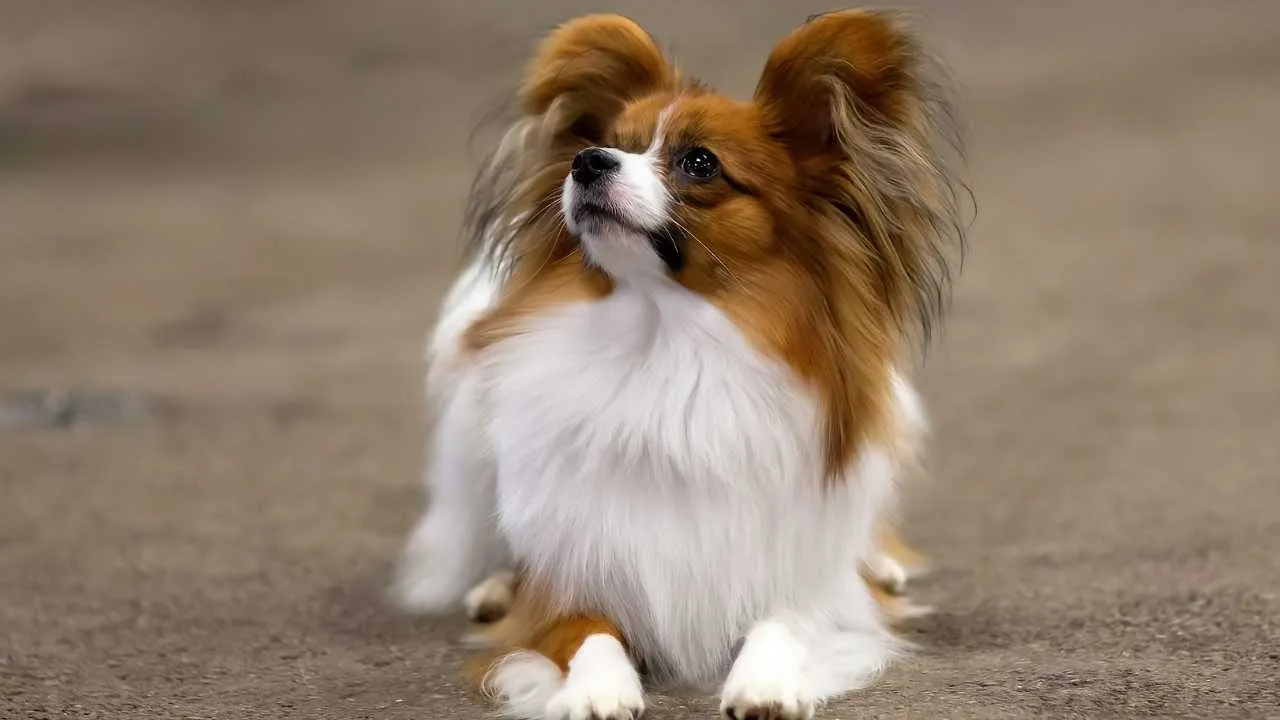
The Papillon carries one of the most recognizable ear styles in the dog world, but the brain beneath those butterfly-shaped fringes deserves equal hype. They are alert, friendly, energetic dogs with strong trainability and a desire for mental activity.
Papillons commonly excel when lessons involve movement, novelty, and fast feedback. Tricks such as spinning, weaving, circling objects, standing on platforms, and running miniature obstacle courses suit their agility and enthusiasm.
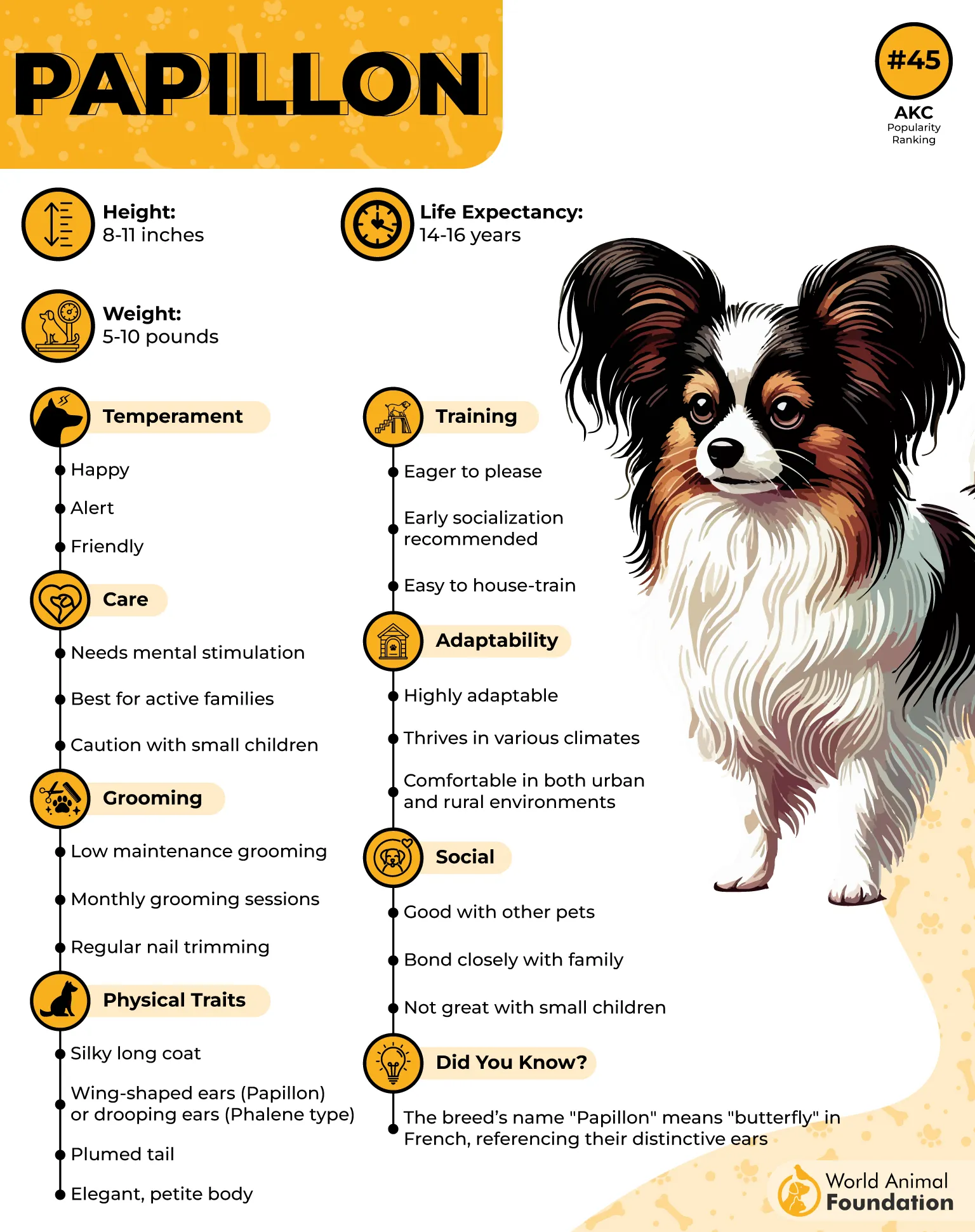
Reliable recall is particularly important because these little spaniels can become intensely interested in moving objects. Begin inside with almost no distractions, reward rapid responses generously, and increase environmental difficulty in small increments.
Their small size can tempt owners to carry them away whenever an unfamiliar situation appears. Protection is necessary around rough dogs, careless children, and dangerous environments, but removing a puppy from every harmless novelty may prevent confidence from developing.
6. Japanese Chin
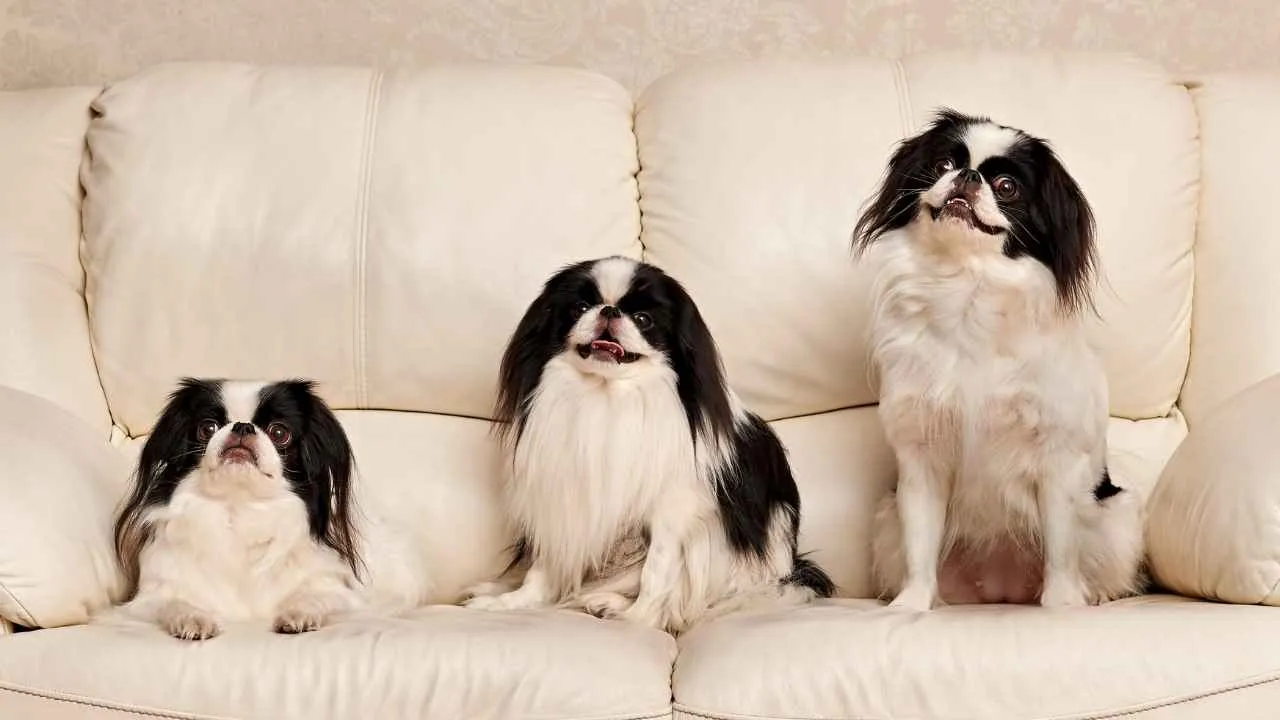
The Japanese Chin was bred to charm, amuse, and comfort people, not to perform demanding work. This history created a highly companionable dog with a famously cat-like personality and an occasional belief that commands are merely thoughtful suggestions.
Positive reinforcement is essential because this breed can emotionally shut down when treated harshly. Cheerful praise, small rewards, playful movement, and a light tone keep the dog engaged without creating pressure.
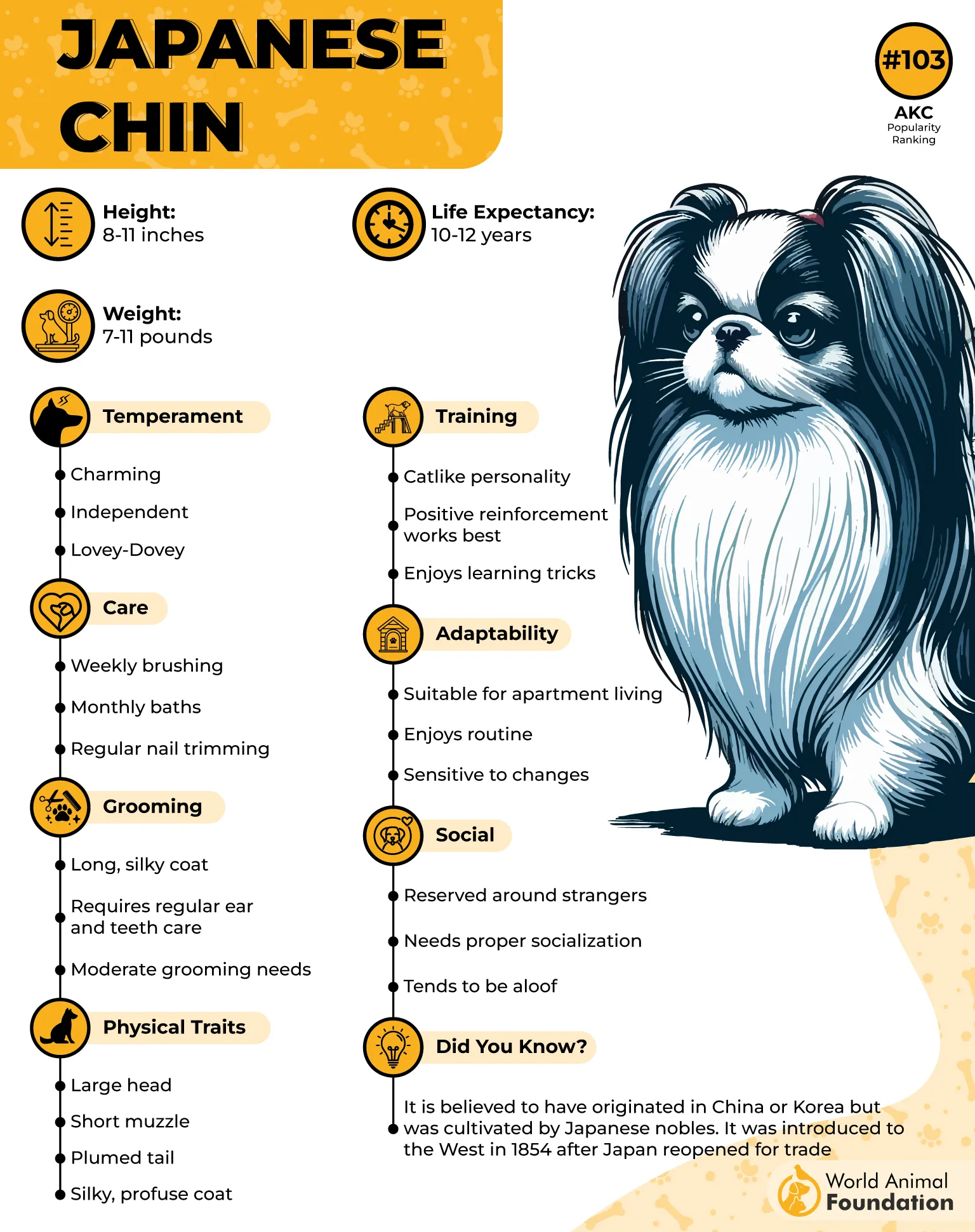
This toy breed of dog often enjoys tricks that generate admiration from an audience. Waving, spinning, sitting upright, touching a target, entering a carrier, and climbing onto a designated cushion can become favorite activities. Finishing each session with an easy, familiar behavior helps preserve confidence and enthusiasm.
Training should remain brief because prolonged repetition can cause attention to fade dramatically. Two or three minutes of focused work several times daily may yield better results than a single extended session.
This Japanese dog’s responsiveness grows through trust rather than rigid control. Owners should establish predictable routines, reinforce calm choices, and prevent unwanted behavior from becoming rewarding.
7. Yorkshire Terrier
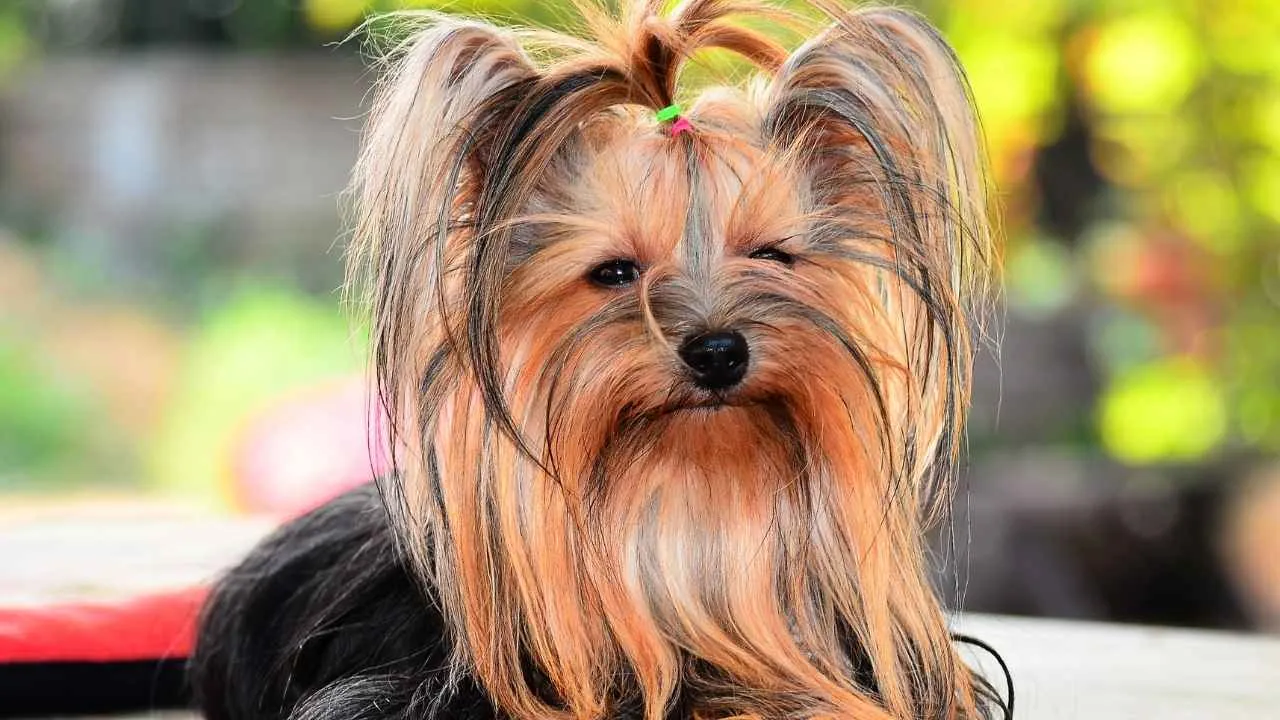
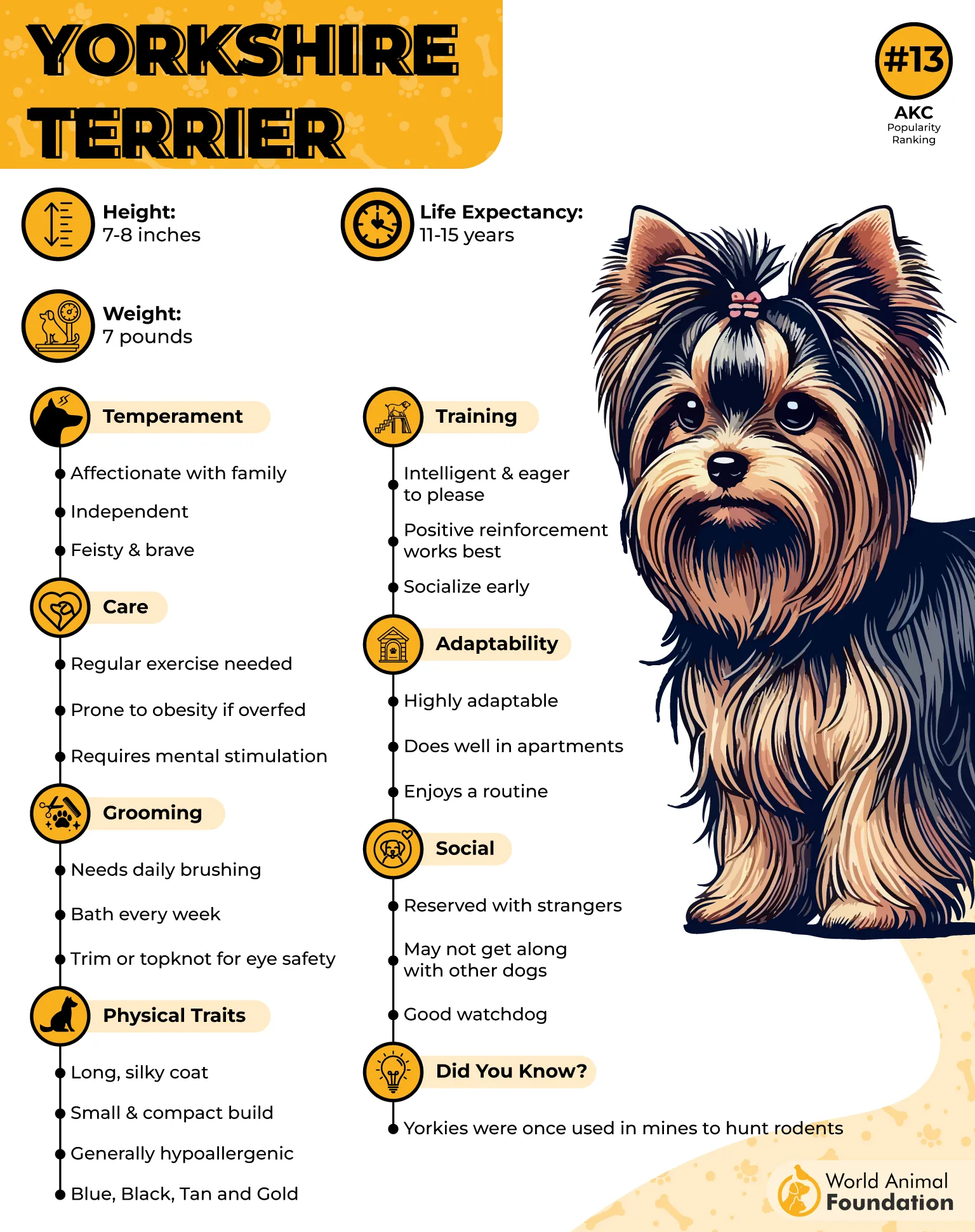
The Yorkshire Terrier may weigh only a few pounds, but its historical roots are more those of a working-class hero than of a decorative handbag resident. These energetic breeds of dogs were developed from terriers used to pursue vermin, contributing to their boldness, alertness, persistence, and willingness to investigate movement.
Many Yorkies bond closely with their people and pay careful attention to established household patterns. They can learn obedience cues, tricks, scent games, and practical routines quickly when rewards compete successfully with environmental excitement.
Alert barking should be addressed before it becomes the household’s soundtrack. Owners can acknowledge the initial warning, call the dog away from the window or door, and reward quiet behavior on a designated mat.
Small size makes house-training management particularly important. Frequent bathroom trips, supervision, and careful scheduling are more effective than assuming the dog can wait as long as a much larger adult.
8. Silky Terrier
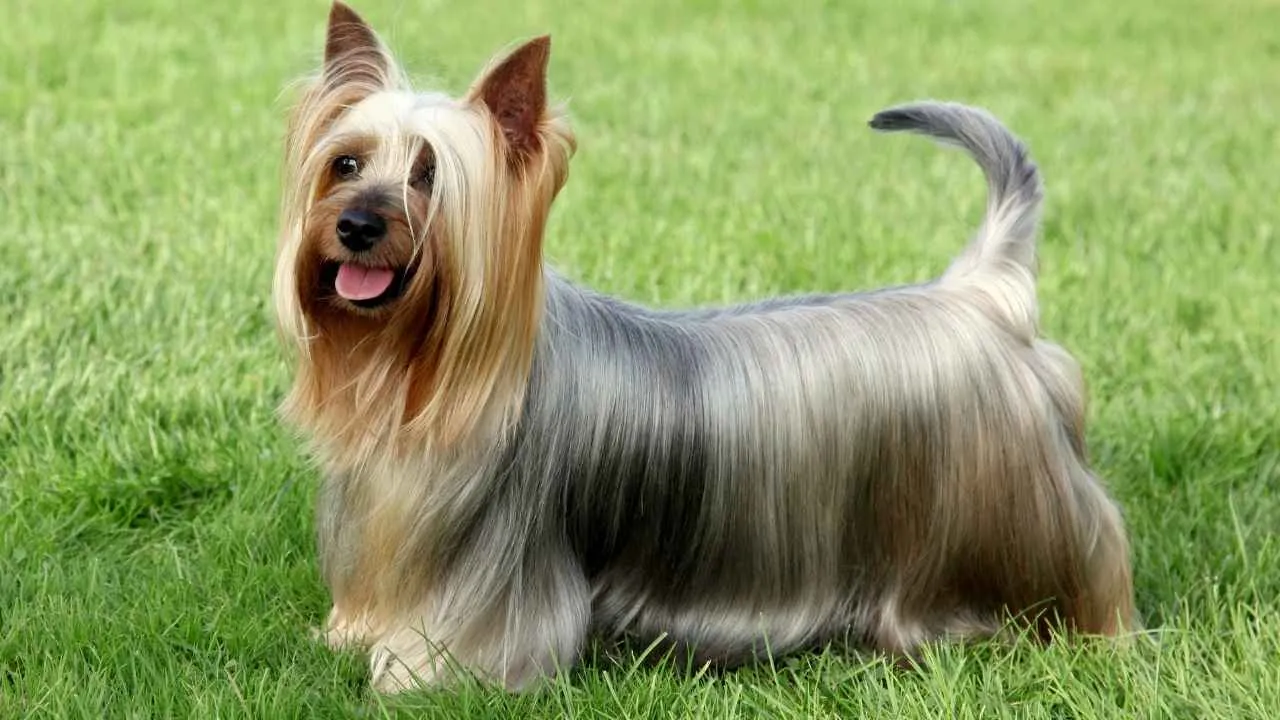
The Silky Terrier is sometimes mistaken for a Yorkshire Terrier, but this Australian breed brings its own energetic and curious personality. The breed is friendly, quick, keenly alert, and far more terrier than passive lap decoration.
Silkies need owners who make rules early and actually remember to enforce them tomorrow. Their charm can persuade people to excuse consistently chasing, which teaches the dog that persistence defeats policy.
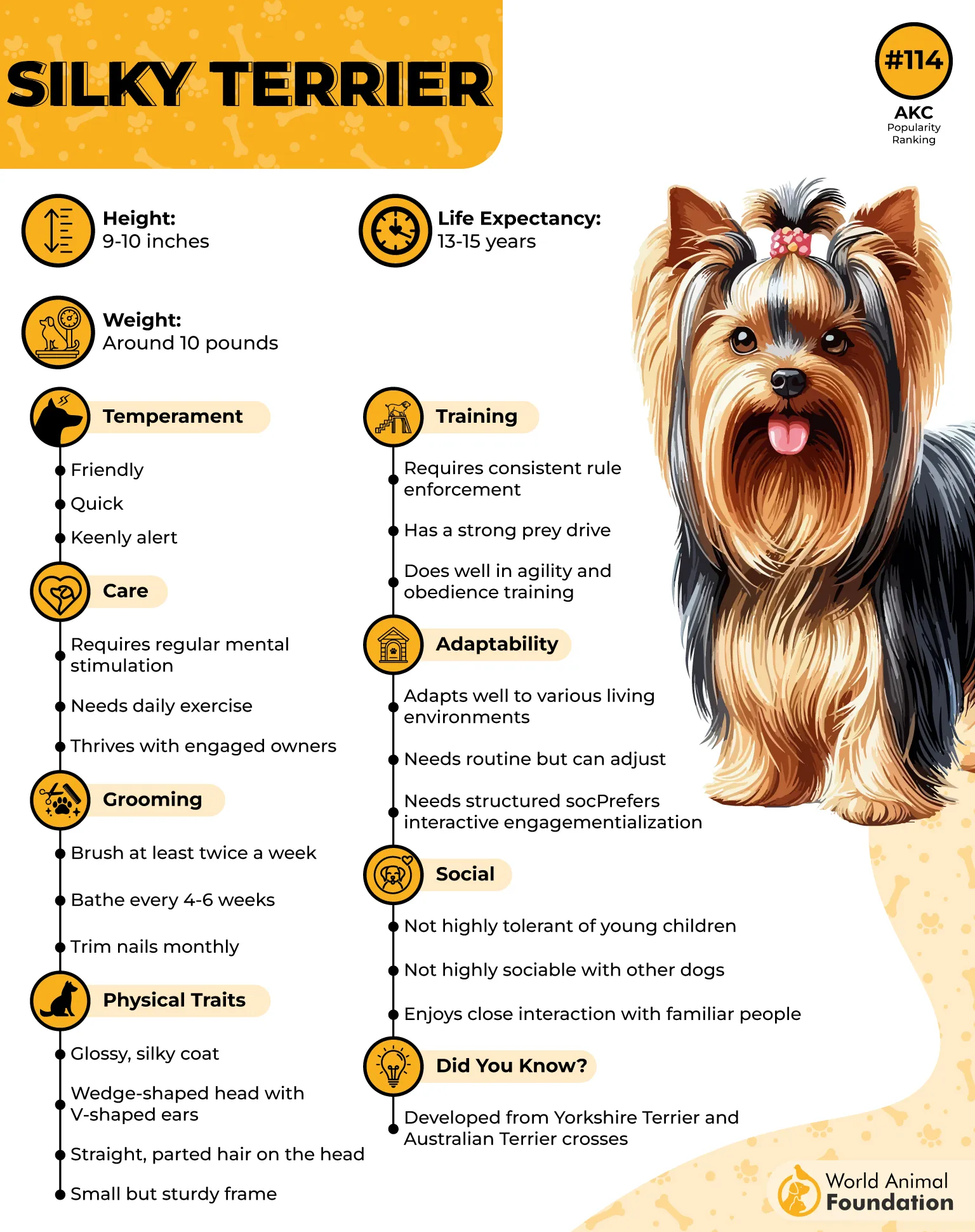
Purina claims that their energy makes motion-based training especially useful. Fetch, agility foundations, platform work, directional cues, and brisk recall games allow the dog to learn while physically engaged. Asking a lively Silky to remain motionless through a long lecture is basically requesting that a sports car enjoy permanent traffic.
Prey drive must be considered whenever training occurs outdoors. Silkies may chase small animals, so leash use and secure fencing remain important even after the dog performs reliably inside.
This breed thrives when included in walks, games, and regular family interaction. Ignoring a Silky for long stretches can leave its quick mind searching for less socially acceptable entertainment.
9. Italian Greyhound
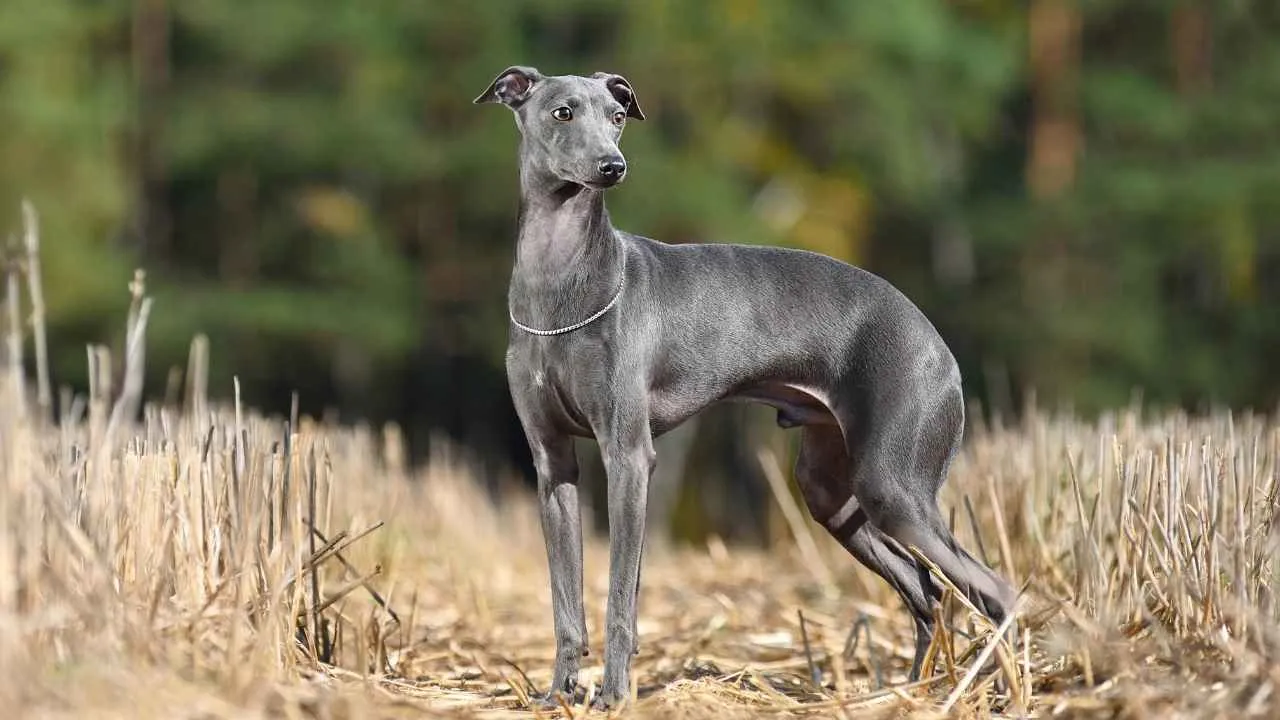
The Italian Greyhound combines elegant lines, remarkable speed, and the emotional sensitivity of a dog that can detect disappointment from three rooms away. Although affectionate and trainable, this miniature sighthound does not typically respond well to forceful handling or repetitive drilling.
They respond best when commands are firm, simple, and followed by lavish praise for success. Reward timing matters because even a few seconds of delay can leave the dog unsure which action earned the treat.
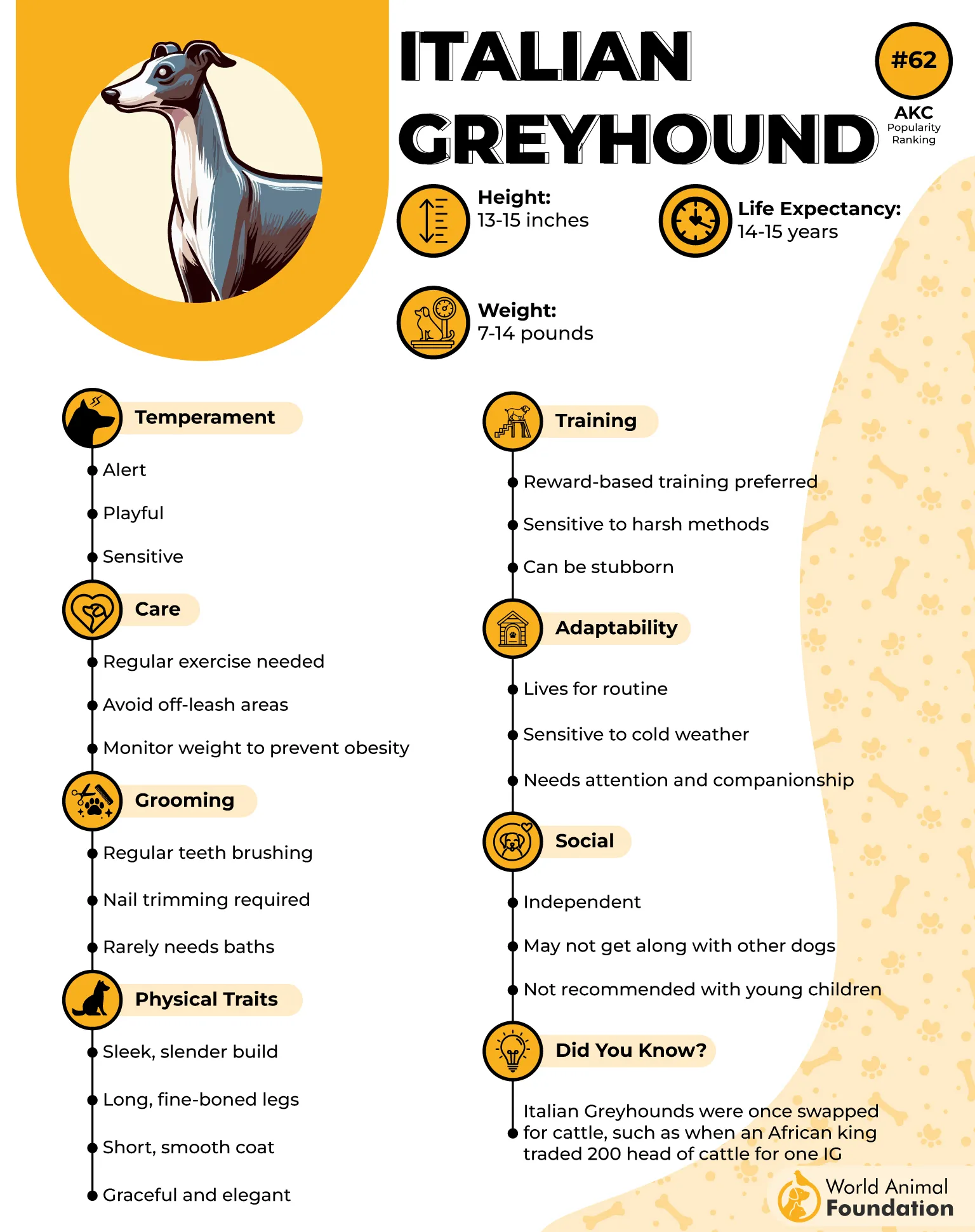
Proper training in the house is frequently one of the breed’s biggest challenges, particularly in cold, wet, or windy weather. A consistent toilet schedule, weather-appropriate clothing, close indoor supervision, and immediate outdoor rewards improve the odds considerably.
Recall requires serious management because moving animals can trigger the Italian Greyhound’s chasing instinct. Even a well-trained individual should not be allowed off-leash in an unfenced outdoor area, since speed can put the dog in danger before an owner has time to react.
Exercise for Greyhounds often comes through short walks and energetic bursts of play rather than prolonged endurance sessions. Training games involving restrained recalls, gentle tugging, target touches, and quick direction changes suit their athletic style without requiring excessive repetition.
Conclusion
Apart from those mentioned in the blog, Cavalier King Charles Spaniels, Miniature Schnauzers, Bichon Frises, Jack Russell Terriers, Pembroke Welsh Corgis, and Miniature Dachshunds are other dogs blessed with adaptive intelligence and a quick learning ability.
None of these breeds arrives pre-programmed to obey every command in every environment. Clear communication, early socialization, suitable exercise, immediate reinforcement, and household consistency turn natural potential into dependable behavior.
Put in that thoughtful work, and your compact bestie may become living proof that obedience has absolutely nothing to do with physical size.
