





Small dogs can pack a surprising amount of energy into a compact body. For people who want a lively companion without the size of a larger dog, playful small breeds can bring plenty of action to everyday life.
Their enthusiasm can turn ordinary activities like fetch, training, or a walk around the neighborhood into lively moments the household enjoys together. Even so, a dog’s size says little about its playful side, as smaller and larger breeds can both be full of energy and fun.
Some small breeds are busy, curious, and eager to interact, while others are happier with a slower routine. Age matters too, since puppies generally need more activity and supervision than mature dogs. The most enjoyable match comes from choosing a dog whose energy fits your schedule.
In this article, you’ll meet the small breeds known for bringing fun, movement, and personality to life, with their playful qualities clearly laid out.
Key Takeaways
Life with a playful small dog rarely stays quiet for long, especially when there is a toy, a puzzle, or a new trick to learn.
Bichon Frise has the entertainer’s spirit, and Jack Russell Terrier brings a much more intense kind of energy shaped by its working past.
As the list moves through Boston Terrier, Papillon, Toy Fox Terrier, and Yorkshire Terrier, each breed adds its own way of keeping people busy and entertained.
And there are still the Poodle, Border Terrier, and Pembroke Welsh Corgi ahead, each with a few playful traits that are easy to overlook until you know what to look for.
Top Small Dog Breeds That Bring Endless Playfulness
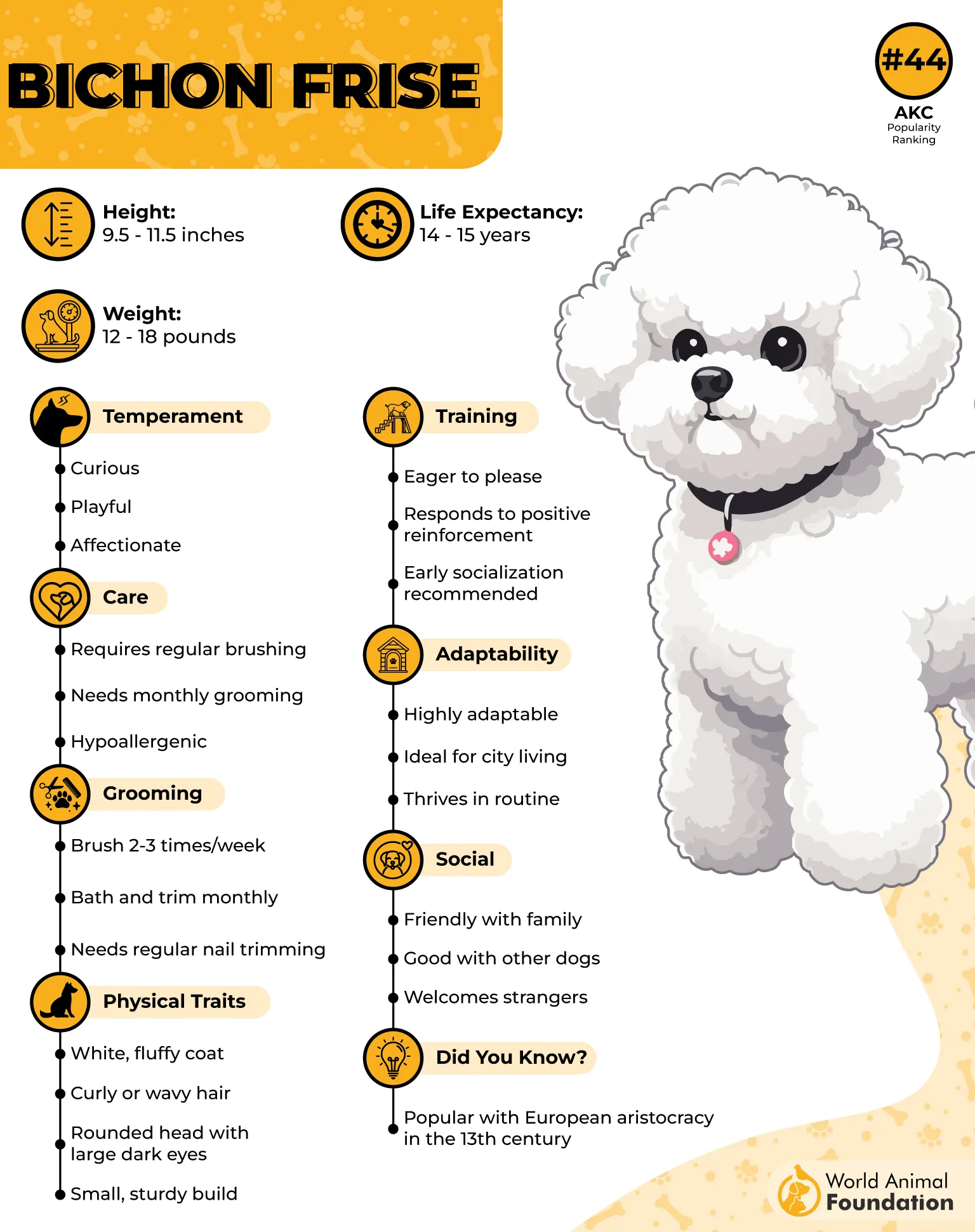
1. Bichon Frise
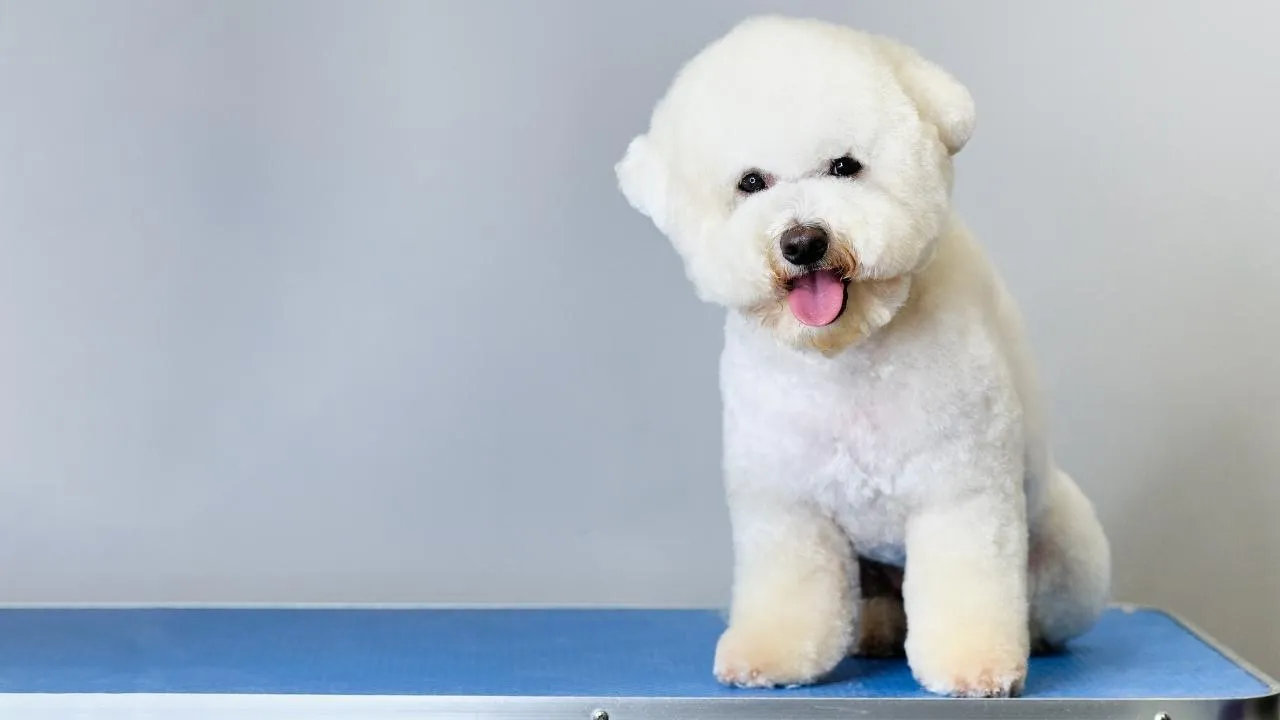
Bichon Frise began in the Mediterranean, with its roots linked to small white dogs crossed with larger water dogs and the Barbichon group that followed.
The Tenerife type later reached Italy with sailors, where the breed became fashionable among upper-class families before finding a new role among street performers.
Born to Entertain
Bichon Frise brings a lively spark to everyday play, with the intelligence and eagerness to please that made tricks a natural part of its past. Tug-of-war, fetching toys, neighborhood walks, and playful sessions in the living room or backyard give this little performer plenty to enjoy.
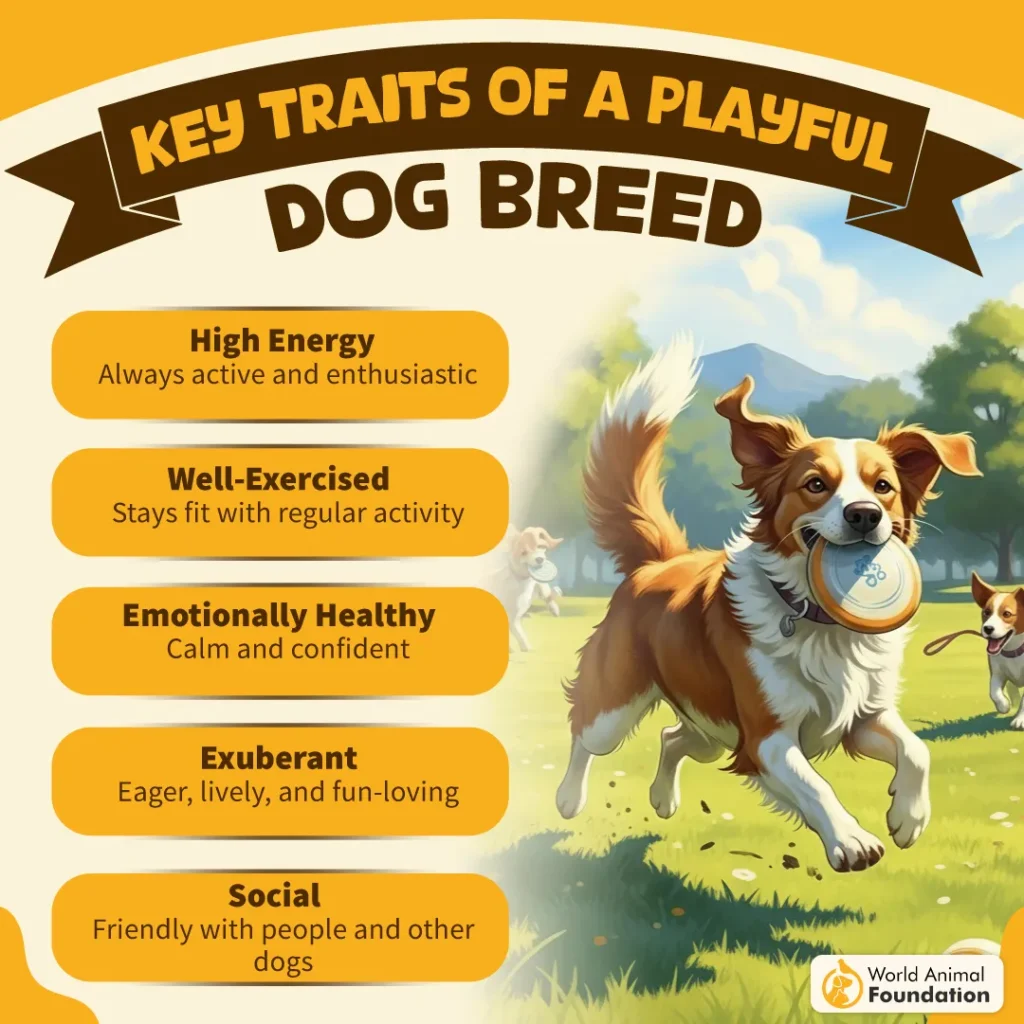
The playful side comes with some entertaining specifics:
Quick to learn new tricks
Enjoys being the center of attention
Has a naturally humorous manner
A Gentle Switch
This small breed can bring plenty of energy to playtime while also having a calm, gentle side that suits family life and therapy work, as Showsight Magazine reported. Its sweet disposition has made it useful in places such as hospitals and nursing homes, where friendly interaction can brighten someone’s day.
2. Jack Russell Terrier
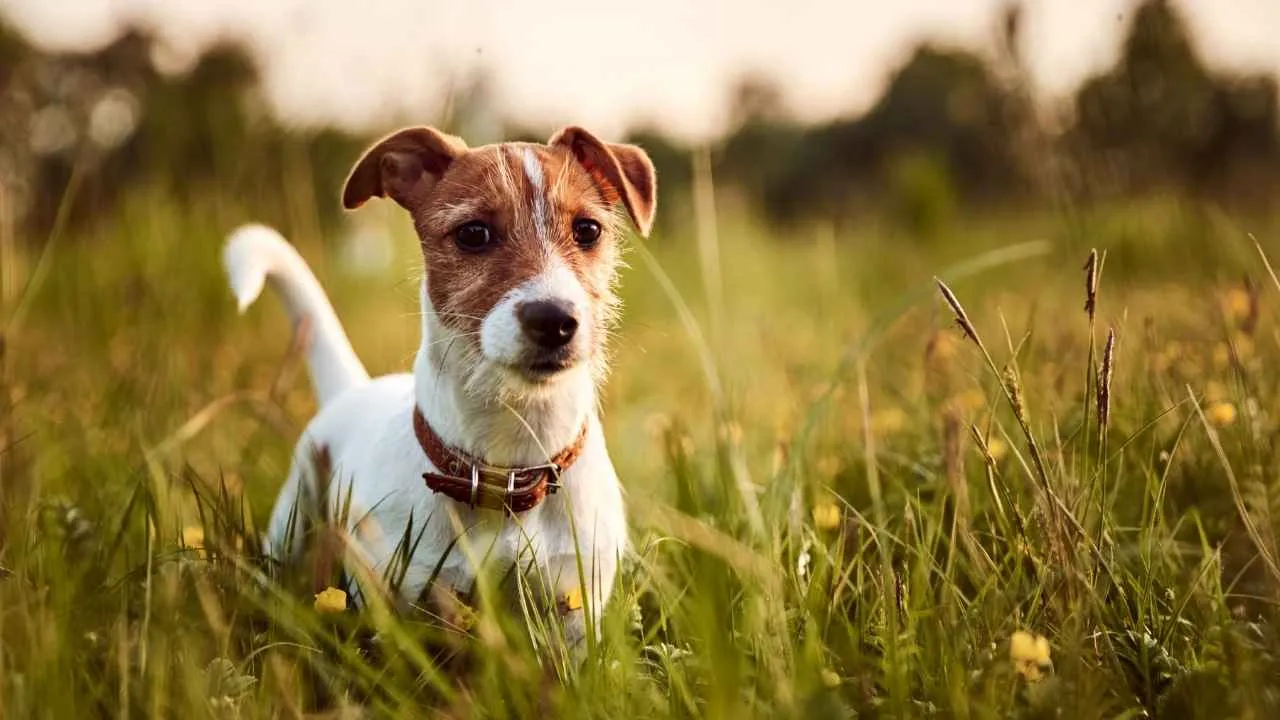
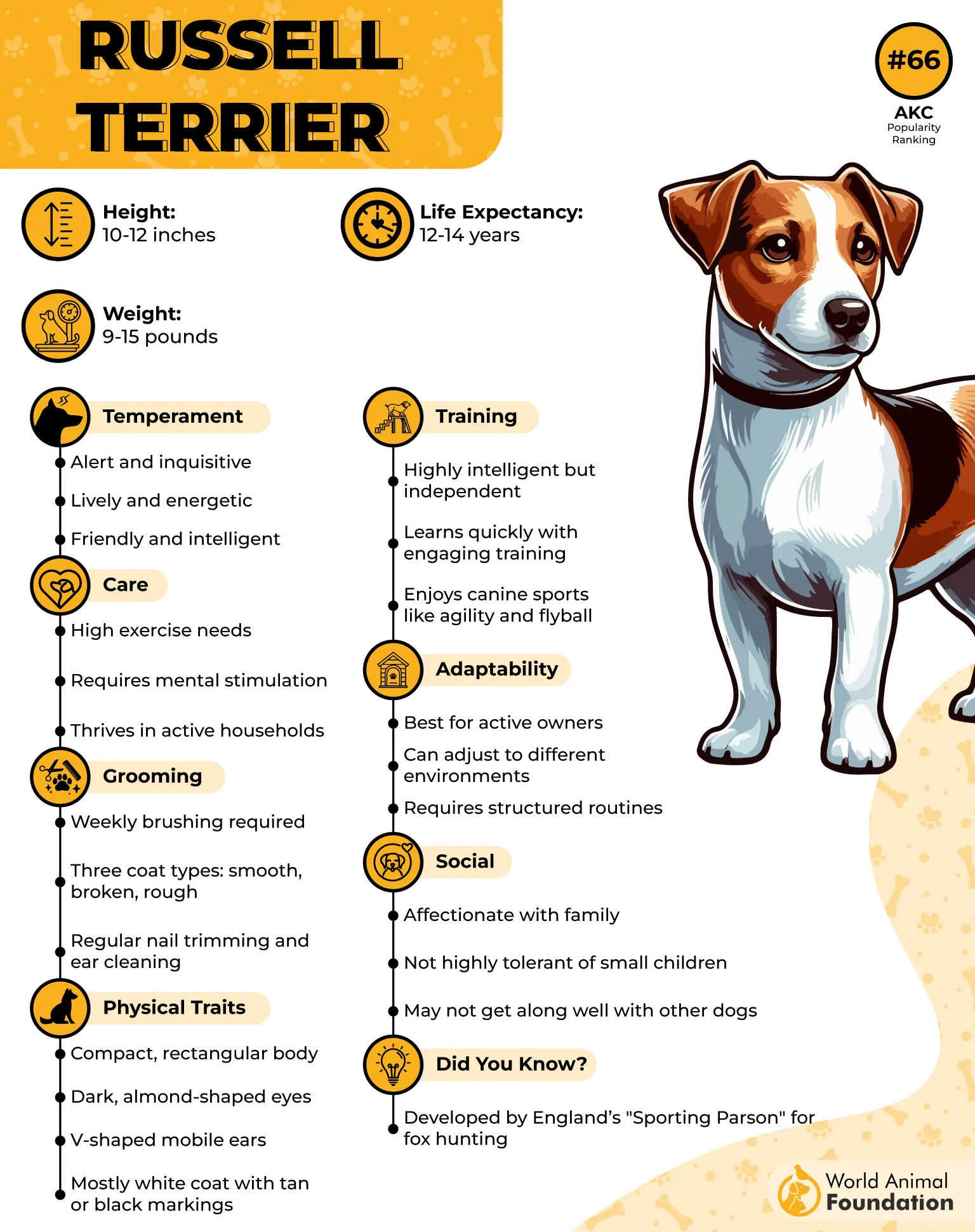
Jack Russell Terrier was originally bred in England during the 1800s, beginning as a cross with the now-extinct White Terrier for fox hunting. Their job involved locating a fox, digging it out, and holding it until the hunter arrived, before their rat-catching skills became equally useful.
Built for Action
This terrier brings remarkable intensity to a small frame, with a powerful chase instinct and a natural urge to investigate every corner.
For a breed that enjoys having something to do, running, hiking, fetch, and supervised exploration can turn that restless curiosity into productive play, as Hill’s Pet writes.
Here are some characteristics that give their playful side more context:
Two coat types: smooth and rough
Excels in agility, flyball, and rally
Enjoys toys that squeak, bounce, or dispense treats
A Mischief Maker
Jack Russell Terrier is quick-witted, cheeky, and fiercely determined, with funny antics that can keep a household entertained for hours. Their intelligence has even made them popular in film and television, while their stubborn streak can make training more demanding.
3. Boston Terrier
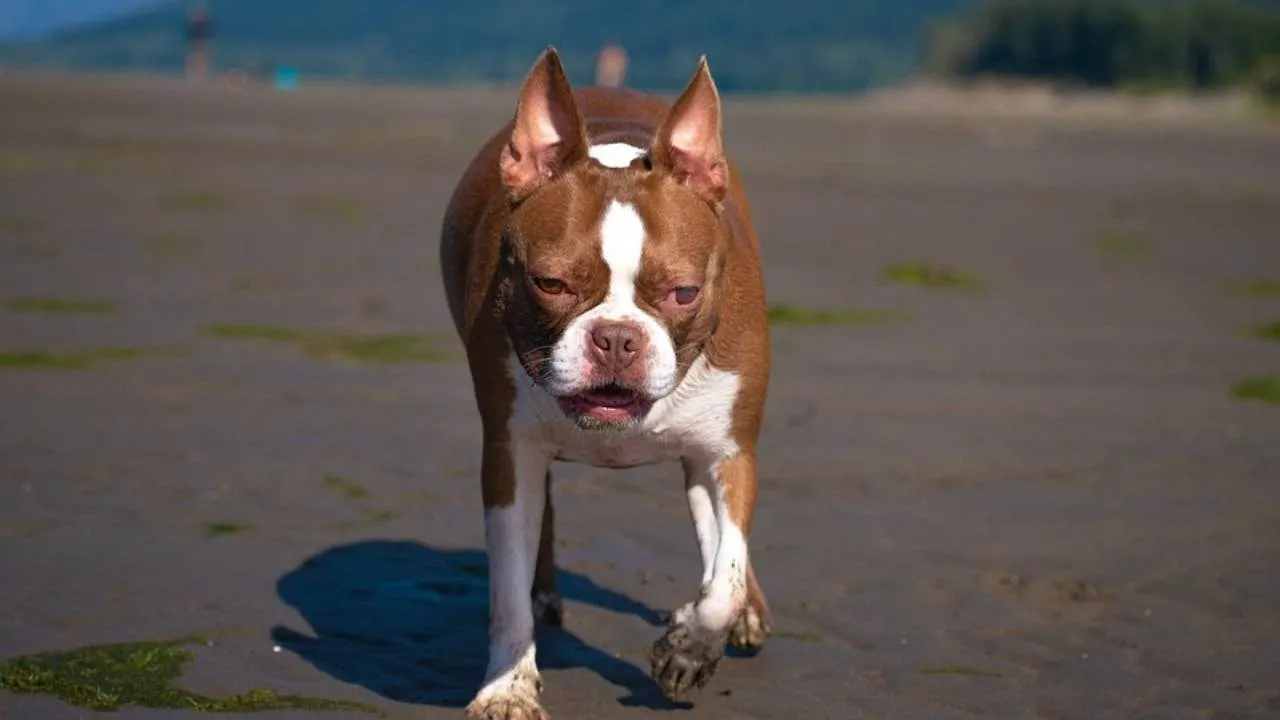
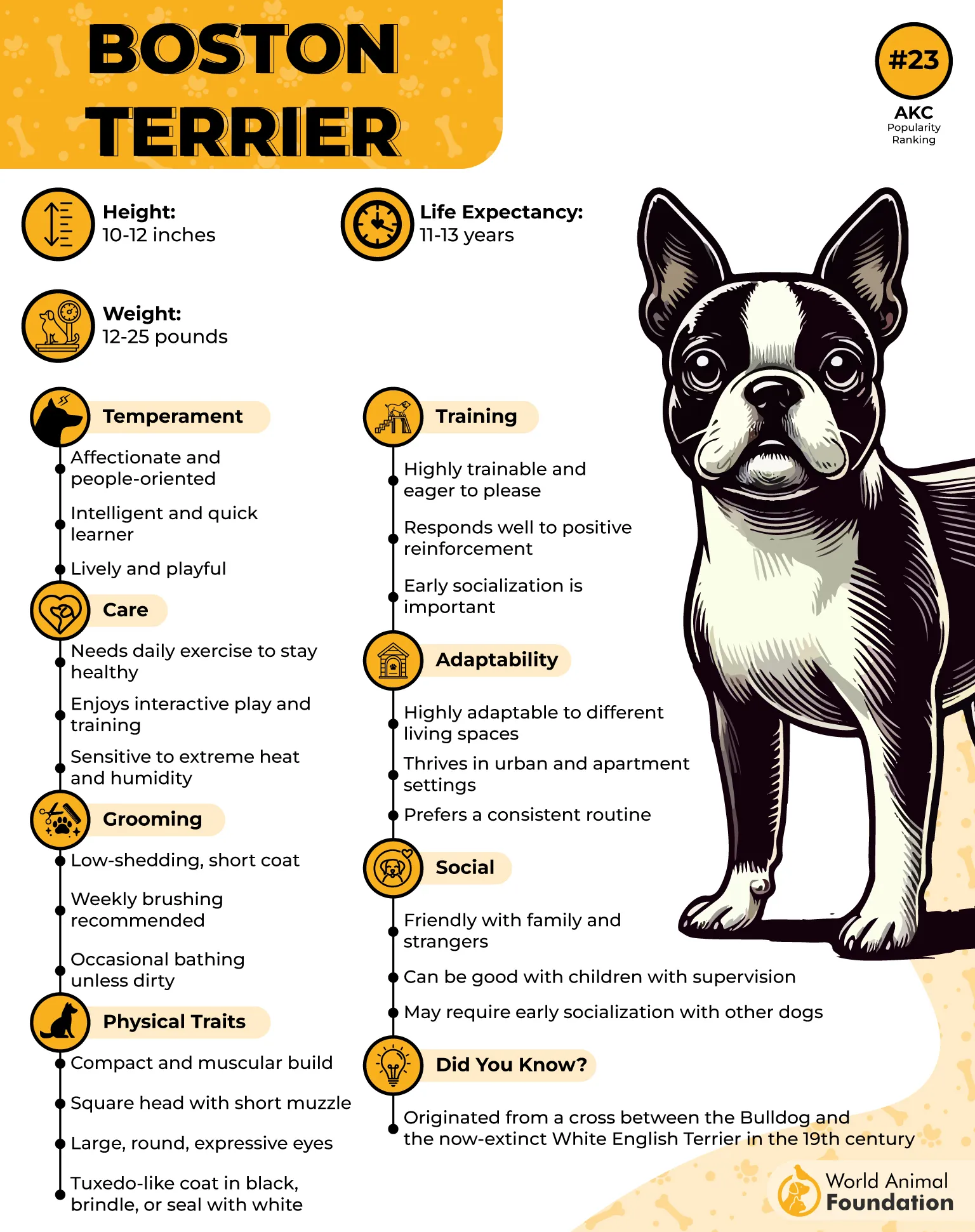
Developed in Boston during the late 1800s, the Boston Terrier traces its early lineage to Bulldogs and white English Terriers. Its distinctly American history eventually earned it a place among the country’s few native dog breeds, along with the nickname “national dog of the United States.”
Play Comes Naturally
This breed packs plenty of enthusiasm into a compact frame, with family games such as fetch and Frisbee ranking among its favorite ways to have fun. Several shorter activity sessions throughout the day can suit this breed better than relying on one long outing.
These activities fit that playful nature especially well:
Agility courses with jumps and obstacles
Flyball for fast-paced teamwork
Puzzle toys for indoor problem-solving
A Social Little Character
Boston Terrier has a cheerful, affectionate temperament and often wants to be involved in whatever its family is doing. With early socialization and proper introductions, it can get along well with children, cats, and other dogs, including more reserved companions, as Orvis mentioned.
4. Papillon
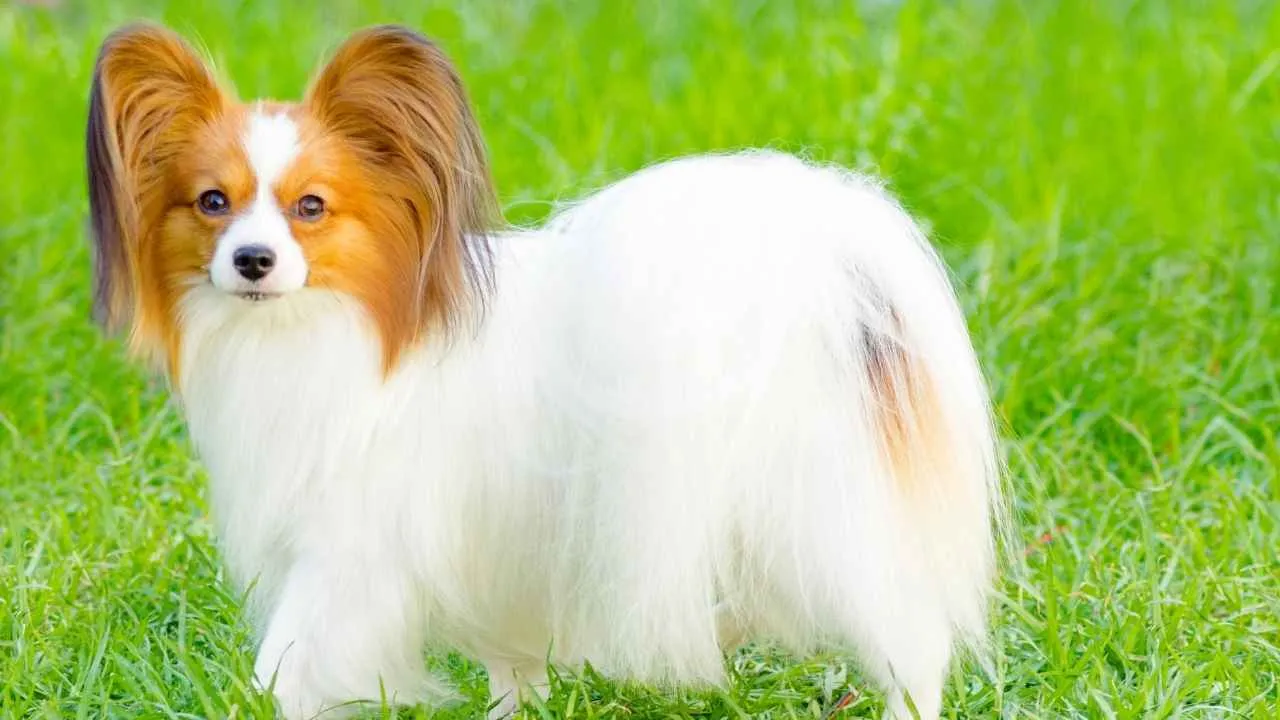
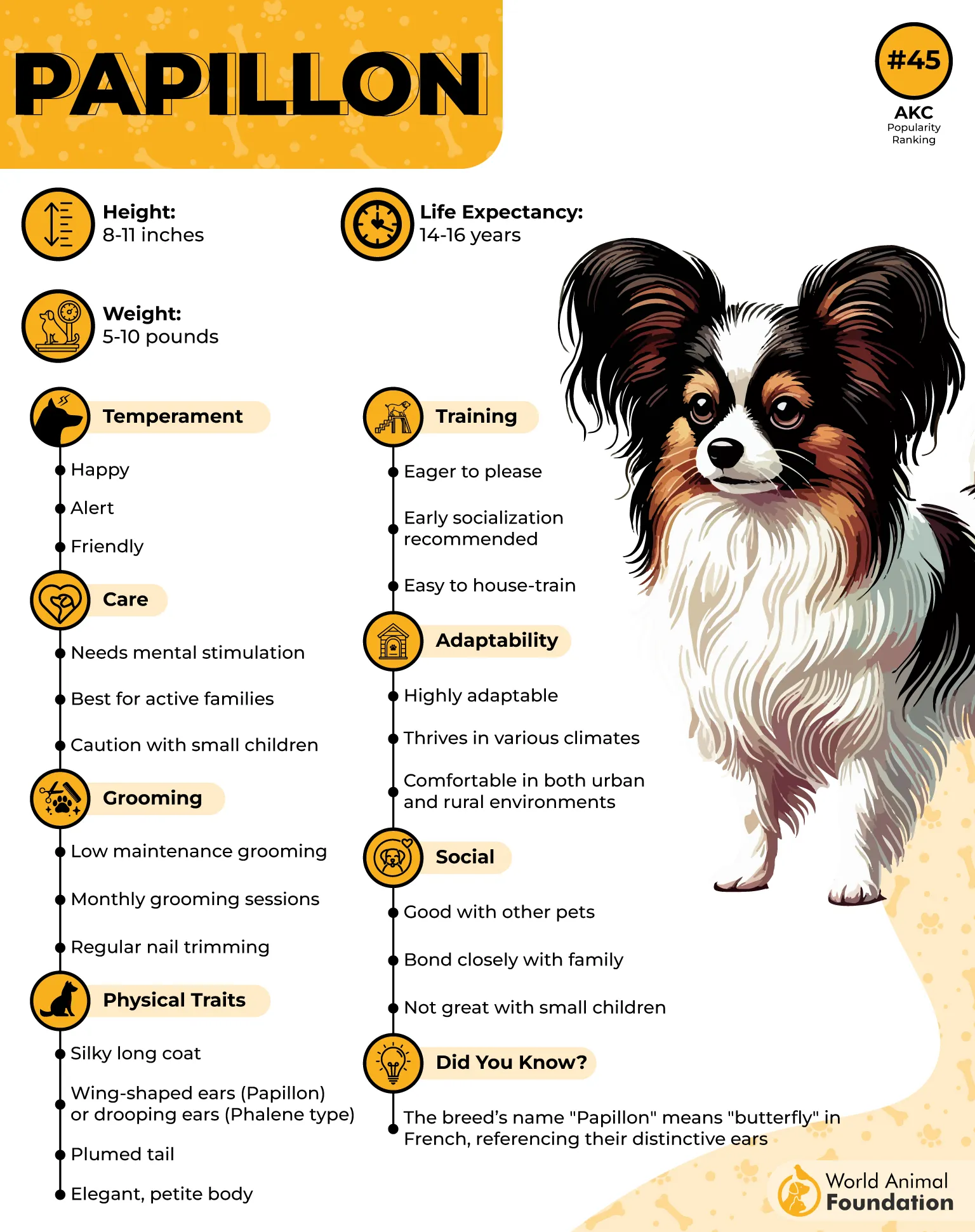
Papillon originated in France and appears in paintings dating to the 13th century, where the little Toy Spaniel was favored by ladies of court. Its name means “butterfly” in French, inspired by its upright ears, while drop-eared puppies are called Phalene, meaning “night moth.”
Small Dog, Busy Schedule
Papillon brings a lively spark to everyday life and seems happiest when there is something interesting happening nearby. Around 30–45 minutes of daily activity, including neighborhood walks, fetch, or scent games, gives this energetic companion a useful outlet.
For a breed this small, entertainment can take plenty of forms:
Indoor games with family
Puzzle toys for mental challenges
Agility for an extra challenge
A Fearless Little Personality
This toy dog breed usually gets along with dogs, cats, and children, though its small, fragile frame calls for supervision around large dogs or rough play. Confident puppies also benefit from early socialization, which can prevent them from becoming overly dependent on the people they know best.
5. Toy Fox Terrier
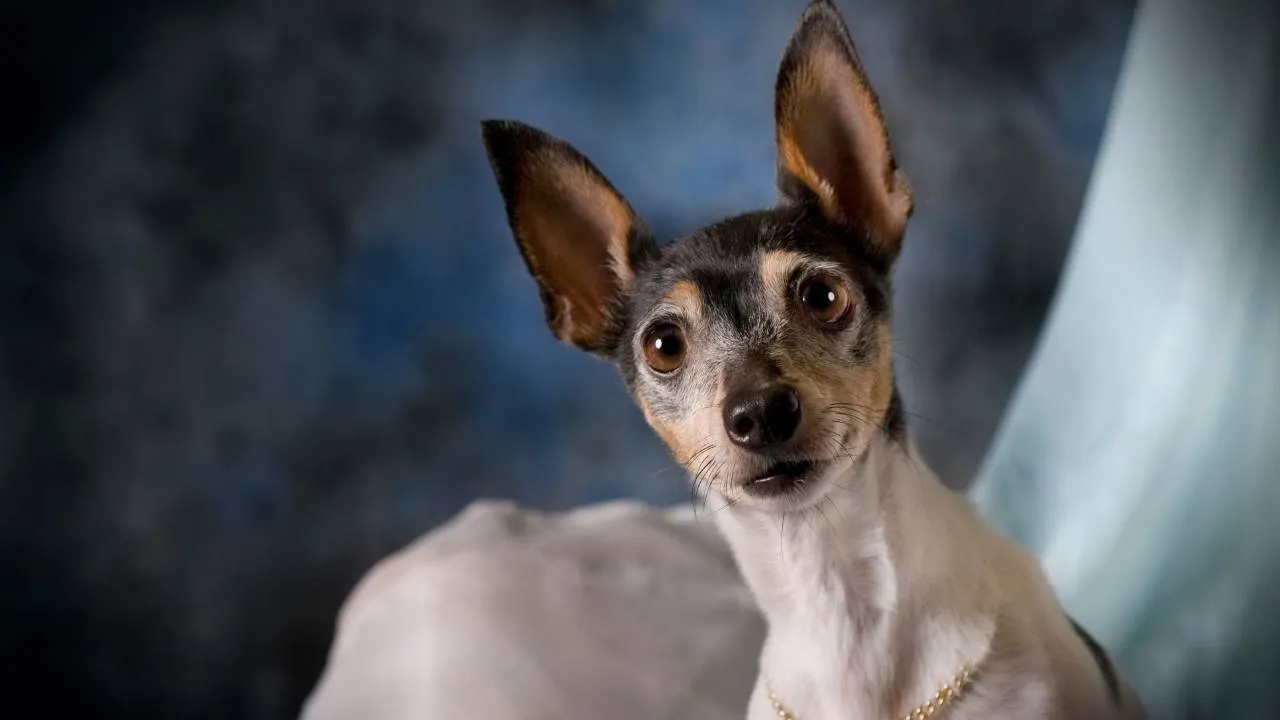
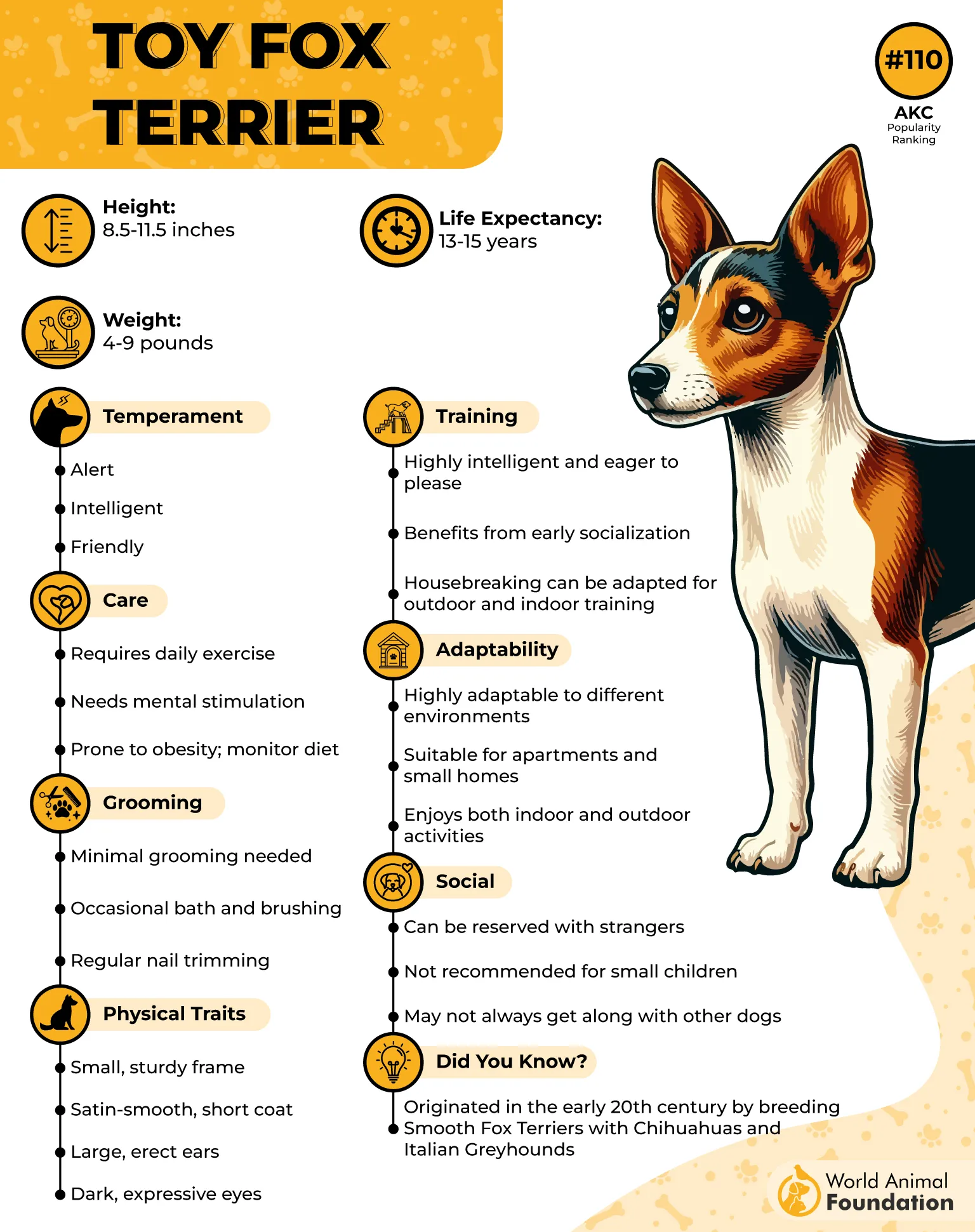
Toy Fox Terrier emerged in the United States in the early 1900s as a smaller relative of the Smooth Fox Terrier, with breeding aimed at preserving the larger dog’s intelligence and determination in a compact frame. On farms, these little hunters slipped into tight spaces to pursue rats and other pests.
Plenty of Spark
This terrier has a lively mix of confidence, athletic ability, and curiosity for everyday life, so sitting around for hours is unlikely to satisfy it. About 60 minutes of daily activity can include fetch, backyard games, walks, training sessions, or organized dog sports.
These details make its playful side especially useful to understand:
Agility and rally suit its athletic nature
Trick training provides a mental challenge
Puzzle toys help occupy an active mind
Always Involved
Toy Fox Terrier enjoys being part of household activity and may follow its favorite person from one room to another throughout the day. Its affectionate nature pairs with a willingness to learn, making obedience exercises and new tricks engaging ways to spend time together.
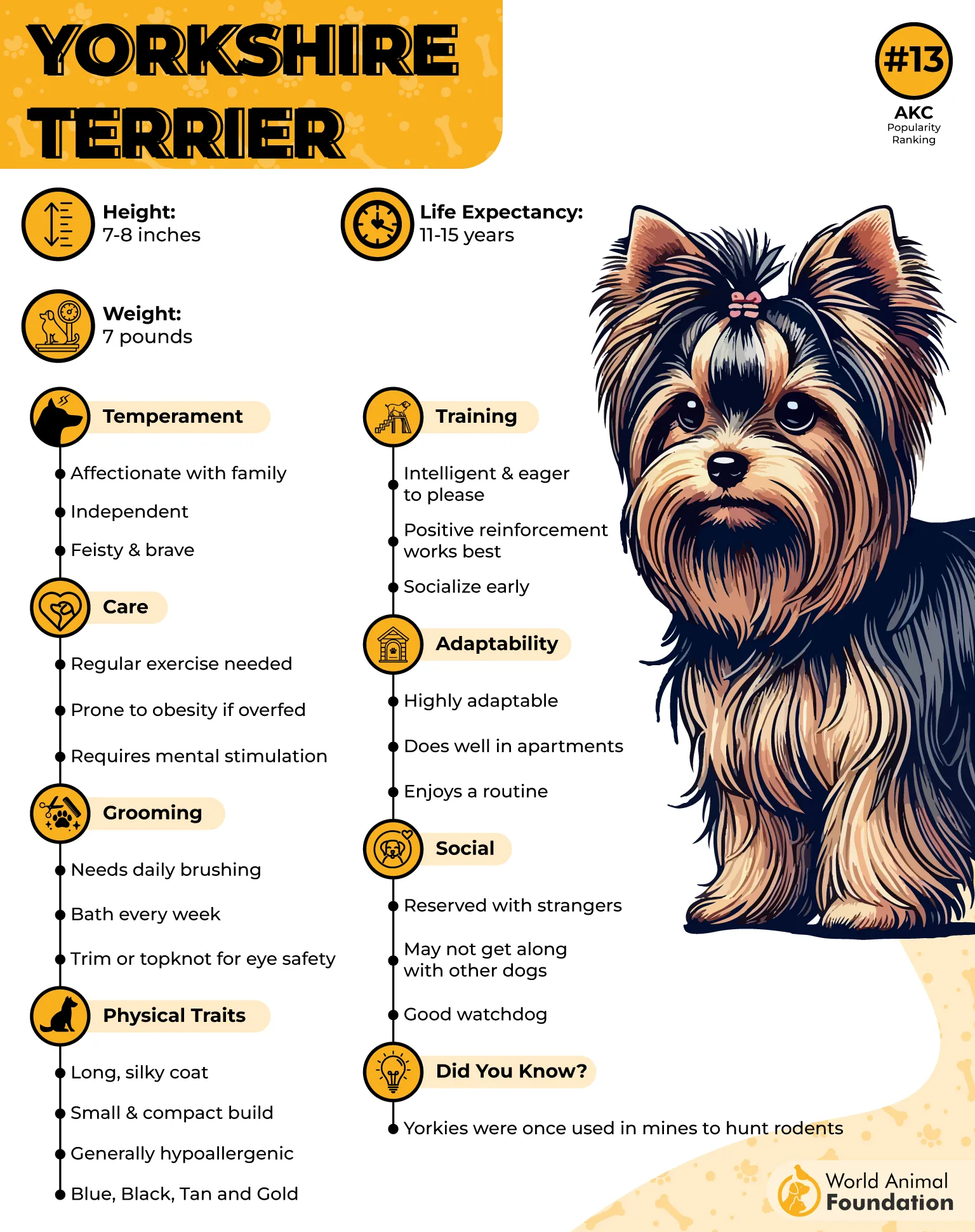
6. Yorkshire Terrier
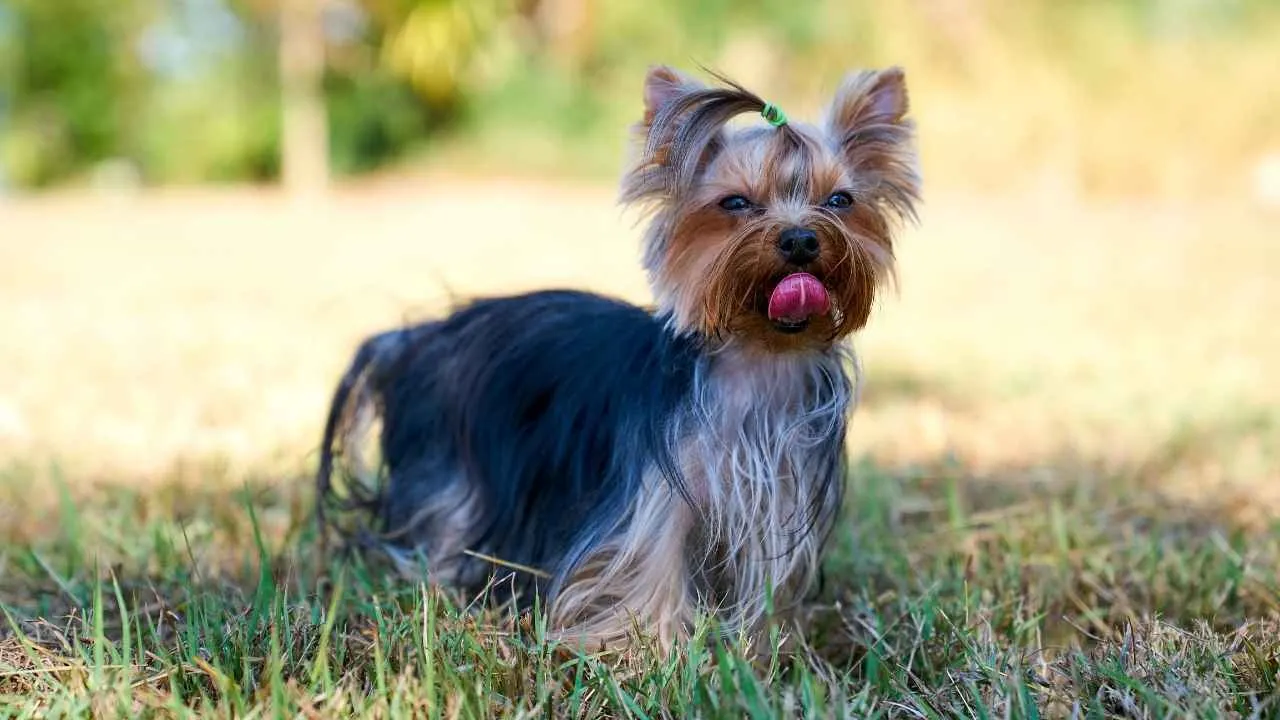
The Yorkshire Terrier’s story begins in mid-1800s Yorkshire, England, with roots linked to Scottish Terriers brought by workers seeking jobs.
Like other terriers, these little dogs were bred to hunt rats and other small pests. By the late 1800s, Victorian women had taken a liking to them, turning the hardworking breed into a fashionable lapdog.
Tiny Dog, Busy Mind
Yorkies pack plenty of energy and curiosity into their small frame, with a habit of seeking out mischief, new experiences, and anything happening nearby. Two 15-minute walks each day can provide enough physical activity, while indoor fetch or puzzle toys add variety.
These traits are especially useful for daily routines:
Enjoys scent-work activities
May excel at agility trials
Needs time to sniff during walks
Quick to Learn
Yorkshire Terrier is an intelligent, eager-to-please learner, so early cues and consistent training can become part of its routine from a young age. Socialization from around 7 or 8 weeks can also help puppies become more comfortable meeting unfamiliar people and other dogs.
7. Poodle
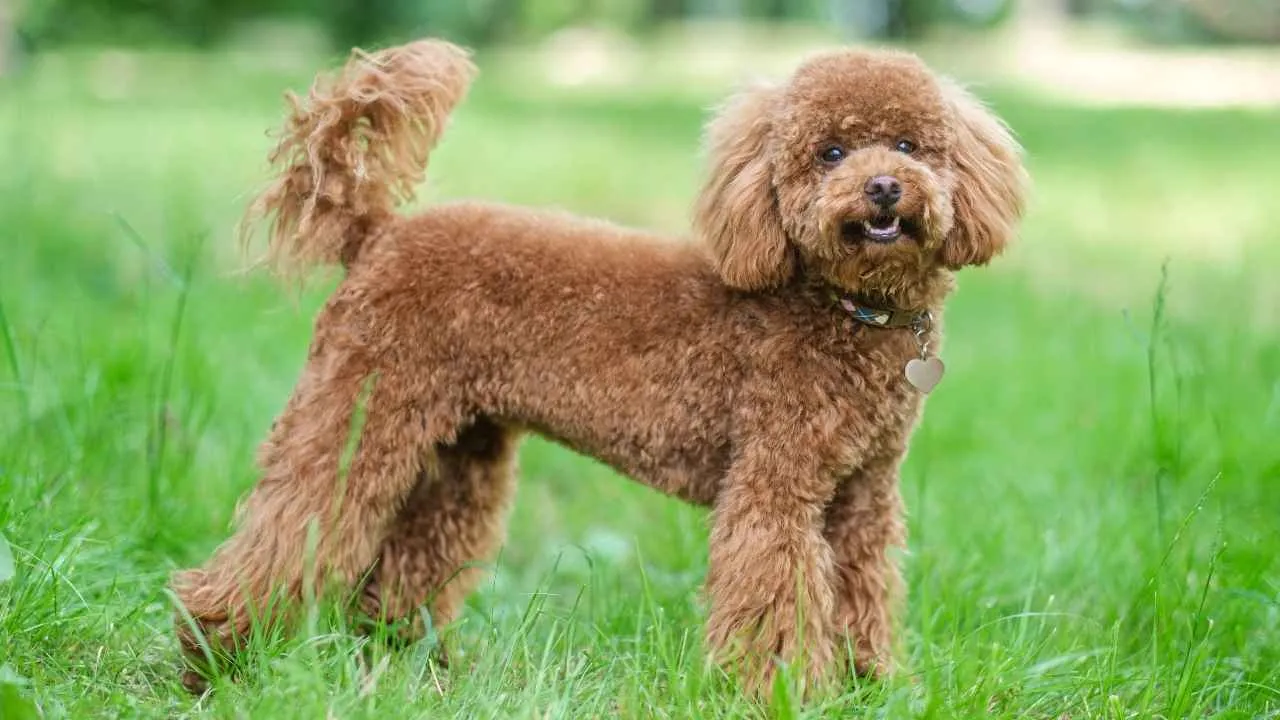
Poodle may have roots in Asia, where curly-coated working dogs eventually traveled into Europe with herders. The breed became closely tied to Germany and France and was used for herding, hunting, and swimming. Its thick curls served a useful purpose by helping keep the dog warm in cold water.
Made for Play
They are quick thinkers and have a playful attitude toward active routines, learning new commands after only a few repetitions and often looking for another task once a skill is mastered. Their enthusiasm makes games, training sessions, and interactive outdoor activities especially rewarding.
These activities fit that lively nature particularly well:
Agility competitions
Hide-and-seek games
Ball retrieving
A Dog That Thinks
Poodle is an independent thinker that can decide how it wants to handle a situation, so consistent training works better than letting the dog make every household rule. It also enjoys praise and tends to cooperate readily when learning feels engaging and purposeful.
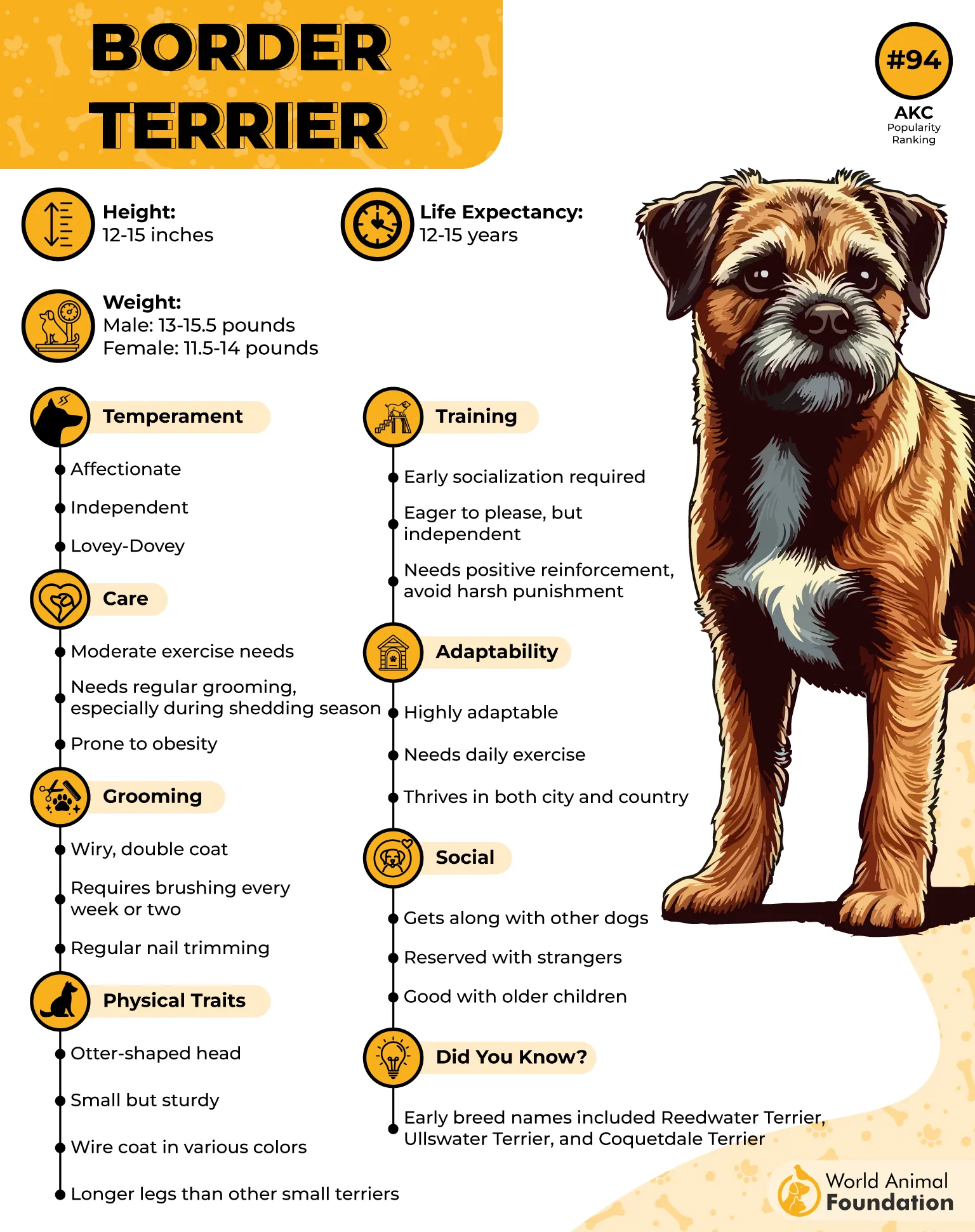
8. Border Terrier
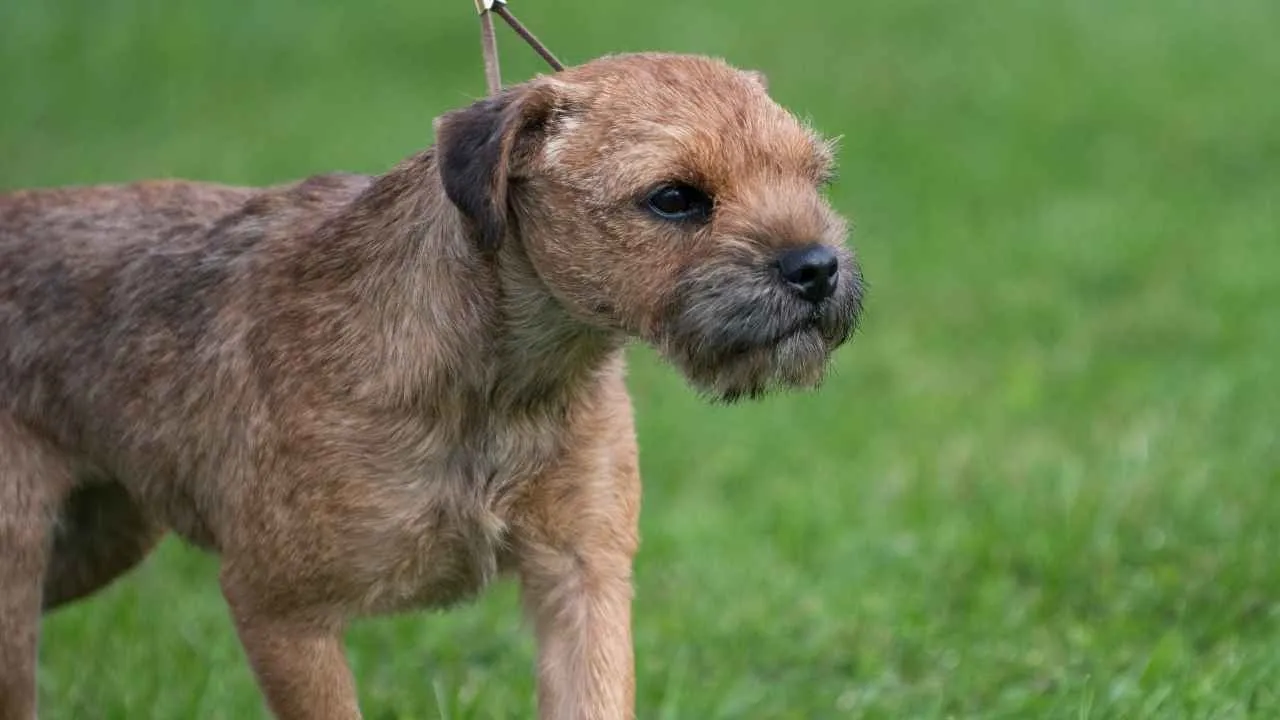
Border Terrier traces its history to the England-Scotland border, where it was bred to hunt foxes and was once known as the Reedwater or Coquetdale Terrier. That demanding work called for courage, stamina, and determination, traits that still give this small dog its lively, spirited edge.
Ready for Fun
Border Terrier brings plenty of energy to everyday play, with at least 30 minutes of exercise recommended and up to an hour being even better. Fetch, tug-of-war, scent work, agility, and tracking can turn that energy into activities that keep the day interesting.
These playful options suit their personality especially well:
Backyard digging with a dedicated sand pit
Swimming with a properly fitted life jacket
Tracking classes using their keen nose
Social and Spirited
Border Terriers are generally outgoing with new people and tend to enjoy children, while their intelligence can come with a stubborn streak during training. Smaller animals may trigger a chase, and garden digging can become one of their favorite ways to create their own entertainment.
9. Pembroke Welsh Corgi
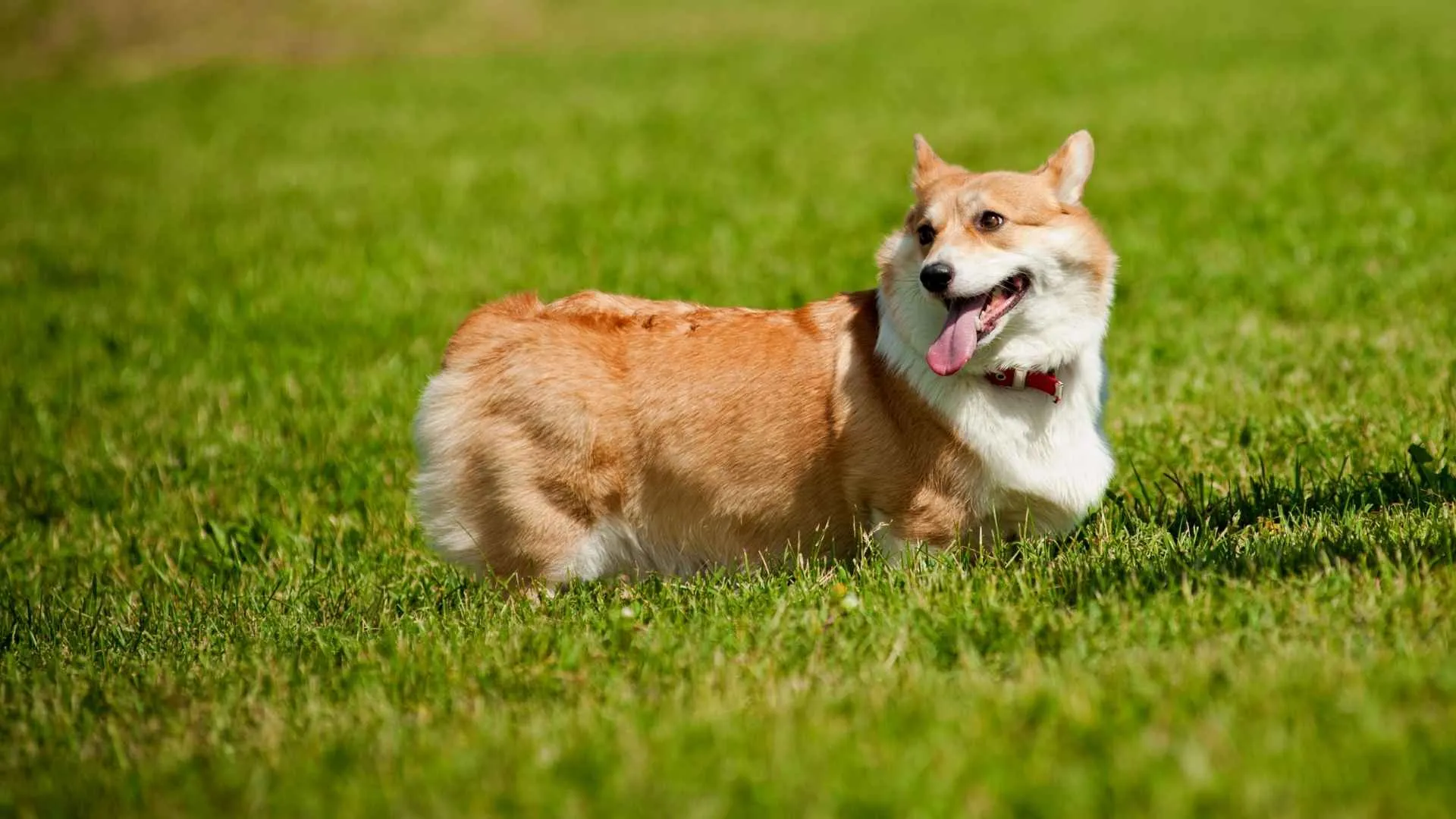
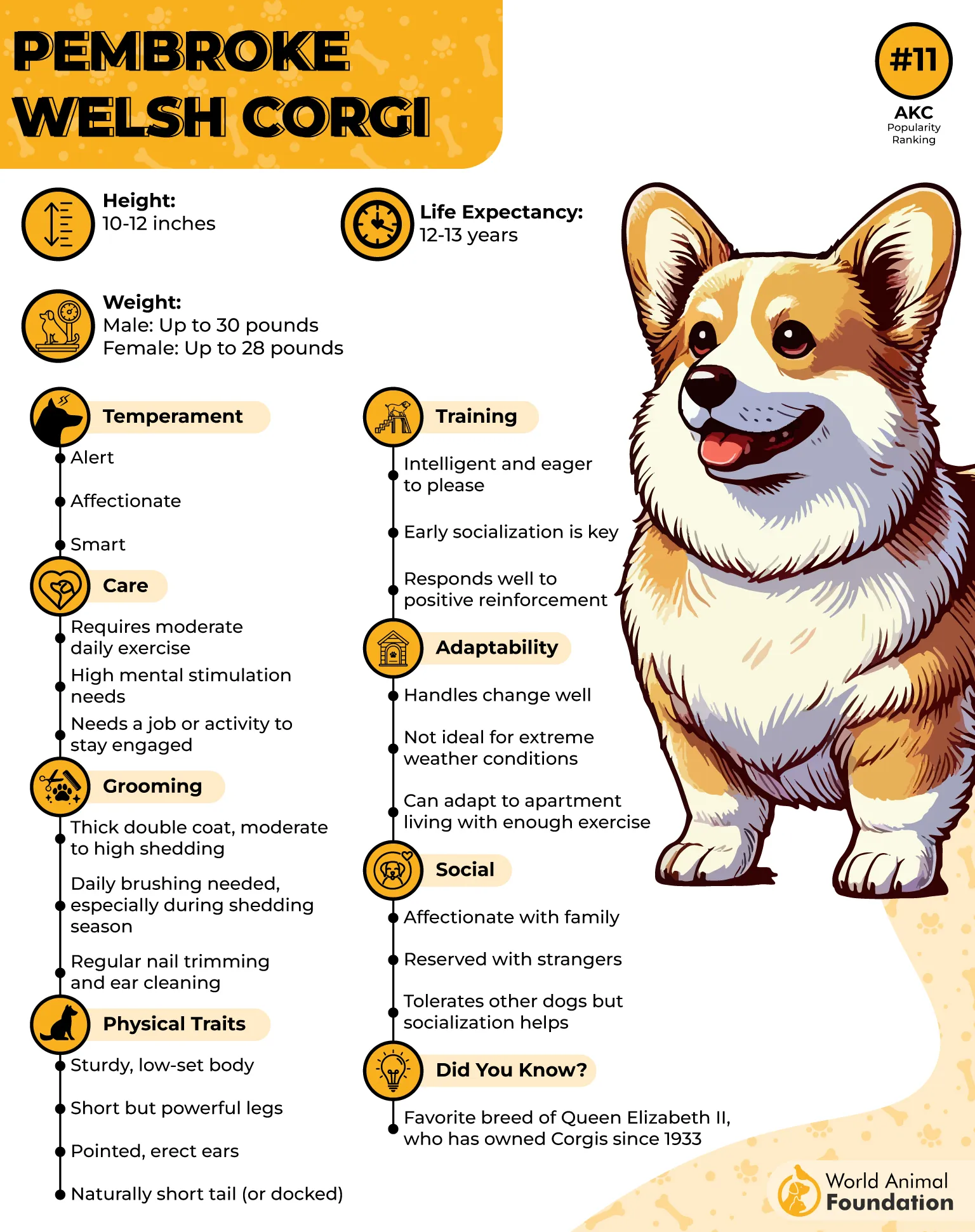
Pembroke Welsh Corgi comes from Pembrokeshire, Wales, with links to Swedish Vallhunds brought by Vikings during the 9th and 10th centuries. Corgis once drove cattle and sheep by nipping at their heels, while their low build helped them avoid kicks from livestock.
Small Frame, Serious Energy
Pembroke Welsh Corgi packs plenty of activity into a sturdy, short-legged frame and can handle long walks or a relaxed jog at a comfortable pace. Fast pursuits are harder on those short legs, while agility, fetch, and hide-and-seek offer better outlets.
A few activities fit their playful nature especially well:
Treat puzzles for problem-solving
Snuffle mats for indoor searching
Scent work for focused play
A Vocal Socialite
Pembroke Welsh Corgi can react to the slightest noise with a bark, and teaching a reliable “quiet” command is important for keeping that habit manageable. Around familiar people, this breed is playful and affectionate, while early socialization can ease its initial reserve with strangers.
Conclusion
Small dogs can bring a surprising amount of activity, curiosity, and personality into everyday life. Their size may make them easier to manage in some homes, but their energy still needs a useful outlet. Games, short walks, training, scent activities, and interactive toys can turn that enthusiasm into enjoyable time together.
Age also matters, since puppies often need more supervision and activity than mature dogs. Before choosing a playful companion, consider how much time you can give to exercise, training, and interaction each day. The best fit is one whose energy feels enjoyable rather than overwhelming and fits naturally into your routine.
