





Small dogs may have tiny frames, but many possess impressive intelligence and a strong desire to please their owners. For first-time pet parents or anyone seeking a well-mannered companion, choosing a trainable breed can make everyday life much easier.
Some little dogs quickly pick up commands, enjoy learning tricks, and respond well to positive reinforcement. However, consistency, patience, and regular practice remain essential for developing good behavior.
Meet seven small dog breeds that combine adorable appearances with promising training abilities.
Small Dog Breeds that are Easy to Train and Obey
1. Toy Poodle
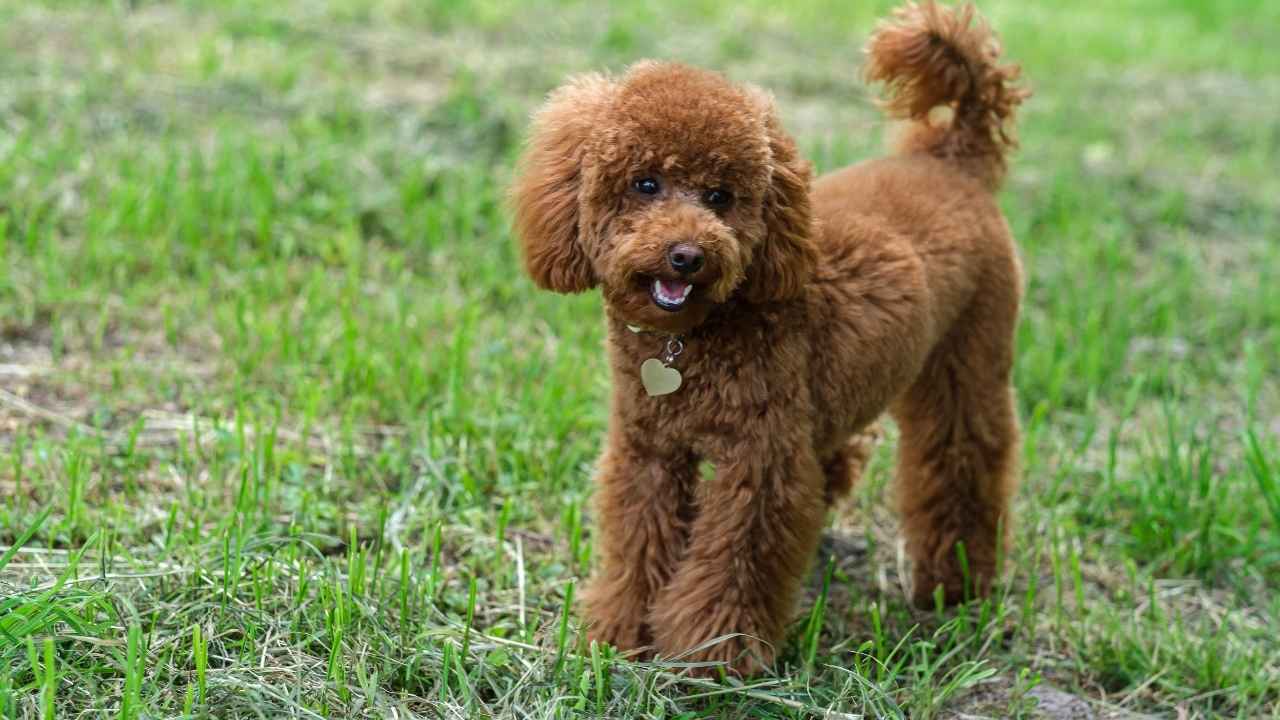
Toy Poodles may be small, standing no taller than ten inches, but their intelligence and athletic abilities are impressive. Like their larger relatives, they are quick learners with a natural eagerness to work alongside people.
According to PetMD, their ability to understand new instructions makes training particularly rewarding. Toy Poodles can master obedience exercises, agility activities, tracking tasks, and entertaining tricks with consistent practice.
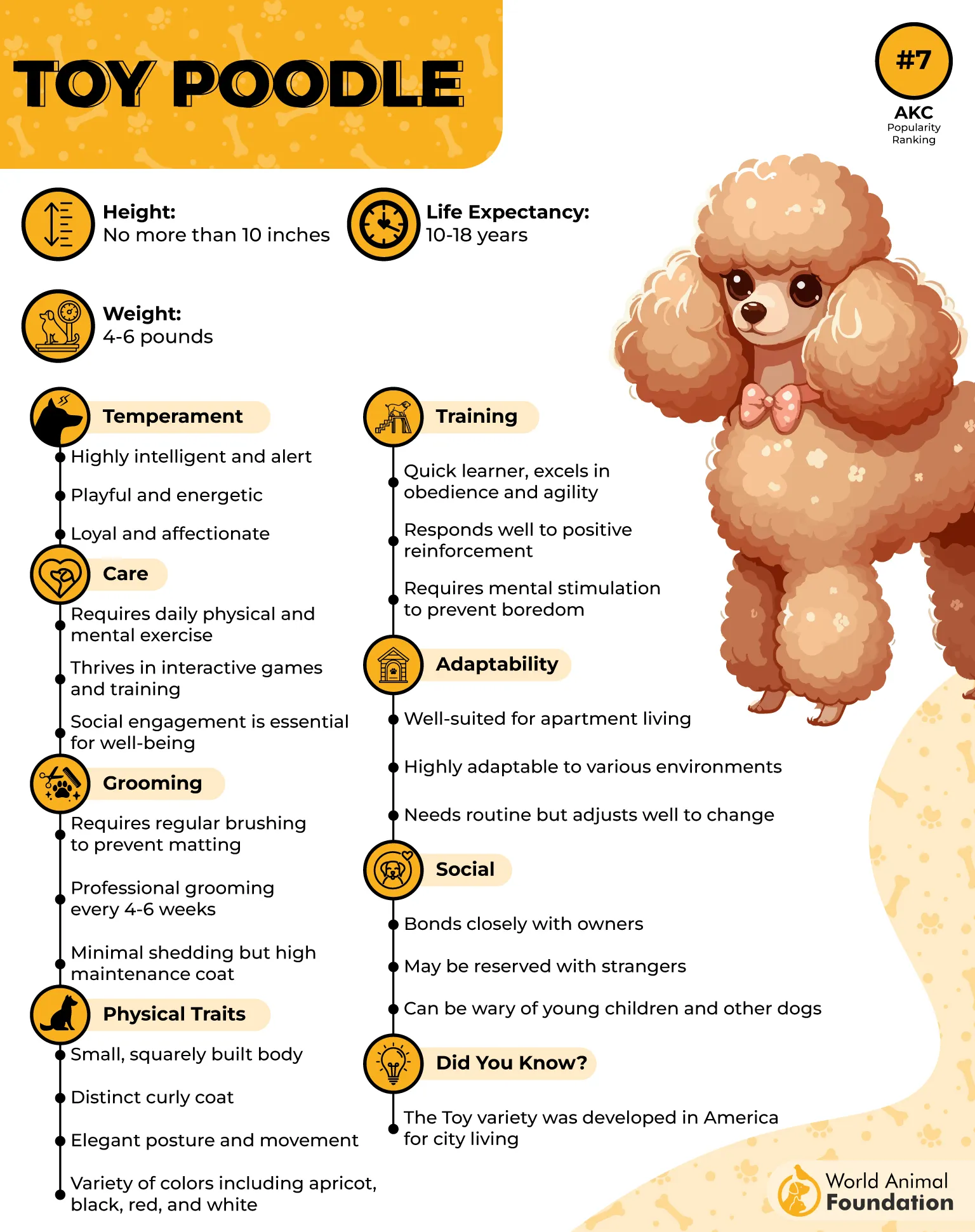
These dogs enjoy mental challenges as much as physical activity. Owners can keep them engaged through interactive games, reward-based exercises, obstacle courses, and short training sessions that introduce new commands.
Originally developed from water-retrieving Poodles, Toy Poodles retain an active and capable nature. They respond especially well to positive encouragement, making enjoyable and engaging lessons an effective way to develop their skills.
How This Breed Stands Out
Exceptional intelligence and quick learning: Toy Poodles quickly understand new instructions and enjoy mentally stimulating activities.
Excels at obedience commands and trick training: Their eagerness to learn helps them master commands, agility exercises, and entertaining tricks.
2. Shih Tzu
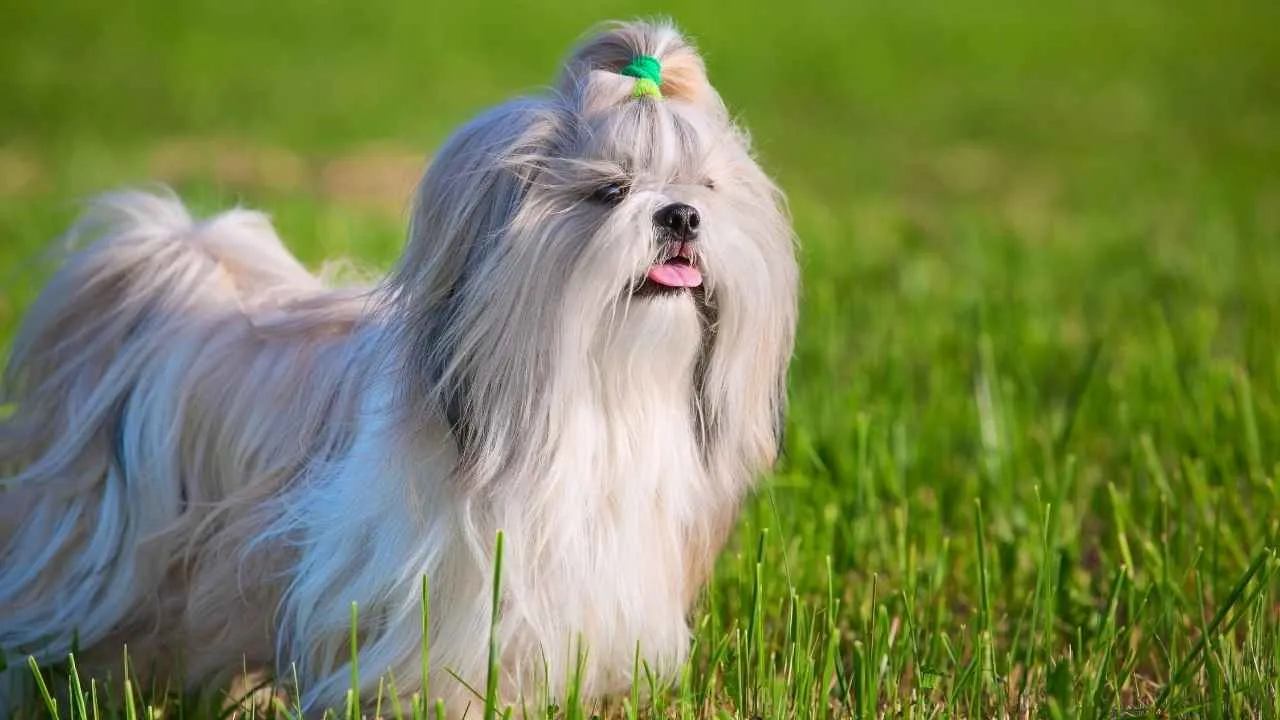
Shih Tzus are affectionate, playful little dogs with a charming personality and a strong desire to please their owners. Originally bred as indoor companions for Chinese royalty, they are comfortable living closely with people and enjoy being part of everyday household activities.
According to WebMD, although they can sometimes be independent, Shih Tzus respond well to patient and gentle training. Harsh corrections may make them less cooperative, so positive reinforcement and small rewards are useful when teaching new behaviors.
Consistency is particularly important when establishing household rules. Short, enjoyable training sessions help them understand expectations, while repeating commands and maintaining a predictable routine can reinforce good habits.
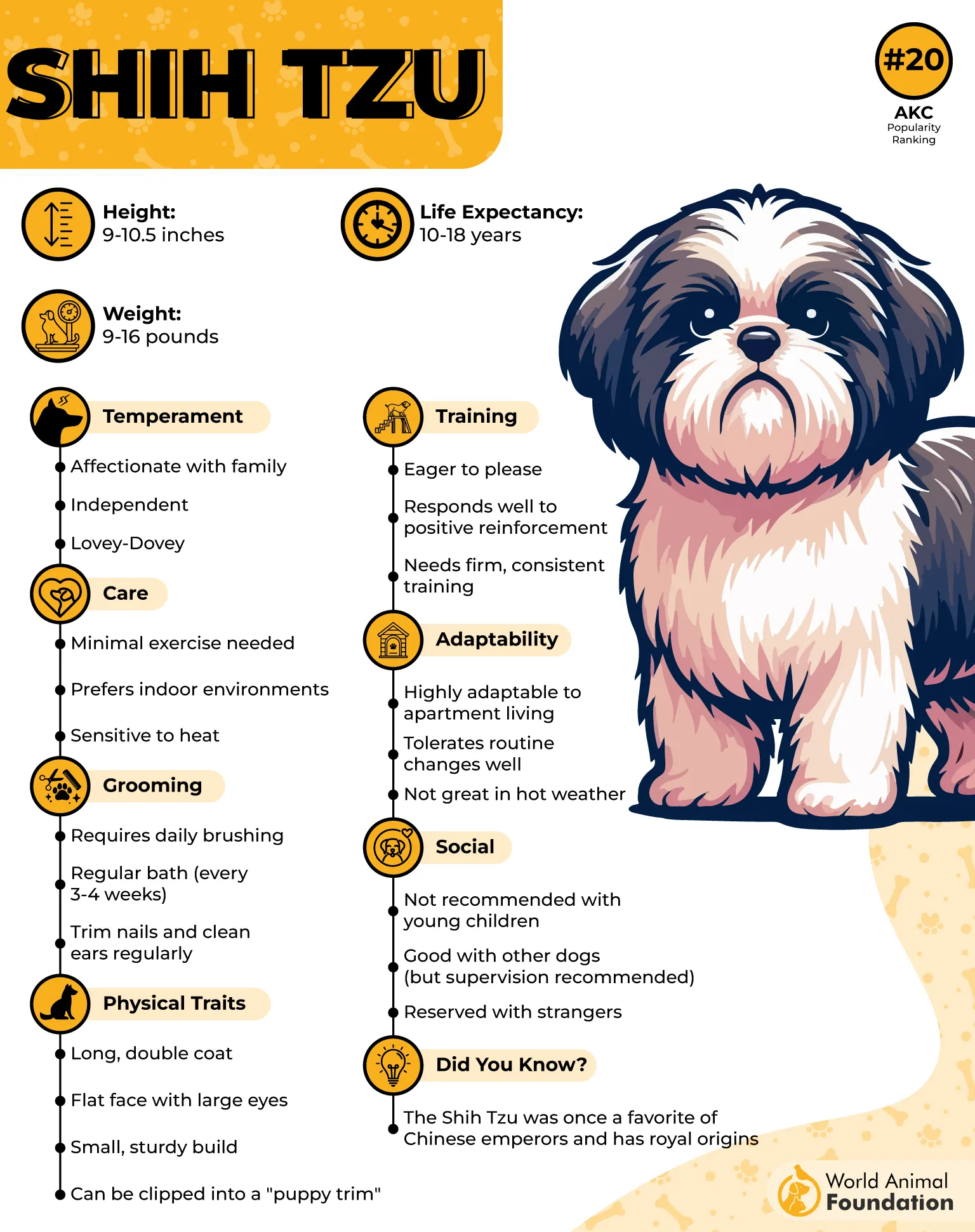
Their intelligence and affectionate nature make them capable learners, especially when training feels like an opportunity to bond with their owners. Regular grooming is also necessary to maintain their long, silky coat, which benefits from daily brushing or a shorter trim.
How This Breed Stands Out
Responds well to gentle, reward-based training: Praise, treats, and patient encouragement can motivate Shih Tzus to follow instructions.
Learns household routines with consistency: Repeated practice and predictable daily expectations help them develop reliable habits.
3. Brussels Griffon
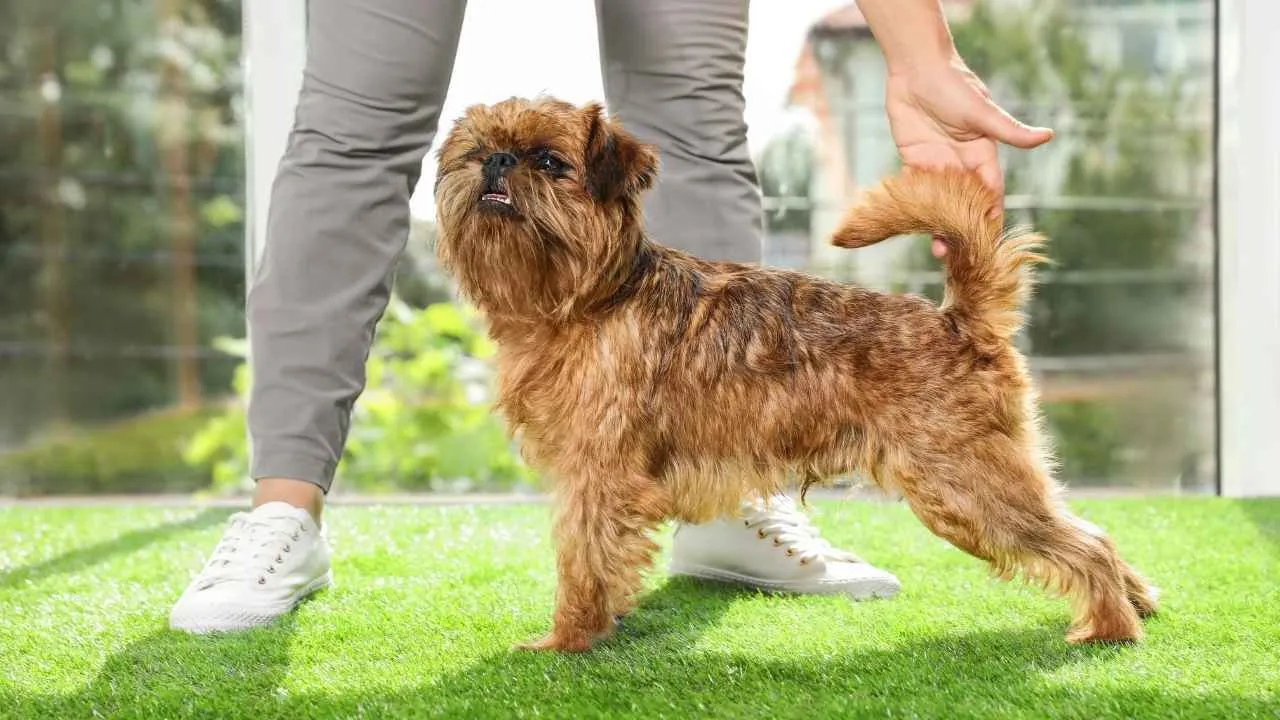
The Brussels Griffon may have a serious-looking expression, but its personality is quite the opposite. This small companion dog is cheerful, sociable, and affectionate, forming a particularly close bond with its favourite person. Its intelligence and alert nature also make it responsive to training.
Despite its compact build, this breed has plenty of energy and enjoys playful activities. Brussels Griffons are naturally attentive to their surroundings, making them quick to notice changes in their owner’s behaviour and respond to familiar cues. Their eagerness to stay close to their people can also help strengthen the connection during training.
These dogs are generally easy to train, especially when lessons are engaging and suited to their sensitive temperament. Short, enjoyable sessions with consistent guidance can help reinforce commands and encourage good behaviour. Their playful personality makes interactive activities more appealing than repetitive exercises.
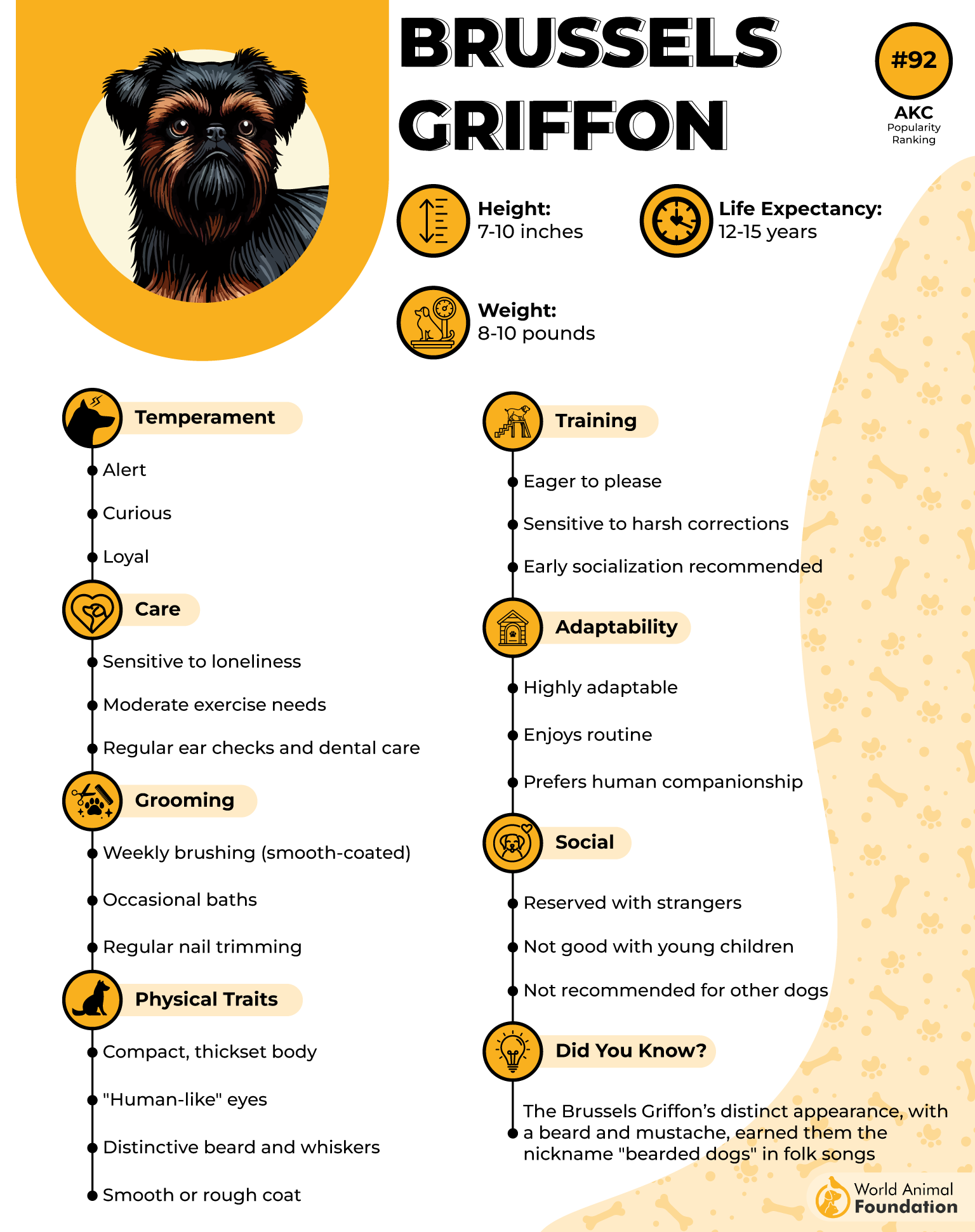
Brussels Griffons also benefit from mental stimulation that keeps their intelligent minds occupied. Games, simple challenges, and learning new tricks can provide enjoyable ways to practise obedience while building their confidence. Because they dislike being left alone for long periods, involving them in daily activities can support their need for companionship.

How This Breed Stands Out
Highly attentive to owner cues: Their alert and devoted nature helps them notice their owner’s signals and respond during training.
Enjoys interactive training and mental challenges: Playful exercises, trick learning, and engaging games keep them interested while developing their skills.
4. Havanese
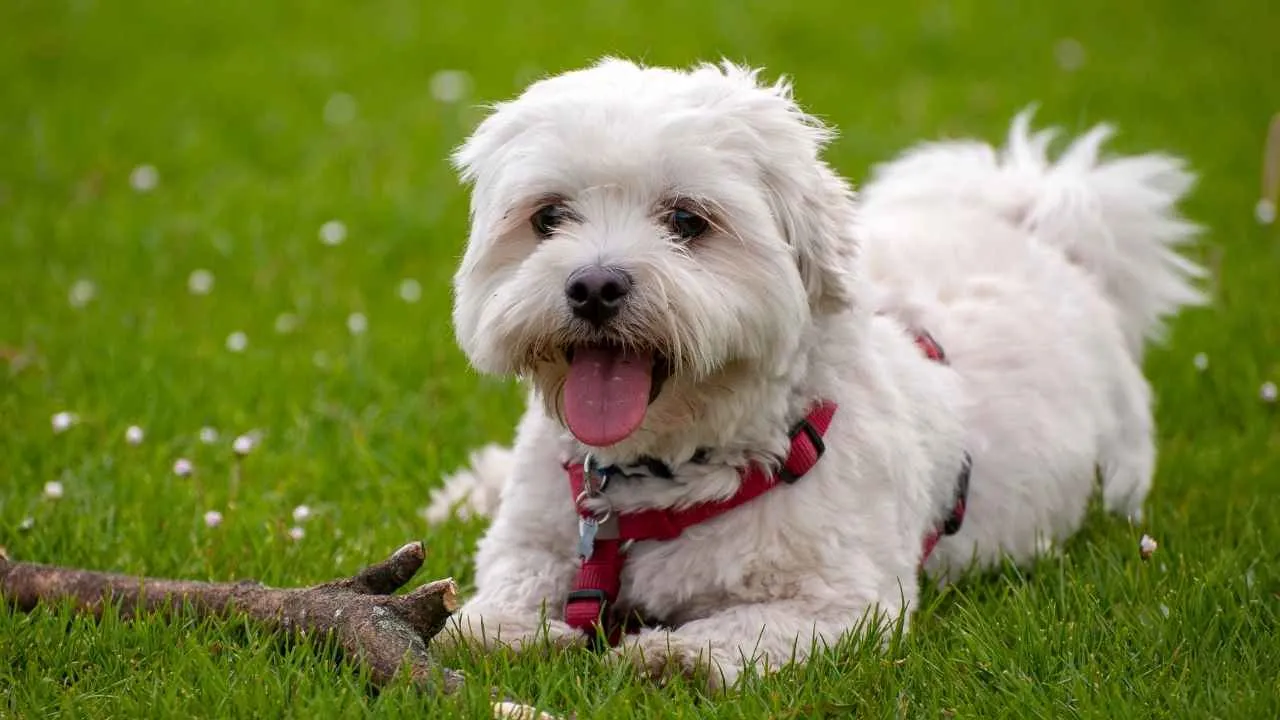
Originating in Cuba, the Havanese is a cheerful companion known for its friendly nature, adaptability, and intelligence. Unlike some small breeds that can be quite stubborn, these dogs are generally attentive and enjoy learning alongside their owners. Their sociable personality also makes them receptive to new experiences.
According to Omlet, these dogs are highly affectionate and often called “Velcro dogs” because they love staying close to their owners.
One of their strongest qualities is an eagerness to make their owners happy. This trait can make teaching basic commands and household rules easier, particularly when training is consistent and encouraging. They respond especially well to praise and rewards rather than strict correction.
Positive reinforcement is particularly important for this sensitive breed. Harsh scolding can discourage them, while gentle guidance helps build confidence and cooperation. Introducing them to different people, environments, and situations from an early age also helps develop appropriate social behaviour.
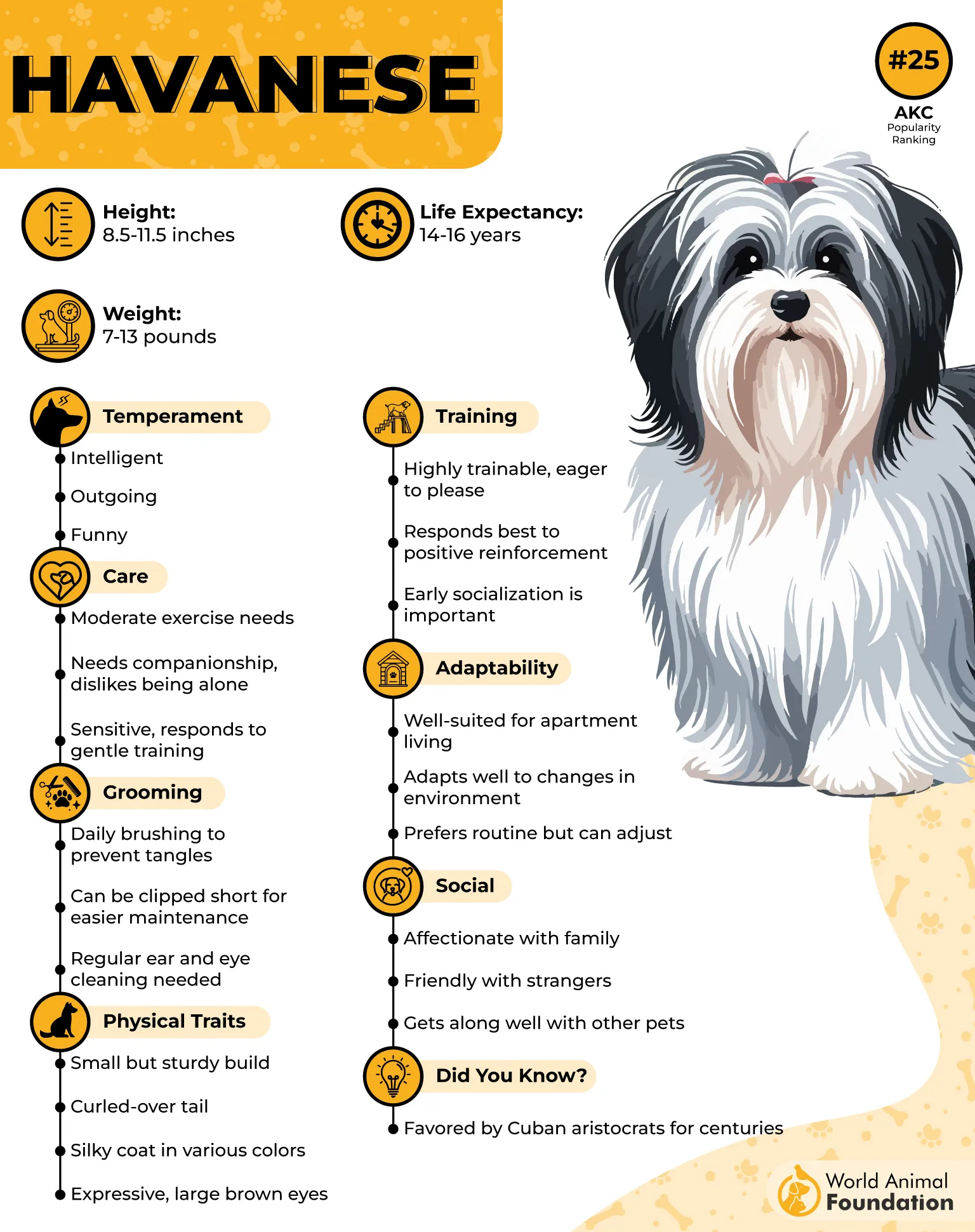
Havanese dogs can also participate in obedience trials and canine sports, showing that their abilities extend beyond basic household training. Puppy classes and early socialisation provide useful opportunities to practise communication, learn commands, and become comfortable around others.
How This Breed Stands Out
Eager-to-please personality: Their willingness to make their owners happy encourages cooperation and makes training sessions more productive.
Picks up social manners through positive reinforcement: Rewards, praise, and early socialisation help them develop polite behaviour around people and other dogs.
5. Papillon
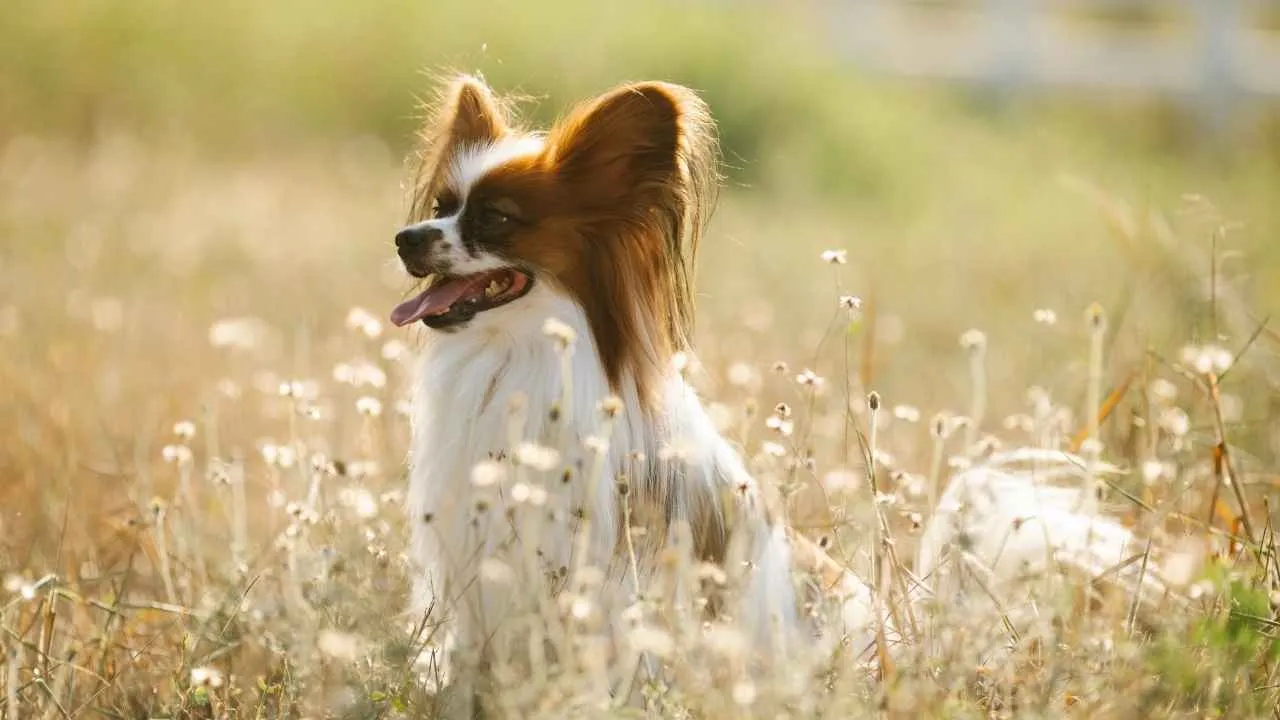
Recognised by its distinctive butterfly-shaped ears, the Papillon is a tiny dog with remarkable intelligence and confidence. Naturally curious and energetic, this breed enjoys discovering new things and staying involved in activities with its owner. Its willingness to learn makes it a particularly rewarding companion for training.
Papillons are quick to understand instructions and often respond well to house training compared with many other small breeds. Their active minds and social nature also make them enthusiastic participants in obedience exercises. Treats, favourite toys, and verbal praise can help maintain their interest during lessons.
Agility courses are another excellent outlet for this breed’s abilities. Despite their small stature, Papillons enjoy physical challenges and can handle exercises that require focus, coordination, and responsiveness. Regular practice helps channel their energy while reinforcing desirable behaviour.
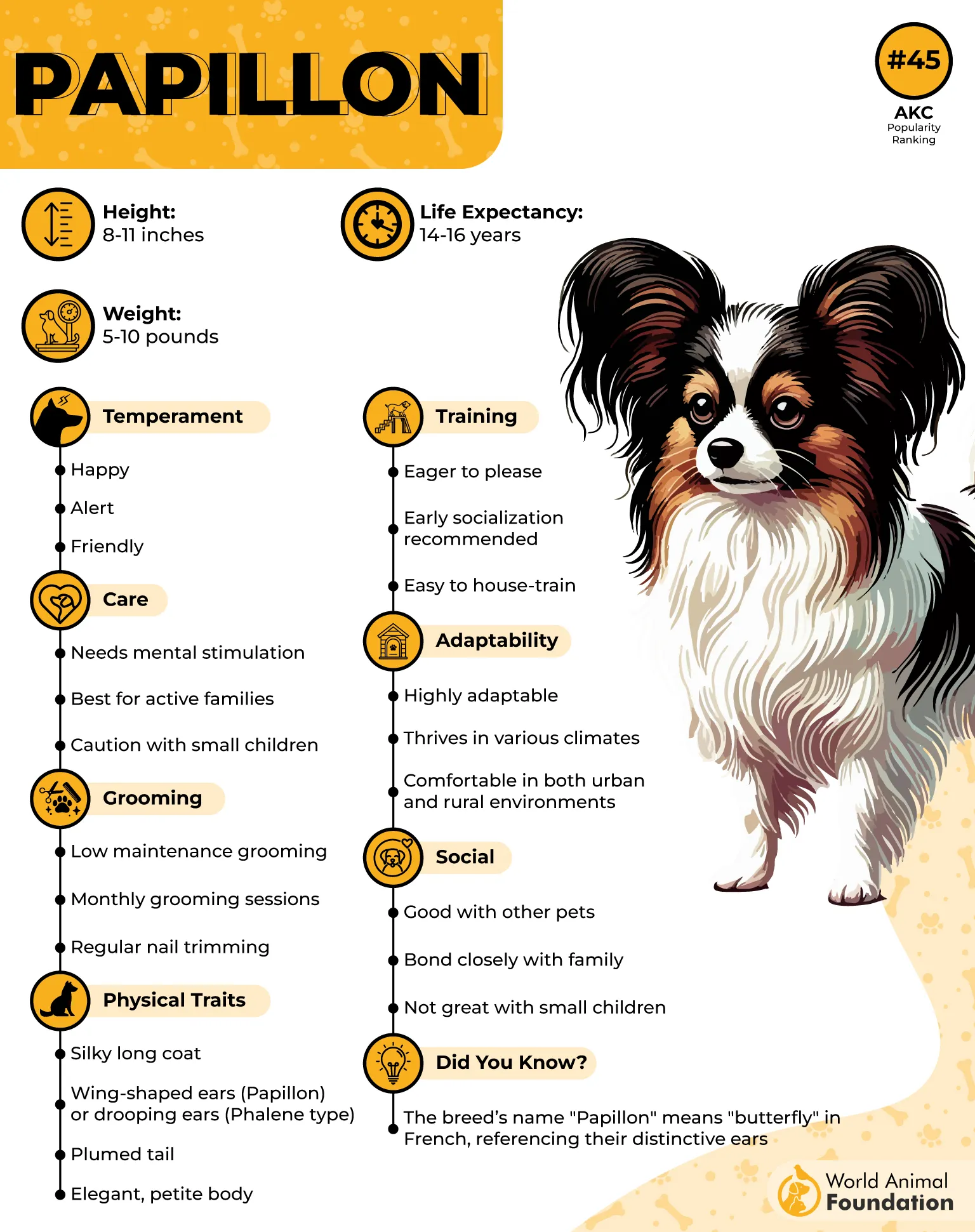
Because they are highly intelligent, Papillons need regular mental stimulation to prevent boredom. Introducing them to different people, surroundings, and experiences during early socialisation can also help reduce shyness or excessive excitement. Interactive games and trick training provide enjoyable ways to keep their minds engaged.
How This Breed Stands Out
Excellent agility and obedience potential: Their active nature, coordination, and eagerness to learn make them well suited to agility activities and obedience training.
Quickly masters complex tricks: Their sharp intelligence allows them to pick up new instructions and challenging tricks with consistent, reward-based practice.
6. Japanese Chin
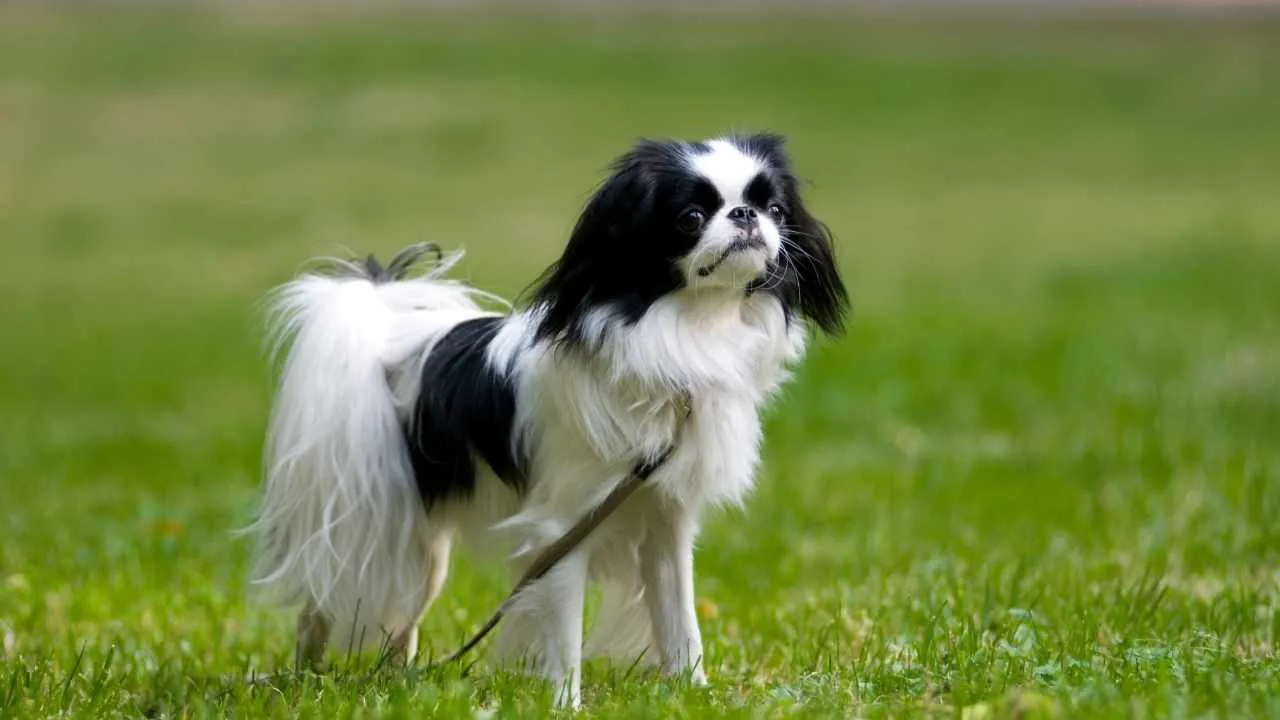
The Japanese Chin is a bright, affectionate toy breed with an amusing personality and graceful appearance. Often compared to cats because of its independent yet loving nature, this little companion enjoys relaxing indoors and staying close to its favourite people. Its intelligence makes it receptive to learning when approached with patience.
Unlike highly energetic breeds, the Japanese Chin generally has a quieter disposition. It can be strong-willed at times, so training works best when owners use calm instructions rather than harsh corrections. A gentle approach helps maintain its interest and encourages cooperation.
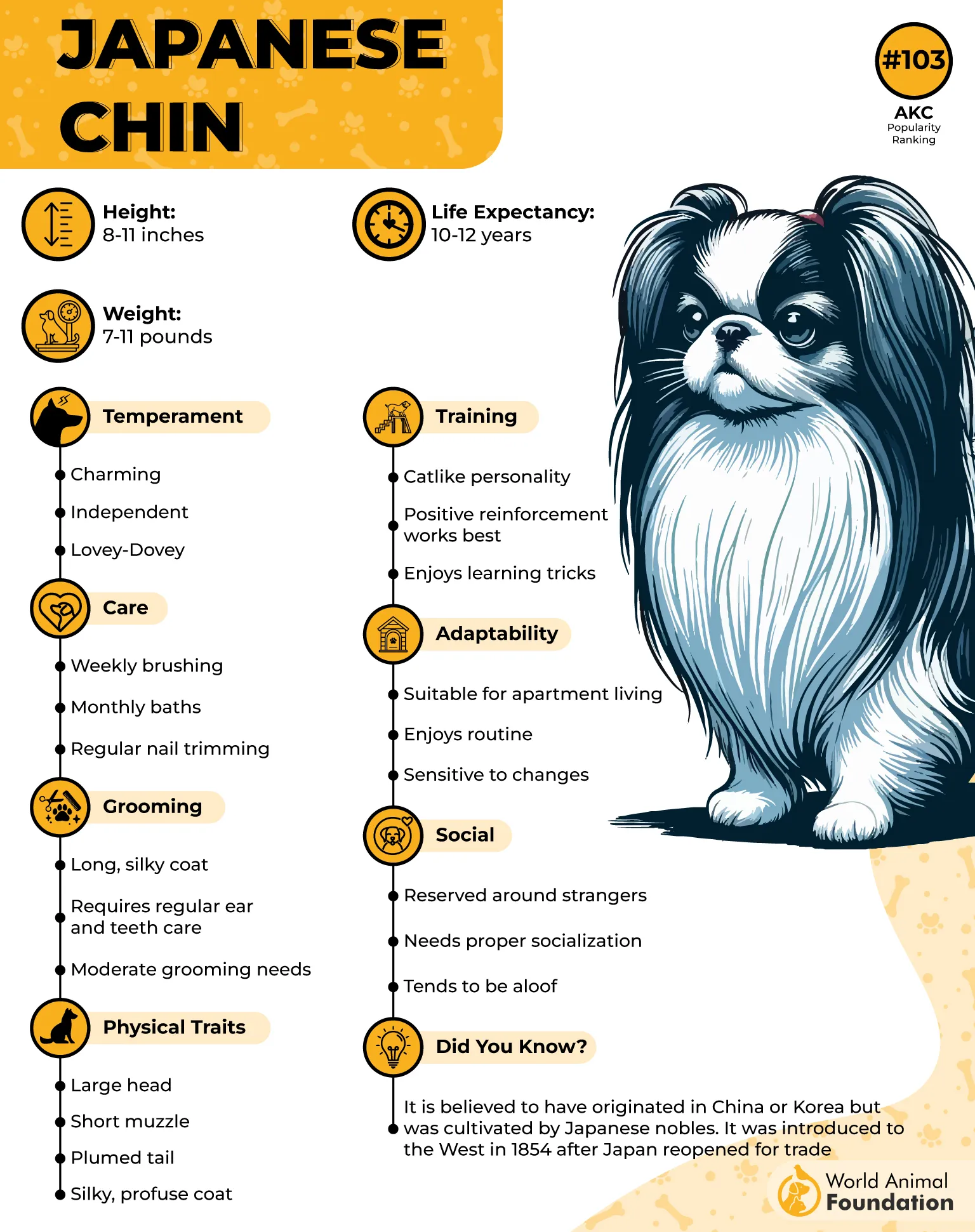
Consistency is particularly useful when teaching this breed everyday expectations. Repeating simple instructions and maintaining familiar routines can help the Japanese Chin understand what is expected. Short, relaxed training sessions are more suitable than demanding exercises.
Known for entertaining its family with playful antics, including its distinctive spinning movements and vocal expressions, this breed benefits from positive interaction. Combining gentle guidance with regular practice can help reinforce household manners without overwhelming its sensitive temperament.
How This Breed Stands Out
Sensitive to calm, patient instruction: Its bright but sometimes independent nature responds better to gentle guidance than forceful training.
Learns routines through gentle repetition: Consistent practice and familiar daily patterns help it understand household expectations and develop good manners.
7. Yorkshire Terrier
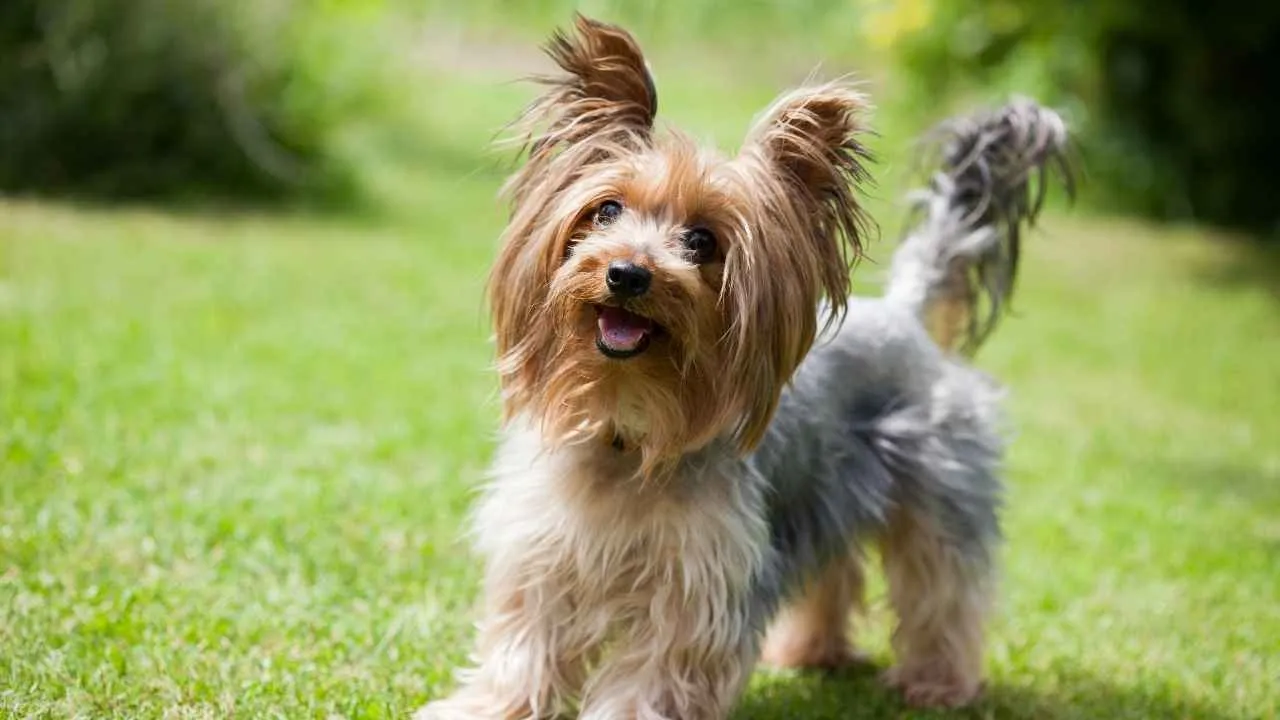
Yorkshire Terriers, commonly called Yorkies, may be tiny, but they have plenty of confidence and spirit. Their silky coats and alert expressions make them instantly recognisable, while their clever and lively personalities keep them actively involved in their surroundings. They are also devoted companions who enjoy spending time with their owners.
Their intelligence makes learning commands relatively straightforward, and they can respond well to structured training. However, their independent terrier nature may occasionally make them determined to do things their own way. Keeping lessons consistent and rewarding helps maintain their attention and encourages cooperation.
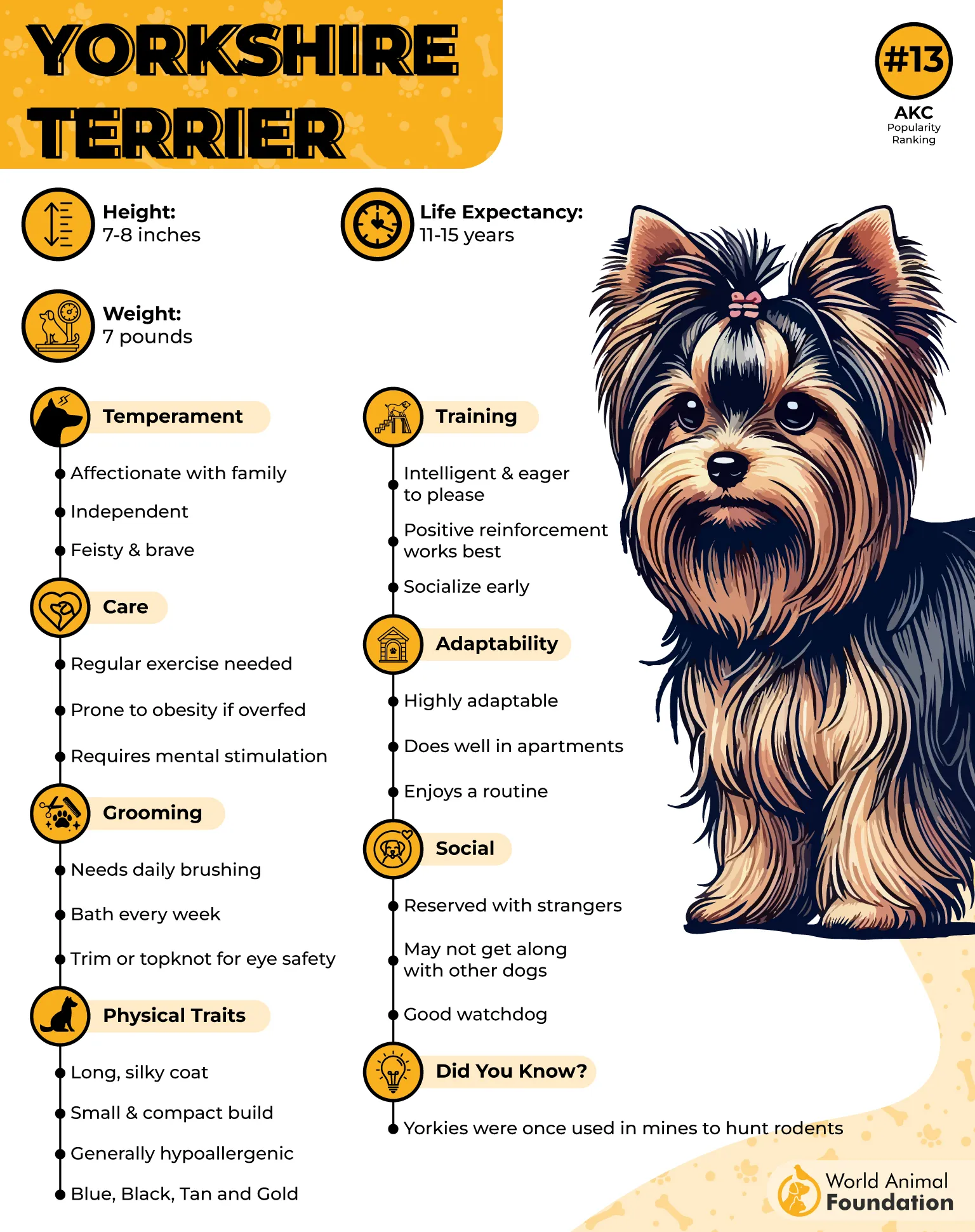
House training can require extra patience with this breed. Establishing a predictable schedule and taking puppies outside frequently can help them understand where to eliminate. Important times include after waking, eating, drinking, playing, and sleeping.
Immediate praise or a suitable reward when they follow the correct routine reinforces the desired behaviour. Their alertness also makes them responsive to familiar instructions, while regular practice helps strengthen obedience and everyday manners.
How This Breed Stands Out
Clever and alert during training: Their intelligence and awareness help them notice instructions and learn commands through consistent practice.
Can master commands despite their independent terrier streak: Although sometimes strong-willed, Yorkies can develop reliable obedience when training is structured, patient, and reward-based.
Conclusion
Small dogs can be intelligent, responsive, and eager to learn when given the right guidance. Their compact size does not limit their ability to understand commands, develop good manners, or participate in engaging training activities.
Positive reinforcement, patience, and consistency are essential for building obedience. Rewards, praise, and enjoyable practice sessions help keep dogs motivated while strengthening their relationship with their owners.
Early socialisation and regular mental stimulation also encourage confidence and appropriate behaviour. Adjusting training methods to suit each dog’s personality makes learning more comfortable and effective.
With understanding and consistent effort, small dogs can become well-mannered companions who respond reliably to everyday instructions and enjoy learning alongside their families.
