




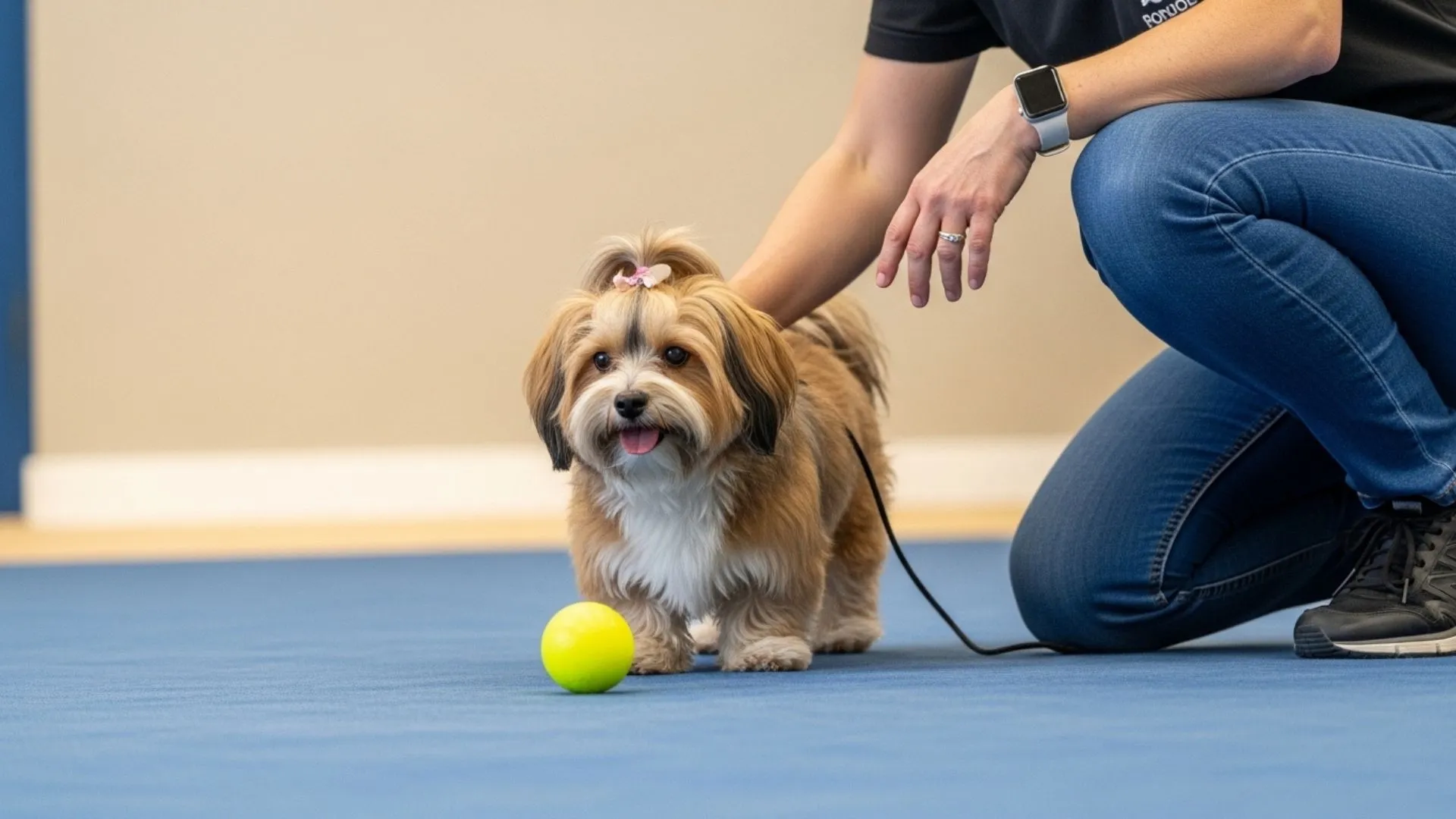
What if training your dog didn’t feel like a challenge at all? What if commands were understood quickly, routines were picked up early, and progress came without constant repetition?
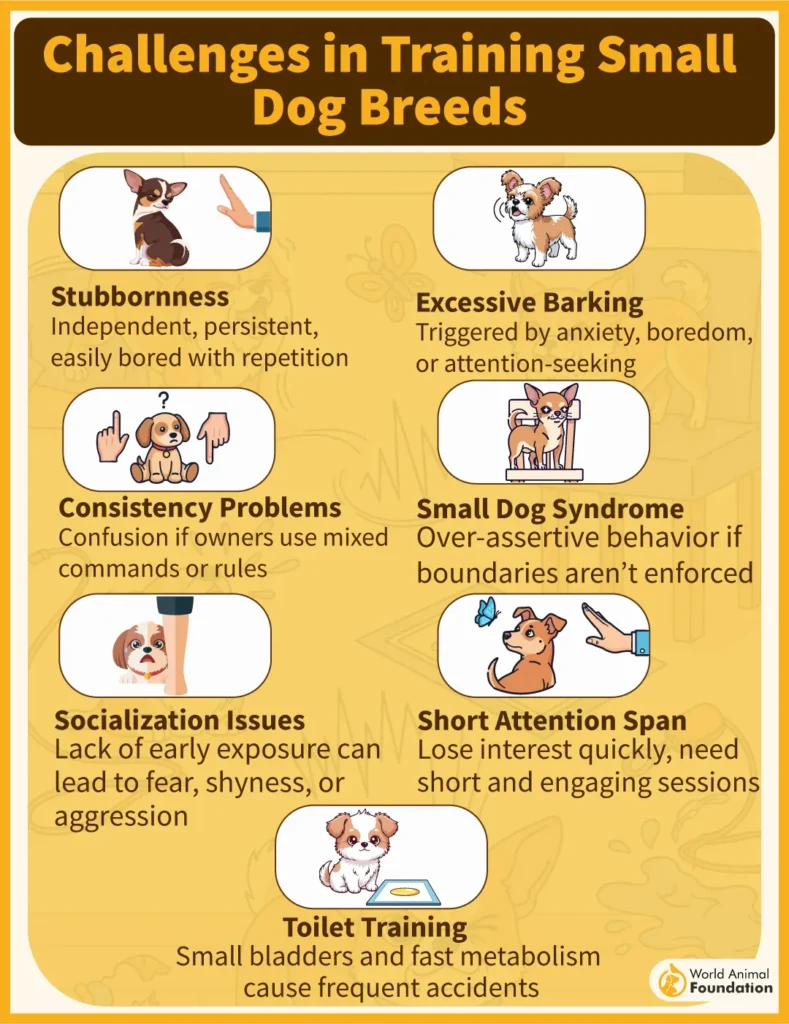
Many people assume small dogs are difficult to train, but that belief often comes from choosing the wrong breed. Some small dogs are naturally attentive, quick to understand patterns, and eager to respond. They don’t need endless correction because they learn through observation and consistency.
This makes them ideal for owners who want a smoother experience without frustration. Training becomes less about effort and more about connection, where communication feels clear and natural. If you have ever questioned whether an easy-to-train small dog truly exists, the answer is yes. You simply need to know where to look.
Ahead, you will find small dog breeds that make training feel simple, manageable, and surprisingly enjoyable from the start.
Key Takeaways
Training a dog doesn’t have to be a struggle when you pick the right breed.
Border Terriers, Boston Terriers, and Cavalier King Charles Spaniels are natural learners who thrive on praise, treats, and interactive sessions.
Toy Poodles, Havanese, and Papillons keep both mind and body engaged, making obedience andplayful tricks a seamless part of daily life.
Stick with this guide to meet all nine breeds that make learning fun, proving that small size doesn’t mean small intelligence.
Small Dog Breeds That Are a Breeze to Train
1. Border Terrier
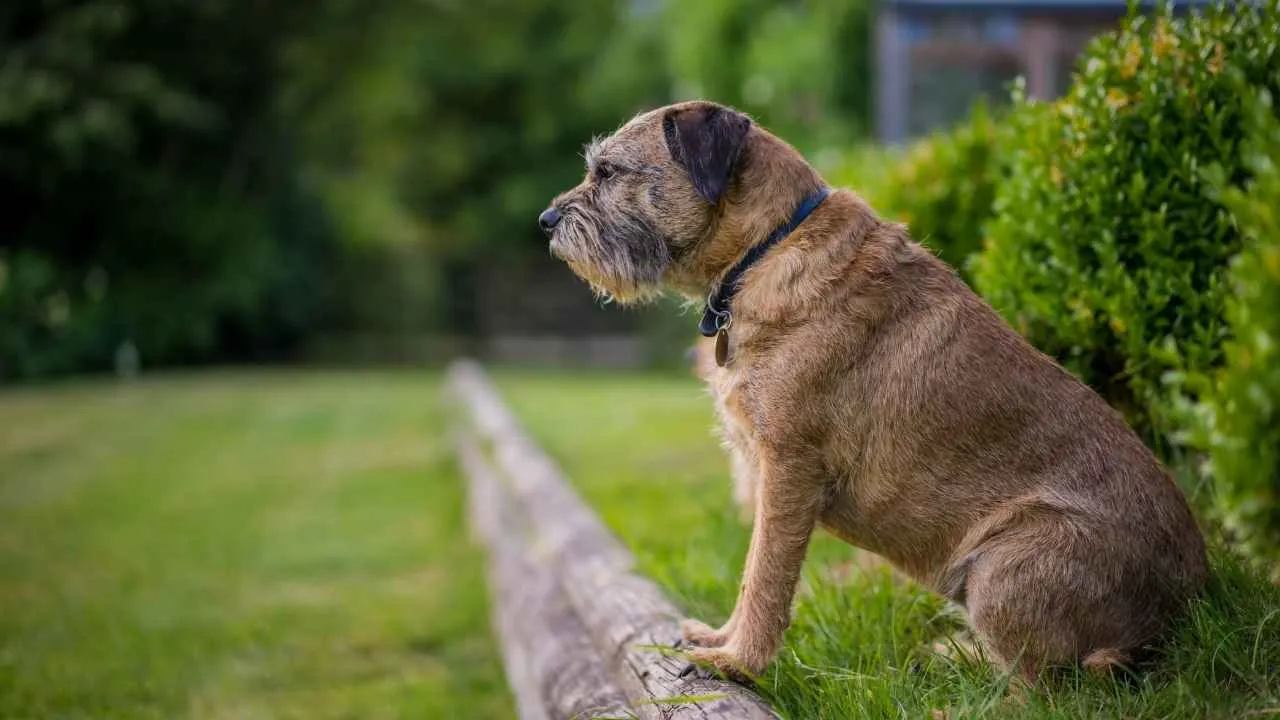
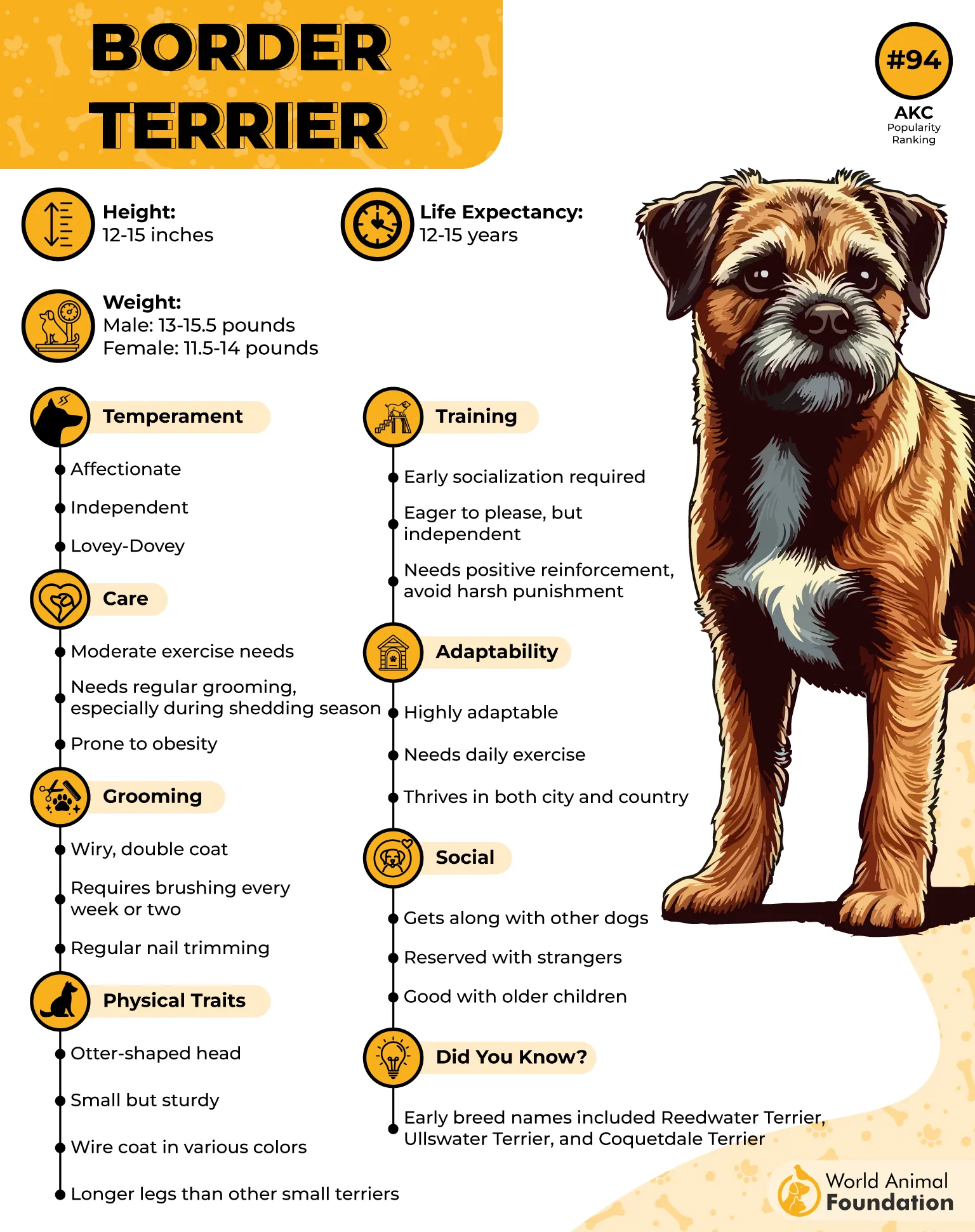
Border Terrier is an energetic, tough working terrier known for its adaptability in both rural and urban settings. Its wiry coat is easy to maintain, and the breed’s otter-shaped head and long legs set it apart from other small terriers. Borders are affectionate and alert while remaining highly trainable.
Physical Traits and Versatility
Borders possess a compact, agile frame ideal for active households and outdoor adventures. Their temperament makes training enjoyable when approached with positive reinforcement.
Here’s a quick look at their build:
Sturdy, low-maintenance wiry coat
Otter-shaped head with distinctive alert expression
Longer legs for ease of movement
Temperament and Social Skills
They combine independence with eagerness to please, which can make training rewarding yet requires consistency. As per Britannica, their playful side makes them excellent companions for children and interactive exercise. Borders adapt well to city life if daily walks and outdoor time are provided.
2. Boston Terrier
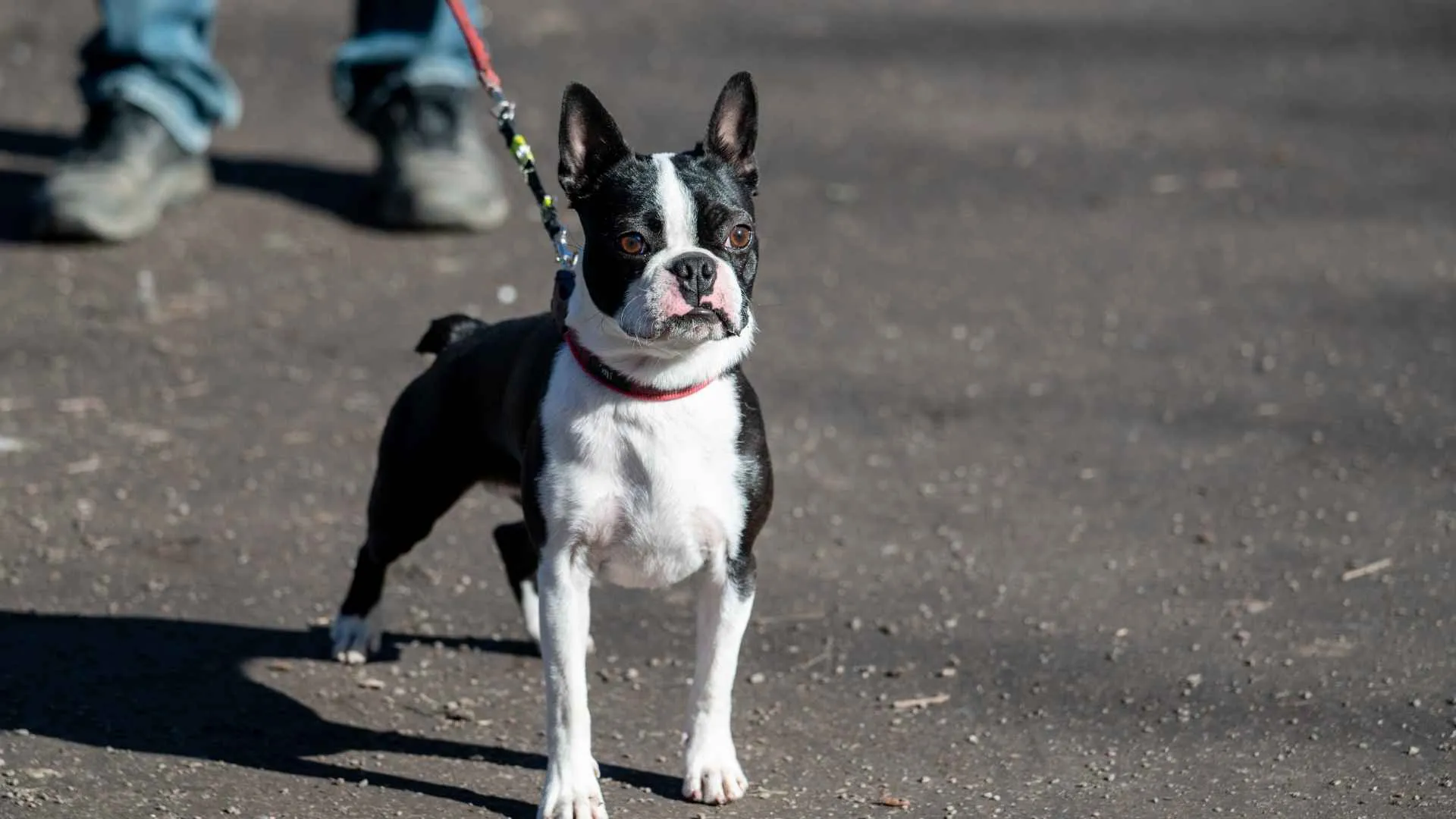
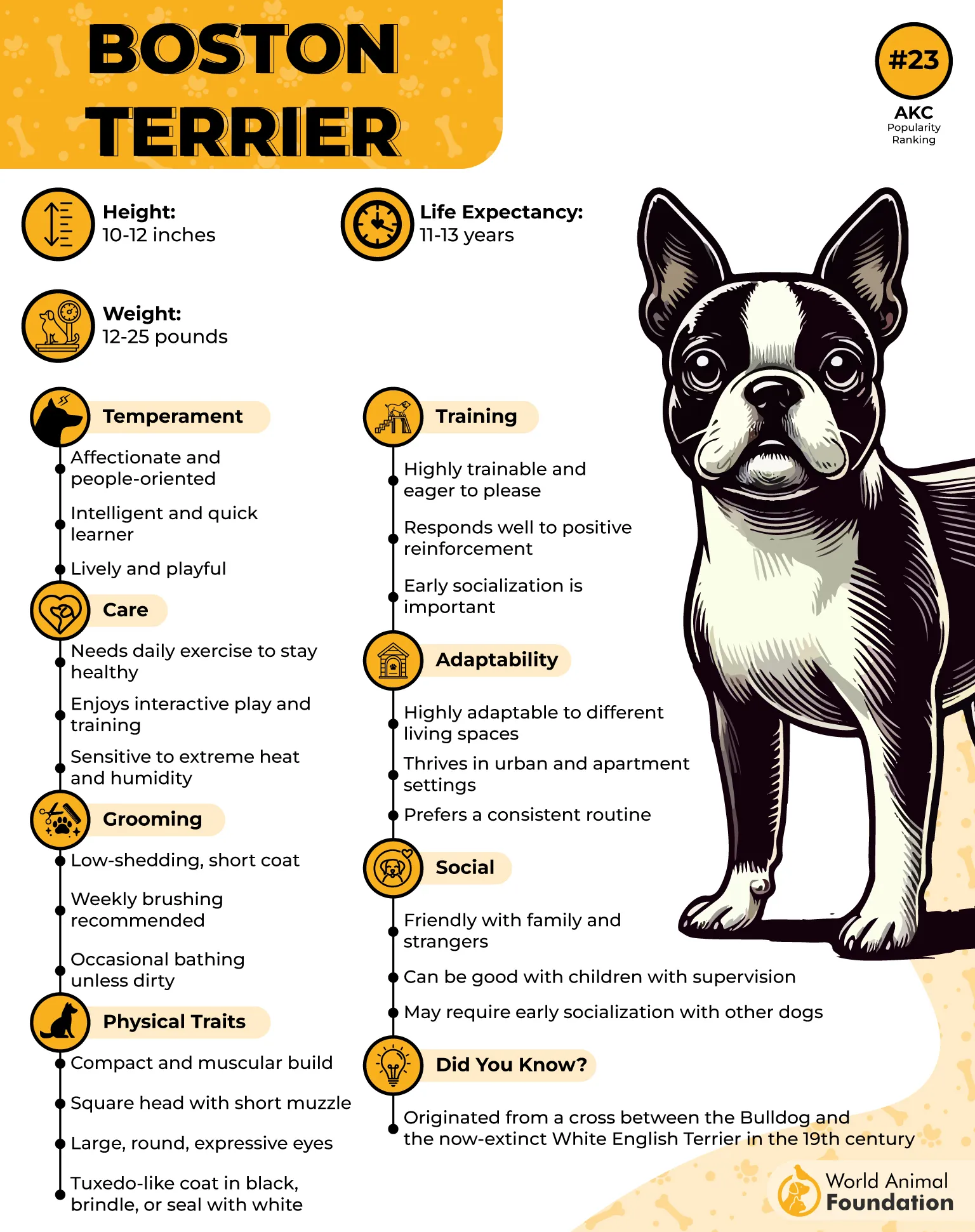
Boston Terriers’ compact, well-balanced frame and tight tuxedo markings make them instantly recognizable. Big, round eyes radiate curiosity and friendliness. The breed’s jaunty step reflects both agility and cheerfulness, perfect for attentive companionship.
Trainable Nature and Behavior
These little Americans are intelligent and eager to please, responding well to gentle guidance. Their natural sociability makes lessons enjoyable, and short sessions keep them focused. Incorporating treats and praise enhances learning and reinforces good manners.
Here’s how their intelligence shines in these traits:
Quick to learn basic commands
Enjoys interactive training sessions
Responds to positive reinforcement
Urban Adaptability and Engagement
Boston Terriers thrive in city environments due to their small stature and social nature. Regular outings to parks, cafes, or walking trails provide both exercise and mental stimulation. This adaptability makes them ideal for structured training and active households.
3. Cavalier King Charles Spaniel
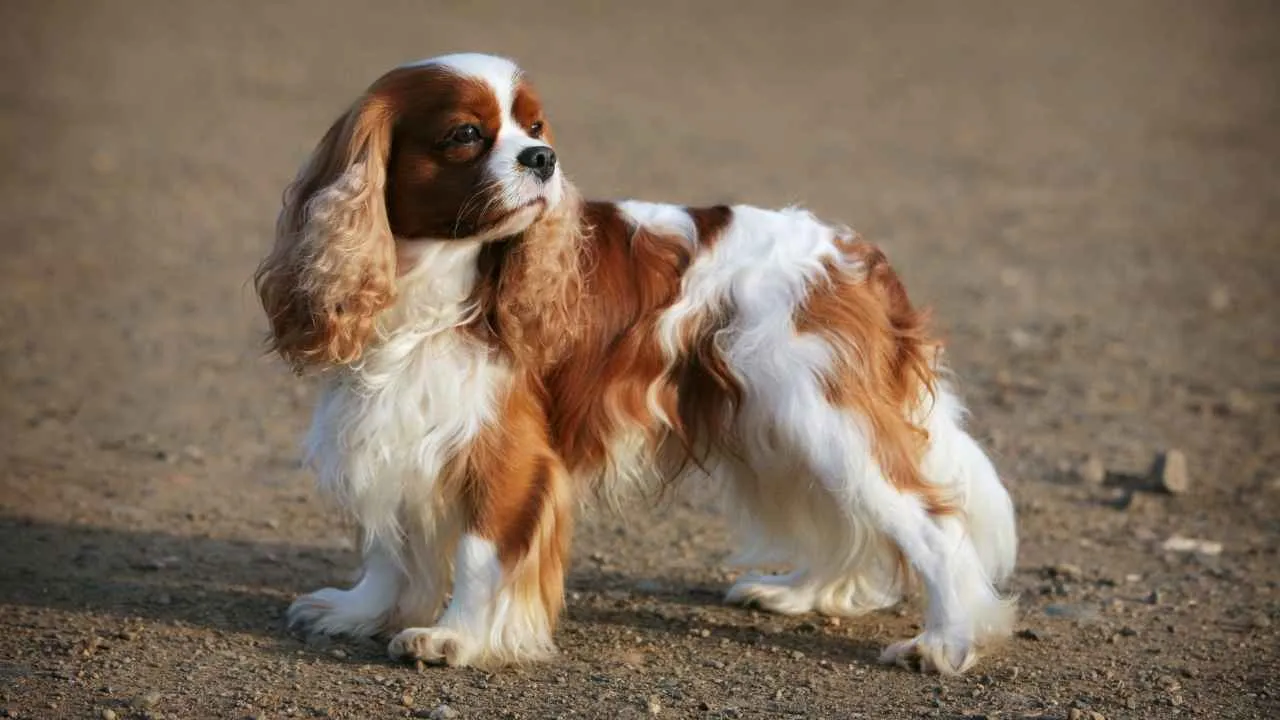
Cavalier King Charles Spaniel blends the gentle attentiveness of a toy breed with the agility of a sporting spaniel. Its even temper and regal presence make it an ideal companion for households seeking charm and reliability. Cavaliers adapt seamlessly to active play or quiet indoor life.
Trainability and Engagement
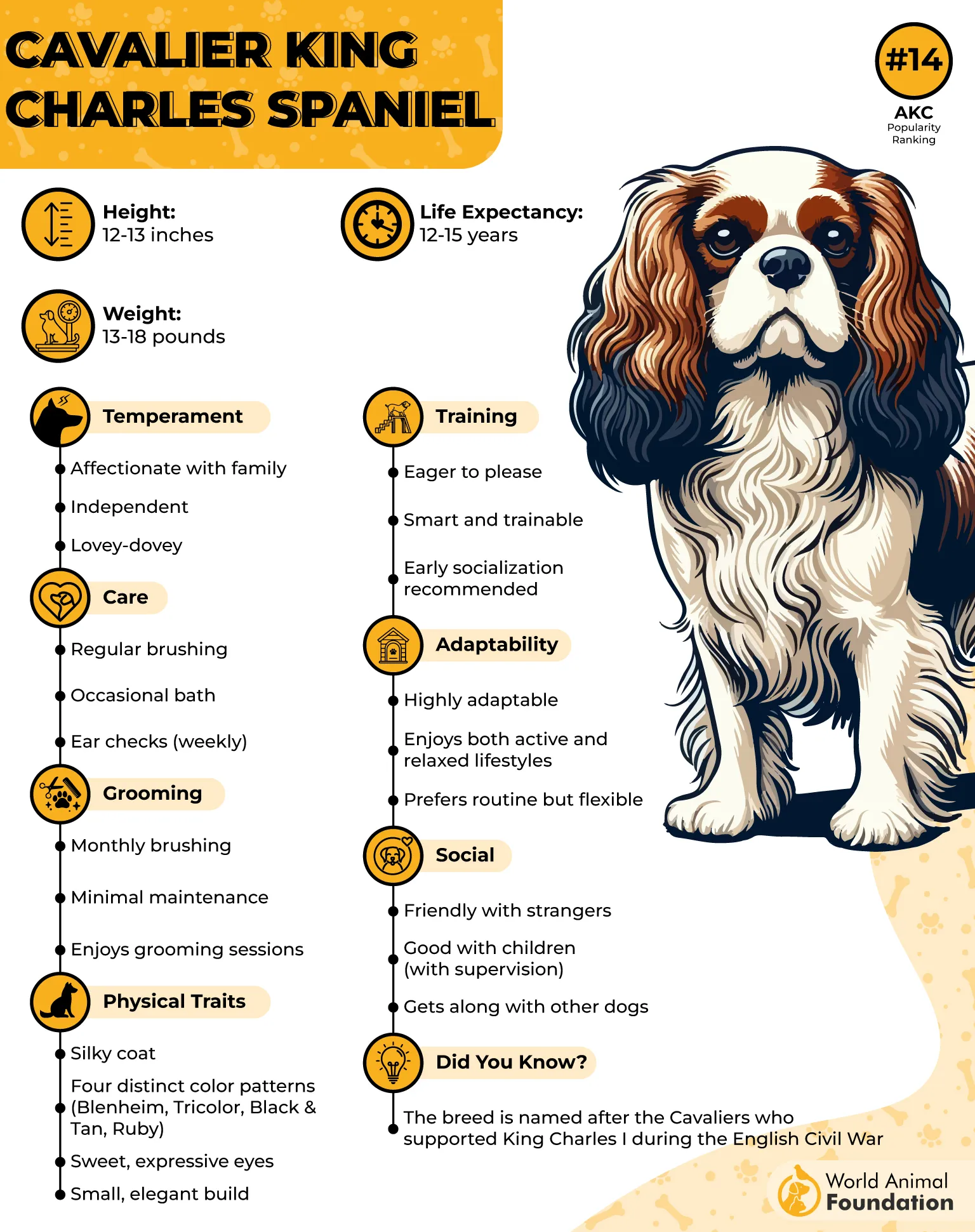
Cavaliers are eager to please, making training sessions enjoyable and efficient. Their athleticism and intelligence allow them to excel in a range of canine sports, as stated in PetMD.
These skills highlight their versatility and eagerness to learn:
Excels in obedience, rally, and agility
Friendly with children and other pets
Adapts well to active or relaxed lifestyles
Social Intelligence
These small dog breeds thrive on human companionship and show friendliness to strangers. Early socialization helps them navigate diverse environments comfortably. Their affectionate nature makes them responsive learners and excellent family companions.
4. Havanese
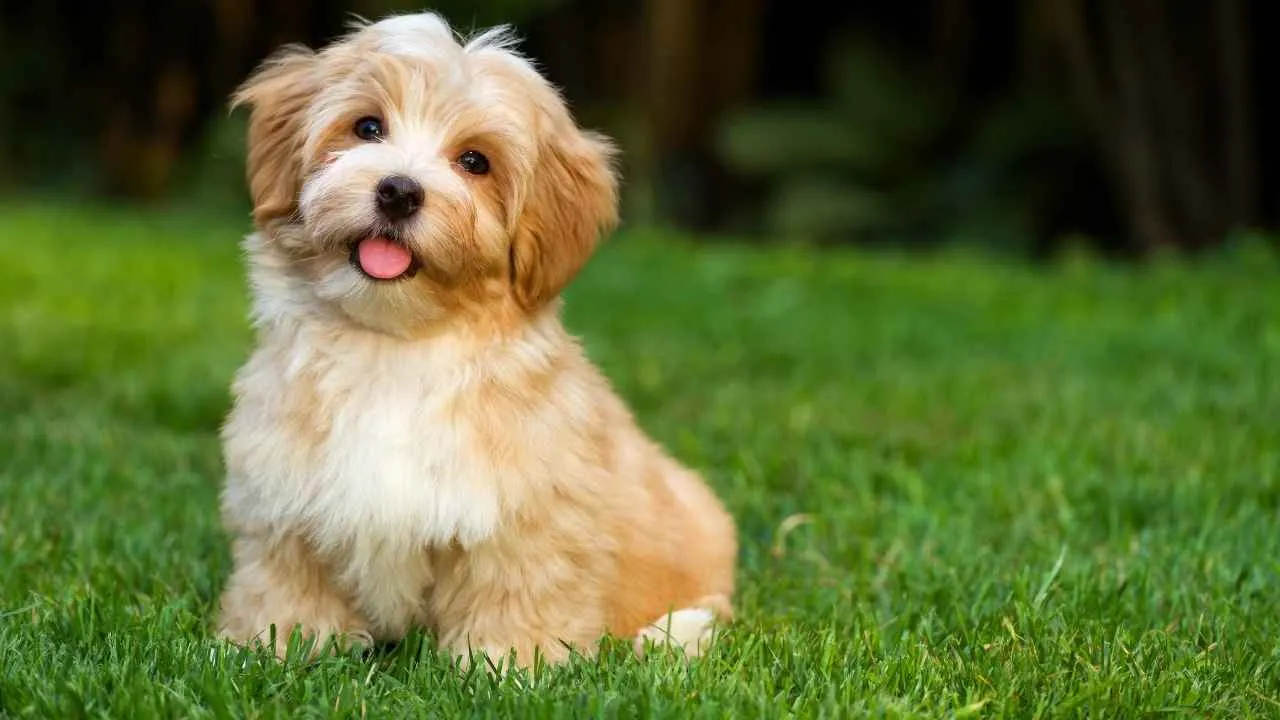
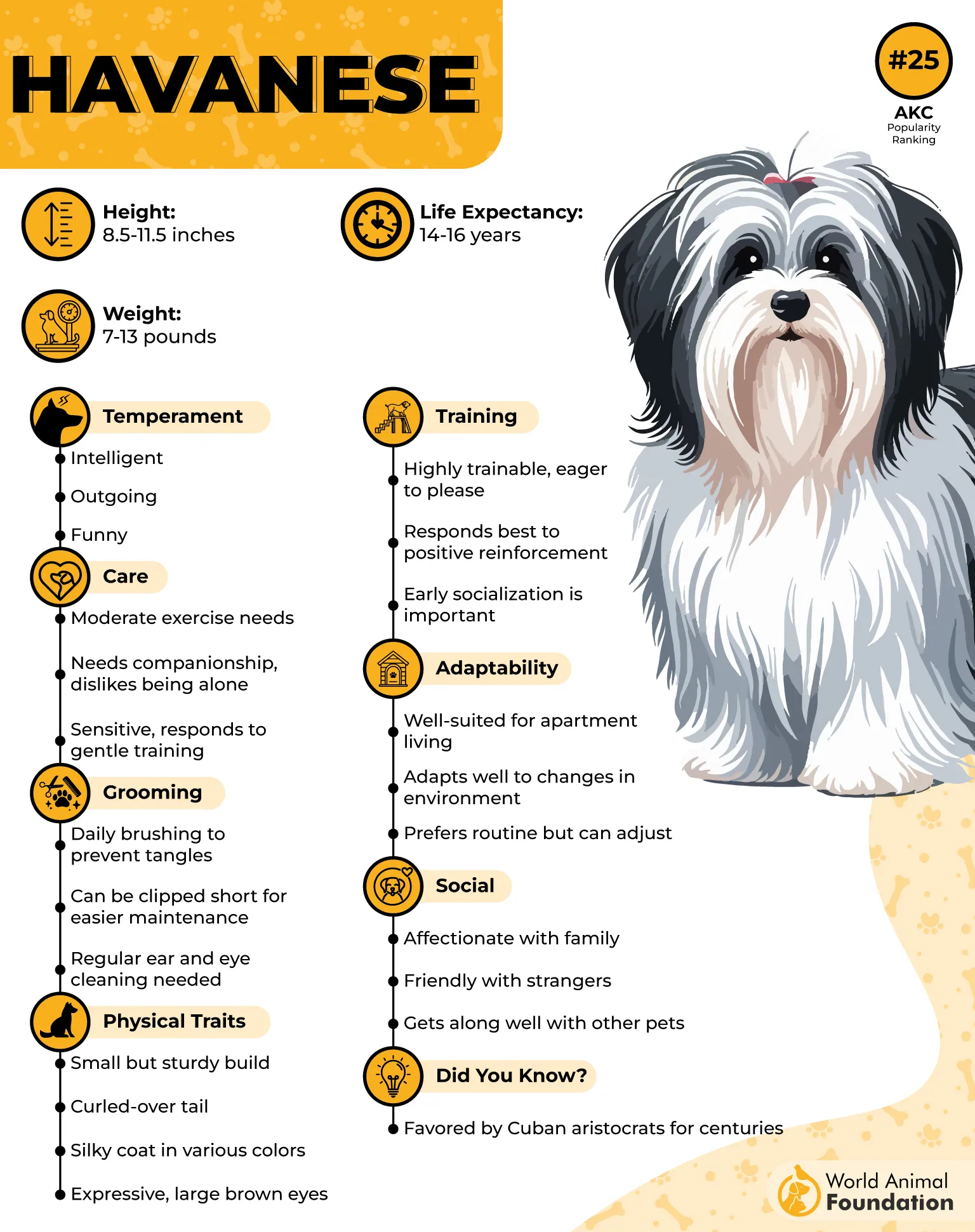
Havanese belongs to the Bichon family and arrived in Cuba via Spanish traders centuries ago. Popular among the elite, they became cherished companions for their playful and affectionate demeanor. Their sociable nature allows them to interact smoothly with people, cats, and dogs alike.
Intelligence and Trainability
This breed thrives on learning new skills and loves challenges that engage their mind. Their intelligence and eagerness to please make them quick learners.
Here’s how they excel in everyday and specialized activities:
Respond well to recall commands
Perform brilliantly in agility competitions
Serve effectively as therapy dogs
Affection and Bonding
Havanese are often called “velcro dogs” for their love of close contact and cuddling, as Omlet writes. They form deep bonds with family members while staying playful and entertaining. Attention-seeking behaviors can be guided positively with consistent training.
5. Poodle (Toy)
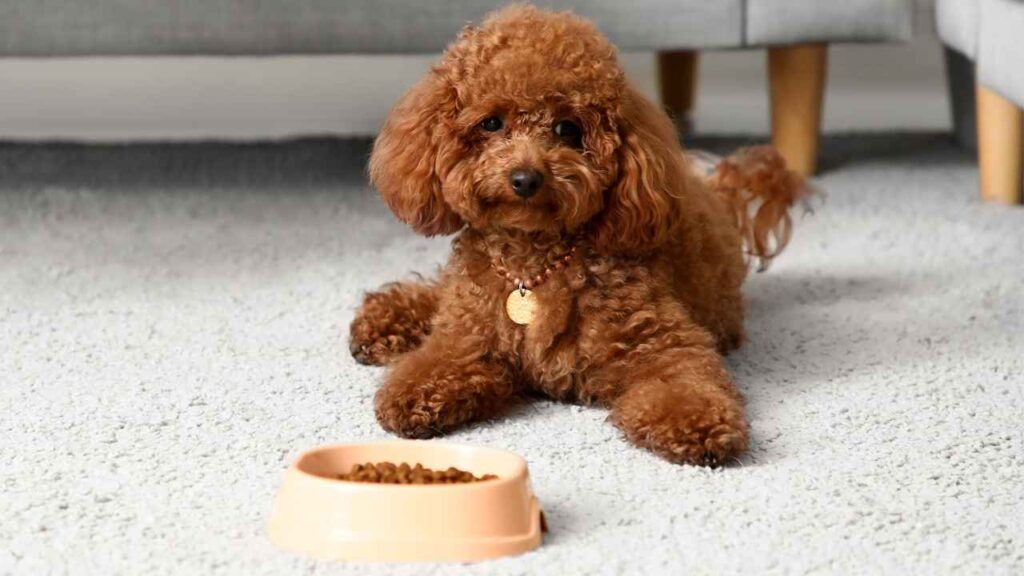
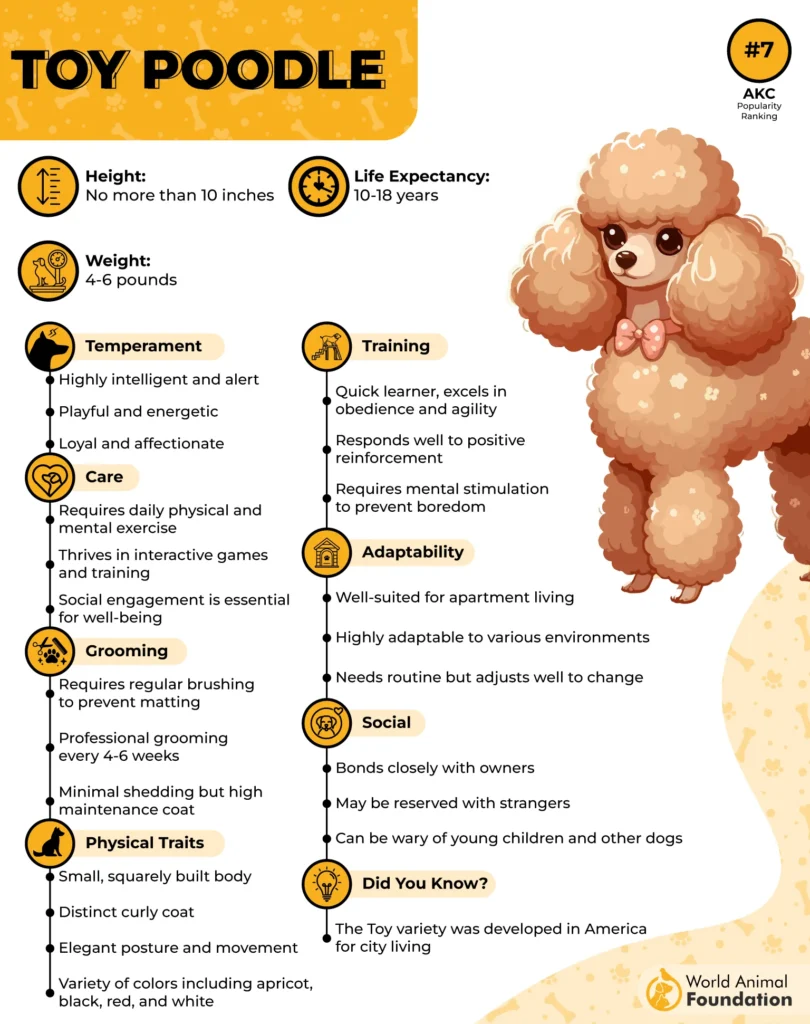
Toy Poodles combine elegance with remarkable intelligence, making them natural learners. Beneath the curly, low-allergen coat lies an agile, athletic companion. Their versatility allows them to excel in various activities while remaining attentive to their humans.
Athleticism and Trainability
These tiny dogs are surprisingly athletic, with graceful movements that support diverse canine sports. Their eagerness to engage makes training both fun and effective.
Their attentive nature is clear in these traits:
Excel in agility courses
Respond quickly to commands
Thrive in obedience and tracking
Social Orientation
Toy Poodles are highly people-oriented, forming strong bonds and enjoying shared activities. Positive, consistent training unlocks their full potential, creating responsive and reliable pets. Their playful intelligence keeps learning exciting for both dog and owner.
6. Papillon
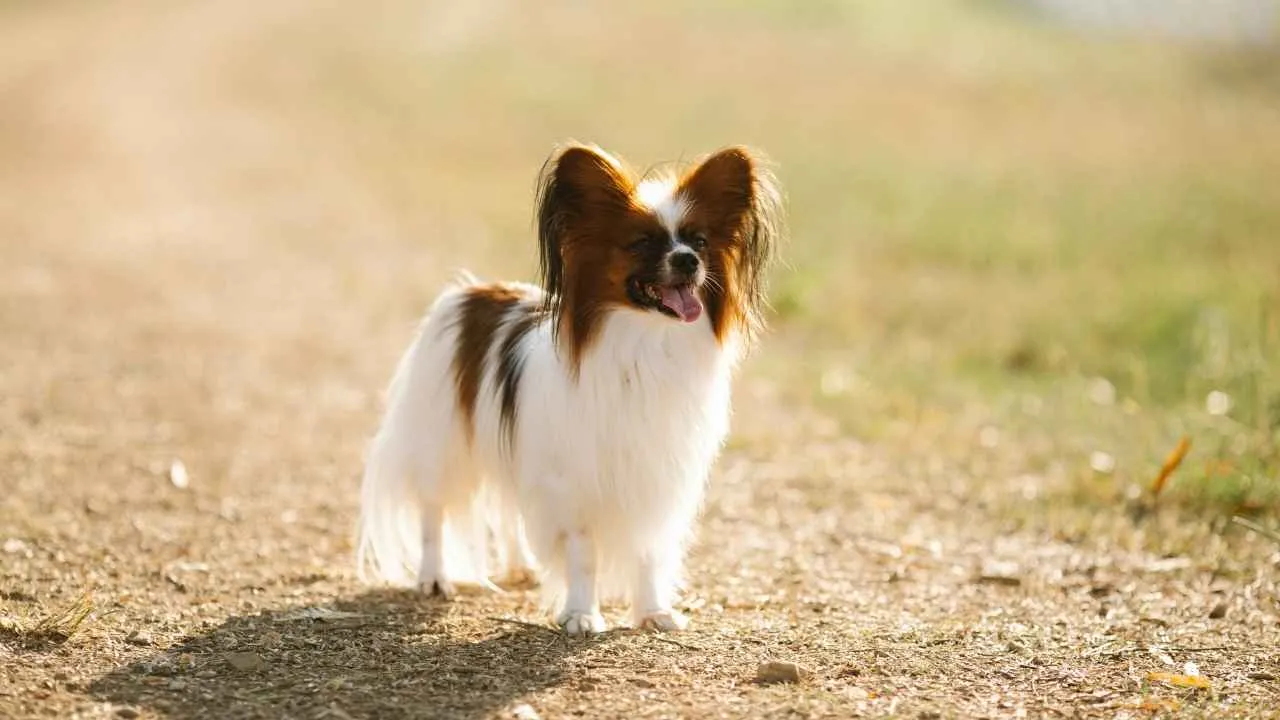
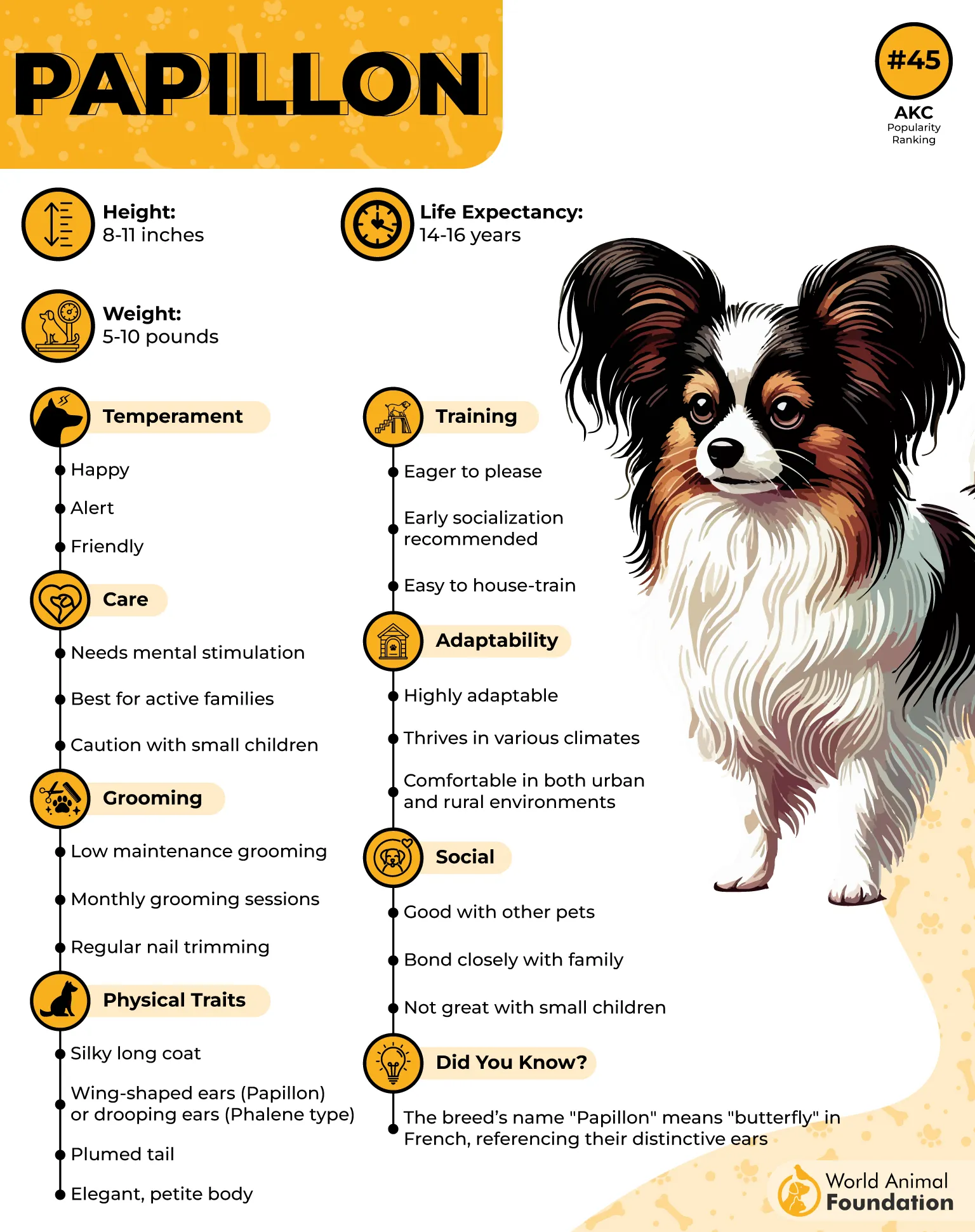
Papillon has a butterfly-like ear structure that sets it apart visually and signals its lively, friendly demeanor. This breed loves engaging with people and enjoys being the focus of attention, making it highly responsive during training. Its historical association with court life highlights its social intelligence.
Intelligence and Learning Drive
They are eager to learn and thrive on structured activities. Positive reinforcement and playful interaction encourage consistent responses from this breed. Training success is bolstered by its natural curiosity and attentiveness.
Their learning abilities are reflected in these traits:
Excels in obedience and trick training
Learns commands quickly with praise
Enjoys cooperative play during learning
Social Flexibility and Adaptability
Papillon interacts well with other dogs, cats, and children, adjusting comfortably to household routines. They enjoy cuddles on their own terms, yet remain alert and responsive during outdoor walks. This adaptability supports consistent learning in diverse environments.
7. Pembroke Welsh Corgi
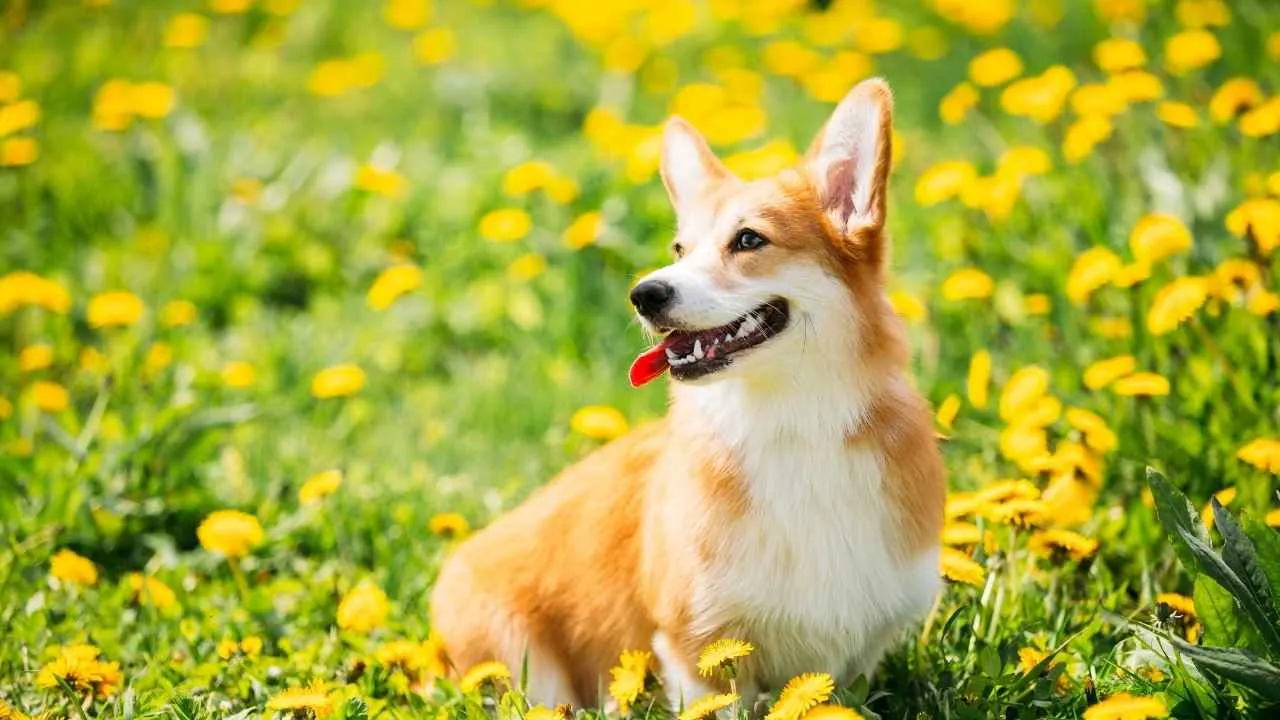
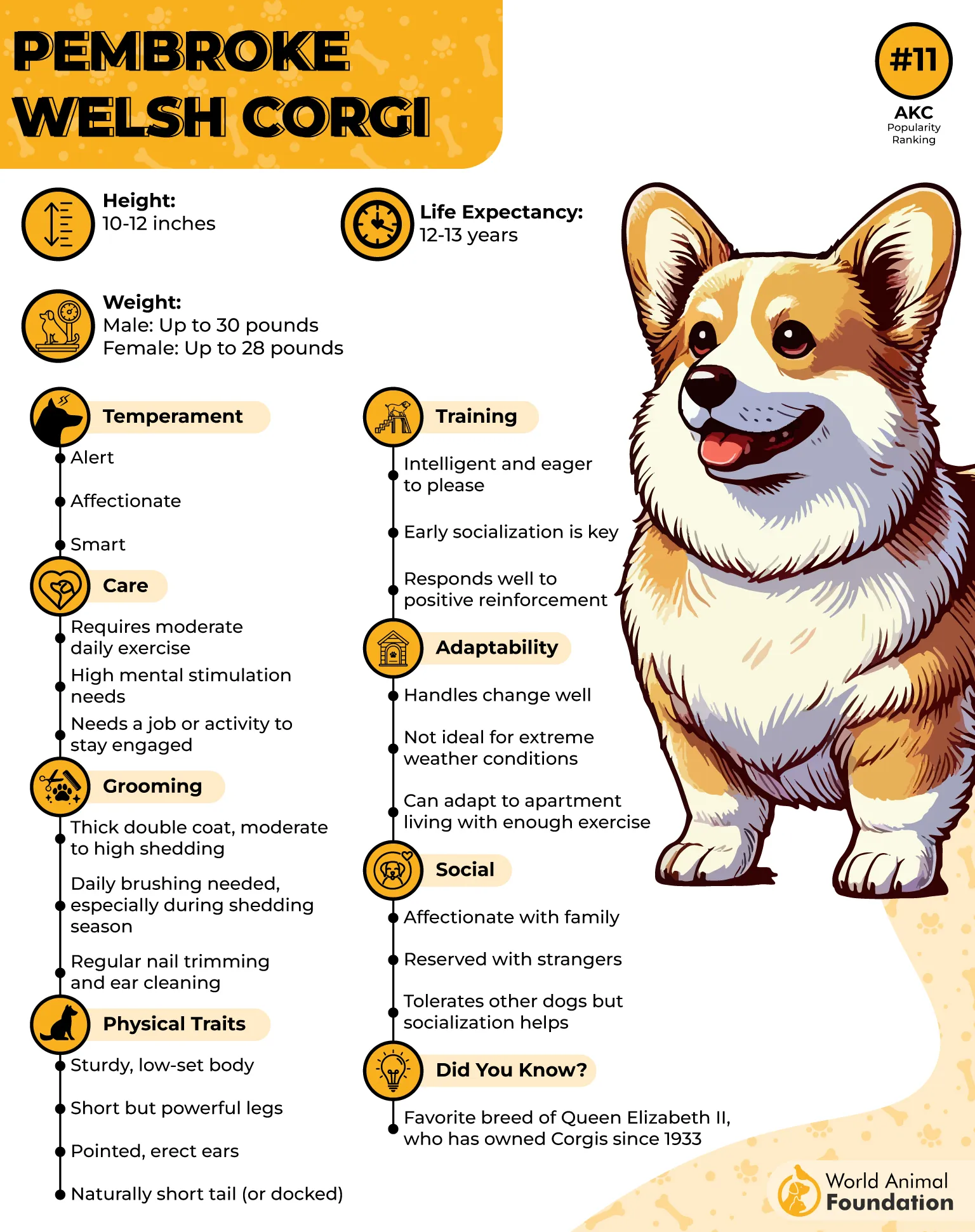
Pembroke Welsh Corgi is a lively little herder with a long, low body built for speed and agility. Athletic yet affectionate, they balance energy with companionship while enjoying time with their human family. Their natural curiosity makes them responsive and engaged for consistent training.
Intelligence and Trainability
This breed is bright, sensitive, and highly intelligent, responding well to reward-based training. Early socialization and puppy classes help shape a confident adult ready to learn. Their energy pairs with eagerness to perform tasks, creating an ideal trainable small dog breed.
Their intelligence is reflected in these traits:
Quick to learn commands
Enjoys interactive play
Adapts well to routines
Herding Instinct and Personality
Corgis often think independently yet remain eager to participate in family activities. Their herding heritage gives them focus, and their playful energy encourages active engagement. Proper guidance channels their intelligence into productive behaviors without frustration.
8. Bichon Frise
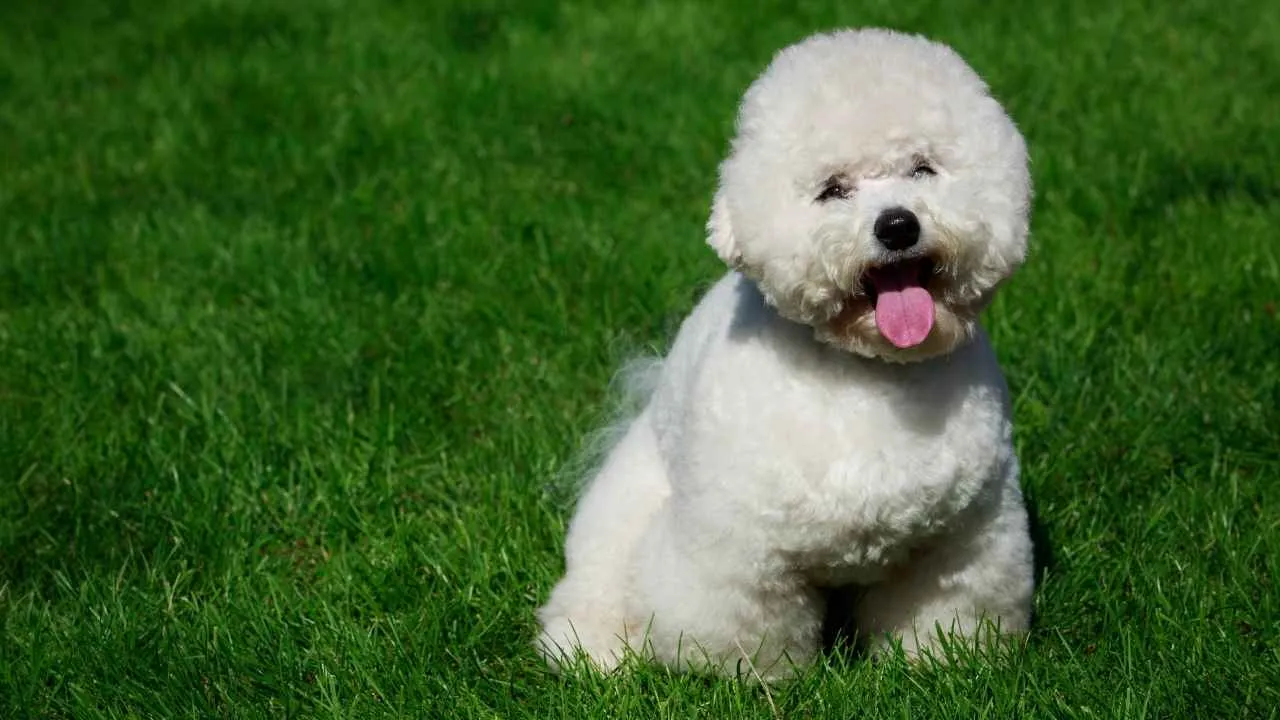
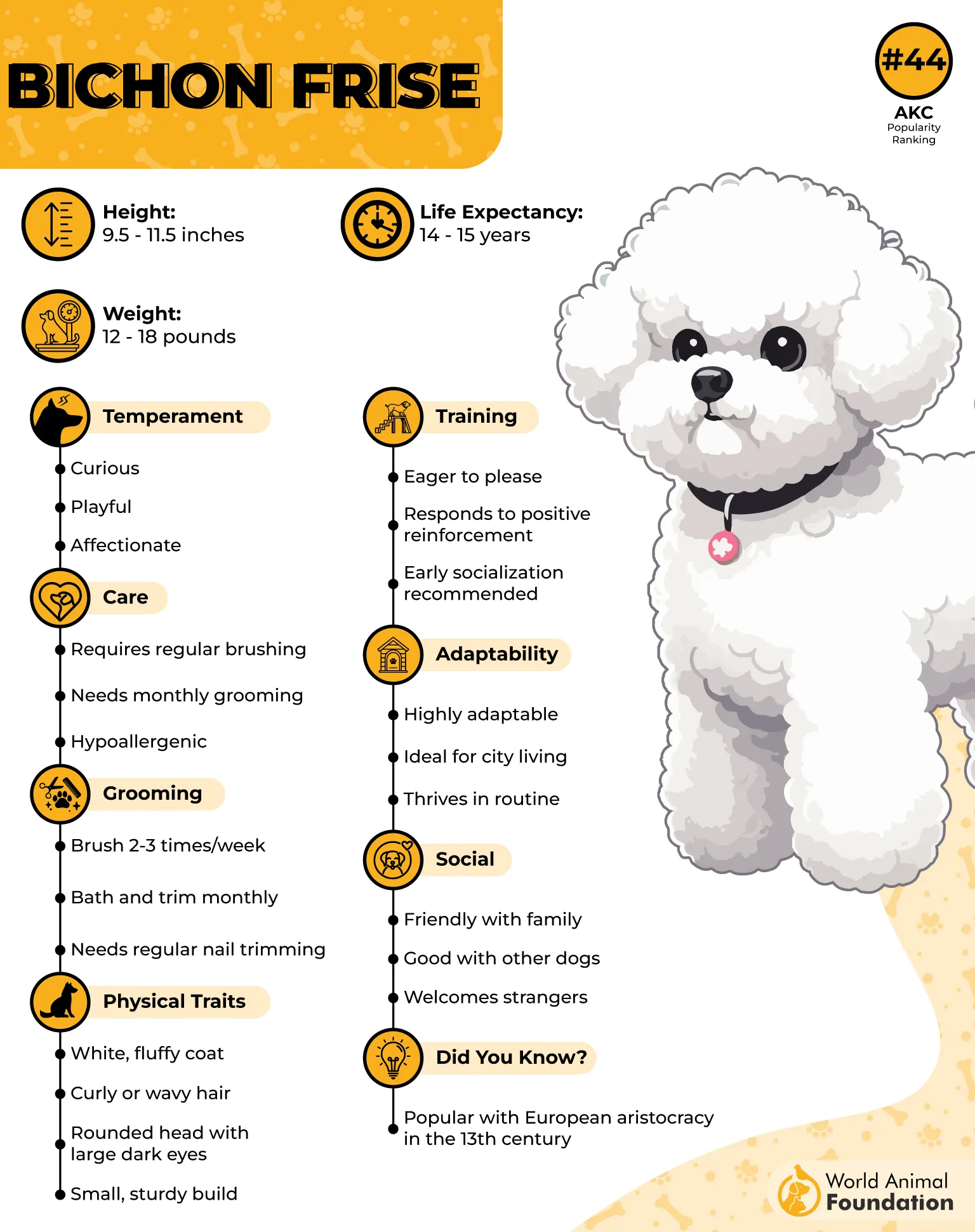
Bichon Frise is a small but resilient dog with a lively personality that thrives on companionship. Their curiosity and alertness make them gentle little watchdogs while keeping interactions playful and engaging. These traits contribute to their reputation as adaptable city companions.
Trainability and Engagement
They respond exceptionally well to structured training and enjoy performing tricks for their owners. Their bright and eager nature makes learning fun for both dog and handler.
These skills shine across daily activities:
Quick learners for new commands
Enjoy performing tricks
Respond best to positive reinforcement
Social and Family Friendly
Bichons are affectionate and sociable, forming strong bonds with both adults and children. They are happiest when included in family life and may develop undesirable behaviors if left alone too long. Their gentle approach allows seamless integration with other pets.
9. Miniature Schnauzer
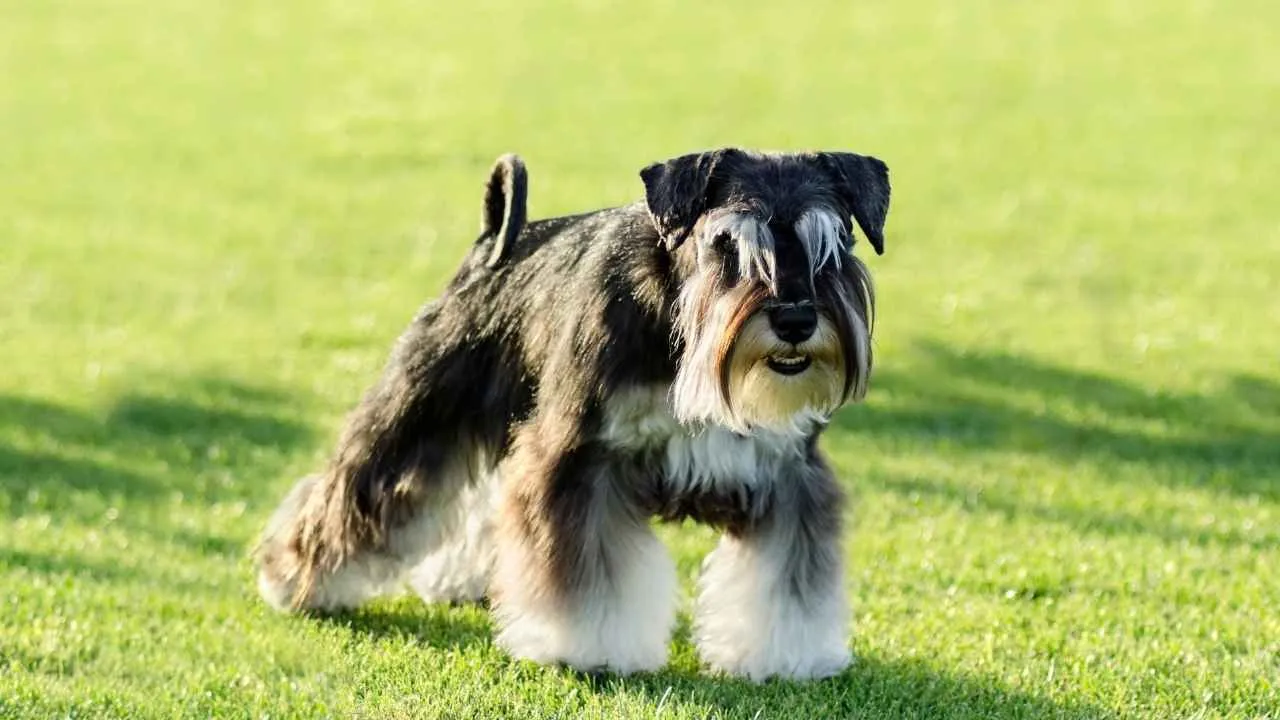
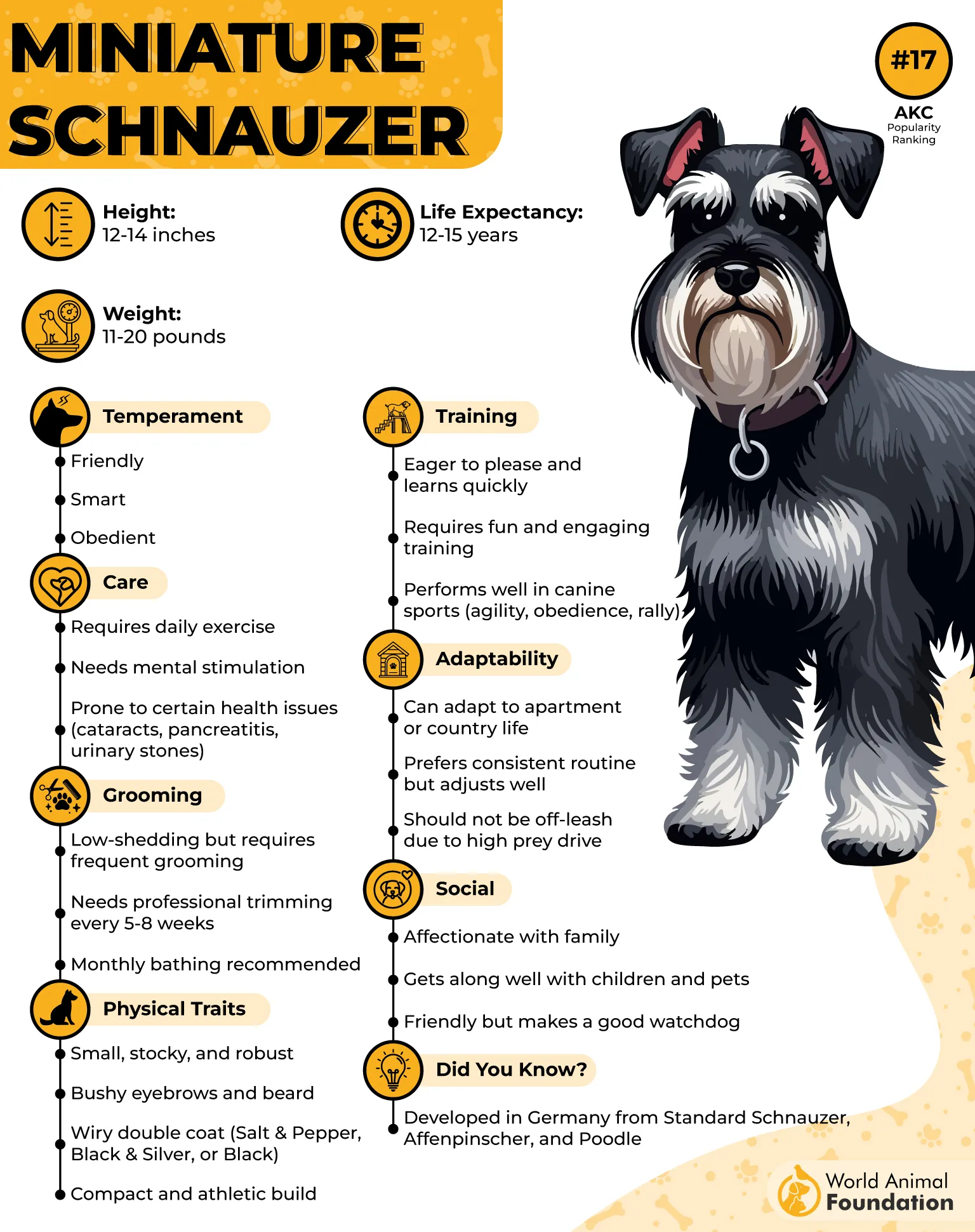
Miniature Schnauzer combines a portable size with a lively, outgoing personality, making it ideal for active households. Its sporty appearance and sturdy build reflect the breed’s farm-dog origins. This compact dog adapts well to indoor life while enjoying vigorous play outdoors.
Intelligence and Trainability
Highly intelligent and eager to please, this small breed responds quickly to training, making them well-suited for structured activities. Their alert nature ensures they excel in both obedience and interactive games.
Here’s what living with this breed looks like:
Agile and responsive to commands
Excels in canine sports like rally or agility
Socializes well with children and other pets
Versatile Work Ethic
Originally bred to hunt vermin and assist on farms, Minis are fearless and muscular despite their small stature. This adaptability allows them to patrol properties or participate in active sports. Their endurance and curiosity make them attentive companions in a variety of roles.
Conclusion
Choosing from the most intelligent dog breeds makes the training process feel clear and manageable from the start. These are the easiest dog breeds to combine focus, quick learning, and an affectionate personality that supports steady progress. Many of them are also popular dog breeds known as wonderful family pets and reliable companion dogs.
Their breed characteristics reflect a balance between play and discipline, making them suitable for agility training and daily routines. For dog lovers with an active lifestyle, these small yet athletic dogs bring both energy and cooperation. With the right approach, they grow into responsive, well-adjusted partners in everyday life.
