




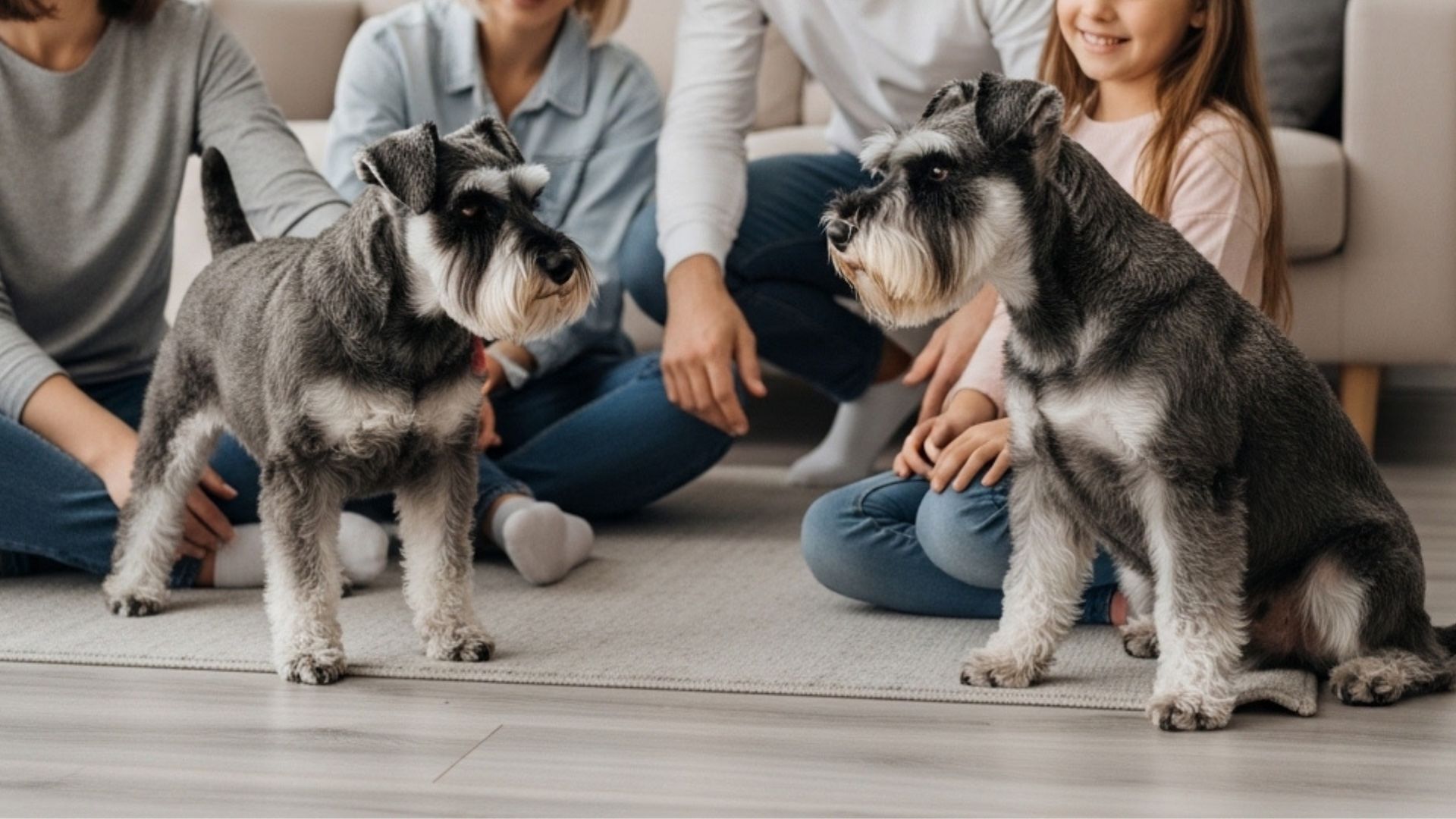
When people imagine an active family dog, they often picture a large, athletic breed sprinting across open fields. In reality, many small dogs are just as energetic, adventurous, and eager to join in on family life — sometimes even more so.
Small dog breeds often combine stamina, intelligence, and enthusiasm in compact bodies that fit easily into busy households, urban homes, and families constantly on the move.
What makes a small dog ideal for an energetic family isn’t just energy alone. It’s adaptability, emotional resilience, trainability, and a genuine desire to engage with people.
Many small dog breeds were historically developed as hunters, watchdogs, or working companions, which explains their drive and athleticism today. These dogs don’t simply tolerate activity — they thrive on it and often struggle if their physical and mental needs aren’t met.
Below are the top small dog breeds perfect for active families that consistently excel in active family environments. Each one brings its own blend of energy, personality, and loyalty — proving that big adventures can absolutely come in small packages.
Top Small Dog Breeds Perfect for Active Families
1. Jack Russell Terrier
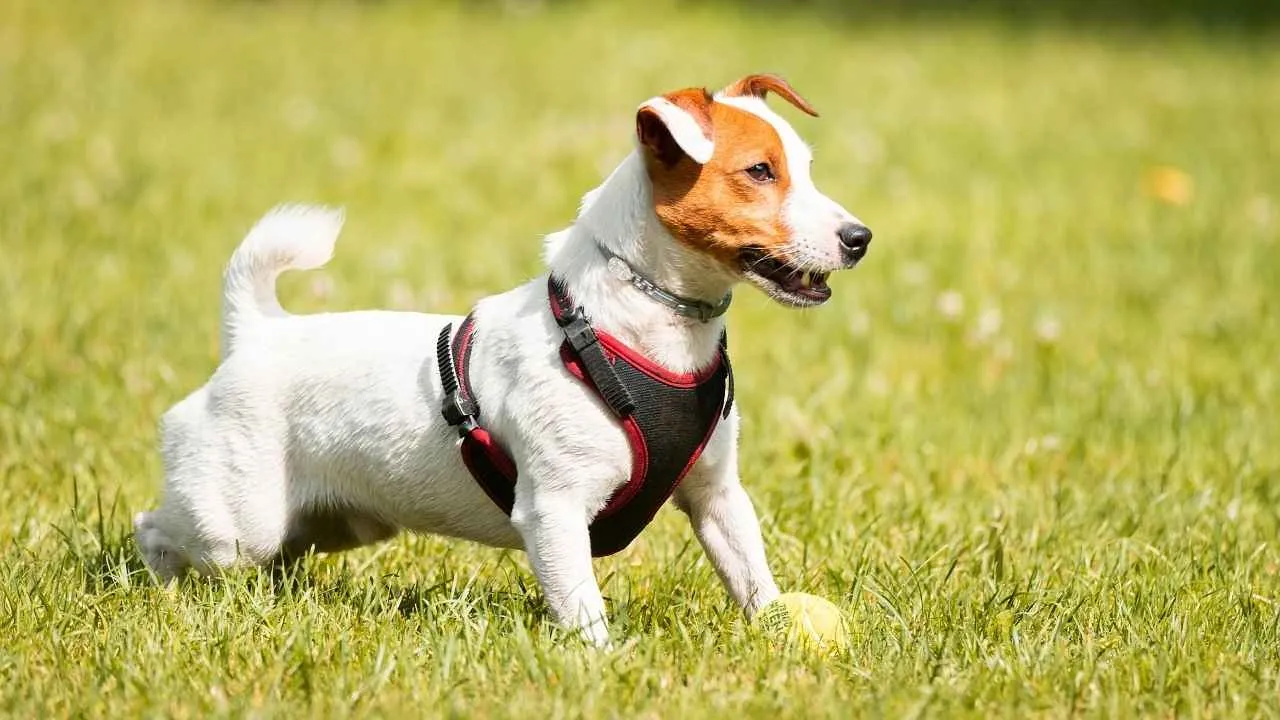
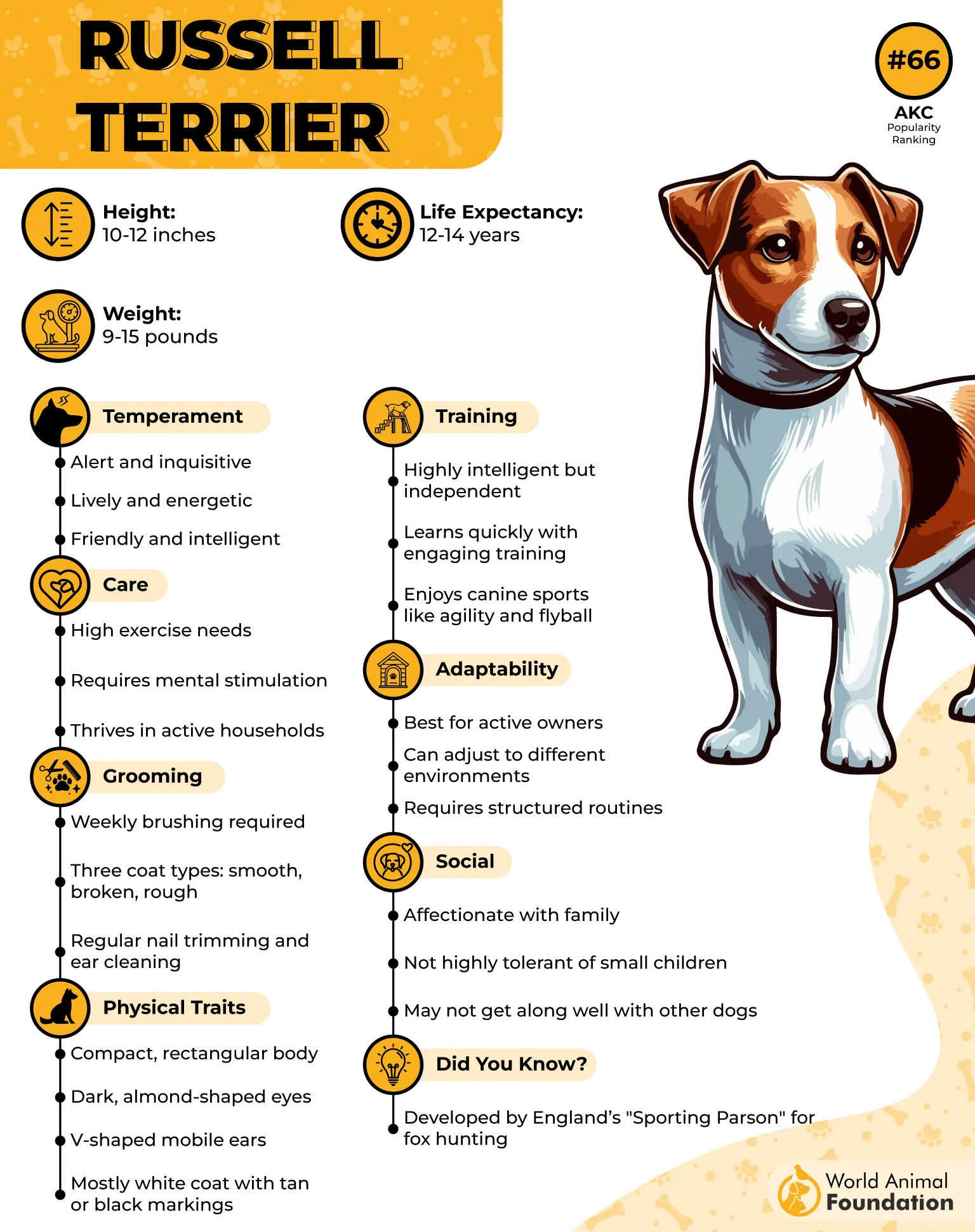
The Jack Russell Terrier is one of the most energetic small dog breeds you will ever encounter. This compact terrier was bred for fox hunting, which explains its stamina, agility, and relentless curiosity. With a lifespan of 13–16 years, welcoming a Jack Russell into your family means committing to over a decade of daily movement, mental stimulation, and structured engagement.
Exercise is not optional for this breed — it’s essential. AKC claims Jack Russells typically require 1.5 to 2 hours of physical activity per day, ideally spread across walks, free running, games, and training sessions. They excel at hiking, long walks, bike rides, and outdoor exploration, and they thrive when given tasks that challenge both body and mind.
These dogs do best in households where they are not left alone for long stretches. Extended isolation often leads to anxiety-driven behaviors such as barking, chewing, or digging. Families who can break up the day with playtime or enrichment — even a long lunch-time walk — will see a dramatic difference in behavior and overall happiness.
Jack Russells are bold, confident, and deeply loyal, but they also have strong instincts. Their high prey drive makes them unsuitable for homes with small pets like rabbits or guinea pigs, and they require careful introductions to other dogs.
For energetic families who love the outdoors and enjoy training challenges, the Jack Russell Terrier offers endless adventure, laughter, and companionship — as long as their energy is taken seriously.
2. Papillon
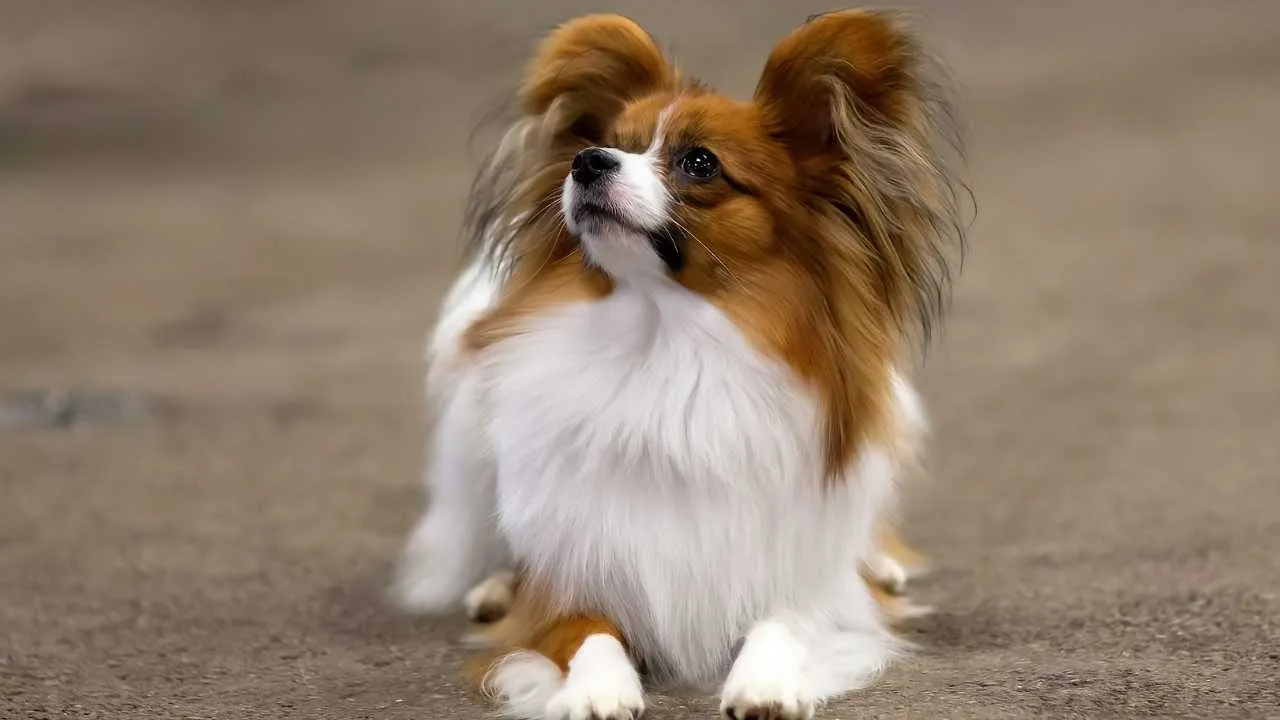
Elegant yet athletic, the Papillon is a small dog that consistently surprises people with its energy and intelligence. Weighing 5–10 pounds, this toy breed is often seen excelling in obedience and agility competitions and is ranked among the most trainable small dogs by the American Kennel Club. Their distinctive butterfly-shaped ears may look delicate, but their spirit is anything but fragile.
Papillons, as per PetMD, need daily activity to stay balanced and happy. Indoors, they love interactive games such as fetch, puzzle toys, and trick training. Outdoors, they tap into their spaniel roots, happily running, chasing, and exploring. Their enthusiasm for movement makes them a wonderful fit for families who enjoy regular play and structured activities.
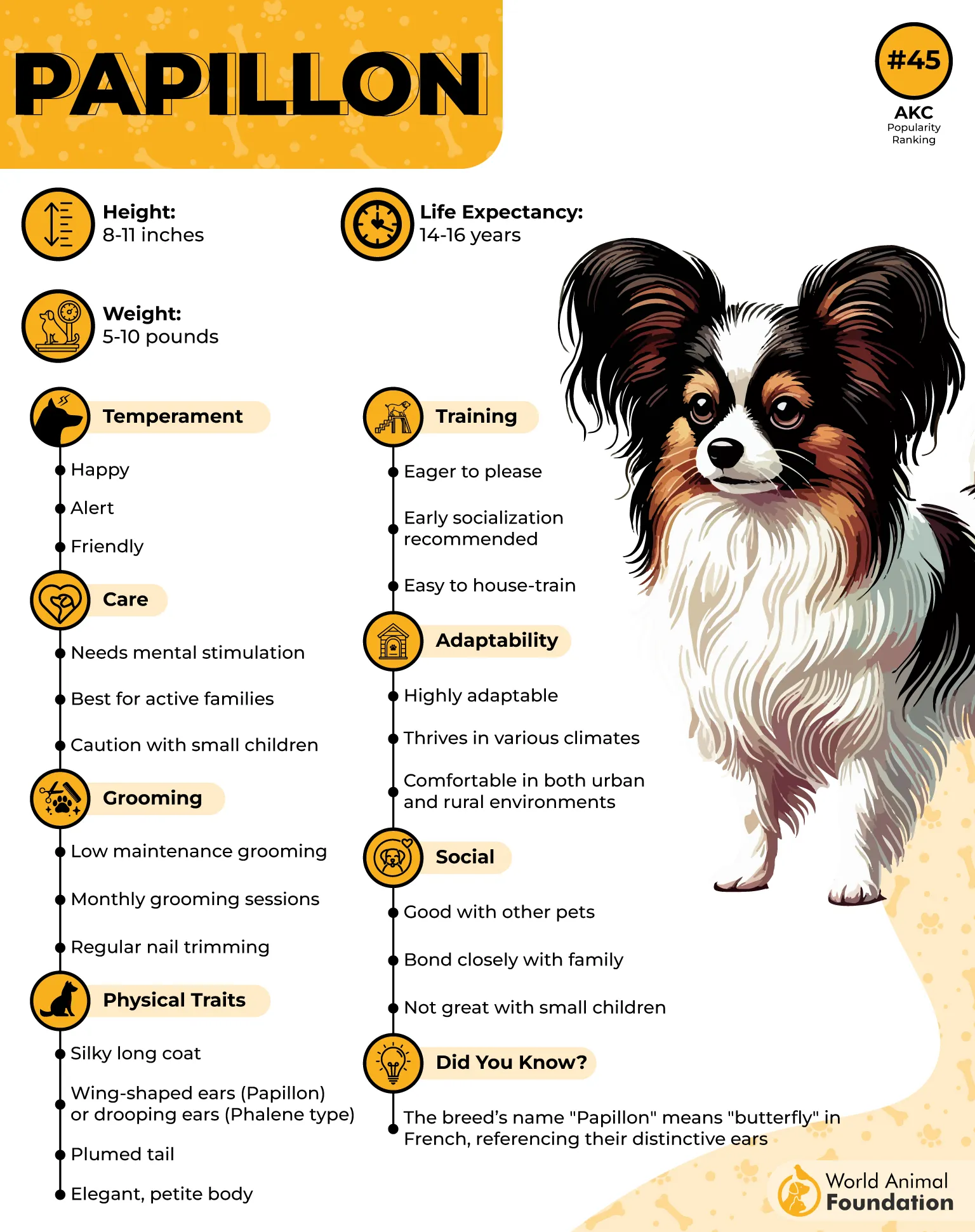
Training is often a joy. They are eager to please, highly responsive, and thrive on positive reinforcement. Unlike many toy breeds, they are relatively easy to housetrain and maintain focus for longer training sessions, making them especially appealing to families interested in dog sports or advanced obedience.
Because of their small size and delicate bone structure, Papillons are better suited to families with older children who understand gentle handling. Rough play or accidental falls can result in injuries, particularly during puppyhood, so supervision is essential.
For active families seeking a small dog that combines elegance, athleticism, and intelligence, the Papillon delivers exceptional performance and affection in equal measure.
3. Miniature Pinscher
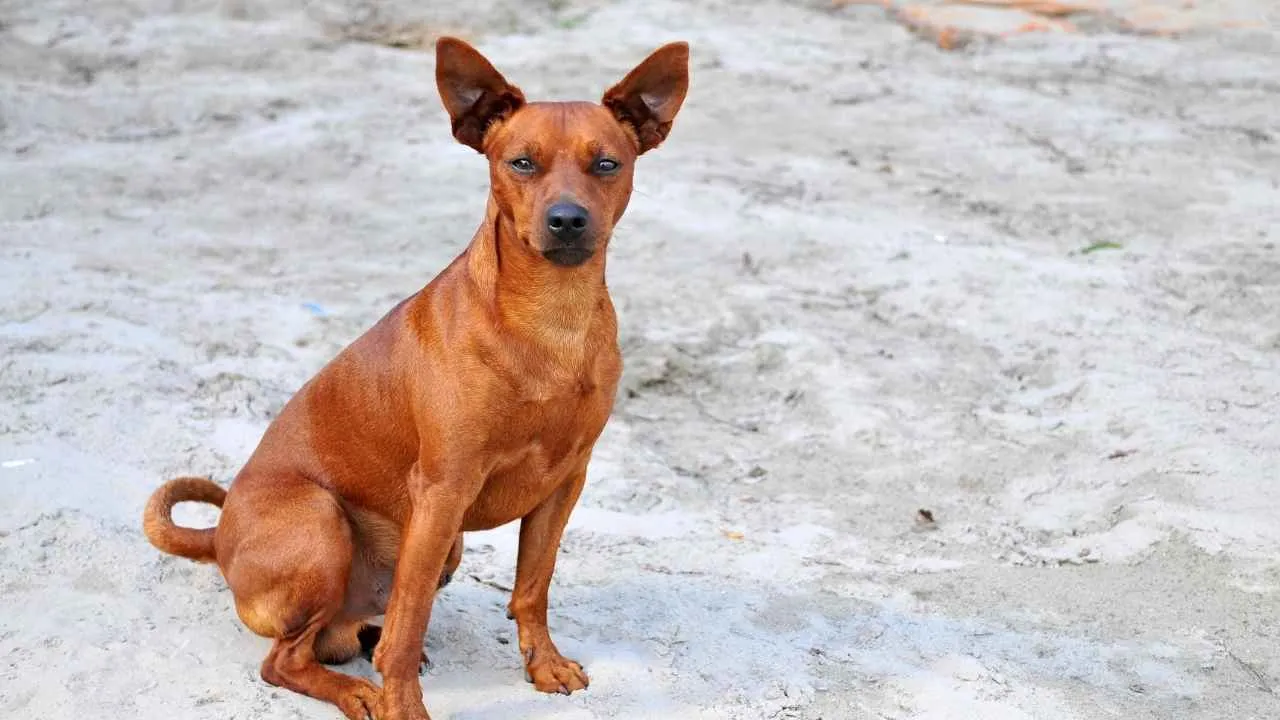
The Miniature Pinscher may be small, but its confidence and intensity fill any room it enters. Often described as the “King of Toys,” this breed carries itself with fearless determination. Min Pins are alert, athletic, and perpetually ready for action, making them an exciting match for energetic families.
Daily exercise is critical for this breed. Purina claims that Miniature Pinschers need multiple walks and active play sessions to burn off energy and maintain emotional balance. Without sufficient stimulation, they can become restless, vocal, and prone to mischief indoors. Their sharp awareness also makes them excellent watchdogs — sometimes a little too enthusiastic about the role.
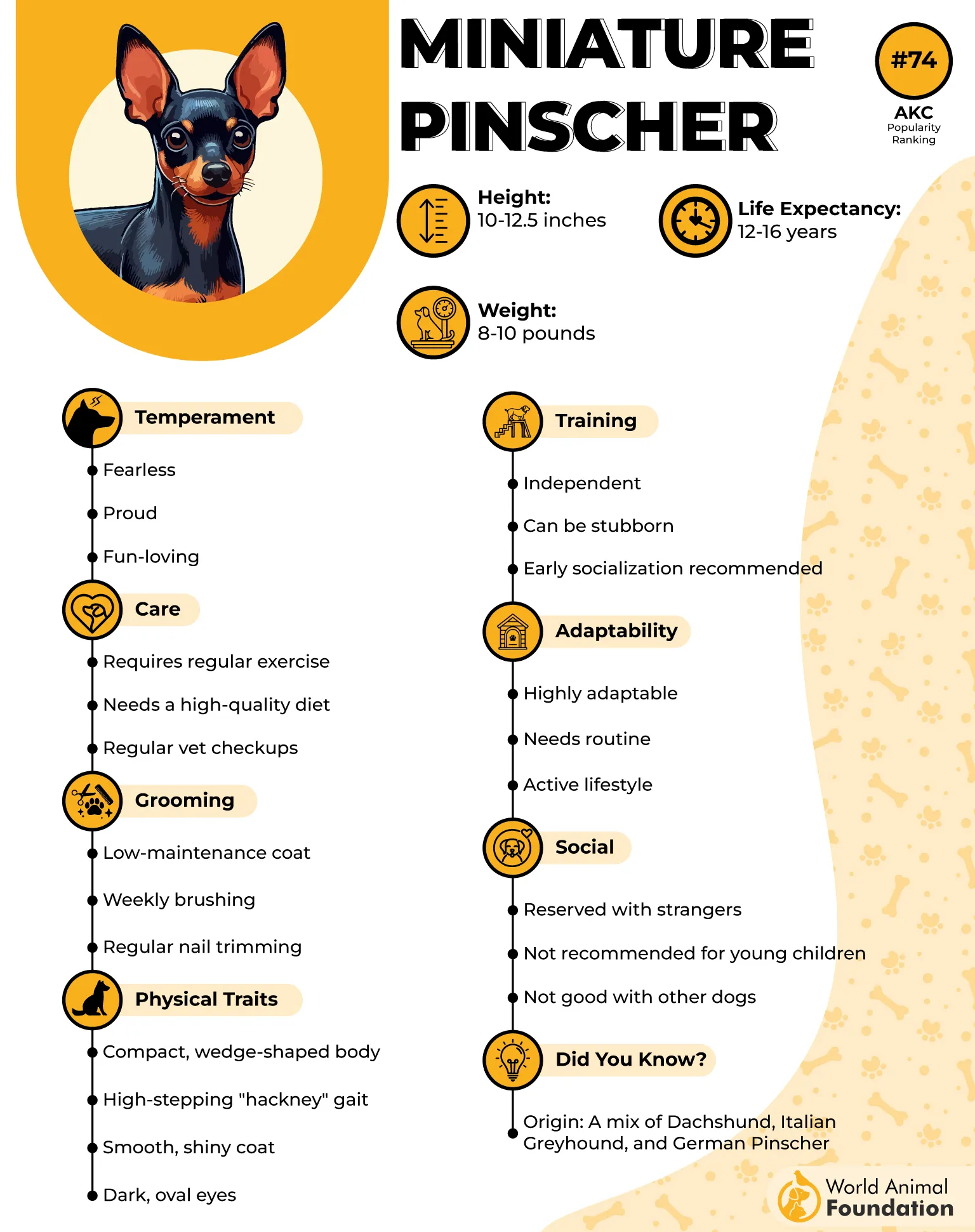
They are affectionate with their families but can be assertive toward other dogs. Early socialization and consistent training are vital to prevent dominance-related issues. Their fearless nature often leads them to overlook their size, so supervision is important, especially in busy environments.
One of the breed’s advantages is low grooming maintenance thanks to their short coat. However, what they save in grooming time, they make up for in training needs. Structure, leadership, and activity are essential for harmony.
For families seeking a spirited, confident small dog with endless energy, the Miniature Pinscher brings excitement, loyalty, and a bold personality to daily life.
4. Miniature Schnauzer
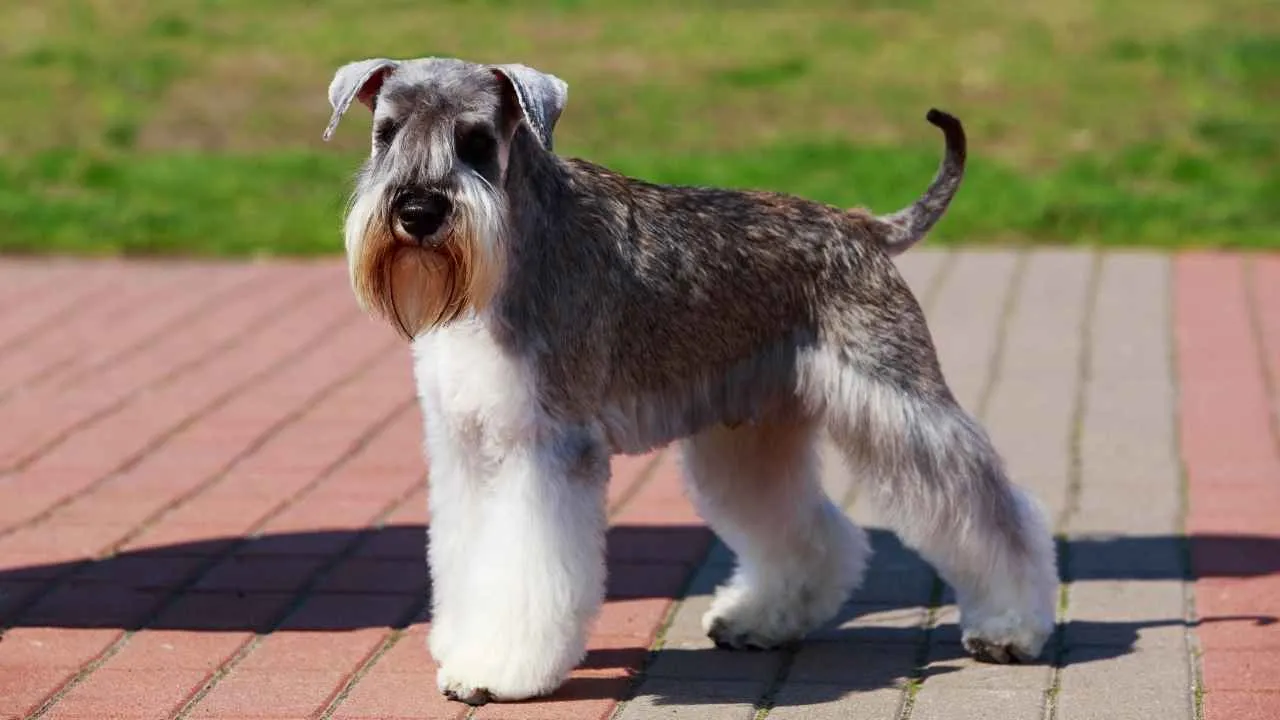
Miniature Schnauzers strike an excellent balance between energy, intelligence, and family friendliness. They are compact enough for apartments yet robust enough for active lifestyles. Their adaptability makes them one of the most versatile small breeds for families.
They require daily exercise to maintain mental and physical health. Walks, play sessions, and training help prevent boredom-related behaviors such as barking or chewing. Miniature Schnauzers enjoy feeling useful and often thrive when given simple “jobs” or routines within the household.
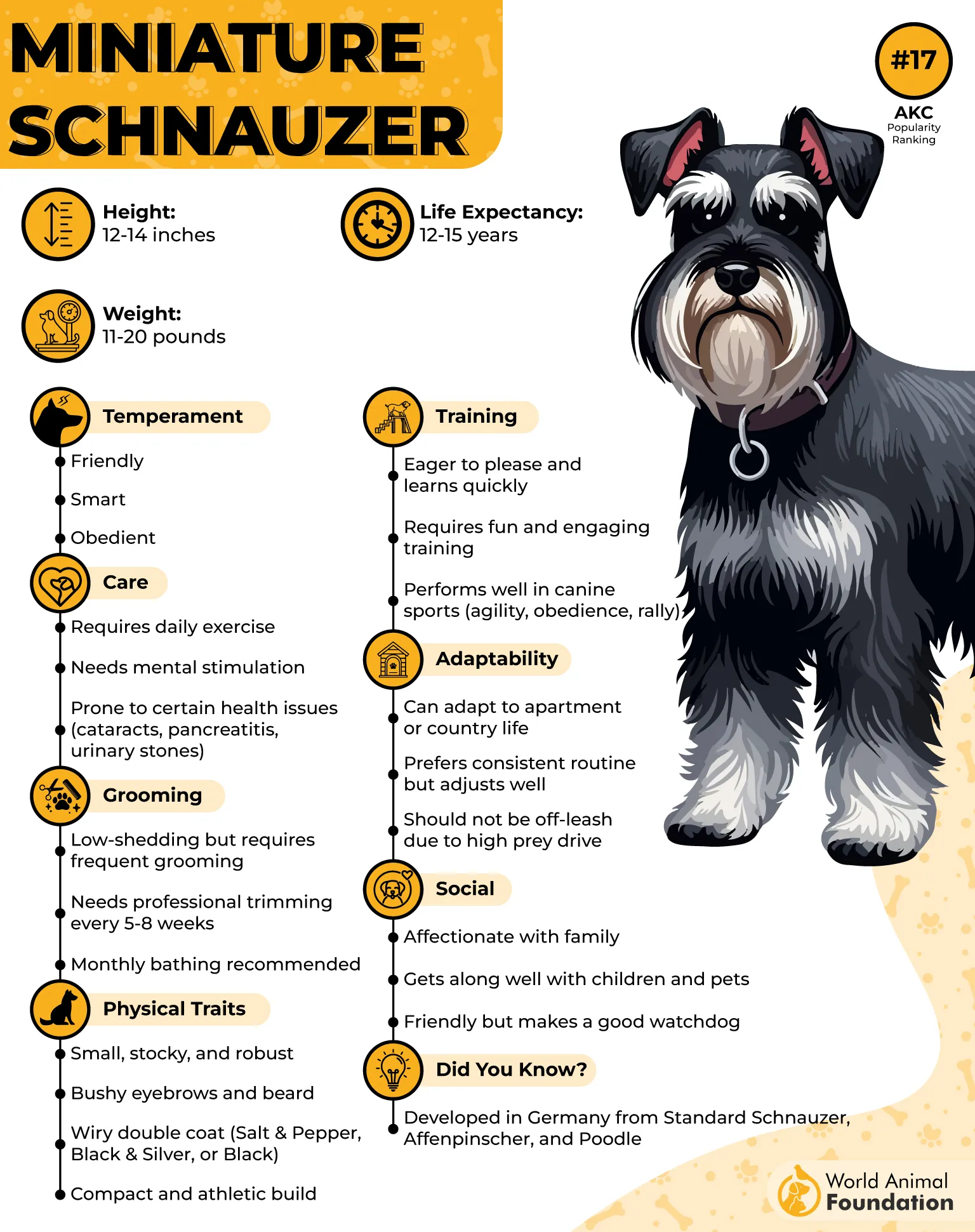
This breed is known for being good with children, especially when raised together. They are alert without being aggressive and often take their watchdog duties seriously. With training, their vocal tendencies can be managed effectively.
Their wiry coat sheds very little and is often considered allergy-friendly, though regular grooming is required. Dental care is particularly important, as smaller breeds are more prone to gum disease.
For families seeking an energetic, trainable, and adaptable companion, the Miniature Schnauzer offers enthusiasm without chaos.
5. Toy Poodle

Toy Poodles are among the most intelligent dogs in the world, regardless of size. Though small, they are energetic and agile, thriving on both physical and mental challenges. Daily activity is essential to prevent boredom and anxiety.
They enjoy brisk walks, fetch games, swimming, and structured dog sports such as agility and obedience, just like the miniature poodle. Mental stimulation is just as important as exercise, and Toy Poodles excel when given learning opportunities.
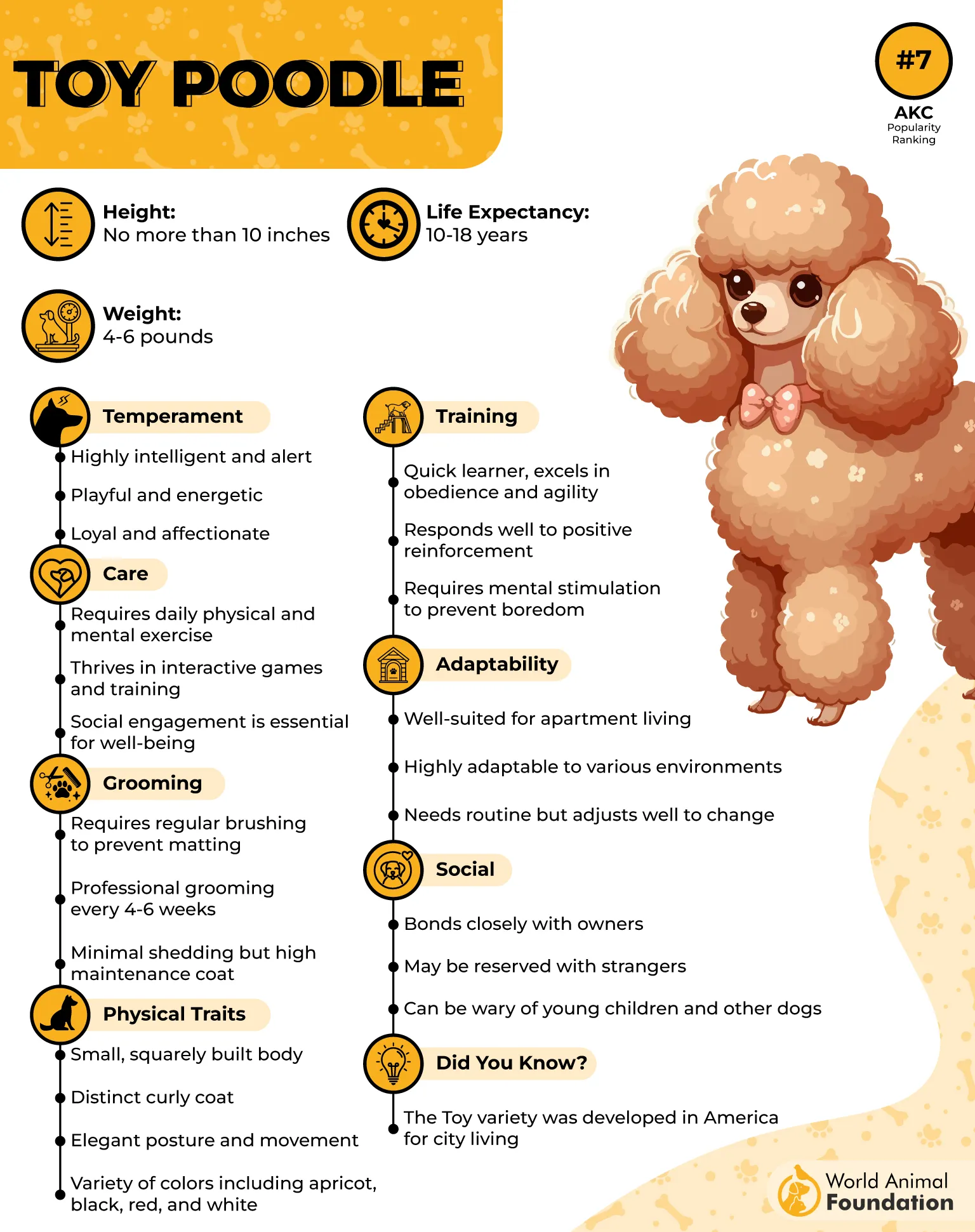
Toy or miniature Poodles are affectionate and intuitive, often forming strong bonds with their families. They are best suited to families with older children, as their small size makes them vulnerable to rough handling.
Grooming is the biggest commitment, requiring regular professional care to keep their curly coat healthy and mat-free. This increases ownership costs while also strengthening their allergy-friendly reputation.
For families who enjoy training, enrichment, and engagement, the Toy Poodle is a brilliant, energetic companion.
6. Pomeranian
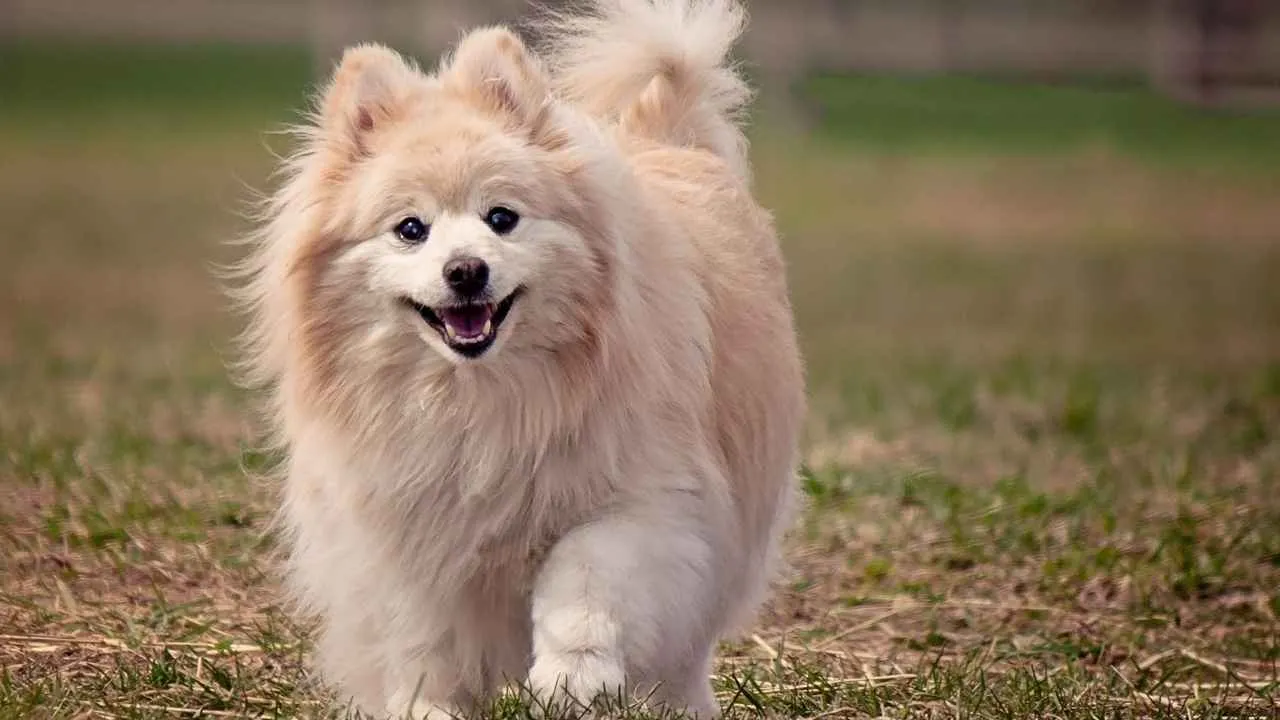
Pomeranians may weigh only 3–7 pounds, but their energy and confidence rival much larger dogs. Curious, playful, and eager to participate, they thrive in homes where interaction and stimulation are part of daily life.
They enjoy indoor play and short walks, making exercise manageable even for busy families. Mental stimulation is crucial, especially if they spend time alone during the day.
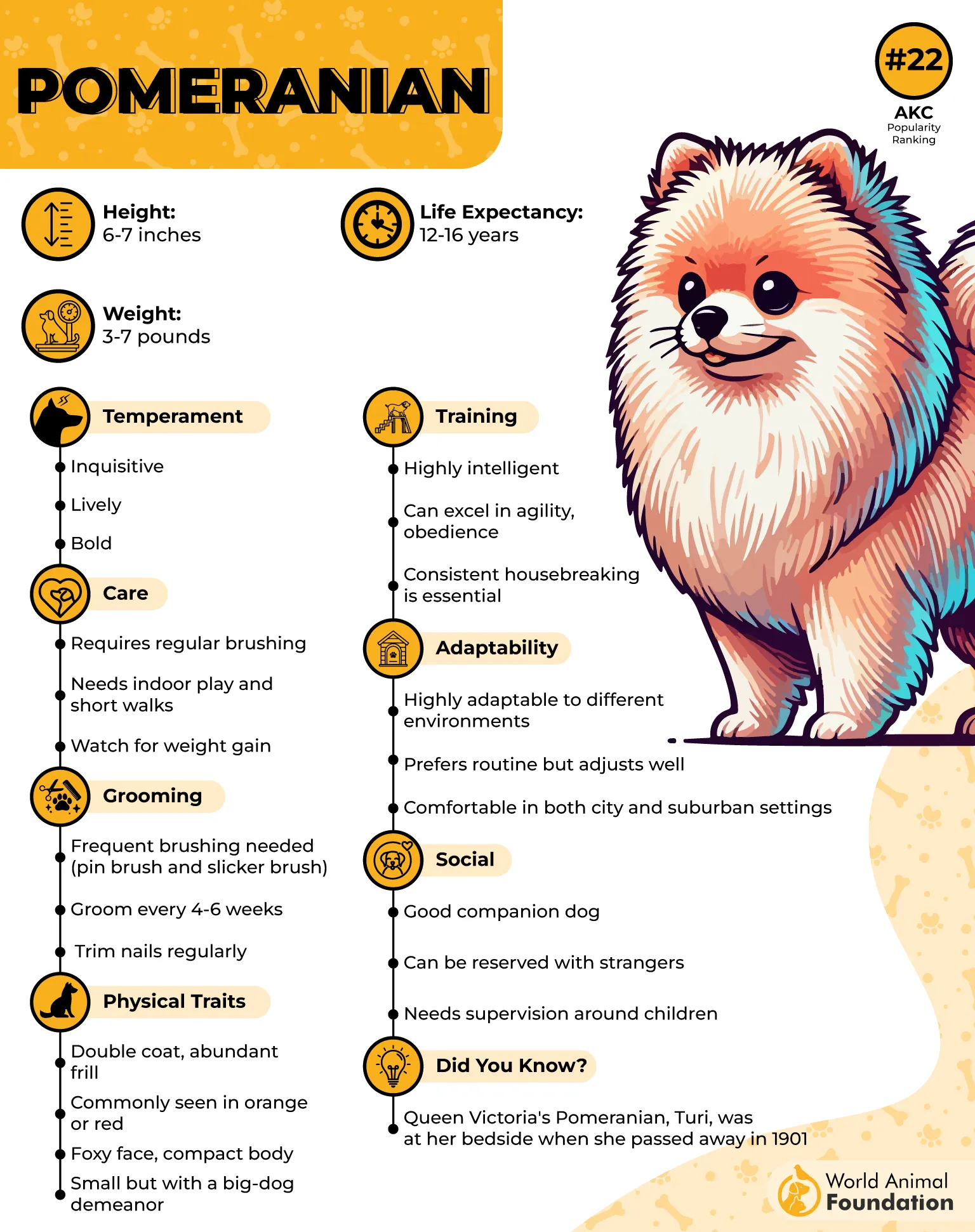
An ideal small dog breed, these creatures are social, though their delicate size makes them better suited to families with older children. With training, they adapt well to structured routines. A Pomeranian with very young children can be a challenging match and usually requires extra caution.
While Pomeranians are affectionate and playful and love being part of family life, their very small, delicate size makes them vulnerable around toddlers and preschool-aged children who may not yet understand gentle handling. Even well-meaning hugs, falls, or rough play can accidentally cause injury to a Pom.
Britannica says their thick coat requires regular brushing, but their lively personality makes them endlessly entertaining.
For families seeking an active small dog without excessive exercise demands, the Pomeranian is a joyful choice that will adjust easily to the family’s lifestyle.
7. Rat Terrier
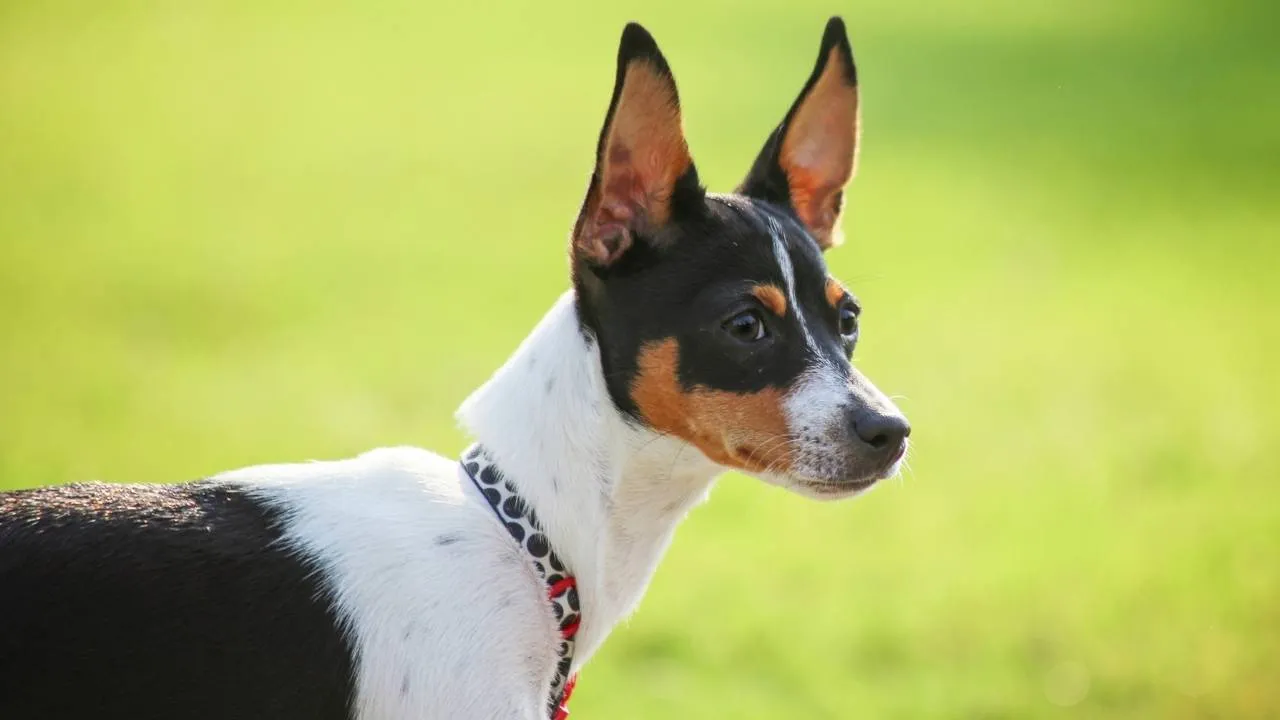
Rat Terriers are athletic, intelligent, and deeply people-oriented. They were bred for hunting vermin and retain strong working instincts today.
It is a little sporting breed with a big appetite for activity and adventure. This compact dog combines athleticism, speed, and intelligence in a surprisingly versatile package. Despite their modest size, Rat Terriers are agile, quick on their feet, and always eager to be on the move, making them excellent companions for active individuals and families.
They need daily exercise and thrive on companionship. Long walks, hikes, and training sessions help channel their energy productively.
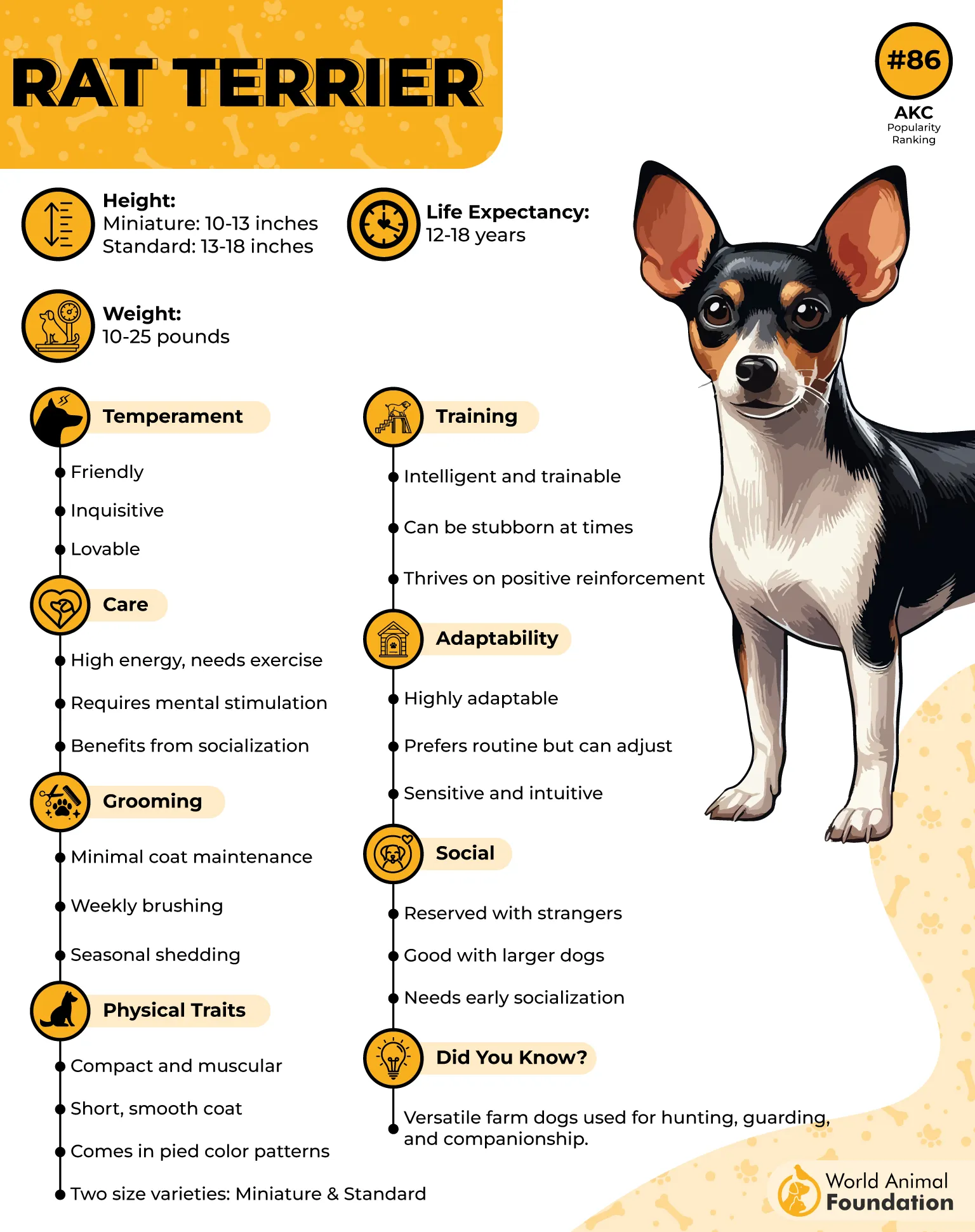
Rat Terriers are low-maintenance groomers and generally healthy dogs when responsibly bred. Their alert nature makes them excellent watchdogs, though barking should be managed through training. They are also known for their endurance.
They may be small, but they can keep going much longer than many people expect, especially during outdoor adventures. This stamina, paired with their alert and responsive nature, makes them ideal for families who enjoy staying active together.
For families who enjoy active engagement and structure, Rat Terriers are loyal, funny, and highly rewarding companions.
8. Cairn Terrier
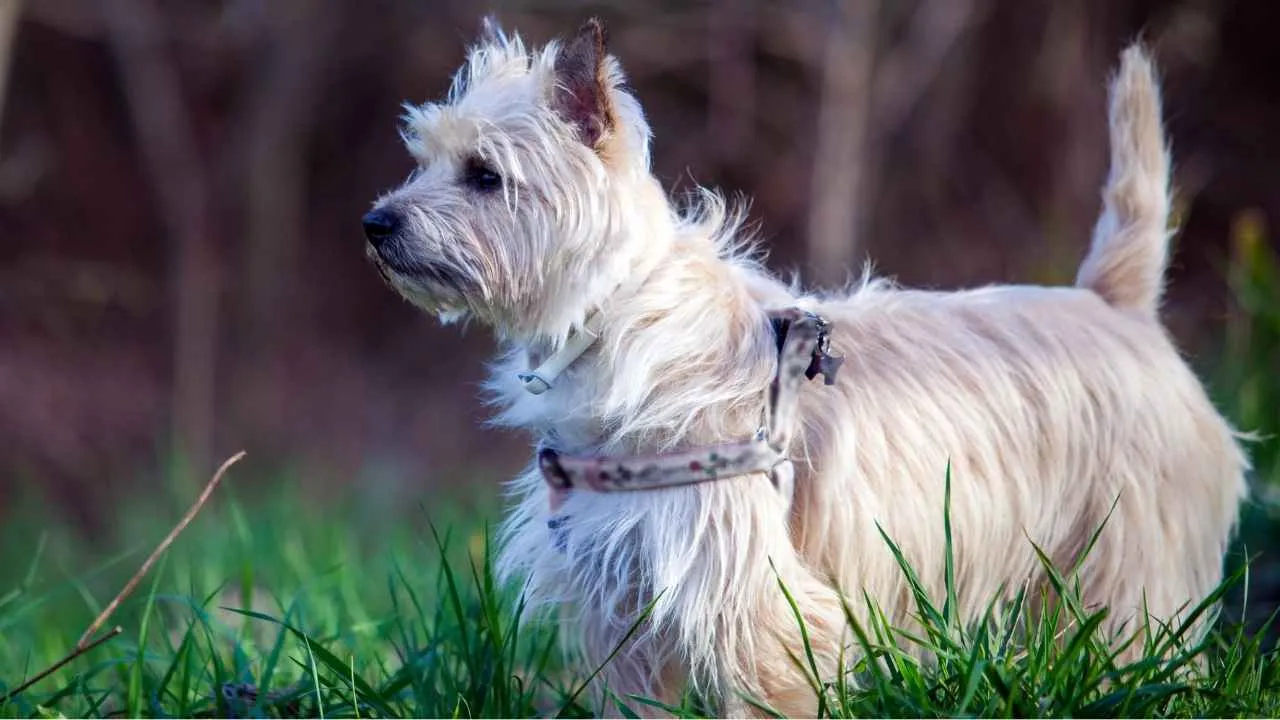
Cairn Terriers are bold, playful, and endlessly entertaining. Weighing 13–14 pounds, they were bred to hunt vermin on farms and retain a strong drive to explore.
They adore walks, games, and interactive play, making them ideal for families who enjoy daily outdoor activity. Without outlets, they may dig or bark. Cairn Terrier dogs adore romping, and their joyful energy is one of their most endearing traits.
PDSA claims that Bred originally as hardy working terriers on Scottish farms. Cairns have a natural love for movement, exploration, and playful activity.
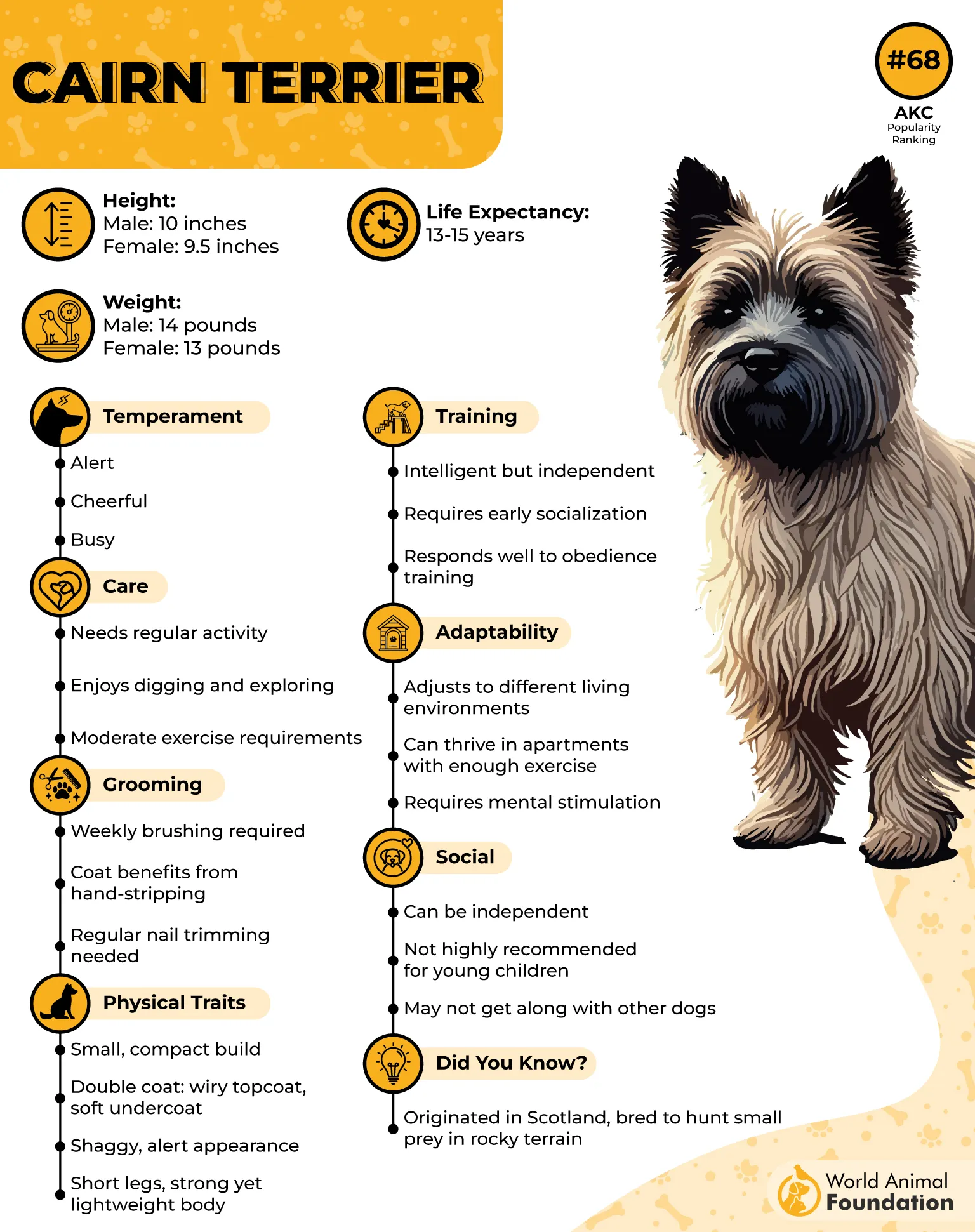
Cairns are affectionate and confident, often forming strong bonds with children when supervised properly. Like most terriers, they have strong instincts that require management.
Whether it’s a lively game of chase in the garden, an enthusiastic walk around the neighborhood, or an impromptu zoomie session across the living room, they approach playtime with unmistakable enthusiasm.
Despite their spirited energy, they also have a wonderfully loving side. After a good romp, they’re more than happy to settle down with their family, enjoying cuddles and quiet companionship. This ability to switch from lively play to relaxed downtime makes them great companions for active households.
For adventurous families who love lively dogs with personality, the Cairn Terrier is a joyful companion.
9. Chihuahua
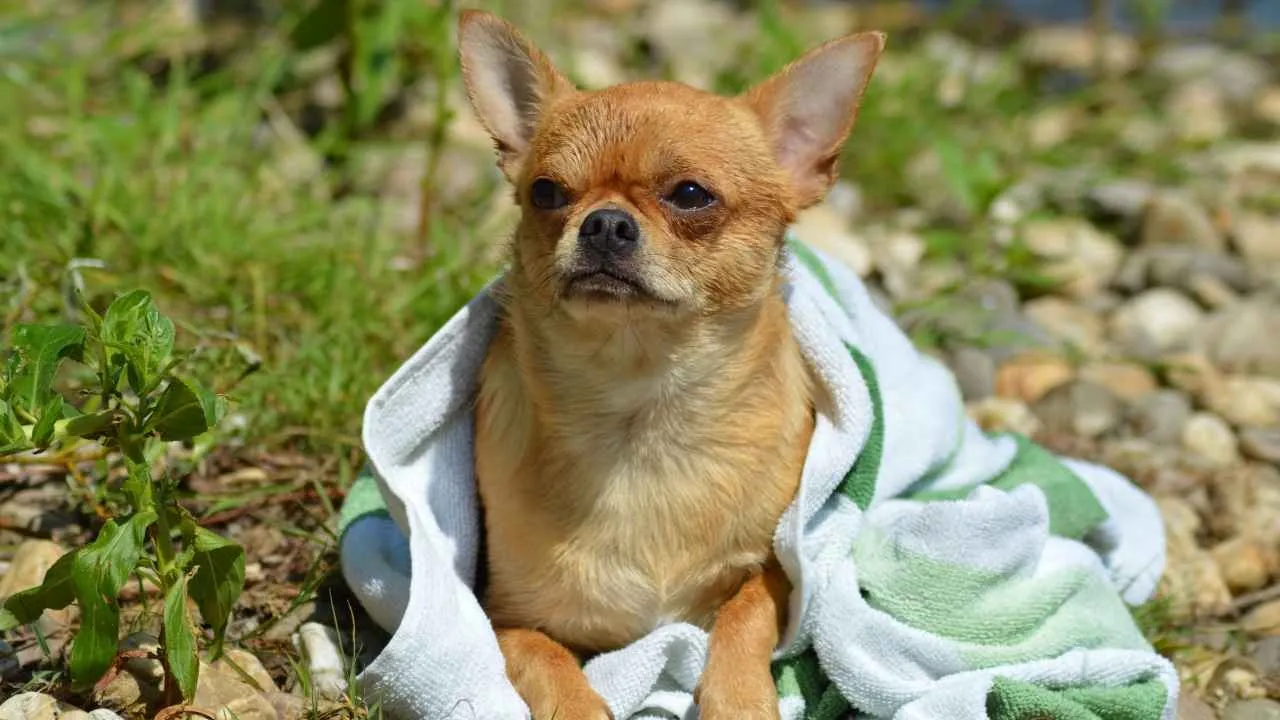
Despite their tiny size, Chihuahuas are alert, lively, and surprisingly active. They need 30–60 minutes of daily activity, including walks and play.
The Chihuahua is a delightful, intelligent, and playful mix, packed into one of the smallest dog breeds in the world. Beneath their tiny frame lies a sharp, curious mind that loves learning, observing, and engaging with their surroundings.
They are quick to pick up routines, recognize patterns, and respond to training when it’s done with patience and positive reinforcement.
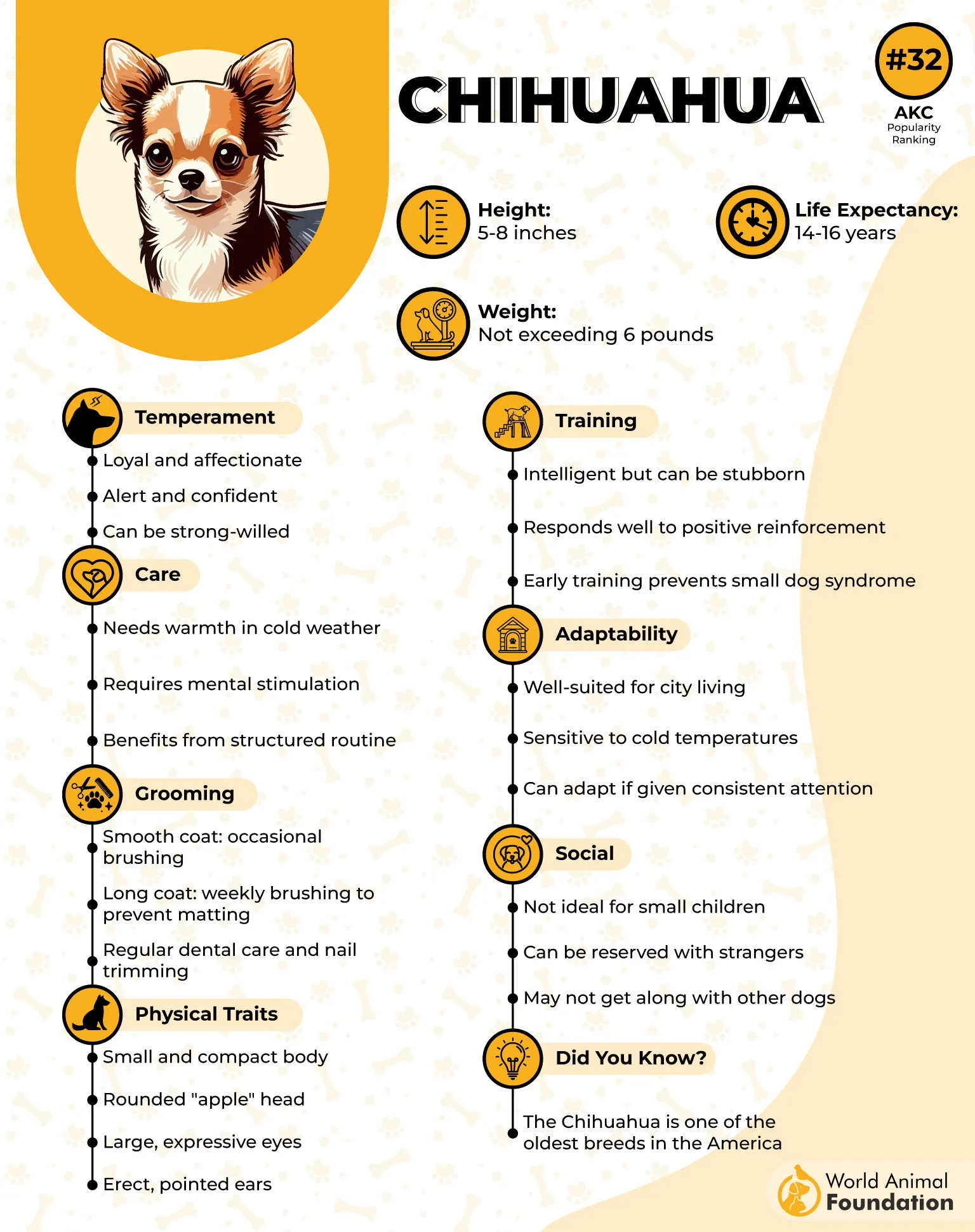
Their intelligence often shows in how closely they watch their owners and how easily they adapt to daily habits. They thrive in families who provide routine, gentle handling, and mental stimulation. Socialization is essential to prevent anxiety or excessive barking.
They are loyal, playful, and deeply attached to their people. While small, they bring a confident presence into active households.
For respectful families, Chihuahuas offer charm, devotion, and lively companionship.
10. Brussels Griffon

Brussels Griffons are small dogs with big personalities. Weighing 6–14 pounds, they are sturdy, confident, and moderately active.
They benefit from daily walks and playtime and form strong bonds with their families. Without stimulation, the Royal Canin says they may become vocal or destructive.
This delightful breed craves companionship and close human connection. Unlike more independent dogs, this breed genuinely wants to be involved in every part of daily life, whether that means curling up beside you on the sofa, following you from room to room, or simply watching what you’re doing with intense curiosity.
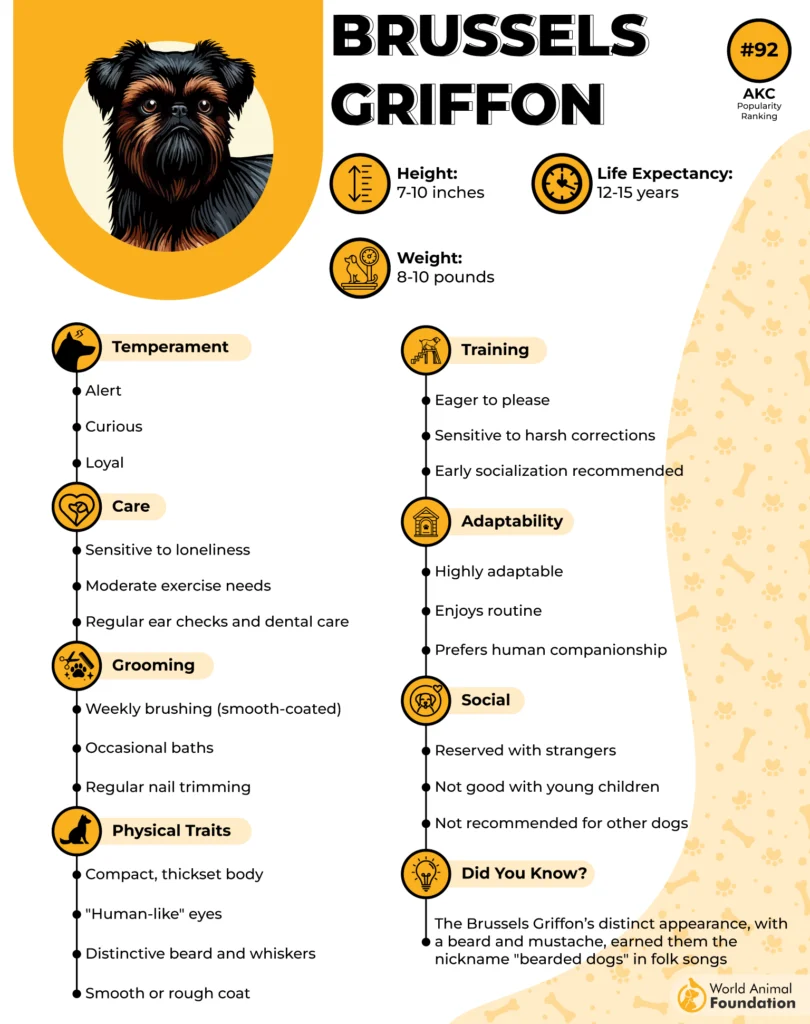
Griffons form deep emotional bonds with their people and are happiest when they feel included, valued, and close to their family members.
Suitable for families with energetic older kids, these peaceful family pets are loyal, alert, and expressive companions. One of the biggest advantages of these apartment living dogs is their moderate energy level. They enjoy daily walks and play sessions but don’t need hours of intense exercise.
A couple of short walks, combined with indoor games, training, or puzzle toys, is usually enough to keep them mentally and physically engaged. This balance makes them far easier to manage than high-energy breeds in smaller spaces.
For active families seeking a small dog with character and heart, it is a standout.
Conclusion
Active families don’t need large dogs to share big adventures. With the right match, little dog breeds can offer energy, intelligence, and unwavering loyalty while fitting seamlessly into busy households. They are great pets for active children and fun-loving families.
Cavalier King Charles Spaniel, Boston Terrier, Bichon Frise, and Yorkshire Terrier are also some other excellent family pets.
Choosing the right breed means understanding exercise needs, temperament, and training requirements. When those needs are met, these small dogs become extraordinary family companions — proof that size has nothing to do with spirit.
