





Small dogs may be tiny in size, but many are surprisingly quick learners with big personalities to match. From mastering basic commands to picking up household routines, some small breeds are naturally eager to learn and easy to train.
Their intelligence, attentiveness, and desire to please make them excellent companions for first-time dog owners and experienced pet parents alike. Whether you want a playful family pet, a well-mannered apartment companion, or an energetic pup that loves learning new tricks, the right small breed can fit seamlessly into your lifestyle.
In this guide, we’ll explore seven small dog breeds known for their quick training abilities and discover what makes these clever little companions stand out.
Small Dog Breeds Known for Quick Training
1. Papillon
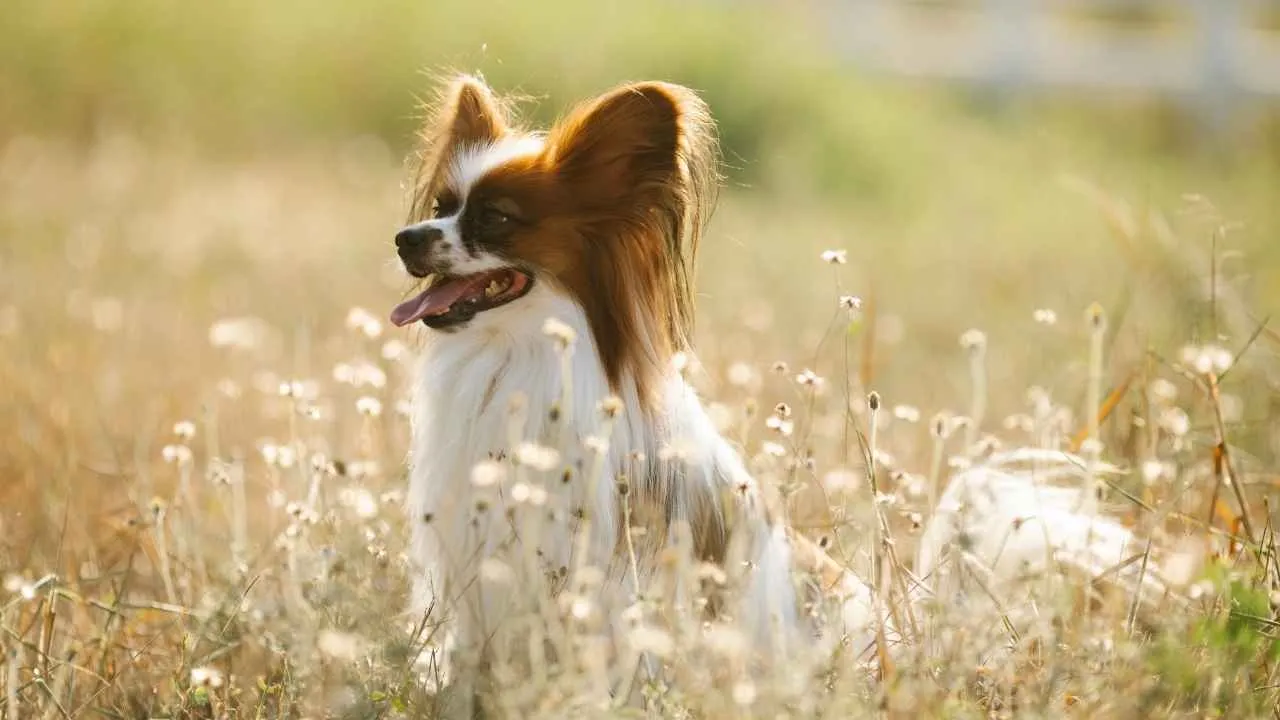
The Papillon may look delicate, but this little dog is packed with curiosity and confidence. Named after the French word for “butterfly” because of its wing-shaped ears, the breed has a cheerful personality and a surprising athletic streak. This dog was once a favorite in European royal courts, but it is far from a lazy lap dog.
According to the AKC, these compact companions love learning new things and staying involved in family activities. They are known for being intelligent, alert, and eager to please, which makes training sessions feel more like a game than a chore. Many Papillons shine in agility and obedience activities, and they often pick up tricks quickly when training stays fun and positive.
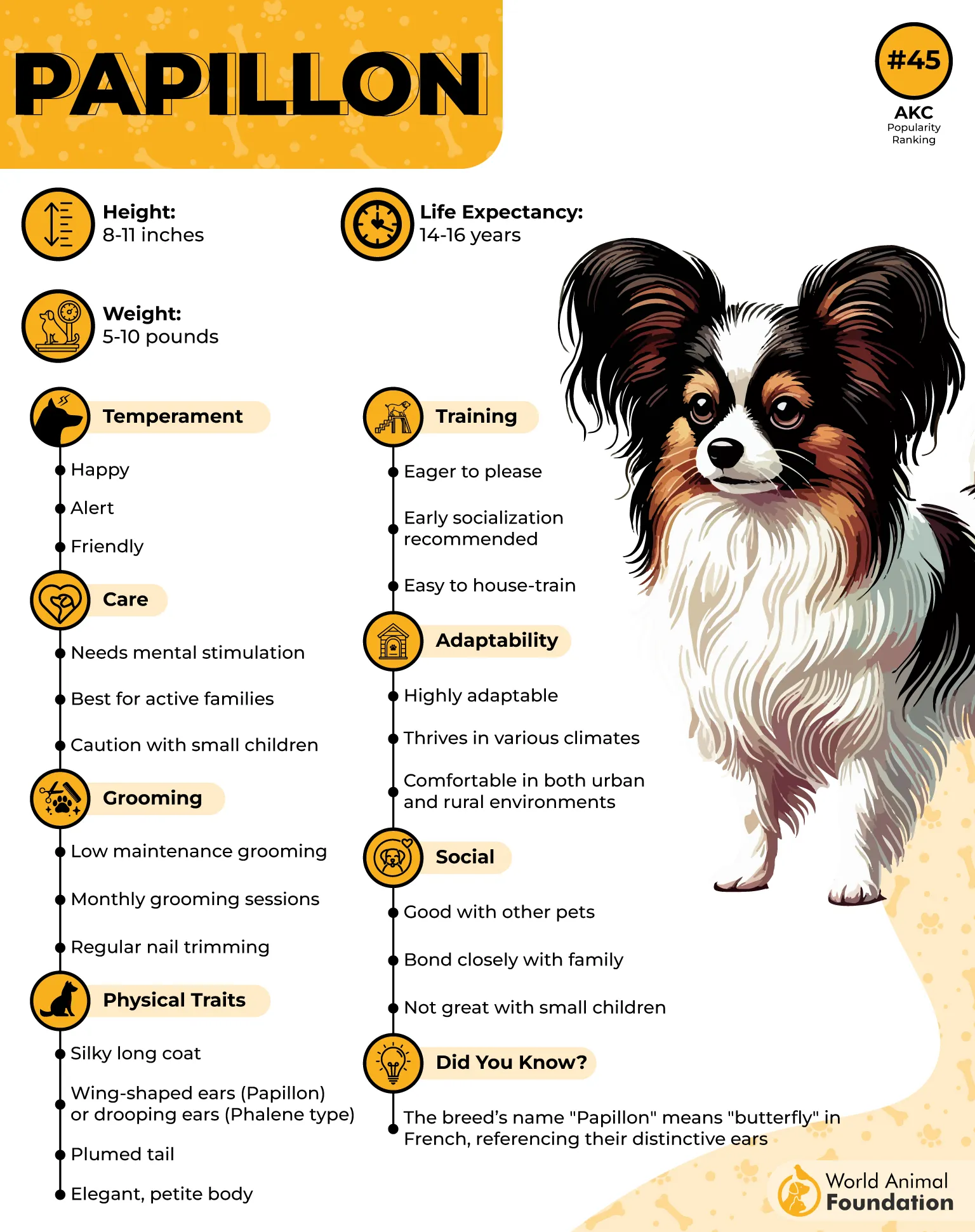
Papillons also adapt well to different living situations, including apartments, as long as they get enough mental stimulation and playtime. They enjoy meeting people, usually get along with other pets, and can form strong bonds with their families. Their playful energy and love of attention mean they rarely turn down an opportunity to show off what they’ve learned.
Why This Breed Is a Good Fit
Their eagerness to learn makes basic obedience feel surprisingly easy for a toy breed.
Papillons enjoy interactive games, which keep training entertaining for both dog and owner.
They combine intelligence with adaptability, making them suitable for active families or smaller homes.
2. Miniature Schnauzer
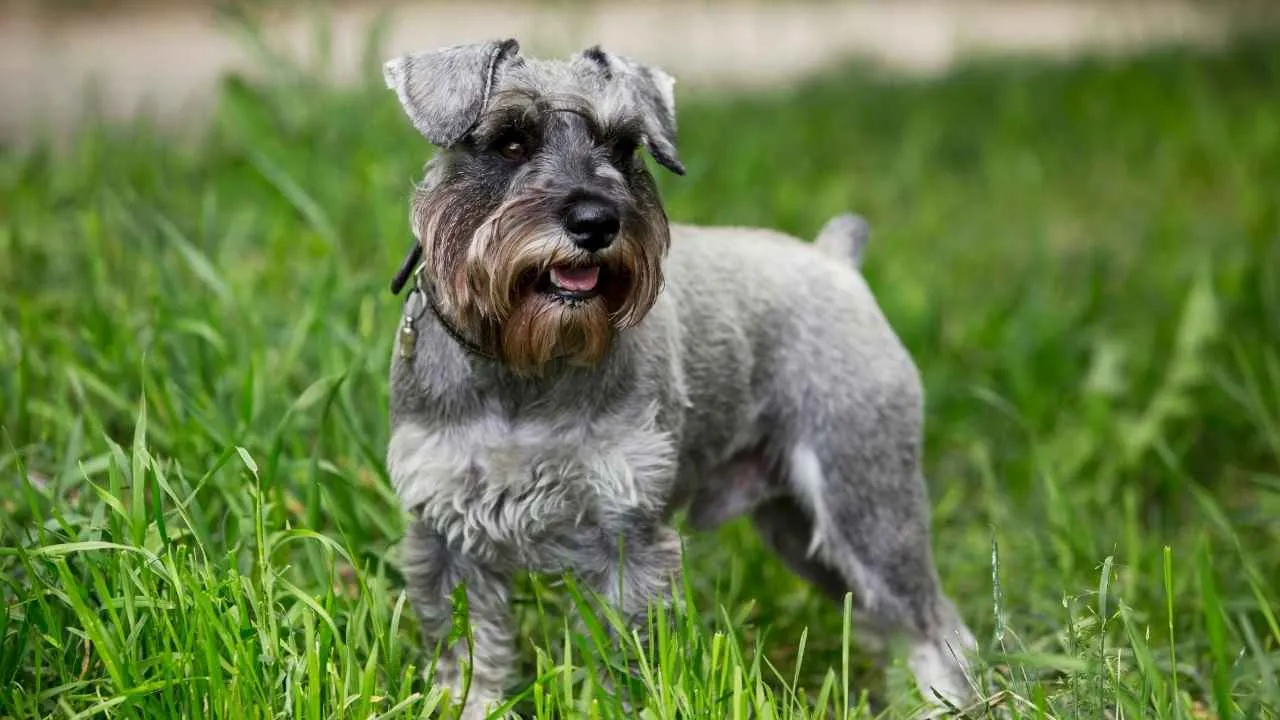
The Miniature Schnauzer has a bold personality wrapped in a compact, whiskered package. With its bushy eyebrows, beard-like facial hair, and lively expression, this breed never blends into the background. Originally bred to catch rats on farms, these dogs are alert, sturdy, and always ready to investigate whatever is happening nearby.
Training Miniature Schnauzers can be rewarding because they are quick learners and enjoy being involved with their people. They tend to respond well to consistent, positive training and usually love having tasks to complete. Their obedient nature and sharp minds make them excellent candidates for learning commands, routines, and even more advanced activities.
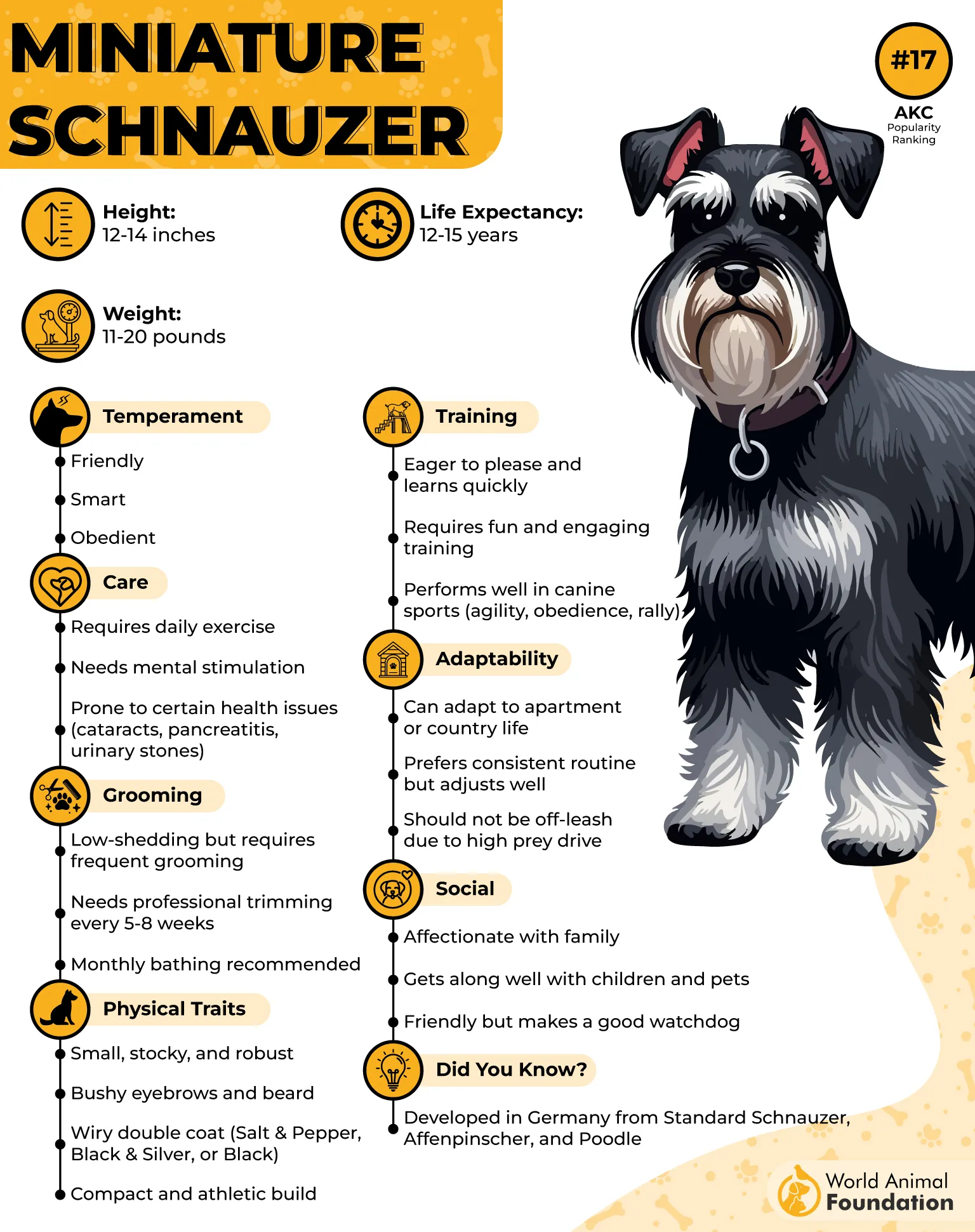
Hill’s Pet states that these dogs are also highly adaptable and can feel comfortable in a city apartment or a home with more outdoor space. While they are playful and sociable, they can be vocal watchdogs who take their job of alerting the household very seriously. Their energetic attitude, paired with a strong attachment to family life, gives them a lively charm that keeps owners entertained daily.
Why This Breed Is a Good Fit
Miniature Schnauzers enjoy learning and often stay focused during training sessions.
Their adaptable personality works well for owners in both urban and suburban settings.
They thrive when included in family routines, which helps reinforce good behavior naturally.
3. Cavalier King Charles Spaniel
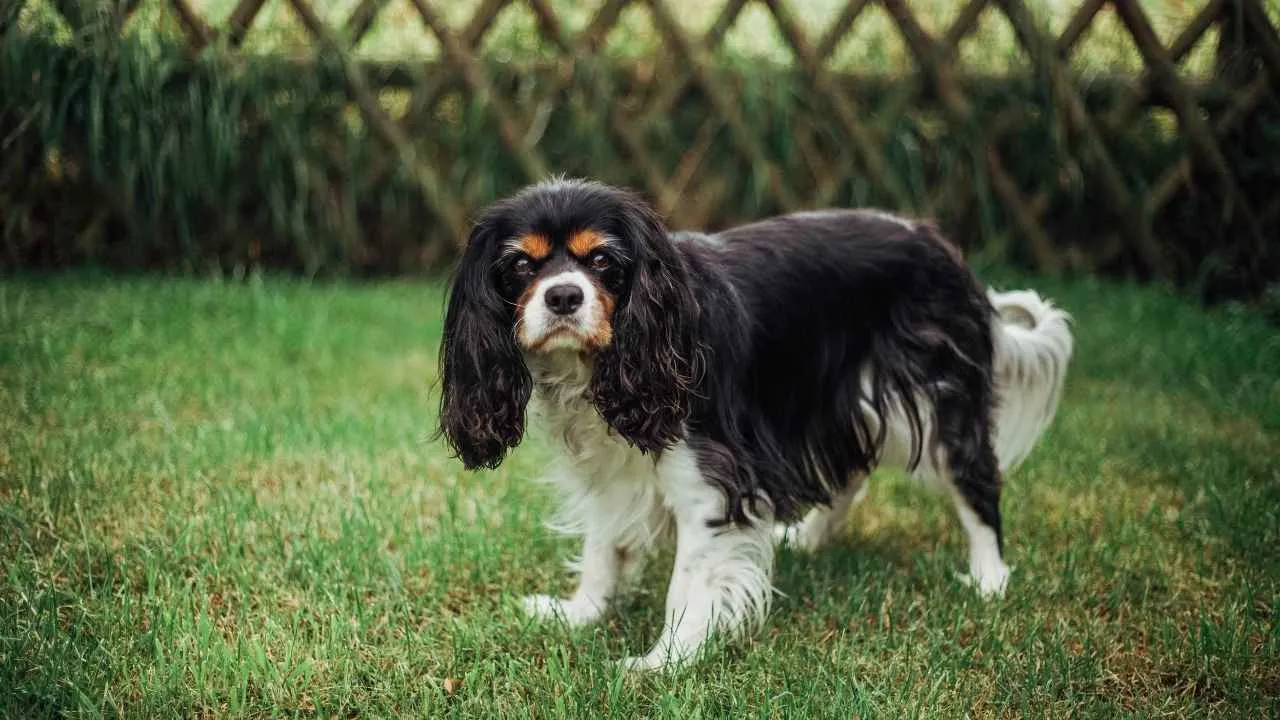
The Cavalier King Charles Spaniel is the kind of dog that happily switches between cuddle time and playtime without missing a beat.
Originally bred as companion dogs for royal households, Cavaliers still carry that gentle, people-loving nature today. Their friendly personality makes them popular with families, first-time owners, and just about anyone who wants a devoted little shadow.
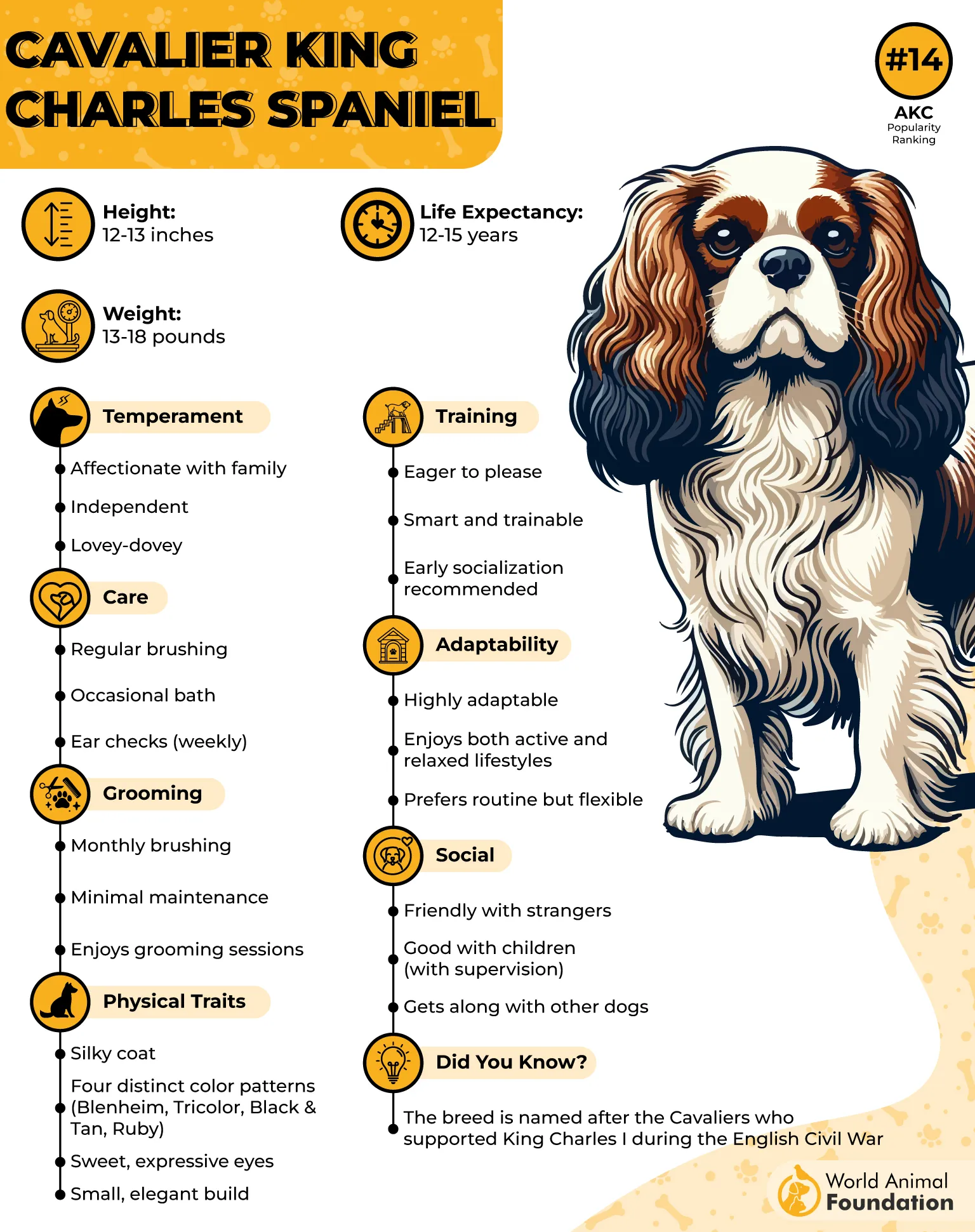
These dogs are highly affectionate and motivated by praise, which helps make training feel smooth and enjoyable. As per PetMD, Cavaliers are known for learning commands and tricks quickly, especially when training includes positive attention and rewards. They also enjoy activities like agility, obedience games, and neighborhood walks, giving owners plenty of ways to keep them mentally engaged.
Cavaliers fit easily into many lifestyles because they are adaptable and social. They usually get along well with children, other dogs, and even cats when introduced properly. While they enjoy exercise and outdoor adventures, they are equally content relaxing on the couch after a fun day. Their balanced temperament gives them an easygoing charm that wins over people very quickly.
Why This Breed Is a Good Fit
Their affectionate nature helps create a strong connection during training sessions.
Cavaliers learn quickly without needing overly strict routines or complicated methods.
They adapt easily to different households, making them a practical option for many owners.
4. Pembroke Welsh Corgi
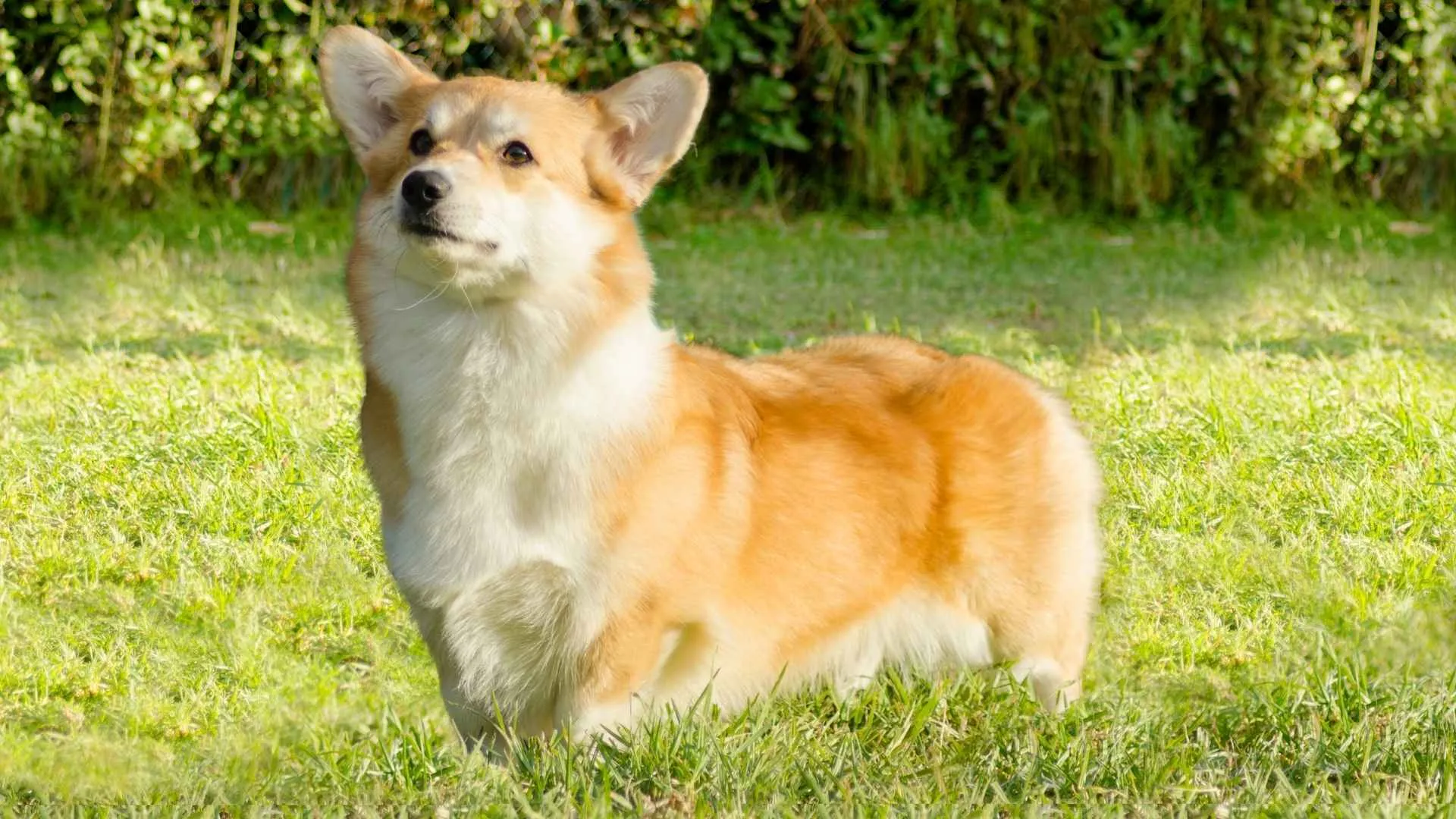
The Pembroke Welsh Corgi may have short legs, but this breed was built for serious work. Developed in Wales as a herding dog, the Corgi is agile, quick-thinking, and packed with energy.
Corgis have a foxlike face and expressive ears that give them a playful look, but behind that smile is a dog that likes staying busy and involved.
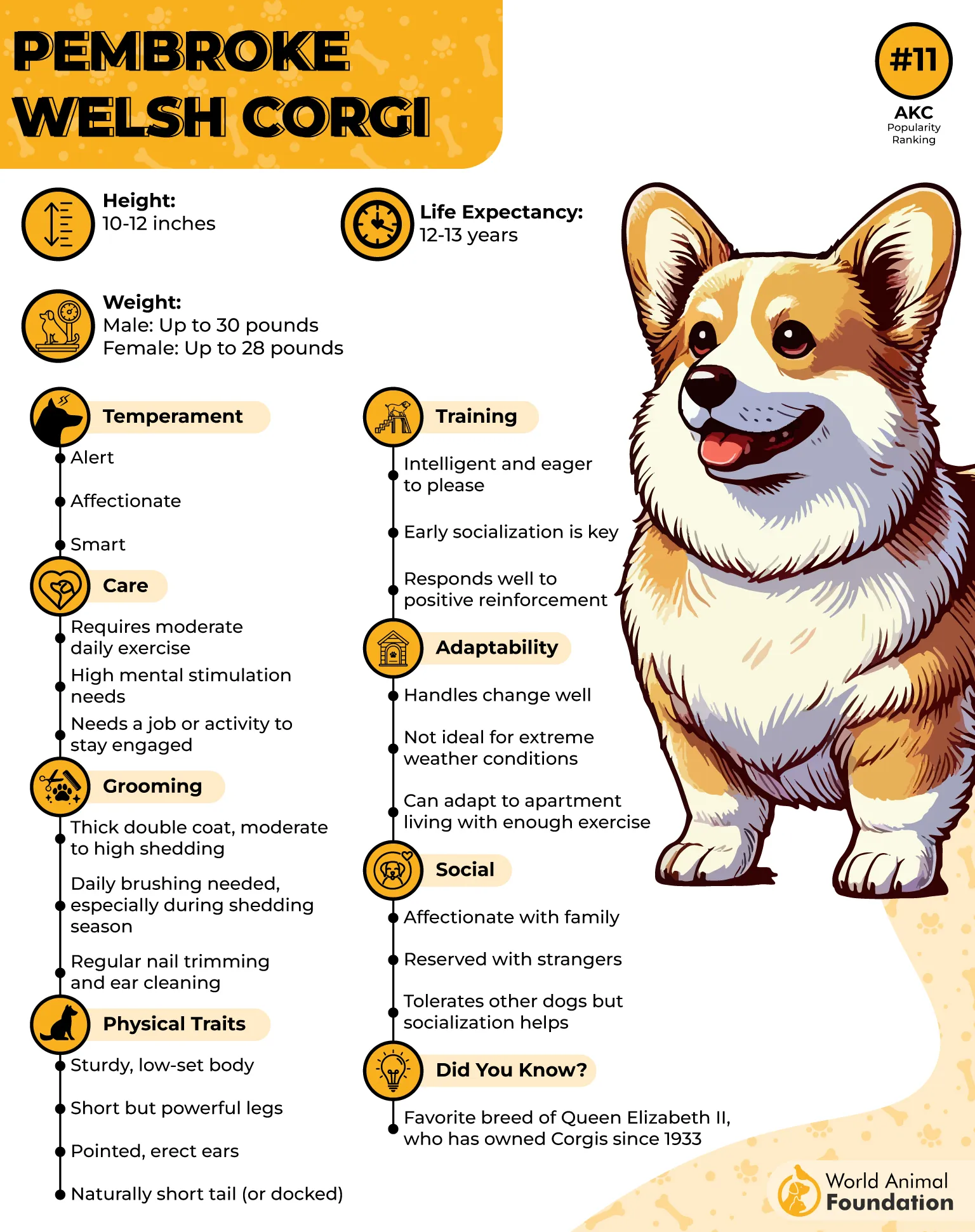
Corgis are intelligent dogs that respond well to structured training and mental challenges. They were bred to react quickly to human commands while also thinking independently, which explains why they learn new tasks so fast. Many enjoy agility, obedience, and herding-style activities that allow them to use both their brains and energy levels.
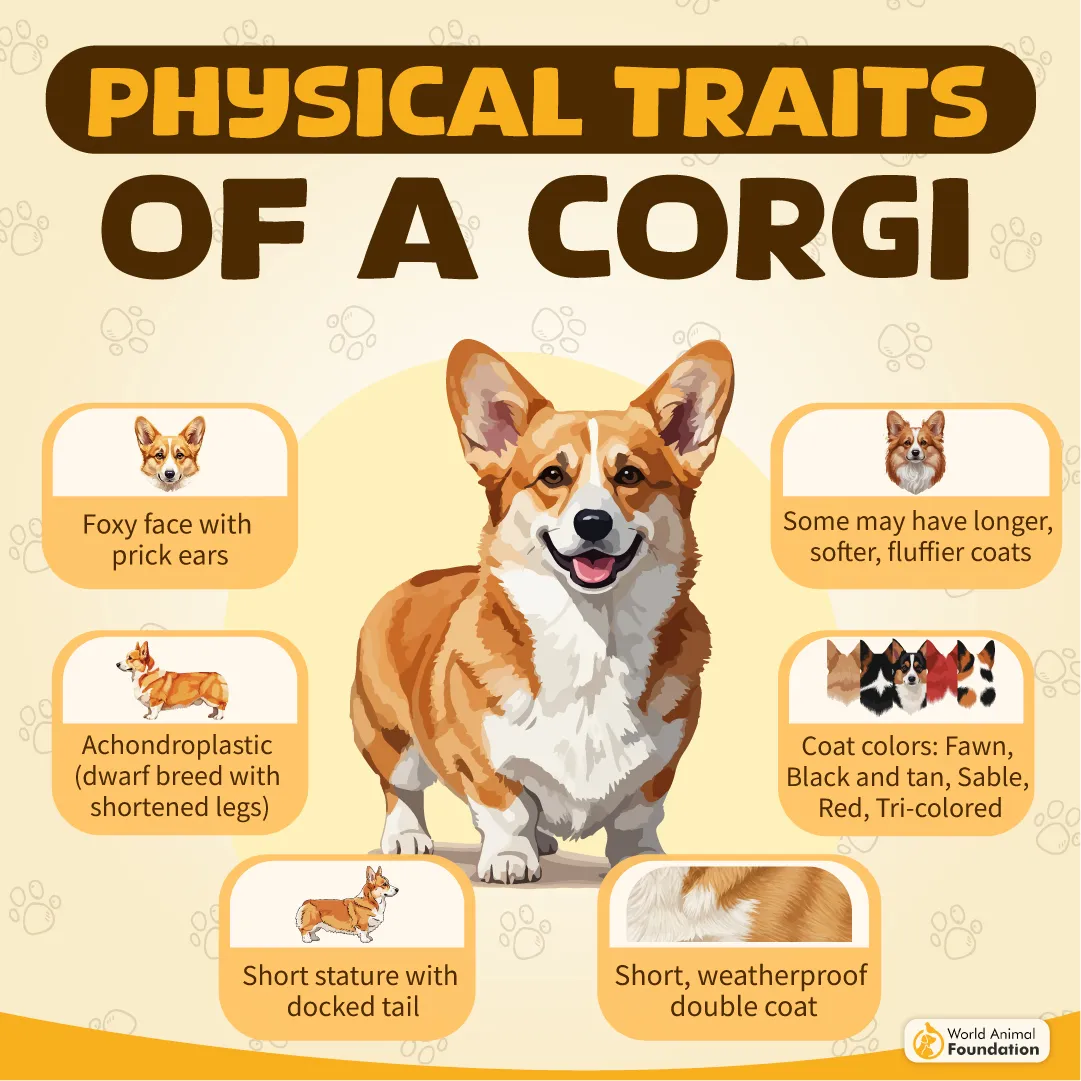
These dogs are affectionate and loyal with their families, but they also have a strong sense of responsibility. Pembroke Welsh Corgis often act like self-appointed managers of the household, sometimes attempting to herd children or other pets if bored. Regular exercise, engaging activities, and varied routines help keep their sharp minds focused in positive ways.
Why This Breed Is a Good Fit
Corgis enjoy problem-solving tasks and stay mentally engaged during training.
Their strong desire to work makes them enthusiastic about learning commands and tricks.
They balance playful energy with loyalty, creating a fun but dependable companion.
5. Bichon Frise
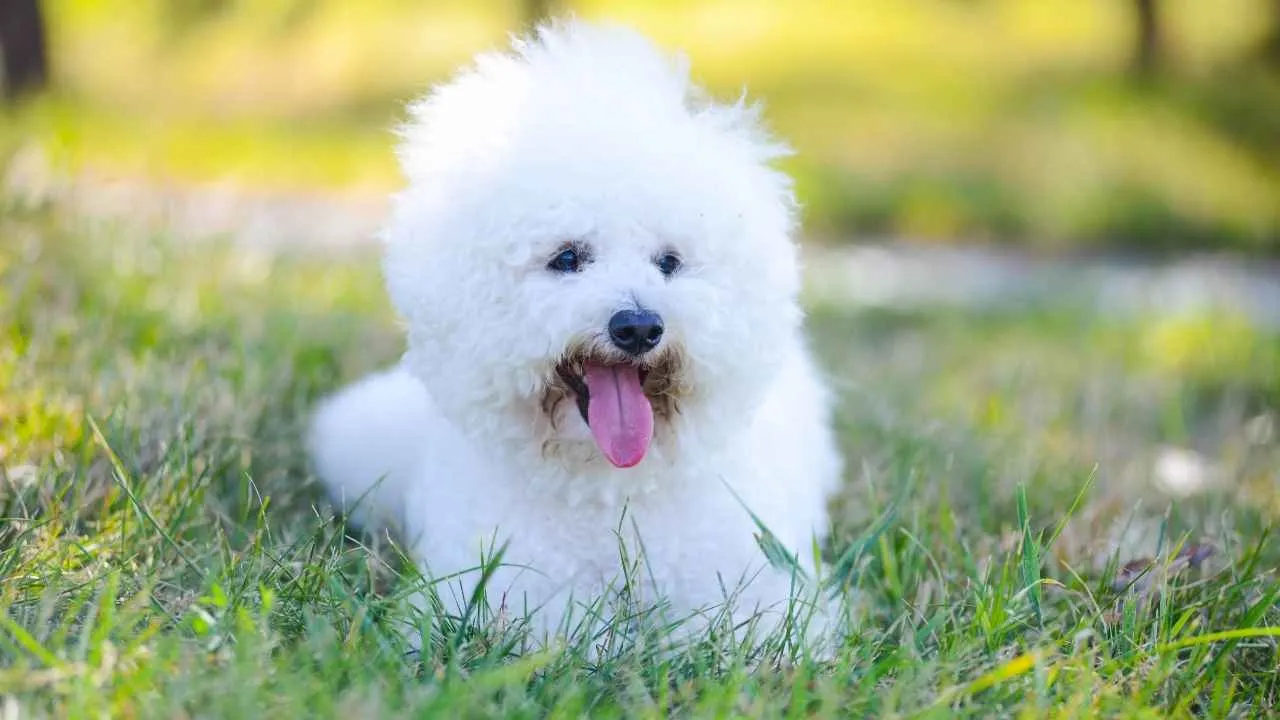
Bichon Frises have the kind of personality that can brighten a room before the dog even reaches it. Originally bred to perform in traveling shows and circuses, these cheerful little dogs love attention and seem fully aware of their natural charm. Their fluffy white coat and playful attitude make them look like walking cotton balls with a sense of humor.
Bichons are intelligent, eager to please, and usually enthusiastic about learning new routines. Positive reinforcement works especially well because they enjoy praise and interaction with their people. While they can sometimes become vocal or a little bossy without proper guidance, early training helps channel their confidence into good manners and fun tricks instead.
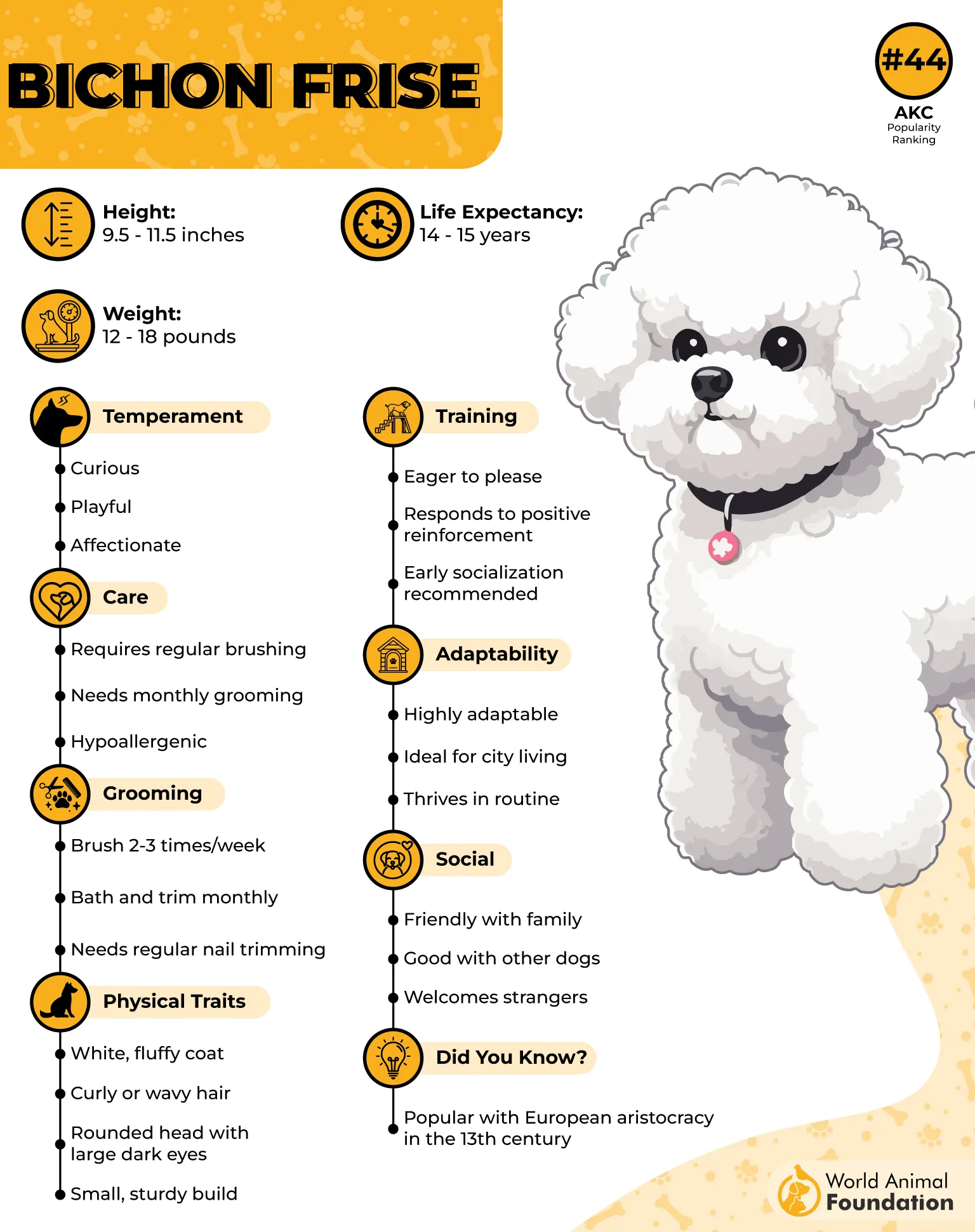
These sociable dogs thrive in busy homes where they can stay involved in daily activities. They tend to do well with children, other pets, and even apartment living because of their adaptable nature. A Bichon also carries a surprising amount of energy for such a small dog, so regular games and interaction help keep boredom from taking over the household.
Why This Breed Is a Good Fit
Bichons respond quickly to praise, making training feel encouraging instead of frustrating.
Their playful attitude keeps learning sessions lively and entertaining.
They enjoy human interaction so much that they naturally stay engaged during practice and routines.
6. Boston Terrier
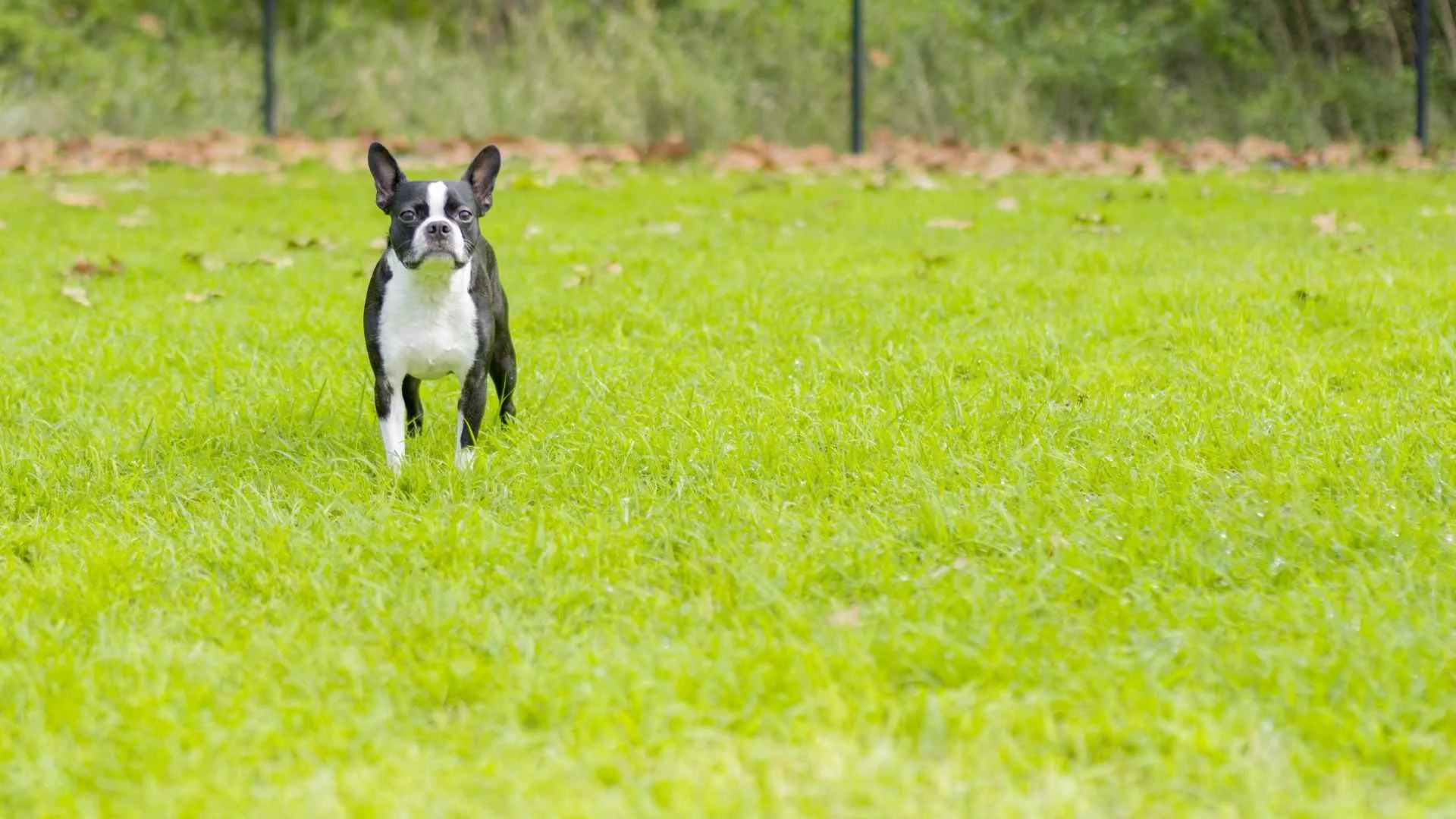
Boston Terriers are often called the “American Gentlemen,” and one look at that tuxedo-like coat explains why. These compact dogs are lively, affectionate, and always seem ready to join whatever activity is happening nearby. Despite their classy nickname, Boston Terriers are playful goofballs that enjoy keeping their families entertained.
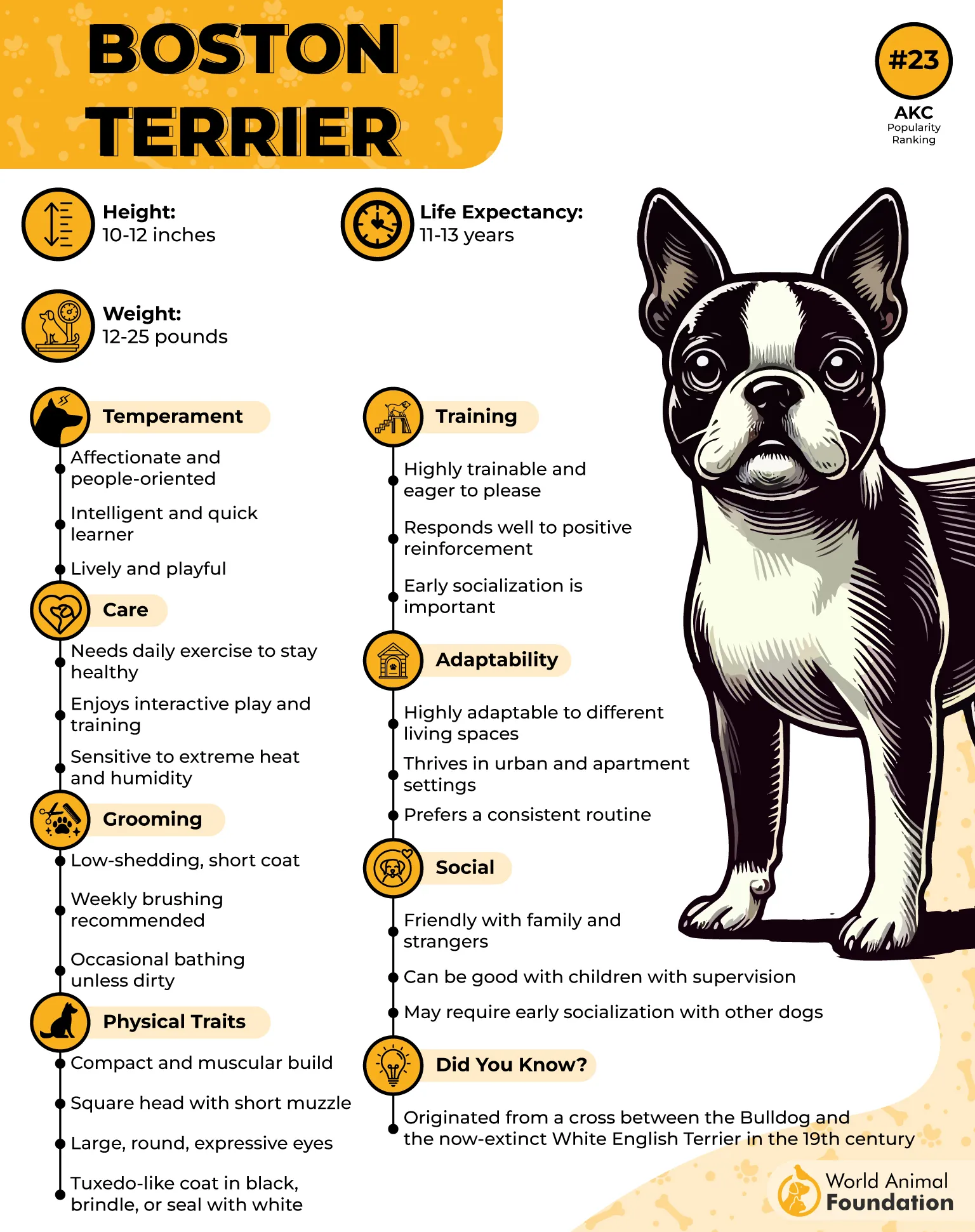
Training usually goes smoothly because Boston Terriers are smart and responsive, especially when sessions feel fun and rewarding. They can have a stubborn streak now and then, but turning lessons into games helps hold their attention. Many enjoy activities like fetch, agility, and frisbee, which give them a chance to burn energy while sharpening their skills.
Boston Terriers adapt well to city life, apartments, and smaller homes because they do not require excessive exercise. Short bursts of activity throughout the day often suit them better than long workouts. Their friendly nature also helps them fit comfortably into family life, and they typically enjoy spending time with children and other pets when properly socialized.
Why This Breed Is a Good Fit
Boston Terriers learn quickly when training stays upbeat and interactive.
Their compact size and adaptable nature work well for many modern households.
They balance playful energy with affectionate companionship, making them enjoyable daily partners.
7. Border Terrier
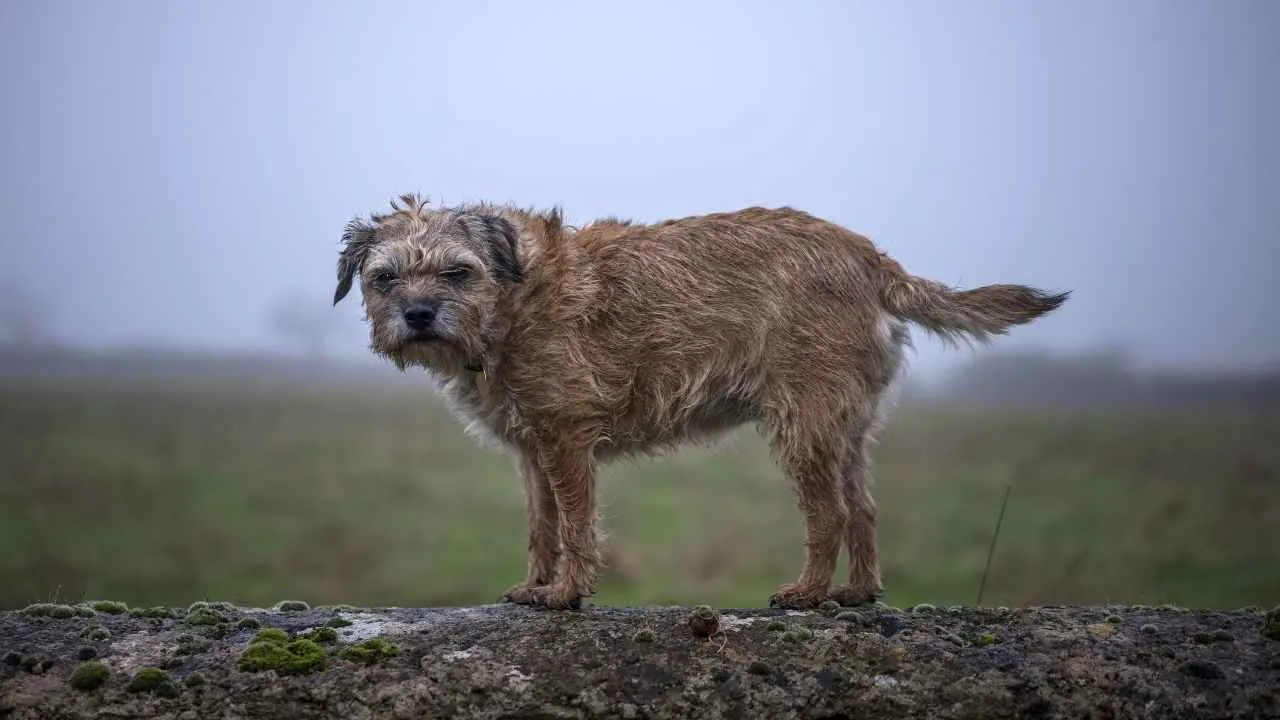
The Border Terrier may be small, but this breed was developed for tough outdoor work near the Scottish-English border. These wiry little dogs were bred to help farmers pursue foxes, so determination practically comes built into their personality. Their scruffy appearance and “otter head” shape give them a rugged look that matches their adventurous attitude.
Border Terriers are bright, energetic, and happiest when they have something to do. They enjoy exploring, digging, hiking, and learning games that challenge both their minds and bodies. Training works best when sessions stay short, positive, and interesting because these dogs can quickly decide boredom is unacceptable and start entertaining themselves instead.
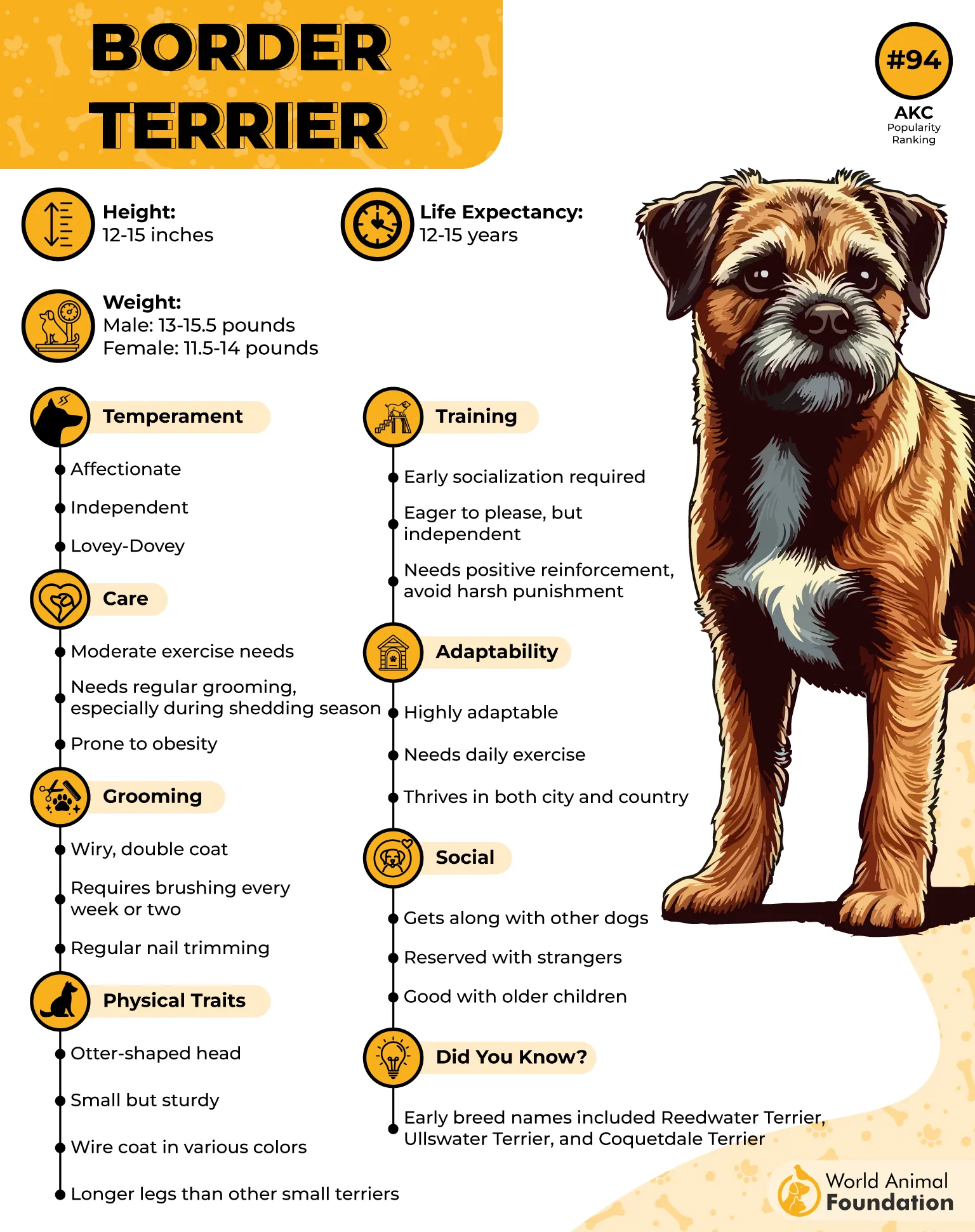
Although they are hardworking outdoors, Border Terriers are affectionate and relaxed with their families once the day winds down. They often get along well with children and other dogs, especially with proper socialization. Their independent streak means owners need patience and consistency, but their loyal and playful personality makes the effort worthwhile for active households.
Why This Breed Is a Good Fit
Border Terriers enjoy mentally stimulating tasks that help them stay focused and engaged.
Their energetic personality makes training activities feel exciting rather than repetitive.
They combine toughness outdoors with affectionate behavior at home, giving owners the best of both worlds.
Conclusion
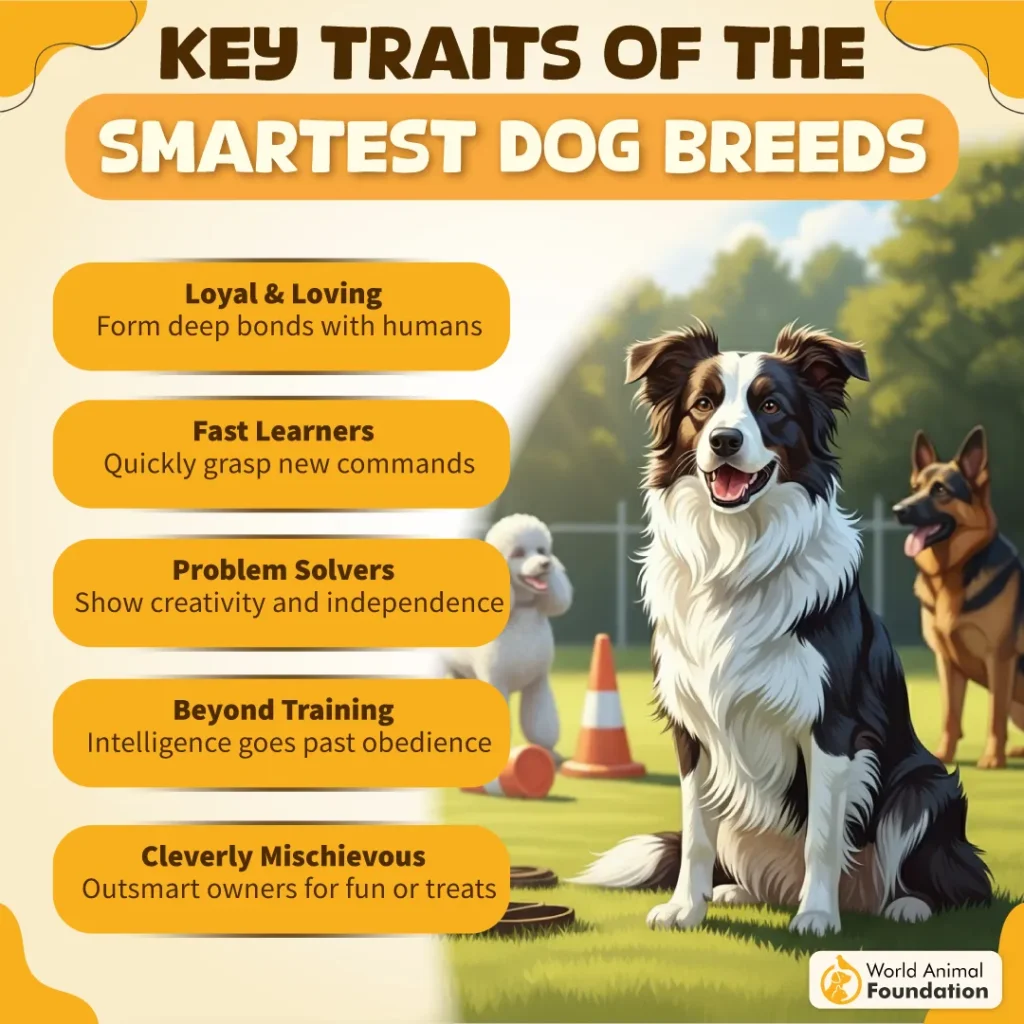
A small dog with a quick mind and eager attitude can make training feel less like work and more like a fun daily routine. These compact companions often learn commands quickly, enjoy interactive games, and thrive when they receive attention and positive encouragement.
Whether you want a playful family pet, an adaptable apartment companion, or an energetic little shadow that loves learning tricks, choosing a trainable small dog breed can make life much smoother. The key is finding a dog whose personality, activity level, and social needs match your lifestyle.
Other intelligent breeds such as the Golden Retriever, Labrador Retriever, Shetland Sheepdog, Border Collie, and Toy Poodle are among the easiest dog breeds to train and make wonderful family pets.
With patience, consistency, and regular mental stimulation, even the tiniest pup can grow into a confident, well-mannered companion that brings years of entertainment and loyalty to your home.
