




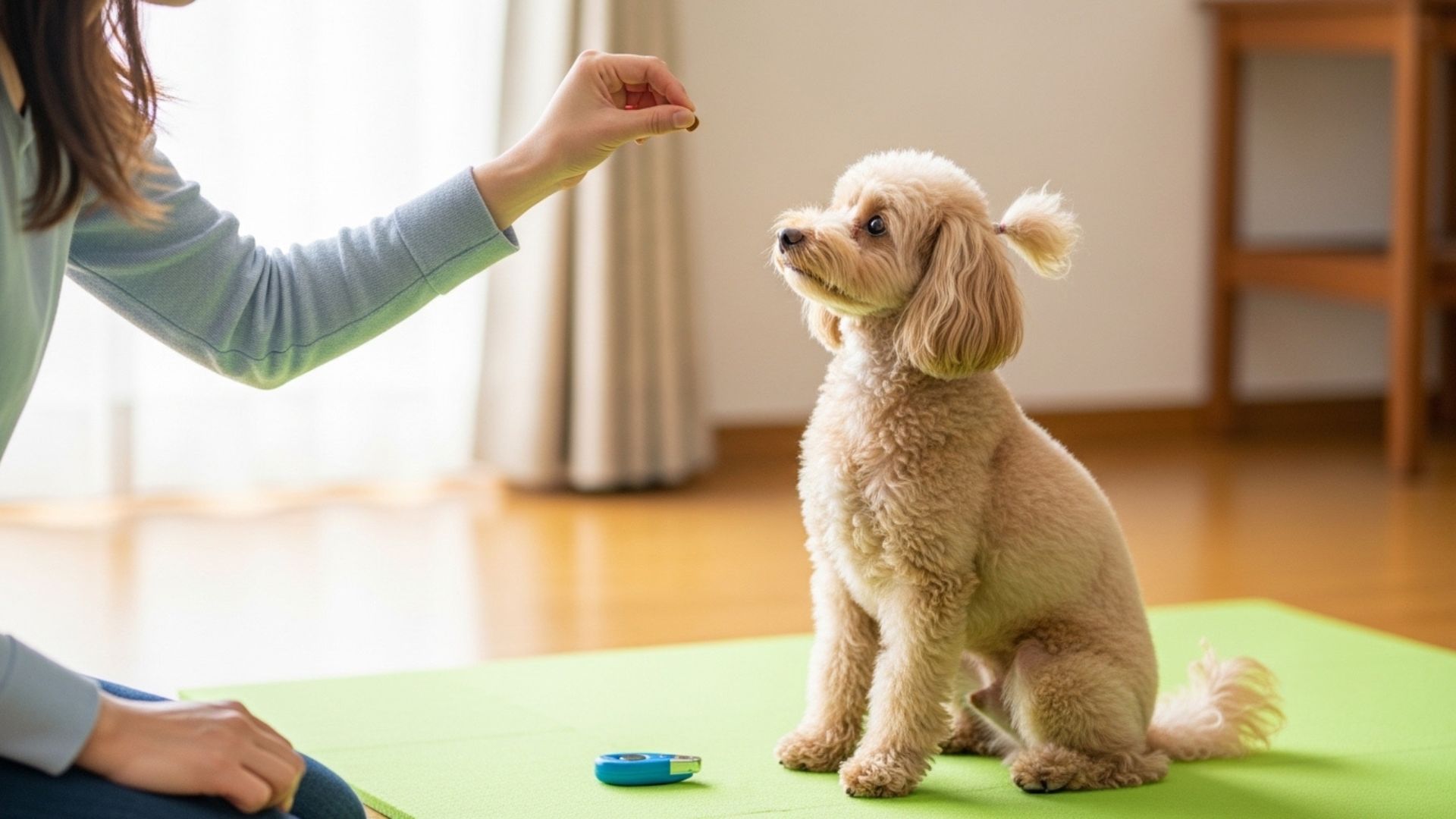
When people ask whether a dog is “smart,” they’re usually wondering how easy that dog will be to train. Intelligence certainly matters, but trainability also depends on personality, instincts, and what a breed was originally developed to do.
Some dogs were bred to cooperate closely with humans, while others were meant to work independently and make their own decisions. Focus plays a role too—can the dog tune out distractions and pay attention, or does every sound and movement steal their interest?
Training style is just as important. Positive reinforcement, patience, and consistency can turn even a stubborn pup into an eager learner.
Small breeds, in particular, often surprise owners with their sharp minds, quick responses, and enthusiasm for interactive learning despite their tiny size. Make training fun, rewarding, and engaging, and many little dogs will thrive.
Highly trainable small breeds are eager to please and quick to pick up new commands, especially when motivated by treats or toys. They also tend to have a good attention span and adapt easily to changes at home.
Small Dog Breeds Known for Being Highly Trainable
1. Papillon
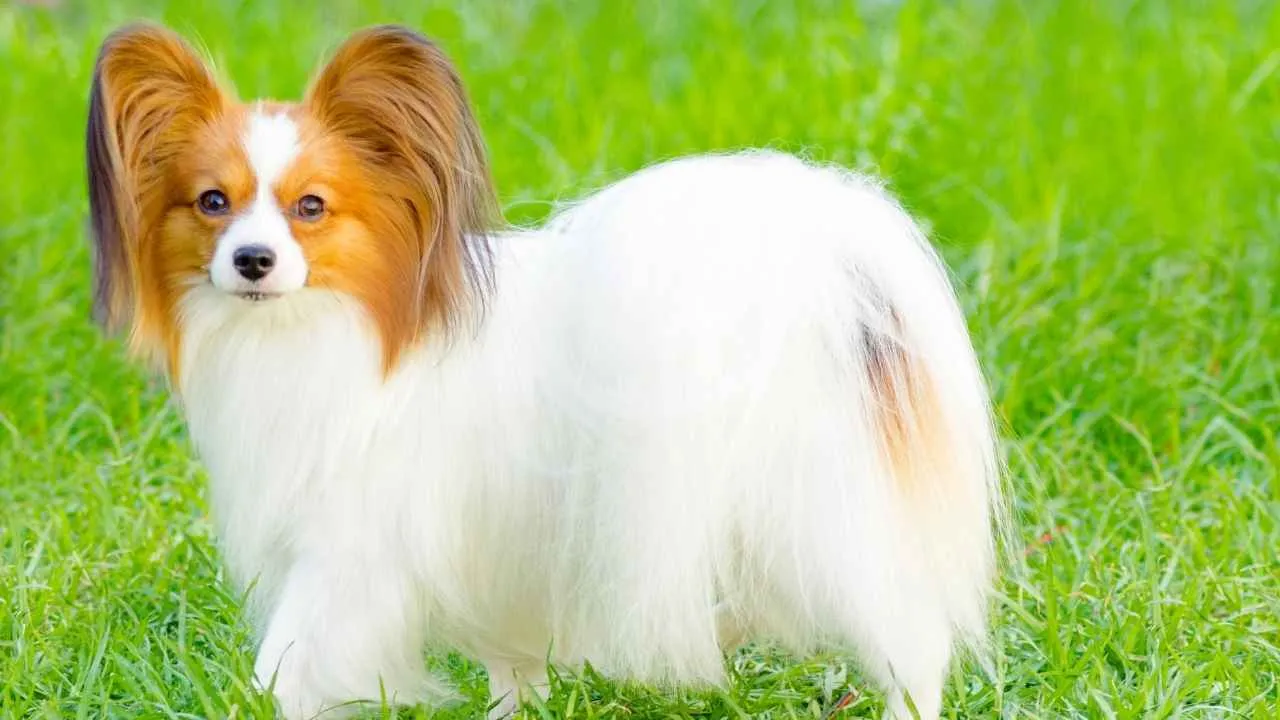
The Papillon is a tiny yet remarkably capable toy breed known for its alert expression, friendly nature, and exceptional intelligence. Named after the French word for “butterfly,” its signature upright ears resemble delicate wings.
Don’t let the dainty appearance fool you—this breed is energetic, curious, and highly responsive to training, making it an excellent choice for owners seeking a clever small companion.
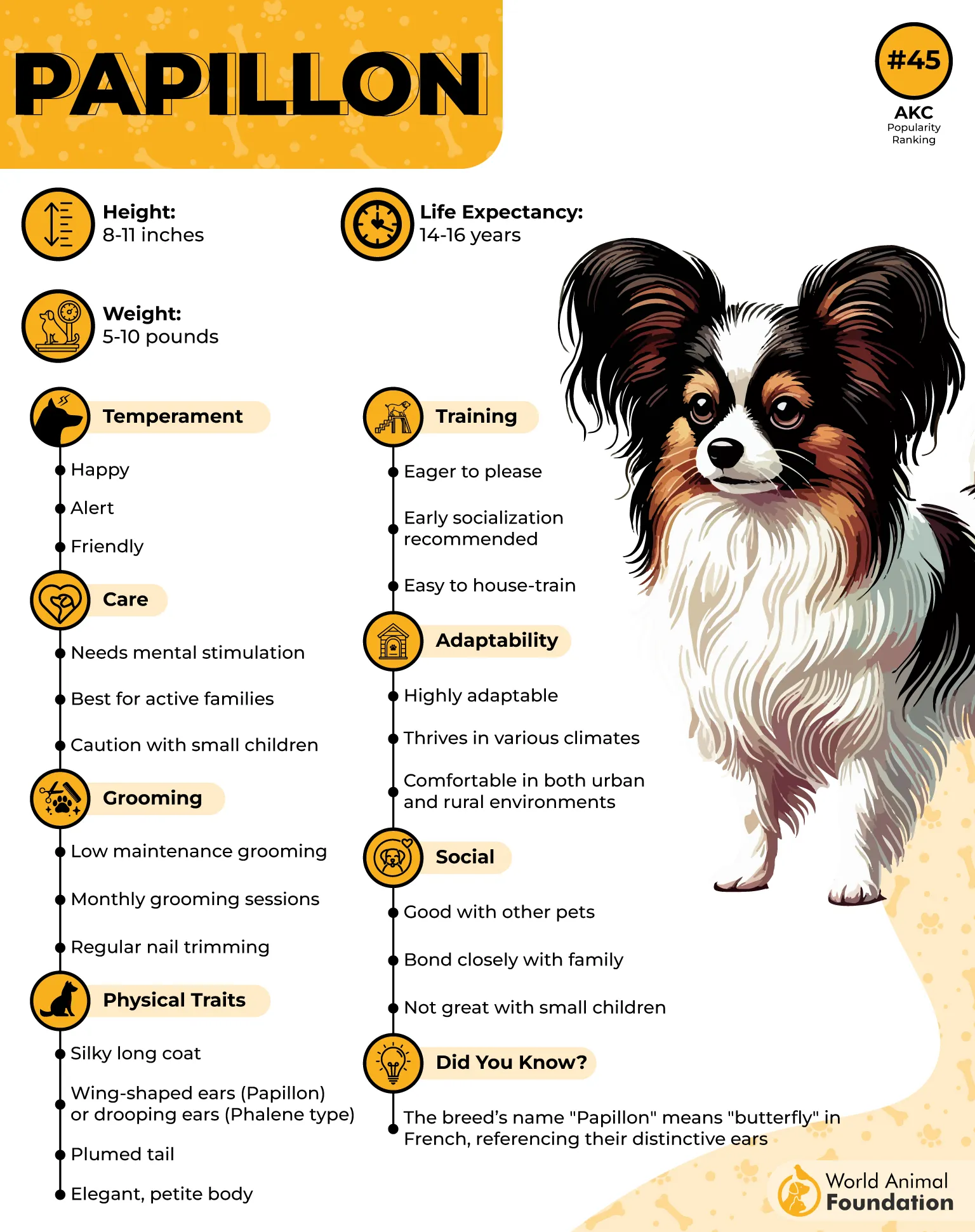
Papillons thrive on interaction and mental challenges. Their eagerness to learn and natural agility often place them among top performers in obedience and trick training, even outperforming some larger breeds. They adapt well to apartments, travel easily, and generally get along with other pets when properly socialized.
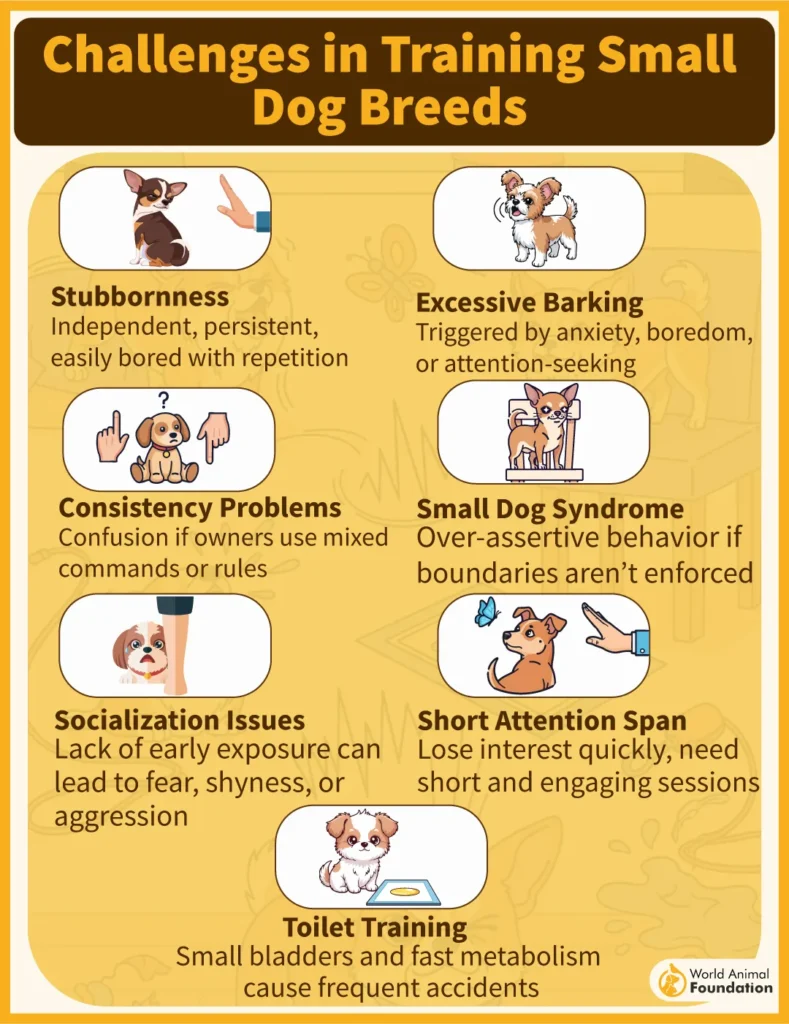
Why Papillons are highly trainable:
Quick learners with sharp focus
Love praise, treats, and games
Excel in obedience and agility
Form strong bonds with owners
Need mental stimulation daily
2. Toy Poodle
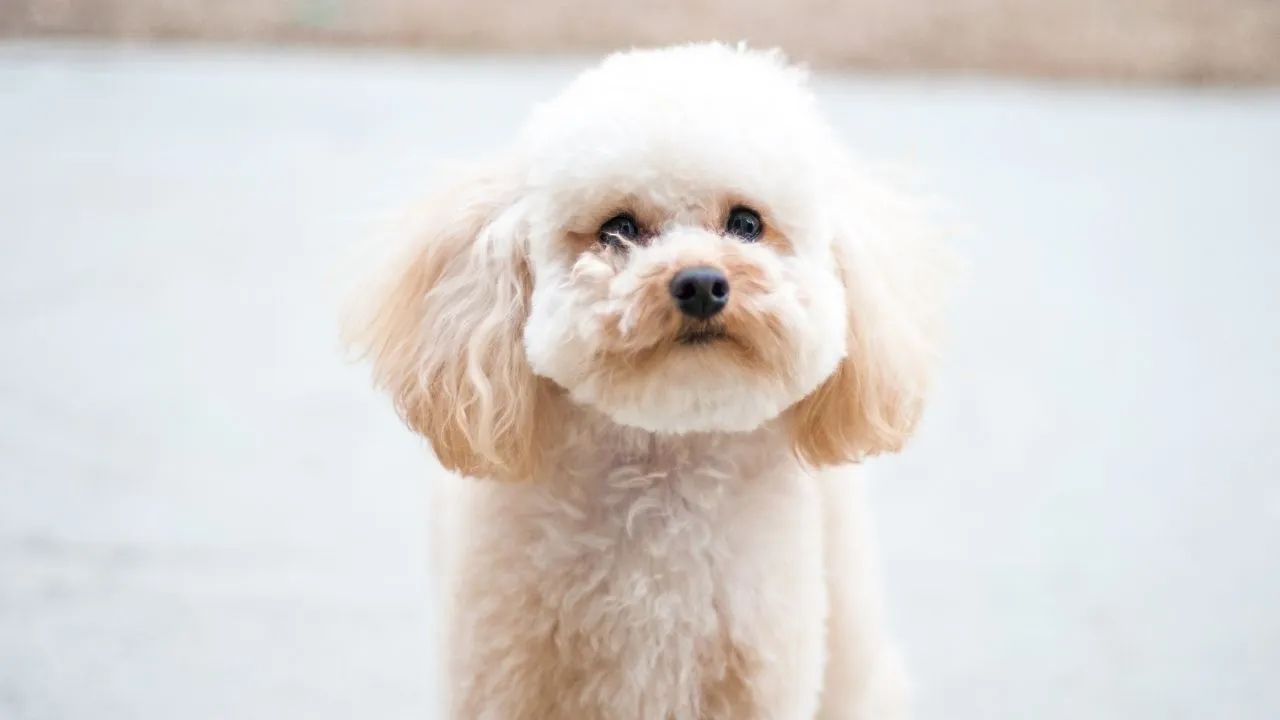
Poodles are among the most intelligent dog breeds, prized for both their elegance and sharp minds. Originally developed in Germany and later adored in France, these dogs are famous for their curly, low-shedding coats and lively, attentive personalities.
Whether in toy or miniature size, Poodles learn commands quickly and adapt easily to different homes and routines. They are friendly, sociable, and naturally eager to please, which makes training smooth even for less-experienced owners
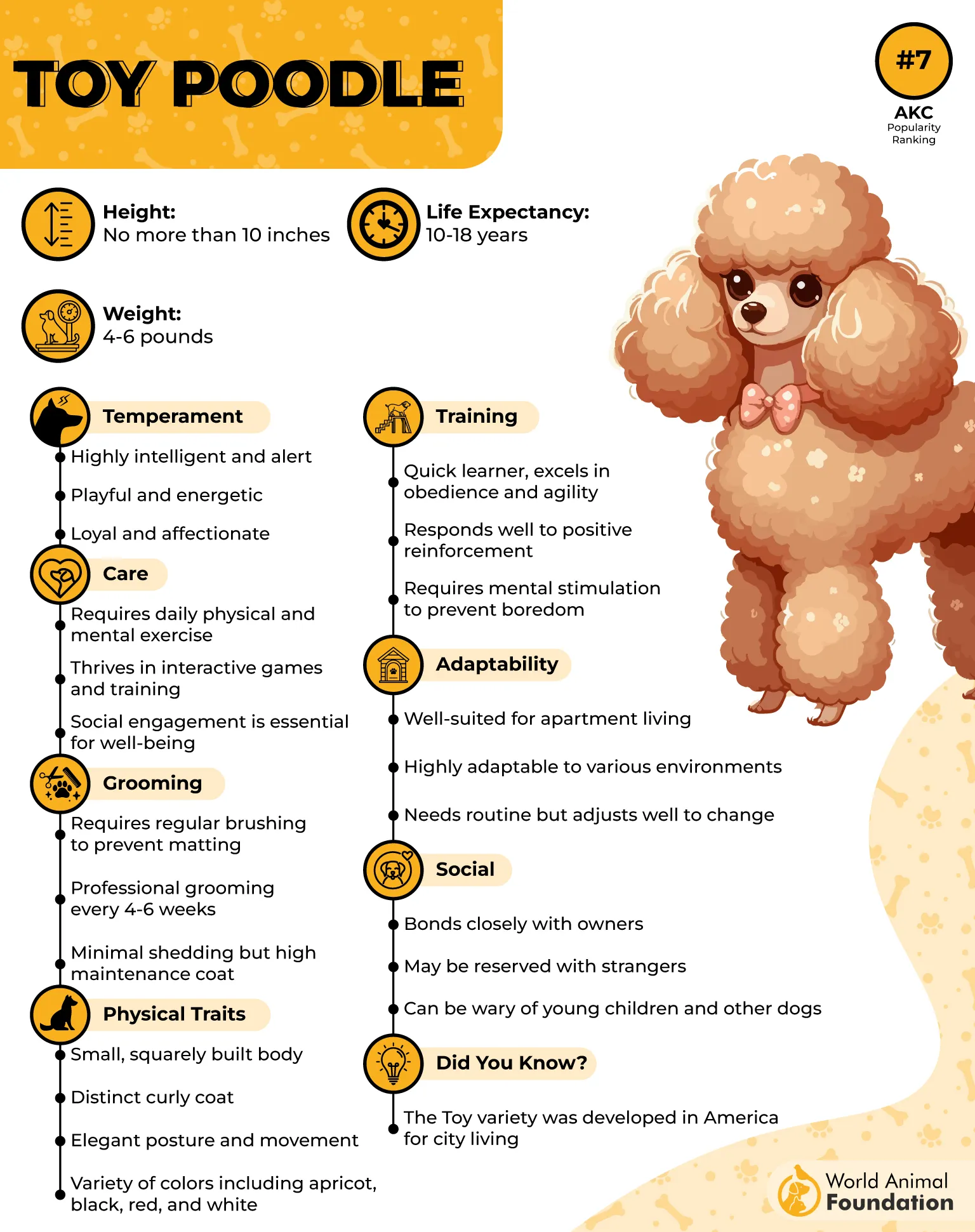
Their problem-solving ability and enthusiasm for learning new tasks make them standout performers in obedience work and interactive games.
Why small Poodles are highly trainable:
Exceptional intelligence and memory
Quick response to positive reinforcement
Adaptable to apartments or houses
Friendly with families and other pets
Thrive on mental challenges and structured activities
3. Miniature Schnauzer
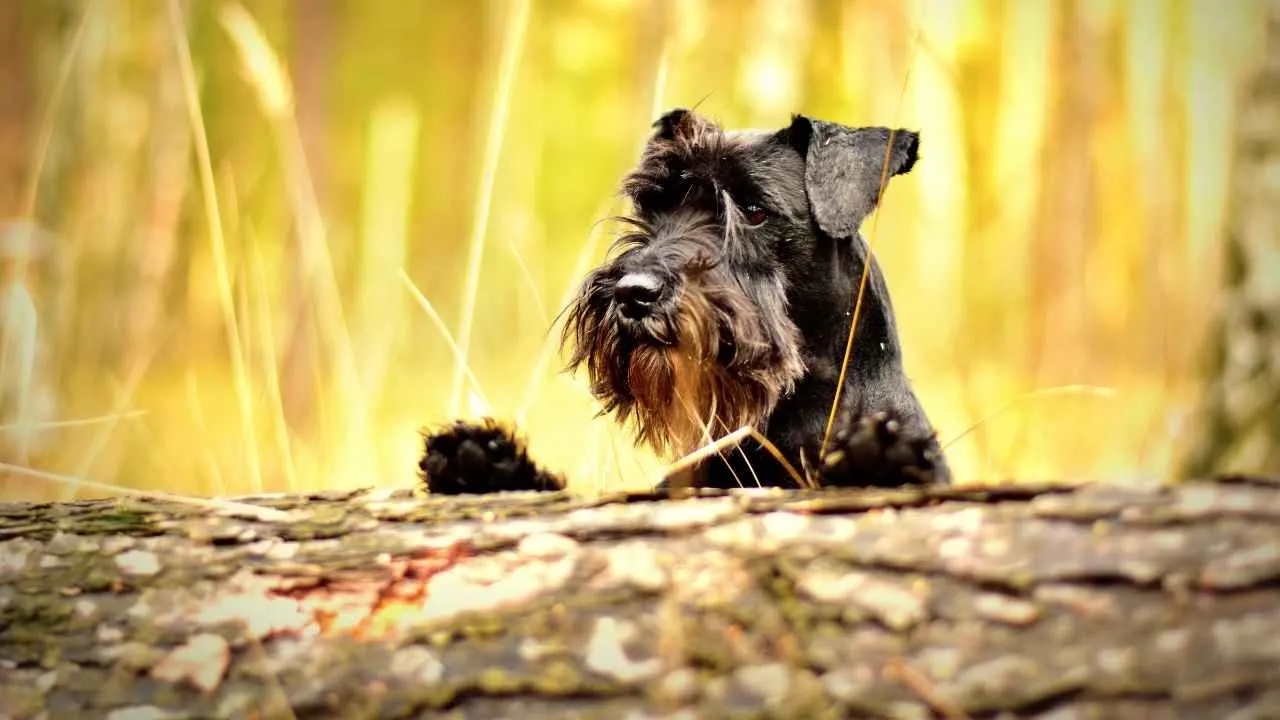
The Miniature Schnauzer may be small in size, but this spirited pup brings intelligence, loyalty, and enthusiasm to every interaction. Known for their bold yet affectionate nature, they love both playtime and cozy cuddles with their favorite human.
These dogs form strong bonds with their owners and prefer homes where they aren’t left alone for long. With proper socialization, they usually do well with children and can coexist peacefully with other pets.
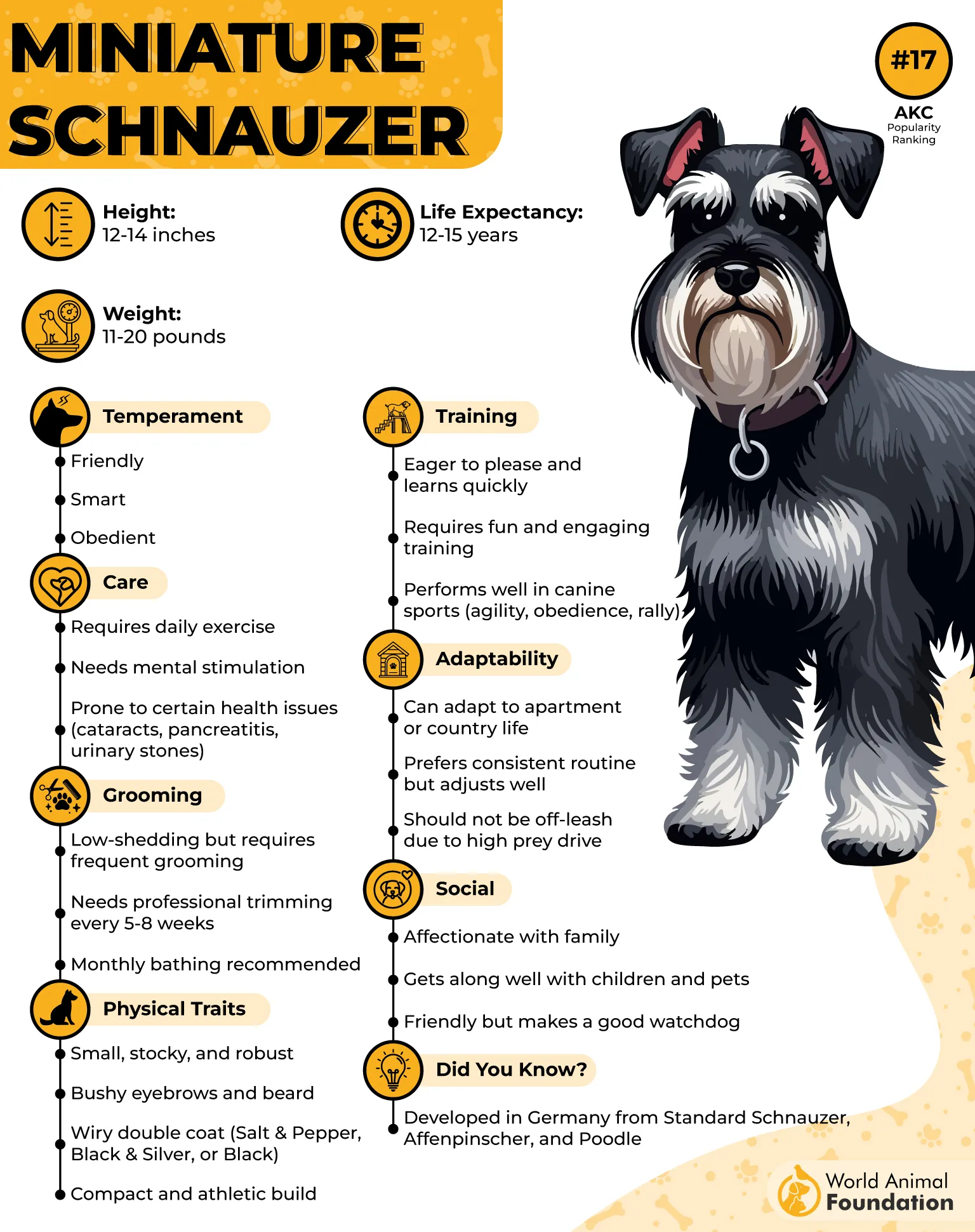
Though sometimes reserved around strangers at first, they warm up quickly once they sense their owner’s approval. Their alert mind and eagerness to engage make them especially responsive to structured training and routines.
Why Miniature Schnauzers are highly trainable:
Quick learner
Strong desire to please their owner
Adapt well to consistent routines
Playful energy that supports training
Excel in obedience and skill-based activities
4. Shetland Sheepdog
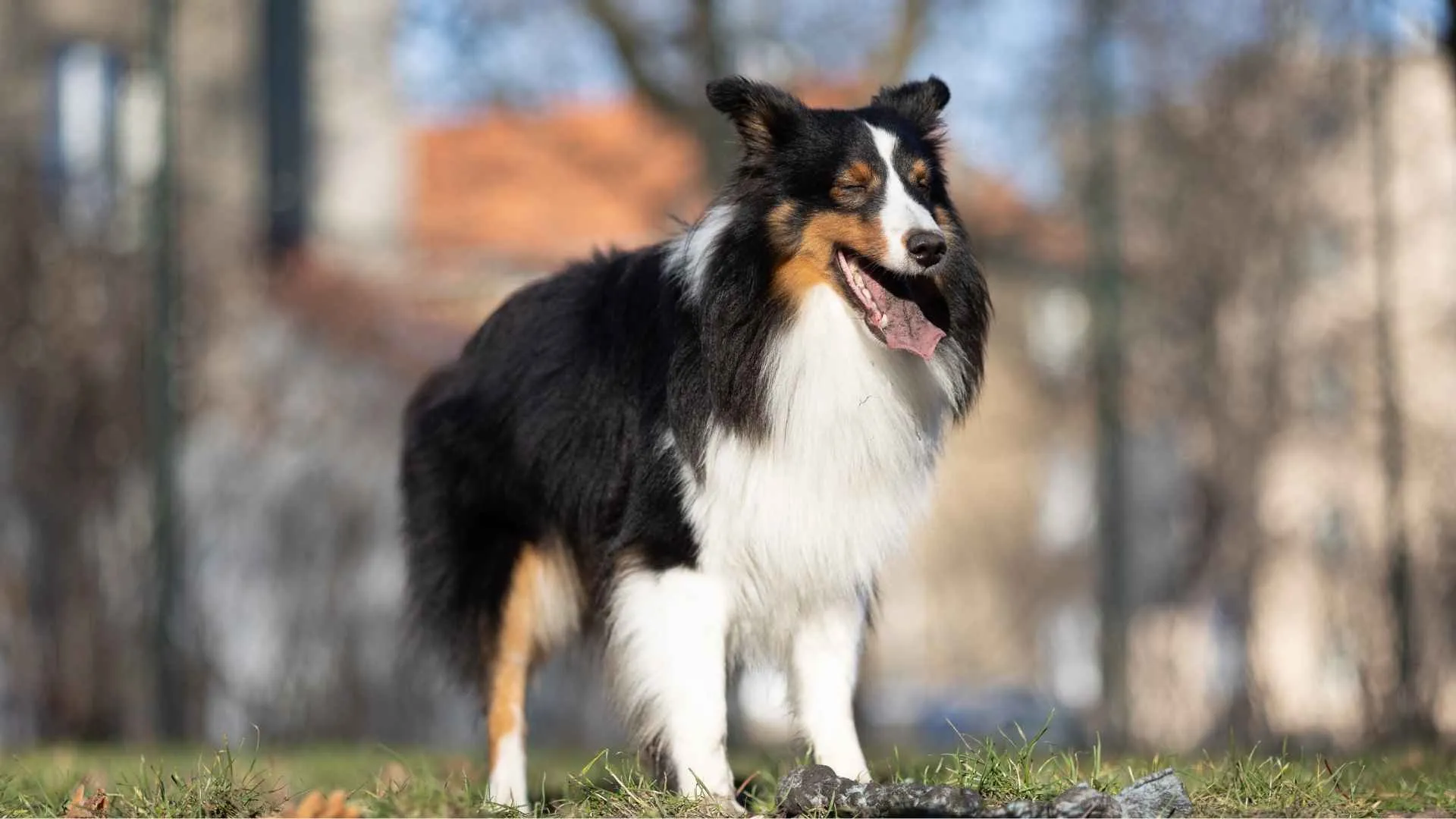
The Shetland Sheepdog, or Sheltie, is a small herding breed celebrated for its remarkable intelligence, speed, and eagerness to obey. Originating from Scotland’s rugged Shetland Islands, this Collie-like companion is deeply devoted to its family and highly responsive to human emotions.
Shelties are quick learners who thrive on structure, making them outstanding candidates for obedience training and advanced tasks. Naturally alert and somewhat reserved with strangers, they also make reliable watchdogs.
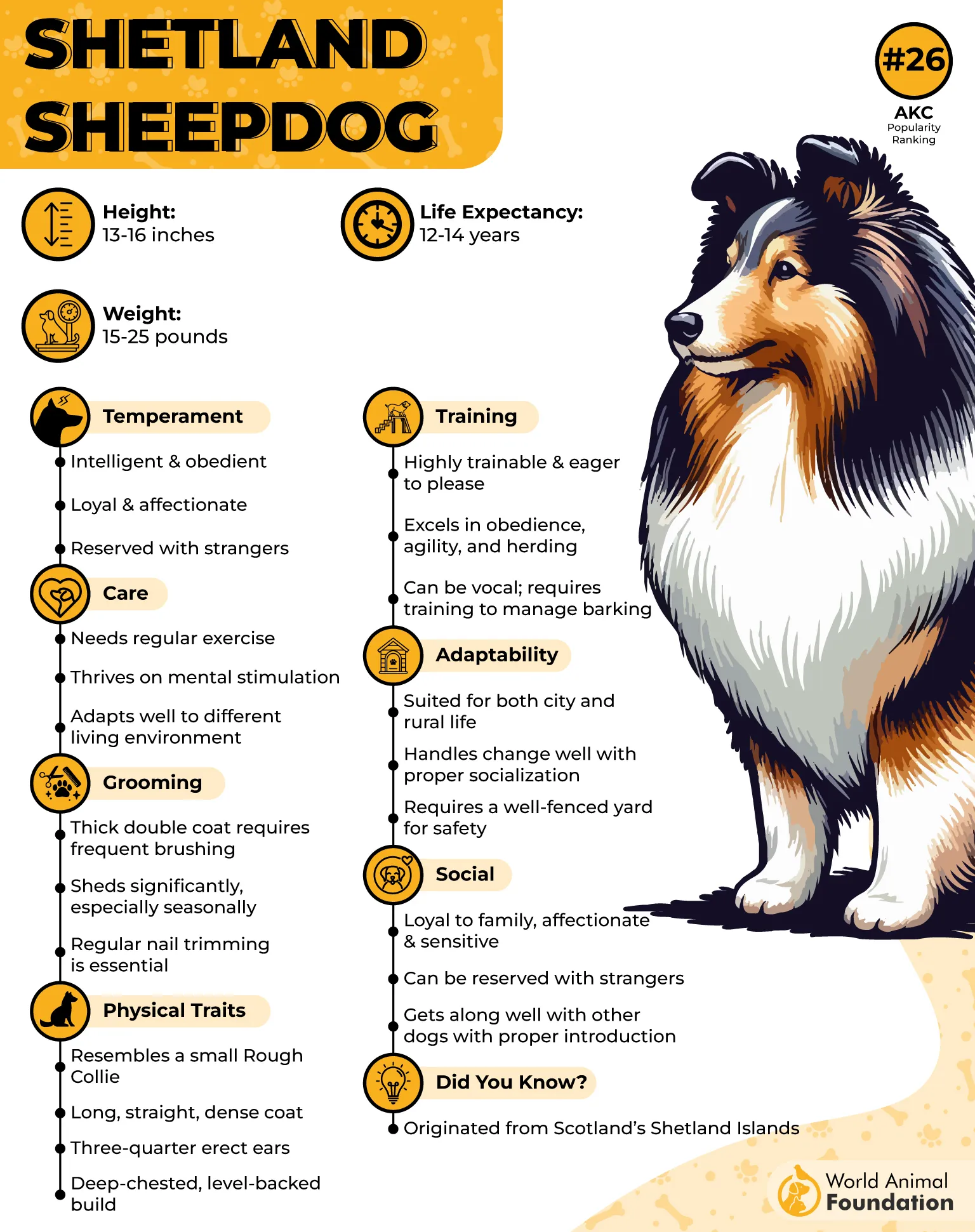
Their vocal nature means they may bark to communicate excitement or alertness, so early guidance is helpful. With the right mental stimulation, they can master complex commands faster than many larger breeds.
Why Shelties are highly trainable:
Exceptionally intelligent problem-solvers
Strong desire to please and cooperate
Excel in agility and obedience sports
Responsive to positive reinforcement
Thrive when given challenging mental work
5. Pembroke Welsh Corgi
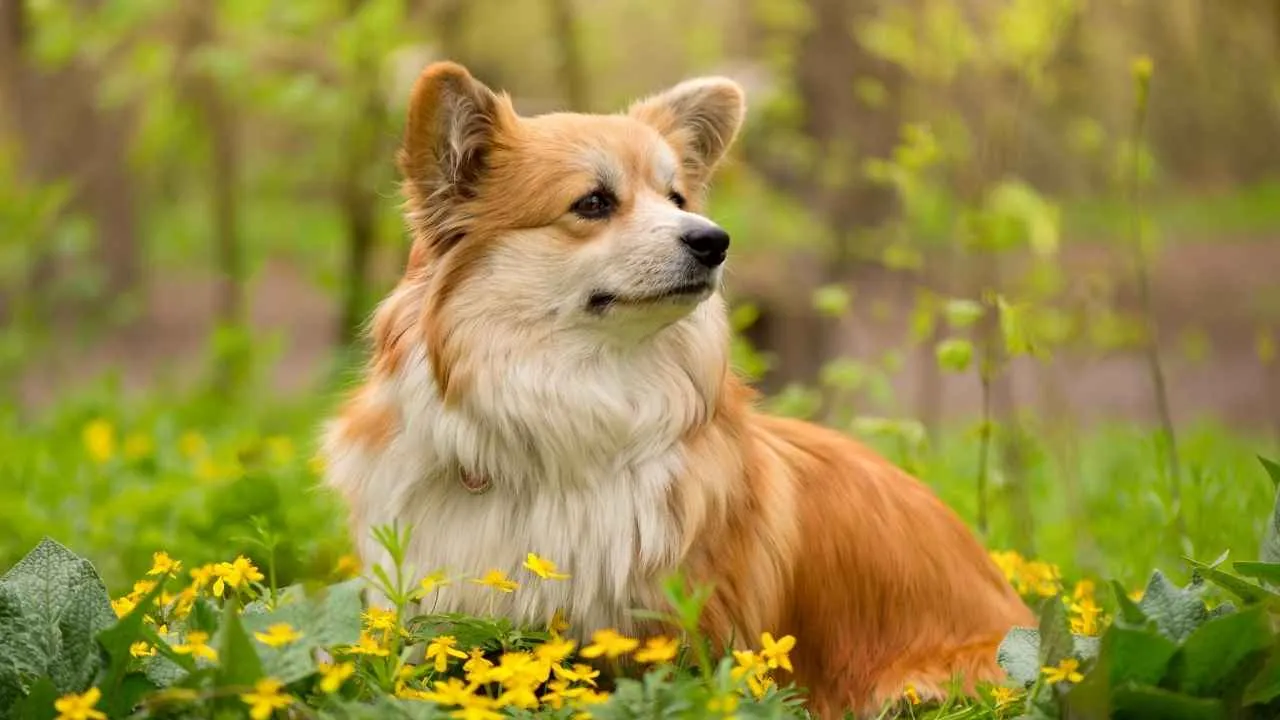
The Pembroke Welsh Corgi is a bright, energetic small breed that thrives on learning and staying involved in daily family life. Famous for following their owners everywhere, these dogs are highly people-oriented and eager to please, which makes training both rewarding and engaging.
Originally bred for herding, Corgis are intelligent breeds with a touch of independence, so they benefit from consistent guidance and mental stimulation. Their alert nature also makes them effective watchdogs, though boredom can increase barking, as Wikipedia mentioned.
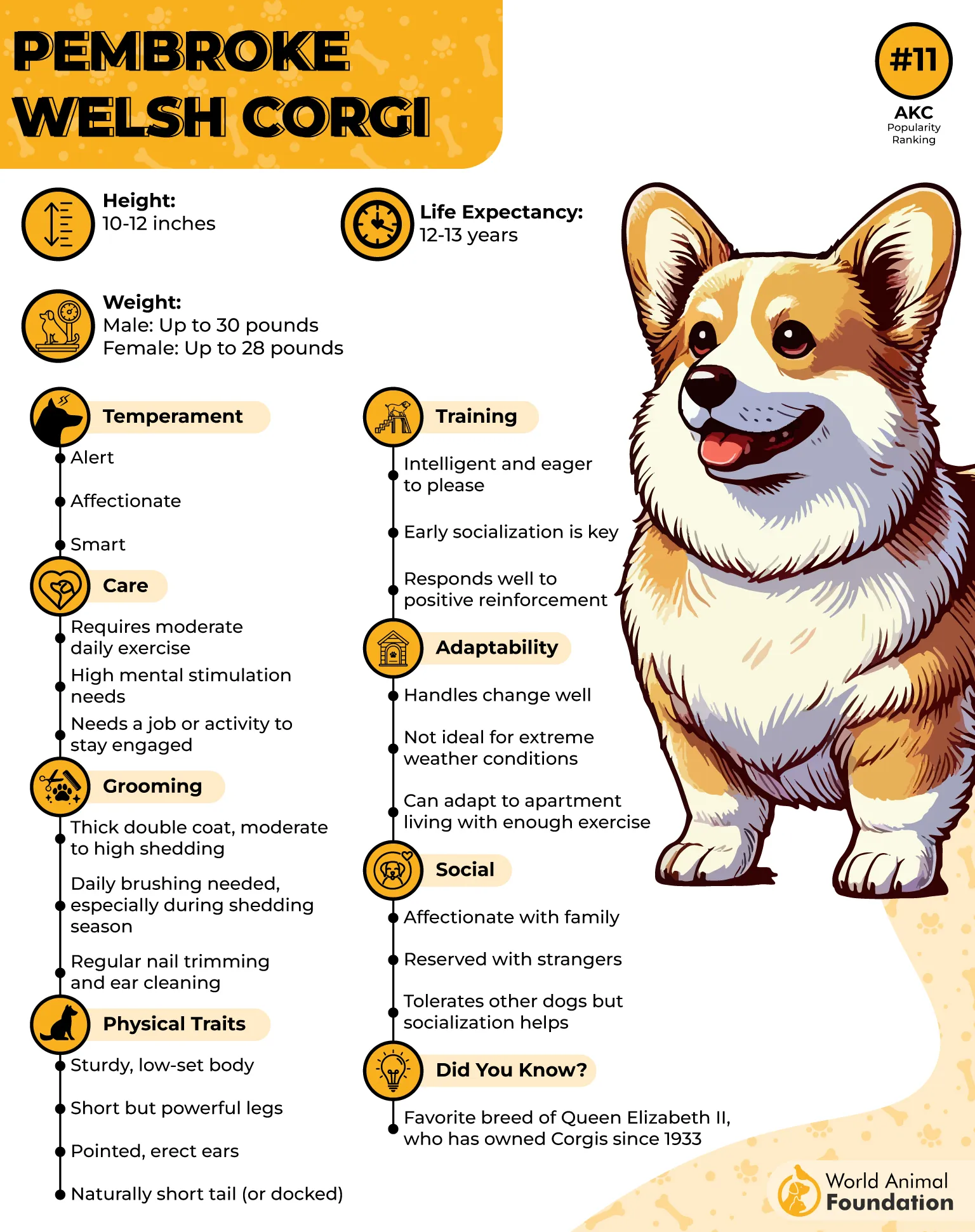
Friendly and sociable, they typically do well with children and other pets when properly socialized early. Regular exercise is essential to keep them fit and focused, as they can gain weight easily.
Why Corgis are highly trainable:
Strong desire to please their humans
Quick learners with sharp problem-solving skills
Responsive to structured routines
Excel in obedience and agility activities
Motivated by play, praise, and rewards
6. Cocker Spaniel

Cocker Spaniels are bright, affectionate small dogs celebrated for their enthusiasm to learn and strong desire to please. Originally bred as gundogs, they are energetic, focused, and naturally responsive to training, making them a fantastic choice for owners seeking a highly trainable small dog breed.
Their friendly, sociable personality helps them bond quickly with families, children, and other pets. These lively pups thrive on activity, mental challenges, and interactive play, especially swimming and outdoor adventures, as noted by PetPlan.
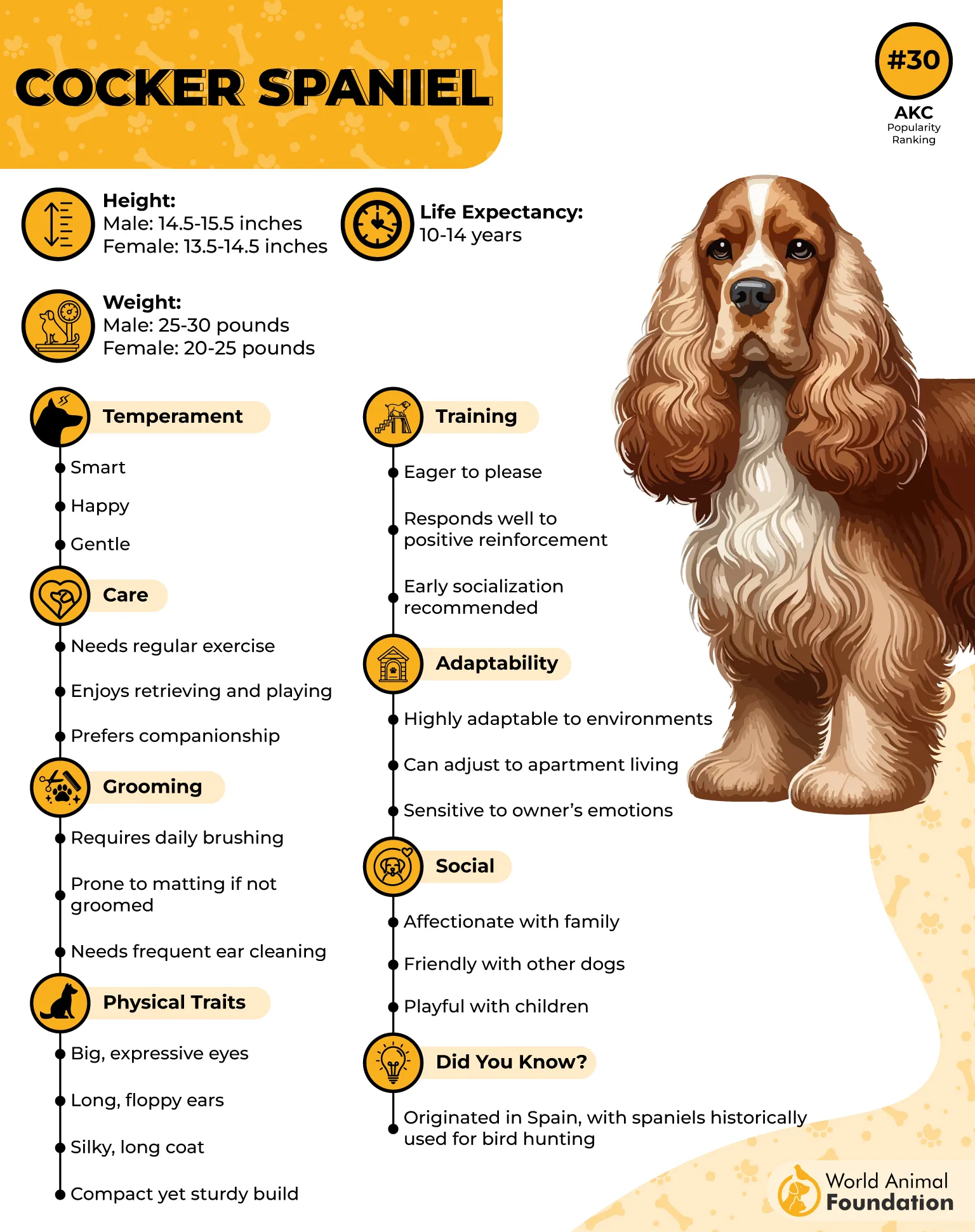
Early socialization and recall training are important to channel their working instincts and ensure reliable off-leash behavior. Because they are sensitive and people-oriented, Cocker Spaniels respond exceptionally well to gentle guidance and reward-based methods.
Why Cocker Spaniels excel in training:
Strong eagerness to please
Quick learners with good focus
Respond well to positive reinforcement
Highly motivated by praise and play
Adaptable to many households
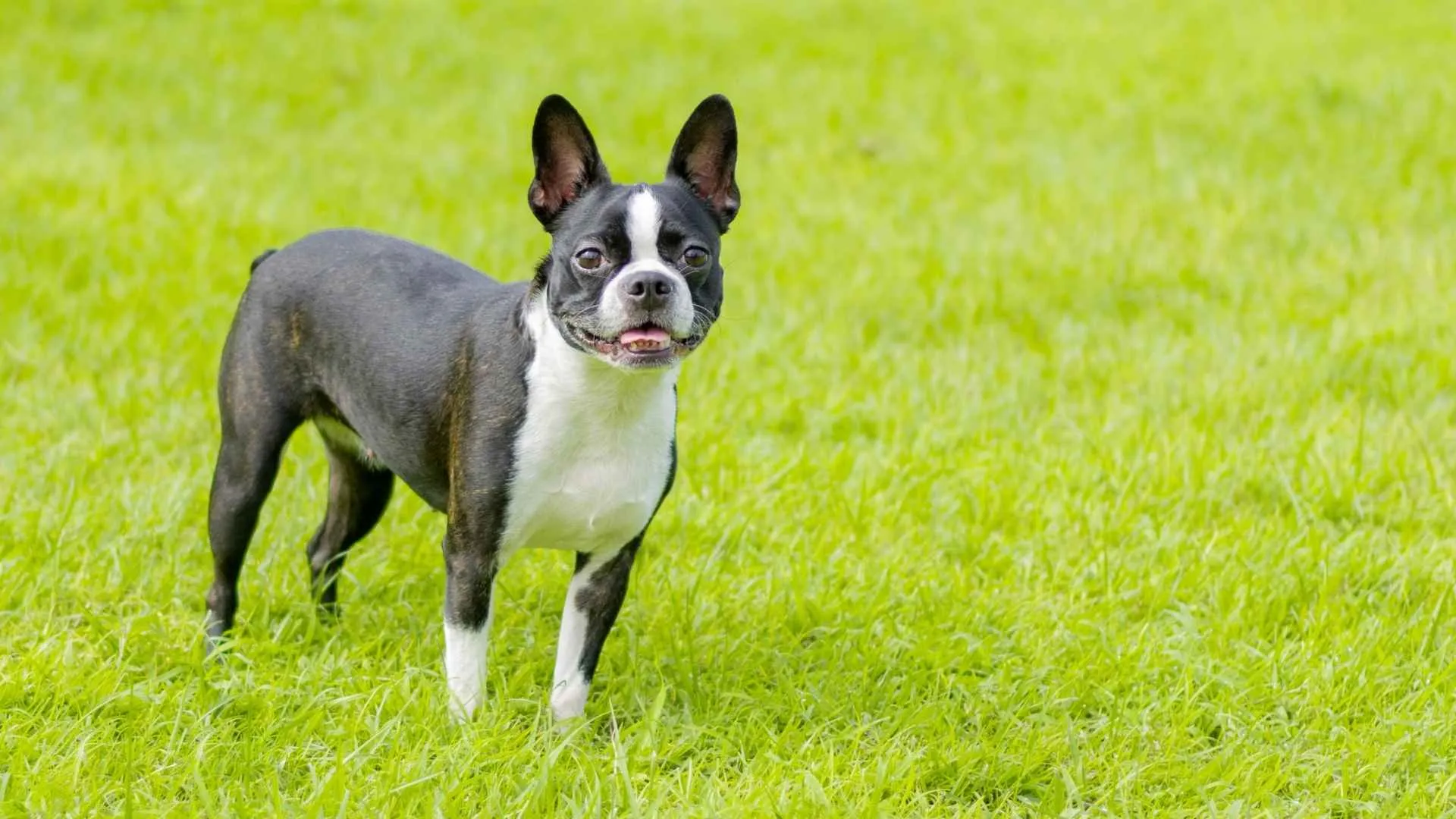
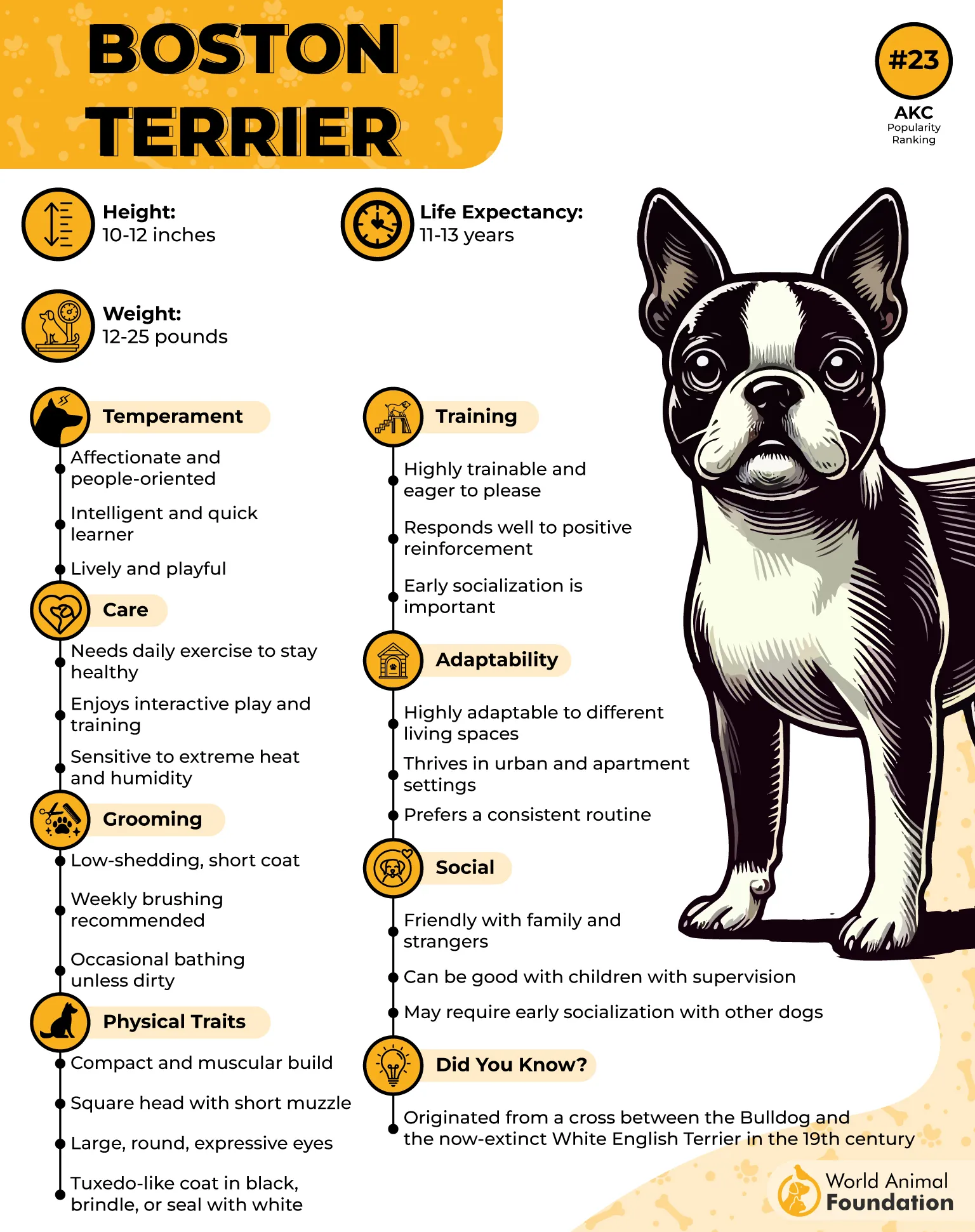
7. Boston Terrier
Pembroke Welsh Corgis stand out among small breeds for their exceptional intelligence and work ethic, making them highly trainable breeds. Ranked 11th in canine intelligence studies, these clever herders learn commands quickly and thrive when given tasks to master.
Their popularity with families also reflects their adaptable nature, loyalty, and eagerness to engage with people. Originally bred to herd cattle, Corgis are alert, responsive, and happiest when mentally stimulated.
With consistent guidance, they can excel in obedience, tricks, and even agility activities, making training both productive and fun. Though smart and sometimes independent, they respond wonderfully to positive reinforcement and structured routines.
Why Corgis are highly trainable:
Quick to learn new commands
Strong focus and alertness
Motivated by praise and rewards
Thrive on mental stimulation
Excel in obedience and dog sports
8. Havanese
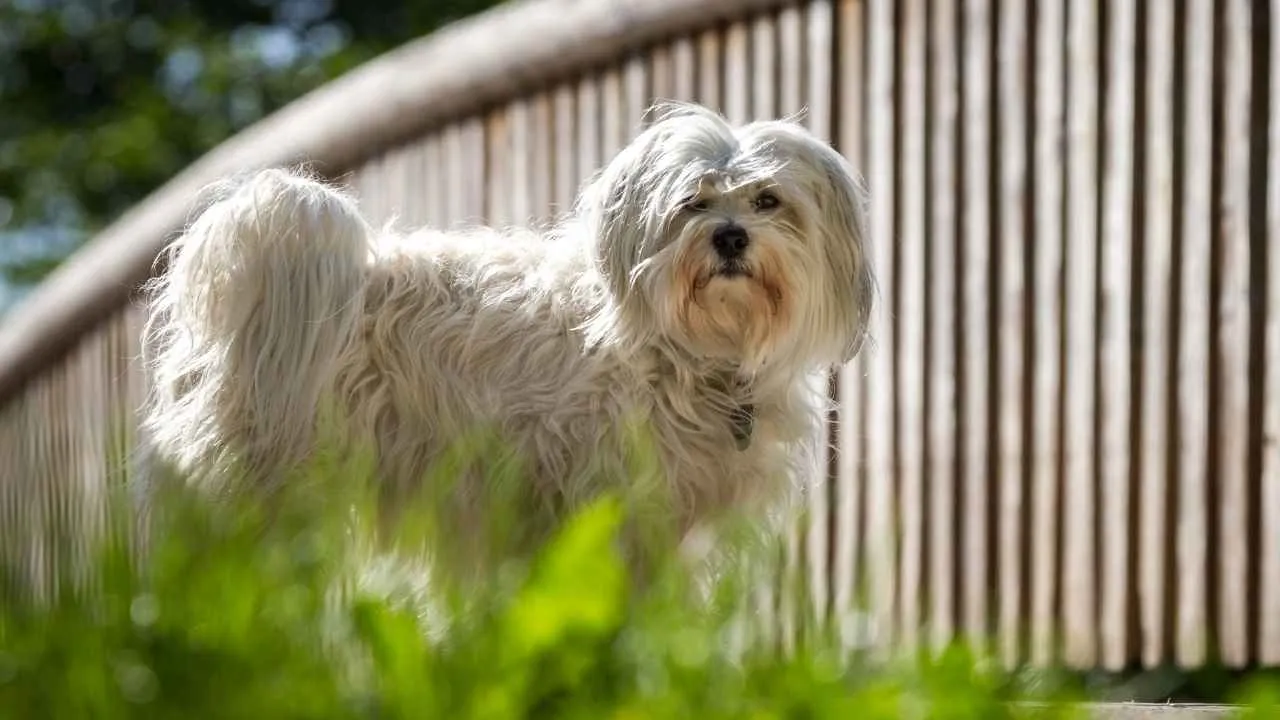
Havanese dogs are bright, lively, and exceptionally trainable small dog breeds, making them standout stars among small breeds for learning skills quickly. Eager to please and naturally attentive, they respond beautifully to positive reinforcement, turning training sessions into fun bonding time.
While their cheerful personality makes them wonderful companions, early guidance helps manage their tendency to bark. Their silky coat—straight or wavy—needs regular brushing, though shorter trims can simplify upkeep, as the PetMD noted.
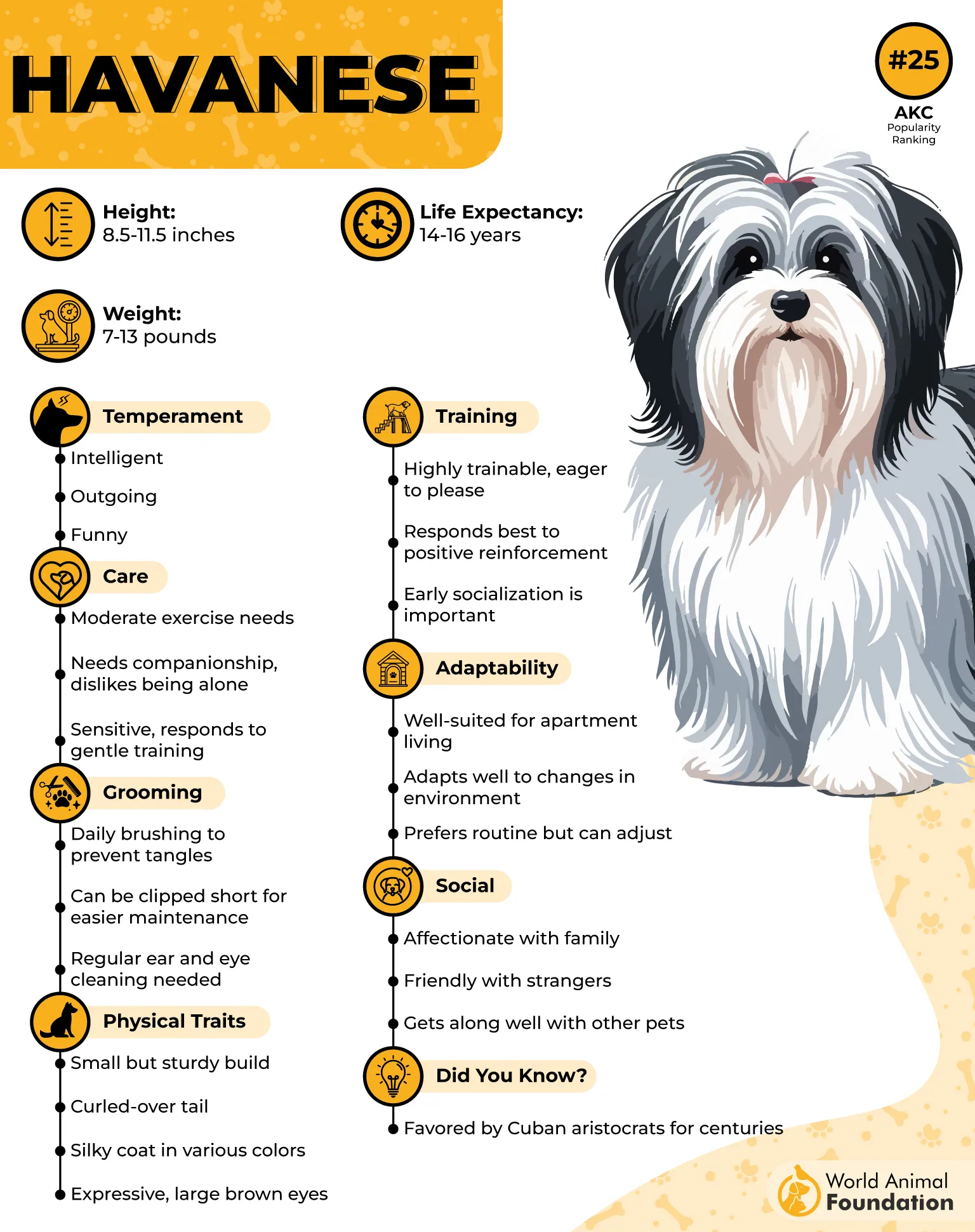
Daily walks and playful activities keep both their minds and bodies satisfied. Their sociable nature also means they love interactive games that challenge their intelligence, making them wonderful family pets.
Why Havanese excel in training:
Quick learners with strong focus
Highly motivated by praise and treats
Enjoy interactive, skill-building games
Adapt well to routines
Thrive on daily mental stimulation
9. Bichon Frise
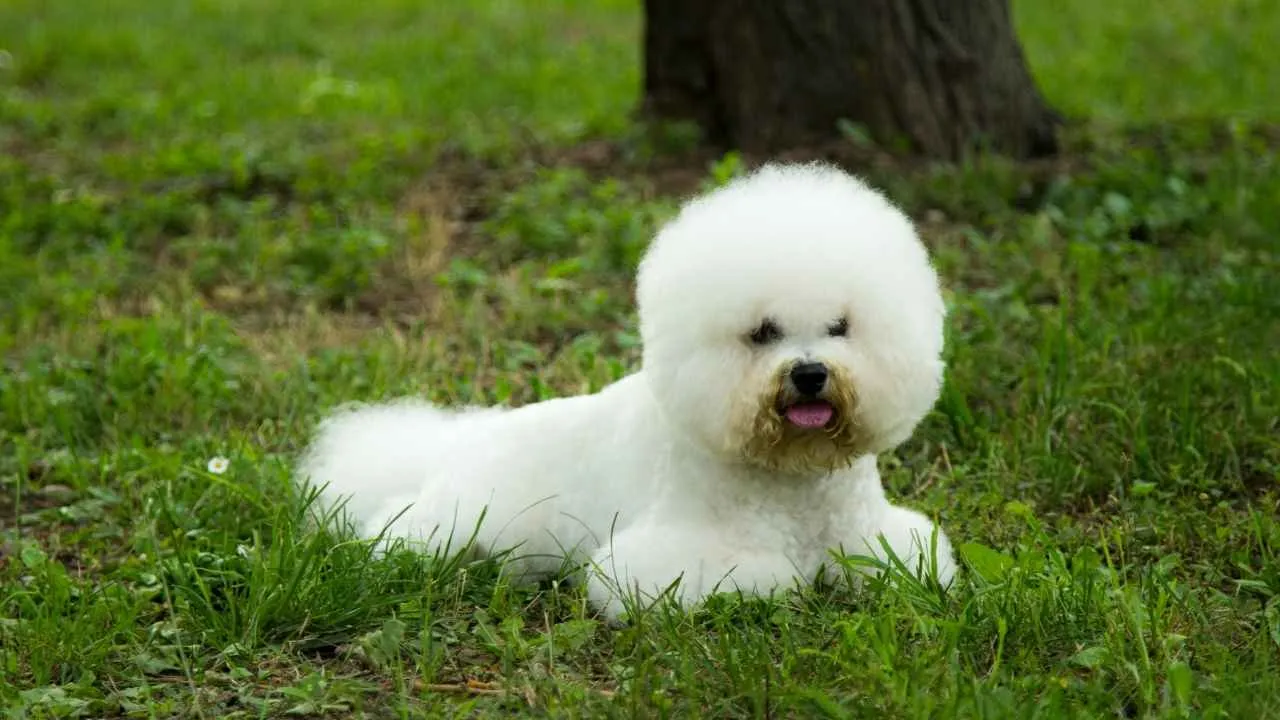
Bichon Frises are bright, cheerful little dogs that shine when it comes to learning new skills. Their intelligence, people-loving nature, and eagerness to please make them one of the most trainable small breeds for families and first-time owners alike.
These fluffy companions quickly pick up commands, tricks, and house rules, especially when training feels like playtime. Naturally social and affectionate, they thrive on interaction and respond best to praise, treats, and positive reinforcement.
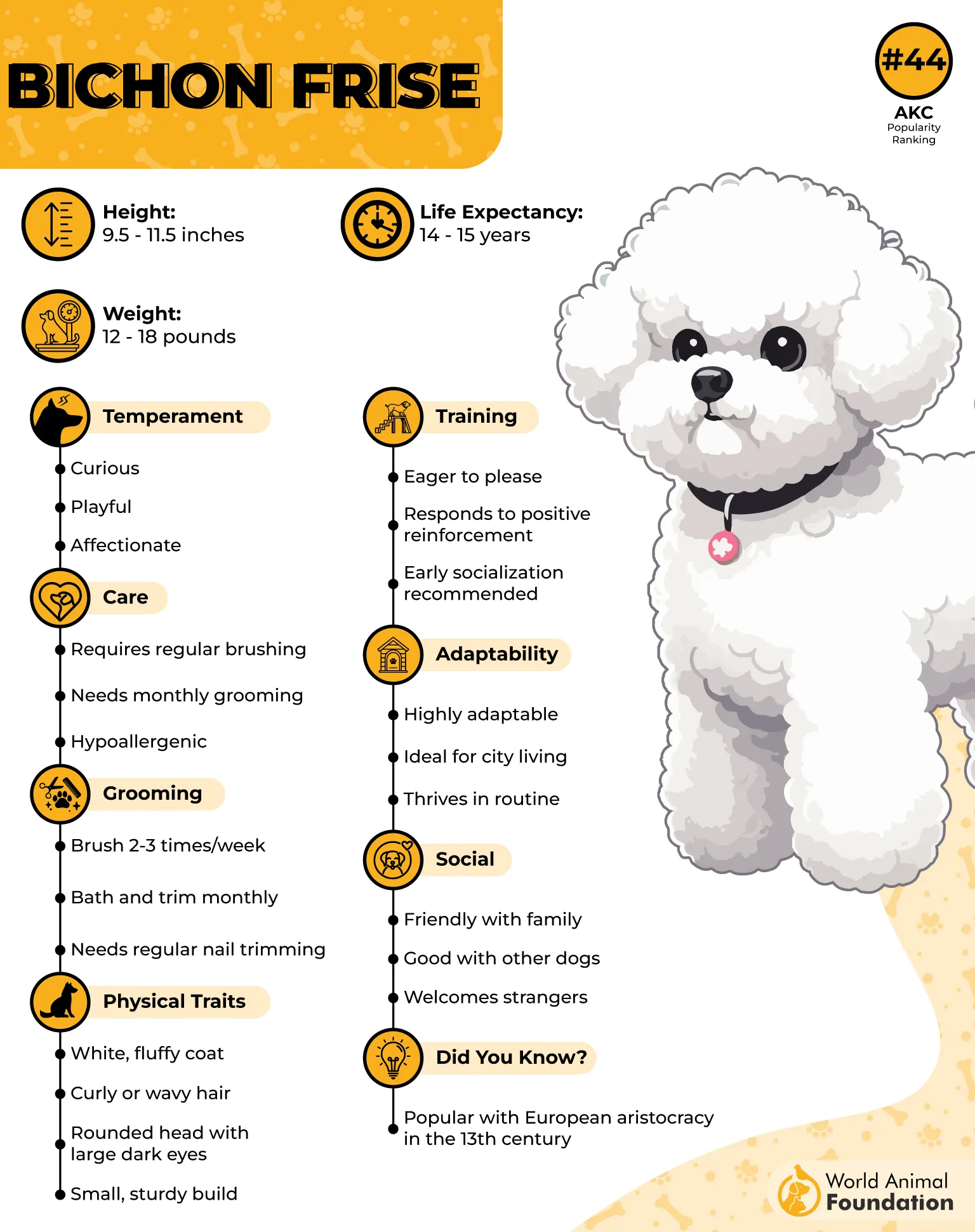
Their upbeat attitude and desire to be involved in everything you do make training sessions fun rather than a chore. With enough attention and mental stimulation, they grow into polite, confident companions who adapt easily to home life.
Why Bichon Frises are highly trainable:
Quick learners with strong memor
Motivated by praise, treats, and play
Sociable and people-focused
Excel at tricks and basic obedience
Thrive on consistent routines
10. Brussels Griffon
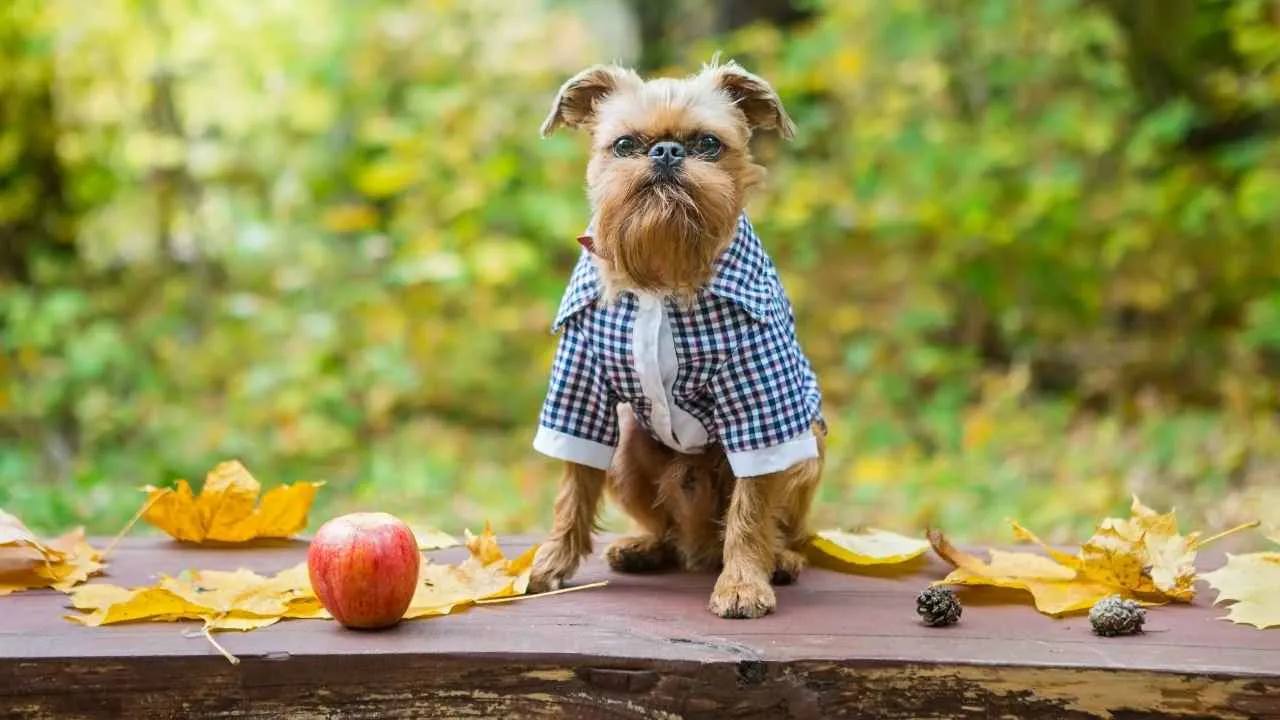
Brussels Griffons are tiny dogs with big personalities, known for their expressive faces, intelligence, and affectionate nature. These “Velcro dogs” thrive on companionship and form strong bonds with their owners, making them highly trainable with gentle, positive reinforcement.
Sensitive yet eager to please, they respond best to patience, praise, and interactive learning, excelling in obedience, trick training, and even agility.
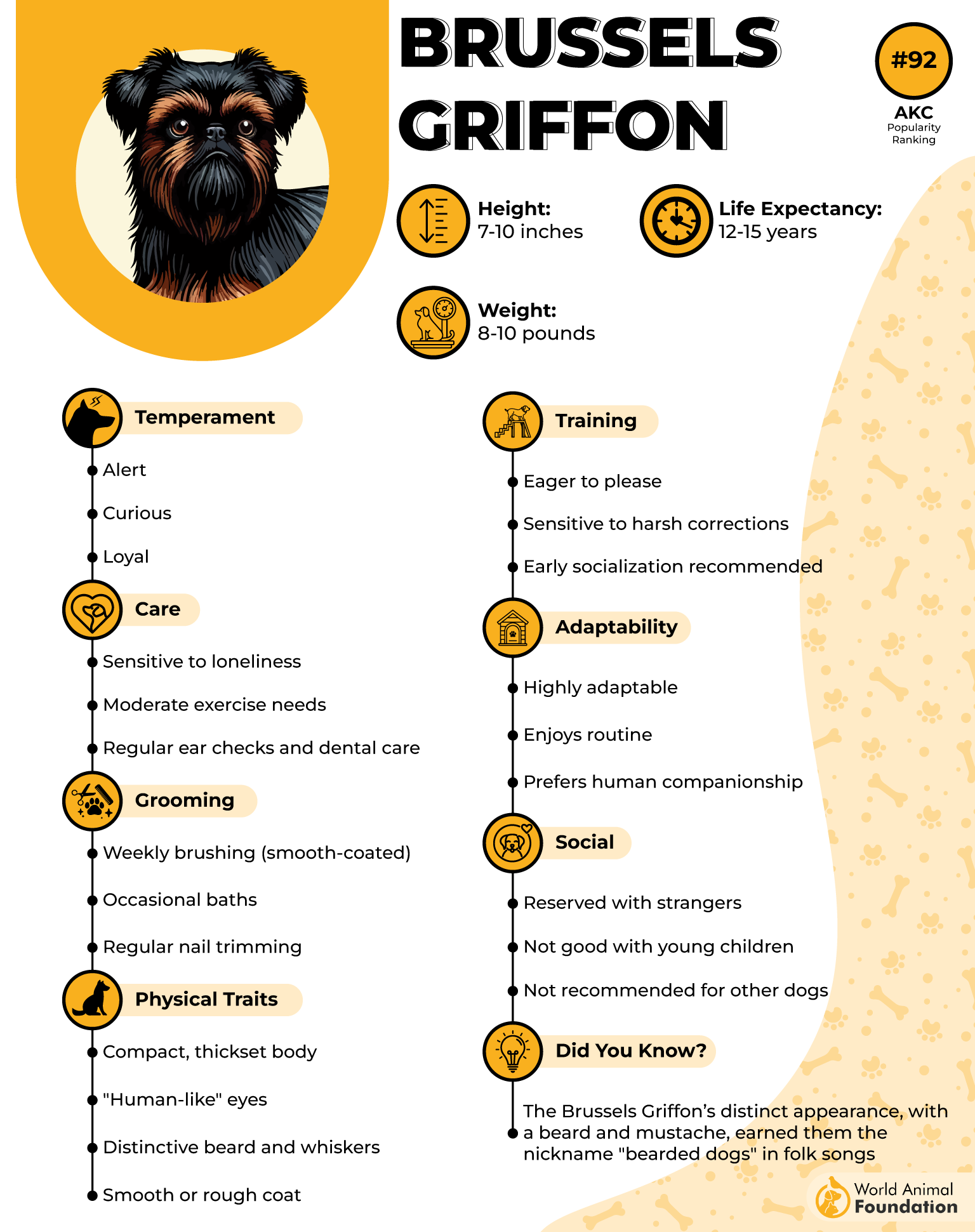
Their moderate energy means they enjoy short walks, playtime, and cuddles, making training sessions fun and engaging while strengthening their bond with their humans. Early socialization and puppy classes help them become confident, well-mannered companions who are adaptable to family life.
Why Brussels Griffons are highly trainable:
Quick learners with sharp focus
Eager to please and responsive to praise
Excel in tricks, agility, and obedience
Thrive with gentle, consistent guidance
Adaptable and social with families
Conclusion
Small dog breeds are often underestimated for their intelligence and trainability, but these ten breeds prove that size doesn’t limit skill, adaptability, or eagerness to learn.
They combine sharp minds, affectionate personalities, and an eagerness to please, making them ideal companions for families, first-time dog owners, or anyone seeking a loyal companion and responsive pet.
With patience, consistency, and positive reinforcement, these small dogs excel in obedience, tricks, agility, and interactive activities.
Beyond training, they provide emotional support, social engagement, and endless playful energy, fitting seamlessly into homes of all sizes.
Choosing a highly easy-to-train small breed ensures not only a well-behaved pet but also a lifelong companion who can adapt to your lifestyle, bring joy, and strengthen the bond between dog and owner in both everyday routines and special adventures.
