




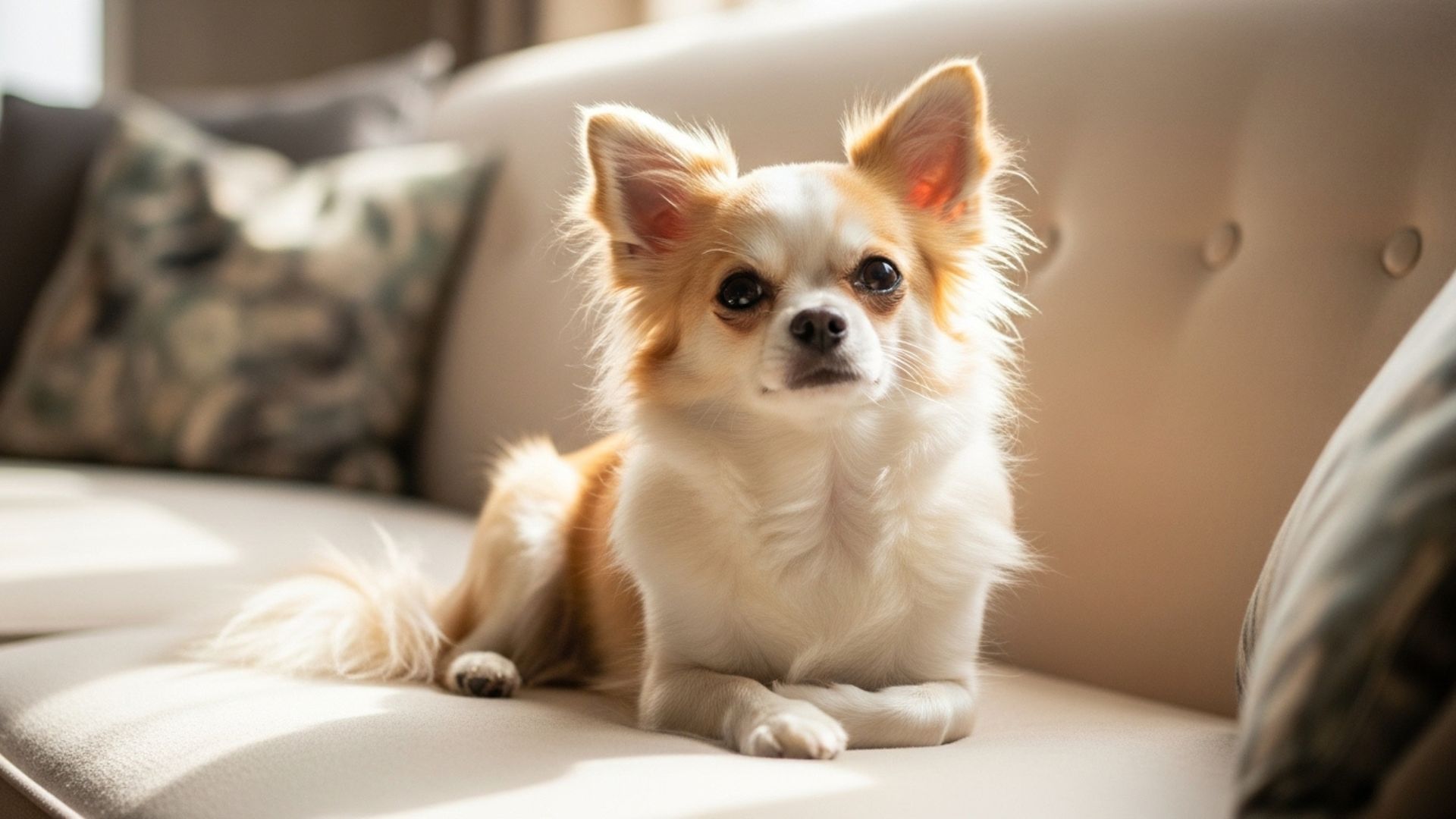
Living in a cozy apartment or a compact home does not mean you have to give up on the dream of having a dog. Small dog breeds are proof that big personalities can come in pint–sized packages.
These dogs are often easy to fit into everyday routines, happy to curl up on the couch, and just as excited for a short walk as they are for playtime at home.
From city apartments to smaller suburban spaces, small breeds can be loving companions that bring energy, comfort, and plenty of smiles without overwhelming your living area. If you want a dog that feels right at home in close quarters, small breeds are worth a closer look.
Fun Fact
Small dog breeds are often known for having longer lifespans than larger dogs. Many owners enjoy more years of companionship with their small pups simply because of their size and slower aging process.
Small Dog Breeds: Ideal Companions for Small Spaces
1. French Bulldog
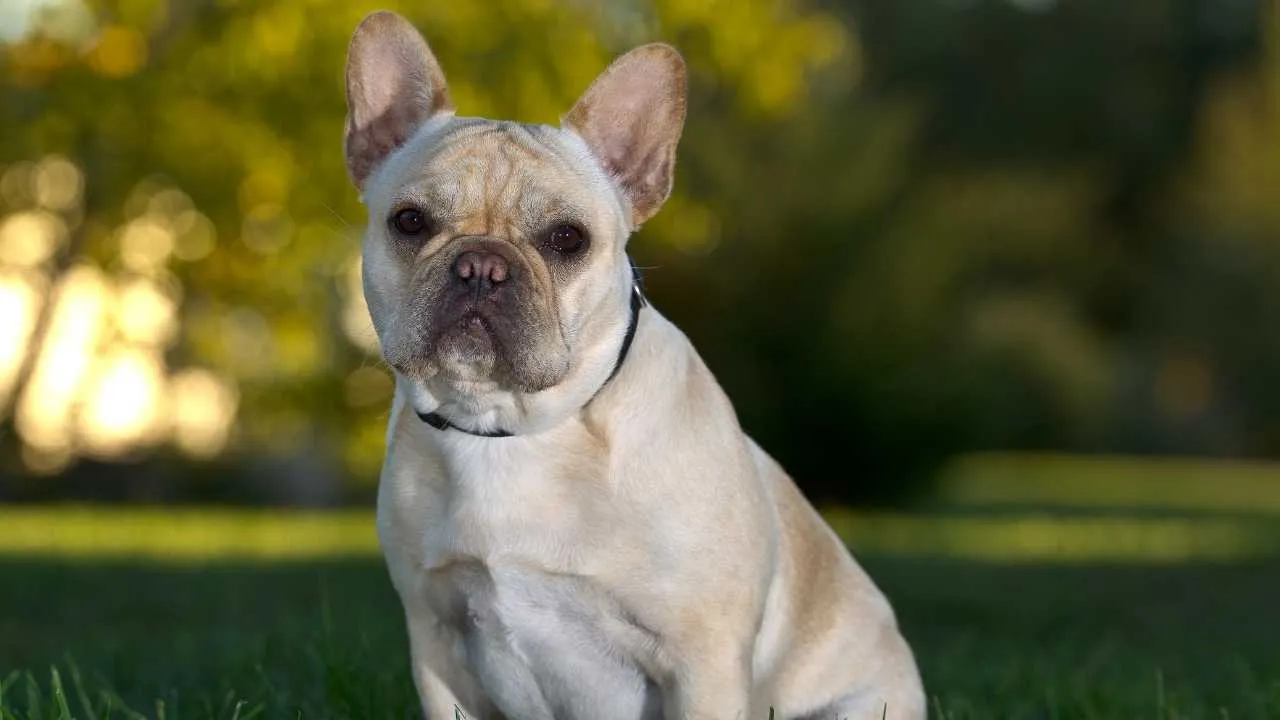
French Bulldogs, lovingly known as Frenchies, are cheerful little dogs with a natural talent for companionship. They thrive on being close to their people and are happiest when included in daily life. Their playful attitude and relaxed nature make them enjoyable to be around without feeling overwhelming.
This breed is easy to recognize thanks to its compact frame, flat face, and signature bat-like ears. French Bulldogs can be sensitive to heat and humidity because of their short muzzle, so activities should stay low-key in warm weather. Their facial wrinkles also need regular cleaning to keep the skin comfortable and healthy.
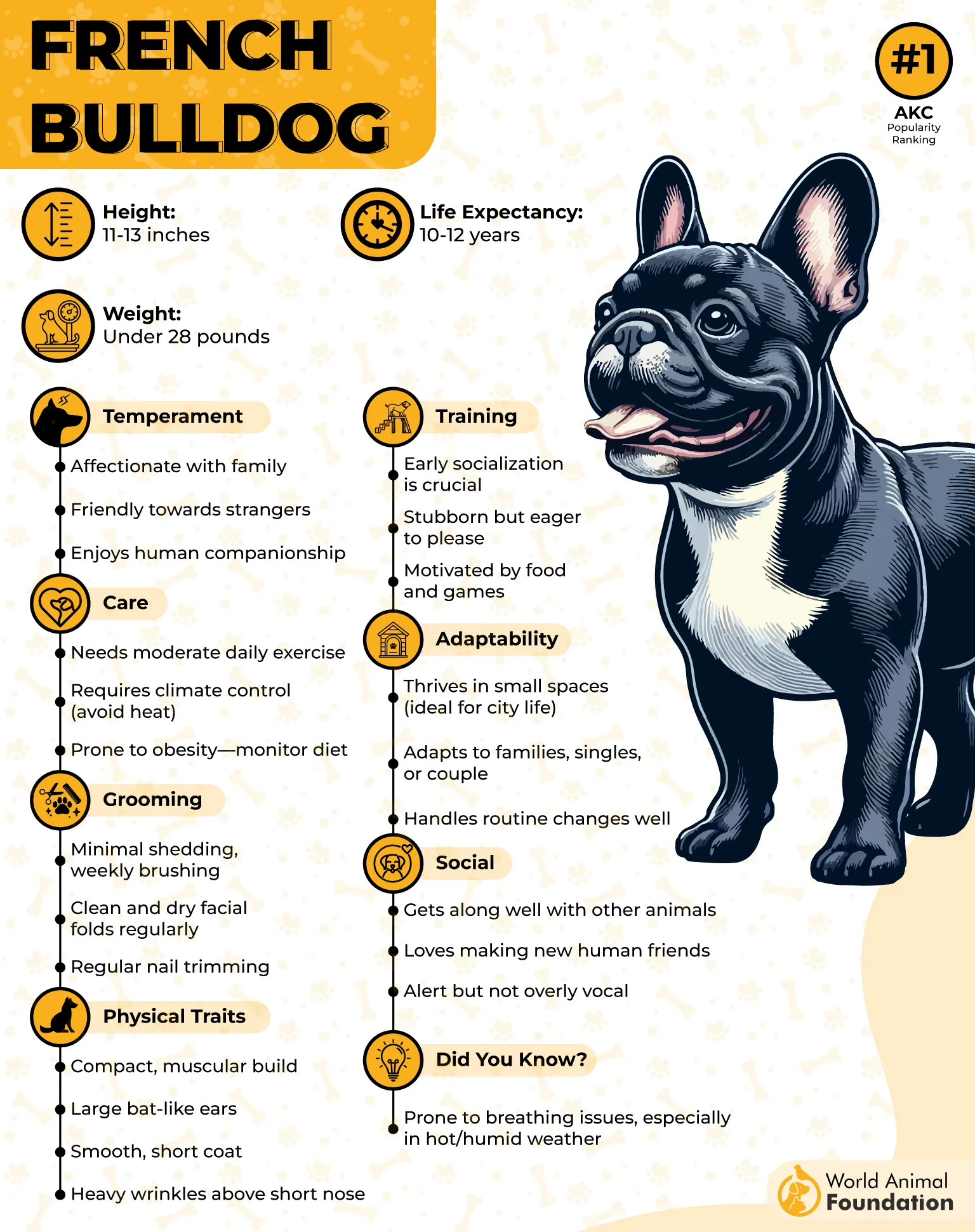
As mentioned by Purina, French Bulldogs adapt well to apartment living and do not require much space, provided they have outdoor access for exercise and toileting. Their flat faces can cause snorting, snoring, and wheezing, which may be noticeable in smaller spaces.
Fun Fact
French Bulldogs have long been popular with celebrities for their adaptable nature and compact size. Famous owners have included actors, musicians, and athletes who often bring their Frenchies along to public events and travel.
2. Chihuahua
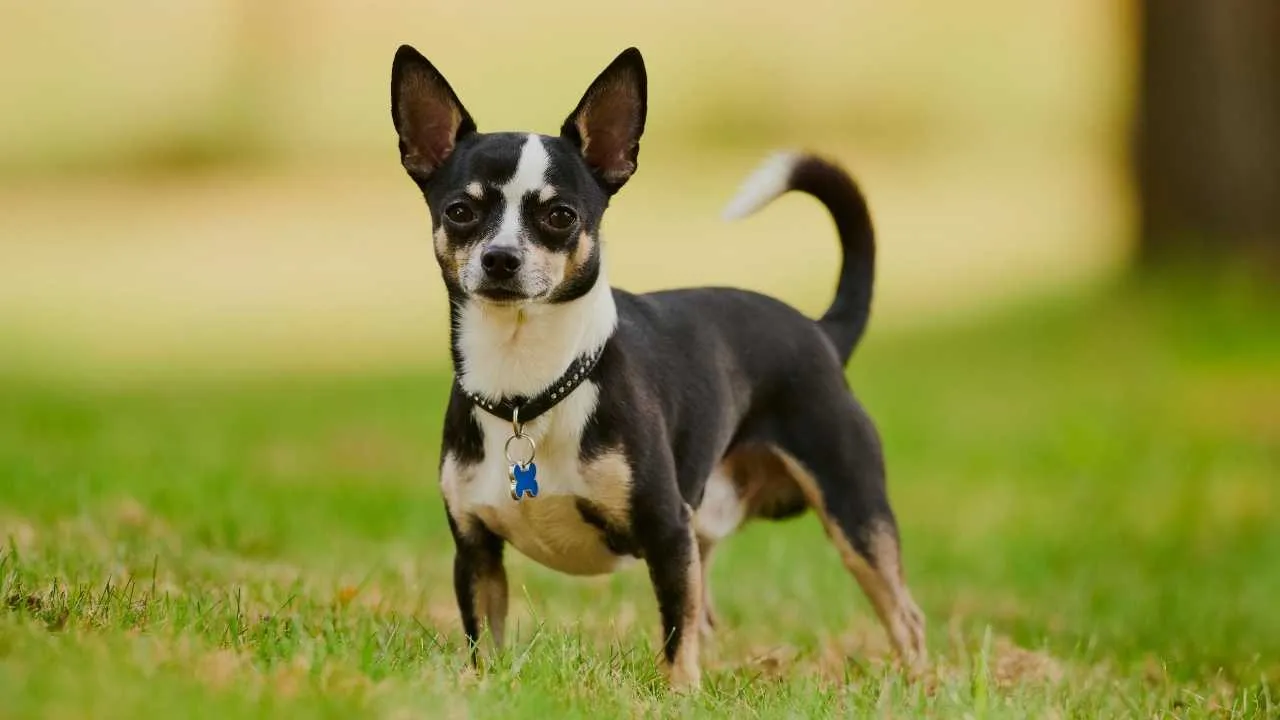
The Chihuahua approaches small living with confidence that far outweighs its size. This breed is alert, expressive, and deeply attached to its favorite people, often choosing one lap as its personal base of operations. Their compact build and comfort with indoor routines make them feel naturally at ease in close quarters.
Chihuahuas are known for impressive longevity, often living well into their mid-teens when properly cared for. While generally healthy, the breed can be prone to issues such as loose kneecaps, certain heart conditions, eye disease, and idiopathic epilepsy. Choosing responsibly bred dogs and maintaining regular veterinary care play an important role in supporting long term wellbeing.
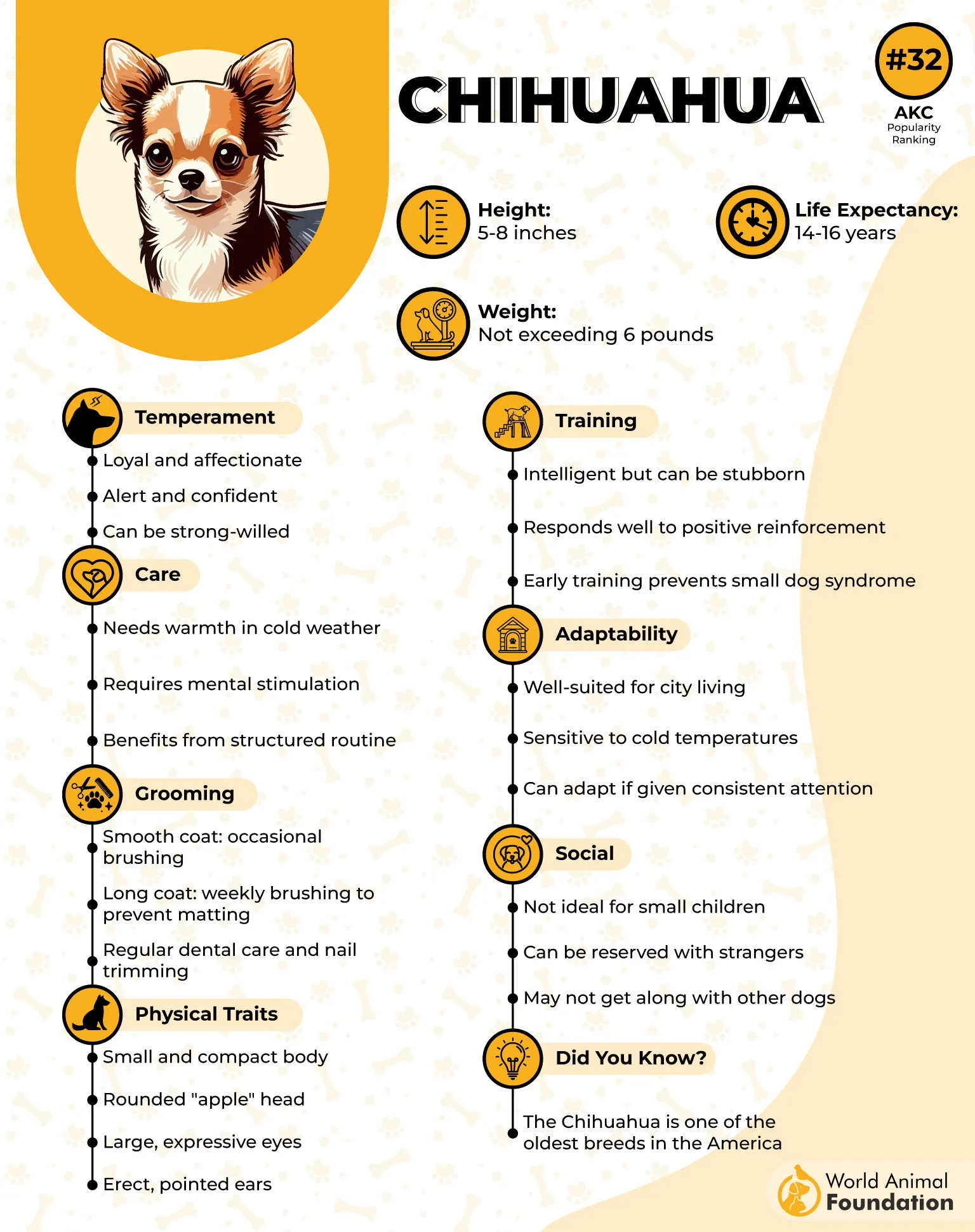
Exercise needs are modest and flexible. Chihuahuas enjoy short, slow walks and bursts of play, but can meet much of their activity needs indoors by following their people from room to room. Because of their small size, it is important to avoid overexertion and recognize when it is time to rest or be carried.
Fun Fact
Artifacts from ancient civilizations depict dogs that closely resemble modern Chihuahuas. These images suggest that dogs of this type held cultural importance thousands of years before the breed gained its modern name.
3. Havanese
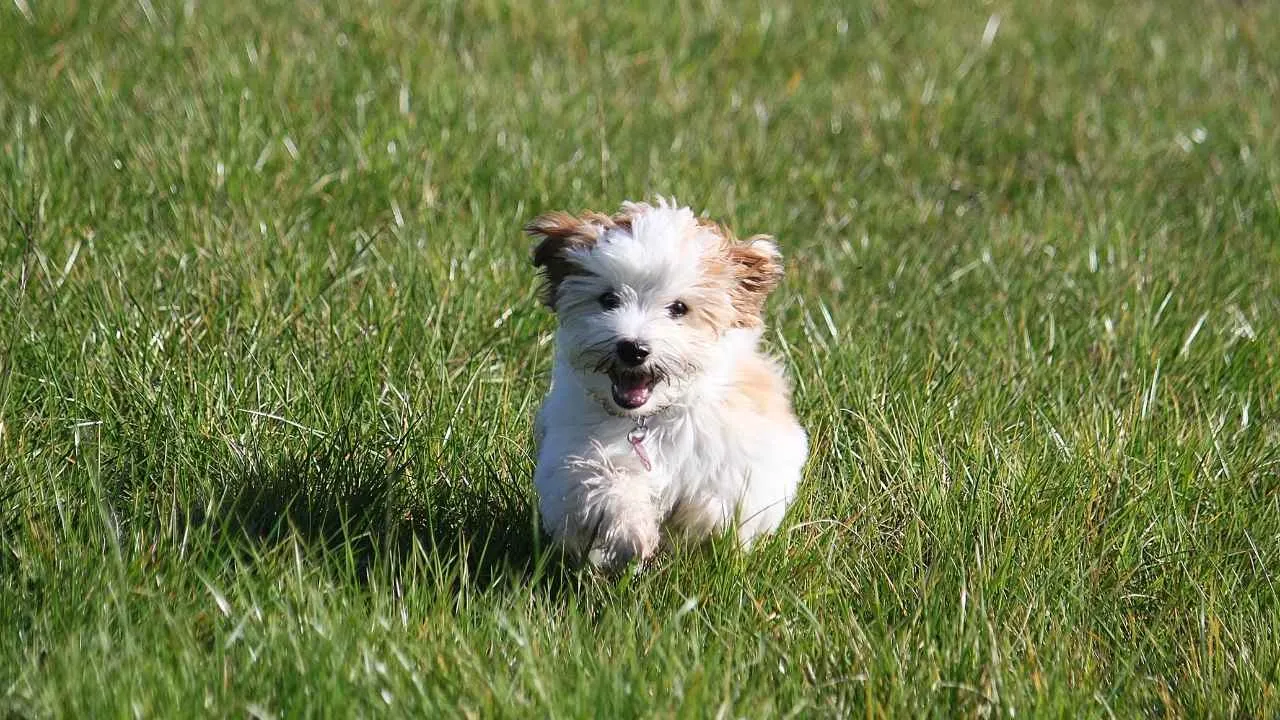
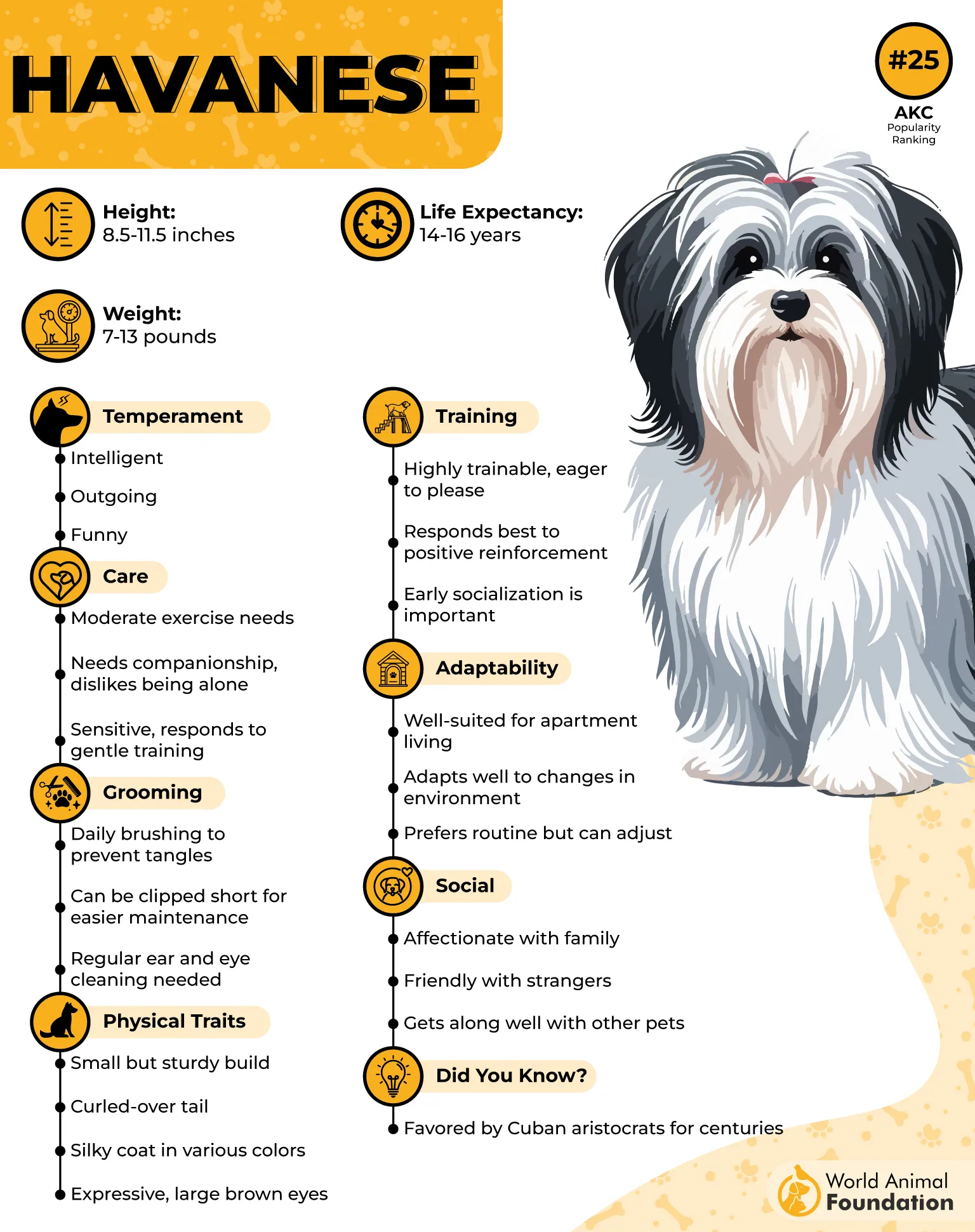
The Havanese carries a cheerful sense of history into modern homes. Shaped by centuries as a beloved companion in Cuba, this toy breed developed to entertain, engage, and stay closely connected to people. Their lively expressions and flowing coats give them a joyful presence that easily brightens indoor spaces.
In apartment life, these cute small dog breed thrives on routine, interaction, and togetherness. They are happiest when included in everyday activities and tend to stay close, which fits naturally into smaller homes. With early guidance, alert barking can be shaped into calmer habits that shared walls will appreciate.

According to PetMD, Havanese are highly intelligent and respond best to training that uses games and positive reinforcement. Early socialization supports good behavior around people and pets, while crate training and mental enrichment can help reduce separation anxiety.
Fun Fact
The Havanese was once known as the Havana Silk Dog because of its soft, flowing coat. That luxurious look helped the breed become a favorite among Cuba’s upper-class families.
4. Bichon Frise
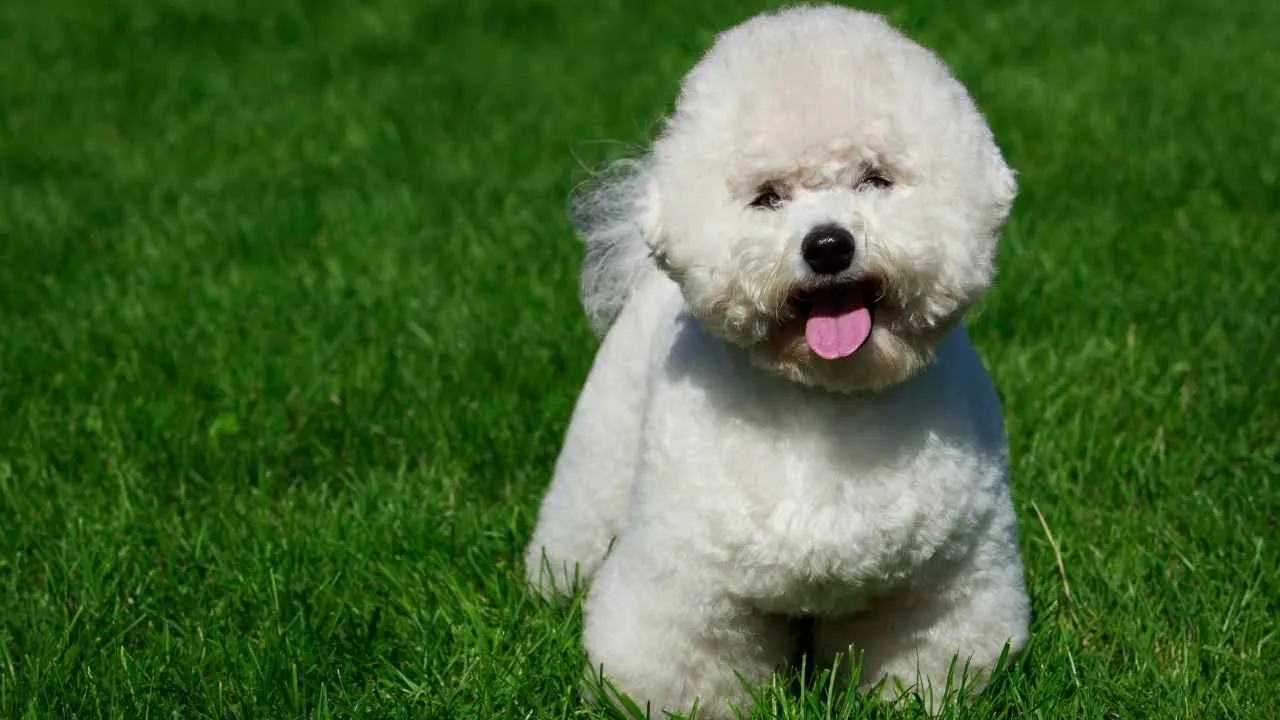
The Bichon Frise has a long history of winning hearts through charm and showmanship. This breed built its reputation as a lively little dog that thrives on interaction and attention. With a sturdy frame and confident outlook, the Bichon fits comfortably into smaller homes while staying fully involved in daily life.
Temperament is one of the Bichon Frise’s biggest highlights. Curious, playful, and openly affectionate, they tend to greet the world with enthusiasm and friendliness. Their social nature often extends to children and other dogs, and their alertness makes them attentive without being overly intense.
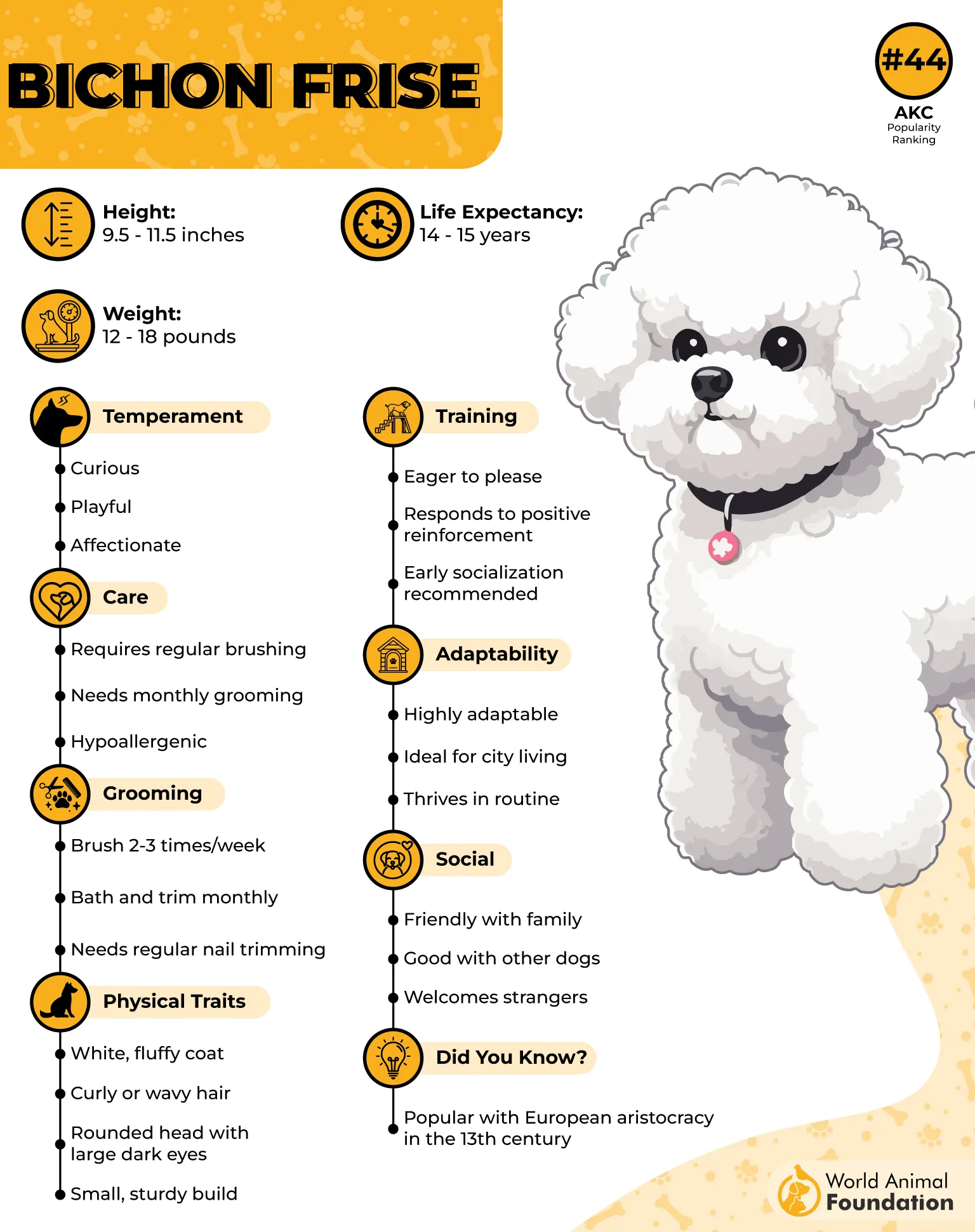
As per AKC, Bichons need brushing several times weekly, ideally daily, with monthly bathing and clipping. Minimal shedding hair stays trapped in the coat, so regular brushing and nail trimming are essential to prevent mats.
Fun Fact
Bichon Frises once earned their keep as street performers and circus dogs. Their natural flair for learning tricks and entertaining crowds helped the breed survive during turbulent periods in European history.
5. Papillon
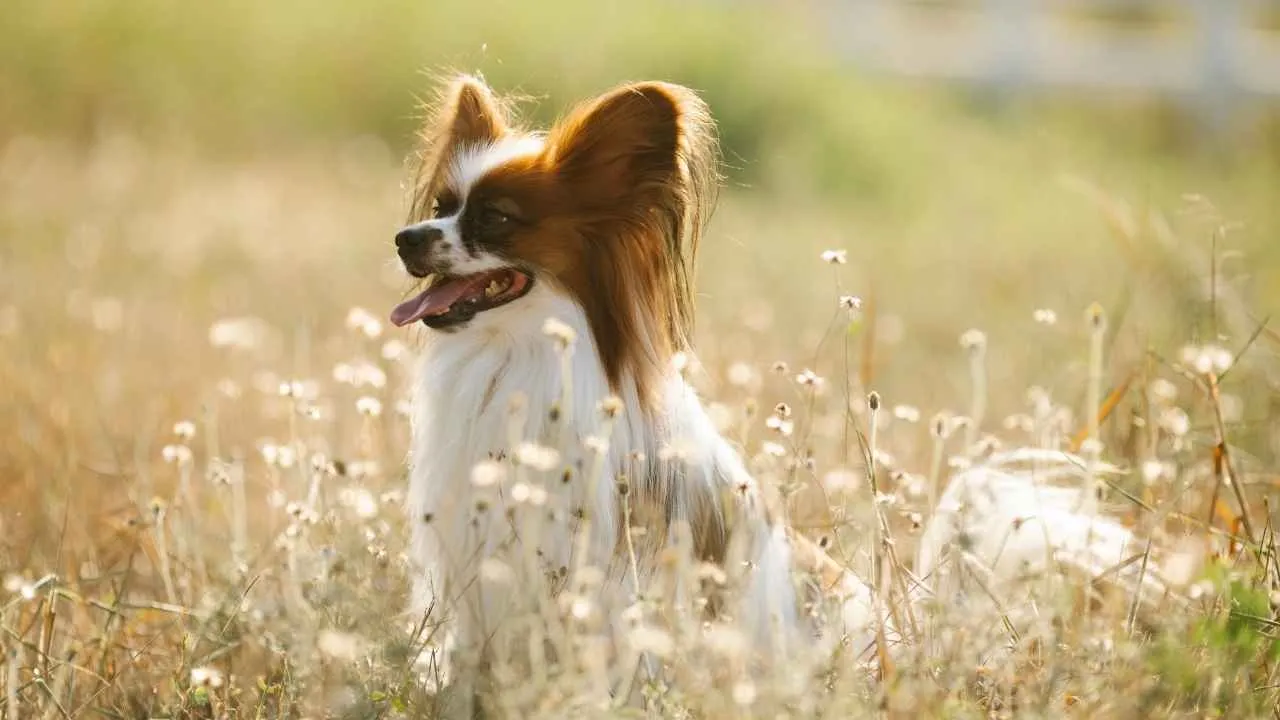
The Papillon brings motion and curiosity into small living spaces. This breed is known for its quick reactions, athletic spirit, and constant interest in what is happening around the home. Their butterfly-shaped ears and elegant outline may look delicate, but their confidence and stamina give them a lively indoor presence that feels bigger than their size.
Barking habits are something future owners should understand early. Papillons are alert and quick to notice changes in their environment, which can lead to frequent vocal alerts if not guided. With early training and consistent boundaries, this awareness can be shaped into appropriate responses rather than constant noise.
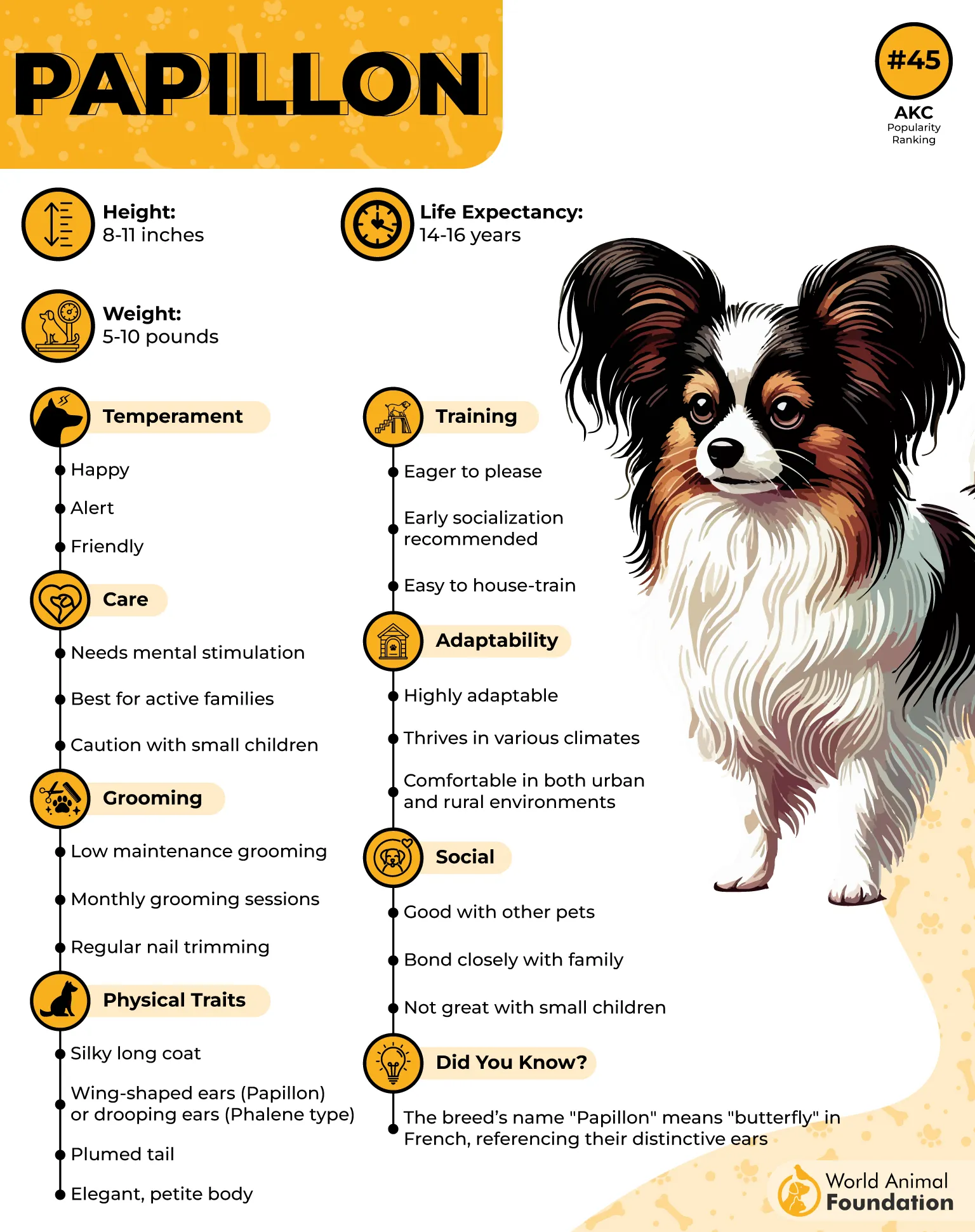
Papillons generally adapt well to life with other pets and people. They are very friendly and affectionate when properly socialized and can bond with both humans and other dogs. Because they sometimes forget how small they are, supervision around larger animals helps keep interactions safe and positive.
Fun Fact
Papillons appear in famous European paintings dating back hundreds of years. Artists such as Rembrandt and Rubens included them as symbols of elegance and companionship in royal portraits.
6. Cavalier King Charles Spaniel
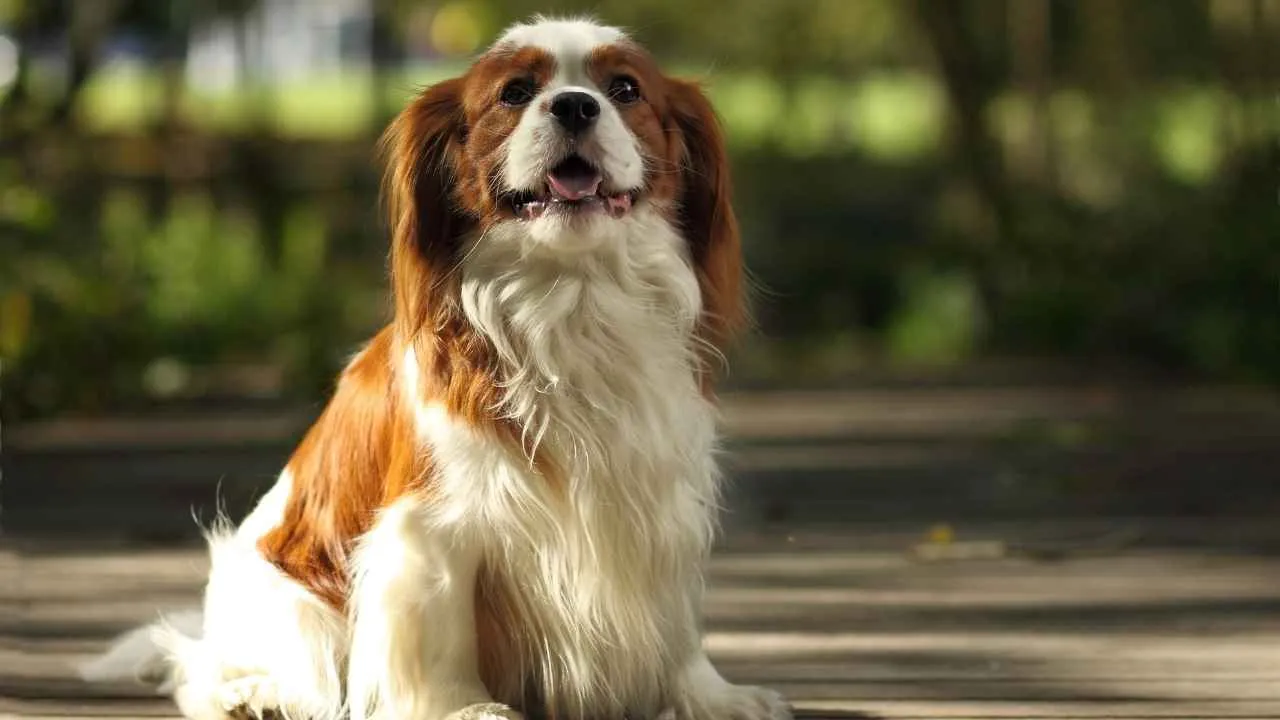
The Cavalier King Charles Spaniel is known for its calm presence and loving nature. This breed enjoys quiet time, close contact, and being near its people, making it a comfortable and easygoing companion in smaller living spaces.
Indoors, Cavaliers are calm and content, often choosing naps and cuddle time over constant movement. Outdoors, they enjoy regular walks and light play, but should stay leashed due to their instinct to follow scents. This balance makes them flexible companions for both relaxed days and active moments.
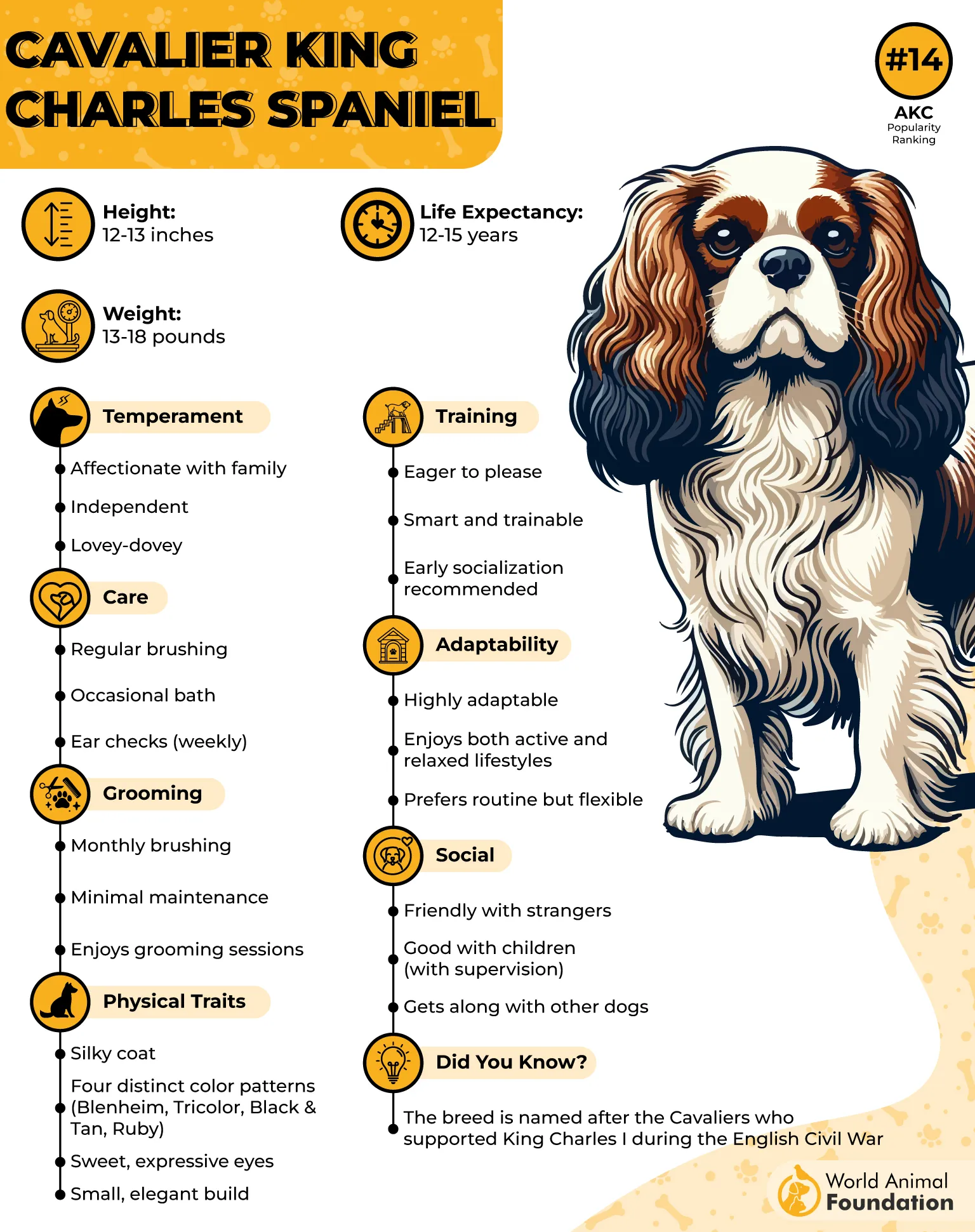
Shedding is moderate and manageable with routine brushing. Their silky coat benefits from regular care to stay smooth and tidy while limiting loose hair around the home. Simple grooming habits help keep them looking polished without much effort.
Fun Fact
King Charles II of England was famously devoted to his spaniels. His love for them was so strong that the breed still carries his name centuries later.
7. Pug
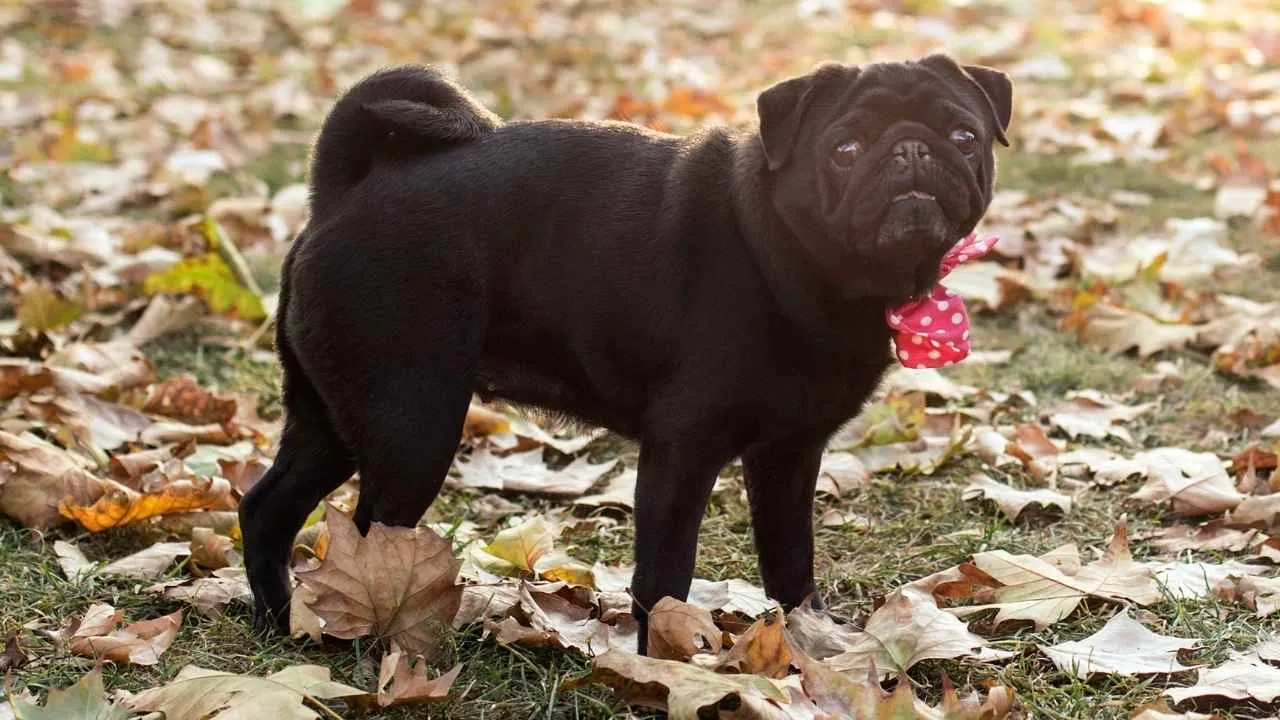
The Pug’s story begins thousands of years ago in ancient China, where this breed was treasured for its distinctive look and affectionate nature. Compact, solid, and full of character, Pugs bring a playful sense of humor into everyday life.
Family life is where Pugs truly shine. They thrive on attention, love being included in daily routines, and are happiest when surrounded by their people. Pugs are gentle and easygoing with children and usually adapt well to living alongside other pets when properly socialized.
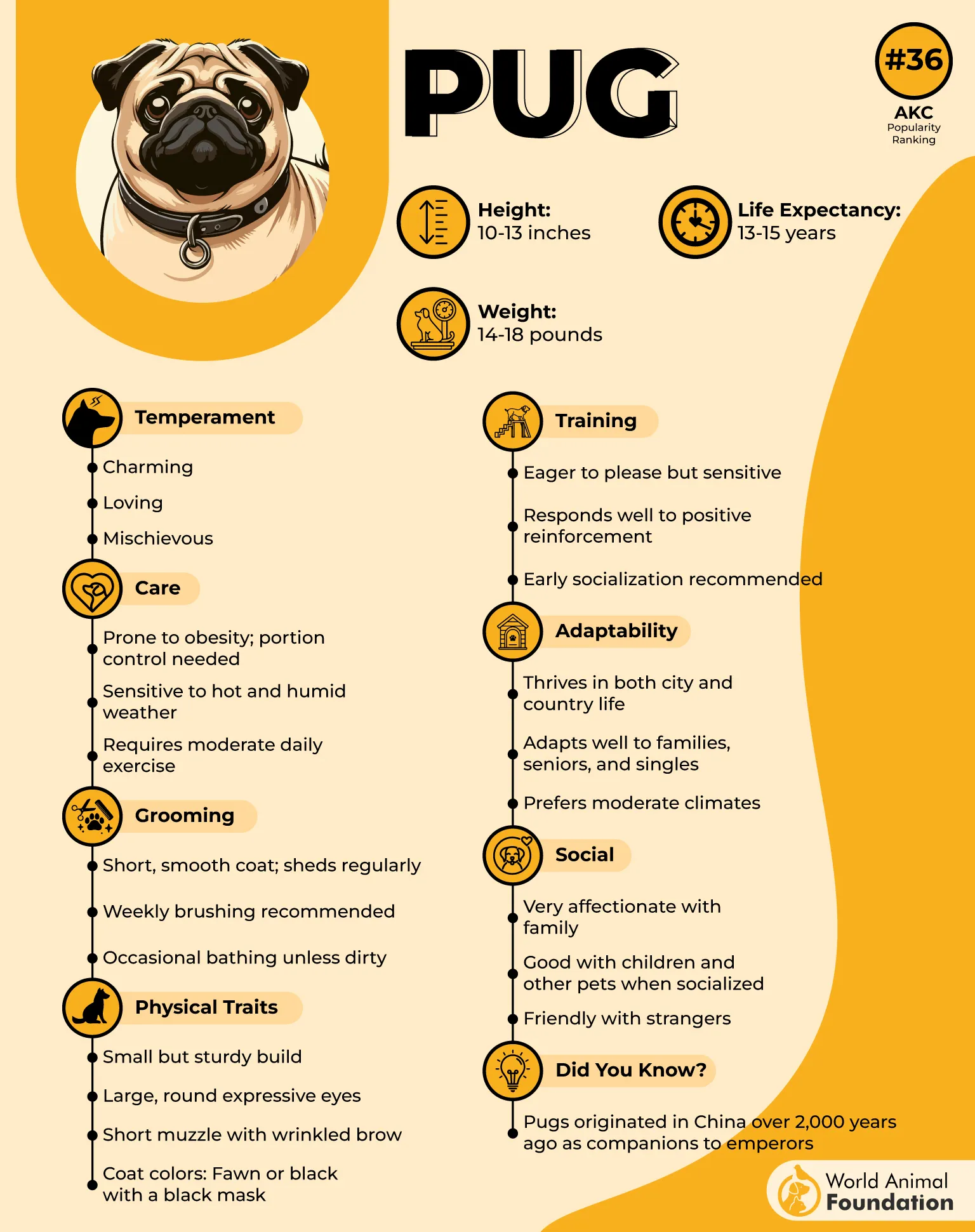
Dog owners should know that this breed requires mindful health care. Pugs are brachycephalic, meaning their flat face can lead to breathing challenges, snoring, and sensitivity to heat. Regular veterinary care, weight management, and avoiding strenuous activity in warm weather all help keep them comfortable.
Fun Fact
Pugs were once kept exclusively by Chinese emperors and lived guarded lives in royal palaces. Some were even assigned their own guards, reflecting just how highly valued they were at the time.
Conclusion
Finding the right dog for a smaller living space comes down to lifestyle, energy level, and personality rather than square footage alone. Small dog breeds offer a wide range of temperaments, care needs, and habits, making it easier to find a companion that fits naturally into your home.
From laid-back cuddle partners to playful little characters, these dogs show that size has nothing to do with the amount of love they give. By understanding each breed’s traits and daily needs, you can feel confident in selecting a dog that complements your routine and brings lasting joy to your space.
If you are interested in discovering more wonderful dogs, you may also enjoy exploring breeds such as the Shih Tzu, Miniature Schnauzer, Cocker Spaniel, Yorkshire Terrier, Boston Terrier, Italian Greyhound, Cairn Terrier, Jack Russell Terrier, and Toy Poodle.
