




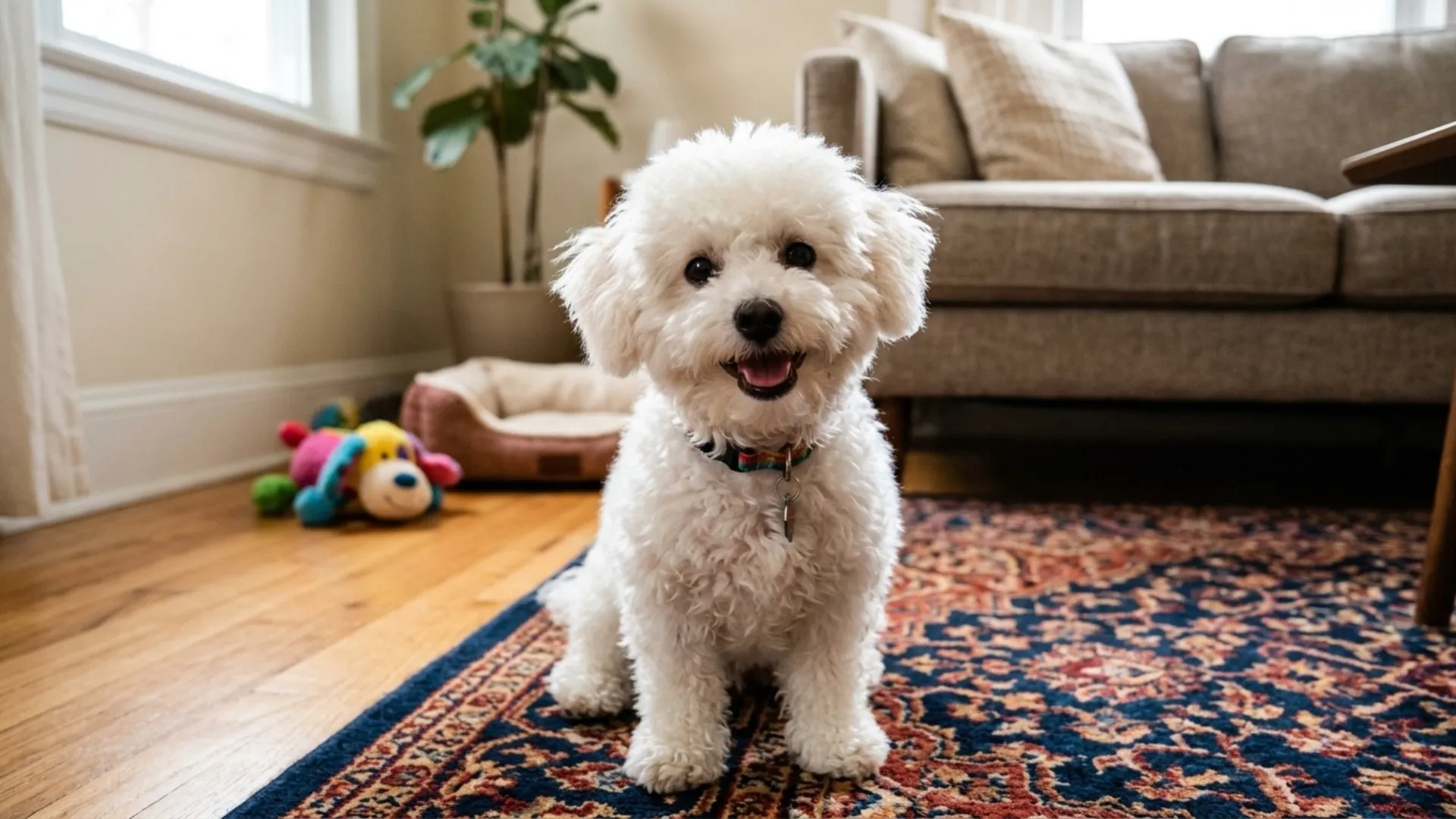
Getting your first dog is all fun and games until you’re standing in a pet store wondering why one tiny creature needs seventeen different accessories, three types of brushes, and a schedule more complicated than yours. Suddenly, becoming a pet parent feels like unlocking an entirely new level of adulthood.
But here’s the good news: you don’t need years of dog-training experience to build an amazing relationship with your first furry companion.
The secret to successful first-time dog ownership is choosing a companion whose needs match your daily routine, budget, and experience level. A friendly personality, responsive training style, and manageable care requirements can make those first few months considerably less overwhelming.
These seven small dog breeds offer plenty of reasons to fall in love with pet parenthood. Let’s explore what makes each one beginner-friendly, what experienced owners appreciate about them, and what you should know before bringing one home.
Small Dog Breeds Great for First-Time Pet Parents
1. Cavalier King Charles Spaniel
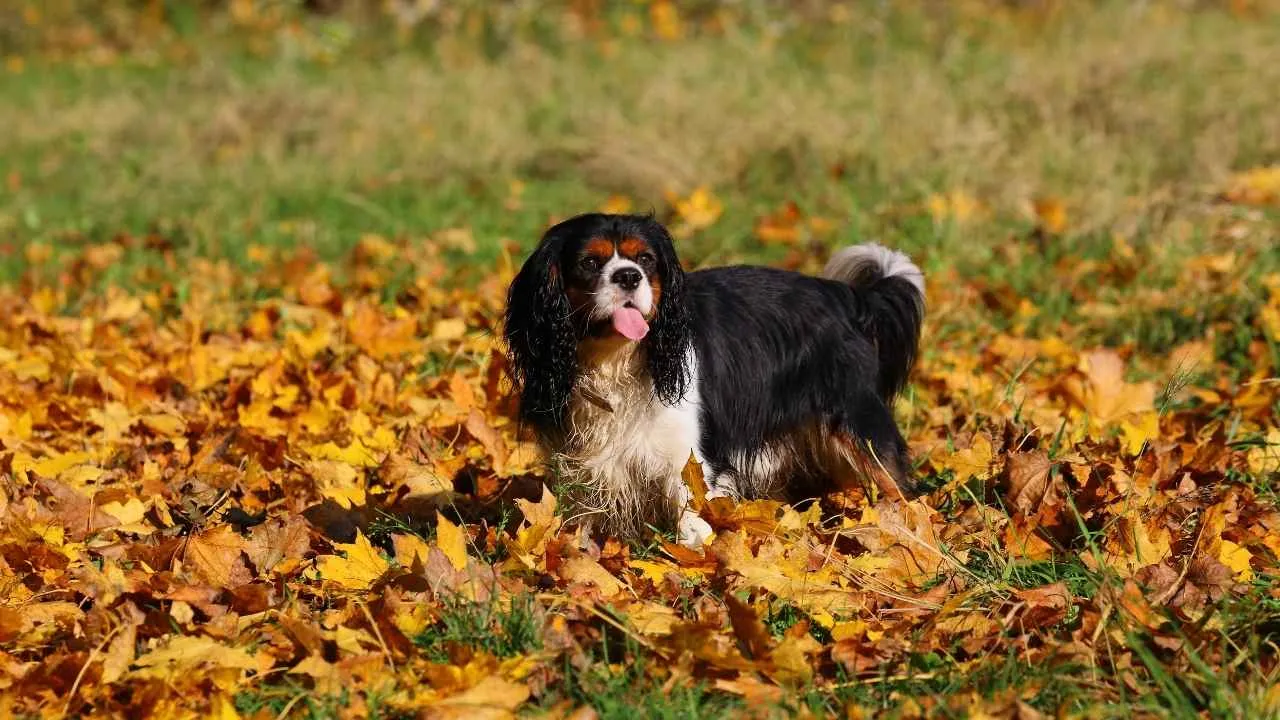
The Cavalier King Charles Spaniel is basically the ultimate emotional-support bestie. Its generally gentle temperament and willingness to cooperate make it an appealing choice for first-time owners who want a loving dog without constantly negotiating over basic household rules.
One of the biggest advantages of Cavaliers is their ability to form strong relationships with familiar people while responding positively to patient training. Many enjoy learning simple commands, practicing polite greetings, and taking part in short, reward-based lessons that make early obedience training approachable for beginners.
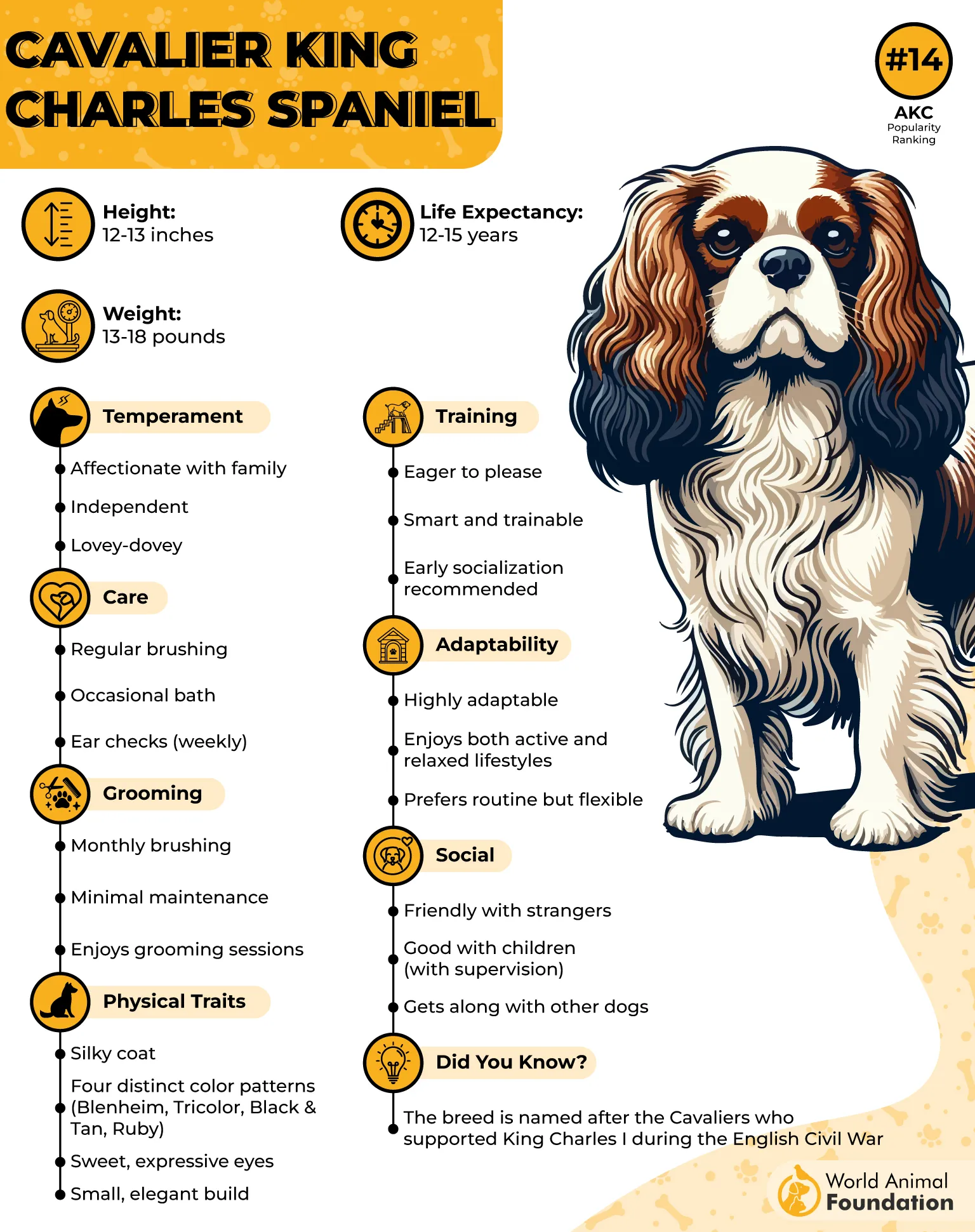
With appropriate exercise, companionship, and opportunities to explore, PetMD says that they can adapt to apartments or houses. Their friendly nature often helps them adjust to family life, although interactions with young children and other animals should always be supervised to prevent accidental injuries or unwanted handling.
Some of the best small dog breeds are predisposed to mitral valve disease, syringomyelia, and certain inherited eye and joint conditions. Prospective owners should seek responsible breeders who perform appropriate health screening or work with reputable rescues that provide clear medical information.
2. Bichon Frise
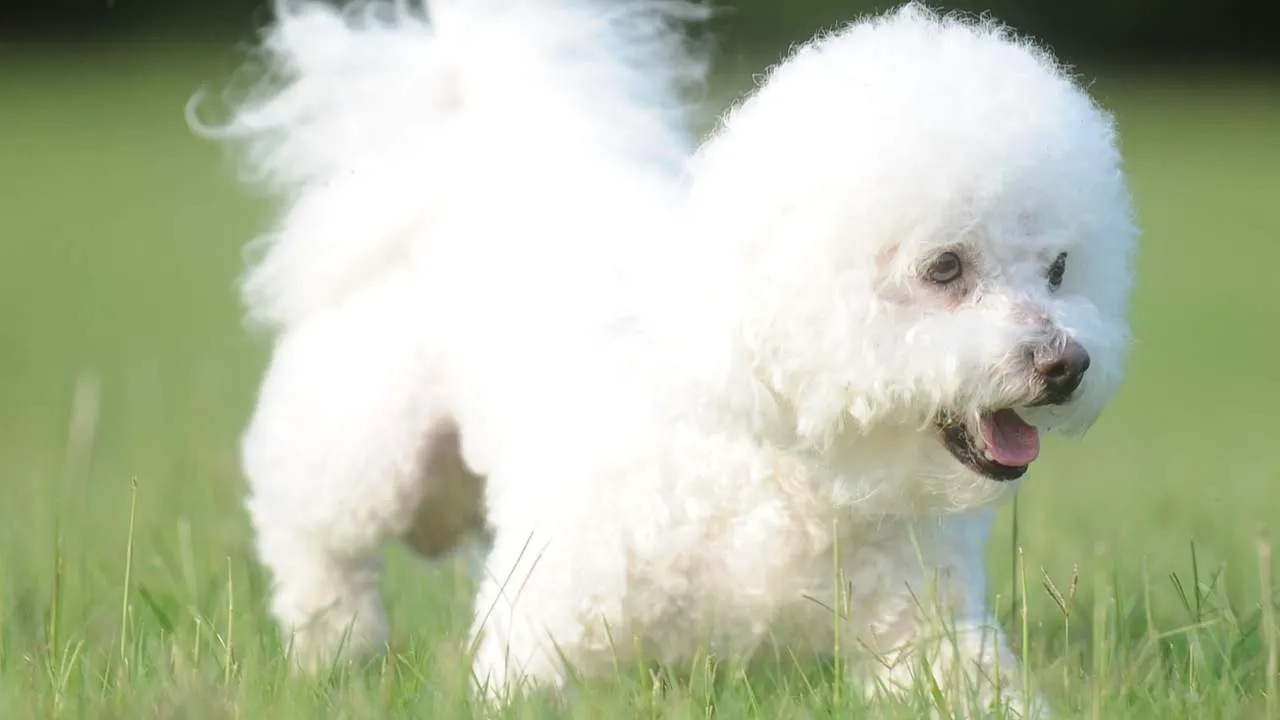
The Bichon Frise looks like a walking cotton ball with a personality that’s somehow even more adorable than its appearance. This cheerful little companion developed a reputation for entertaining people and fitting comfortably into domestic life.
They often learn quickly and enjoy training sessions with treats, praise, and fun activities. Their intelligence helps them learn basic household manners and simple tricks, but consistency matters because small dogs can develop undesirable habits when training is neglected.
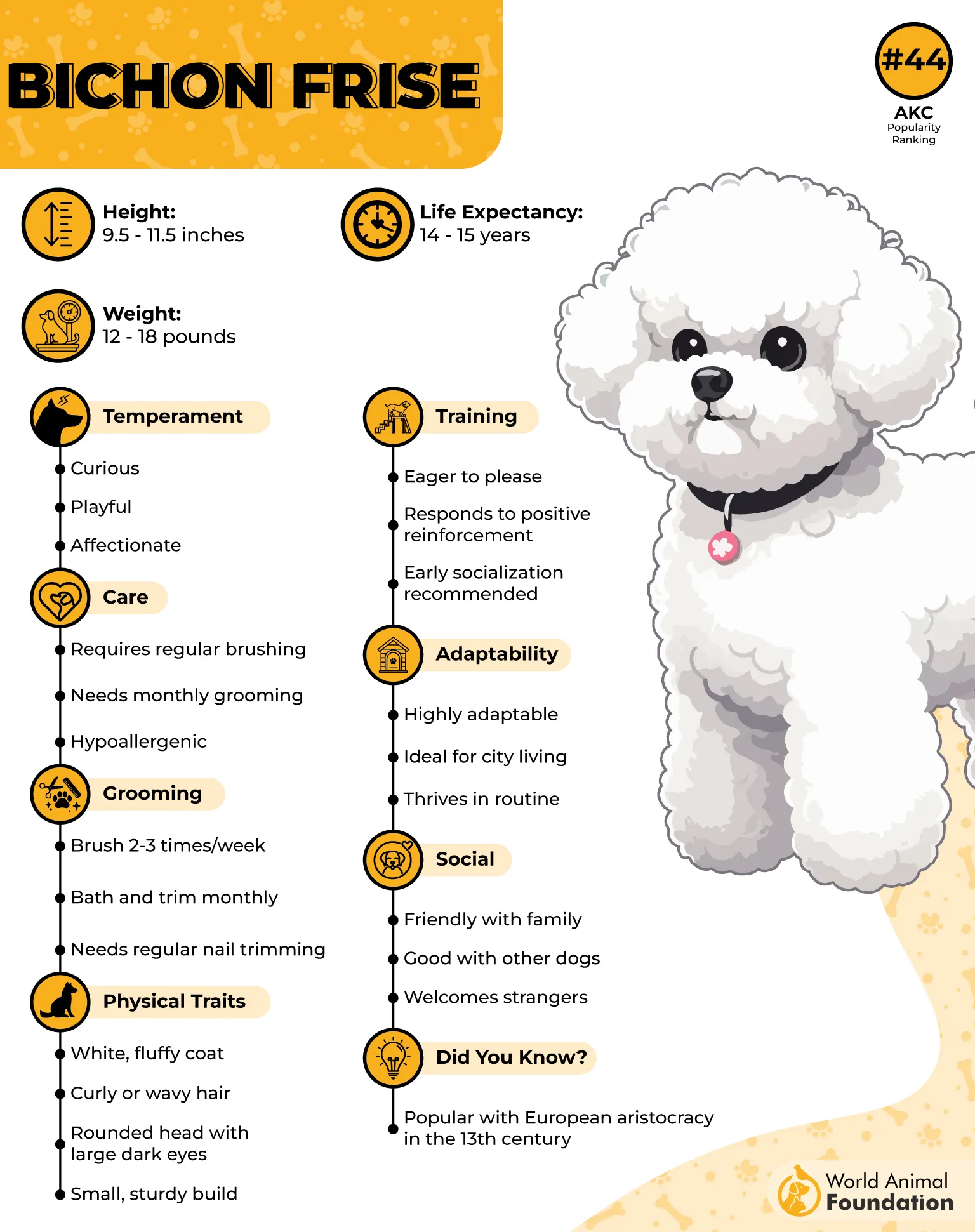
PDSA says that their small size makes them well-suited to apartment living, especially when owners provide regular walks and indoor play. They often enjoy meeting familiar people and joining household activities, so early socialization can help turn their natural enthusiasm into confident behavior around visitors and other dogs.
Beginners should understand that Bichons are easy to love but not effortless to groom. Their curly, low-shedding coats require frequent brushing to prevent mats, along with professional grooming appointments, usually every four to six weeks.
3. Shih Tzu
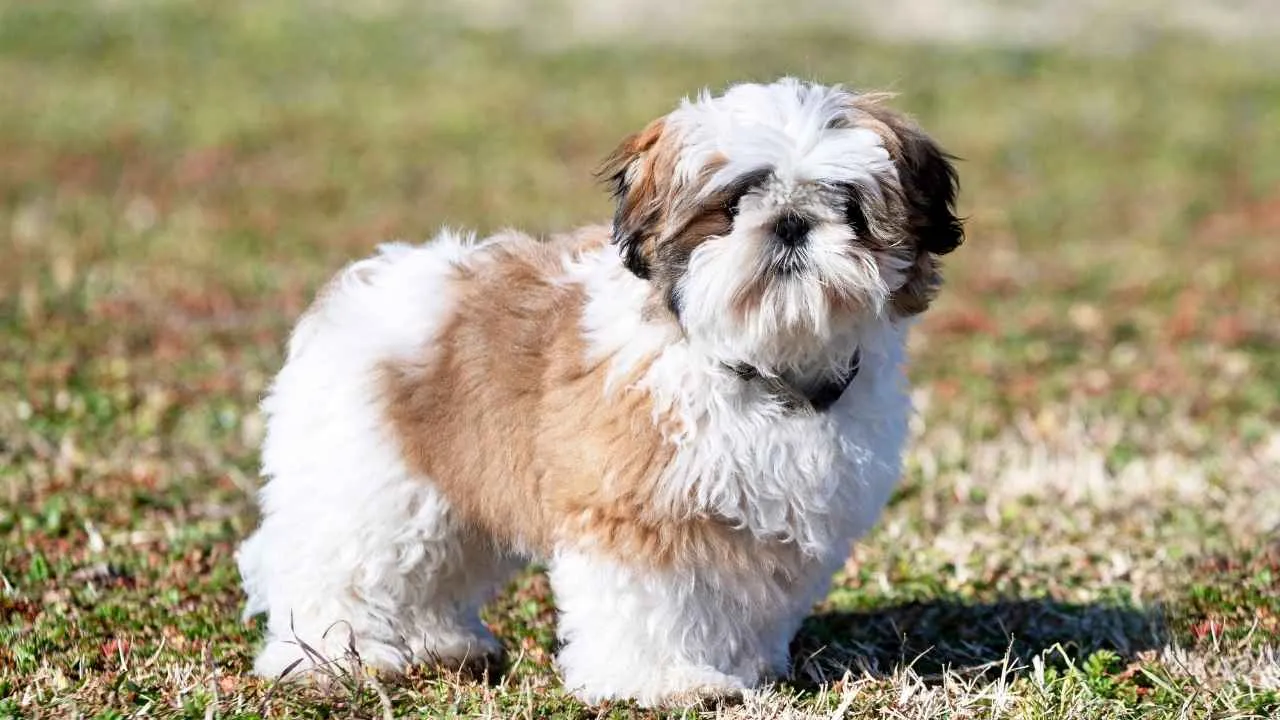
The Shih Tzu is basically a tiny royal who expects comfortable furniture, excellent customer service, and unlimited appreciation for being ridiculously cute. Developed as a companion in Chinese imperial households, this affectionate breed has spent generations perfecting indoor companionship rather than physically demanding work.
One reason they are beginner-friendly is that their daily exercise needs are often manageable in smaller living spaces. Many enjoy short neighborhood walks, gentle games, and opportunities to investigate their surroundings before returning to a favorite resting spot.
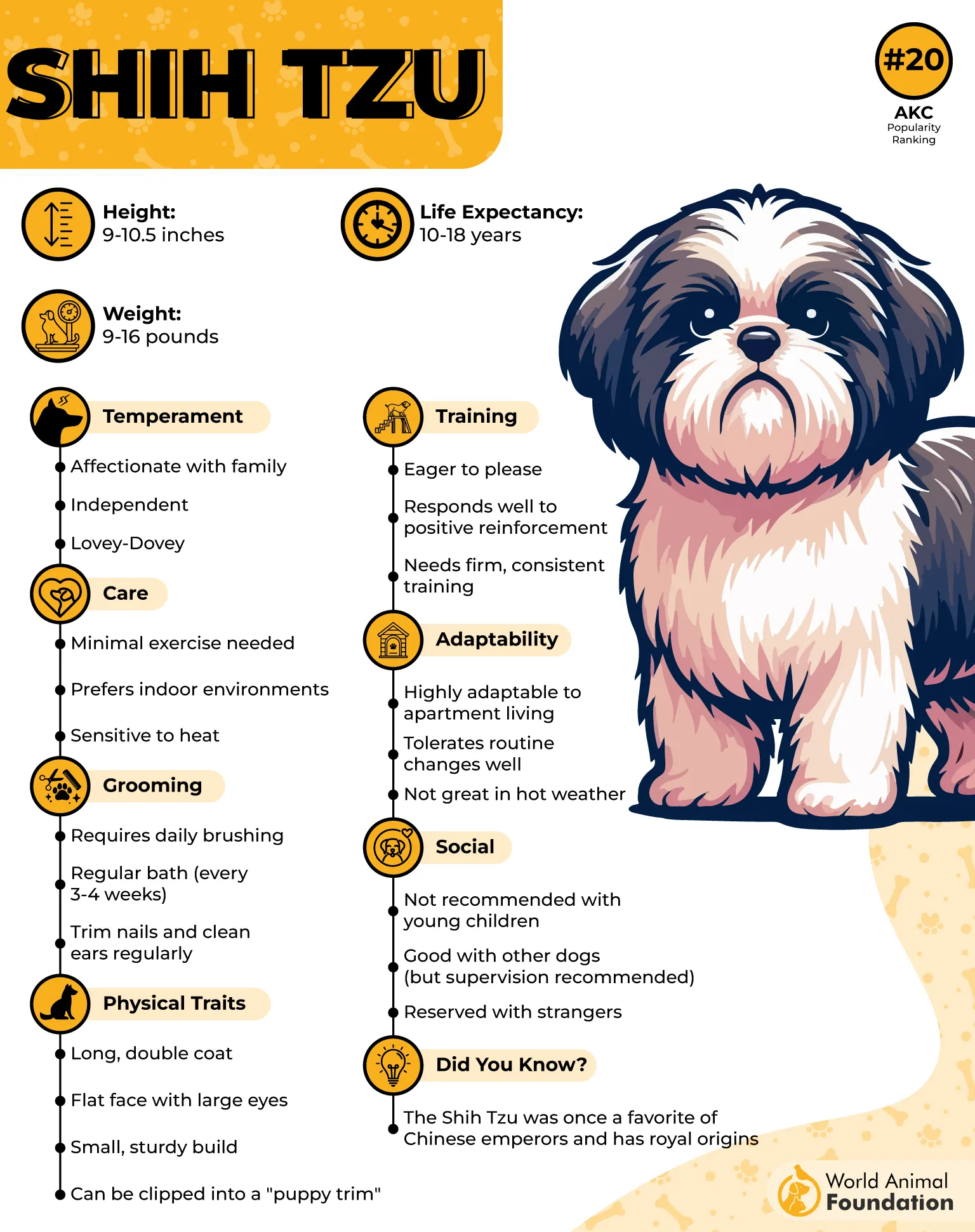
Their affectionate temperament often makes them enjoyable companions for people who work from home, older adults, or families seeking a smaller pet. These lap dogs can form strong bonds with familiar people and often enjoy spending time close to their owners without needing highly demanding physical activity.
Orvis says that luxurious coat gives off celebrity hairstylist energy, but it takes real commitment to maintain. Shih Tzus with long coats need frequent brushing to prevent tangles, while owners who prefer convenience often choose shorter puppy cuts maintained through professional grooming appointments.
4. Havanese
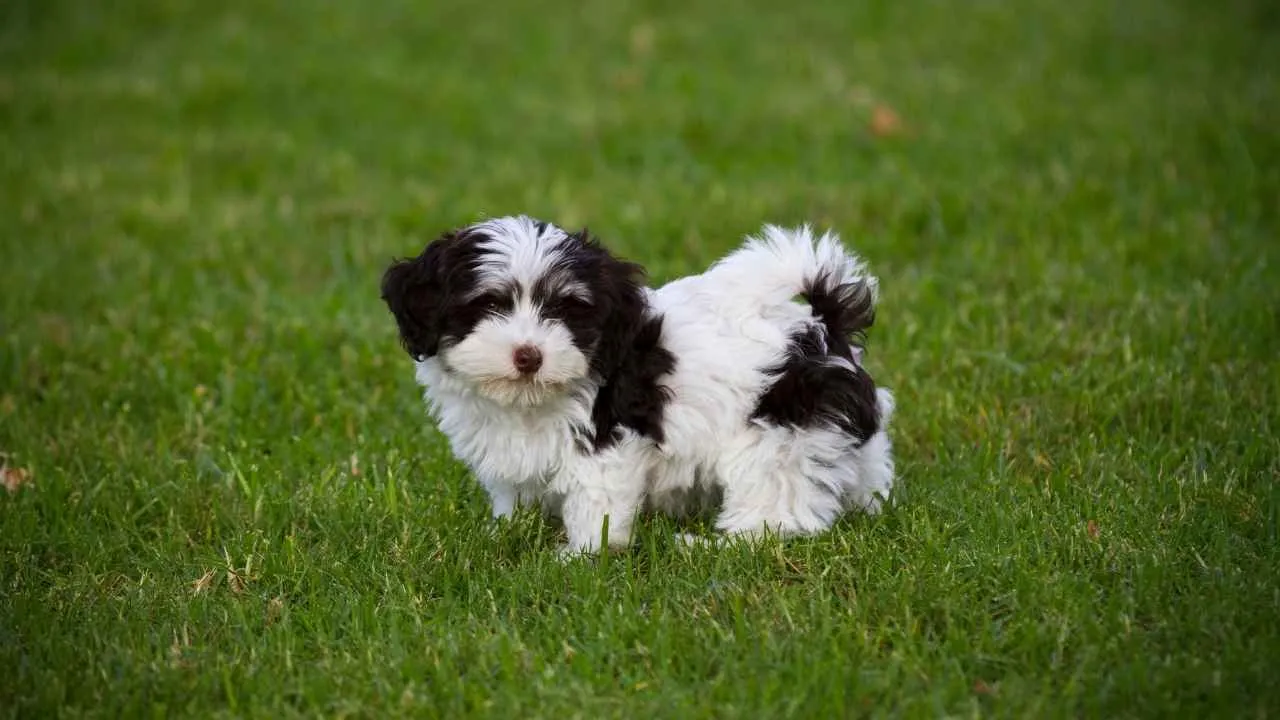
The Havanese is the friendliest little roommate, turning ordinary household activities into quality bonding time. This cheerful breed has long been a devoted companion, known for its silky coat, lively expression, and affectionate disposition.
These lively little dogs are often intelligent and responsive to enjoyable training exercises, especially when lessons include rewards and plenty of encouragement. Many learn basic obedience commands, entertaining tricks, and household manners through short sessions that combine mental stimulation with human interaction.
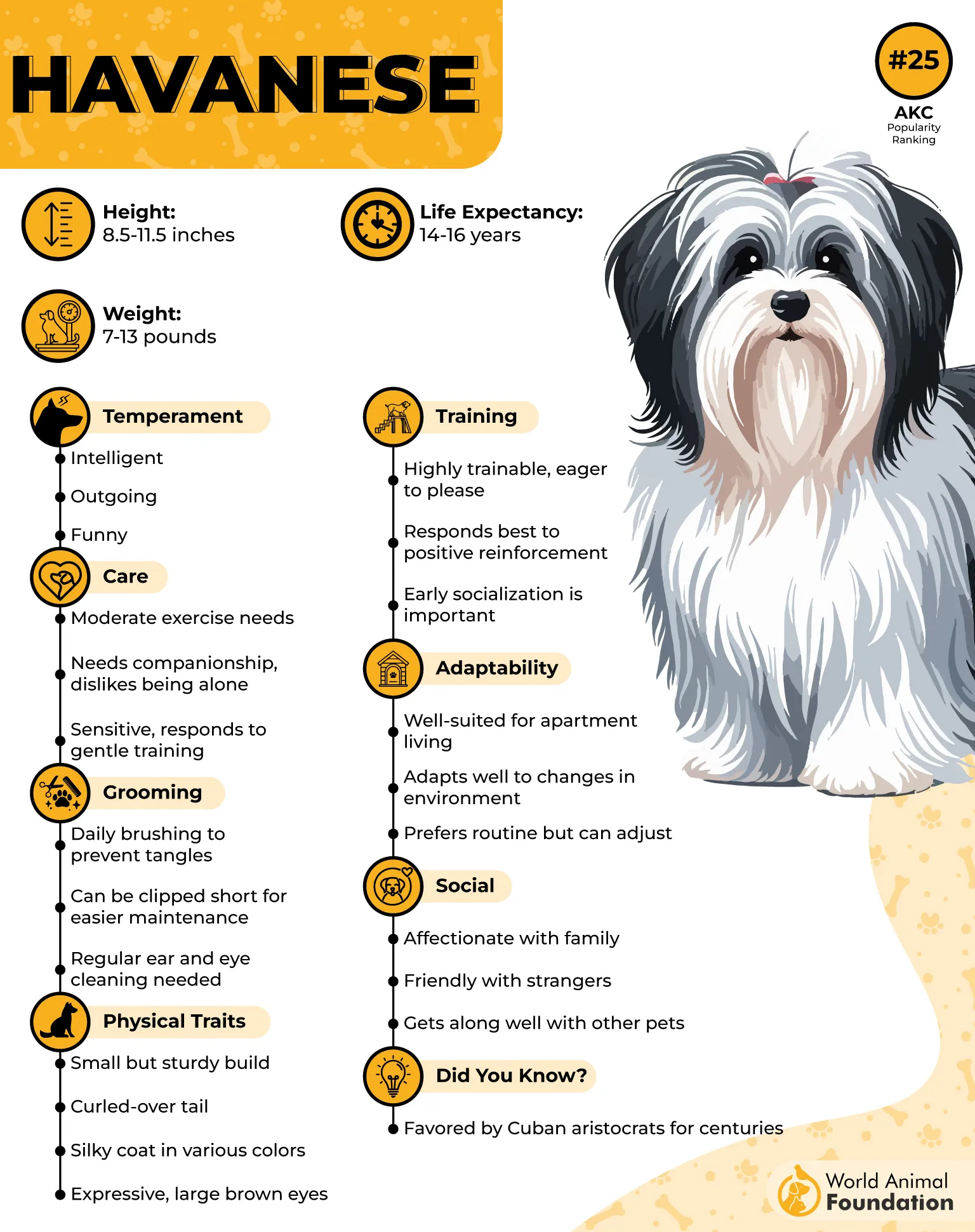
They adapt well to apartments with regular walks, indoor games, and safe opportunities to explore different environments. Their modest size also makes transport and daily care relatively easy, though their lively personalities still require stimulation and attention rather than long stretches without interaction.
Their long, soft coats require regular brushing because tangles can develop around the ears, legs, and other areas where hair rubs together. A shorter professional haircut may simplify maintenance, while regular dental care, nail trimming, and veterinary checkups remain important parts of ownership.
5. Bolognese
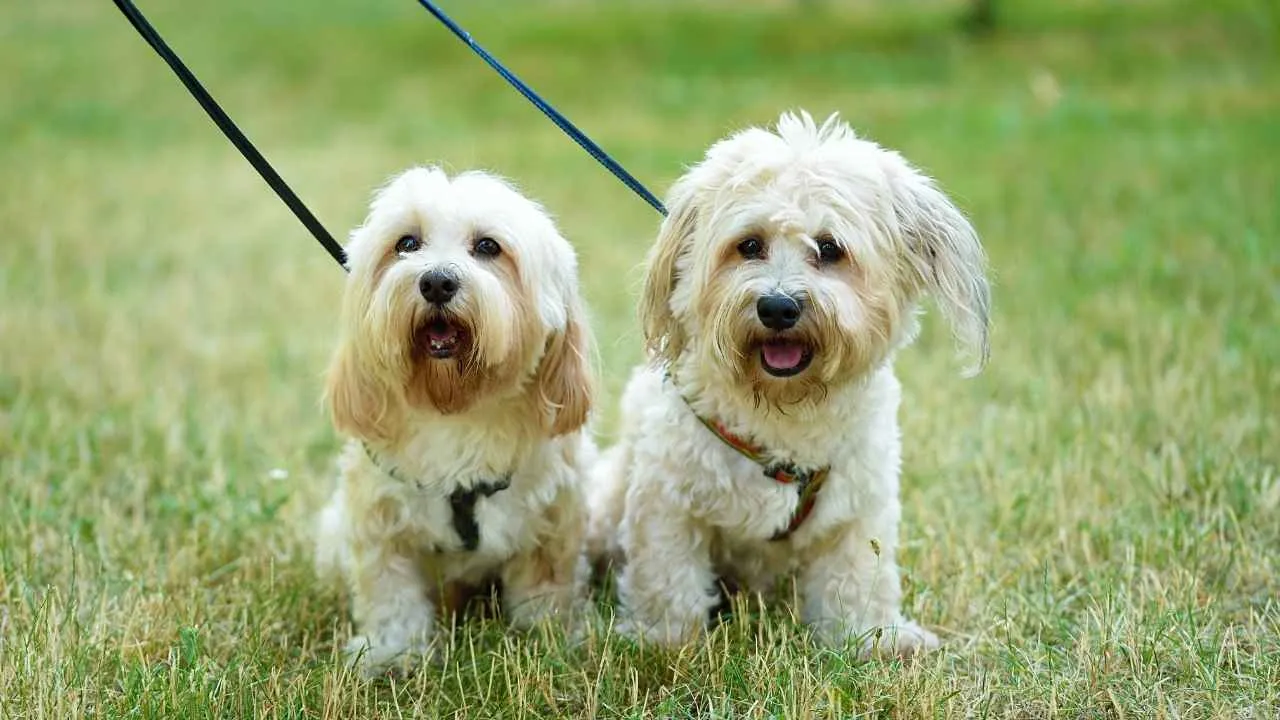
The Bolognese is the underrated little gem of the companion-dog world, bringing elegant Italian charm and a surprisingly calm personality to everyday life. Named after the Italian city of Bologna, this small breed belongs to the Bichon family and has historical connections to European aristocratic households.
One of the Bolognese’s most appealing traits is its tendency to form close bonds with familiar people while staying relatively composed indoors. Many enjoy relaxing near their owners, watching everyday activities, and playing gentle games without requiring exhausting workouts.
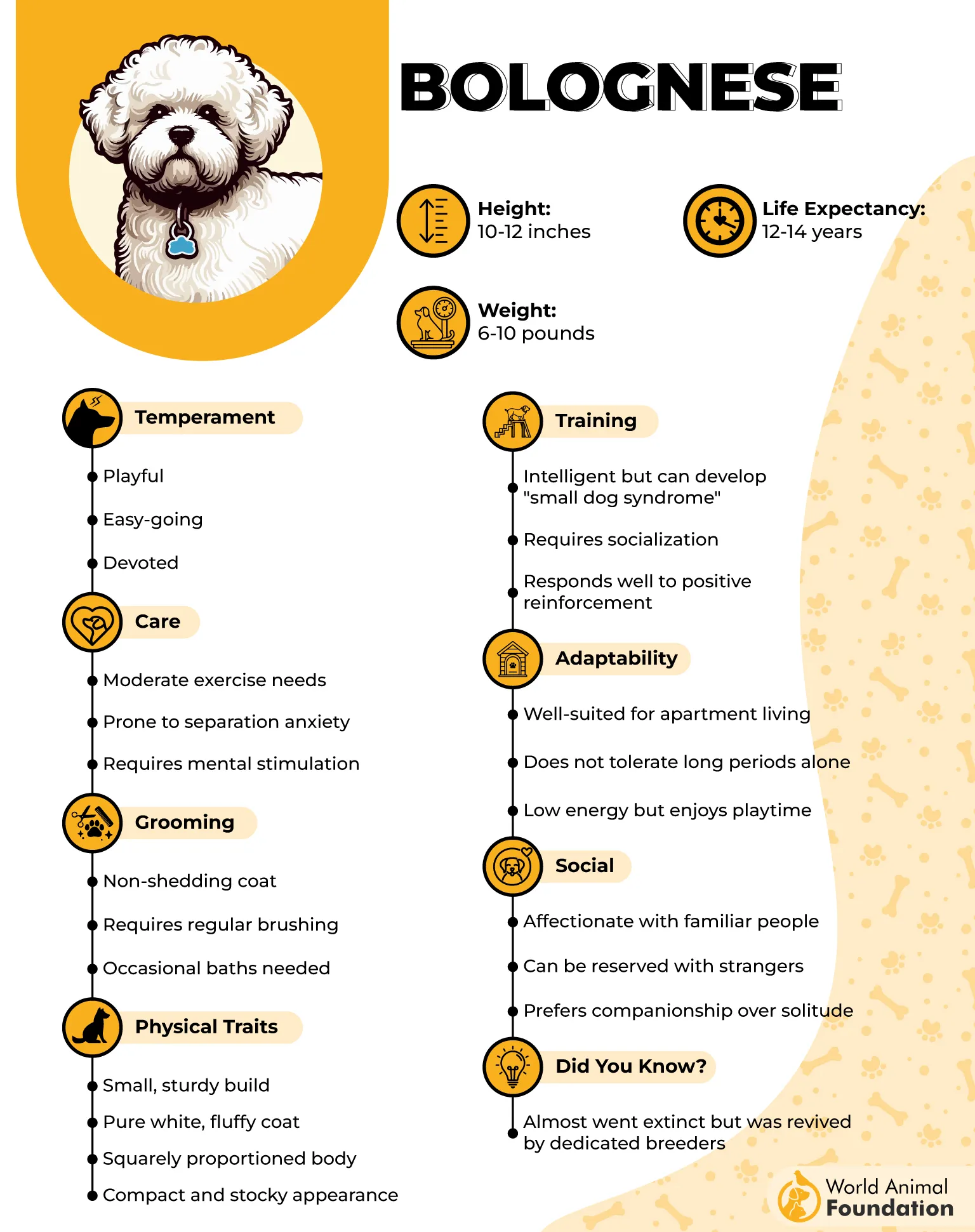
Unlike some highly enthusiastic small breeds, they may be reserved around unfamiliar people at first, so early socialization helps build confidence without overwhelming their naturally thoughtful personalities.
They adapt well to apartment living with appropriate walks, mental stimulation, and plenty of rest. Their intelligence also responds well to positive-reinforcement training, but their sensitive personalities mean harsh corrections may undermine trust rather than encourage cooperation.
The Bolognese’s soft, fluffy white coat is one of its most distinctive features, giving it a tiny-cloud look with expressive eyes. Although the breed sheds relatively little visible hair, its coat requires regular combing to prevent knots, especially around areas prone to friction and moisture.
6. Papillon
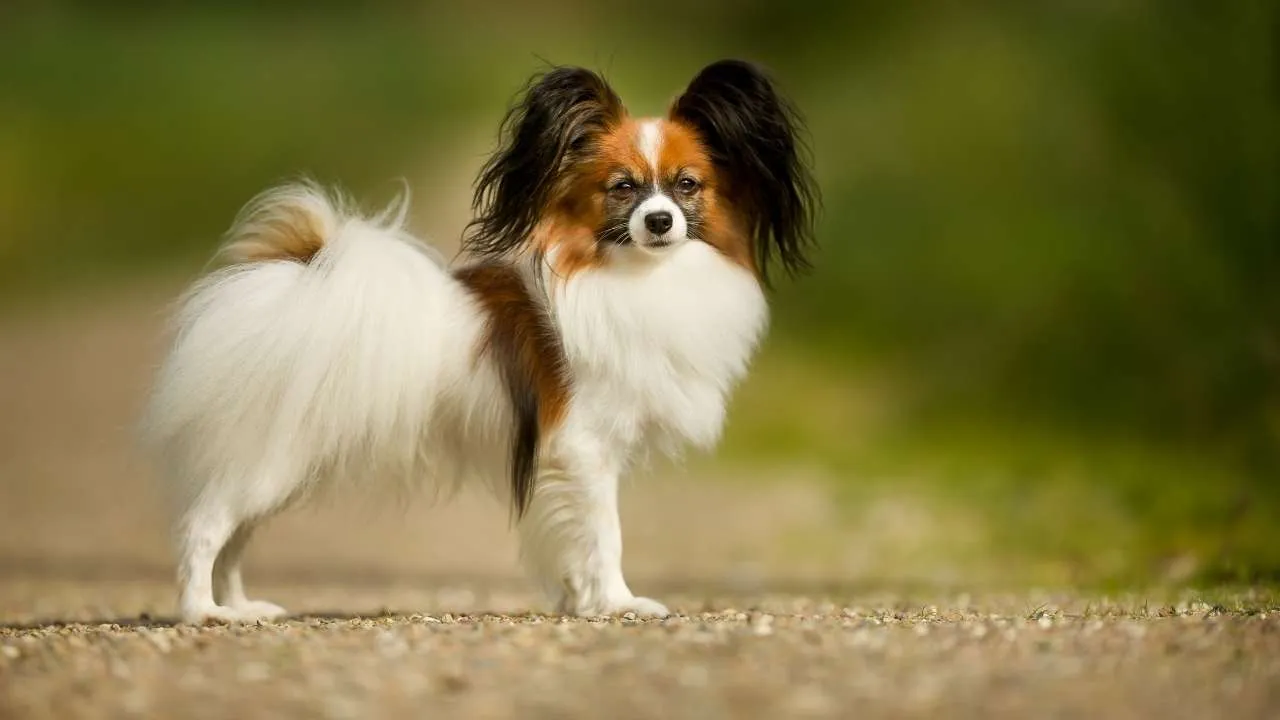
The Papillon is proof that a small dog can have the confidence, intelligence, and ambition of a much bigger animal. Its remarkable trainability and enthusiasm for learning make it especially appealing to first-time pet parents who want an interactive companion rather than a dog that spends the entire day sleeping.
Papillons are widely recognized as intelligent little learners that often excel in obedience, agility, and entertaining trick-training activities. Their willingness to participate in structured exercises can make training fundamentals particularly rewarding for beginners who enjoy consistent practice.
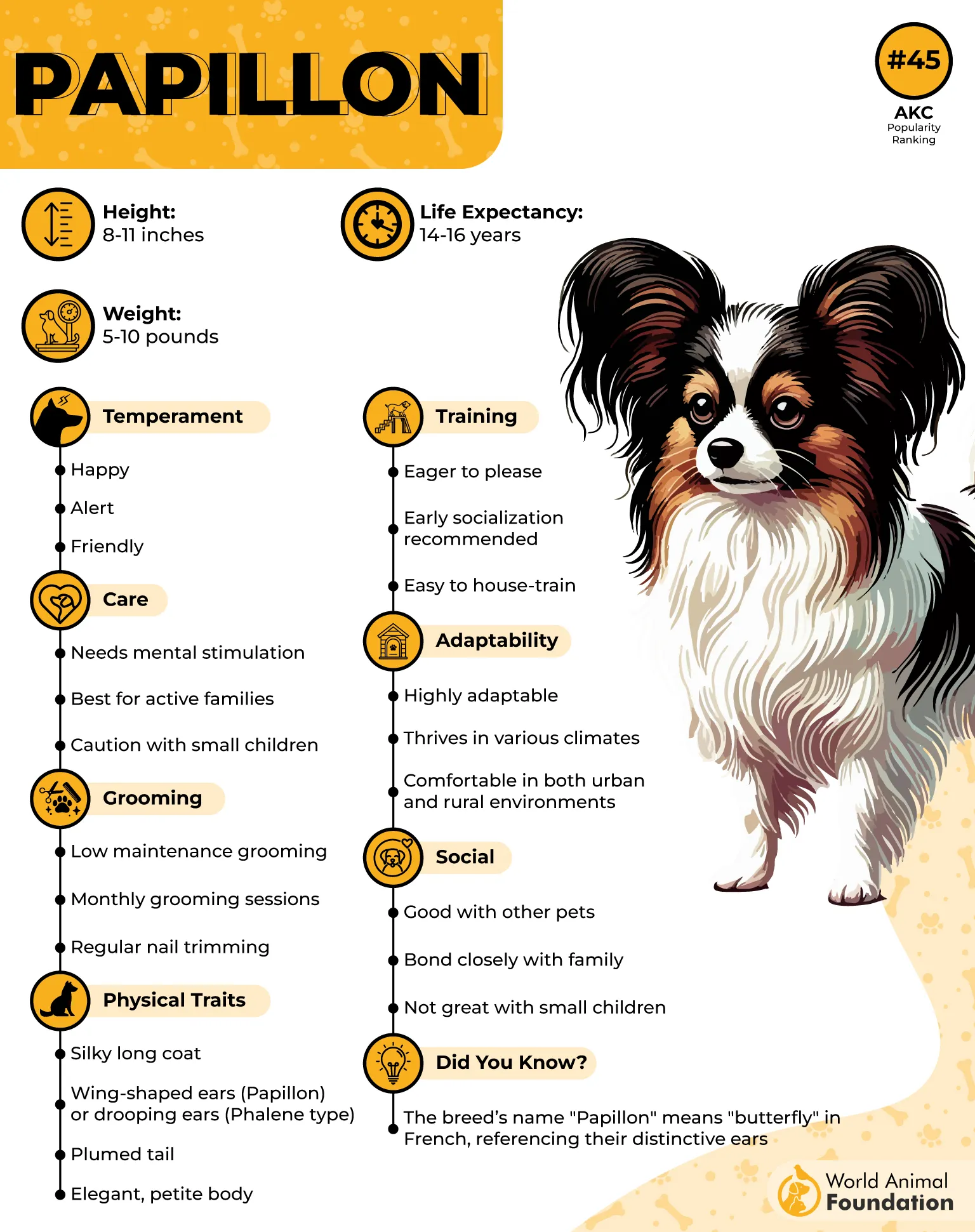
Despite their delicate appearance, they often lead surprisingly active lives that include walks, interactive games, and time to explore secure outdoor spaces. This combination of compact size and activity makes them appealing as a portable companion for everyday adventures.
Another beginner-friendly quality is that Papillons generally need less complicated grooming than their flowing coats might suggest. Their silky hair lacks the dense undercoat found in some heavily coated breeds, so brushing a few times a week is often enough to manage everyday tangles and loose hair.
One of the friendliest dog breeds, they are lively and observant and may become vocal when they notice unfamiliar activity, so consistent training is especially important in apartments.
7. Boston Terrier
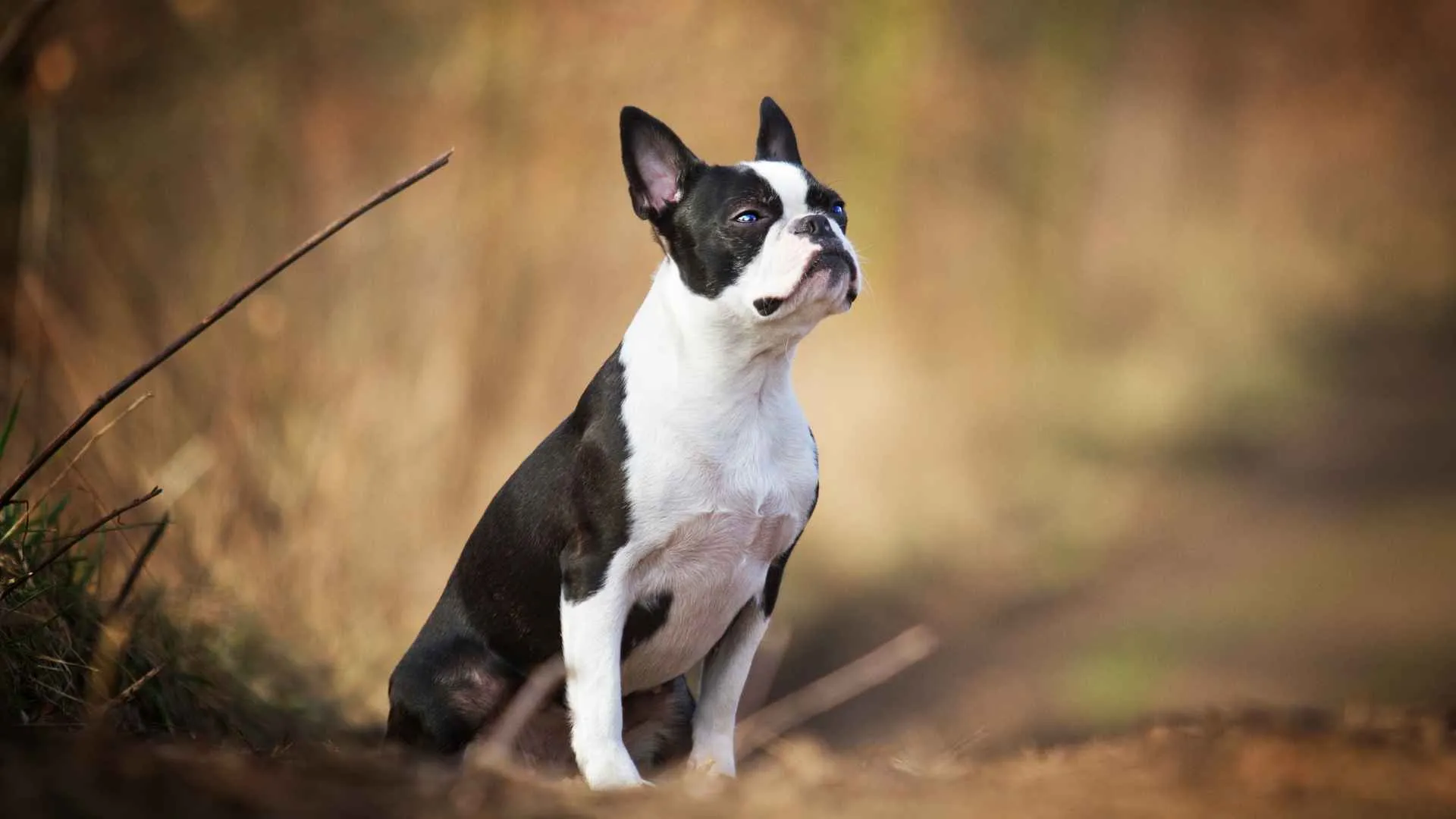
The Boston Terrier is basically a tiny comedian wearing a permanent tuxedo, and yes, the personality absolutely matches the outfit. Developed in the United States in the nineteenth century, this compact breed is known for its distinctive appearance and generally friendly disposition.
They often enjoy interacting with familiar people, making reward-based training especially enjoyable when owners keep sessions short and engaging. Their intelligence helps them learn everyday commands and household expectations, though some can get distracted when exciting activities interrupt their focus.
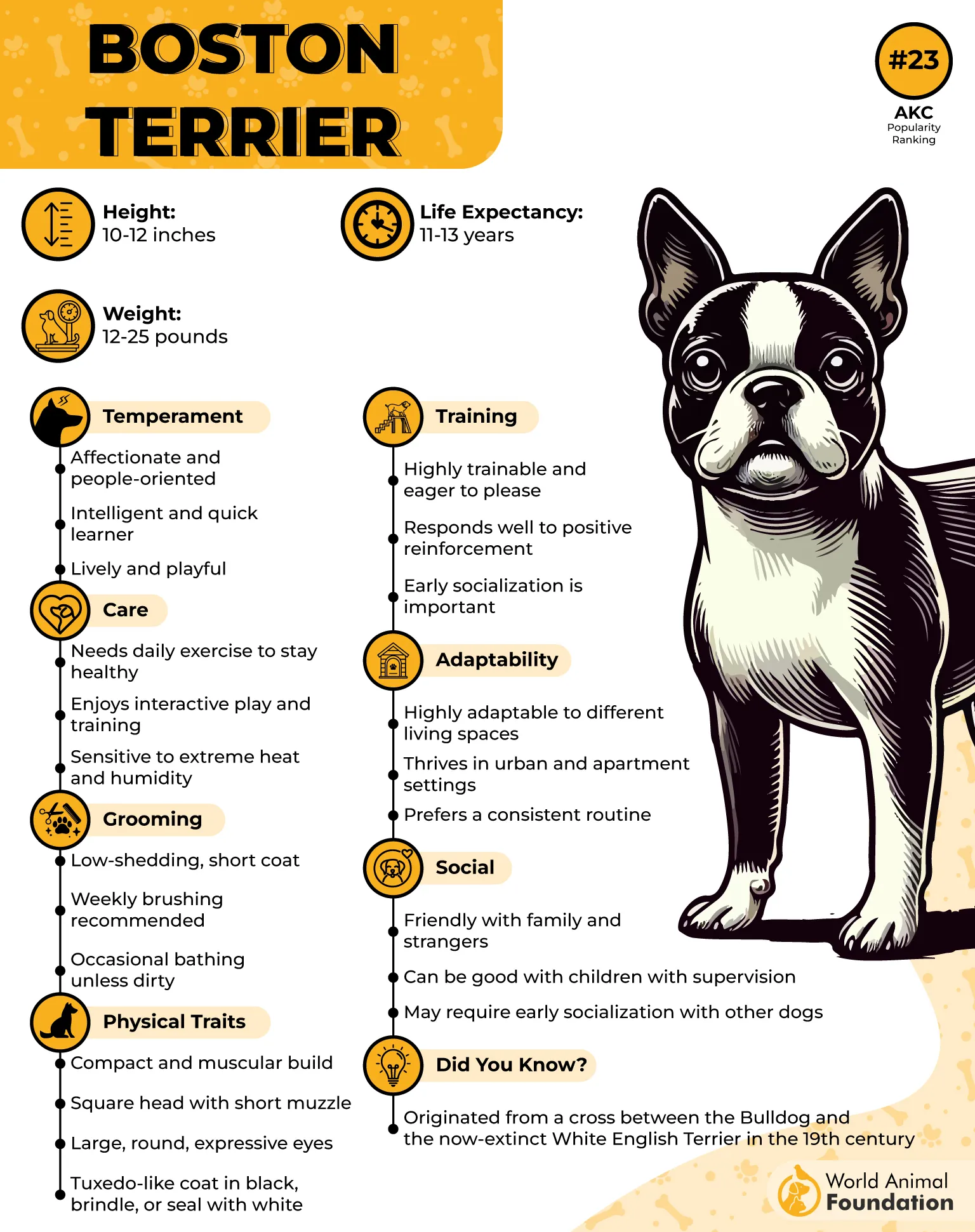
One major advantage for beginners is their short, smooth coat, which requires considerably less brushing than the long-haired toy breeds featured in this guide. A weekly session with a soft brush or grooming mitt is often enough to remove loose hair and keep them looking their best.
They can adapt well to apartment living because they don’t require enormous outdoor spaces to enjoy everyday activities. Many owners appreciate moderate walks, interactive toys, and play sessions with familiar people, making them appealing for those who prefer a balanced routine of activity and relaxation.
Conclusion
Choosing your first dog is exciting, but finding the right companion involves more than falling in love with an adorable face or impressive breed photographs. The seven small breeds featured in this guide offer different combinations of affection, trainability, adaptability, and manageable size, making the experience more approachable for beginners.
Before bringing a dog home, speak with responsible breeders or rescue organizations, research common health problems, and honestly evaluate your household routine and financial resources. Preparing for these responsibilities makes it easier to build a positive relationship and avoid surprises that could otherwise make early pet parenthood unnecessarily stressful.
