




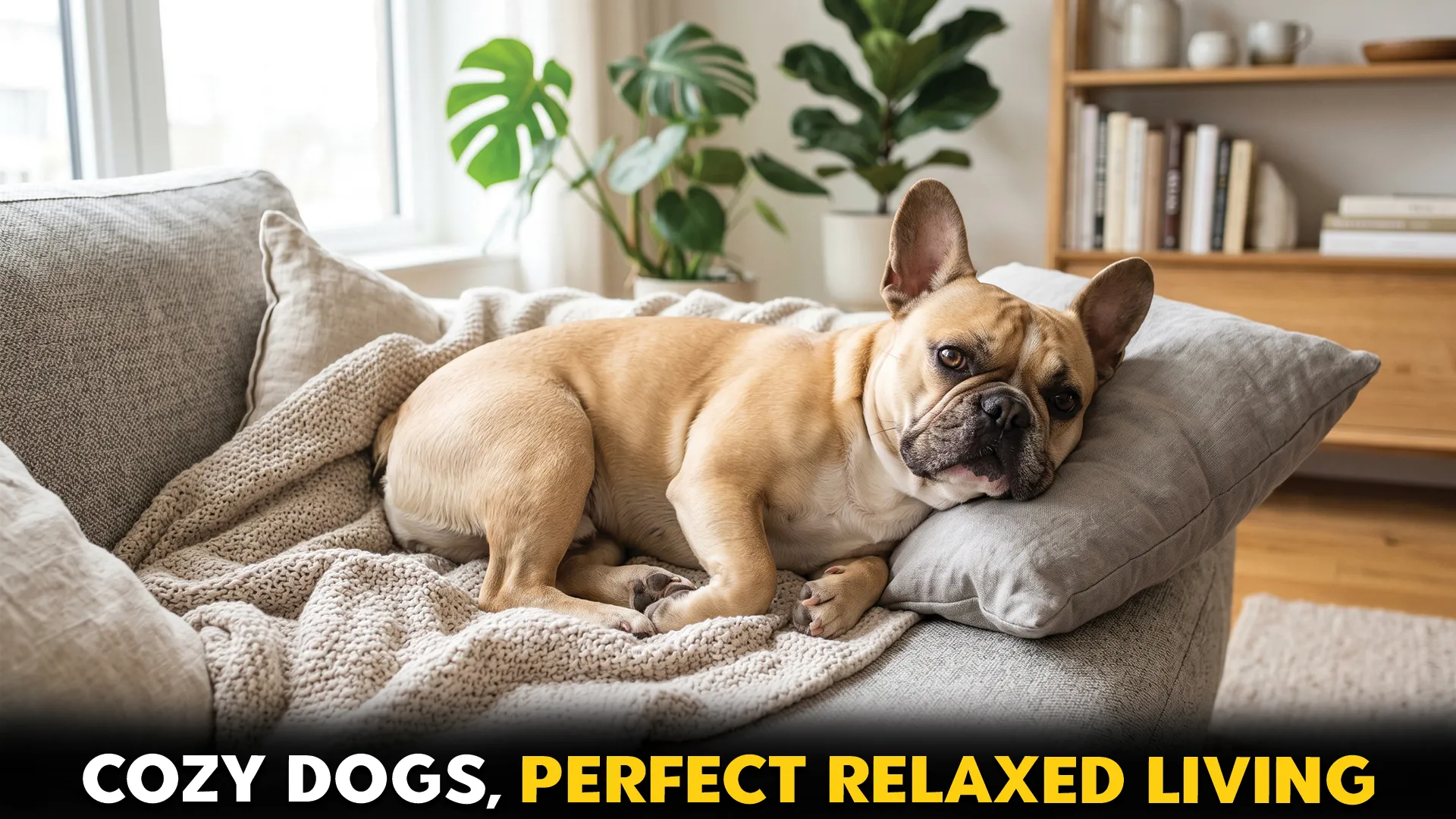
Not every dog is built for chaos, zoomies, and marathon hikes that feel like a Netflix survival documentary. Some dogs are basically the “lo-fi beats” of the canine world — calm, predictable, emotionally steady, and perfectly fine turning your couch into their full-time job.
If your lifestyle is more slow mornings, quiet evenings, and “I just want peace, not chaos,” then choosing the right dog matters way more than people think. The wrong breed can feel like living with a tiny tornado that never sleeps. The right one feels like emotional WiFi — always connected, always calming.
These small dog breeds are known for low-to-moderate energy, minimal grooming needs, strong companionship, and adaptability to apartment living or calm homes. But “calm” doesn’t mean boring — it means emotionally balanced, predictable, and easier to integrate into a peaceful routine.
Let’s break down the top small dog breeds for a relaxed lifestyle that vibe in real life, not just on paper.
Top Small Dog Breeds for a Relaxed Lifestyle
1. Japanese Chin
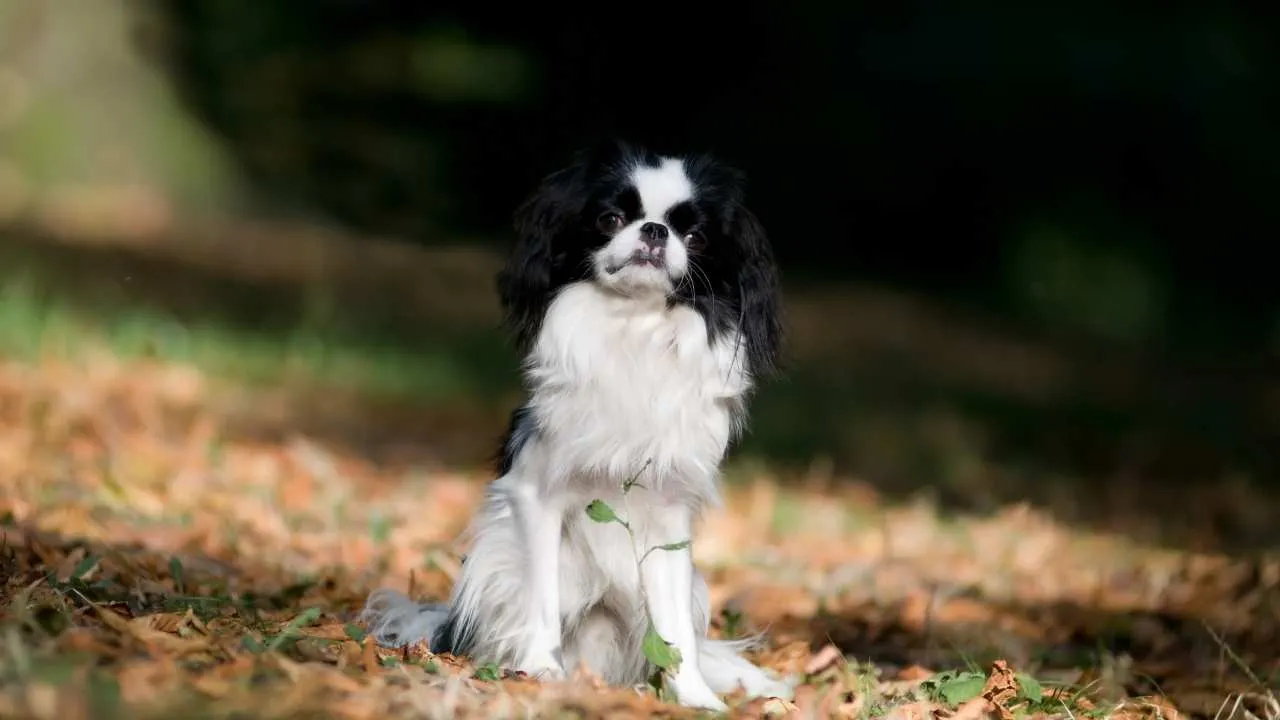
The Japanese Chin often gets described as a “cat in a dog’s body,” and honestly, that comparison isn’t just cute marketing. It naturally climbs furniture, observes silently from high spots, and cleans itself with surprising precision.
Many owners say these excellent family dogs behave less like a typical dog and more like a calm, observant roommate who occasionally demands cuddles on their own schedule.
Despite their royal history as companion dogs in Japanese and Chinese imperial courts, they don’t act overly demanding. Instead, they tend to match the home’s emotional energy.
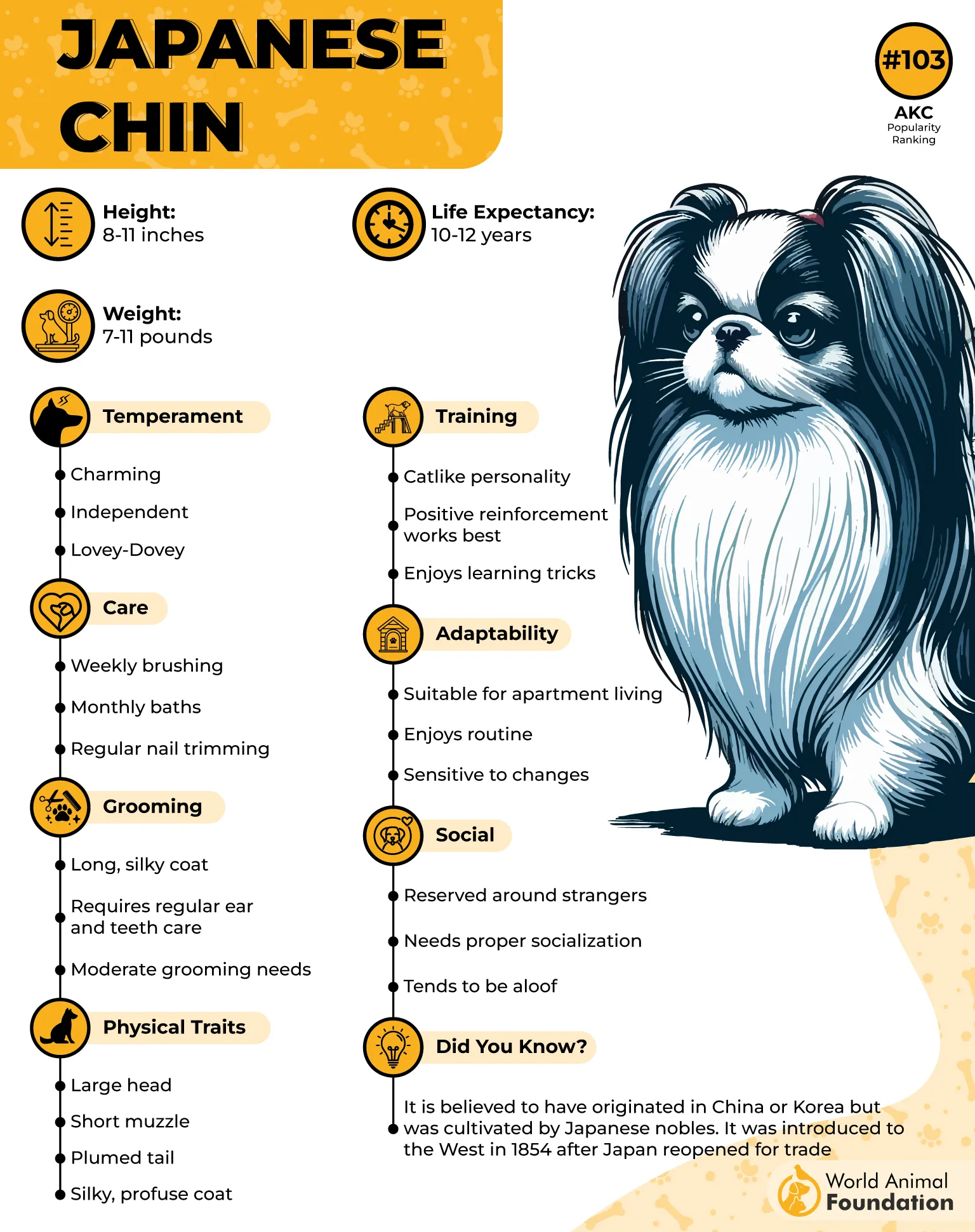
If the household is quiet, these wonderful companions become still and almost meditative. If the environment is playful, they’ll engage in short bursts of zoomies and then immediately return to resting mode.
A lesser-known trait is their sensitivity to tone and atmosphere. Studies on toy companion breeds suggest that highly people-attuned dogs like the Chin can pick up on emotional shifts through voice and body language more quickly than many larger breeds. This is why they often stay close to anxious or stressed owners.
From a lifestyle perspective, these Japanese dogs are extremely low-impact dogs. No heavy exercise demands, no chaotic energy spikes, and minimal noise levels. However, they do require emotional presence — they don’t enjoy being ignored or left alone for long hours.
2. Pekingese
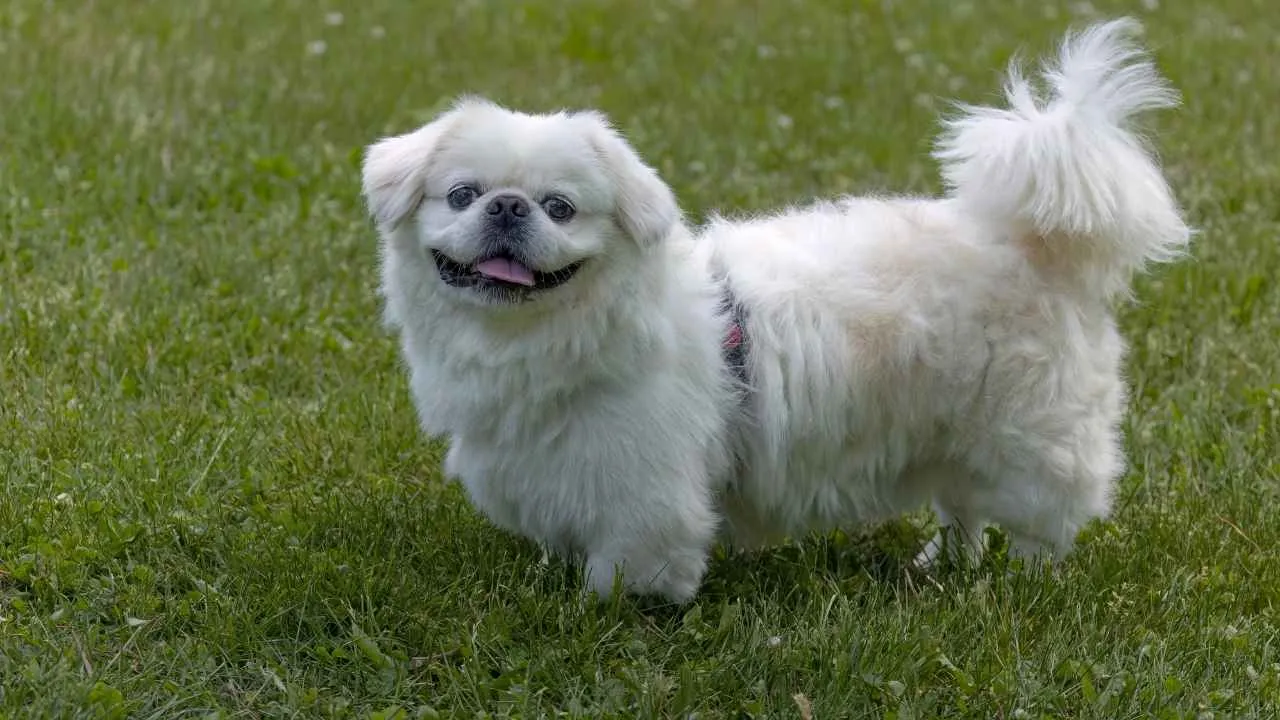
The Pekingese carries one of the most interesting historical backgrounds of any toy breed, once bred exclusively for Chinese royalty. That history still shows in its personality today — it acts like it knows it’s important, even when sitting on a couch wearing a messy bedhead coat.
Unlike overly energetic toy breeds, these dogs with a unique appearance prefer a “controlled lifestyle.” Think short walks, long naps, and observing everything like a tiny lion guarding a kingdom. They are not hyperactive, but they are mentally sharp and highly aware of their surroundings.
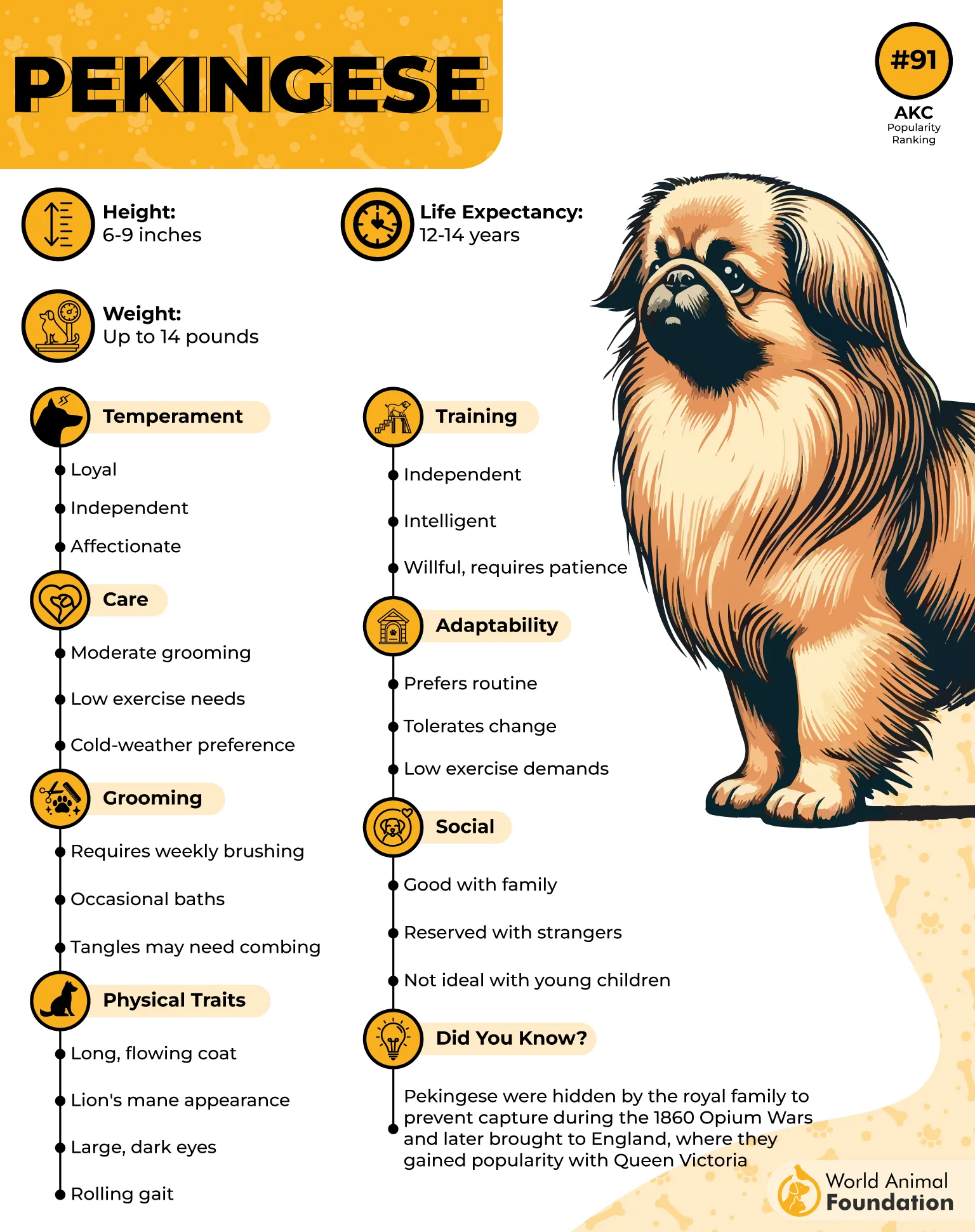
One key insight owners often mention is their strong opinionated behavior. These fiercely loyal dogs won’t unthinkingly follow commands; they evaluate whether it’s worth their effort. Trainers sometimes describe them as “small dogs with big negotiation skills.”
They are also heat-sensitive due to their flat face structure. Being brachycephalic breeds, they are more prone to overheating, especially in humid climates, which directly affects their activity tolerance.
Emotionally, they are deeply loyal but selective. Once bonded, they become intensely attached to their household circle and may develop mild separation anxiety if left alone too long.
Their calm indoor personality makes them ideal for apartment life, but their watchdog instinct means they will still alert you loudly if something feels “off.”
3. Pug
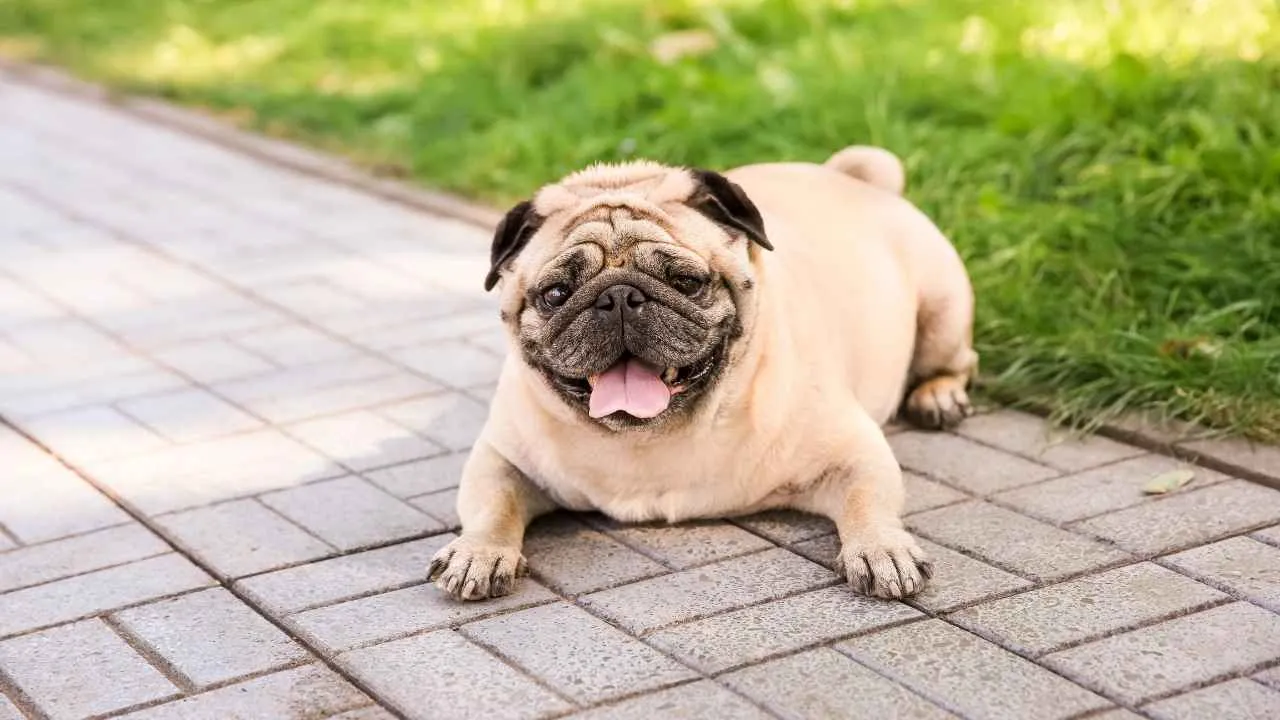
Pugs are one of the most emotionally expressive small breeds. Their face alone communicates everything — happiness, boredom, hunger, and pure dramatic disappointment when you leave the room.
They are known for being companion-dependent dogs, meaning their emotional stability is strongly tied to human presence. This is supported by behavioral studies on companion breeds, which show they score highly for attachment-driven behavior patterns.
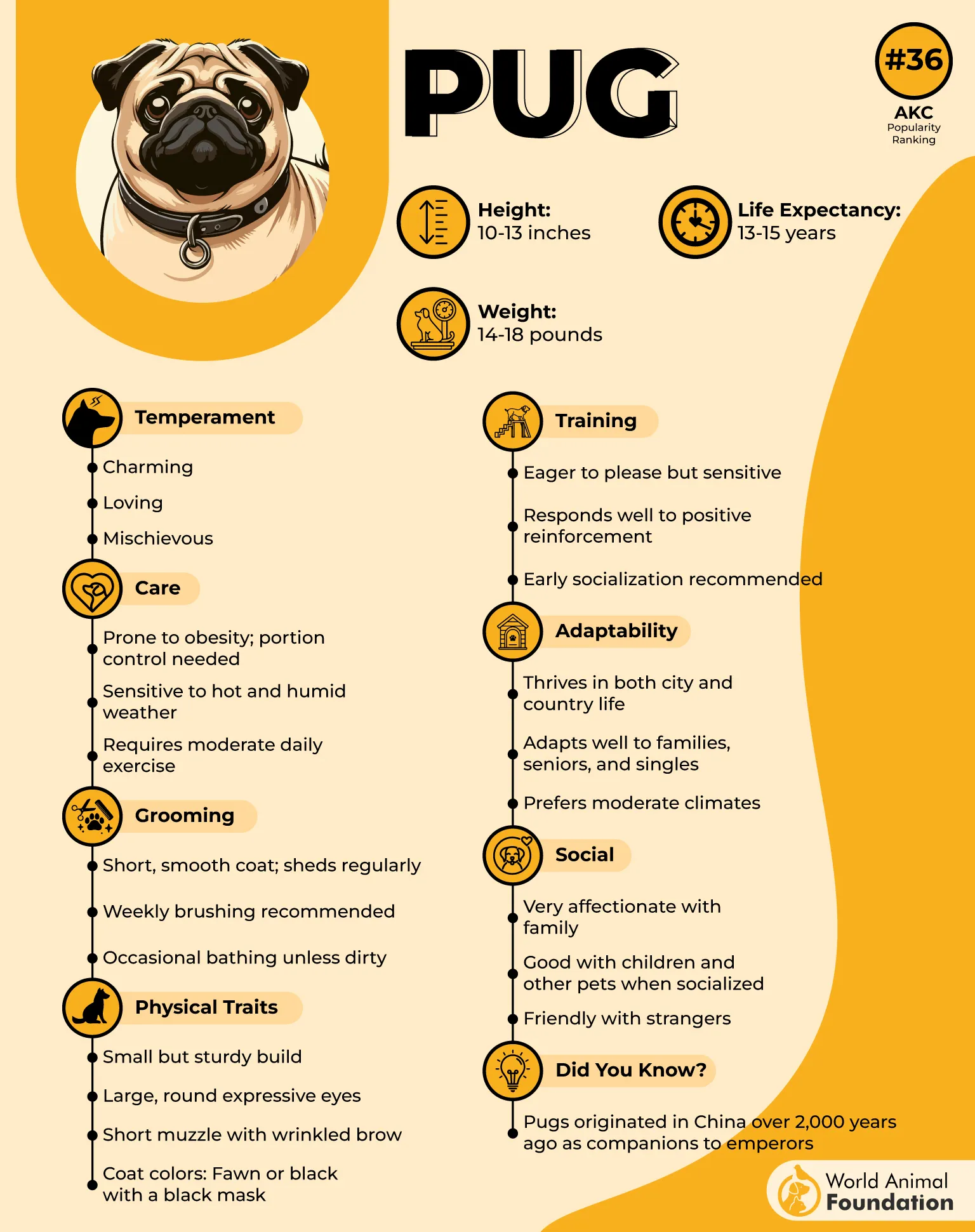
Unlike high-energy small breeds, Pugs follow a “bursts and rest” lifestyle. They may suddenly sprint around the house for 30 seconds, then immediately return to sleep as if nothing happened.
Owners often joke that living with this low-maintenance dog breed is like having a roommate who naps 18 hours a day but still insists on snacks every 2 hours. With minimal grooming needs, they are a great choice for first-time owners.
These charming little dogs are extremely people-friendly and rarely aggressive. However, they are also highly food-motivated, which can lead to obesity if not managed carefully. Veterinary data show Pugs are among the breeds most prone to weight gain due to low exercise tolerance.
Socially, they are excellent with children and strangers, making them one of the most beginner-friendly companion dogs. However, they do require monitoring in hot climates due to their sensitivity to breathing.
Despite their lazy reputation, these well-behaved dogs thrive emotionally in active households where they feel included in daily life — even if they’re sitting next to you doing absolutely nothing.
4. Bolognese
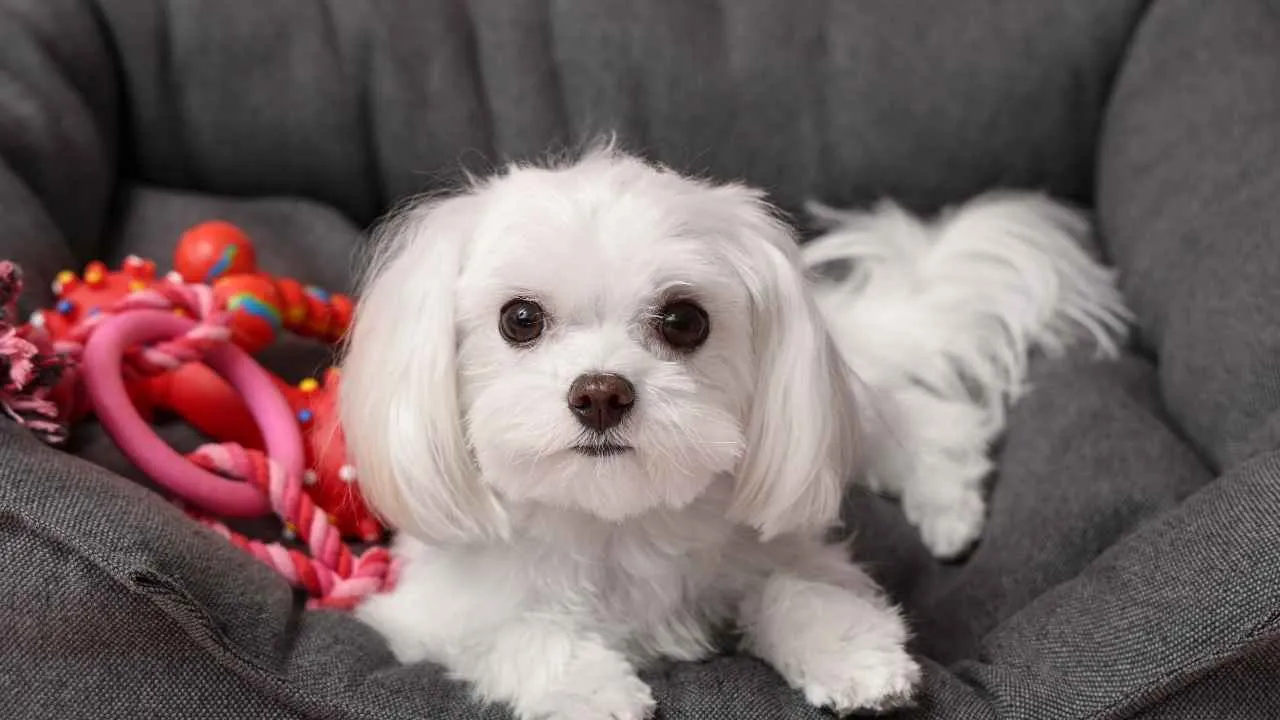
The Bolognese is one of the most underrated companion breeds in the toy group. They are calm, emotionally stable, and extremely human-focused, often forming what owners describe as a “shadow bond” with their primary caregiver.
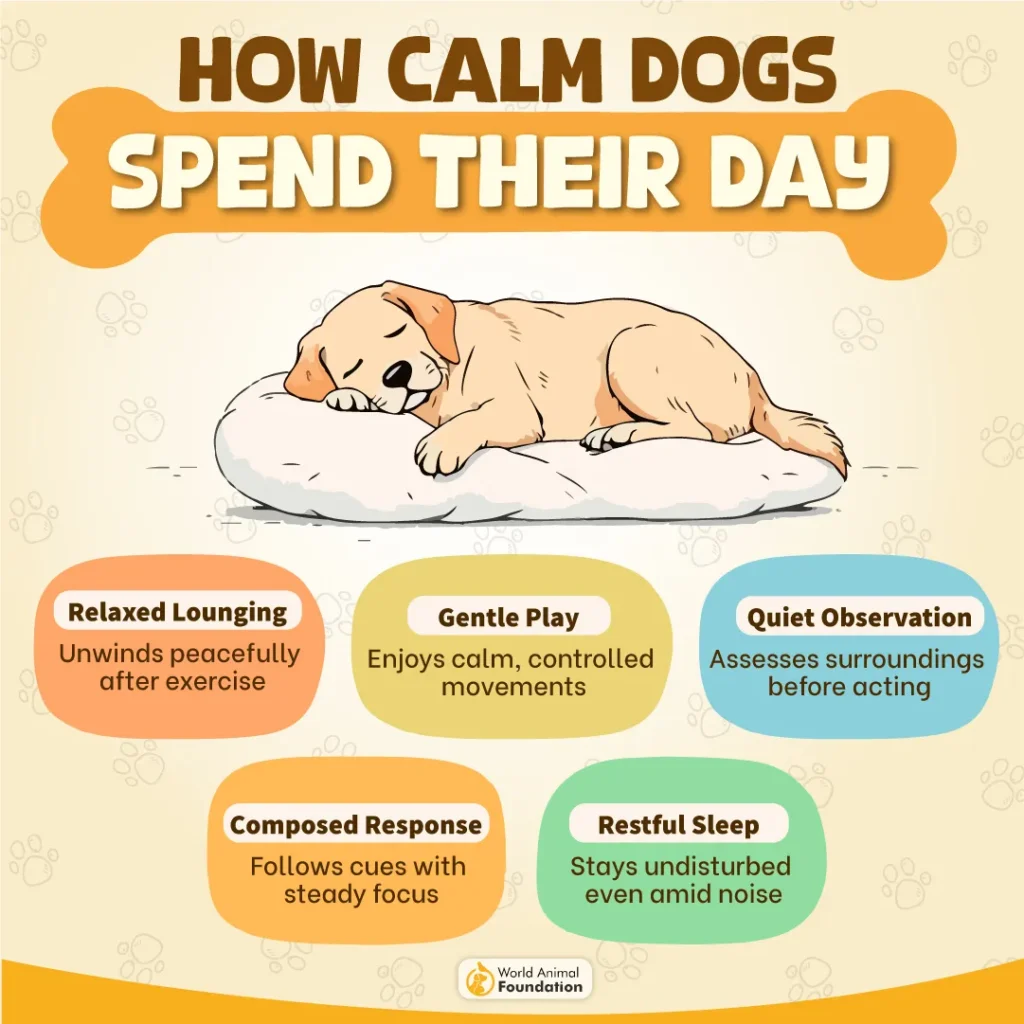
Unlike more attention-demanding toy breeds, they don’t constantly seek stimulation. Instead, they prefer quiet companionship — sitting beside you while you work, relax, or watch TV. Think of them as a low-drama emotional support system in dog form.
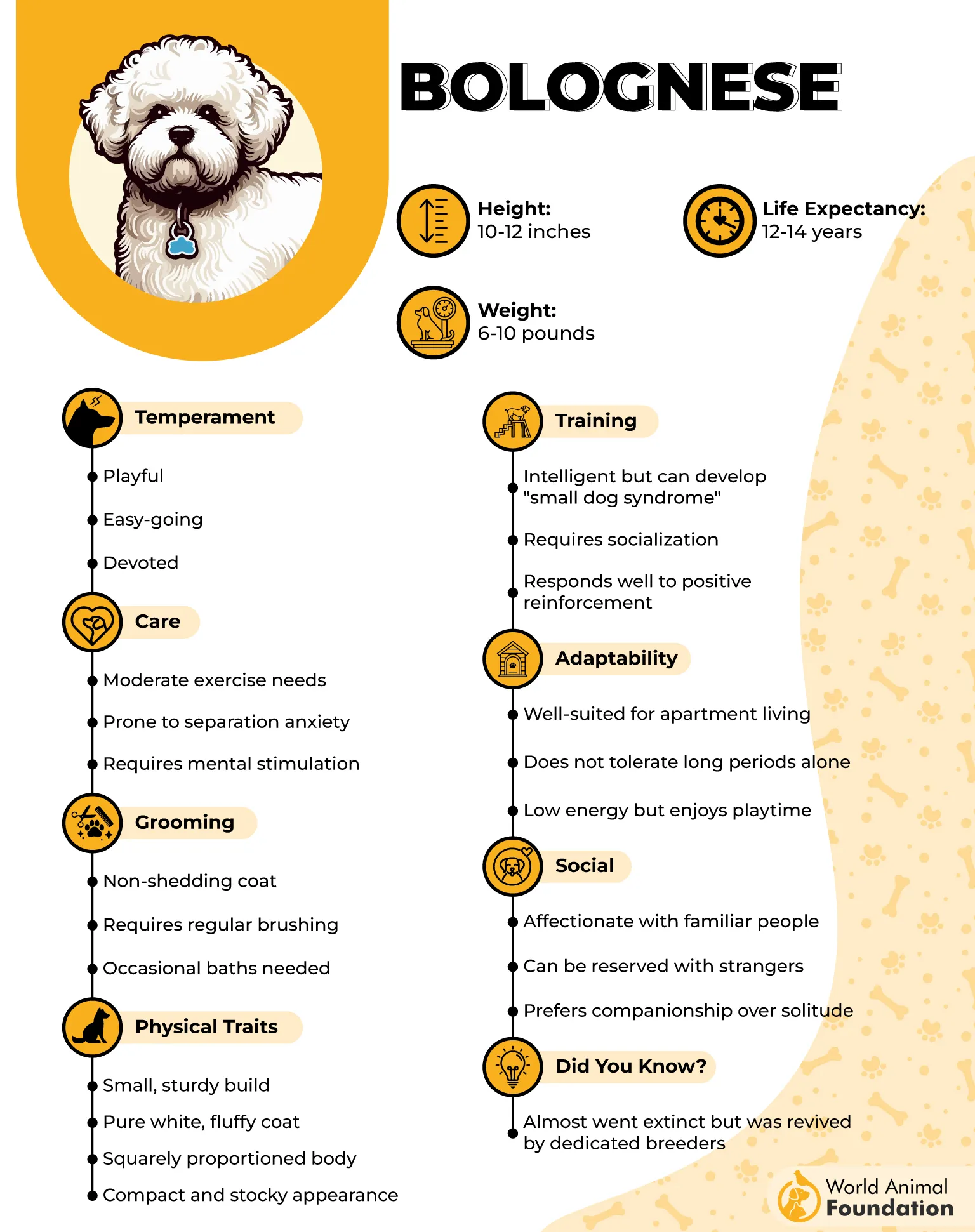
Behaviorally, they are less reactive compared to similar small breeds. They don’t bark excessively and are not easily triggered by environmental noise, which makes them surprisingly good for urban apartments.
One interesting insight from breeders is their strong ability to mirror emotions. If the pet parent is relaxed, they become deeply calm. If the household is tense, the household members may become clingy or withdrawn.
They do, however, struggle with separation anxiety if left alone frequently. This is not a hyperactive anxiety, but a quiet stress response where they may become withdrawn or overly attached when the owner returns.
Their coat requires attention, but their temperament makes them one of the easiest emotional companions for people seeking a peaceful, low-maintenance presence in their home.
5. Brussels Griffon
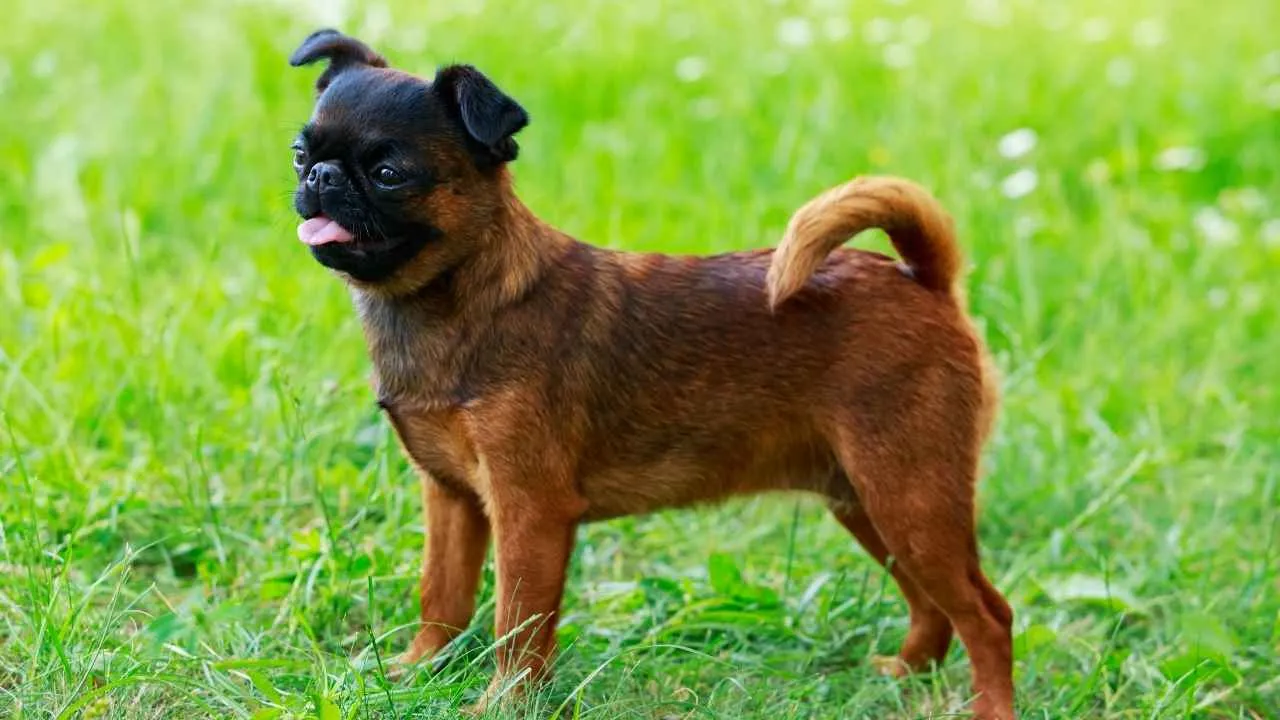
The Brussels Griffon is often described as a “big personality in a tiny body,” and that’s not an exaggeration. They are emotionally intense dogs that form extremely strong bonds with their owners, often becoming what’s known as “Velcro dogs.”
They don’t do well with emotional distance. If you’re the kind of person who is rarely home, this breed will likely struggle. But if you want a constant companion that follows you from room to room like a living shadow, they fit perfectly.
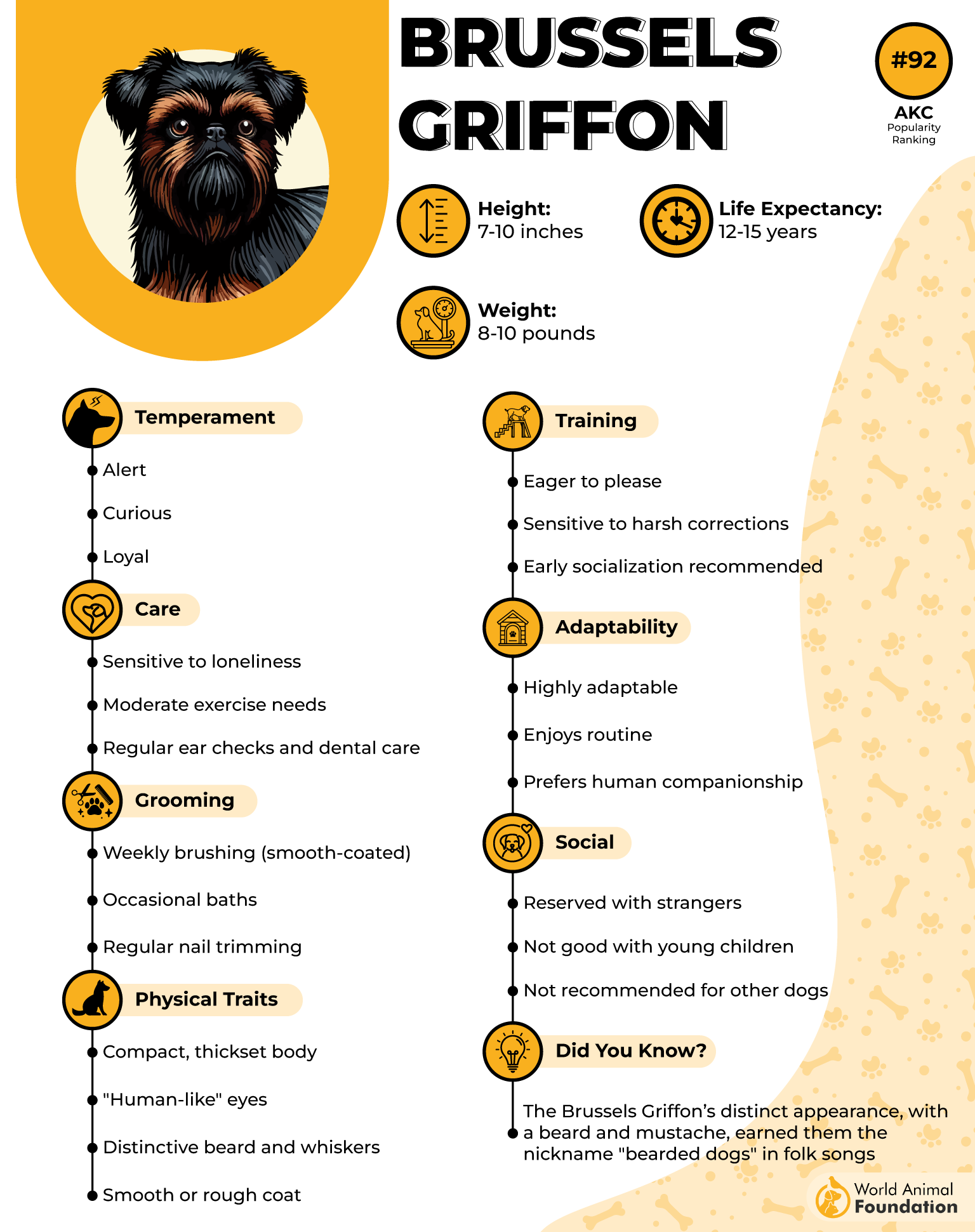
Behaviorally, these excellent companions are highly intelligent but also emotionally sensitive. They respond best to calm, consistent positive training rather than strict discipline. Harsh correction can cause anxiety or withdrawal.
These lively little dogs are naturally alert, according to the AKC, and make excellent watchdogs. Even though they are small, they react quickly to unfamiliar sounds or people, sometimes barking more than expected if not trained early.
One interesting trait is their expressive facial communication. Owners often say they “talk with their eyes,” showing curiosity, judgment, affection, or frustration very clearly.
They are not independent dogs. They are emotionally immersive companions that want to be involved in everything you do, whether it’s cooking, working, or just sitting on your phone.
6. Biewer Terrier
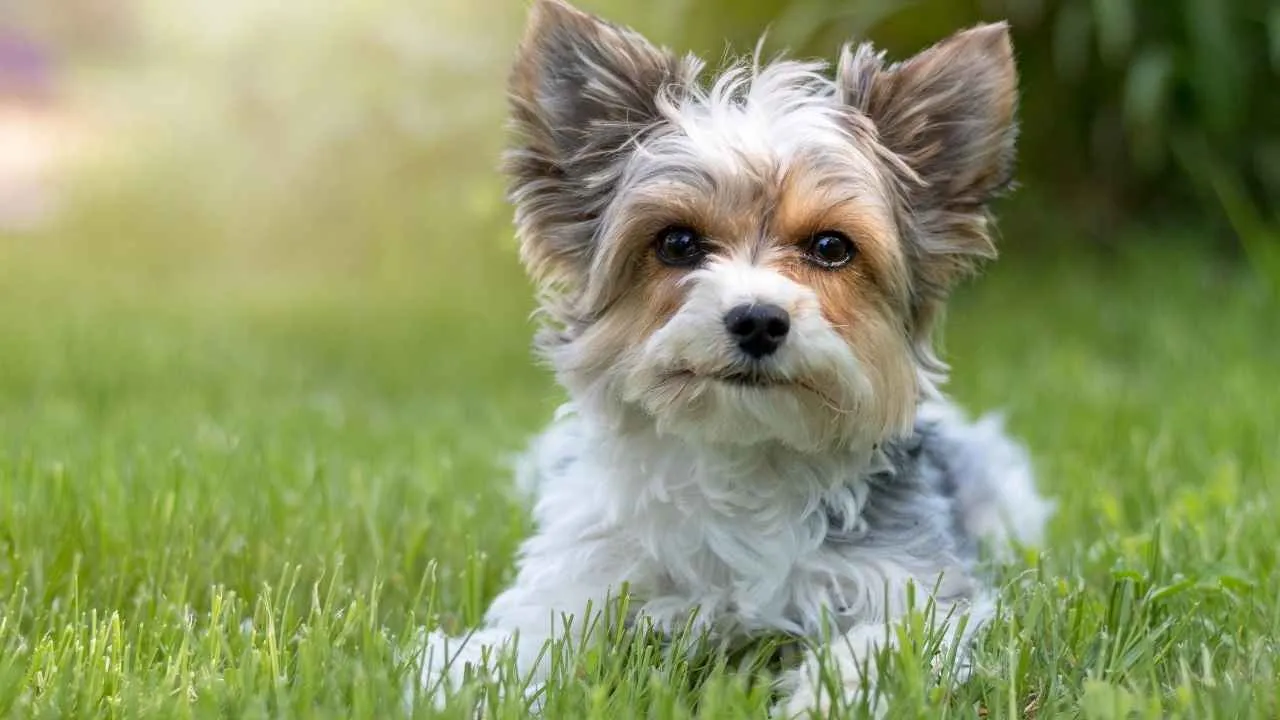
The Biewer Terrier is a modern companion breed known for its cheerful personality and strong human attachment. Unlike traditional terriers bred for hunting, this breed leans heavily toward companionship.
These excellent family pets are extremely social and tend to greet everyone with excitement. Many owners compare them to “social media influencers in dog form” because they love attention and interaction.
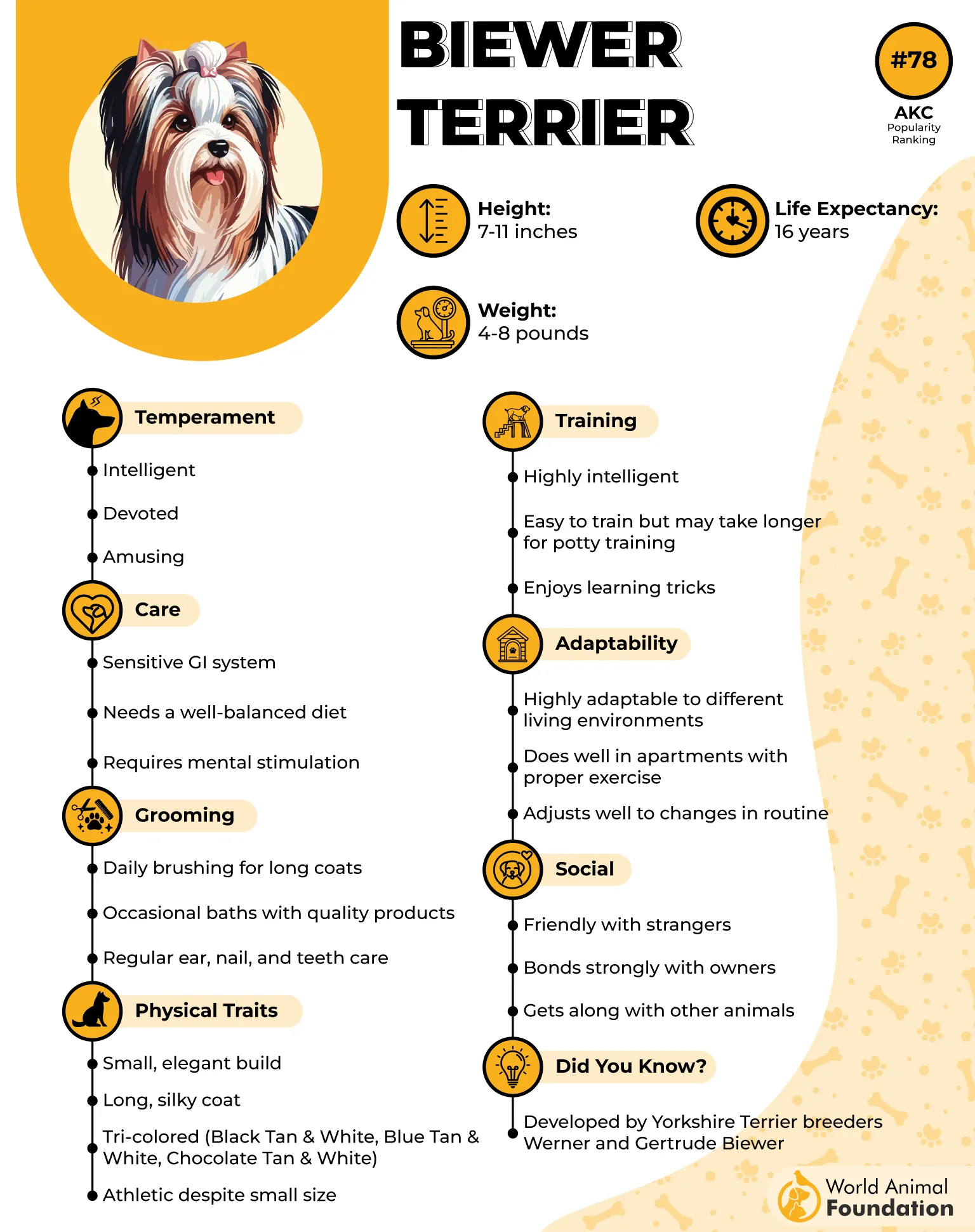
They are also mentally quick learners. Positive reinforcement training works extremely well with them, especially when rewards are involved. However, they can become stubborn if training feels repetitive or boring.
Emotionally, these terrier breed dogs are very bonded to their owners. They often follow their humans around the house and prefer constant inclusion in daily activities.
Despite their small size, they are not fragile in personality. They enjoy playtime, short walks, and mental stimulation games like puzzles or fetch.
They adapt well to apartments, but they require consistent social interaction. Without it, they can develop boredom-related behaviors, such as barking or attention-seeking.
7. Havanese
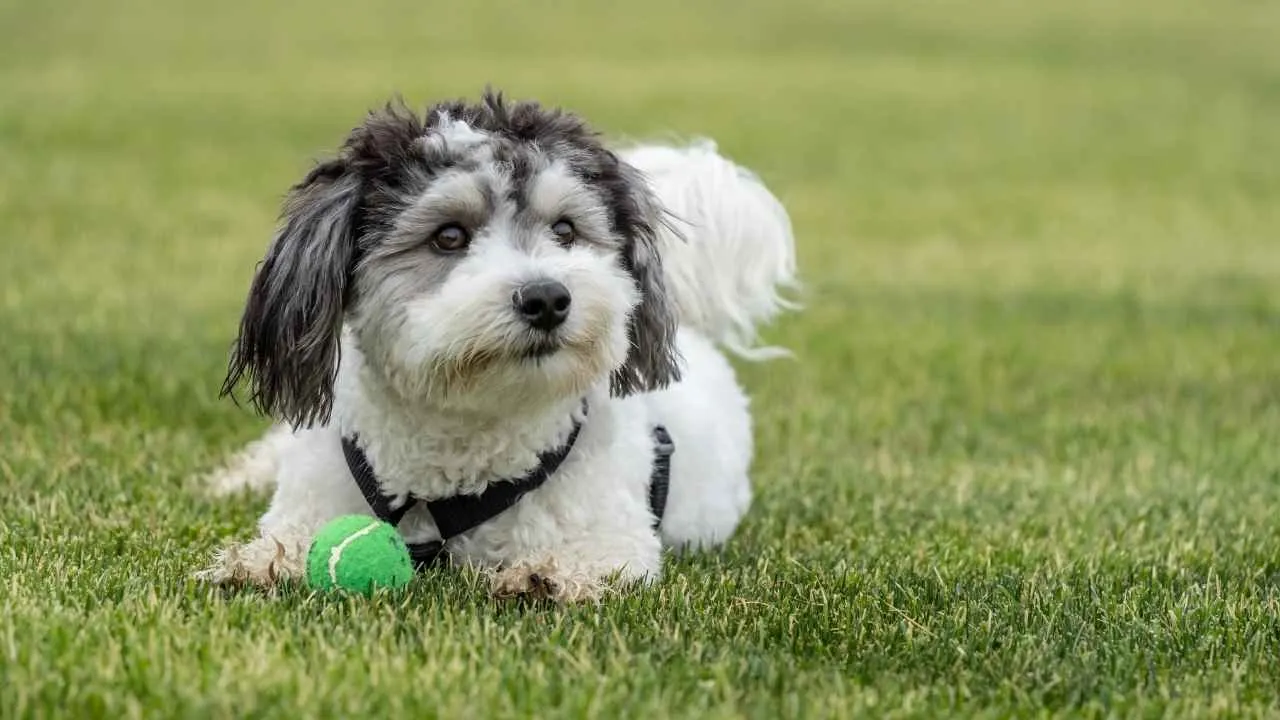
The Havanese is one of the most socially balanced toy breeds. They are friendly without being overly dependent, playful without being chaotic, and affectionate without being clingy.
They are often described as “family-friendly extroverts” because they genuinely enjoy meeting new people and animals. Unlike some toy breeds that are suspicious of strangers, Havanese tend to greet new situations with curiosity.
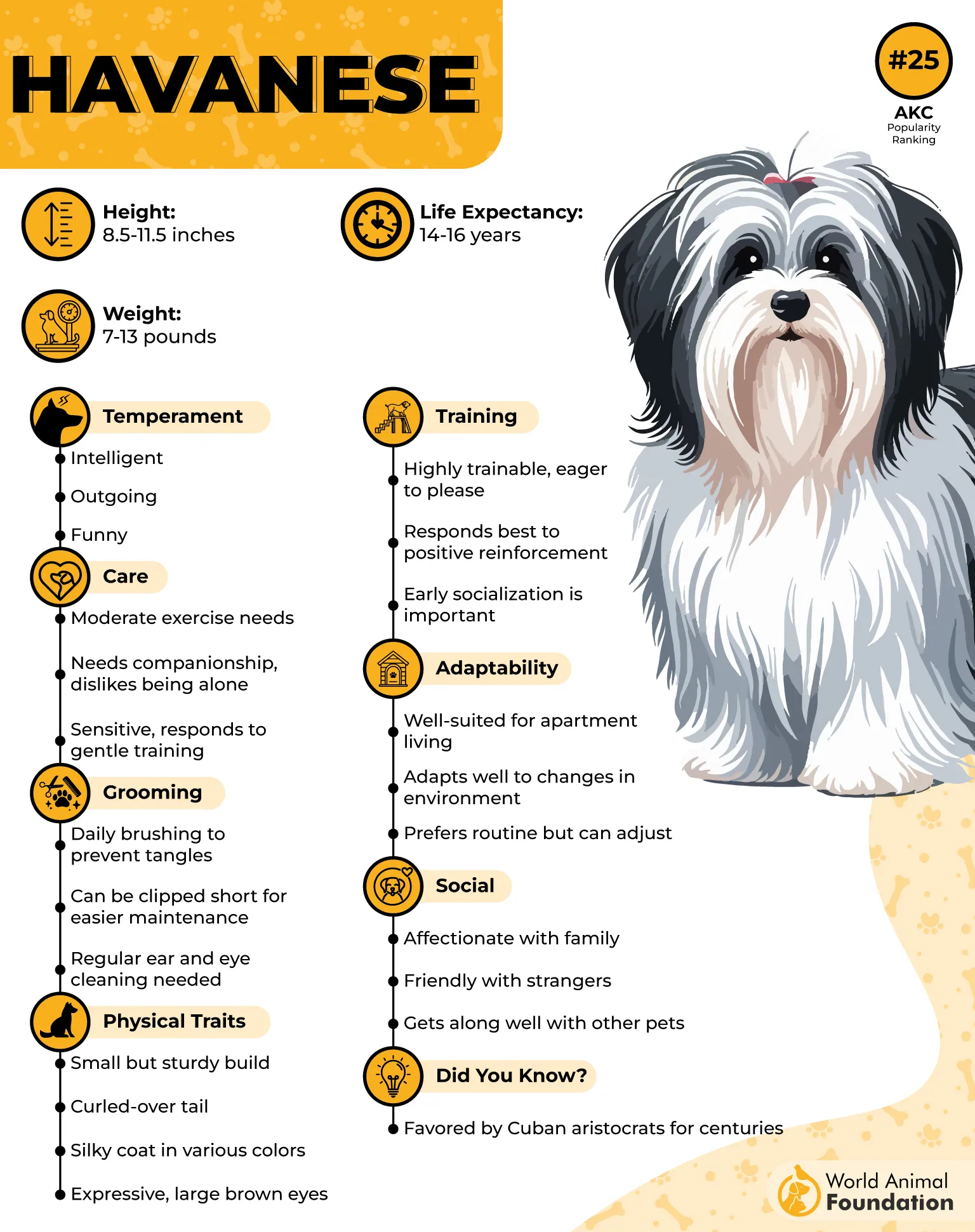
These affectionate dogs with minimal grooming needs are also highly trainable due to their intelligence and eagerness to please. Many dog trainers consider them one of the easiest toy breeds for beginners.
One interesting behavioral trait is their adaptability. Whether living in a busy household or a quiet apartment, they adjust their energy level to match their environment.
They are moderately active, needing daily walks and playtime, but they don’t require intense exercise. Mental stimulation is more important for them than physical exertion.
Owners often report that Havanese dogs have “emotional elasticity” — they recover quickly from stress and tend to remain cheerful even in changing environments.
8. Cavalier King Charles Spaniel
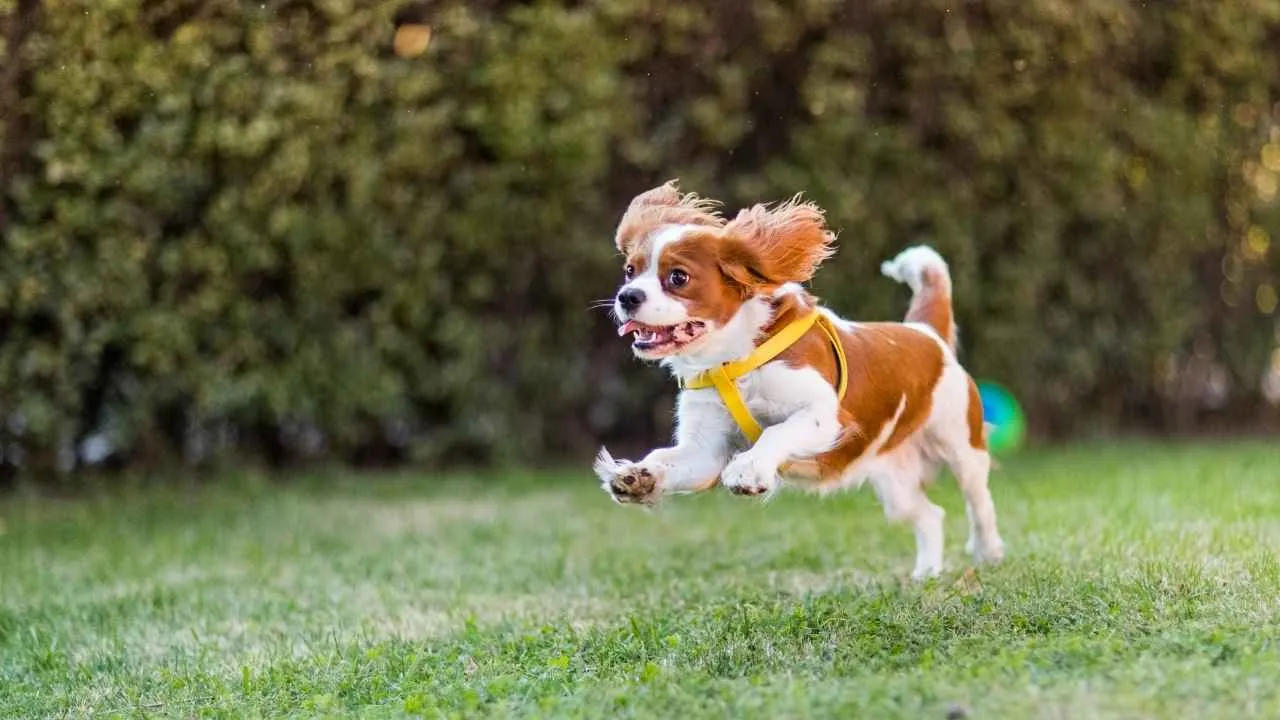
This breed is often called the ultimate “comfort companion dog.”
Cavaliers are deeply emotionally intuitive and naturally attuned to human moods.
They are known for low aggression, high affection, and extremely strong bonding behavior. Studies on companion breeds show Cavaliers consistently rank among the highest for human-oriented attachment traits.
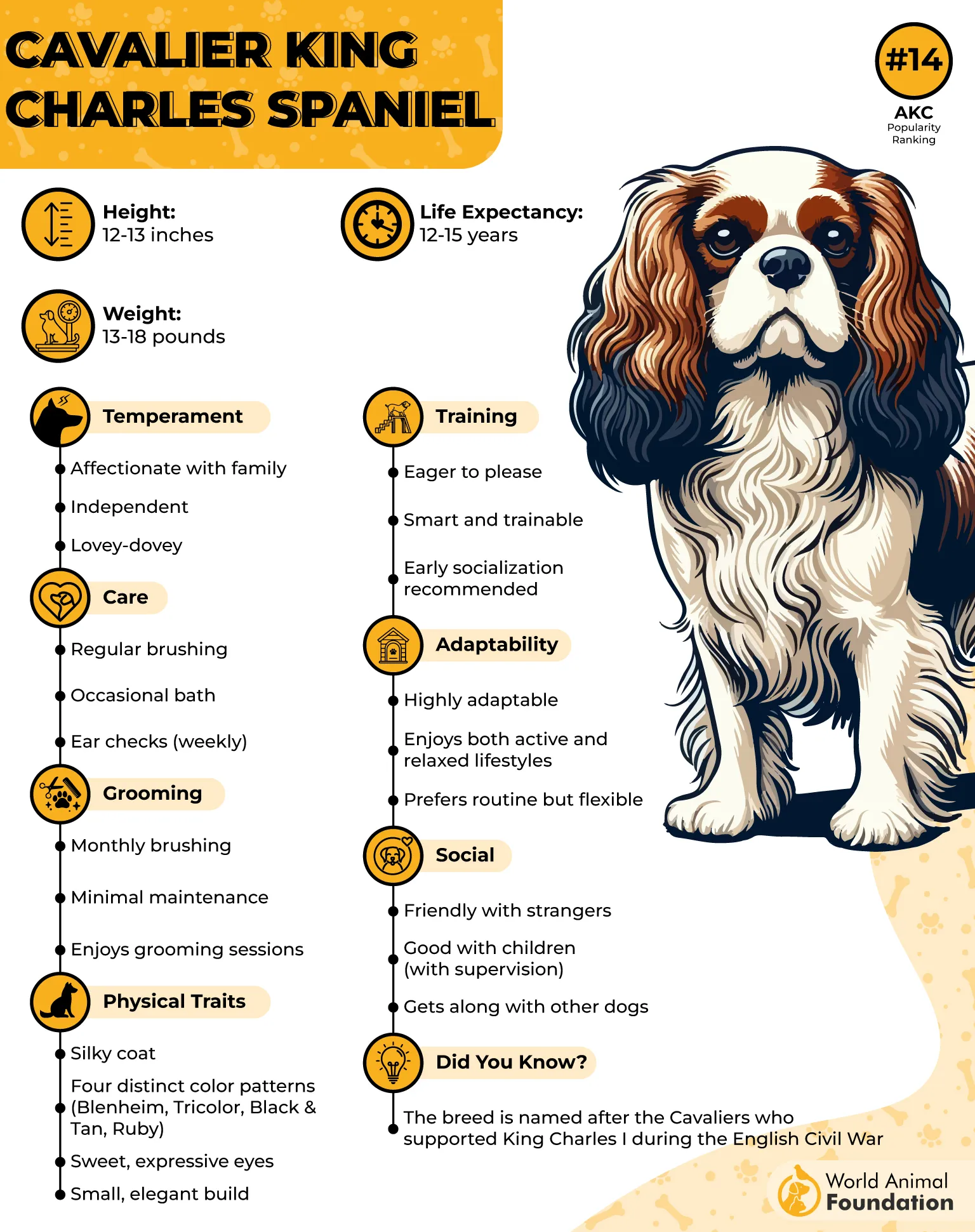
They are also very adaptable, thanks to their manageable size. Whether you live in an apartment or a house, they adjust easily as long as they are near their people.
One major insight from owners is their “emotional shadowing” behavior — they physically follow their owners everywhere, often lying near their feet or sitting nearby without being asked.
PDSA claims that they do require regular grooming and moderate exercise, but their energy levels are balanced. They are not hyper, nor are they lazy — they exist in a calm middle zone.
However, they are extremely prone to separation anxiety. Long periods of isolation can lead to stress-related behaviors, so they thrive in homes where someone is usually present.
9. Shih Tzu
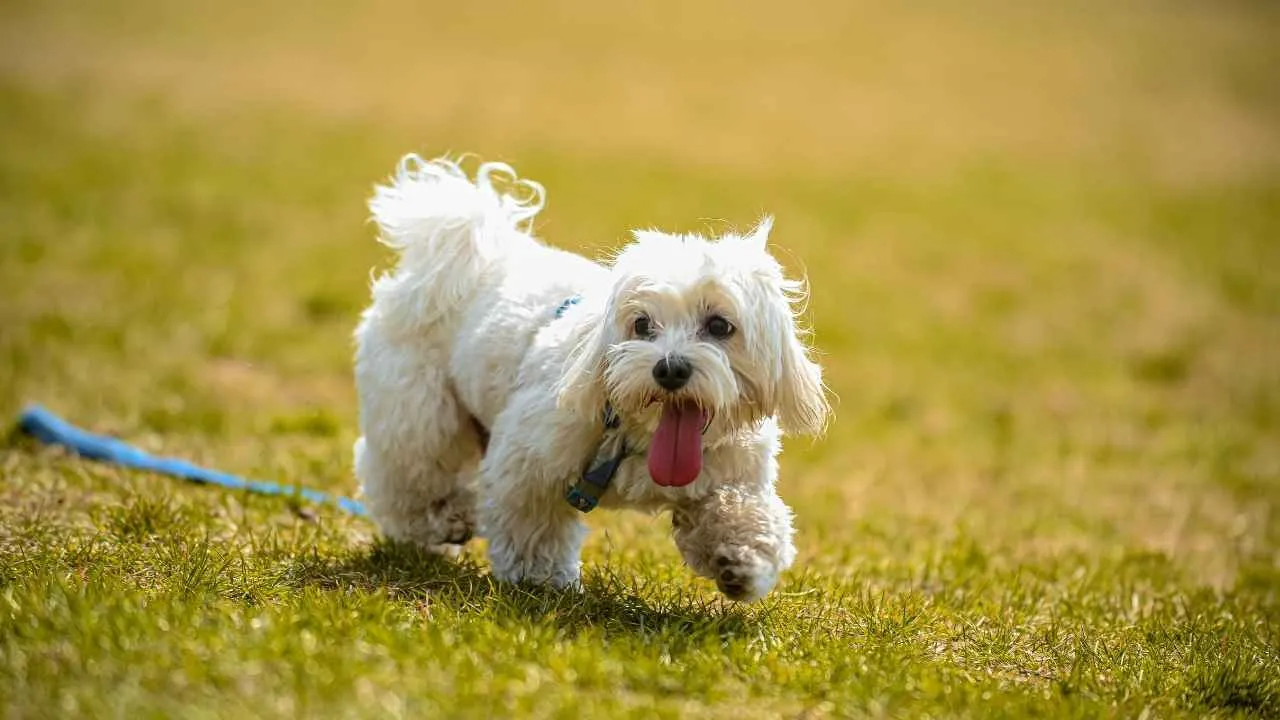
The Shih Tzu is one of the most emotionally expressive lap breeds.
Their entire personality is built around companionship and comfortable living.
They are calm, affectionate, and well-suited to indoor lifestyles. Historically bred as palace dogs, they still carry that “luxury companion” behavior pattern today.
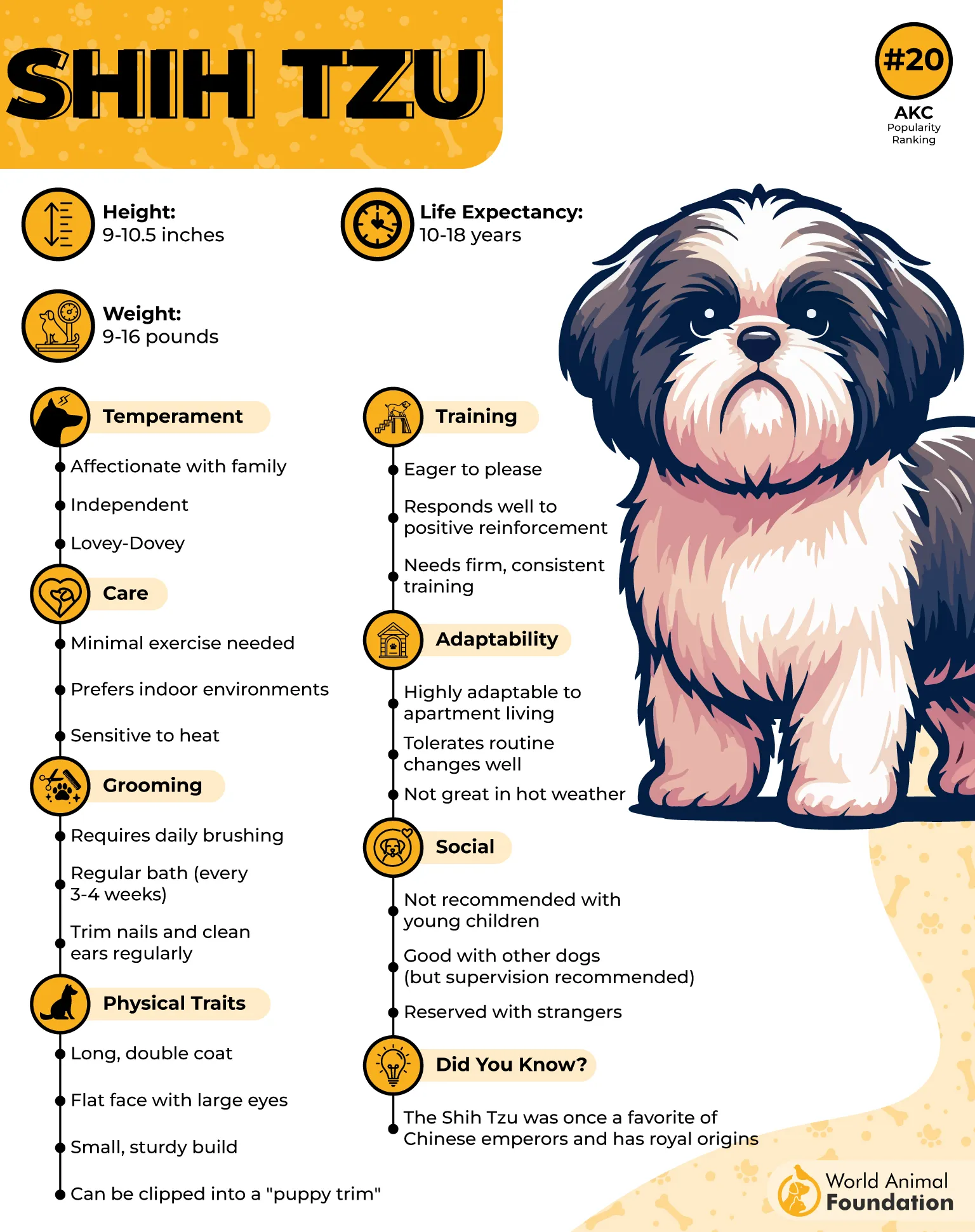
They are not highly driven by exercise but enjoy short bursts of play and daily walks. Most of their happiness comes from proximity to humans rather than physical activity.
One interesting trait is their social flexibility. They generally get along well with children, pets, and strangers if properly socialized early.
They can be stubborn during training, not because of limitations in intelligence, but because of selective motivation. If they don’t see value in a command, they may ignore it.
They are best suited for relaxed households where they can remain close to their owners throughout the day.
10. Lhasa Apso
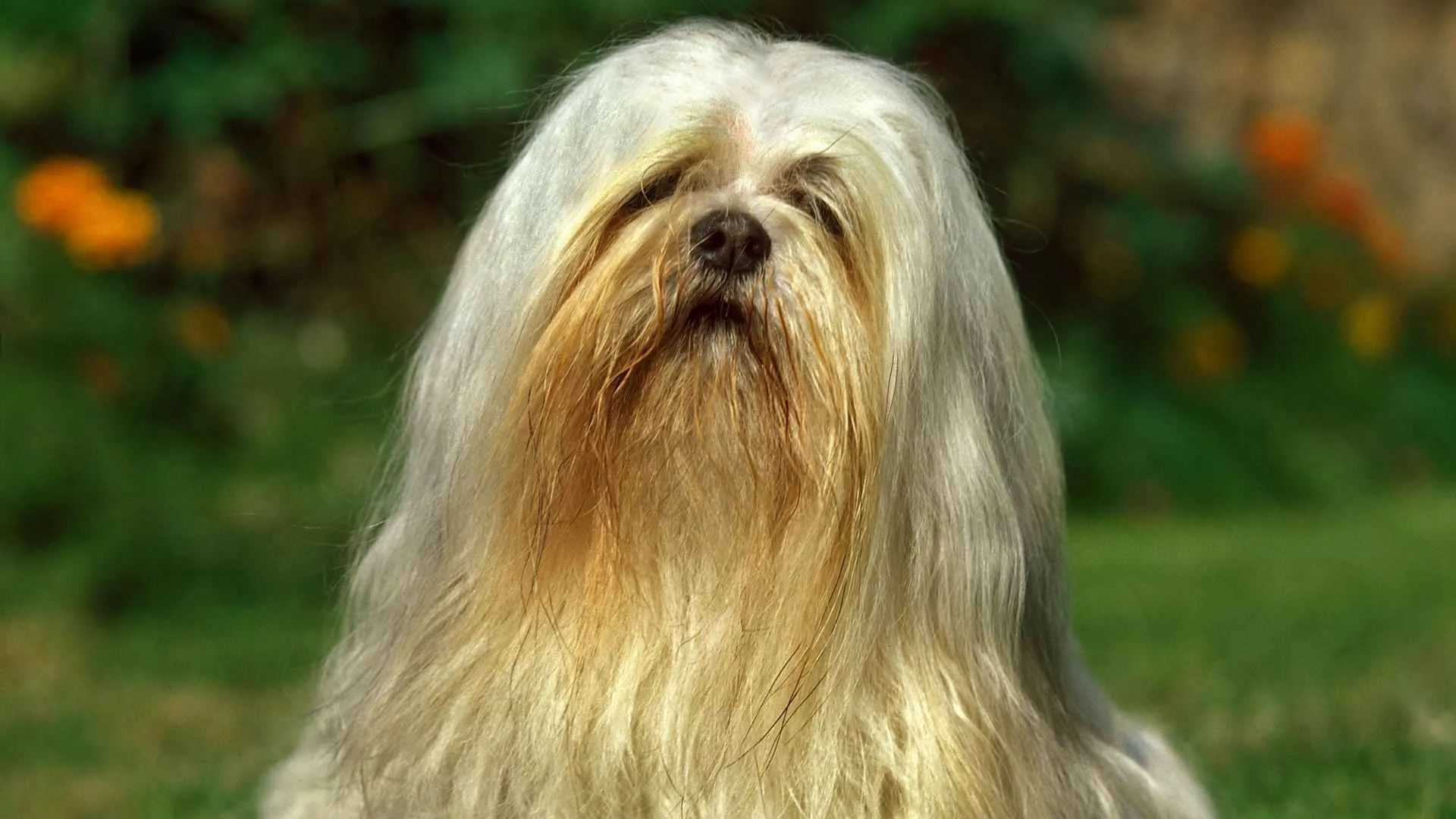
The Lhasa Apso is one of the oldest companion watchdog breeds, originally bred to guard Tibetan monasteries. This explains its naturally alert and independent personality.
They are more self-directed than most small breeds. Unlike clingy lap dogs, Lhasas enjoy personal space and don’t always seek constant attention.
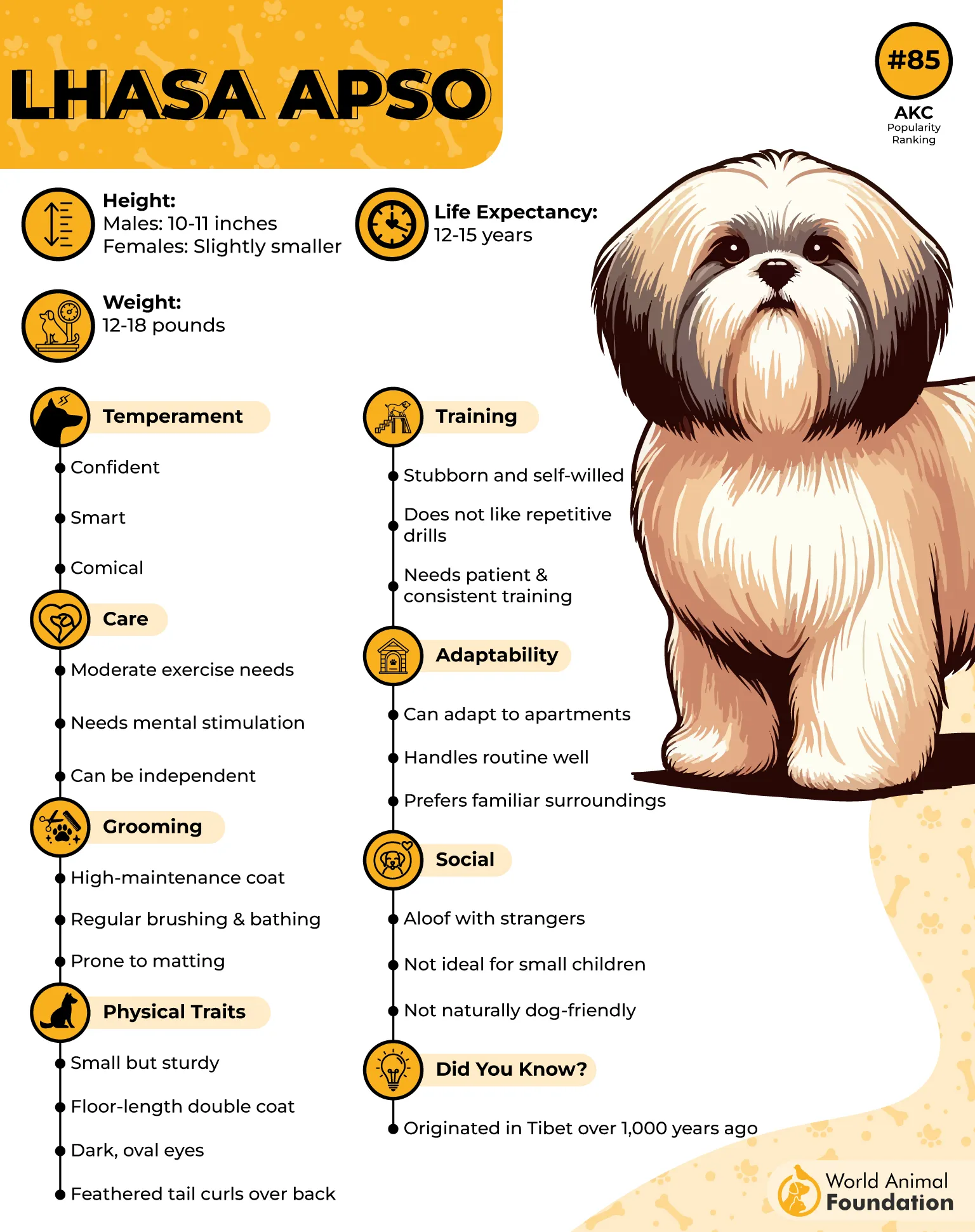
However, they are extremely loyal once bonded, says PetMD. They tend to form deep attachments to their family but remain cautious around strangers.
They are also highly vocal compared to many toy breeds. Their instinct to bark is strong, stemming from their historical role as guards.
Behaviorally, they are intelligent but independent-minded. Training requires patience because they often evaluate whether commands are worth following.
They are best suited for experienced owners who appreciate a small dog with a strong personality and natural watchdog instincts.
Conclusion
If you strip everything down, the best small dogs for a relaxed lifestyle all share one thing: they don’t fight your peace — they join it.
Some are clingy in a comforting way (like Cavalier King Charles Spaniel or Havanese). Others are independent observers (like Japanese Chin or Pekingese). And a few are just emotional softeners that quietly improve your daily routine (like Bolognese or Shih Tzu).
Other dogs, such as Basset Hounds, French Bulldogs, Miniature Pinschers, Cocker Spaniels, Toy Poodles, Jack Russell Terriers, Yorkshire Terriers, Italian Greyhounds, and Bichon Frises, also offer great human companionship and a relaxed lifestyle.
The key is not just choosing a “small dog” — it’s choosing a low-conflict personality match. Because a calm home isn’t about silence, it’s about balance.
