




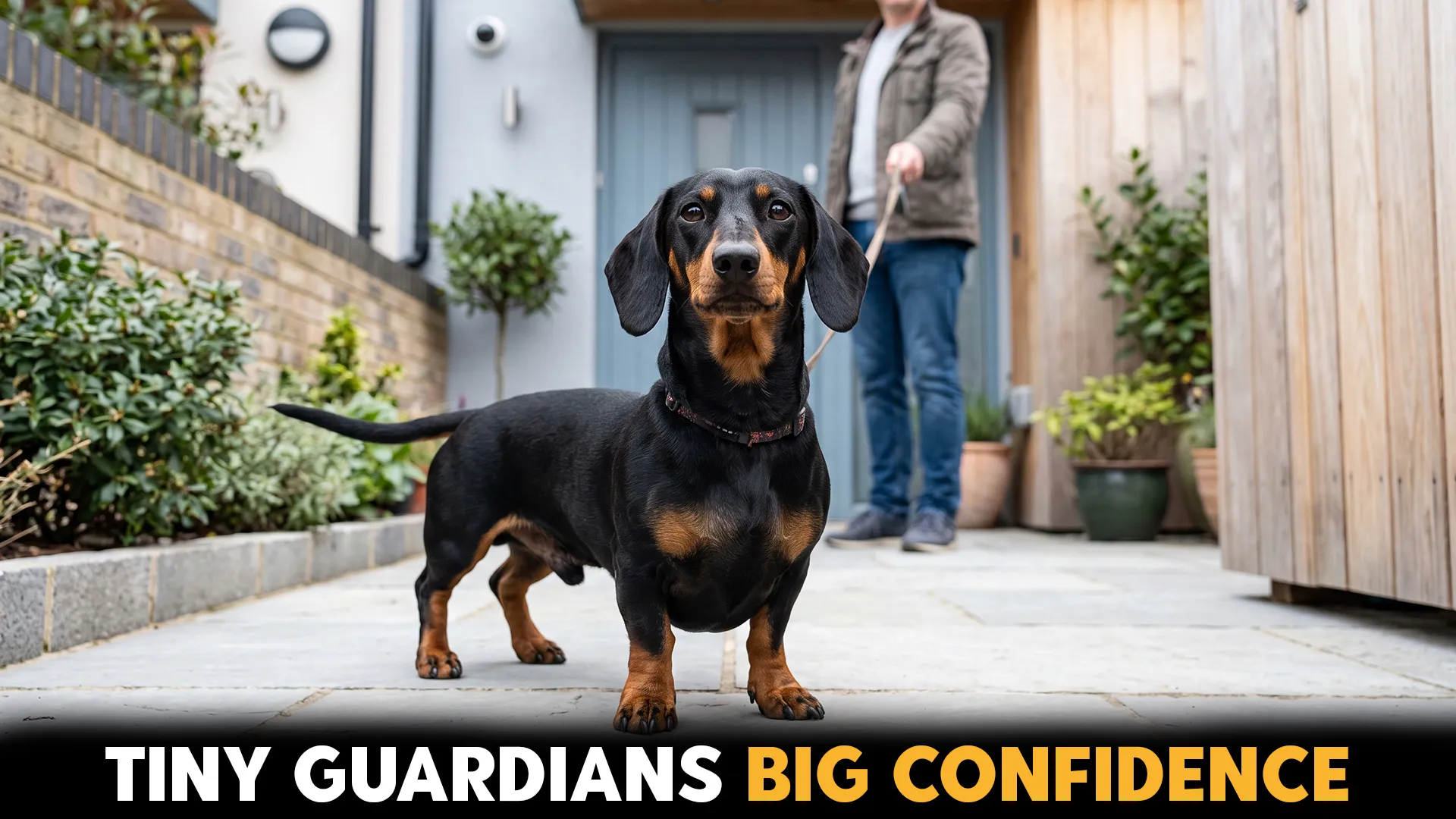
A 2021 University of Helsinki study tracking nearly 9,000 dogs found something most pet parents never expect: small breeds act out aggressively more often than big dogs, yet almost nobody treats it as a real warning sign.
According to the Scientific Reports study, that mismatch between bark and bite might be exactly what makes some small guard dogs so effective. Big reactions in tiny bodies are not an accident; they are practical advantages wired right into a dog’s temperament.
Here’s the catch, though: a loud, fearless reaction is not automatically real protection. So what actually separates a genuine small guard dog breed from one that is simply noisy and reactive?
That question matters for any pet owner choosing a family dog meant to double as home security. Keep reading, because the next part breaks down which compact, highly intelligent breeds back their big attitude with real instinct.
Small Dog Breeds: Compact Size, Maximum Protection
1. Australian Terrier
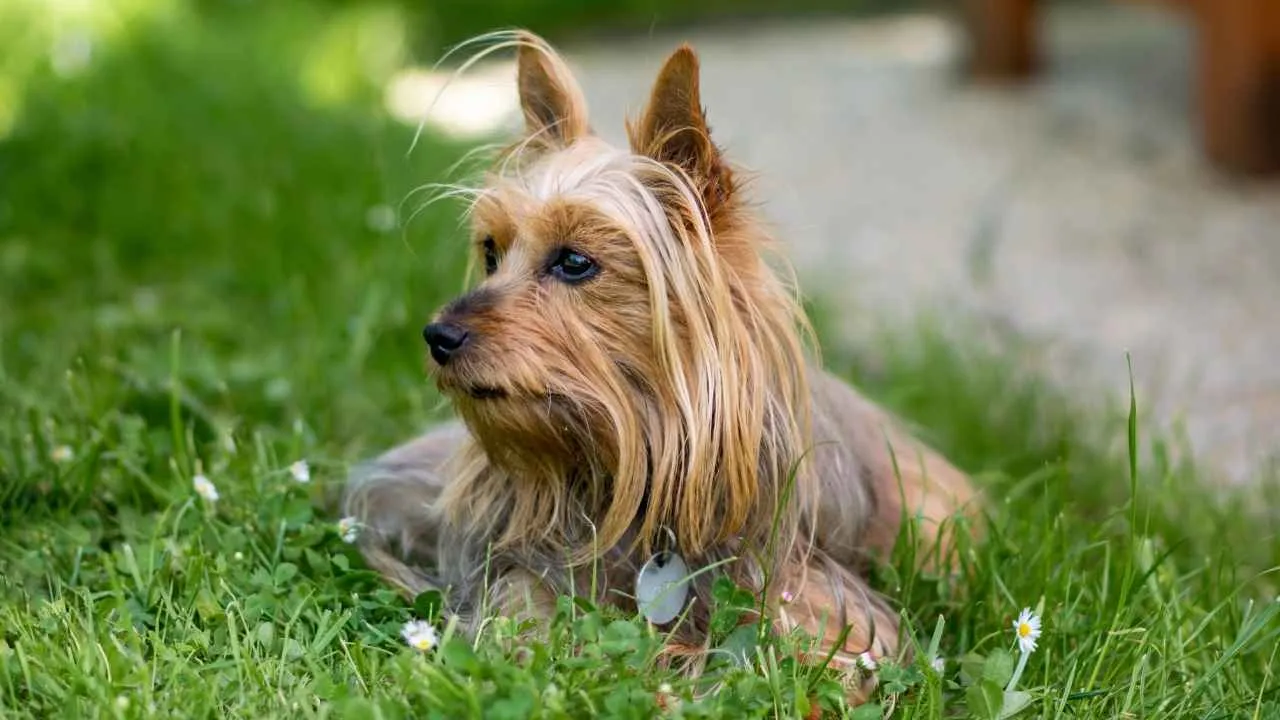
The Australian Terrier was bred to guard sheep stations and chase off vermin, and that scrappy job never left its personality. This rough-and-tumble worker still barks with a confidence that belies its small size, according to the AKC. Owners often say that bark belongs to a much bigger dog.
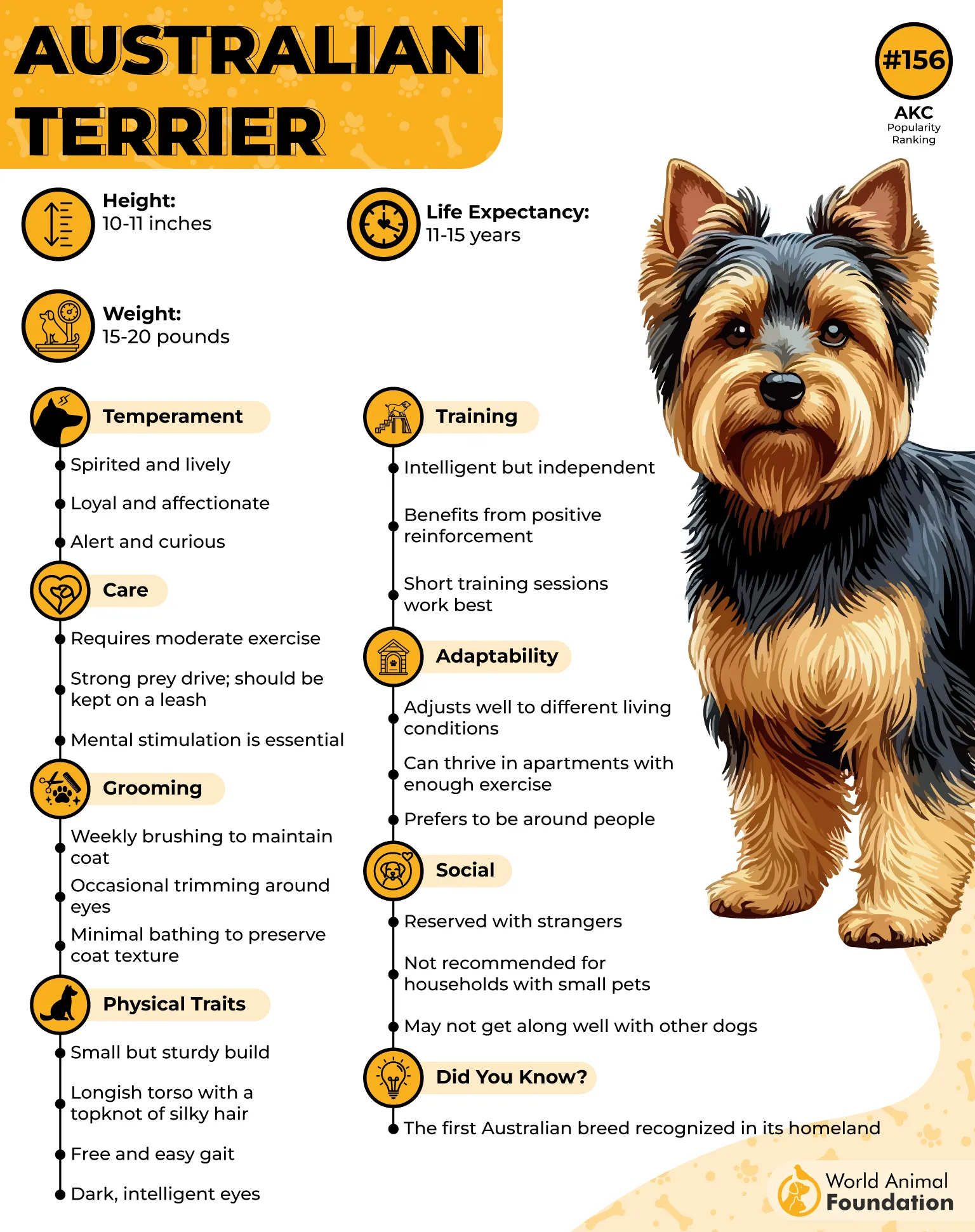
This terrier sounds the alarm fast, but it cannot physically overpower a real threat. Its actual strength is early detection, not a standoff. Think smoke alarm, not bouncer.
Training tip: Teach a reliable “quiet” cue early so its natural alertness turns into useful signaling instead of nonstop noise.
This breed suits families wanting a confident, fun-loving companion without needing one of the bigger breeds underfoot. It adapts well to apartment living as long as daily walks keep its energy levels in check.
2. Cairn Terrier
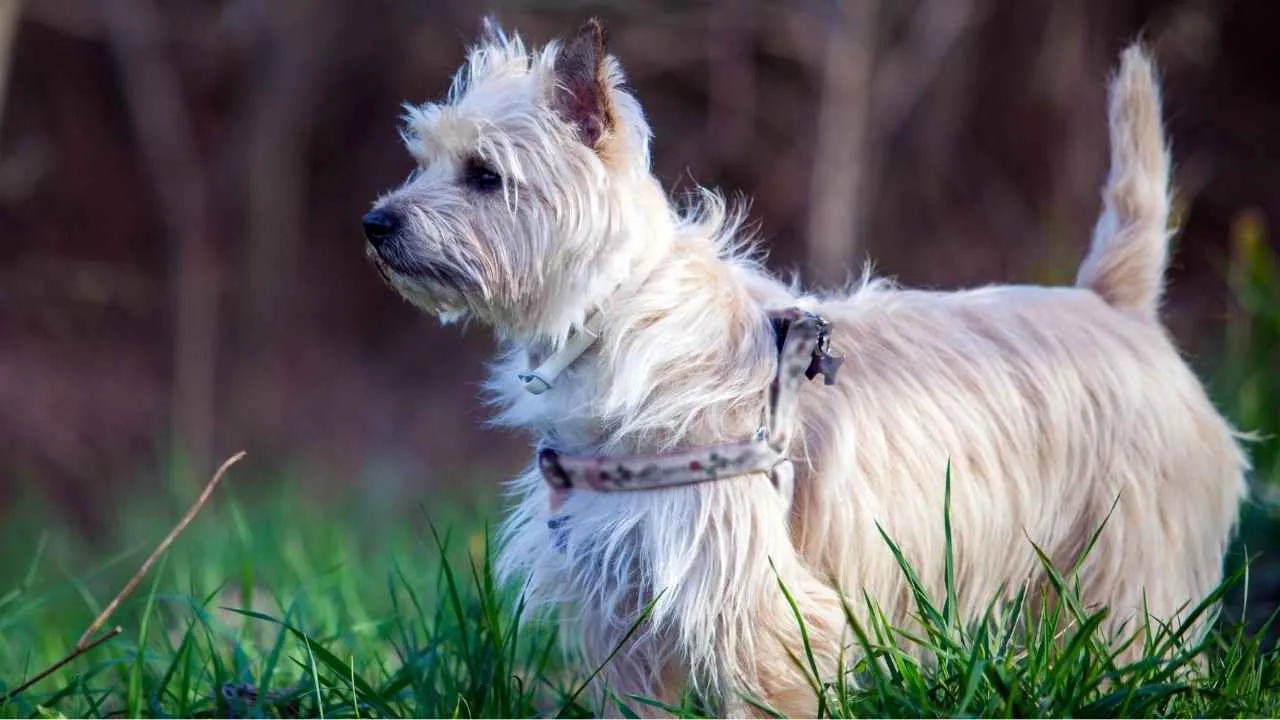
The Cairn Terrier was built to flush foxes and badgers from rocky dens, and that fearless digging instinct shaped its guard dog reputation. It has a wiry coat and a big personality, always scanning for unfamiliar sounds. This is one of those small guard dog breeds that genuinely believes it owns the yard.
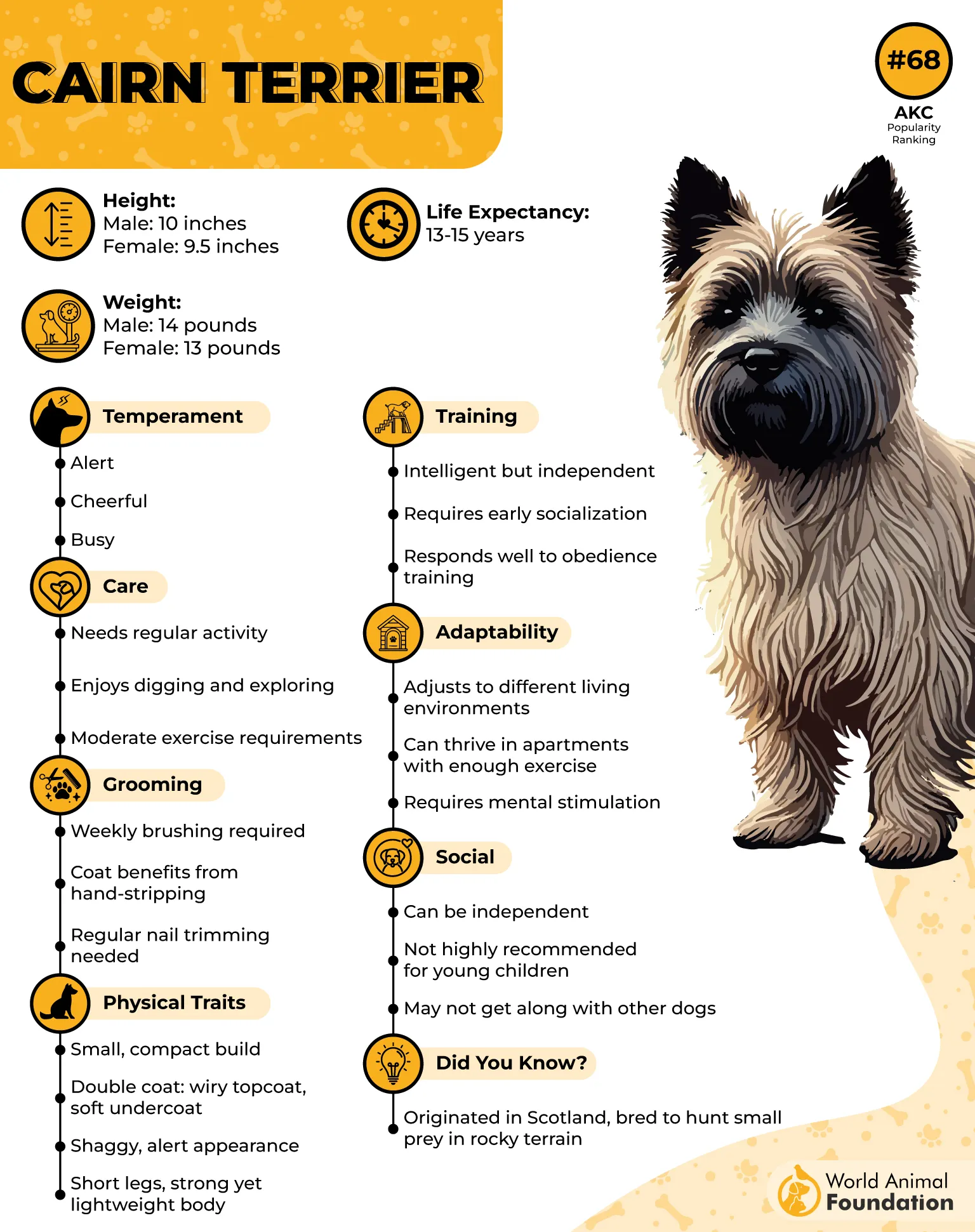
A Cairn Terrier will announce a stranger loudly, but it has no interest in a fight it cannot win. Its protective instincts are mostly noise and nerve. It is a messenger, not a bodyguard.
Management tip: Rotate puzzle toys and short training games daily so mental stimulation replaces the urge to bark at every passing shadow.
This even-tempered terrier fits pet owners after excellent family dogs with a bit of spunk. It handles younger kids well once properly trained early.
3. Dachshund
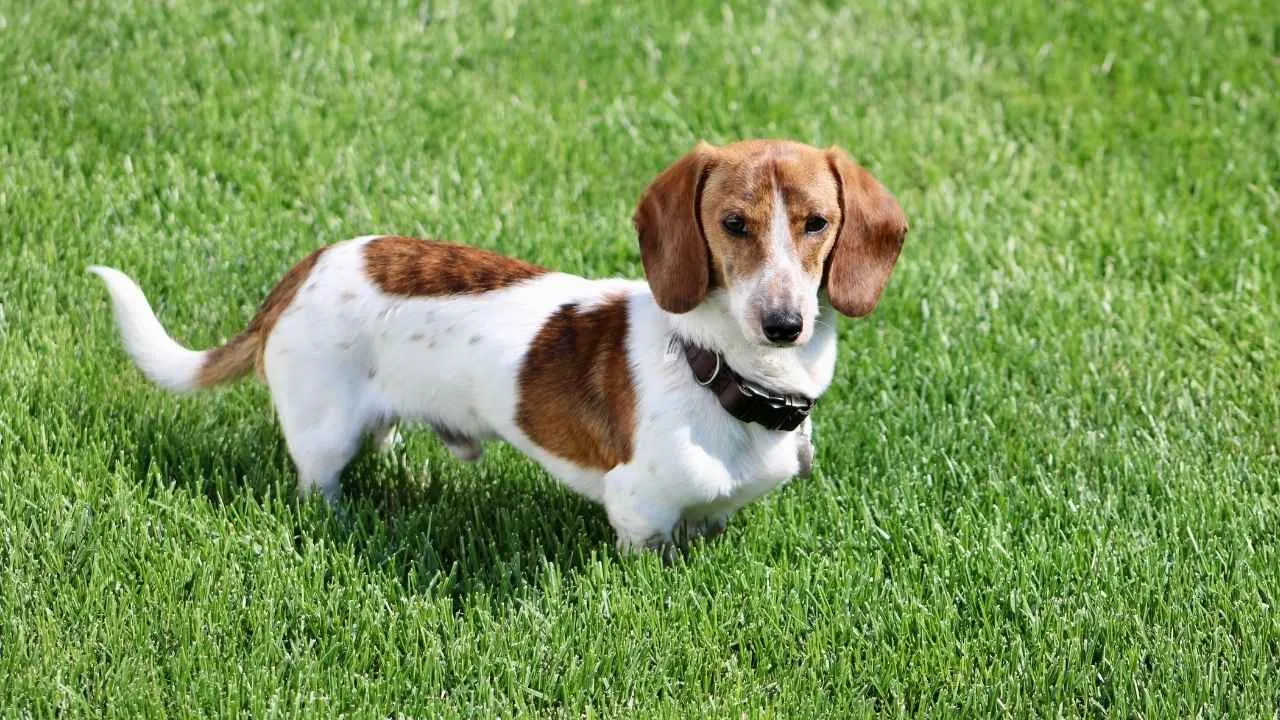
Wiener dogs were bred to hunt badgers underground, and that tunnel courage still shows up as fierce territorial barking at the door. PDSA notes that this low-slung build hides a surprisingly bold temperament. A Dachshund does not seem to notice it is one of the little dogs.
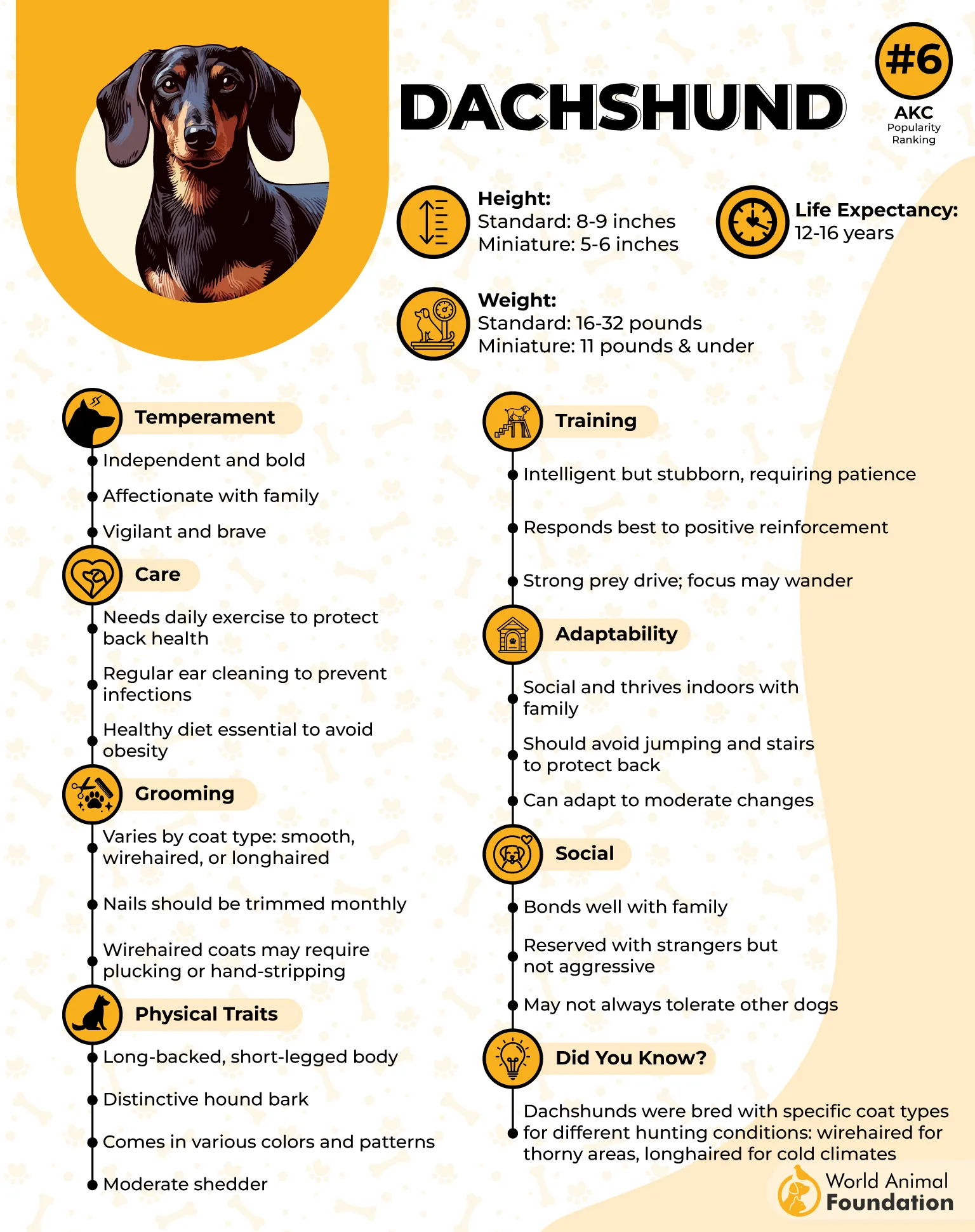
A Dachshund can bark, lunge, and posture impressively, but its short legs cannot back up a real confrontation. Its protection value lives almost entirely in the warning, not the fight. The threat alone usually does the job.
Behavior tip: Use positive reinforcement for calm greetings so its watchdog instinct does not turn into daily battles with the mail carrier.
This breed works well for dog owners wanting a loyal lap companion with a surprisingly confident streak. It suits apartment dwellers fine, since it needs only moderate daily walks.
4. Jack Russell Terrier
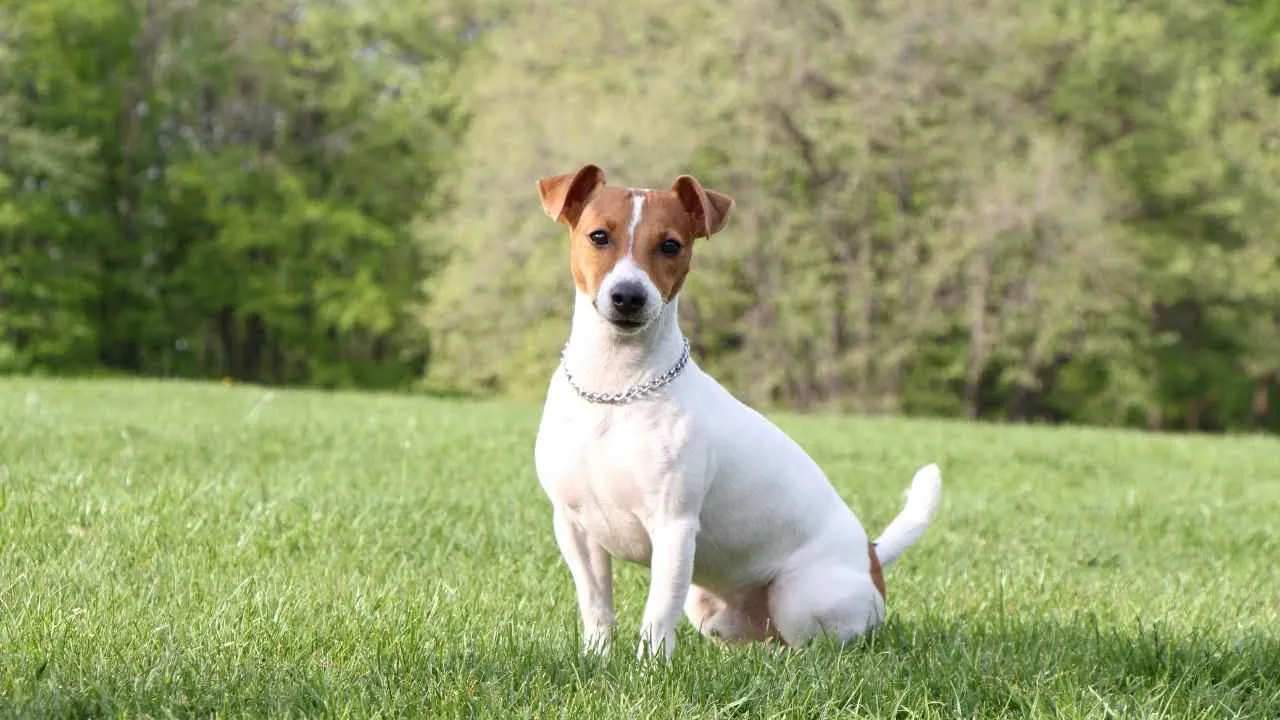
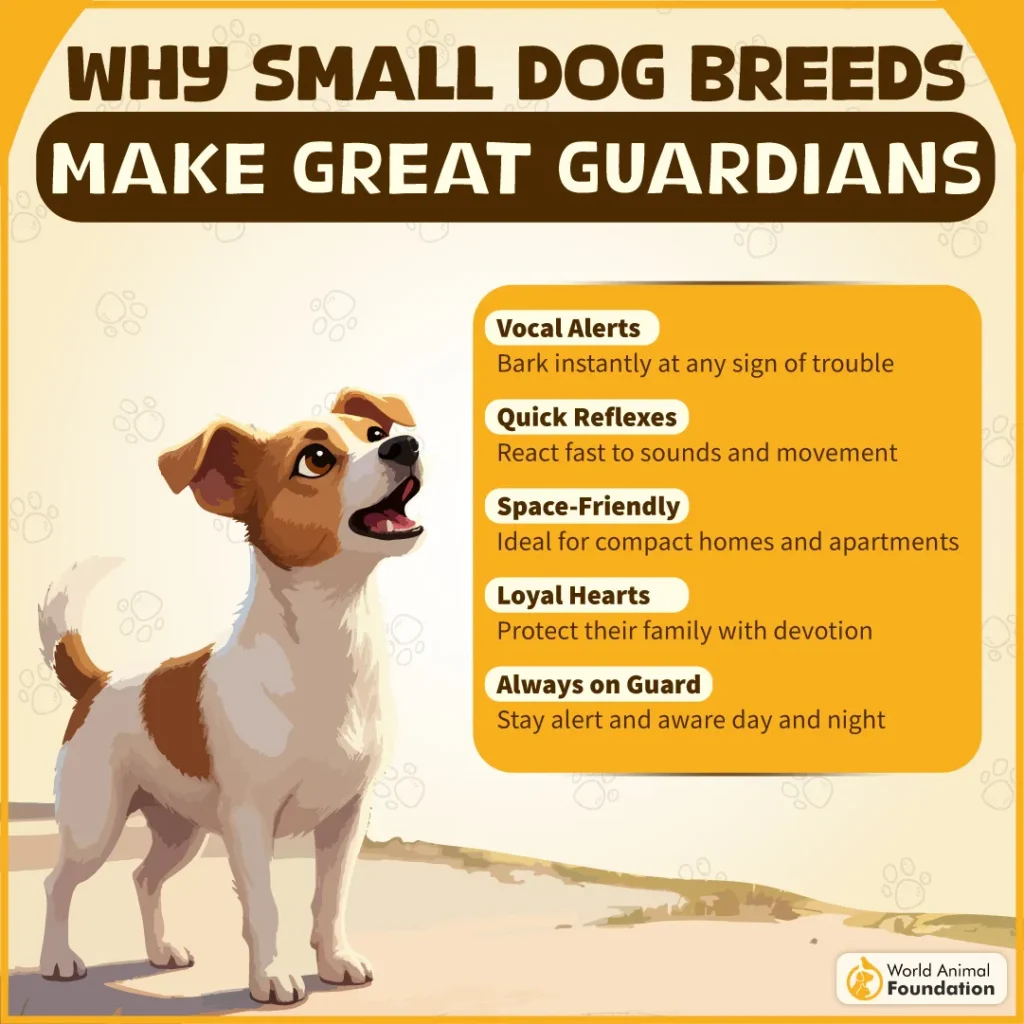
The Jack Russell Terrier was developed for fox hunting, and that working breed grit gives it a genuinely fearless streak around strangers and other animals alike. According to Omlet, this terrier’s confidence was bred in, not accidental. It treats home security like a personal assignment.
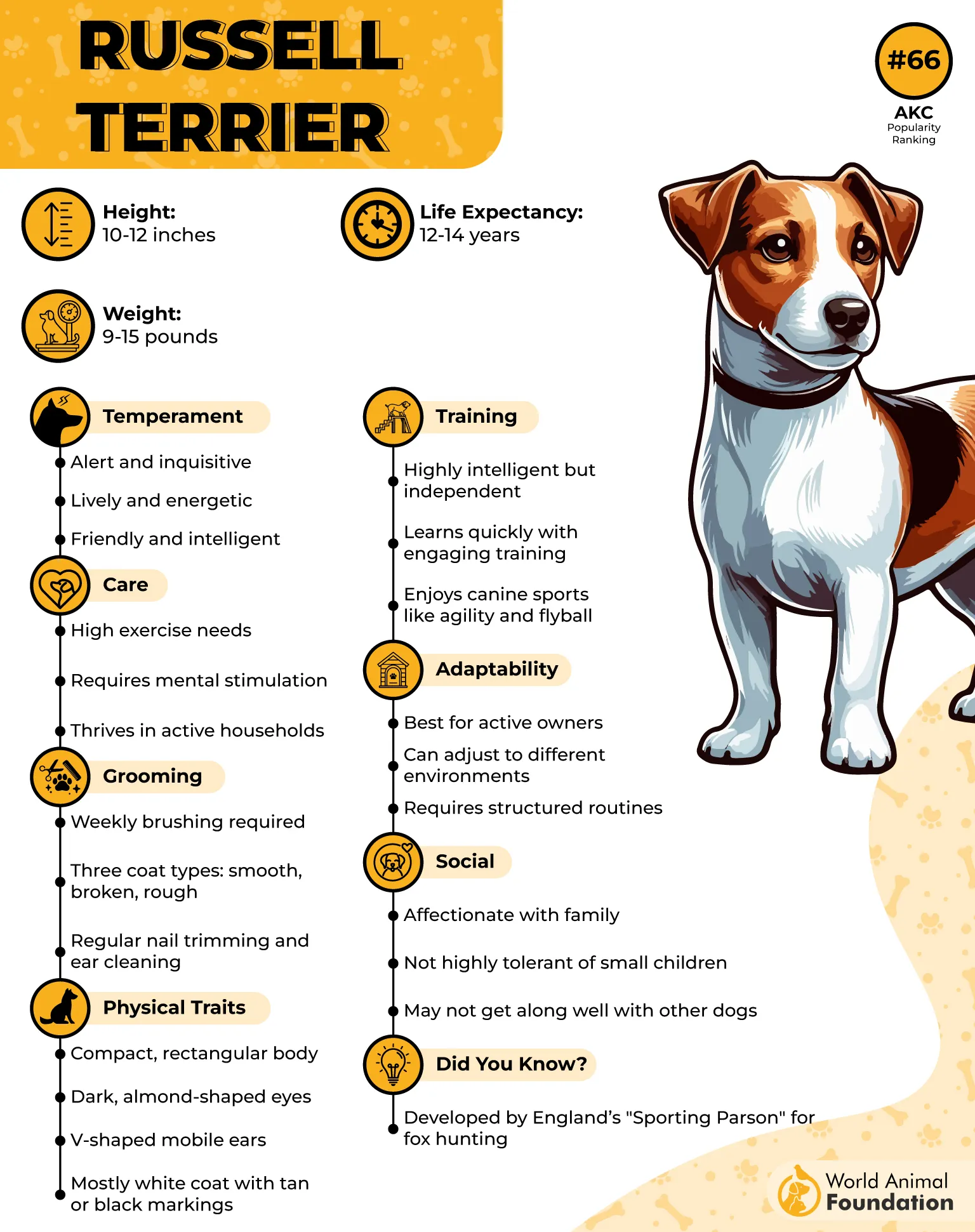
This terrier reacts fast and loud, but its small size means it cannot physically stop an intruder on its own. Its real contribution is split-second detection and relentless noise. It is an alarm system with legs.
Exercise tip: Give it vigorous daily exercise and structured games so its relentless energy channels into play instead of guarding everything that moves.
Active pet lovers who enjoy athletic, energetic dogs will appreciate this breed most. It fits best with families who have time for sufficient exercise, not quiet apartment living.
5. Miniature Schnauzer
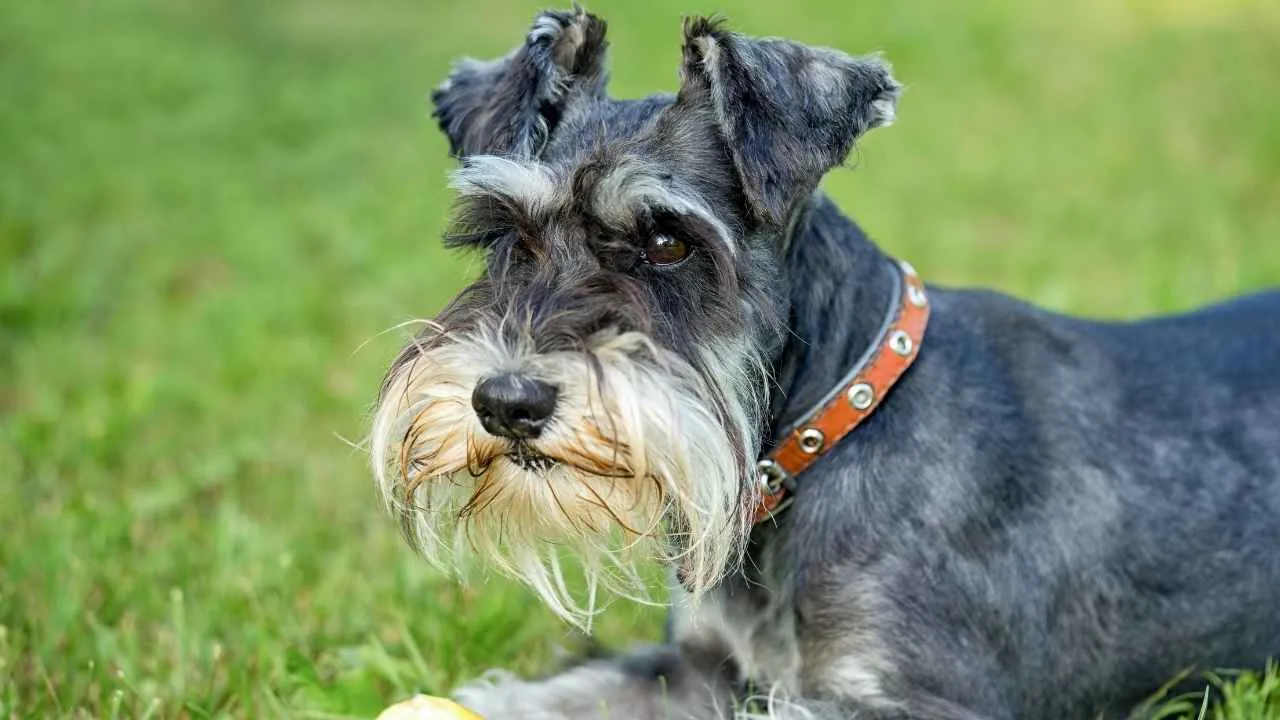
The Miniature Schnauzer descends from working farm dogs bred to guard property and hunt rodents, and that heritage still fuels its sharp, attentive bark. VCA Animal Hospitals points out that this breed’s alertness is unusually consistent for its manageable size. It rarely misses a sound worth investigating.
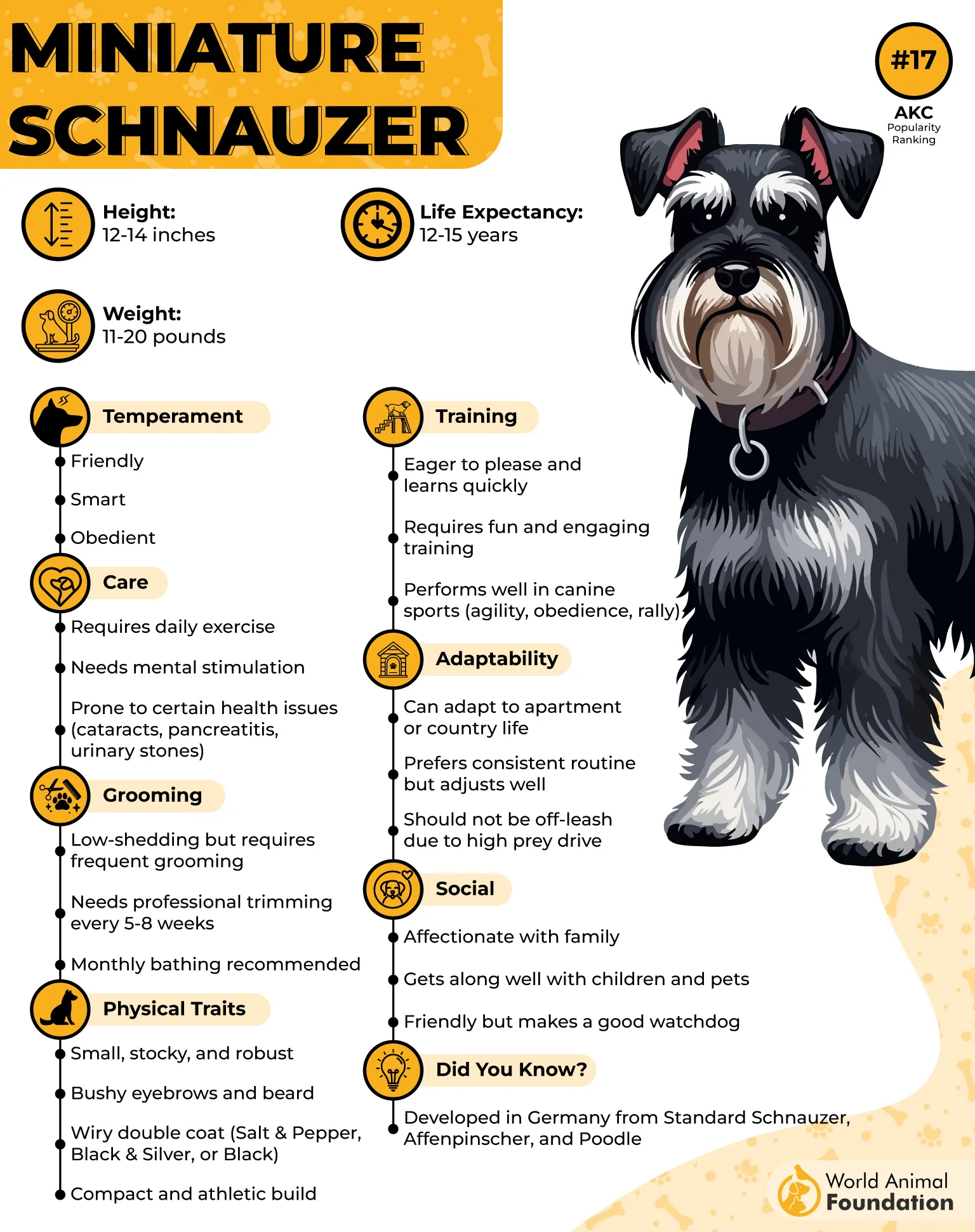
A Miniature Schnauzer notices everything, but noticing is where its guarding ability ends against any real danger. It lacks the size to intimidate or physically intervene. Its superpower is attention, not force.
Training tip: Practice calm-down commands during routine visitors so its sharp awareness does not slide into constant alarm barking.
This breed suits dog lovers who want an intelligent, even-tempered dog with a wiry coat. It adapts comfortably to family life, including homes with other pets and younger kids.
6. Tibetan Spaniel
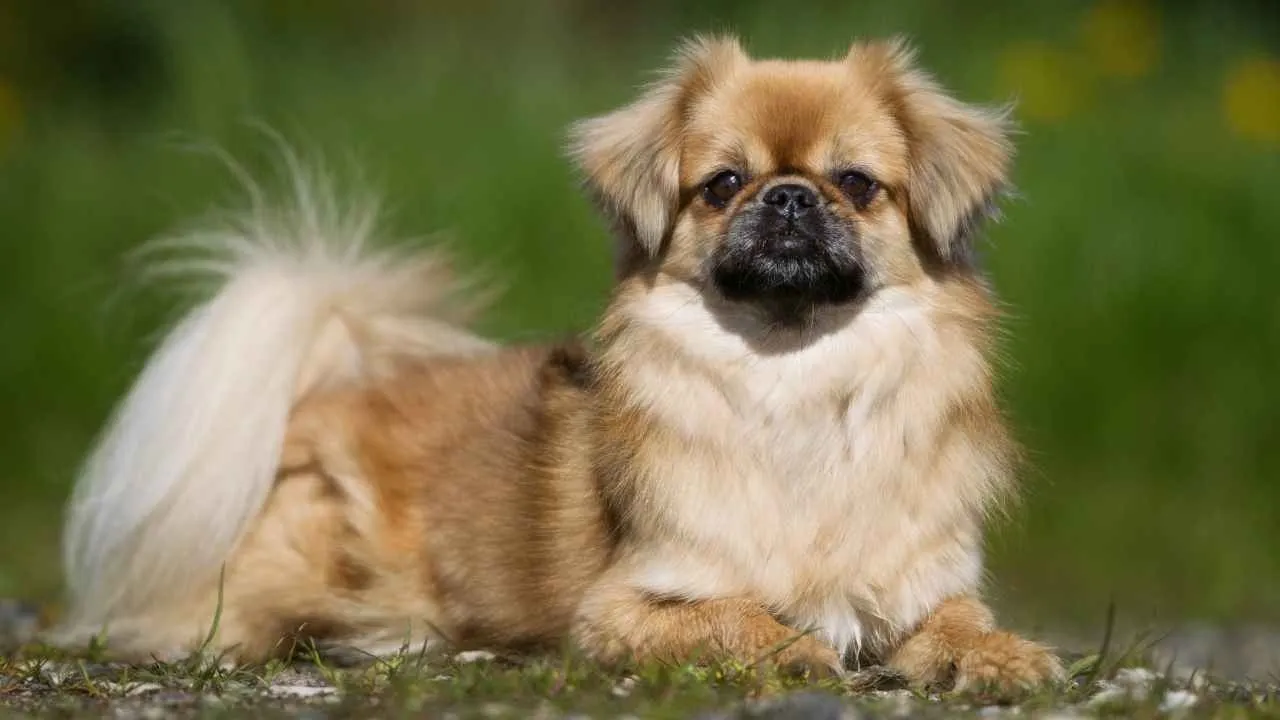
Tibetan Spaniels once perched on monastery walls, watching for approaching visitors long before anyone reached the gate, a role PetMD traces back centuries. That elevated lookout habit still defines its temperament today. This small breed treats height and vantage points like a personal duty.
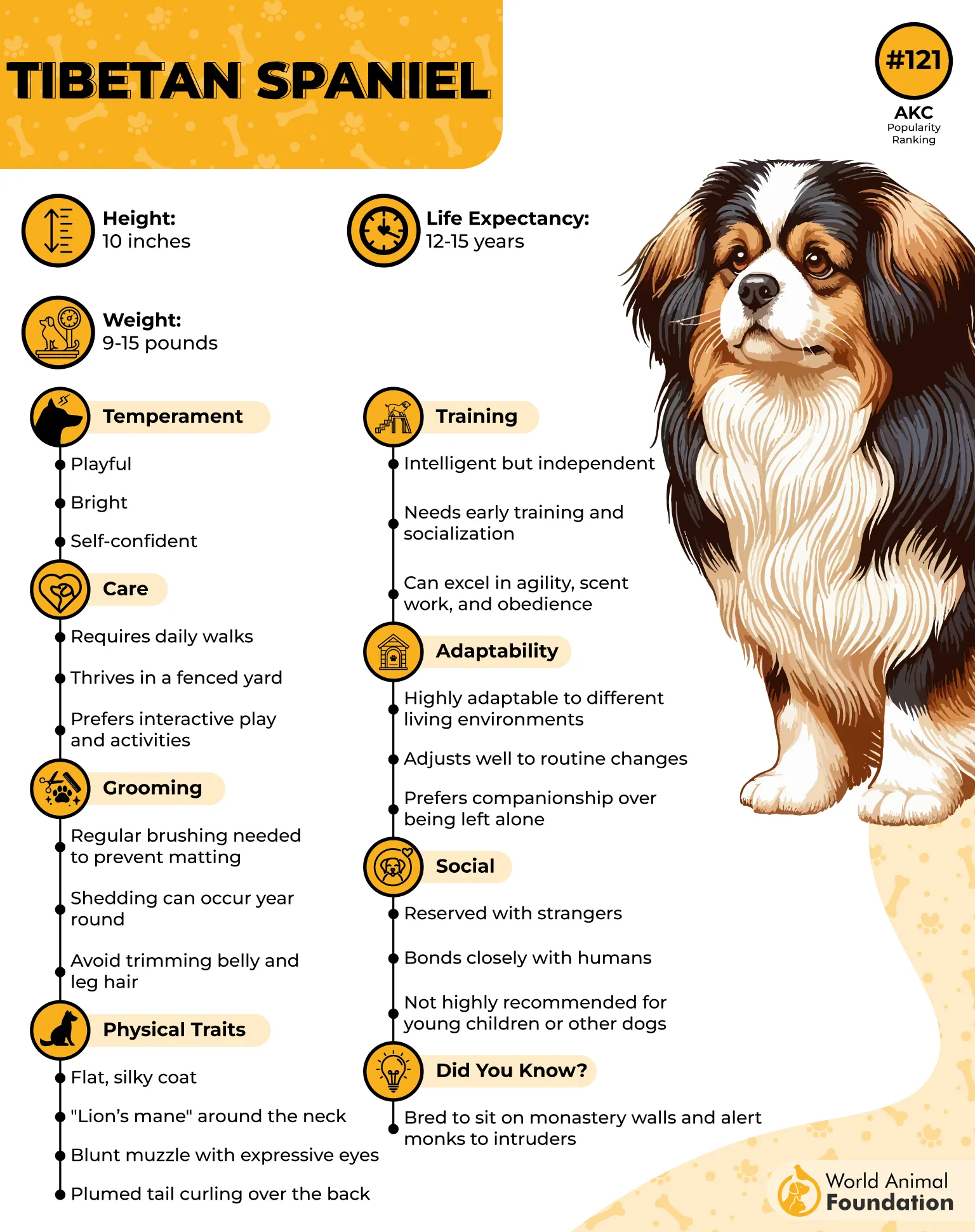
A Tibetan Spaniel can spot and announce a visitor with real precision, but it has no physical means of stopping one. Its contribution stops at advance notice. It is a lookout, never a line of defense.
Socialization tip: Expose it to new visitors and settings gradually so its watchful nature stays curious rather than suspicious of everyone.
This gentle, fluffy-coated companion suits pet parents who offer a calm, quieter home. It fits apartment living nicely and gets along with other dogs when introduced properly.
7. Miniature Pinscher

The Miniature Pinscher carries itself like one of the best guard dogs, strutting around its miniature frame with the self-assurance of a much larger animal. This smooth-coated breed is fiercely territorial about its space and its people. Its nickname, the king of toys, says everything about its self-image.
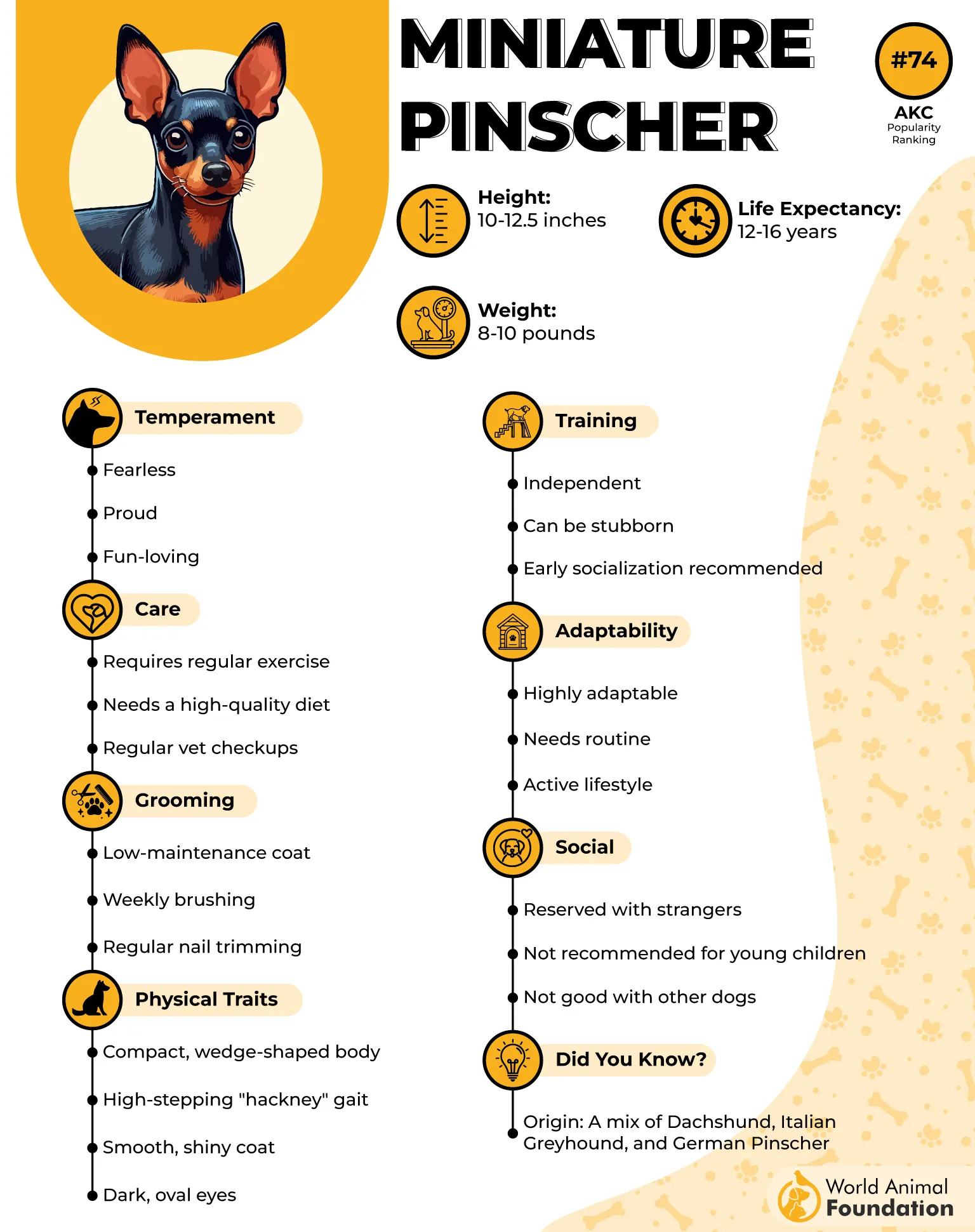
This little dog is all confidence and zero muscle when it comes to actually confronting a threat. Its bark and bravado rarely match its physical limits. It bluffs far better than it fights.
Boundary tip: Set firm household rules early and reward settled behavior so its strong desire to patrol does not turn into constant reactivity.
Pet parents wanting an active, extremely loyal dog with a big personality will enjoy this breed most. It thrives in homes with regular brushing routines and daily walks.
Conclusion
These seven prove that small breeds and serious guard instincts are not opposites; they are just a different combination of confidence, personality, and coat types packed into one compact guard.
From a Dachshund’s bold bark to a Miniature Pinscher’s fearless strut, each pup shows how a strong desire to protect can easily outweigh size.
Calm or energetic, gentle or confident, there is a match among these small packages ready to become one of your family’s best small dog breeds and most excellent companions. Go meet your guard and start getting to know these pups today.
