




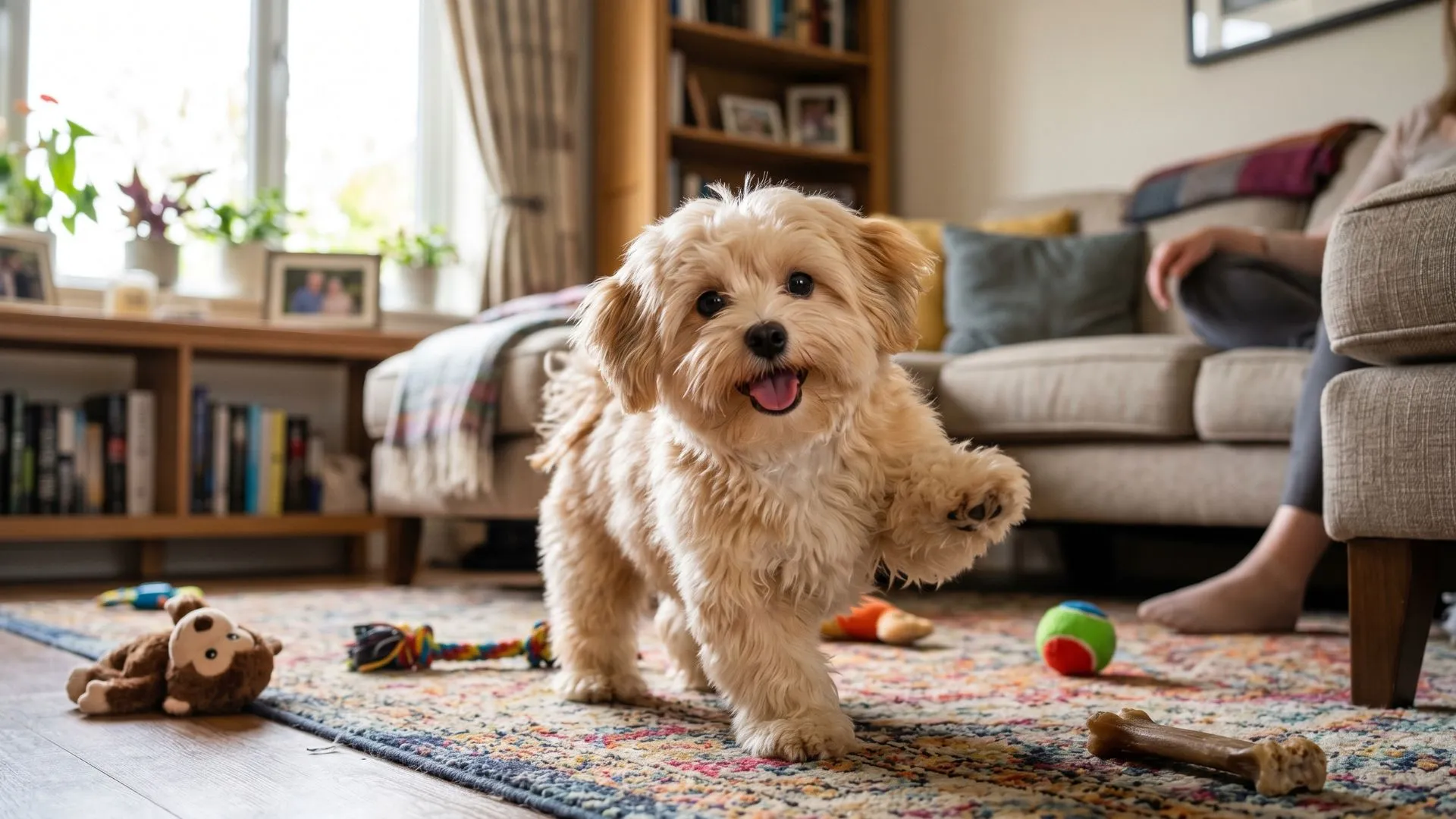
You think a small dog will be easy. Less space, less effort, less noise. That idea sounds right until you actually live with one that never seems to slow down.
The quick bursts of energy, the constant need for play, the way it turns ordinary moments into something lively can feel like a lot at first. But then something shifts. That same energy starts to feel less like work and more like a spark that keeps your day moving.
The house feels quieter in a good way. Even simple routines feel lighter because there is always something happening around you. Not every small dog brings that kind of presence, though. Some are calm, some are reserved, and some are built entirely around movement and excitement.
Knowing which ones naturally carry that playful spirit makes all the difference, and that is exactly what you are about to explore next.
Key Takeaways
Some small breeds seem to carry endless energy, shifting from play to attention to movement without ever feeling tired.
Papillon and Toy Poodle carry this spark effortlessly, jumping between games, learning, and constant interaction without slowing down.
Breeds like Bichon Frise and Havanese stay close to people, reacting to every little change and keeping the home feeling alive.
As you move through the list, each breed adds its own kind of energy that slowly builds into something hard to ignore.
Lively Small Dog Breeds That Bring Smiles and Playful Moments
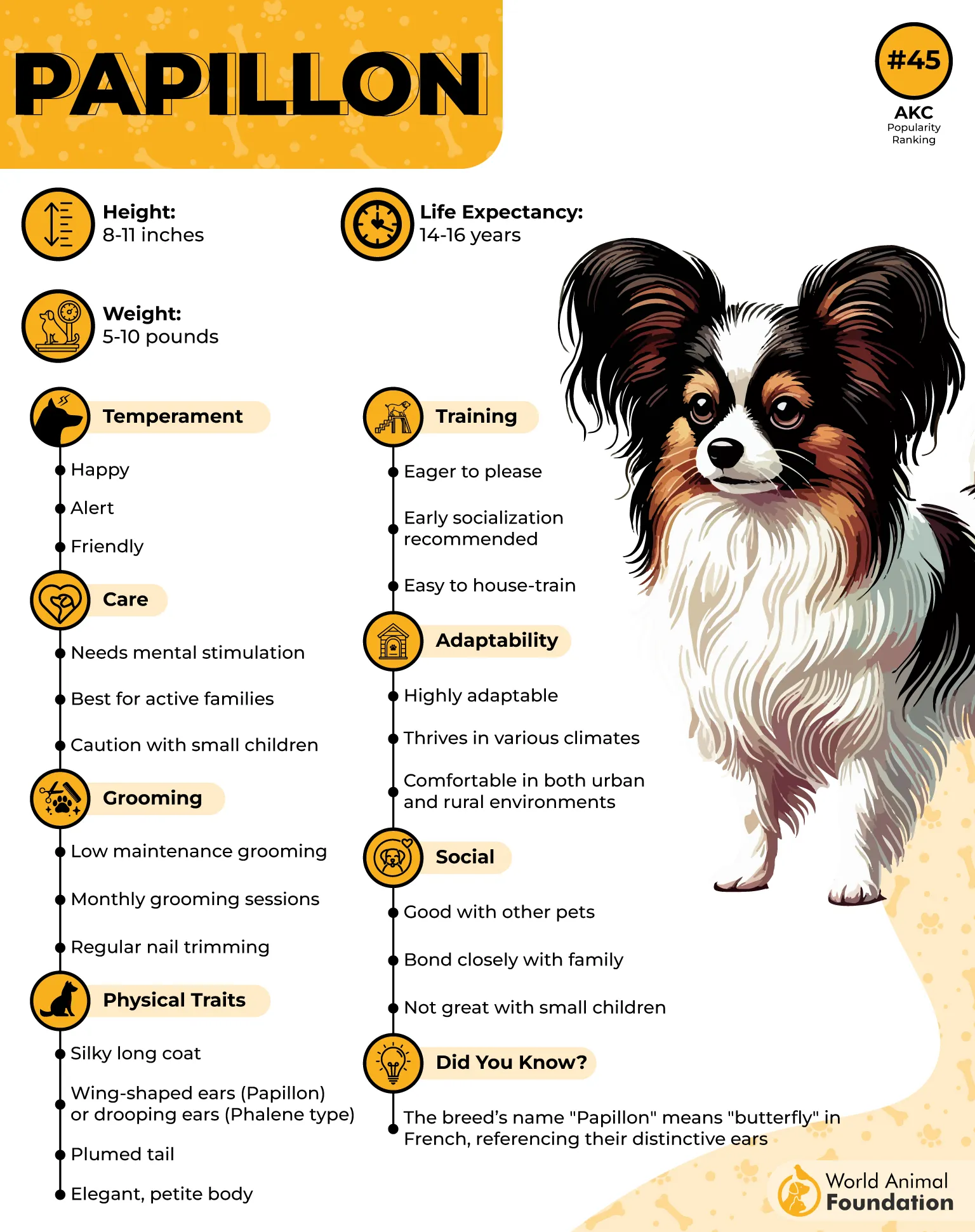
1. Papillon
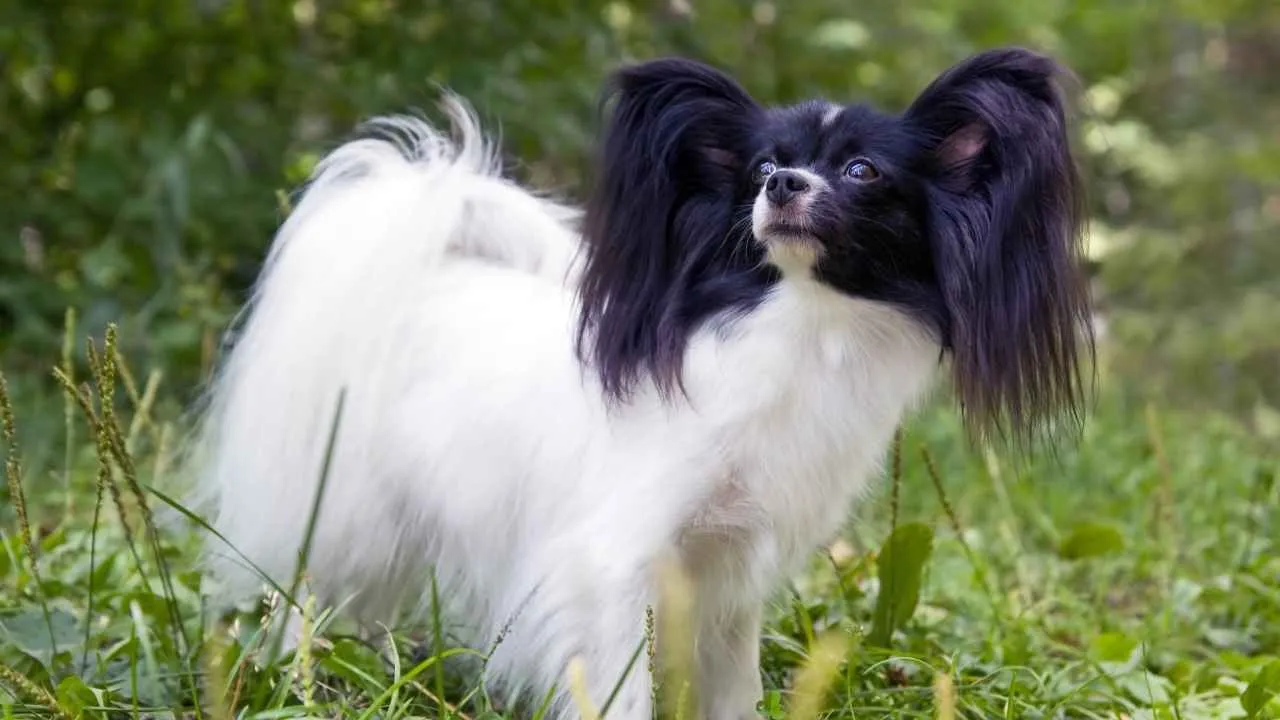
The Papillon draws attention through its butterfly-like ears, framed with long, flowing hair that gives the breed its name.
This striking feature has been recognized in European artwork for centuries, showing its long-standing presence alongside people. Its small frame pairs elegance with a constant alert expression.
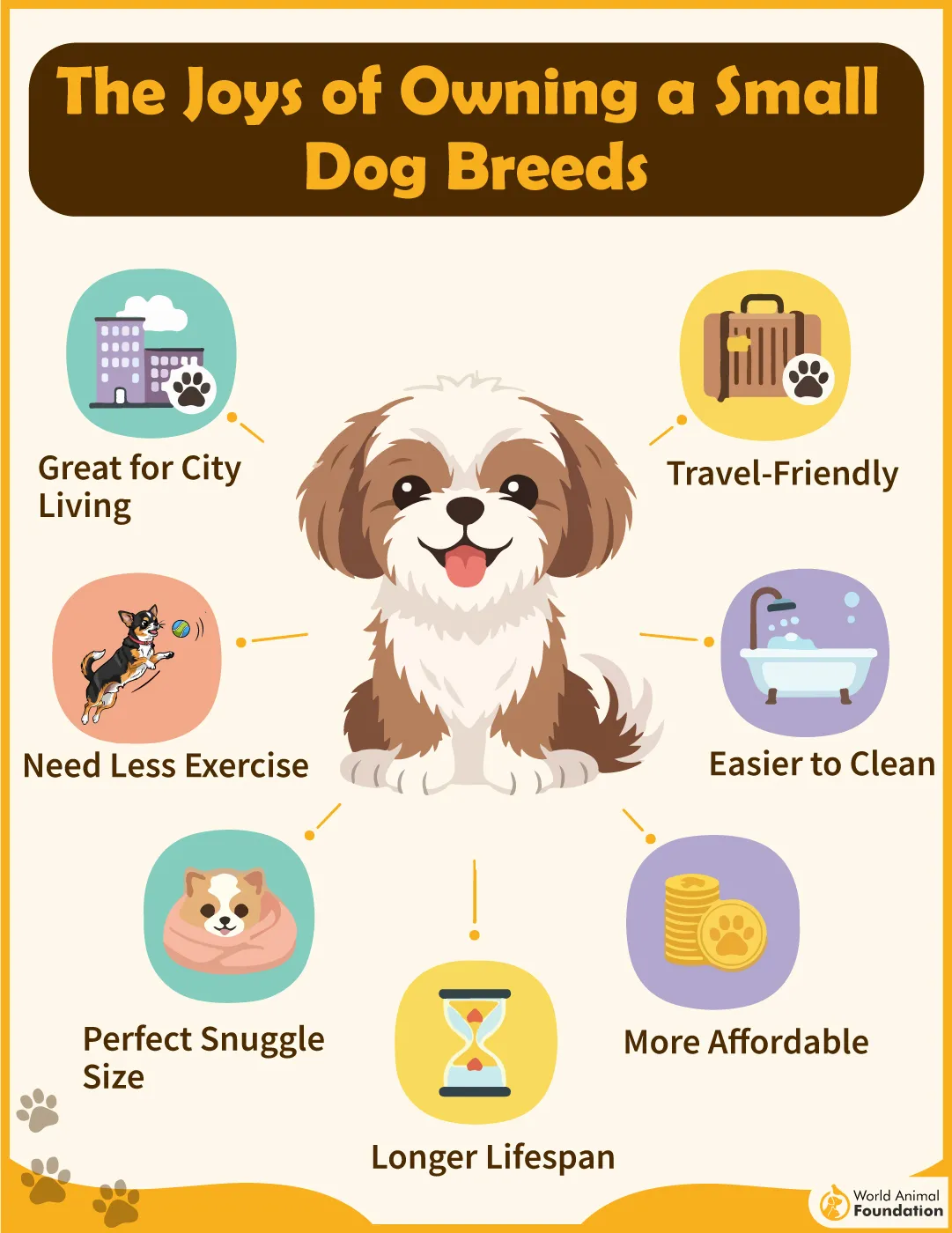
Energy packed into small routines
Paps stay active throughout the day, shifting easily between play and interaction with people. Their playful nature fits both indoor games and outdoor exploration, making the activity feel continuous rather than occasional, as PetMD noted.
That rhythm appears clearly in how it spends time:
Engages in agility and obedience tasks
Plays actively indoors with short bursts
Enjoys walks combined with interactive play
Adaptability across living spaces
This lap dog fits comfortably into apartments or larger homes, adjusting its activity based on available space. Its energy finds an outlet through movement and engagement rather than needing constant outdoor access. Access to safe open areas adds variety to its daily routine.
2. Toy Poodle
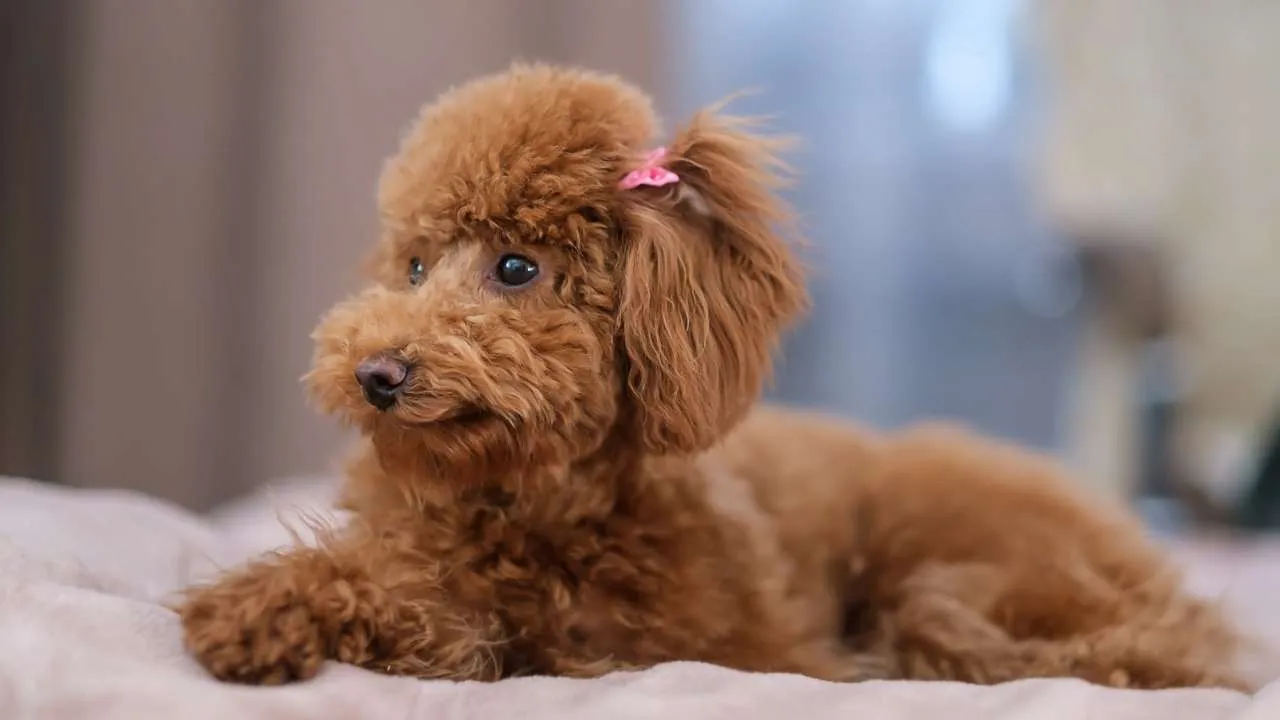
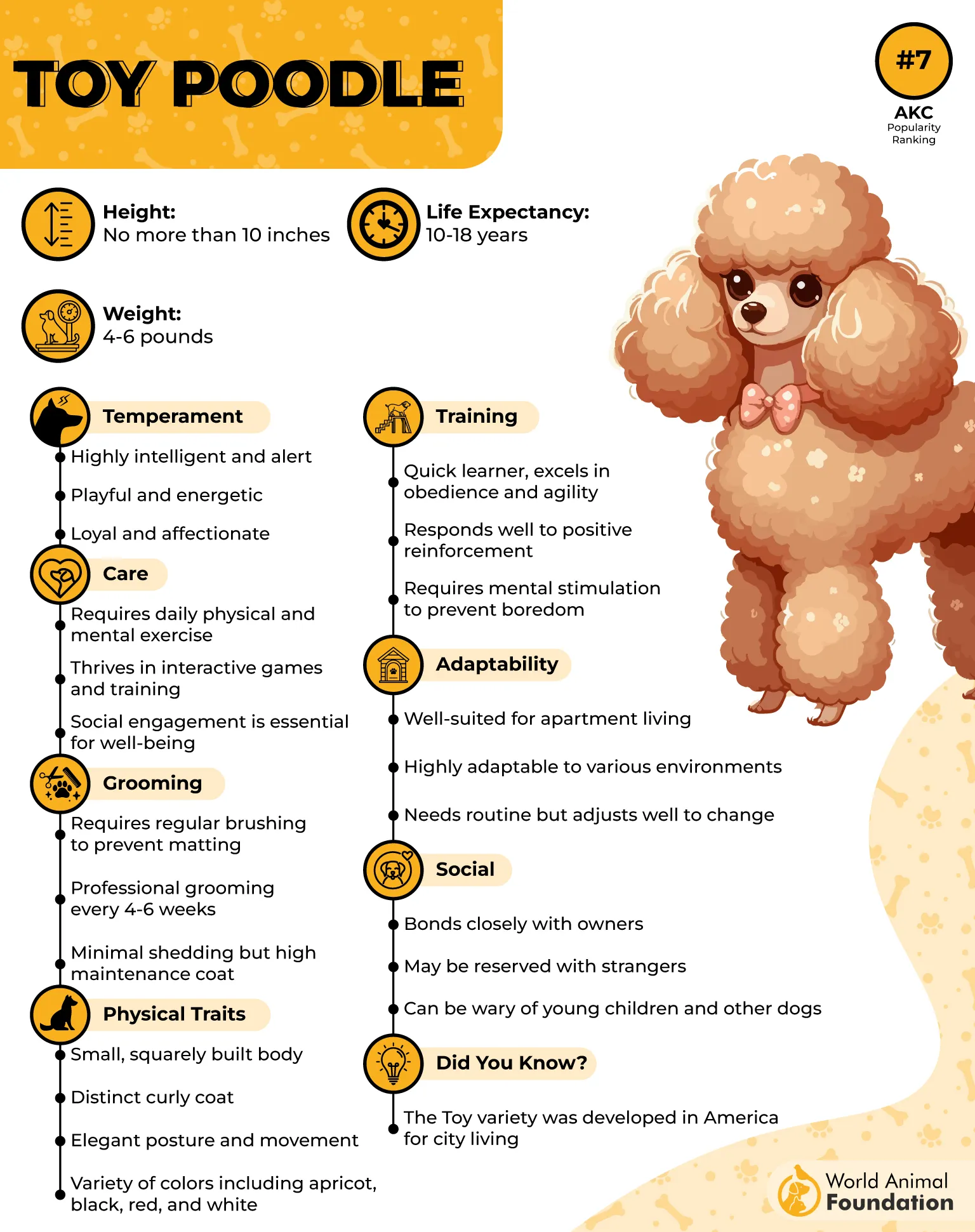
The Toy Poodle descends from a curly-coated type linked to early European herding and water work, shaped further for agility and performance, as Omlet highlighted.
Its decorative coat supports movement in cold water and active environments. This combination created a small dog built around action and responsiveness.
Learning ability tied to performance
This playful small dog breed reacts quickly to instruction, often picking up new actions through repetition and interaction. Its expressive personality fits well with structured tasks that involve learning and repetition.
That learning style shows clearly in behavior patterns:
Picks up tricks and cues with fast repetition
Responds well to reward-based guidance
Enjoys performing tasks that involve attention
Energy shaped by constant interaction
It remains active indoors and prefers frequent engagement rather than long idle periods. It often seeks involvement in household activity, showing a playful approach that can shift into mischief when ignored. Short outdoor sessions paired with indoor play help balance its energy flow.
3. Bichon Frise
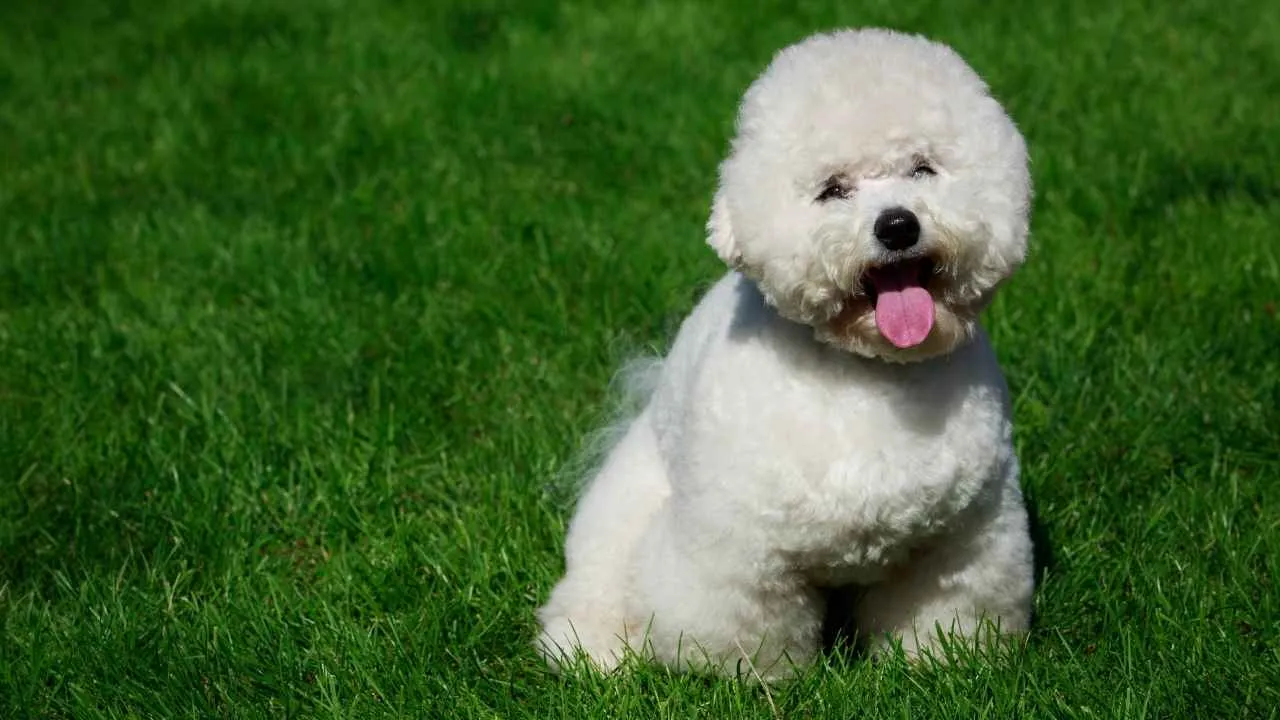
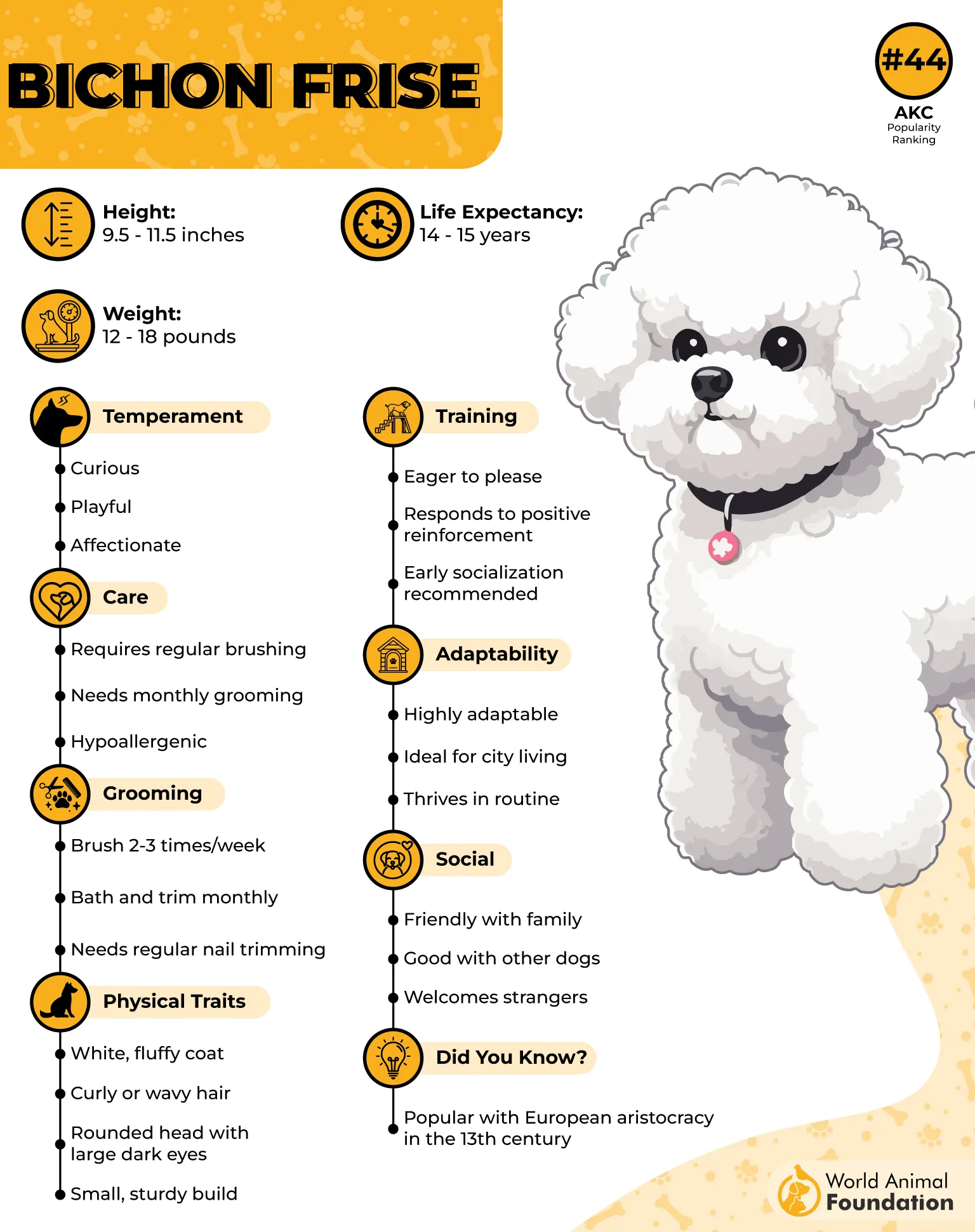
The Bichon Frise comes from Mediterranean crossings between water dogs and small white companion types, forming the Barbichon group that later split into several related breeds.
This shaping created a compact dog built around close human interaction rather than working distance roles. Its soft appearance reflects that companion-first direction.
Social behavior driven by attention needs
This small breed interacts actively with people and surroundings, often placing itself where attention is available and engagement is ongoing. It reacts quickly to environmental changes, using sound and movement as its first response.
That behavior becomes clear in daily patterns:
Seeks constant human presence throughout the day
Responds quickly to small environmental shifts
Uses barking as a primary alert reaction
Emotional sensitivity in routine life
It adjusts behavior based on household mood, showing noticeable response to changes in tone or activity. It prefers shared space and interaction, becoming unsettled when left without company for long periods. This sensitivity influences how it behaves in indoor environments.
4. Dachshund
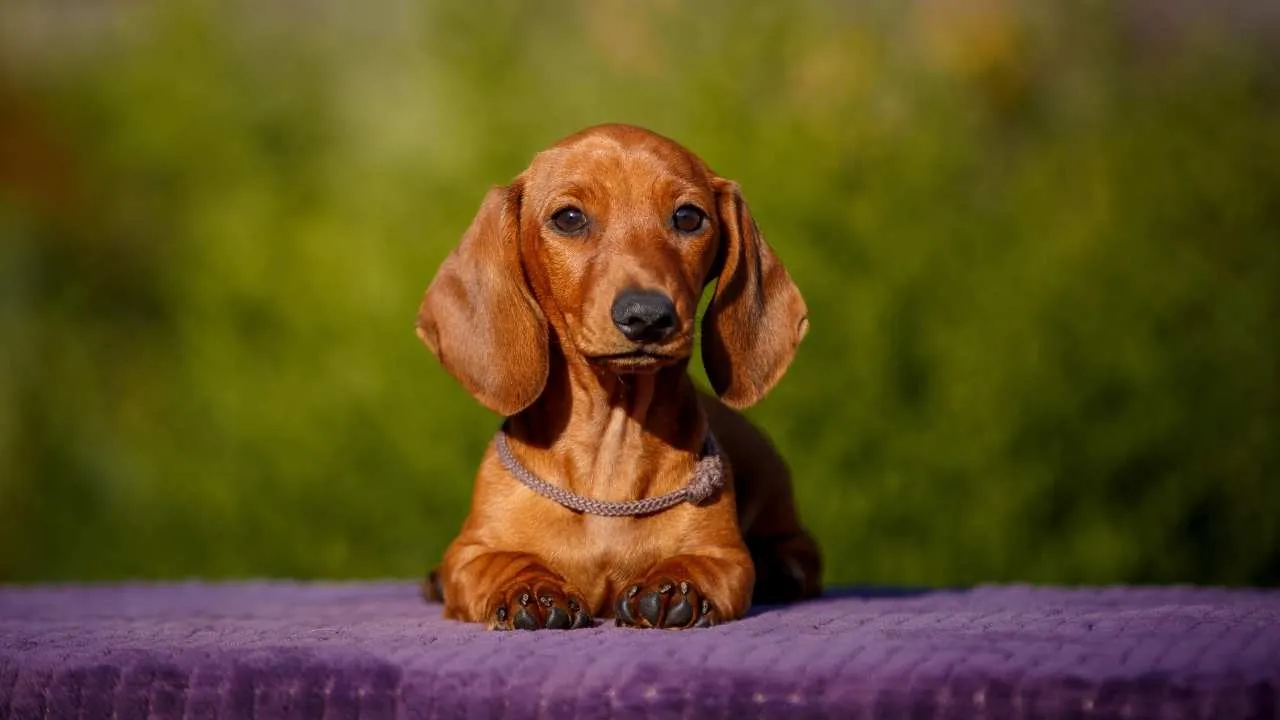
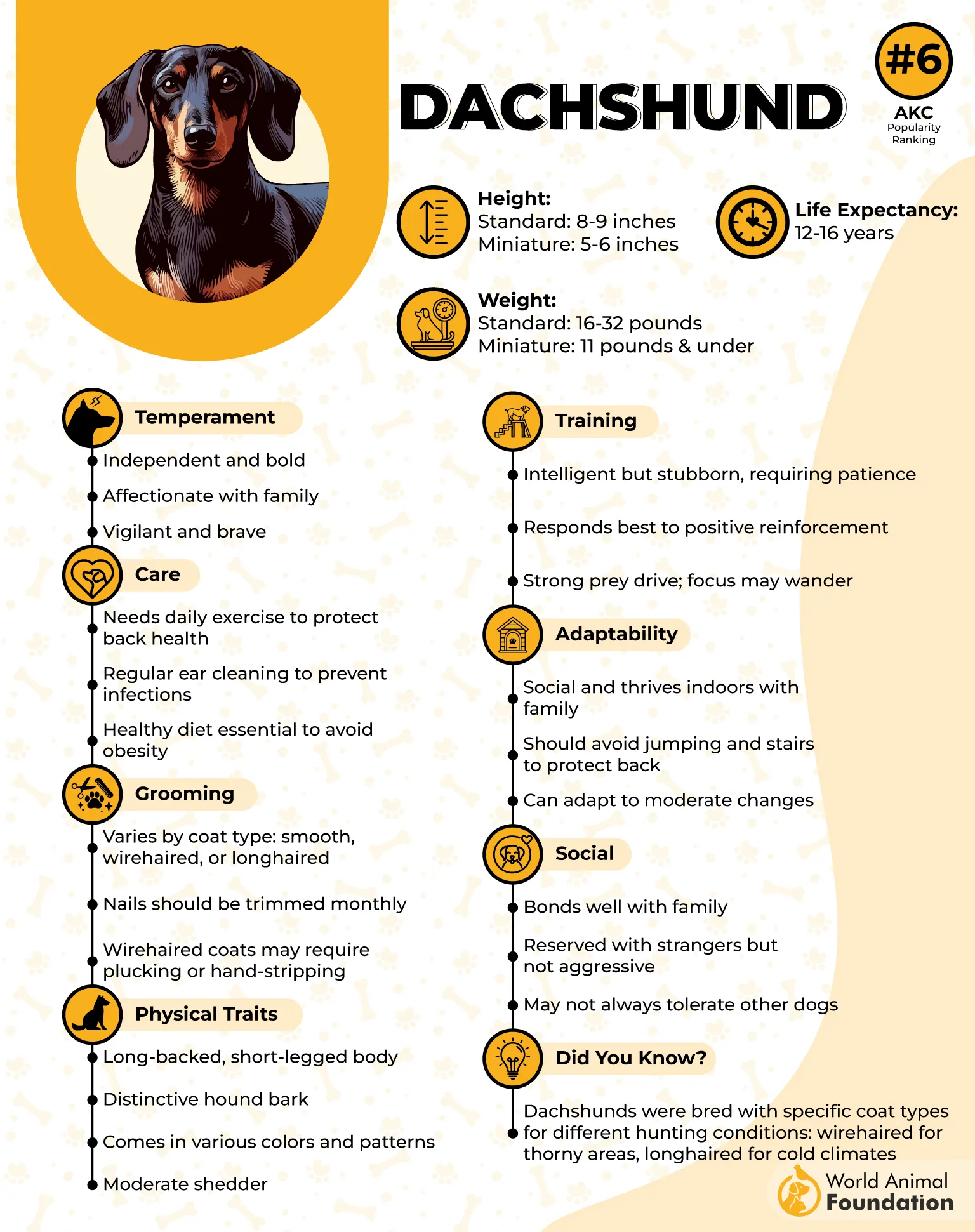
The Dachshund is recognized by its long body and short, muscular legs shaped for digging into tight spaces during independent hunting tasks.
Its low structure reflects a body designed to enter narrow ground paths with control. This physical outline often signals a dog built for persistence rather than speed.
Behavior shaped by independence
It has a bold and self-directed attitude, often acting with confidence even in unfamiliar situations, as per the AKC. Its alertness keeps it engaged with its surroundings, while its playful side adds unpredictability during interaction.
This behavior becomes clearer through daily patterns:
Investigates spaces with strong curiosity
Reacts quickly to movement or sound
Engages in scent-focused play activities
Temperament in social settings
The Dachshund shows a mix of playfulness and determination, often interacting with people expressively and mischievously. Its intelligence appears in problem-solving games and scent-based challenges. Interaction with children requires supervision due to their energetic and sometimes rough play style.
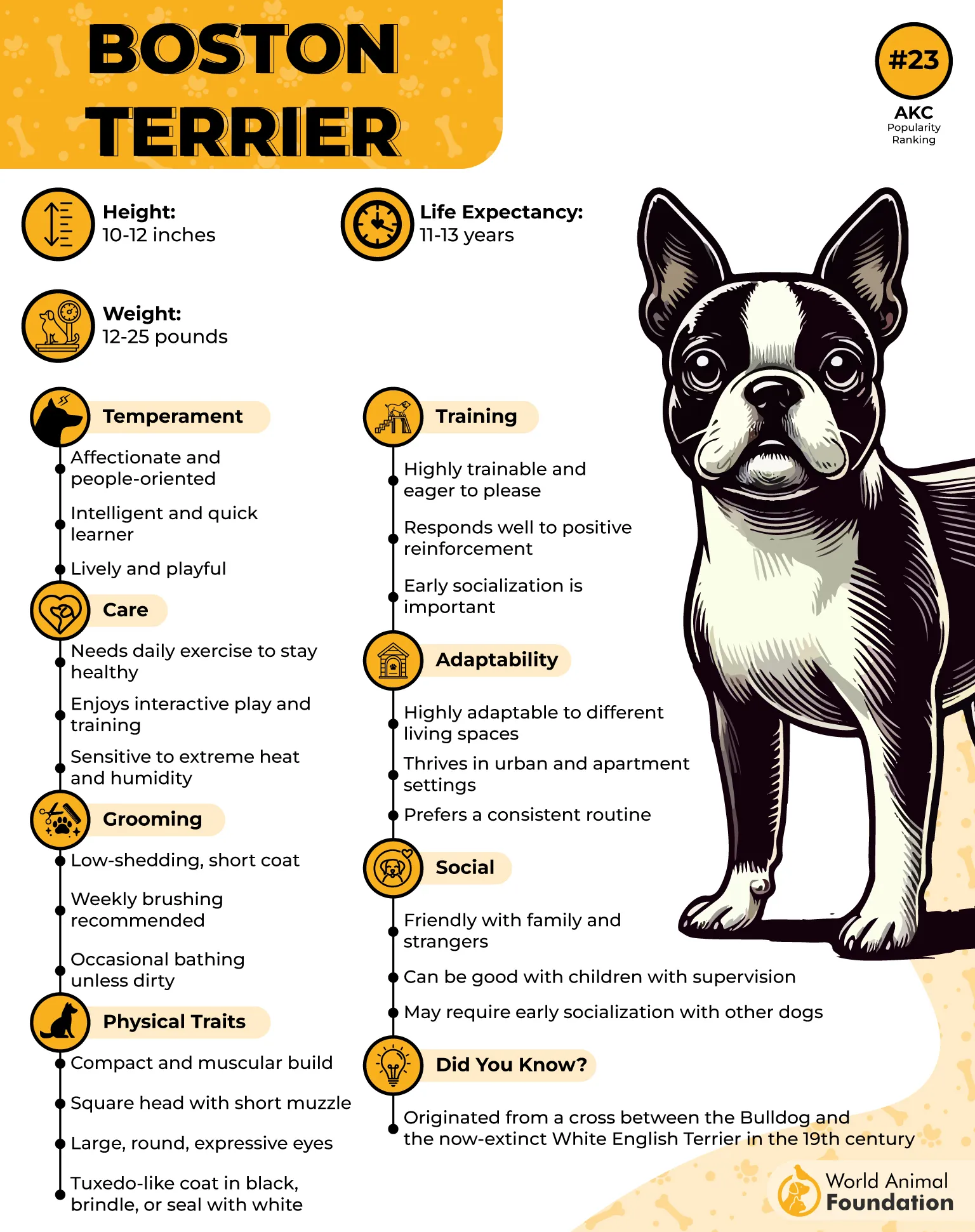
5. Boston Terrier
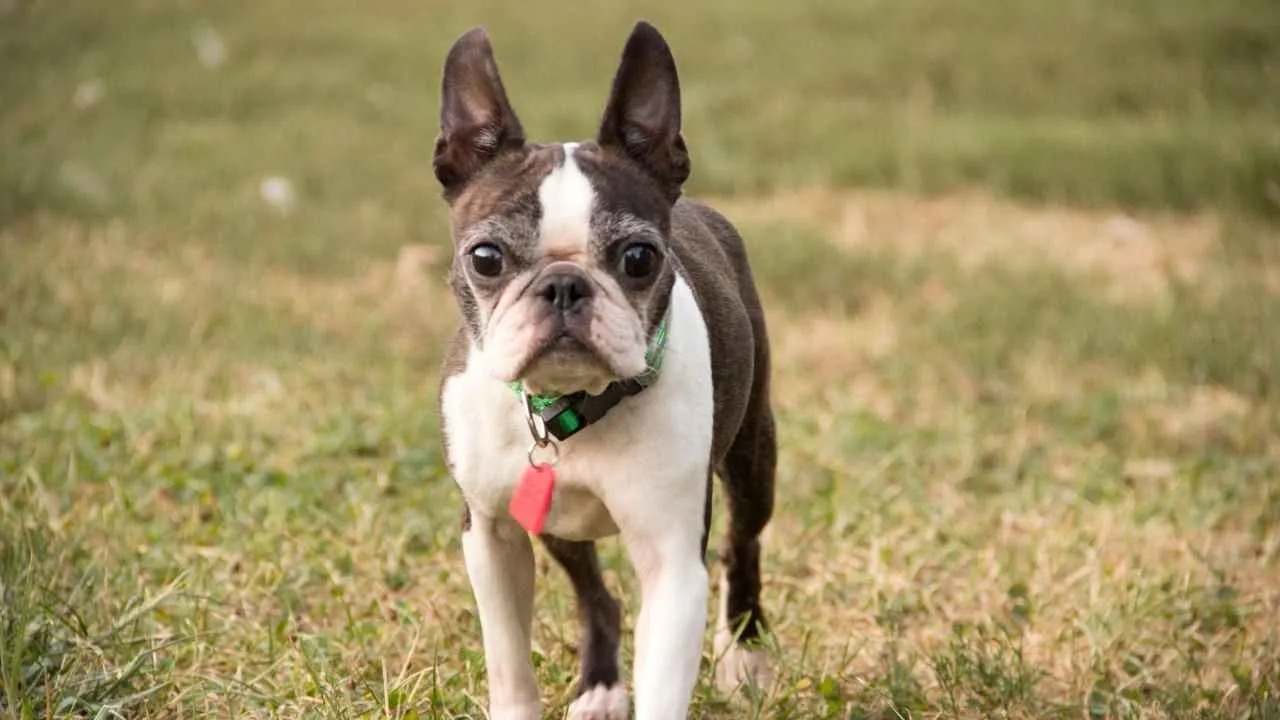
The Boston Terrier originated in the United States from a cross between Bull and Terrier-type dogs and French Bulldogs in the late 1800s.
This mix created a compact, expressive dog often called the “American Gentleman” for its neat appearance. Its energy reflects a cheerful, people-focused nature.
Interaction style in daily life
It reacts quickly to attention and prefers constant human interaction, often seeking involvement in whatever is happening around it. It enjoys playful engagement but also shifts into calm rest when satisfied.
That behavior shows through small but clear patterns:
Engages actively with toys for long play sessions
Seeks human company instead of isolation
Returns to resting spots once energy settles
Temperament shaped by attention needs
It depends heavily on interaction and can become expressive when left without engagement for long periods. Its personality leans toward entertainment and companionship, often displaying playful, comedic behavior in home settings. Rest time usually happens in preferred indoor spots where it can relax deeply.
6. Havanese
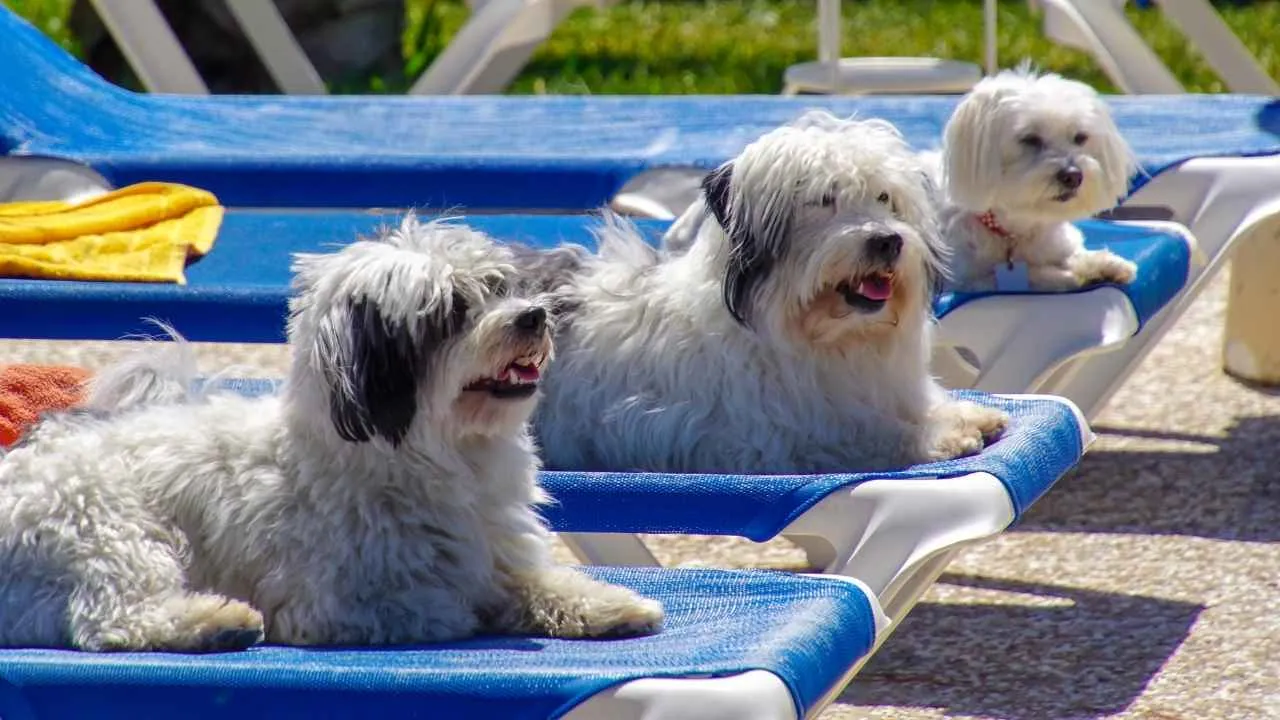
The Havanese entered Cuba through Spanish trade routes, where it quickly gained favor among wealthy households as a companion. The personality of this fluffy dog reflects that setting, built around constant interaction and social presence. This dog naturally places itself where people gather.
Attention-driven daily behavior
This lively little dog keeps itself engaged by staying involved in everything happening around it, often seeking interaction rather than waiting passively. It shows curiosity in small household activities and reacts quickly to shifts in attention.
That tendency appears in simple, repeated actions:
Follows people closely from room to room
Inserts itself into ongoing activity
Seeks attention from anyone nearby
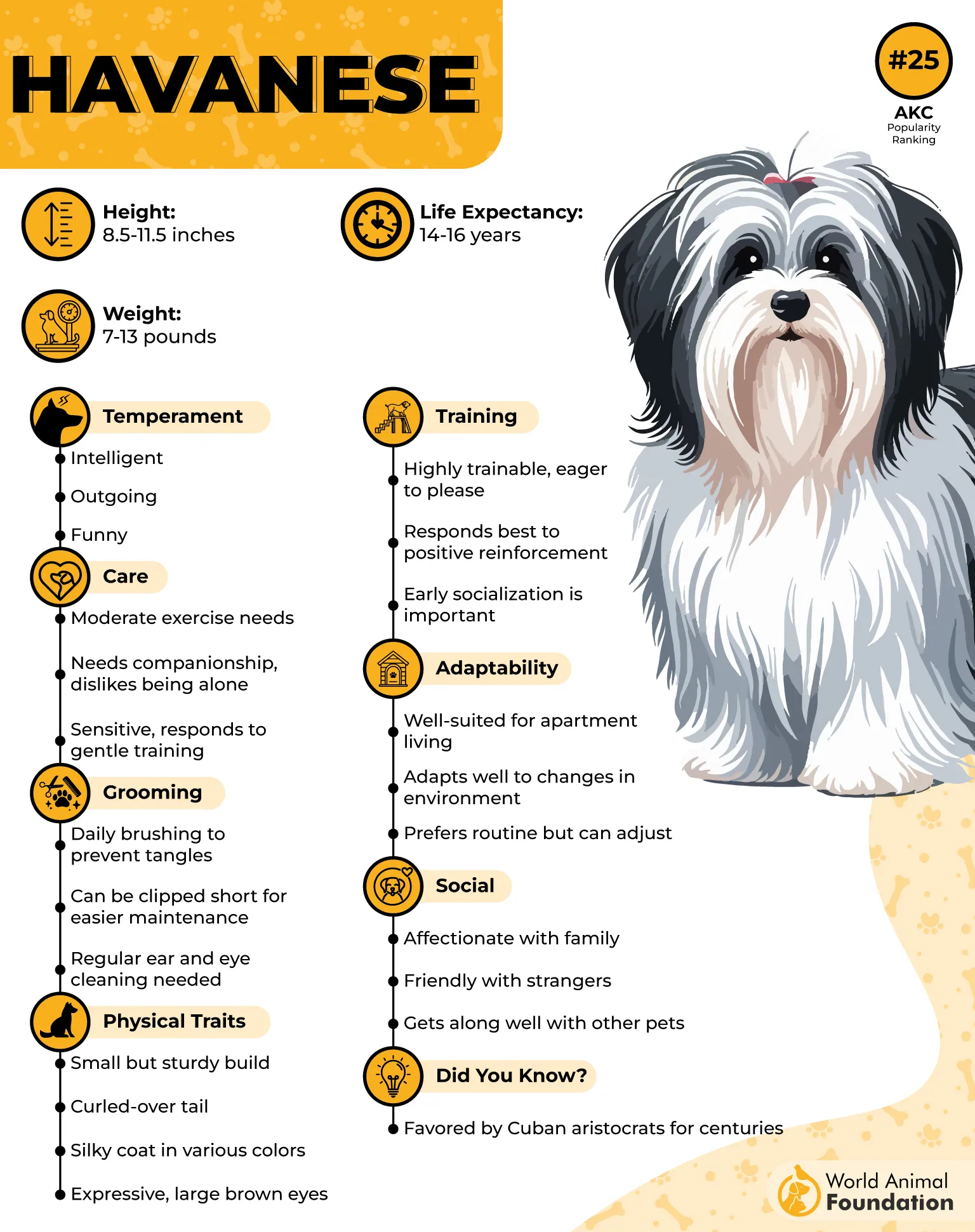
Learning style shaped by interaction
The Havanese responds quickly during training, picking up new tricks with ease due to its interest in engagement. Its intelligence shows through how it adapts to consistent routines and feedback. A playful streak can influence behavior, often turning learning into interaction.
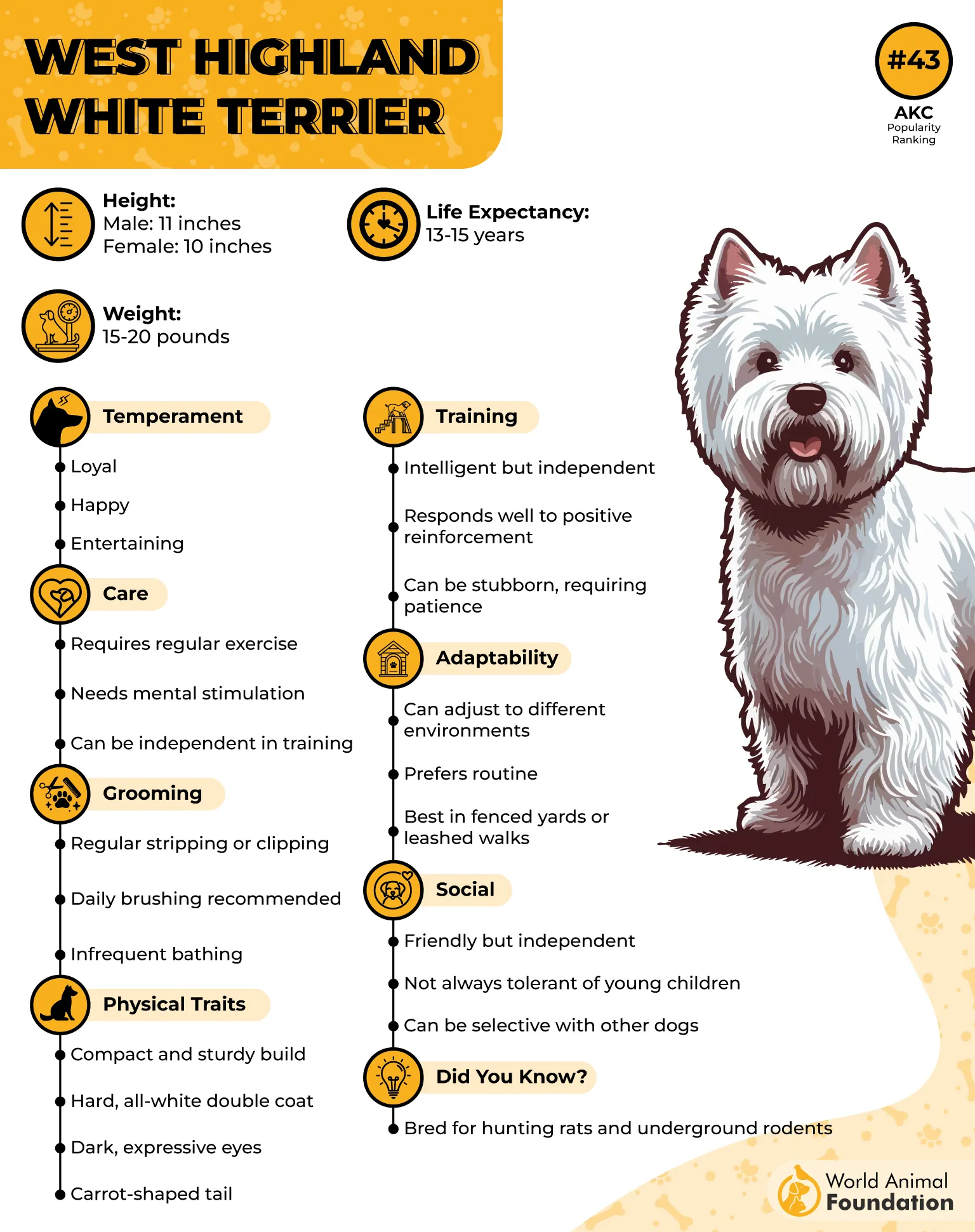
7. West Highland White Terrier
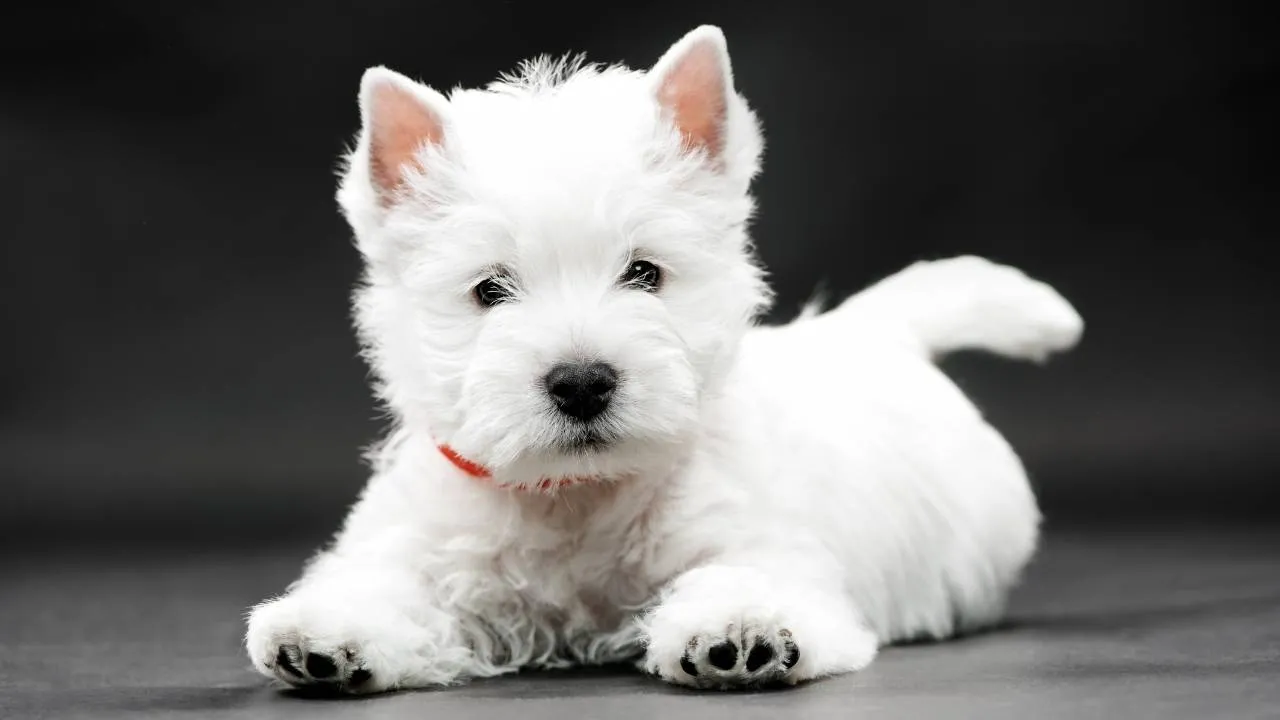
The West Highland White Terrier comes from rodent-hunting roots, shaping a dog that stays alert and ready for quick action. Its confident attitude shows through a lively presence that keeps interaction engaging. This natural drive feeds into its playful and attention-seeking behavior at home.
Playful energy with purpose
The Westie keeps itself busy through interaction, often shifting between play and close contact with family members. Its energy feels steady rather than chaotic, creating a rhythm that fits both activity and relaxation.
That rhythm shows in simple, everyday ways:
Engages in short bursts of playful activity
Switches easily between play and cuddling
Responds well to interactive games
Mental engagement and response
Best suited for active families, Westies react strongly to mental stimulation, often creating their own entertainment through barking if left unoccupied.
Activities like agility, nose work, and puzzle-based games help channel their intelligence into focused tasks. Consistent guidance helps refine its behavior into a more controlled pattern.
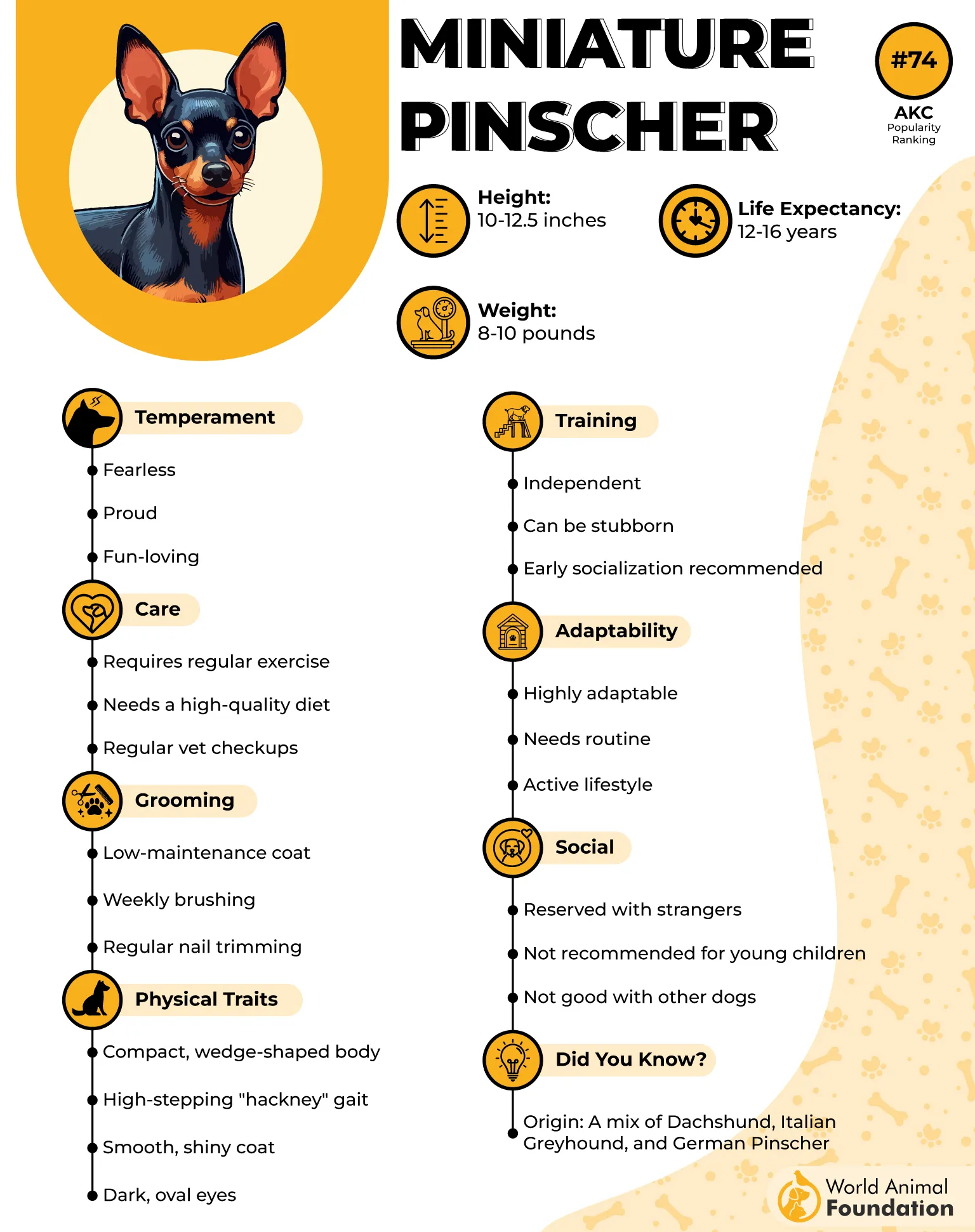
8. Miniature Pinscher
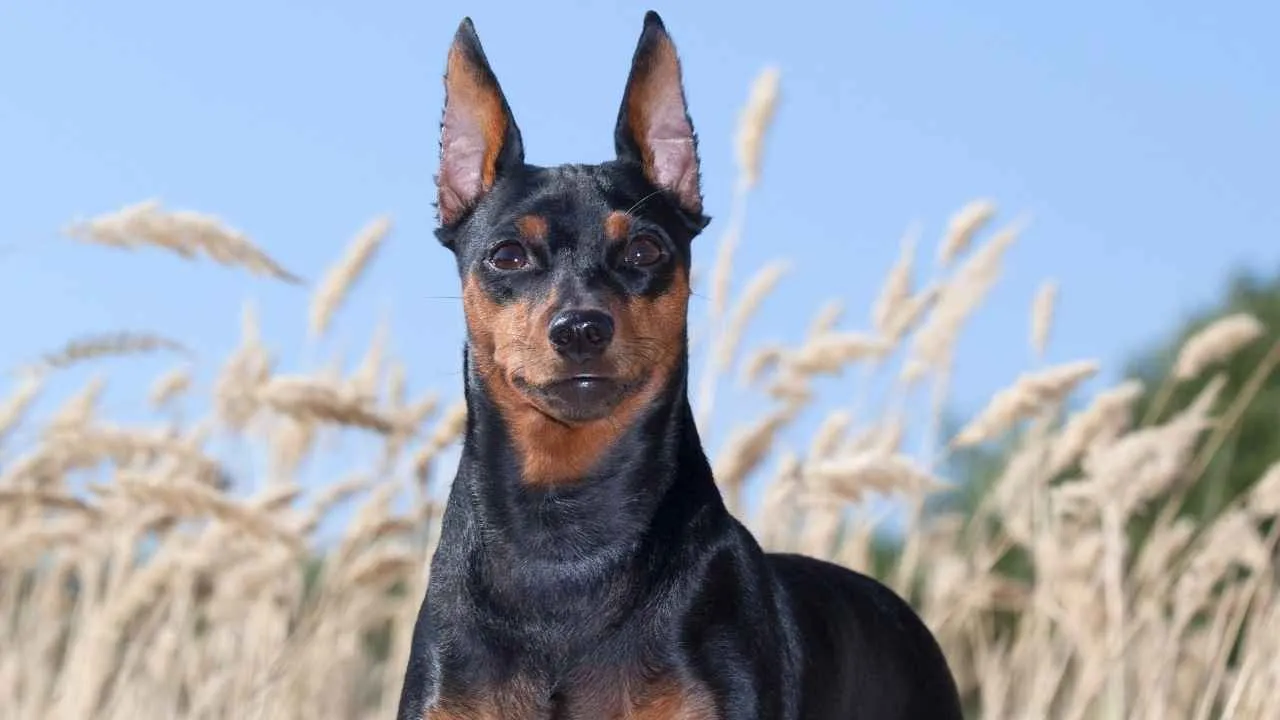
The Miniature Pinscher presents itself with a confident, almost commanding attitude that feels far bigger than its size. Often called the “king of toy breeds,” its personality leans toward control and curiosity rather than hesitation. This creates a lively presence that fills the room quickly.
Curiosity that drives behavior
This toy dog approaches its surroundings with constant interest, often exploring without hesitation or second thought. Its fearless nature pushes it into situations where awareness becomes essential during daily routines.
That energy shows up in quick, clear patterns:
Investigate new spaces immediately
Engages with objects through play and chewing
Responds actively during structured activities
Energy that needs direction
The Min Pin brings a high level of energy that connects closely with activity-based routines like agility or obedience work. Without structured outlets, that same energy can turn into restless or impulsive behavior indoors. Its small size does not limit how much engagement it requires.
9. Jack Russell Terrier
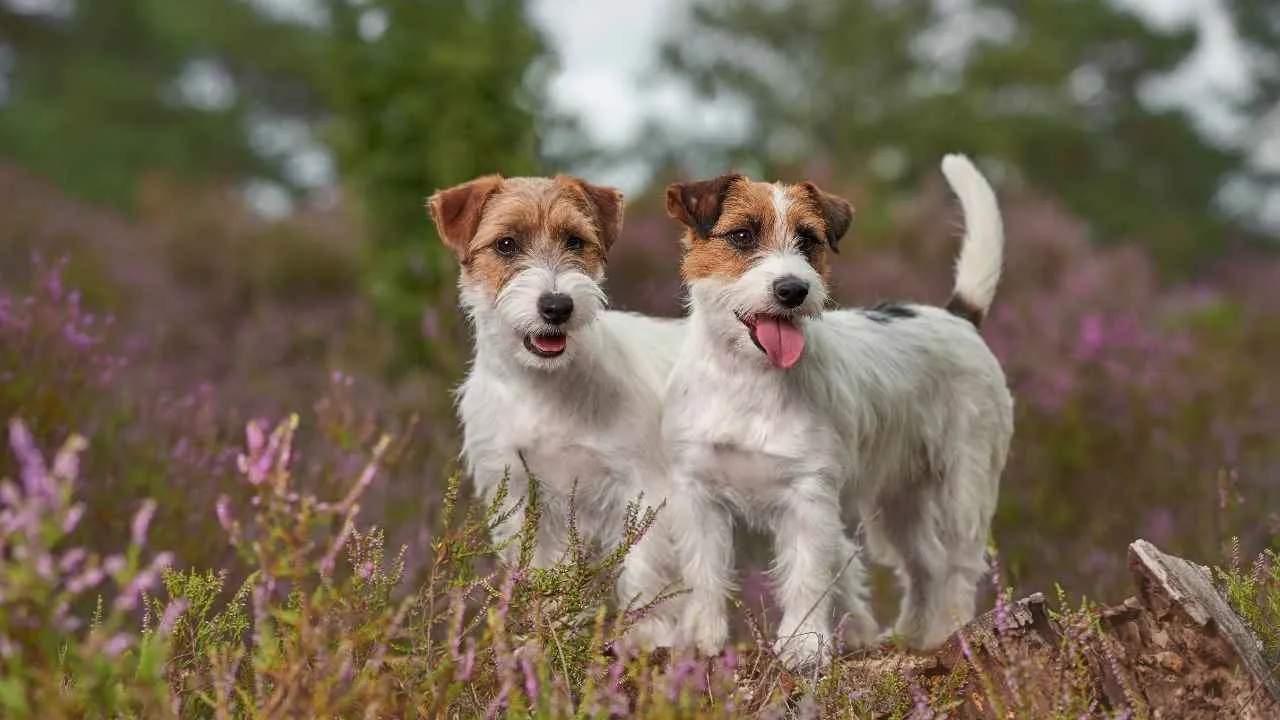
The Jack Russell Terrier shows its personality through sharp, alert eyes and constantly shifting ears that reflect quick thinking. Its compact, rectangular frame holds more energy than its size suggests. The overall look gives away a dog that is always mentally switched on.
Activity that never slows
This terrier approaches every task with full commitment, whether it’s a game, a chase, or structured work. Its hunting roots show in how it throws itself into movement with focus and drive.
That intensity becomes easy to spot:
Jumps into tasks without hesitation
Keeps engagement high during play
Switches quickly between activities
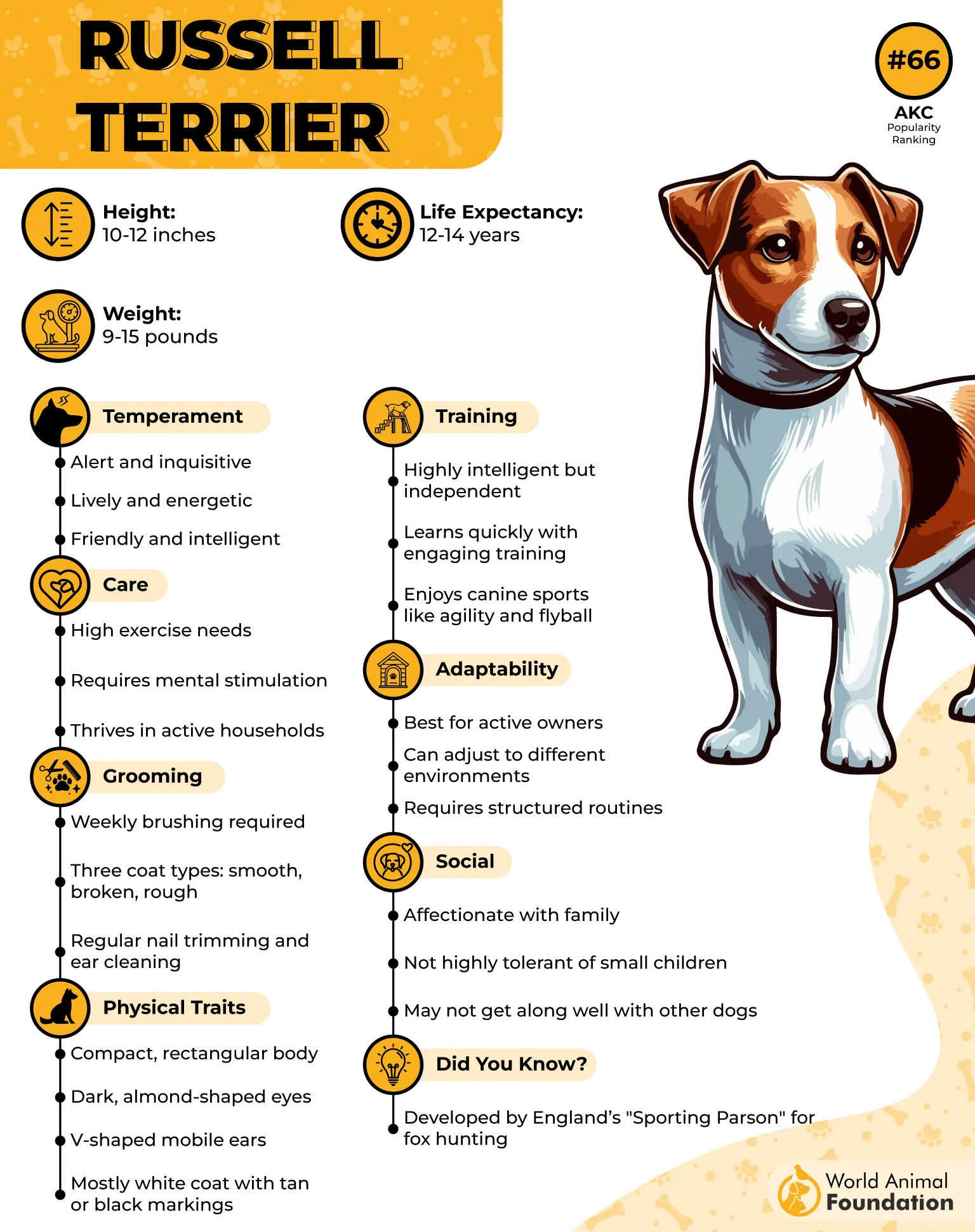
Energy shaped for outdoor life
Although small, its big personality fits naturally into routines that include long walks, fast-paced play, or constant movement. Quiet indoor settings without activity can lead to restless behavior. Its lifestyle leans toward environments where something is always happening.
Conclusion
Best small dog breeds bring more than just activity into a home. Their presence shifts how daily life feels, turning quiet moments into something engaging without needing much space.
Each breed in this list shows a different way energy can appear, from constant motion to attention-driven interaction, often surprising pet parents who expect something calmer from such small packages.
Over time, that energy stops feeling overwhelming and starts becoming part of the routine. The key difference lies in choosing a dog whose natural rhythm matches your own rather than comparing it to other dogs.
In the end, the right small companion keeps your home feeling light, responsive, and full.
