





Ever been halfway into a good sleep when your “tiny security system” suddenly reacts like it’s guarding a royal palace? One rustle outside, one distant footstep, and boom… the whole house is on alert.
Now, here’s the interesting part—not every pet turns your nights into a noisy alarm. Some are naturally calm, observant, and surprisingly polite about noise. They notice what’s happening, but don’t feel the need to announce every detail to the entire neighborhood.
These quiet dog breeds are a perfect match for families and individuals who want peace at home without losing that sense of comfort and protection. They tend to be gentle in nature, deeply loyal, and emotionally tuned into their humans, making them wonderful companions for relaxed living.
With the right care, training, and a calm environment, they fit beautifully into apartments and smaller homes while keeping things balanced, peaceful, and stress-free—especially when all you really want is an uninterrupted night of sleep.
Key Takeaways
Cavalier King Charles Spaniel, French Bulldog — ideal for small homes, affectionate, and naturally low-noise companions.
Whippet, Japanese Chin — calm indoor behavior with minimal barking and a relaxed, apartment-friendly lifestyle.
Newfoundland, Scottish Deerhound, Basenji — gentle giants and quiet observers known for steady temperaments and peaceful home presence.
Sleep-Proving Dog Breeds to Keep Your Home Quiet
1. Basenji

If your home needs peace more than “surprise alarm announcements,” this breed fits the picture almost perfectly. At first glance, it feels like a typical small-to-medium companion, but its communication style quickly proves otherwise.
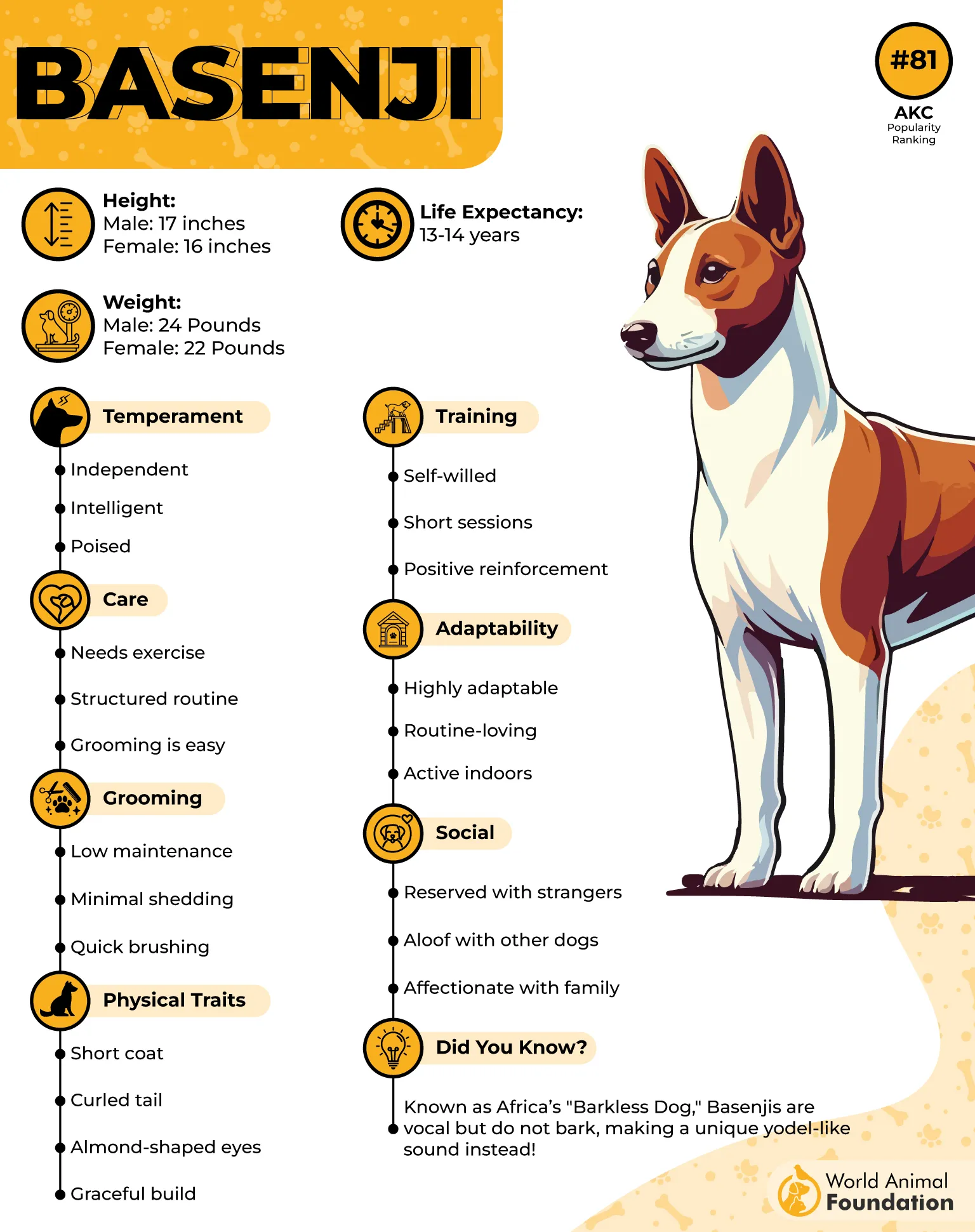
Instead of regular barking, it prefers soft, unusual sounds like yodels and quick vocal bursts. This makes it a surprisingly good match for quiet households, apartments, and families who value a calm indoor atmosphere. Don’t expect dramatic noise outbursts—this is more of a watchful, thoughtful presence that observes rather than reacts loudly.

That said, it’s not a low-energy pet. It’s clever, curious, and loves to explore, which means boredom can lead to creative “escape plans.” So structure and engagement matter as much as silence.
Pro tip: Keep this breed mentally busy with puzzle games and short training sessions—tired minds stay quieter and more settled at home.
2. Whippet
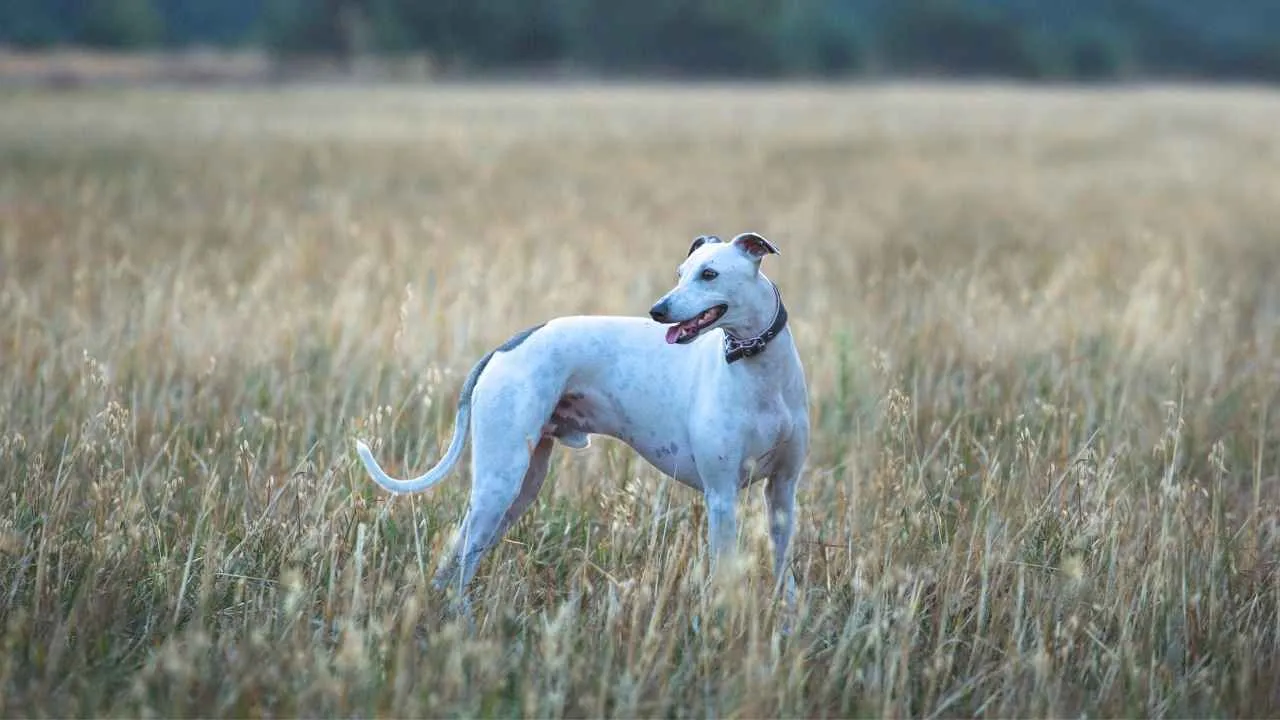
At first sight, this breed looks like it’s built for speed—and it is—but what surprises most people is how peacefully it fits into a home once the running stops.
Think of a quiet sprinter who switches off like a light after a short burst of energy. In open spaces, it can dash with incredible focus and athletic power, but indoors, it transforms into a calm, soft presence that prefers curling up on the sofa over making noise.

Unlike many active companions, it rarely barks, which makes it especially appealing for apartments or shared living spaces where silence matters. Its temperament is gentle, affectionate, and deeply devoted, often forming strong bonds with its family while maintaining a relaxed indoor rhythm, as per the AKC.
Yes, exercise is important—short, intense runs or play sessions keep it balanced—but once that energy is used up, it settles into long, peaceful rest periods without fuss or disruption.
Pro tip: A tired Whippet is the perfect “quiet companion”—daily sprint + cozy downtime equals a naturally calm home atmosphere.
3. Cavalier King Charles Spaniel

This is one of those rare small companions that feels almost “pre-programmed” for calm living. With roots in royal companionship, it naturally leans toward comfort, closeness, and a peaceful indoor rhythm rather than constant activity or noise.
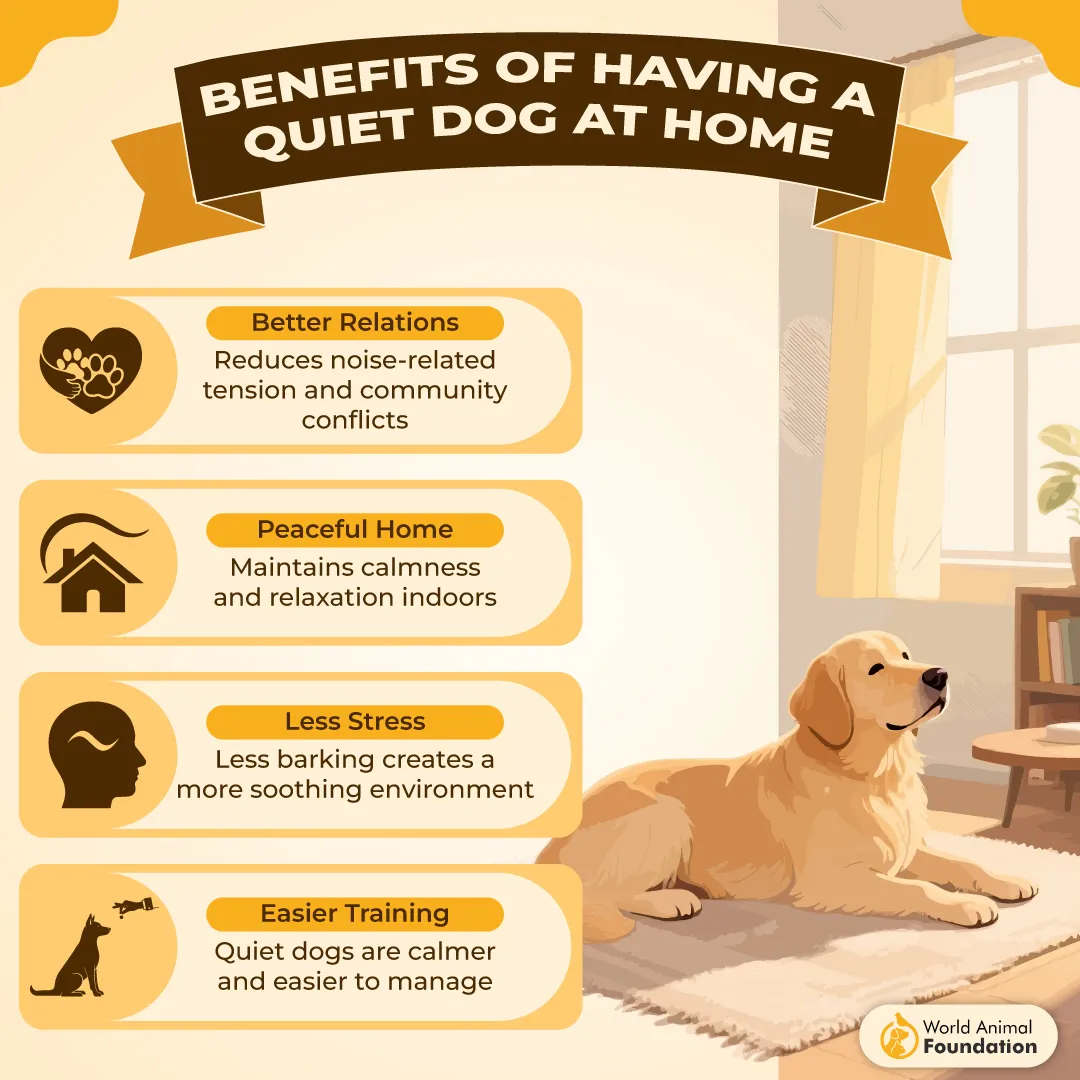
What makes it especially suitable for quieter homes is its steady temperament. It rarely reacts to small disturbances, which means less unnecessary barking and more relaxed energy in the household. Instead of being alert to every sound, it prefers staying close to its humans, enjoying warmth, attention, and gentle interaction.
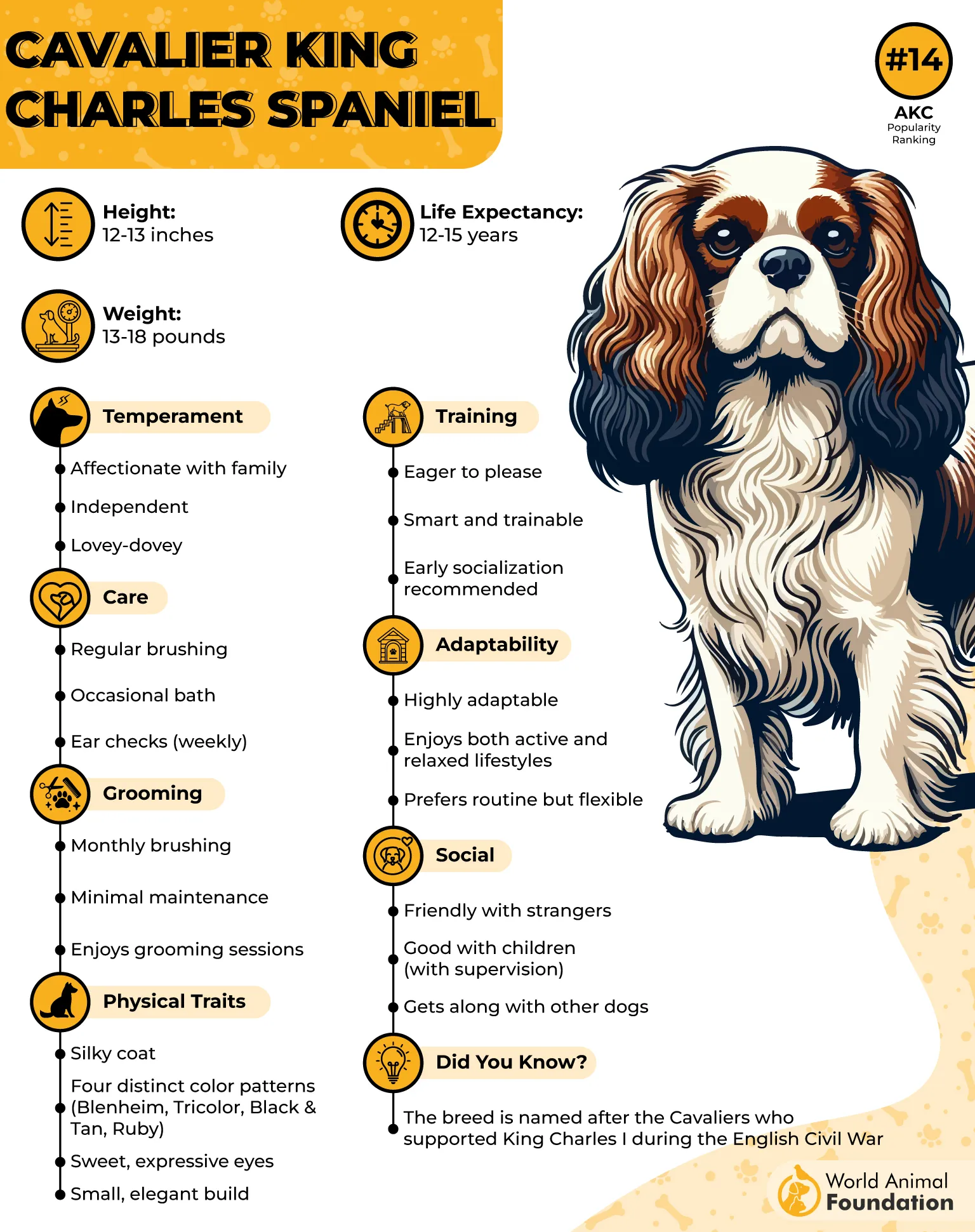
Despite its soft, affectionate nature, it isn’t demanding. Short daily walks and light play sessions are usually enough to keep it content, making it a strong match for apartments or smaller living spaces. Its friendly personality also helps it blend easily into families, children, and even other pets without stress or chaos.
Pro tip: This breed thrives on companionship—consistent affection and a calm routine bring out its most balanced, quietly joyful personality.
4. French Bulldog

This compact companion has a way of turning even a busy household into something calmer just by being there. With its unmistakable bat-like ears and sturdy little frame, it brings a cheerful presence without demanding constant attention or creating unnecessary noise.
What makes it especially appealing for quieter homes is its naturally relaxed attitude. It enjoys human company, often preferring to stay close rather than wander or vocalize for attention. While it is playful and social, it doesn’t typically turn into a constant barker, especially when it feels secure and included in family life.
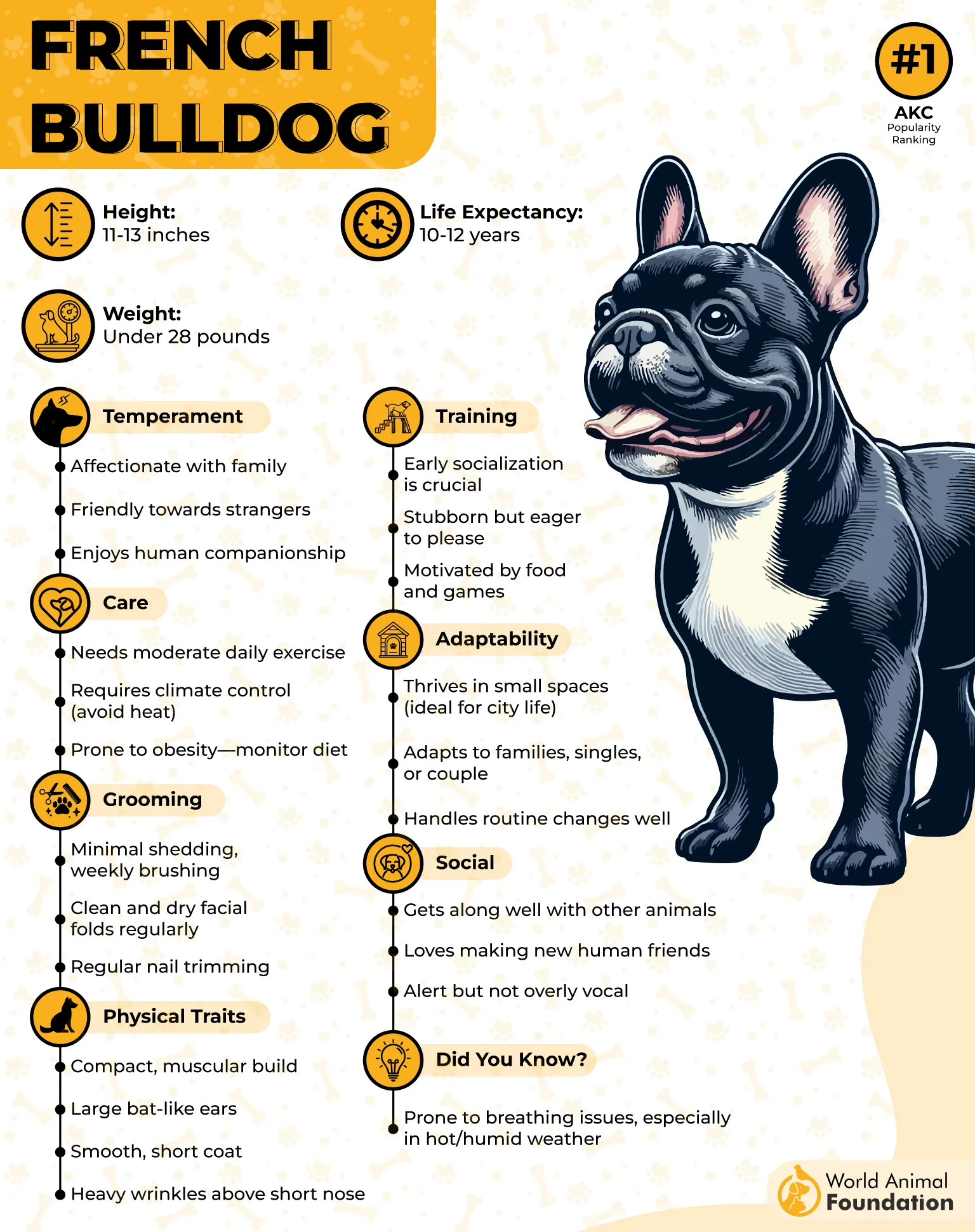
Its energy level is moderate, which means short walks and light play sessions are usually enough to keep it satisfied. This makes it a strong match for apartments or busy families who want companionship without high maintenance demands, as per PetMD.
At the same time, it is intelligent and responds well to positive, fun-based training. When engaged properly, it becomes even more balanced, affectionate, and easygoing indoors.
Pro tip: Keep routines consistent and avoid long isolation—this breed stays calmest when it feels included in daily family life.
5. Japanese Chin

This elegant little companion feels more like a quiet presence than an active pet, slipping easily into peaceful homes where calm routines matter. With its refined look and gentle behavior, the Japanese Chin naturally suits noise-sensitive households and apartment living.
Often described as “cat-like,” it prefers soft corners, cozy furniture, and relaxed observation over constant activity. Barking is rare, which helps maintain a calm indoor environment without unnecessary disturbance.

As per Wikipedia, despite its royal heritage, it doesn’t demand much exercise—short walks and plenty of indoor rest are usually enough. It enjoys being close to its humans but without being overly clingy or disruptive. A slightly independent streak can appear at times, but gentle consistency in training keeps things balanced.
It thrives best in stable, quiet environments where affection is steady, and routines feel predictable.
Pro tip: A calm home setup with soft resting spaces helps this breed stay relaxed, content, and naturally quiet.
6. Newfoundland
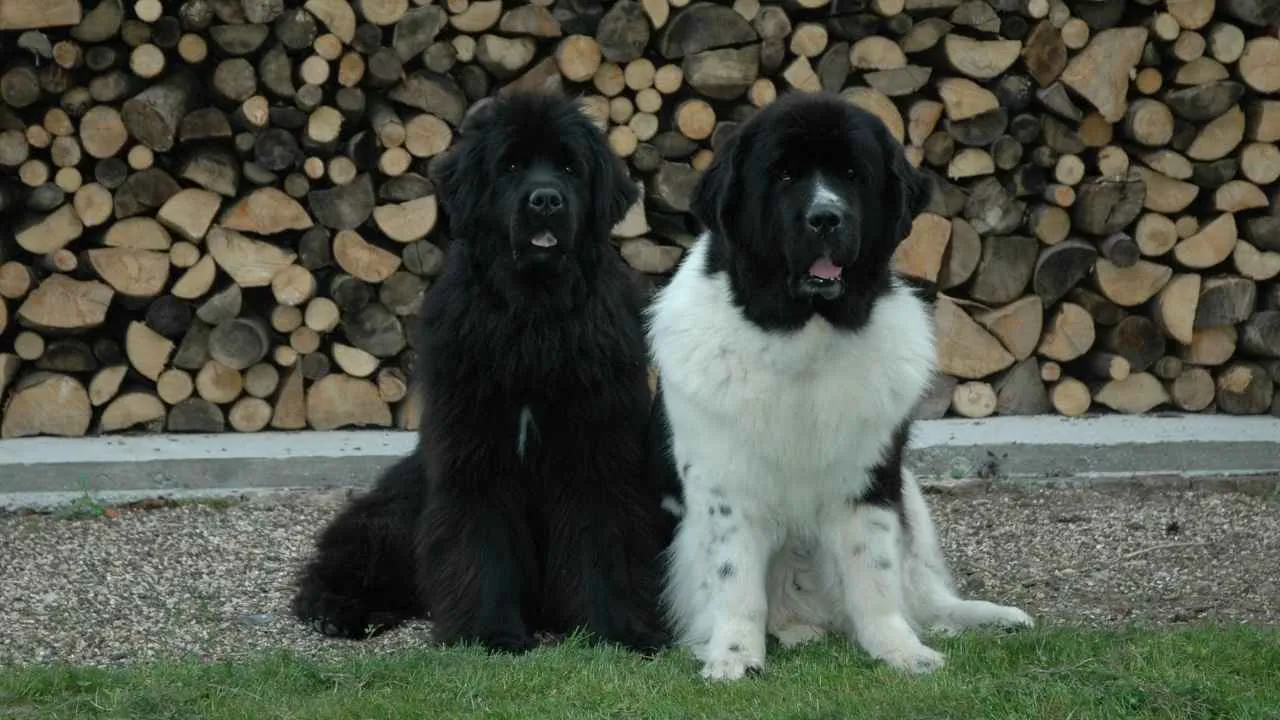
This massive companion often surprises people—not with noise or intensity, but with how calm and steady its presence feels inside a home. Despite its powerful build, it carries a naturally gentle temperament that makes it especially comforting in family environments.
Originally developed as a working water dog, the Newfoundland has a calm confidence around water and a patient, dependable nature on land. What stands out most is its soft, nurturing attitude, especially with children, which is why it’s often described as a “nanny-like” companion in many households.
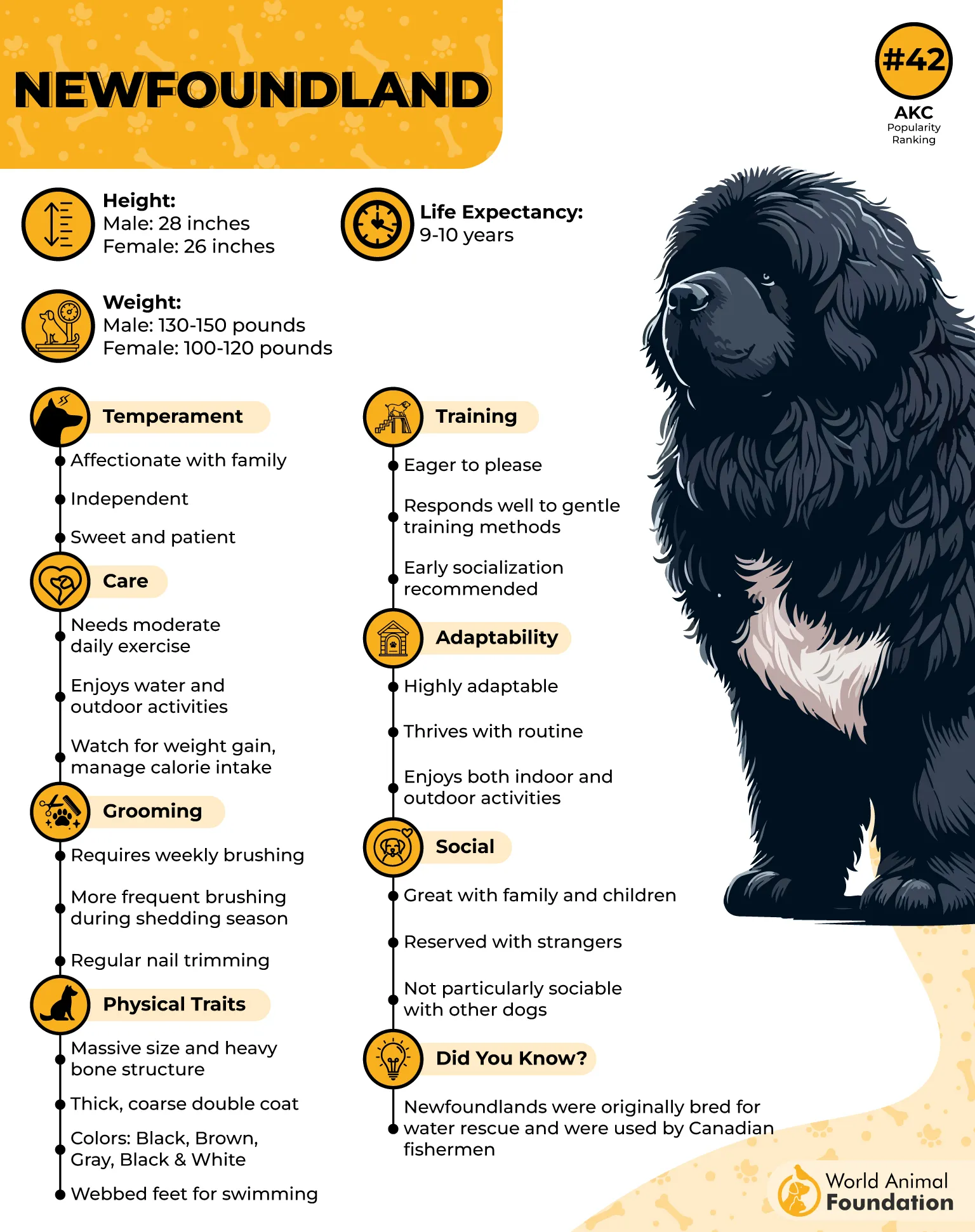
It may occasionally alert you when something unfamiliar is happening, but it is not a constant barker. Once it recognizes safety and familiarity, it quickly settles back into its relaxed, easygoing rhythm.
As per WebMD, with a moderate energy level, it enjoys short walks, swimming, or light activity, followed by long periods of rest and companionship indoors. Its affectionate, incredibly loyal nature makes it deeply bonded to family life, where it prefers calm closeness over chaos.
Pro tip: Keep exercise balanced but not excessive—this gentle giant stays most peaceful when physical activity is followed by plenty of quiet downtime with its family.
7. Scottish Deerhound

This graceful companion has a quiet kind of presence that doesn’t demand attention but gently fills a home with calm. At first glance, it may look grand and powerful, but its true nature indoors is far softer—more relaxed observer than noisy participant.
Originally bred for endurance and hunting, the Scottish Deerhound still carries an athletic build, yet most of its time at home is spent resting, stretching out, or quietly staying close to its family. It prefers peaceful surroundings and bonds deeply with its humans without being overly intrusive.

One of its most valued traits is its naturally low vocal behavior. Barking is rare, and it’s generally not reactive to every small disturbance, which makes it a strong fit for quiet households that prioritize a stress-free atmosphere.
While it enjoys daily walks and space to move, it doesn’t bring high indoor energy or chaos into the home. Instead, it settles into a calm rhythm that suits slower, more peaceful lifestyles.
Pro tip: Give it enough outdoor movement, then let it unwind indoors—this balance keeps its gentle, composed nature at its best.
Conclusion
Finding a truly quiet companion isn’t about choosing a dog that never makes a sound—it’s about finding one whose nature naturally leans toward calm, balance, and emotional steadiness. Across all these breeds, one thing becomes clear: some dogs are simply more comfortable observing life than announcing it.
From gentle giants to small, affectionate lap companions, each of these breeds brings its own version of peace—whether it’s a low-barking temperament, a relaxed indoor lifestyle, or an ability to settle easily after short bursts of energy. With the right care, routine, and understanding, they don’t just fit into a quiet home—they help shape it.
If your idea of the perfect companion adds warmth without chaos and presence without noise, the choice becomes less about size or looks and more about temperament and lifestyle fit.
And maybe that’s the real takeaway here: a peaceful home isn’t silence—it’s comfort, shared quietly with the right companion by your side.
