




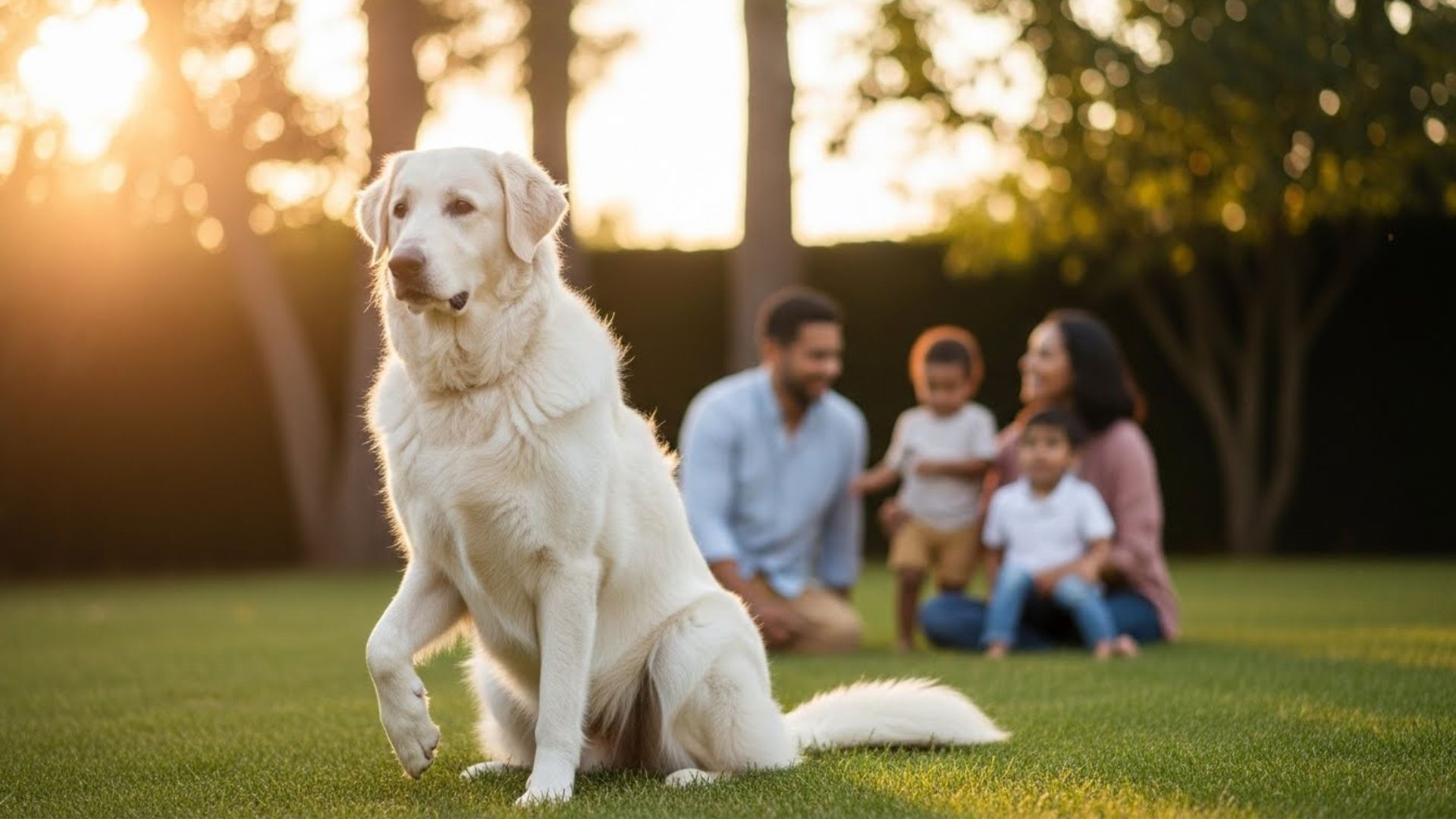
Looking for a dog that fits a calm home and still keeps an eye out? Some guard dogs do not need to be loud or intense to be effective. These steady companions enjoy simple routines, daily walks, light play, and lots of relaxed time with their people, while staying quietly aware of what is going on around them.
These dogs are all about balance. They are gentle with kids, polite indoors, and they know how to settle without constant attention. With consistent training and affection, they become easygoing family members who still notice when something feels off.
In this guide, you will meet serene guard dog breeds ideal for peaceful families. Perfect for quiet evenings, busy days, and everything in between, these dogs protect with calm confidence.
Did you know?
A dog on duty notices things people completely miss. A new scent, a strange sound, a shift in routine, and they are already paying attention. That kind of awareness alone can stop trouble before it ever starts.
Serene Guard Dog Breeds for Peaceful Families
1. Kuvasz
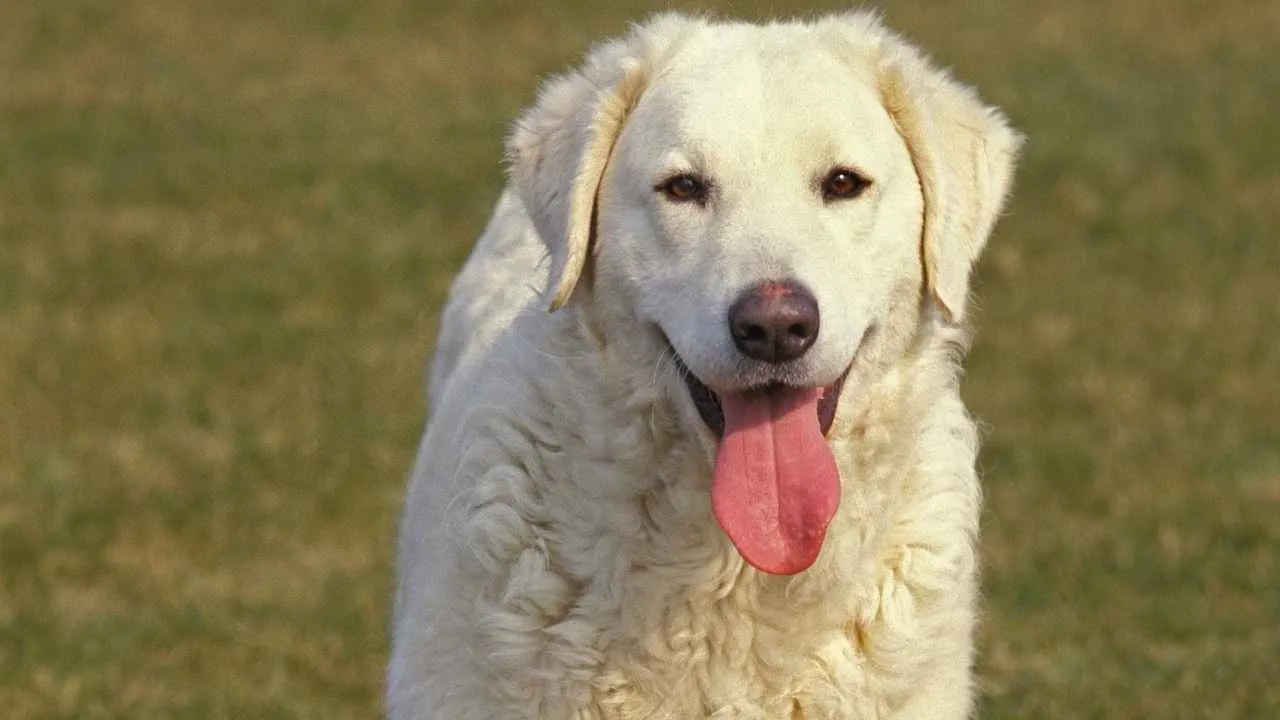
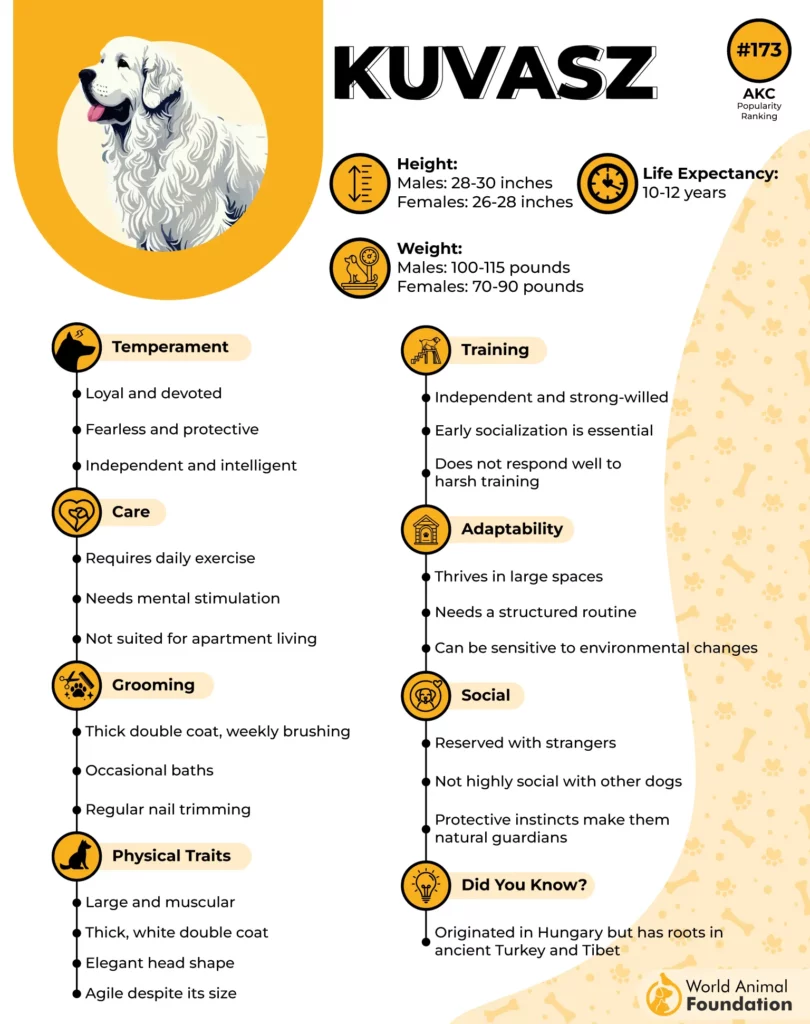
The Kuvasz is a thoughtful yet powerful dog that carries itself with calm self-assurance. Known for deep loyalty, this breed forms strong bonds with its family and takes its role seriously in the household. Its steady nature at home pairs with an alert mindset, shaped by generations of guarding responsibility.
According to PetMD, life with a Kuvasz works best in a spacious home where routines are consistent. This breed does not need constant activity but benefits from daily movement and mental engagement. Training built on trust helps channel its natural instincts into calm, reliable behavior.

Around familiar people, the Kuvasz shows patience and gentle behavior, especially toward children it considers part of its circle. With strangers, it tends to stay reserved and watchful, which makes early social exposure especially important.
What Makes This Breed a Good Fit
Naturally devoted to family and highly attentive to changes in its environment
Calm indoors while maintaining a strong awareness of unfamiliar activity
2. Saint Bernard
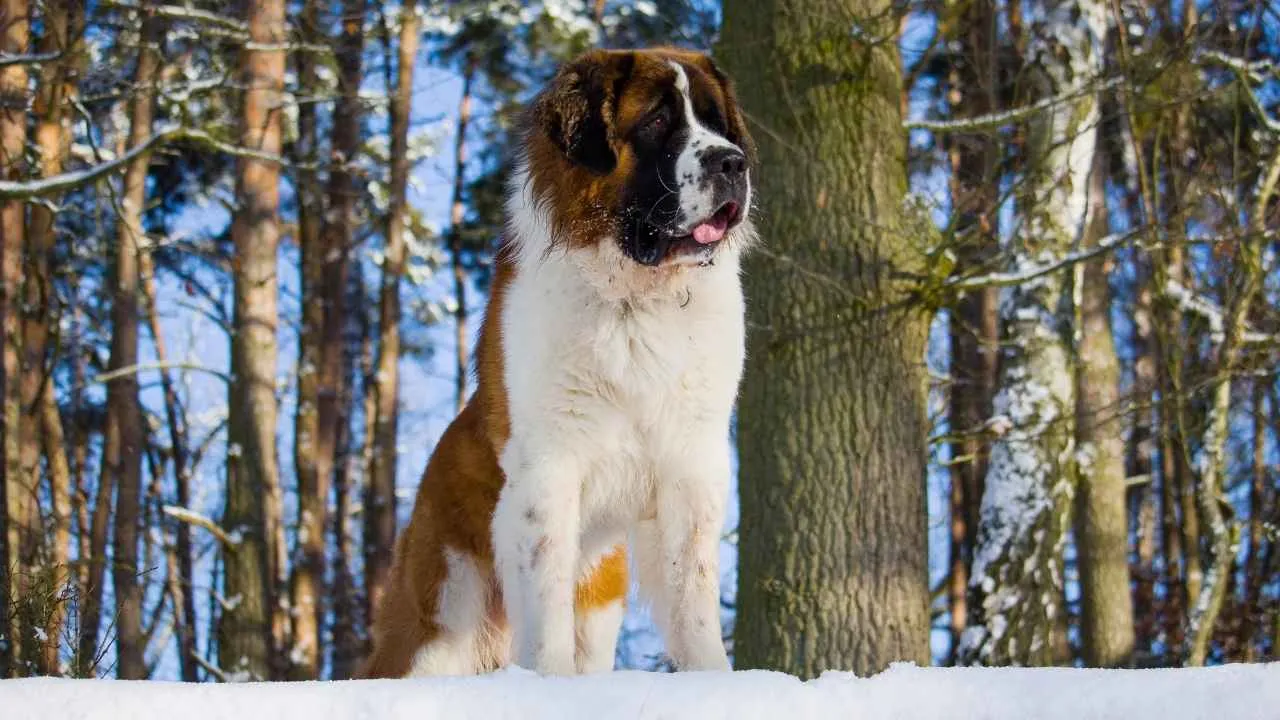
The Saint Bernard is often described as a gentle giant, bringing a warm and steady presence into family life. With its impressive size, this breed is known for a peaceful attitude and a strong desire to stay close to its people. Its loyalty runs deep, especially when it comes to protecting children.
This breed’s history of rescue work shines through in its patient and caring nature. Saint Bernards enjoy feeling useful and are happiest when included in daily activities. With proper socialization, they tend to remain relaxed indoors and content simply being near their family.
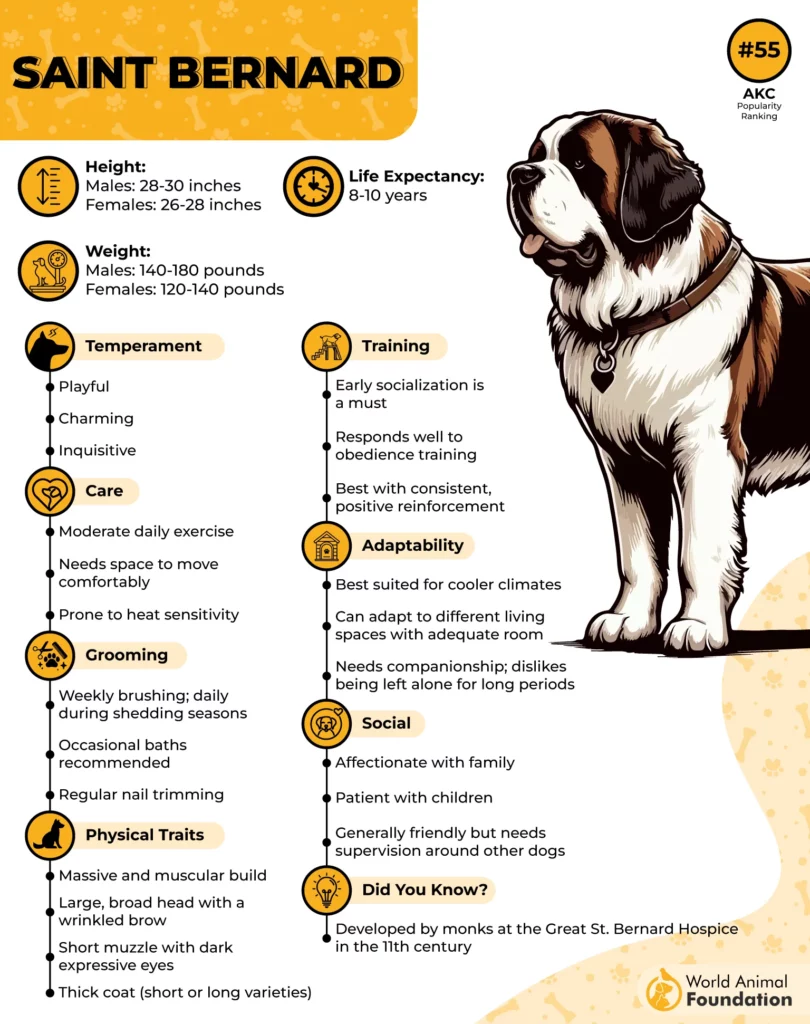
Space matters for a Saint Bernard, as it is most comfortable in homes where it can move freely. While not overly energetic, it benefits from regular walks and light tasks that give it purpose. Cool environments suit it best, helping maintain its calm demeanor.
What Makes This Breed a Good Fit
Gentle personality that pairs well with families seeking a calm home atmosphere
Strong attachment to family members, especially children
3. Great Pyrenees
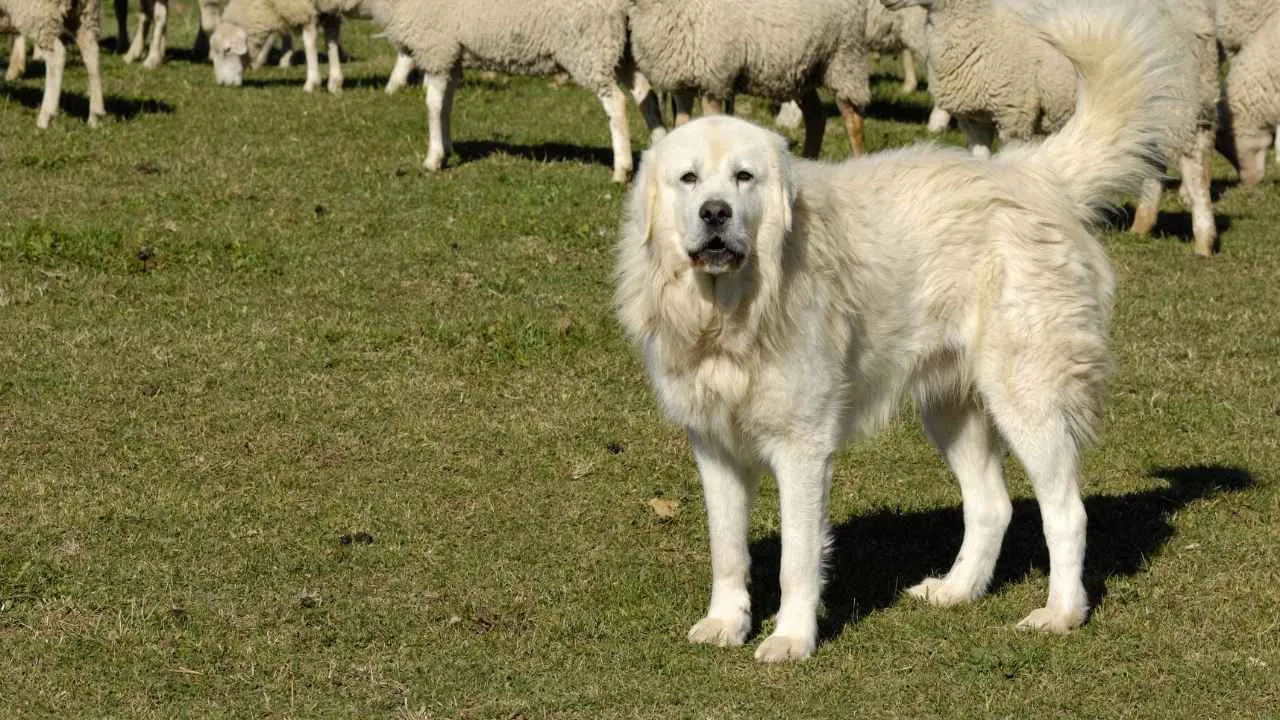
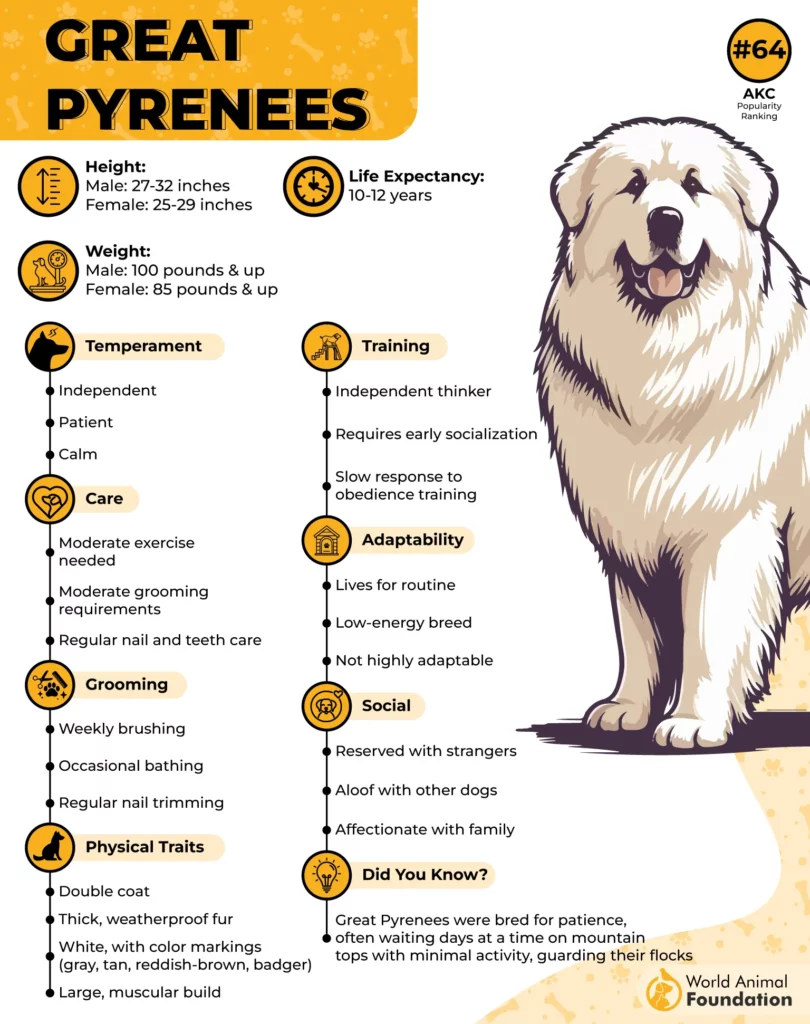
The Great Pyrenees was originally bred to guard livestock and stay with flocks for long hours. This breed learned patience early. Their serene yet protective nature makes them great guard dogs for a peaceful home.
A Great Pyrenees does best in a home with room to stretch out and settle in. It enjoys time outdoors but is generally calm once inside. Guidance and consistency help shape its natural guarding instincts into steady, predictable behavior.
As per AKC, training a Great Pyrenees requires patience and dedication. They are independent and will not follow commands if they are not trained properly. However, obedience training can ensure they are properly trained and well-behaved in adulthood.
What Makes This Breed a Good Fit
Naturally calm presence that helps create a relaxed household atmosphere
Protective instincts paired with patience around familiar faces
4. Tibetan Mastiff
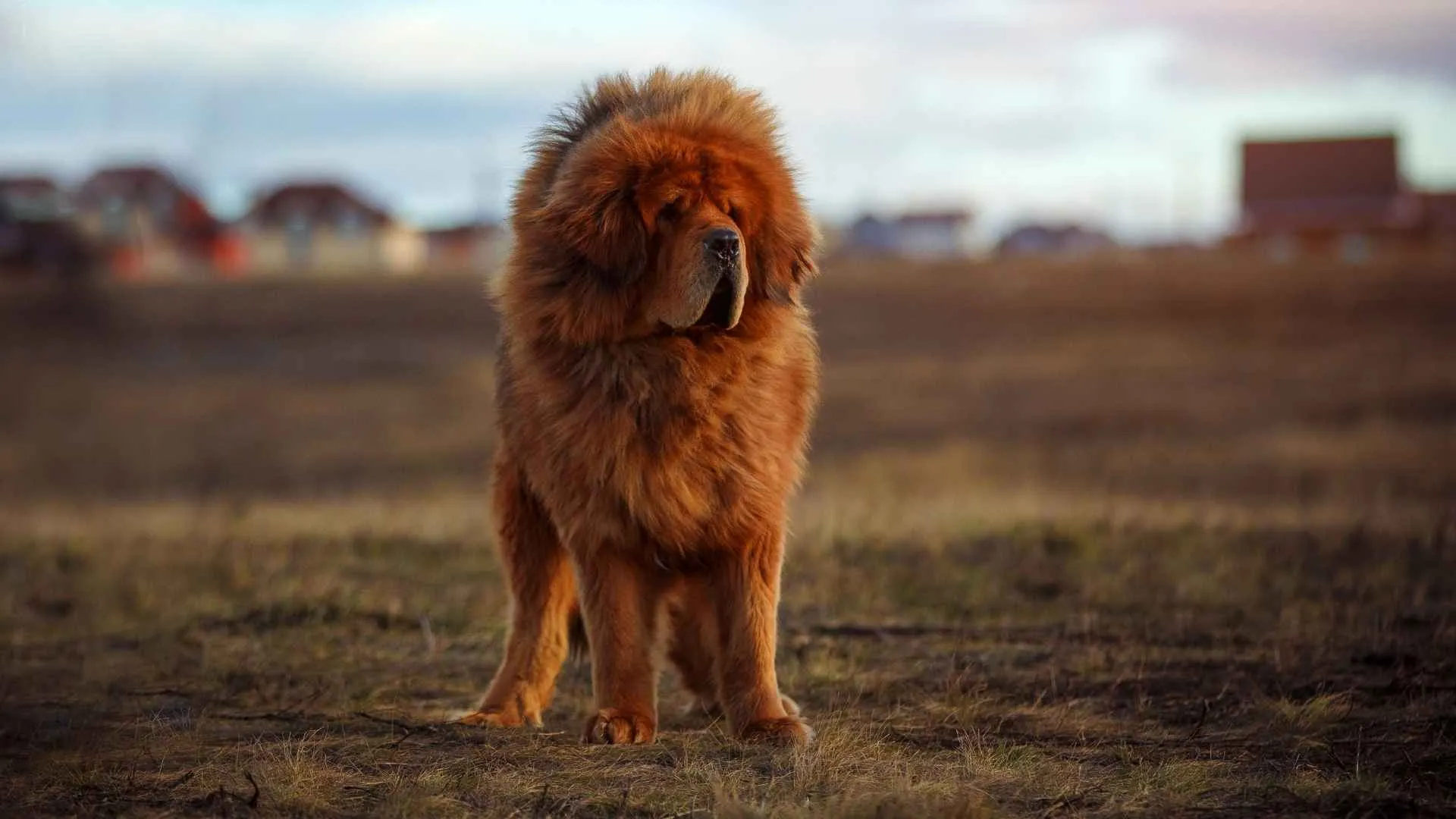
The Tibetan Mastiff stands out for its dignified and independent personality. This breed was shaped by life in harsh mountain regions, where decision-making and self-reliance were essential. That background gives it a thoughtful, watchful approach to its surroundings.
Living with a Tibetan Mastiff works best in spacious settings where it can relax and observe. Daily walks and access to a secure outdoor area help meet its needs. Consistent training supports cooperation while respecting its independent nature.
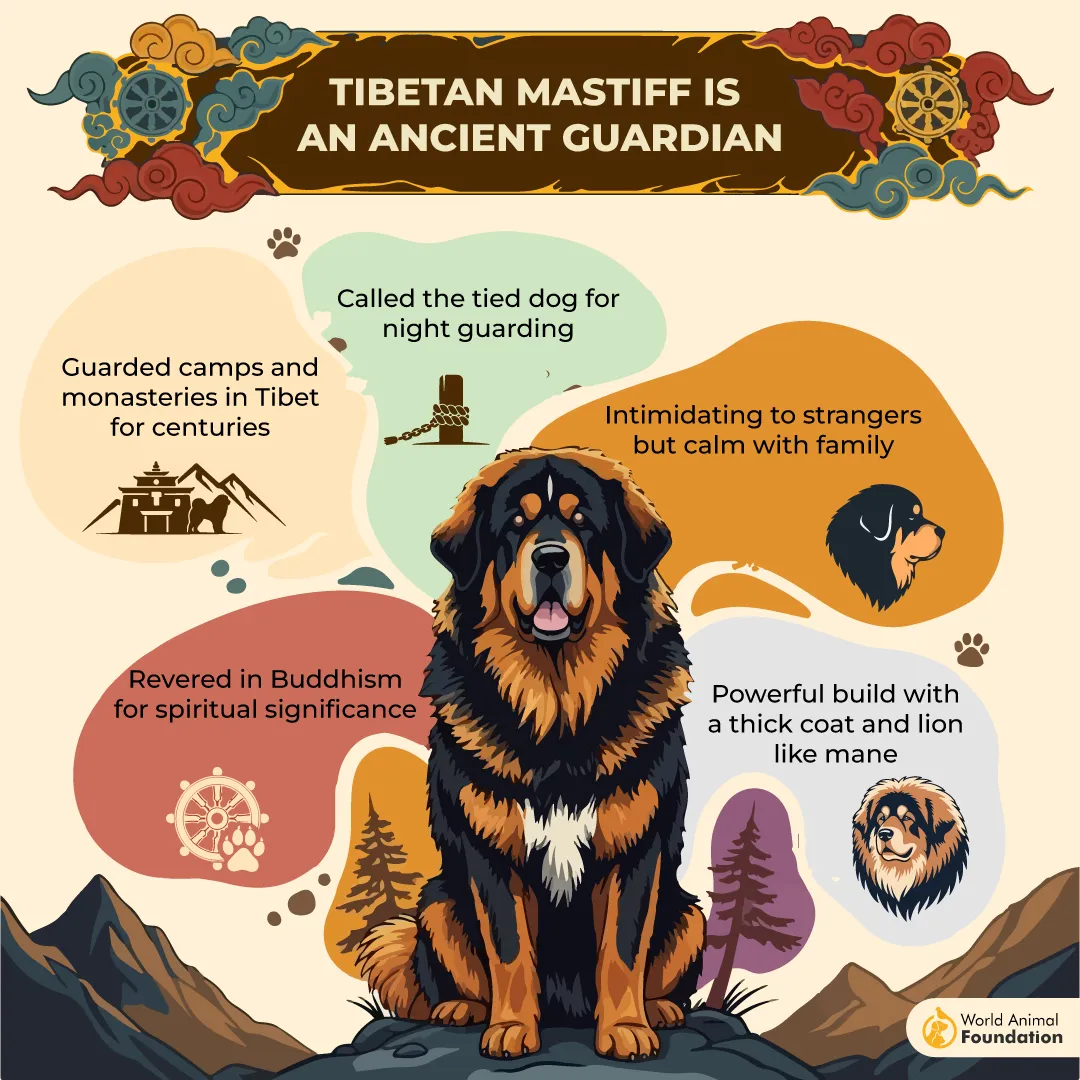
Tibetan Mastiffs have strong guarding instincts that make them naturally wary of strangers. They don’t bark obnoxiously without a reason; they usually use their deep bark to deter intruders or alert their owners of any potential danger.

What Makes This Breed a Good Fit
Incredibly loyal companions with a calm, observant demeanor
Thrives in homes with space and structured daily routines
5. Rhodesian Ridgeback
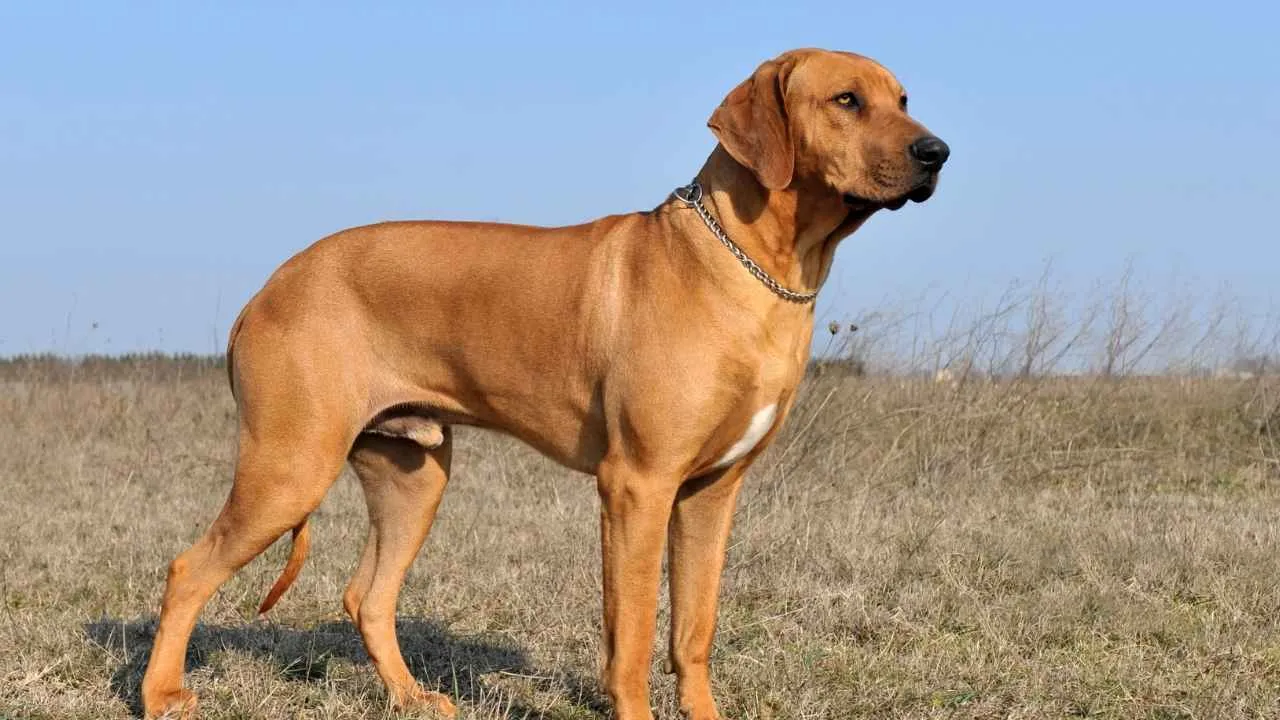
The Rhodesian Ridgeback brings a bold, athletic energy shaped by a history of serious work. Originally developed to track dangerous game, this breed learned early how to assess situations without acting recklessly. That background shows in its sharp awareness and ability to tell normal activity from something that feels off.
Daily movement plays an important role in this breed’s balance. Long walks, active play, and mental challenges help channel its strength and focus. When its needs are met, the Ridgeback becomes a steady and reliable presence indoors.
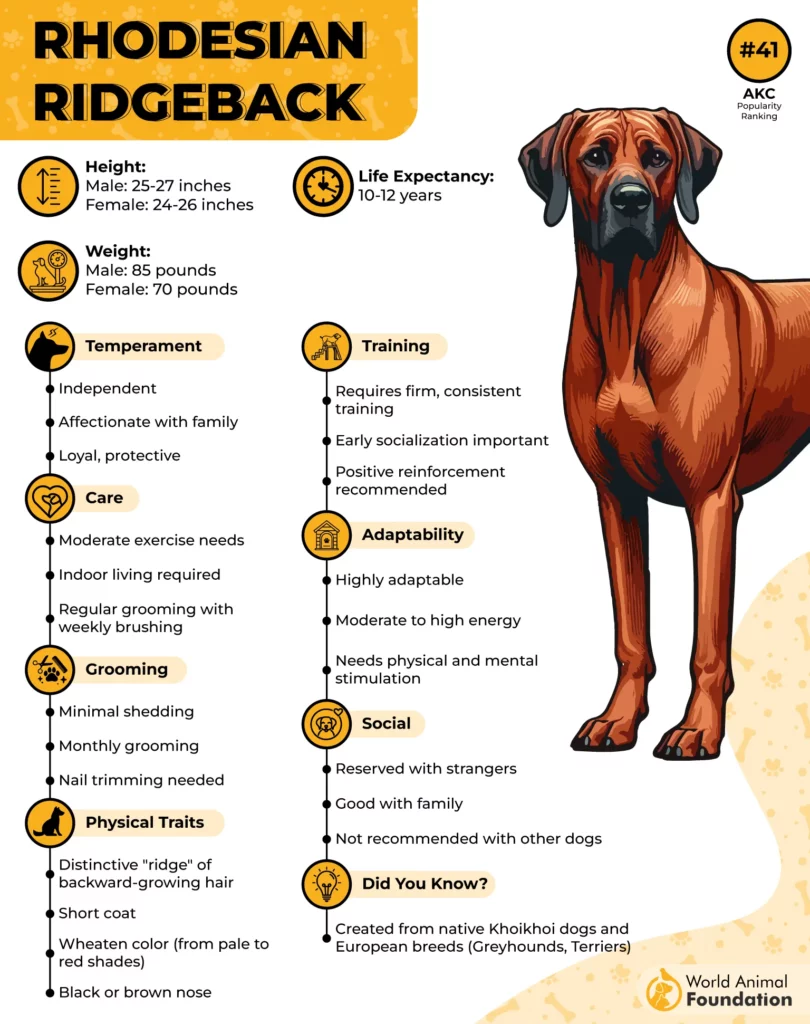
Rhodesian Ridgebacks are great family dogs because they are extremely loyal. They prove to be excellent guard dogs due to their loyal nature, as they are always alert and ready to protect their family.
What Makes This Breed a Good Fit
Protective nature paired with loyalty to household members
Thrives with structured routines and meaningful physical outlets
6. Boerboel
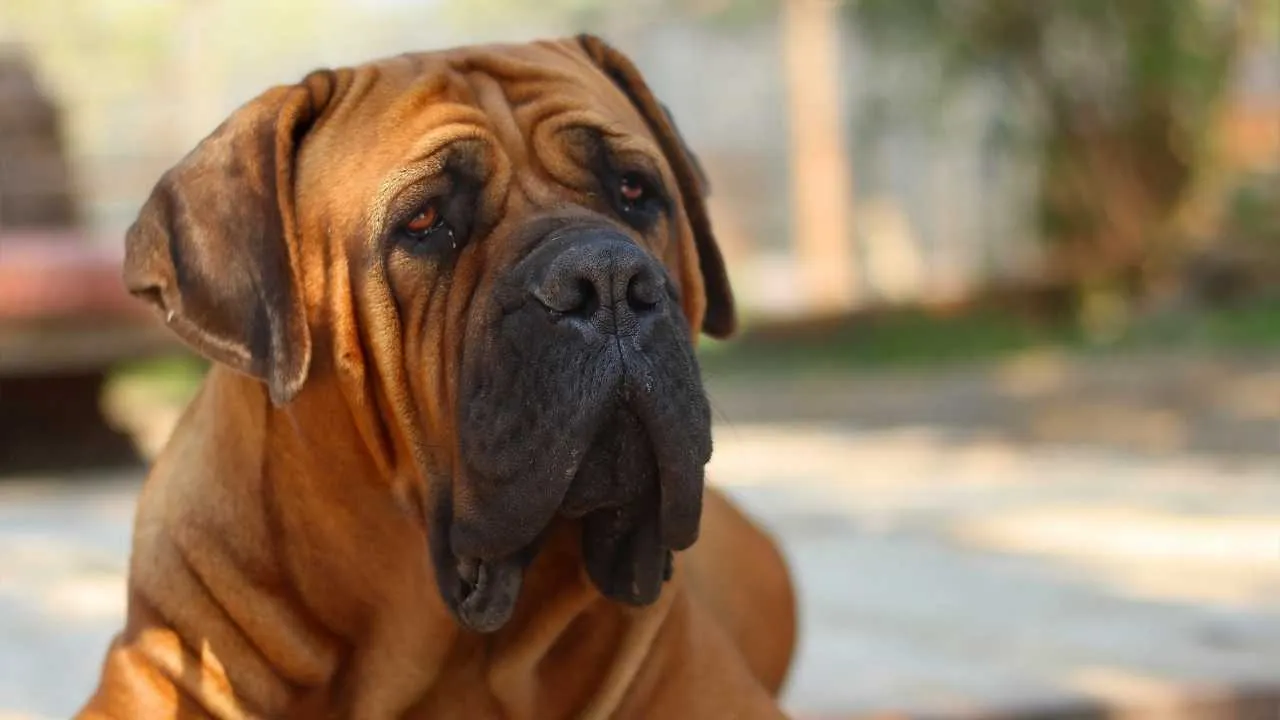
The Boerboel stands out for its confidence and physical presence, developed through generations of guarding rural homes. This breed was shaped to stay close to its people, making family connection a central part of its identity. That closeness fuels both its affection and its sense of responsibility.
As it matures, the Boerboel often becomes steady and self-assured. It enjoys being included in family activities and responds best when given purpose, structure, and regular mental stimulation.

Consistency matters greatly for this breed. Regular exercise, clear leadership, and shared time with family help maintain balance. With the right structure, the Boerboel settles into home life with confidence and reliability.
What Makes This Breed a Good Fit
Great family guard dogs due to their strong attachments to their families.
Responds well to clear leadership and early, consistent training
7. Great Dane
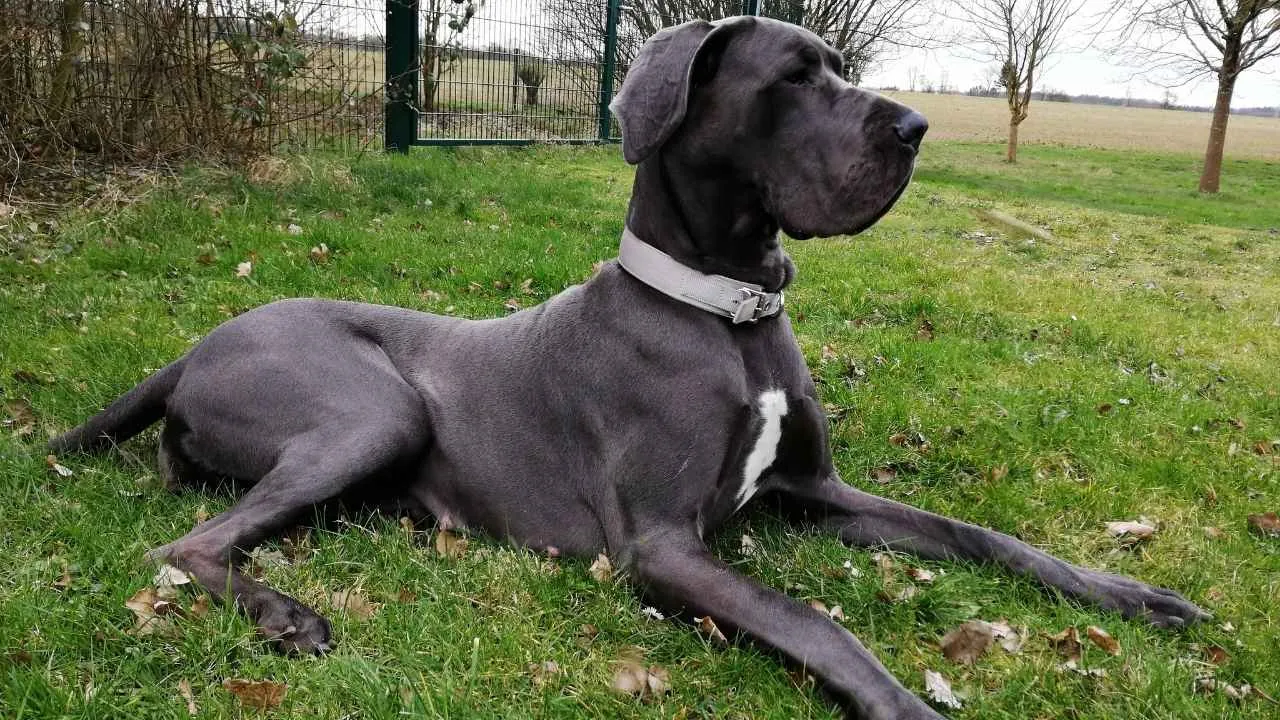
The Great Dane has a commanding presence and often makes an impression before it even moves. Its tall frame and relaxed posture naturally command attention, which alone can make unfamiliar visitors think twice. Inside the home, this breed is more about quiet companionship than constant motion, often choosing to stretch out and observe family life from a favorite spot.
As mentioned by WebMD, life with a Great Dane tends to feel smooth and predictable. Long walks are important, yet it’s a steady pace and polite manners make outings feel easy rather than demanding. Encounters with new people or animals are usually handled with patience and composure.
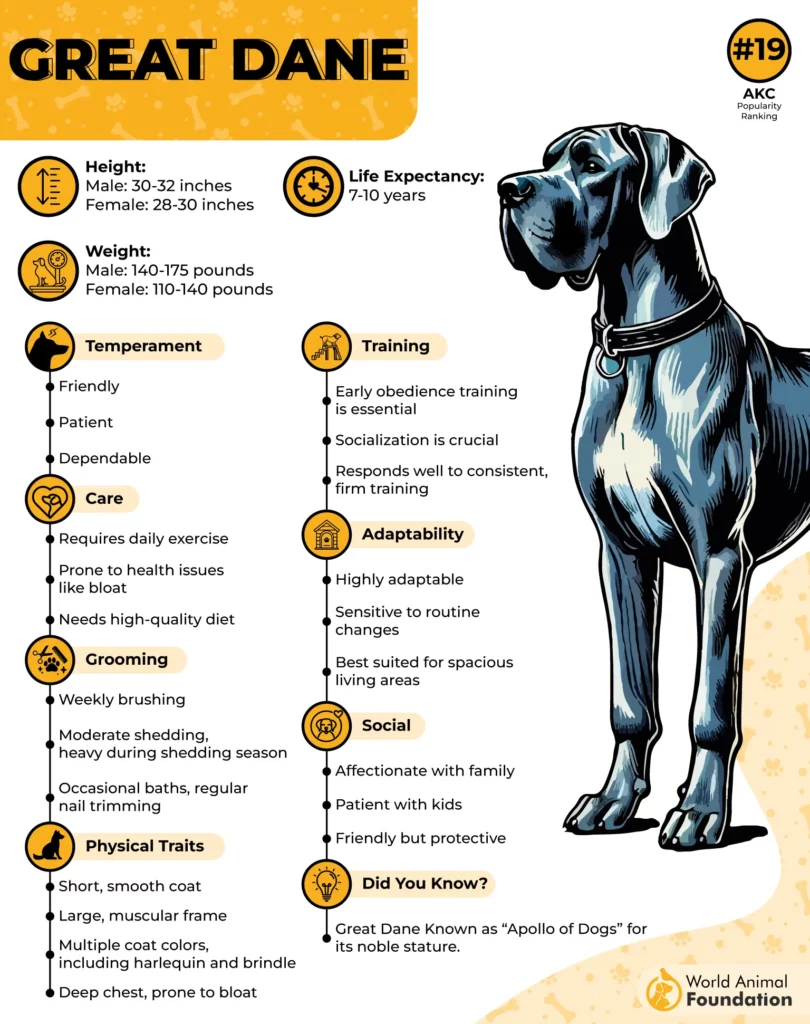
Living with a Great Dane means planning for space and comfort. This breed thrives in larger homes where it can move freely and rest without feeling confined. Affection comes naturally, and it enjoys being close without needing nonstop attention.
What Makes This Breed a Good Fit
An imposing size that quietly discourages unwanted attention
Affectionate nature that blends easily into everyday household life
8. Newfoundland
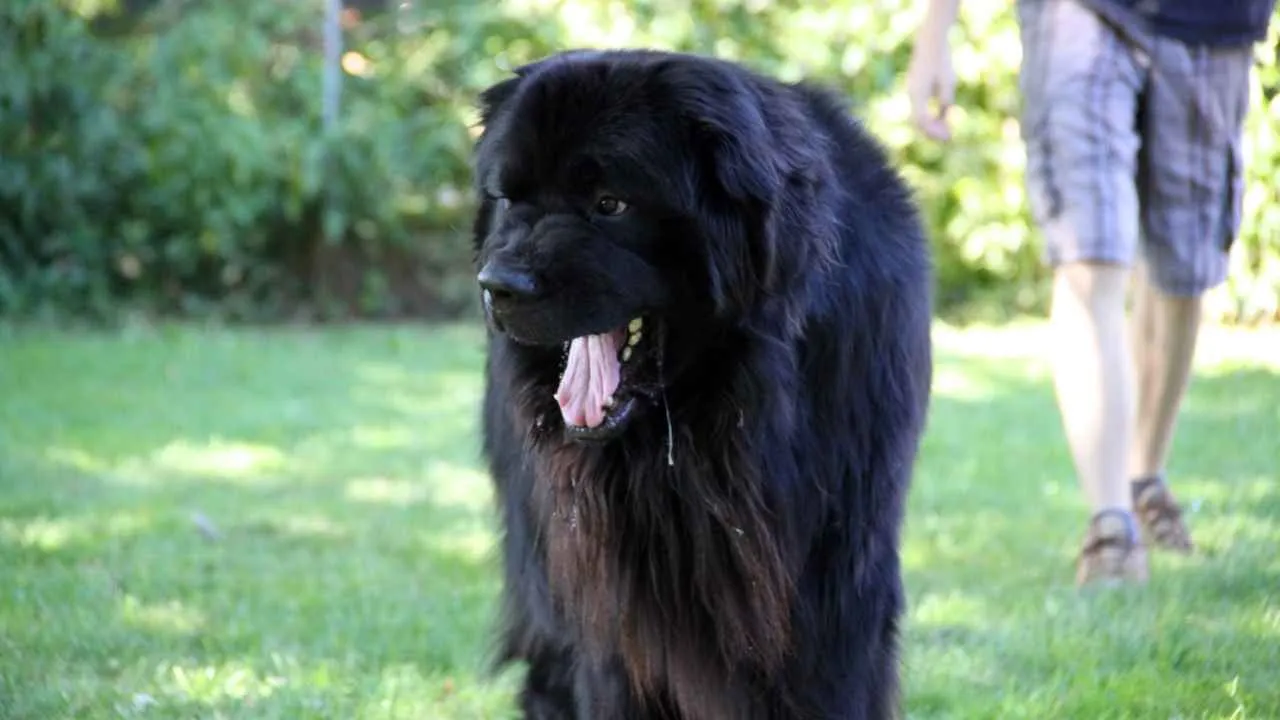
The Newfoundland brings a nurturing energy shaped by its background in water rescue work. This breed is known for stepping in when needed, guided by instinct rather than excitement. Its large build pairs with a patient mindset that feels reassuring in busy family settings.
Around children, the Newfoundland is especially gentle and has an affectionate nature. It tends to move carefully and remain aware of its surroundings, which helps it fit comfortably into homes with varied activity levels. Training often feels enjoyable thanks to its social and cooperative attitude.
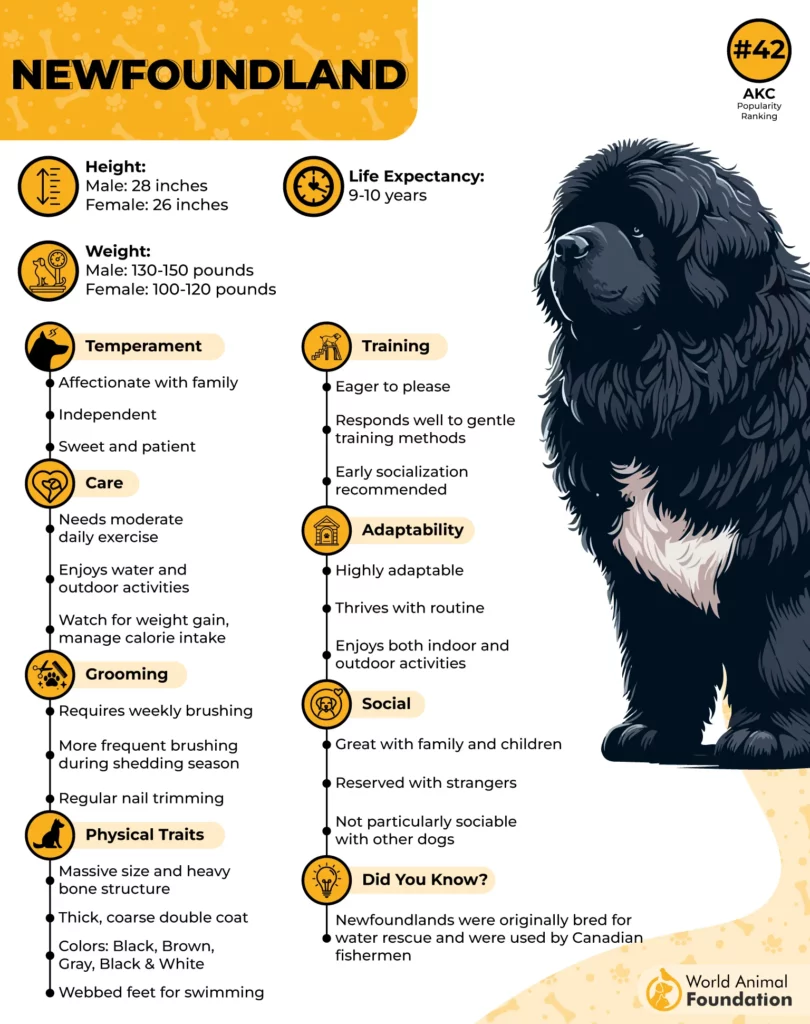
Caring for a Newfoundland requires commitment, particularly with grooming and regular upkeep. Moderate activity keeps it content, while shared time strengthens its bond with family members. When its needs are met, this breed settles into home life with steady ease.
What Makes This Breed a Good Fit
Naturally attentive behavior rooted in a history of helping roles
Social personality that makes training feel engaging and rewarding
9. Bergamasco Sheepdog
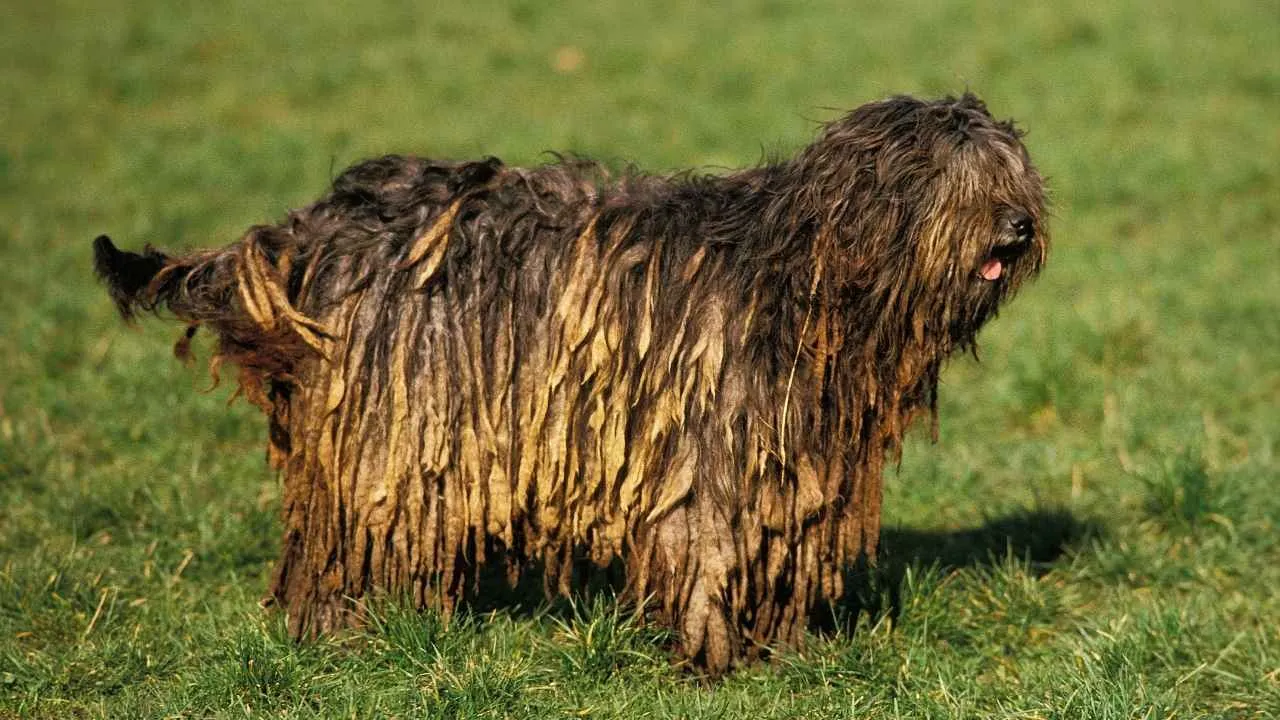
The Bergamasco Sheepdog stands out for its thoughtful and observant nature, shaped by centuries of working alongside people in rugged mountain regions. This breed learned to stay focused in challenging environments, which shows today in its steady behavior and strong sense of awareness at home. This mountain dog tends to move with purpose rather than excitement.
Interaction with family feels intentional and deeply connected. Bergamascos are one of the smartest breeds, and they prefer understanding the reason behind a request instead of blindly following commands. Around unfamiliar people, they may appear reserved at first, choosing to watch quietly before warming up.
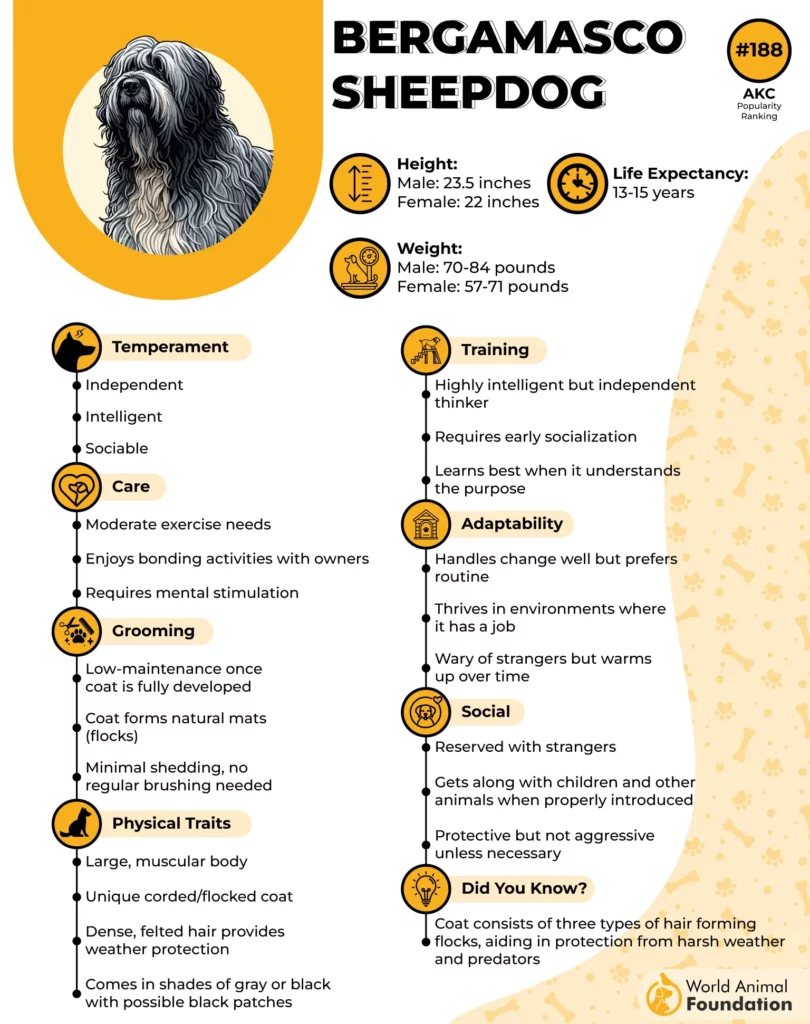
One of the most recognizable features of this breed is its naturally formed flocked coat. While it looks complex, it requires surprisingly little upkeep once established. Combined with moderate activity needs, this makes daily care more manageable than expected.
What Makes This Breed a Good Fit
Naturally protective mindset developed through a close partnership with humans
Unique coat that offers low maintenance after proper early care
Conclusion
Among the best guard dogs, the ones that truly stand out are those that offer calm confidence rather than constant tension. The right guard dog brings a steady presence, fitting naturally into daily life while quietly watching over what matters most. When temperament and lifestyle align, these natural guardians make everything feel easier, from quiet evenings to busy family days.
The most balanced protective dog breeds show that strength does not need to be loud or overwhelming. Some prefer observing from a cozy spot, others stay close to their people, but all share an instinctive awareness that makes them reliable protection dogs. With patience, consistency, and trust, they settle into family life as loving family pets who feel reassuring rather than disruptive.
At the end of the day, the best choice is a dog that fits your rhythm. One that plays when it is time, relaxes when the house is calm, and stands ready if something feels off. That balance is what truly makes a home feel complete. If you want to further explore such breeds, you can look up German Shepherd and Giant Schnauzer.
