




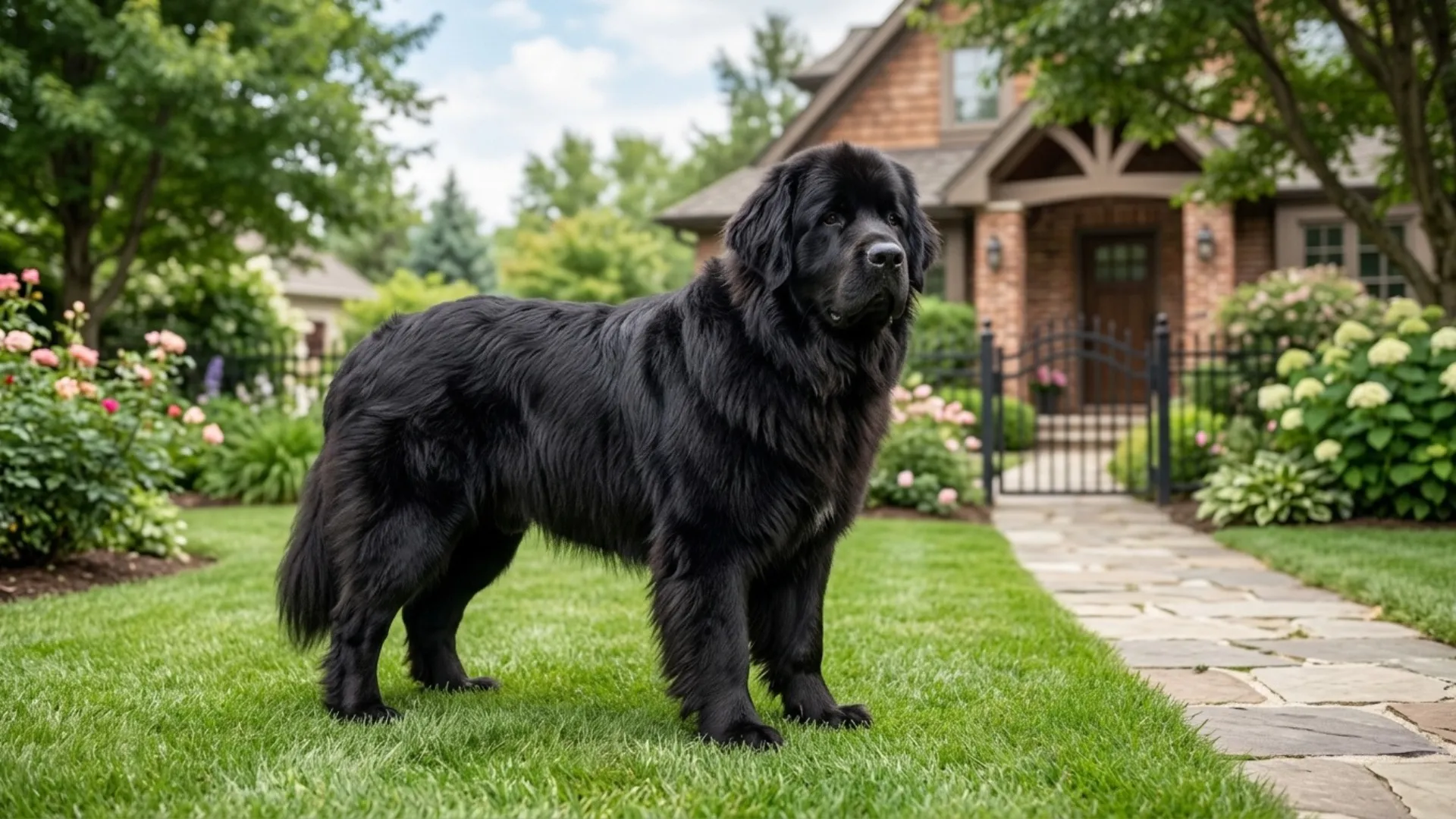
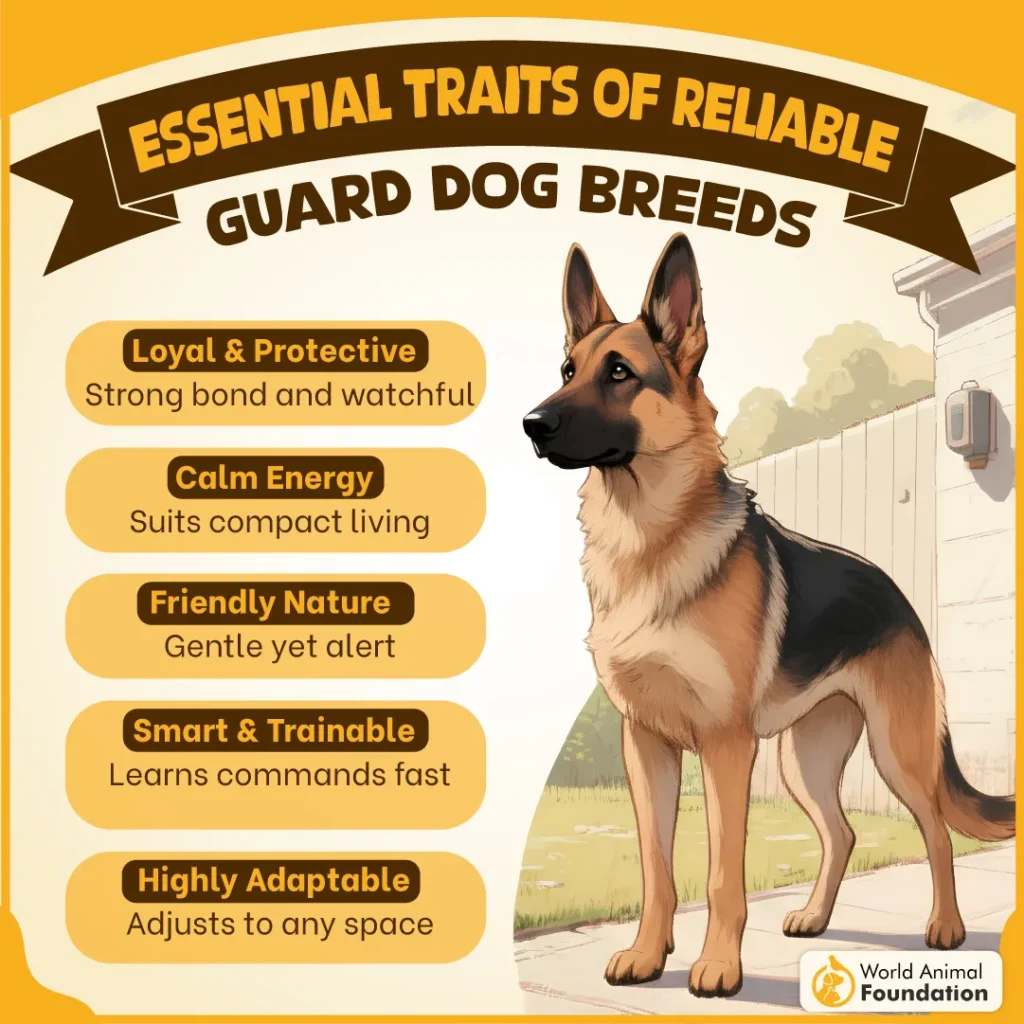
A peaceful home does not need a dog that barks at every falling leaf. Sometimes, the best protector is the one who watches quietly, stays close, and only speaks when something truly matters. Think of them as the “strong, silent type” of the dog world, steady, loyal, and calm under pressure.
Some large breeds were born for this role. They can look intimidating to strangers, yet become gentle shadows beside their favorite people. But calm is not the same as careless. These dogs still need training, space, socialization, and a family that understands their needs.
Rather than barking or acting aggressively, they protect your home simply by staying watchful and using their impressive size. If you want security without chaos, the breeds below may be exactly what your home has been missing.
Serene Guard Dog Breeds for a Tranquil Home
1. Rhodesian Ridgeback
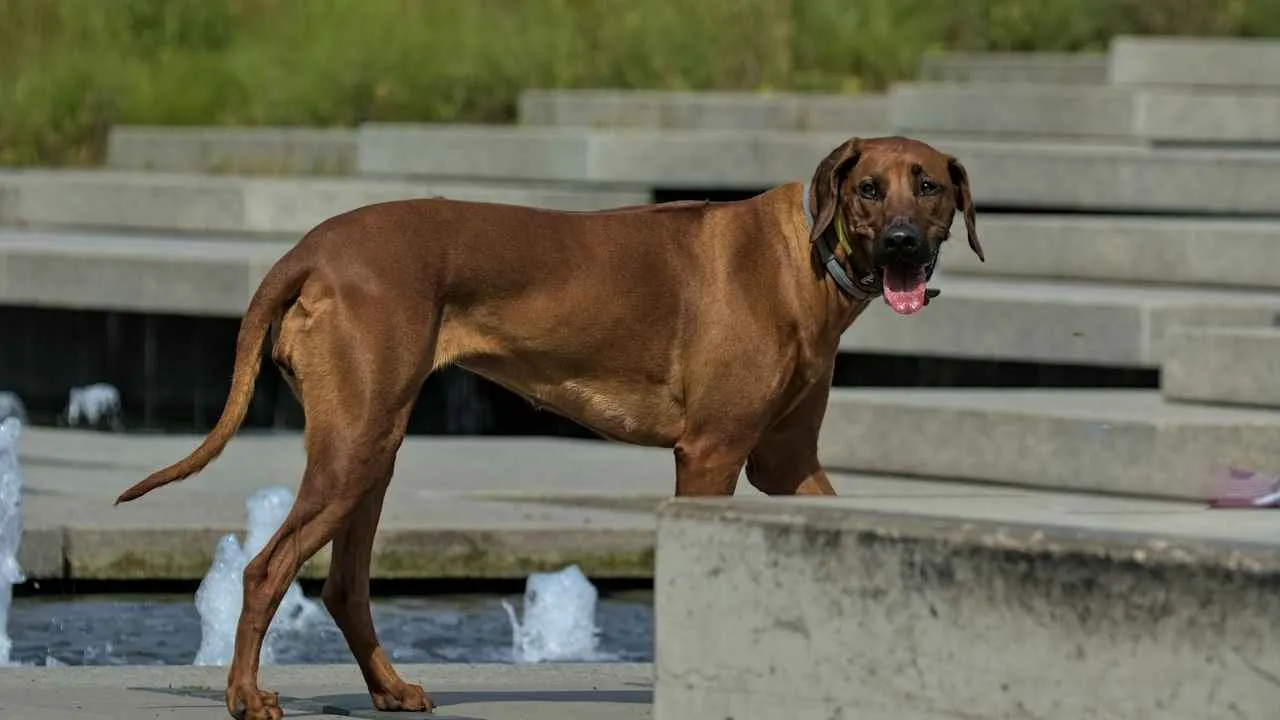
European settlers brought their Bloodhounds, Mastiffs, Greyhounds, and Pointers to South Africa in the 16th and 17th centuries. These breeds were interbred with local hunting dogs to produce a large hunting dog, the Rhodesian Ridgeback, according to Omlet.
It silently assesses the situation and quietly positions itself between the threat and the owner. Famous for the ‘Ridgeback lean,’ it gently presses its body against your back or sits at your feet to be close to you. It prefers a cozy or plush couch when it comes to sleep. The independent thinking and strong sense of smell may lead to selective hearing.
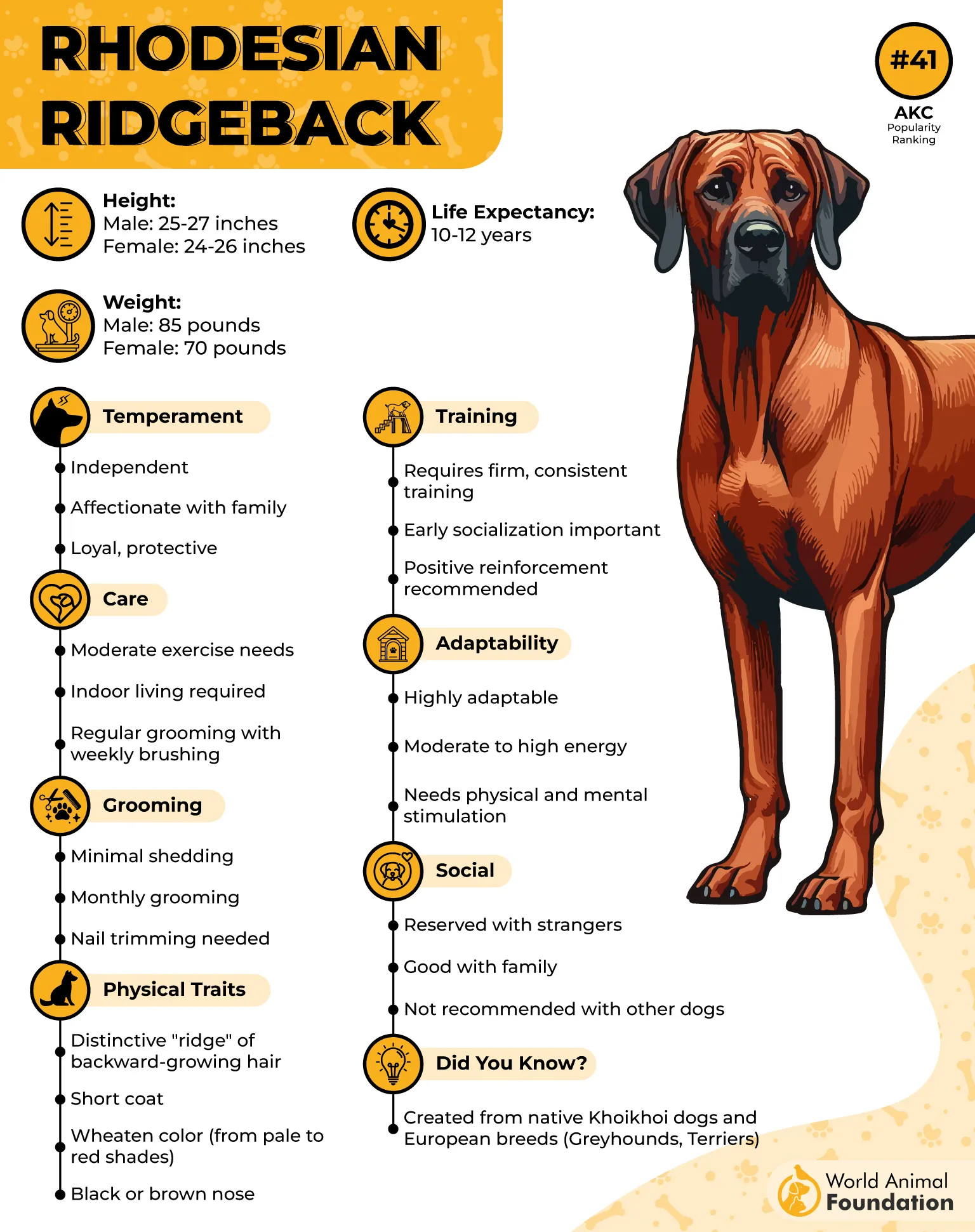
The breed has a short coat followed by minimal dog odor; thus, it has minimal grooming needs: weekly brushing using a rubber curry brush, monthly baths, and monthly nail trimming.
2. Mastiff
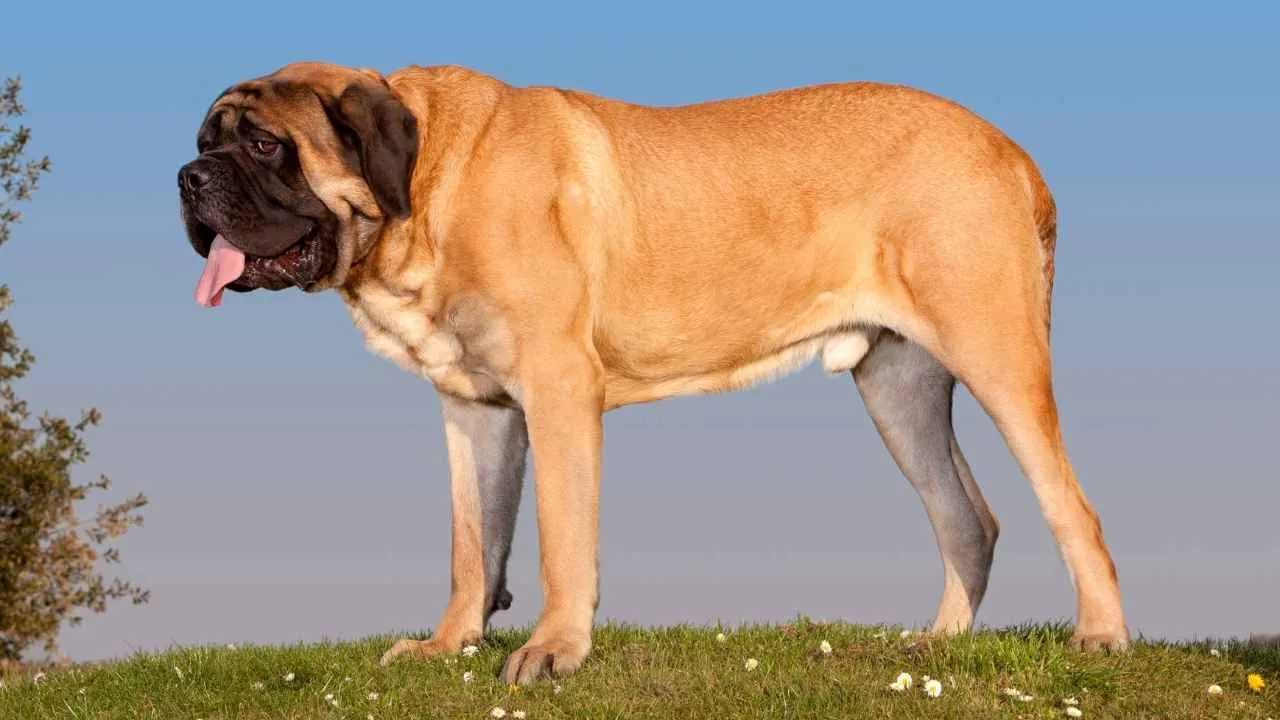
The breed is descended from all mastiff-type dogs who were once used to hunt lions. The ancestors include the Bullmastiff, Neapolitan Mastiff, and the Tibetan Mastiff. The history of this ancient breed dates back to China, Rome, and Egypt, where it was used to participate in blood sports and protection.
The highly emotional breed tends to crave human physical touch and sits calmly beside you for hours. A tired Mastiff will often simply roll onto its side or sit down in the middle of a walk, asking for a break. Because of its low energy and short attention span, only 30-60 minutes of daily exercise is sufficient.
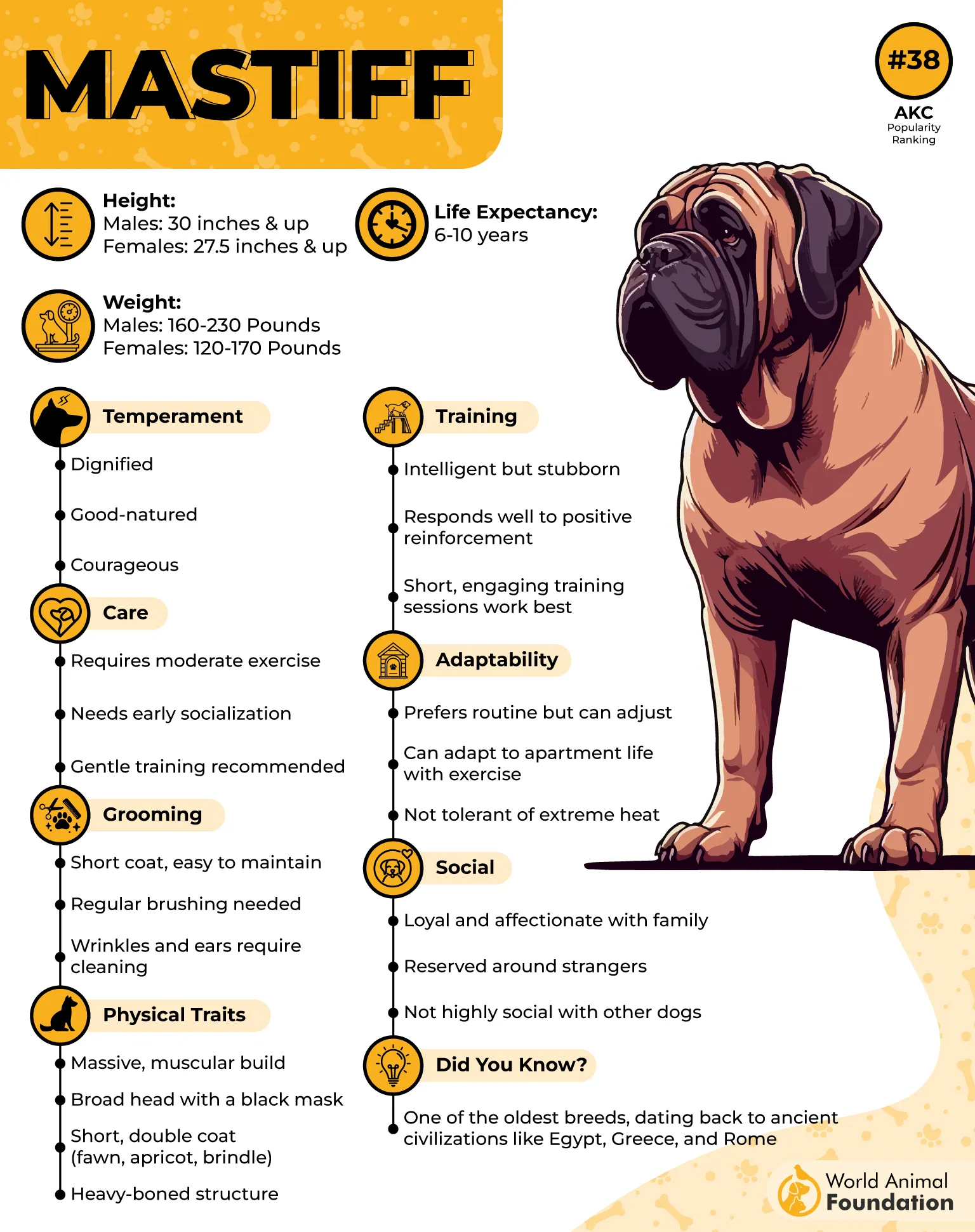
The short and dense coat requires weekly brushing using a rubber curry mitt to remove loose hair and evenly distribute natural oils. Wrinkle cleaning is needed 3 times a week. Because of its loose jowls, it drools heavily; thus, frequent muzzle wiping is highly recommended.
3. Saint Bernard
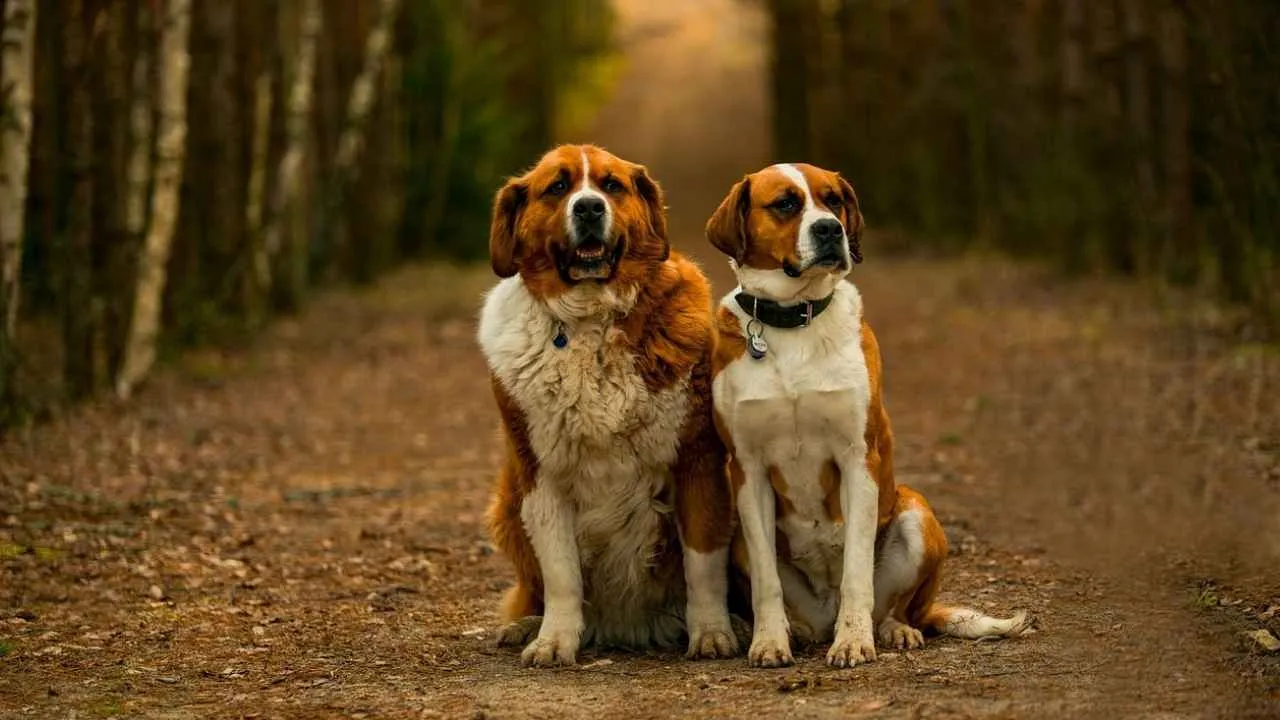
The Great St Bernard Hospice began to use dogs to protect estates and people in the 17th century. They developed the breed from the mastiff-type dogs they had brought from Asia. These dogs were then interbred with the local Alpine dog breed to develop this wonderful companion dog, says the Royal Kennel Club.
It has lower metabolic food requirements because of its placid baseline disposition. The slow-moving breed is usually relaxed indoors. The genetic makeup of rescue travelers provides an incredibly tolerant nature towards humans. The breed is famously known for napping 80% of the day.
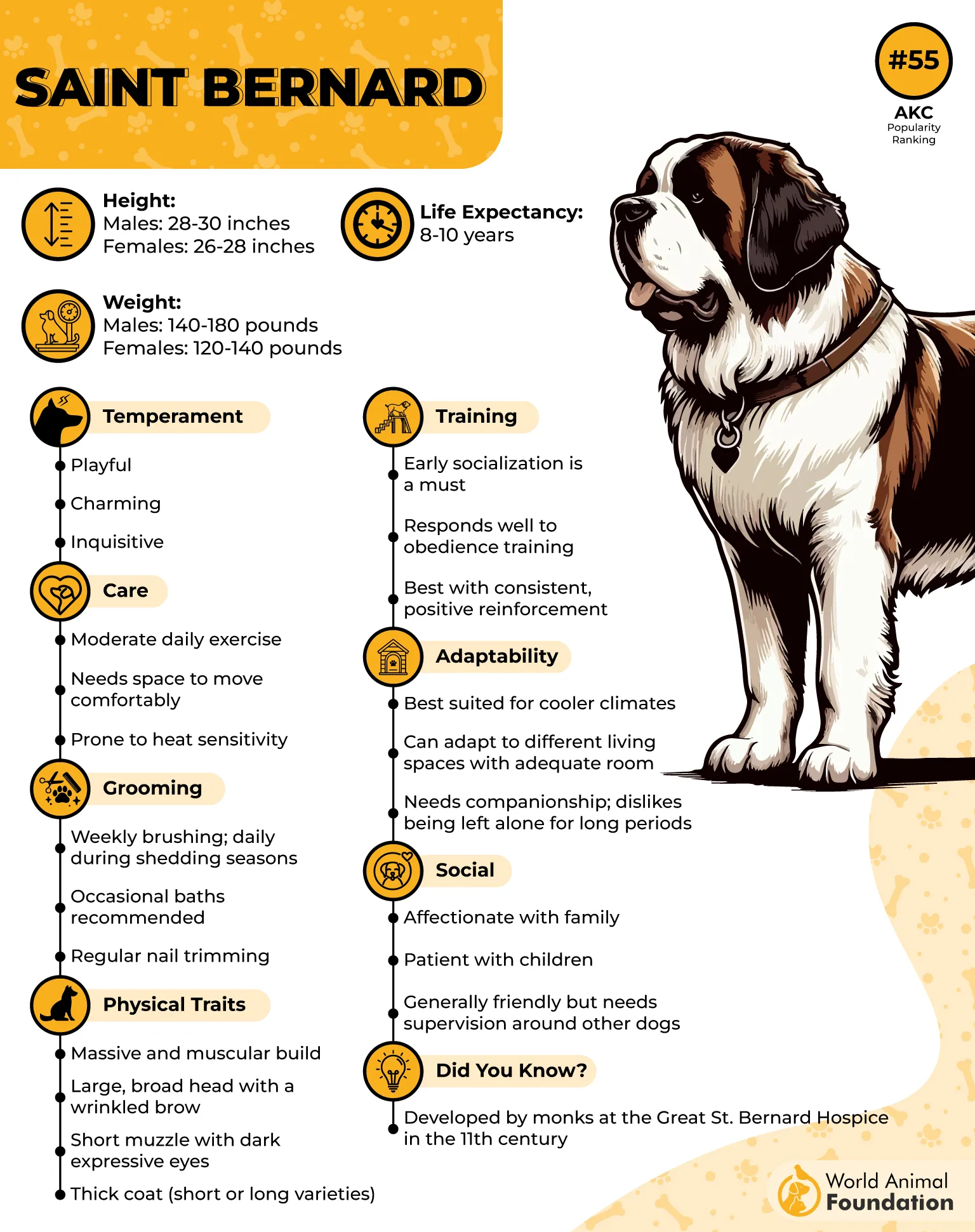
The affectionate dog has a moderate energy level and needs daily exercise for 30-60 minutes for physical and mental stimulation. It has a water-resistant double coat that requires weekly brushing (2-3 times) using a slicker brush, an undercoat rake, and a rubber curry mitt.
4. Tibetan Mastiff
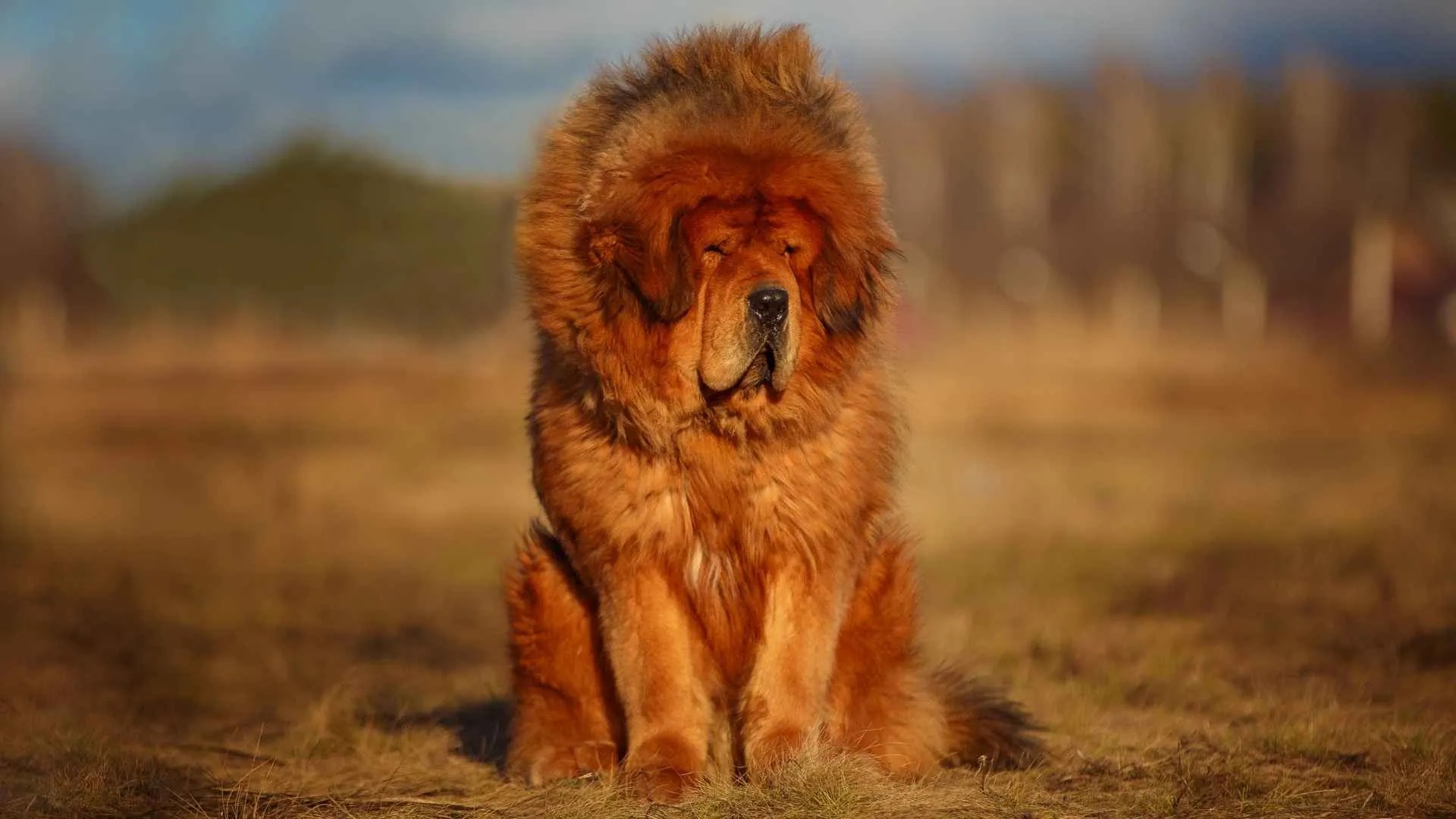
The larger dog breed is descended from the mountain dogs, such as Great Pyrenees, Bernese Mountain Dogs, and Saint Bernards, and was originally bred in Tibet. It was favored by the royalty, including Queen Victoria and the Prince of Wales (1874). The population declined during the Chinese invasion of Tibet
While it forms deep bonds with the family, it has an independent spirit and can function equally well with busy homeowners. It selects a high vantage point in the house (often near the entrance) to lie down and watch over its surroundings. It can be a night barker; thus, proper training and early socialization are non-negotiable.
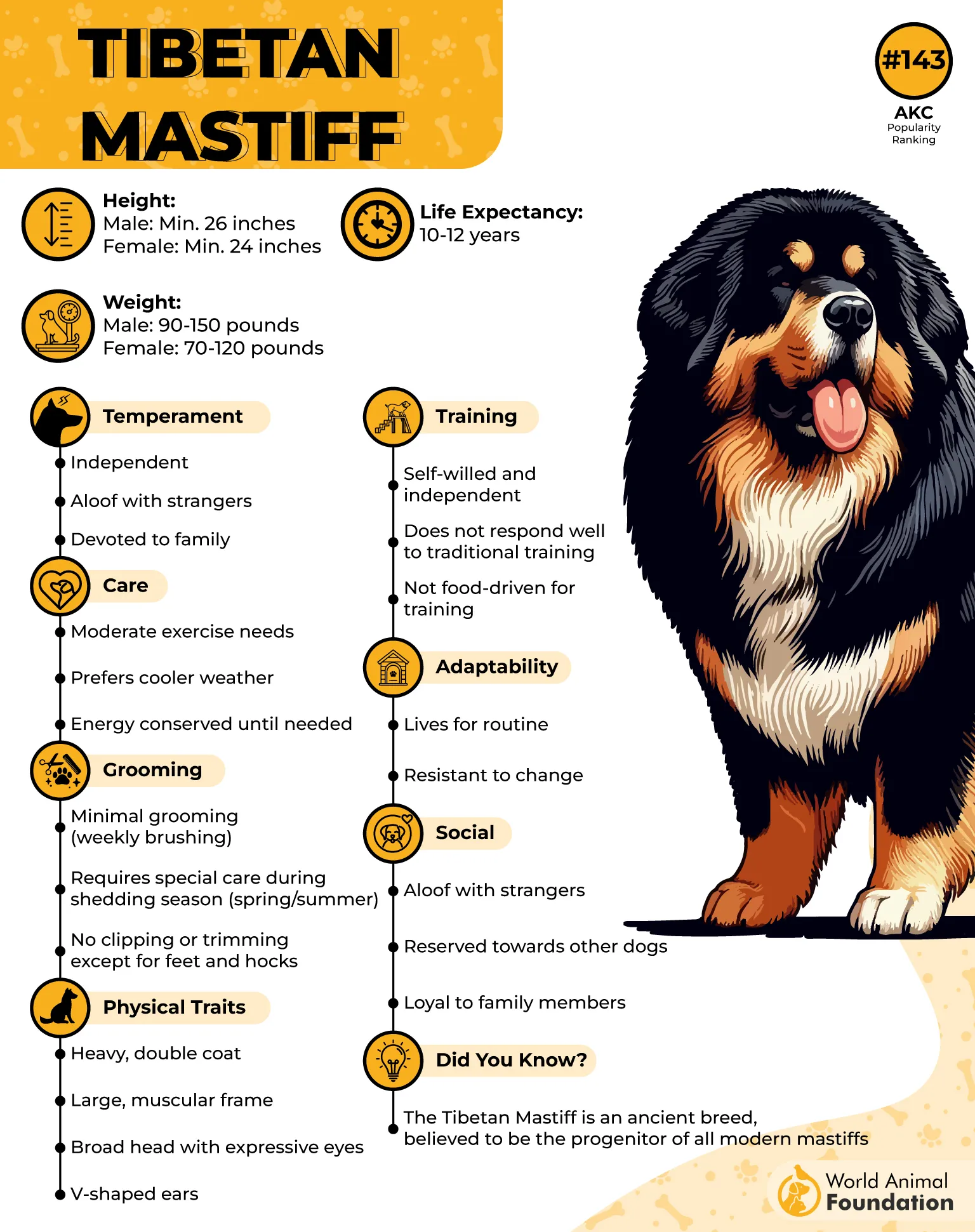
The mastiff breed has a moderate to low energy level, and property patrolling is its primary exercise. Though it requires only weekly brushing, the coat blows in shedding seasons and requires daily brushing using a de-shedding tool and an undercoat rake.
5. Boxer
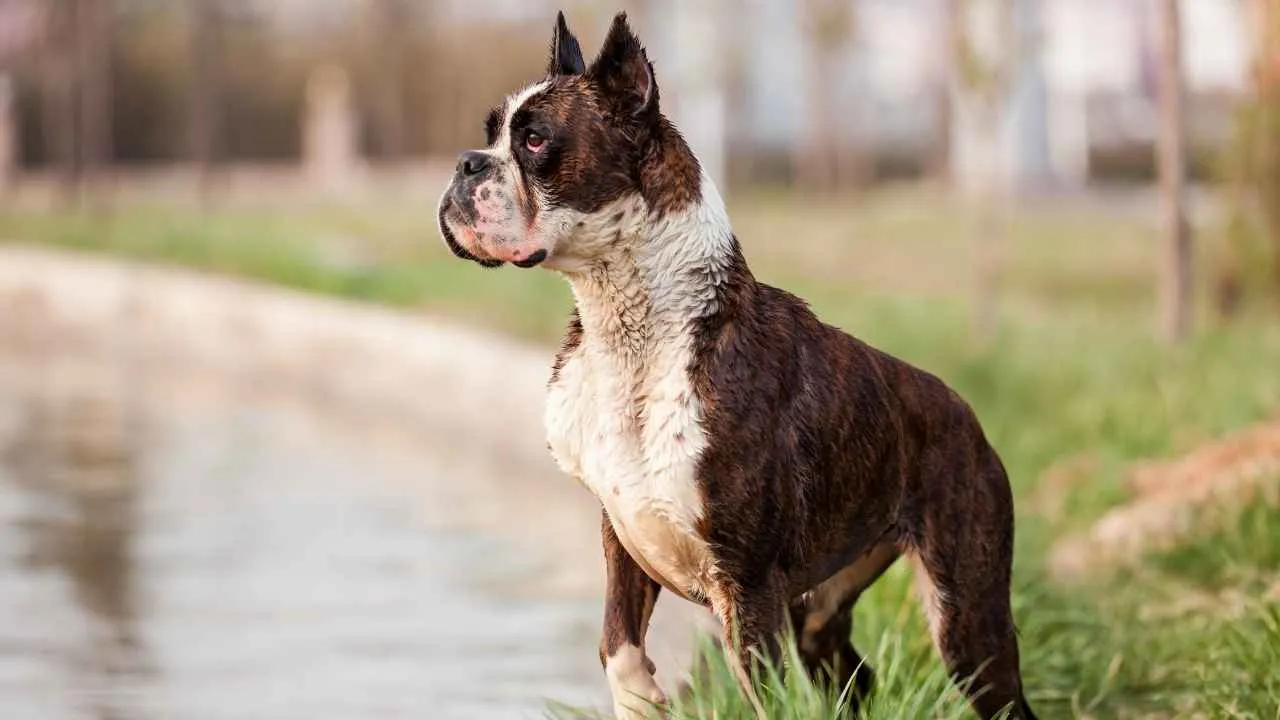
This medium-to-large, mastiff-type calm dog was developed in Germany by crossing the now-extinct Bullenbeisser and the Old English Bulldog. It exhibits a powerful bite force to neutralize the large predator and has a broad and square muzzle and strong jaws, as reported by Wikipedia.
Because of its high emotional intelligence, it tends to mirror the emotions of the owner, making it highly adaptable. With its incredibly expressive face, the loyal family companion communicates with human-like expressions and soulful eyes. It has the ‘Peter Pan’ complex and uses its front paws like hands to quietly manipulate toys or nudge to grab attention.
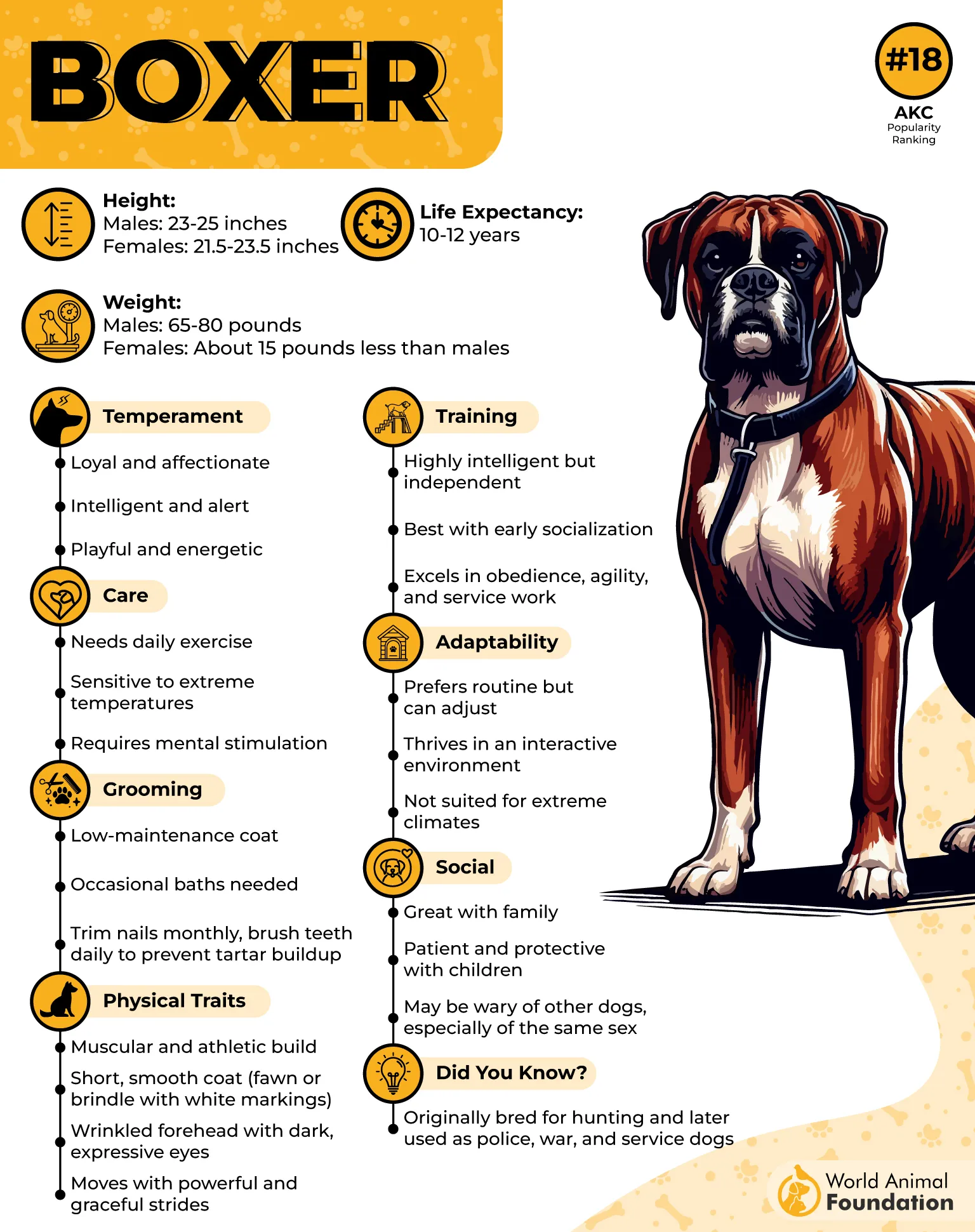
Ideal for active owners, the breed has exercise needs of 1-2 hours daily: agility, rally obedience, lure coursing, and dock diving. The short coat only needs a bath when it gets dirty. However, facial wrinkles need to be cleaned with wipes on a regular basis.
6. Newfoundland
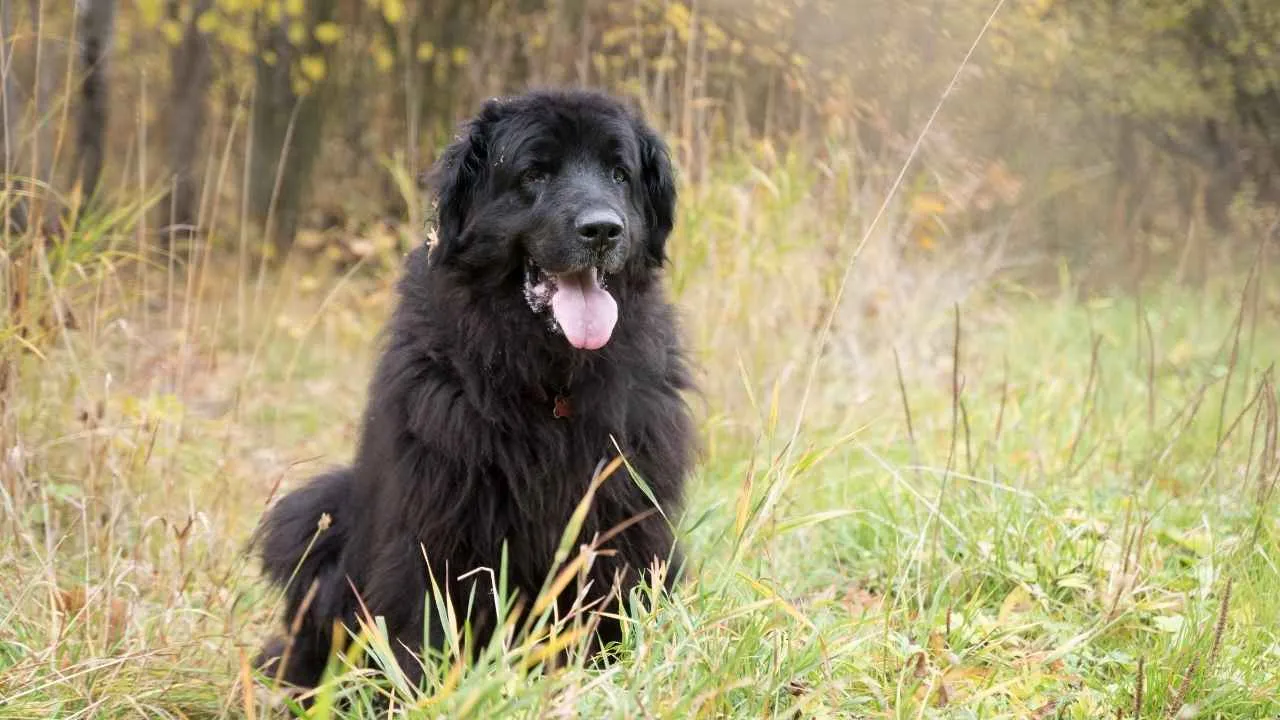
The large dog breed has a close resemblance to the St. Bernard and Mastiff, and its history began in Newfoundland, Canada. It was primarily used as a working dog and was assigned the task of hauling nets and pulling carts for the fishermen. It has a thick double coat and webbed feet, making it a great water dog.
The adult metabolism slows down significantly; thus, the gentle giant shows calm confidence and a gentle temperament indoors. The intelligent breed is also kept as a nanny dog because of its easygoing and forgiving nature. It thrives on silent companionship and tends to lean its heavy head on your lap.
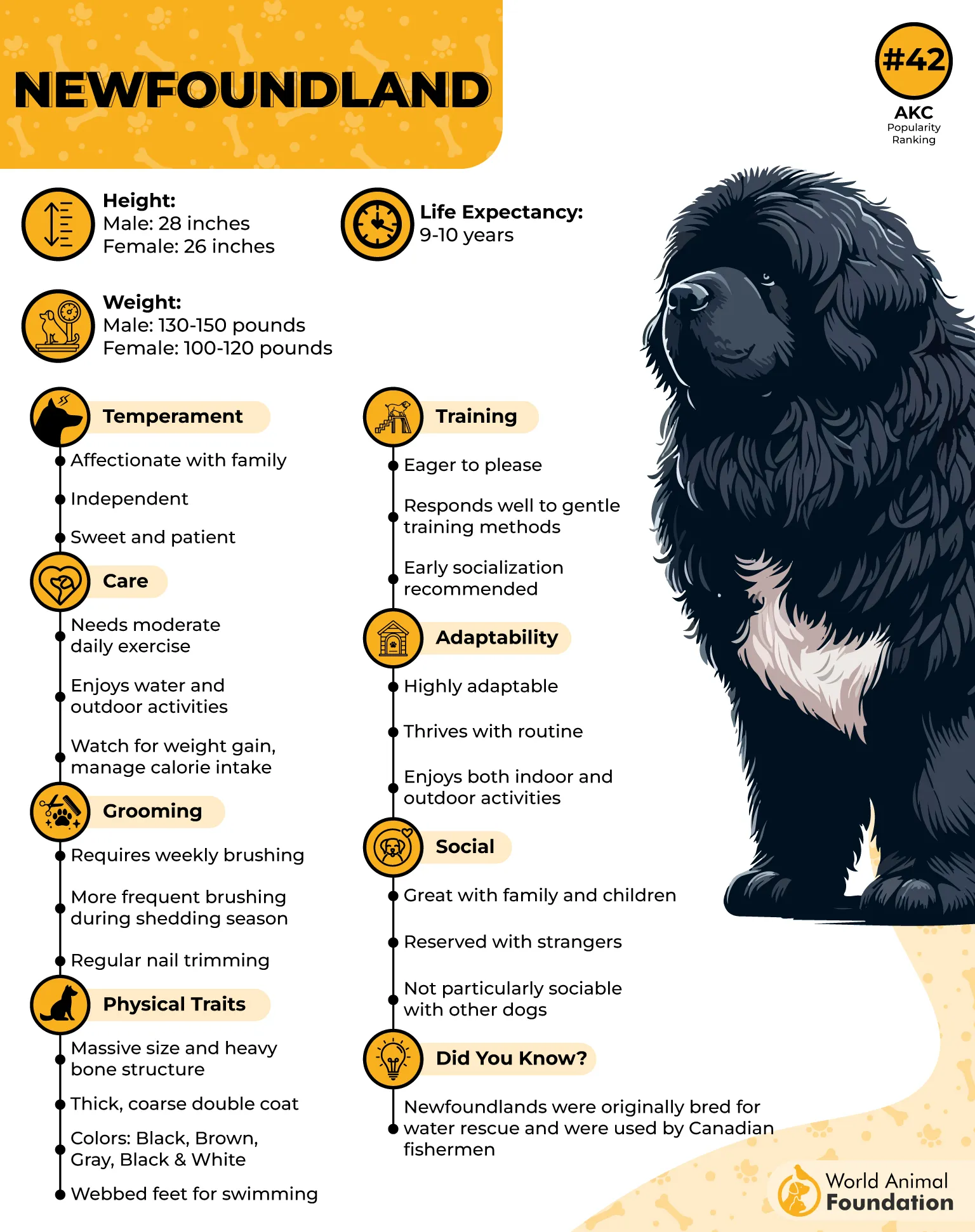
Because of its thick coat, the devoted companion is highly susceptible to overheating and heat exhaustion, and hence it prefers lounging, especially in summer. Though it has strong guarding instincts, the breed rarely shows aggression.
7. Great Dane
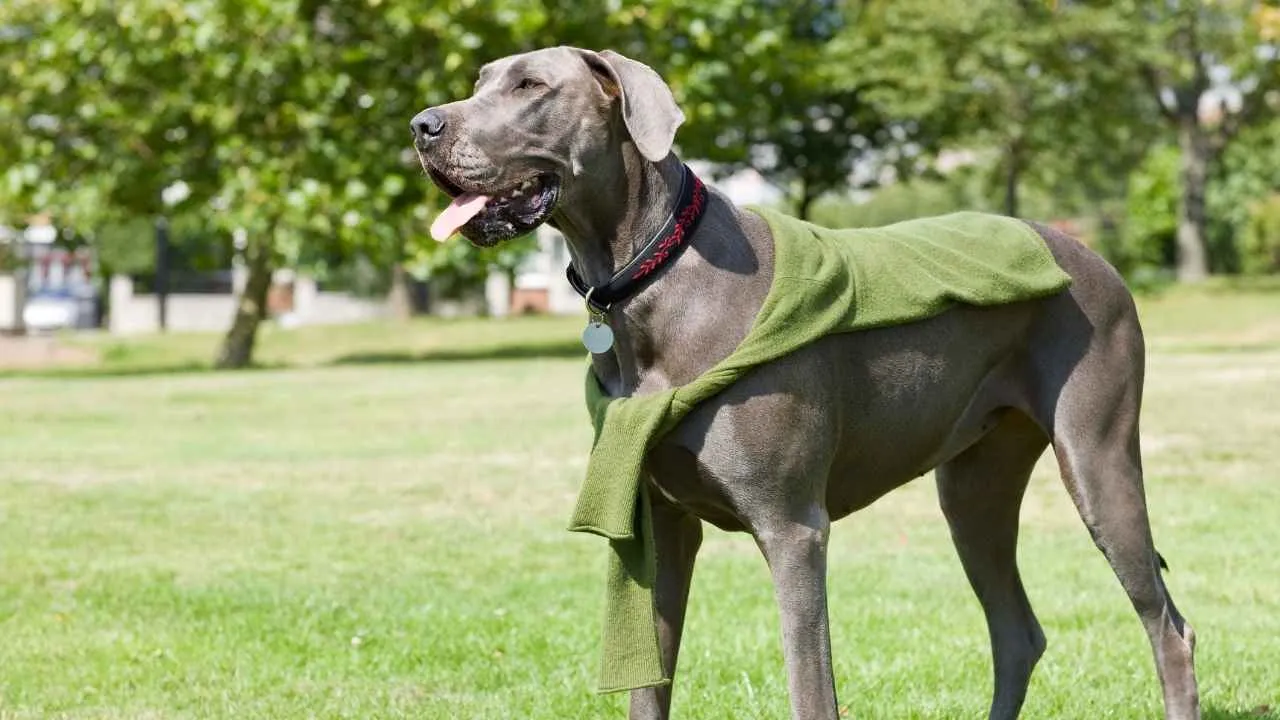
Also known as the Deutsche Dogge, the affectionate companion was developed in Germany as a hunting dog to hunt down large game, such as wild boar. Later, it became a guardian breed for the rich because of its strong protective instincts. The history dates back to Egypt, where a similar dog existed in 3,000 BCE.
Despite being the tallest of all canine breeds, the Great Dane does not bounce around in the house. It has a lap dog and cheerful personality: it squeezes onto a small chair for a cuddle.
It contorts its long limbs or awkwardly rests its head on couch armrests like humans. It uses its velvet-soft snout to nudge your lap or hand to demand attention.
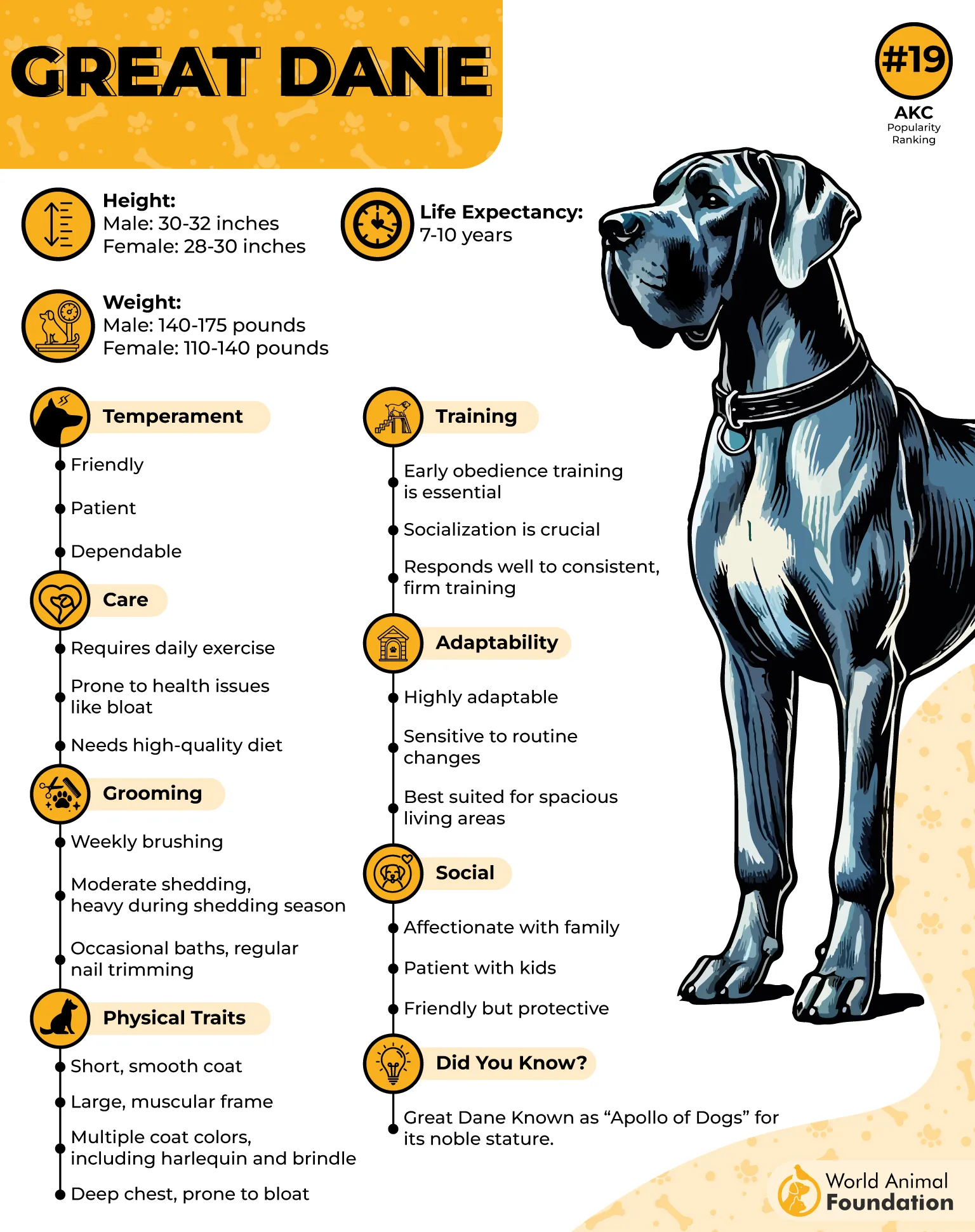
High-impact exercise is not suggested for the puppies (18-24 months). An adult dog needs 1-2 hours of daily exercise. It has a single-layered, low-maintenance coat that requires weekly brushing and weekly ear care.
Conclusion
A tranquil home is not built by silence alone. It grows from trust, routine, and the quiet comfort of knowing someone dependable is nearby. The right guard dog adds that feeling without turning your household upside down.
Whether you choose the watchful Rhodesian Ridgeback, the massive Mastiff, the sweet Saint Bernard, or the noble Great Dane, the goal is the same: a loyal companion who protects with presence rather than panic. These breeds can be calm, affectionate, and deeply bonded to their families when raised with patience.
