




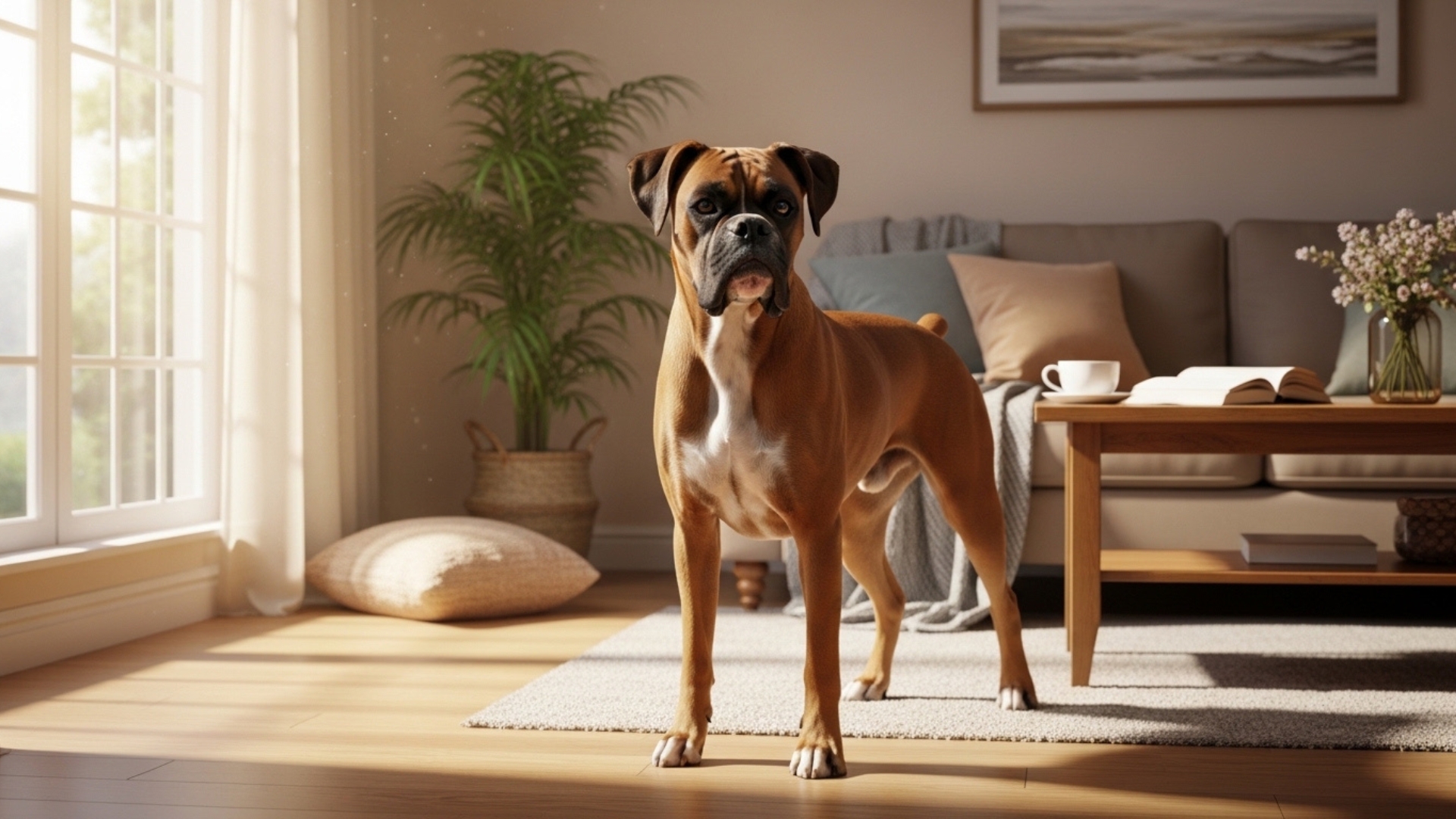
Not every guard dog needs to be high-strung or reactive to every passing leaf. Some of the best protectors are calm, observant, and emotionally balanced — dogs that guard through presence and confidence rather than constant tension.
According to the American Kennel Club, many traditional guard dog breeds were originally working dogs designed for property protection, livestock guarding, or personal security. But modern breeding and responsible training have shaped many of these breeds into steady, family-oriented companions.
A peaceful home doesn’t mean a defenseless one. It means having a dog that understands the difference between everyday life and a genuine threat. That emotional discernment is what separates reactive behavior from stable guarding.
Research in canine behavior science emphasizes early socialization (8–16 weeks) as critical for developing a balanced adult temperament. With the right foundation, even powerful breeds can be calm household members.
Let’s break down seven guard-capable breeds that can combine protection with peace — if matched to the right lifestyle.
Serene Guard Dog Breeds for a Peaceful Home
1. Doberman Pinscher
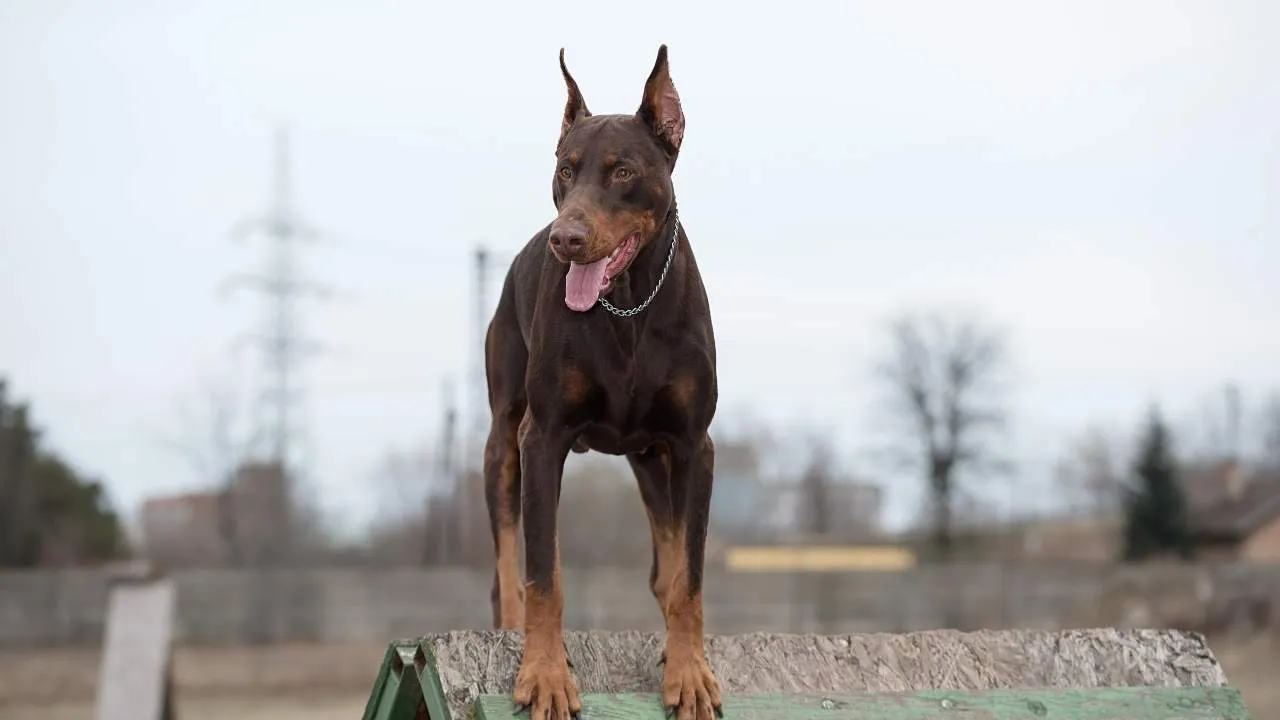
The Doberman Pinscher was developed in Germany in the late 19th century by Karl Friedrich Louis Dobermann as a personal protection dog. That working origin explains their alertness, intelligence, and athletic build. They typically weigh between 60 and 100 pounds.
Modern Dobermans are often described as confident and people-oriented. When well-socialized, they are deeply loyal and affectionate with their families. They are not naturally indiscriminately aggressive — stability depends heavily on training and exposure.
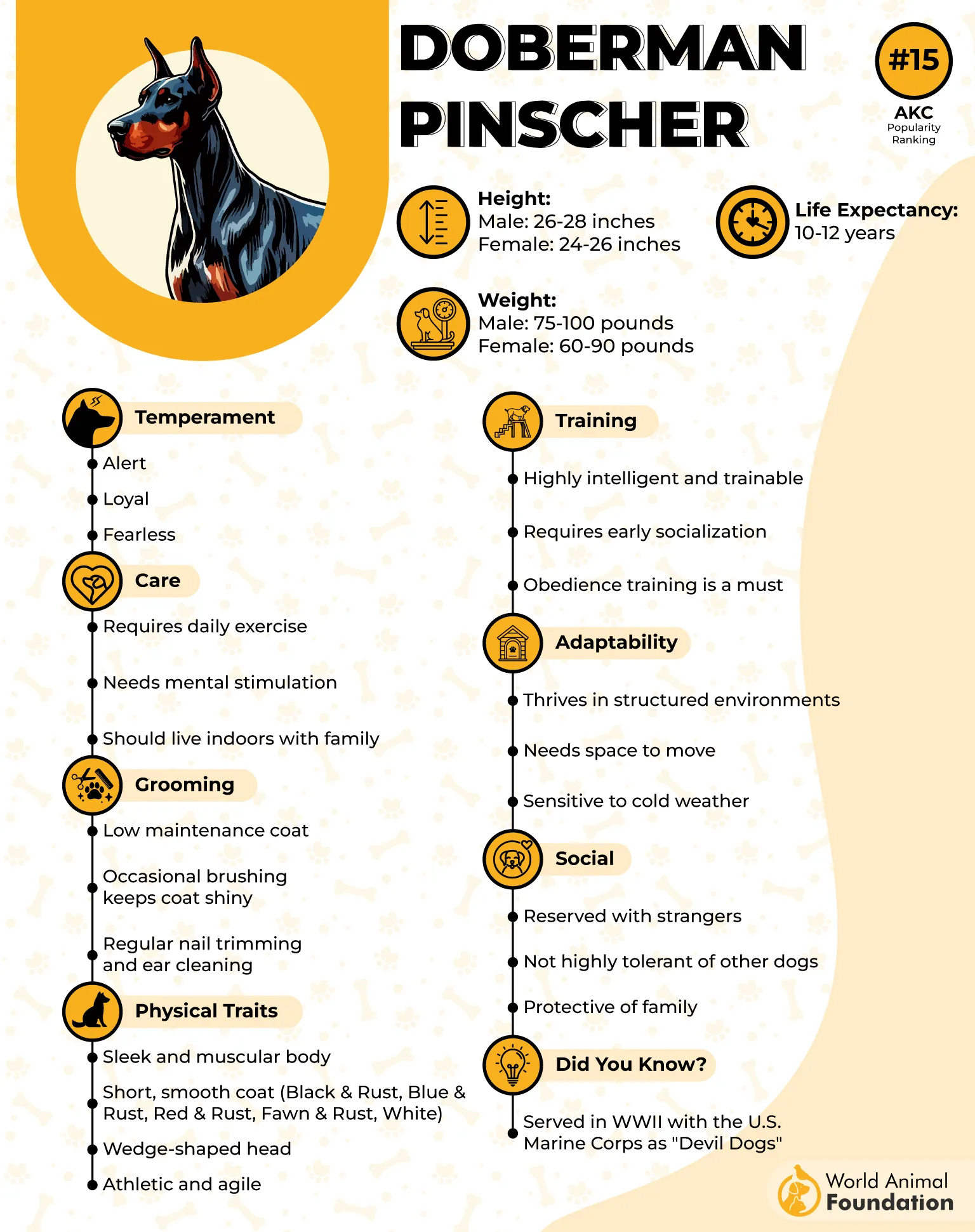
They are high-energy working dogs. Most require at least 90 minutes of structured physical and mental stimulation daily. Without sufficient activity, they can become destructive or anxious.
They usually mature between 1 and 2 years of age emotionally. With routine, consistent leadership and positive reinforcement, they can become calm, steady household protectors.
They suit active households best. If you want a focused, loyal dog who thrives with structure and purpose, the Doberman delivers.
2. German Shepherd
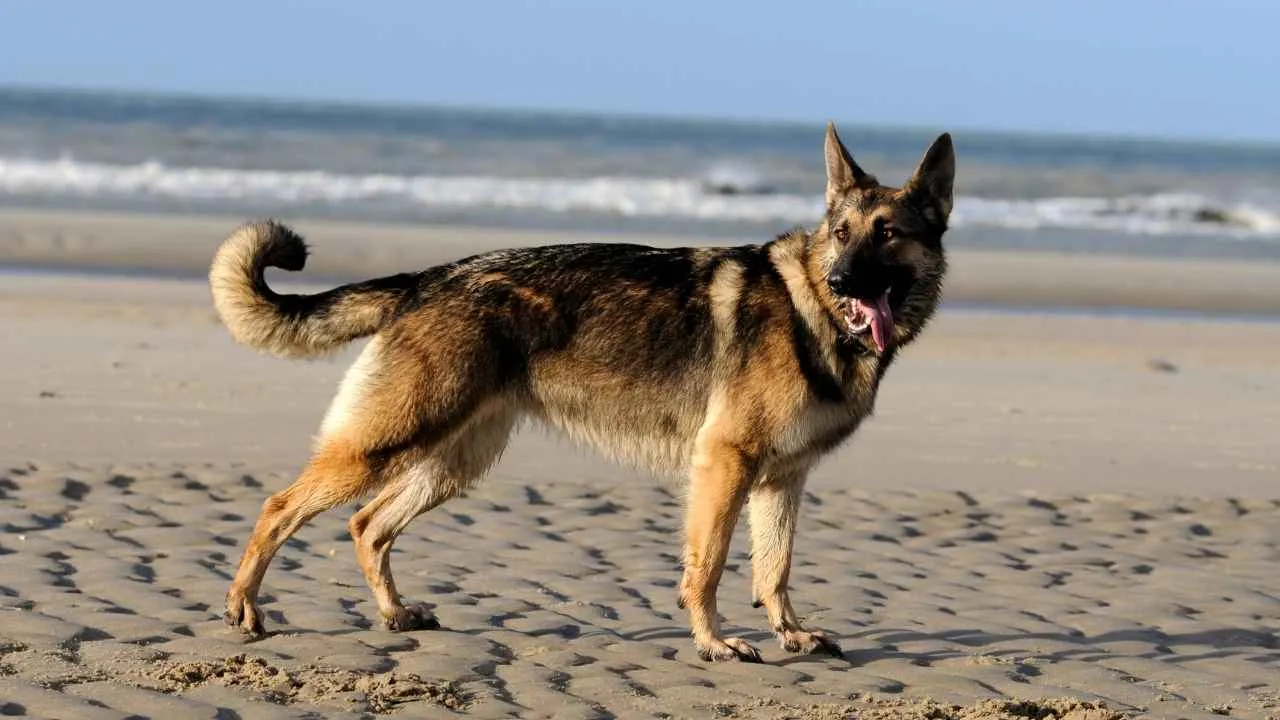
German Shepherds originated in Germany in 1899 as herding and protection dogs. Today, they are widely used by police, the military, and service personnel due to their intelligence and trainability. Adult weights range between 50 and 90 pounds.
They are loyal, observant, and naturally protective. Proper socialization prevents excessive suspicion or reactivity toward strangers. Temperament can vary significantly between working lines and show lines.
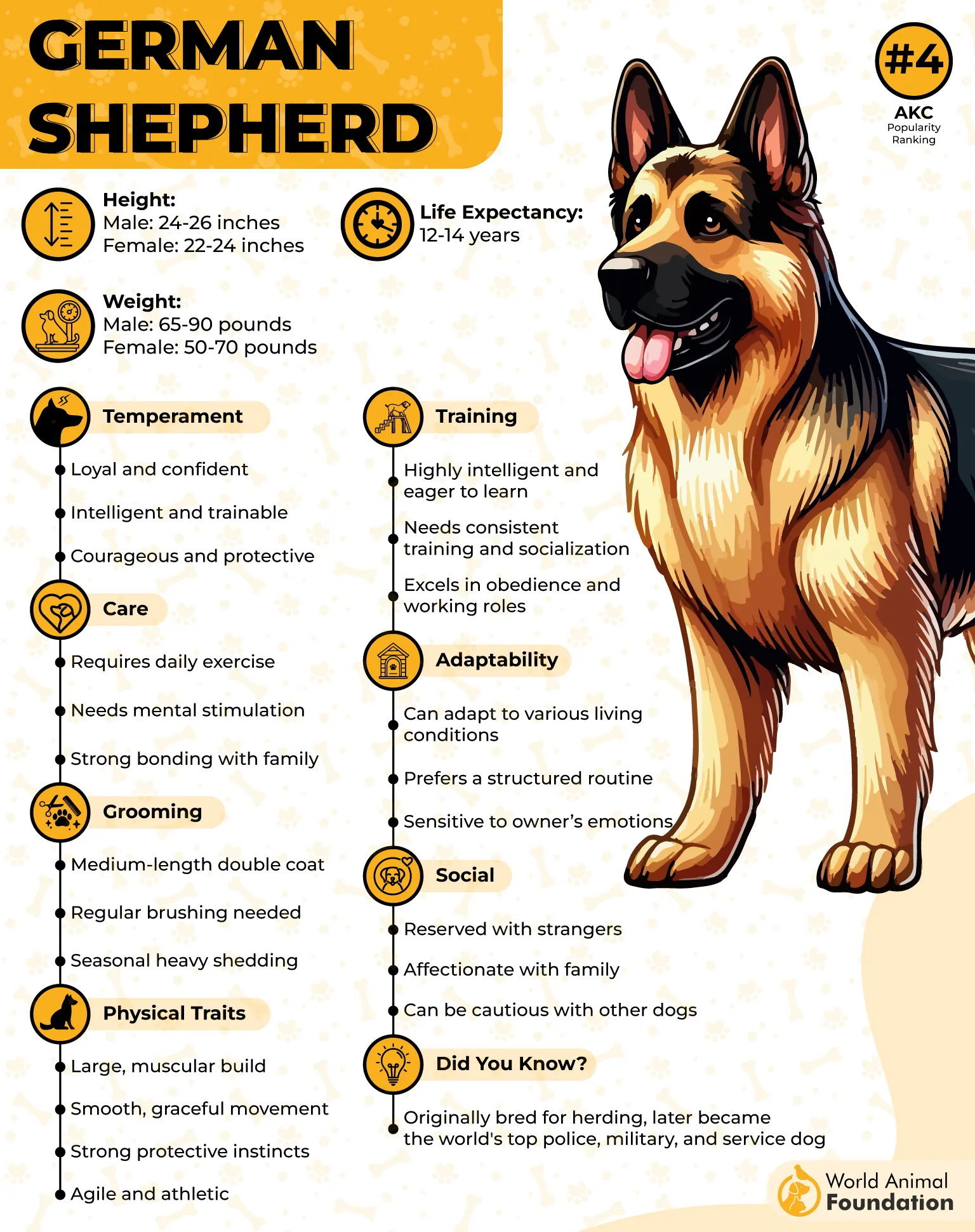
They typically require two hours of daily physical and mental exercise. Under-stimulation can lead to anxiety or behavioral challenges. They often settle into a calmer demeanor around age three. Early obedience training and exposure to diverse environments are essential for balance.
According to canine psychologist Dr. Stanley Coren’s research on canine intelligence (published in The Intelligence of Dogs), German Shepherds rank in the top tier (Top 3–5 working intelligence breeds).
They typically learn new commands in fewer than 5 repetitions and obey the first commands about 95% of the time or better in controlled settings. This is why they can mingle quite easily into a peaceful family
3. Boxer
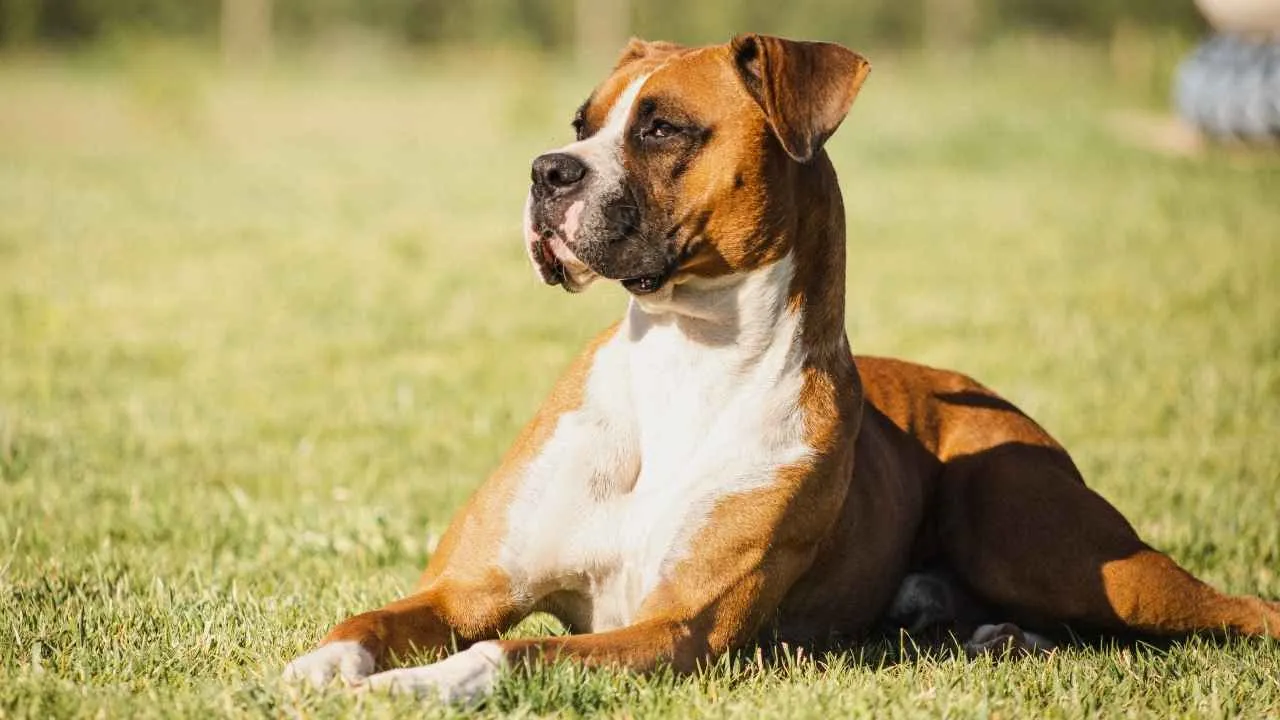
Boxers originated in Germany and were originally used for hunting and guarding. They typically weigh 55–80 pounds and are known for muscular builds and expressive faces.
They are playful and affectionate but high-energy. Daily exercise is necessary to prevent boredom-related behaviors. They thrive in homes that enjoy active engagement.
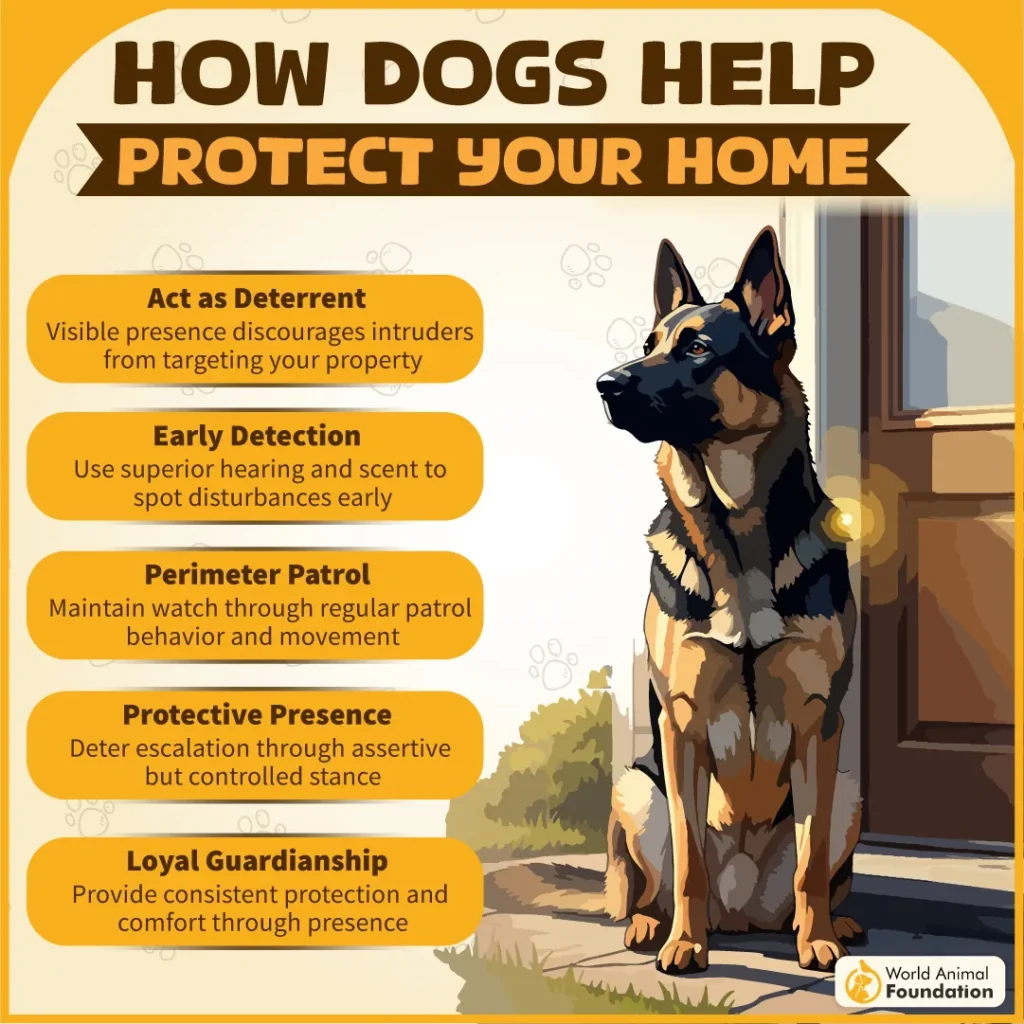
Boxers are protective but generally not aggressive without cause. Their loyalty to family is strong. They are known for being patient with children when properly trained.
They are not naturally serene without exercise. Structure and early training help channel their enthusiasm into appropriate behavior.
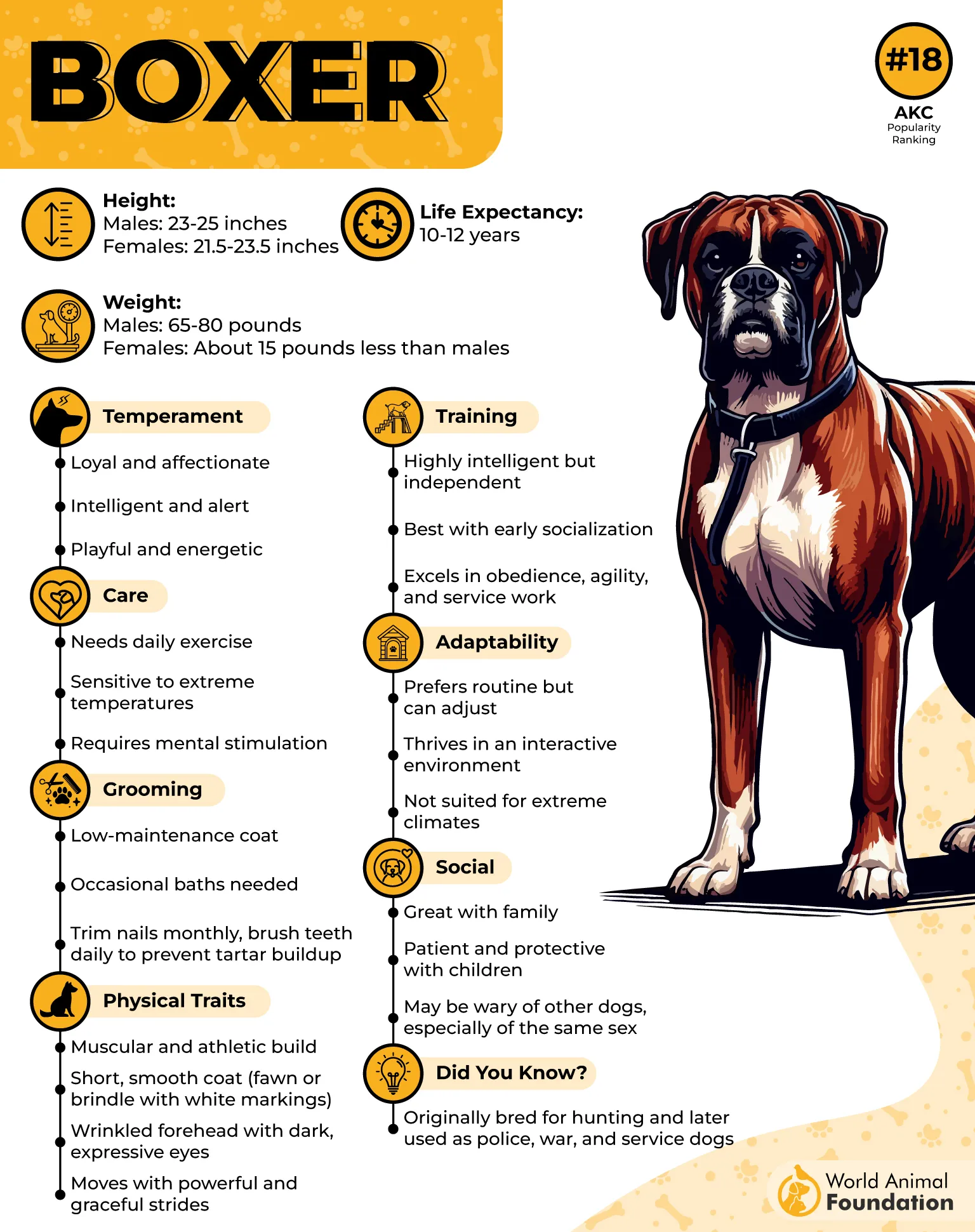
When properly exercised, Boxers can be calm indoors. They combine playfulness with protective awareness.
4. Bernese Mountain Dog
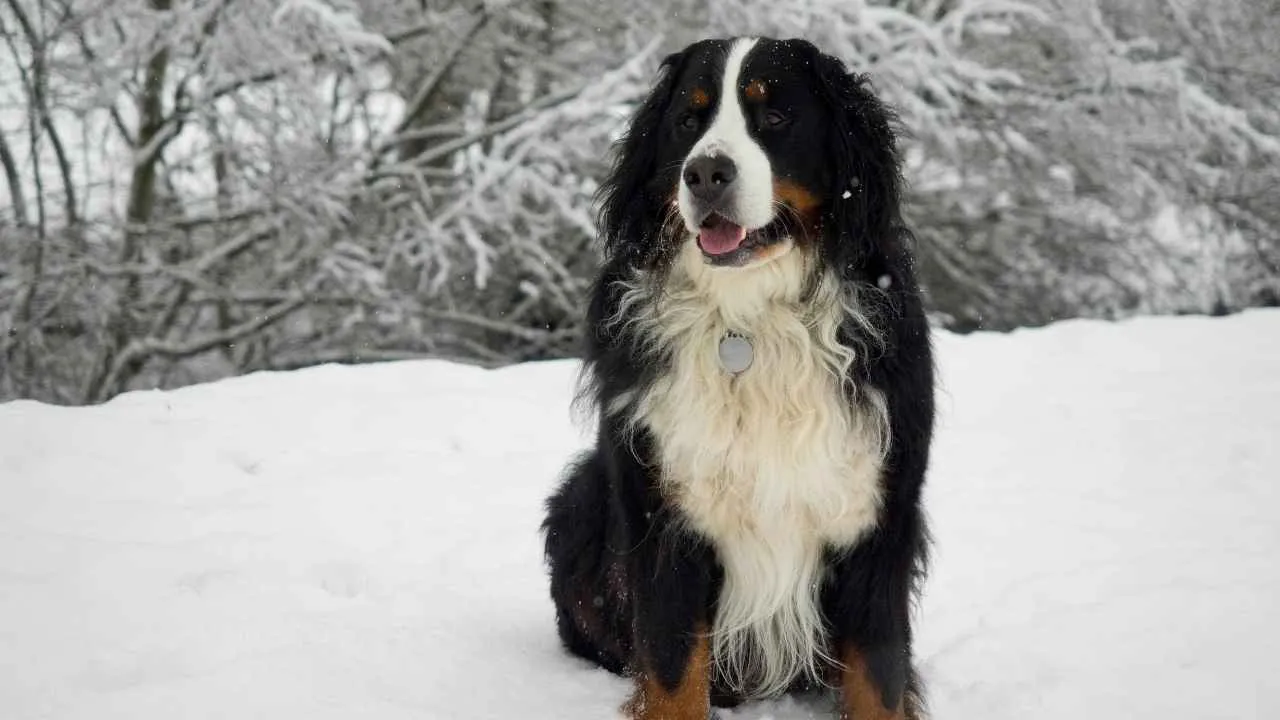
The Bernese Mountain Dog originated in Switzerland as a farm and carting dog. They typically weigh 70–115 pounds and are known for their tri-colored coats.
They are widely described as gentle giants. Calm and affectionate indoors, they bond deeply with family members. They are generally tolerant of children.
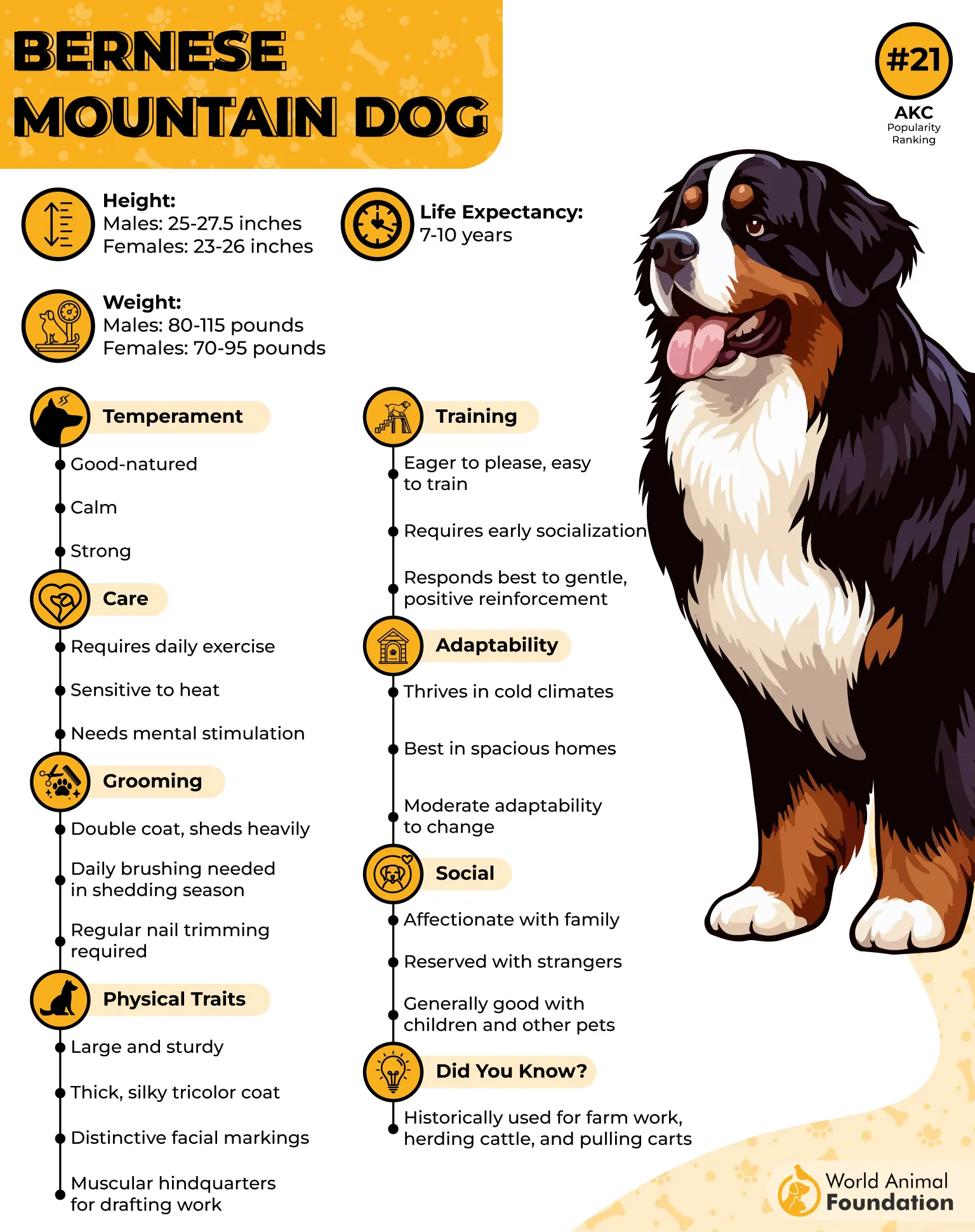
Their exercise needs are moderate — about 30–60 minutes daily. These mountain dogs enjoy hiking and light pulling.
These large dogs are not typically excessive barkers. However, they do require regular grooming due to heavy shedding. They are typically steady, affectionate, and emotionally balanced. They aren’t high-strung or reactive by default, and most prefer quiet companionship over chaos.
They are watchful but not typically aggressive. They may bark, but they are not known for excessive noise or sharp territorial behavior.
One important consideration is lifespan. They average 7–10 years, according to PetMD health data, which is shorter than many medium-sized breeds.
5. Cane Corso
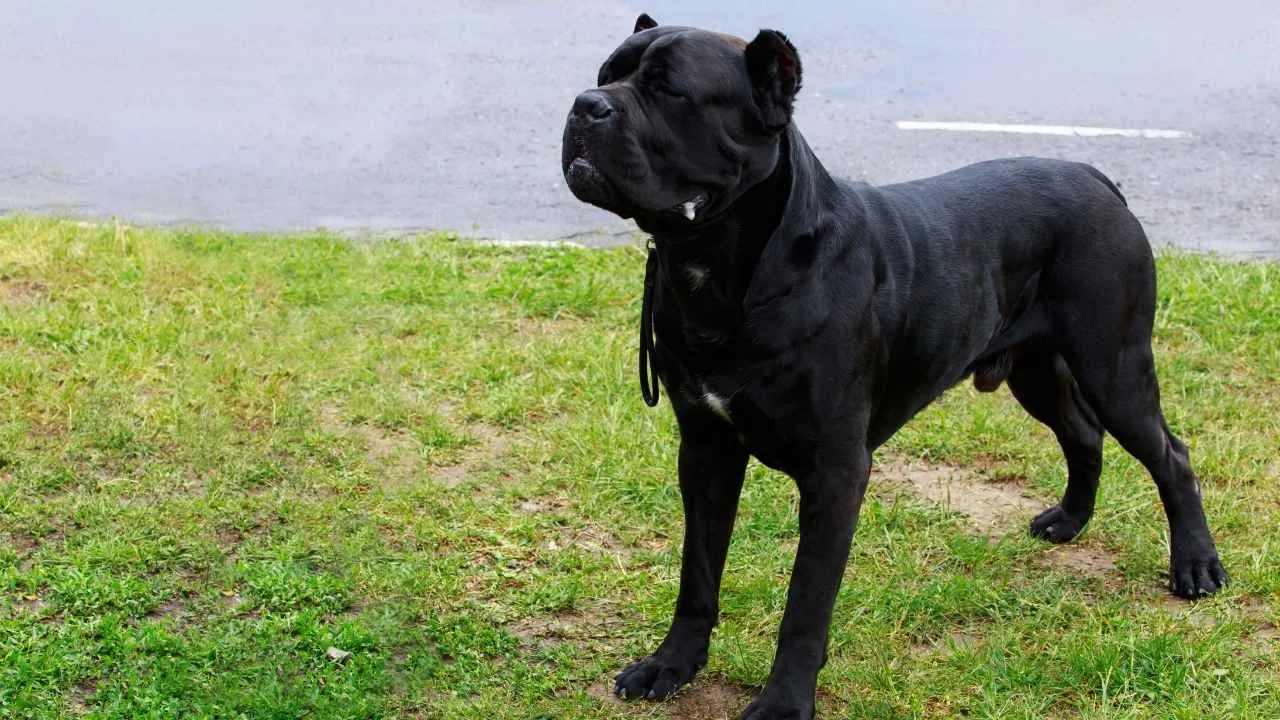
The Cane Corso is an ancient Italian mastiff originally bred to guard property and hunt large game. They typically weigh 90–120 pounds and possess strong, muscular builds.
They are calm, serious, and highly attentive to their surroundings. Proper training and socialization are critical to prevent dominance issues.
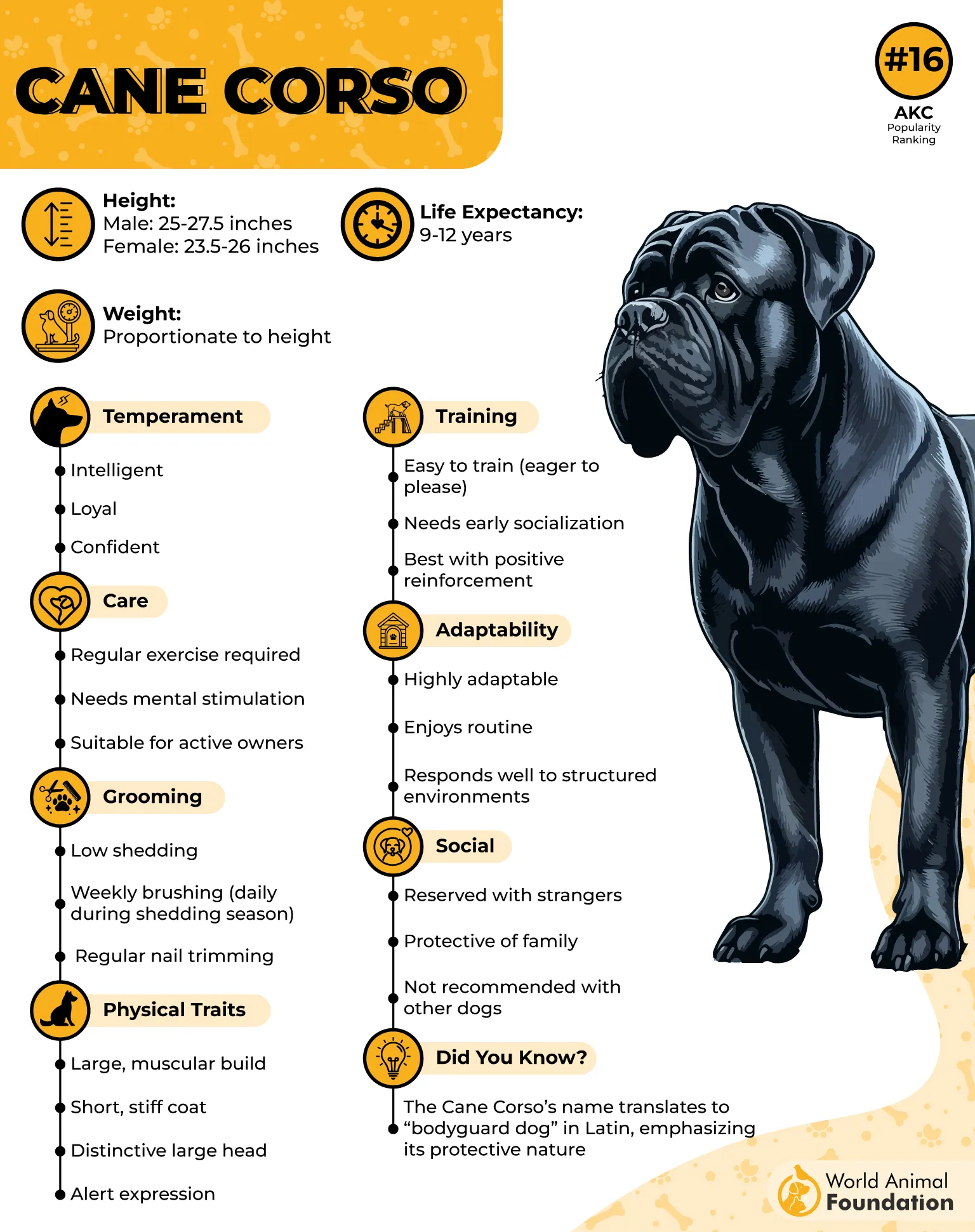
Cane Corsos are deeply loyal to their families. They are often reserved with strangers and are naturally territorial.
Daily exercise and mental stimulation are necessary to maintain balance. They require experienced owners who can provide structure. They make excellent guard dogs, thanks to their imposing presence and their status as one of the smartest breeds in the dog world.
In the right environment, they are composed and controlled protectors. Their guarding instinct is steady rather than chaotic.
6. Bullmastiff
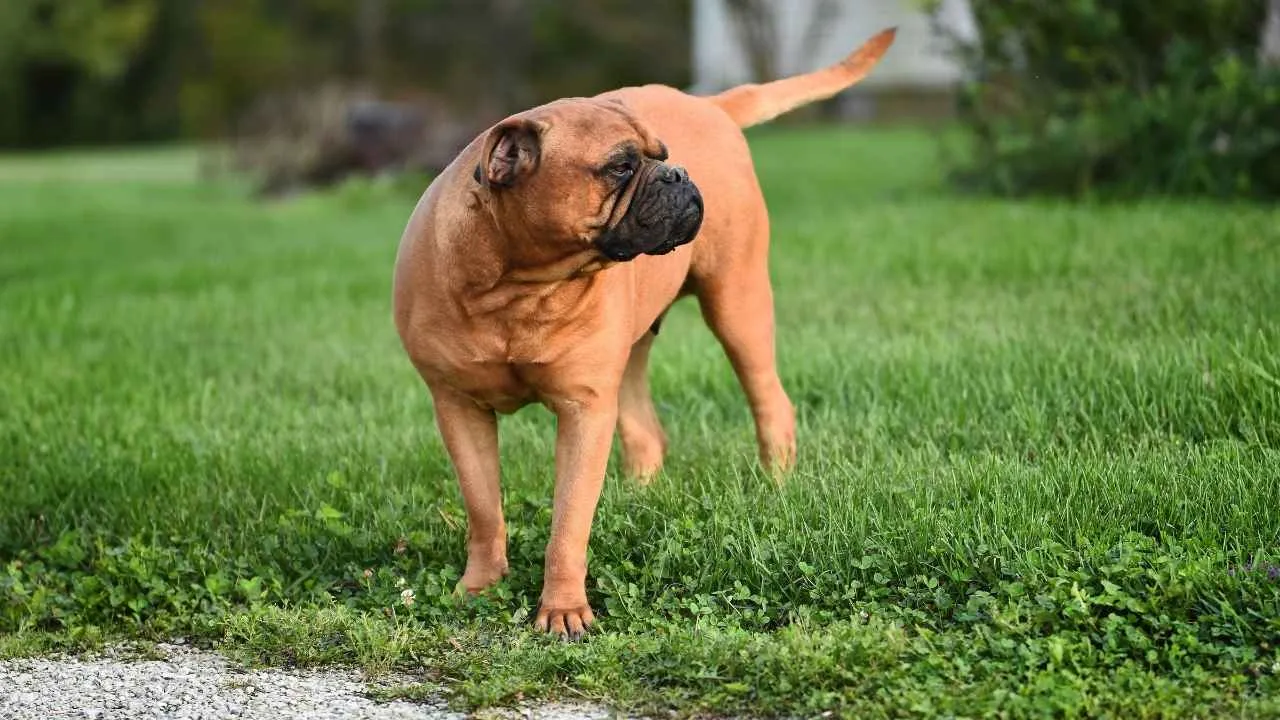
The Bullmastiff was developed in England in the 19th century to guard estates. They typically weigh 100–130 pounds.
They are known as gentle giants, as per Omlet. Indoors, they are often calm and relaxed with family members.
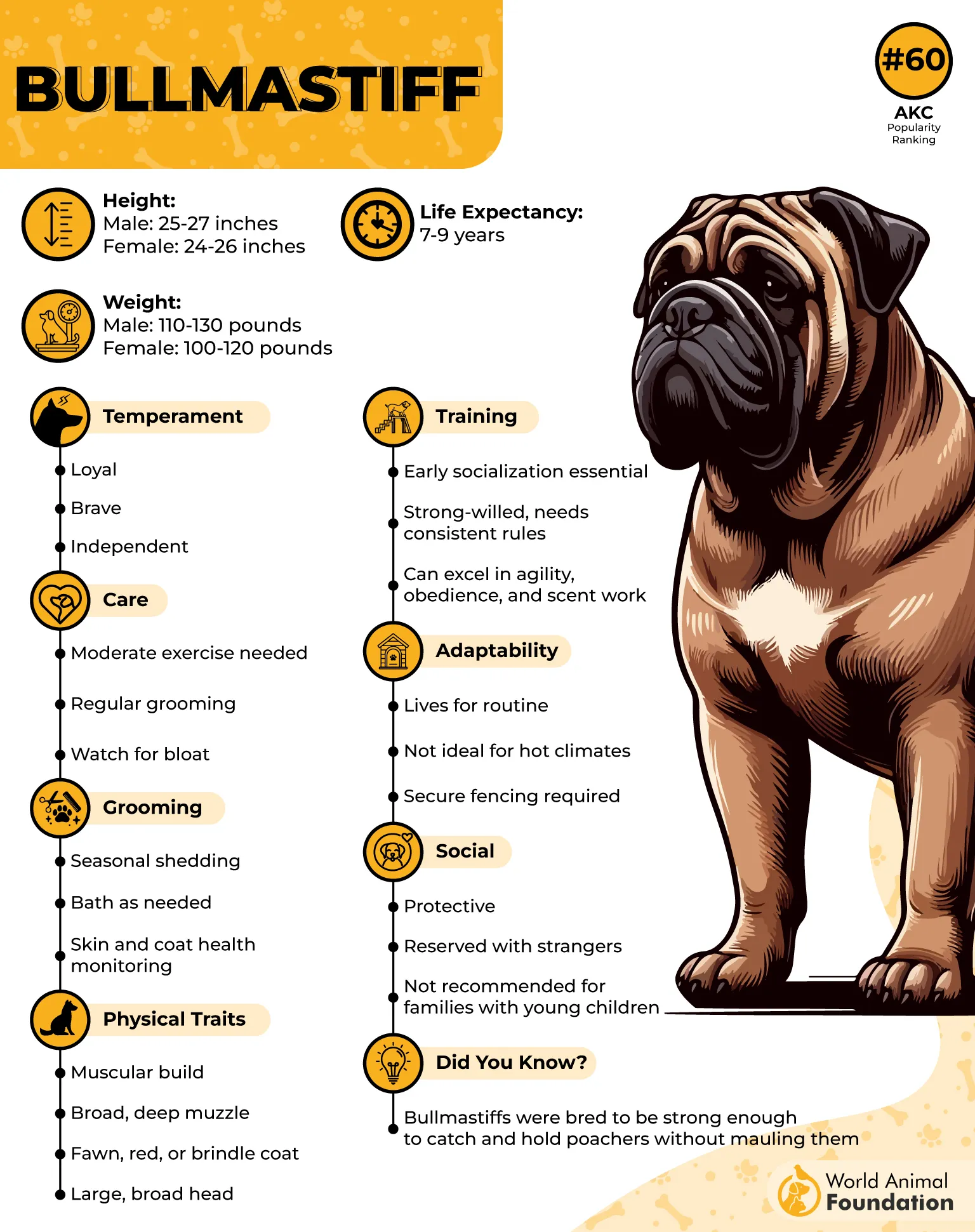
They are not excessive barkers and tend to guard through silent presence. This makes them suitable for quieter homes. They were originally developed in 19th-century England by crossing Mastiffs with Bulldogs to help gamekeepers stop poachers.
Their job wasn’t to bark endlessly — it was to quietly track, pin, and hold intruders without mauling them. That background shaped a guarding style that’s controlled rather than chaotic. Today, they are a calm addition to peaceful homes!
Training must begin early, as their strength makes adult correction difficult. Positive reinforcement works best while proving themselves to be the best guard dog breeds possible.
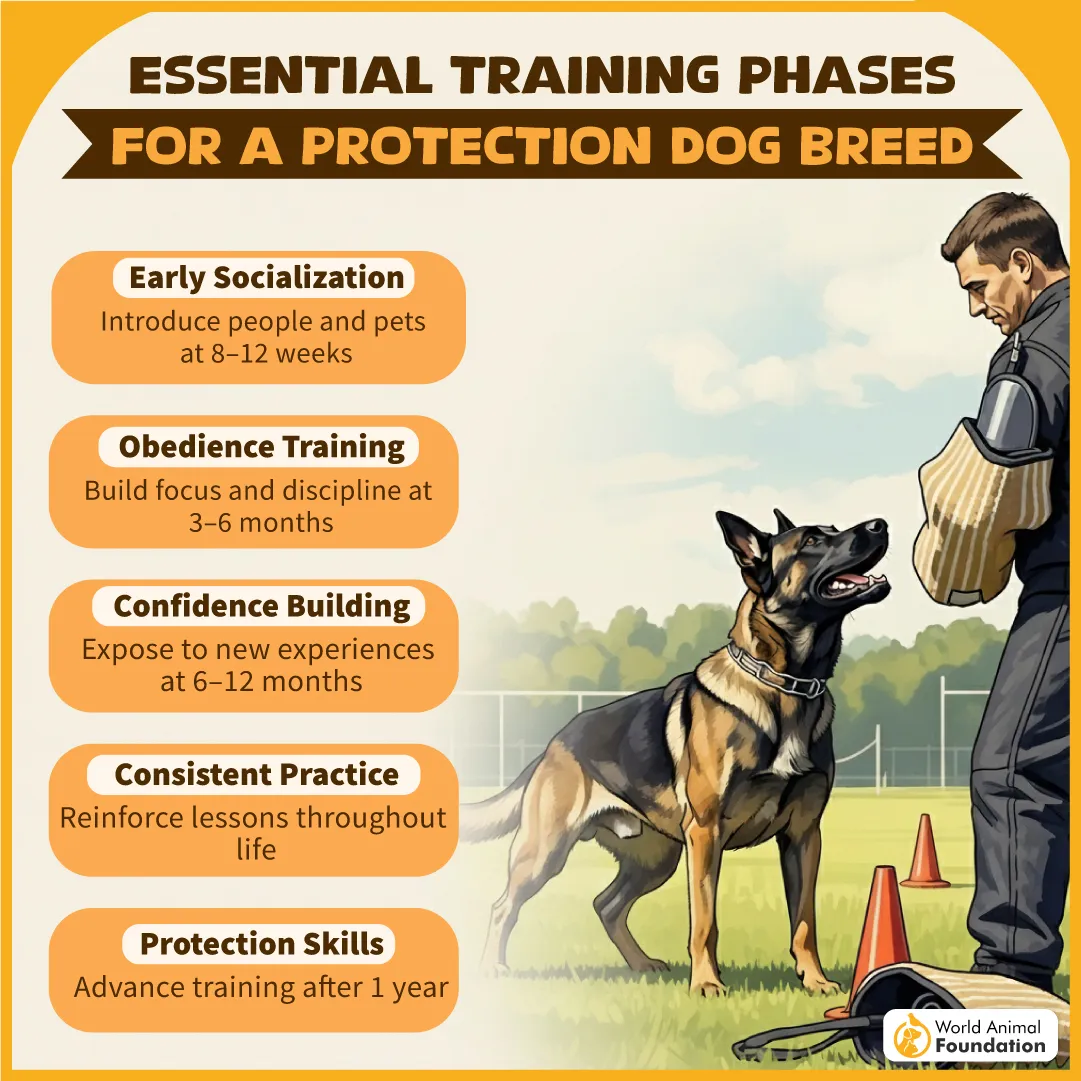
Bullmastiffs balance protectiveness with docility. These great family guard dogs offer security without constant agitation.
7. Great Dane
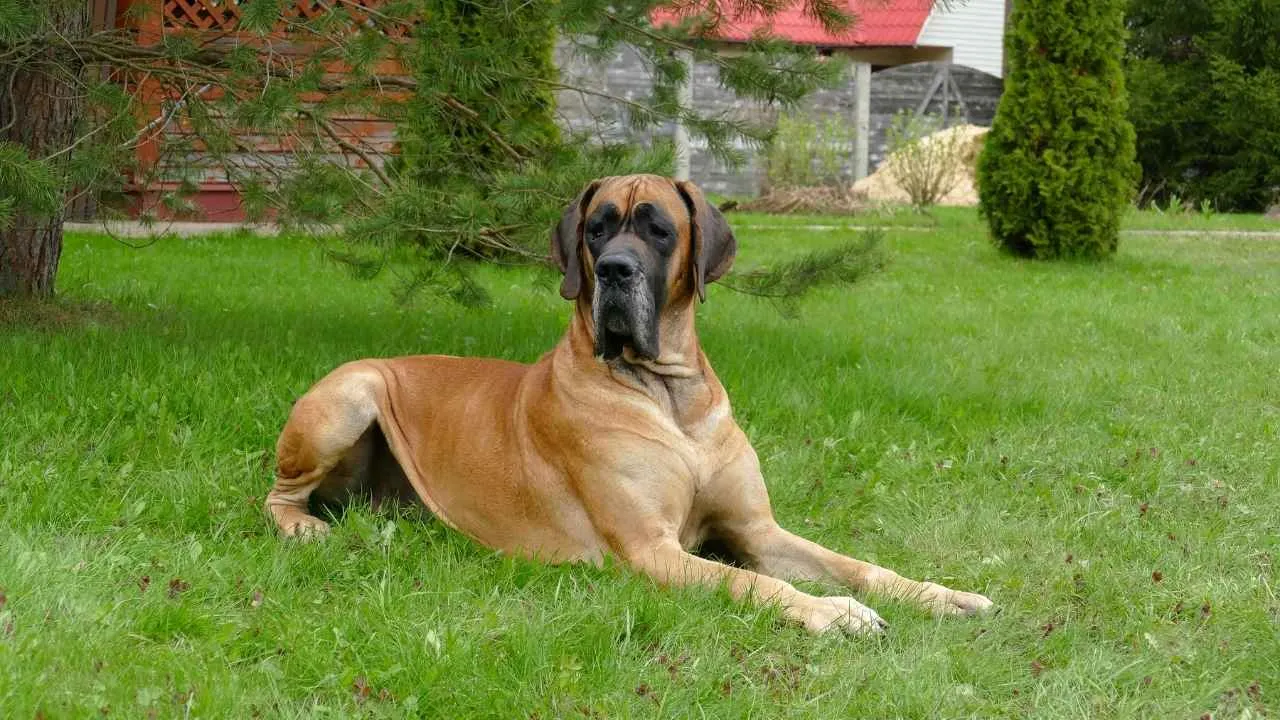
The Great Dane originated in Germany as a hunting and estate guard dog. They can weigh 110–175 pounds, making them one of the tallest dog breeds.
Despite their size, these excellent guard dogs are often described as gentle and affectionate. They bond closely with families and are generally patient with children.
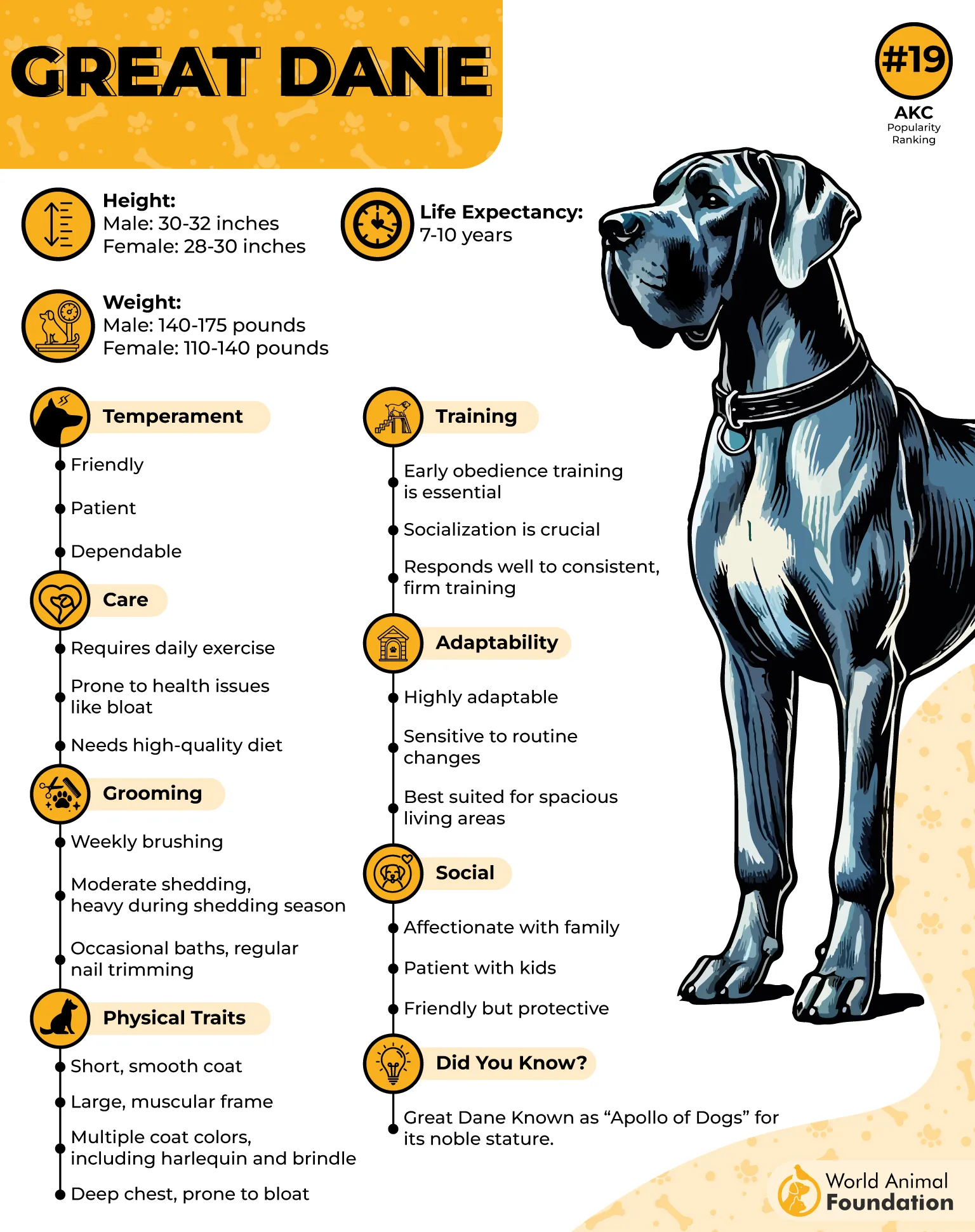
Purina mentions that these furry friends require moderate exercise but need significant space. Apartment living is possible with commitment, but yards are preferable.
They are prone to certain health conditions, including dilated cardiomyopathy and bloat. Kids tend to get attached to dogs quickly, and if something happens to them, family life can be severely affected.
Responsible breeding and monitoring are essential.
Great Danes guard primarily through size and presence, making them among the best guard dogs. Their calm demeanor makes them suitable for peaceful households with space.
Conclusion
A serene guard dog is not about aggression. It is about emotional stability, confidence, and clear boundaries.
Dobermans and German Shepherds are protective dog breeds known for their athletic precision. Boxers offer playful loyalty. Bernese Mountain Dogs bring warmth. Cane Corsos and Bullmastiffs provide composed protection. Great Danes combine scale with softness.
Staffordshire Bull Terrier, Catahoula Leopard Dog, Australian Shepherd, Tibetan Mastiff, and Belgian Malinois that have a commanding presence but are considered to be gentle companions for a great family life.
When matched correctly, these breeds can protect your home without disrupting its peace. A calm guardian doesn’t create tension — it simply stands ready.
