





There’s a lot to love about dogs: their loyalty, their playfulness, and the devotion they show their human families. But some traits are harder to love, and barking is a big one.
Here’s the thing, though. Barking doesn’t make a dog a “bad boy” (or girl). It’s part of the evolutionary wiring of certain breeds. Some dogs bark to communicate with their owners, some to alert hunters to nearby prey, and others to warn their families about intruders. In those roles, barking is helpful and even essential, but not every pet parent can put up with it.
If you prefer a quiet lifestyle, or you live in a tightly packed apartment building where neighbors might not appreciate the noise, it makes sense to look for a quiet dog or at least a less vocal one. Here are 10 calmer breeds that tend to keep the noise down.
Serene Dog Breeds That Won’t Bark Loudly
1. Newfoundland
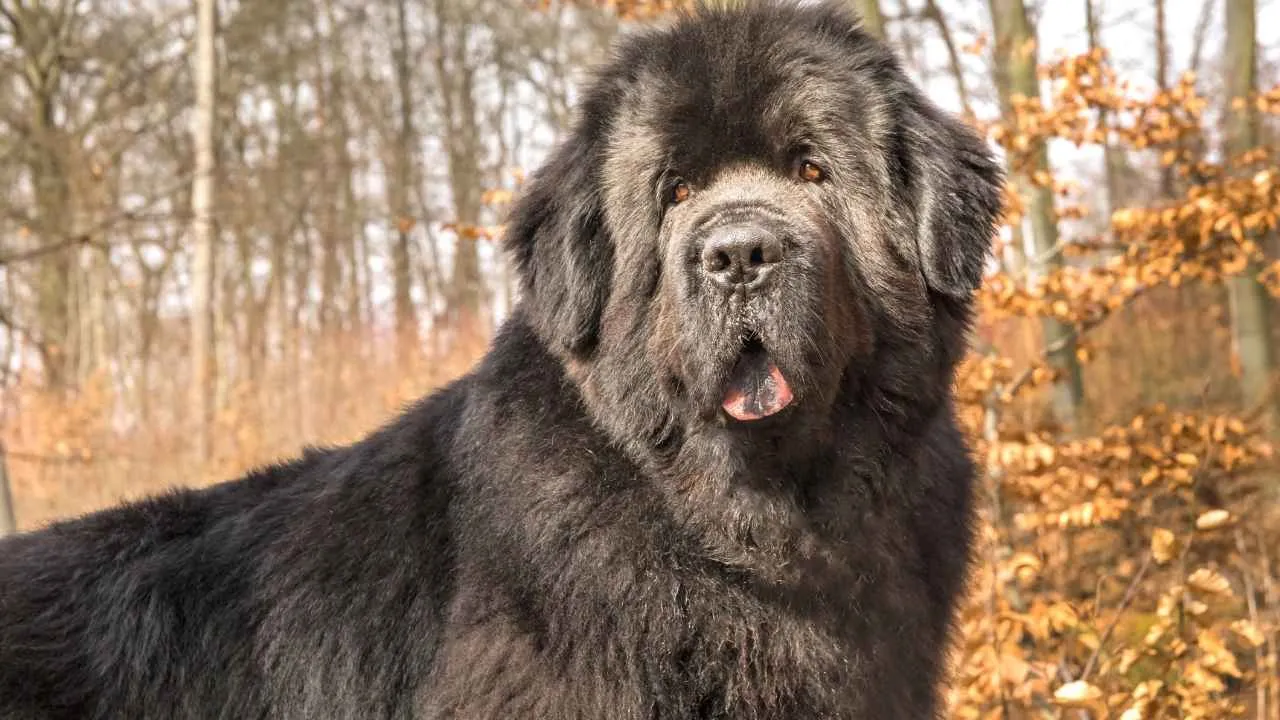
If you love big, huggable dogs with a gentle temperament, the Newfoundland is a great option. Newfies are among the largest breeds, but they are also some of the friendliest and calmest, according to PetMD.
This makes them a good fit for families and solo owners alike. They love kids so much that they’re often called nanny dogs.
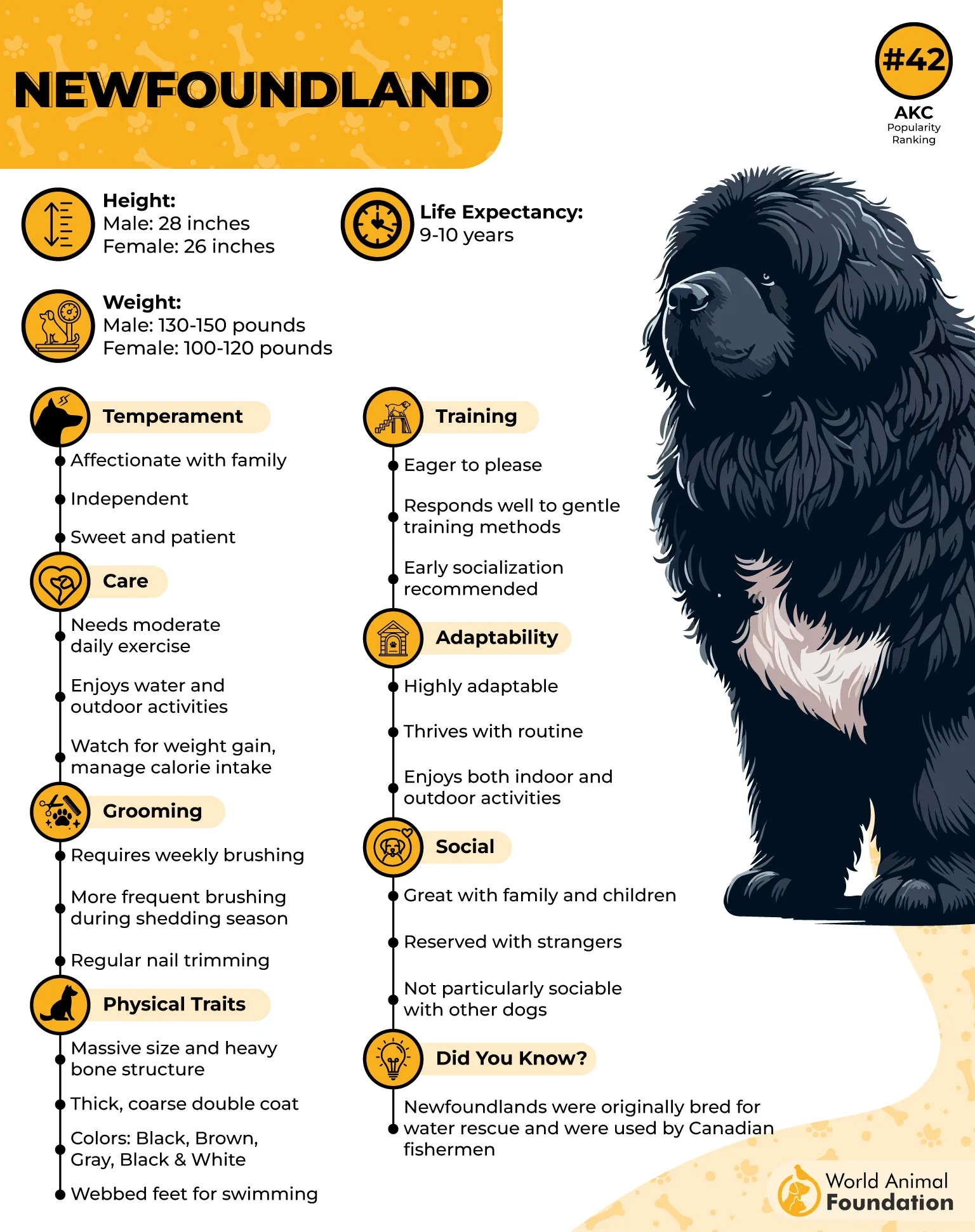
This compassionate breed was originally developed in Newfoundland, Canada, where it worked alongside fishermen. Webbed feet and a water-resistant coat make Newfies great swimming partners and water rescue dogs.
Though these big dogs carry a lot of love in their hearts, they rarely bark. If you have enough space for a dog this size, and enough time to care for its thick double coat, a Newfie is well worth it.
2. Glen of Imaal Terrier
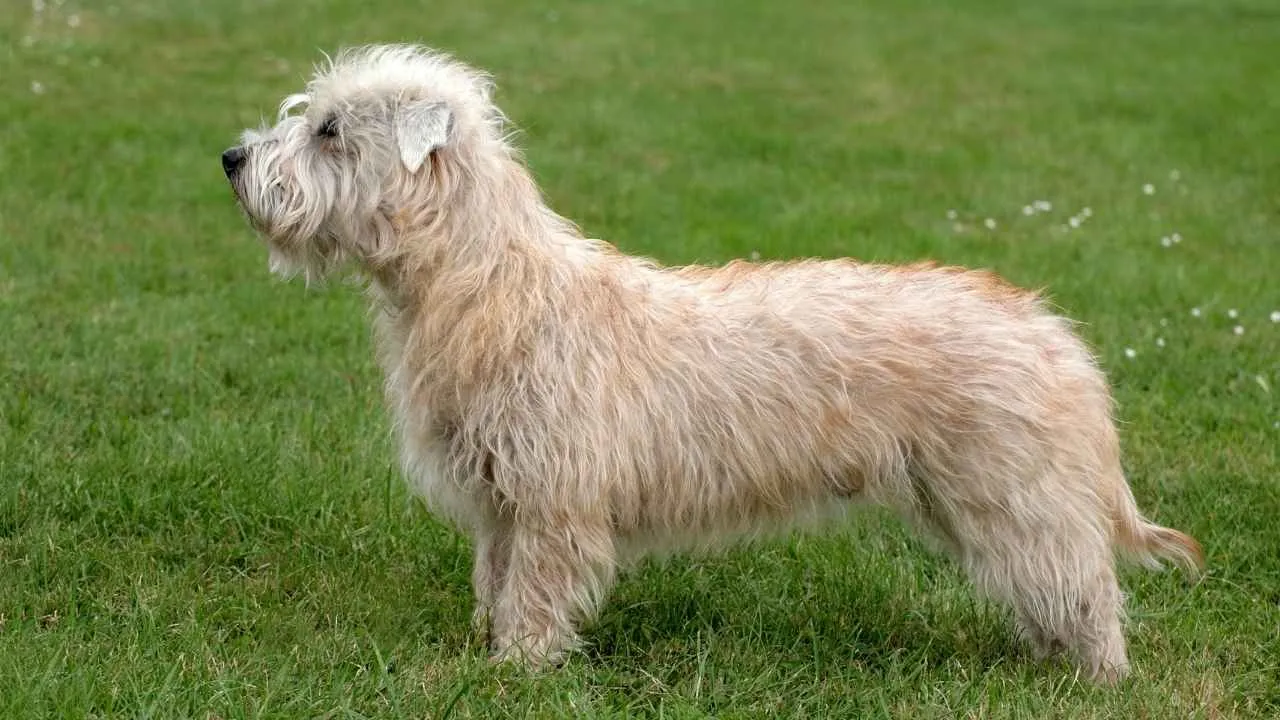
The Glen of Imaal Terrier is a hardworking, shaggy breed that originated in Ireland. It was used to hunt vermin and drive animals like foxes off the property. Despite that background, these dogs tend to be sweet and docile, and they make adorable pets.
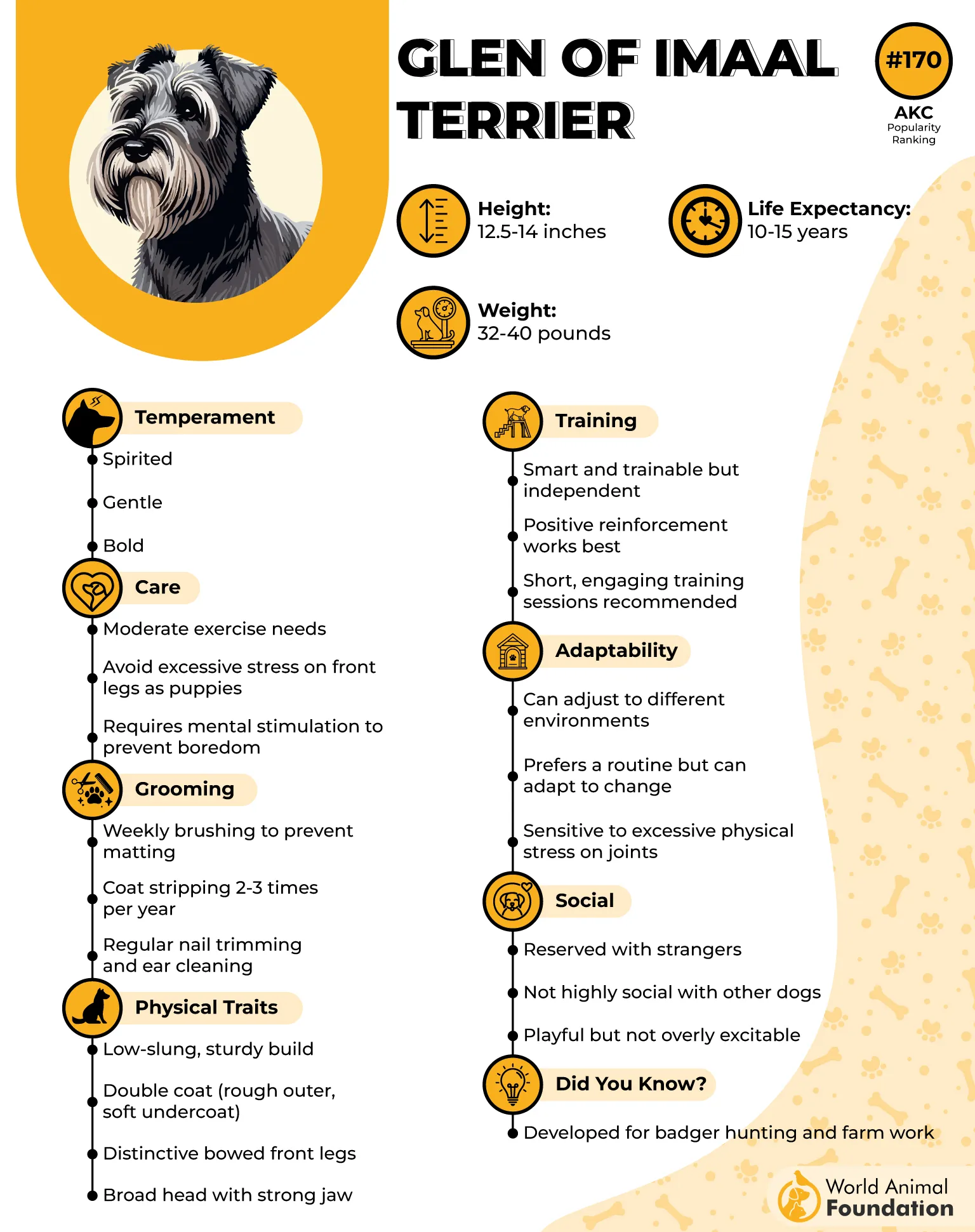
The weather-resistant double coat needs weekly brushing to prevent tangles, matting, and dirt buildup, according to the AKC. Even though they are terriers, these pooches can be quite easygoing at home, though they still need at least moderate daily exercise to stay healthy.
Curious and active as they are, Imaals tend to be naturally quiet and don’t bark a lot. They have an independent streak, so training takes patience and positive reinforcement.
3. Bullmastiff

The Bullmastiff is a large dog breed developed by crossing Bulldogs with Mastiffs, and it carries traits from both ancestors. This short-coated dog has a sturdy body, muscular legs, a wrinkled face with a short muzzle, and a balanced, agile gait.
The breed earned the title “The Gamekeeper’s Night Dog” because it helped its owners track and corner poachers until the gamekeepers arrived, according to Orvis. Thanks to its unquestionable loyalty, the Bullmastiff makes a wonderful companion for experienced pet parents and families.
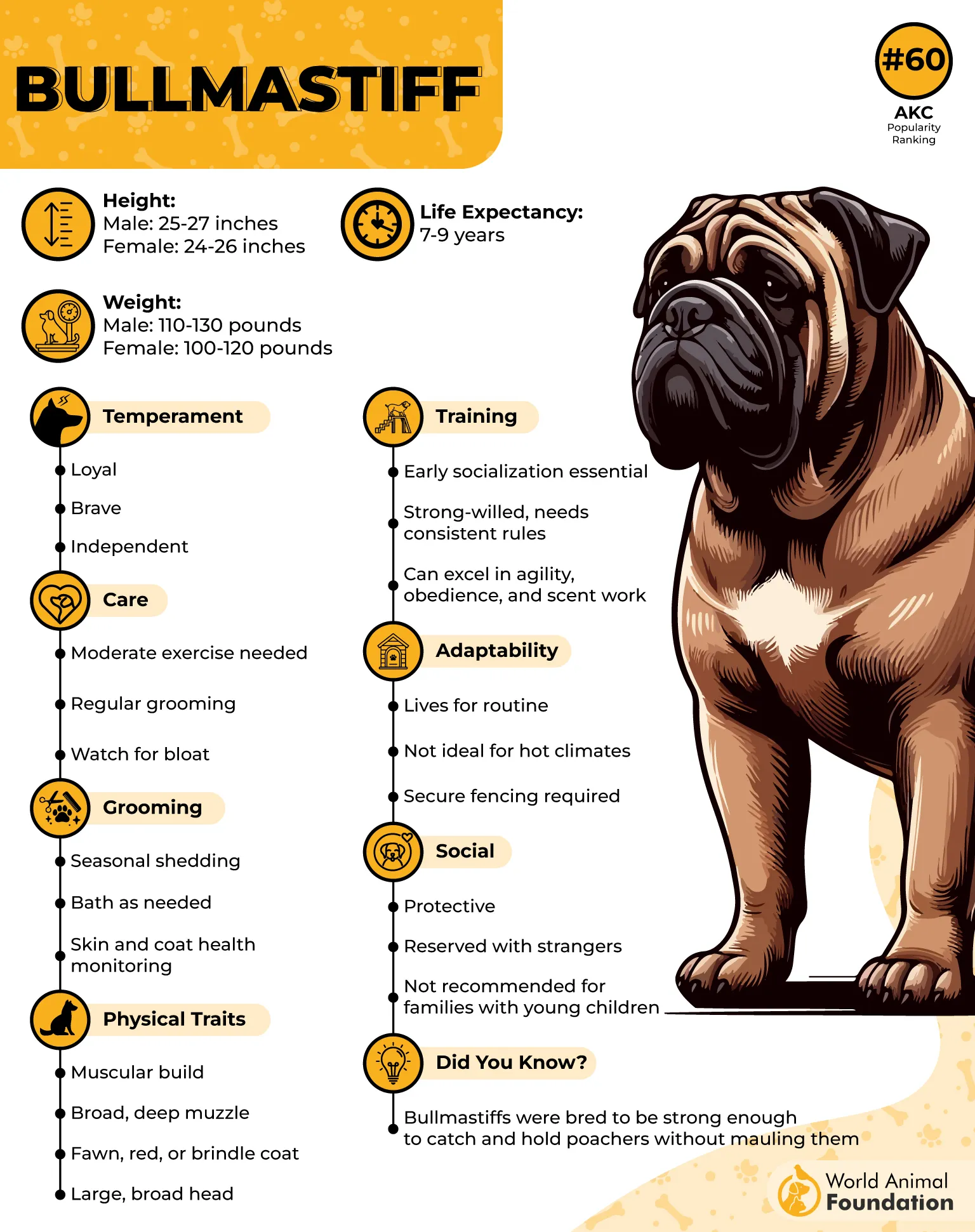
Despite a stubborn streak, it can be eager to please and tends to feel protective of its owners. It is alert, but generally quiet, so it won’t disturb your peace or your neighbors’.
Bullmastiffs make great indoor pets. Because of their short muzzles, they can struggle with breathing and dehydration in warm, humid weather, so keep a close eye on them when it’s hot. If a Bullmastiff is feeling feisty or annoyed, it may take it out on your furniture by chewing.
4. Basset Hound
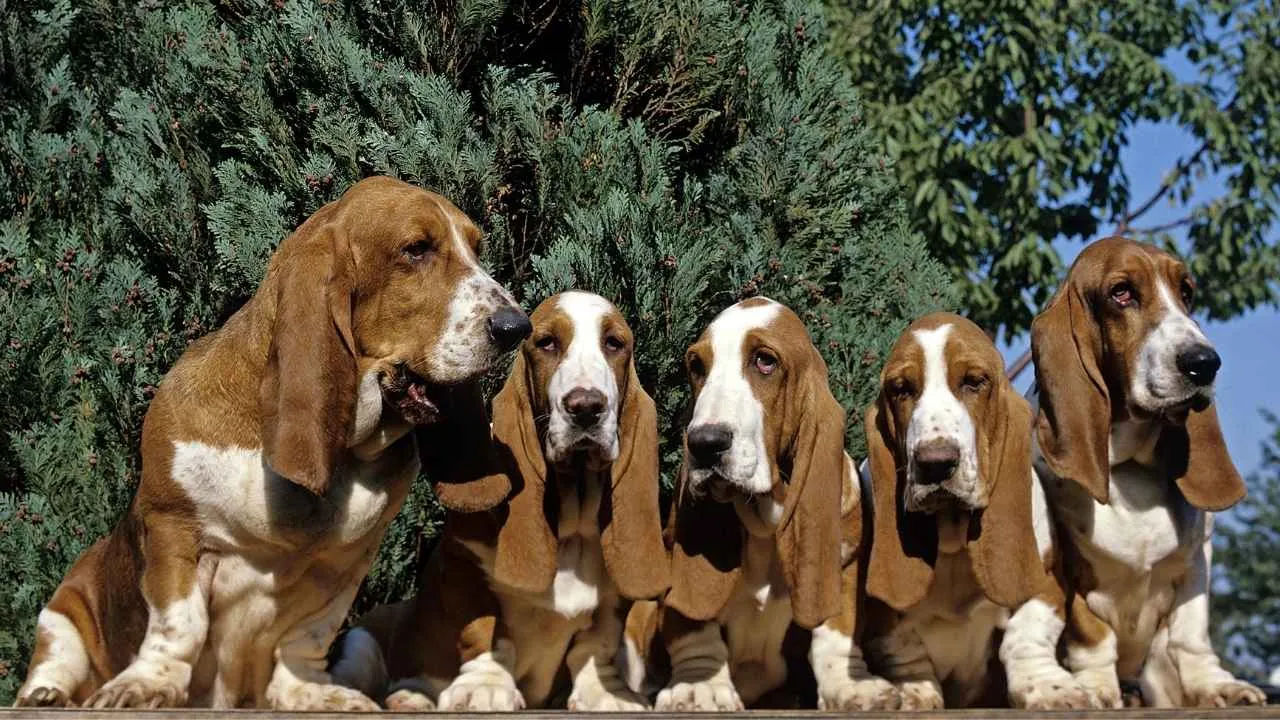
The Basset Hound is a floppy-eared, low-slung dog that is not only adorable but also one of the most laid-back and patient breeds around. This loyal canine stands out with its long body and short legs. As a hound with one of the strongest noses in the dog world, it tends to follow interesting smells, which can lead it into trouble.
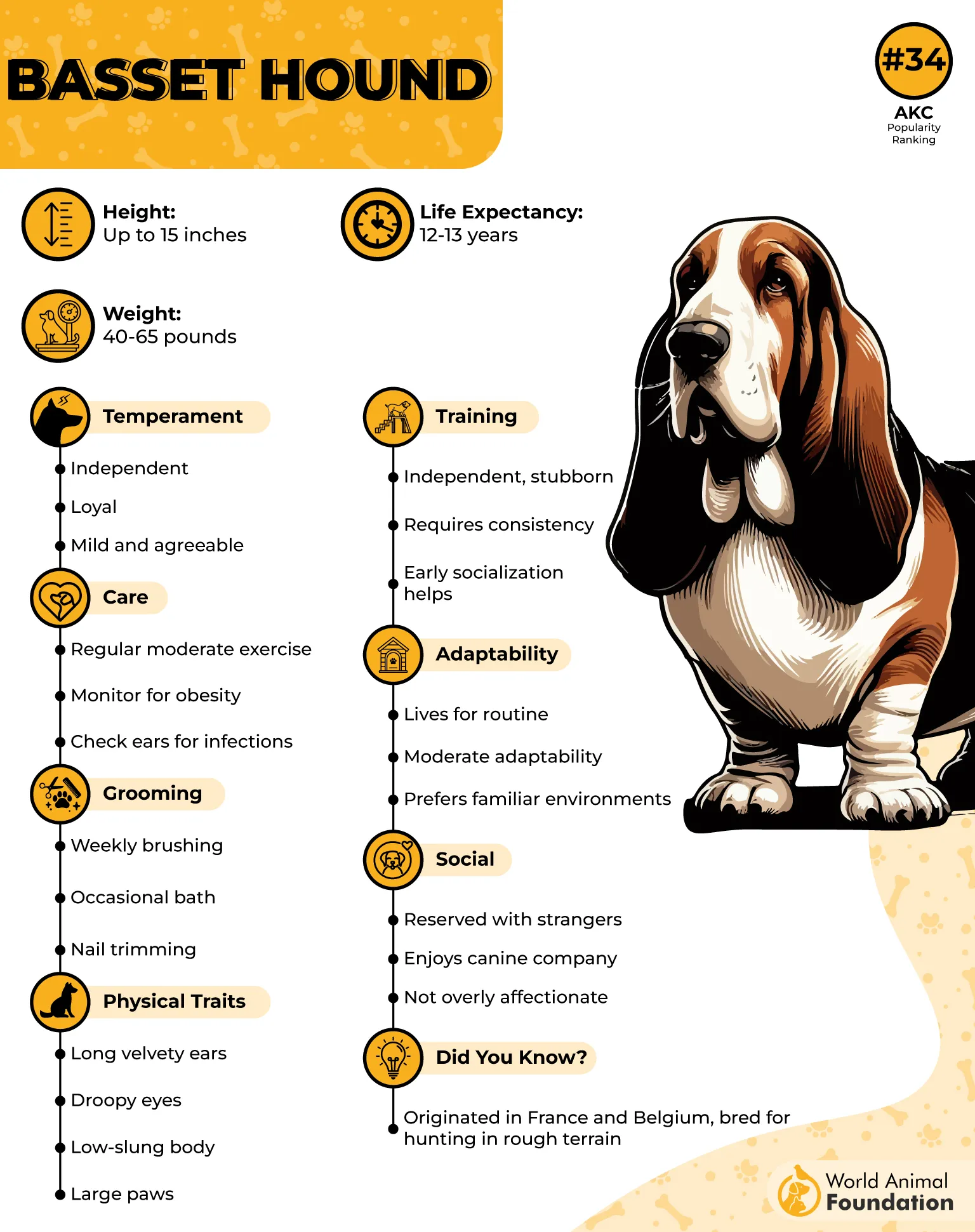
Originally a scenthound used to hunt small game like rabbits and squirrels, the Basset Hound makes a loving family pet. It is kind to kids and can get along well with other pets, too. Its prey drive does need to be managed with consistent training and a leash.
As a scent hound, the Basset’s job was to bark and alert its human companions. Even though it is strong-willed, it can be trained to bark less. Teaching it a “quiet” command early and using reward-based methods will help keep the volume down, so it only barks when it has something to tell you.
5. Saint Bernard
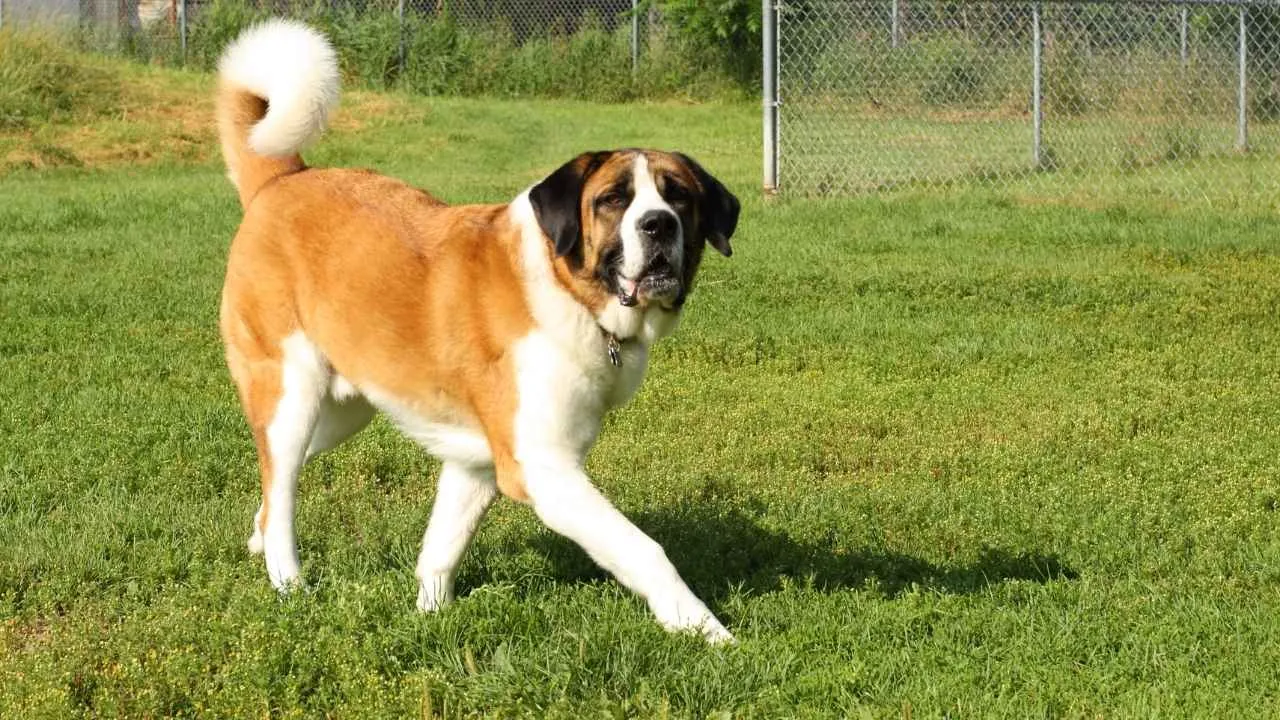
If you want to come home to an affectionate big dog who has been waiting for you, the Saint Bernard is a gentle giant worth considering. This devoted breed originated in the Swiss Alps, where monks used it to rescue lost travelers in the mountains. Its loyalty and alert nature made it a cherished companion of the monks, and today it makes a sweet family dog.
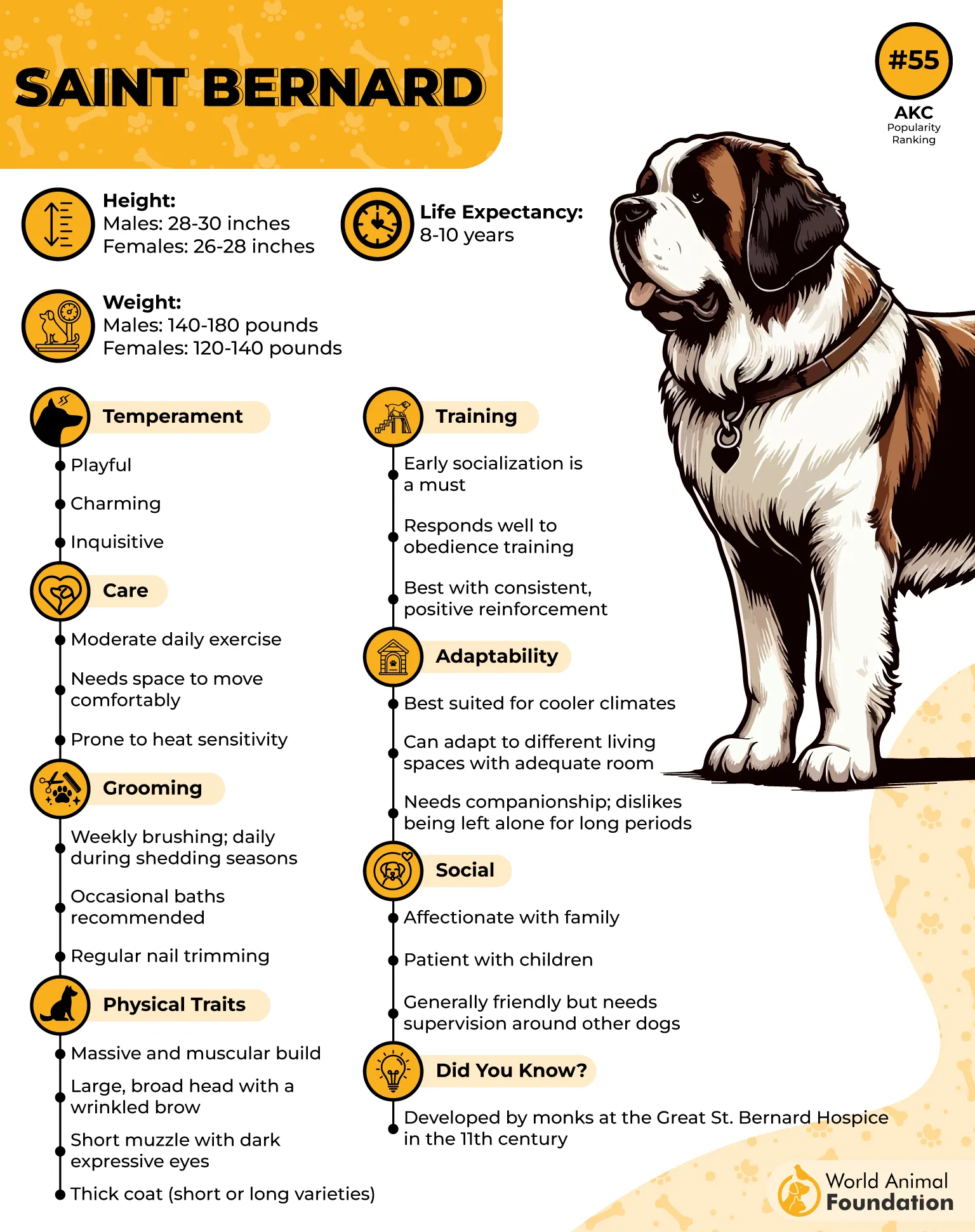
If you have a big house and kids at home, the Saint Bernard is a well-suited pet, since this majestic breed tends to be very loving toward children. Like many dogs of this size, Saints are fairly low-energy and prefer a laid-back lifestyle with their humans. They should still get at least 30 minutes of walking a day to avoid weight-related health problems.
As calm dogs, Saint Bernards rarely bark, though a bored or restless one may start digging up the backyard. Good news for multi-pet households: Saint Bernards don’t have a high prey drive and can live well with other pets.
6. Pug

Pugs are one of the most popular small dog breeds and make ideal pets for apartment living and urban owners. These tiny dogs have a sturdy body, a flat, short-nosed face, and a clownish nature that steals hearts.
This toy breed is quite ancient and is believed to have originated in China, where it was adored by royals and commoners alike. Pugs make wonderful companions for couch-potato pet parents, but they don’t mind short walks, too.
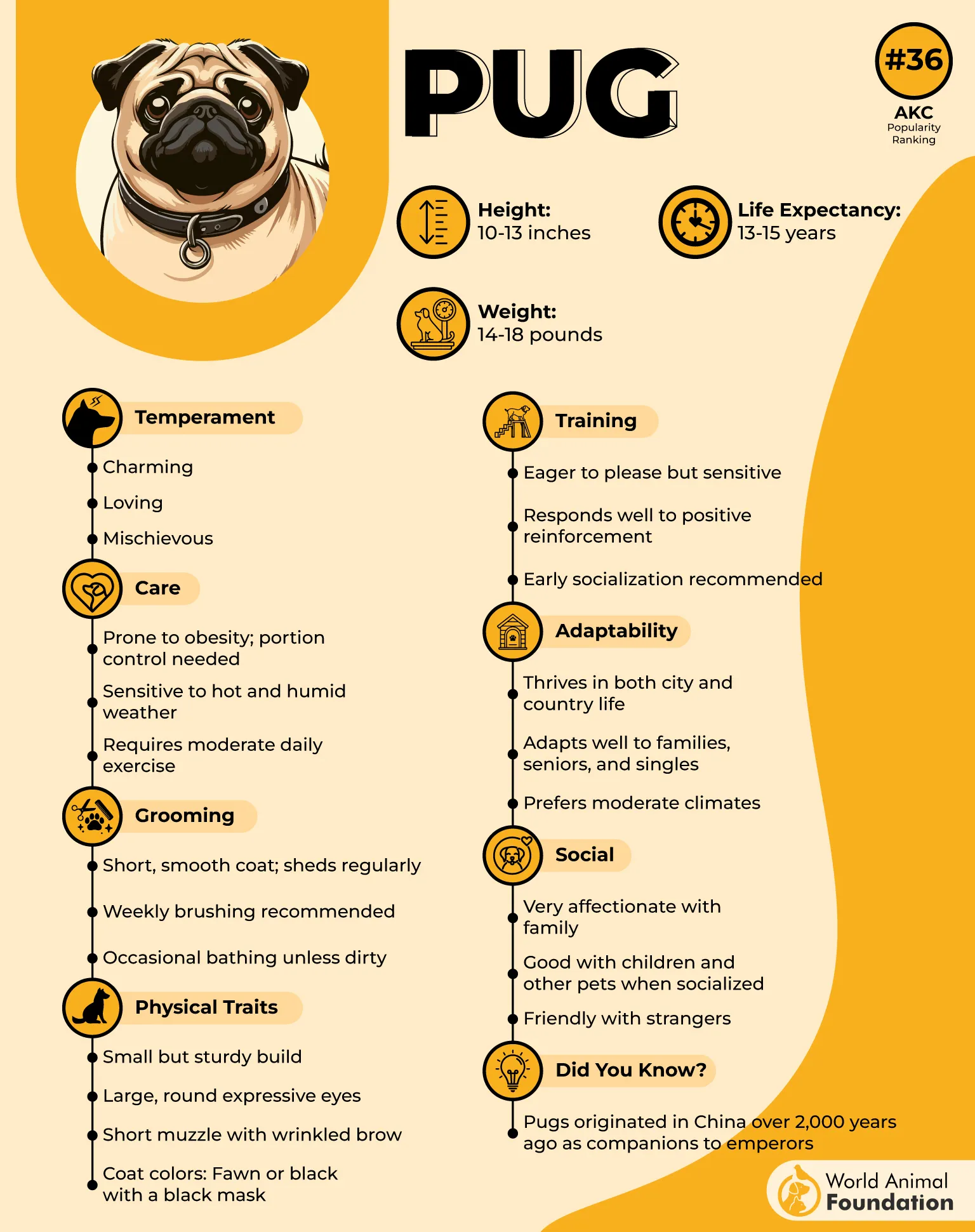
With Pugs, the sounds you’re most likely to hear are wheezing and snoring. As a brachycephalic breed, they can have breathing issues. When they’re outdoors, make sure they don’t get dehydrated or overtired, and keep their indoor space well ventilated.
Pugs aren’t excessive barkers, which makes them fine pets for people in small spaces and apartments. If they don’t get enough mental stimulation, they can become destructive and mischievous.
7. Bulldog

The Bulldog is another small, sturdy, short-nosed breed that makes a great pet for people in limited spaces, like apartments. These friendly, calm dogs love cozying up next to their pet parents.
Bulldogs are a distinct breed from the widely loved French Bulldog, though the two do share some physical similarities. Despite their stocky size, they can be quite playful and enjoy moderate daily exercise and playtime, which also keeps them healthy.
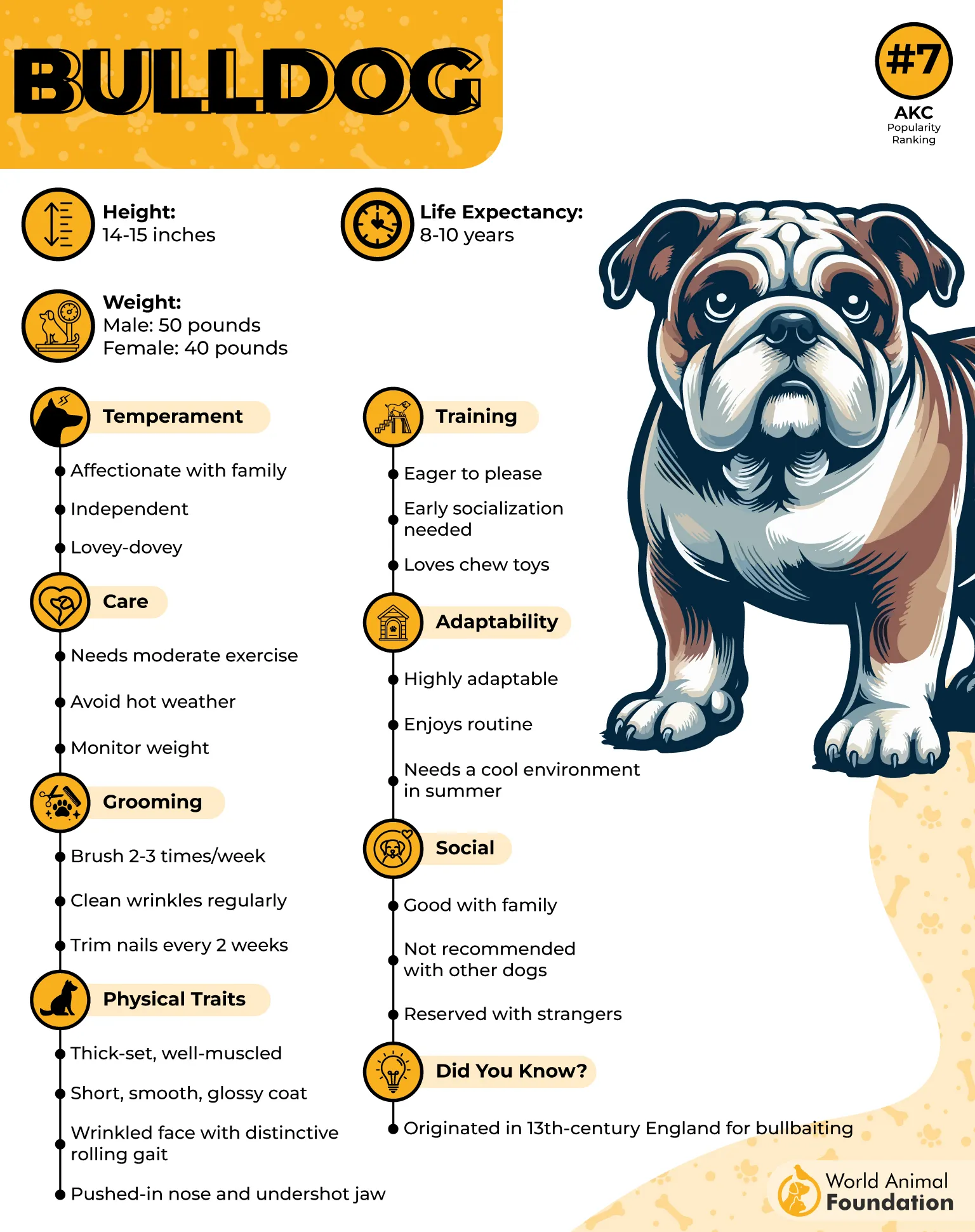
Like Pugs, Bulldogs are prone to panting, wheezing, and snoring, but they are less vocal when it comes to barking. Their short coat needs only a quick occasional brushing, though their wrinkly faces should be cleaned regularly to avoid infections.
Bulldogs are sensitive to heat and do best in moderate temperatures. When traveling with your Bulldog, make sure the car is properly air-conditioned so they don’t overheat.
8. Basenji
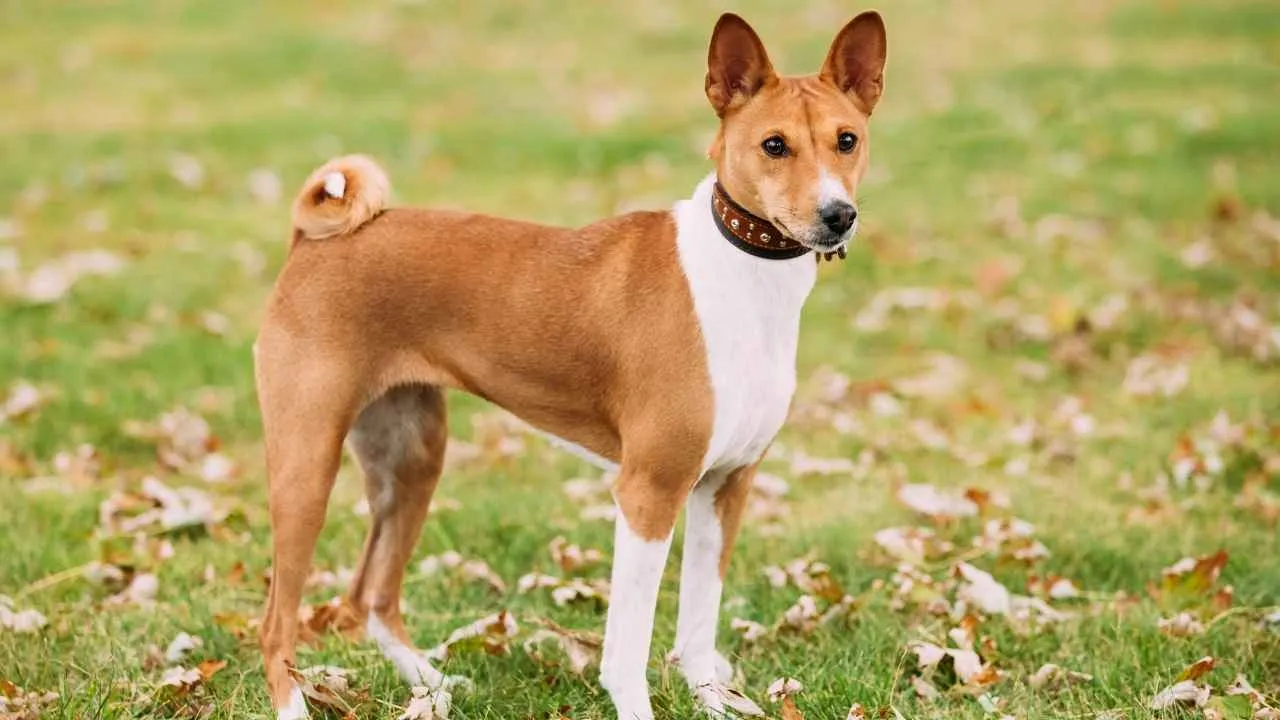
If you’re looking for a dog that’s both active and quiet, the Basenji, also known as the “barkless dog,” is one of the most obvious choices. This ancient African breed is eye-catching, with a balanced physique, a small, athletic body, perky ears, and a beautiful, smooth coat.
Basenjis don’t bark much, but they have their own way of speaking up: a yodel-like sound they use to express themselves. They are also said to be cat-like in temperament. They are independent by nature, and they like to groom themselves, too.
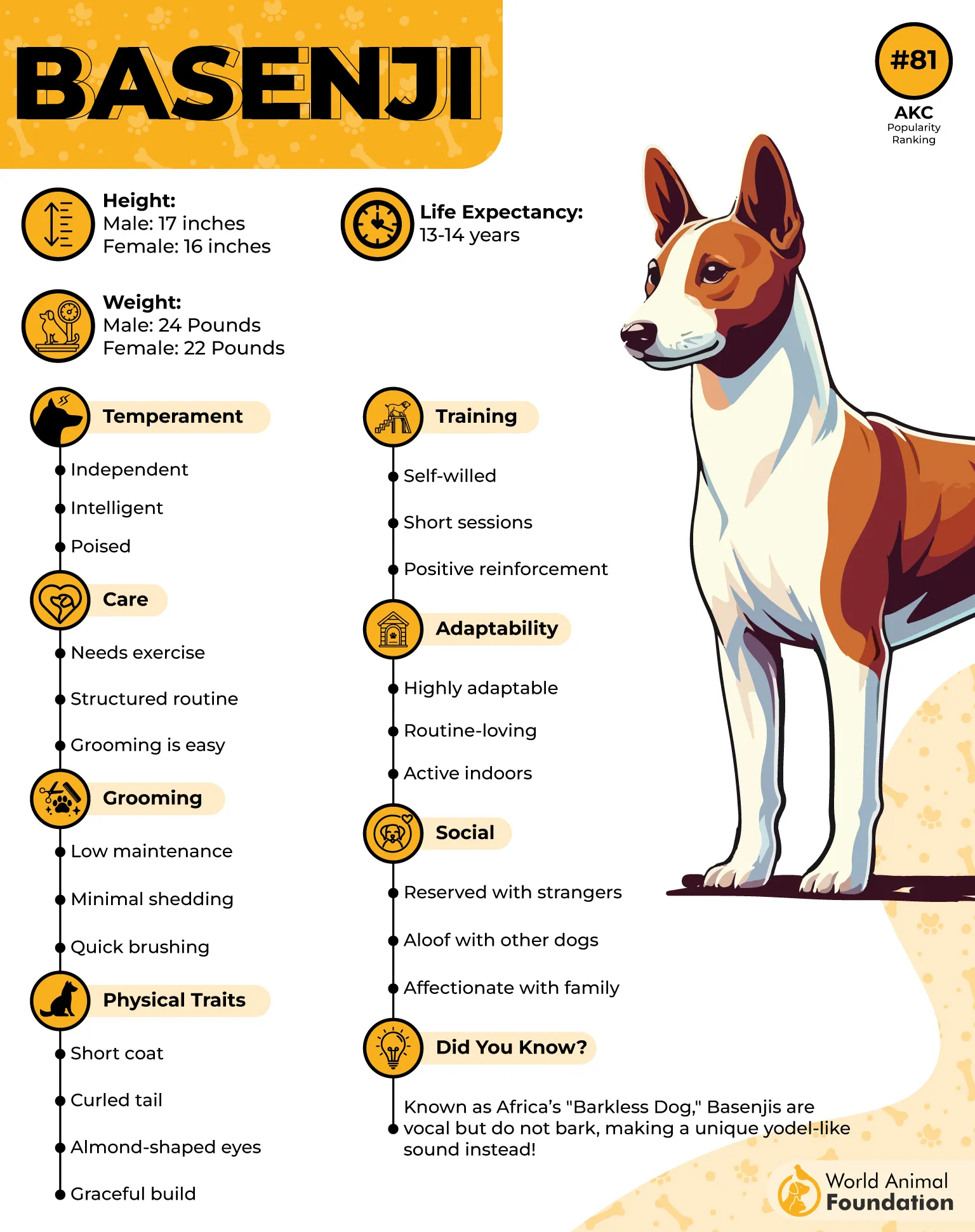
Since Basenjis have a prey drive, they should be kept on a leash, as they may dash after small animals. They don’t befriend strangers easily, so early socialization is important to help them become more tolerant of new people and situations.
Make sure your Basenji gets enough daily mental and physical stimulation to burn off excess energy. Otherwise, they may take out their frustration on your bedding and furniture.
9. Chinese Crested
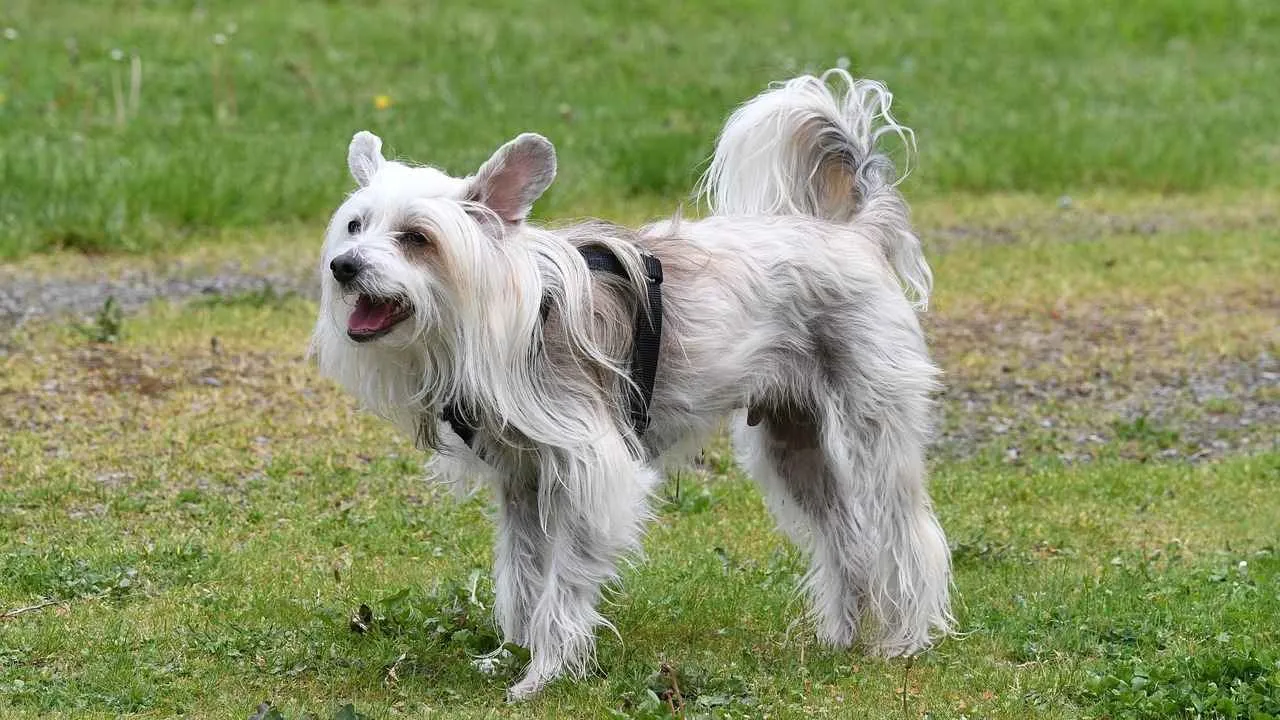
Elegant and cat-like, the Chinese Crested has a unique look that turns heads. These dogs come in two varieties: the hairless, which has tufts of hair only on the head, ankles, and tail, and the powderpuff, which has a silky coat. Both are equally charming and make adorable pets for families and individual owners.
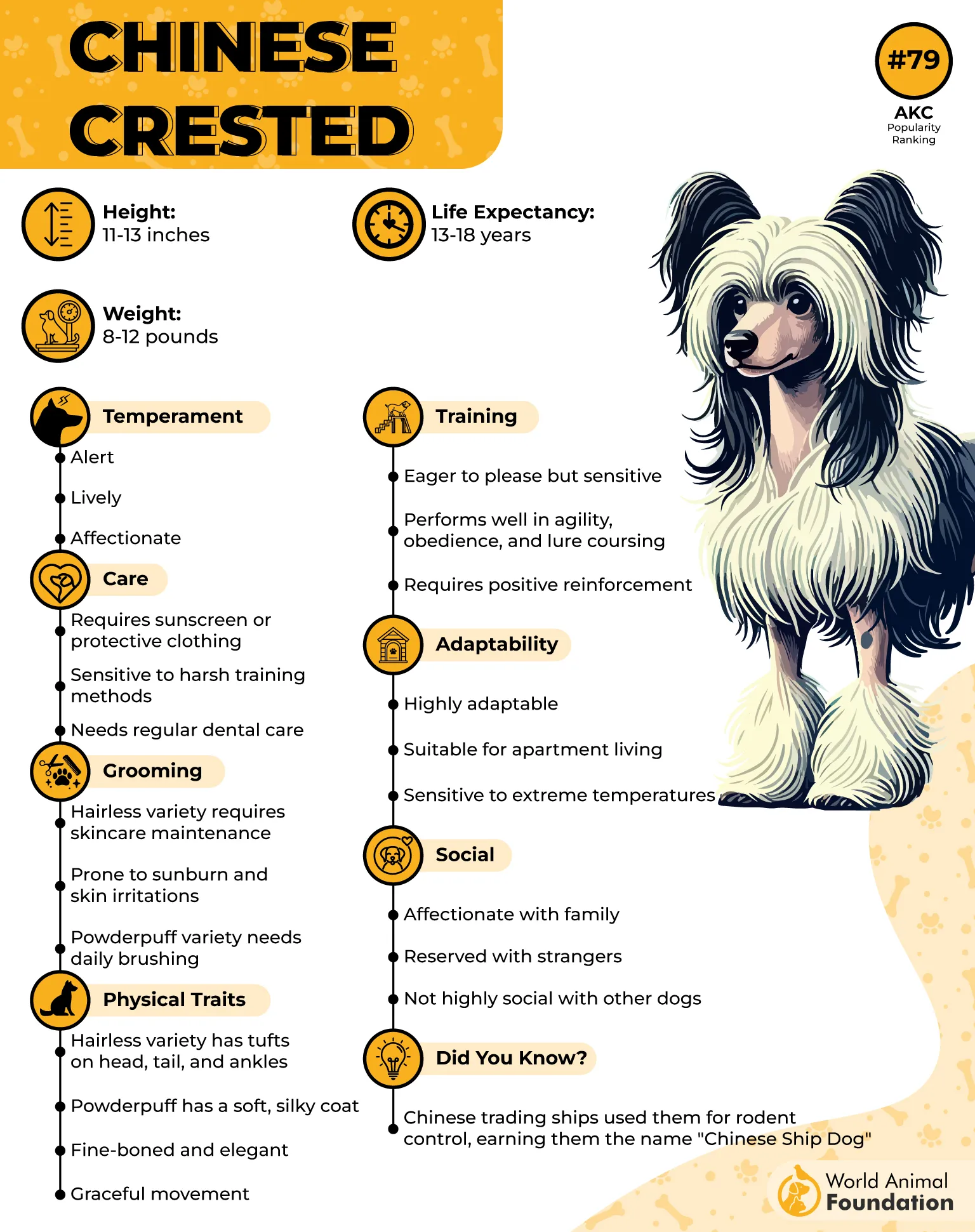
You won’t need to spend hours grooming a Chinese Crested, but their skin does need some care. Regular moisturizing and a good dog-safe sunscreen help protect them from dryness and sunburn.
These dogs are alert and love human attention, but they won’t bark excessively to get it. They make friends easily, especially when properly socialized, and they’re eager to please their pet parents. They are also smart and perform well in activities like agility, fetch, and flyball.
10. Borzoi
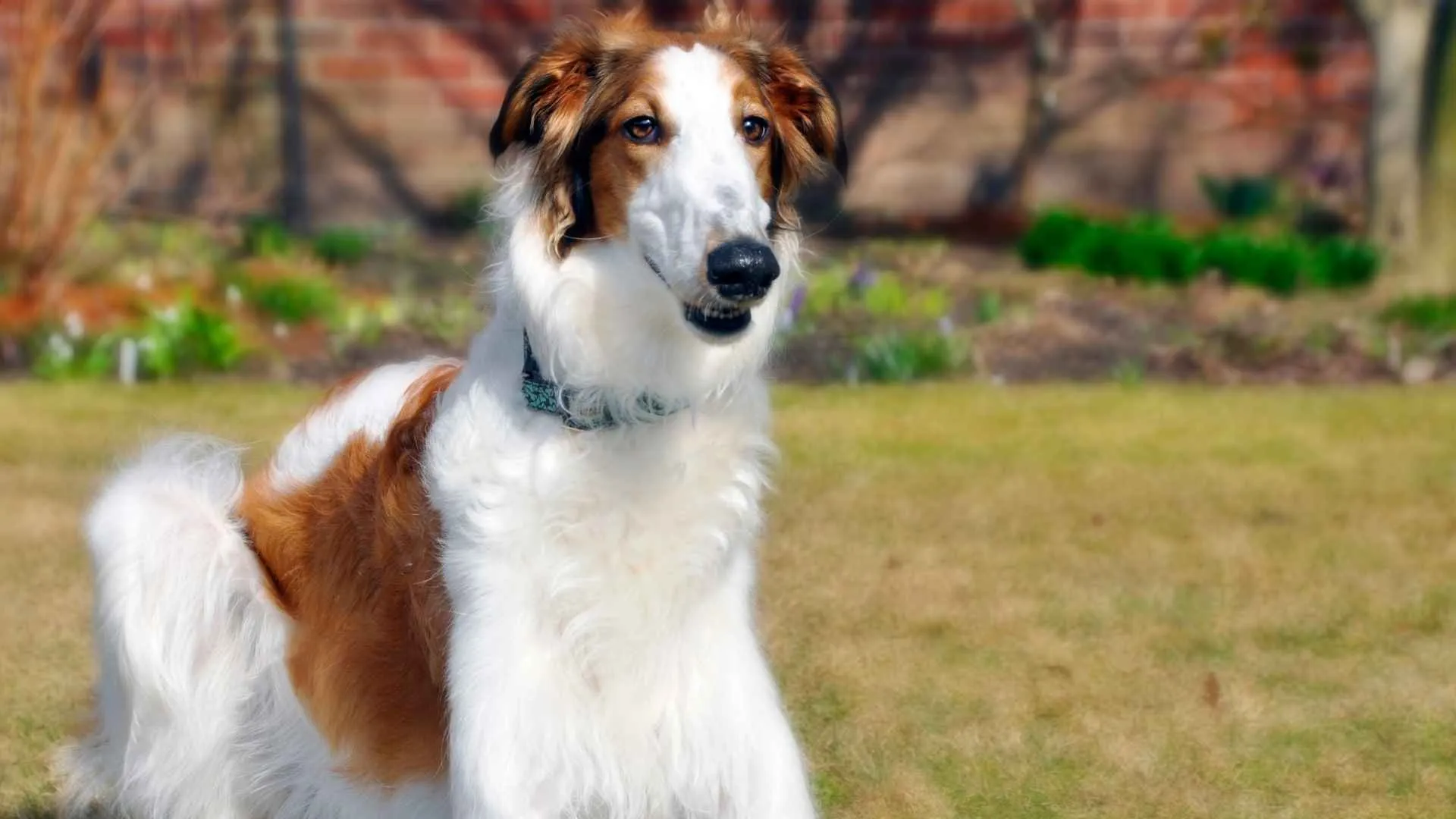
The Borzoi is a unique breed that was originally developed in Russia, and it is also called the Russian Wolfhound. Borzois tend to be active and alert without being aggressive. In the field, this quick-footed dog moves with agility and speed when chasing its target. It is usually an agreeable, friendly companion and does best with active pet parents.
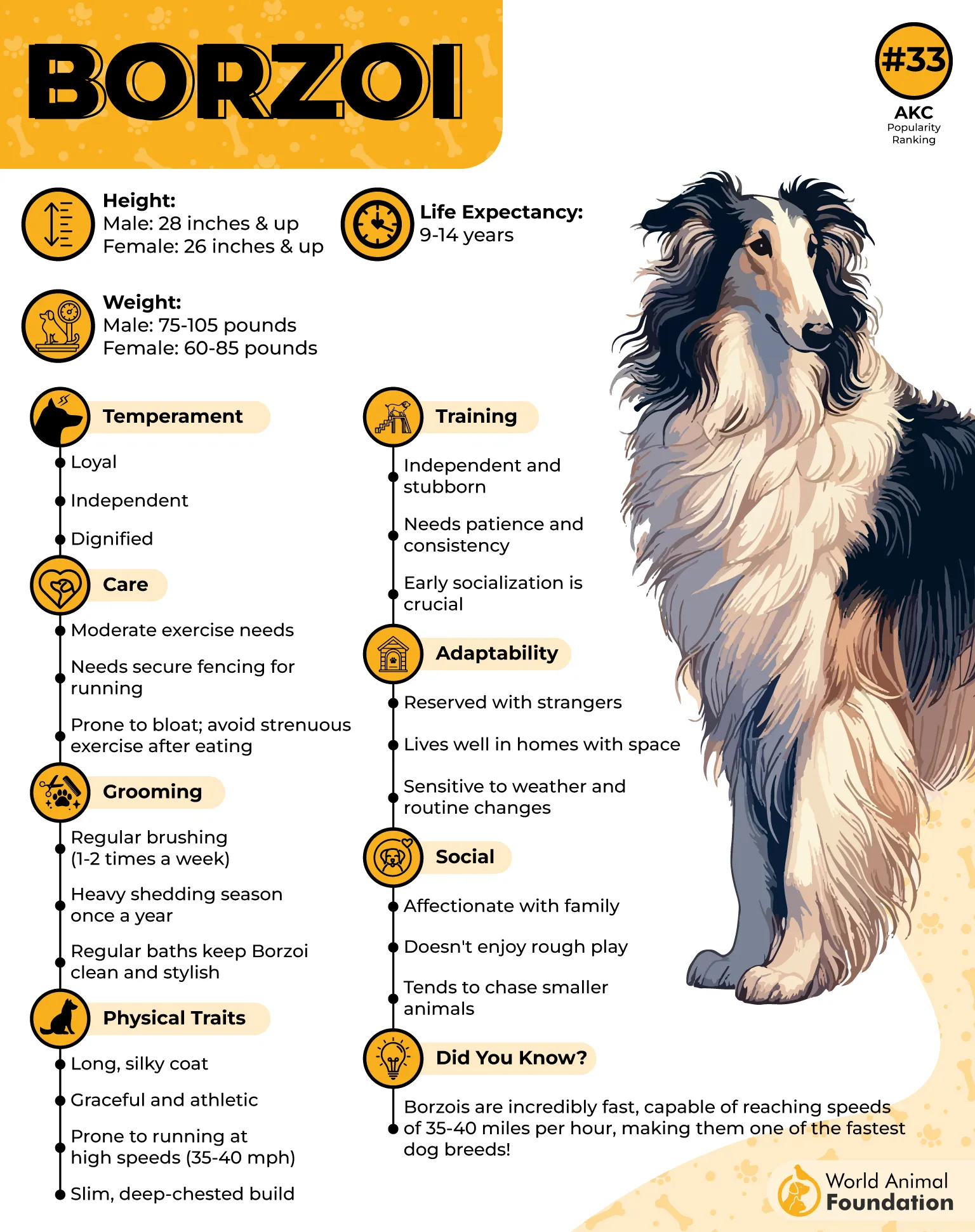
These gorgeous dogs stand out for their long muzzle and long double coat, which sheds. They need at least a quick brushing every day to stay free of mats and tangles. Moderate daily exercise, like a long walk, keeps them healthy, though it’s better to keep them on a leash because of their prey drive.
Once they’ve had some physical exercise, Borzois are calm, even-tempered pets indoors. They adapt well to different environments and get along with all family members, including children. They aren’t considered excessive barkers unless something sets them off.
Conclusion
These low-barking dogs make wonderful companions for pet parents who prefer as little noise around them as possible. If your dog is suddenly barking a lot, take it to the vet for a checkup, since anxiety, fear, or discomfort could be behind it. It’s also worth making sure your dog isn’t being treated harshly by anyone in the household and that it received proper training as a puppy.
