




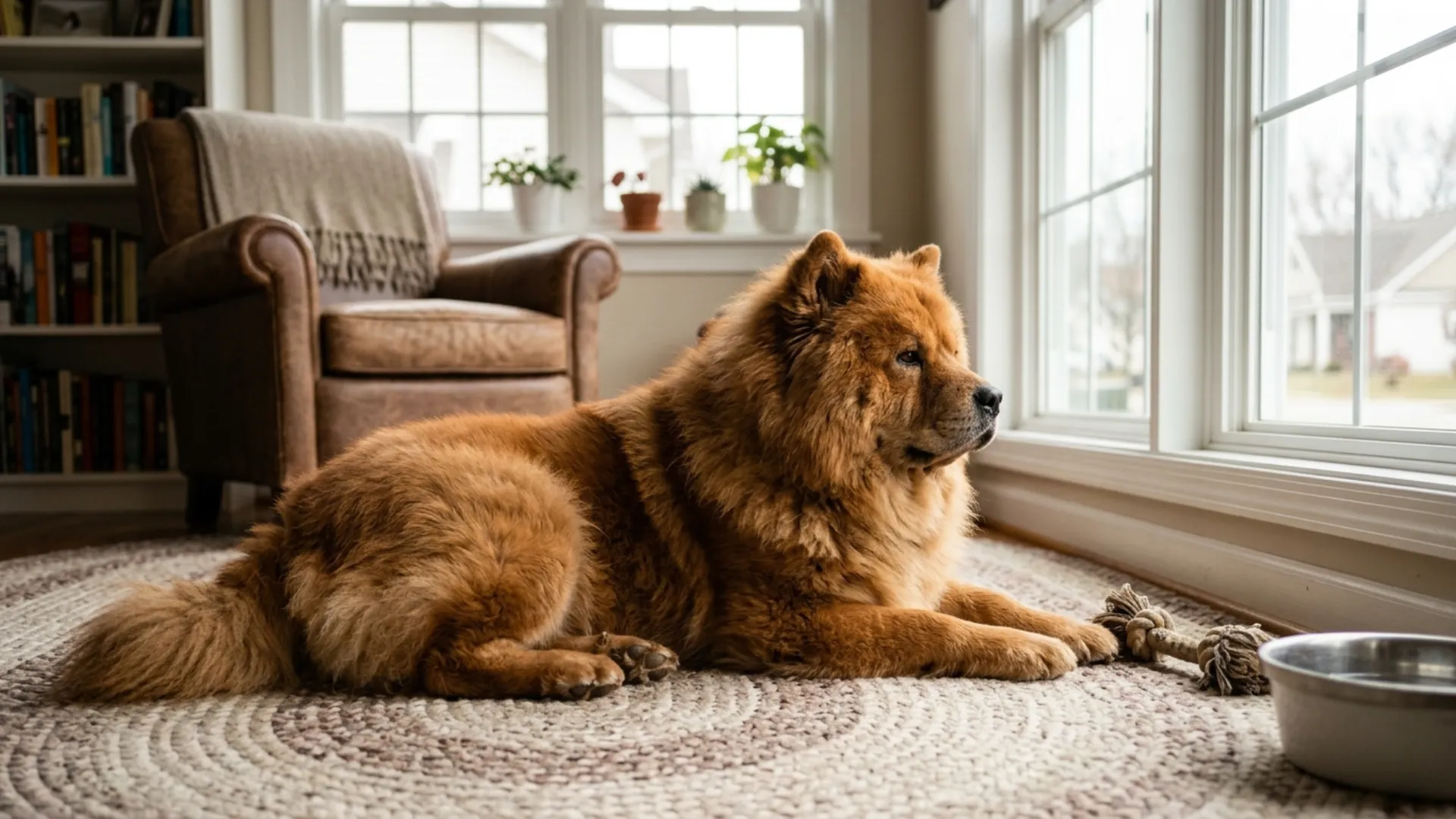
Not all dogs will be affected by being left alone for a couple of hours. Certain breeds are naturally more independent dogs and enjoy having their own space. This does not imply a lack of affection towards their family members.
Instead, they are at ease when they have an adequate amount of exercise, attention, and mental stimulation and can relax on their own.
These breeds tend to be more suitable for individuals with an active or busy lifestyle, who may not be able to dedicate as much time to daily activities.
If you are looking for a dog that can stay alone without any issues, here are 7 popular dog breeds which are self-sufficient to do so.
Self-Sufficient Dog Breeds That Stay Content Alone
1. Shiba Inu
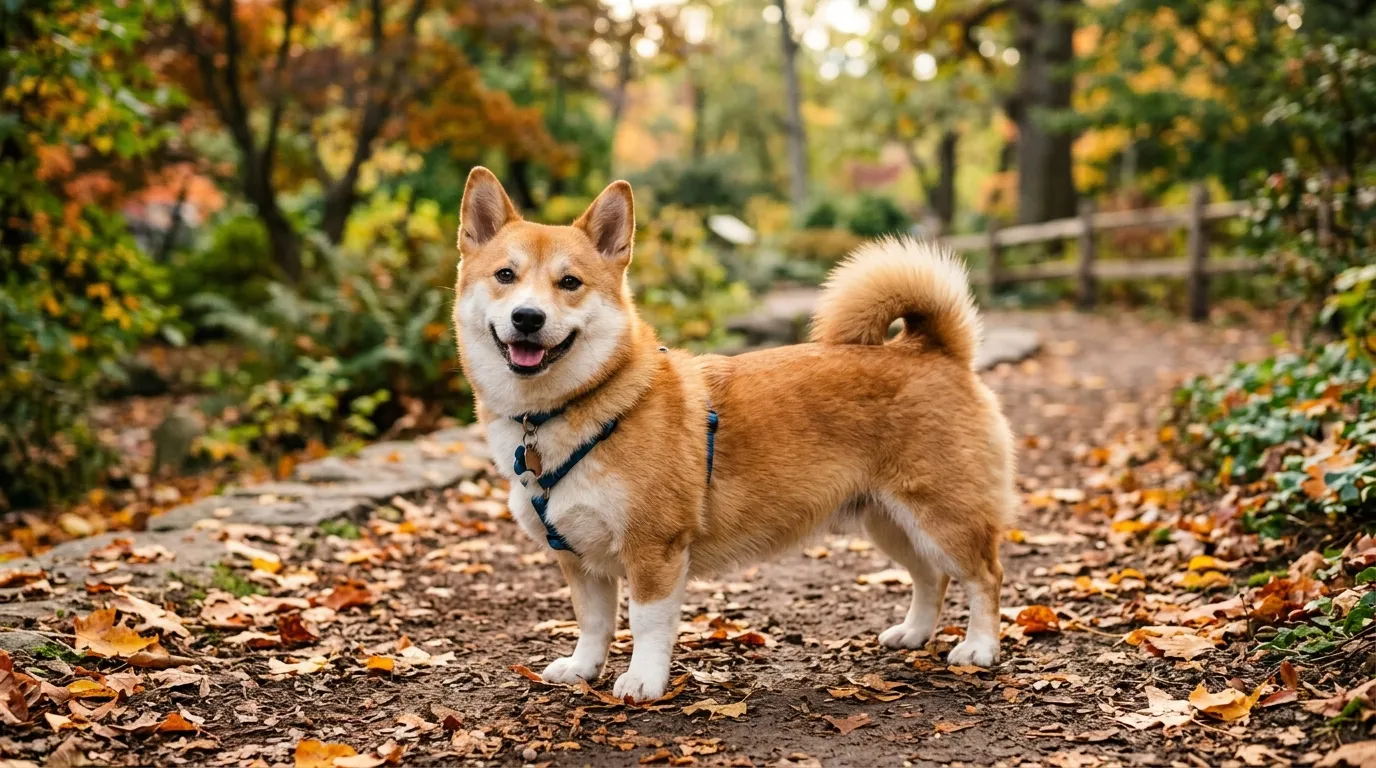
The Shiba Inu is known for being a cat-like dog and is referred to as such. This pint-sized pup likes to be in the company of its family but not be constantly cared for.
If you are someone who goes out for work every day, then you can leave this pup in a reputed doggy daycare where it can survive with less exercise and more rest time. They are small but bold dogs that can help you create a balance between professional and personal lives.
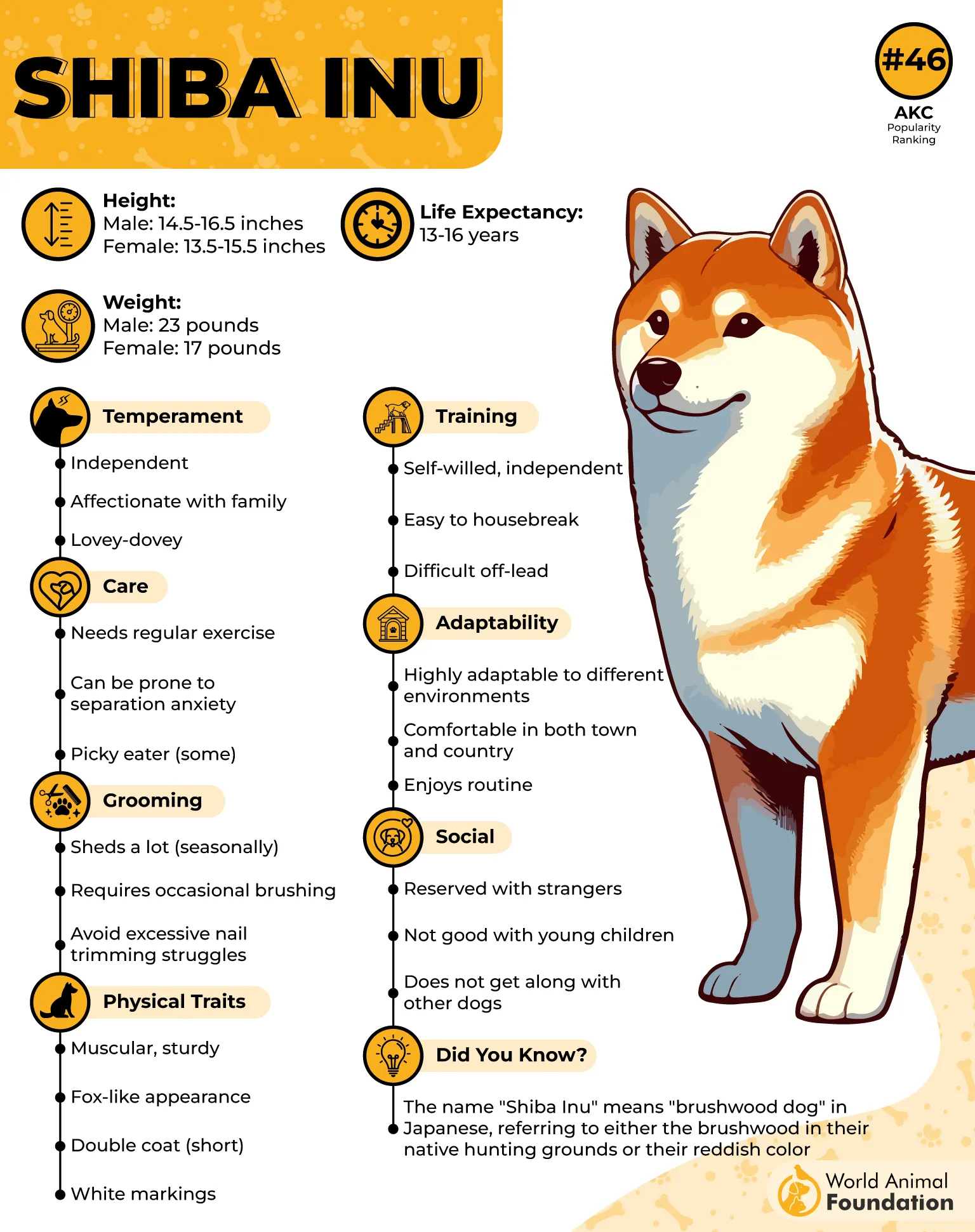
A Shiba Inu typically plays alone by observing the outside environment, wandering around the home, or resting in a preferred area. Go for a good morning walk, and then it will be happy to spend several hours alone.
This dog breed appreciates personal space and is not the breed for owners that try to spend all their time with their pets. It is not a clingy breed, so it doesn’t follow its people.
Boredom can be prevented by giving this dog interactive toys and puzzle feeders. Owners should keep the Shiba Inu’s independent personality in mind when adopting this dog breed, as Shiba Inus like a balance of liberty and owners’ affection.
2. Chow Chow
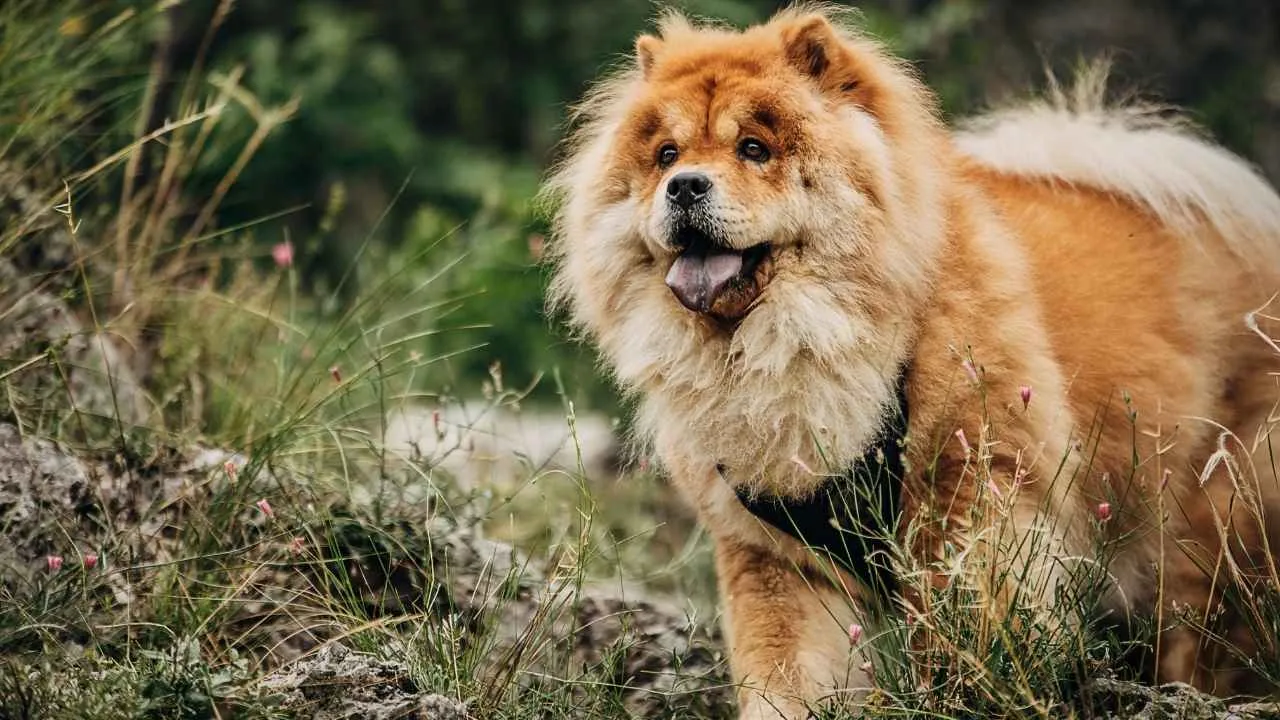
The Chow Chow is a calm, confident, and naturally reserved breed. This dog also has an independent streak about it and likes some alone time. They are not overly affectionate and are rather reserved around strangers.
These pups do not require as much exercise as some of the active dog breeds out there.
These lovable dogs are content spending a quiet day resting at home after a good day’s run. They like to follow routines and are generally laid back when their owners are at work.
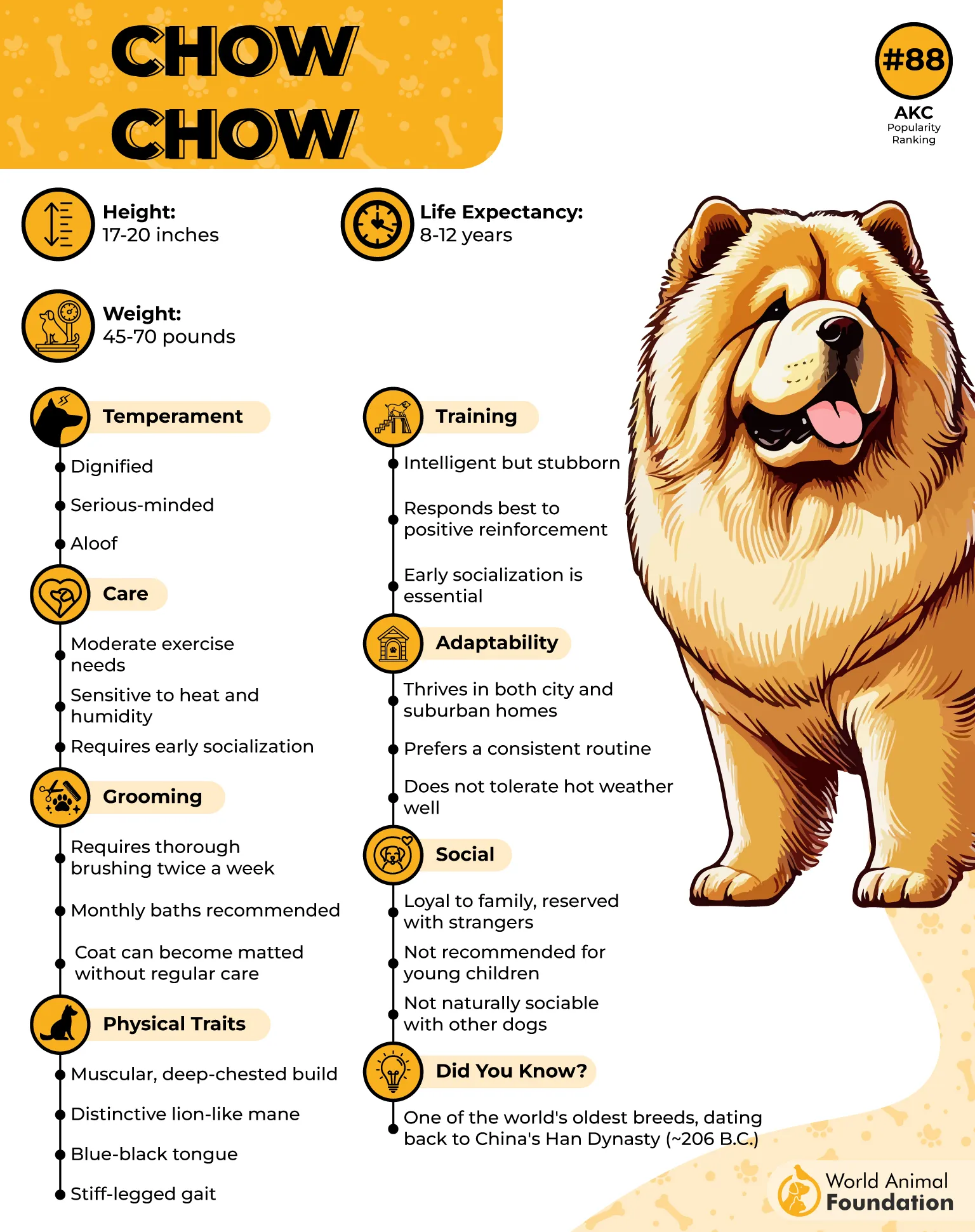
These dogs are independent but form good family bonds. Their loyalty is of a quiet nature as opposed to a playful one. They have a thick coat and enjoy being kept cool in the house, especially during warm weather, according to the American Kennel Club.
Owners should be aware of the fact that this dog breed may be wary of strangers, and early socialization is crucial. If you decide to bring this new furry family member,, don’t forget to buy a dog home where it can lie and relax for the time you are not at home.
3. Greyhound
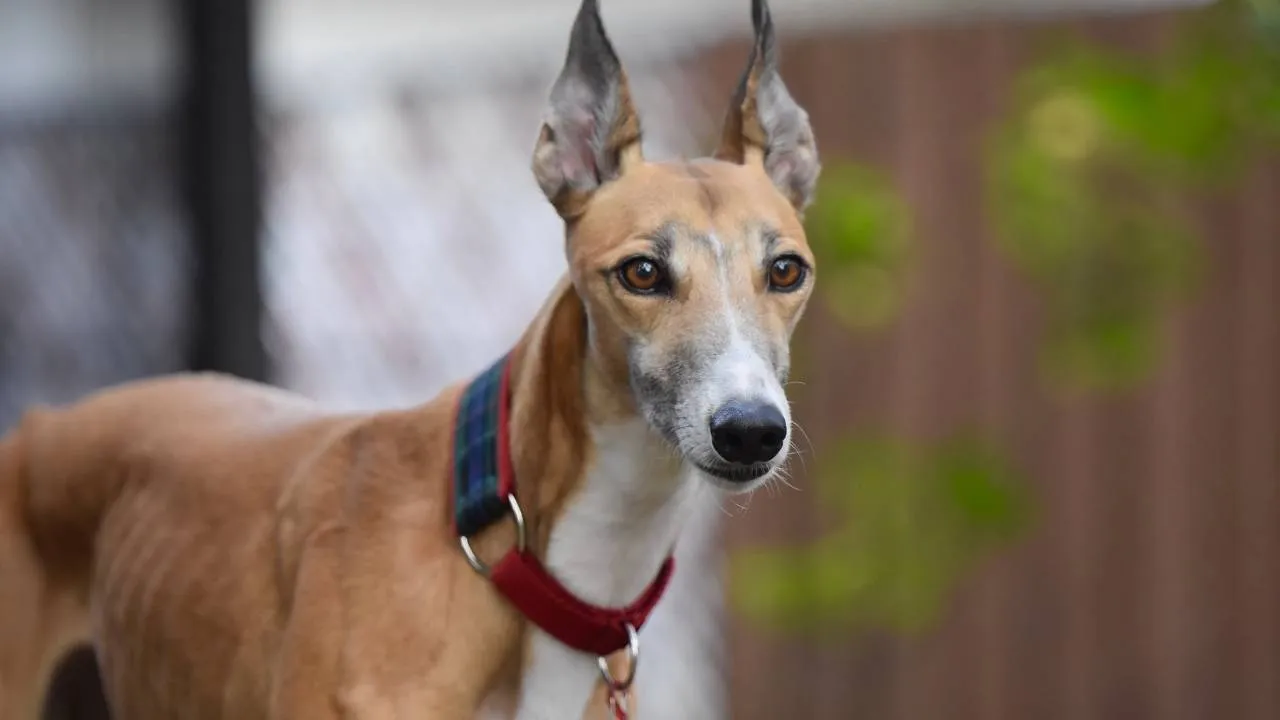
Due to their racing history, many people believe that Greyhounds have boundless energy. In fact, they are one of the most laid-back dogs at home.
Greyhounds sleep during most of the day after walking or running a short distance. They usually do not get restless but relax quietly for a few hours.
These dogs are quiet by nature, are good apartment dogs, and good loyal companions. They are among the best dogs to keep if you are someone who cannot take your dog with you everywhere.
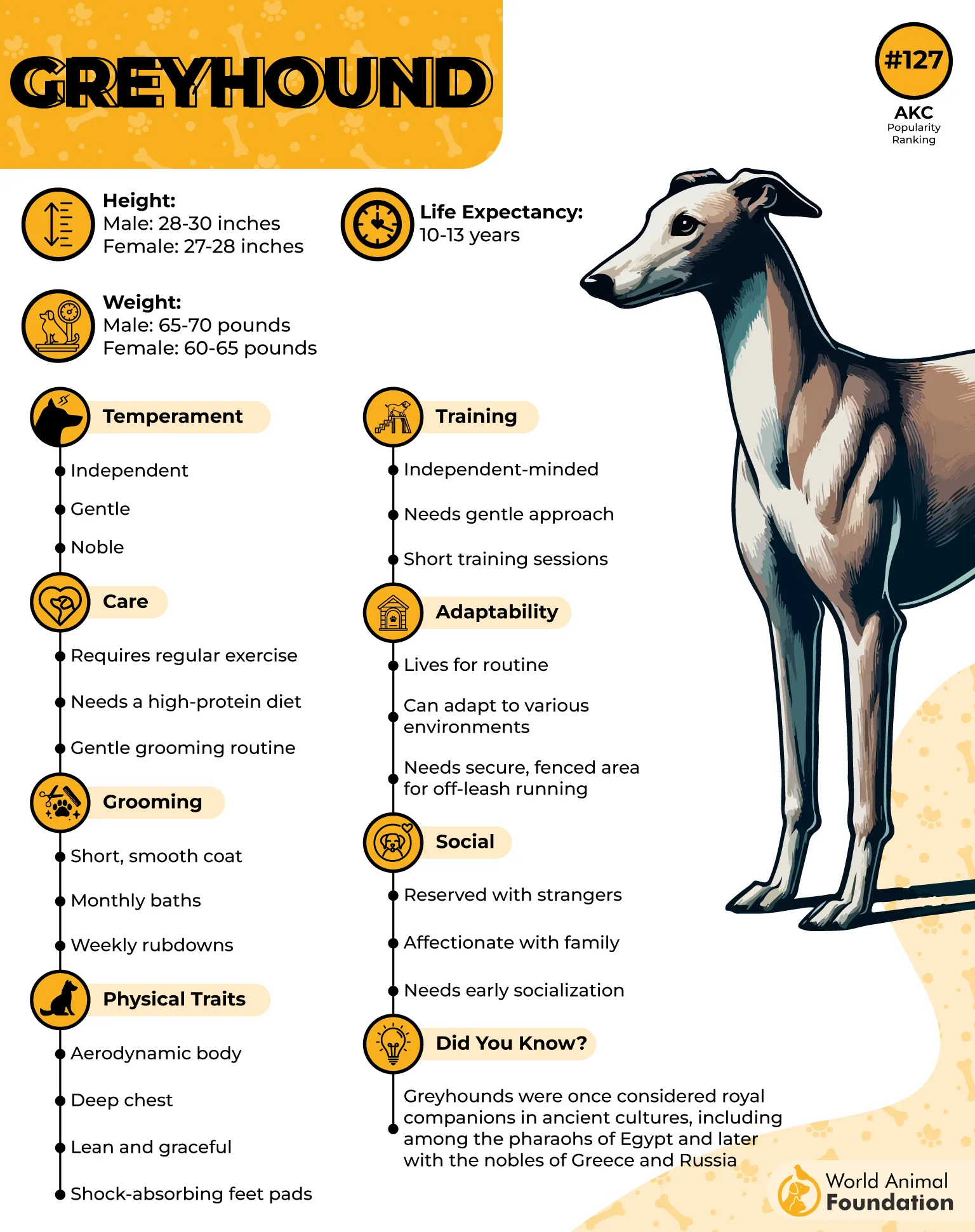
Greyhounds can suffer from separation anxiety and develop destructive behavior if left alone for extended periods. Older adult Greyhounds can suffer from joint problems, so only a moderate amount of exercise should be given at this age.
The most common error of new owners is thinking that they should take their dog out for exercise or play sessions every day. But the reality is that these dogs, aside from moderate daily exercise, are often satisfied with their chilled routine, according to The Royal Kennel Club.
4. Basset Hound
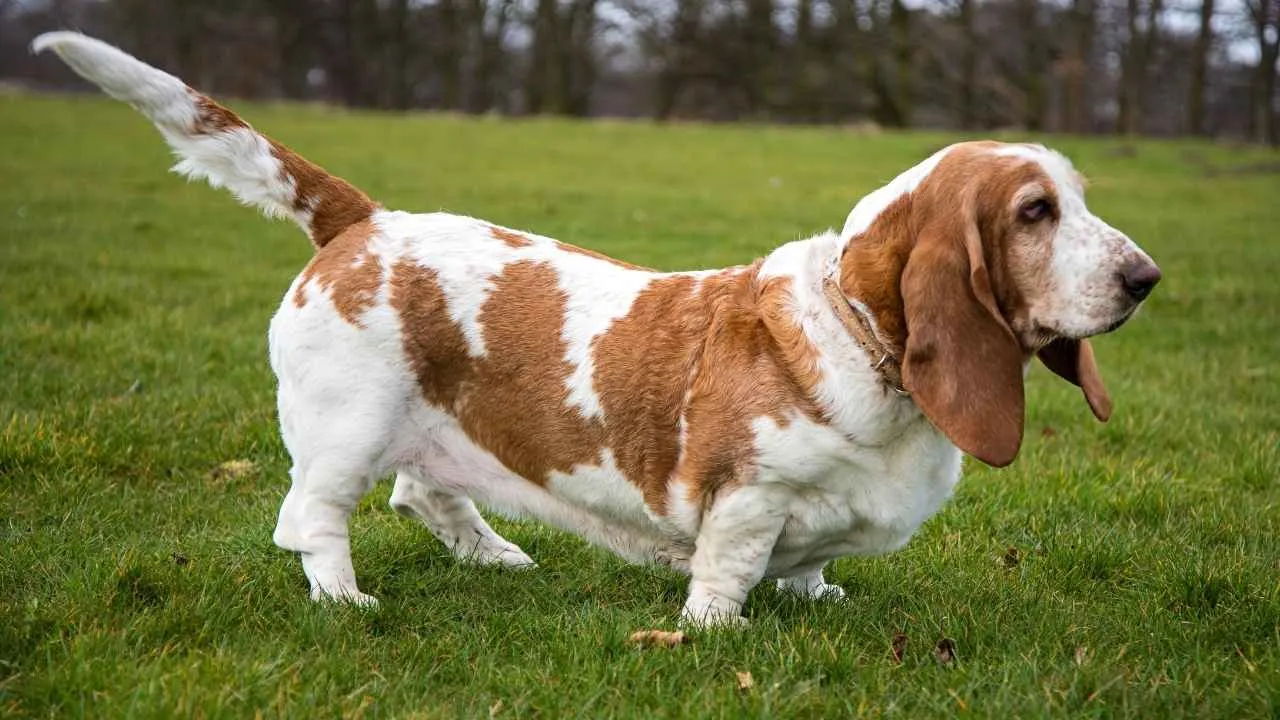
The Basset Hound is easygoing and enjoys a slow, relaxed life. After a leisurely walk, this breed is usually ready for a long nap. This beloved pup is well suited to apartment living, thanks to its mellow, low-energy indoor temperament.
This breed will not require continuous entertainment. Rather, it likes places where it can be at ease and lie down awaiting the return of its family.
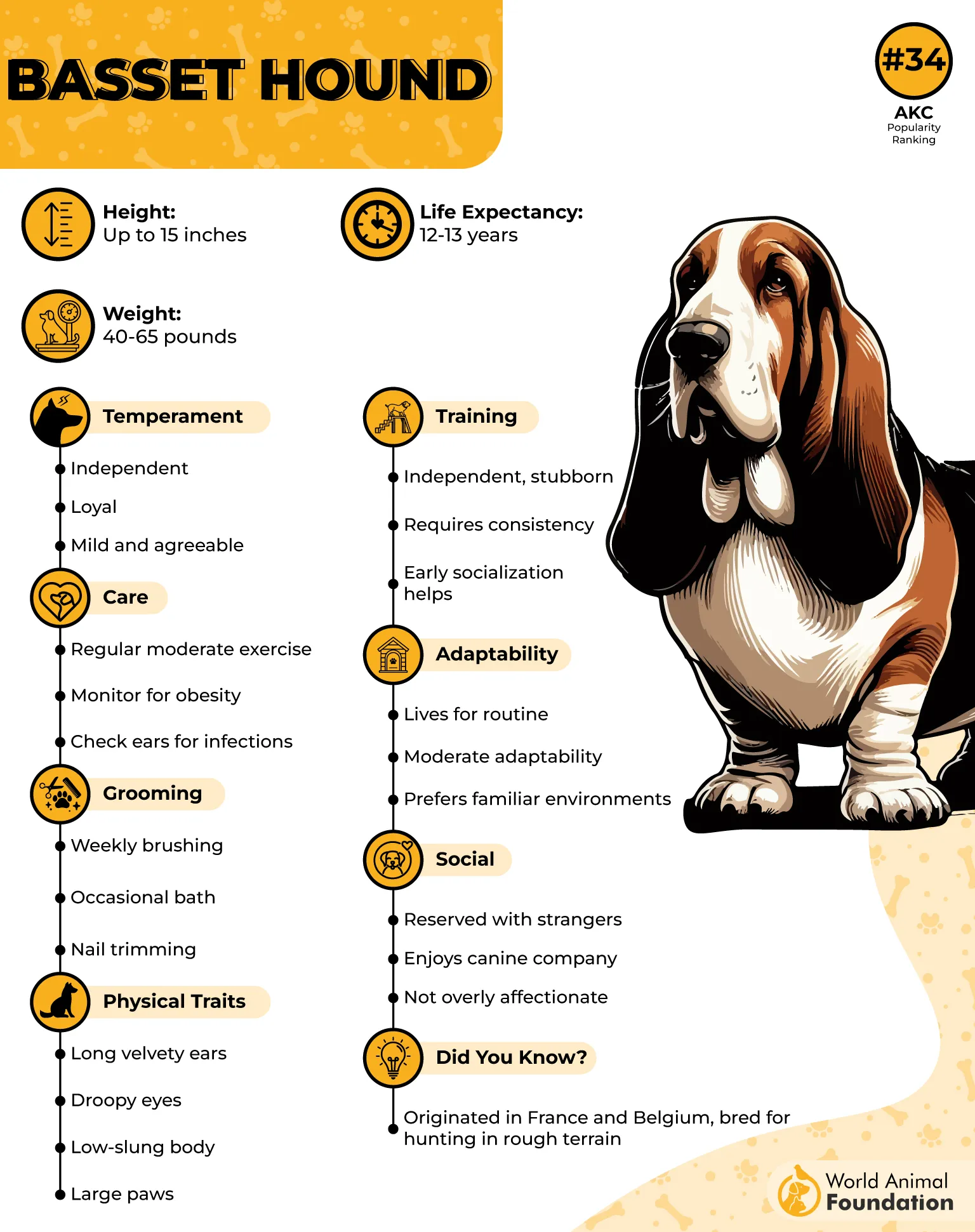
The Basset Hound is independent, but likes routine. Giving it food, walking it, and resting makes this breed feel safe. This highly intelligent breed can be a little stubborn and might not follow all the house rules.
Basset Hounds are working dogs that can get bored easily, so scent games can keep them occupied in small alone time sessions. They can spend long hours working in fields and can adapt well to farm living as well.
Don’t overfeed, as this breed tends to gain weight, particularly if it is not provided with proper exercise. To prevent obesity, you can always invest in multi-meal programmable feeders that will help them eat in intervals.
5. Chinese Shar-Pei
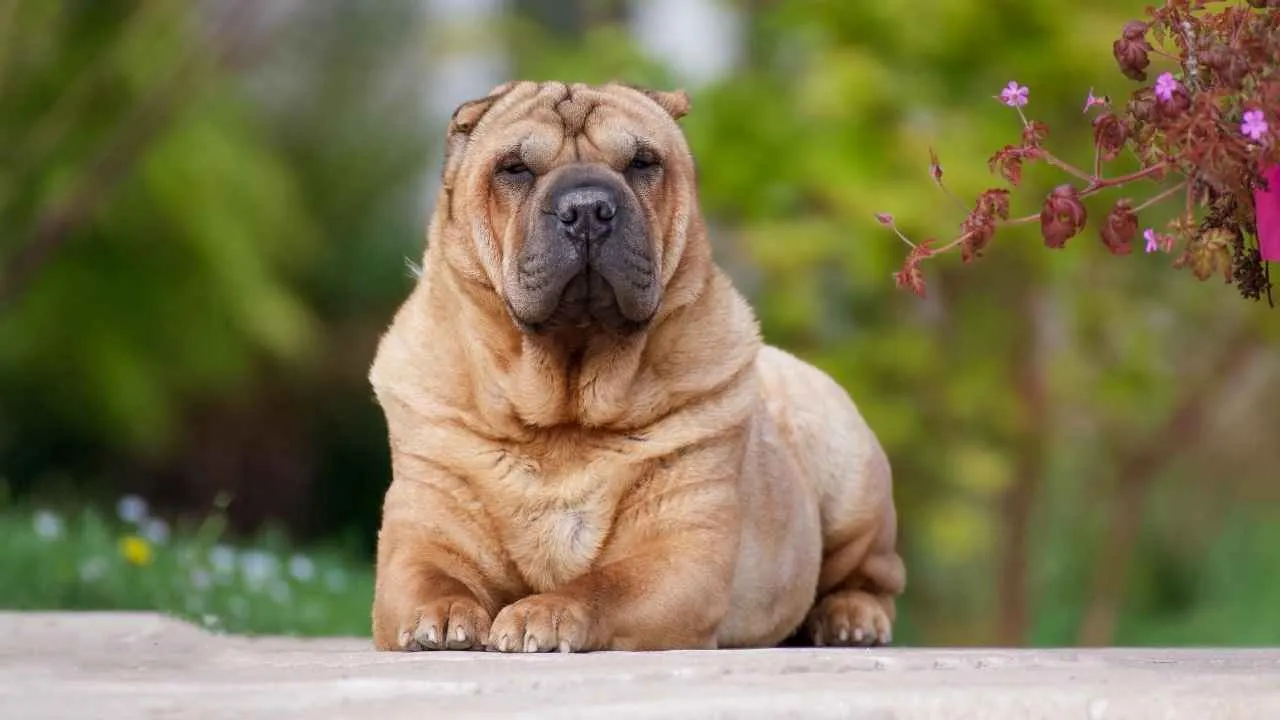
The Chinese Shar-Pei is a quiet and independent dog. It likes to be with its family but does not constantly seek attention.
It is easy to leave this breed alone after its physical and mental needs are fulfilled. A morning walk followed by a few interactive games is usually enough to keep this breed relaxed for the rest of the day.
Purina mentions that Shar-Peis are keenly aware. They would rather rest and watch their surroundings than get up and walk around the house. They have a calm nature and make great pets for those who prefer a quiet house.
They are independent dogs but require frequent instructions. They feel secure and confident when they have a consistent routine.
A common mistake people make is that they neglect to socialize their Shar-Peis early on. When it’s young, it’s important to introduce your Shar-Pei to various people and places, as it helps it to become a well-rounded breed.
6. Basenji
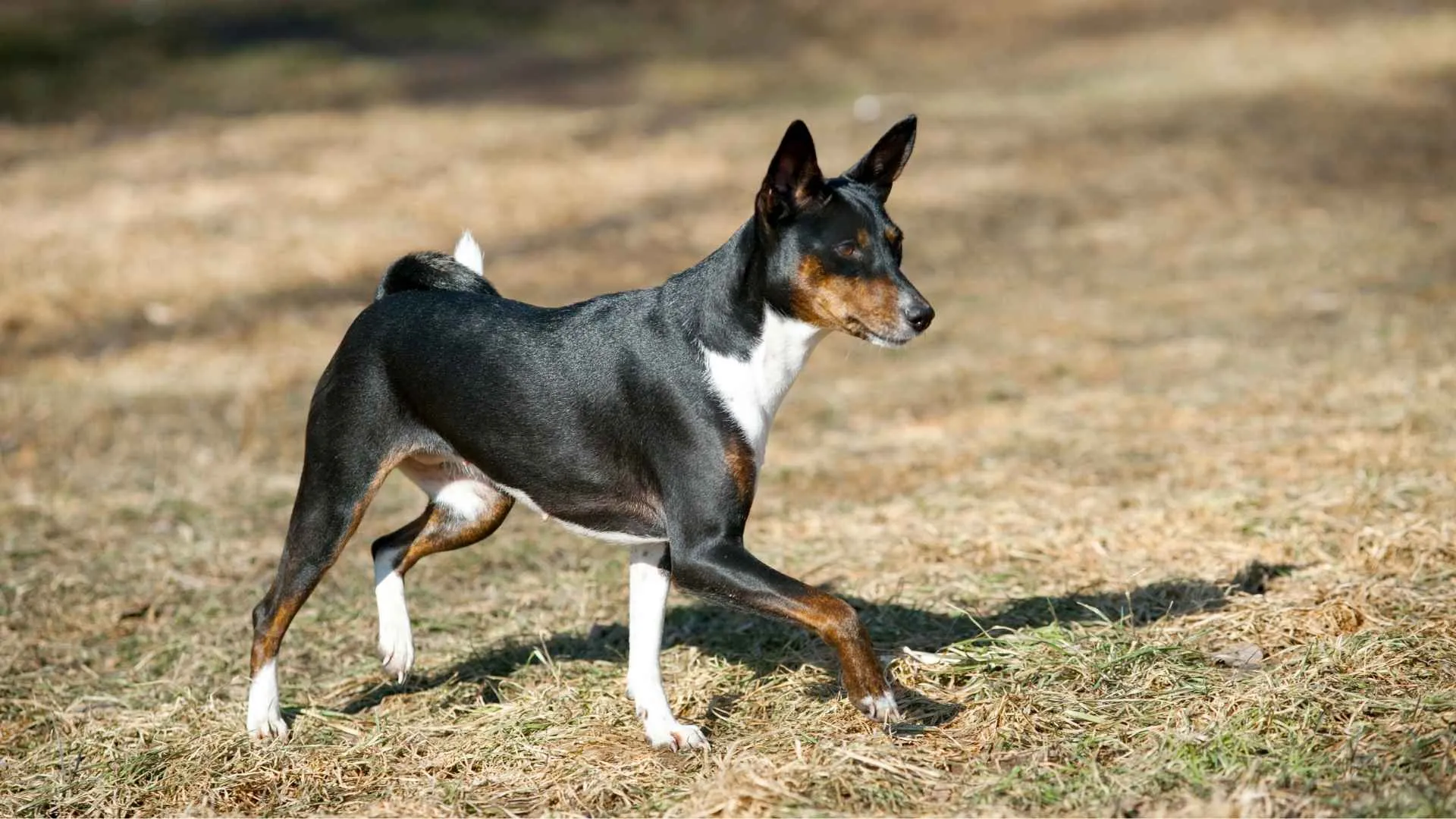
The Basenji is also known as the “barkless dog”.
This breed was originally bred to hunt, and was taught to think for itself, which explains the breed’s independent nature. This trait of independence is still present in its personality.
Many Basenjis like to investigate puzzle toys, stare out of the window, or lie in a sunny place when left alone for a reasonable amount of time. They enjoy mentally stimulating activities.
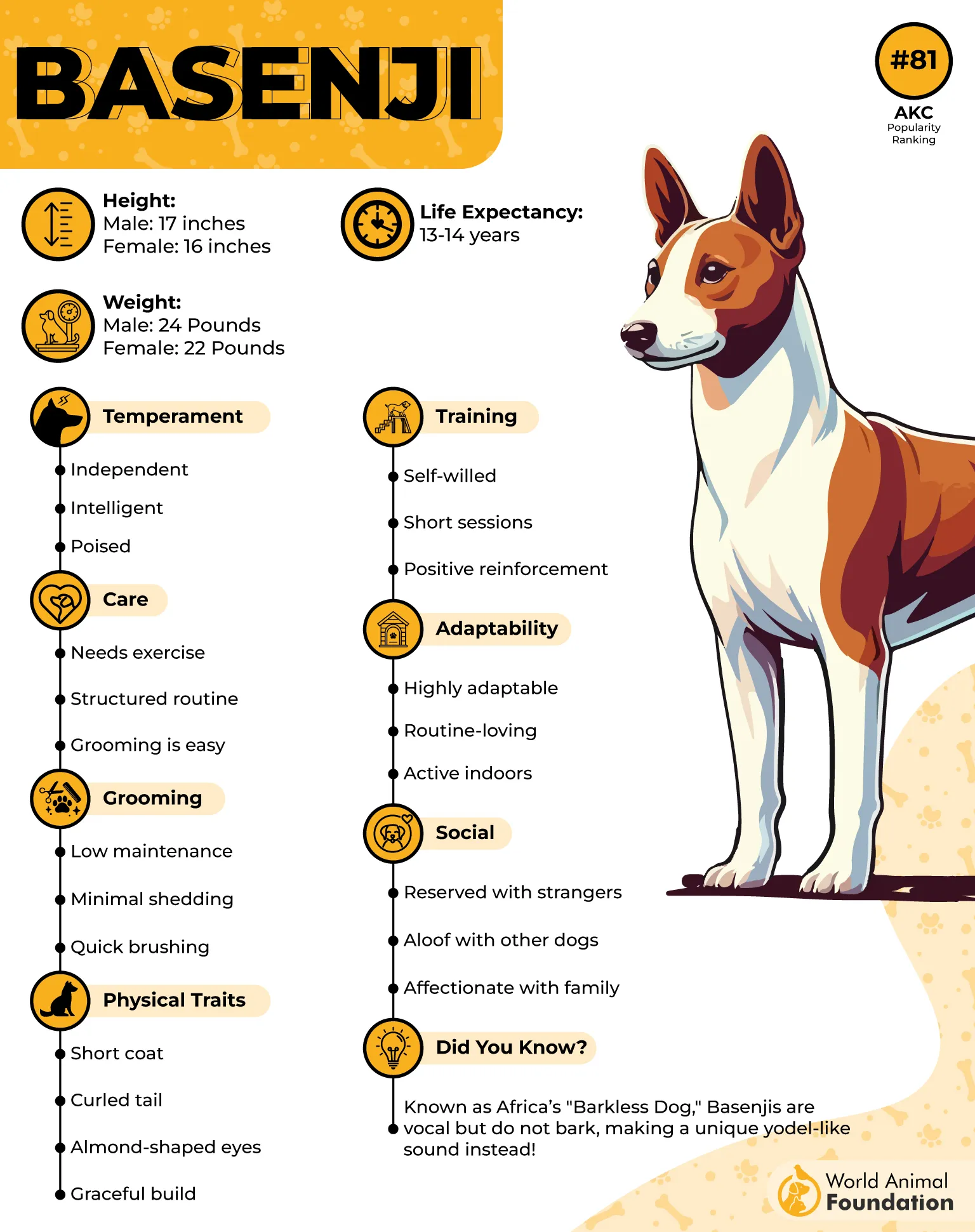
They are curious, and owners must take care to ensure that all cabinets, trash cans, and food containers are securely closed. If left alone, the Basenji can be very creative.
This breed benefits from routine but values the chance to go on adventures and explore new environments.
Their ears can be cleaned frequently to prevent them from forming ear infections.
7. Miniature Schnauzer
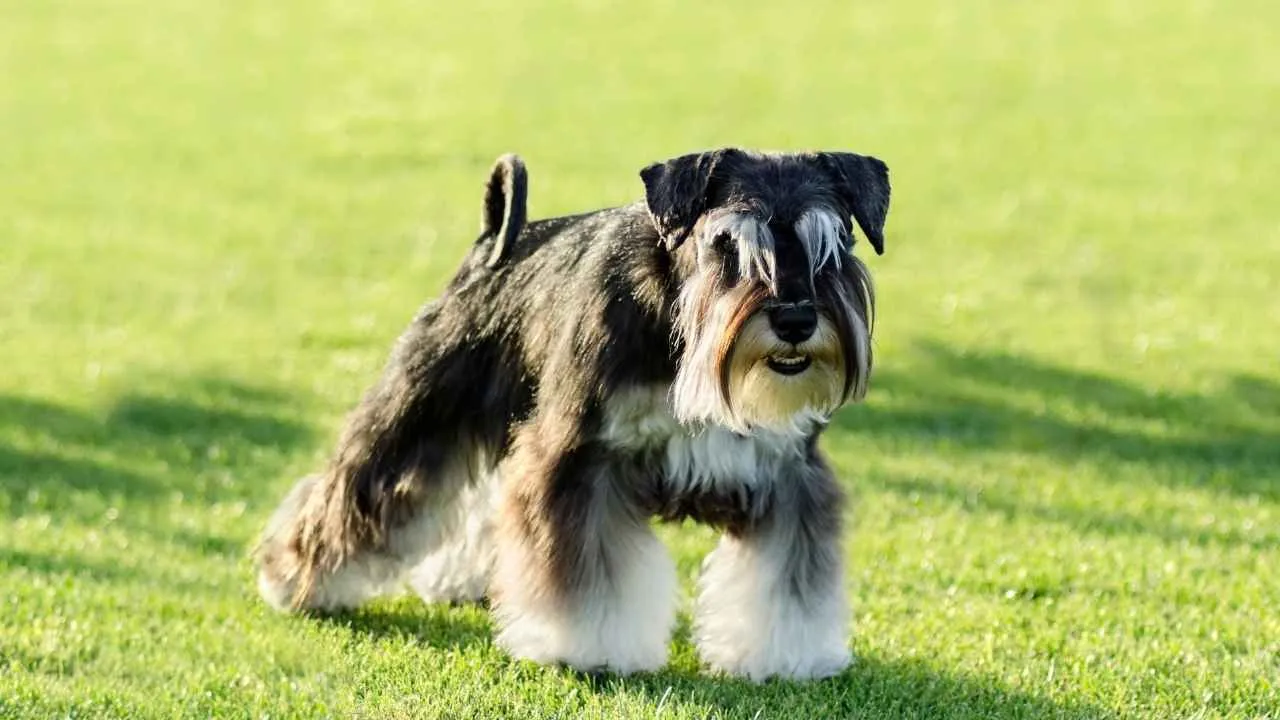
The Miniature Schnauzer is a somewhat independent companion breed. It likes to spend time with its family, but also prefers its own company.
This breed is good for a regular work schedule. Many Miniature Schnauzers lie down and are very comfortable after exercise and breakfast.
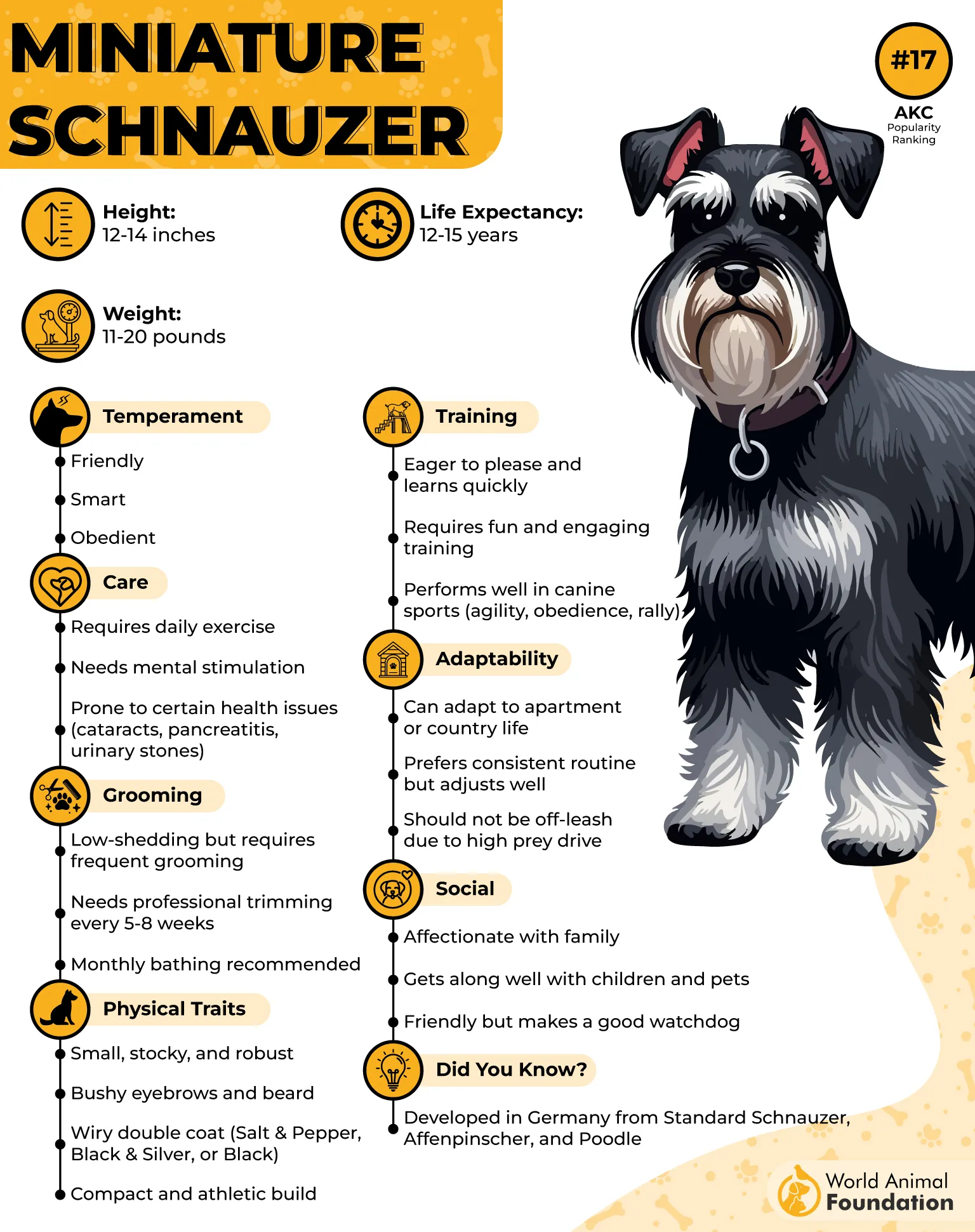
They have enough brain power to enjoy food puzzles, treat-dispensing toys, and simple scent games. These activities help to prevent boredom and keep their minds active.
They can spend several hours alone, after which they are happy to spend some time in the evenings with their families. It helps to build up a bond with them through walks, training sessions, or a game of fetch.
The biggest mistake owners make is not giving them adequate mental stimulation. A mentally stimulated Schnauzer is usually a happy Schnauzer.
Conclusion
Independent dogs are usually okay being left alone but they need love, exercise and daily interaction. For busy owners who want a loyal companion but don’t have long periods to dedicate, a self-sufficient breed might be the ideal pick for their household.
High-energy dogs should always have plenty of room and exercise, e.g., long walks or active play time. Also, they should be given fresh water, some mental stimulation, and a safe place to rest before heading out long distances.
These breeds can be a great addition to numerous families when raised with the proper amount of care.
