




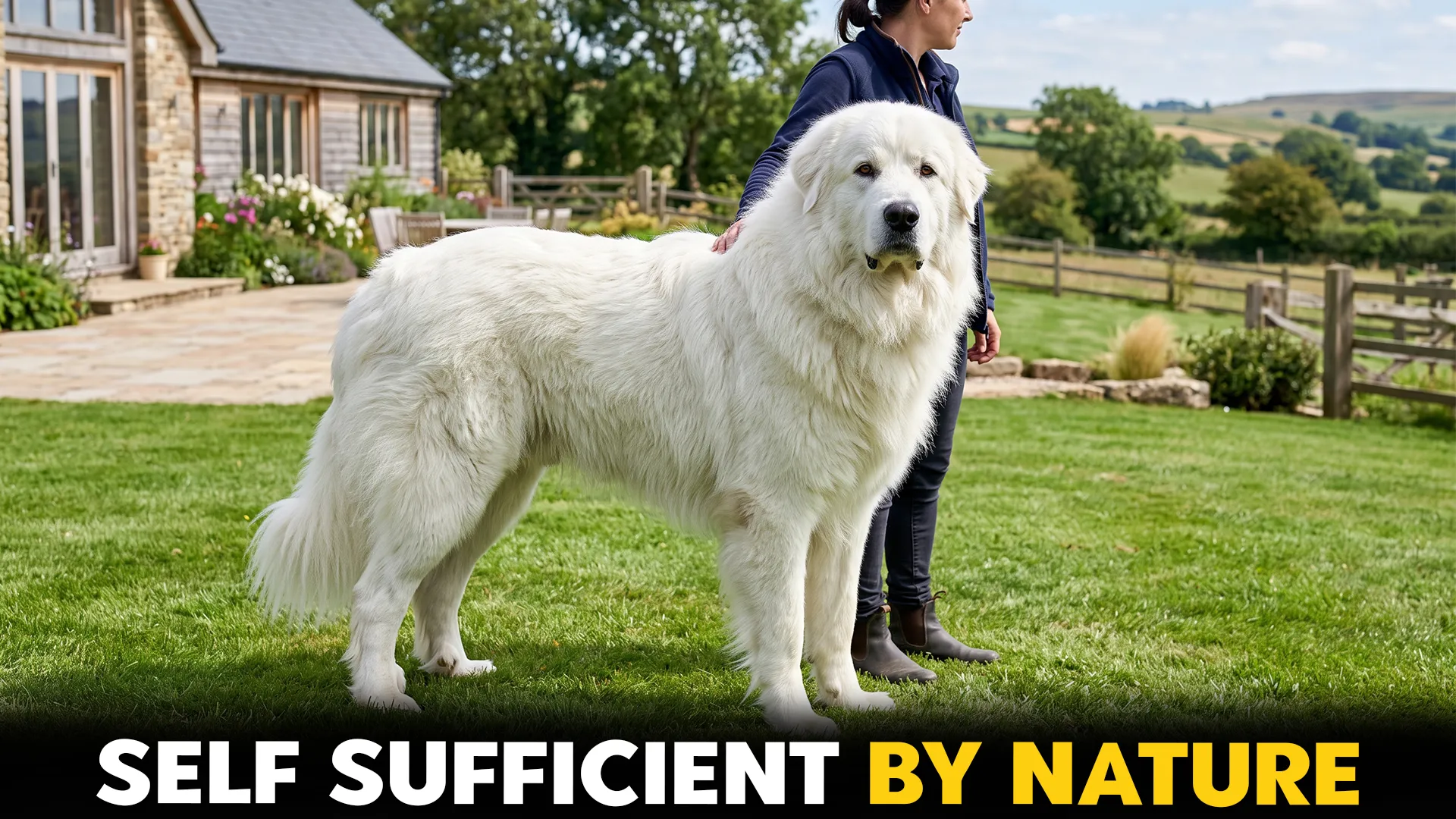
Conventional advice often suggests that solo owners should avoid large dogs altogether. The reasoning sounds sensible at first. Bigger dogs require more space, more resources, and more commitment, making them seem better suited to households with multiple people.
Yet that perspective overlooks an important detail. Some of the most self-sufficient dogs happen to fall into the large-breed category. Rather than relying heavily on constant interaction, they tend to approach life with a level of confidence that makes daily management surprisingly straightforward.
They enjoy companionship, but they are also capable of entertaining themselves, settling into routines, and handling quiet periods without difficulty. For someone living alone, those traits can be far more valuable than endless enthusiasm or nonstop attention-seeking behavior.
The breeds ahead demonstrate how independence, stability, and adaptability can make certain large dogs a remarkably practical choice for solo owners seeking dependable companionship.
Key Takeaways
Living alone does not always mean avoiding large dogs, especially when some breeds are built to manage space, time, and solitude with ease.
Scottish Deerhound and Anatolian Shepherd Dog show how independence can feel natural, from quiet indoor calm to instinct-driven awareness outdoors.
Great Pyrenees and Estrela Mountain Dog add a grounded presence, staying composed at home while remaining capable guardians when needed.
Stay till the end to see how these self-reliant giants turn solo living into something far more manageable than expected.
Top Self-Reliant Large Dog Breeds For Solo Owners
1. Scottish Deerhound
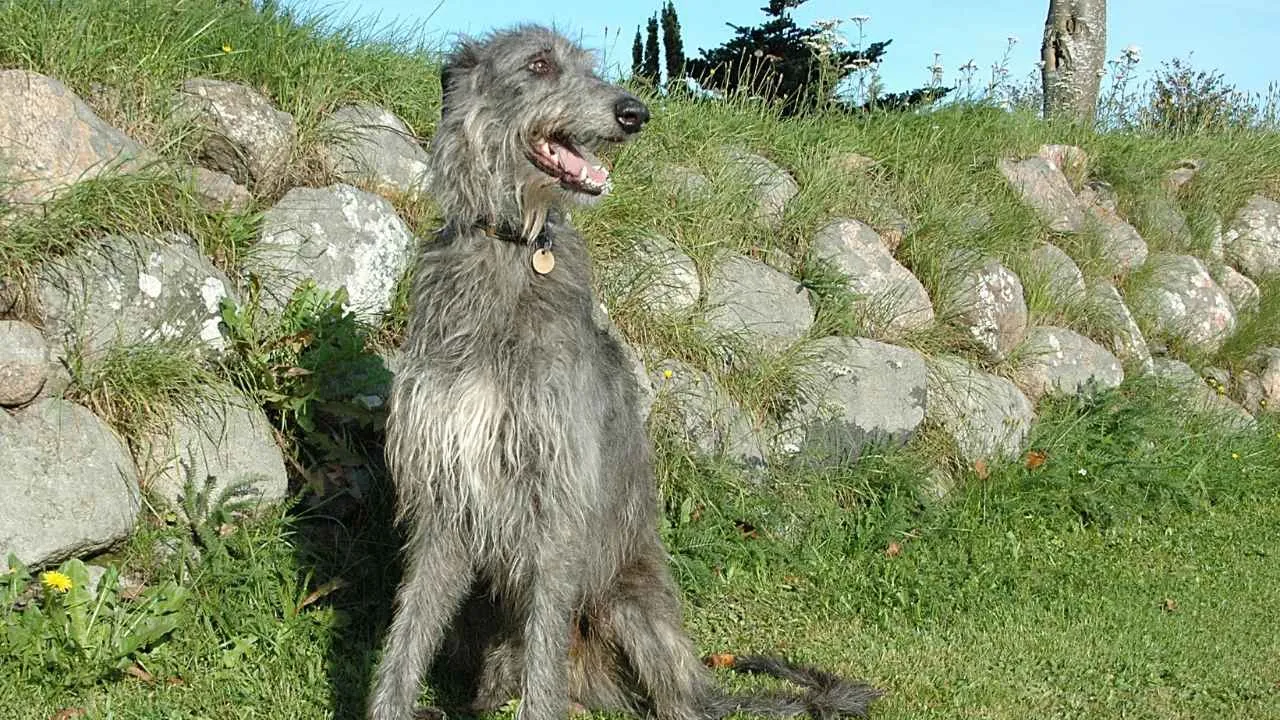
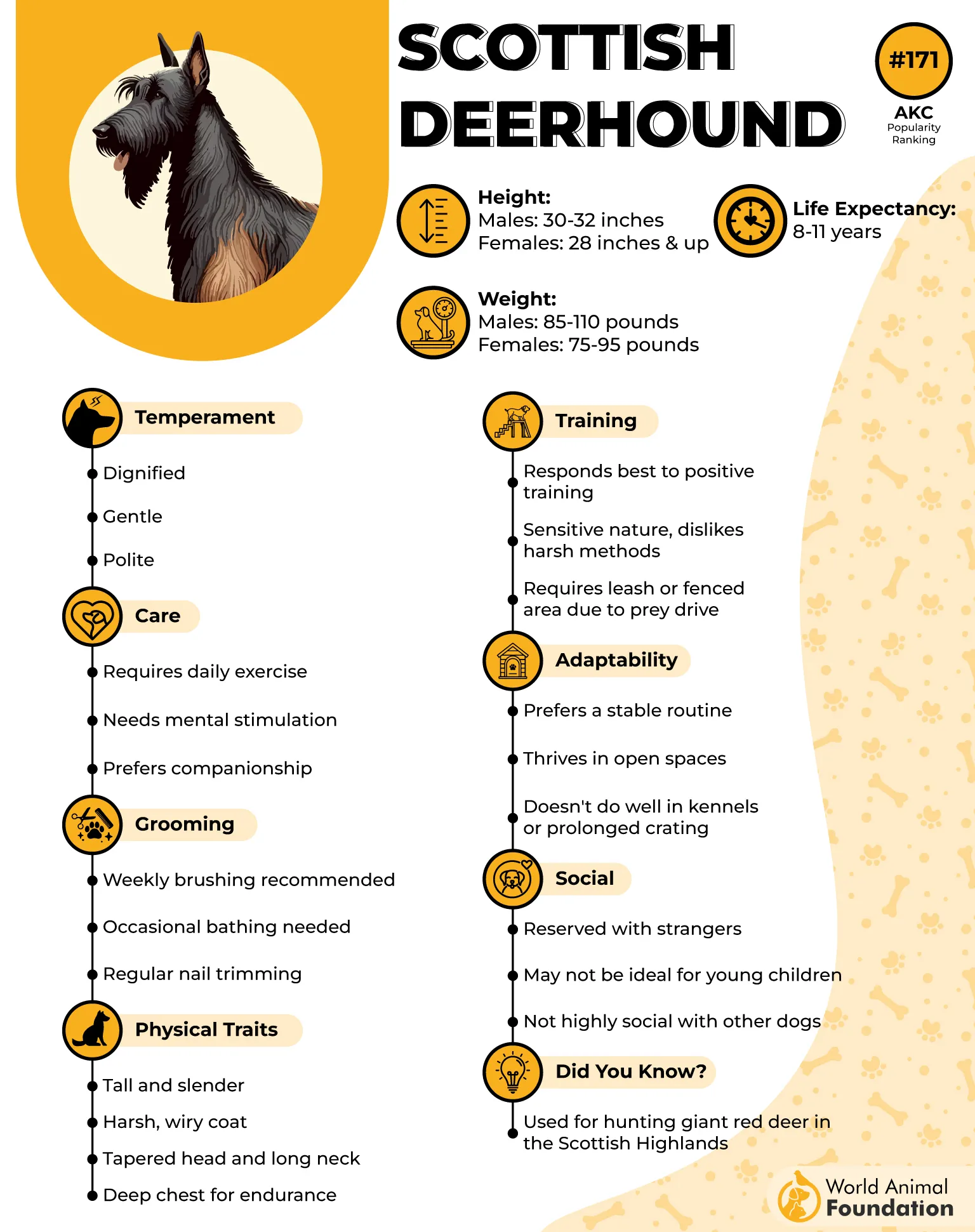
The Scottish Deerhound spent centuries pursuing deer across the rugged Scottish Highlands, a task that demanded speed, judgment, and remarkable endurance. Among the largest sighthounds, it combines a Greyhound-like outline with a rough coat reminiscent of the Irish Wolfhound.
Built For Distance
This independent dog breed was expected to cover vast ground while keeping focus on fast-moving quarry, making athleticism a central part of its character, as mentioned by the AKC.
The legacy remains visible through:
Tall, rangy frame
Keen sight-hound instincts
Strong stamina outdoors
Quiet At Home
They often shift from energetic outdoor pursuits to long, relaxed naps once their daily needs are met. The breed is widely regarded as gentle and friendly, creating an easygoing presence within the household. Patience and consistency matter in training because independent thinking comes naturally.
2. Anatolian Shepherd Dog
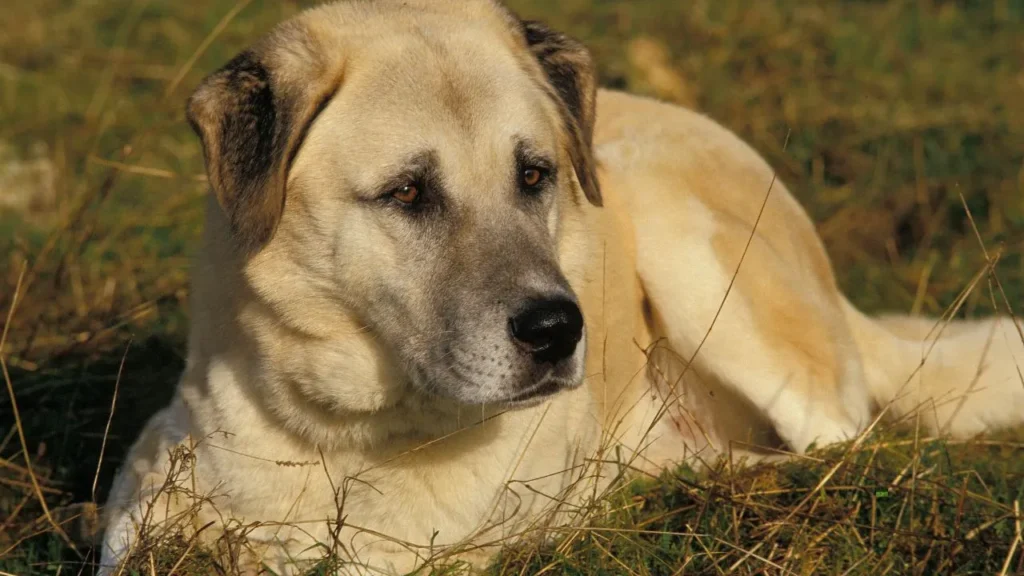
The Anatolian Shepherd Dog earned its reputation through centuries of protecting livestock with little human direction. That deep-rooted decision-making ability remains one of the breed’s defining qualities. Even today, its instincts are trusted in projects protecting endangered cheetahs in Namibia.
Independent Mind
Life with this smart dog suits pet parents who appreciate a dog capable of assessing situations on its own. Rather than looking for constant guidance, it often prefers making judgments independently.
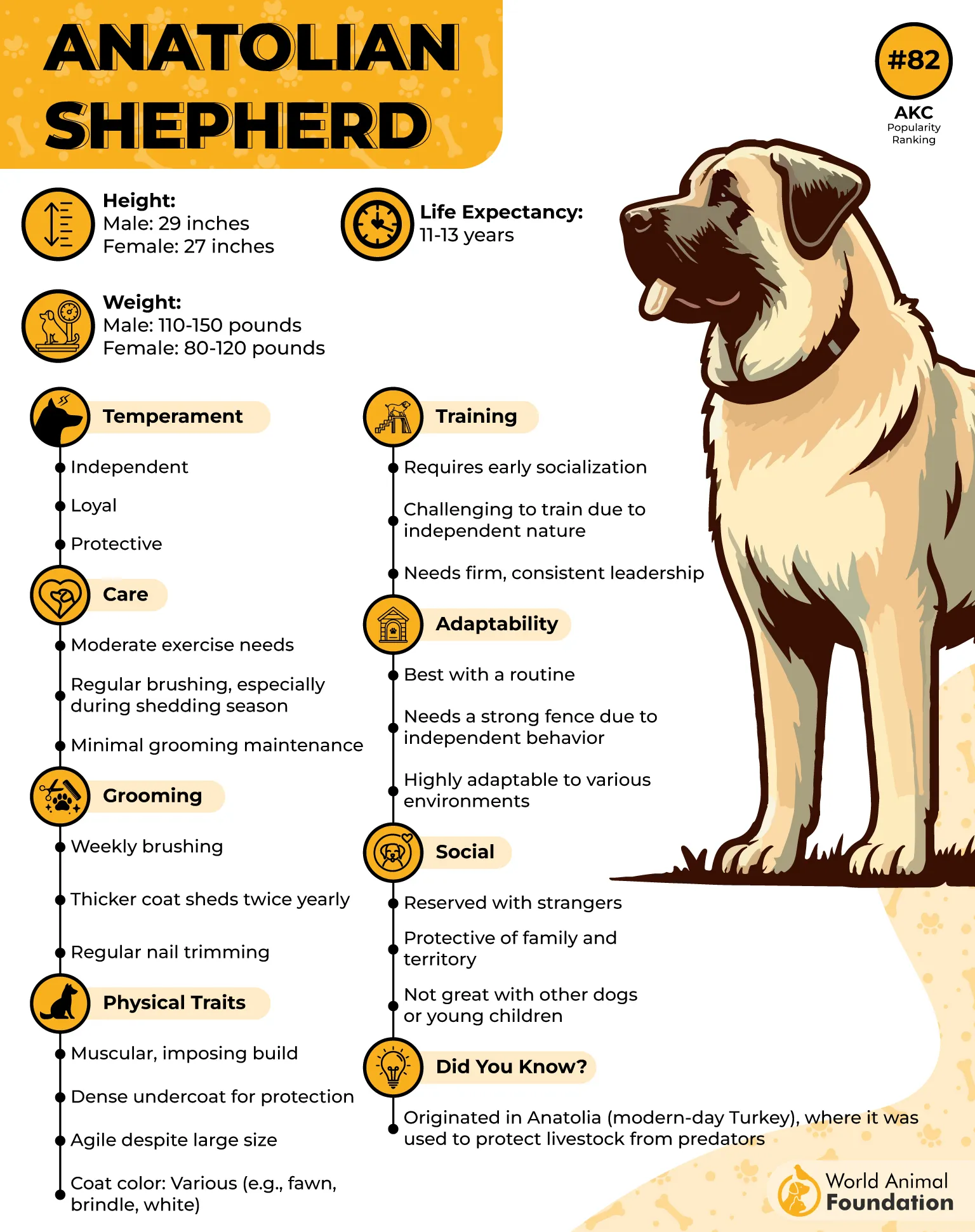
A few qualities shape that reputation.
Strong protective instinct
Confident decision-maker
Loyal to family and flock
Calm Until Needed
The Anatolian Shepherd Dog spends much of its time in a composed and observant manner, as noted by PetMD. Strangers are often met with caution, while loved ones receive unwavering dedication. That measured attitude can quickly shift into action when a threat is perceived.
3. Spanish Mastiff
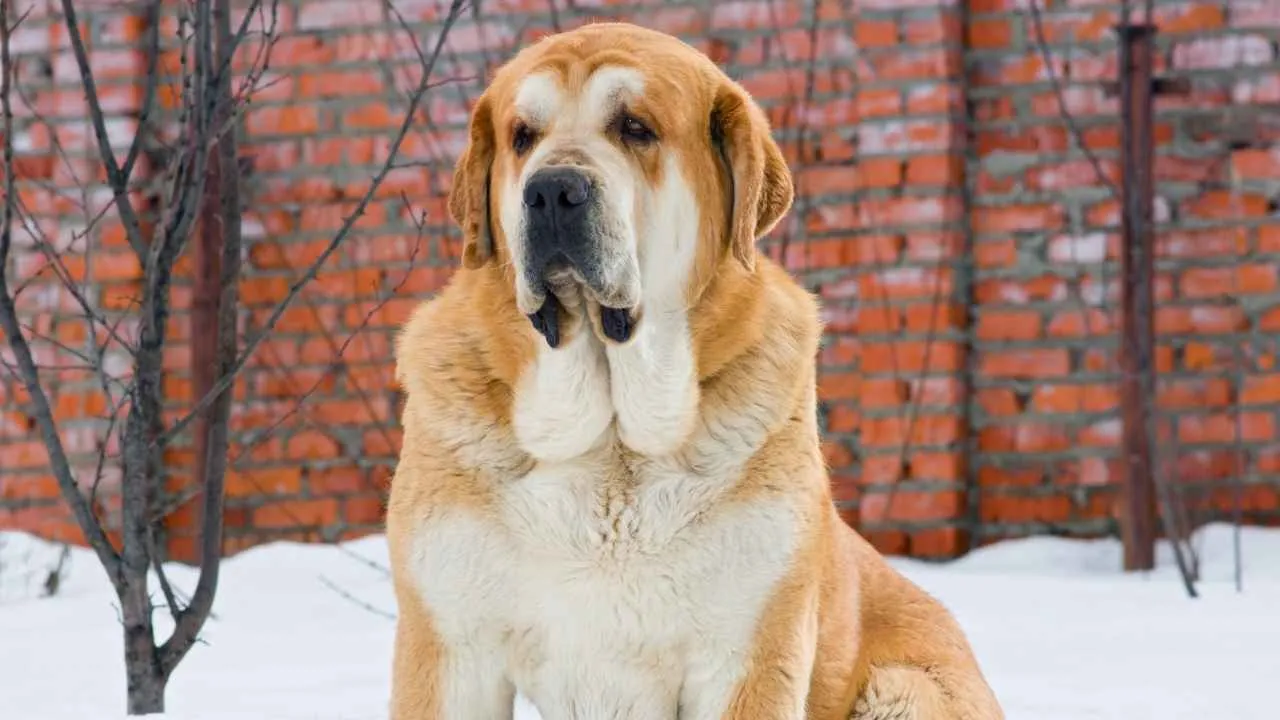
The Spanish Mastiff approaches its surroundings with remarkable self-assurance, a trait reflected in its calm demeanor and immense physical power. Beneath its rustic appearance is a highly intelligent dog known for affection, nobility, and unwavering determination.
Independent by Nature
Life alongside seasonal livestock migrations demanded a dog capable of making decisions without constant direction. That practical mindset remains one of the breed’s defining qualities today.
Several traits contribute to this reputation:
Strong protective instincts
Confident decision-maker
Reliable in unfamiliar settings
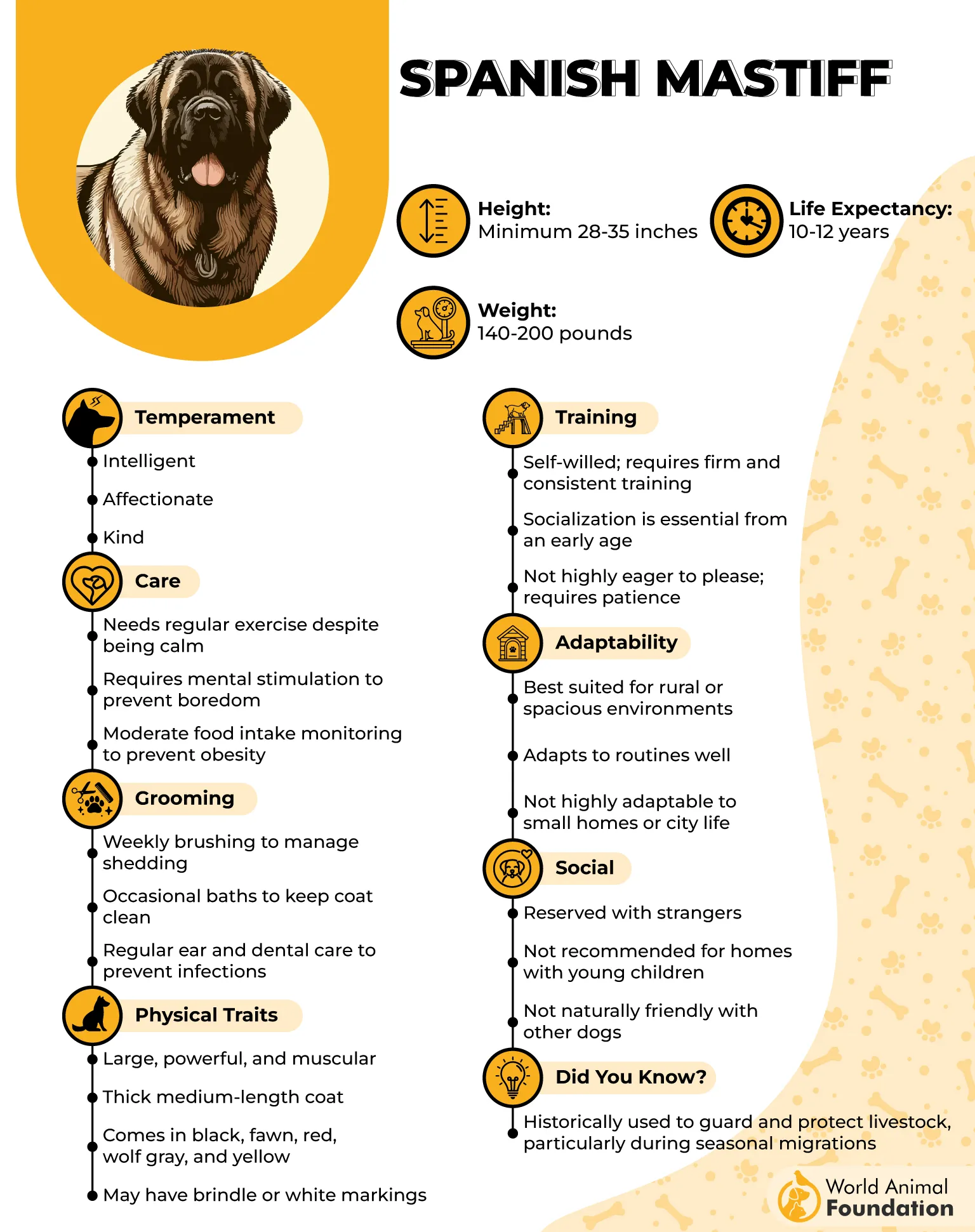
Balanced Daily Living
Despite its imposing size, the breed generally has a calm disposition and adapts well to structured routines. Walks, hiking outings, retrieving games, and even learning new tasks provide useful outlets for its energy. Mental engagement appears just as important as physical activity for this thoughtful breed.
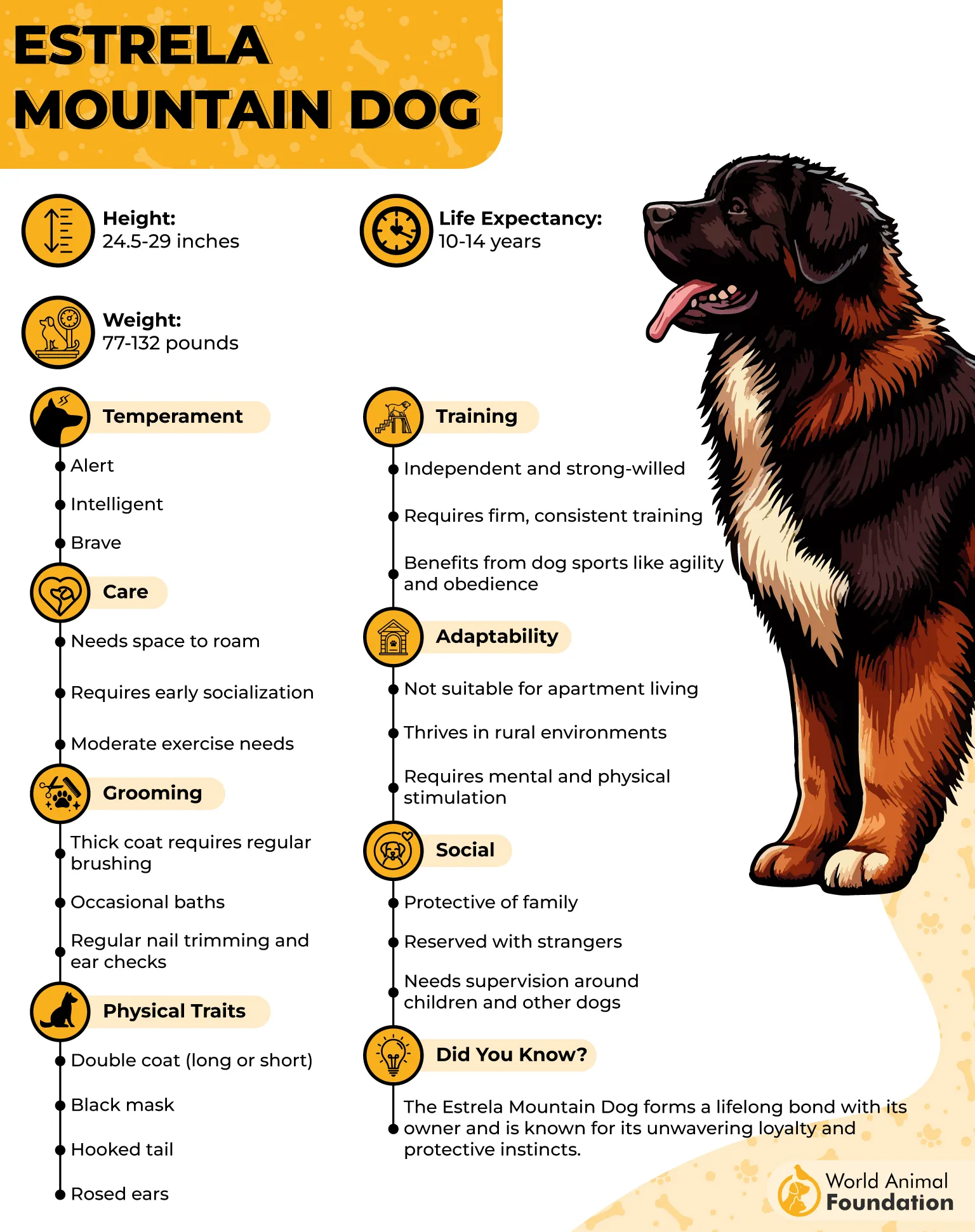
4. Estrela Mountain Dog
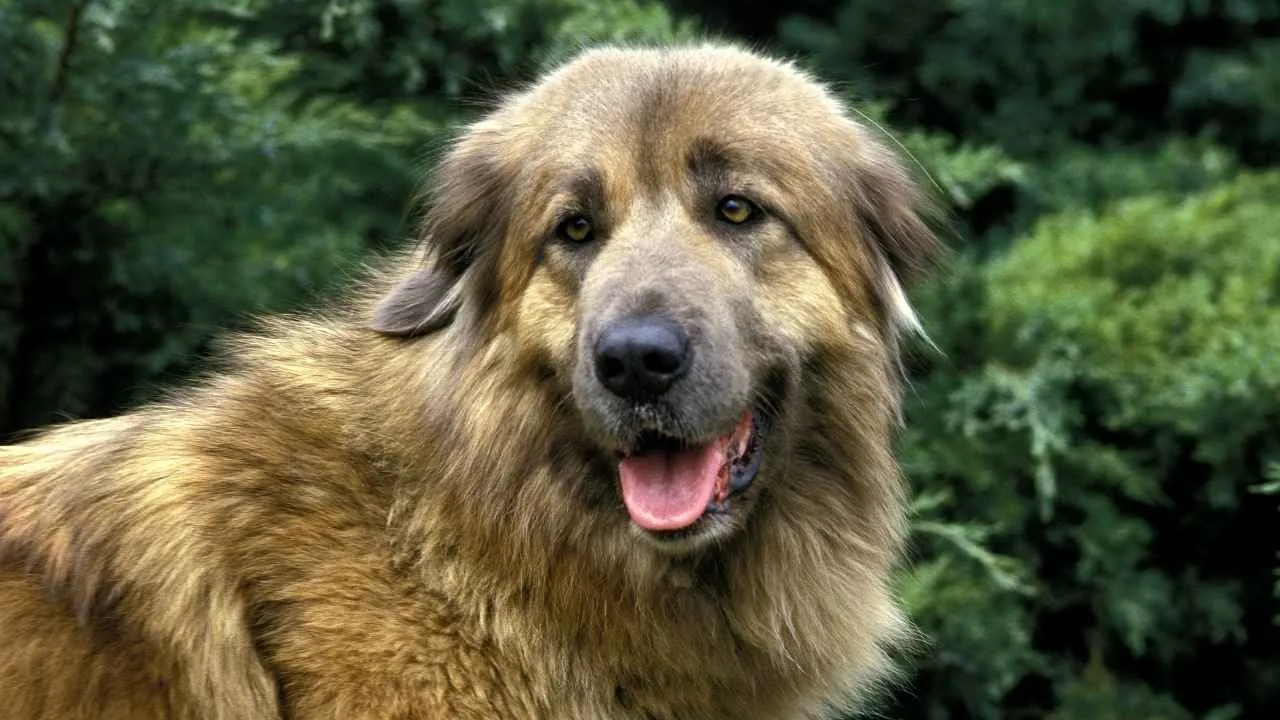
The Estrela Mountain Dog earned a reputation as the “inseparable companion of the shepherd,” a role that demanded both dedication and sound judgment. Originating in Portugal, this ancient mastiff-type breed spent generations protecting flocks across rugged mountain landscapes.
Independent by Nature
This mountain dog combines affection with an ability to think for themselves, a balance that suits people seeking a capable companion, as Purina writes. Their guardian roots influence how they approach unfamiliar situations and new faces.
These traits explain their relationship well:
Strong family attachment
Naturally reserved with strangers
Confident decision-maker
Guardian Instincts
Centuries of flock protection shaped a dog that approaches unfamiliar people with caution rather than instant acceptance. Early socialization and consistent training help channel these instincts into polite and dependable behavior. Around trusted family members, their affectionate side becomes much more apparent.
5. Great Pyrenees
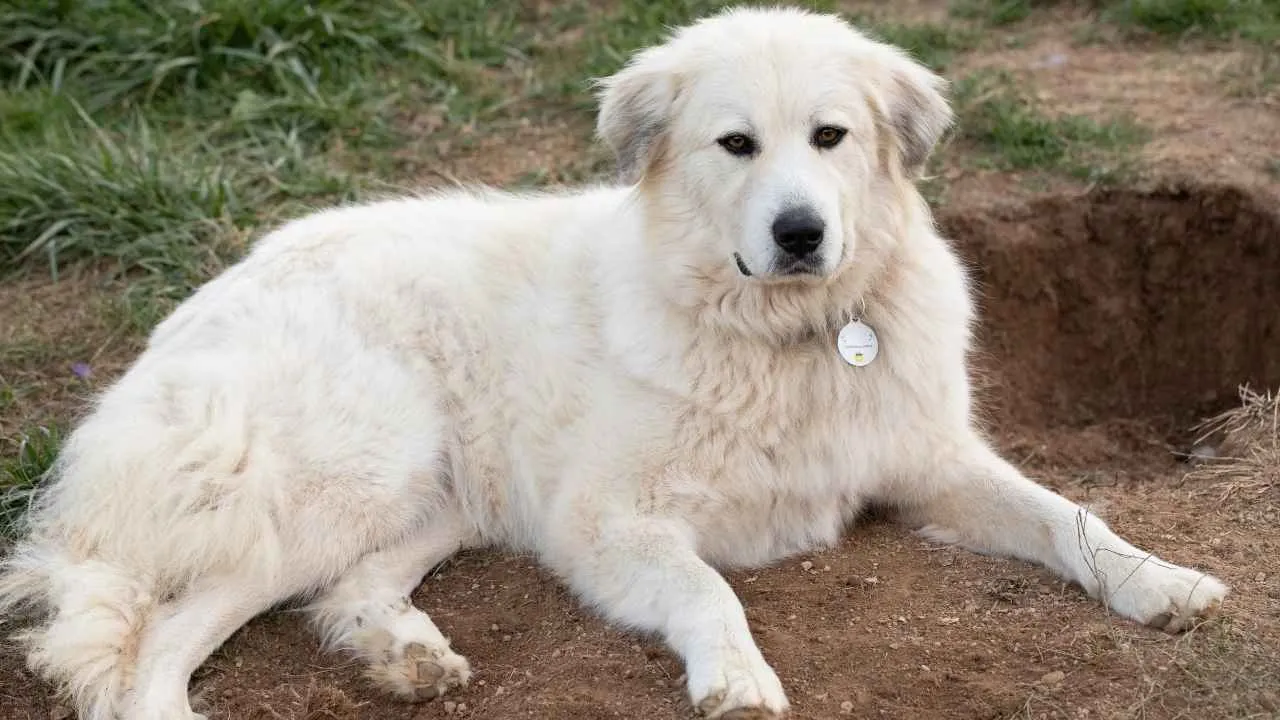
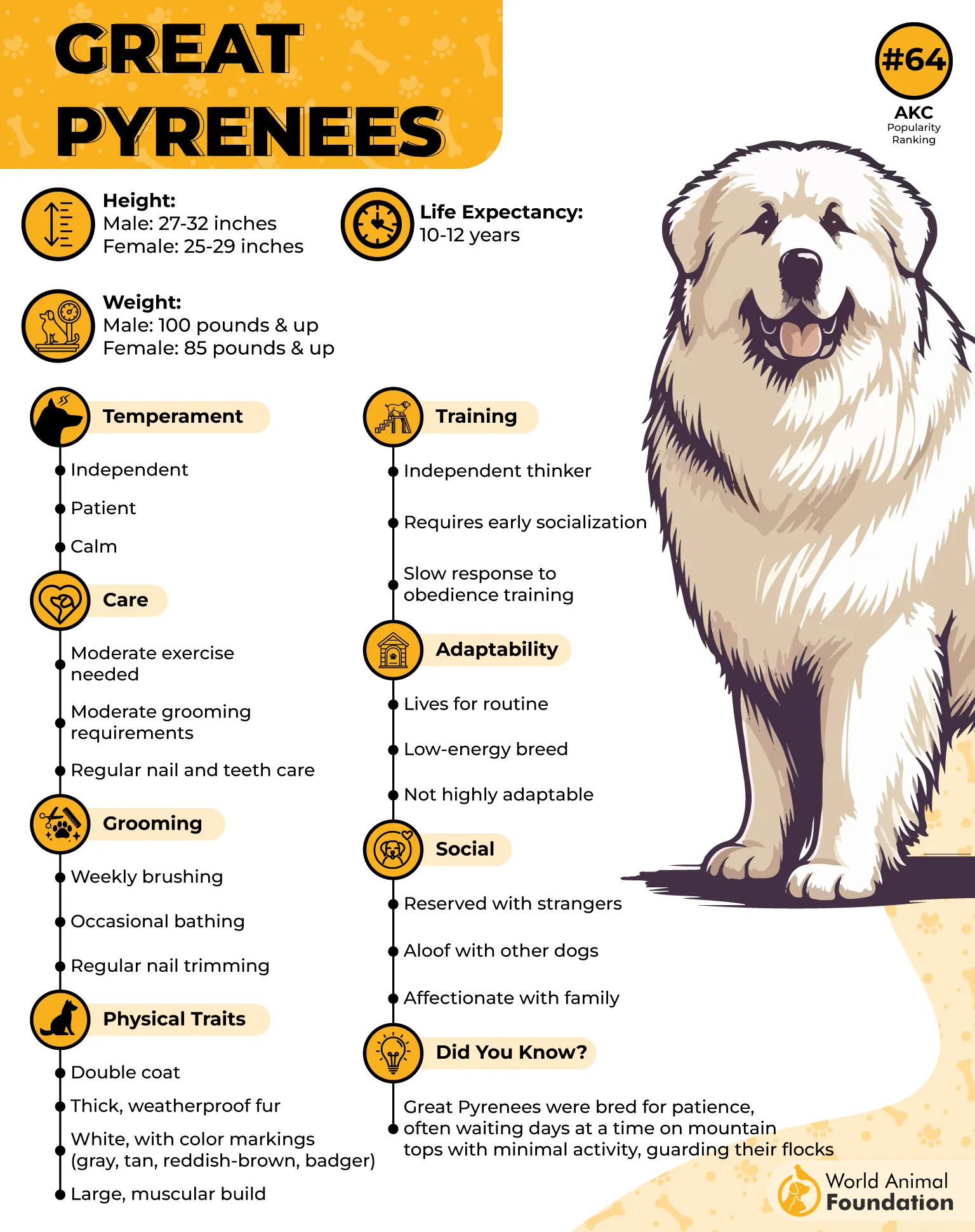
The Great Pyrenees is a calm, watchful presence shaped in the high Pyrenees Mountains between Spain and France. Its thick white coat once blended into snowy slopes while guarding livestock from predators like bears and wolves. Power and steadiness define its working nature in open mountain terrain.
Independent Working Style
This large breed functions with a self-directed mindset, shaped by long periods of guarding sheep without constant direction. This independence influences how it responds in structured environments, often preferring space to assess situations.
Their working mindset is clearly shown in these habits:
Strong independent decision-making
Low energy conservation approach
Natural territorial awareness
Calm Home Behavior
In daily surroundings, the breed shifts into a quiet and composed presence around familiar people. Its gentle reactions make it suitable for calm households, especially where interactions are predictable. This steady temperament often appears more clearly once trust is established.
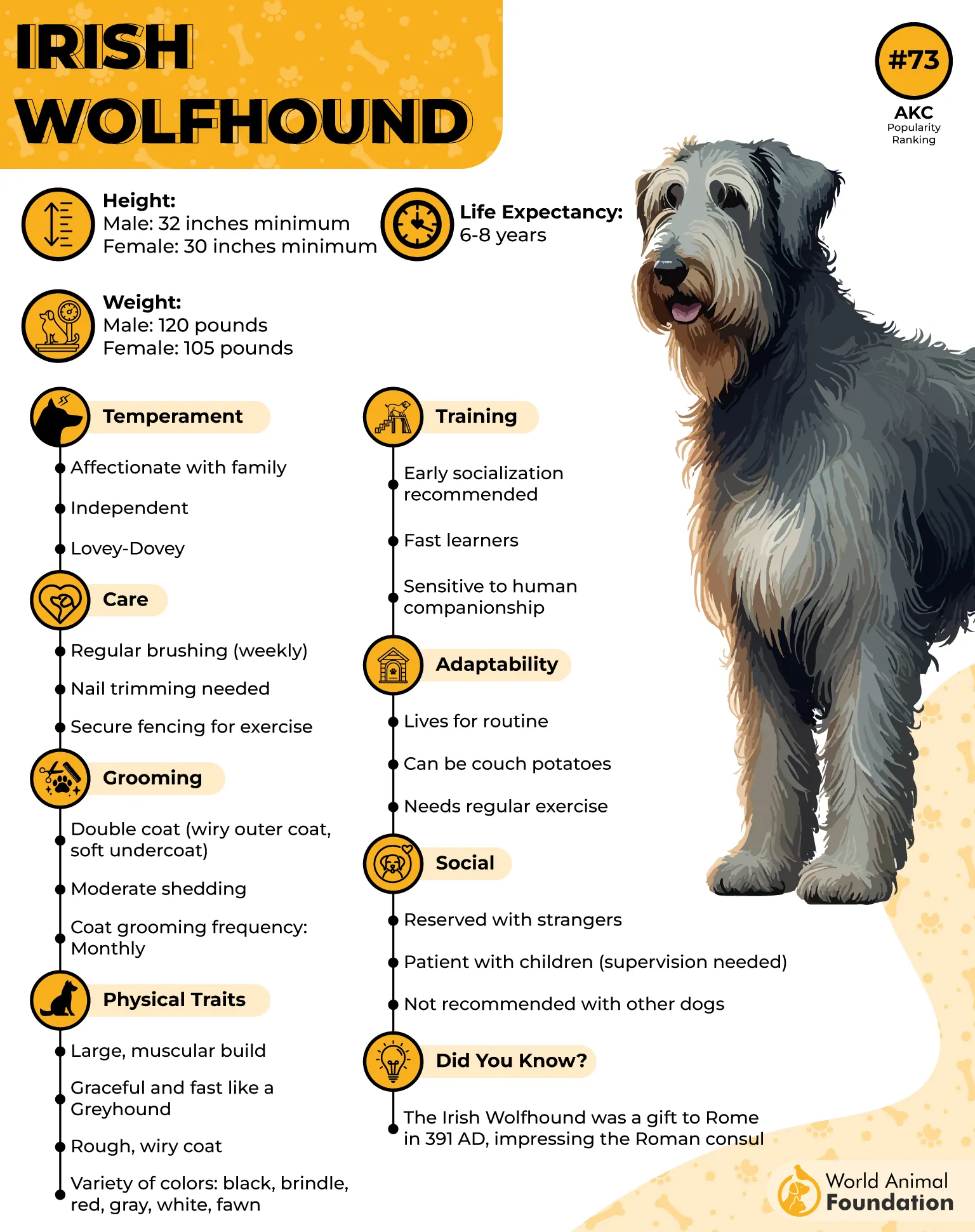
6. Irish Wolfhound
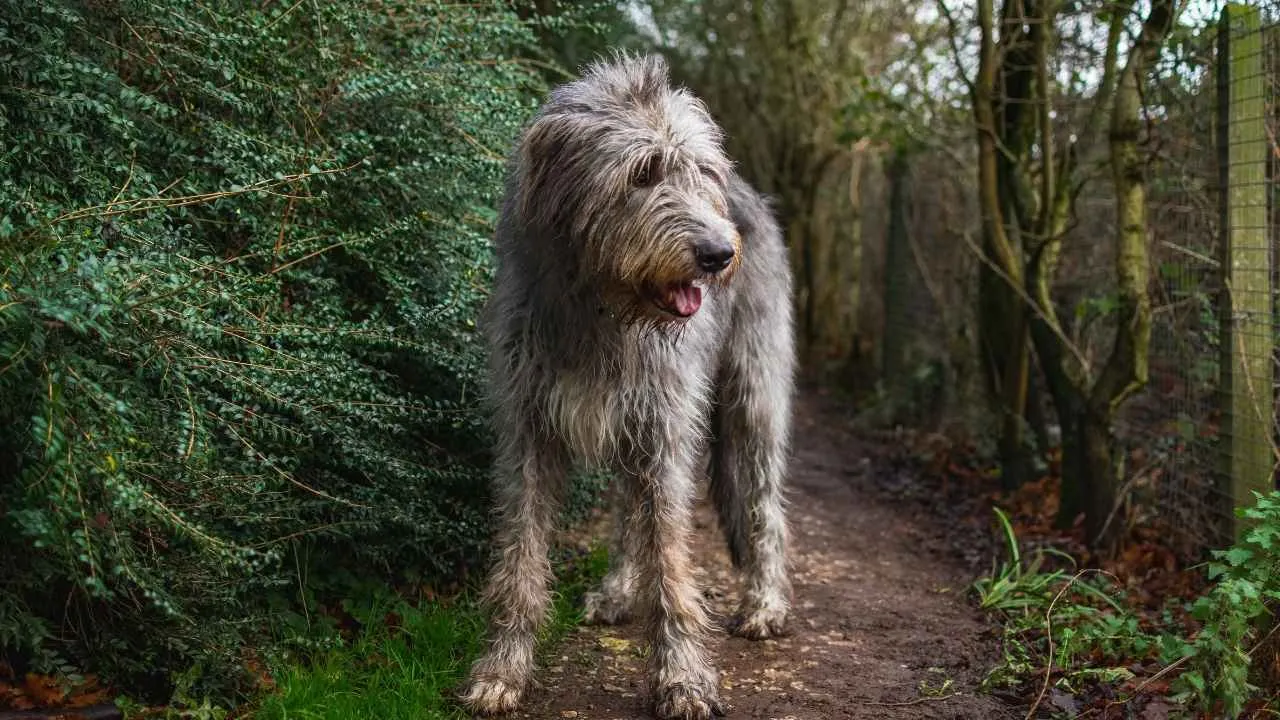
The Irish Wolfhound is known for a towering frame paired with a calm, almost quiet presence that feels composed rather than overwhelming.
Early records date back to ancient Roman writings from 391 AD, noting its remarkable size and hunting role. Over time, it became closely associated with wolf hunting across Ireland in the 1700s.
Strength with Independence
Its large build comes with a strong sense of awareness and an instinct shaped by its hunting past. This combination creates a dog that prefers space, steady movement, and purposeful activity.
These points show their working nature:
Strong prey focus in open spaces
Calm response in familiar settings
Prefers structured, open environments
Calm Daily Behavior
Despite its imposing size, the breed often behaves in a relaxed, easygoing manner around familiar people. Early social exposure helps it adjust well to households with children and other dogs. Its temperament leans toward patience rather than intensity in daily interaction.
7. Caucasian Shepherd
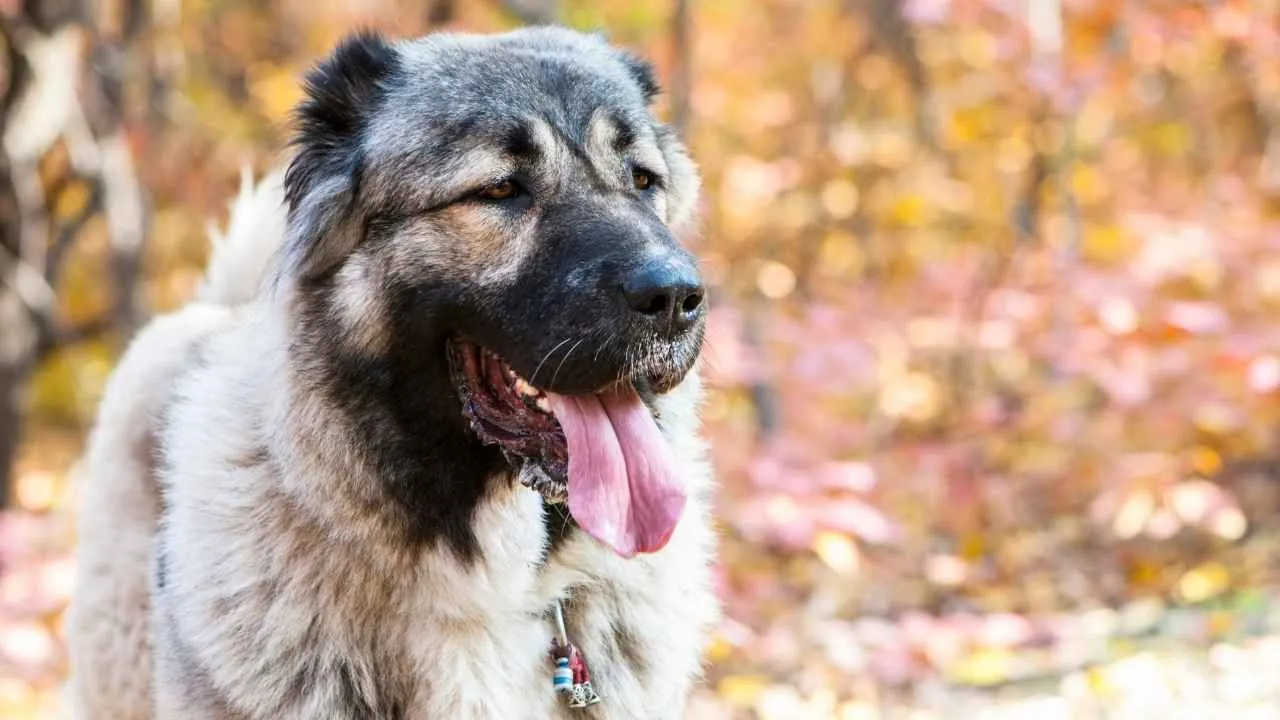
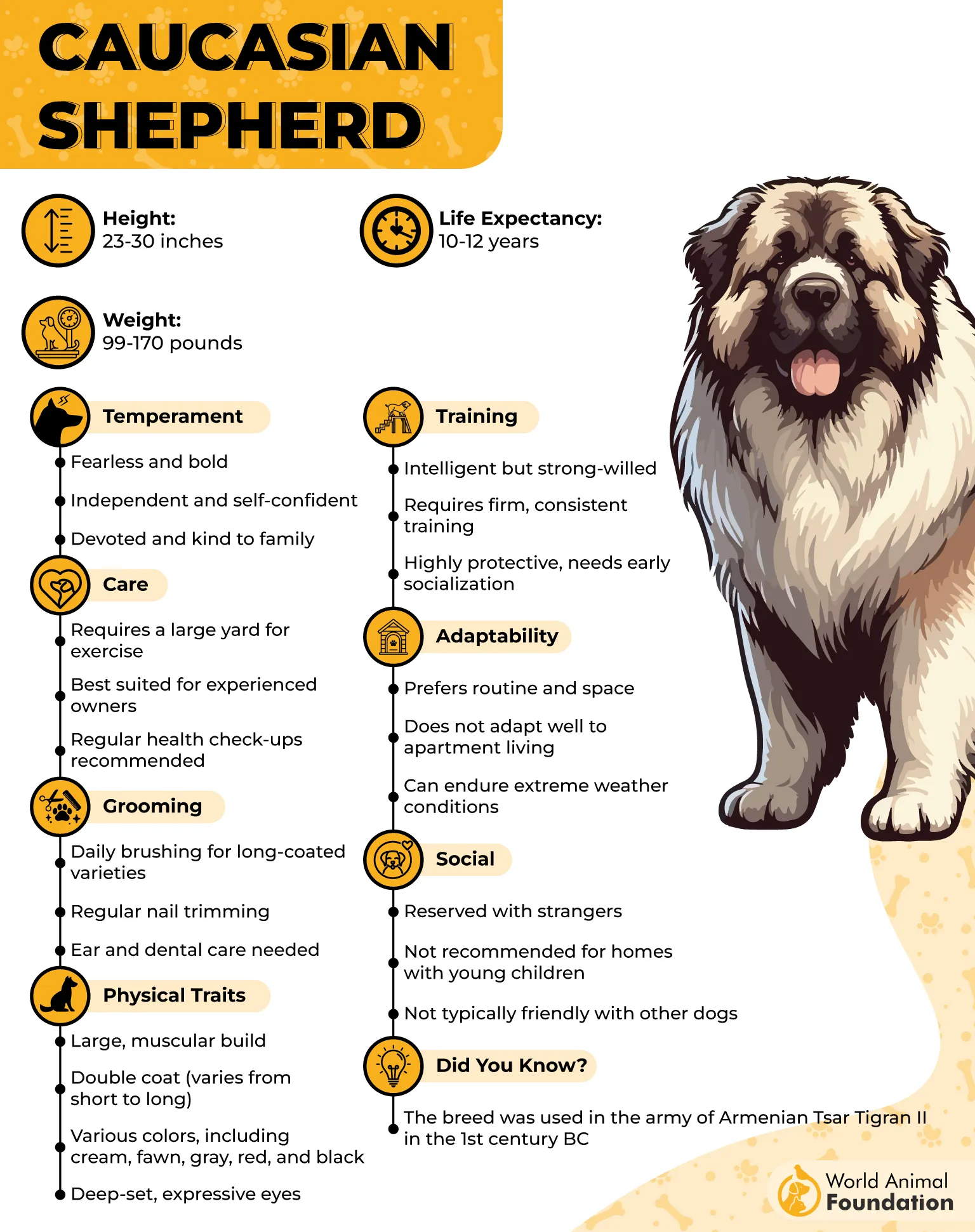
The Caucasian Shepherd commands attention with a dense build and a naturally alert guarding instinct shaped for demanding terrain. Originally bred to protect livestock and property in the Caucasus Mountains of Georgia, it handles responsibility with strong independence.
Independent Working Strength
It works best when given structure and space, relying on instinct rather than constant direction. Its personality fits experienced handlers who understand its strong protective drive and cautious approach to strangers.
These defining qualities shape its working mindset:
Strong territorial awareness
High independence in decision-making
Calm but firm protective response
Space and Handling Needs
They require structured guidance and consistent boundaries due to their powerful nature and self-directed behavior.
It benefits from regular physical and mental energy use through controlled activity rather than chaotic stimulation. A secure environment with enough room for alone time supports its natural temperament.
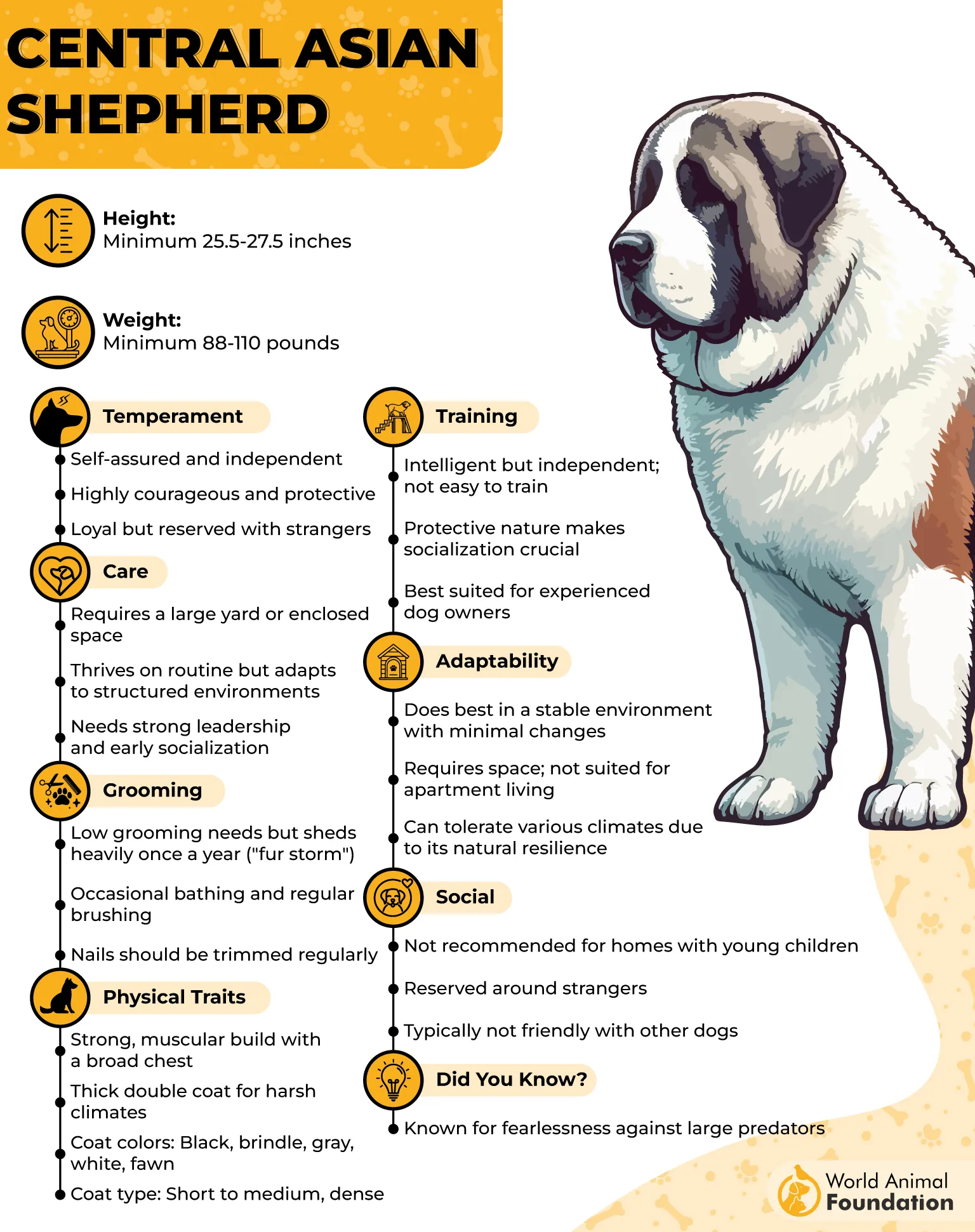
8. Central Asian Shepherd
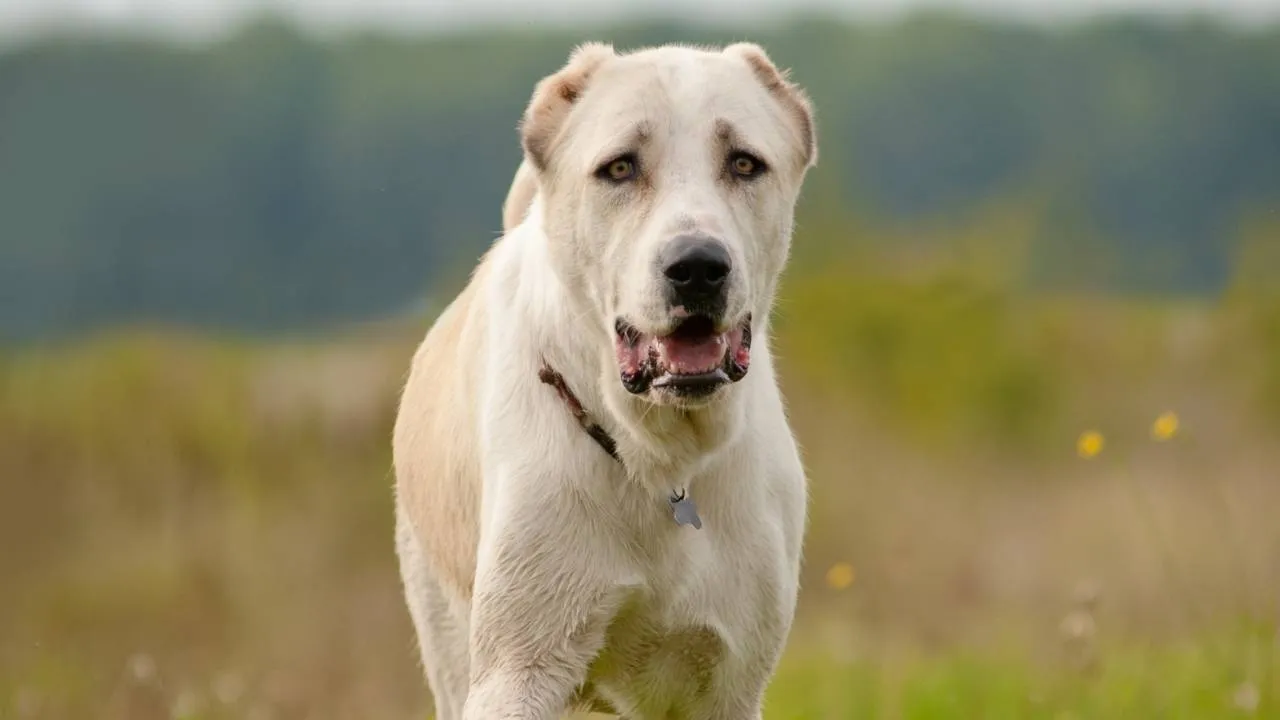
The Central Asian Shepherd has a calm yet powerful presence shaped by generations spent guarding livestock across rugged land and extreme weather. Strength and independence guide its behavior more than constant direction. Bears and even lions once tested the limits of their guarding role.
Independent Guarding Nature
The breed works best in spaces where decision-making is left largely to its own judgment, especially in wide outdoor areas. Experience with handling large guardian dogs and proper training becomes important due to their firm and self-directed temperament.
A few core traits help explain this working style:
Strong protective instincts
High endurance in demanding environments
Independent decision-making under pressure
Social Awareness and Early Guidance
These puppies need early social exposure to people and other animals to reduce caution around unfamiliar situations. With time, they can accept household animals when introductions are handled carefully. These dogs remain more observant than reactive in familiar surroundings.
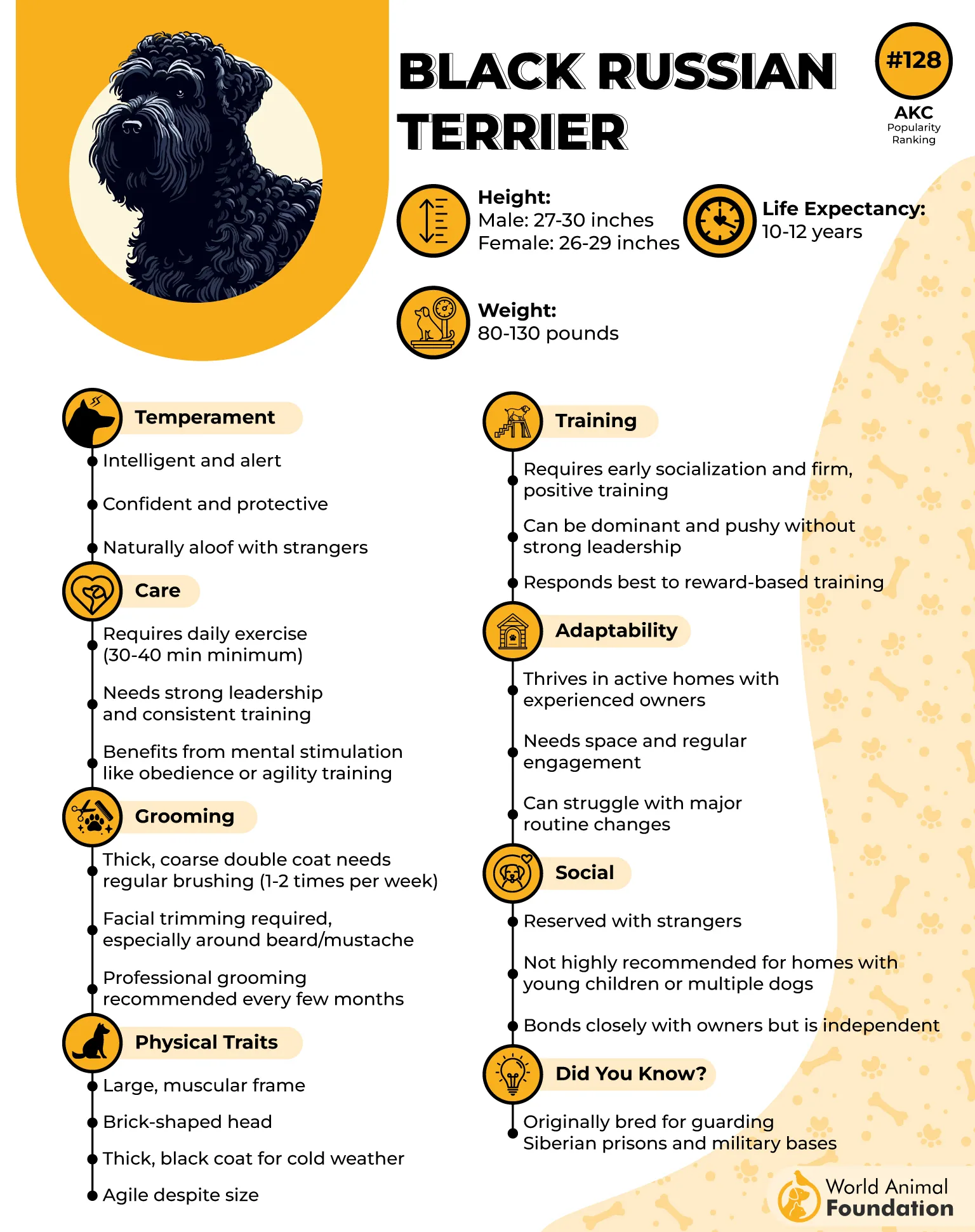
9. Black Russian Terrier
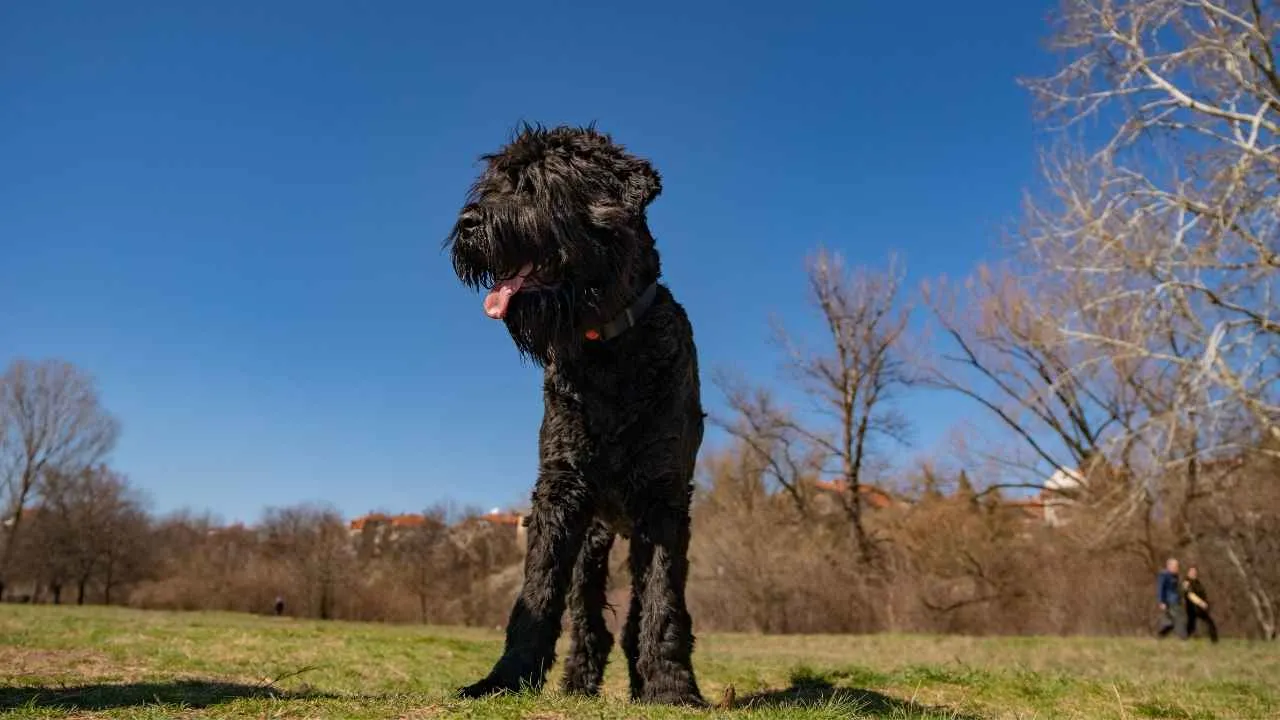
The Black Russian Terrier reflects a purpose-built working design from mid-20th century Russia, shaped for strength and versatility across demanding roles.
Its massive frame and composed expression give it a controlled, steady presence. Despite its name, it belongs to the working group rather than the terrier lines.
Controlled Strength in Action
The Black Russian Terrier fits structured environments where calm judgment and steady performance matter more than constant activity. Its loyalty is directed strongly toward familiar people, while unfamiliar faces are met with caution.
This is how they handle responsibility:
Calm under pressure
Deep family attachment
Alert but reserved response
Composed Social Nature
The Black Russian Terrier tends to build strong bonds within its household, showing patience and emotional steadiness with trusted members. Around new people or situations, it prefers observation before engagement. Early guidance shapes how comfortably it handles social settings.
Conclusion
The idea that large dogs require constant supervision often overlooks how naturally independent some breeds can be. Many are comfortable being left alone for a few hours and adapt well to predictable routines. That balance can be valuable for solo owners, especially compared with high-energy breeds that require as much exercise and attention.
Independence should never be confused with emotional distance, though. These dogs still form strong bonds and enjoy companionship while maintaining confidence that reduces unnecessary demands. With proper mental stimulation, dogs thrive in stable routines, making them reliable companions for people living on their own.
