




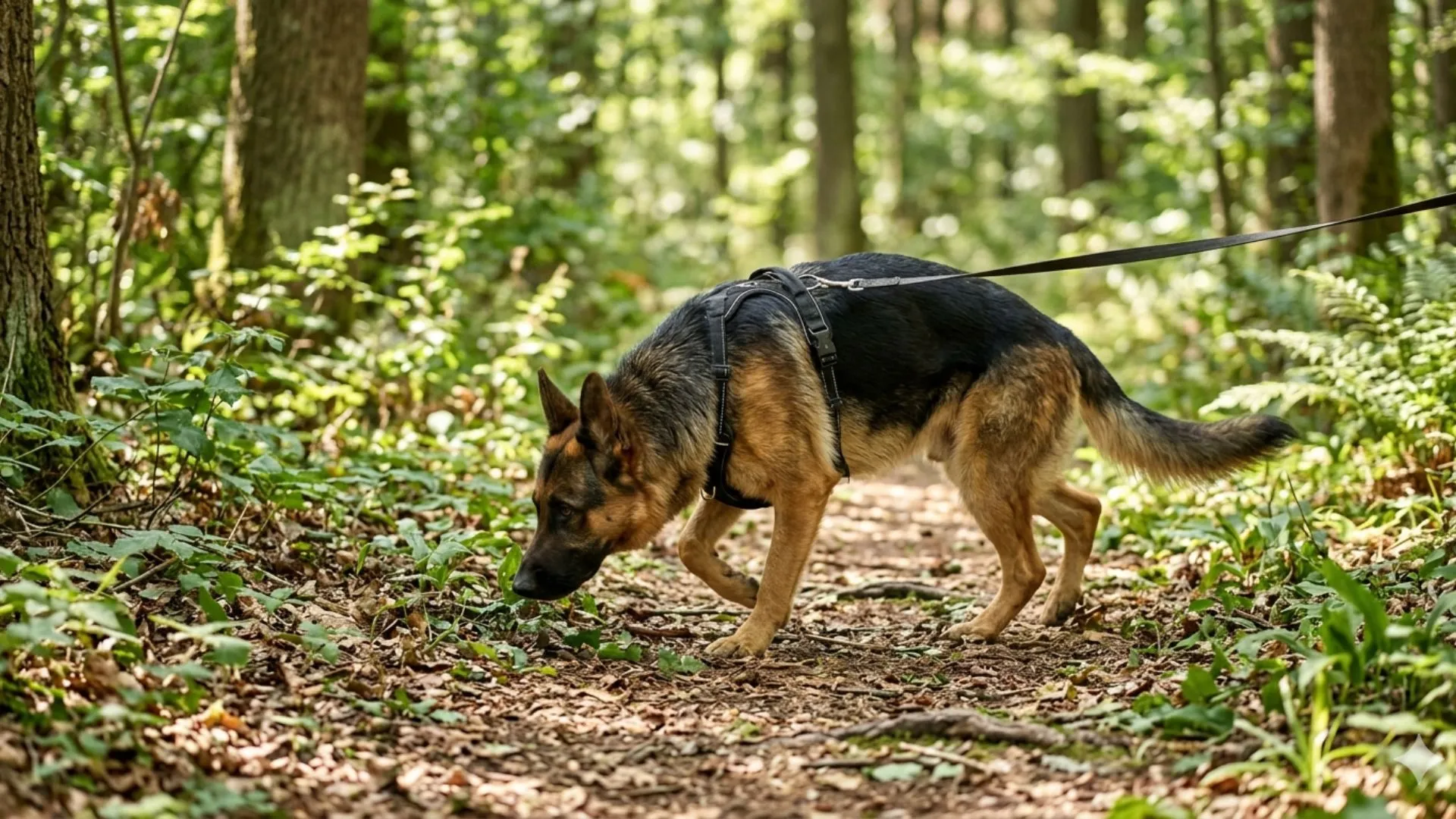
Anyone who has watched a dog stop suddenly during a walk knows there is something remarkable happening behind that twitching nose.
While people rely heavily on sight to understand the world around them, dogs experience life through scent in ways that seem almost impossible to imagine. A passing animal, a person who walked by hours earlier, or a hidden object out of view can leave behind a trail of information that many dogs detect with surprising ease.
Yet not all dogs possess the same scenting abilities. Some breeds have developed an extraordinary talent for processing smells, allowing them to track, search, and identify scents with incredible precision. Their noses are more than useful tools. They shape how these dogs interact with their environment every single day.
Ahead, discover the dog breeds celebrated for their exceptional sense of smell and the fascinating qualities that make their scenting abilities stand out from the rest.
Key Takeaways
A passing smell for humans can be a full story for certain dogs, complete with direction, distance, and time.
Beagles and Bloodhounds stand out early, with scent systems so powerful they can follow trails that have long disappeared.
From German Shepherd’s precision tracking to Basset Hound’s ground-level focus shaped by its long ears, each breed turns smell into a skill.
And as the list unfolds, it becomes clear how far canine noses go beyond instinct, with more scent-driven talents waiting ahead
Top Scentsational Dog Breeds Known for Superior Smelling
1. German Shepherd
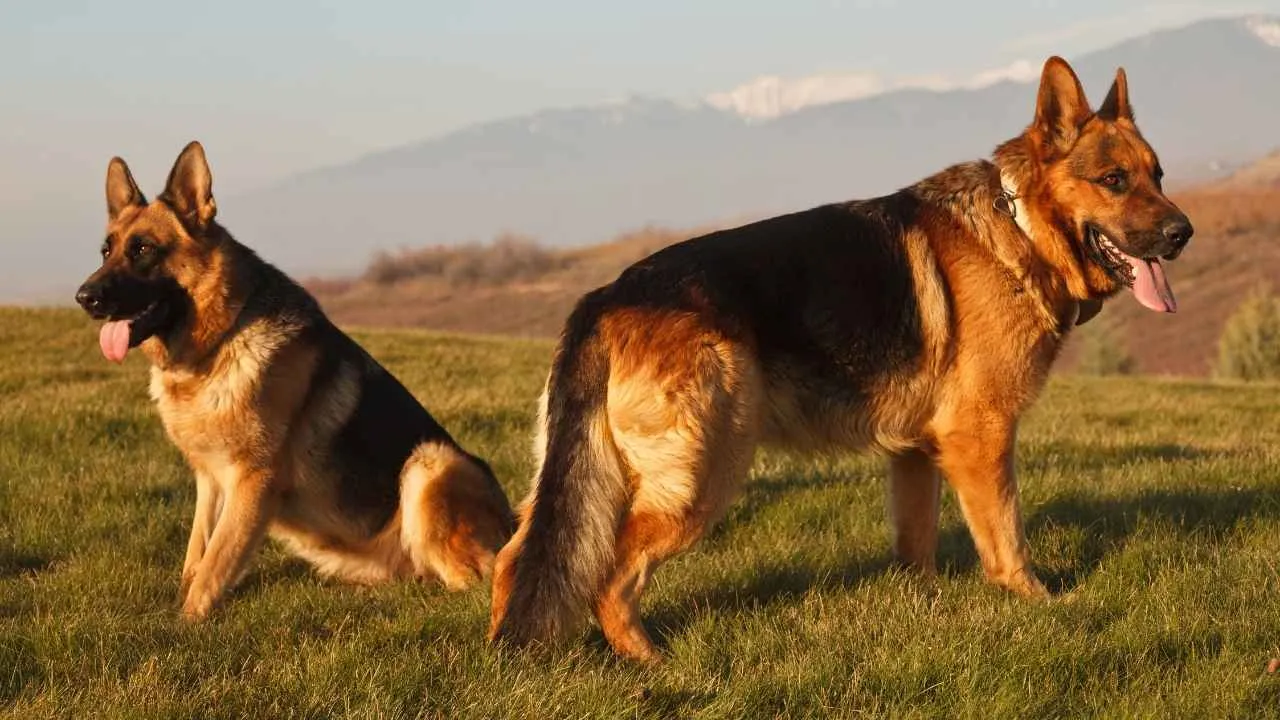
German Shepherds have earned a reputation for following scent trails with remarkable accuracy, even when conditions become challenging. Its ability to distinguish individual odors and recognize subtle environmental changes makes scent work one of the breed’s most valuable skills.
Scent Work Strengths
From tracking exercises to professional detection work, this breed relies heavily on its nose to complete complex tasks. As per PetMD, this ability explains why it is trusted for patrol duties, search-and-rescue missions, and detection assignments involving explosives, drugs, and other target scents.
Several traits contribute to that success.
Excellent odor discrimination
Strong concentration on trails
Reliable tracking across terrain
Energy and Preparation
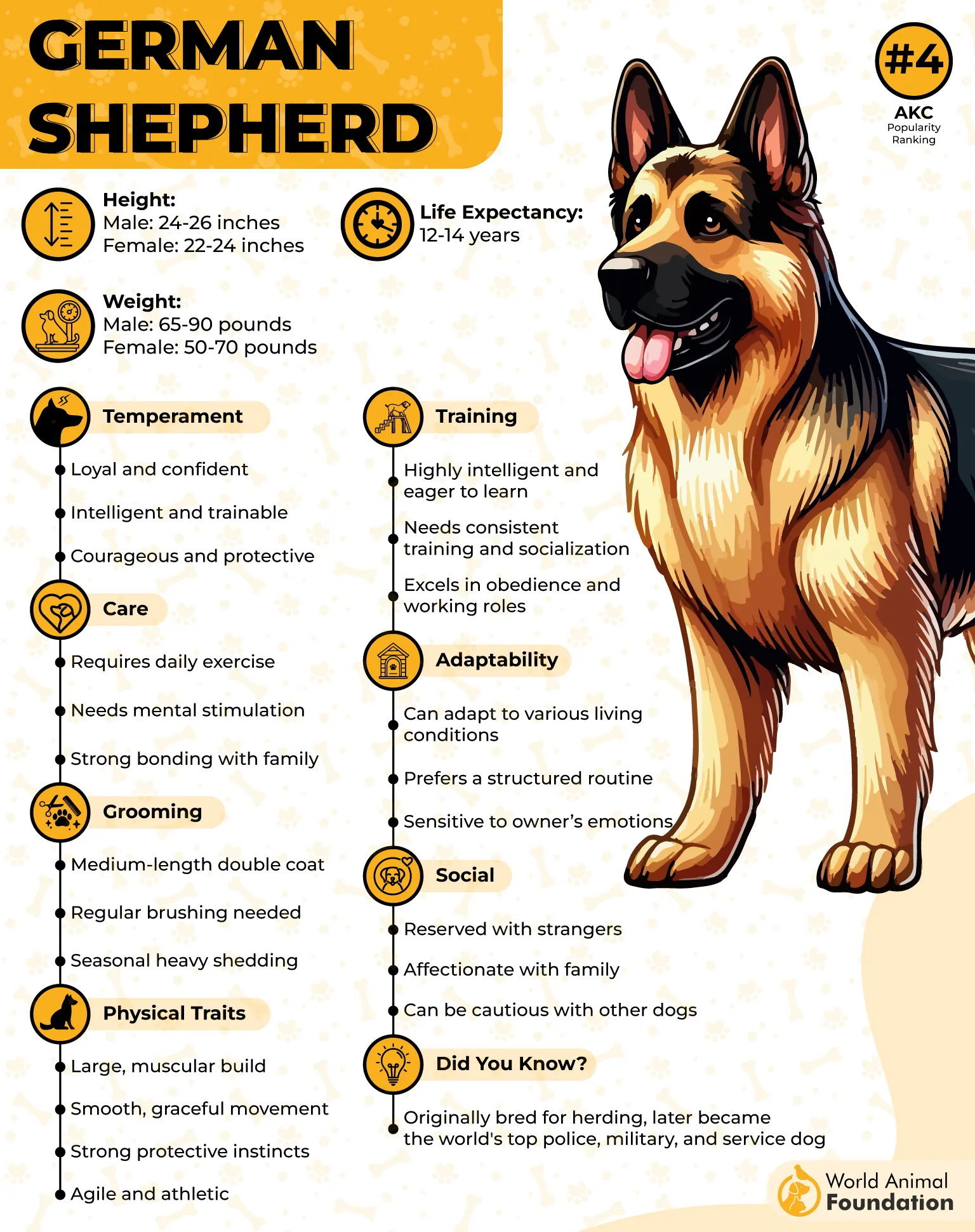
German Shepherd combines scenting talent with a high-drive working mindset that requires regular outlets. Daily exercise, structured training, and early socialization help channel that energy productively. Active households and experienced handlers are often better suited to meet those needs.
2. Beagle
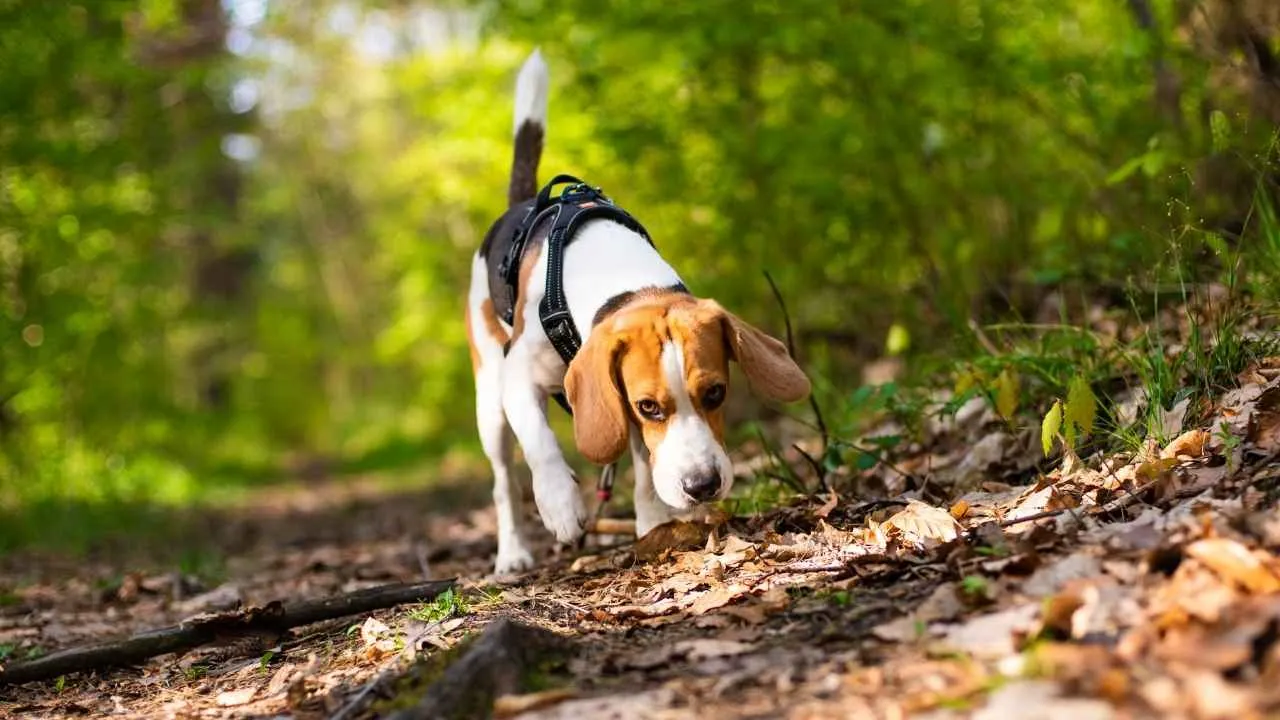
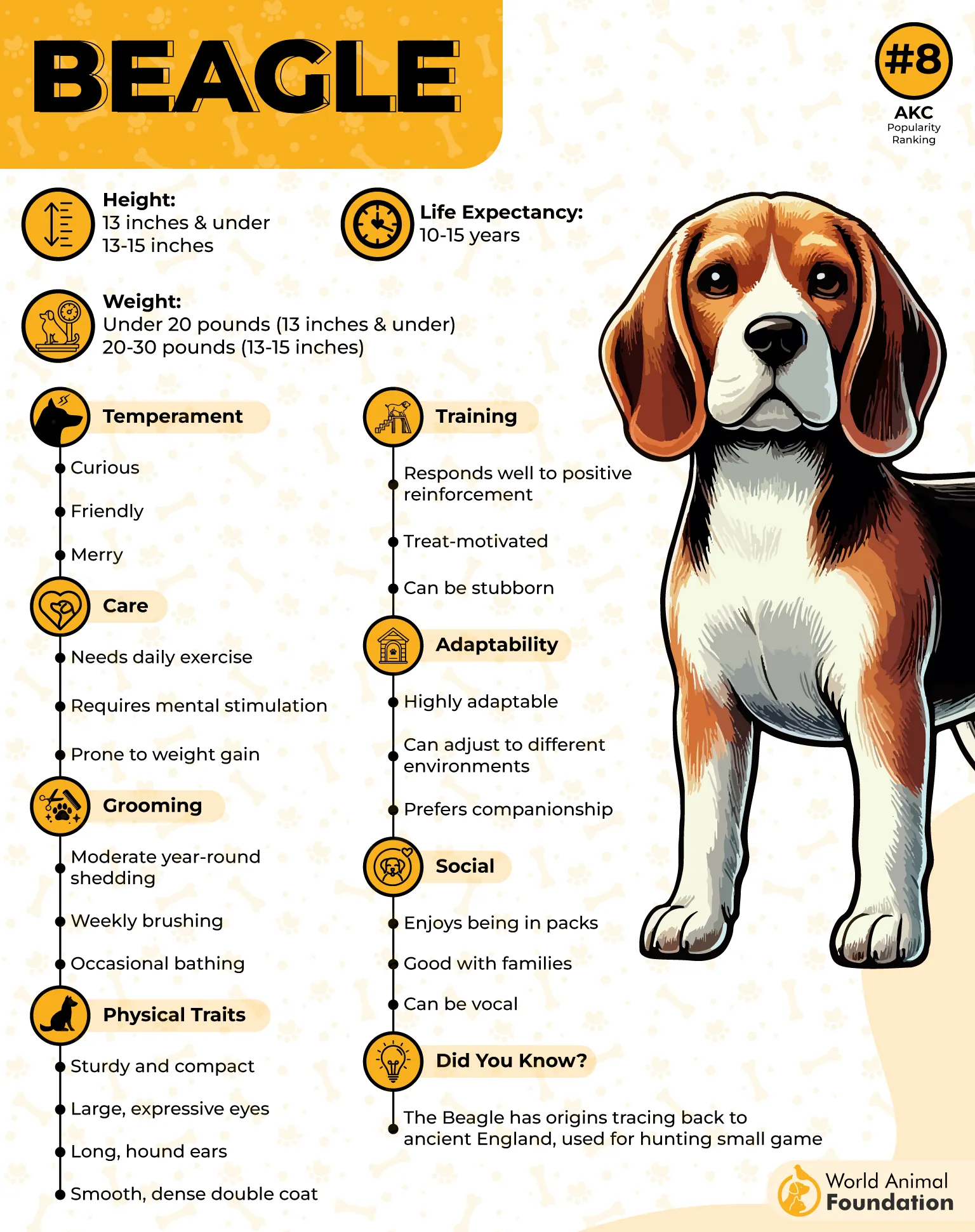
Beagles were shaped by centuries of hare hunting, where their ability to track outweighed any concern for looks, as noted by Omlet.
By the late 1800s, the familiar Beagle had taken shape, combining curiosity with relentless determination. Its reputation rests on what happens when a scent captures its attention
Remarkable Nose
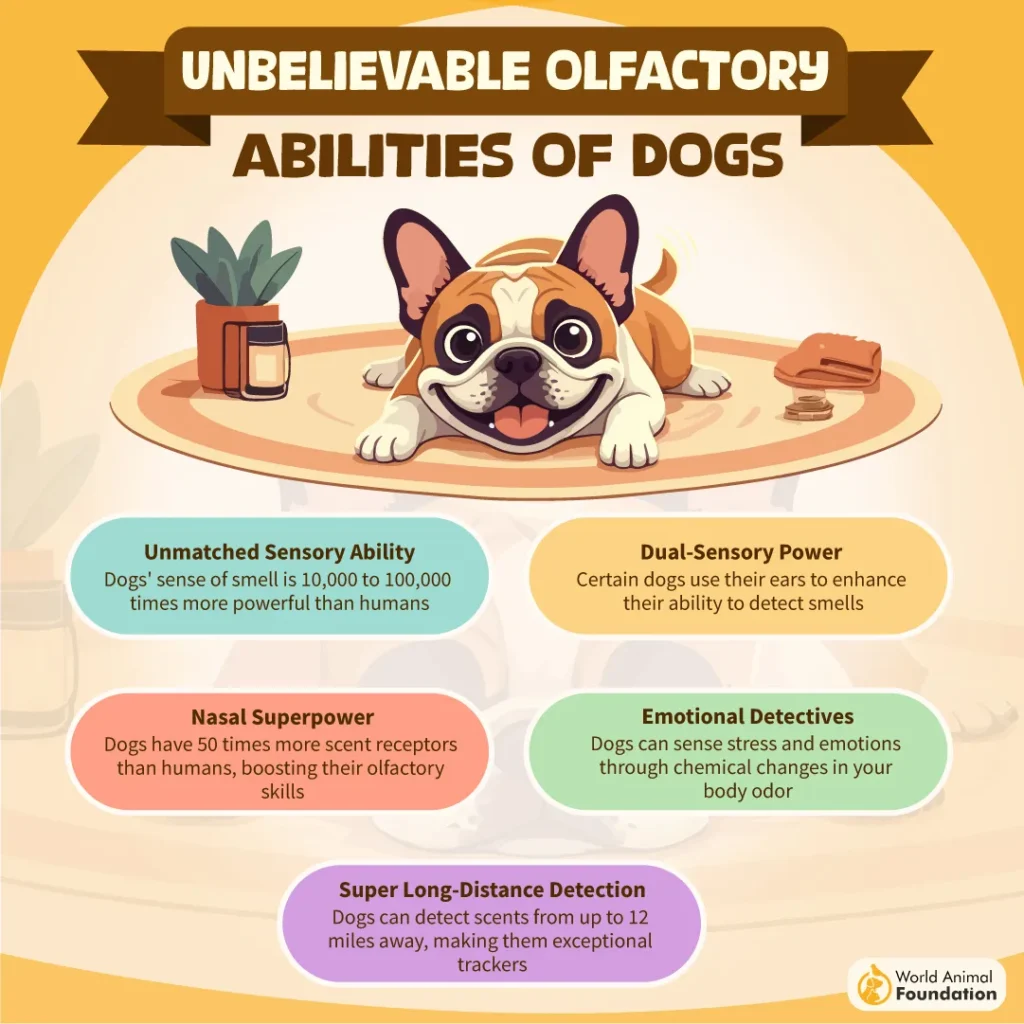
A Beagle’s scenting equipment operates on an entirely different level, making it one of the most capable tracking hounds. With 45 times more scent receptors than humans and a much larger olfactory region of the brain, it processes odor trails with remarkable efficiency.
These features explain its tracking strength:
45 times more scent receptors
Enlarged olfactory brain region
Strong scent-tracking instinct
Pack-Minded Nature
These hunting dogs were bred to work alongside other dogs, which explains their preference for company and social interaction. Their cheerful and affectionate temperament pairs naturally with this pack-oriented mindset. Curiosity often guides their daily behavior just as strongly as companionship.
3. BloodHound
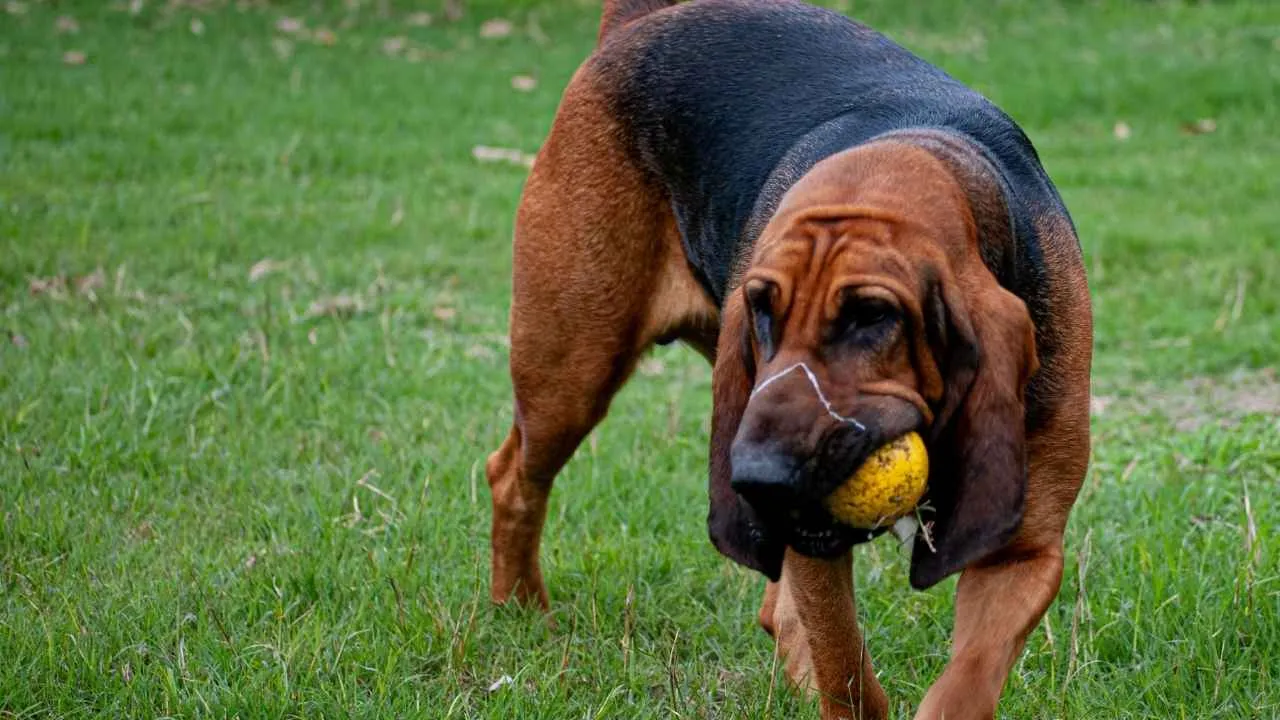
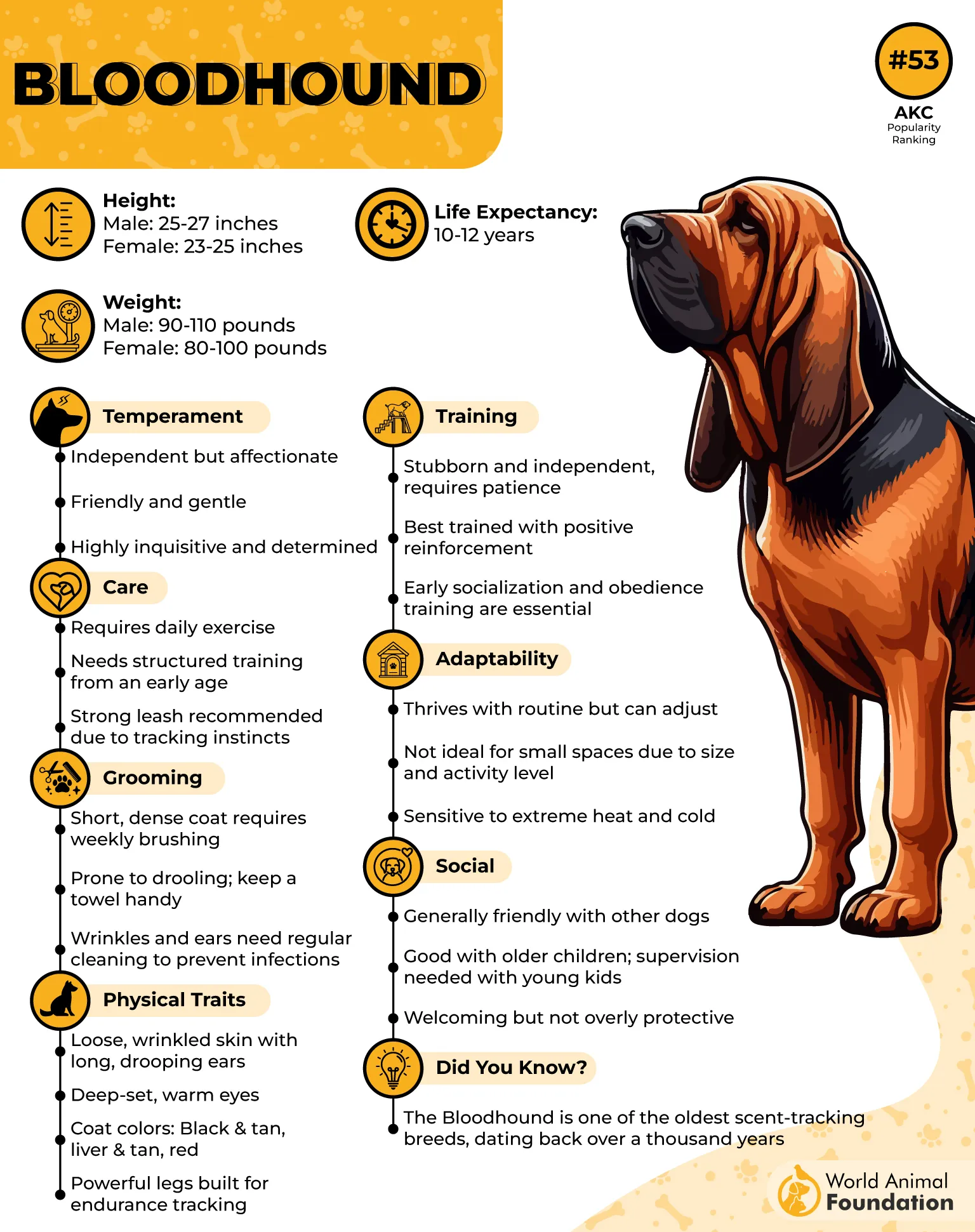
Bloodhound is widely recognized for a scenting ability so refined that it has shaped its reputation for centuries, with roots linked to hounds kept by monks at the Saint-Hubert monastery in Belgium.
Its nose is supported by an extraordinary number of scent receptors, estimated at around 230 million, far above the human range, as mentioned by Britannica.
Tracking Power in Action
The breed’s scent-driven focus influences how it interacts with its surroundings, often prioritizing smell trails over direct instruction. Its stamina allows it to follow a scent for extended periods, even through challenging terrain.
A few defining behaviors help explain its working style:
Strong endurance on long scent trails
Deep focus on environmental smells
Needs controlled outdoor movement
Temperament on Duty
They are generally gentle in handling and tend to respond calmly when properly socialized. Around family, especially children, it shows patience, though its strong scent drive can override distractions. Its deep vocalization is often used as a form of communication during active tracking.
4. Black and tan Coonhound
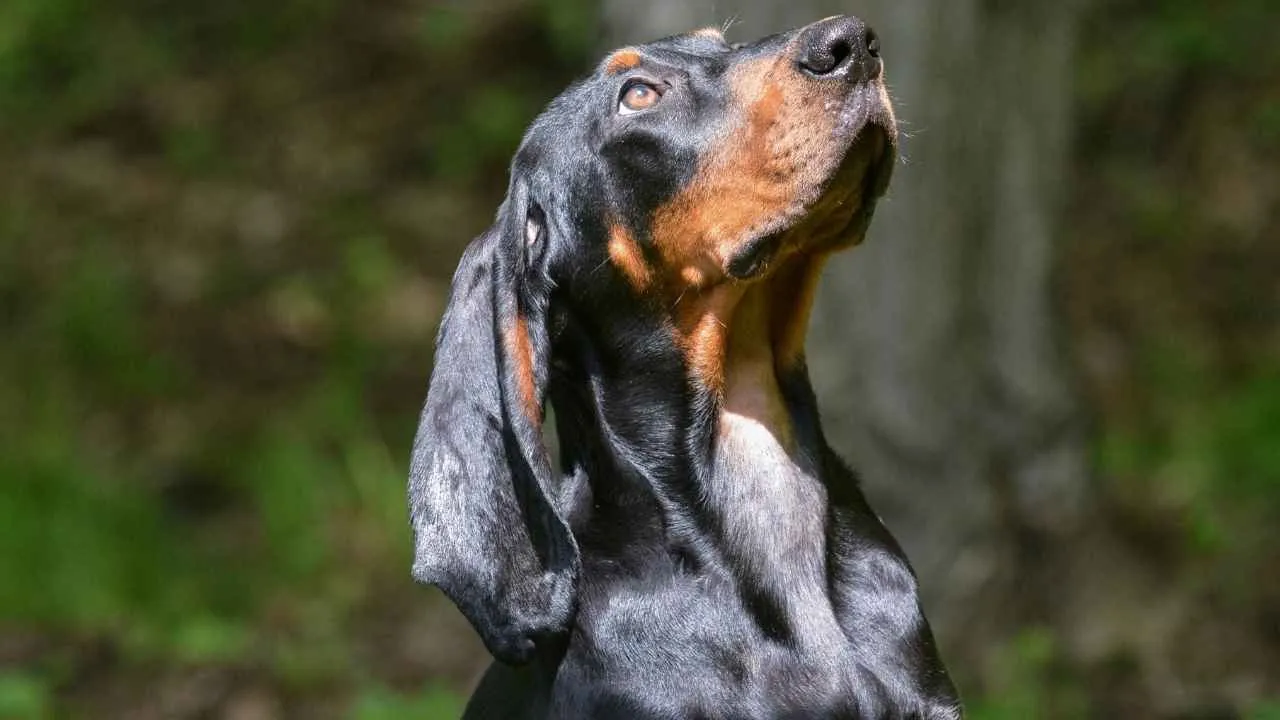
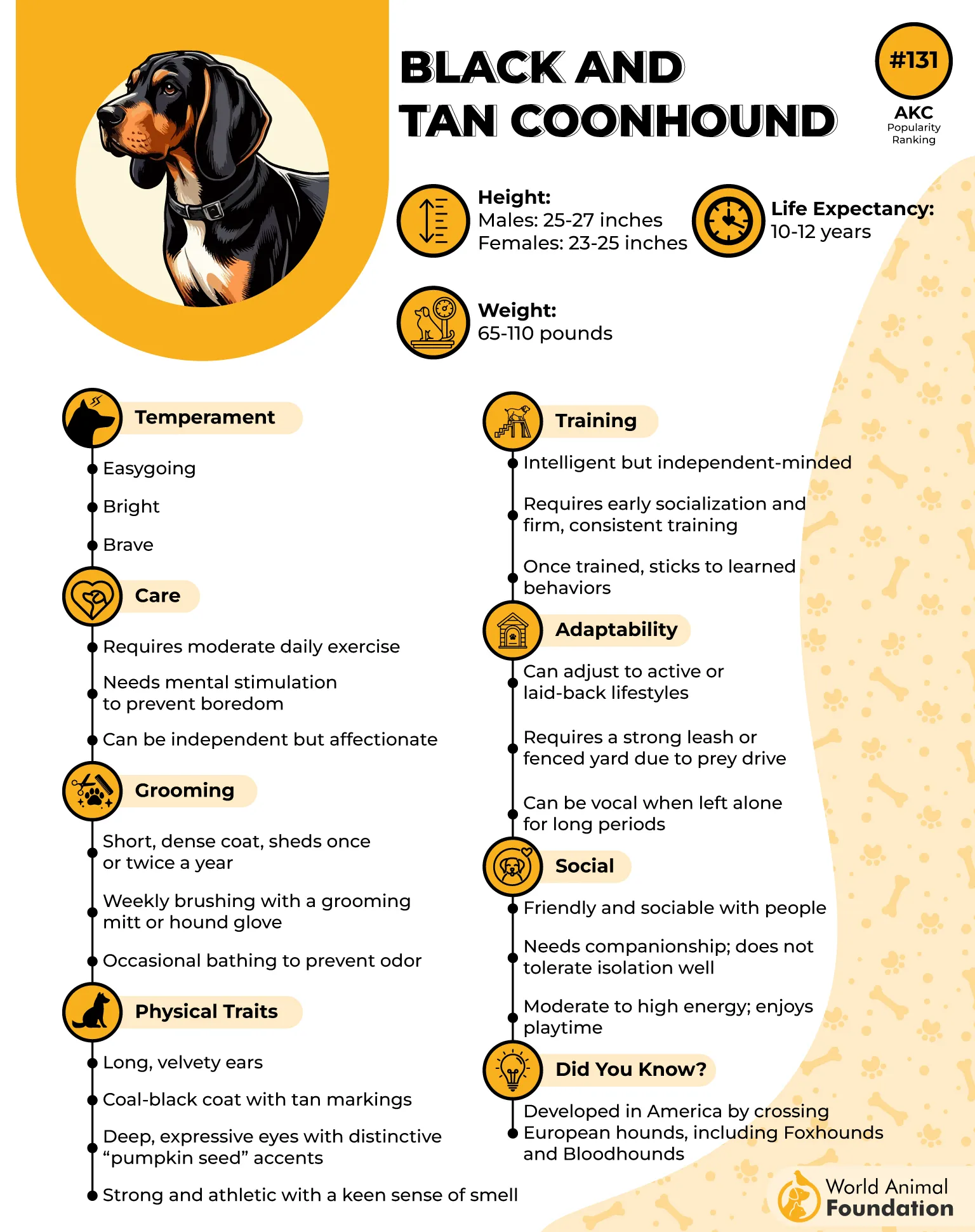
Black and Tan Coonhound was originally bred from crossing Bloodhounds with Black and Tan Virginia Foxhounds, shaping a dog focused on long-distance tracking. This combination created a breed tuned for raccoon and opossum tracking across wide areas.
Tracking Behavior
Black and Tan Coonhound follows scent trails with the nose close to the ground, often moving faster than traditional trailing hounds. Its ability to follow faint scent paths over long distances or rough terrain defines its working role in the field.
This tracking method is reflected in key working actions:
Follows ground scent trails with sustained focus
Tracks raccoons and opossums as primary quarry
Covers long distances without breaking scent focus
Behavior Shaped Through Early Guidance
These Coonhounds can appear reserved around unfamiliar people, requiring early exposure to different environments for balanced behavior. It responds best to structured training introduced early, which helps guide its independent scent-driven decisions.
5. Basset Hound
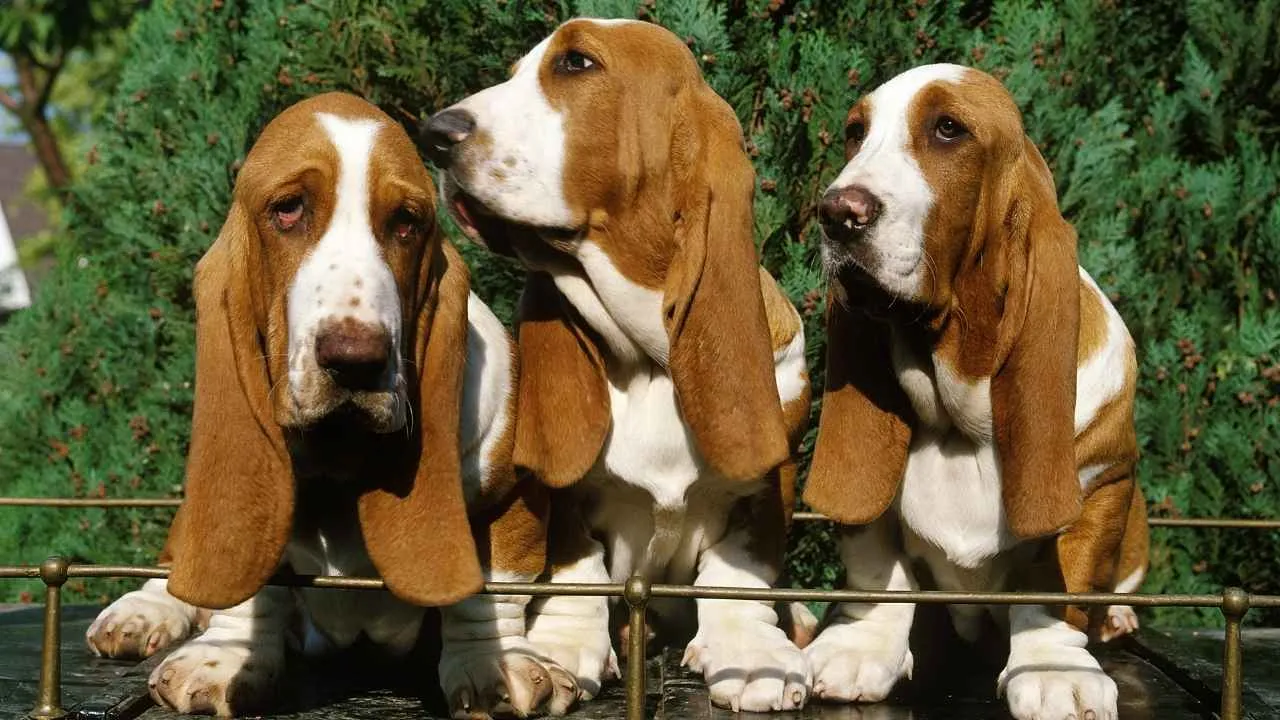
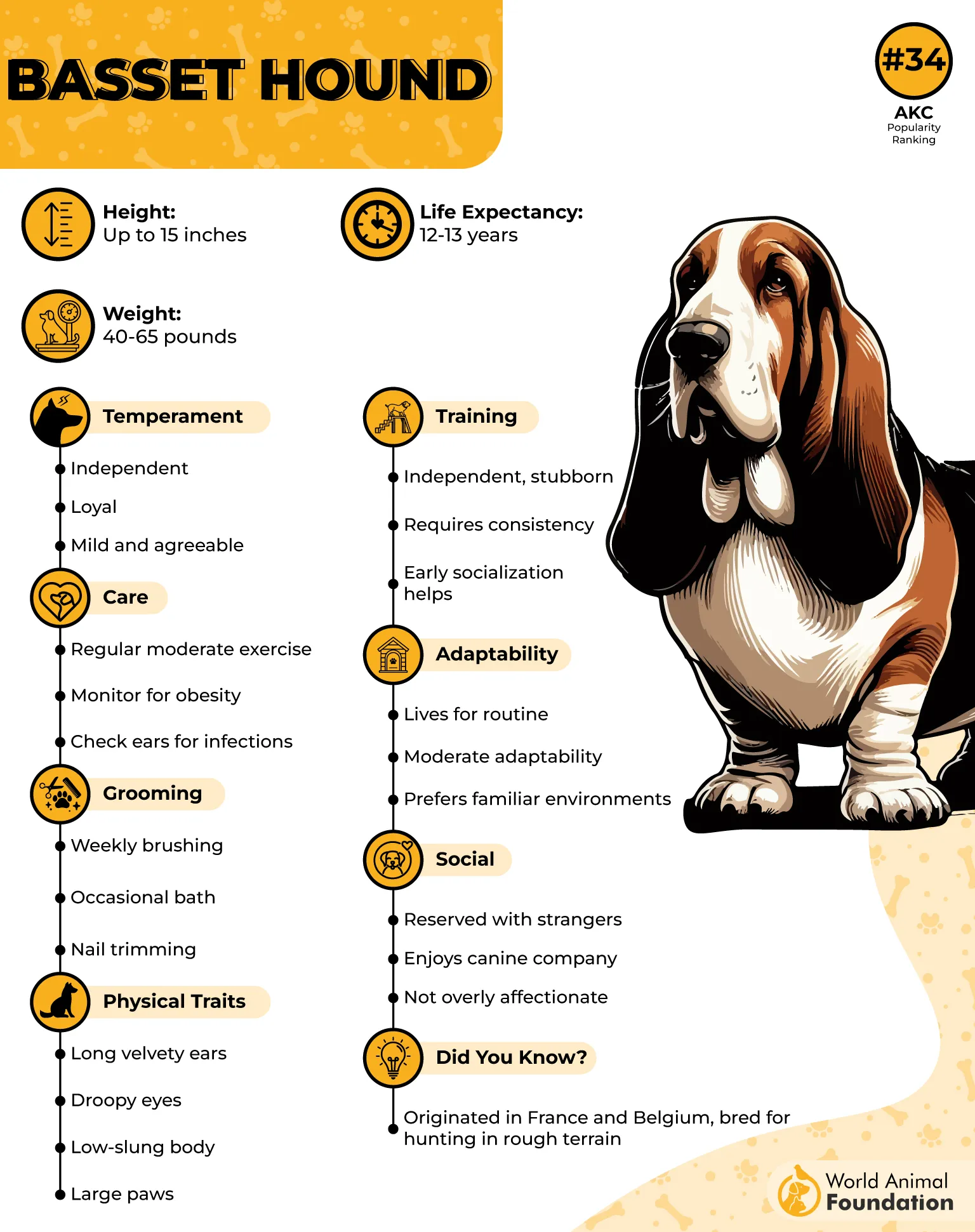
Basset Hound has a long, low frame that moves with steady, unhurried control across the ground. Its build is designed for endurance rather than speed, allowing it to work scent trails over extended periods. That physical design supports constant ground-level tracking without rushing decisions.
Scent System Enhanced by Physical Design
Basset Hound relies on an unusually high number of scent receptors, giving it one of the strongest olfactory systems among dog breeds. Its long ears drag scent particles toward the nose, while loose skin helps trap and concentrate odor trails.
These features work together in clear tracking advantages:
Over 220 million scent receptors for detection
Long ears guide scent toward the nose during tracking
Skin folds help hold and intensify scent particles
Temperament In Home Settings
They carry a calm and easygoing presence indoors, often settling into relaxed routines when not tracking. Its personality leans steady rather than overly expressive, yet loyalty remains consistent toward familiar people. Even with a stubborn edge during scent work, its home behavior stays composed.
6. Treeing Walker Coonhound
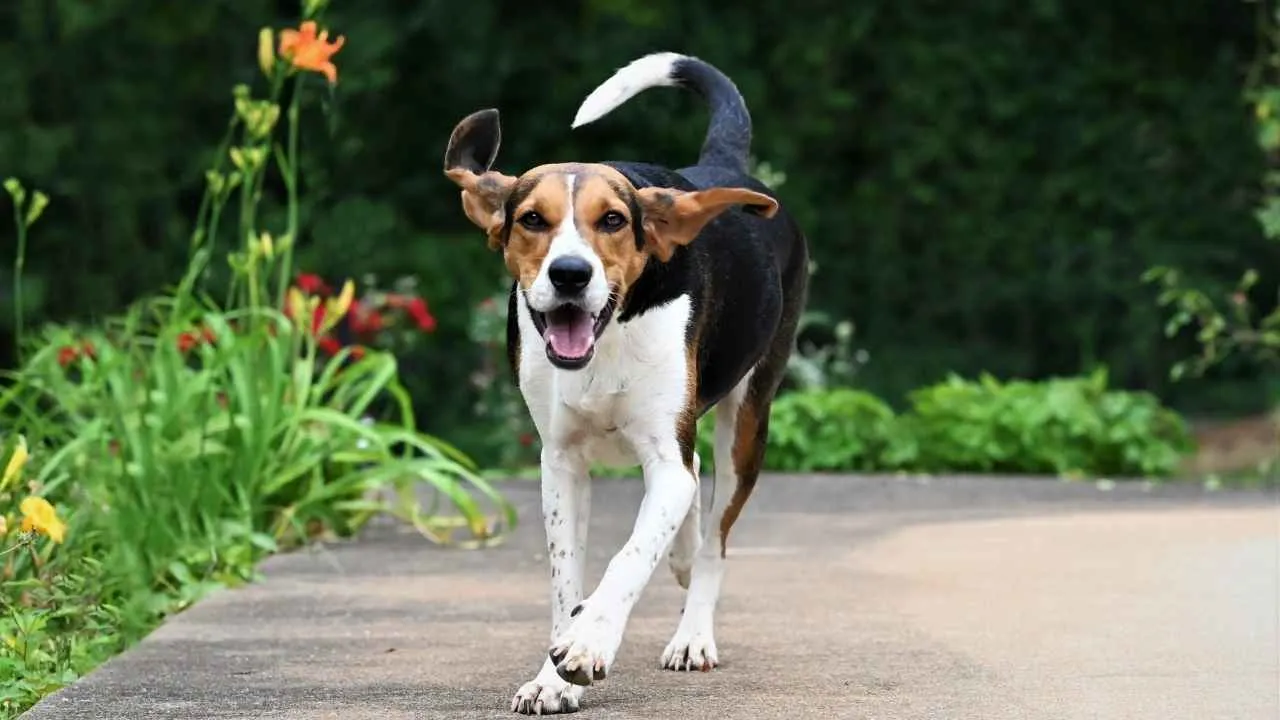
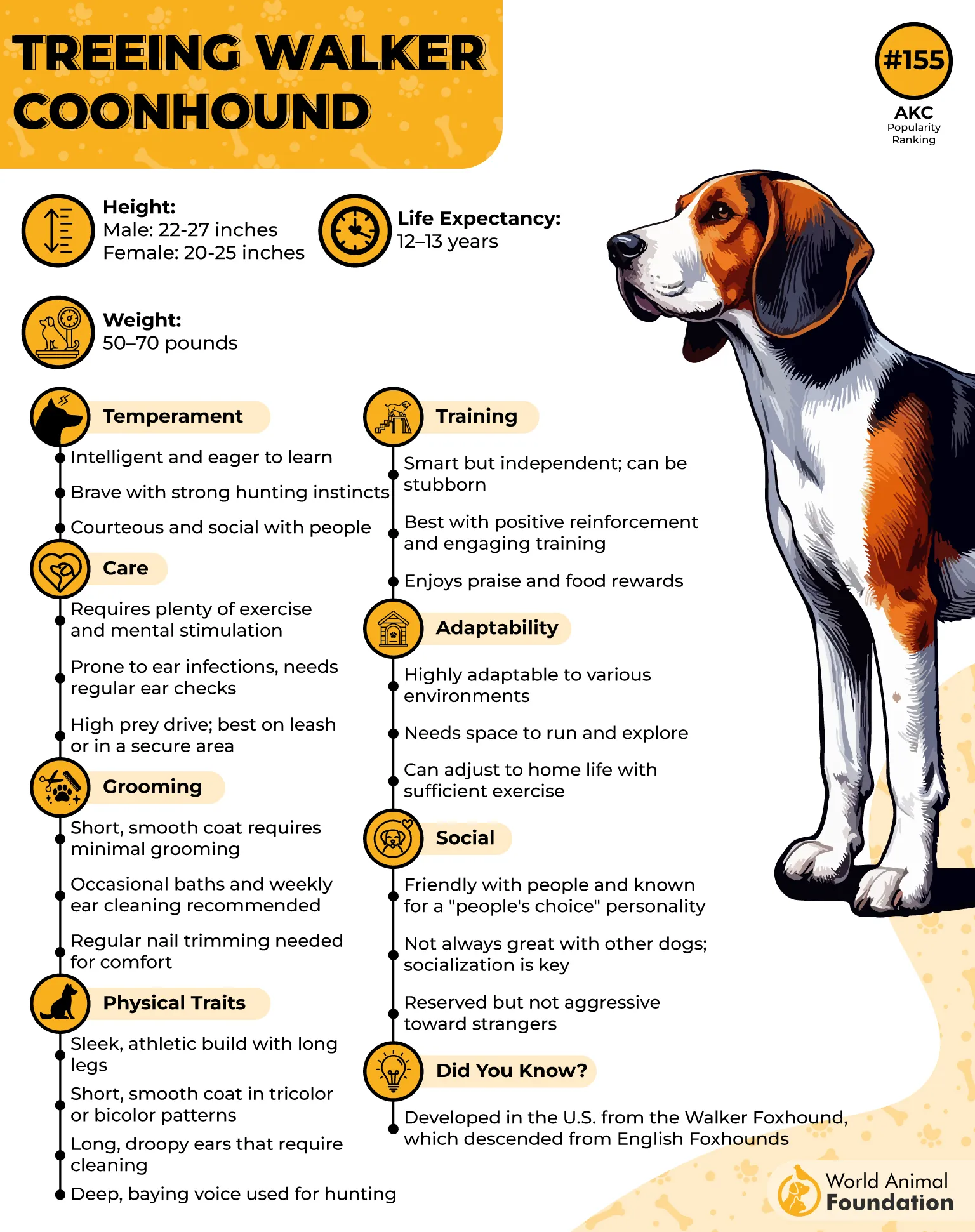
Treeing Walker Coonhound works as a long-distance tracker, built for covering forest terrain while following scent trails tied to quarry like raccoons. Its body supports extended activity rather than short bursts, shaped for sustained searching in wooded ground.
Tracking Behavior in Field Conditions
Treeing Walker Coonhound follows scent lines with persistence, often isolating game by working through dense outdoor cover until the target is located. Its voice becomes part of the tracking process, signaling direction across distance during hunts.
This field behavior appears in clear working actions:
Tracks scent over long forest ranges
Uses vocal signaling during pursuit work
Isolates the game instead of the immediate chase
Energy and Daily Activity Pattern
Treeing Walker Coonhound holds a high activity level that requires extended physical engagement, often through running, hiking, or field-style exercise. Despite this drive, it can shift into long resting periods indoors after exertion. Its routine balance depends heavily on structured outdoor time.
7. Belgian Malinois
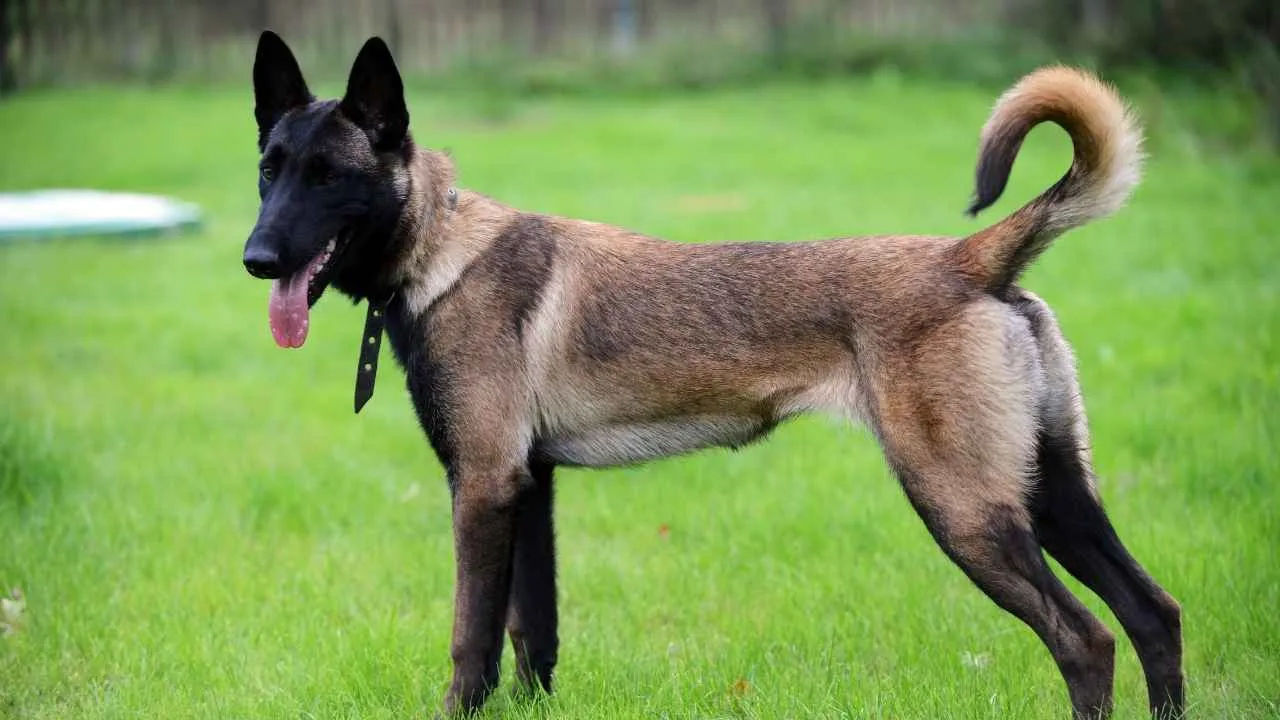
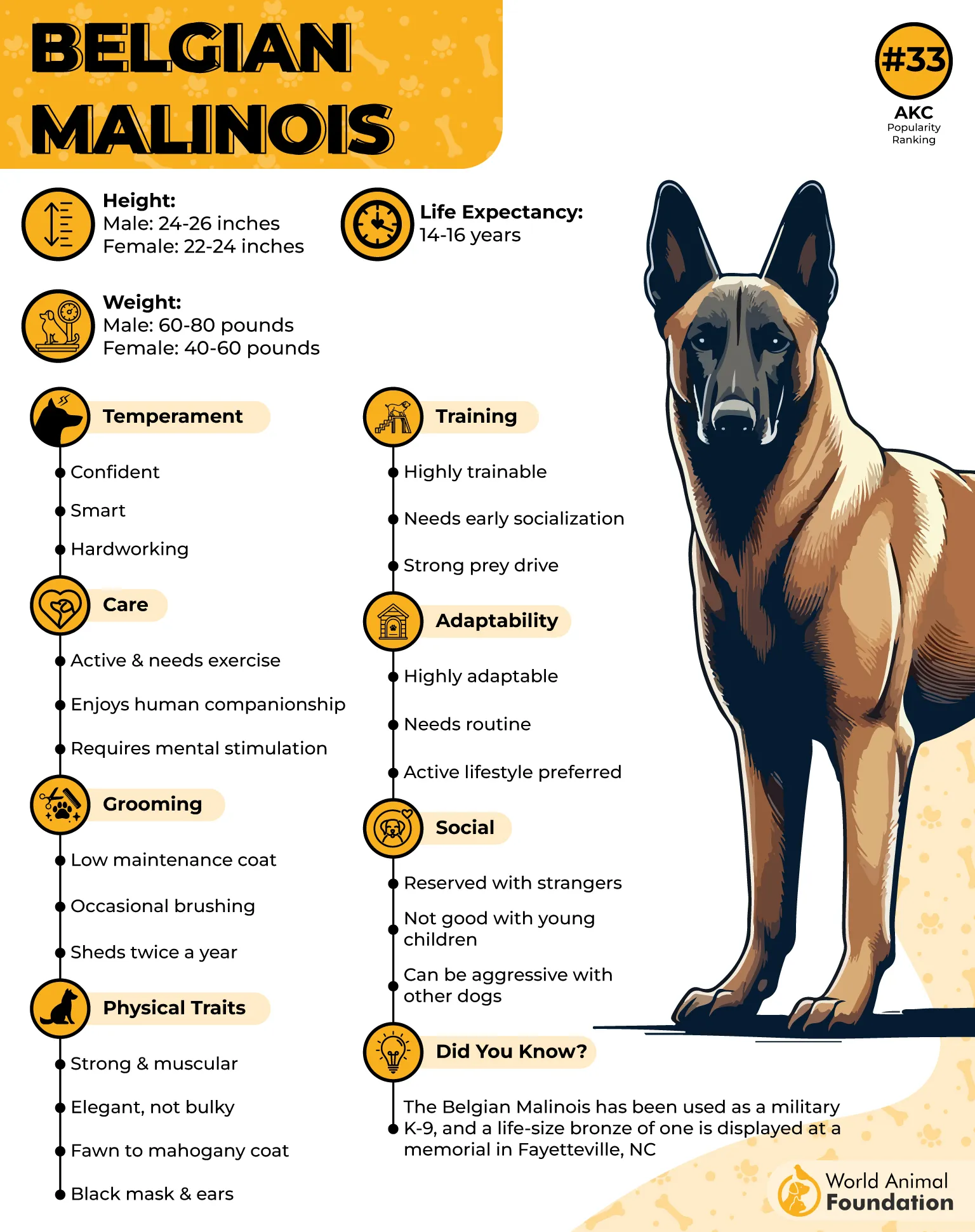
Belgian Malinois has a sharp working intensity linked to its herding roots near Malines in Belgium, where responsiveness and control were central to its purpose. Its structure reflects a dog built for sustained mental engagement and fast decision-making.
Scent Ability and Task Precision
This working dog operates with advanced scent detection capability, with reports of odor recognition at extreme distances during field work. This ability connects directly to roles in detection-based operations where precision matters more than speed alone.
This capability is reflected in working patterns such as:
Detects scent over long-distance ranges
Applies focus during tracking assignments
Transitions between search tasks without hesitation
Training Demand and Activity Requirement
They respond strongly to structured training that includes tracking, obedience drills, and agility-based tasks. Its working drive connects with high aerobic output, often requiring sustained running and complex physical routines rather than simple exercise.
Conclusion
For these dogs, the world is built from layers of scent that most people never notice. Every path and passing visitor leaves behind information waiting to be interpreted. Their keen sense of smell and excellent nose explain why scent-driven breeds play an important role in tracking, detection, and work to detect explosives.
Their focus, persistence, and natural talent allow them to accomplish tasks that seem almost impossible from a human perspective. Whether working professionally or exploring a familiar neighborhood, they rely on the same extraordinary skill. Few canine traits reveal the difference between dogs and people quite so clearly.
