




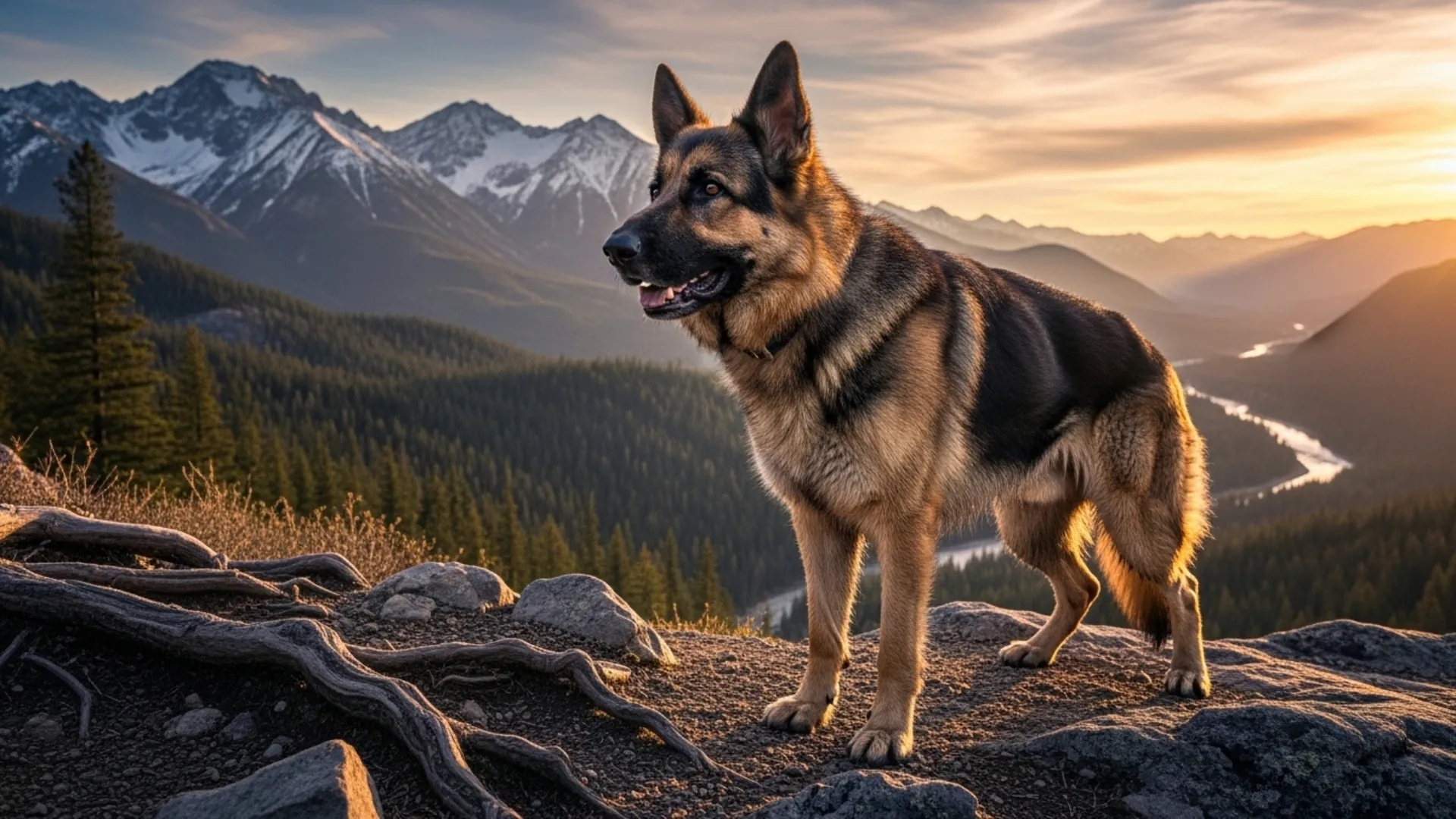
Most people assume any active dog can handle the outdoors. That idea feels reasonable until conditions become less forgiving. Open land, harsh weather, and unpredictable surroundings require more than basic energy.
Some dogs adjust quickly, reading the rugged terrain and conserving effort where needed. Others begin to slow down, distracted or overwhelmed by constant changes. The difference is not always visible at first. It becomes clear only after time is spent in demanding environments.
There is a specific group of dogs that respond differently in these situations. They do not rely heavily on direction and rarely lose composure under pressure. Their movements remain controlled, and their awareness stays sharp even when conditions shift.
Once you understand what separates them, it changes how you view outdoor capability. The next sections explore these qualities in detail.
Key Takeaways
Not every active dog can handle wide open land where silence, distance, and harsh weather shape every moment outdoors.
Siberian Husky and German Shepherd Dog already show how endurance and focus decide who keeps moving when the land gets tough.
Akita and Rottweiler add strength and control to that picture, handling harsh ground with steady confidence and awareness.
Keep reading till the end to see which breeds stay composed when the wild stops being predictable.
Rugged Dog Breeds That Thrive in the Wilderness
1. Siberian Husky
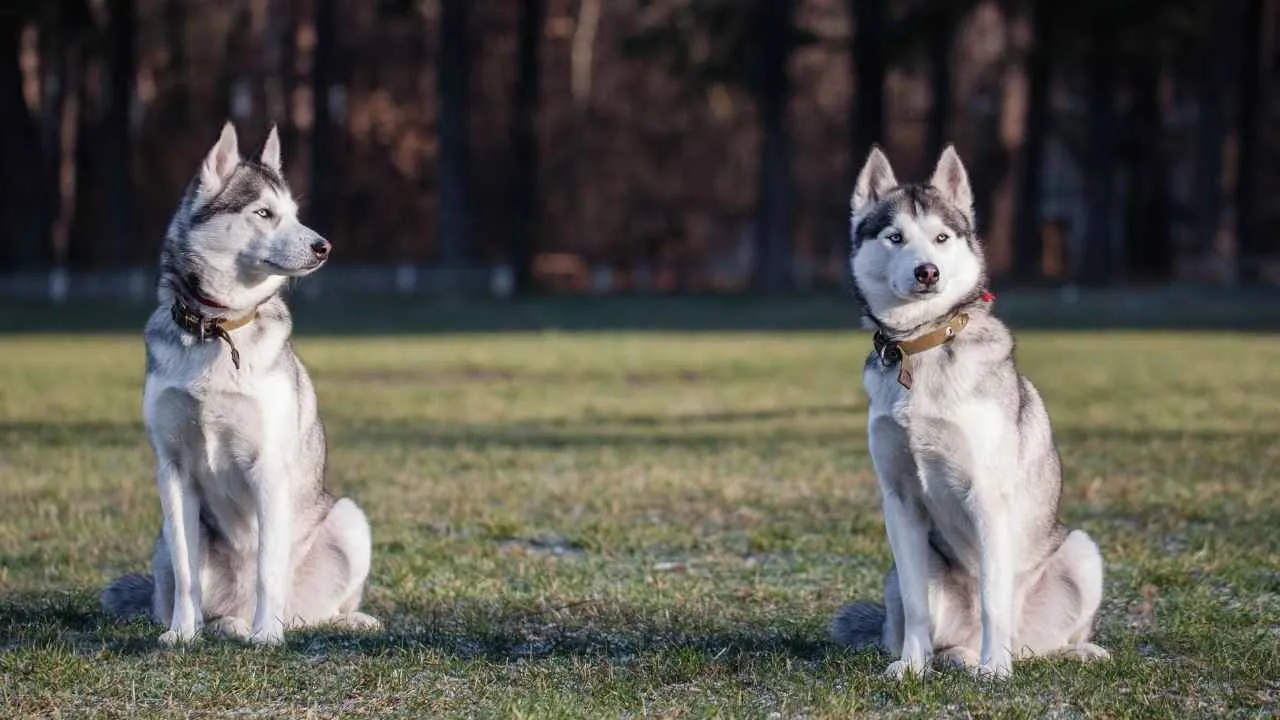
Siberian Husky shows a compact frame with a thick coat suited for cold weather, paired with a light but efficient build. It was originally bred to pull light loads across long frozen stretches, relying on stamina over brute force. Its gait appears smooth and steady, conserving energy over distance.
Pack rhythm and field behavior
This outdoor dog operates best within a group setting, reflecting its nature as a dog that works in coordination rather than isolation. Its nimble footwork and speed support long-distance tasks across open terrain.
That working rhythm shows in clear patterns:
Maintains a steady pace over long runs
Coordinates movement within the pack structure
Adjusts stride across uneven frozen ground
Drive shaped by movement and space
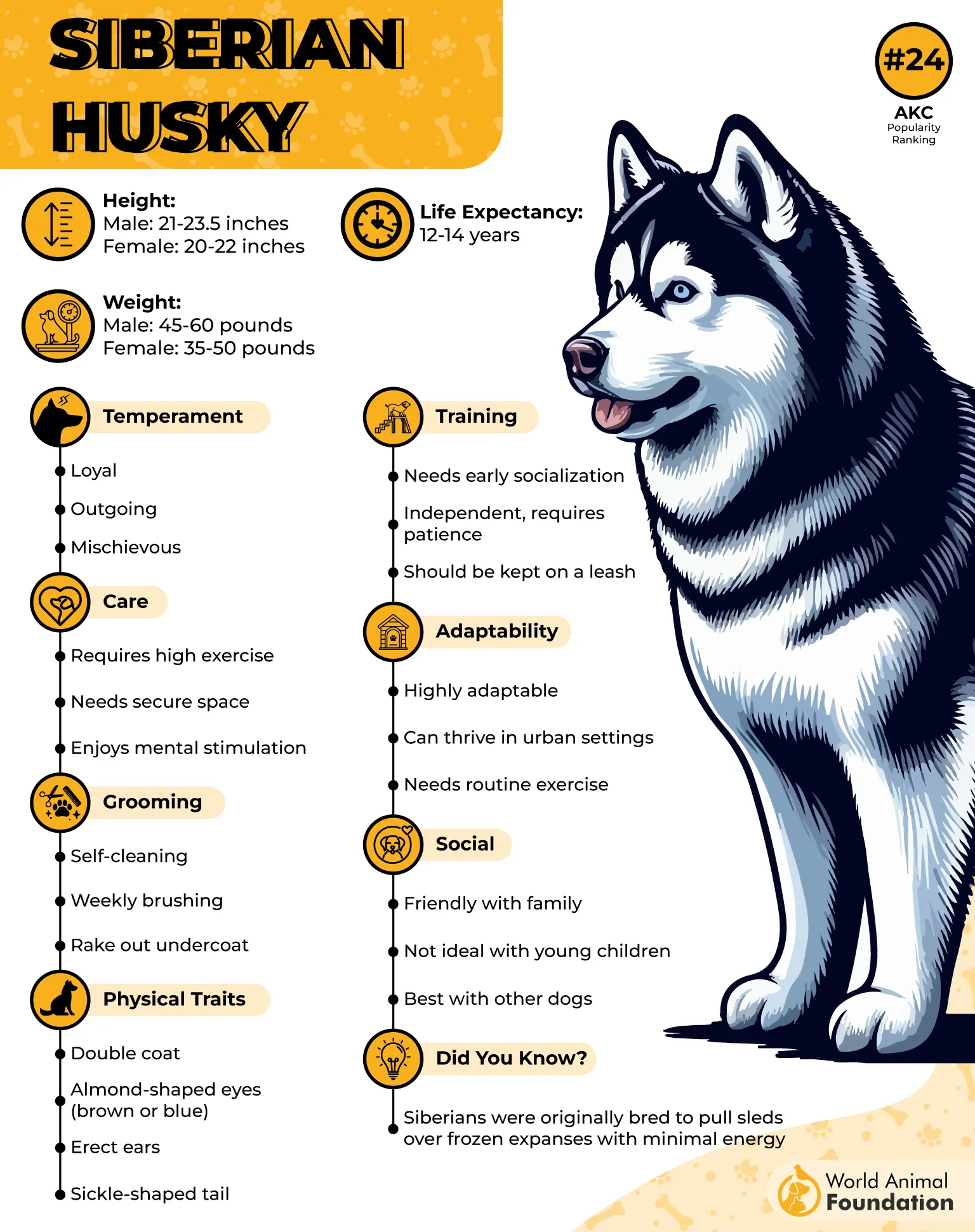
They have a strong urge to explore, often reacting quickly to smaller animals due to their chasing instinct. Wide, secure areas become essential as it seeks space to roam and stay engaged through different dog sports like rally, running, fetching, etc, as noted by PetMD. The combination of all these makes them well-suited for outdoor adventures.
2. German Shepherd Dog
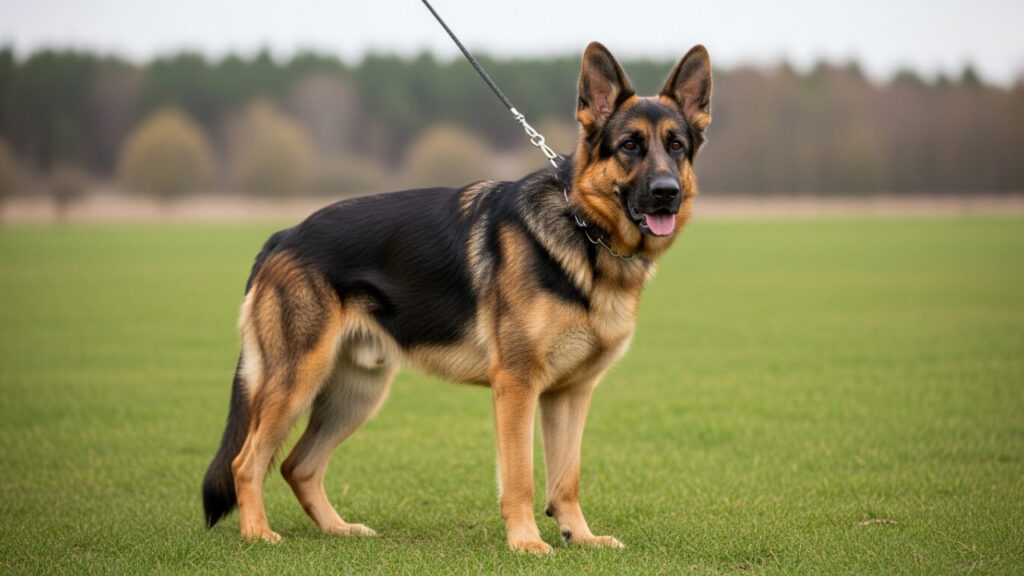
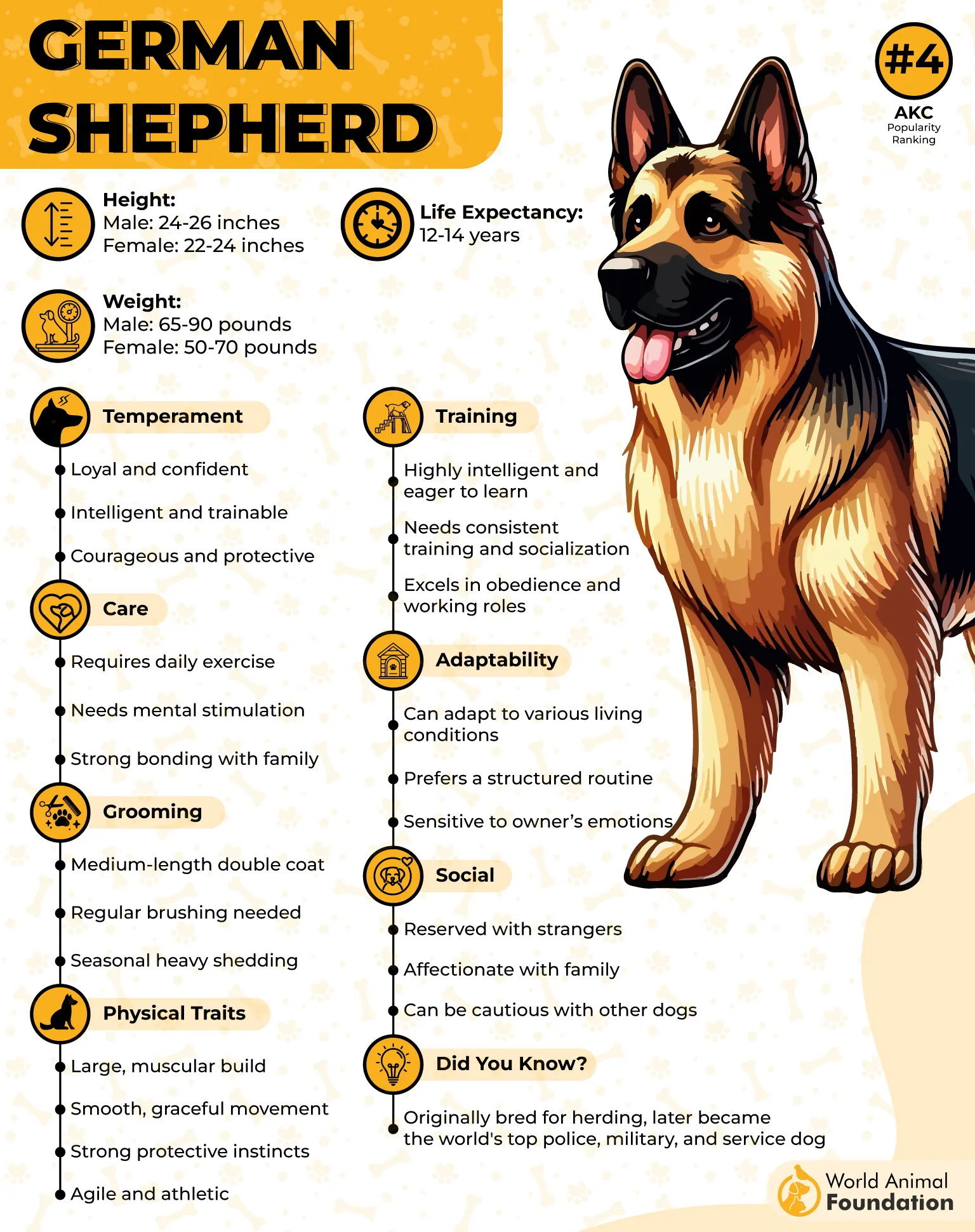
German Shepherd Dog shows strength through a balanced combination of muscle, agility, and controlled movement. Its natural trot stays smooth and efficient, built for covering distance without strain. This physical coordination reflects a dog shaped for sustained outdoor work.
Work-driven response pattern
They approach tasks with focus, often linking action directly to instruction and environment. Its role across patrol, tracking, and work with search and rescue teams reflects a mindset that stays engaged with purpose.
That working pattern appears in clear forms:
Follows scent trails with consistent direction
Adjusts pace during long-distance tracking
Responds quickly to task-based commands
Energy tied to constant engagement
These rescue dogs maintain high energy that connects closely with activity, especially in open and demanding settings. As per the AKC, it performs best when given tasks like herding, hiking, or structured movement-based work. Idle time often shifts this energy into restless behavior.
3. Akita
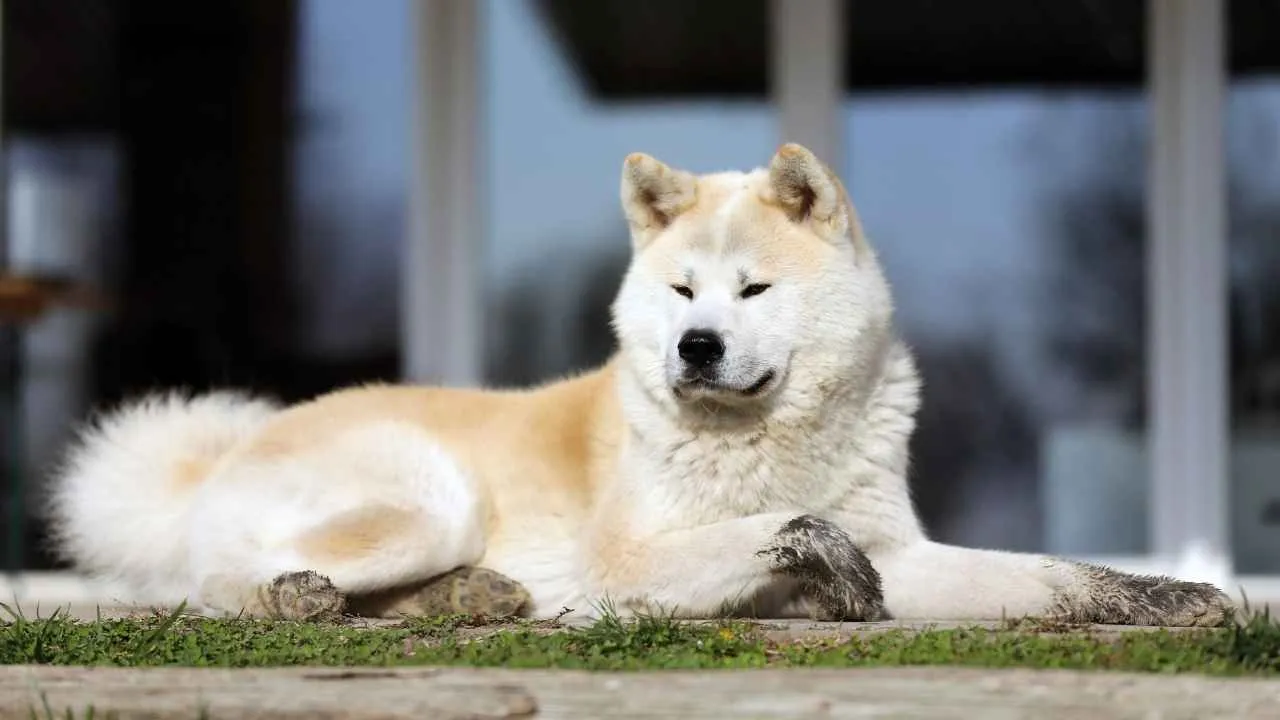
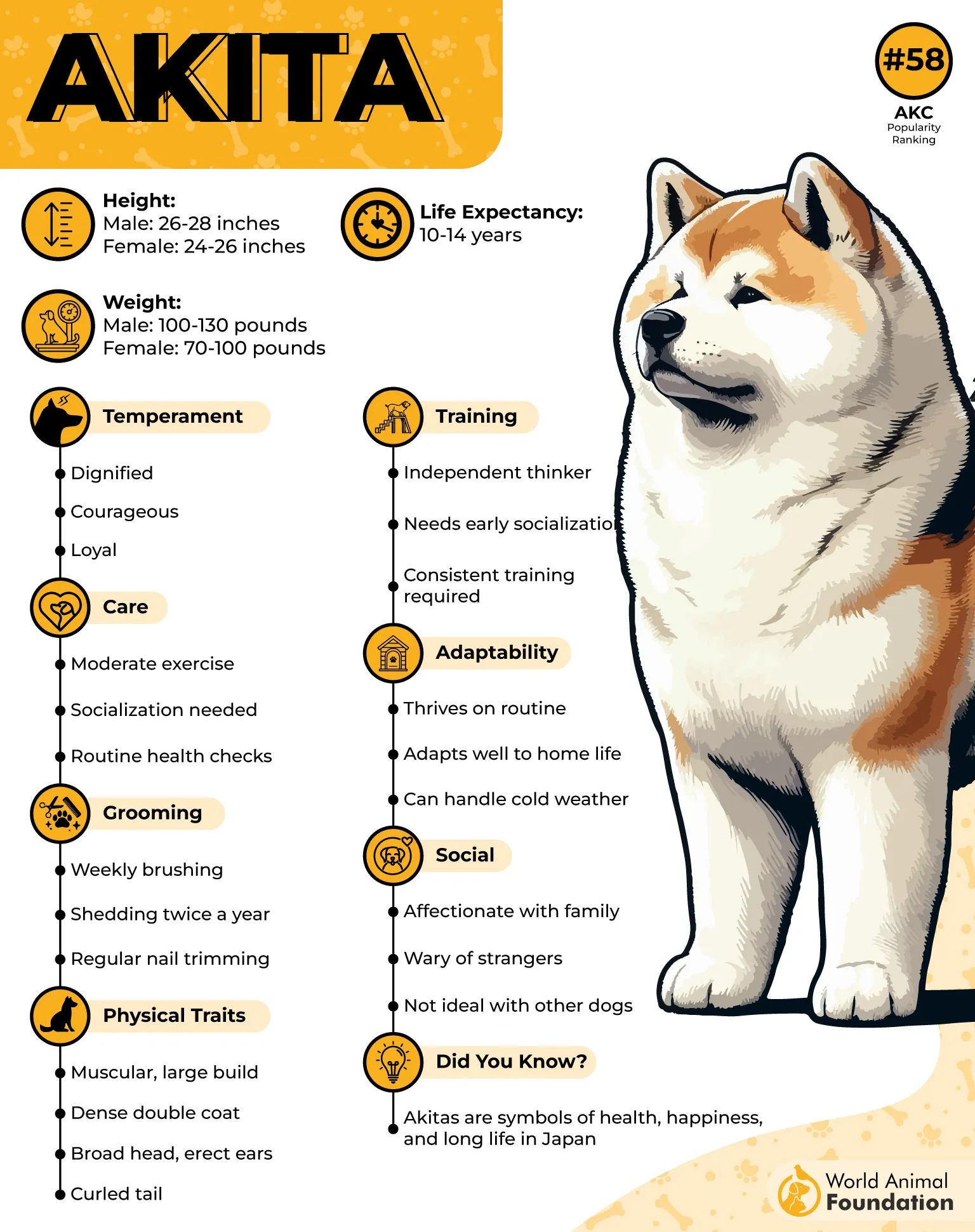
Akita shows a dense double coat and a solid, muscular frame shaped for cold, unforgiving environments. Its broad head and tightly curled tail give a balanced structure suited for endurance outdoors. This physical build reflects a dog accustomed to surviving in demanding climates.
Physical traits with functional purpose
This guard dog combines strength with controlled movement, allowing it to navigate rough terrain without unnecessary strain. Its body structure reflects both guarding and hunting roles, shaped through practical use rather than appearance.
That purpose becomes clear through key features:
Thick double coat suited for cold exposure
Curled tail maintains balance and posture
Broad head supporting a strong jaw structure
Structured training needs
Akita learns quickly when engaged with the right reward and clear direction, though focus depends on meaningful motivation.
An experienced handler helps shape leash manners and structured habits from an early stage. Activities like scent walks, agility, and hiking give that mental and physical channel purpose
4. Rottweiler
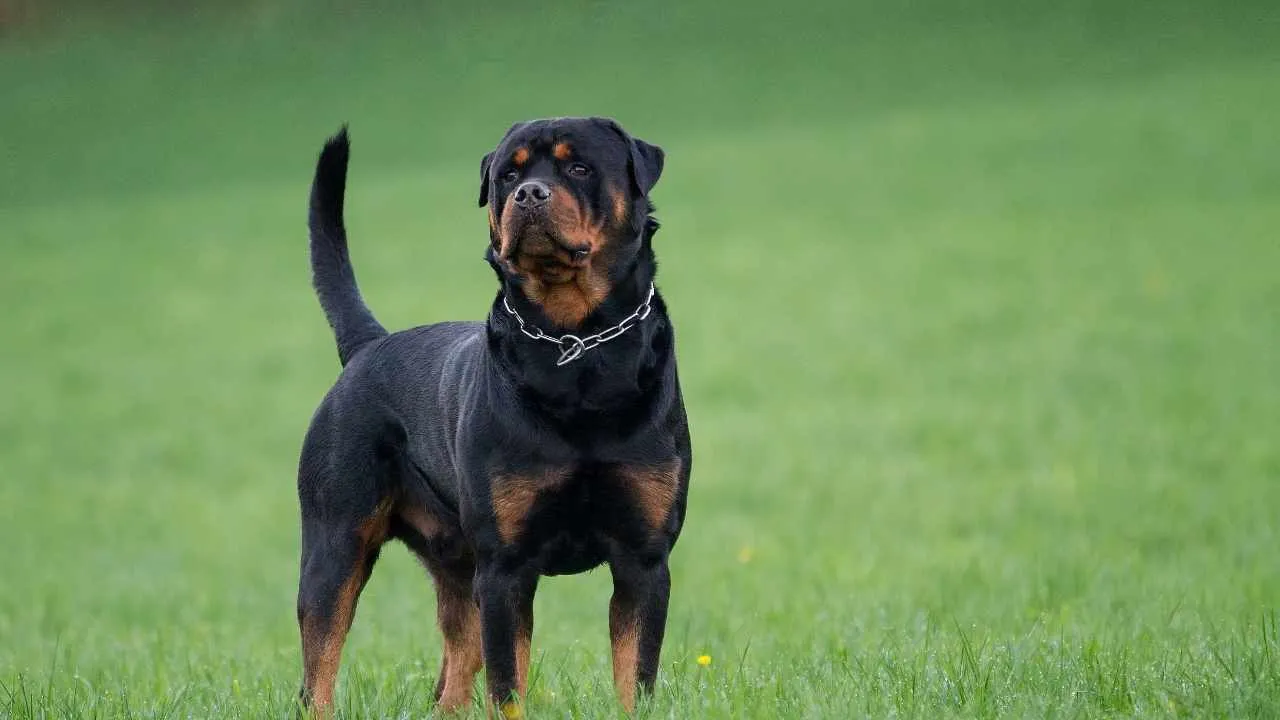
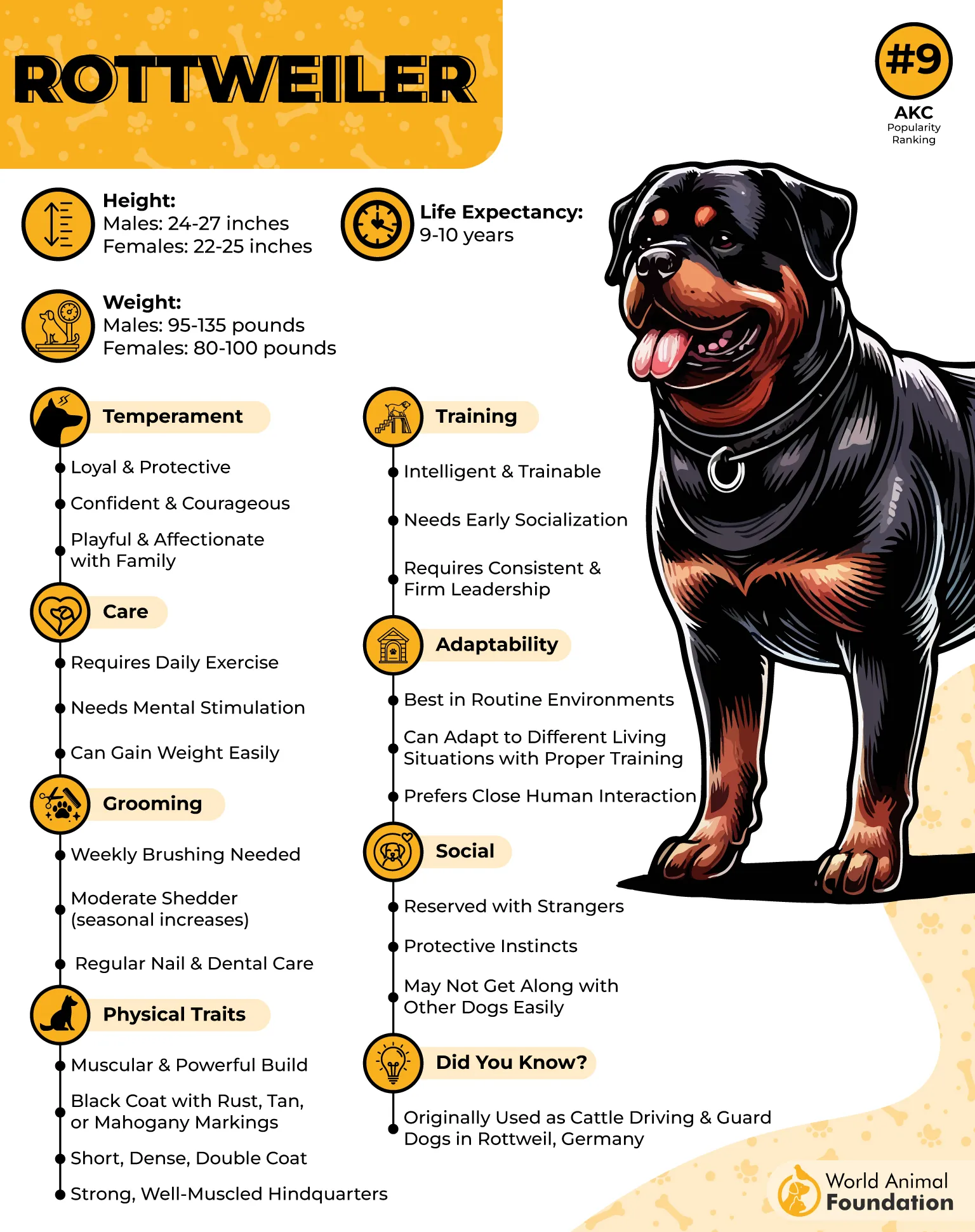
Rottweiler shows strength through a broad head, wide-set eyes, and a compact, muscular frame suited for demanding environments. Its short coat and solid build reflect a dog made for physical tasks rather than decorative traits. The overall form feels grounded, built for effort and endurance.
Activity that matches rugged settings
This is one of the oldest herding dogs, fits naturally into physically engaging routines, handling long walks, hiking trails, and outdoor tasks with consistency. Its energy requires regular outlets to stay balanced in both body and behavior.
That routine becomes clear through these activities:
Handles extended hikes and running sessions
Engages in tracking and agility work
Participates in structured outdoor training
Temperament range and training response
They can shift between playful, socially open behavior and a more reserved, single-person attachment style. Early and consistent social exposure influences how this range settles over time, as Petplan writes. Training through rewards strengthens its response and reinforces stable behavior patterns.
5. Anatolian Shepherd Dog
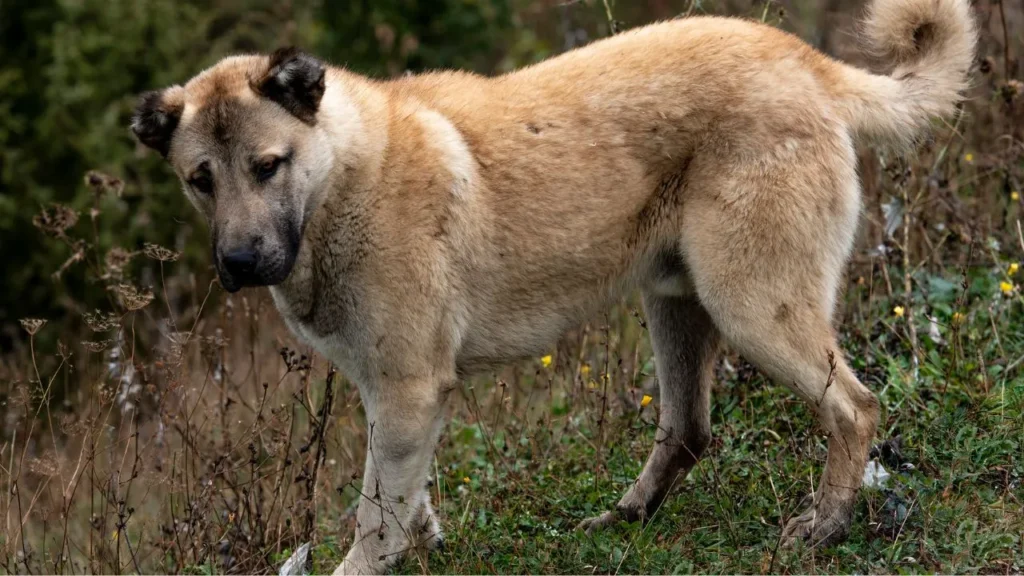
Anatolian Shepherd Dog presents a heavily muscled frame paired with surprising agility, shaped for life in demanding landscapes.
Its physical ability reflects a dog that can confront predators while handling rough ground without hesitation. The overall presence feels raw, practical, and tied to outdoor endurance.
Independent guarding approach
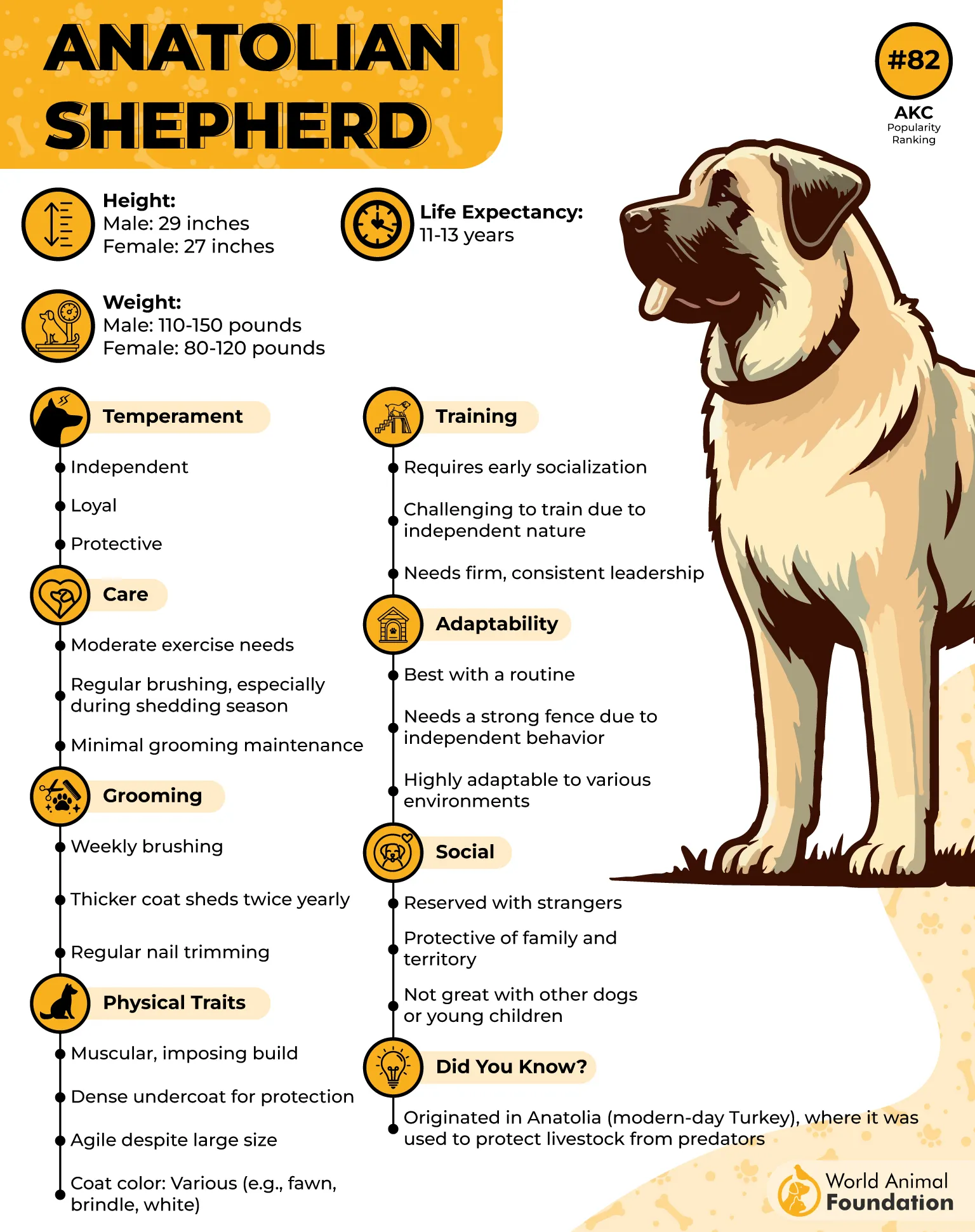
They operate with a self-directed mindset, making decisions without waiting for constant human instruction. Its role centers on protecting a wide group, treating livestock, pets, and family members as part of one unit.
This instinct shows through clear working patterns:
Guards multiple animals as a single group
Responds to threats without waiting for commands
Maintains position across open territory
Training shaped by independence
This adventure dog responds to guidance with awareness, though its independent nature can appear resistant during training. Consistency and early socialization to different environments influence how it interprets new situations. This shaping process affects how it reacts beyond its immediate territory.
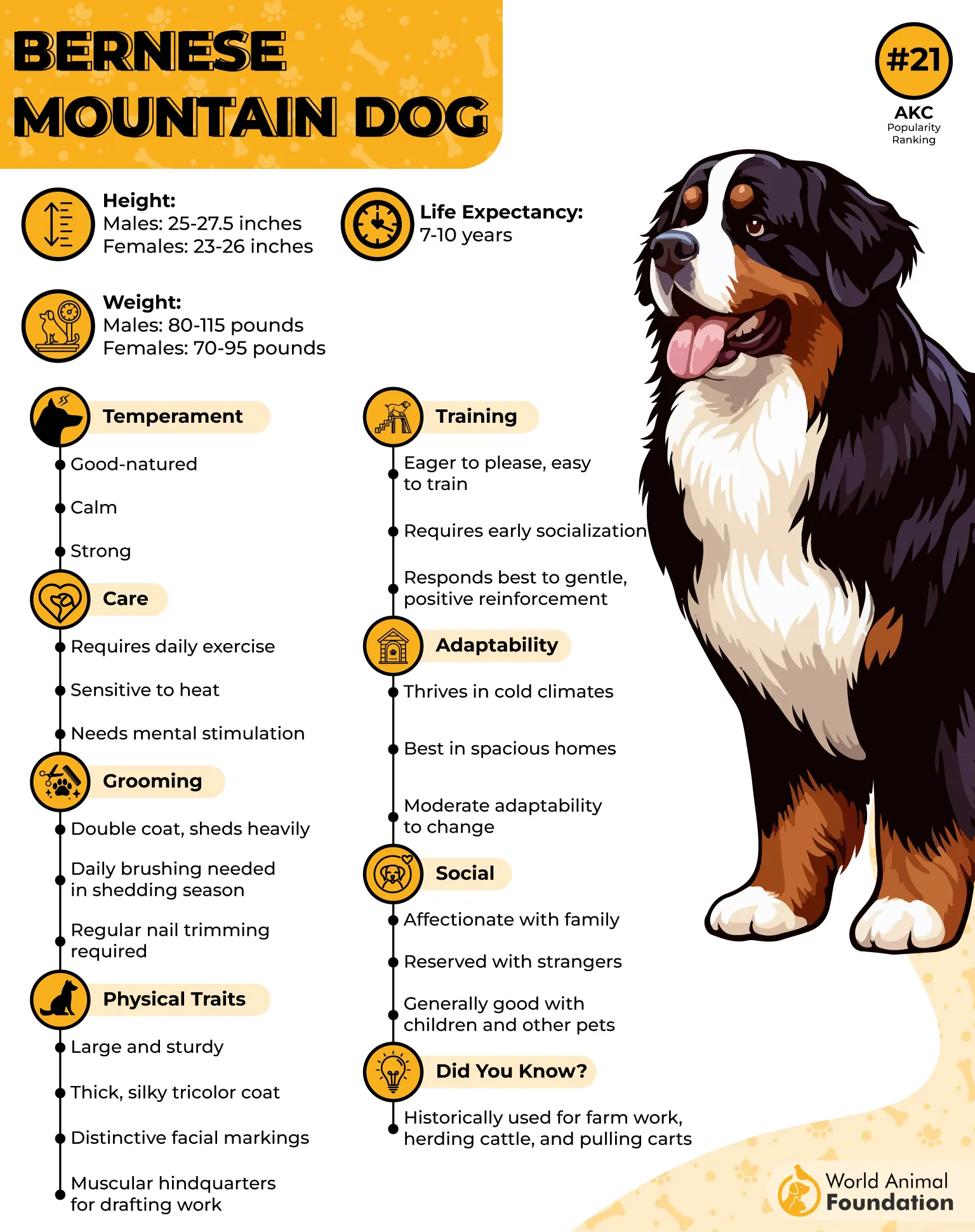
6. Bernese Mountain Dog
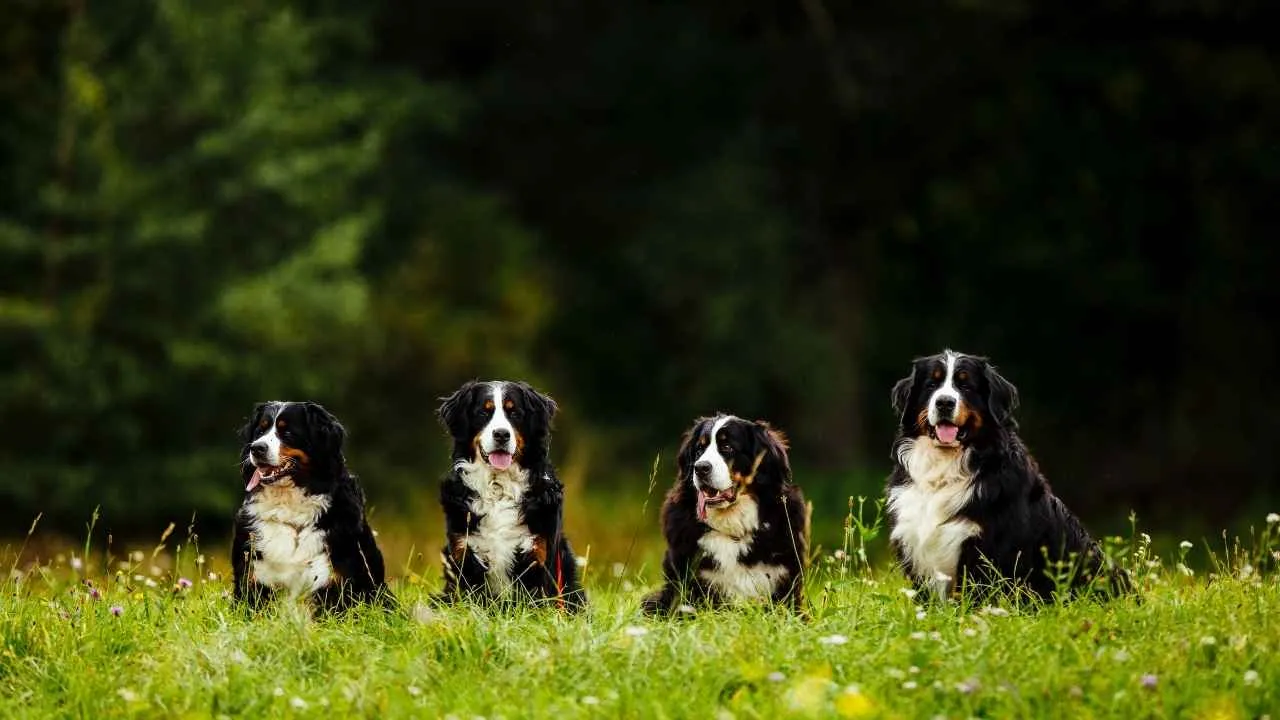
The Bernese Mountain Dog breed presents a powerful frame built for demanding outdoor tasks, supported by a thick coat suited for cold conditions. Its physical presence reflects both strength and endurance rather than speed. This combination allowed it to handle varied farm work across harsh environments.
Work rooted in versatility.
They handled multiple roles on Swiss farms, shifting between physical labor and close human interaction. Its strength, paired with intelligence, allowed it to take on tasks that required both effort and awareness.
That working ability shows through practical roles:
Pulls carts with controlled strength
Engages in scent-based tasks like nose work
Keeps pace during long outdoor hikes
Training shaped by size and mindset
They respond well to positive reinforcement, showing eagerness when guidance stays consistent and rewarding. Its large size makes early leash control and behavior shaping important for daily handling. Intelligence plays a role in how quickly it connects actions with outcomes.
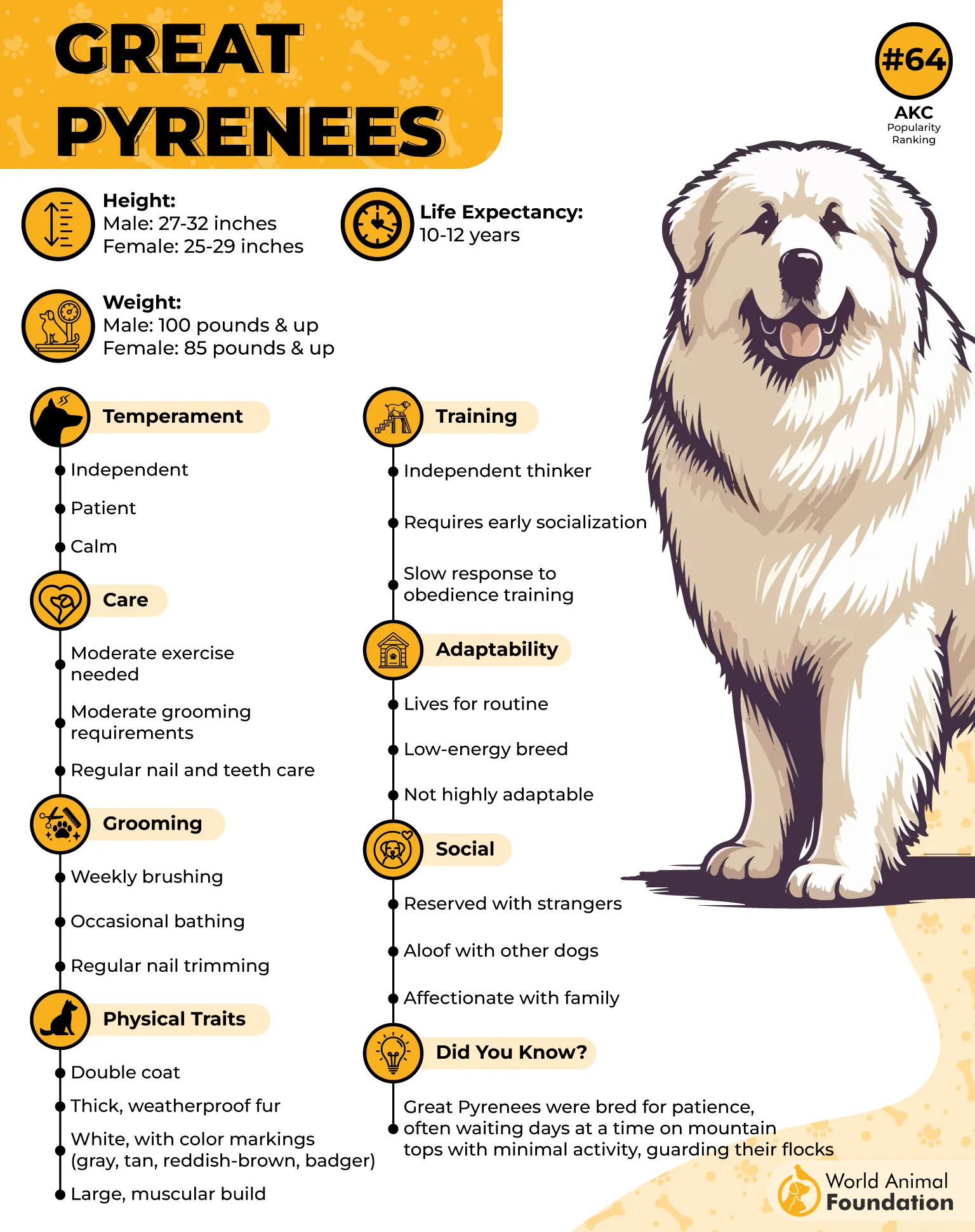
7. Great Pyrenees
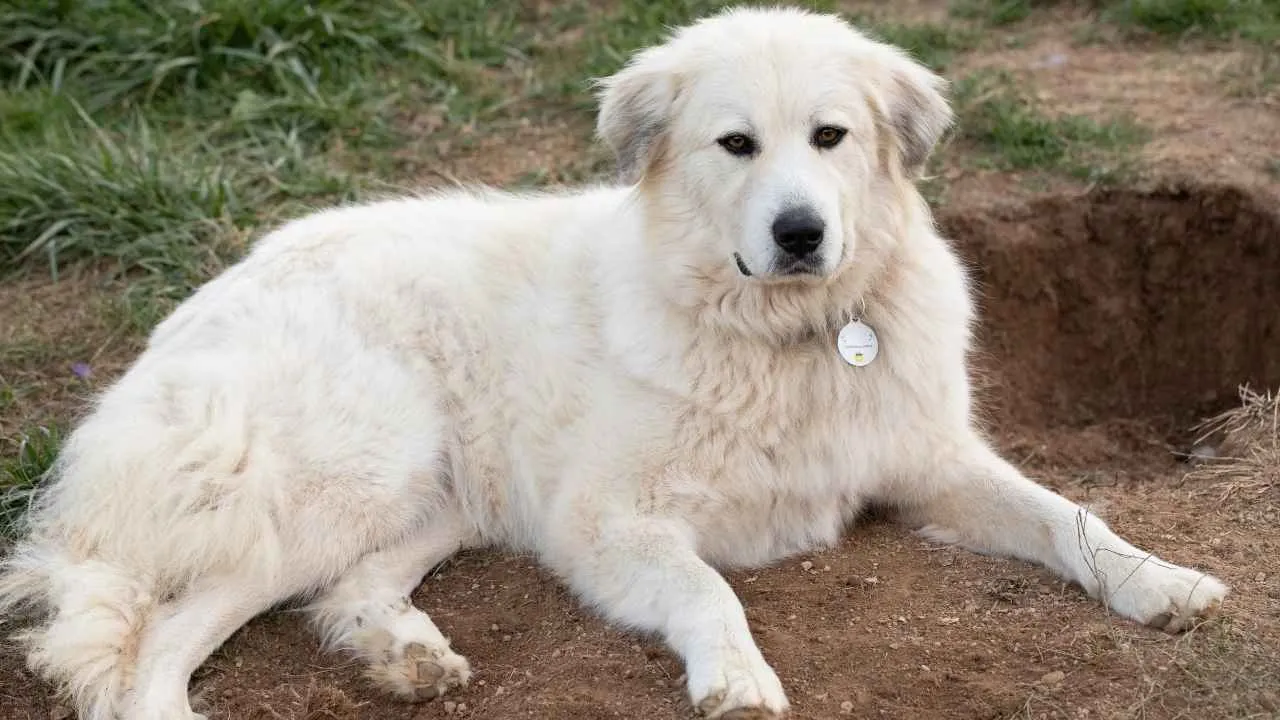
The Great Pyrenees carries a large, heavily coated body designed to withstand cold mountain conditions while watching over flocks in open terrain.
Its size and strength were used to push away predators like wolves in snowy regions. The dense coat and steady frame reflect long hours of outdoor endurance.
Territorial patrol behavior
They work by covering wide spaces in slow, deliberate rounds, focusing more on awareness than speed. Its guarding method relies on presence and positioning rather than constant movement or agitation.
This working pattern appears through clear traits:
Patrols territory in slow, wide routes
Conserves energy while observing surroundings
Responds strongly when a threat appears
Independent working mindset
They are independent and often operate with minimal direction when guarding space or livestock. It can also engage in structured activities like obedience work or cart-pulling when guided properly. Its thinking style remains calm, steady, and self-directed.
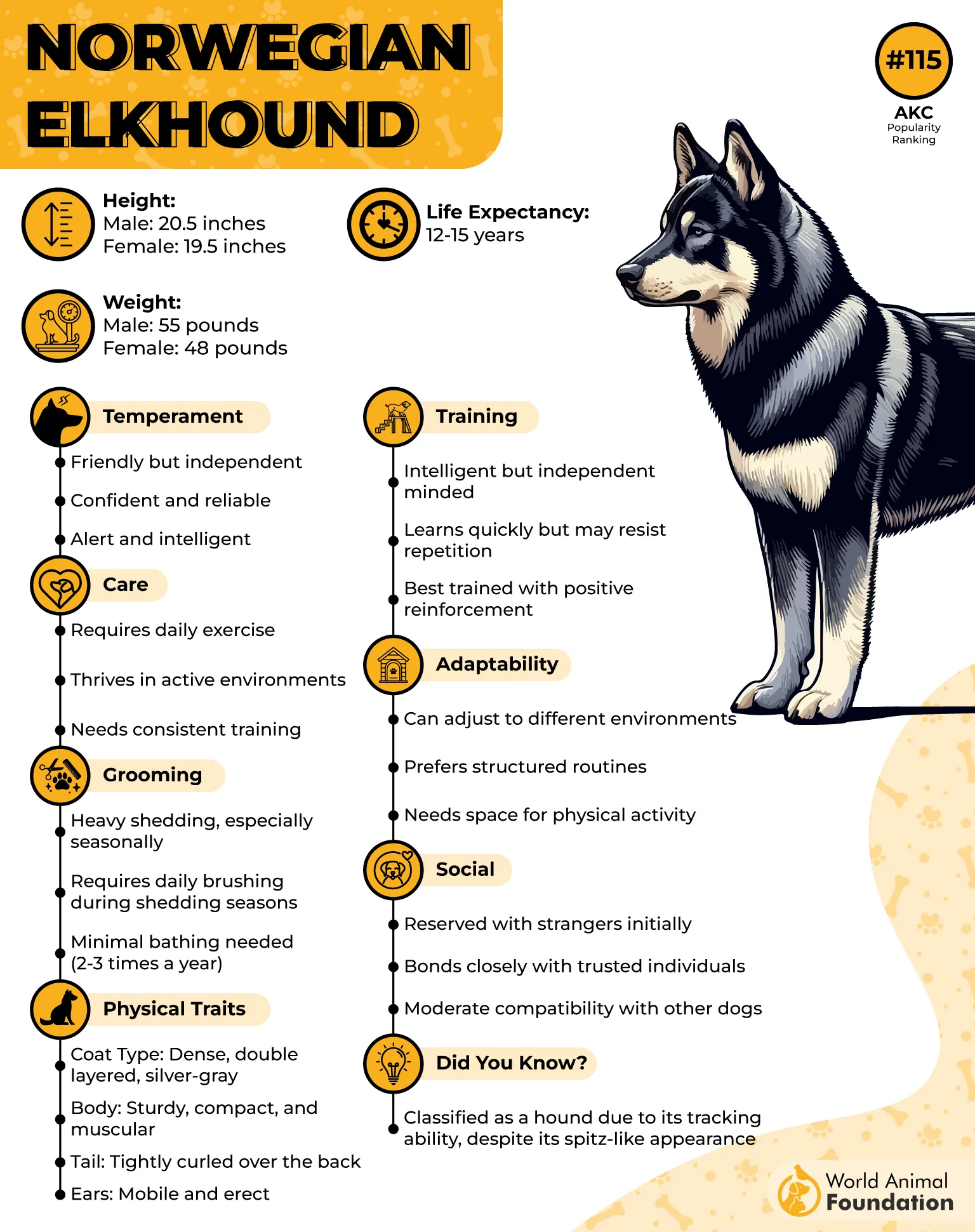
8. Norwegian Elkhound
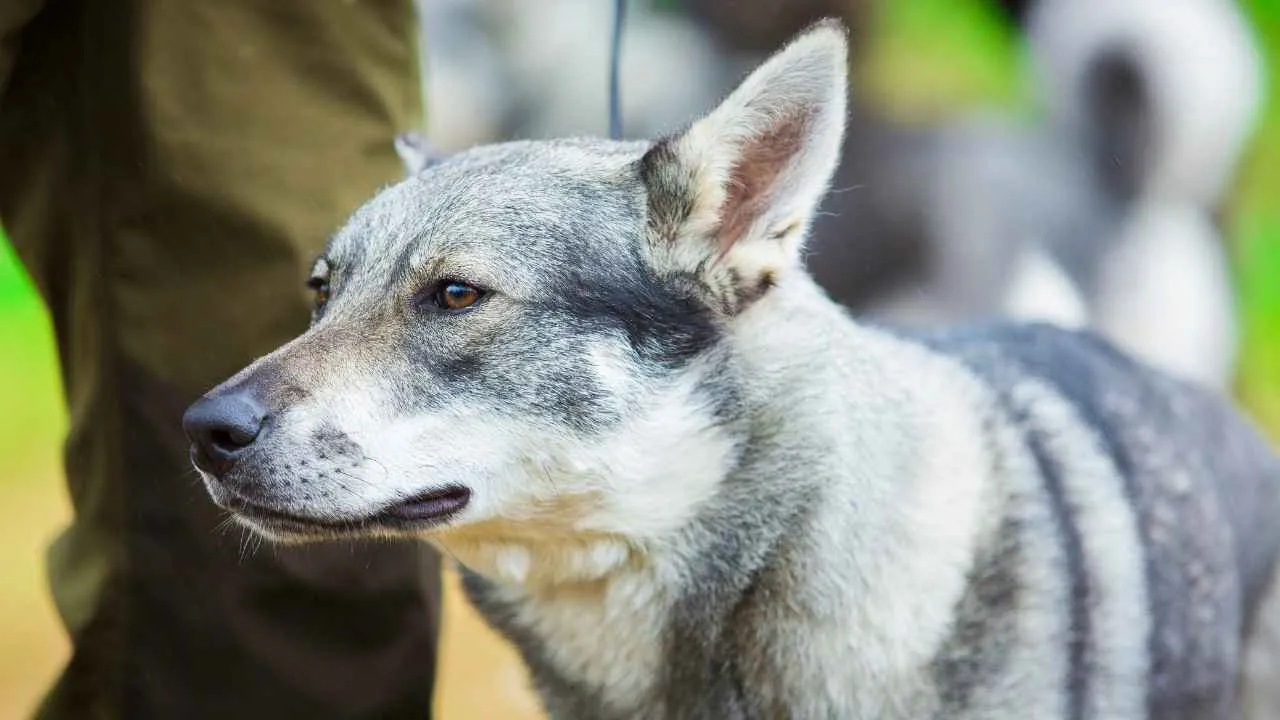
The Norwegian Elkhound belongs to one of Europe’s oldest dog types, known for its spitz form and dense silver-gray coat. Its structure reflects a dog built for cold regions, with a deep chest and strong legs supporting long-distance movement. Viking-era depictions link it to early northern working life.
Field capability built for long tracking
They work across vast terrain, following large game like moose and covering distance over several days of effort. Its movement stays steady and controlled, relying on endurance rather than short bursts of speed.
That working style appears through clear physical actions:
Tracks game across wide forest regions
Maintains long-distance trotting ability
Swims during hunting-related tasks
Independent instinct in open terrain
This breed often makes decisions while working in the field, reflecting its need to operate without constant direction. This independence is tied to its role in navigating forests and tracking alone or ahead of hunters. The instinct to explore remains strong even outside working conditions.
9. Alaskan Malamute
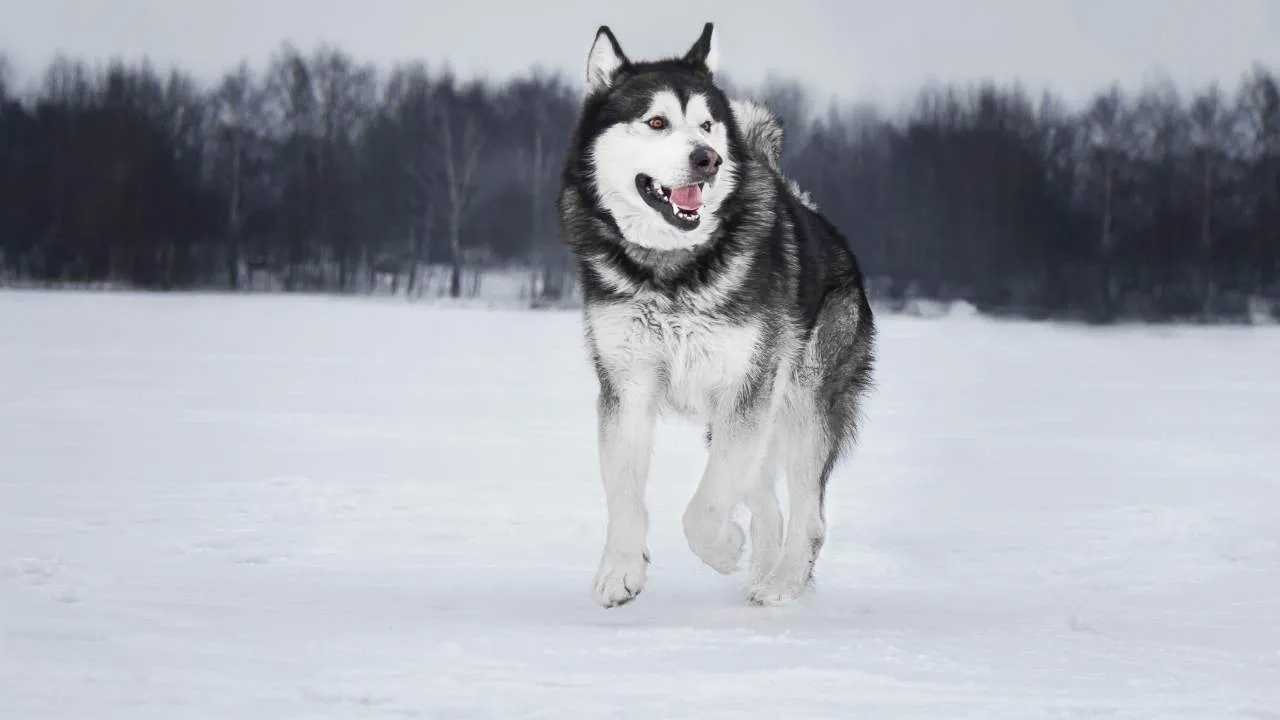
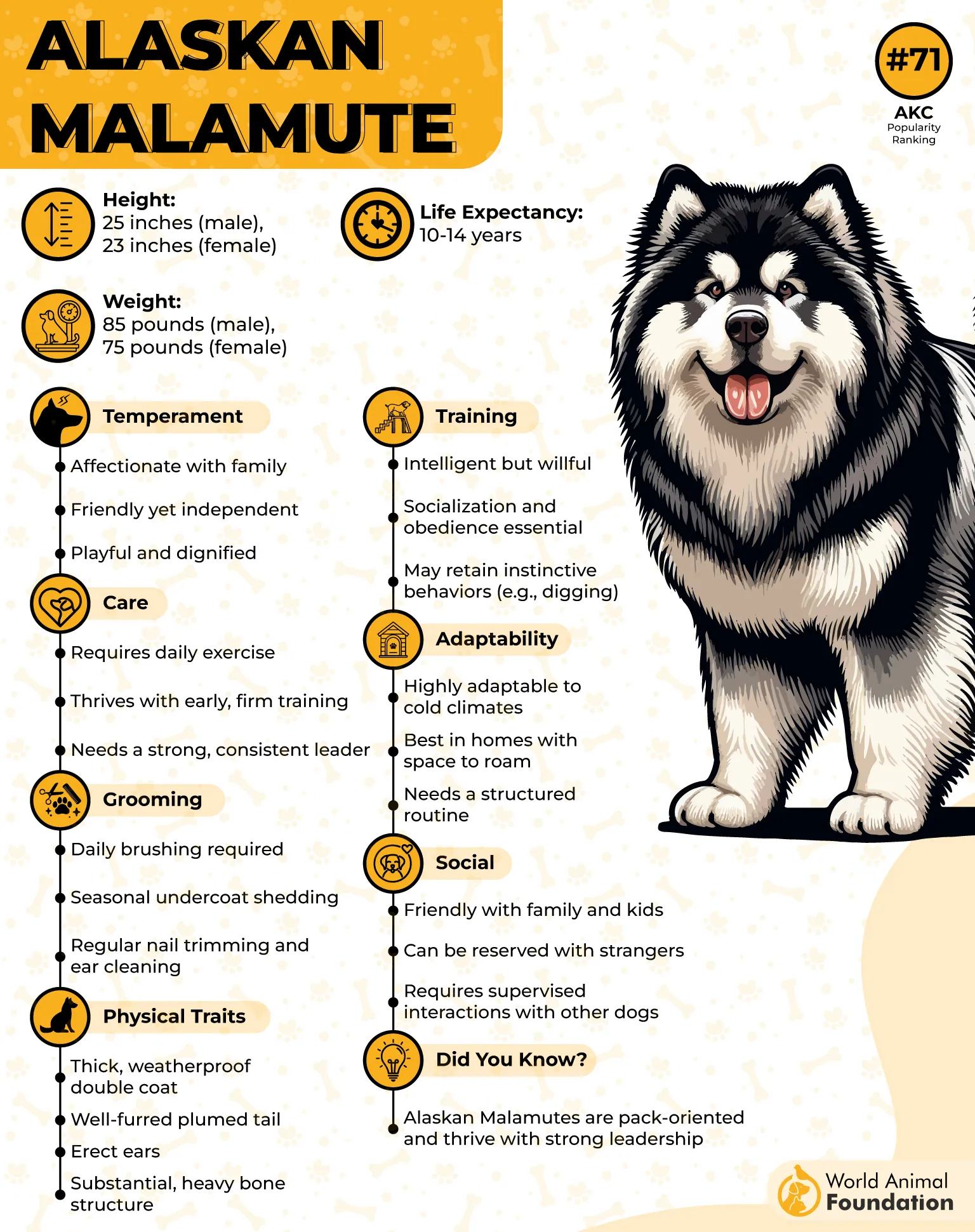
Alaskan Malamute is an immense, heavy-built spitz type shaped by cold-region hauling work, marked by a deep chest, strong shoulders, and dense, weatherproof coat.
Its plumed tail and upright ears give a steady, composed outline even in harsh conditions. The structure reflects sustained pulling power rather than speed bursts.
Strength expressed through working design.
They carry a frame built for endurance tasks, where heavy bone and muscular structure support long-distance effort. Its eyes show a calm, affectionate tone that contrasts with its working frame.
This physical design connects to its functional abilities:
A dense coat protects against extreme cold
Deep chest supports sustained pulling strength
Substantial bone structure aids load endurance
Activity-driven working drive
Malamutes require consistent physical engagement, often expressed through hiking, running, swimming, and pulling-based activities.
Its endurance allows participation in structured work such as sledding or weight-pulling tasks. This drive reflects a dog built for continuous effort rather than short activity cycles.
Conclusion
Rugged dog breeds show that true outdoor ability comes from more than visible strength. The dogs in this list reflect how endurance, awareness, and instinct shape behavior over time, setting them apart from other dogs. Each one responds to demanding conditions in a way that feels steady rather than forced.
Some rely on independence, while others stay closely aligned with human direction, often ranking among the best dog breeds for tough settings. These patterns become clearer with experience. When the match is right, they move through challenging trails without hesitation.
Their presence does not disrupt the setting but fits into it. That balance is what makes them reliable companions and even excellent family dogs, where consistency and resilience matter every single day.
