




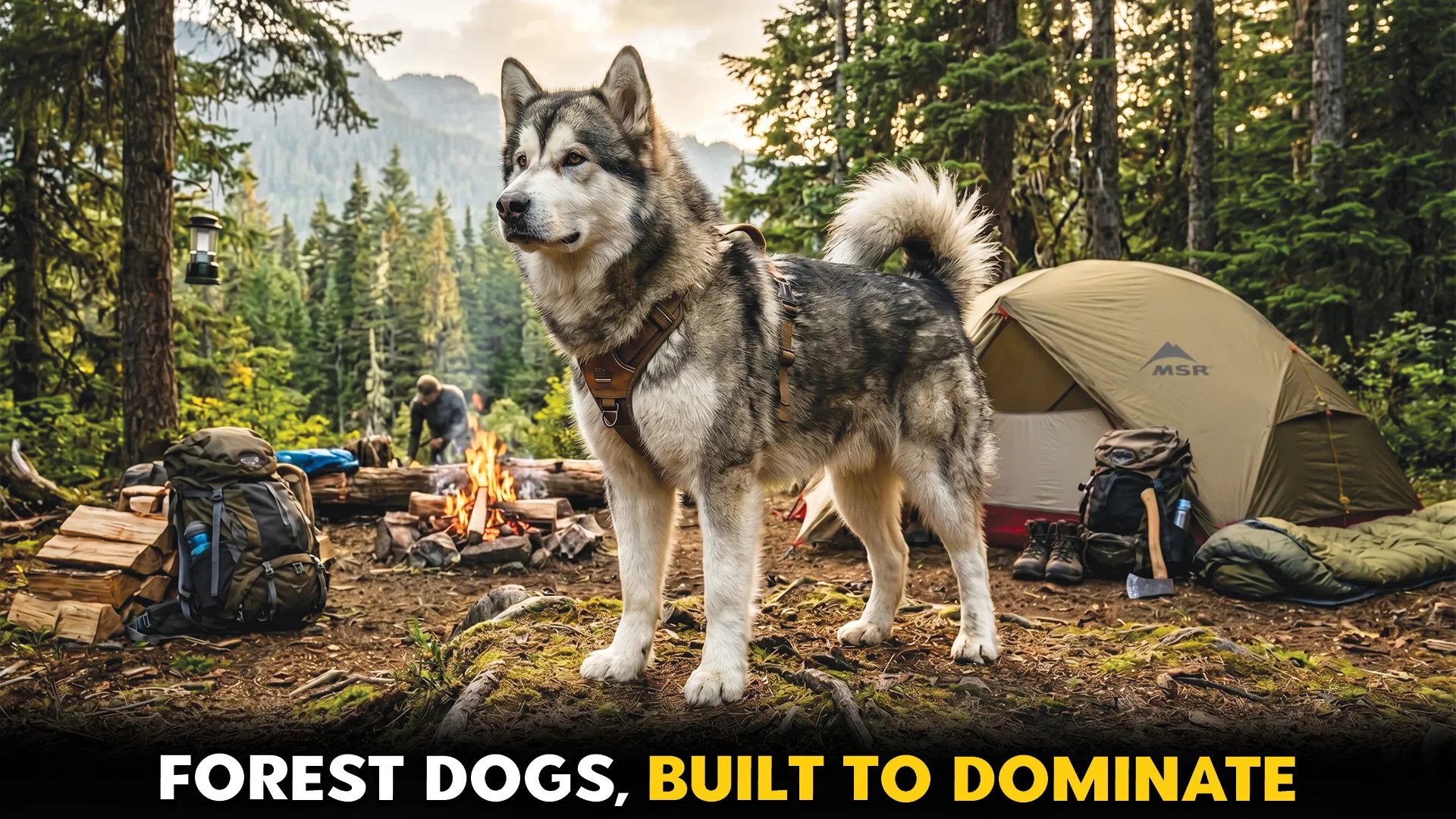
In dense forest camps, a dependable dog can turn challenging nights and unpredictable terrain into manageable adventures.
Certain rugged dog breeds are often chosen for their steady focus, sure footing, and calm response when trails become muddy, cold, or heavily wooded.
On camping trips, they help keep watch around tents, move confidently over roots and uneven ground, and stay attentive to shifting sounds in the dark woods.
These dogs are valued in outdoor settings where long walks, river crossings, and steep forest paths demand both endurance and alert decision making.
From early morning hikes to late evening camp protection, their presence supports a safer and more confident experience in wilderness environments.
This makes them especially trusted companions for people who spend extended time away from city comforts and rely on steady, capable support in natural surroundings.
In forest camping scenarios, their adaptability across terrain, weather changes, and nighttime awareness consistently makes them dependable partners for navigating remote trails and maintaining a calm, organized campsite environment throughout extended outdoor journeys ahead.
Rugged Dog Breeds That Dominate Forest Camping
1. Siberian Husky
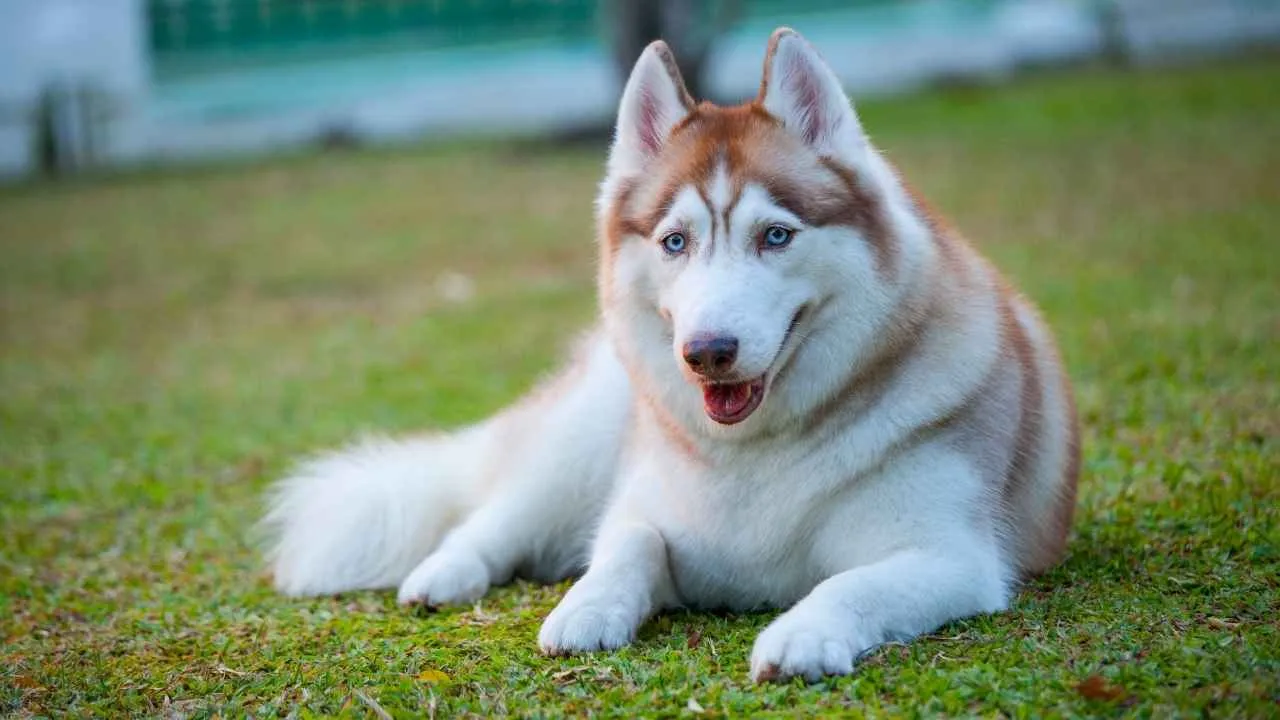
The Siberian Husky was originally bred to pull sleds across long distances in brutal cold, showcasing their exceptional endurance and ability to thrive in cold weather environments.
Huskies possess exceptional endurance and are well-suited for cold-weather hiking, thanks to their thick double coats and energetic nature.
In forest camping settings, this breed stands out for its ability to cover long trails with steady energy, especially in cool or cold woodland environments, as noted by the AKC.
Bred to work in groups, it naturally moves with purpose and stays alert to its surroundings, making it useful on extended hikes and multi-day outdoor trips.
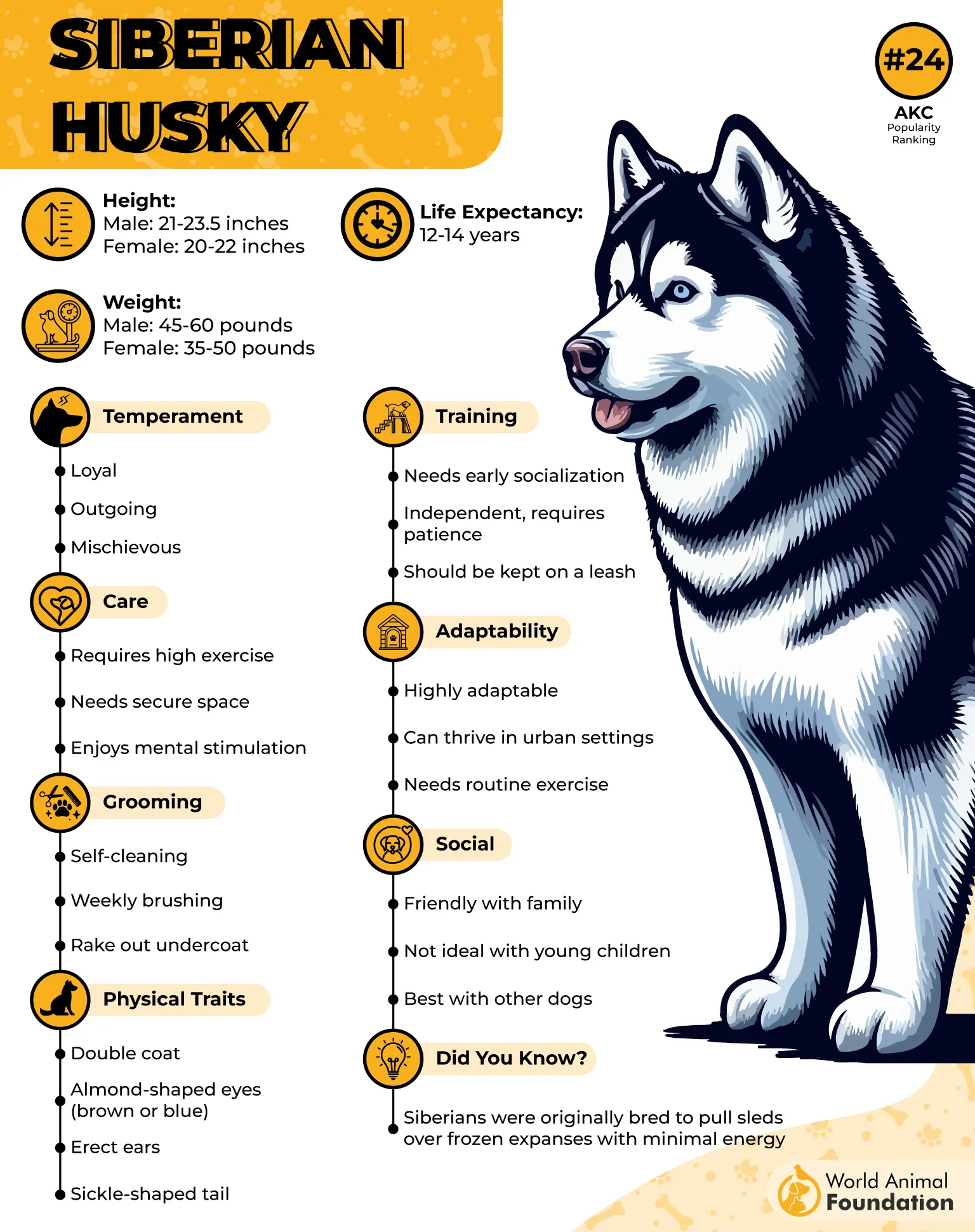
Its striking eyes and expressive face often show curiosity and a playful attitude, even during demanding activity. Huskies are known for moving smoothly over uneven ground, weaving through roots and narrow forest paths with ease.
They usually enjoy being around people and other breeds, fitting well into group camping life.
However, their strong instinct to explore means they need secure control in open wilderness areas, as they may follow movement or wildlife trails.
With minimal odor and a clean coat that manages outdoor conditions well, they adapt comfortably to extended stays in natural environments where endurance and awareness matter most overall dependable companions.
2. Norwegian Elkhound
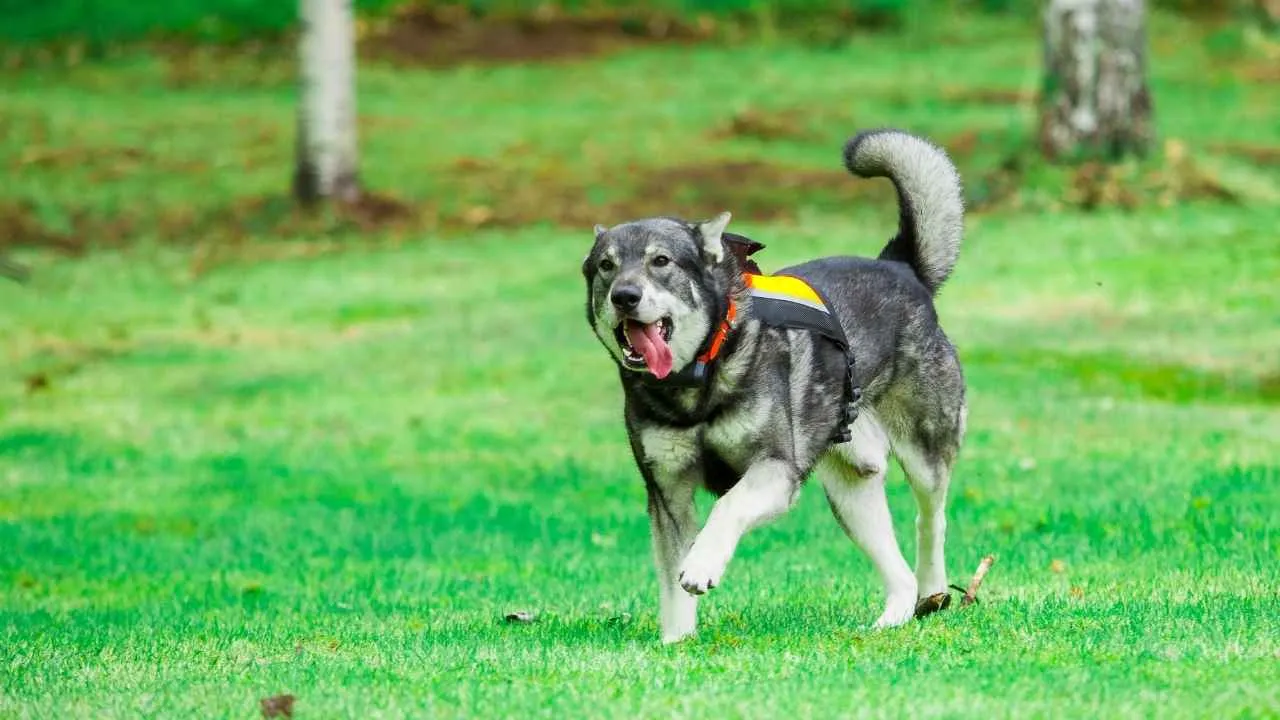
The Norwegian Elkhound is a sturdy, medium-built hunting dog known for handling cold forests and long tracking work. It was originally used in Scandinavia to follow and hold large game like moose, which are often called elk in some regions.
Working in rough terrain for long periods required focus, bravery, and the ability to stay close to wildlife without losing control.
In forest camping situations, this background shows in how steady and alert the dog remains on trails, especially in chilly, dense woodland.
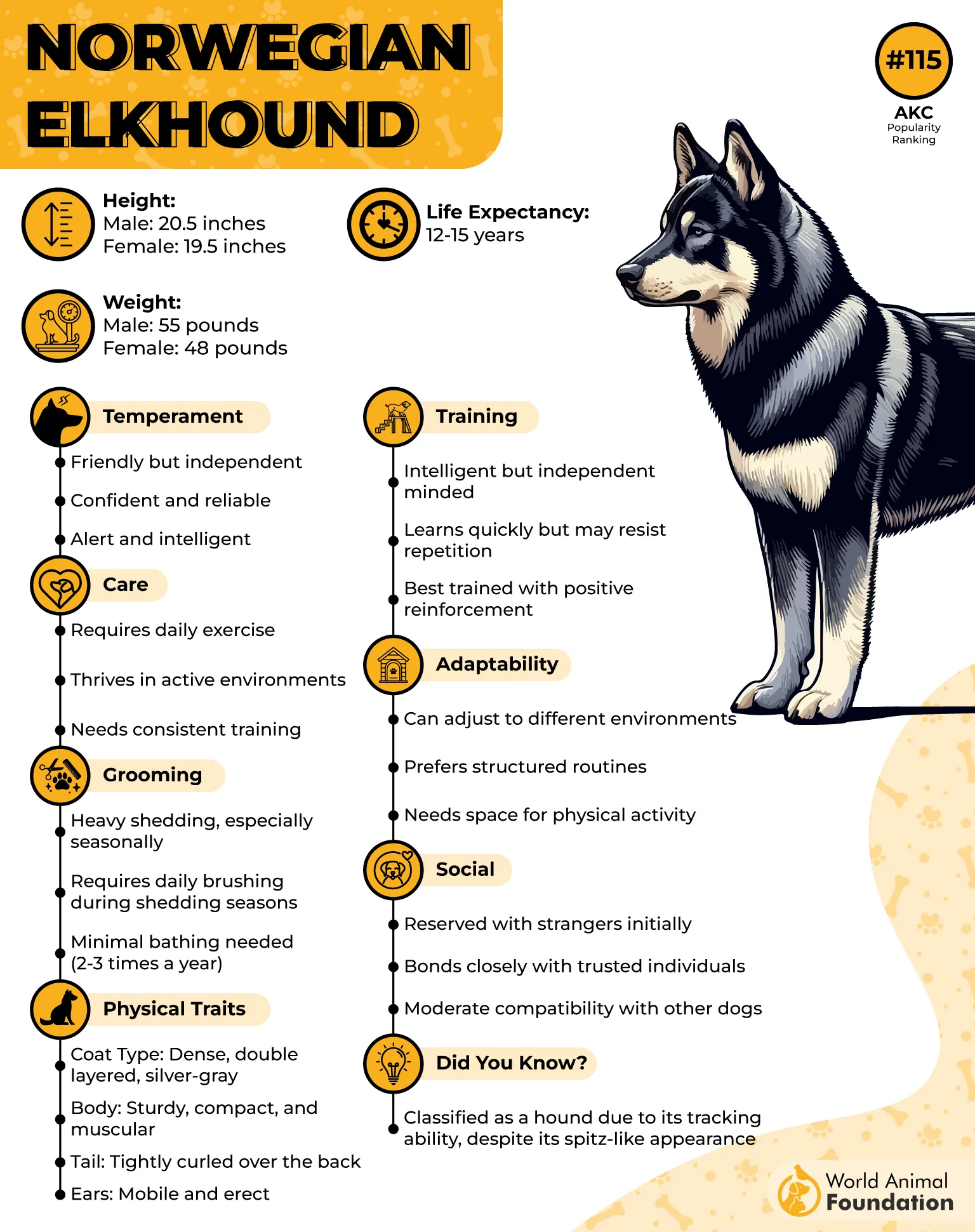
It moves confidently over uneven ground, staying engaged with scents and sounds that others might miss. Around a campsite, it tends to stay watchful and responsive, making it useful in remote areas where wildlife movement is common.
Its endurance allows it to stay active during long hikes and extended outdoor stays without tiring quickly.
While naturally independent in the field, it also adapts to group settings when guided, making it a dependable companion for people spending time in forest environments where awareness and persistence matter throughout the journey.
3. Rhodesian Ridgeback
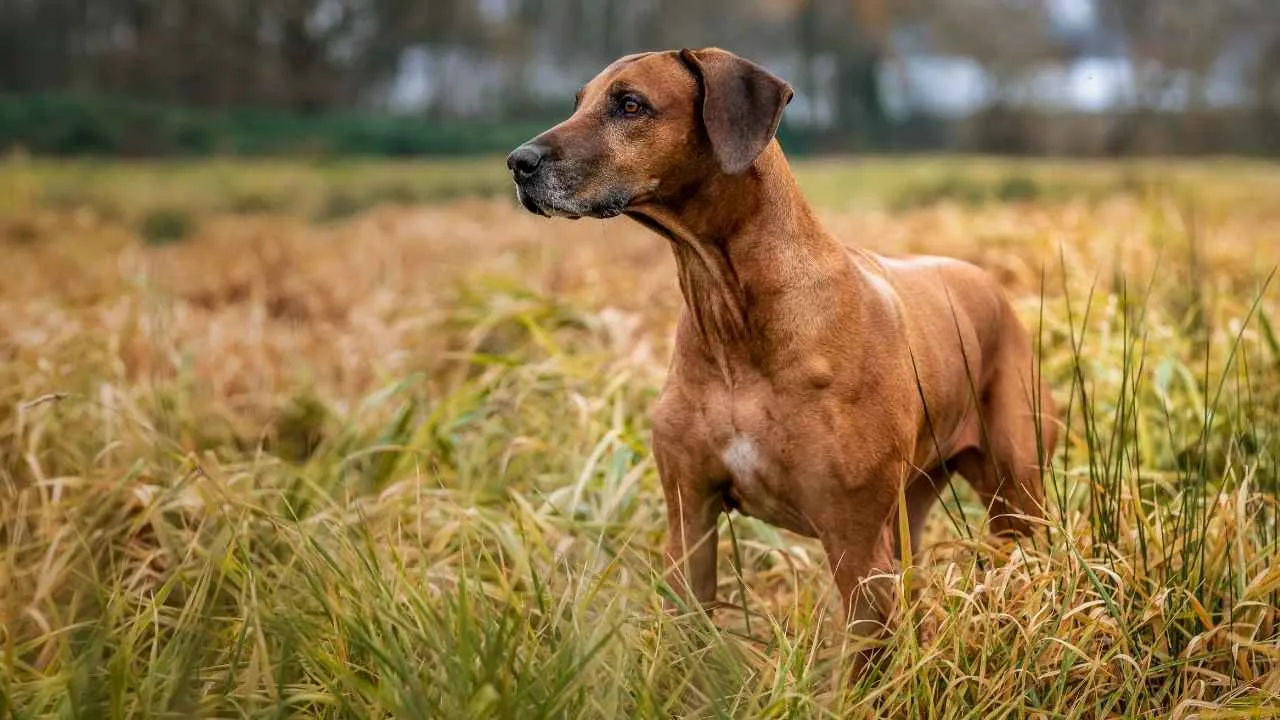
The Rhodesian Ridgeback is a strong, athletic hunting breed known for the distinct strip of backward-growing hair along its back, called the ridge.
Originally developed in southern Africa, it was used to track and hold large game such as lions at a distance until hunters arrived, showing courage, control, and persistence rather than aggression.
In forest camping environments, these traits translate into a dog that moves with confidence on long trail running, stays alert to movement in dense cover, and maintains steady focus over extended outdoor activity.
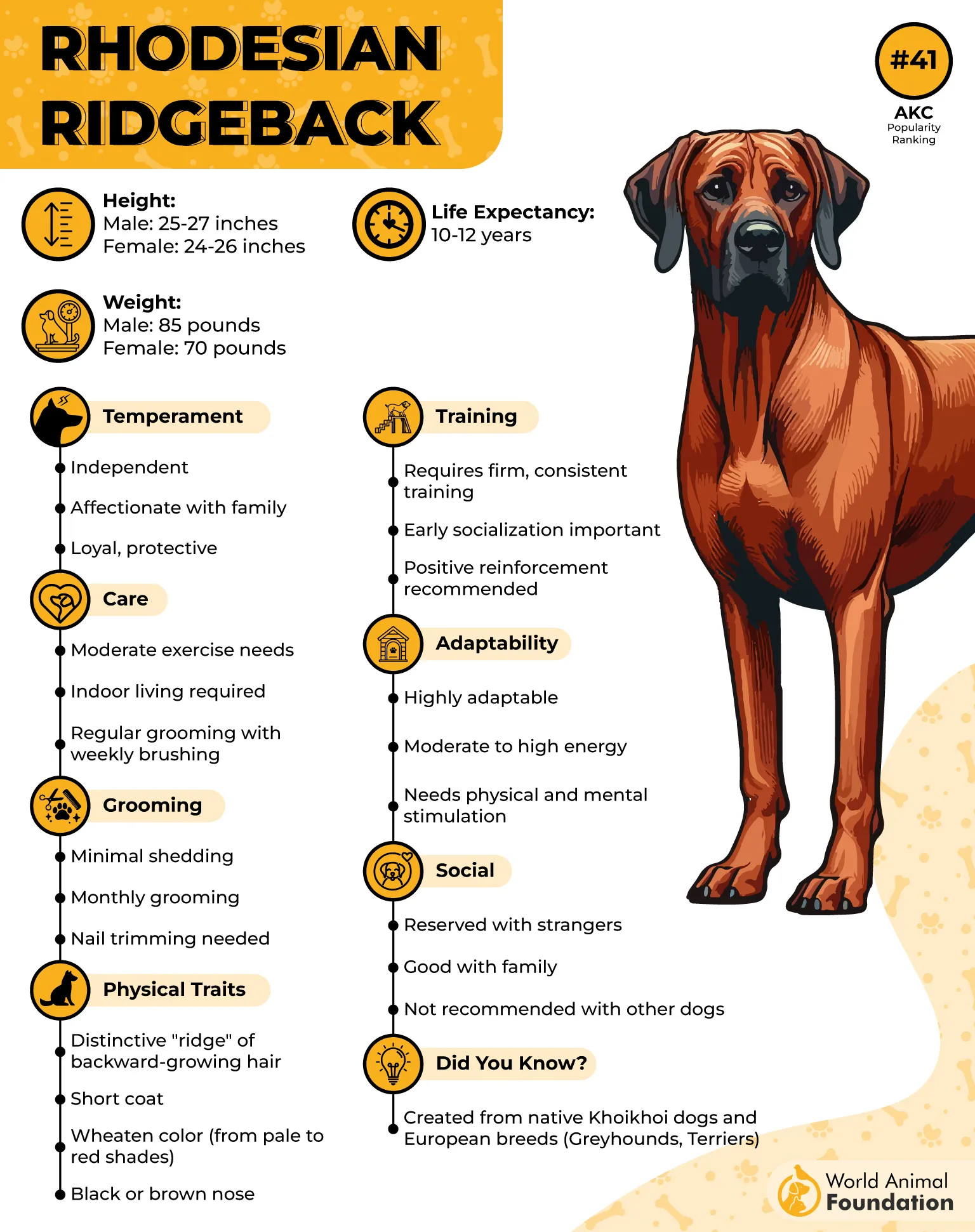
It handles heat and rough terrain well, making it suitable for varied wilderness conditions. Ridgebacks are independent thinkers, so they often prefer making quick decisions while still staying connected to their group.
Around a campsite, they tend to be watchful and protective, noticing unusual sounds or movement in the surrounding woods. Their loyalty to familiar people is strong, and they can be calm and affectionate when not working.
However, their strong prey instinct and self-directed nature mean they need clear guidance during outdoor adventures. overall
4. Bernese Mountain Dog
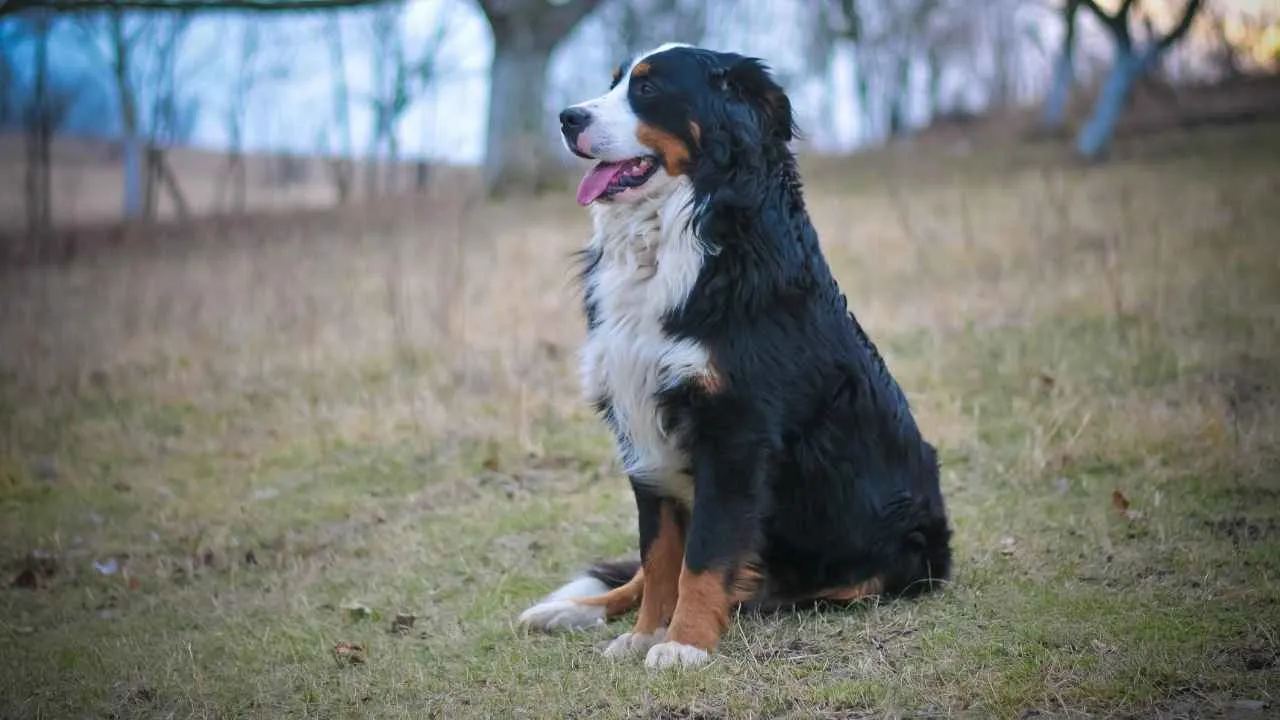
Bernese Mountain Dog is a powerful, steady working breed with a calm presence that fits well into outdoor family camping settings, as noted by WebMD.
Originally developed for farm and draft work in mountainous regions, it is known for moving steadily across rough paths while staying closely connected to its group.
In forest camping environments, this dog often takes on a dependable, watchful role, staying near camp and accompanying people on relaxed hikes through wooded trails.
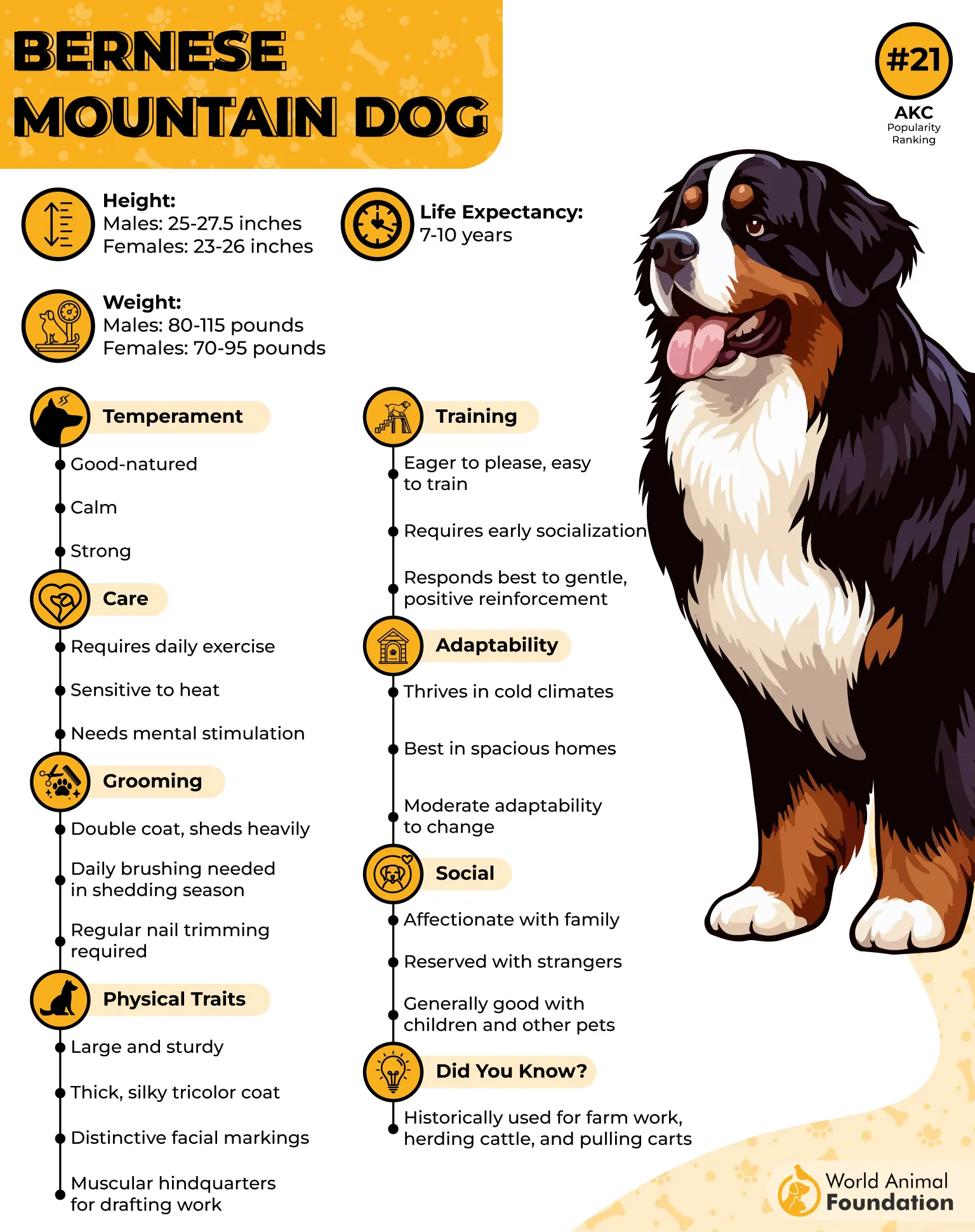
Its calm temperament makes it especially comfortable around children and group camping situations, where it tends to be patient and gentle rather than reactive.
This breed enjoys being active outdoors, but it prefers moderate, steady activity rather than extreme exertion. Long walks through shaded forest paths and time spent exploring nature at a slow pace suit it well.
Because of its thick coat, it can become uncomfortable in warmer conditions, so cool forest settings are a better match. It is also known for forming strong bonds with its family, often staying close during camp routines.
While naturally strong and capable, it thrives best when treated as a companion first, rather than pushed into heavy, demanding work in the wilderness.
5. Australian Shepherd
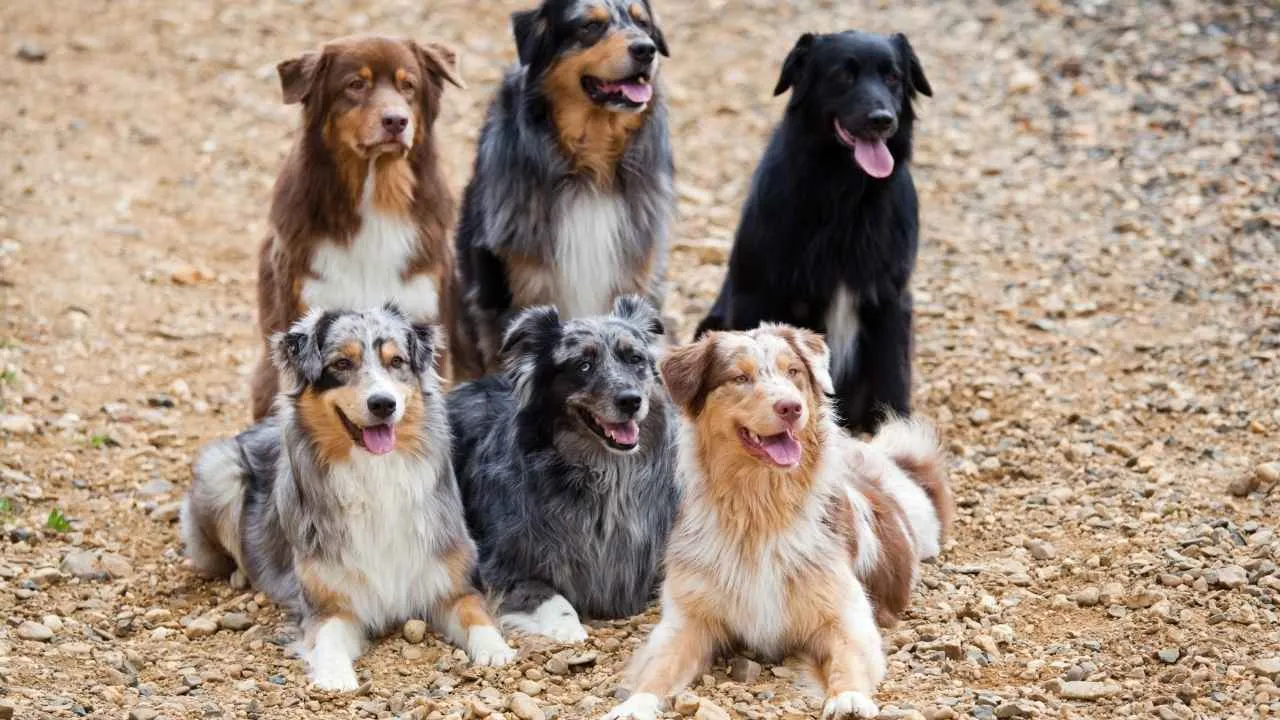
The Australian Shepherd is a sharp-minded, energetic working dog developed for handling livestock and fast-moving tasks in open ranch environments. It is known for its agility and stamina, thriving in outdoor environments and making it a great hiking partner.
In forest camping settings, this background shows in its constant awareness, quick reactions, and strong focus on movement around it.
It often stays engaged with the group, watching trails, reacting to sounds in the trees, and adjusting quickly to changing situations during hikes or campsite activity.
Its natural herding instinct can appear during outdoor trips, as this intelligent dog may try to guide movement within a group, especially when people or other animals spread out along forest paths.
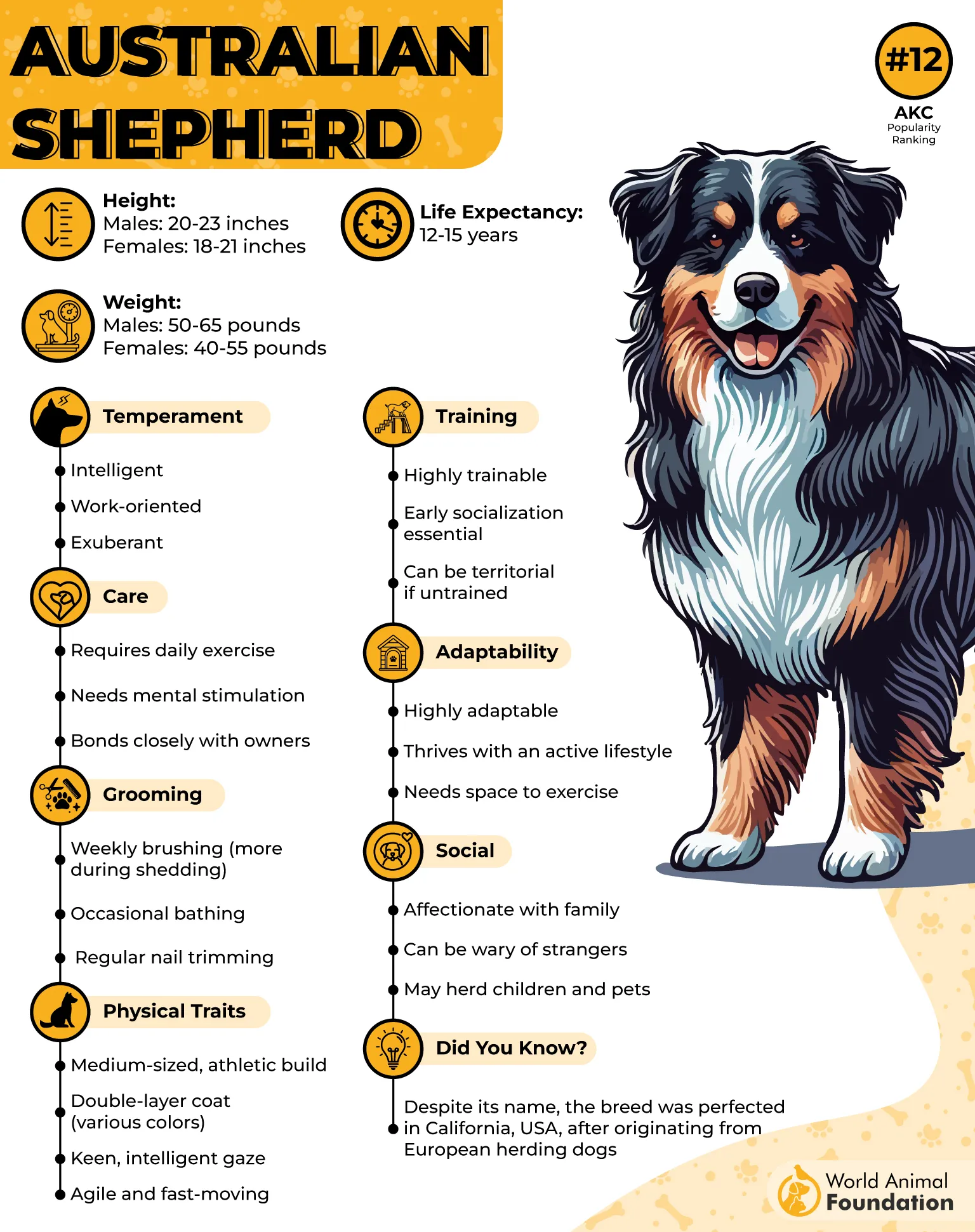
This breed is highly active and thrives when given tasks, making it well suited for long days outdoors where there is structure and movement. It moves with agility through uneven woodland terrain, easily adapting to narrow trails and open clearings.
In camping environments, it often takes on a monitoring role, staying mentally alert even during rest periods. Because of its intelligence and problem-solving nature, it learns routines quickly but also requires consistent direction to stay focused in busy outdoor settings.
It is best suited for active forest camping experiences where engagement, movement, and mental and physical stimulation are part of the daily rhythm.
6. Alaskan Malamute
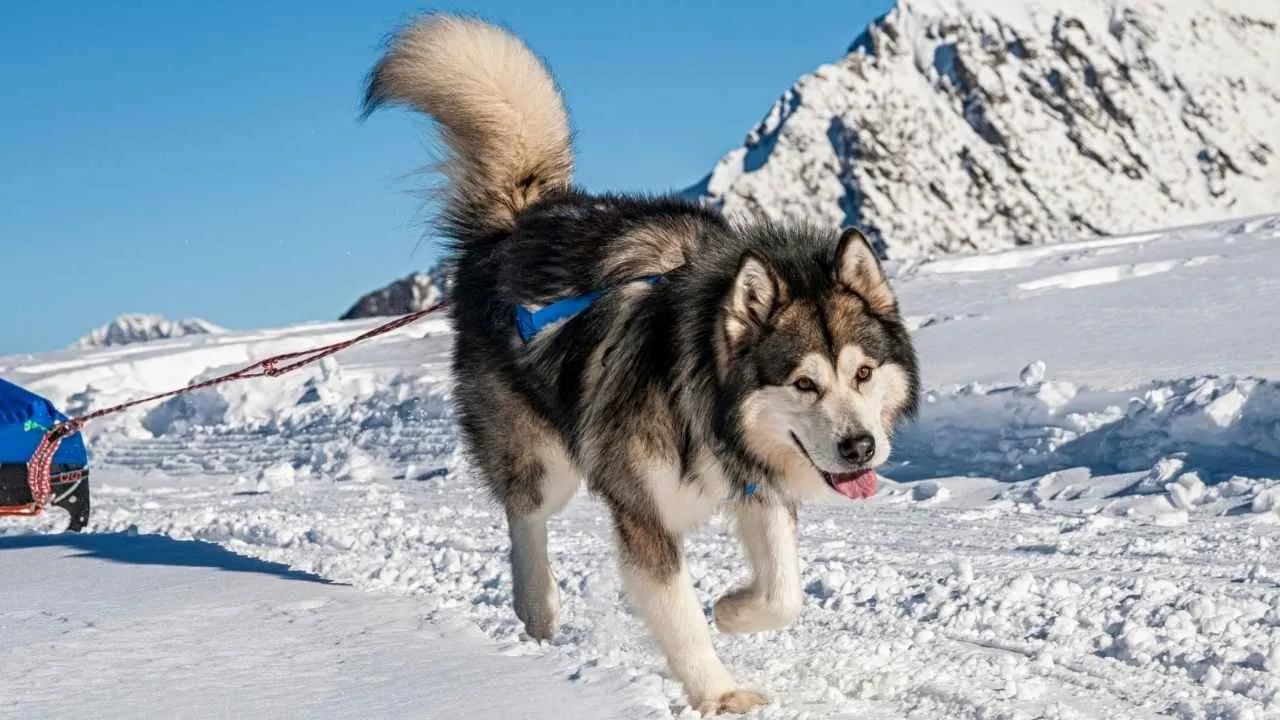
The Alaskan Malamute is a powerful Arctic working dog shaped by life in extreme cold and long-distance hauling. Originating from northern Inuit communities in Alaska, it was used to move heavy loads and assist with hunting tasks across frozen terrain.
In forest camping environments, especially in colder or high-altitude woodland regions, this background shows in its steady endurance, strong pulling ability, and comfort in harsh weather conditions.
This active dog moves confidently through snow-covered paths, icy ground, and rough forest trails where many dogs would slow down.
This breed is known for high stamina and a strong working drive, so it stays active for long periods during outdoor trips and requires consistent physical engagement.
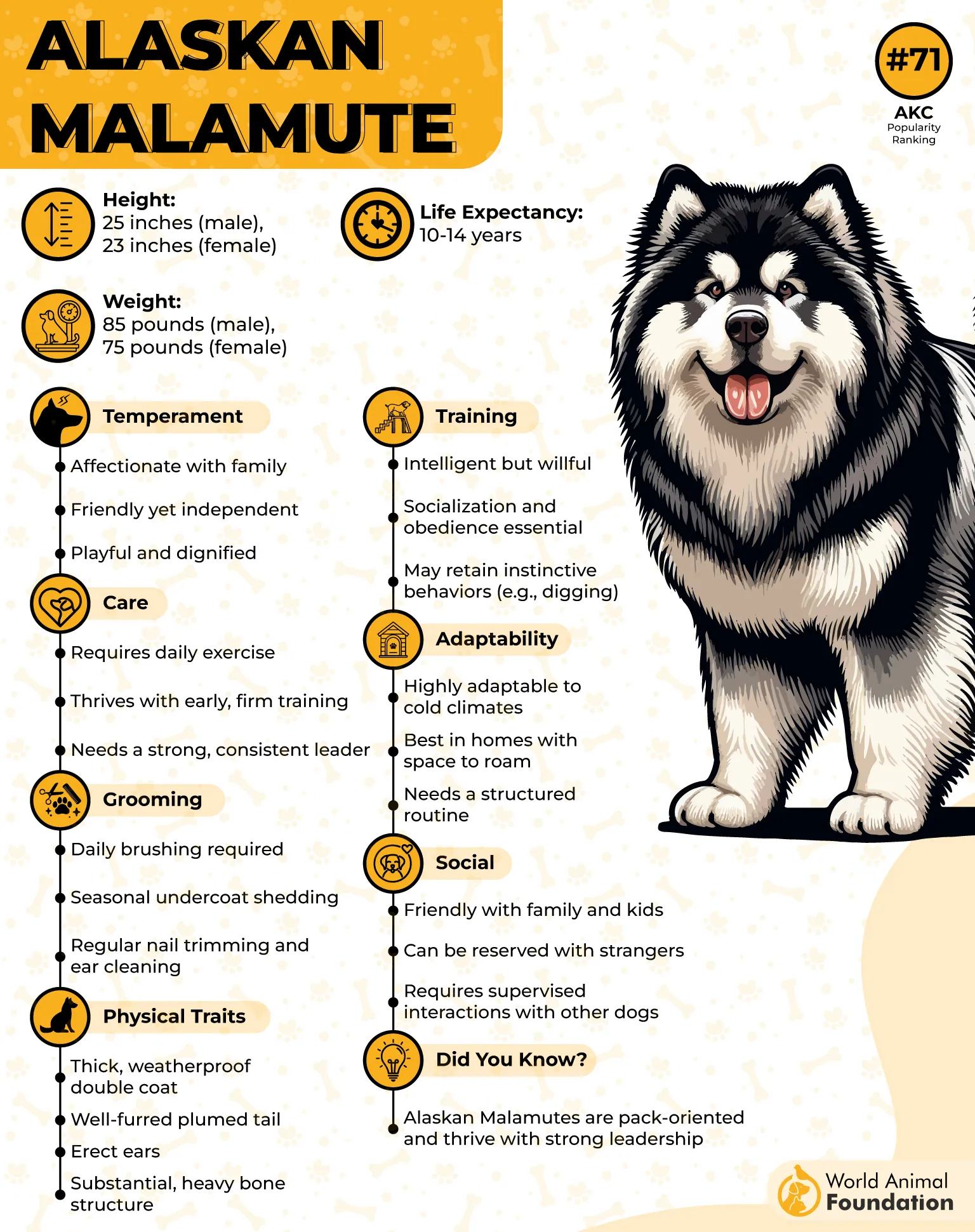
Around campsites, it can be alert and independent, often preferring structured activity over idle time. It may form a strong attachment to a specific handler, responding best to clear leadership during group camping situations.
The thick double coat of the Alaskan Malamute provides insulation against harsh cold, allowing it to thrive in snowy environments where other dogs might struggle.
Because of its strength and determination, it is better suited for experienced outdoor handlers who understand large working dogs.
In forest camping scenarios, it performs best when given purposeful tasks like carrying gear or assisting on long treks through remote wilderness areas where endurance and resilience are essential.
7. Great Pyrenees
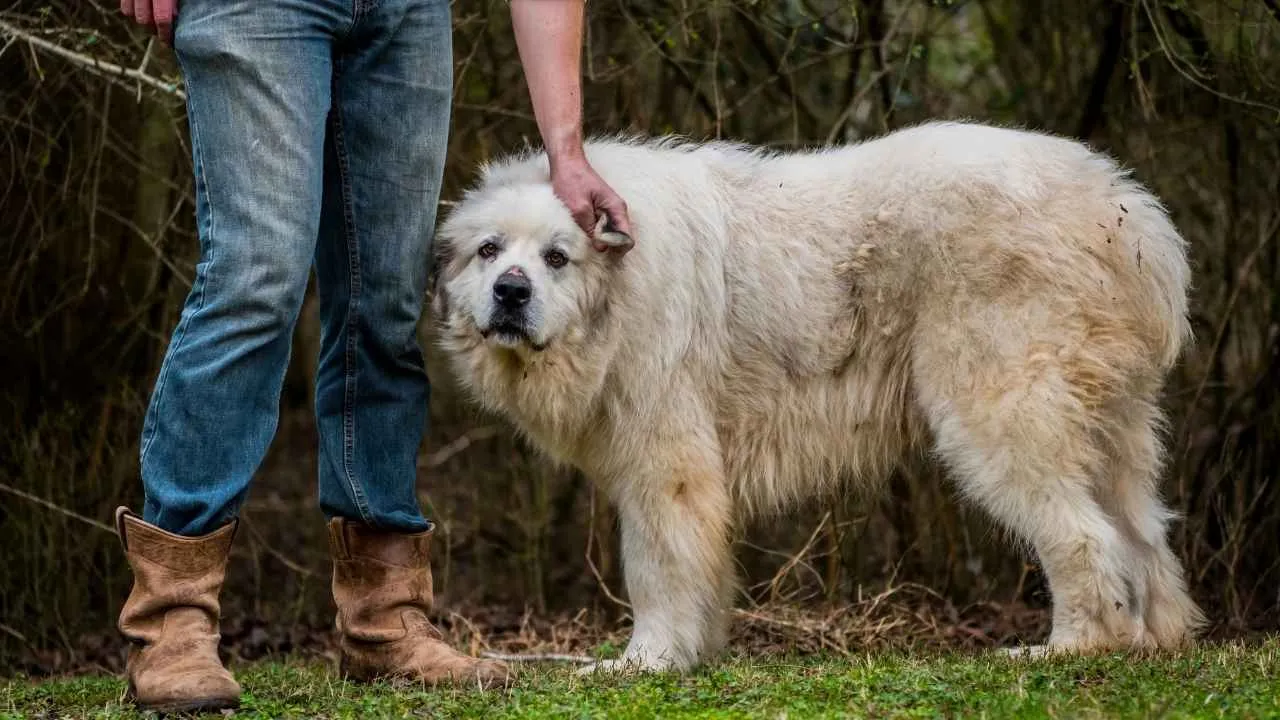
Great Pyrenees is a calm yet powerful mountain guardian breed originally developed to protect livestock from predators in remote, snowy highlands.
In forest camping environments, especially in quiet, wide woodland areas, this background shows in its steady watchfulness and natural tendency to patrol around a campsite.
It often positions itself between its group and the surrounding forest, observing movement and reacting only when something feels out of place. Its presence is quiet but confident, making it well suited for overnight stays in remote areas where awareness of wildlife is important.
This breed is known for its thick protective coat, which helps it handle cold, damp forest conditions comfortably.
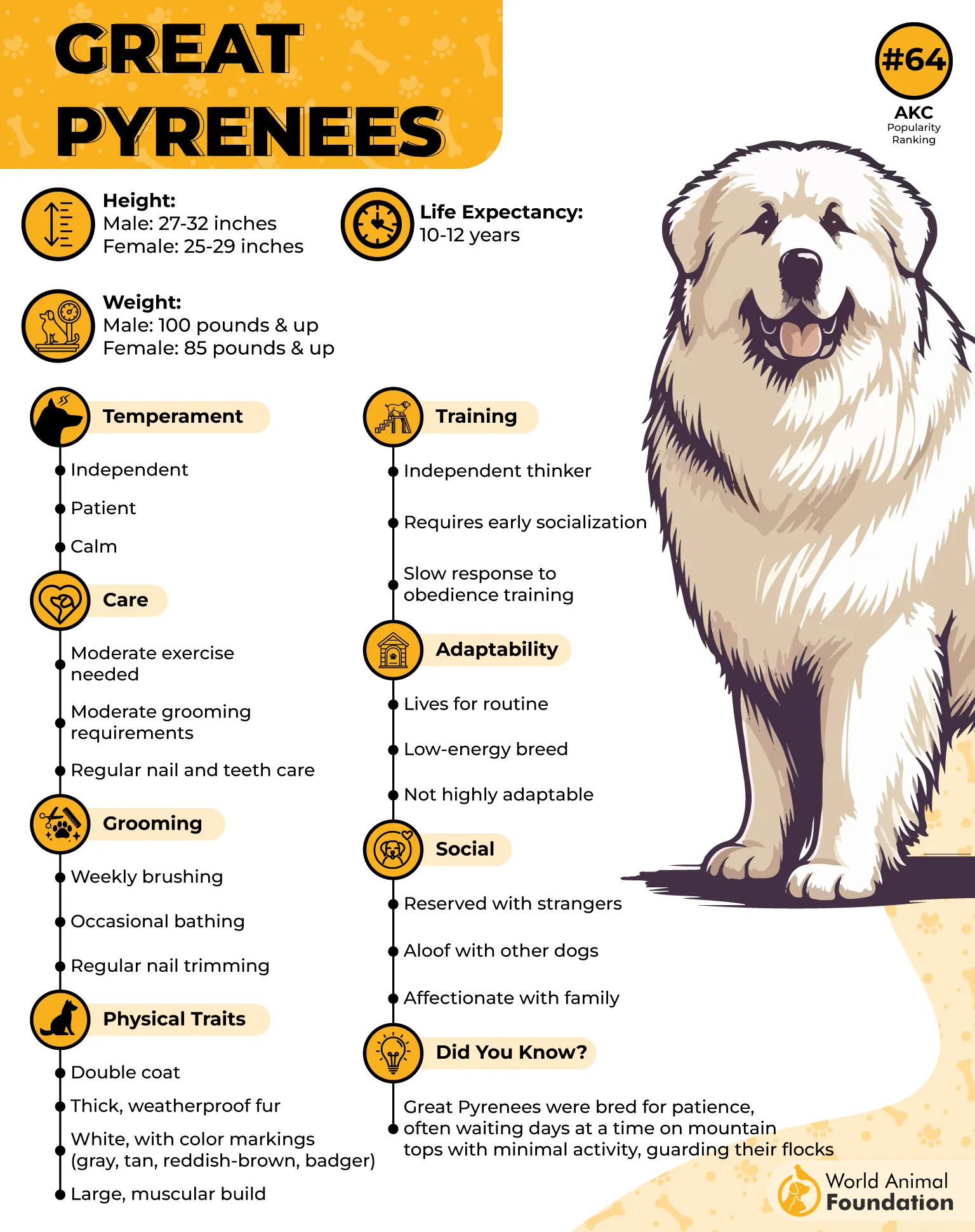
During camping trips, it prefers slow, steady movement rather than fast or high-energy activity, often staying close during walks and resting calmly near tents.
At the same time, it can respond quickly if it senses unusual sounds or approaching animals, shifting from relaxed to alert in moments.
It works best in outdoor settings where it can roam safely and keep watch over a defined area. In forest camping situations, it acts more like a steady guardian presence than an active trail runner, offering quiet protection throughout the experience.
8. Labrador Retriever
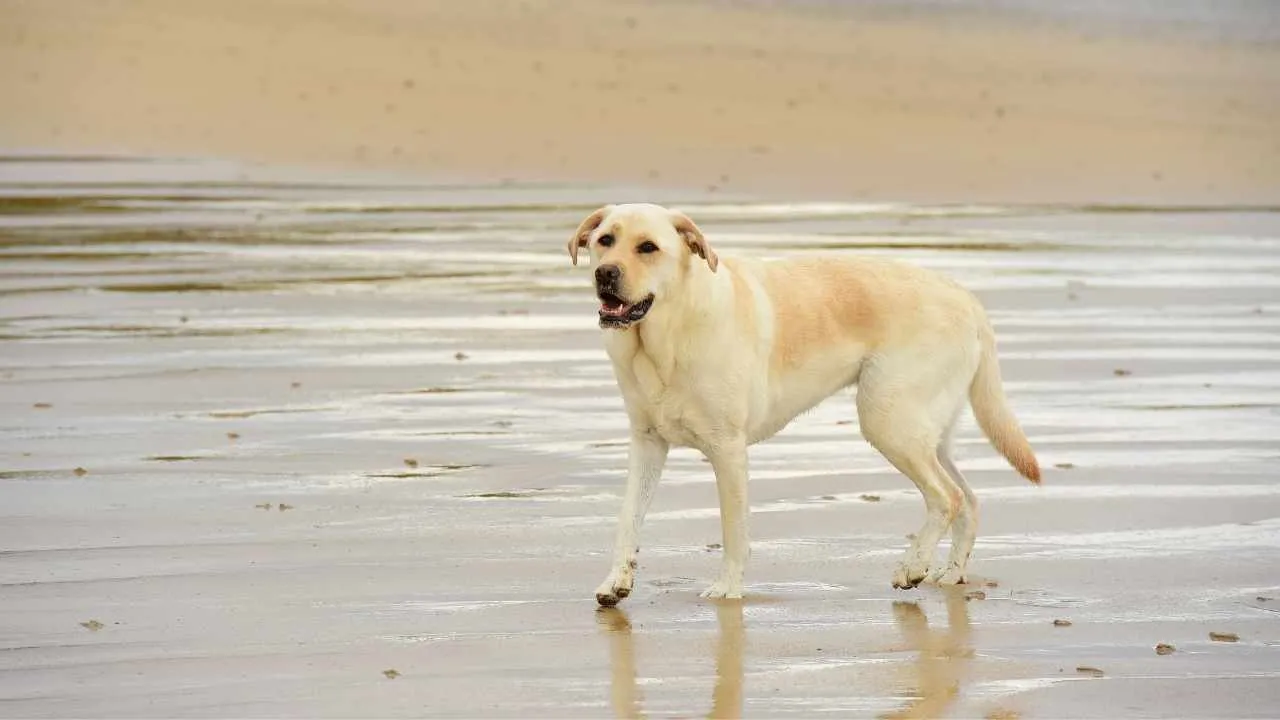
The Labrador Retriever is a strong, dependable working dog originally developed for retrieving tasks in cold water and rough outdoor conditions, as mentioned by Hills Pet.
In forest camping environments, this background shows in its willingness to stay active throughout the day, follow trails with enthusiasm, and take on simple tasks around camp such as carrying gear or staying close during group movement.
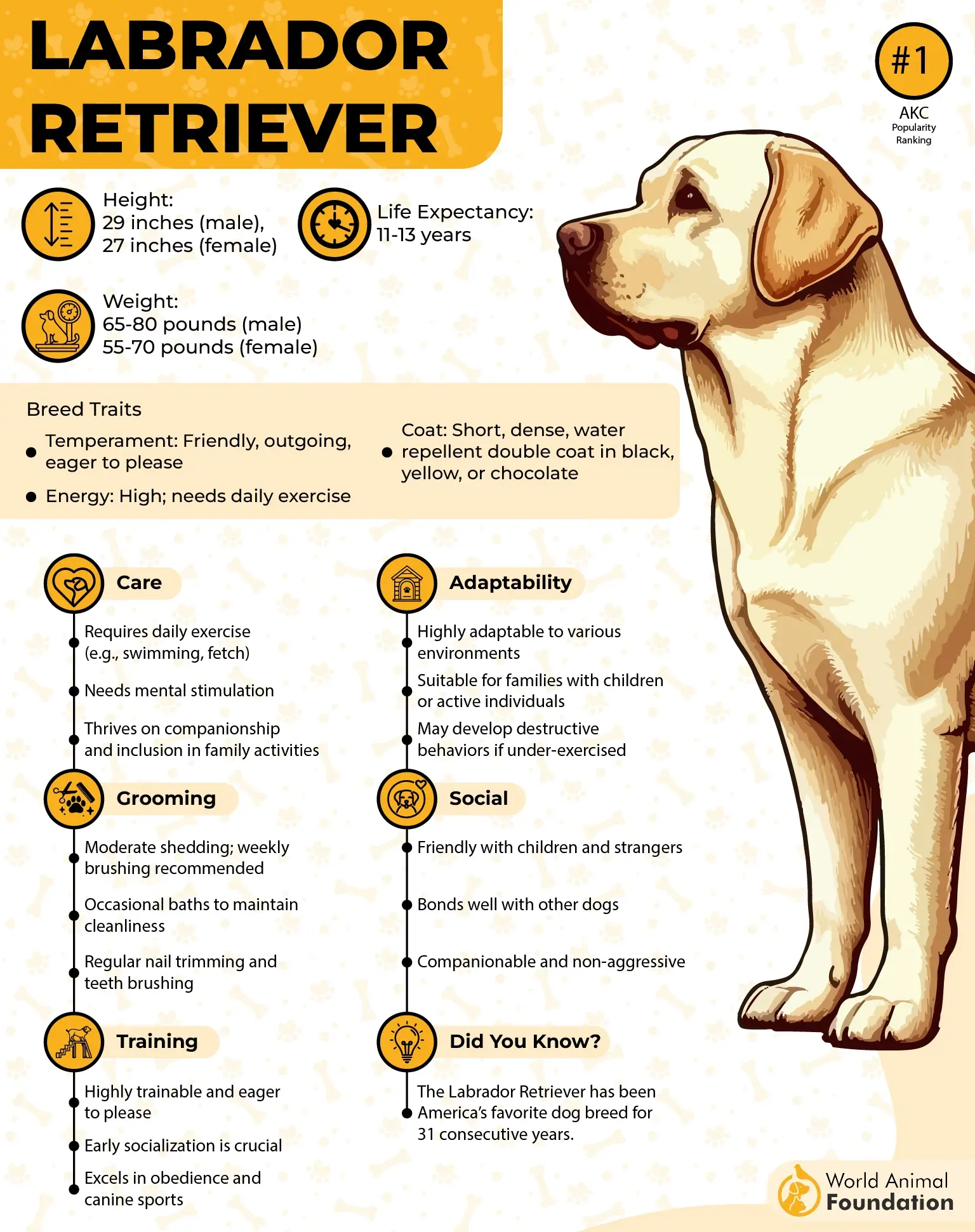
It is naturally social, often staying near people and adapting well to family camping setups where interaction and activity are constant.
This breed handles woodland terrain comfortably, moving with steady energy on forest paths and open clearings.
Because it is highly motivated by activity, it performs best when given regular exercise during camping trips, such as long hikes or structured outdoor play. Without enough engagement, it may become restless in camp settings, especially in enclosed forest sites.
Its strong retrieving instinct often shows during outdoor time, as it enjoys carrying objects and participating in group activities.
Labrador Retrievers are also known for working closely with people, which makes them responsive during trail walks and campsite routines. In forest camping scenarios, they are valued for their energy, adaptability, and steady presence in active outdoor environments.
9. German Shorthaired Pointer
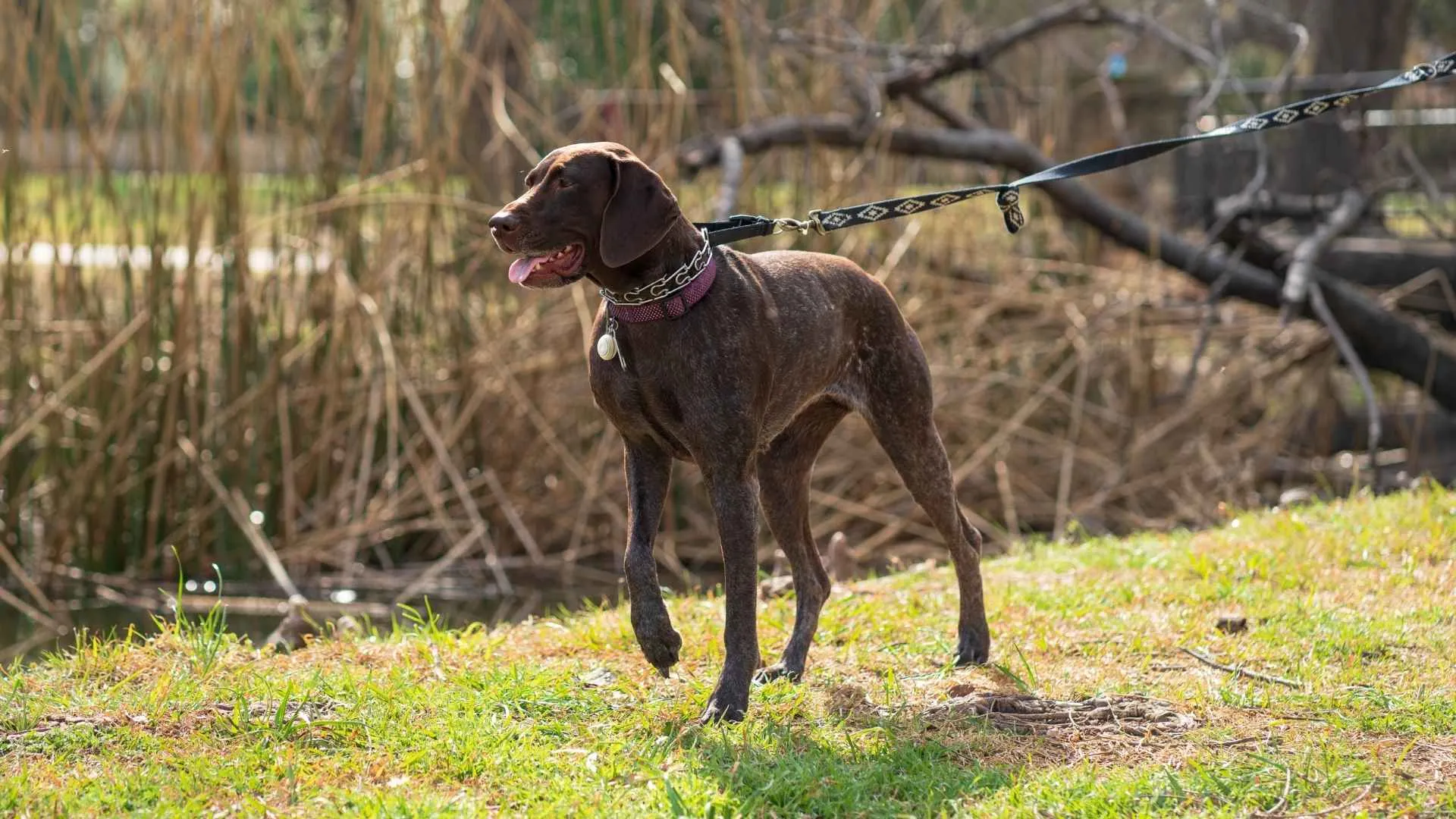
The German Shorthaired Pointer is a strong, athletic hunting dog built for long days of movement, tracking, and steady focus in open outdoor spaces. German Shorthaired Pointers have high endurance and webbed feet, making them superior swimmers and hiking partners.
In forest camping environments, this background shows in its constant drive to explore trails, follow scents through dense woodland, and stay actively engaged with its surroundings.
It moves quickly and confidently across uneven ground, making it well suited for long hikes, river crossings, and changing forest terrain where endurance and alertness are important.
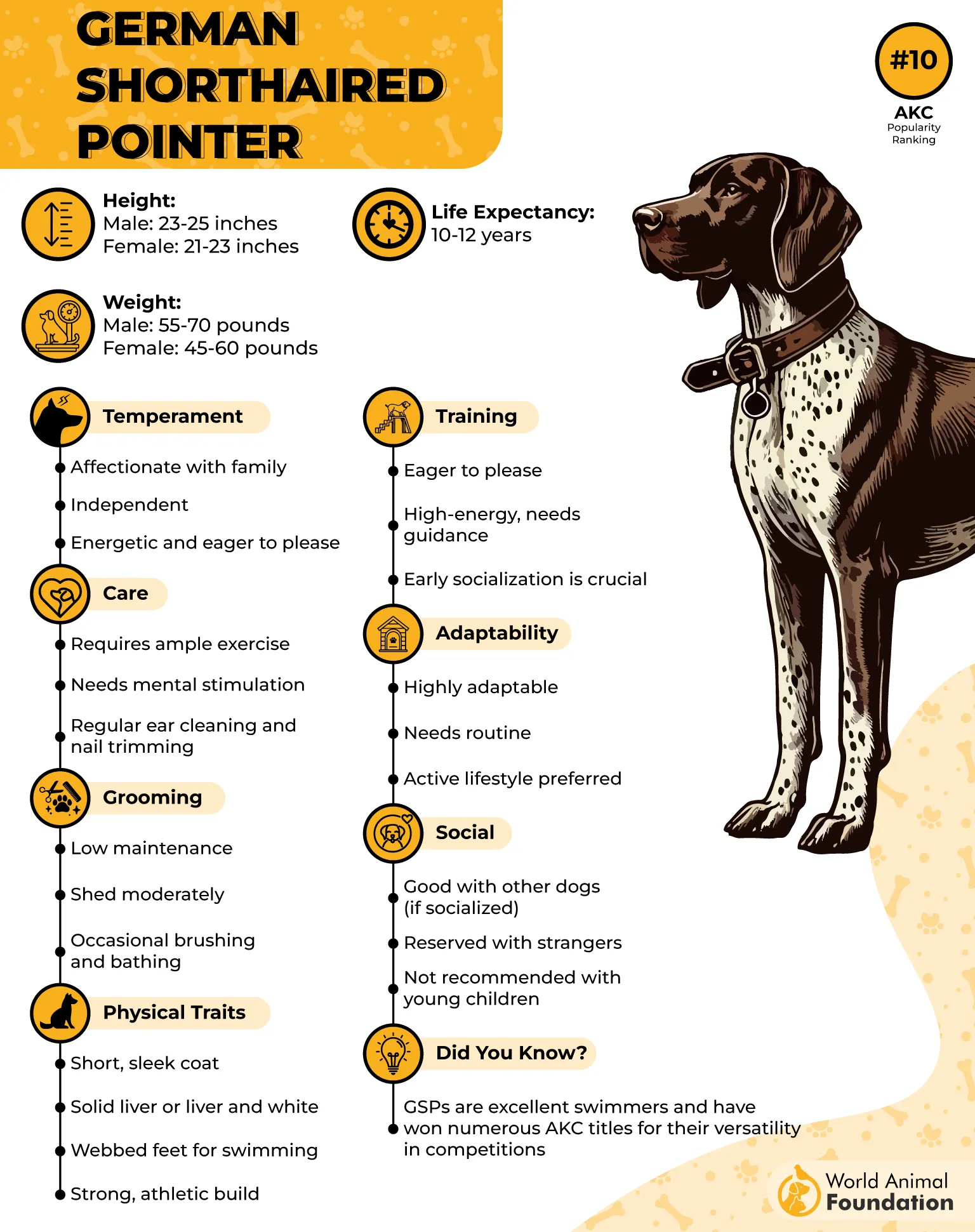
This breed thrives when given tasks during outdoor trips, such as tracking, retrieving, or simply staying close during group movement along trails.
It prefers structured activity and can become restless without enough physical and mental engagement during camping stays. Around campsites, it is often attentive and responsive, observing movement and reacting quickly to sounds in the forest.
Because of its strong working instincts, it benefits from clear guidance and consistent handling during outdoor adventures.
In forest camping settings, it performs best with experienced handlers who can channel its energy into purposeful activity, making it a capable and lively companion for extended wilderness exploration.
10. Akita
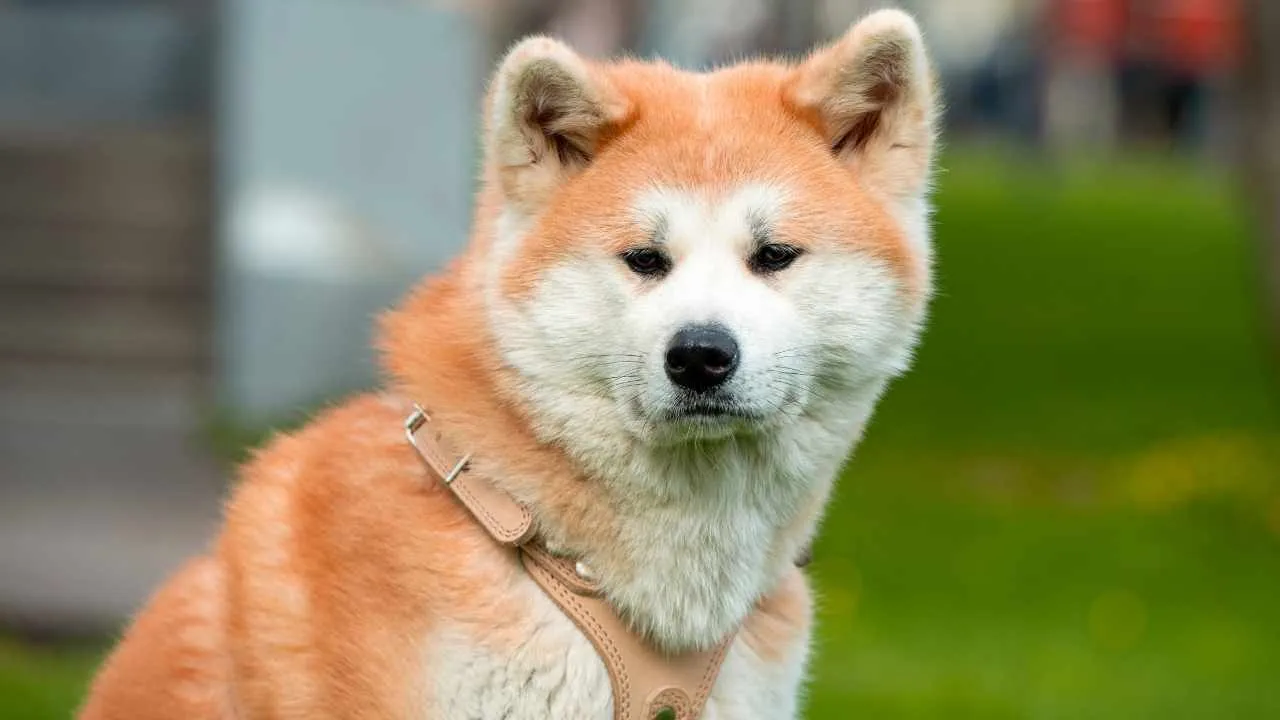
The Akita is a strong, ancient Japanese working dog known for its calm dignity, loyalty, and natural guarding instinct. Originally developed in mountainous regions, it was used for hunting large game and later became valued as a family protector.
In forest camping environments, this background appears in its quiet awareness and steady presence around campsites, especially in remote wooded areas where wildlife movement is common.
It tends to observe rather than react quickly, positioning itself in a way that keeps its group within view during outdoor stays.
This breed is naturally independent and thoughtful in how it responds to its surroundings, often moving with purpose along forest trails rather than rushing ahead.
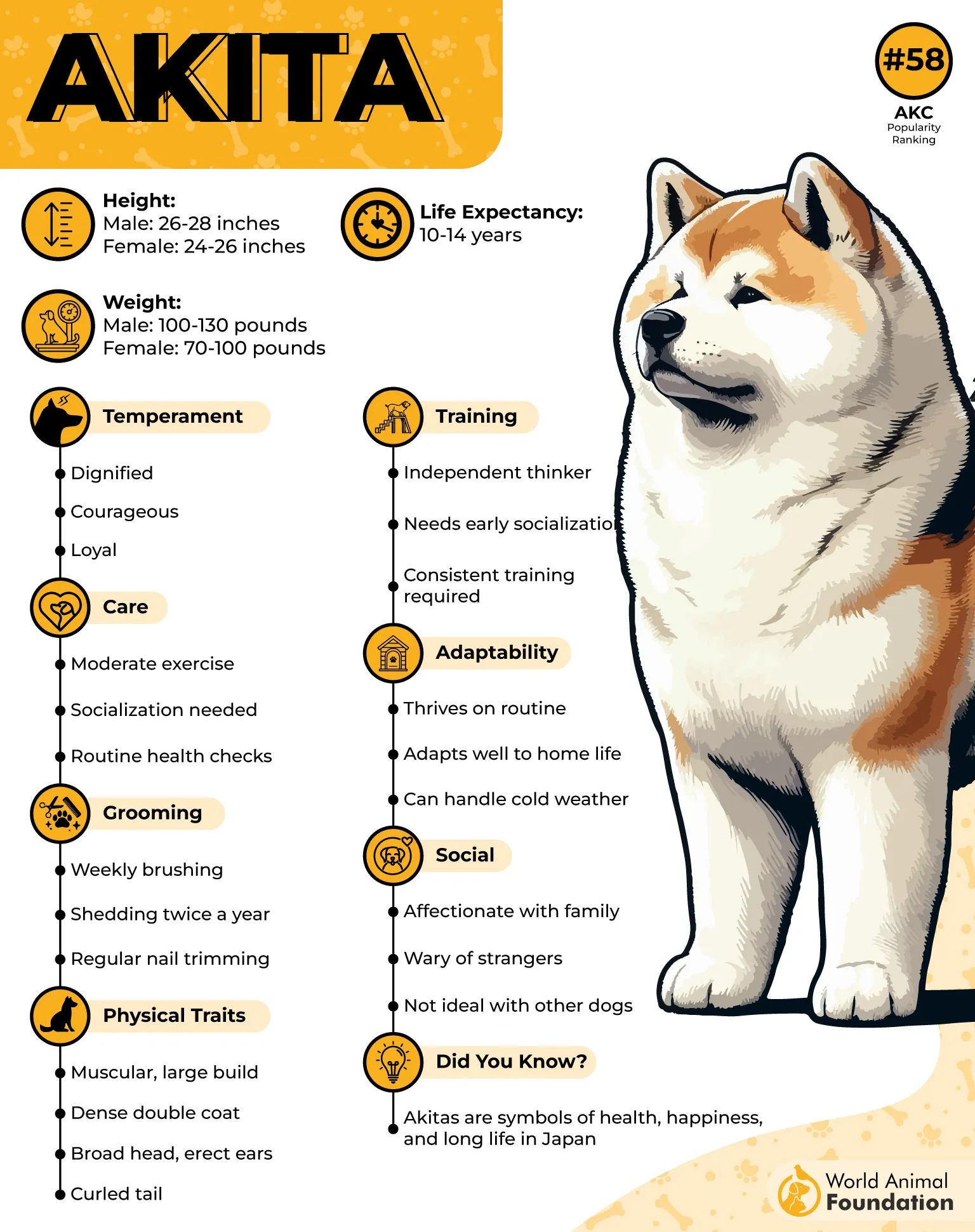
Around camp, it usually stays composed and close to familiar people, offering a quiet sense of security rather than constant activity. It forms strong bonds with its group, which is reflected in its protective attitude during overnight camping situations.
Because of its independent nature, it does best in structured outdoor environments where boundaries are clear.
In forest camping settings, the Akita serves as a steady, watchful presence that remains calm while staying alert to anything unusual in the surrounding woodland environment.
Conclusion
Forest camping becomes safer and more manageable when paired with dogs that bring endurance, awareness, and steady temperament to outdoor life.
These companions adapt to uneven trails, changing weather, and long hours in remote woodland settings while maintaining focus around camp.
Their natural instincts for protection, movement, and teamwork support both exploration and rest, helping people stay confident in unfamiliar environments. Whether navigating dense paths or keeping watch at night, they add structure and reassurance to wilderness experiences.
Their presence consistently strengthens the connection between human activity and the natural surroundings throughout extended outdoor journeys.
