




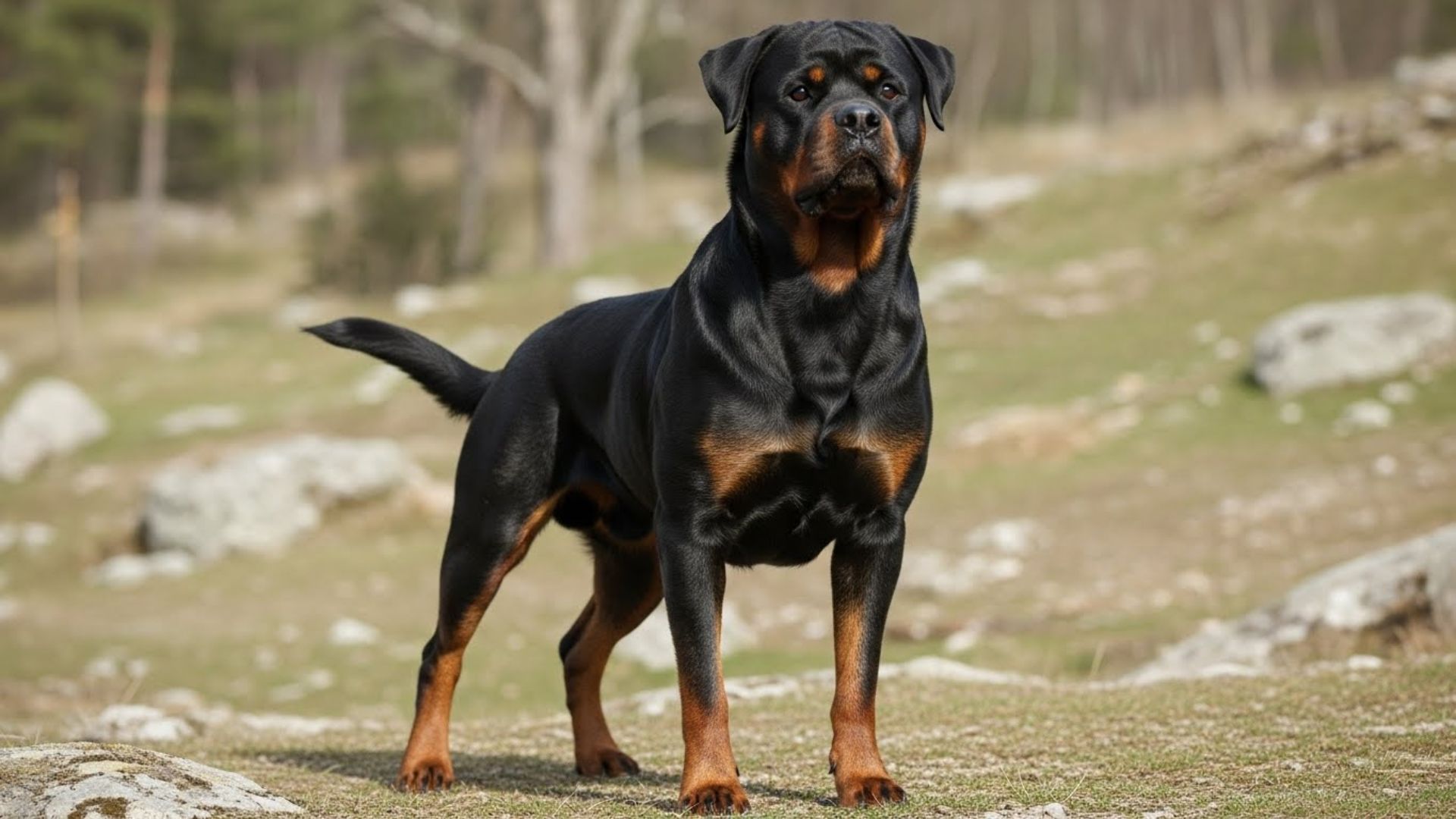
Do you know that dogs with a strong core tend to be physically fit and have great muscular power? Just like human athletes, dogs also need a strong core to perform tasks that require physical strength effectively.
The powerful breeds we are going to discuss have a history of handling tough tasks, which has given them the ability to excel at physically challenging activities.
Experts advise that conditioning your dog properly and preventing injuries is important to keep them fit and muscular. Their strength comes from within, supported by a proper schedule of exercise and mental stimulation.
To increase muscular strength, playful stretches are very effective. These high-energy dogs won’t disappoint. In fact, dog lovers seeking strong and capable companions will never get enough of these super smart and robust breeds.
Key Takeaways
Regular exercise is critical; many robust breeds need over two hours of daily activity to stay healthy and happy.
Even generally healthy dogs can face breed-specific health concerns, including hip dysplasia, elbow dysplasia, and heart disease.
Choosing a reputable breeder or responsibly adopting a mixed-breed dog can help reduce genetic health issues.
Robust dogs make great family dogs, therapy dogs, and alert dogs, thanks to their loyalty and intelligence.
A controlled diet and proper care help maintain a dog’s muscular body and joint health throughout its long lifespan.
Robust Dog Breeds
1. Rottweiler
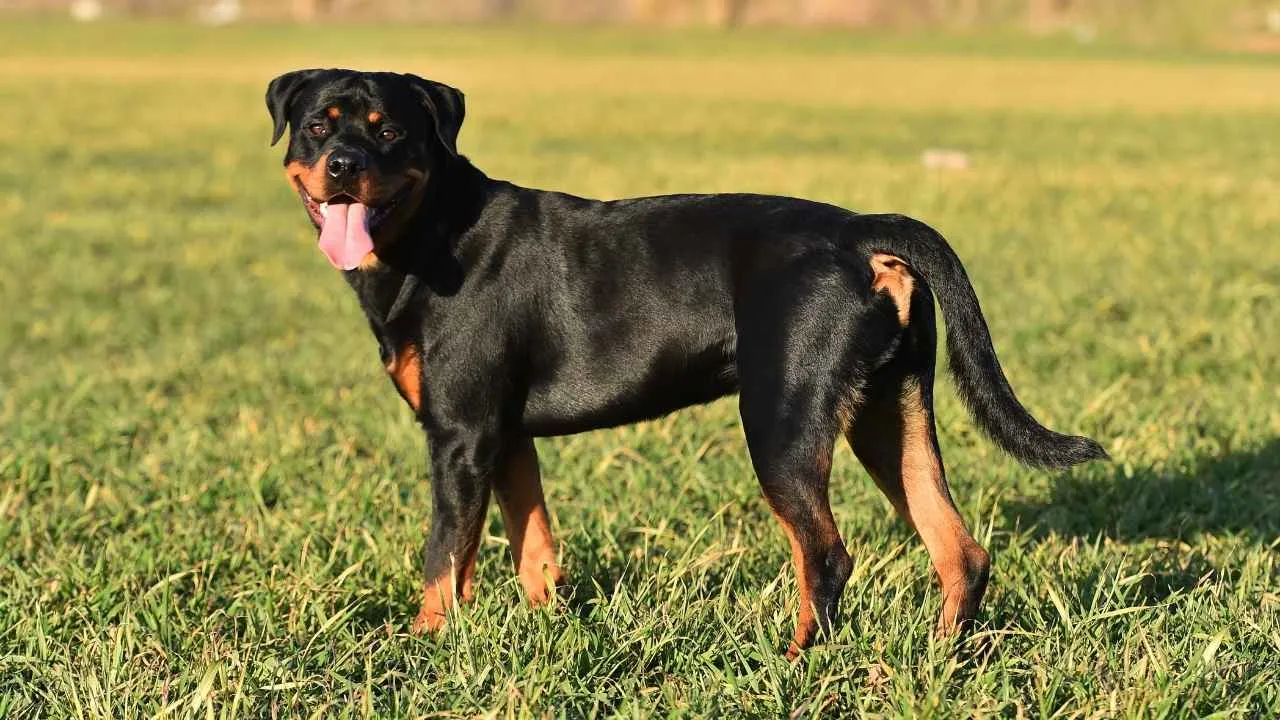
Rottweilers are one of the oldest herding breeds, with roots tracing back to the Roman Empire, where their ancestors helped herd cattle and guard livestock.
Named after the town of Rottweil in Germany, these dogs are a striking blend of strength, intelligence, and loyalty. Their shiny black coat, highlighted with reddish-brown markings above the eyes, on the muzzle, cheeks, and legs, gives them a commanding yet distinguished appearance.

Beyond their impressive physique, Rottweilers are calm, confident, and deeply affectionate with their families.
They thrive on early socialization, mental stimulation, and regular exercise, making them excellent companions for active households.
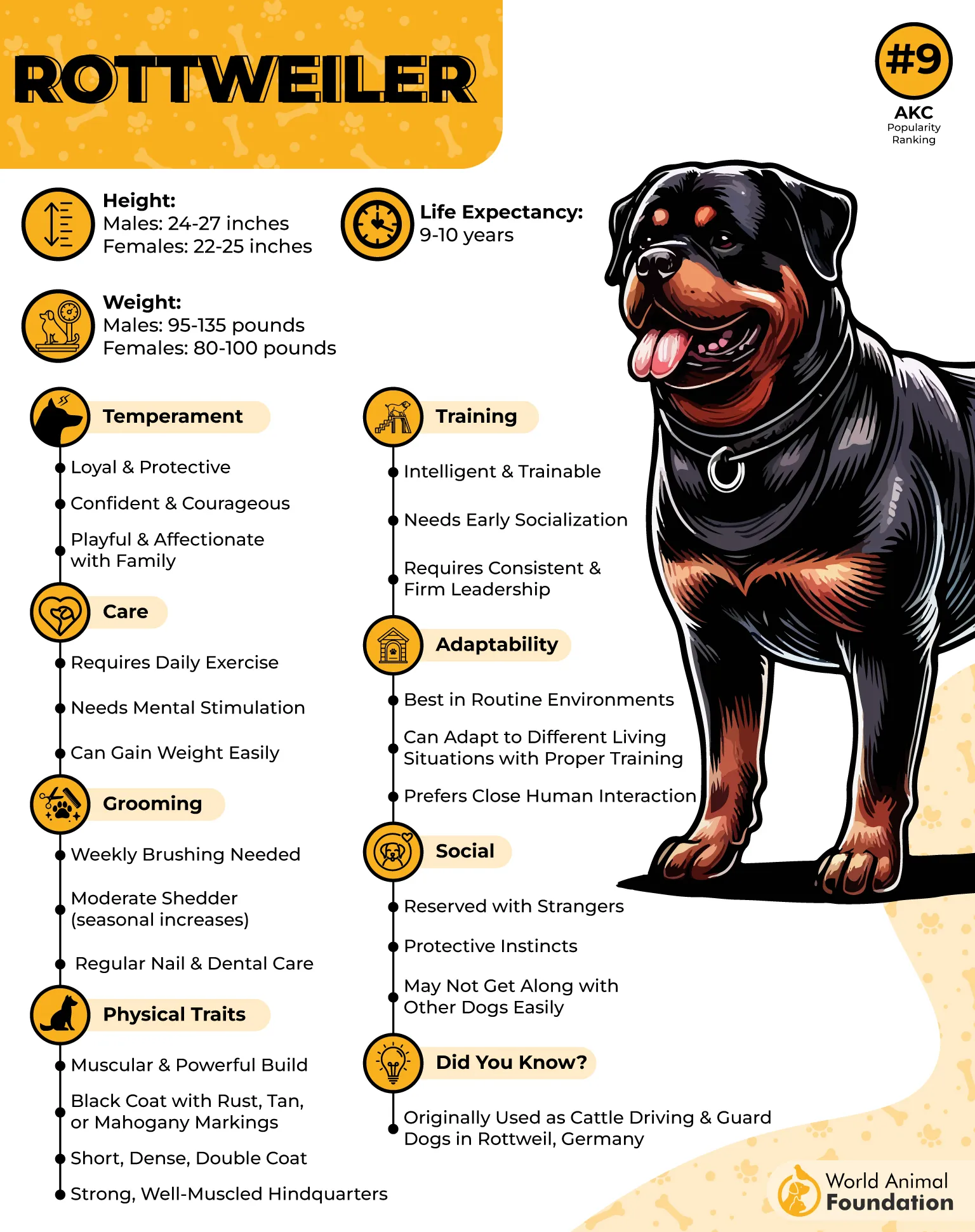
While their protective instincts are strong, their reputation for aggression often stems from improper training rather than nature.
With consistent positive reinforcement training, proper care, and understanding, Rottweilers transform into devoted, gentle guardians who love cuddles as much as they love adventure.
2. Siberian Husky
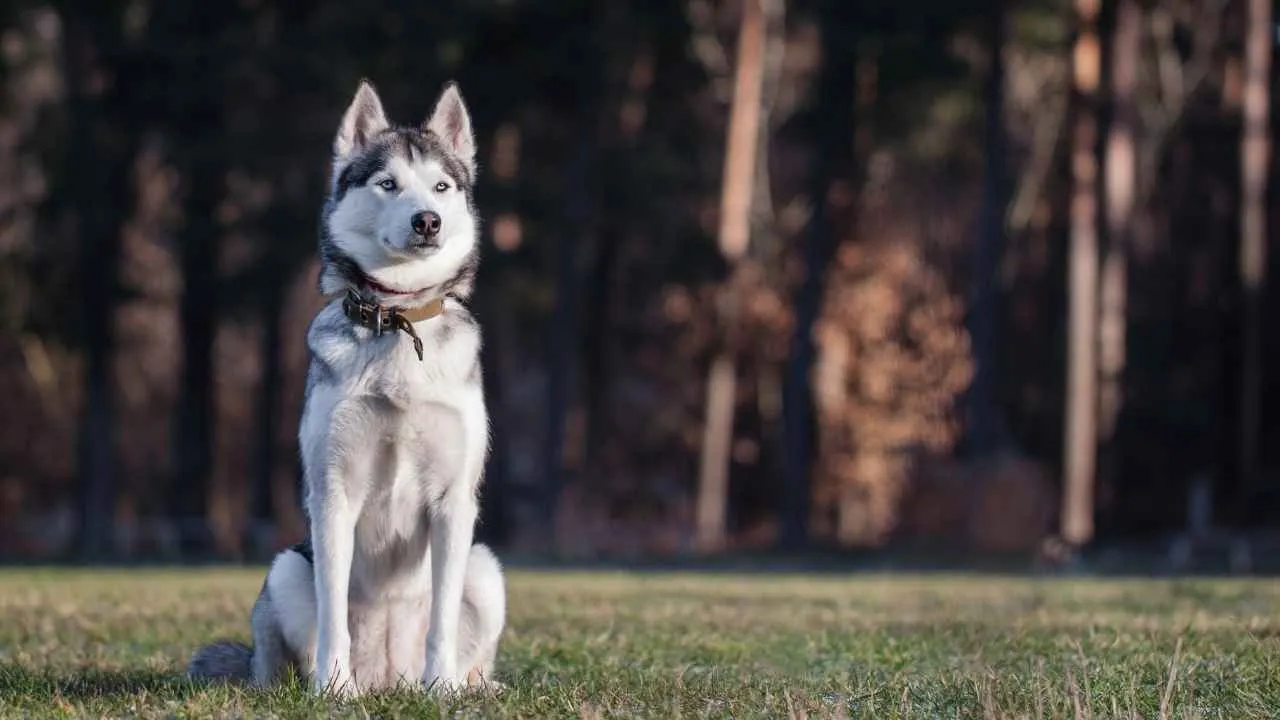
Siberian Huskies are elegant, medium-sized sled dogs built for endurance and adventure. Developed to pull light loads across frozen landscapes, they combine strength, speed, and remarkable stamina with a friendly and dignified personality.
Their striking almond-shaped eyes, blue, brown, or even one of each, reflect intelligence, mischief, and warmth, capturing hearts wherever they go. Agile and quick-footed, Huskies move with a powerful yet effortless gait, making them captivating to watch.
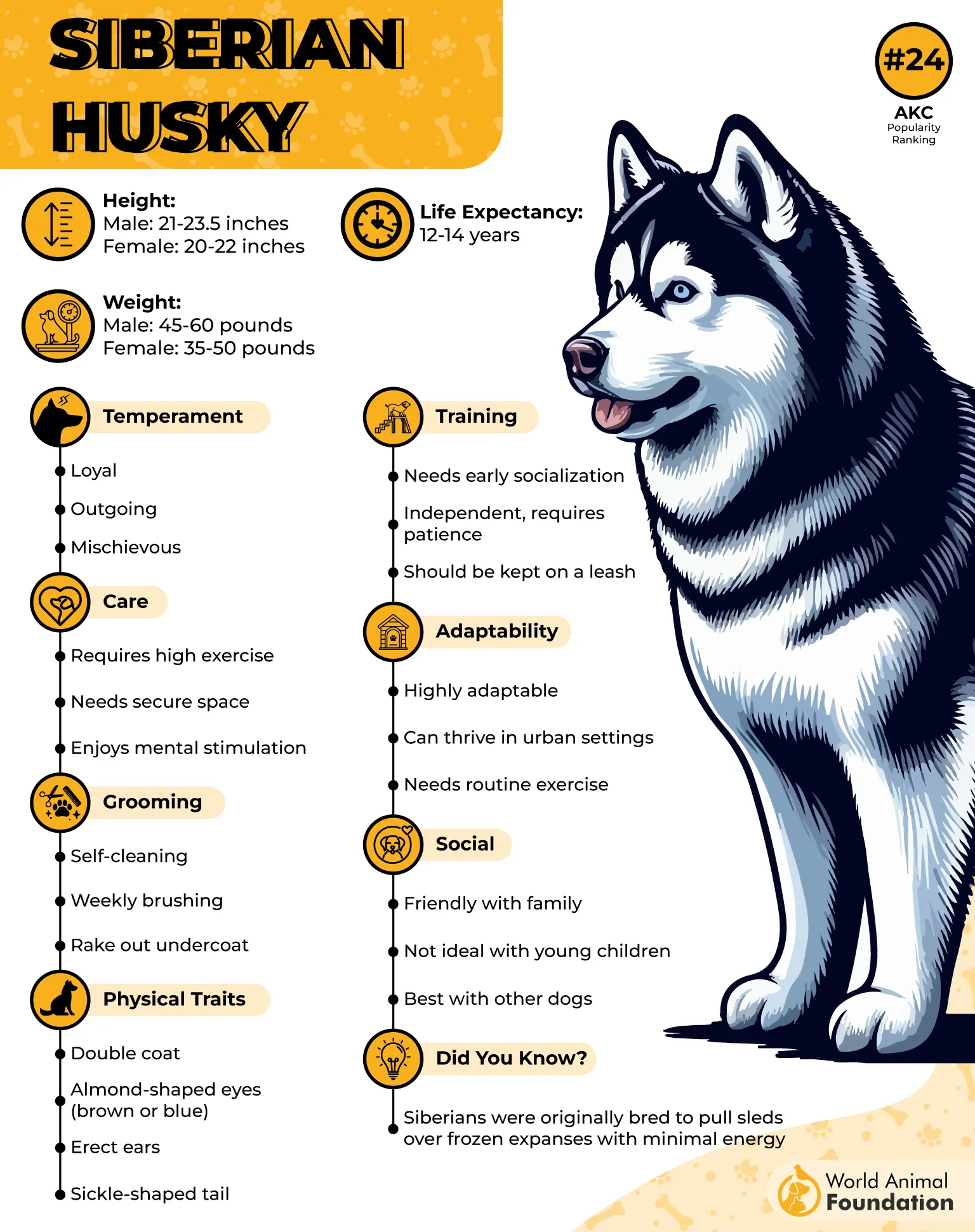
Despite their energy and athleticism, Siberians are naturally clean and low-maintenance, shedding their double coat twice a year and rarely carrying a doggy odor.
They thrive on regular exercise and mental stimulation, whether running, hiking, or engaging in agility or obedience activities, according to the American Kennel Club. Highly social, Huskies crave companionship and are happiest with family or other dogs.
While their watchdog skills may be limited, their loyalty and playful nature make them affectionate and loving companions. With proper care, training, and a secure space to run, a Siberian Husky brings joy, activity, and adventure into any home.
3. Akita
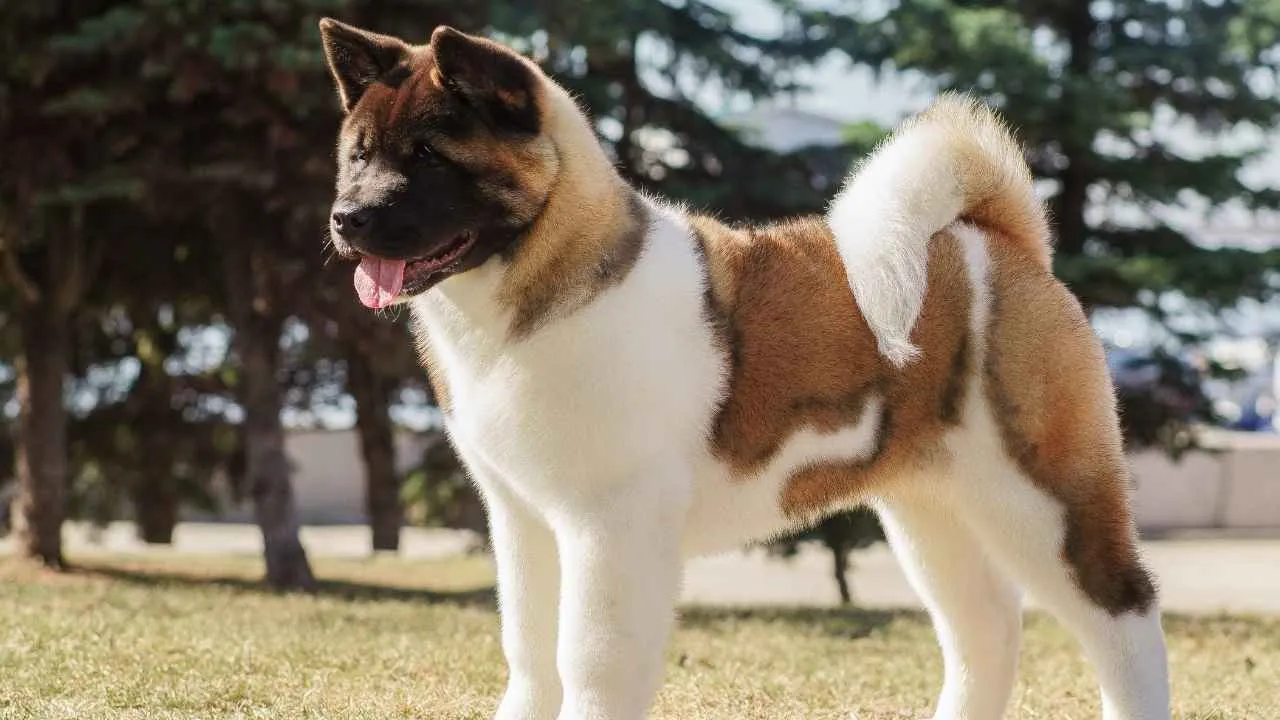
The Akita is a dignified, powerful breed from Japan, celebrated for its loyalty, courage, and deep bond with family. With a thick, weather-resistant coat, a plush tail that curls gracefully over the back, and alert, intelligent eyes, the Akita commands attention wherever she goes.
Originally bred as hunting dogs and protectors of royalty, Akitas are affectionate and playful with their families but reserved around strangers, balancing independence with devotion.
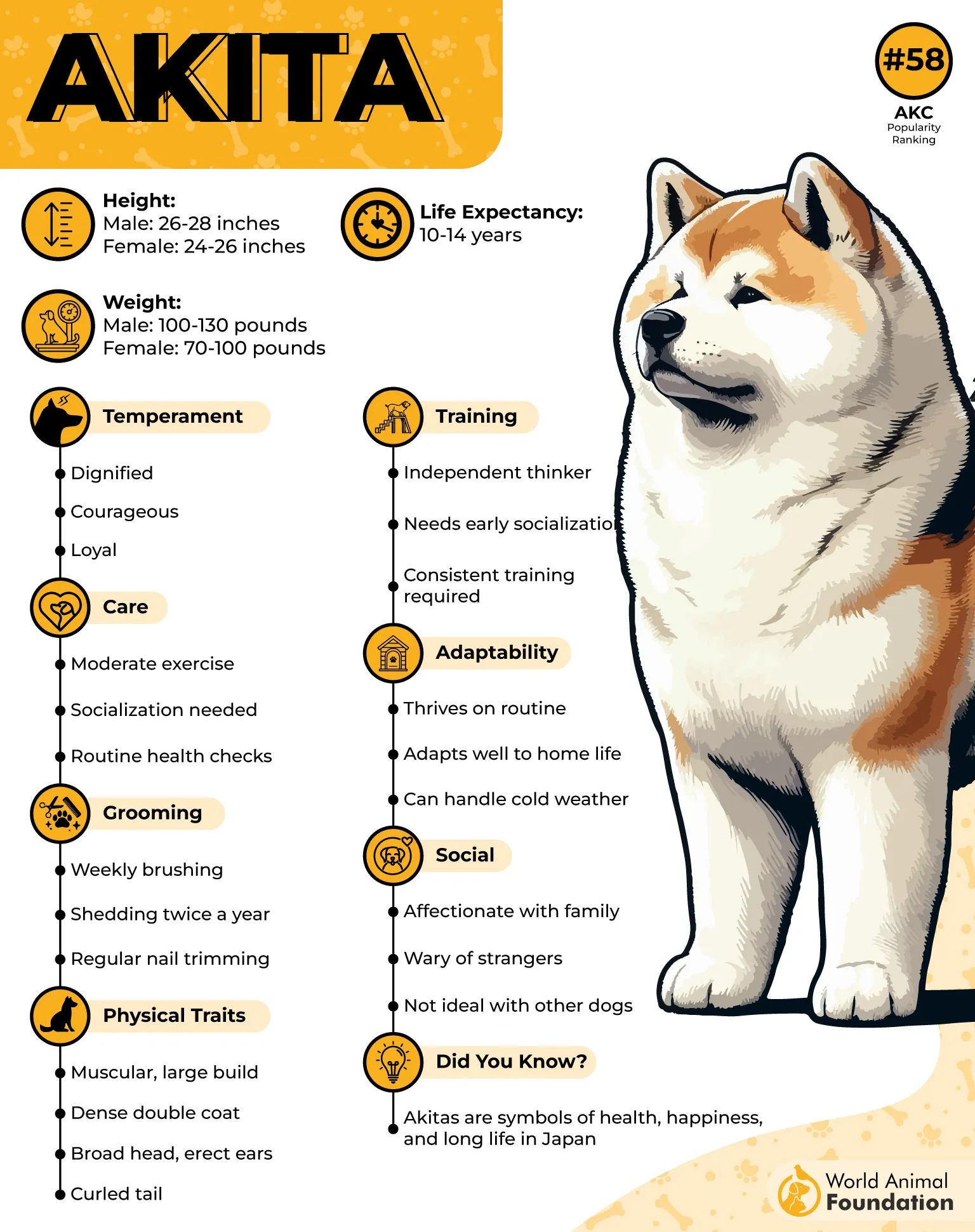
These large dog breeds, weighing up to 130 pounds, thrive on daily exercise and mental stimulation, enjoying brisk walks, yard play, and weekend dog sports. Their protective instincts make them excellent watchdogs, while early socialization ensures they coexist peacefully with children and other pets.
Though fastidious groomers, Akitas shed heavily and require regular brushing to maintain their luxurious coat. With firm, consistent training and plenty of love, an Akita is more than a dog; they are a devoted companion, a guardian, and a true member of the family.
4. Norwegian Elkhound
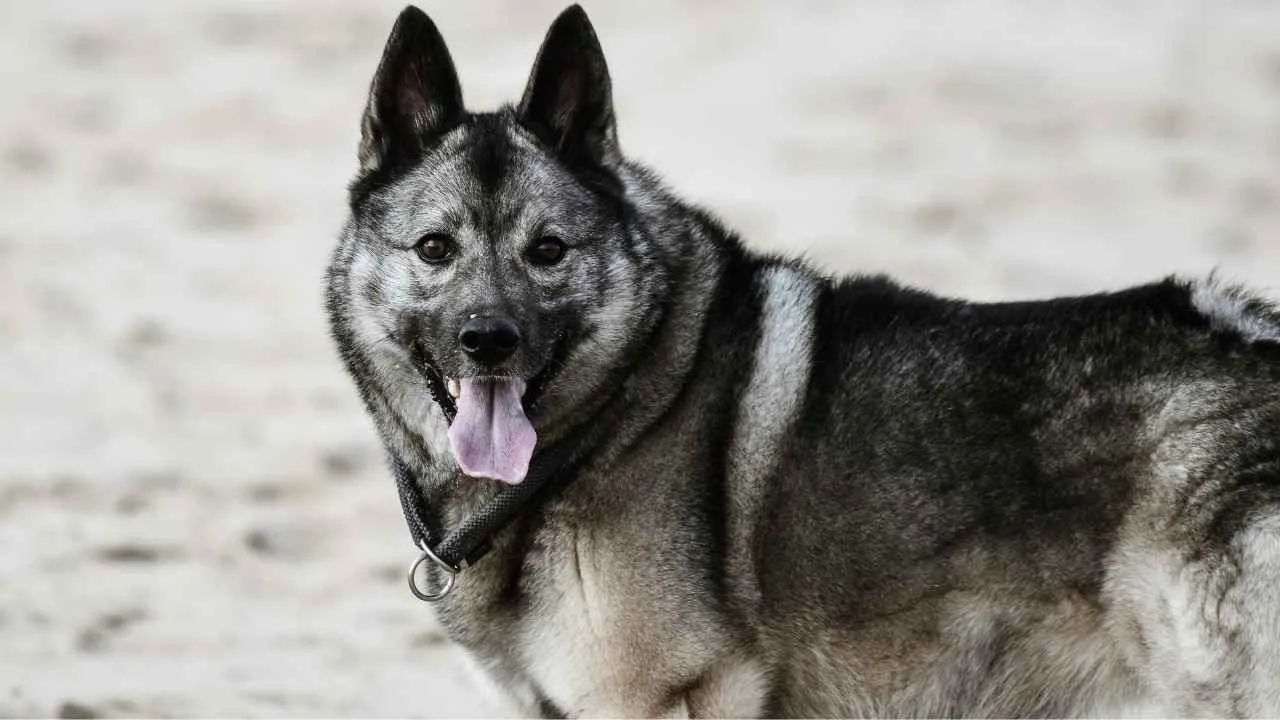
The Norwegian Elkhound is a compact, powerful spitz-type dog with a proud stance, dense weather-resistant coat, and a tail curled gracefully over its back.
Known for its stamina, confidence, and spirited personality, the Elkhound thrives in active households, particularly with owners who enjoy long walks, outdoor adventures, and challenging the dog’s keen mind.
Friendly yet independent, Elkhounds form strong bonds with family, enjoy the company of other dogs, and make excellent watchdogs, alerting their humans to any unusual activity.
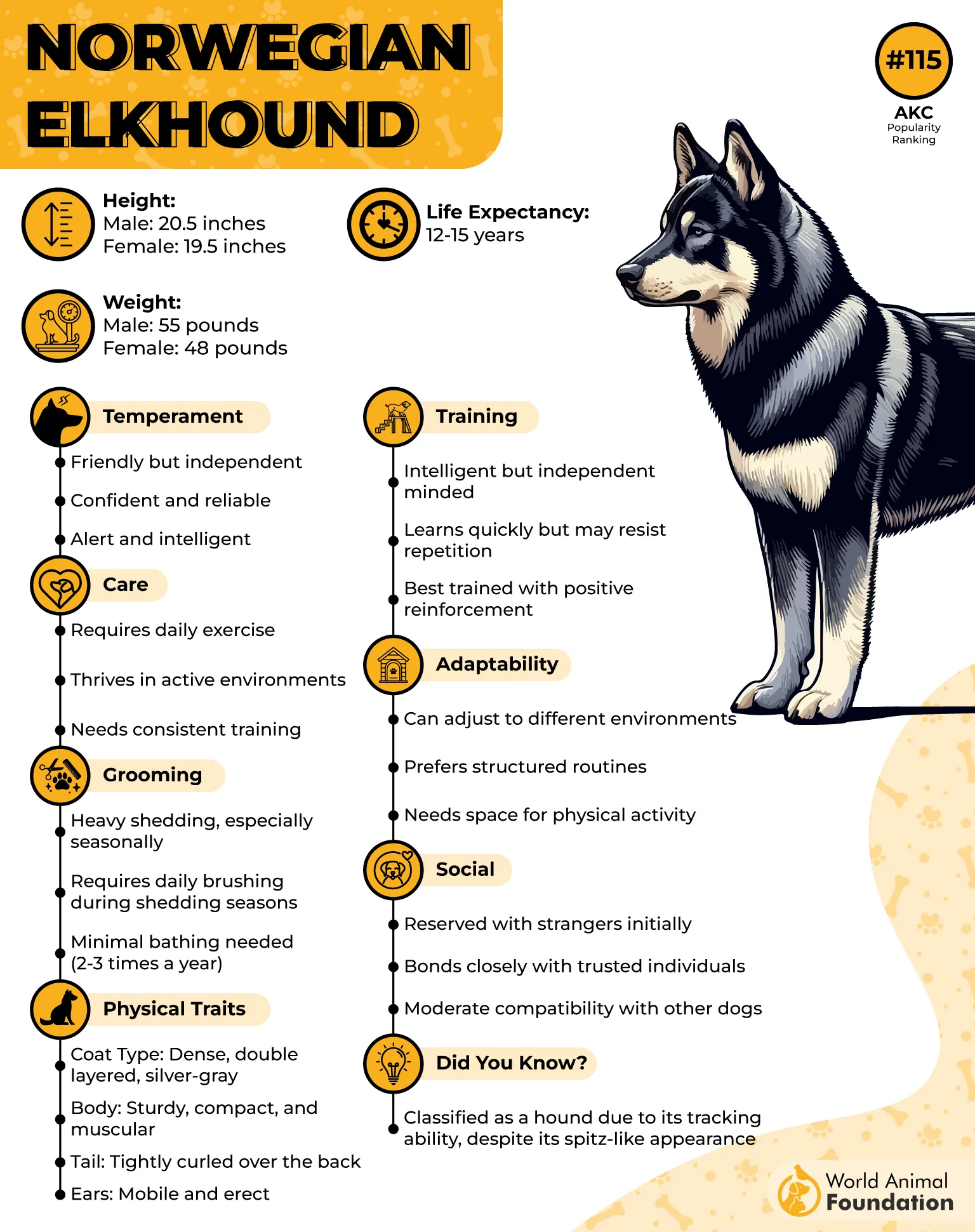
One of the oldest breeds in the world, Purina states that Elkhounds date back over 6,000 years in Norway and were used by Vikings to track and hold game, including elk, until hunters could arrive.
Their hunting instincts remain strong today, making mental stimulation and scent-based activities essential. While relatively easy to train with food rewards, they need consistent guidance, secure outdoor space, and plenty of exercise to stay happy and healthy.
For active, outdoor-loving families, the Norwegian Elkhound is a loyal, energetic, and fun companion.
5. Alaskan Malamute
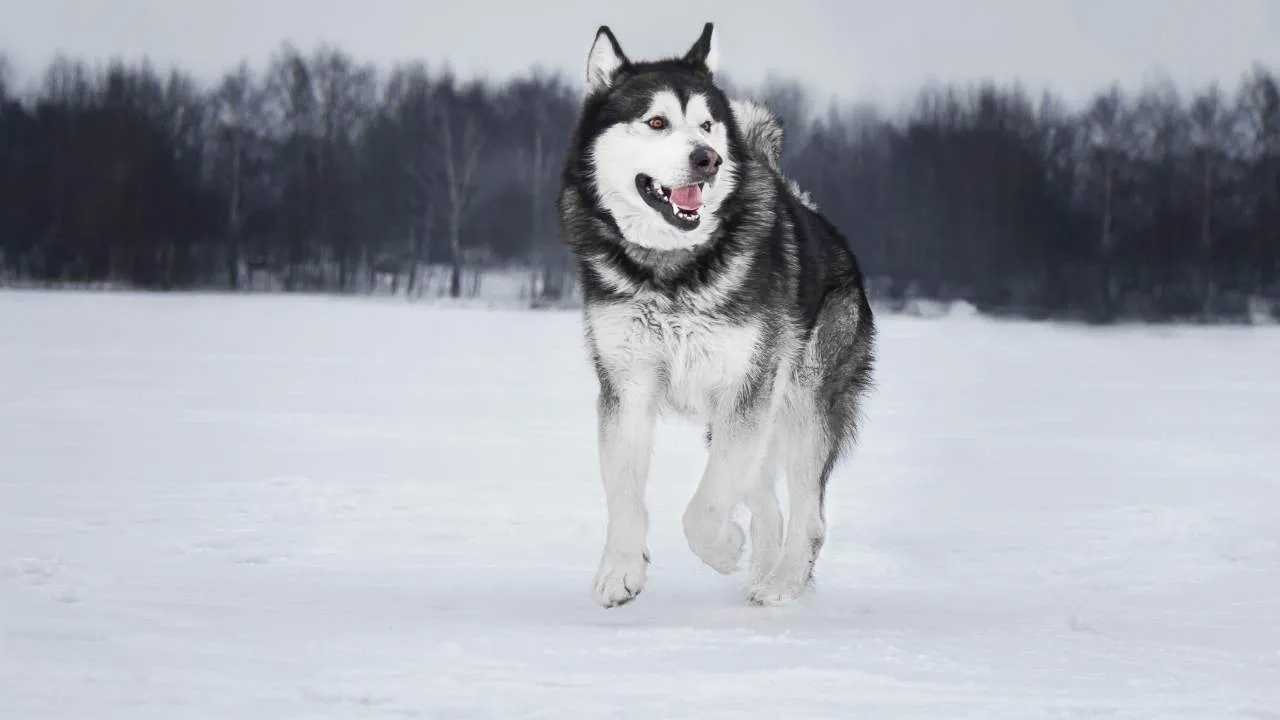
Alaskan Malamutes are majestic, powerful sled dogs built for endurance, strength, and adventure. Larger and more robust than Huskies, they were bred to pull heavy loads across Arctic landscapes, making them ideal companions for highly active households.
Malamutes are affectionate, intelligent, and social, but their size, strength, and independent streak mean they are best suited for experienced owners who can provide consistent training, mental stimulation, and daily vigorous exercise.
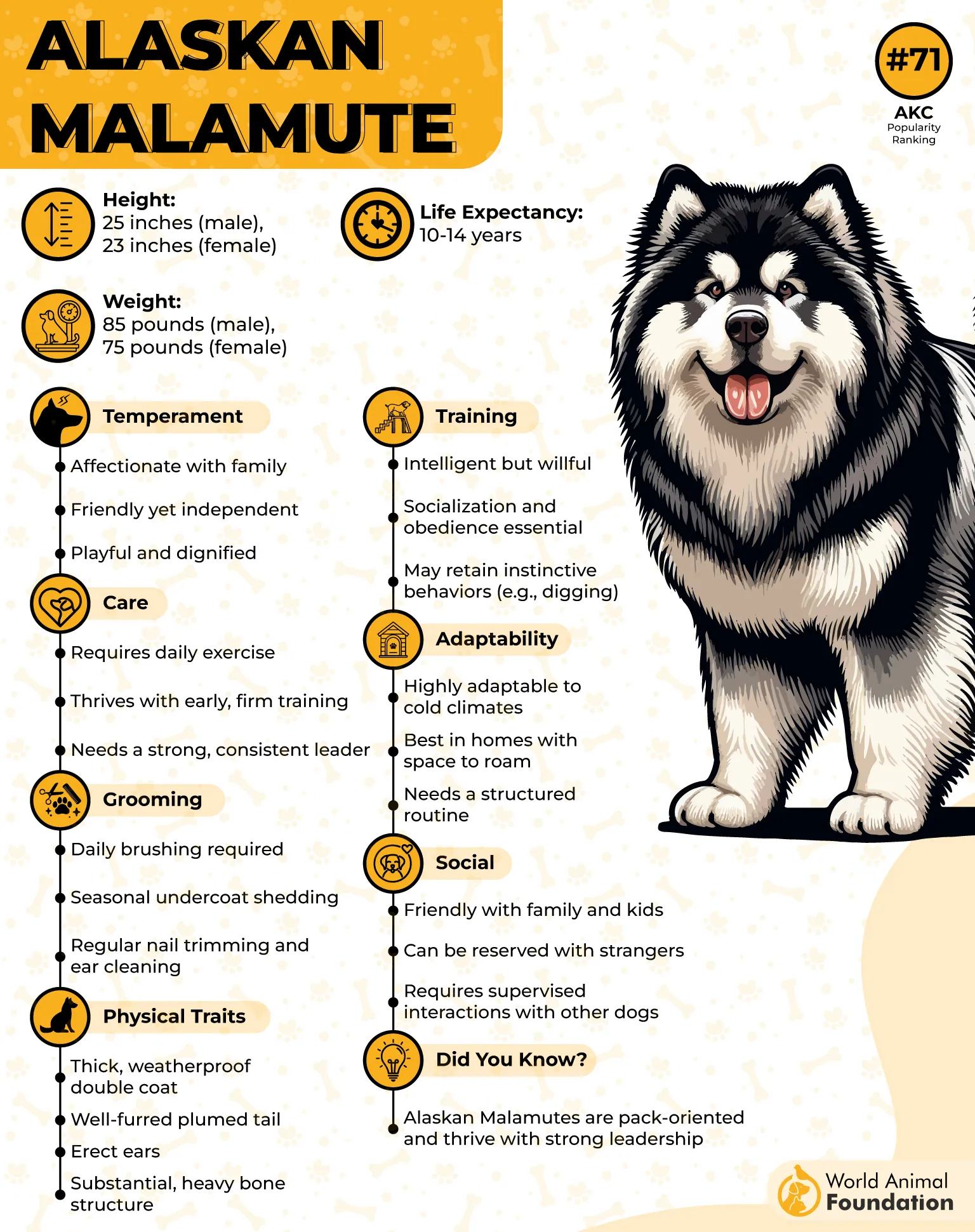
This breed thrives with two or more hours of activity each day, whether running, hiking, or engaging in scent-based games, and they excel in sledding clubs and outdoor adventures.
Their thick double coat protects them in cold weather, but it sheds heavily, requiring regular brushing, according to PDSA. Malamutes can be vocal and mischievous, so supervision, early socialization, and patience are key.
With proper care, training, and commitment, an Alaskan Malamute becomes a loyal, energetic, and loving companion for families who embrace an active lifestyle and outdoor living.
6. Belgian Malinois
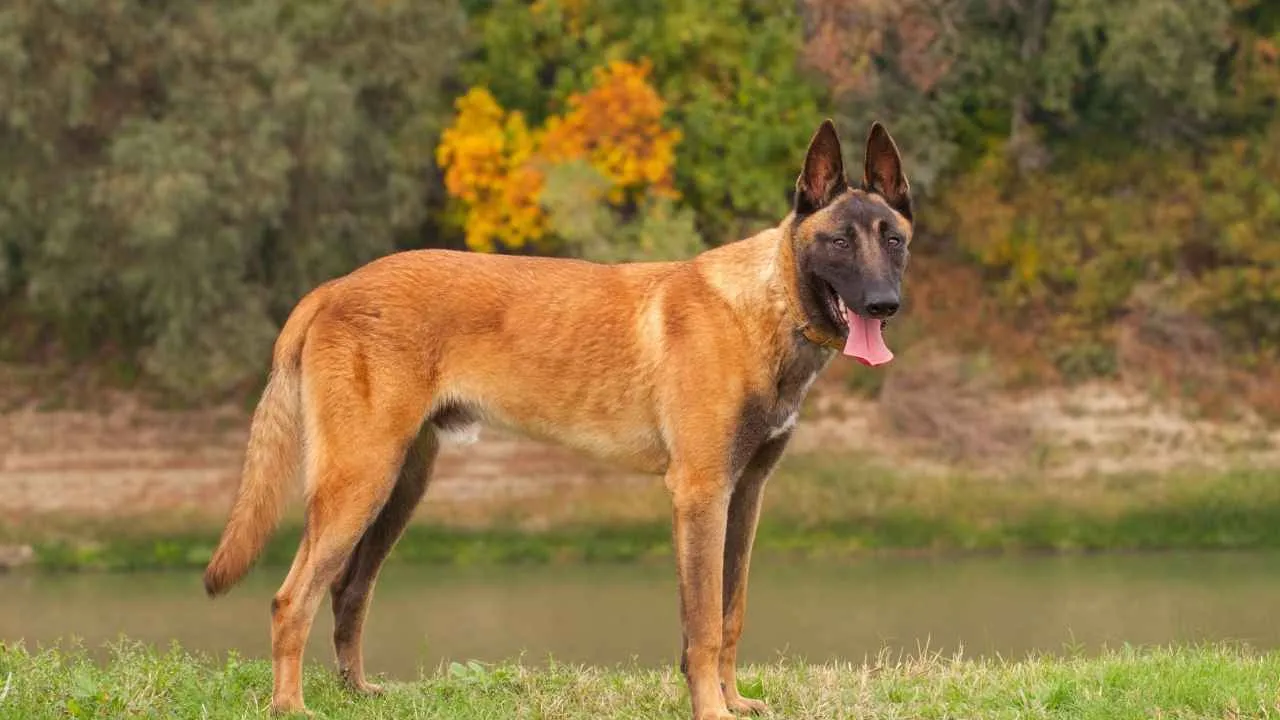
The Belgian Malinois, often called the Mal, is a striking and athletic working dog hailing from Belgium’s Flanders region. Built with a sturdy, square frame and a dense sable coat, the Malinois exudes both power and grace.
Known for exceptional intelligence, loyalty, and stamina, this breed is a favorite among police forces and militaries worldwide, famously assisting in high-profile operations and earning accolades for bravery.
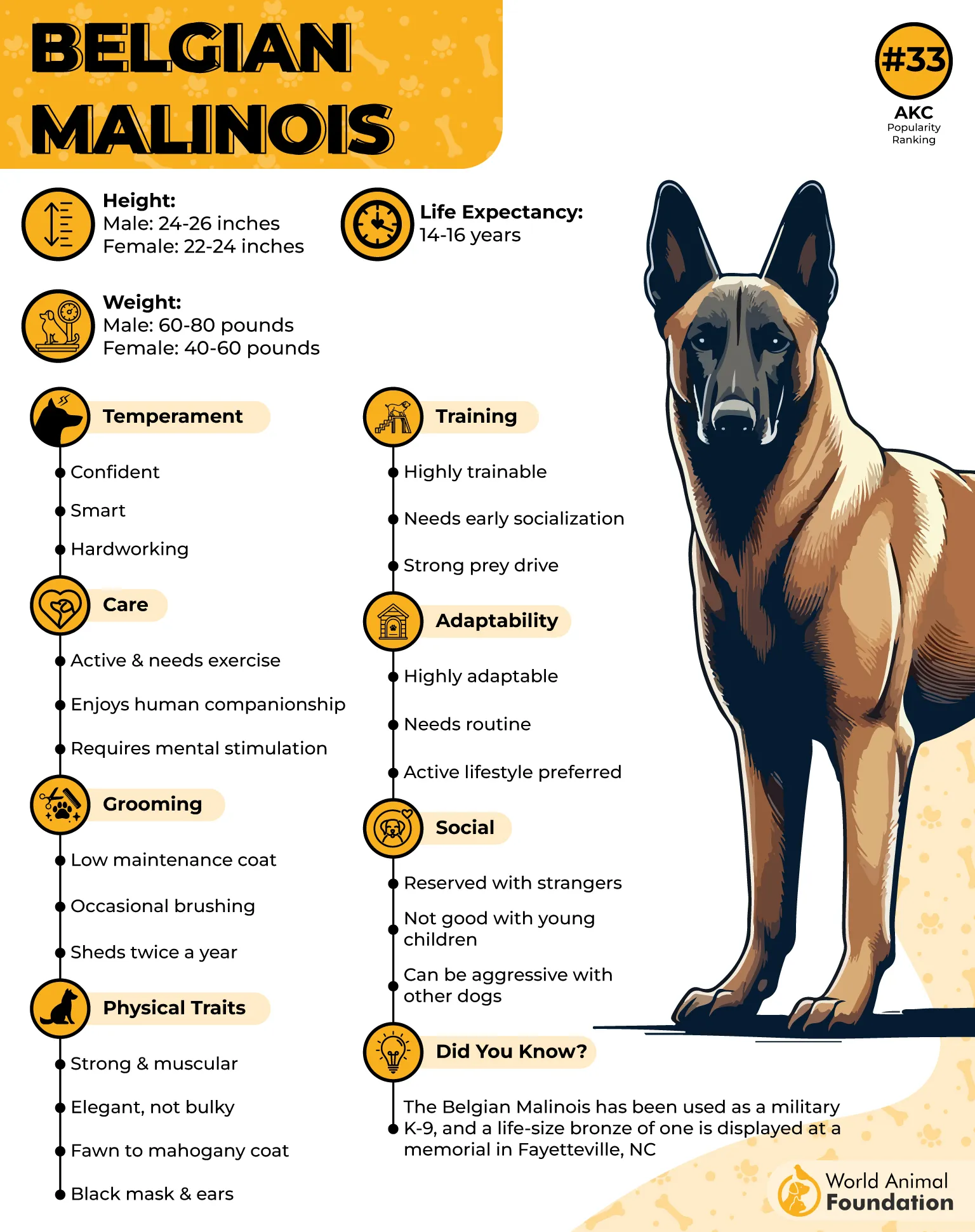
Beyond their work, Malinois are alert, playful, and thrive on mental and physical challenges. They excel in activities like herding, agility, dock diving, and Schutzhund training, but without daily exercise, they can become destructive.
This breed is best suited for experienced owners who can provide firm guidance, extensive activity, and consistent socialization. While they bond deeply with families, Malinois require supervision around children and strangers due to their strong protective instincts.
With dedication and proper care, a Belgian Malinois becomes a loyal, tireless, and engaging companion, blending athleticism with unwavering devotion.
7. Rhodesian Ridgeback
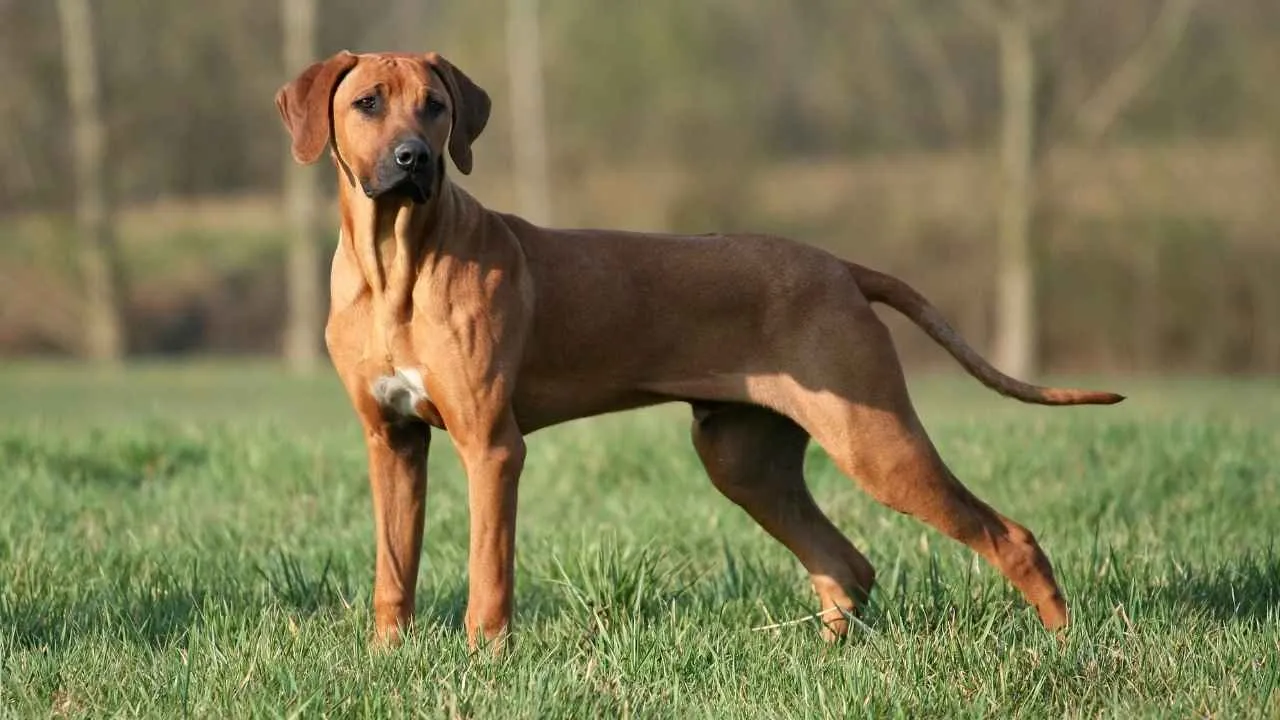
The Rhodesian Ridgeback, a striking and athletic hound, has roots dating back to the 16th and 17th centuries when European settlers crossed Mastiffs, Greyhounds, Bloodhounds, Great Danes, and Pointers with local African hunting dogs.
The result was a powerful, loyal dog breed defined by its distinctive ridge of hair along the back. Originally bred in Southern Africa for tracking lions and holding them at bay for hunters, Ridgebacks combine endurance, strength, and keen senses, making them exceptional hunters and protectors.
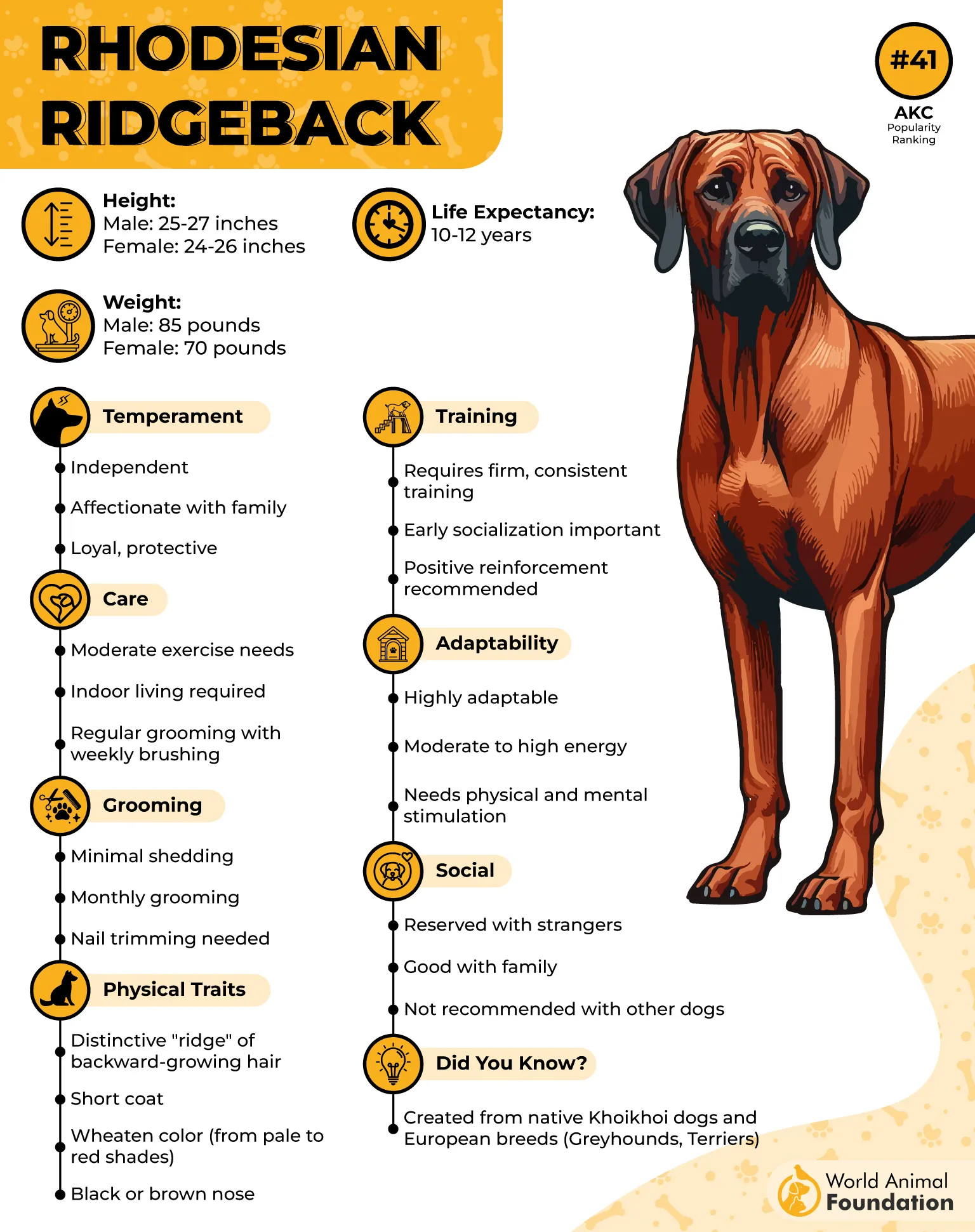
Intelligent and independent, Ridgebacks are devoted to their families, often forming close bonds, yet remain cautious around strangers.
They thrive on daily exercise, running, jogging, or engaging in scent work, and benefit from early socialization and consistent, reward-based training.
Energetic when young, they mellow with age but still require mental stimulation to avoid boredom, according to Omlet.
Low-maintenance in grooming, generally healthy, and confident by nature, the Rhodesian Ridgeback is a remarkable companion for active households that can match their strength, energy, and spirited temperament.
Conclusion
Robust dog breeds are more than just athletic hunting dogs or herding dogs; they are intelligent breeds with the stamina, loyalty, and independence that make them exceptional companions for active families.
Whether it’s the keen sense of a Siberian Husky, the muscular body of an Australian Cattle Dog, or the agility of Border Collies and Australian Shepherds, these breeds thrive on both physical and mental stimulation.
While generally healthy, even the healthiest dog breeds can face breed-specific issues such as hip dysplasia, elbow dysplasia, or heart disease, highlighting the importance of proper training, regular exercise, and a controlled diet.
Reputable breeders and attentive pet parents ensure their dogs live long, healthy lives free from common health problems.
From purebred dogs to mixed-breed dogs, these intelligent breeds make loving companions, therapy dogs, and alert dogs, proving that with proper care and attention, robust dog breeds can enjoy long, happy, and healthy lives alongside their human families.
