




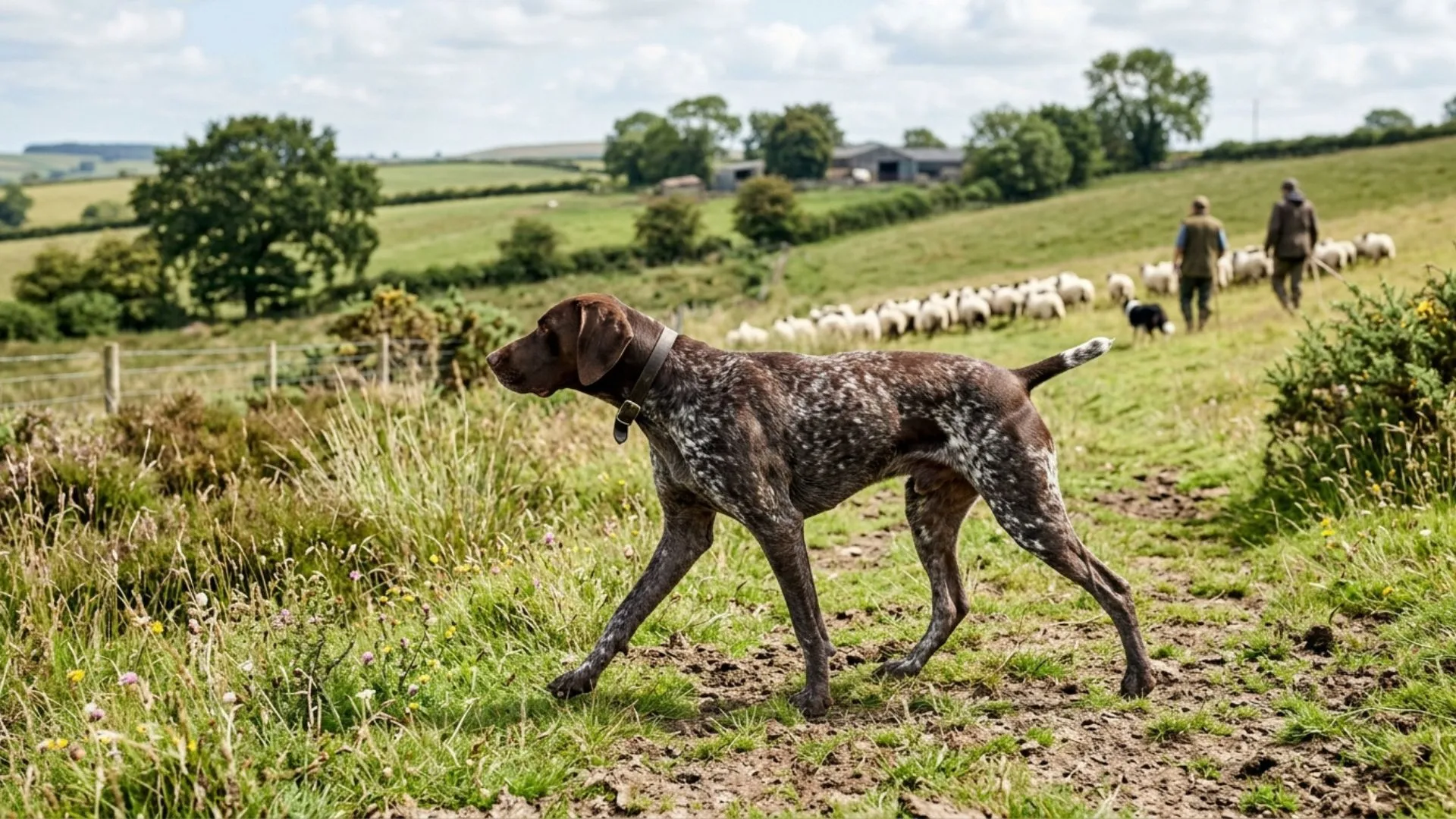
Not every dog wants to nap on a couch all day. Some are wired differently, born to move, to think, and to work alongside people in ways that will honestly leave you in awe. Whether it’s a 500-acre ranch, an open field at dawn, or a livestock pen that needs order, certain breeds just get it.
The majority of the farmers in the U.S. are using dog breeds to manage livestock on a greater scale, especially in the Western U.S. and Texas. While a human gets tired and is incapable of controlling, protecting, and watching over the cattle all at once, a strong and active dog can handle all of this.
They show up, do the job, and still have energy left to lap you around the yard. As the legendary farmer and author Wendell Berry once said, “The work is there. The question is whether you can find the animal brave enough to do it.” These seven breeds answer that call without hesitation.
Most Robust Dog Breeds for Field and Herding Work
1. Bouvier Des Flandres
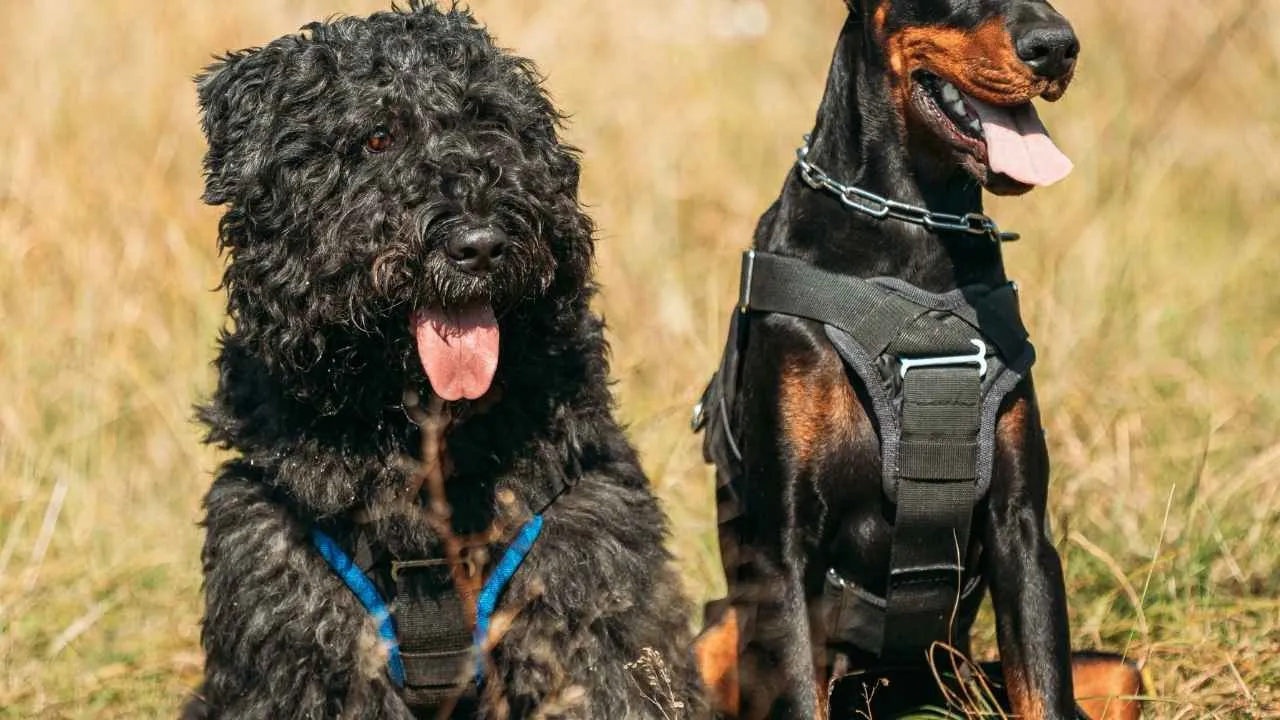
Originally bred in Belgium’s Flanders region, its primary goal was to do everything from herding cattle to pulling carts. During World War I, this herding dog breed served as an ambulance dog and message carriers on active battlefields, according to Wikipedia.
The Bouvier Des Flandres has strong protective instincts and the ability to read livestock since it figures out the next move of cattle before the farmer does.
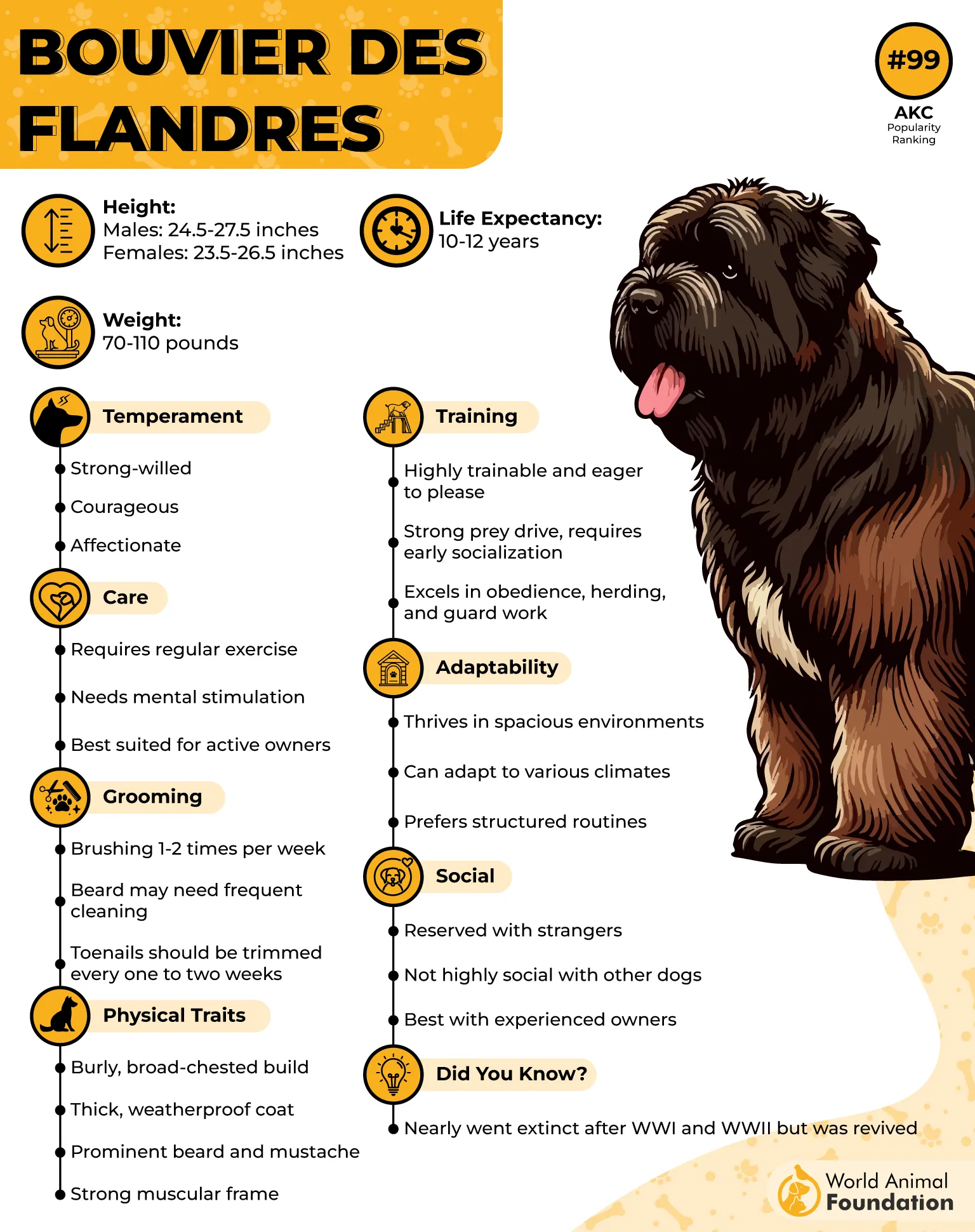
Weighing up to 70-110 pounds, this ranch dog runs at speeds of 18- 28 mph, despite being massive. This high speed helps it redirect stray cattle and navigate uneven pastures. It has a weather-proof coat that provides insulation in cold weather.
This intelligent dog has a “dirty beard” or “vuilbaard” that protects its face while working in the field. This breed is usually calm and does not only chase the livestock. It blocks the cattle physically or nudge them, rather than nipping at their feet.
2. Australian Shepherd
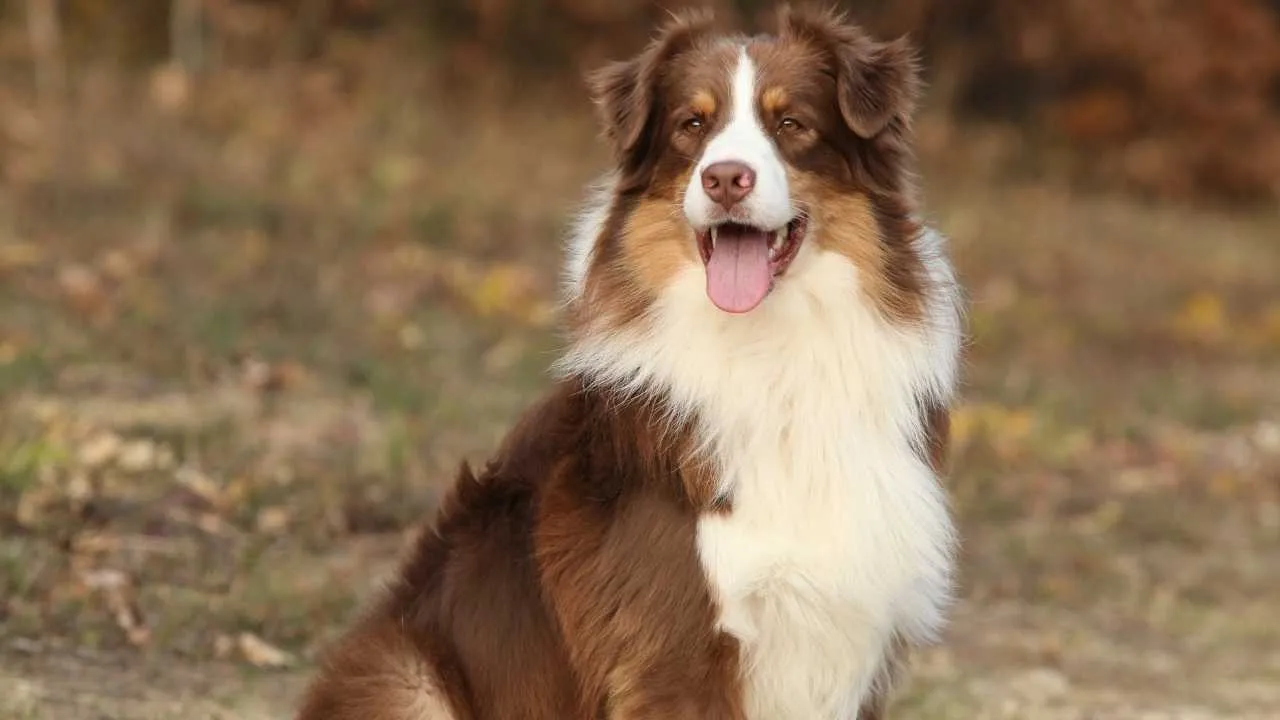
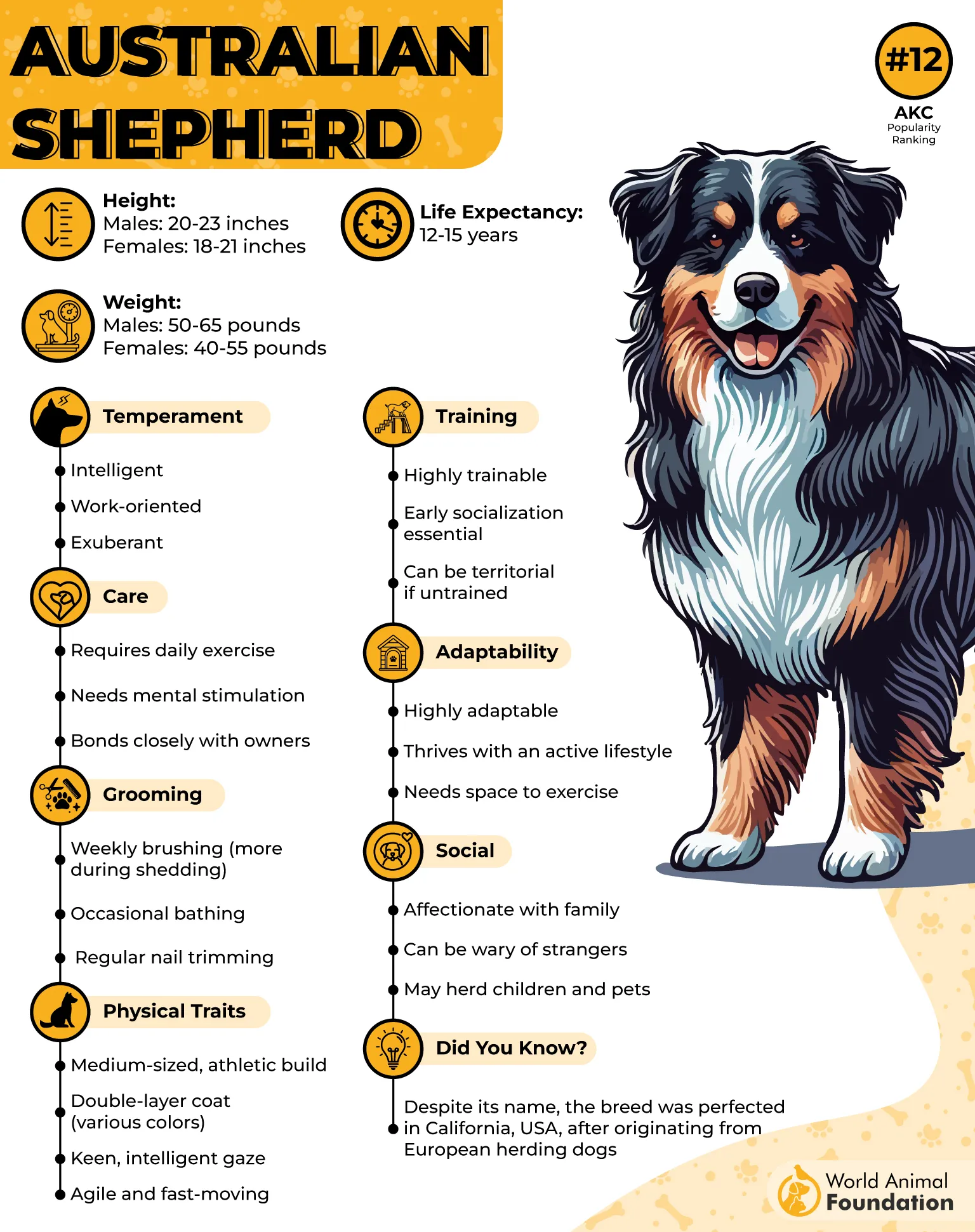
Originally bred in California in the 19th century, the Australian Shepherd was used as a herding breed initially. It is loyal, protective, active, and energetic dog. This herding breed thrives in many dog sports, including agility, dock diving, tracking, flyball, etc.
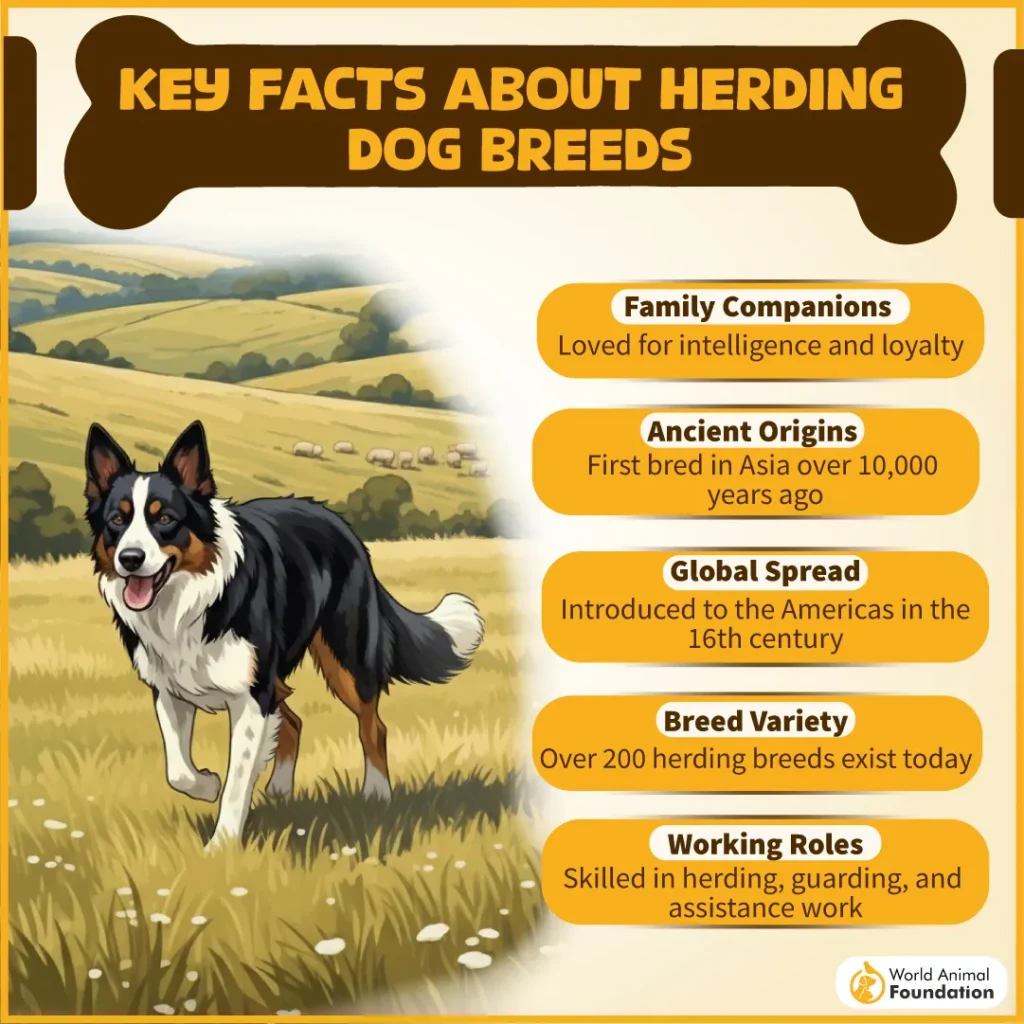
Their “on the edge” speed is because of the crossover of their front and back legs, giving them a fast speed of 20-30 mph.
With their weather-resistant double coat and bobtail, they have a low risk of injury while working. They do not intend to kill the prey; rather, they adopt a “loose-eyed style” to stalk, stare, and chase hundreds of livestock all at once. Their high intelligence enables them to have a calculated stare to control different types of animals.
This farm dog runs in a circle to gather the livestock in one closed space. Then, it moves to the opposite side of the shepherd with the livestock between them to keep the cattle moving towards the handler. It barks and nips to keep them aligned in one direction. If the cattle refuse to obey it, the Australian Shepherd “punches” or “pokes” them for redirection.
3. Belgian Malinois
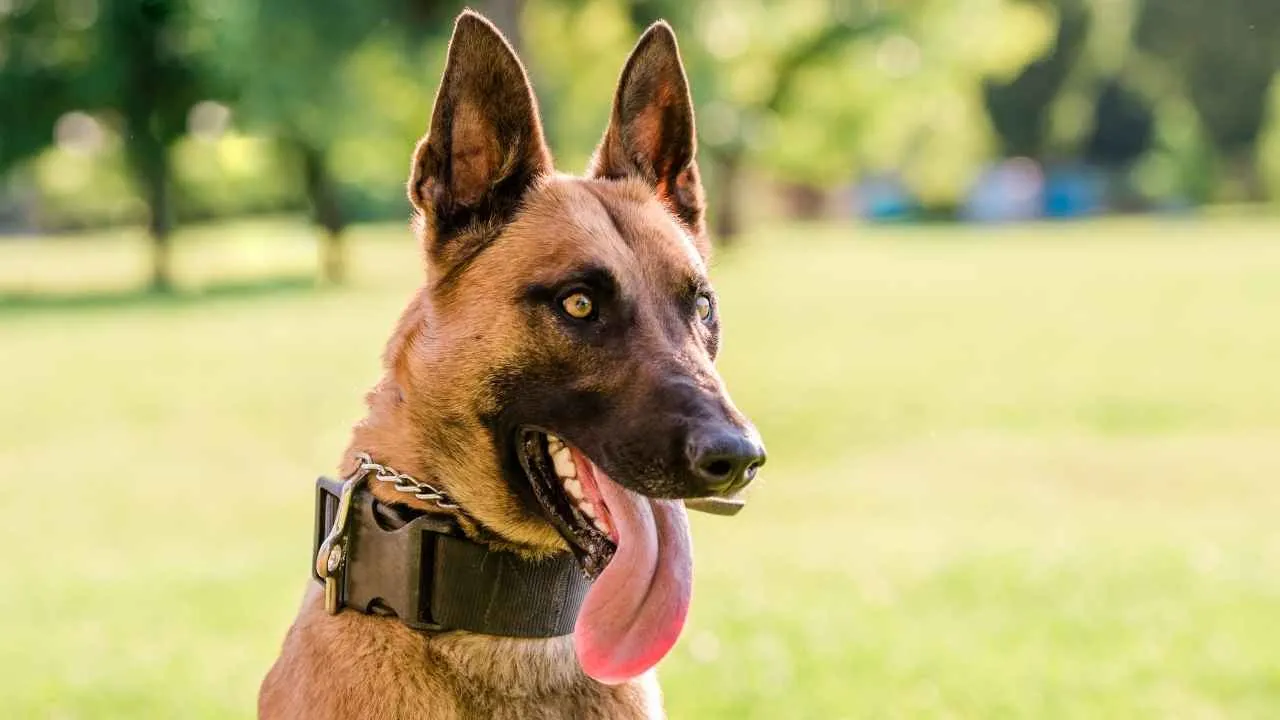
Bred near the city of Maline in Belgium, the Belgian Malinois’ primary goal was to herd sheep. Because of their high intelligence, problem-solving instincts, logical reasoning, and ability to read human emotions, and high prey drive, they are now used in SAR operations, police/military work, and drug/bomb detection, writes PetMD.
Since they have a high prey drive, they are highly focused and are less affected by distractions. They have a strong work ethic and are ready to cover long distances at a high speed of 30 mph.
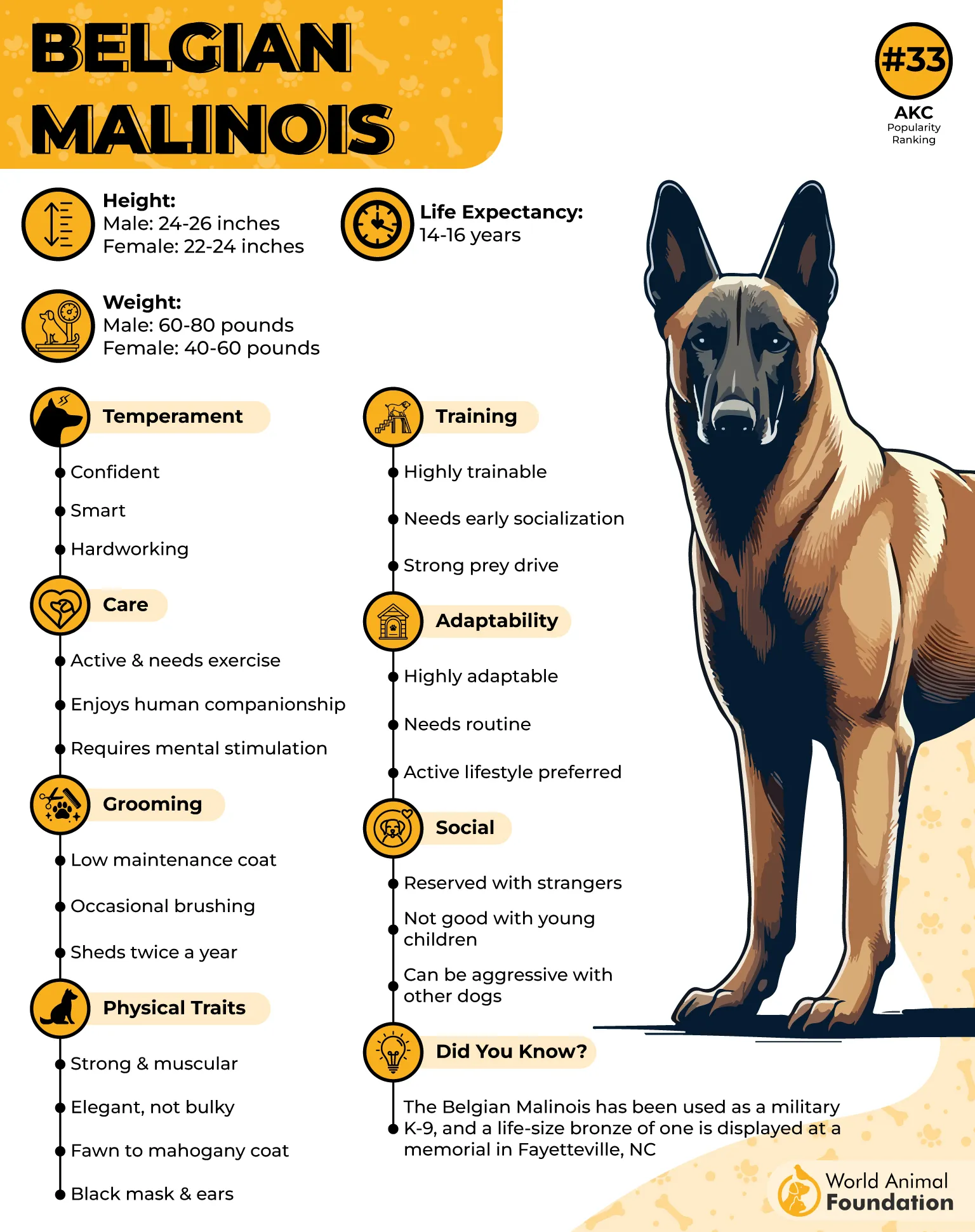
Despite being independent, the Belgian Malinois stays closer to the herd and moves in a pendulum motion behind the flock, “wearing,” essential for moving the herd in the right direction.
Their independent thinking makes them perfect for experienced owners. If a sheep moves away, the Belgian Malinois immediately blocks its path by nudging. Basic command training (sit, stand, come, lie down) is important to have control over them.
4. German Shorthaired Pointer
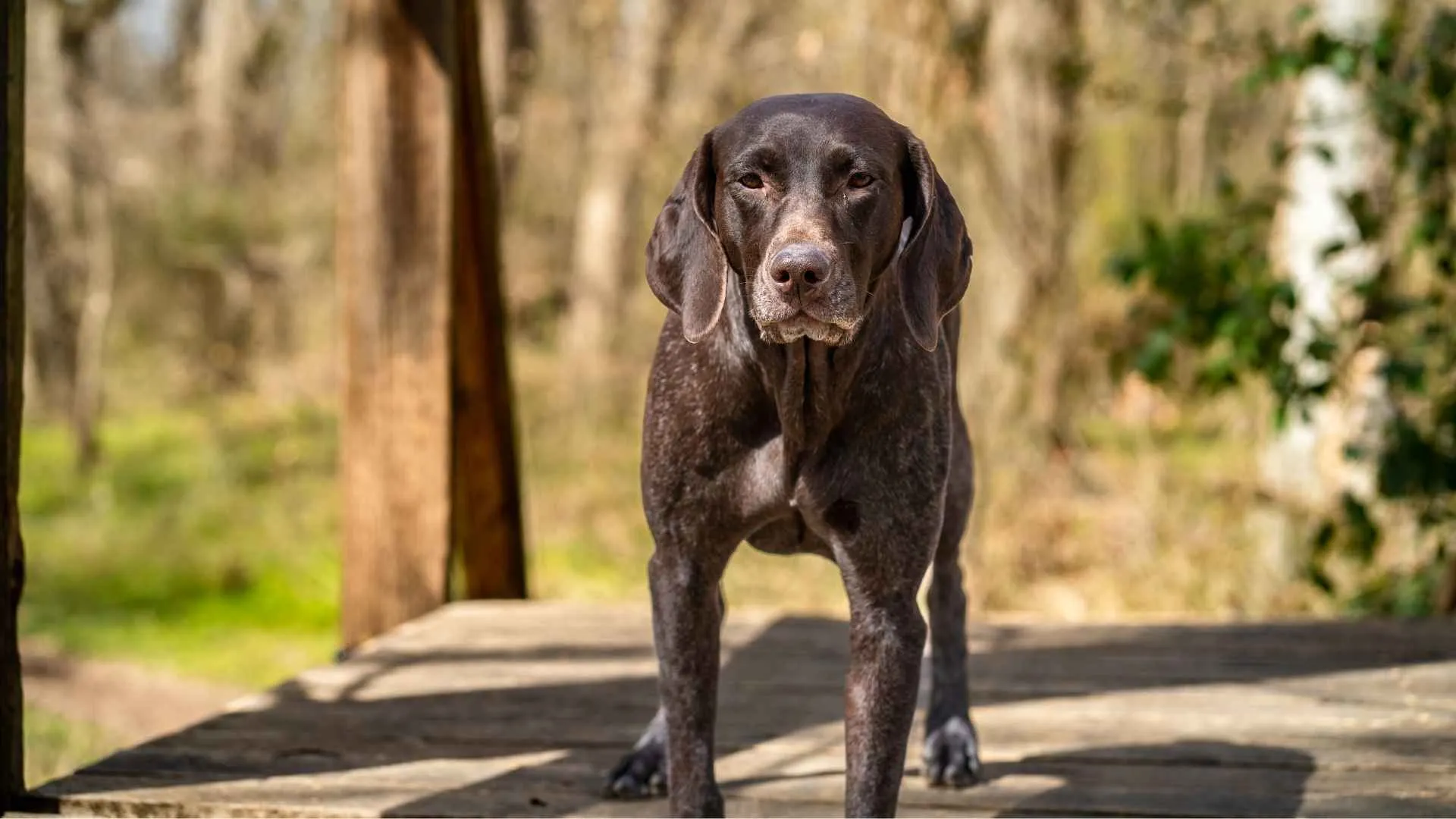
AKA “bird or hunting dogs,” the GSP is bred to find, chase, and retrieve the game. With its large and open nostrils, this farm dog is used to trail ground scents and air scents, keeping its head held high. It is extremely energetic and requires 1-2 hours of daily exercise if not used in dog sports.
Since they do not tend to kill the prey, they have a “soft mouth,” so they retrieve the game from the water without damaging it. They are bred to stop and freeze once they track the target. With their nose pointing towards the direction of the prey, they help the handlers find the game.
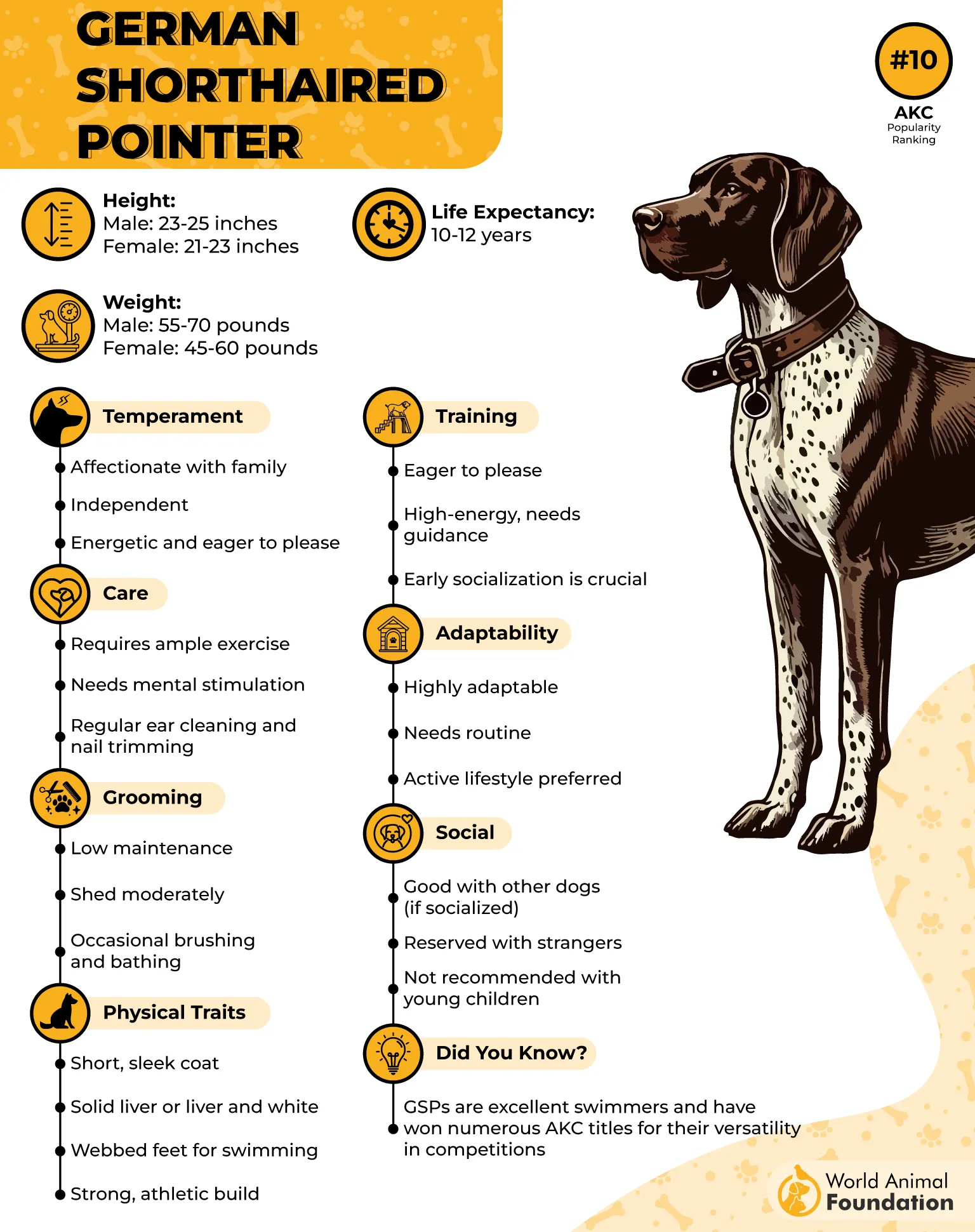
They can adapt to different types of livestock (sheep, poultry, and cattle) because of their “all-around” instincts: flushing, tracking, and retrieving.
They cover a large area with zig-zag movement (quartering). Instead of barking and nipping, this service dog helps the handler find the livestock by freezing and pointing. They constantly look up to the handler for directions. Once an animal runs away, they are sent to track and bring it back to the herd.
5. Rottweiler
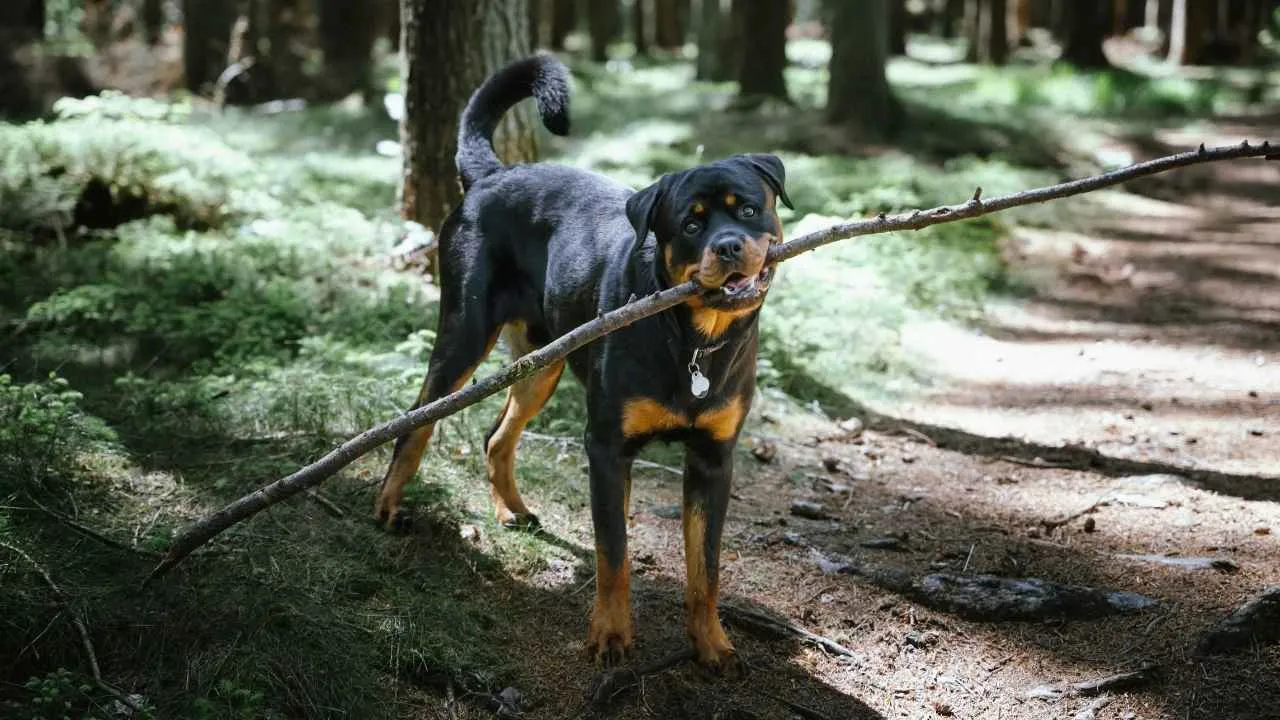
This medium to large dog was originally bred in Rome to herd and protect livestock and to pull carts till 19th century. With the development of railways, the need for this “butcher dog” reduced. During World War I and II, this high-energy dog had its revival as an ambulance, messenger, and guard dog.
They are one of the oldest dog breeds and have a very strong bite force (328 PSI). This alone and intimidating presence is enough to keep the predators away from the herd.
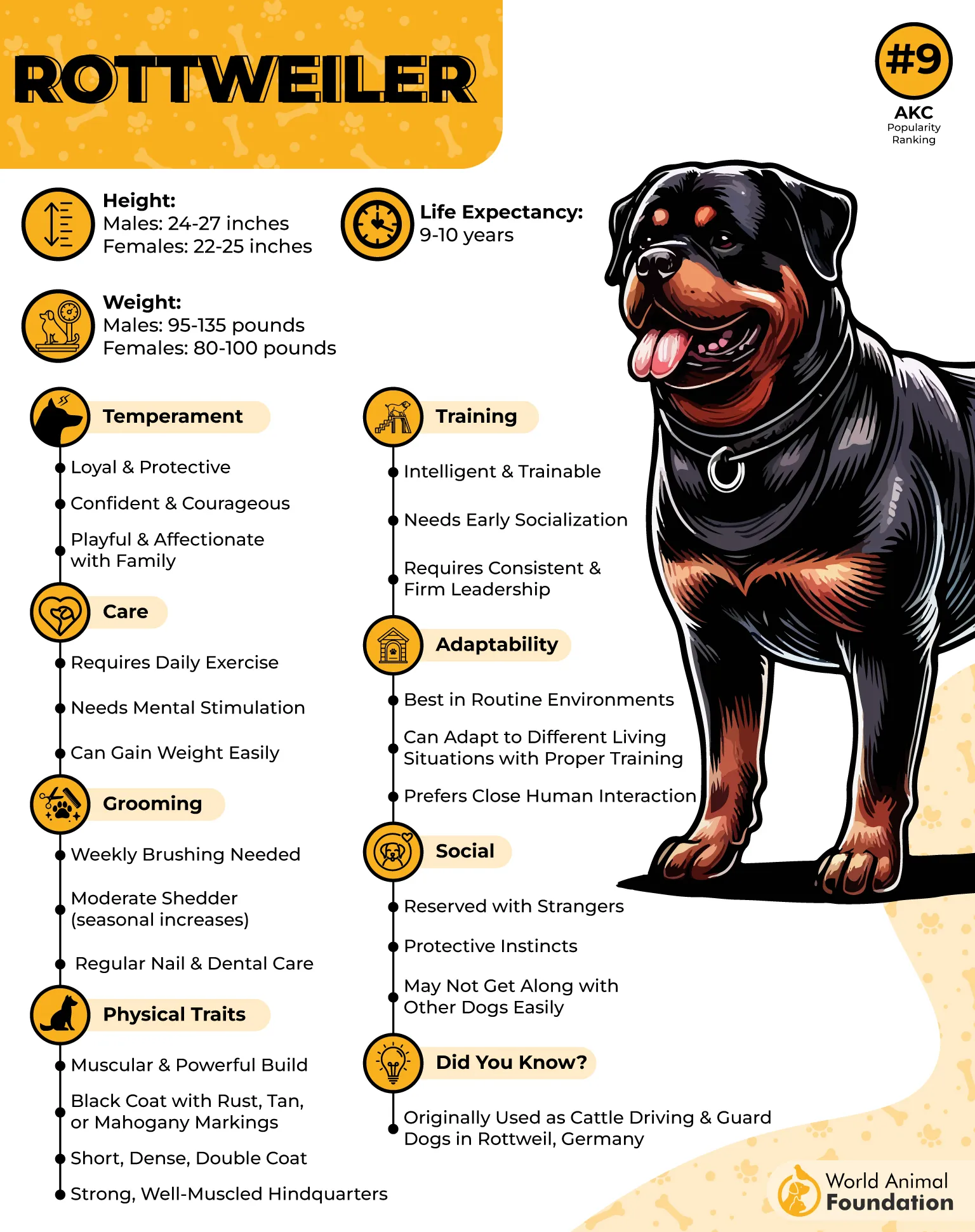
This dog has a high level of aggression towards strangers. Being extremely territorial, the Rottweiler needs proper training and early socialization to be a good family pet.
Despite using its sharp gaze to manage livestock, this excellent companion uses its giant body to physically push animals to stay in the herd. Their “loose eye” enables them to control a larger area while staying alert.
They use the clockwise movement to push the herd to the right and vice versa. It uses its deep bark to get the animal back to its herd.
6. Anatolian Shepherd Dog
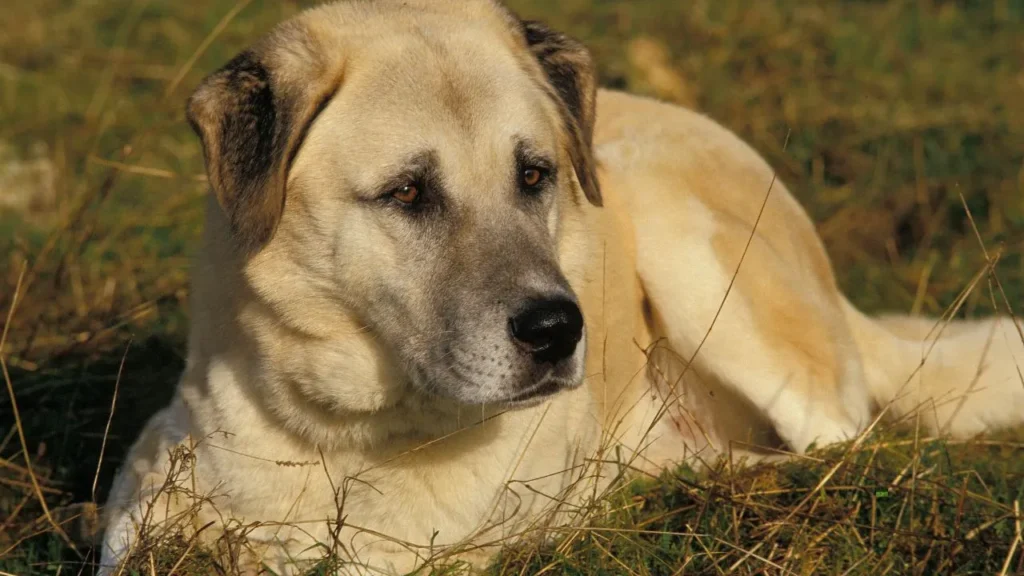
Originating in the Anatolia region of Turkey, this mountain dog was used as a herding breed. The AKC describes that this working dog is a descendant of one of the oldest domestic canine bloodlines that dates back to 6,000 years (Bronze Age).
Because of their loyalty, territoriality, patience, intelligent and gentle nature, they are protective of their flock, children, other dogs, and family members.
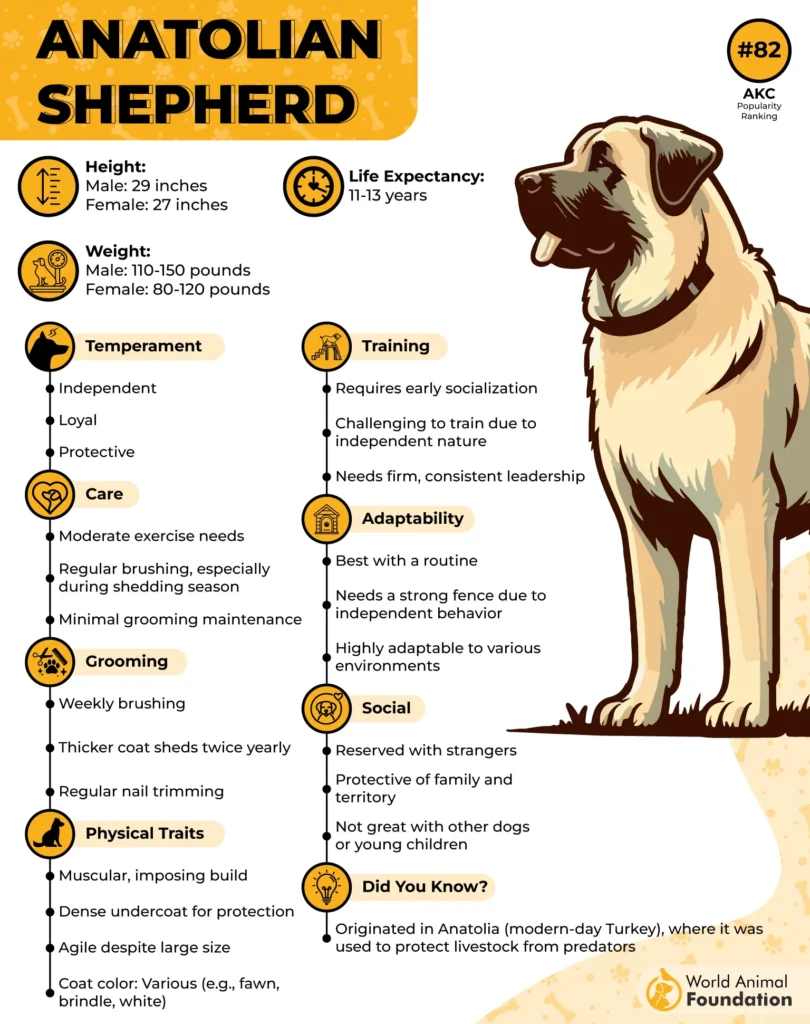
Famous for fighting with large predators, such as wild boars, wolves, and bears, the Anatolian Shepherd Dog requires regular exercise for physical activity and mental stimulation.
Instead of just chasing the livestock, this broad-chested dog acts as a member of the flock and forms deep bonds with them. Despite being massive (150 pounds), they are extremely smart (50 mph), perfect farm dogs for active homes.
They need to be introduced to the flock early (8-10 weeks). They often keep the flock calm by lying or sitting among them. They bark loudly to alert the owner. If that fails, they come forward and physically try to deter the intruder. They are fearless and never shy away from fighting with wild animals to protect livestock.
7. Great Pyrenees
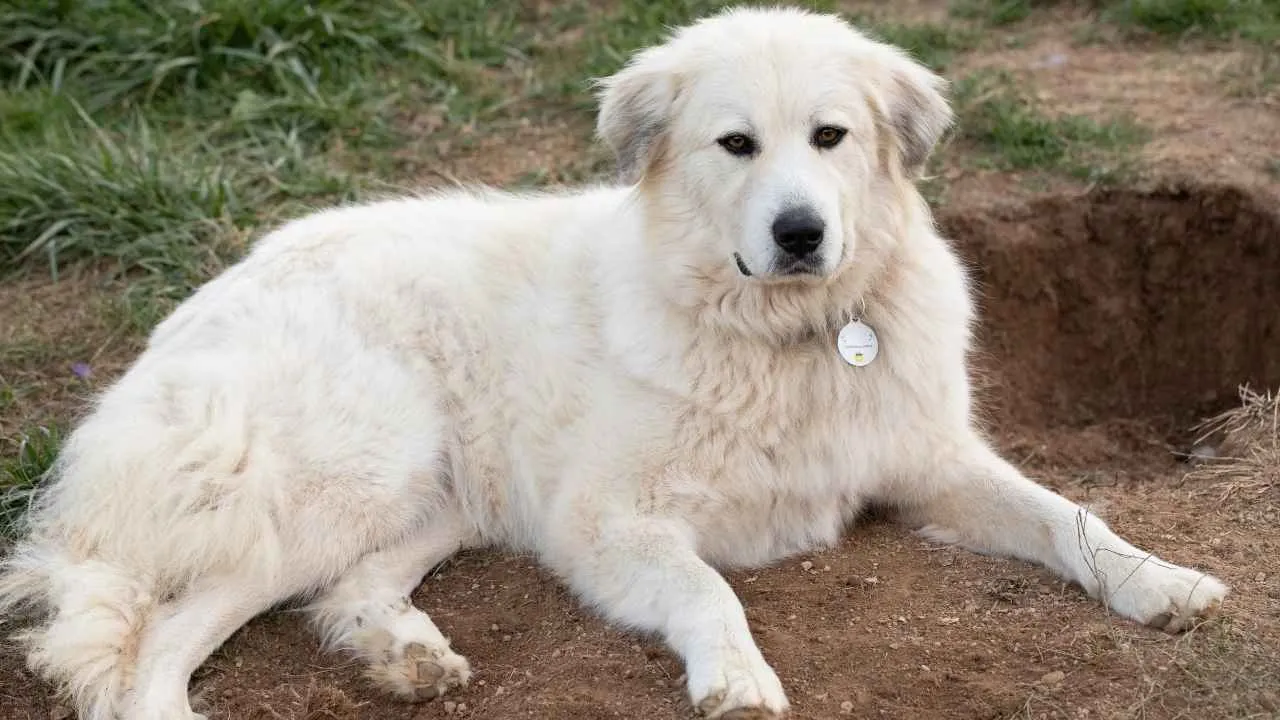
The Great Pyrenees was bred in the Pyrenees mountains between Spain and Italy. Its specialized white thick double coat is a camouflage that helps it hide among the sheep, making it a part of the flock and a deception to the predators.
The Great Pyrenees is more active at night, thus a nocturnal breed. Being independent in thinking, it tries to make its own decisions on when to intervene.
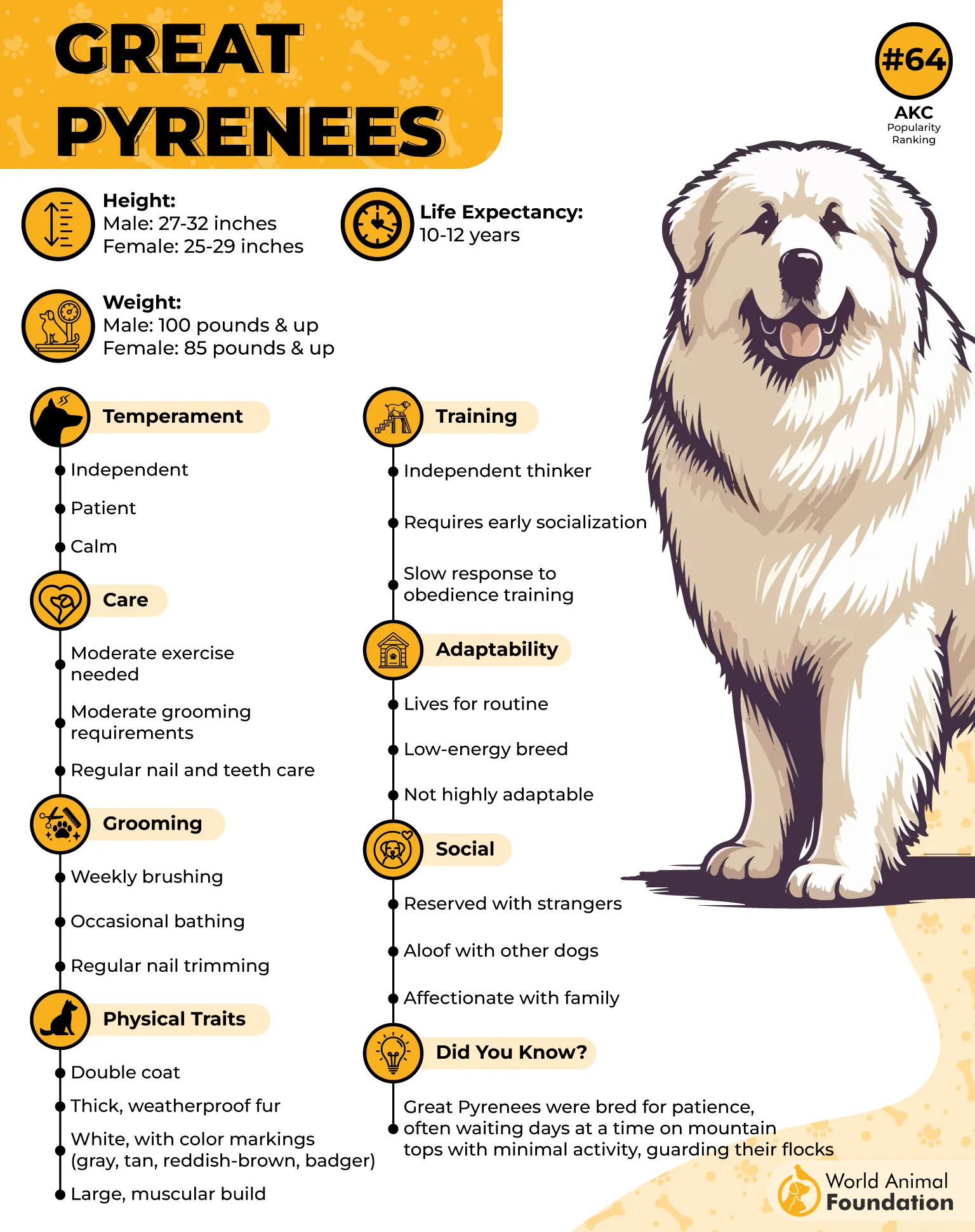
They have double dewclaws in their hind limbs that allow them to travel over rugged terrain over long distances.
The Great Pyrenees dogs need to make bonds with the flock before week 12. They patrol, sniff, and mark across the territory when they notice any abnormality. They keep their eyes on the key points (doors, windows) to survey the area. They bark when they anticipate a threat to alert the family. And physically block the intruder if nothing works.
Conclusion
These seven breeds are not just dogs with impressive resumes; they are partners. Working dogs that have spent generations being shaped by human needs, harsh environments, and the daily demands of field and farm life.
From the sharp, intense Belgian Malinois to the ancient, independent Anatolian Shepherd, each one brings something completely different to the table.
Choosing the right breed for your operation comes down to what you actually need. Need a dog to handle livestock movement? Go with the Aussie or Bouvier. Need a guardian who will hold the line overnight? The Pyrenees or the Anatolian is your answer. Need a field partner with stamina for miles of open terrain? The GSP will wear you out before it tires.
