




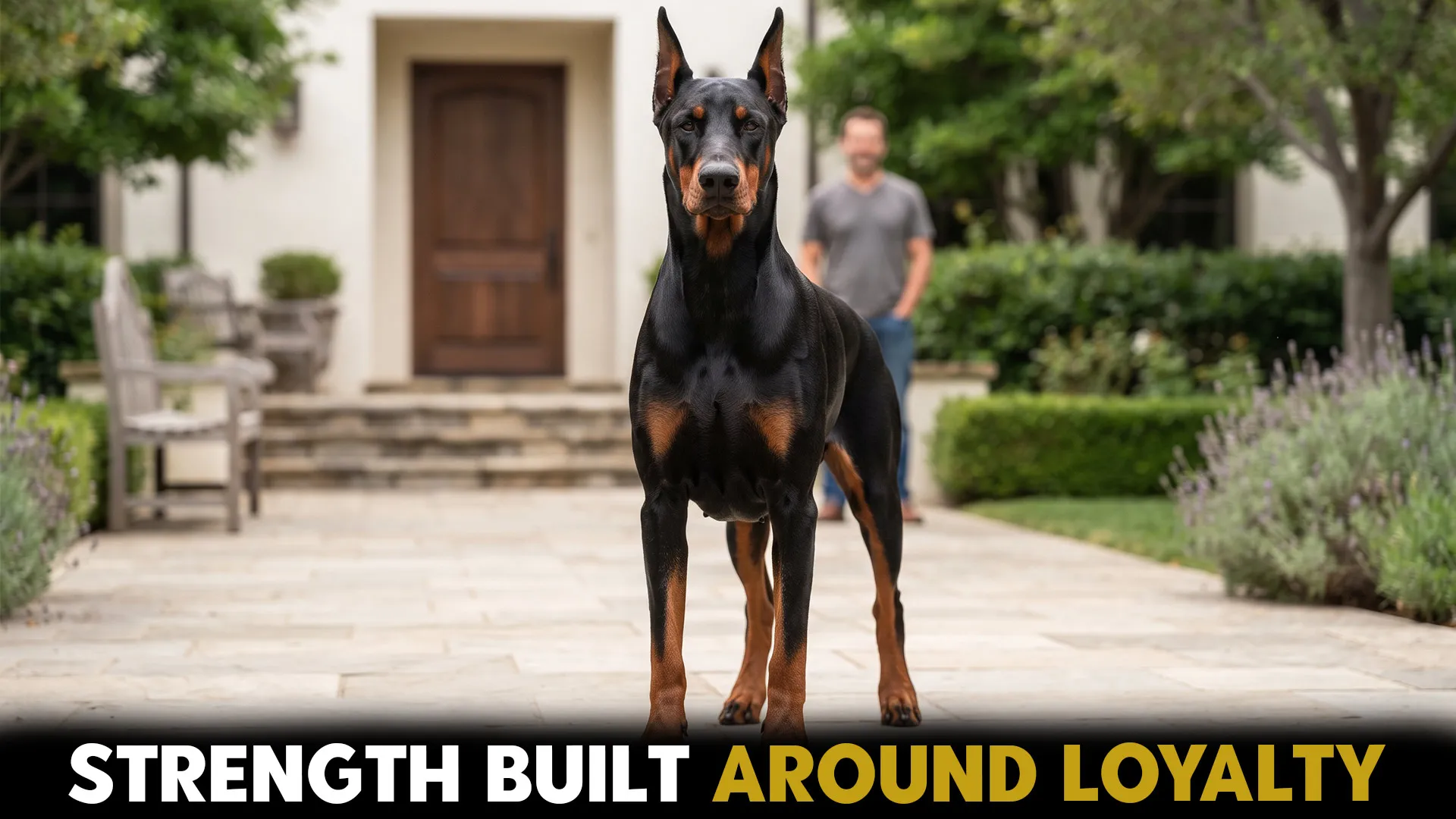
Some dogs greet every stranger like a long-lost bestie, while others quietly assess the situation before granting anyone VIP access to their family. Protective breeds often combine physical strength, sharp awareness, confidence, and an extraordinary attachment to their people. When raised responsibly, these dogs can be calm companions who make their families feel secure.
However, protective loyalty is not the same thing as aggression. A dependable guardian should remain controlled, responsive, and able to distinguish an ordinary visitor from a genuine threat. Genetics matter, but early socialization, reward-based training, daily enrichment, and responsible management ultimately shape how those instincts appear in everyday life.
The top robust dog breeds built for protective loyalty below come from herding, guarding, hunting, police, military, and farm-working backgrounds.
Top Robust Dog Breeds Built for Loyalty and Protection
1. Rottweiler
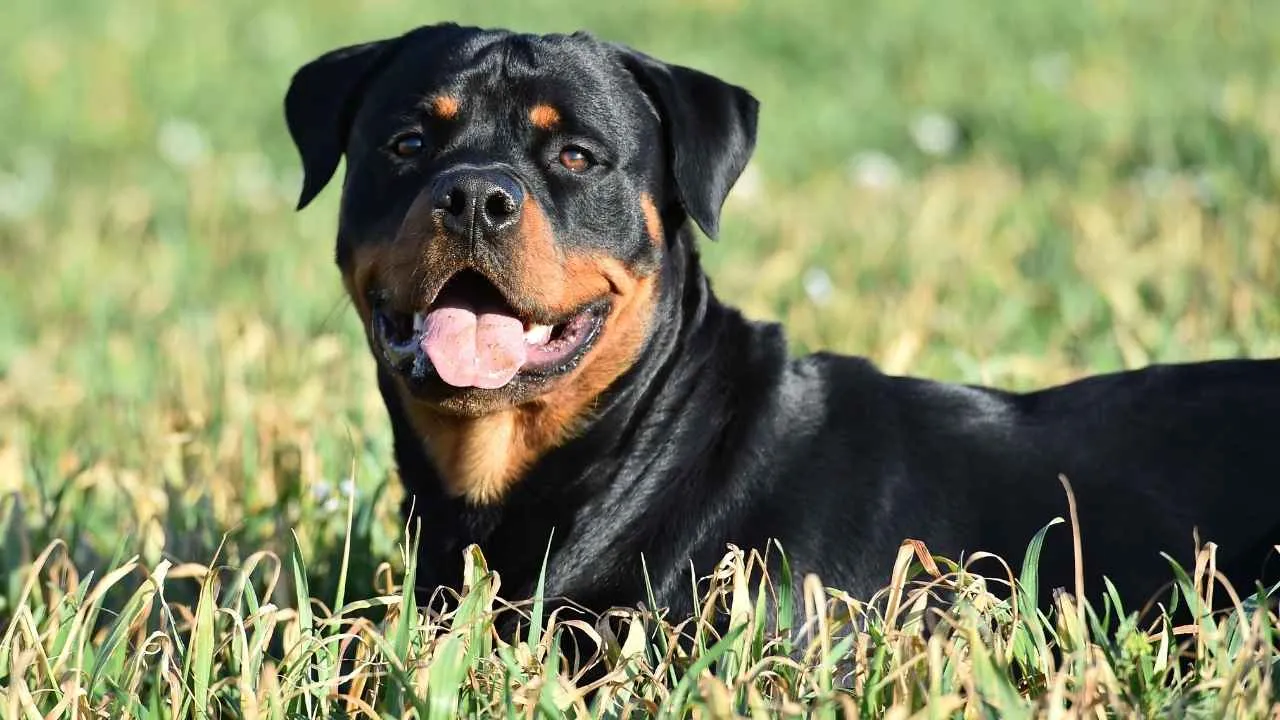
According to the American Kennel Club, the Rottweiler is a robust working breed and livestock guardian whose current jobs include driving cattle, guarding property, and pulling carts for butchers in the German town of Rottweil.
Although muscular and imposing, this properly raised guard dog breed should be calm, confident, and observant rather than randomly confrontational. These dogs usually form intense bonds with their households and tend to position themselves where they can monitor both their people and their surroundings.
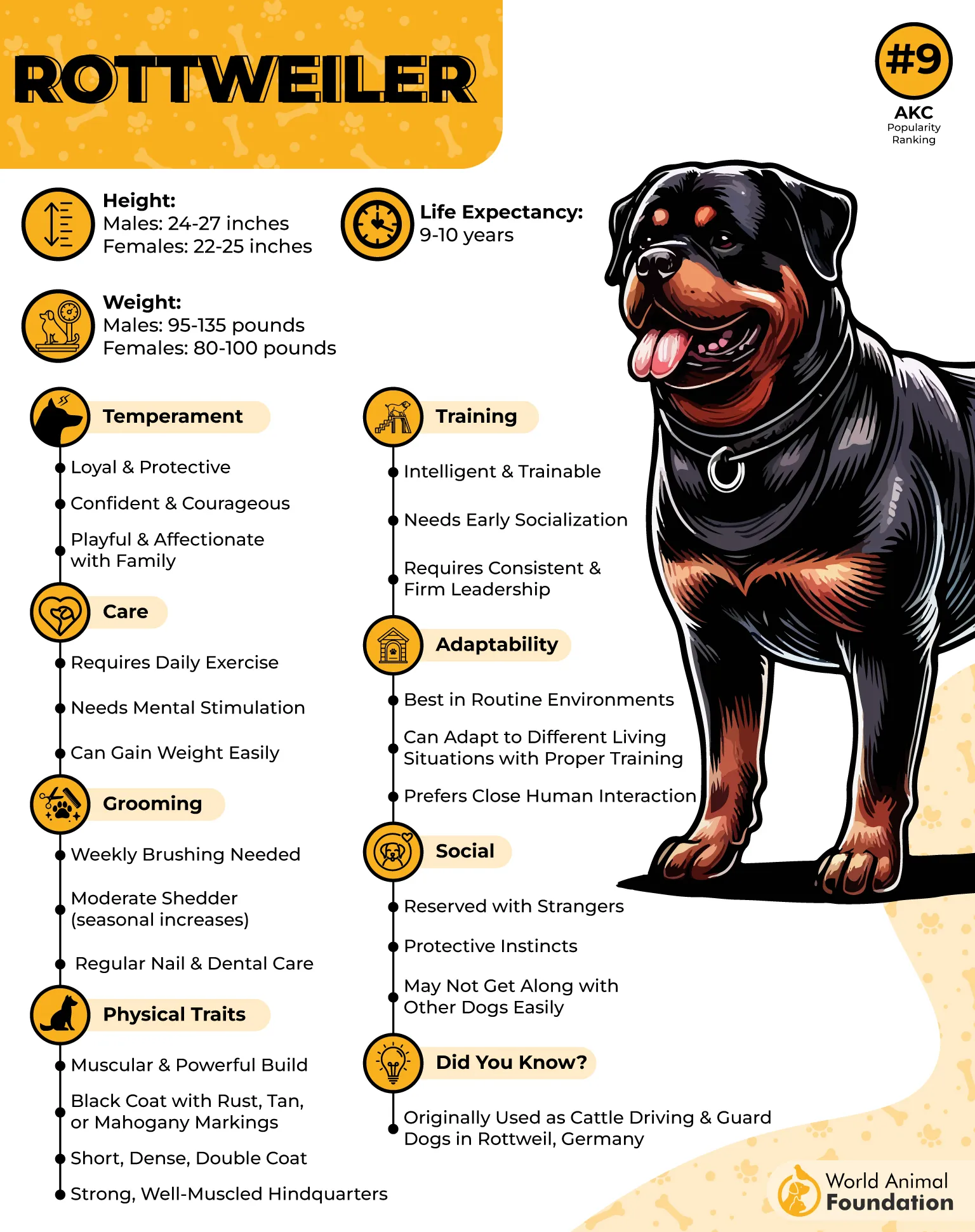
Rottweilers are exceptionally versatile and can participate in obedience, tracking, carting, therapy work, search and rescue, and other dog sports. Their intelligence allows them to learn quickly, but it also means they notice inconsistent rules faster than some humans notice a software update.
Daily walks, structured play, scent games, and obedience exercises help prevent boredom and support physical fitness. Prospective owners should also discuss hip, elbow, eye, and cardiac screening with responsible breeders because strength on the outside does not guarantee perfect health underneath.
Give this intelligent breed fair leadership, meaningful work, and genuine companionship, and this serious guardian may reveal an unexpectedly goofy heart.
2. Cane Corso

The Cane Corso looks like it was sculpted for an ancient palace entrance and then handed a family membership card. This Italian mastiff historically guarded farms, protected property, managed livestock, and hunted formidable game.
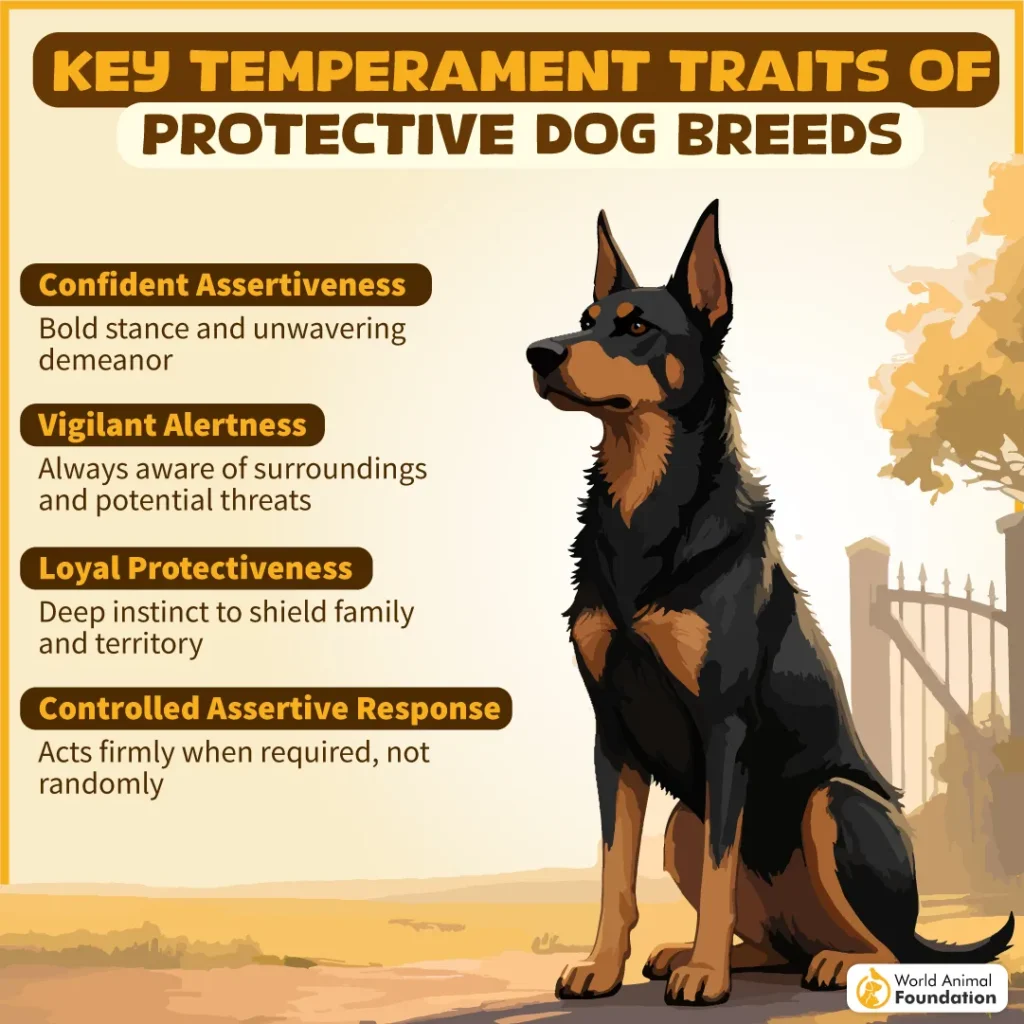
Corsos tend to bond closely with their households, as mentioned by The Royal Canin, and may remain reserved around unfamiliar people. They are not social butterflies collecting friends at every street corner, and forcing interactions can make them uncomfortable.
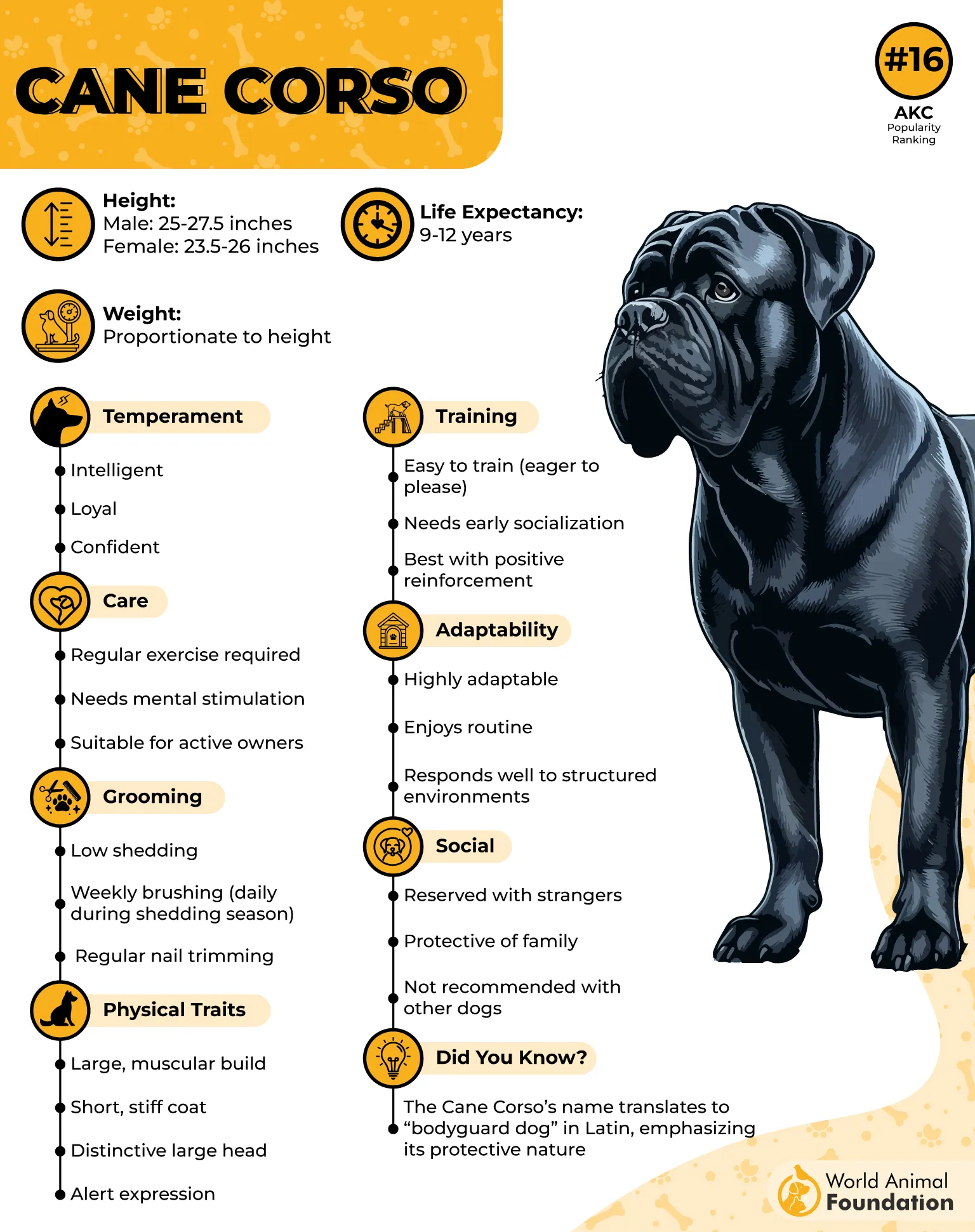
Despite their substantial build, Cane Corsos are athletic dogs that need regular movement and purposeful activity. Long walks, tracking, obedience, scent work, and carefully managed agility exercises can challenge both body and brain.
Start training immediately and cover leash manners, recall, impulse control, handling, place commands, and polite greetings. Positive reinforcement works best when paired with confident consistency, while harsh treatment can damage trust or trigger defensive behavior.
3. German Shepherd
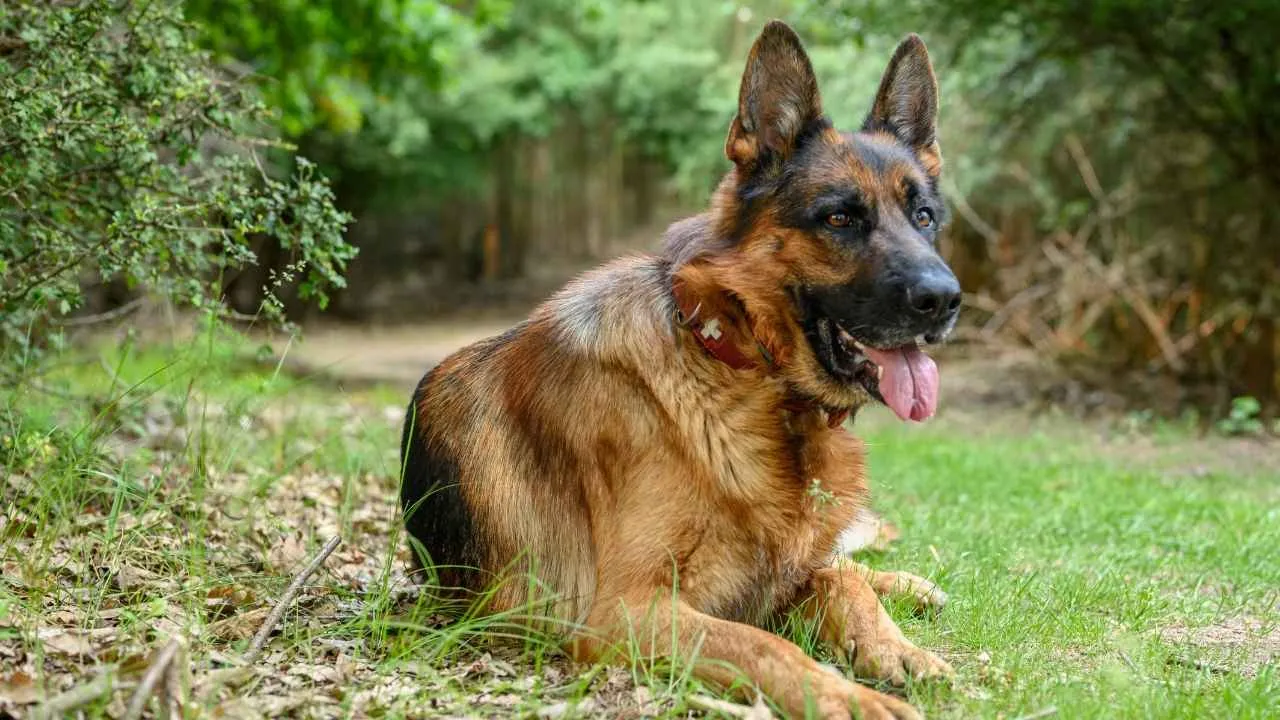
Developed in Germany as an intelligent, versatile herding dog, the German Shepherd later became prominent in police work, military service, search and rescue, detection, assistance, and competitive dog sports.
German Shepherds often keep track of their owners by checking rooms, scanning environments, and circling back during activities. Constant pacing, rigid staring, nonstop barking, or guarding family members from harmless contact, however, may signal stress rather than heroic devotion.
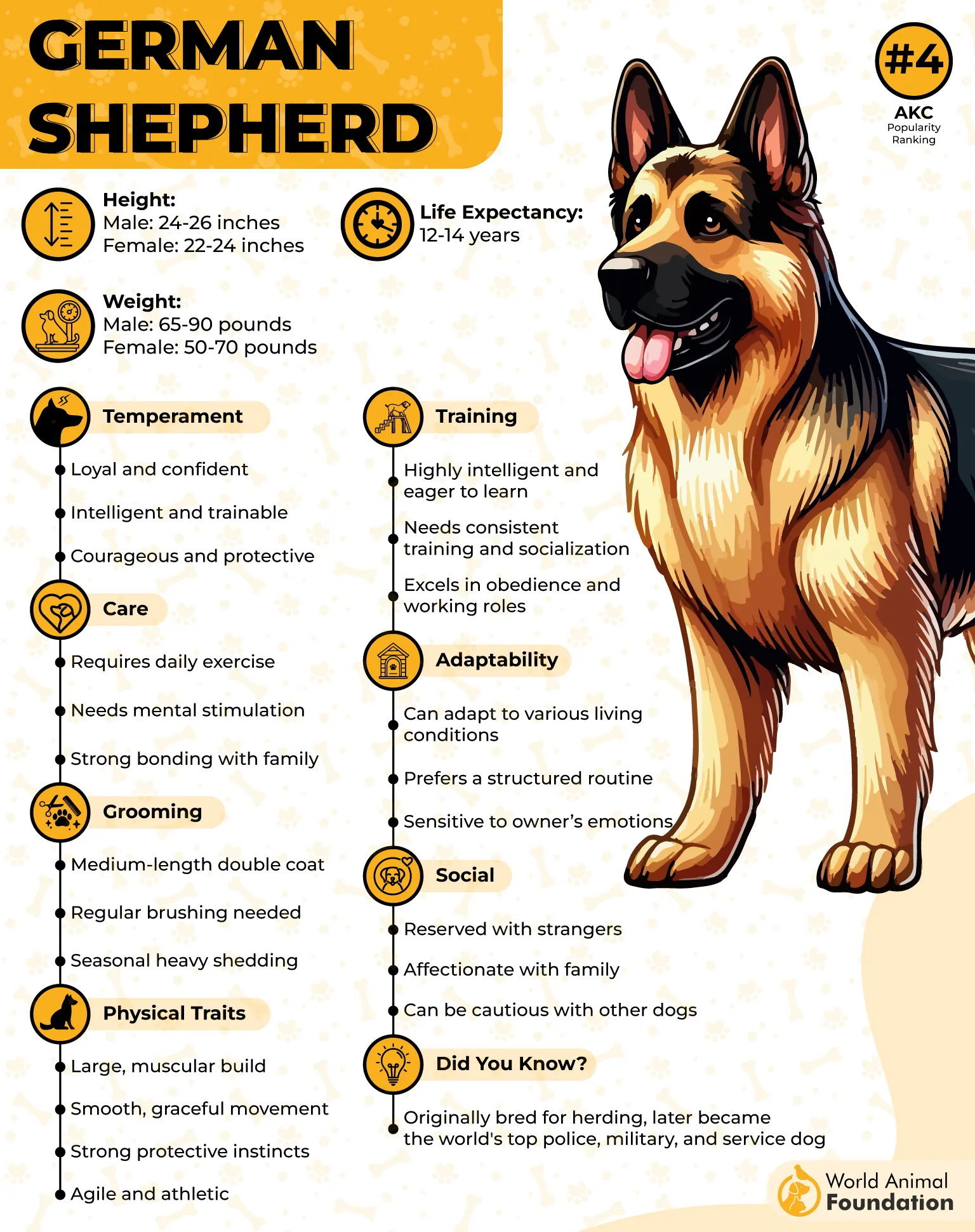
These dogs learn quickly and can absorb both intentional lessons and accidental household habits. Many owners discover that their Shepherd has memorized the sound of a treat bag, the school-run schedule, and exactly which family member is easiest to negotiate with.
Rewarding neutrality around strangers is often more useful than demanding that the dog greet every person or animal it sees. Reliable recall, controlled door behavior, loose-leash walking, and a strong settle command make everyday life considerably less chaotic.
4. Doberman Pinscher
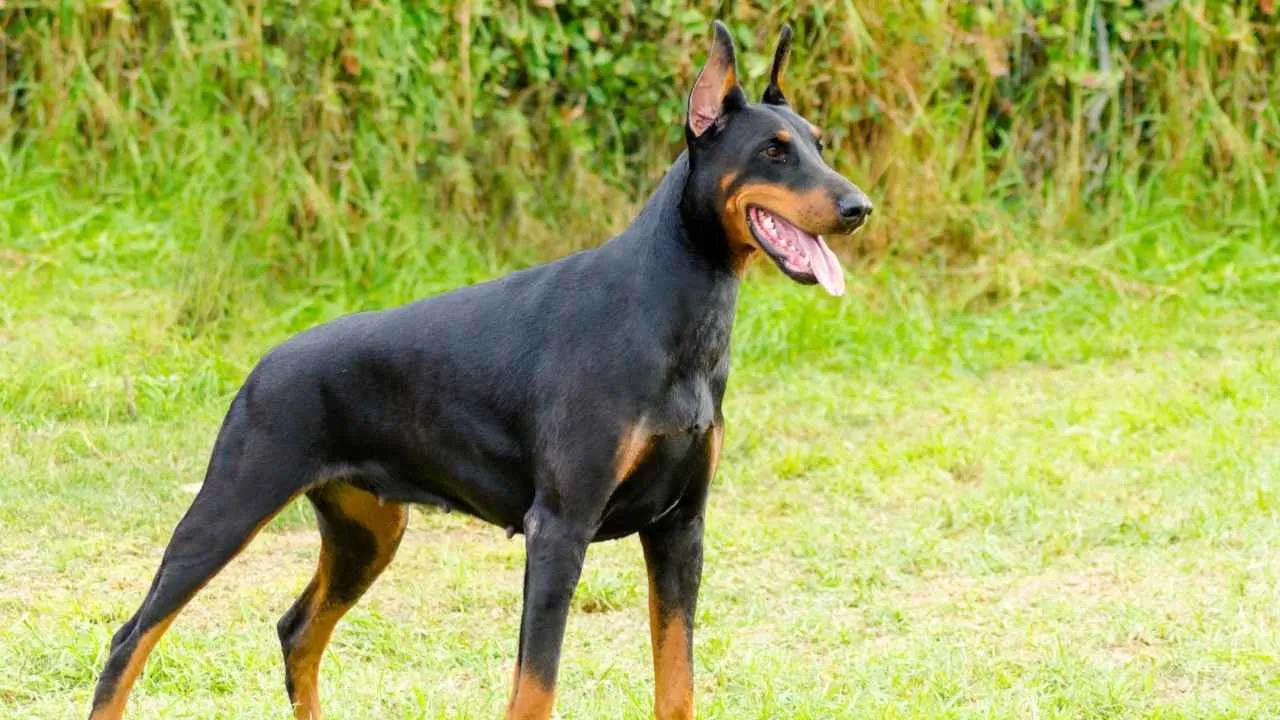
The Doberman Pinscher is sleek, athletic, and so visually polished that it seems permanently dressed for an important event.
Orvis calls them “Velcro dogs” because many want to remain within touching distance of their favorite person. Their loyalty is deeply personal, and isolation in a yard is unlikely to meet their emotional or mental needs.
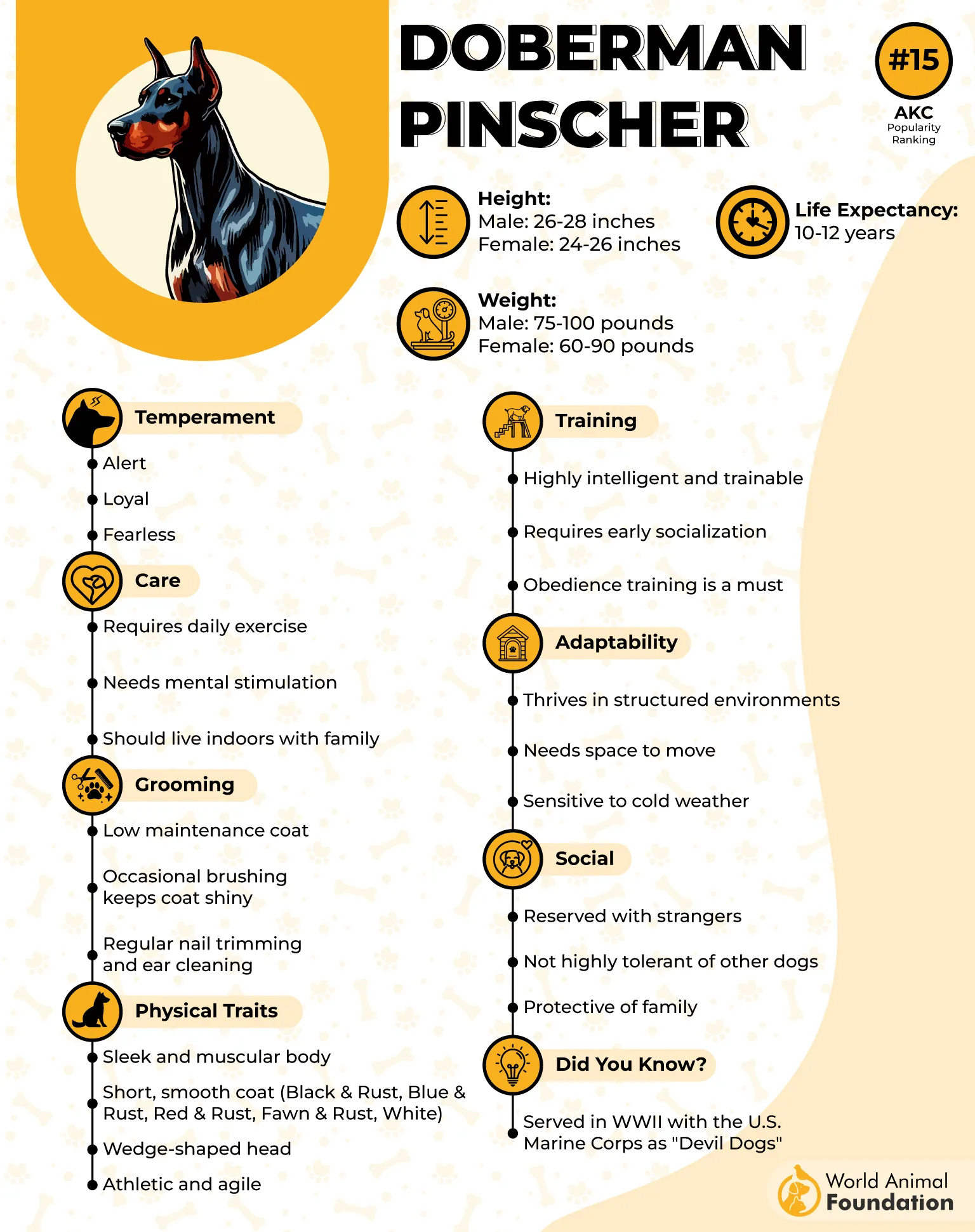
It is loyal, fearless, alert, and highly intelligent. Its lean body can accelerate quickly, making running, brisk walks, obedience, tracking, agility, and vigorous games excellent outlets. A bored Doberman may develop destructive habits, which is canine language for “you forgot to give the genius an assignment.”
Early exposure to visitors, children, stable dogs, public spaces, household noises, and veterinary handling helps develop sound judgment. Families with children must still supervise interactions and teach both dog and child to respect boundaries, regardless of how loving the relationship appears.
5. Bullmastiff
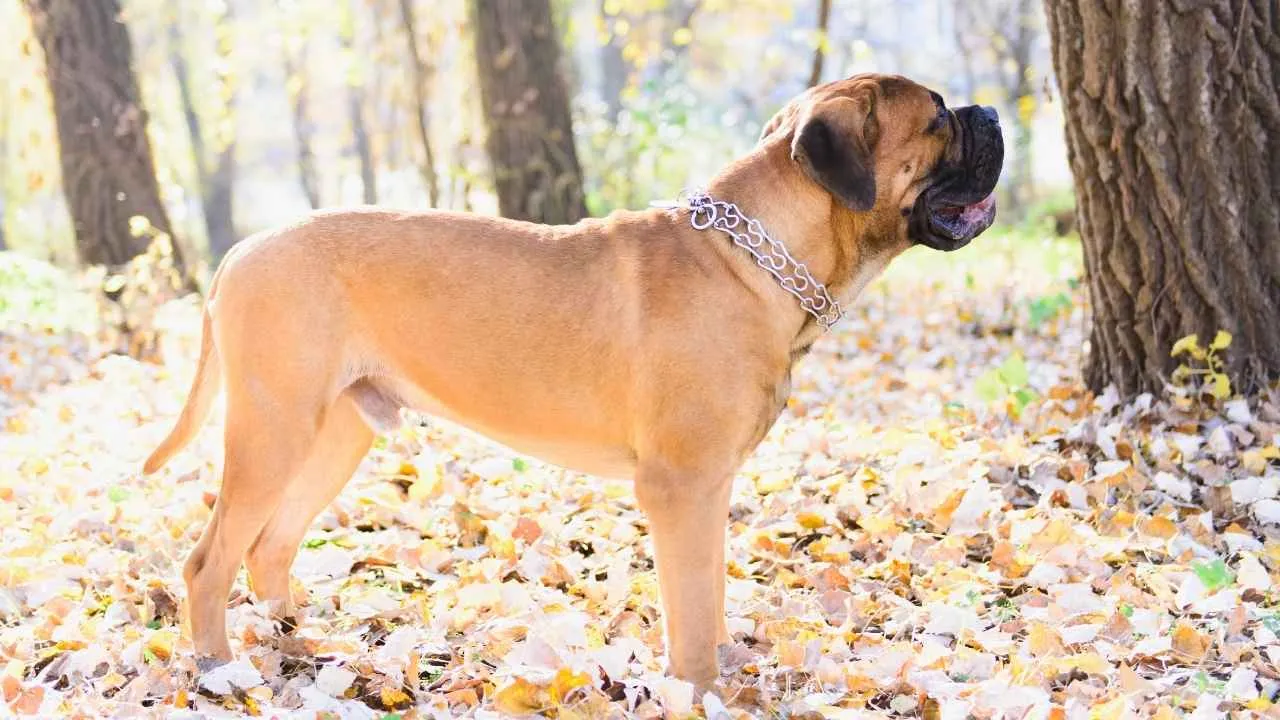
The Bullmastiff is what happens when immense power meets a smartphone’s energy-saving settings. British gamekeepers developed the breed by crossing Mastiff- and Bulldog-type dogs to help apprehend poachers on large estates.
Today’s Bullmastiff is typically devoted, calm, and affectionate with family, though it can be naturally suspicious around unfamiliar people. It is fearless at work yet docile at home, which neatly captures its two-mode personality.
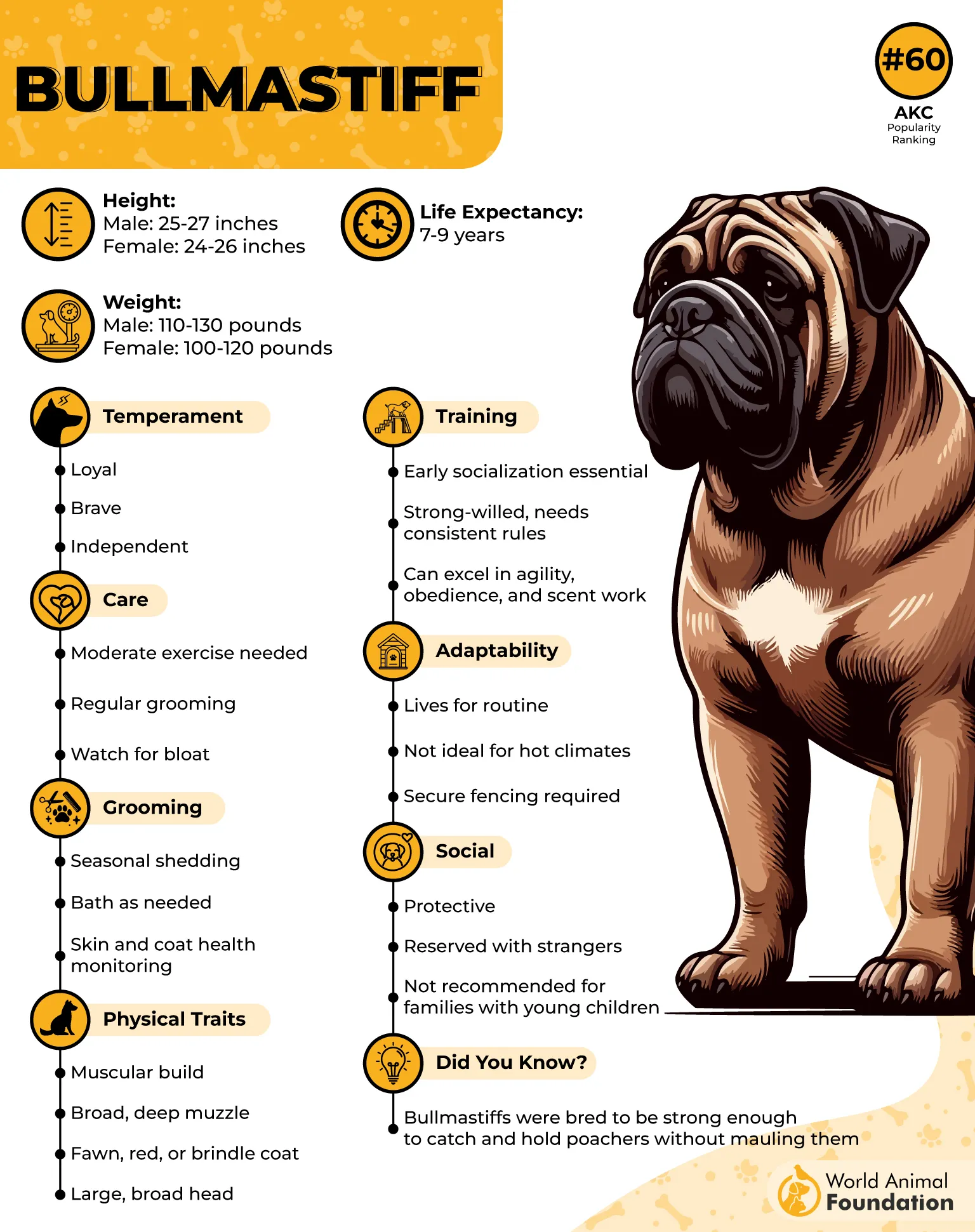
These dogs usually need moderate daily exercise rather than marathon-level activity. Comfortable walks, short training sessions, sniffing opportunities, and controlled play help maintain muscle without overloading growing joints. Because they can gain excess weight, owners must resist those Oscar-worthy performances delivered beside the dinner table.
Socialization should teach the Bullmastiff that visitors, veterinary staff, delivery workers, and everyday neighborhood activity are not automatic emergencies. Leash skills and polite greetings are especially important because an enthusiastic adult can move a person without even meaning to.
For households prepared to manage its size and protective instincts, the Bullmastiff offers quiet courage wrapped in a surprisingly cuddly personality.
6. Akita
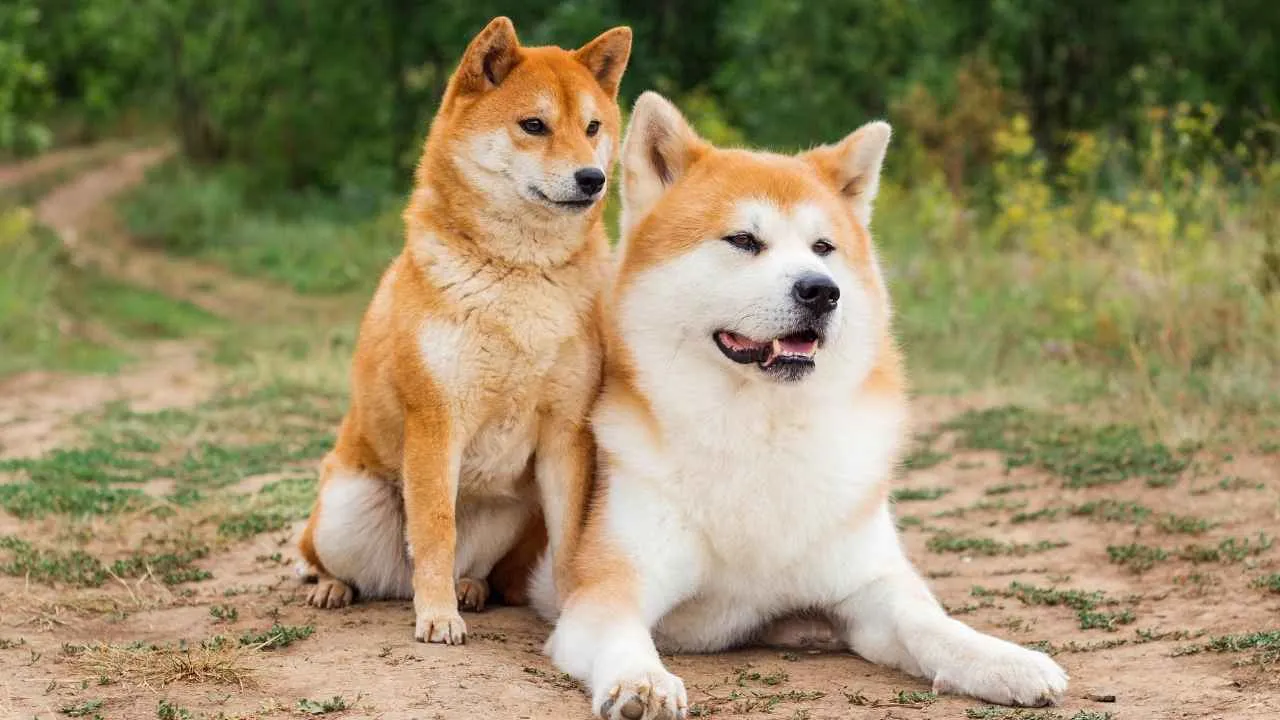
The Akita carries itself with the calm dignity of someone who already knows it is iconic. Originating in Japan, the breed historically worked as a hunter and guardian, and it holds deep cultural significance as a symbol of loyalty and good fortune.
The story of Hachikō, which famously continued waiting for its deceased owner at a Tokyo station, helped make Akita devotion known worldwide.
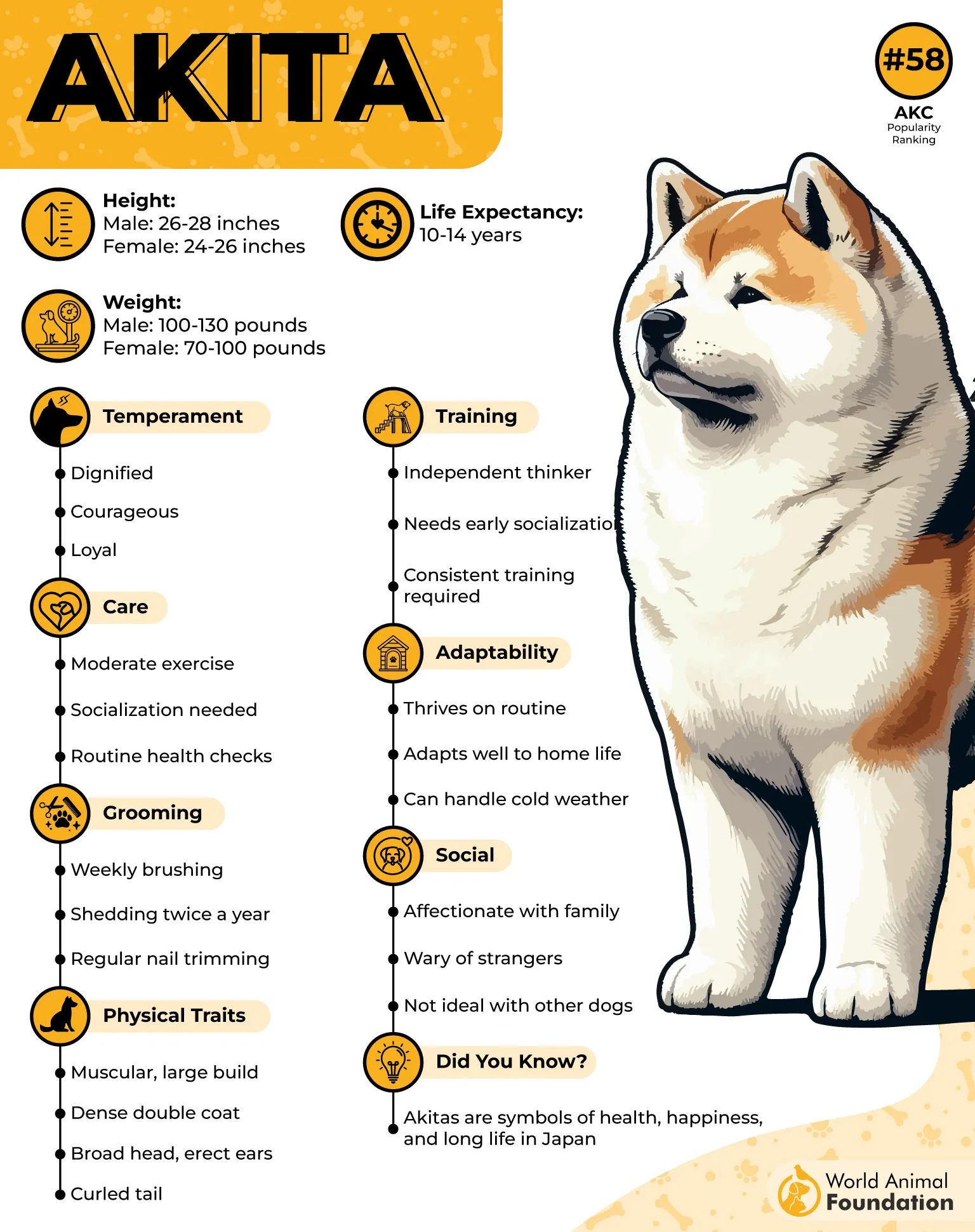
Akitas tend to reserve their deepest affection for a relatively small circle of trusted people. They may be aloof with visitors and can show intolerance toward unfamiliar dogs, particularly dogs of the same sex. This breed doesn’t need to win the popularity contest at daycare, and many Akitas would honestly prefer to skip it entirely.
This muscular, double-coated dog is known for dignity, courage, and loyalty. Beneath that impressive exterior is an independent thinker who may evaluate whether a request makes sense before complying. Training therefore works best as a respectful partnership built through rewards, clear routines, and short sessions that avoid boring repetition.
For an experienced owner who respects independence rather than trying to crush it, the Akita can become a profoundly loyal and quietly affectionate companion.
7. Giant Schnauzer
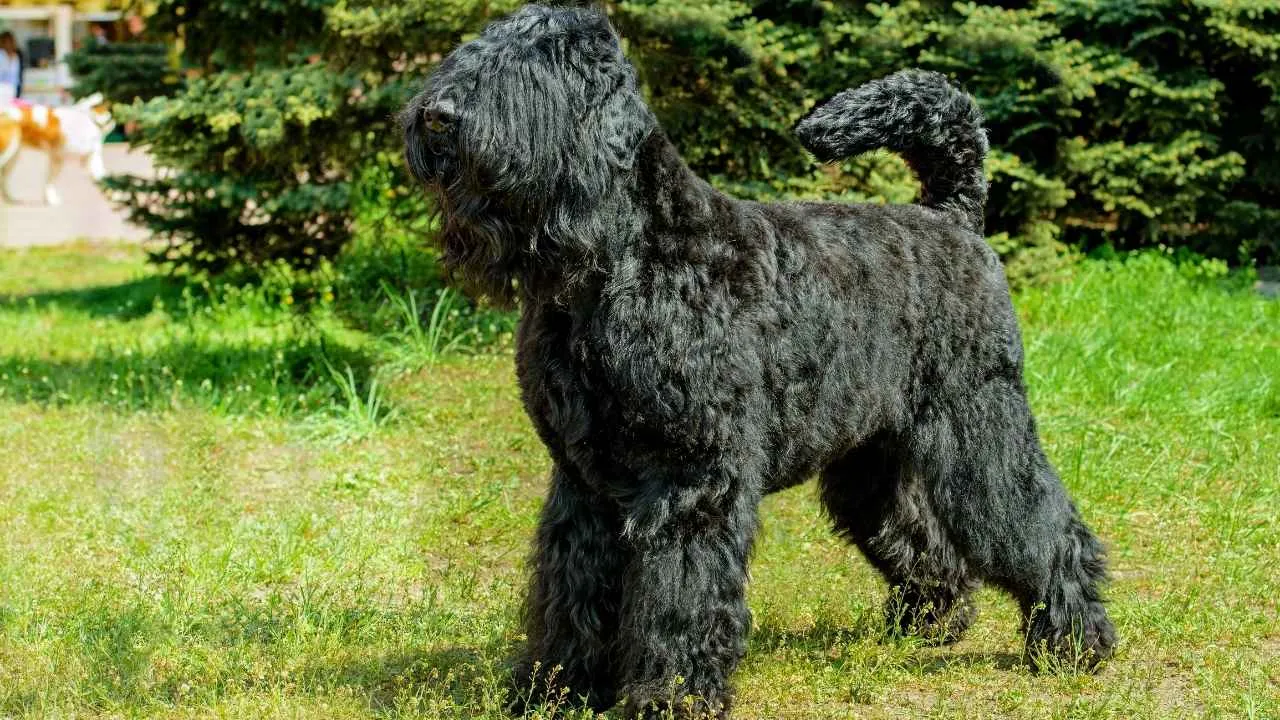
Giant Schnauzers originated in Germany, where they drove cattle, guarded farms and breweries, and performed other demanding jobs. Their strength, intelligence, and vigilance later made them useful in police and military roles.
These gentle giants are often territorial and naturally attentive to unusual activity around the home. They should nevertheless learn that guests and ordinary street noise do not require a full-scale security briefing.
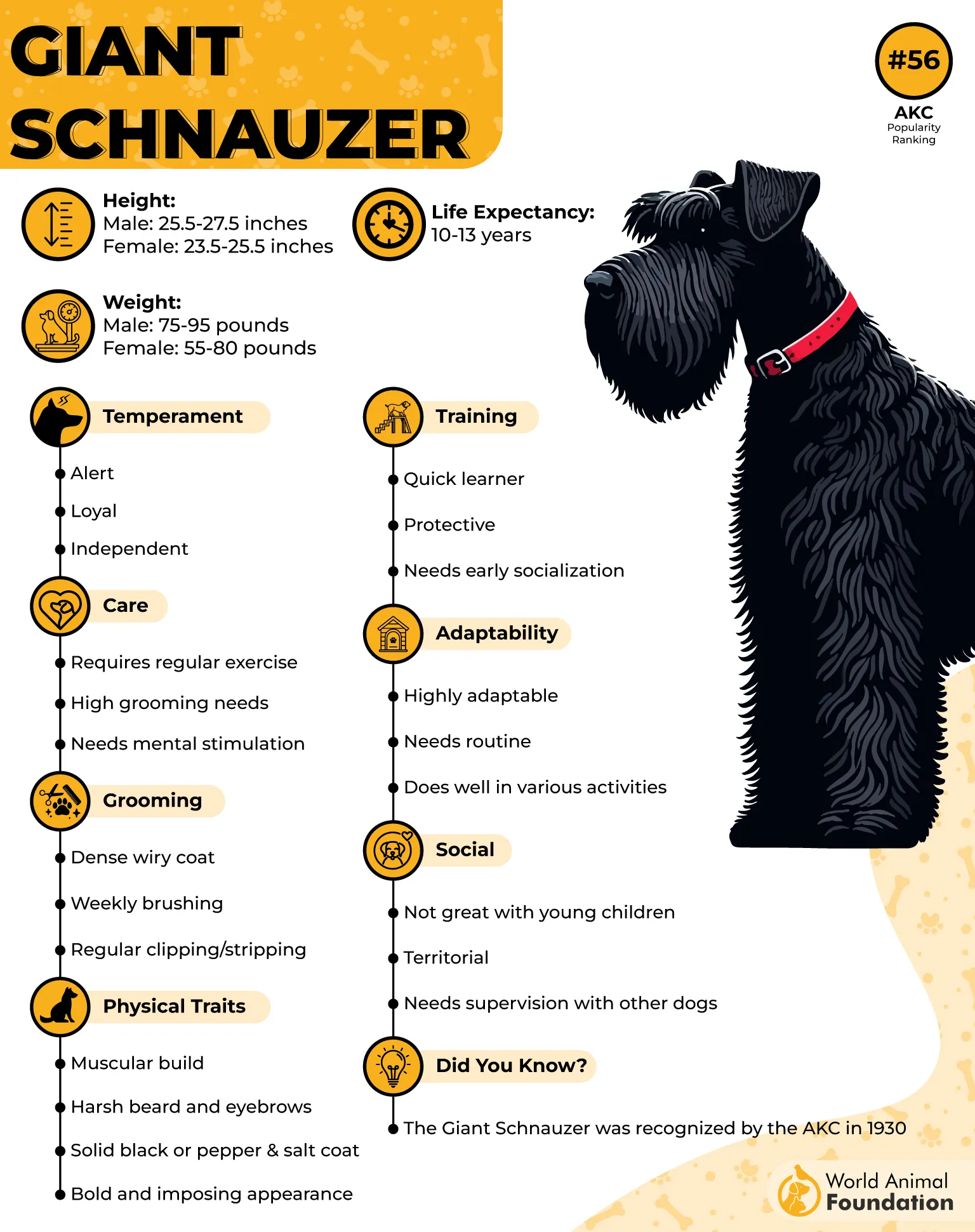
This loyal companion needs substantial daily physical exercise, but running alone will not satisfy its active mind. Advanced obedience, tracking, scent detection, agility, herding, and interactive games can channel that intensity into cooperative work.
Proper training should prioritize impulse control, reliable recall, calm greetings, grooming cooperation, and neutrality around unfamiliar people and dogs. Their large size and quick reactions leave little room for careless handling or inconsistent expectations.
8. Rhodesian Ridgeback
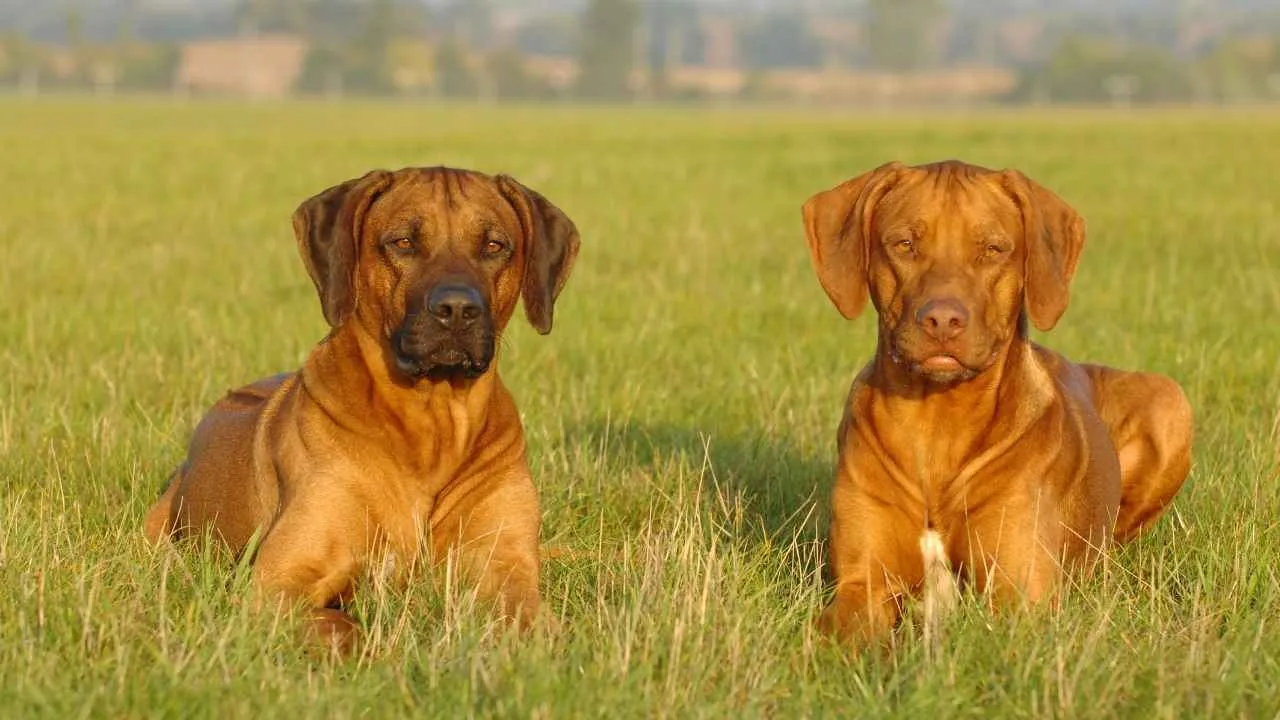
Developed in southern Africa, the Ridgeback helped hunters track and hold large game at bay while also guarding farms and families. Its signature feature is the ridge of hair along the back that grows in the opposite direction from the surrounding coat.
They are often affectionate at home but restrained with unfamiliar people. They usually don’t need encouragement to become more protective because watchfulness already exists in the breed’s historical toolkit.
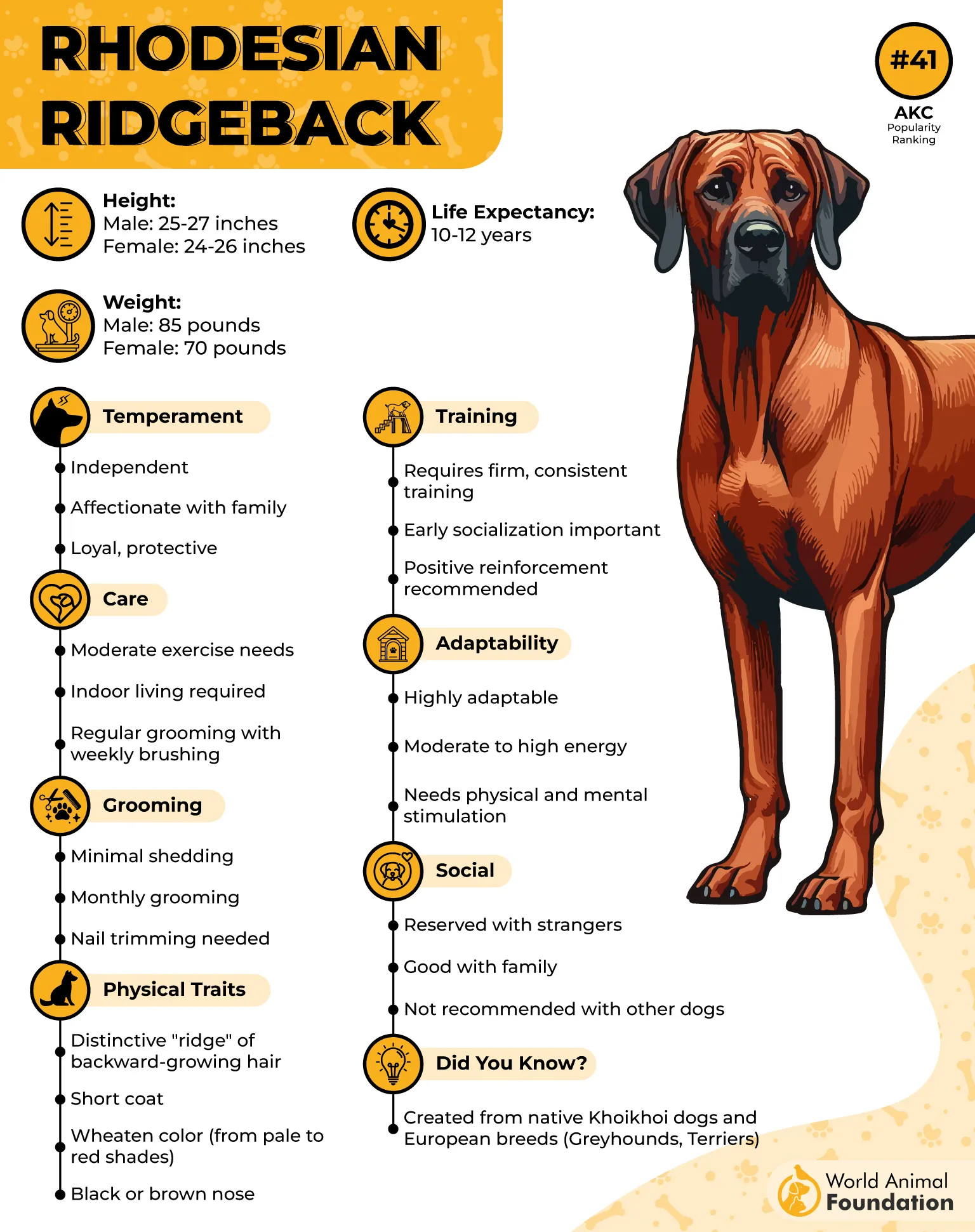
This powerful hound is even-tempered, dignified, affectionate, and independent. Ridgebacks can sprint impressively, yet many are equally talented at occupying an entire sofa after their exercise needs have been met. Long walks, secure running opportunities, lure coursing, hiking, and scent games suit their endurance and hunting instincts.
Training requires creativity because excessive repetition can make a Ridgeback mentally clock out. Positive reinforcement, short sessions, and meaningful rewards are generally more productive than physical corrections, especially with such an independent and sensitive dog.
9. Belgian Malinois
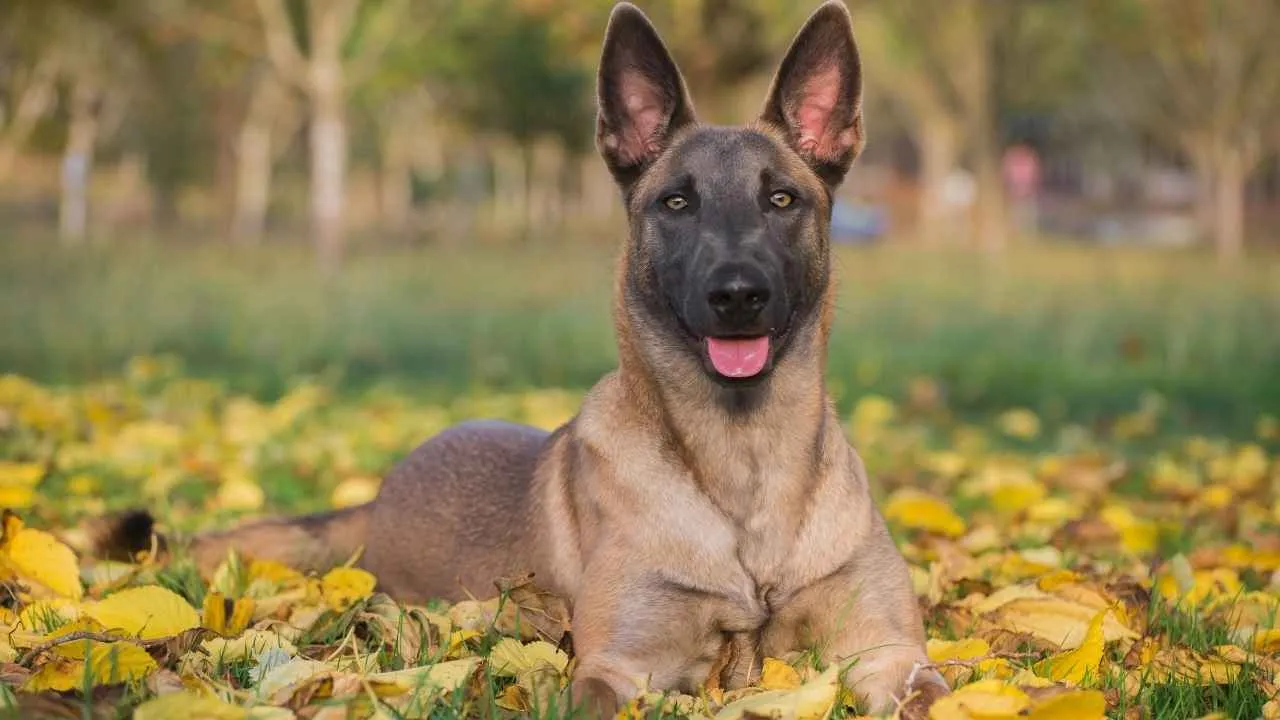
Developed near the Belgian city of Malines, Belgian Malinois began as a livestock herder before gaining international recognition in police, military, detection, search-and-rescue, and protection work. Speed, endurance, intelligence, and intense handler focus make the Malinois outstanding in trained professional roles.
Those abilities also explain why this loyal dog can overwhelm an unprepared household. A casual walk around the block rarely satisfies a dog bred to think, move, react, and cooperate for long working periods.
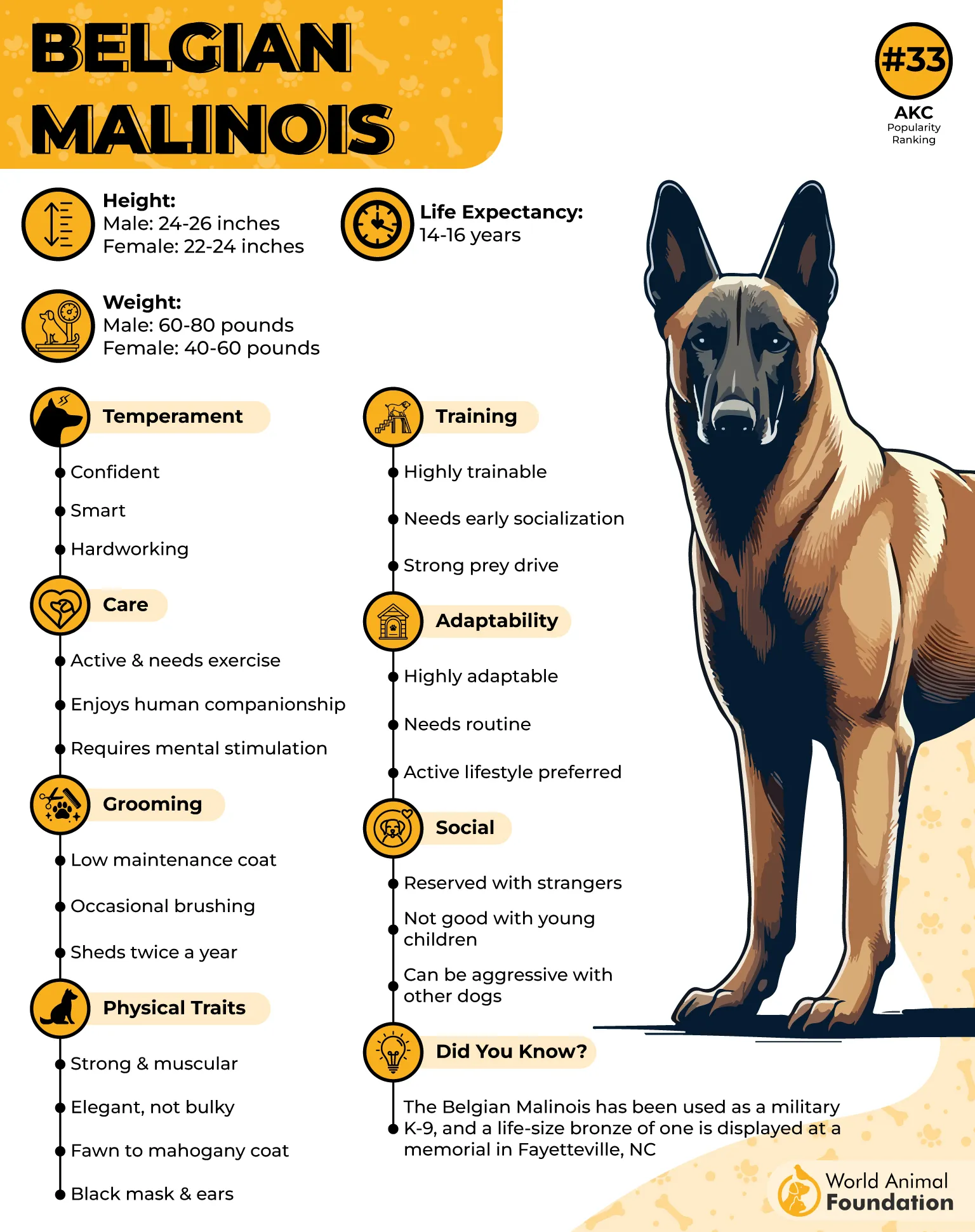
Successful owners of this affectionate breed commonly build daily routines around advanced obedience, tracking, scent work, agility, herding, running, or competitive protection sports conducted under expert supervision. This is less “buy dog, add kibble” and more “welcome your new highly athletic coworker.”
Socialization should teach calmness and neutrality rather than encouraging the puppy to charge into every interaction. Because herding instincts can produce chasing, circling, or nipping, impulse control and appropriate play habits must begin early.
Conclusion
Robust protective breeds are impressive not because they look intimidating but because their strength can exist beside loyalty, judgment, and self-control.
Before choosing one, research breed-specific health testing, meet well-adjusted adult dogs, speak with reputable breeders or rescue organizations, and honestly examine your lifestyle. Labrador Retriever, Chesapeake Bay Retriever, Pit Bull, American Bulldog, Black Russian Terrier, Australian Shepherd, Airedale Terrier, and Great Dane are also powerful guardian breeds.
With patient, humane training, thoughtful socialization, and daily engagement, these dogs can offer remarkable companionship and devotion. Their protective loyalty is strongest when they trust their humans to make decisions, manage situations, and keep everyone safe.
