




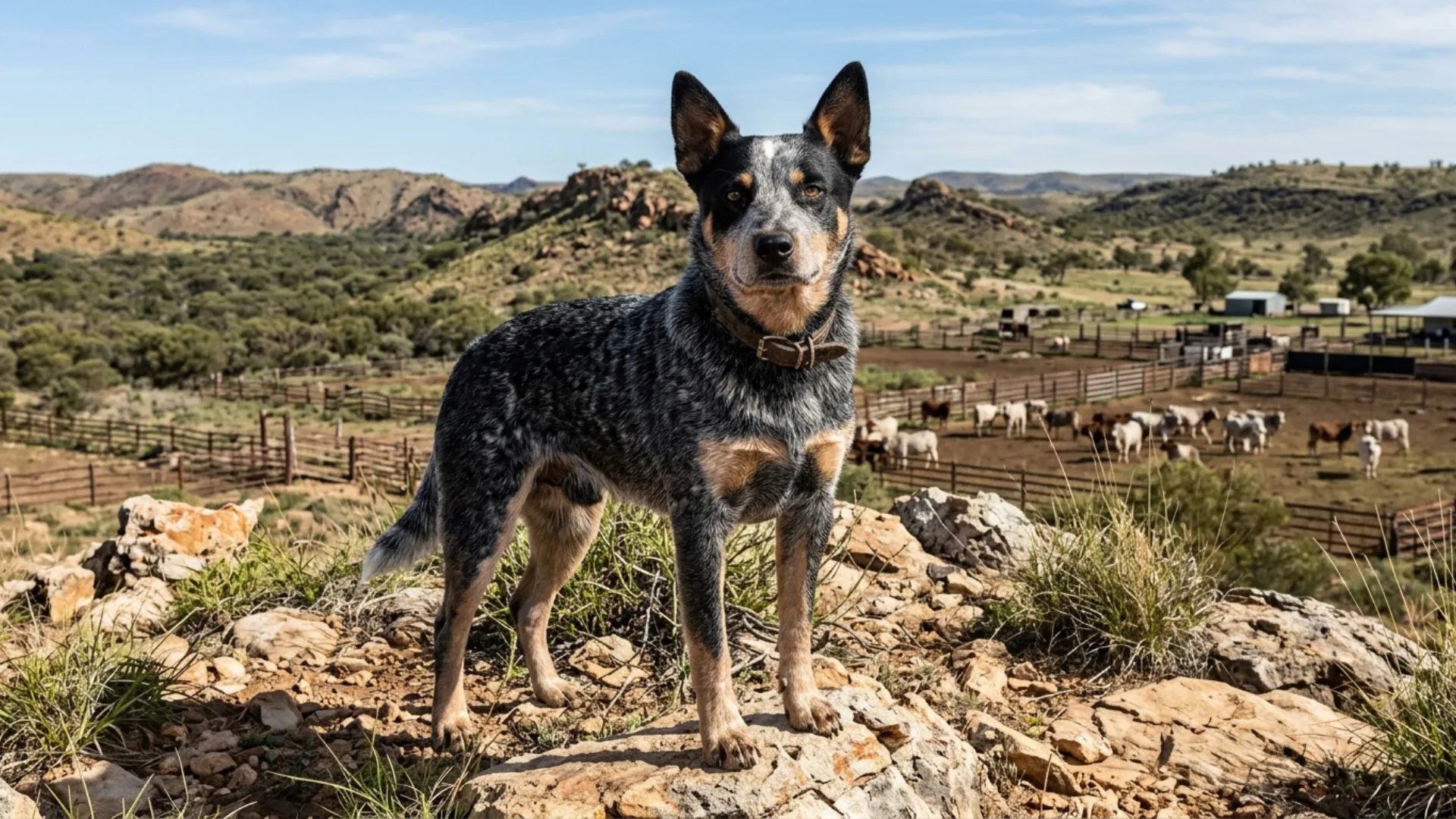
When people talk about a dog built to guard in rough terrain, they usually mean one that can handle hard work, bad weather, predators, and wild places without wearing down or backing off.
These are dogs that just don’t quit.
If you live on a big farm or spend a lot of time outdoors, you already know why that matters. You need a breed that’s tough, smart, courageous, and powerful enough to deter intruders and predators alike.
Honestly, some breeds are natural survivors: thick coats for freezing cold, strong paws for rough ground, heavy muscle for hard work, and serious bite force.
These dogs can spot danger and react fast to protect their people. We’ve put together a list of 10 resilient breeds built for guarding in tough environments, along with their bite force, stamina, and work history, so you can see which one might be the right fit.
You’ll also find notes on what kind of owner each breed suits best, plus grooming needs, which is worth knowing if allergies are a concern. So stick around.
Resilient Working Dog Breeds that Stand Guard in Rough Terrain
1. Australian Cattle Dog
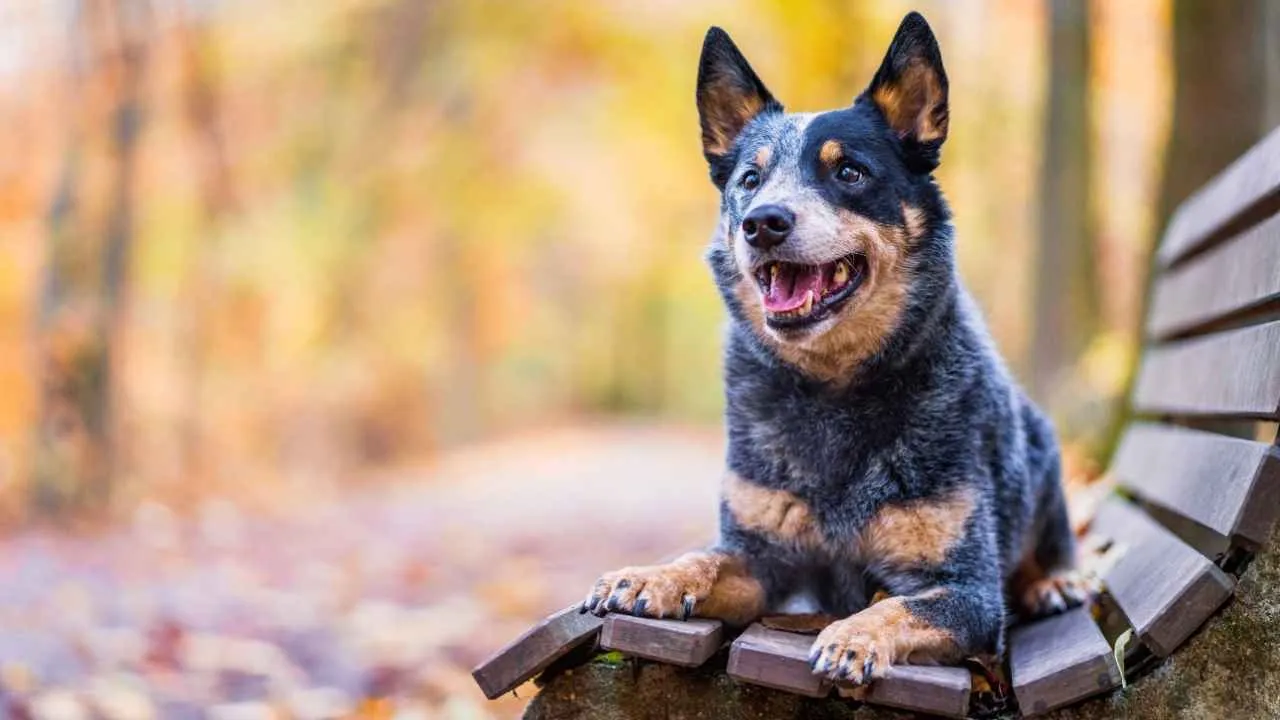
Australian Cattle Dogs are hyperactive, highly focused, and super loyal dogs, often called Red or Blue Heelers because of their coat colors. Bred to herd cattle in the Australian outback, they’re naturally wary of strangers.
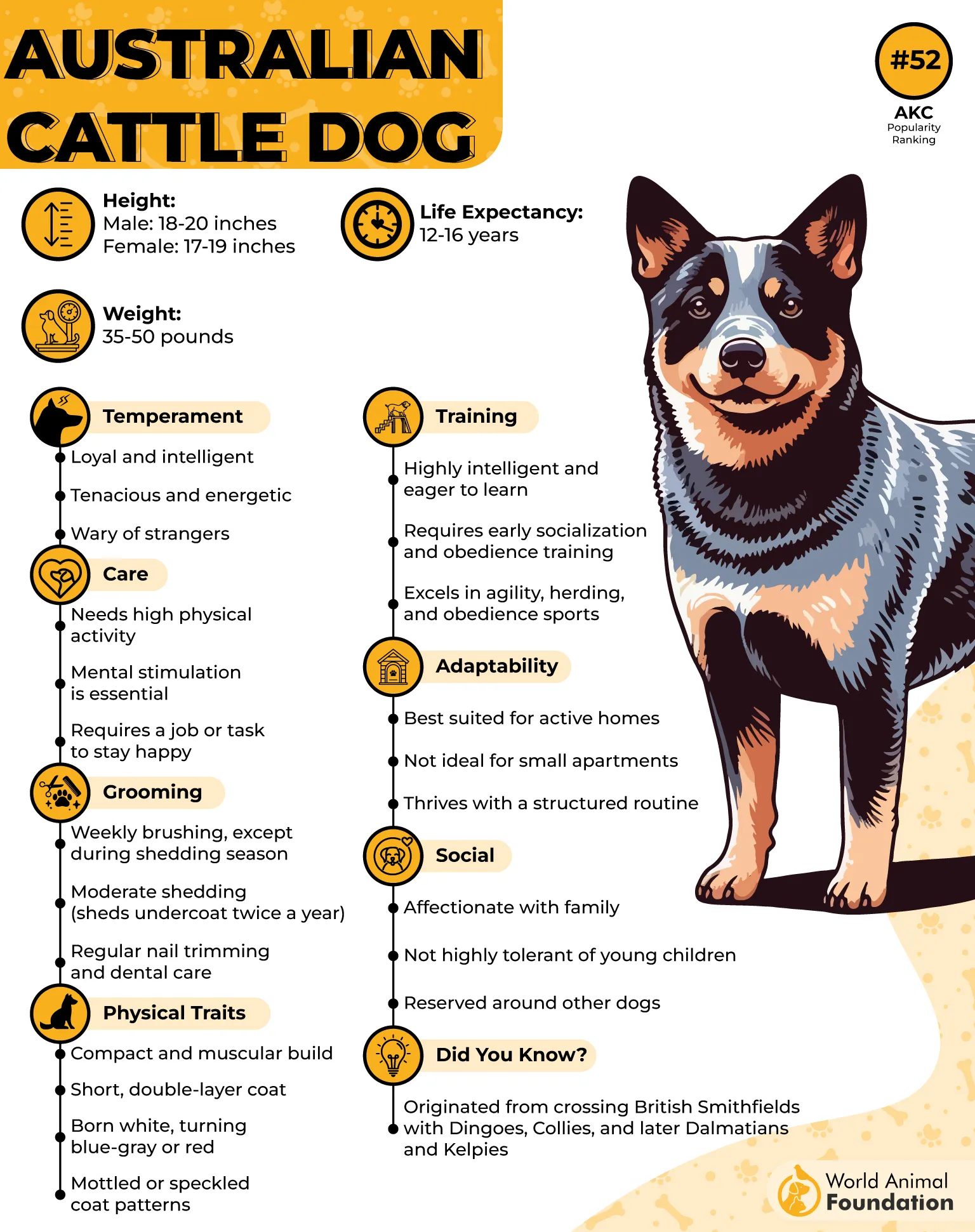
ACDs are known for a stocky, muscular build designed to maximize strength, endurance, and stamina, according to PetMD. These dogs have very high energy levels, strong herding instincts, and a bite force of around 230-250 PSI, which is more than enough for precise nipping and herding work.
ACDs are natural territorial guardians and make great pets for active households. That said, their stubborn, independent streak means they do best with an experienced owner. Their coat is short and sheds moderately most of the year, with heavier shedding during seasonal changes.
2. Belgian Malinois
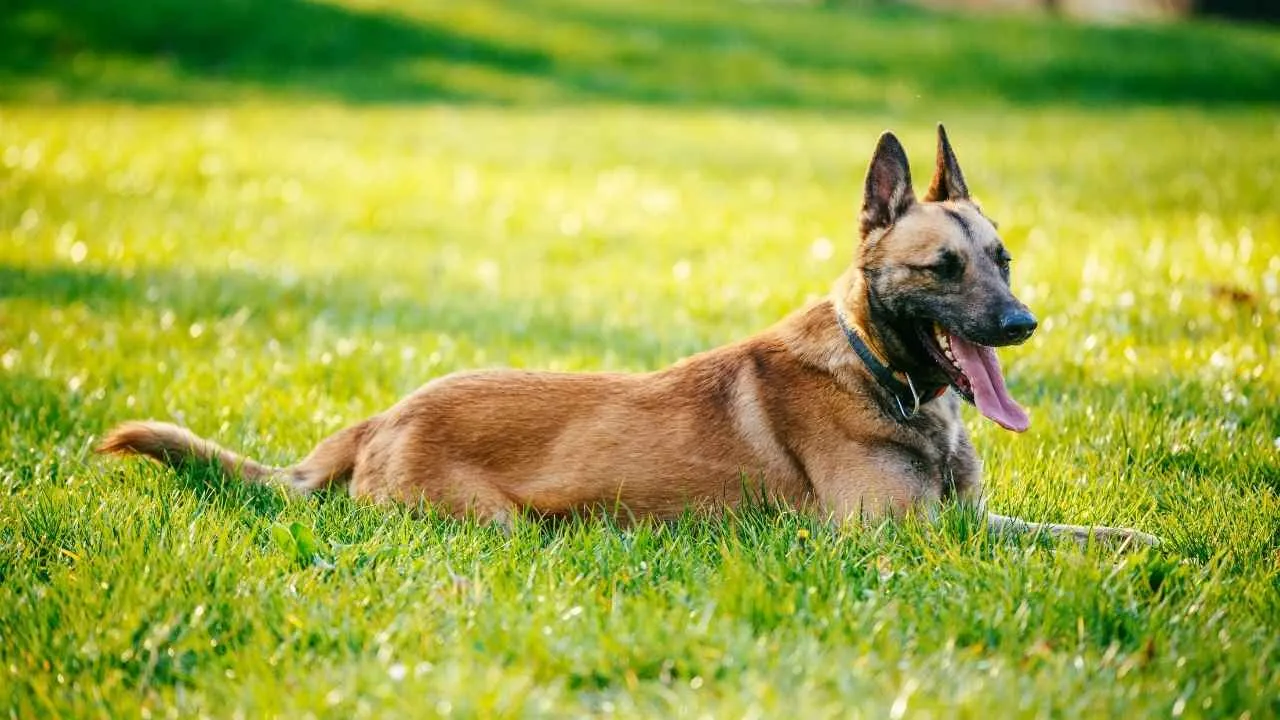
Belgian Malinois are laser-focused working dogs with a highly vigilant and loyal nature. They form an incredibly tight bond with their handlers, even while staying wary of strangers. The breed was originally developed in Belgium for herding and guarding sheep.
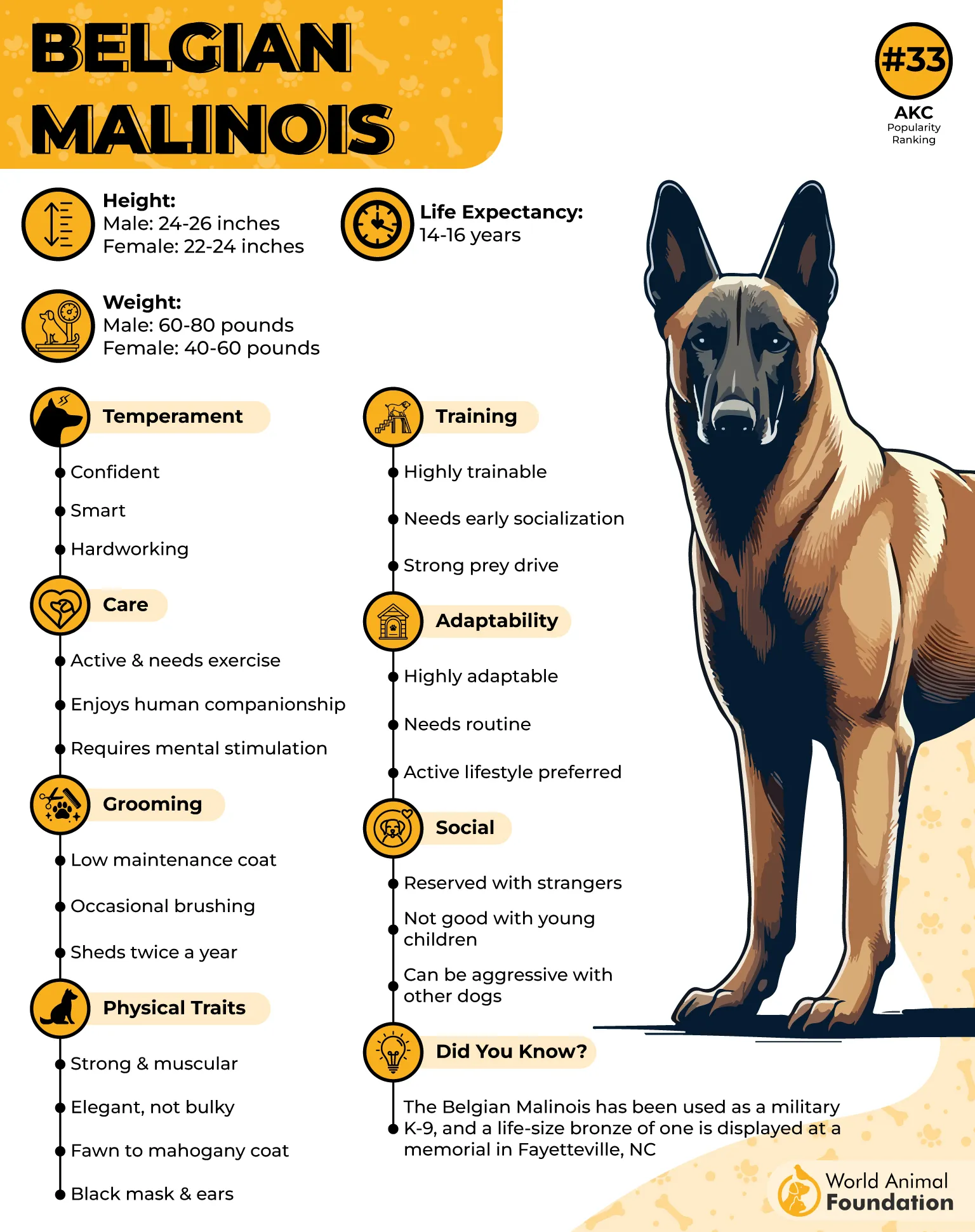
These athletic, agile dogs have serious stamina, letting them sprint fast and clear high fences with ease. With a jaw strength of around 195 PSI and zero hesitation when it counts, it’s easy to see why they’ve become a top choice for elite military and police units.
Mals are considered some of the smartest working dogs around, scoring 5 out of 5 on Hill’s Pet trait scale for both trainability and energy level. They need 1.5 to 2 hours of exercise a day and do best with experienced owners who can channel their extreme energy, even though they’re famously quick learners.
3. Tibetan Mastiff
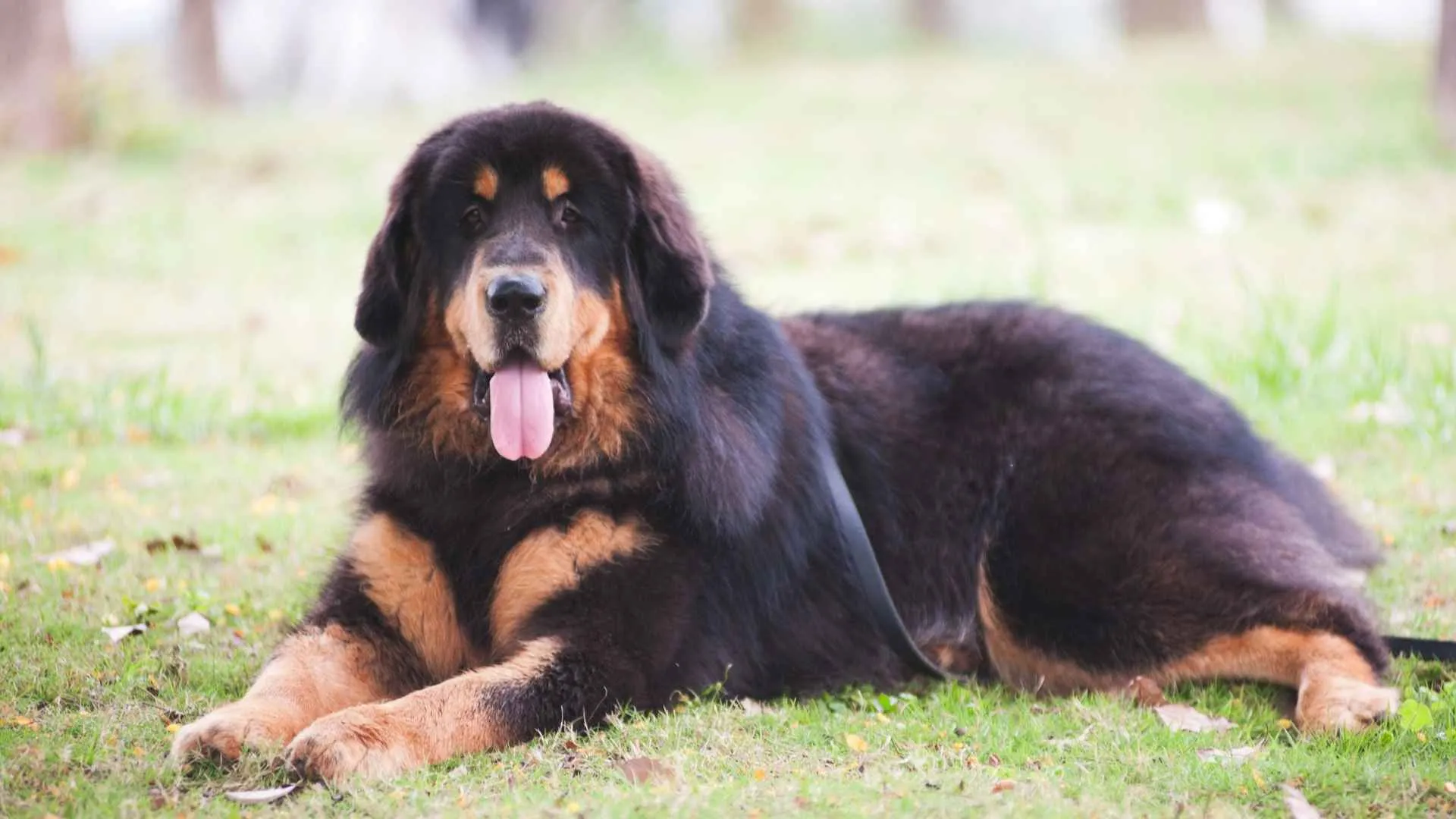
Underneath all that fur and lion-like mane, Tibetan Mastiffs have a heavy-boned stature and thick, muscular build. Honestly, it’s hard to talk about this breed without reaching for words like massive, giant, and huge.
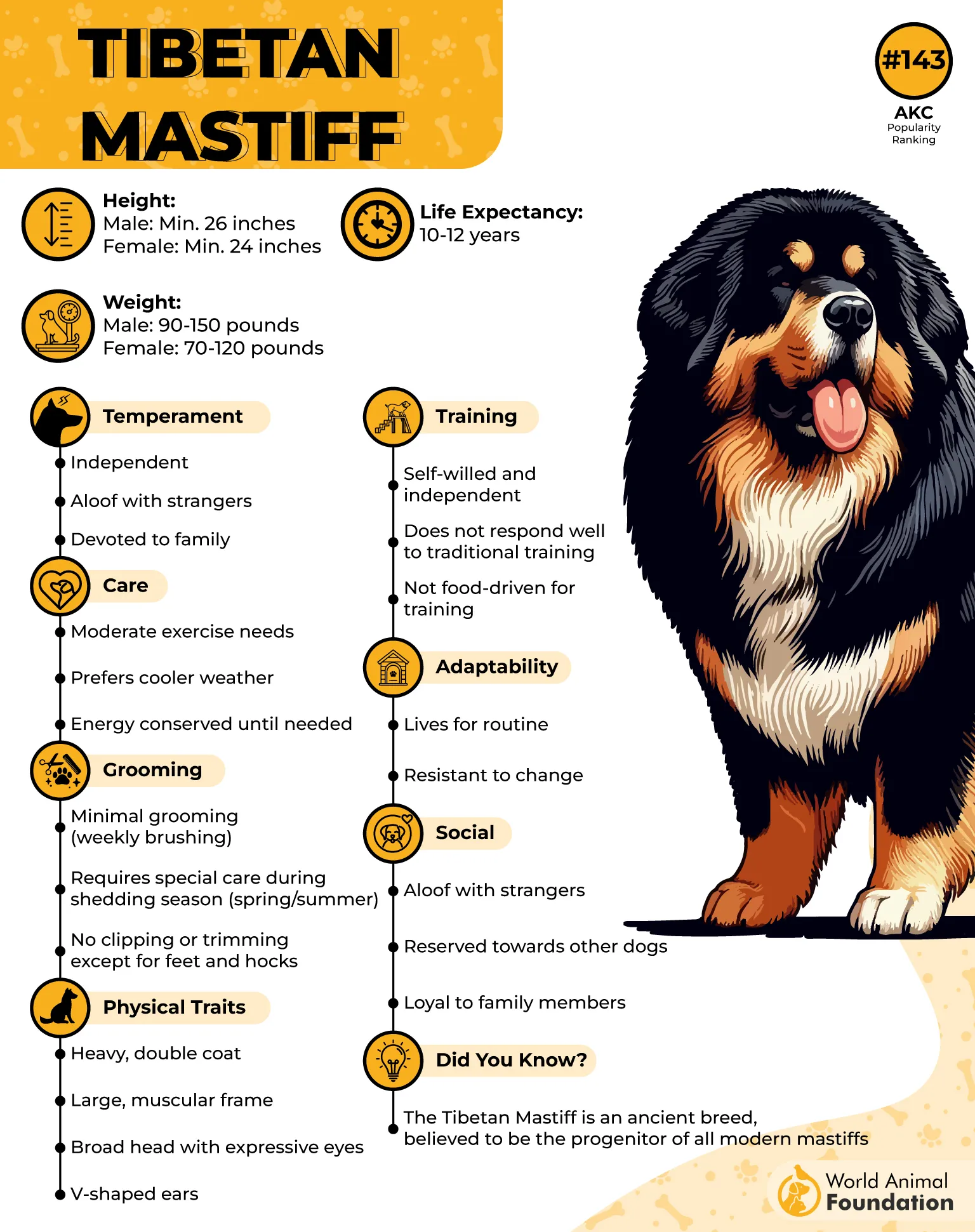
These dogs are aloof, noble, and highly independent, with a long history as guardians. They’re fearless and pack a bite force of around 550 PSI, strong enough to make any real threat think twice. Their double coat is weather-resistant, protecting them from harsh conditions.
They don’t shed constantly, but they do blow their coat once a year, so brushing 2-3 times a week helps keep things manageable. Tibetan Mastiffs have moderate exercise needs, but their stubborn, strong-willed nature means they do best with an experienced owner.
4. Chinook
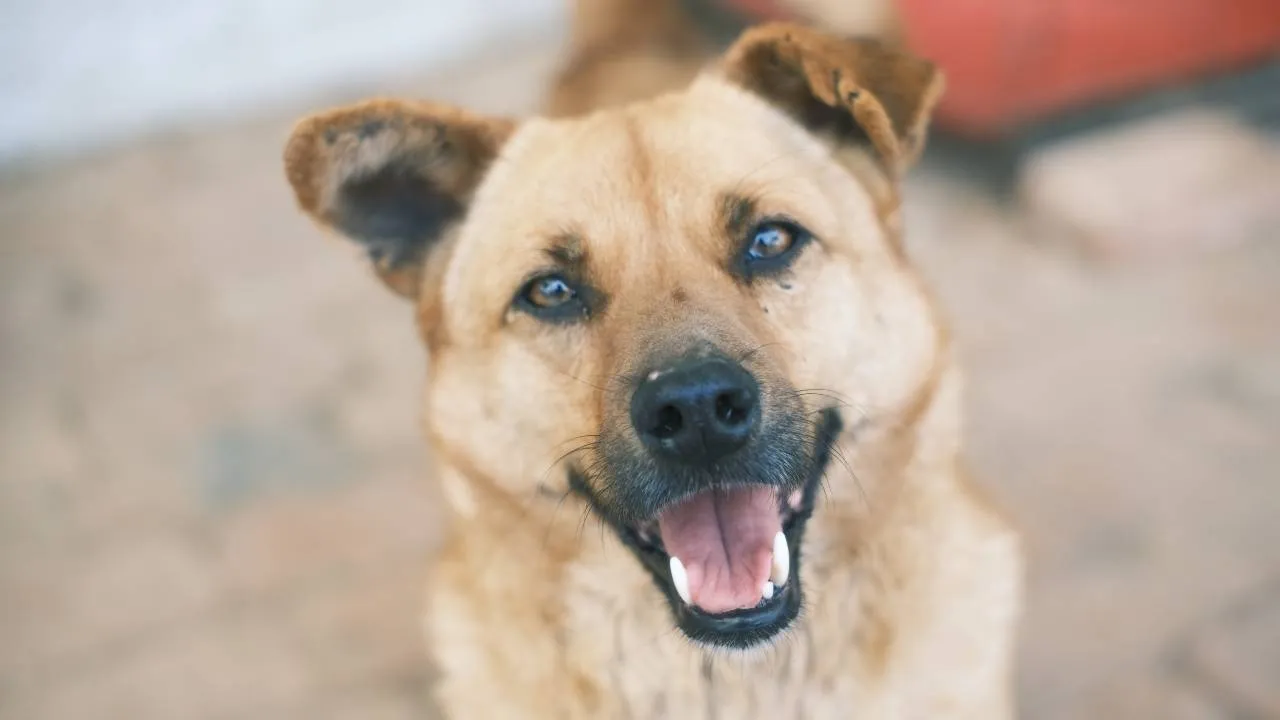
Chinooks are calm, friendly, gentle, and sweet-natured; a bit different from other sled breeds in that regard. They have a strong work ethic that translates into loyalty toward family without any real aggression toward other people, and they were originally bred as all-purpose working dogs.
These are strong, heavy-boned, broad-chested dogs with impressive endurance. They have a bite force in the 200-250 PSI range, so they’re fully capable of stepping up to protect their family if the need ever arises. Chinooks need at least 2 hours of exercise a day to stay happy.
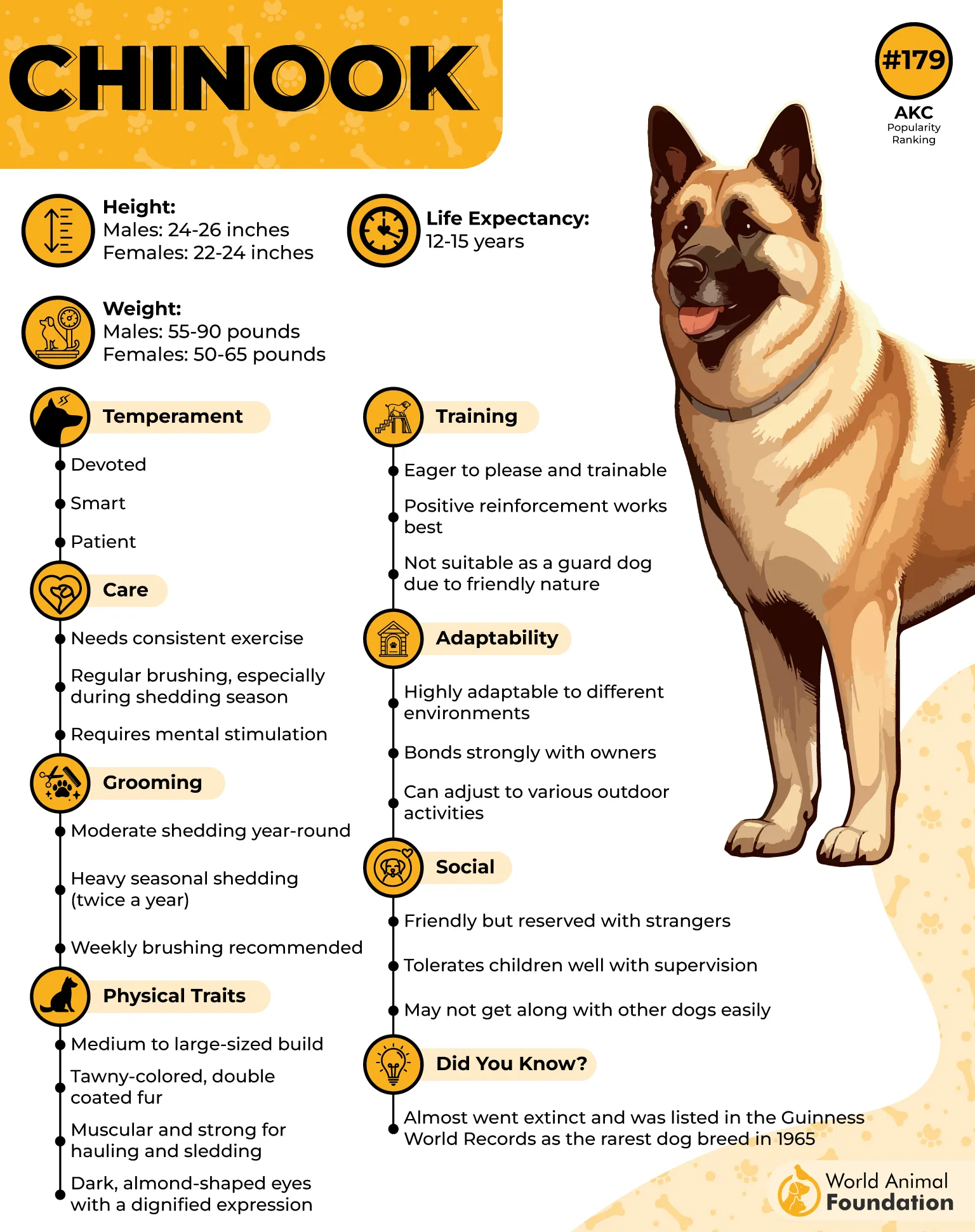
Training tends to be pretty straightforward thanks to their eager-to-please nature, according to Omlet, so praise and positive reinforcement go a long way. Chinooks have a medium-length double coat that sheds moderately year-round, with heavier shedding during seasonal changes.
5. Anatolian Shepherd
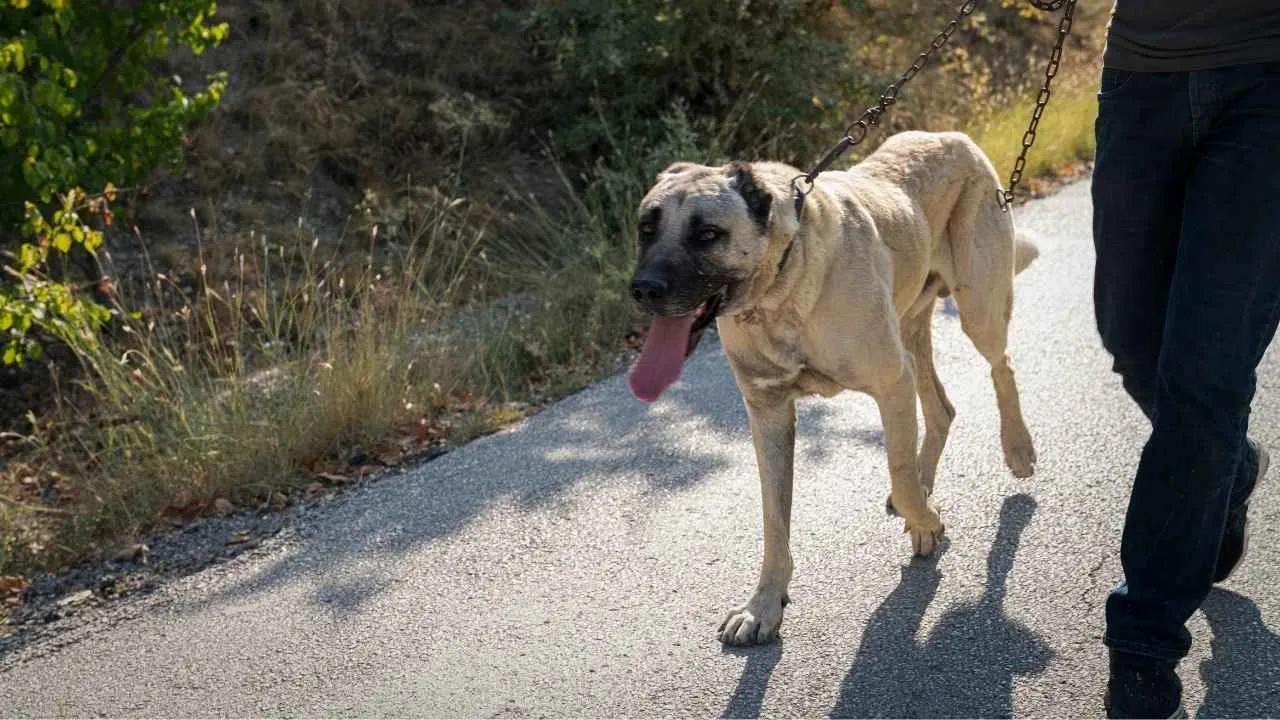
Anatolian Shepherds are highly protective, observant, and devoted dogs that take real pride in guarding their property, family, and livestock. Bred in the Anatolia region of Turkey to protect sheep and goats, that working history is exactly why they’re so independent-minded.
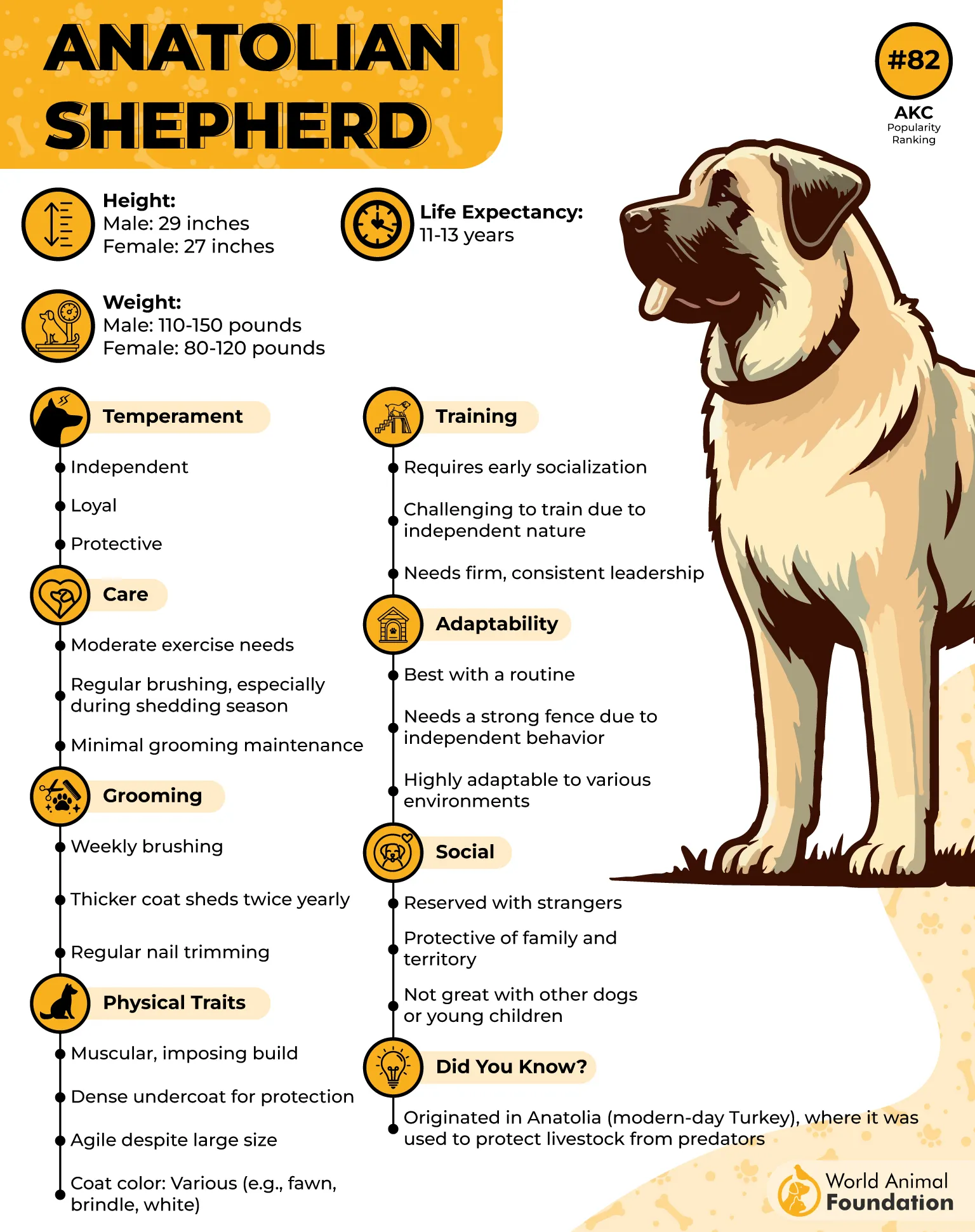
These guard dogs have a thick coat that helps them withstand cold weather, along with tough paw pads built for rough terrain and rocky mountain slopes. Their heavy-boned frame and muscular build give them both power and surprising agility.
Anatolian Shepherds also carry one of the strongest bite forces in the entire canine world, estimated between 700 and 743 PSI. On top of that, they’re highly energetic and strong-willed, which means they need an experienced owner. Their short coat only needs weekly brushing to stay in good shape.
6. Great Pyrenees
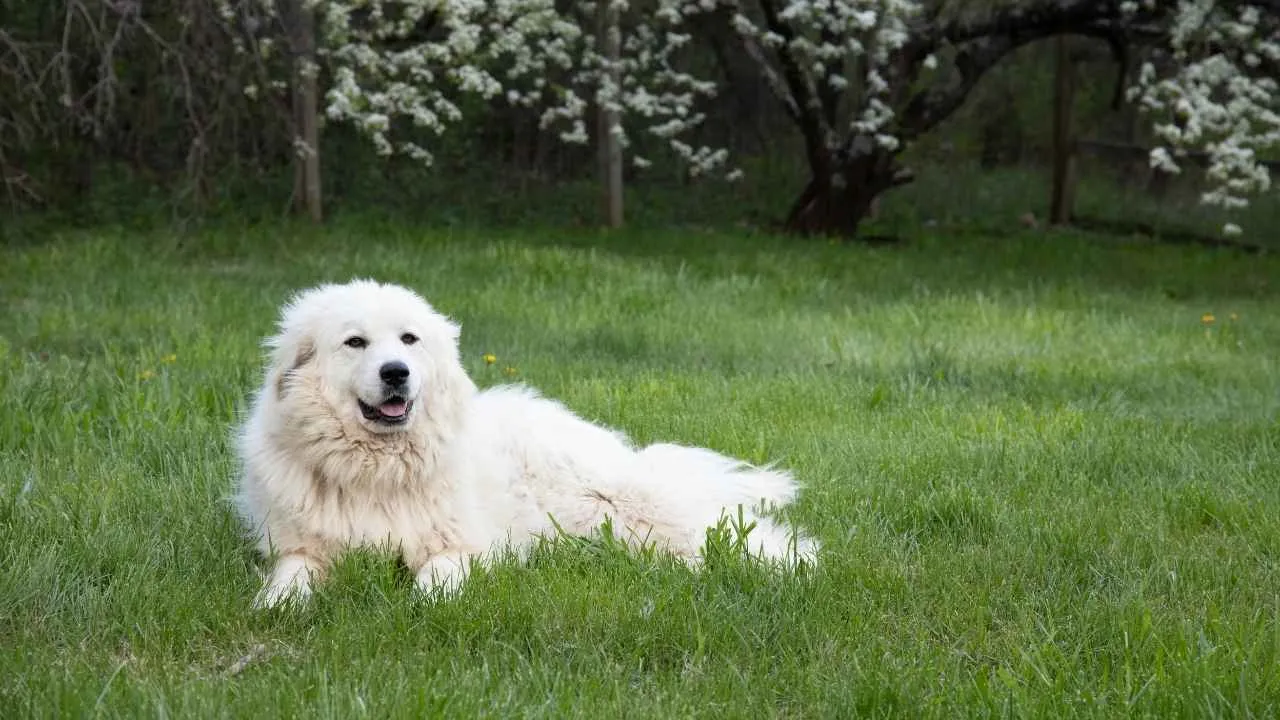
Great Pyrenees are gentle, patient, and protective giants. They stay calm and easygoing at home, but they’ll turn into fearless defenders the moment they sense a real threat. Originally developed to guard sheep, that same protective instinct and endurance carry over to guarding a family today.
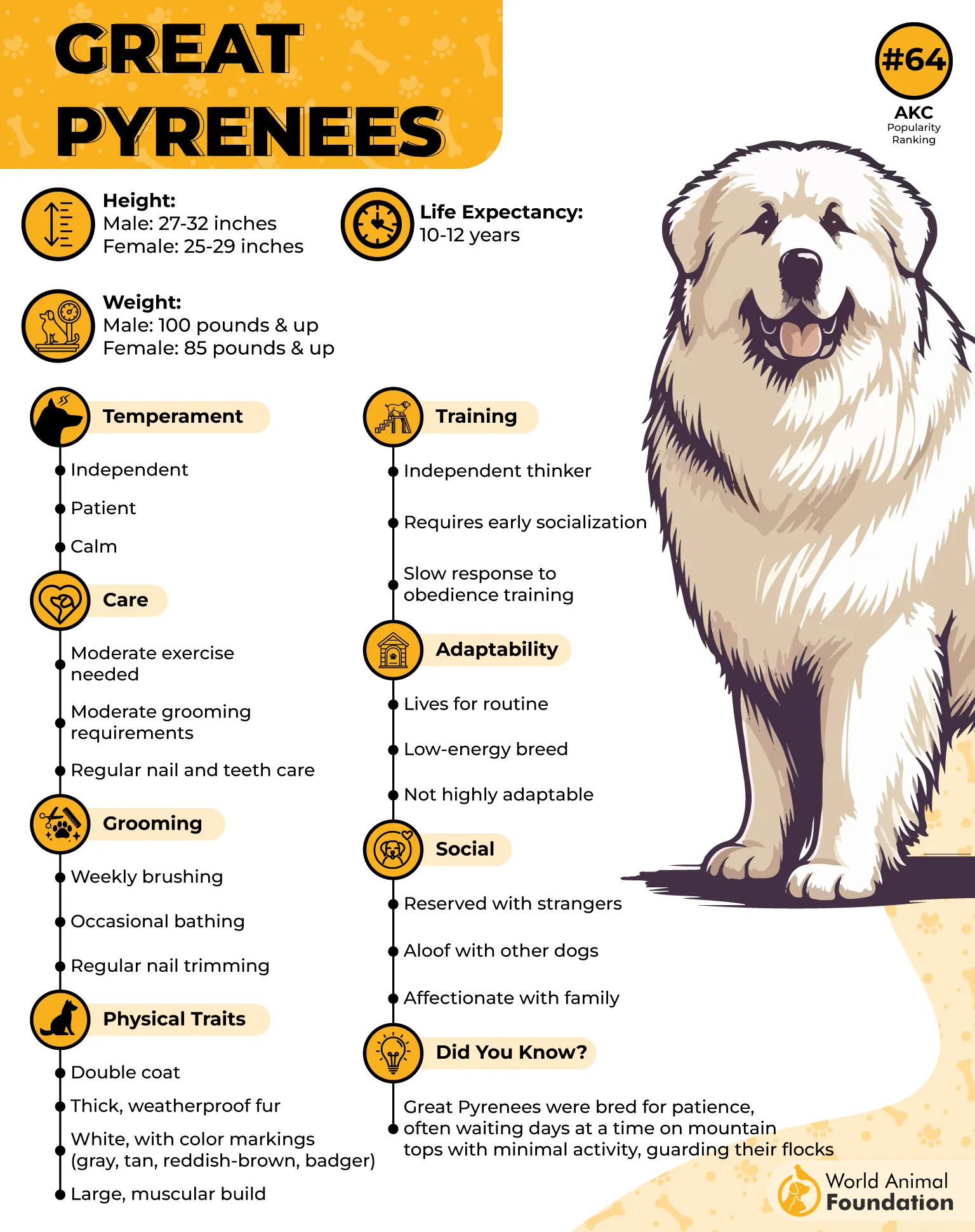
Pyrs are heavy-boned, broad-chested, and muscular, making them excellent natural watchdogs. Their bite force sits around 400-500 PSI, more than enough to back up a serious threat if it ever comes to that. Despite their giant size, these dogs tend to be fairly low-energy and make wonderful family pets.
They do best with regular walks, along with some running or playtime in a fenced yard. That said, Great Pyrenees are highly independent, so they need a patient handler who won’t get frustrated easily. Their coat sheds heavily and benefits from about 30 minutes of brushing, according to GPCA.
7. Cane Corso
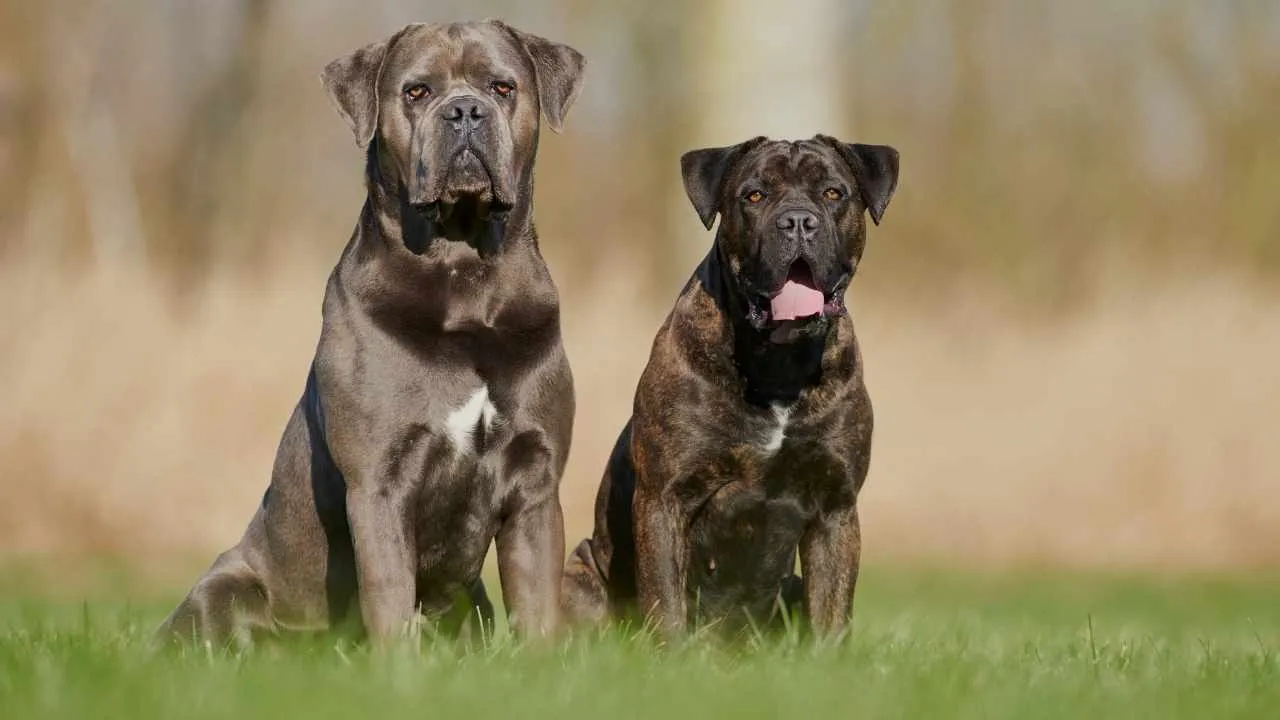
Cane Corsos, also known as Italian Mastiffs, are assertive, confident, and loyal companions that bond closely with their families while keeping a watchful distance from strangers. Over the years, these dogs have worked as hunters, watchdogs, and even farm dogs.
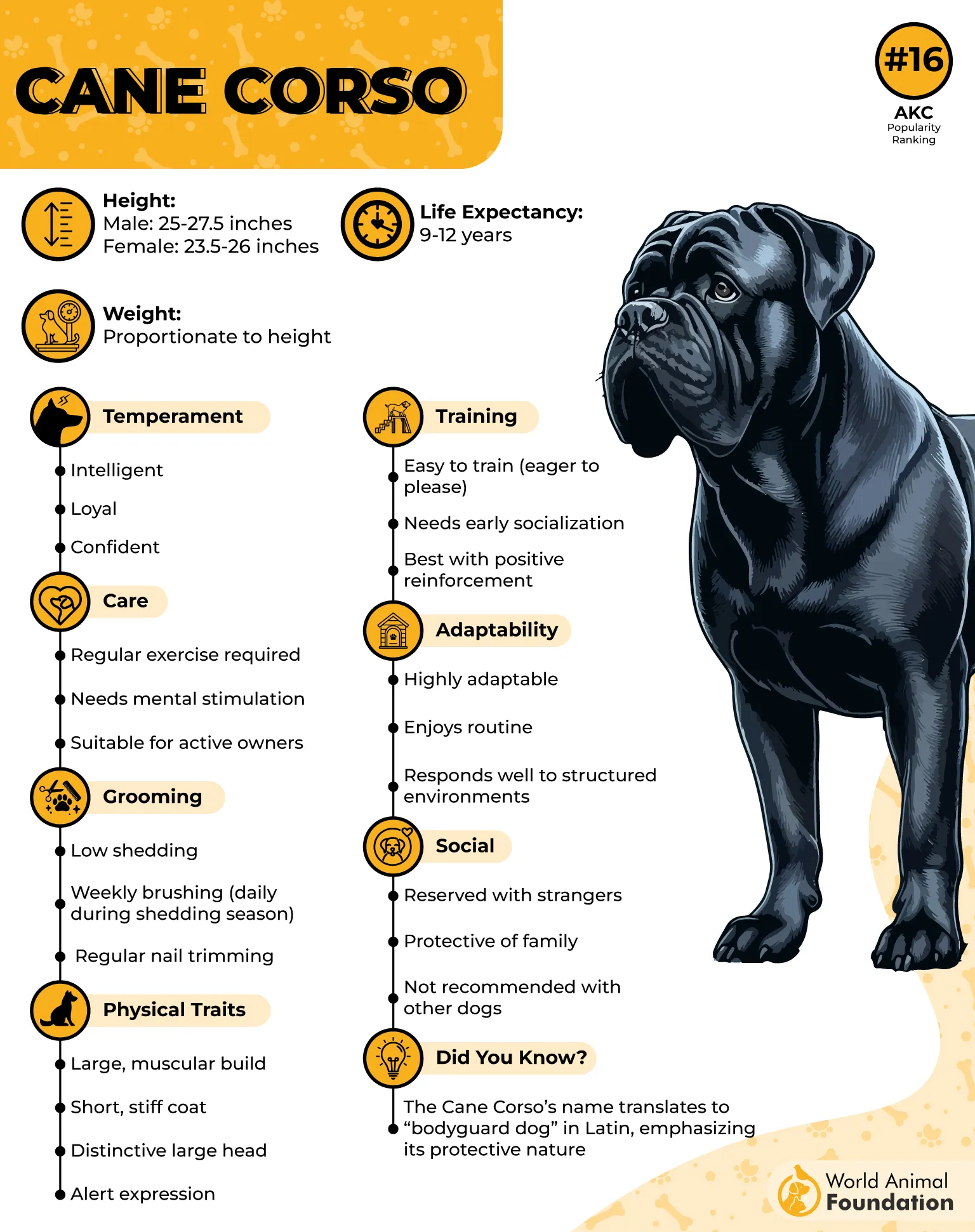
They have a muscular build over a strong skeletal frame, according to WebMD. Their broad chests, tough paw pads, and balanced body let them move confidently over rough terrain, and they also carry strong territorial instincts.
With a bite force around 700 PSI, fairly high exercise needs (roughly 2 miles a day), and a naturally dominant personality, Cane Corsos really call for an experienced owner. Their short coat sheds moderately and only needs brushing once or twice a week.
8. Giant Schnauzer
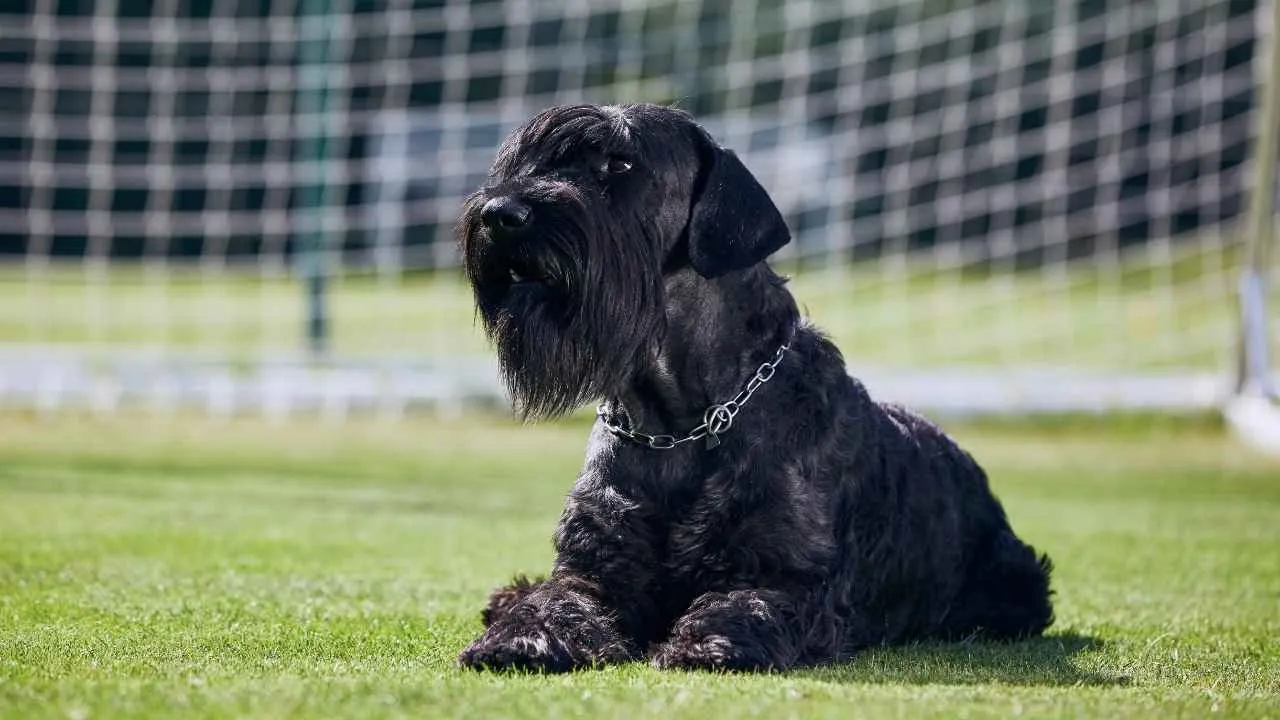
Giant Schnauzers are bold, energetic, and fiercely loyal dogs that form deep bonds with their owners while staying watchful around strangers. These rugged working dogs were originally bred to drive cattle from farms to market, and that independent job is likely where their free-thinking streak comes from.
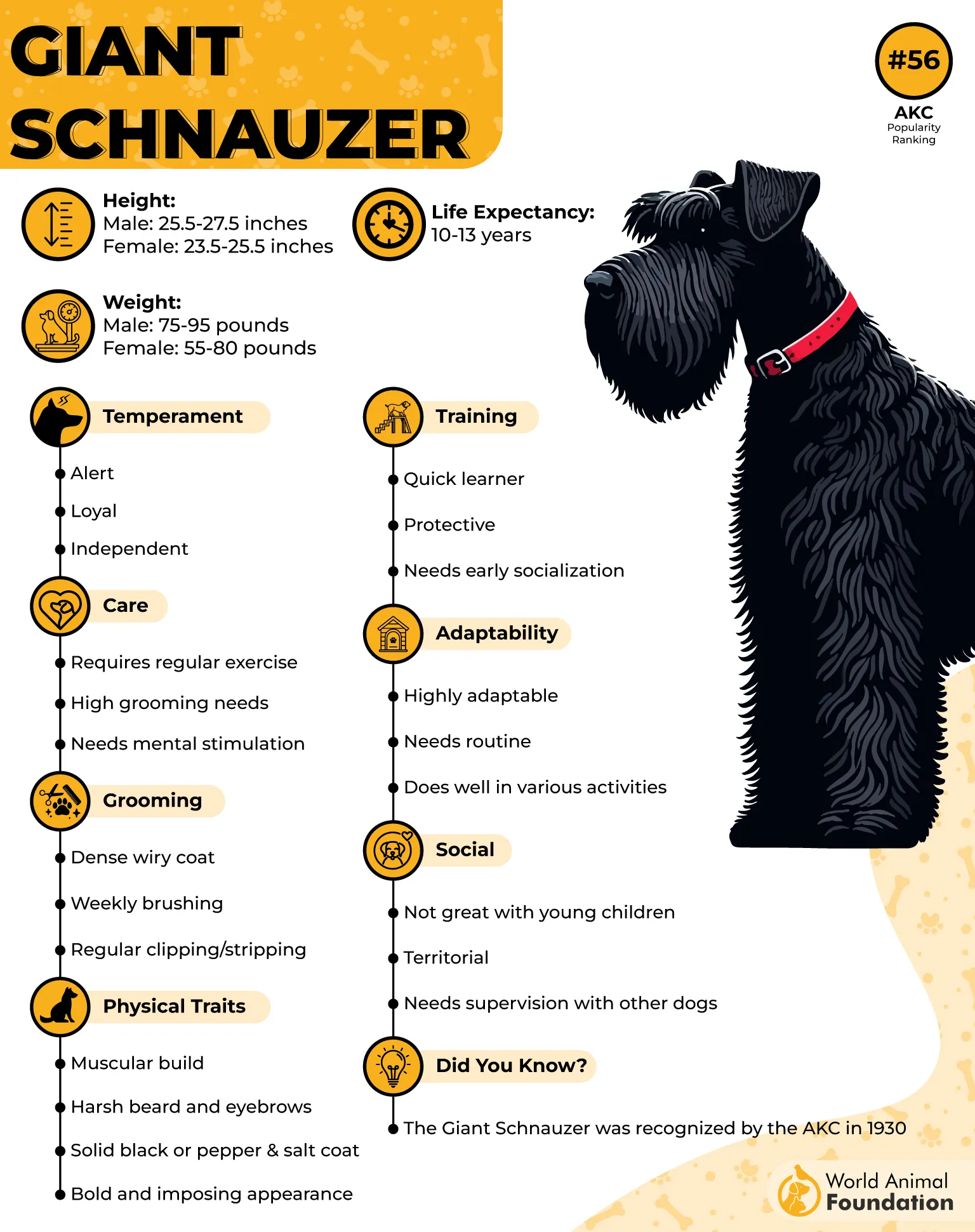
Compact, muscular, and square-built, Giant Schnauzers have impressive stamina to match. Their bite force sits around 330-350 PSI, which holds up well for guarding and protection work.
These dogs have high exercise needs and tend to bark to alert their owners of anything unusual, backed up by a quick, clever mind. They do best with confident handlers who can manage their strong will. Their coat is wiry on the outside with a dense undercoat underneath, so regular brushing is a must.
9. Rottweiler
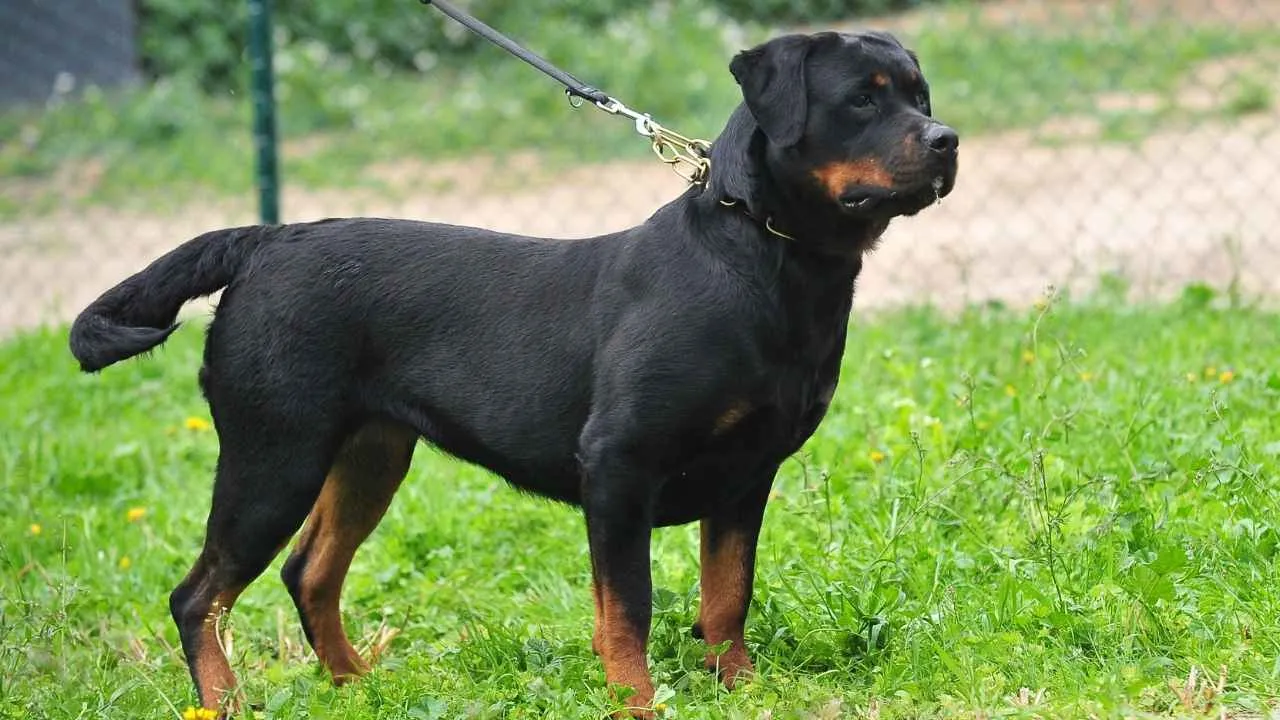
Rottweilers are confident, gentle, and loving companions who often shift from being affectionate with everyone as puppies to becoming devoted one-person (or one-family) dogs as they mature. They’re generally quiet but stay alert and ready to step in if a real threat shows up. Originally, they were bred to herd livestock.
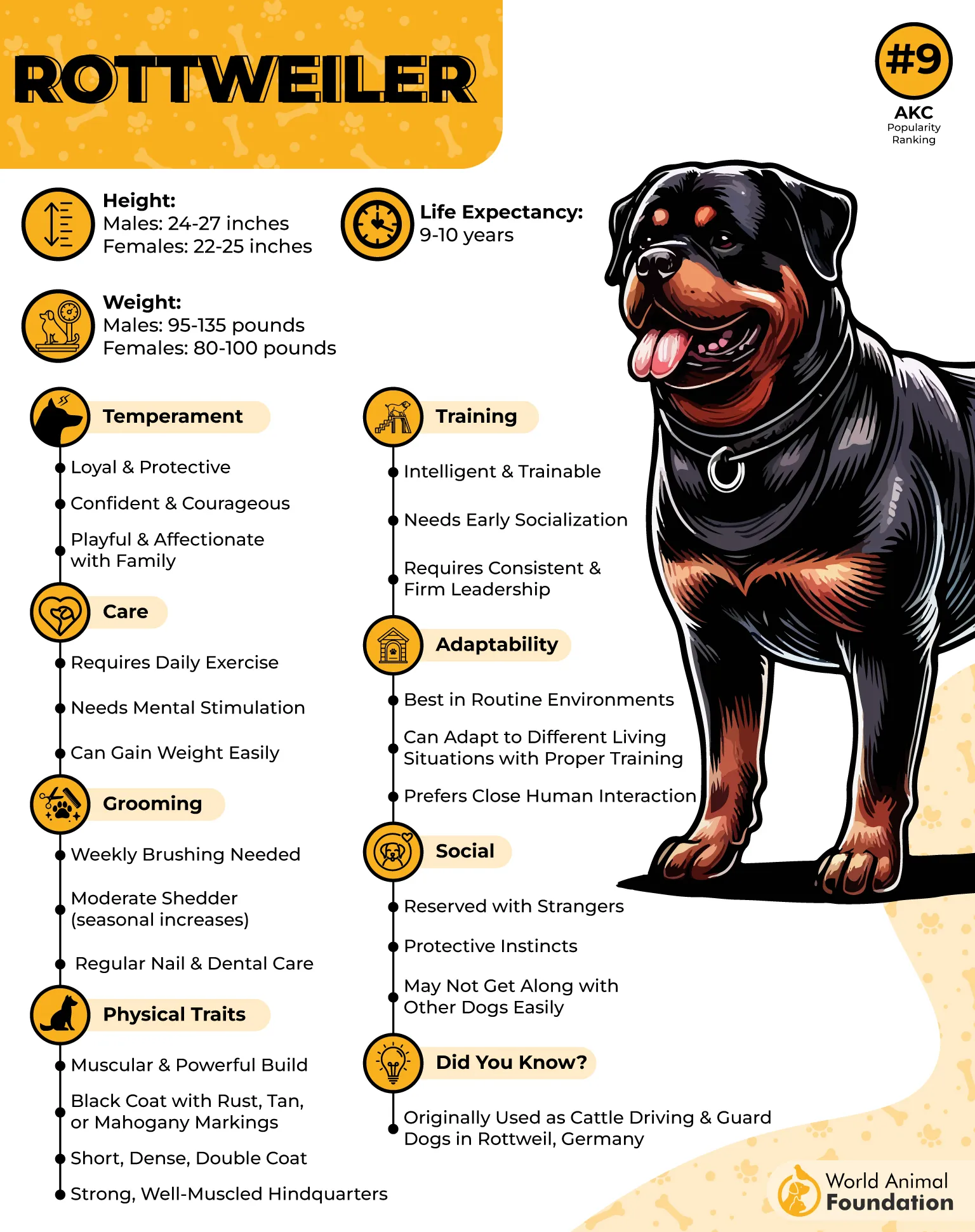
These muscular dogs strike a perfect balance between goofy playmate and world-class guardian, according to Purina. With a broad chest, muscular body, and serious endurance, they’re built to hold their ground against predators if needed, backed by a bite force of around 328 PSI.
That said, Rottweilers need about 60 minutes of daily exercise, whether that’s walks, hikes, or interactive fetch games. They’re highly intelligent and eager to please, picking up commands quickly. Their medium-length coat sheds moderately and needs weekly brushing to stay in good shape.
10. German Shepherd
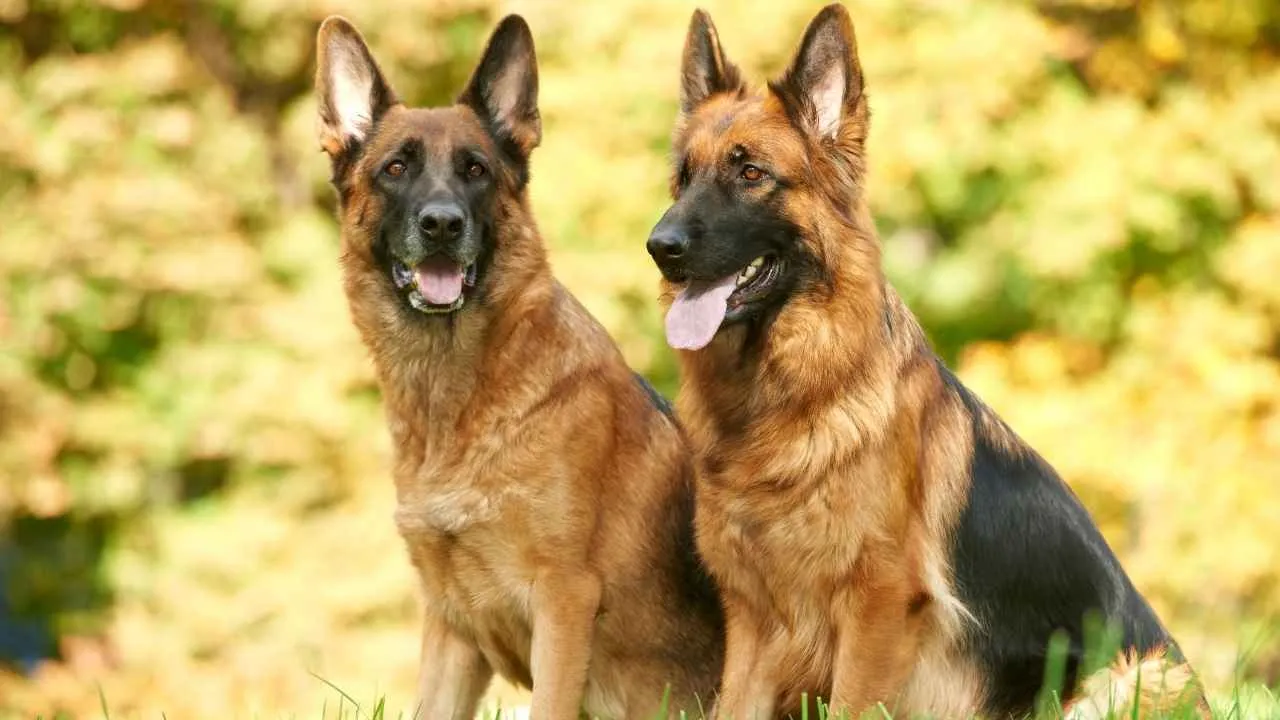
German Shepherds are highly intelligent, loyal, and naturally vigilant dogs, originally bred to herd and protect large flocks of sheep across rugged terrain. They’re muscular, well-proportioned, and athletic, with impressive power and stamina to match.
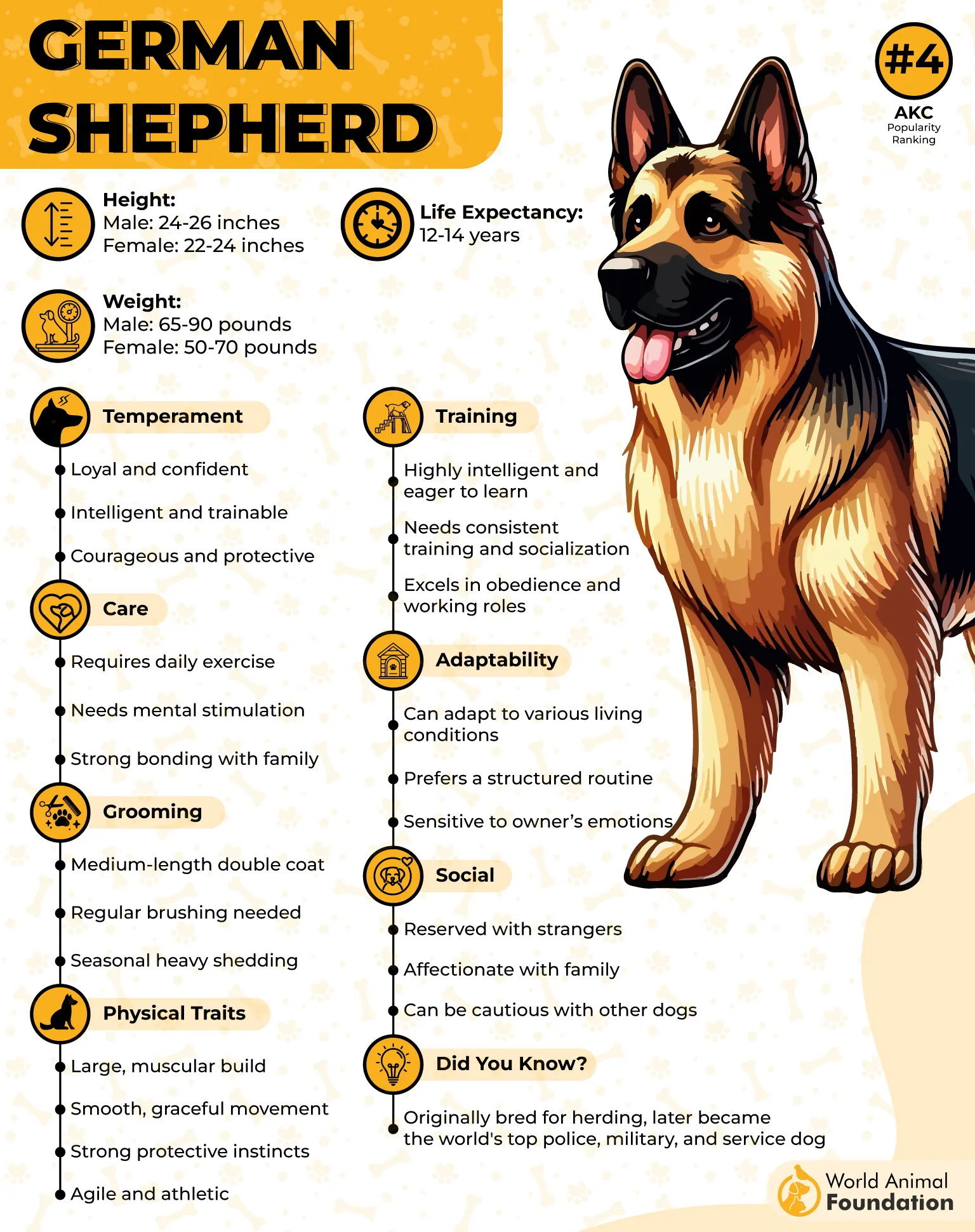
These brave dogs form unbreakable bonds with their families and will do whatever it takes to protect them from a threat. With a bite force around 328 PSI, along with explosive speed, agility, and power, they check every box you’d want in a serious guard dog.
That said, German Shepherds are highly athletic and need roughly 1-2 hours of exercise a day. They’re consistently ranked among the smartest dog breeds and pick up commands quickly, though their strong herding instincts mean they do best with a somewhat experienced handler.
Conclusion
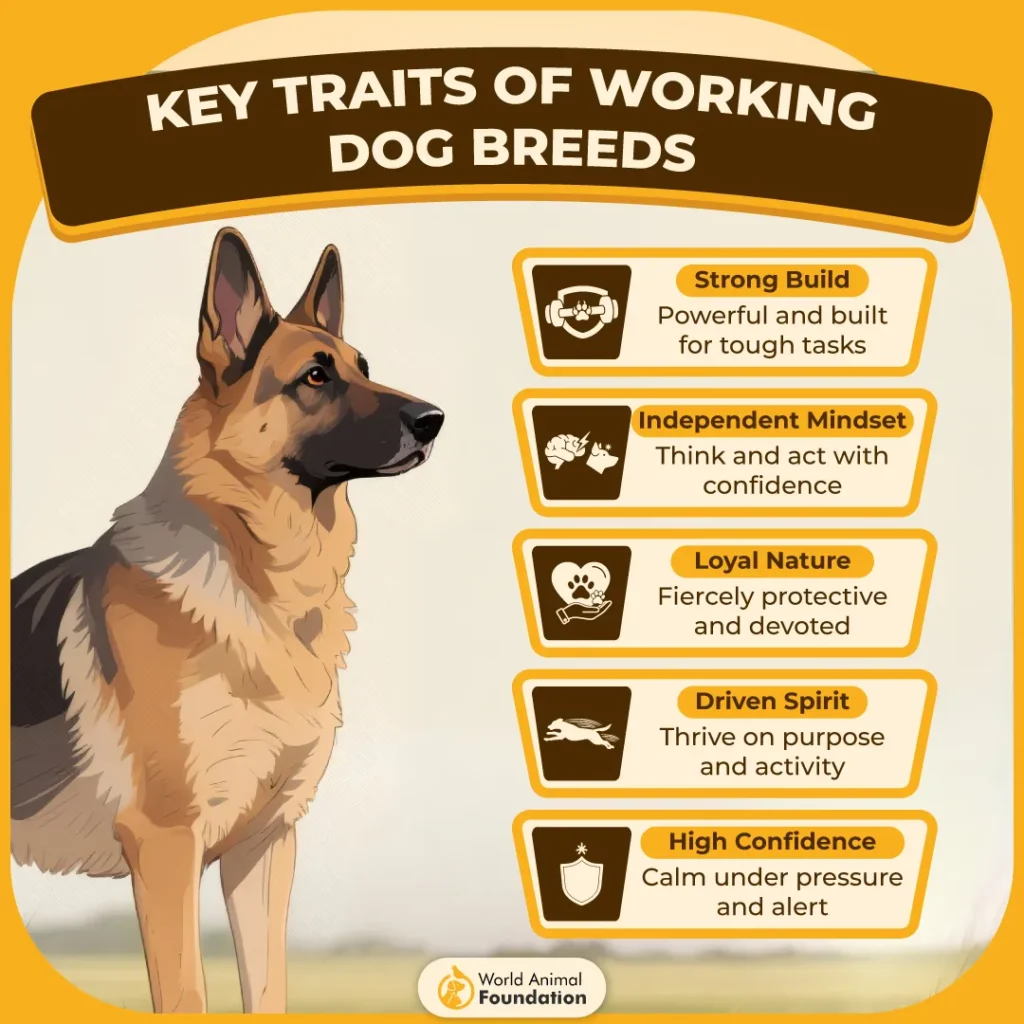
The 10 breeds above are strong, powerful, and muscular, with the stamina to handle rough terrain. They’re all highly athletic, come with moderate to high exercise needs, pack a strong bite force, and generally do best with an experienced handler.
That said, these guard dogs do differ when it comes to coat type, shedding, and grooming needs, so it’s worth going through the details above before deciding which one is the right fit for you.
