




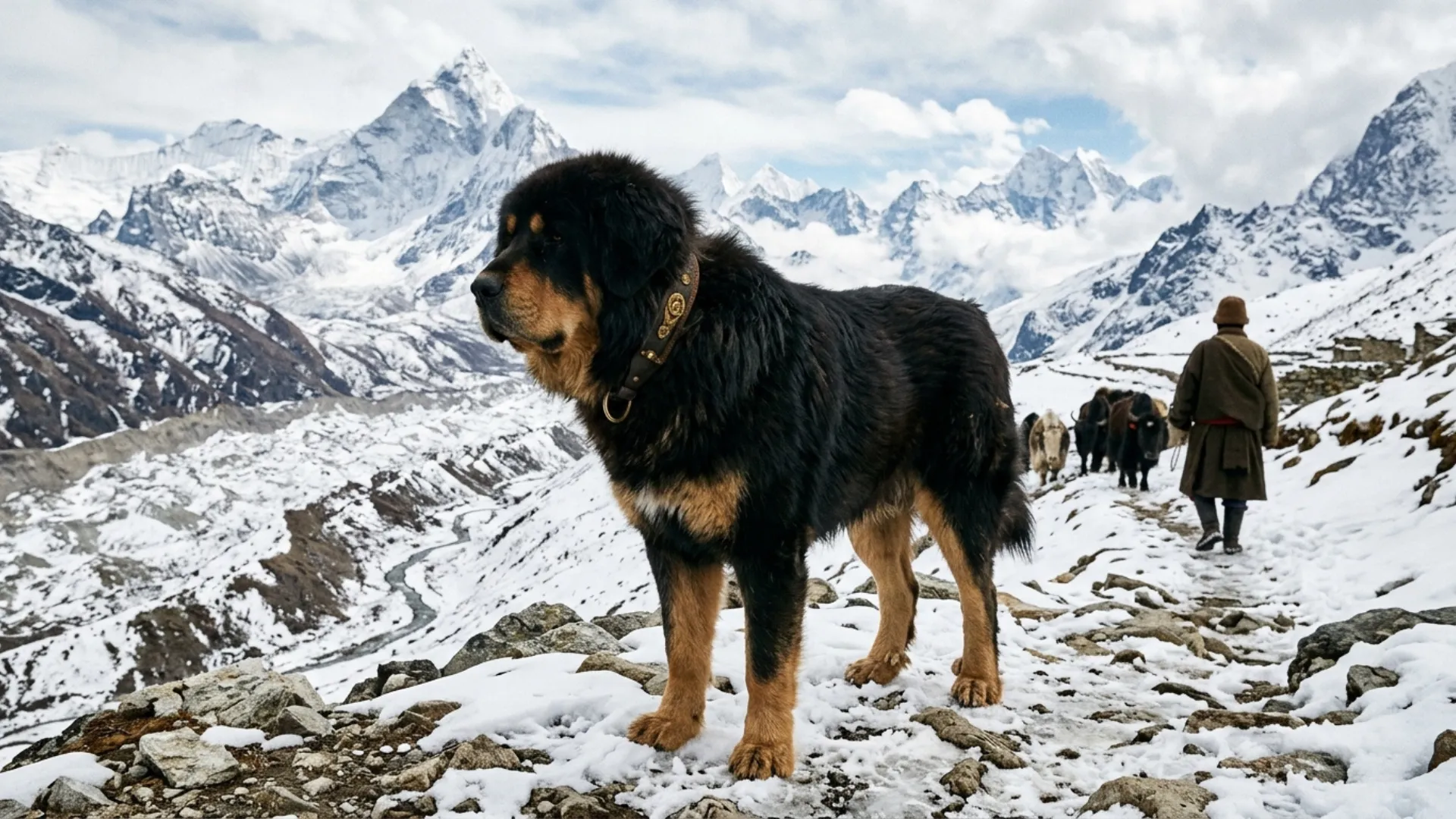
Some dog breeds are bred to be close companions, happy to stay by your side and enjoy a calm, relaxed lifestyle. Others, however, are built for far tougher roles, developed over generations to withstand some of the harshest environments on Earth.
As climates vary and human needs evolve, many working breeds were selectively bred to perform in extreme weather conditions alongside people. From freezing Arctic landscapes to rugged mountains and hot, demanding terrain, these dogs have adapted to survive and work where many animals would struggle.
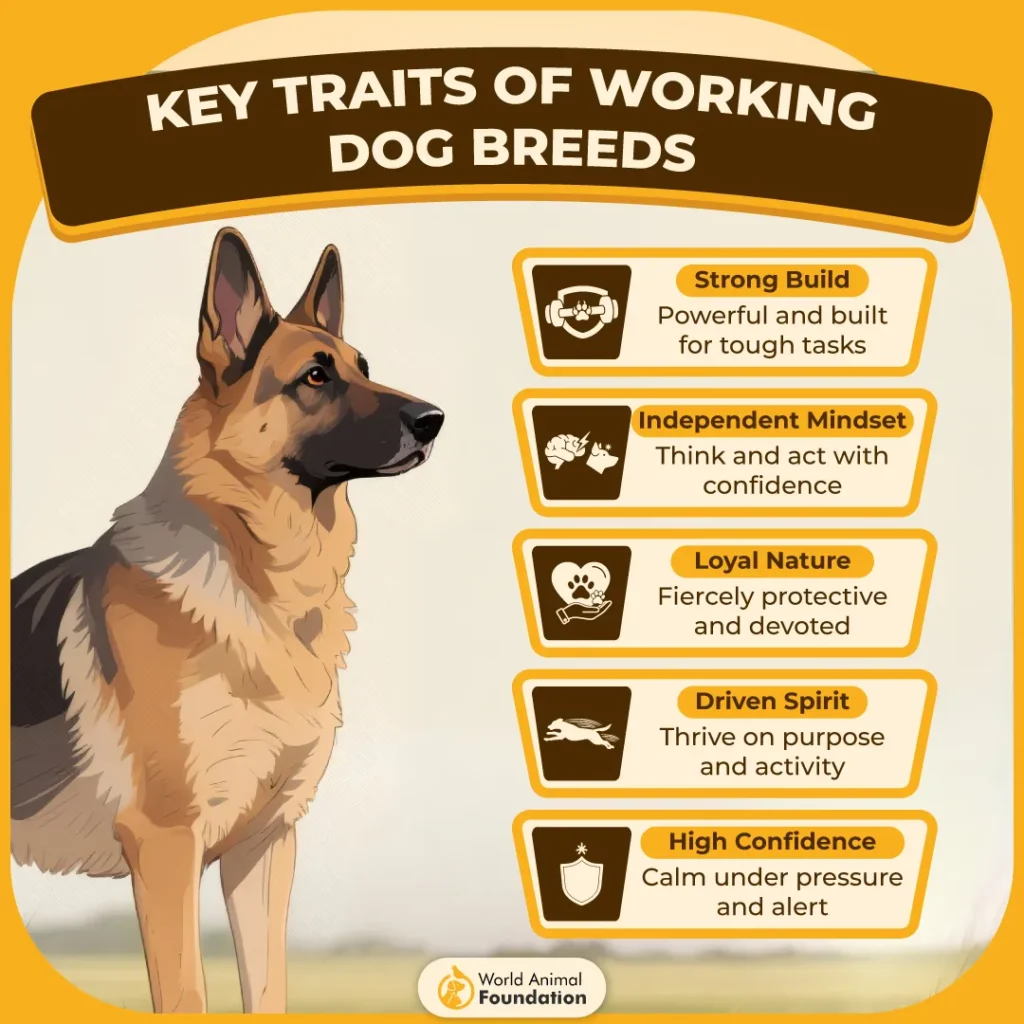
What sets them apart is not just physical strength, but also resilience, determination, and a strong work ethic. Many of these breeds have natural guarding instincts and thrive when given a clear purpose.
Whether it’s herding livestock, pulling sleds, tracking game, or supporting search-and-rescue or police work, these dogs perform best when they are active and engaged. Purpose is what drives them.
The following ten breeds stand out for their ability to handle harsh conditions and excel across demanding working roles, from field tasks to specialized service duties.
Top Resilient Working Dog Breeds Perfect for Extreme Environments
1. Komondor
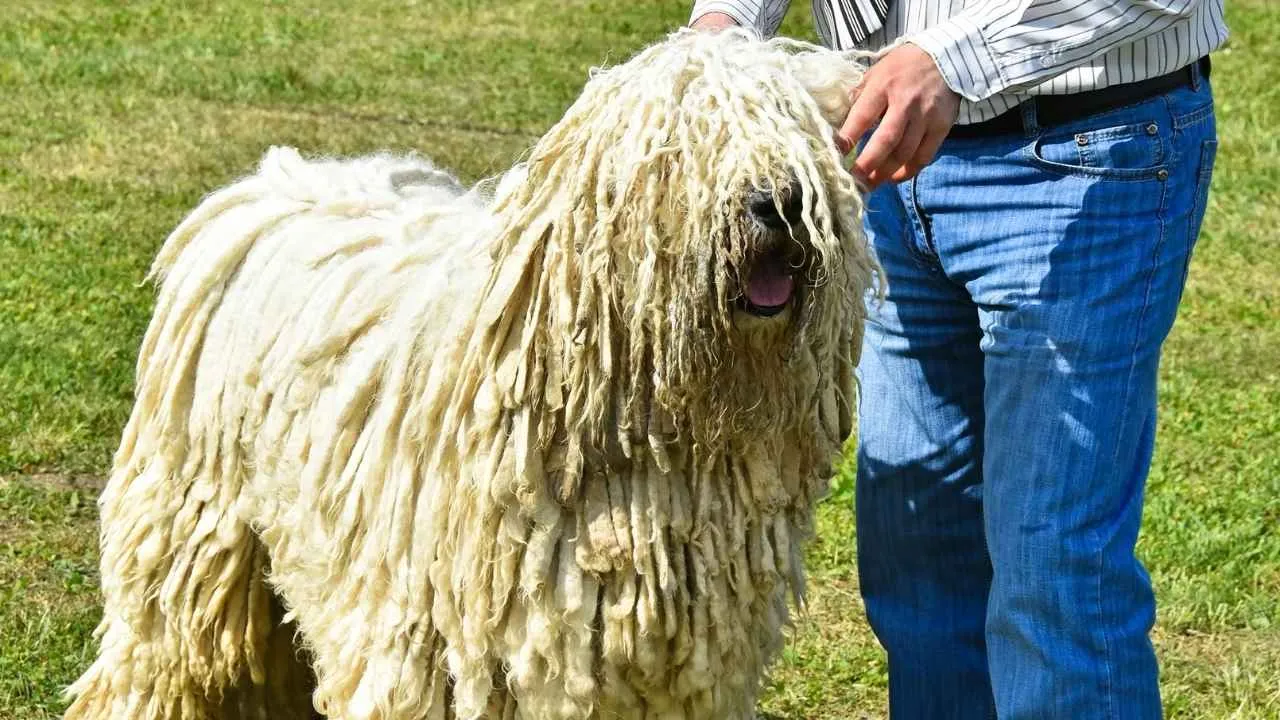
The Komondor is a highly distinctive dog breed, instantly recognizable for its long, corded coat that gives it a unique, mop-like appearance. However, this striking look is far more than just aesthetic; it serves an important working purpose. Originally bred in Hungary as a livestock guardian, the Komondor was developed to protect flocks in harsh climates and demanding rural environments.
Its dense, corded coat provides natural insulation against both cold and heat, while also offering a layer of protection against predators. This makes it exceptionally well-suited for outdoor, all-weather guarding roles. Komondors are also known for their strong independence, often capable of making decisions on their own without constant human direction—an essential trait for a working guardian dog.
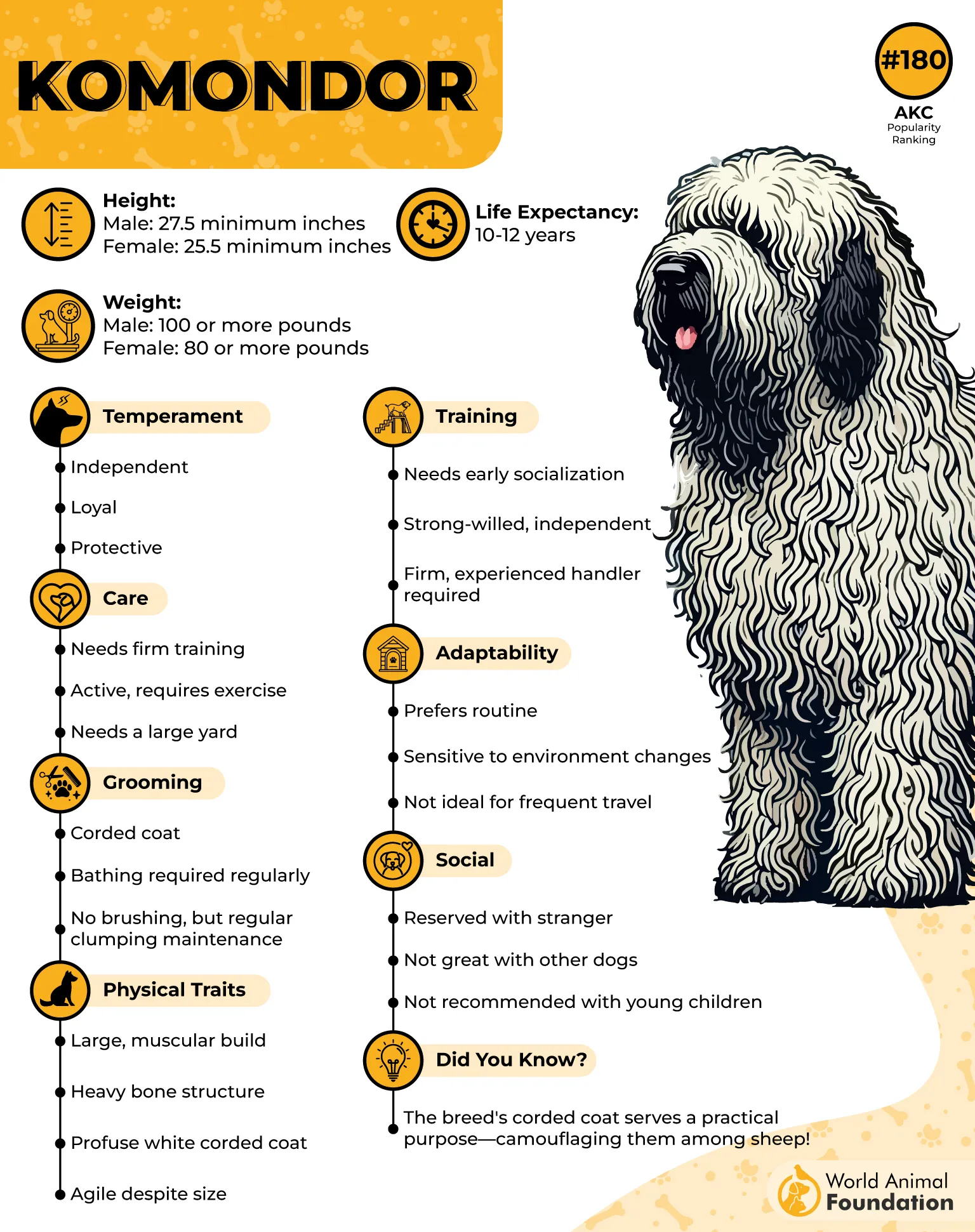
Komondors are calm and steady in temperament, but deeply protective of their families and territory. They tend to be naturally reserved and cautious around strangers, which reinforces their role as reliable guardians. Because of their independent nature, they can be stubborn at times and require patient, consistent training from an early age.
According to the American Kennel Club, the Komondor thrives best in environments where it has space, structure, and a clear purpose. It is not a breed suited for passive living, but rather one that excels when given responsibility and a defined role within its environment.
2. Akita
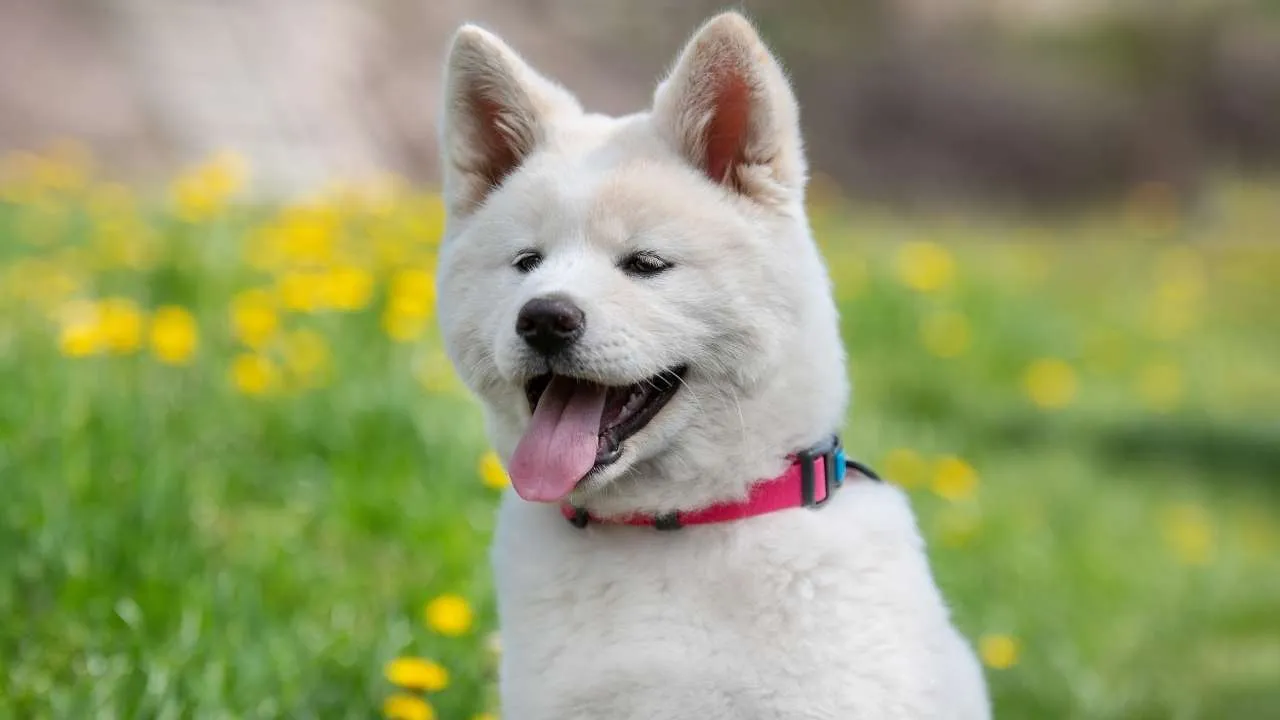
The Akita is a powerful and dignified breed that represents loyalty, strength, and quiet endurance. Originating in Japan, it was traditionally developed as a guard dog and used for hunting large game such as bears, requiring both courage and physical resilience.
Akitas are mentally and physically strong dogs, well-adapted to colder climates thanks to their thick double coat. Their calm, composed nature makes them naturally effective guardians—they are protective without being unnecessarily aggressive, responding to situations with control rather than chaos.
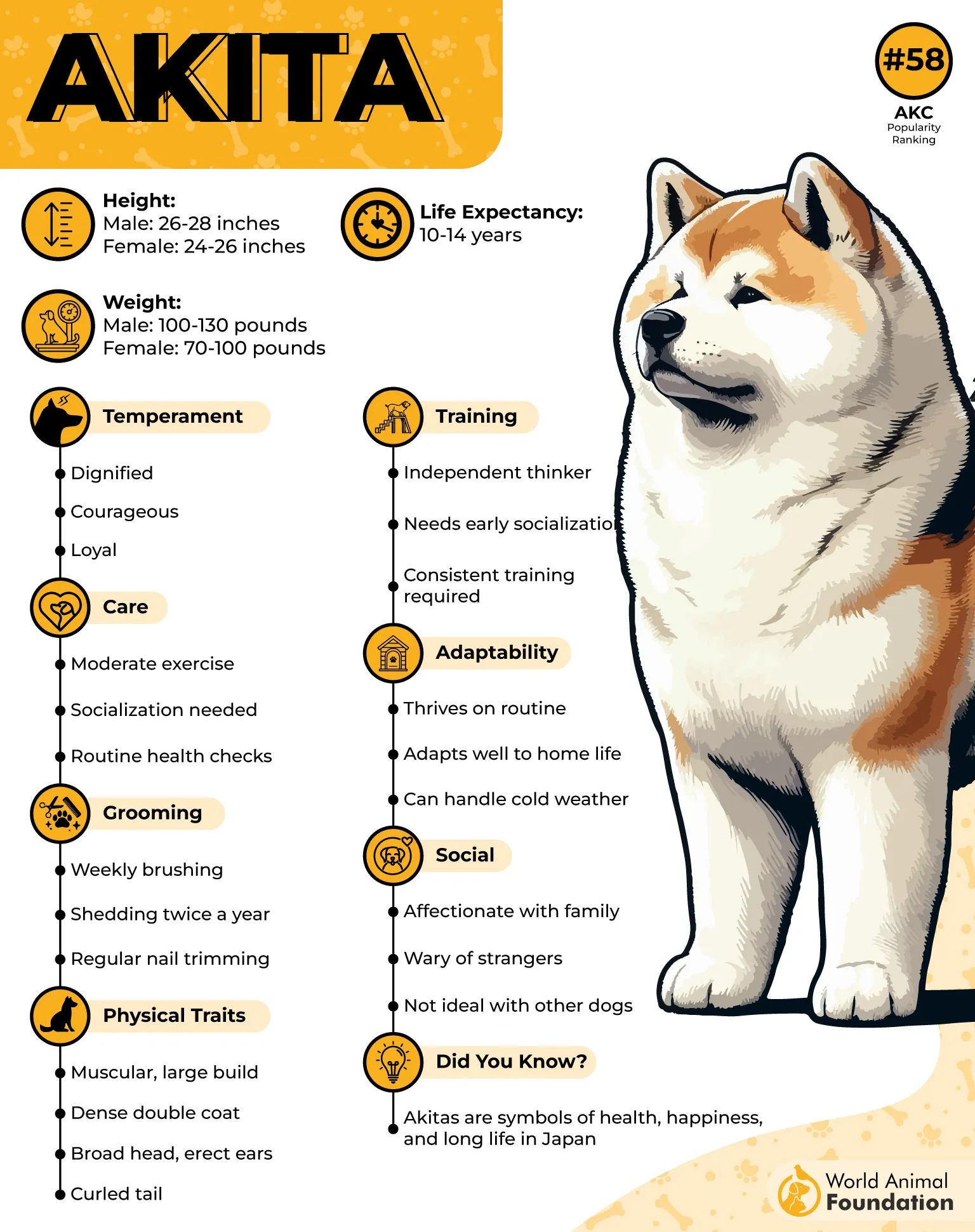
Akitas are deeply loyal to their families and can be affectionate with those they trust, but they are typically reserved and cautious around strangers. Because of their independent and strong-willed personality, early socialization, consistent training, and regular mental and physical stimulation are essential to maintaining a balanced temperament.
Their intelligence, independence, and strength mean they are best suited for experienced owners who understand working and guardian breeds. With the right guidance, the Akita becomes a steady, reliable, and deeply devoted companion.
3. Tibetan Mastiff
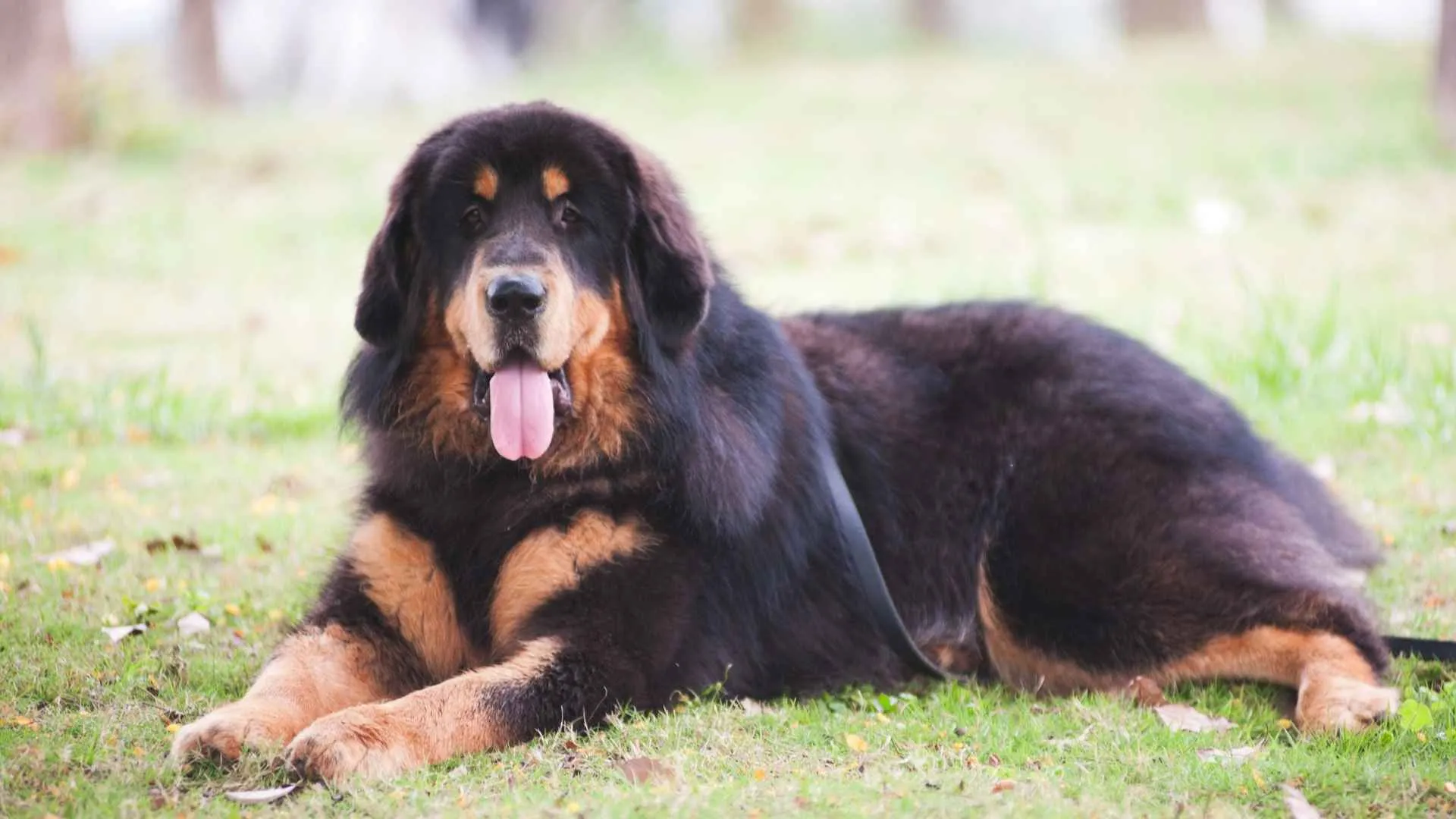
The Tibetan Mastiff is one of the most formidable guardian breeds in the world, long regarded as a powerful protector and, in some regions, even a symbolic or “cult” status animal. Originating in the Himalayan region, it was traditionally used to guard livestock in extreme mountain conditions where harsh weather and predators were constant challenges.
This breed is massive, strong, and highly independent. Unlike many dogs that rely heavily on human direction, the Tibetan Mastiff is known for its ability to think and act on its own, often making decisions without direct commands, an essential trait for a solitary livestock guardian working in remote areas.
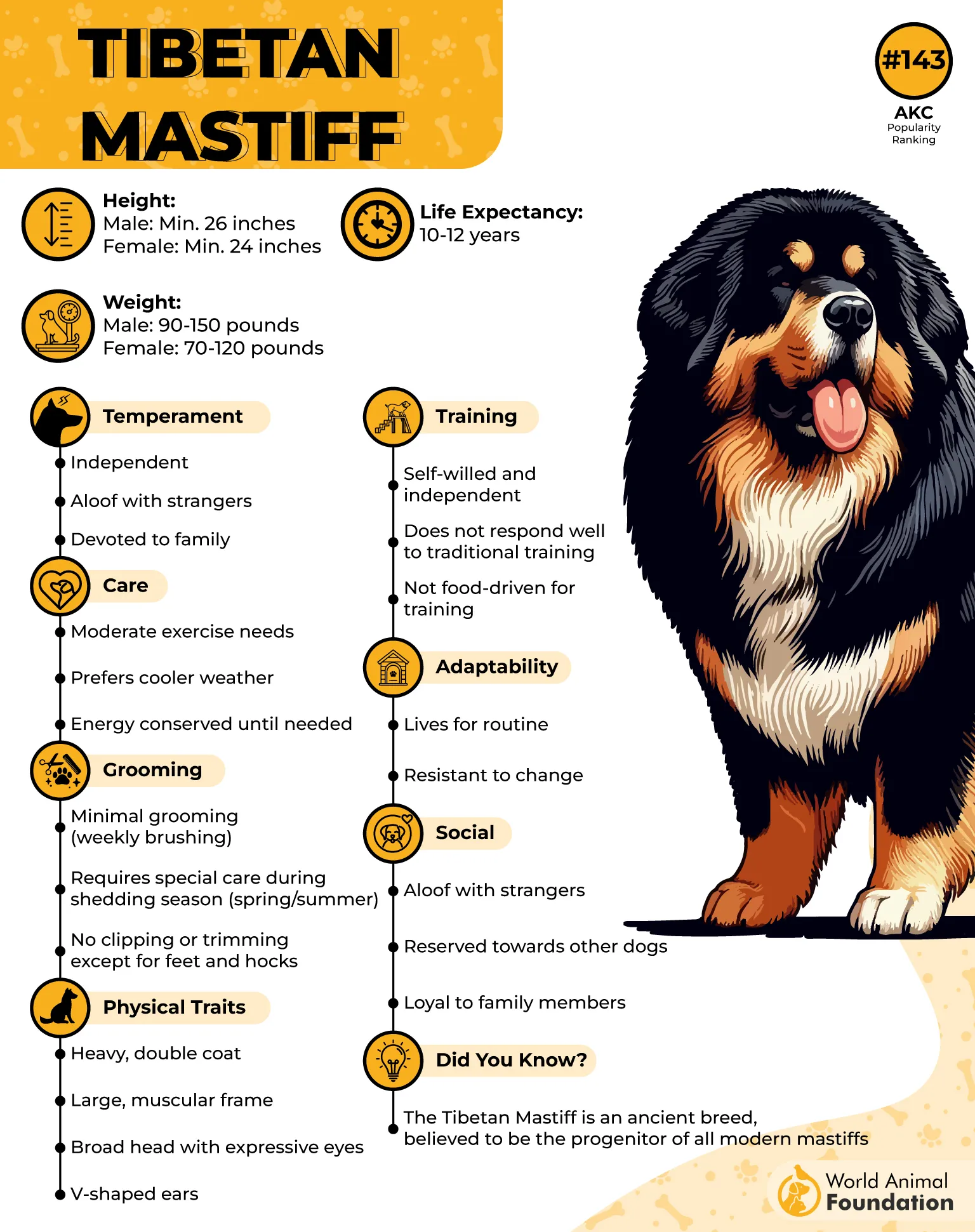
Its dense double coat provides excellent insulation against freezing temperatures, allowing it to thrive in cold, high-altitude environments. Naturally protective, it serves as a highly effective guard dog with strong territorial instincts.
However, the Tibetan Mastiff is not overly affectionate or dependent. It values its independence and often prefers maintaining personal space rather than constant interaction. Because of its strong-willed and dominant nature, it is best suited for experienced dog owners who understand large, independent working breeds and can provide firm, consistent guidance.
4. Chinook
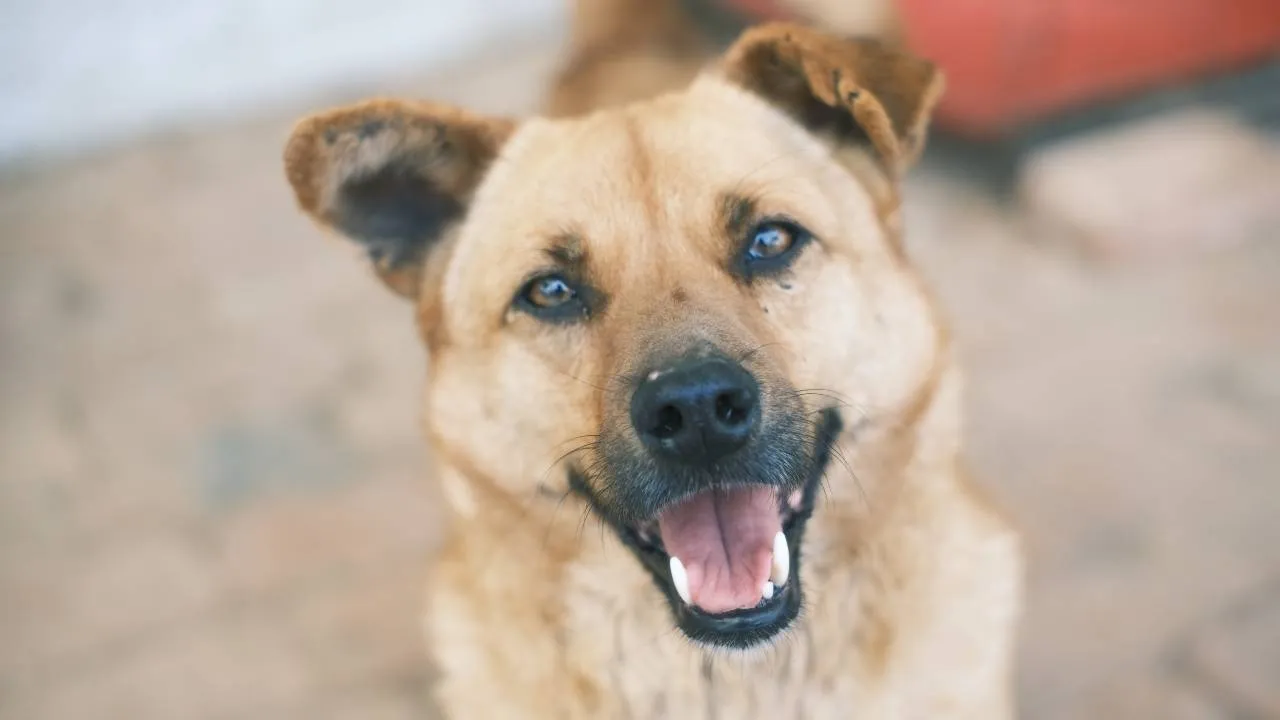
The Chinook is a rare but highly capable working breed developed in the United States for sled pulling and demanding outdoor tasks. Built for strength and endurance, it was originally bred to carry heavy loads and perform reliably in sub-zero temperatures, making it well-suited for cold-weather environments and physical work.
This versatile breed enjoys active lifestyles such as hiking, backpacking, jogging, and skijoring with its owners, as noted by Purina. It combines stamina, athleticism, and resilience, allowing it to perform well in a variety of outdoor activities.
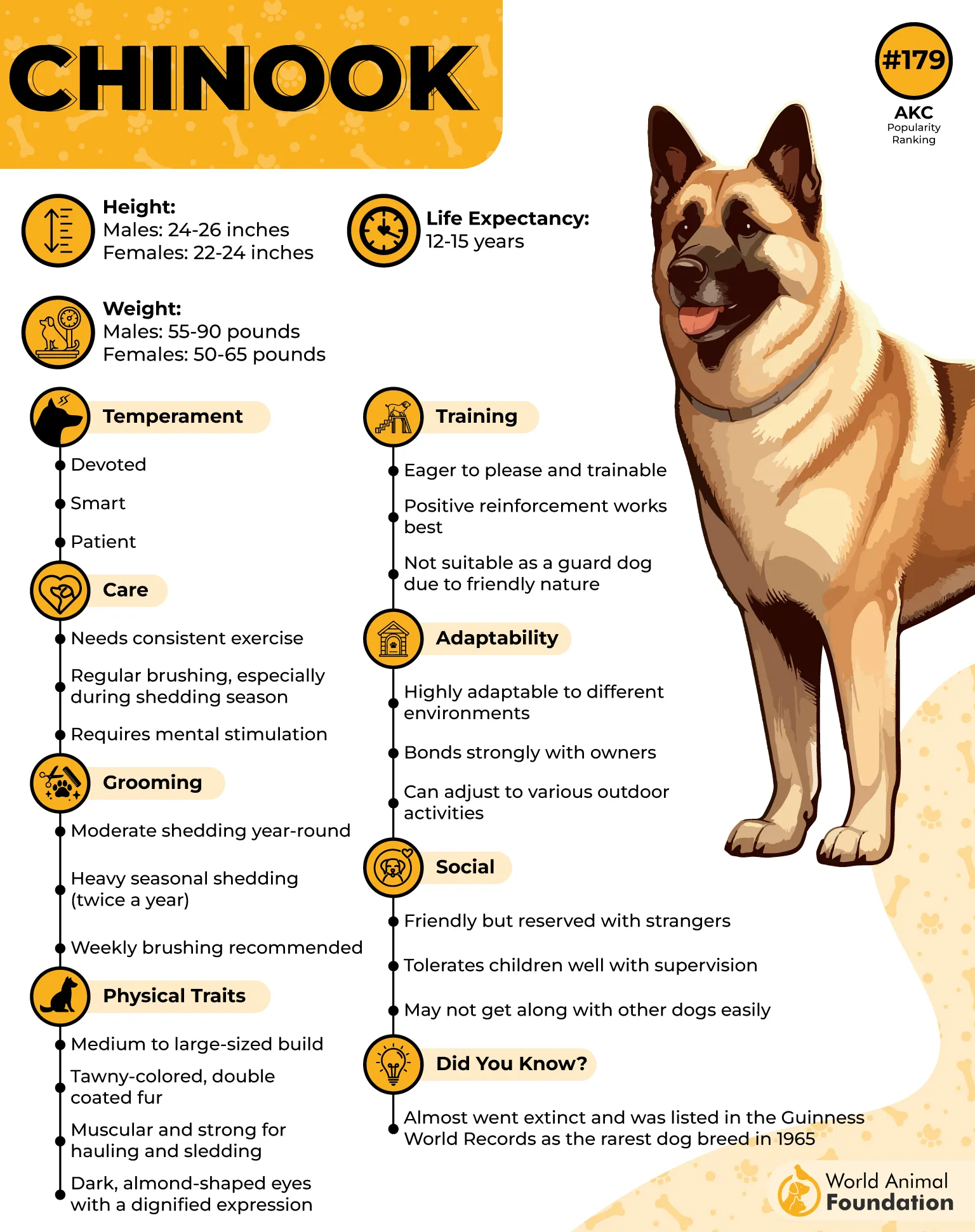
The Chinook is especially suited for tasks that involve pulling, hiking, and general outdoor work. Unlike many high-endurance working breeds, it is also known for its gentle and friendly temperament, making it more approachable and family-oriented.
Despite its physical strength, the Chinook requires regular mental stimulation to stay balanced and happy. Engaging activities, training exercises, and interactive play are important to keep both its mind and body active.
5. Bullmastiff
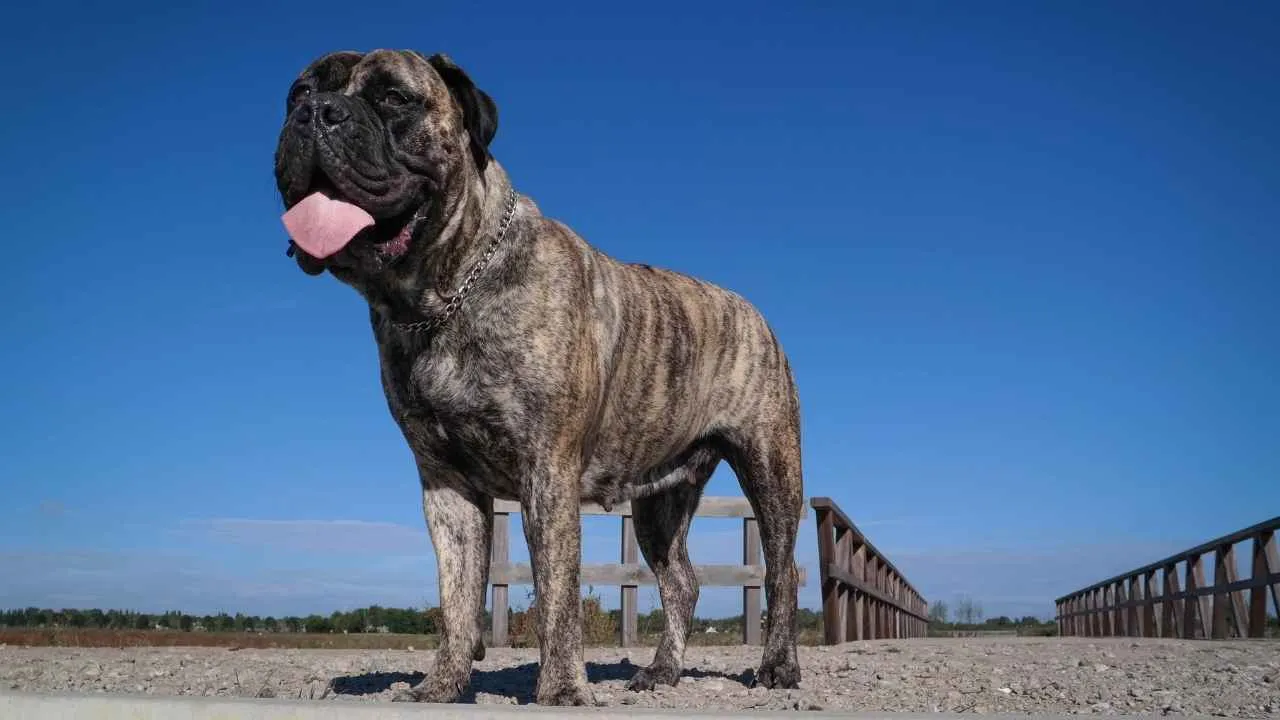
The Bullmastiff is a powerful guardian breed known for its strength, courage, and calm temperament. Originally bred to protect estates, it has long been valued for its reliability and natural guarding instincts. It is also considered one of the early breeds used in structured protection roles, including police work.
While not specifically developed for extreme cold-weather environments, the Bullmastiff is a resilient and adaptable breed. Its solid build allows it to handle demanding conditions when necessary, including heat and rough terrain, although care must always be taken during extreme temperatures due to its large size and short coat.
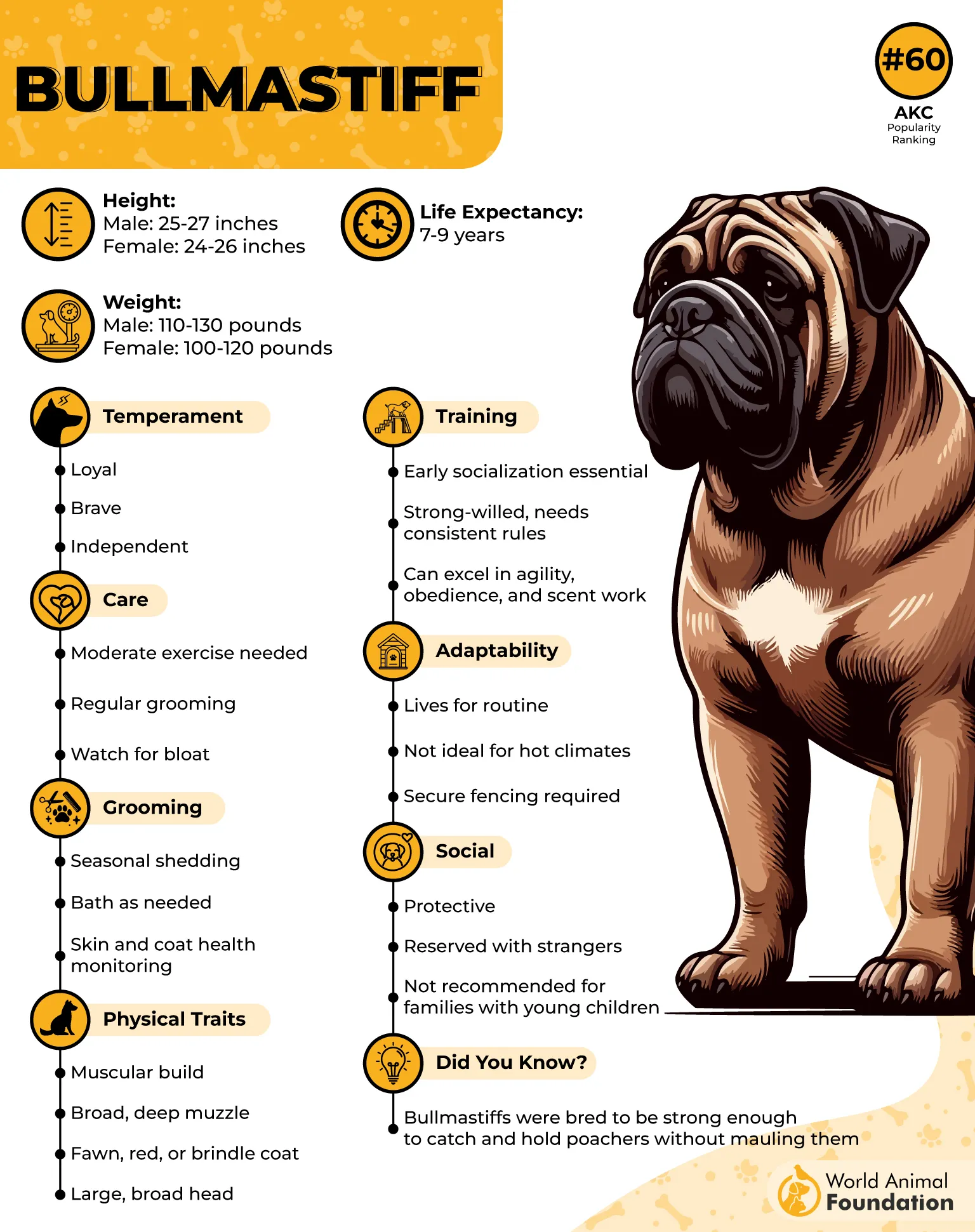
Bullmastiffs are deeply loyal and form strong bonds with their families. Despite their intimidating appearance, they are typically calm, quiet, and gentle indoors when properly trained and socialized. Their protective nature is natural but controlled, making them dependable rather than overly aggressive.
Their short coat requires minimal grooming, which adds to their low-maintenance care needs. However, due to their size and strength, early training and consistent socialization are essential to ensure they grow into balanced, well-behaved companions.
6. Anatolian Shepherd
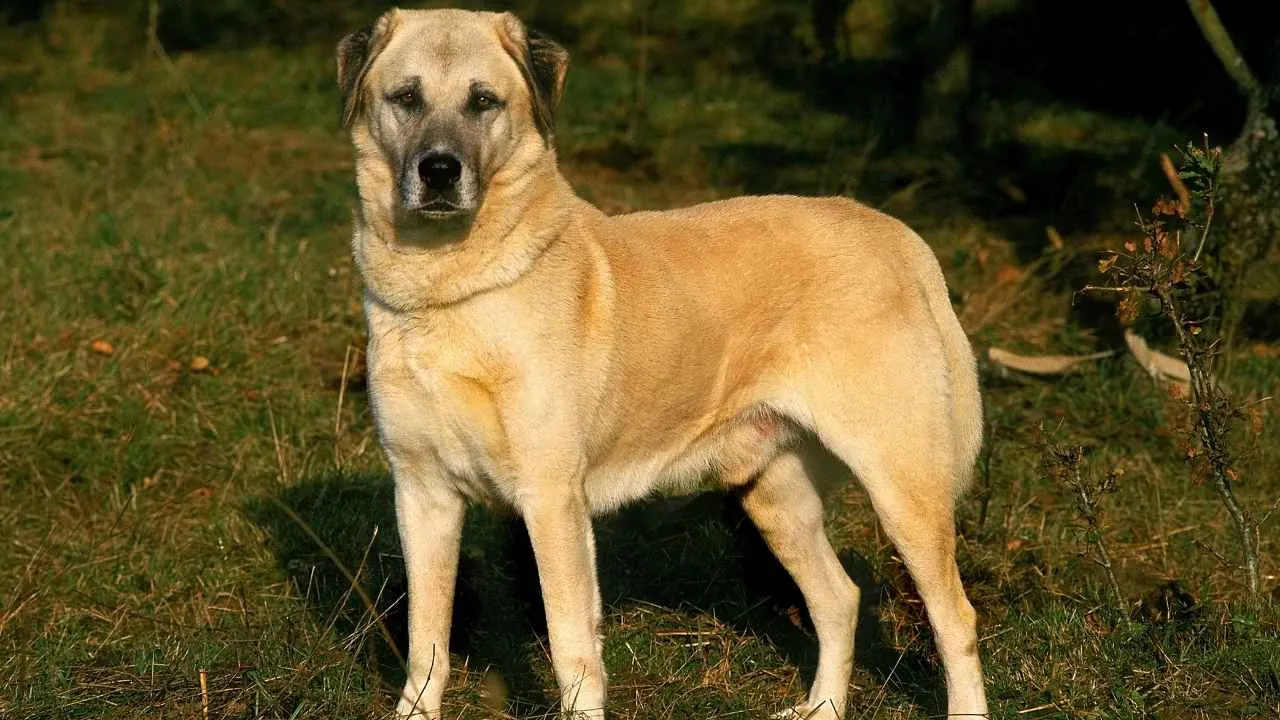
The Anatolian Shepherd is one of the most powerful livestock guardian dogs in the world, originally developed in Turkey to protect flocks across vast and demanding landscapes. Built for endurance, it is capable of handling both extreme heat and cold, making it highly adaptable to harsh environmental conditions.
This breed is extremely independent and is known for its ability to work alone for long hours while guarding livestock over large territories. Its resilience and natural hardiness allow it to thrive in remote, rugged environments where constant human supervision is not always possible.
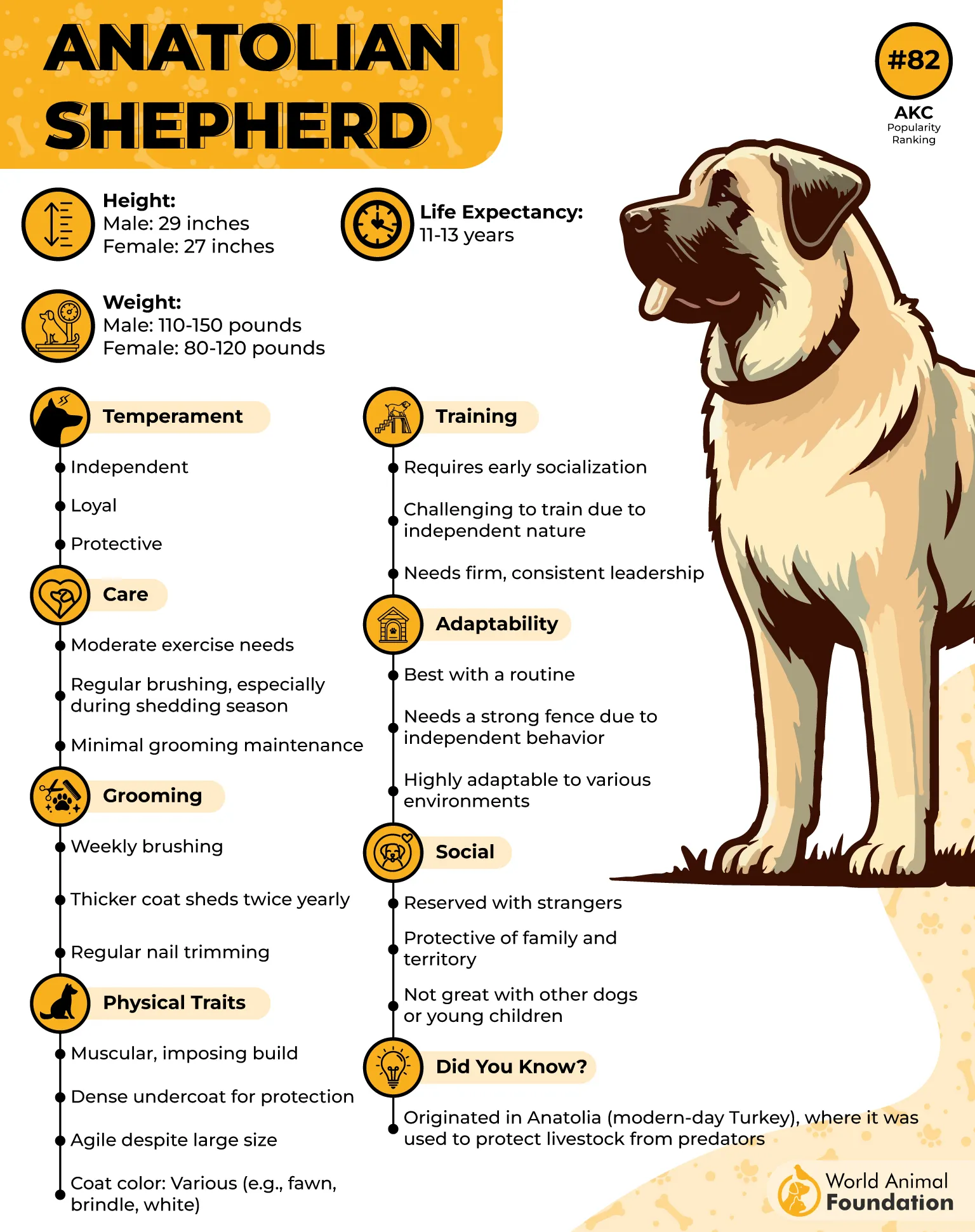
Anatolian Shepherds are not typically overly affectionate or people-dependent. Instead, they are highly self-reliant and often make their own decisions in the field. While they are naturally protective, they express it in a calm, controlled manner rather than through constant interaction or attention-seeking behavior.
According to PetMD, this breed performs best in environments where it has space, responsibility, and structured, consistent training. It is best suited for experienced handlers who understand independent working dogs and can guide their instincts appropriately.
7. Great Pyrenees
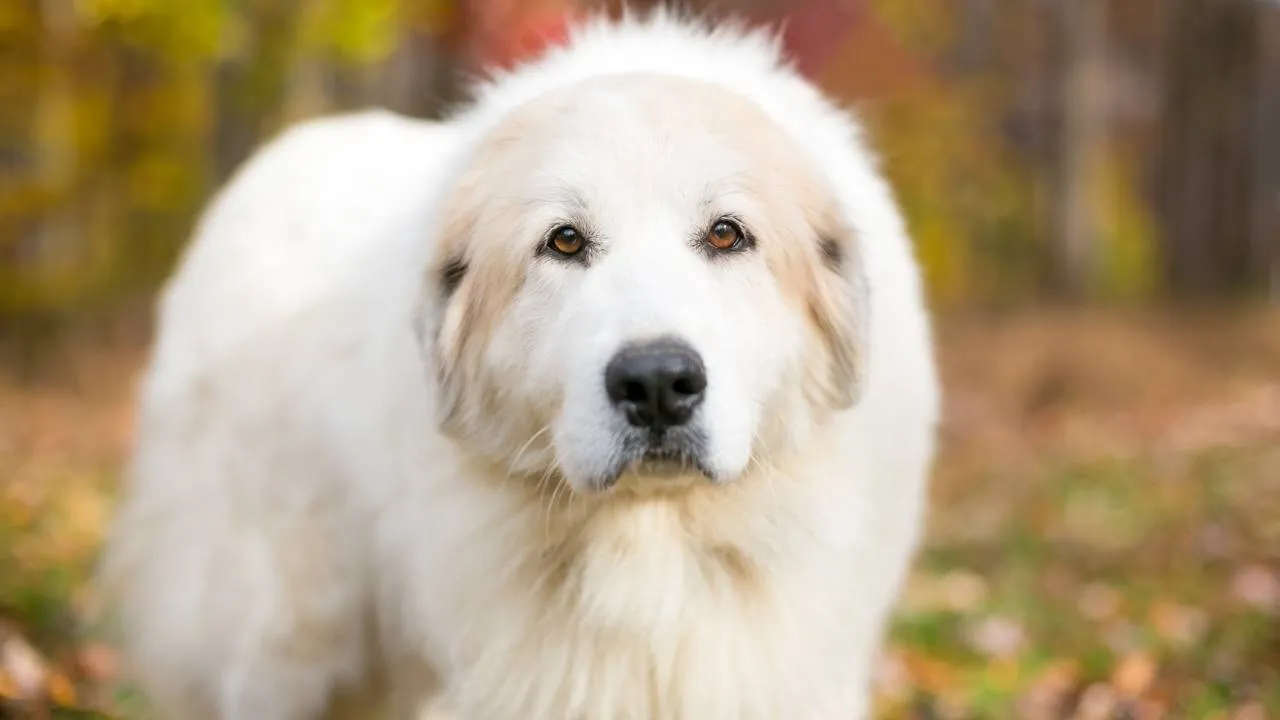
This breed is a powerful guardian with a calm temperament and remarkable strength. Originally bred to protect livestock in mountainous regions, it is well adapted to cold, rugged, and demanding environments.
Its thick double coat provides strong insulation, allowing it to work comfortably even in freezing conditions. Despite its large and imposing build, it is often gentle and patient, especially with children when properly raised and socialized.
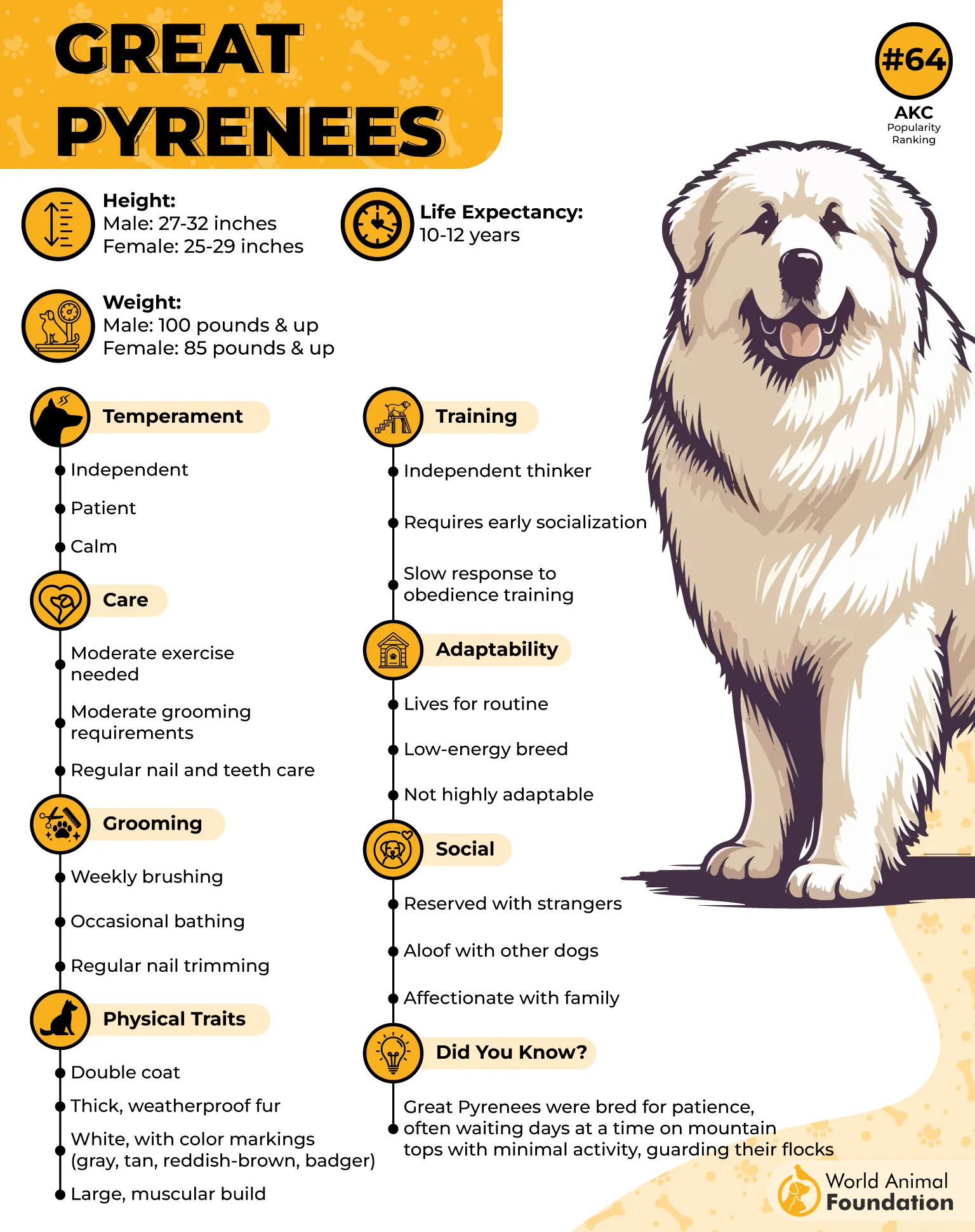
By instinct, this breed is protective and naturally aware of its surroundings. It tends to patrol its environment independently, making it a strong-willed and reliable guardian. However, its independent nature also means it requires consistent training, clear structure, and regular engagement to stay balanced.
Overall, its calm and steady demeanor sets it apart from many working breeds. It combines physical power with a quiet, composed presence, making it both a strong protector and a stable companion when properly managed.
8. Cane Corso
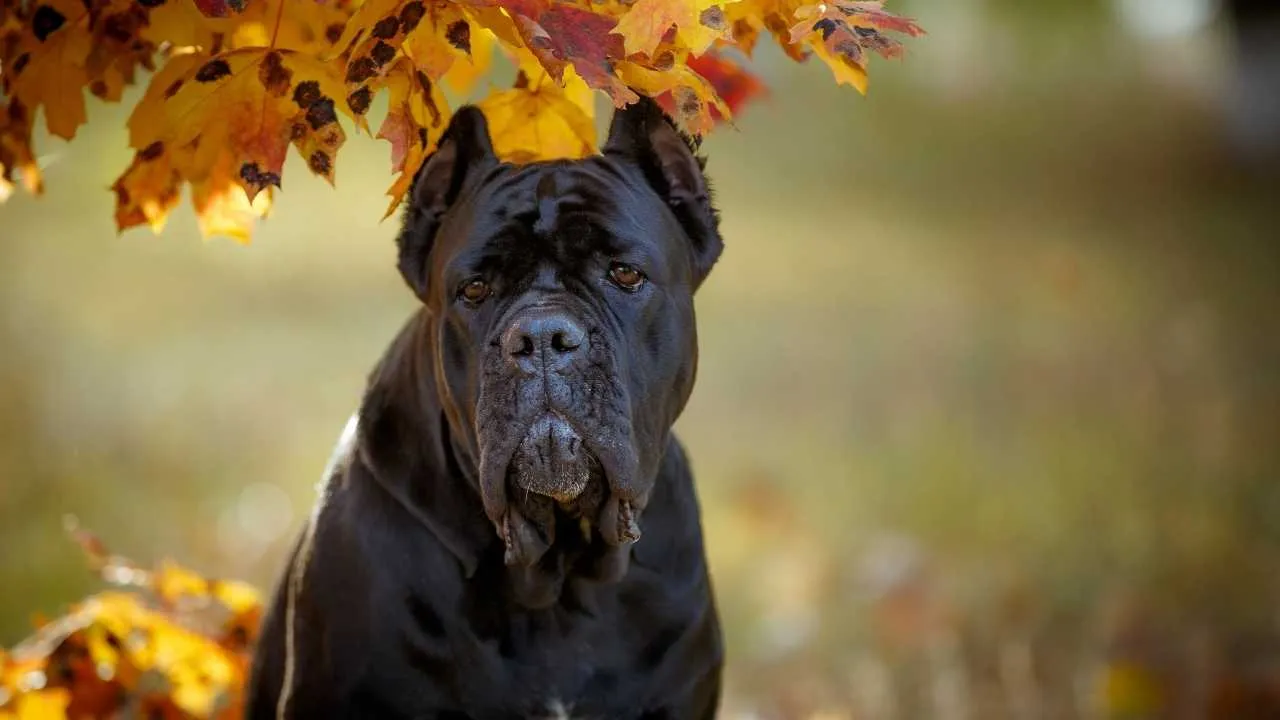
The Cane Corso is a powerful and intelligent Italian Mastiff known for its strength, awareness, and natural guarding ability. This breed is highly versatile and capable of performing well across a variety of challenging environments and working conditions.
Alert, active, and confident, the Cane Corso is widely recognized as an effective protection and guard dog. Its short coat makes it more tolerant of warmer climates compared to heavily double-coated breeds, although proper care is still important in extreme conditions.
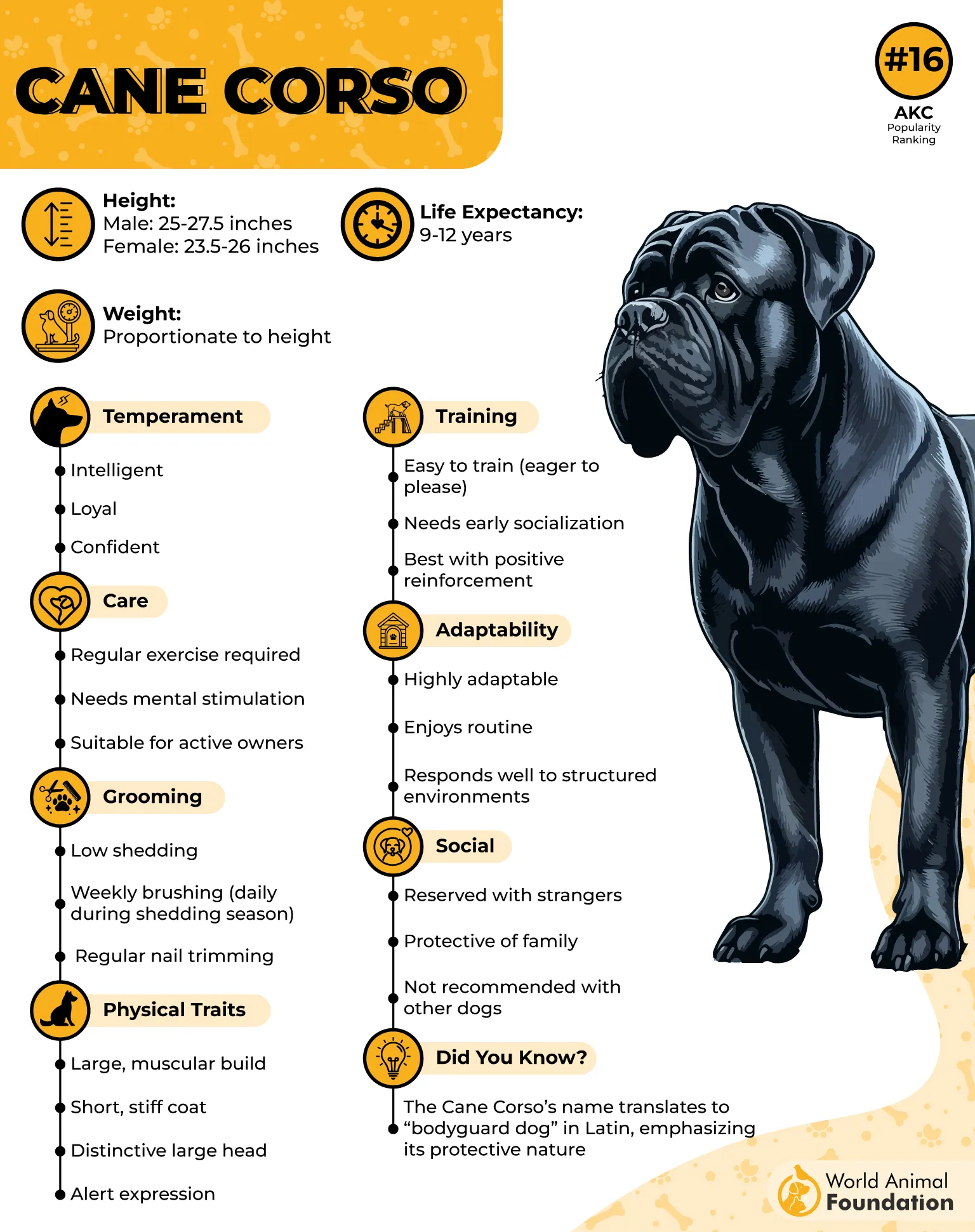
Cane Corsos are deeply loyal and form strong bonds with their families. They are generally affectionate with those they trust, but they require a clear, confident leader to guide their behavior. Without structure, their strong personality can become difficult to manage.
This breed is best suited for experienced owners who can provide consistent training, early socialization, and firm but fair leadership. With the right guidance, the Cane Corso becomes a steady, reliable, and highly capable companion.
9. Rottweiler
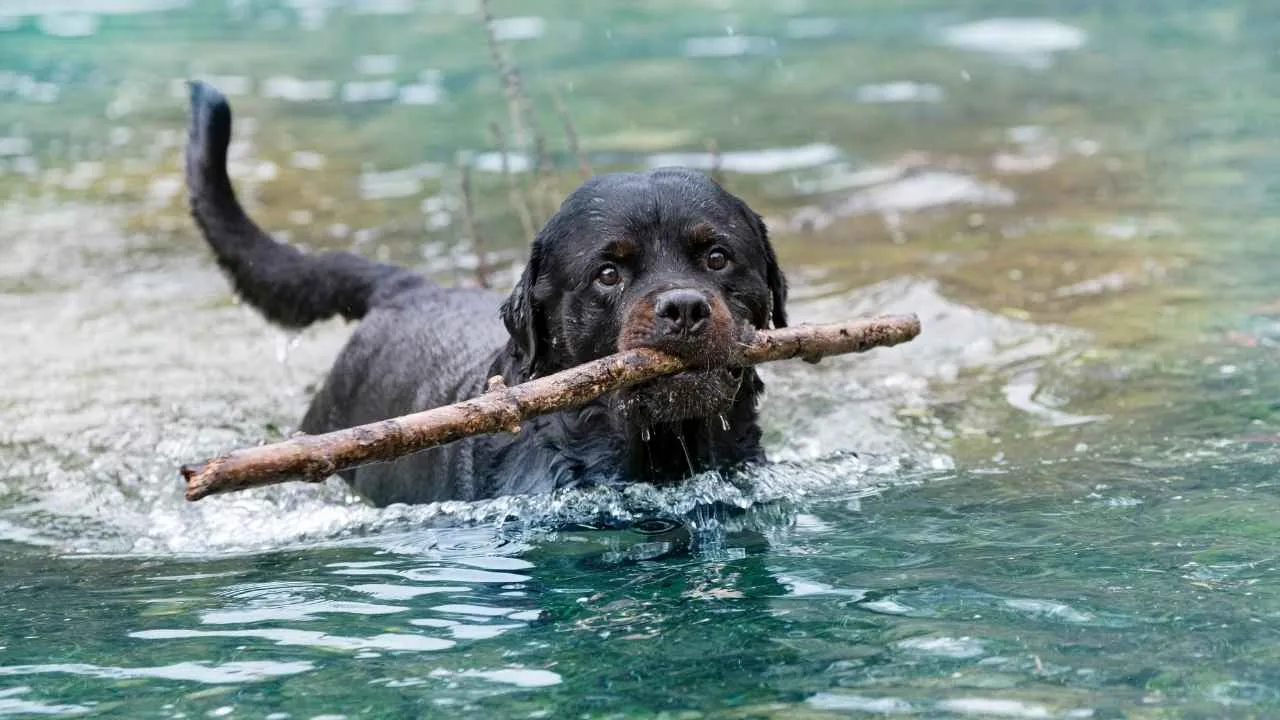
The Rottweiler is one of the most dependable working breeds, known for its strength, confidence, and resilience. Historically used for herding livestock and guarding property, it has long been trusted for physically demanding and protective roles.
Highly intelligent and trainable, the Rottweiler is a versatile breed that can be used in protection work, service roles, and various other working environments. Its solid, muscular build allows it to handle challenging conditions, provided it is properly conditioned and cared for.
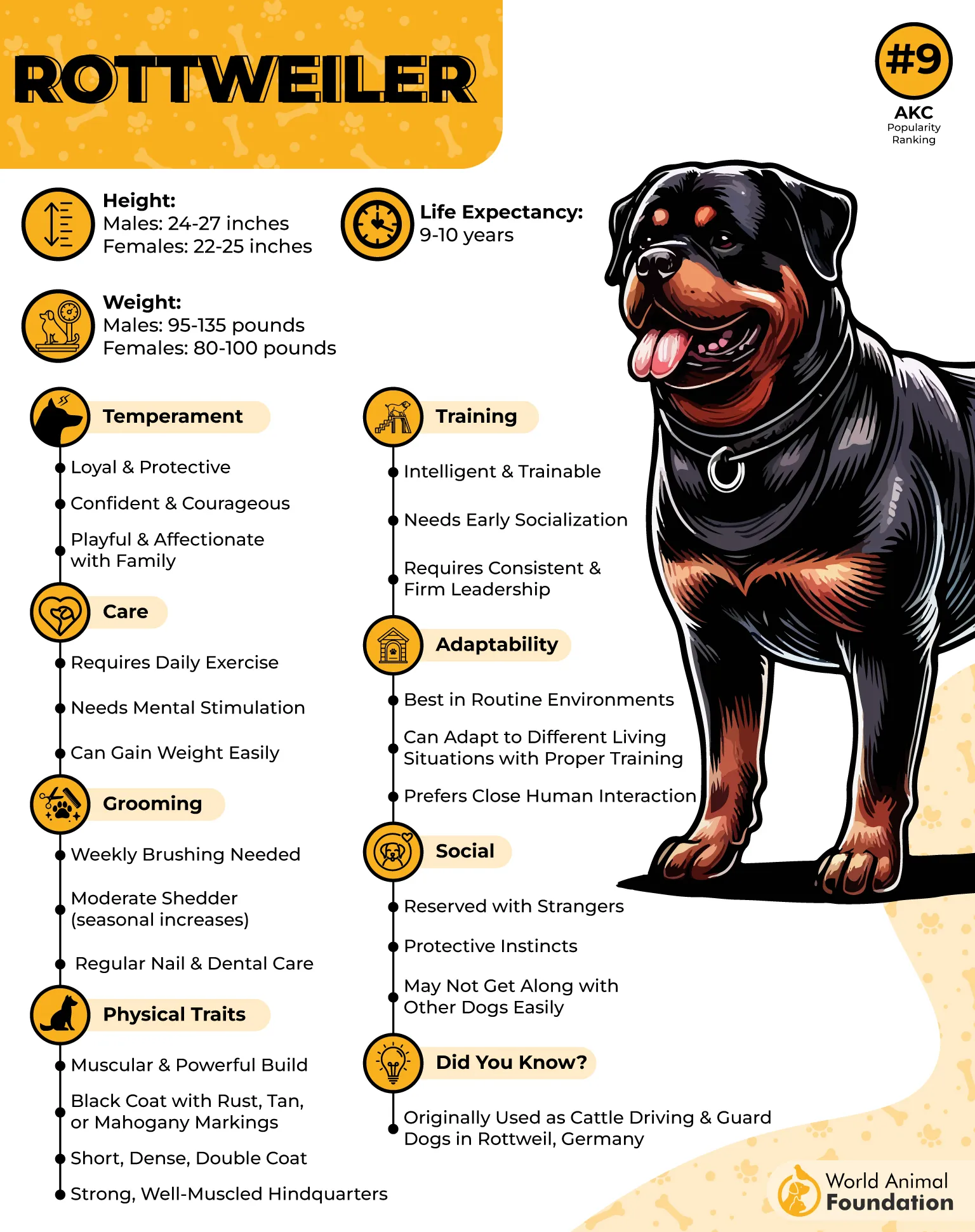
Rottweilers are deeply loyal and form strong attachments to their families. They are naturally protective, which makes them excellent guardians, but this trait must be guided with structure and responsibility.
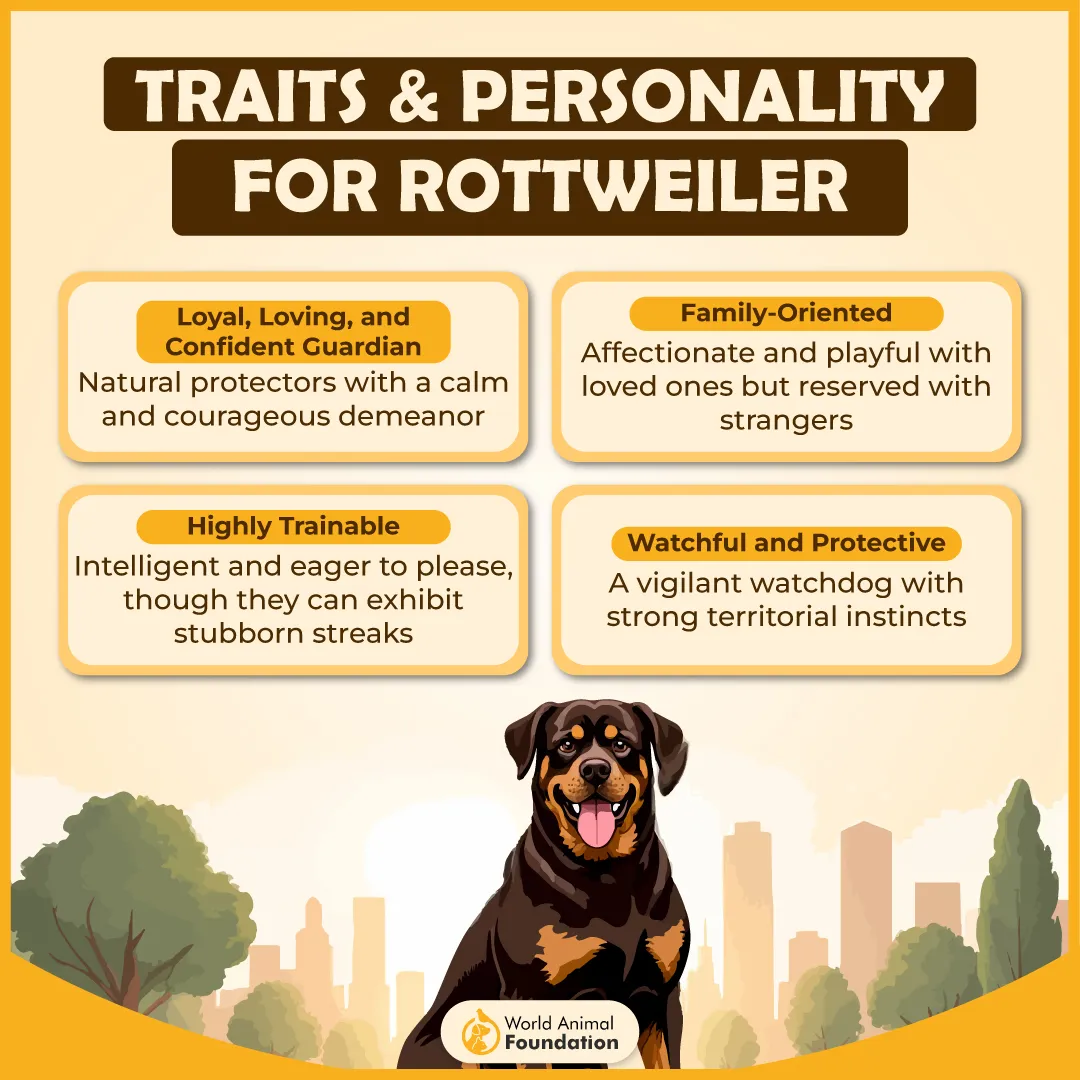
Early training and consistent socialization are essential to developing a balanced and stable temperament. With proper guidance, the Rottweiler becomes a confident, reliable, and well-mannered companion capable of excelling in both work and family life.
10. German Shepherd
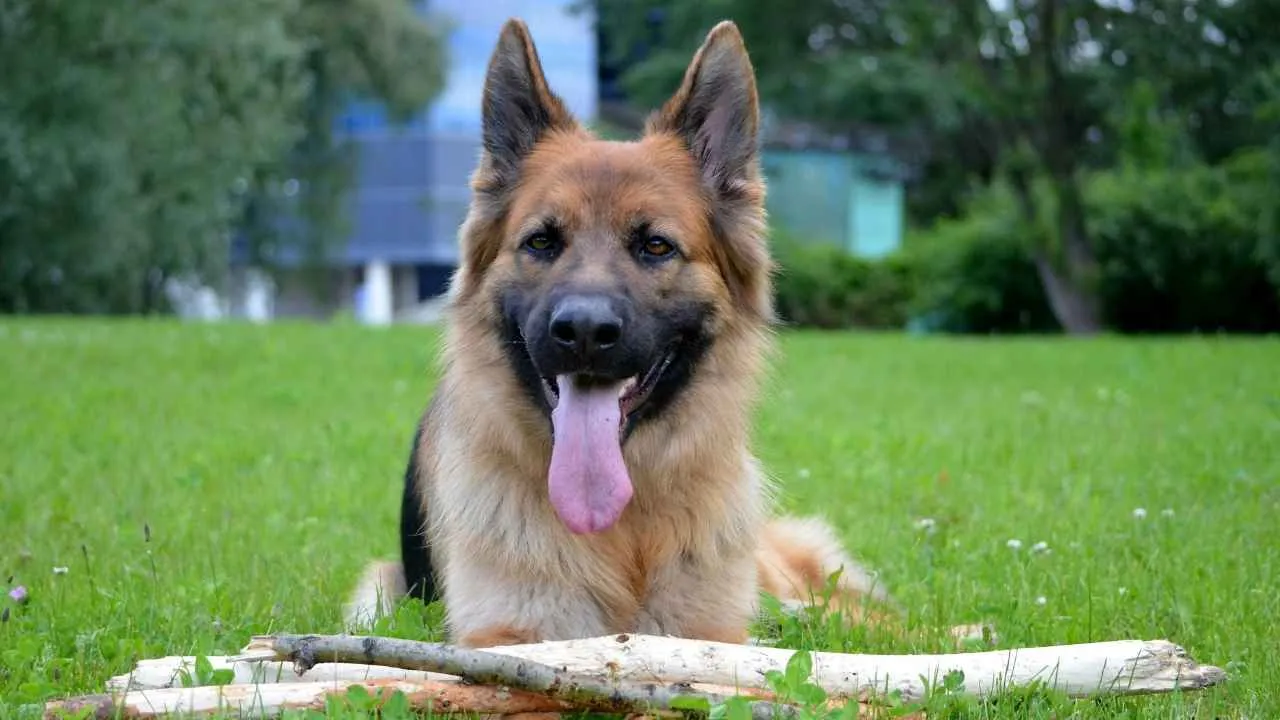
The German Shepherd is one of the most versatile and resilient working breeds in the world. Widely used as police dogs, guide dogs, search-and-rescue dogs, and military partners, it is often considered the benchmark for what a true working dog should be.
Highly intelligent and adaptable, the German Shepherd can perform a wide range of tasks across different environments. Whether in cold climates or moderately warm conditions, it adjusts well when properly cared for, trained, and managed.
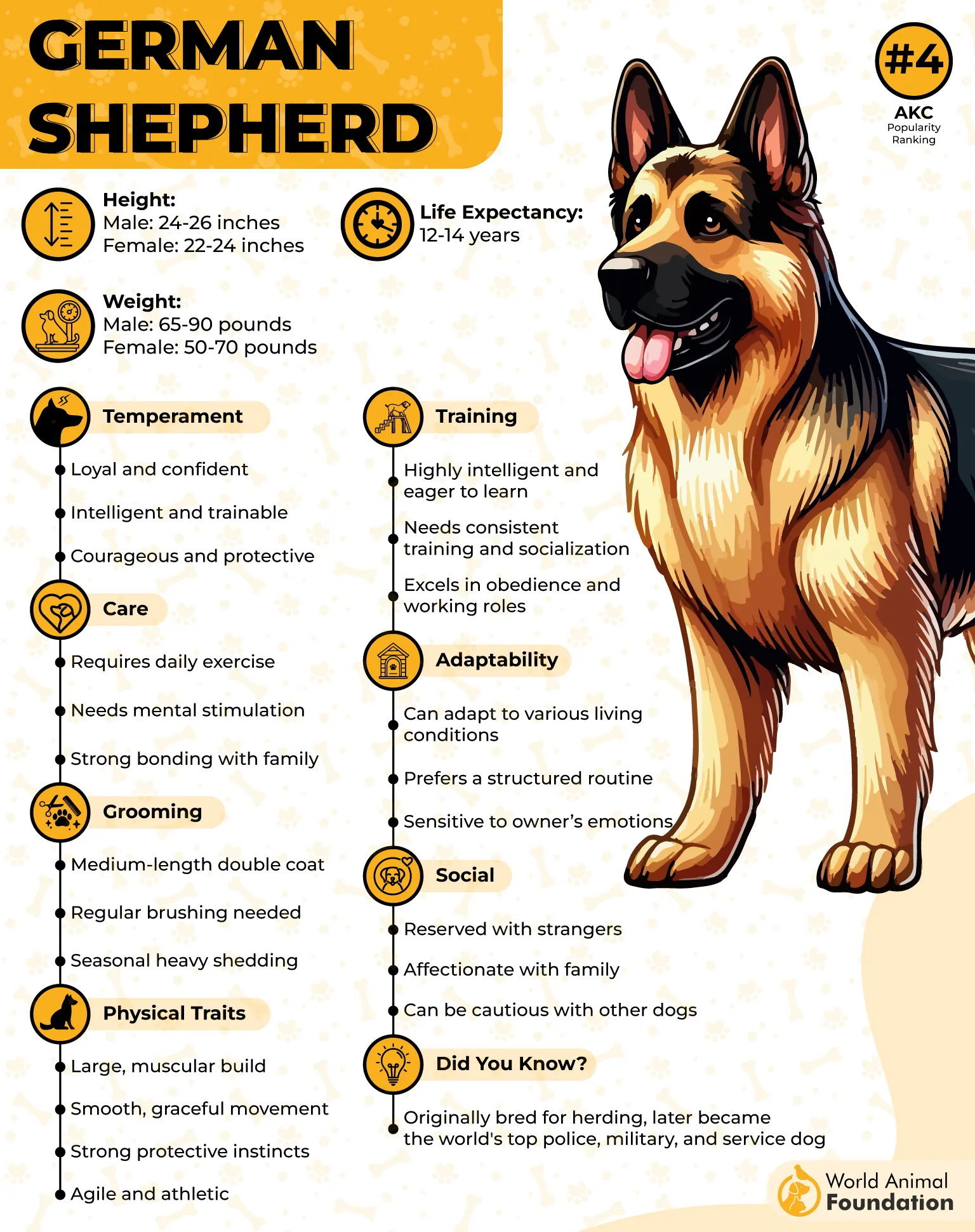
German Shepherds are highly dedicated and thrive in roles that give them structure, responsibility, and regular mental and physical engagement. They perform best when they have a clear purpose and consistent training routine.
They are powerful, capable of covering long distances, and historically have even been used in wartime roles due to their reliability and discipline. While they are not typically gentle or passive in nature, their strength and focus make them exceptional working companions when properly guided.
Conclusion
Strong working dog breeds are not just physically powerful; they are intelligent, purpose-driven companions built for demanding roles. Designed to operate in some of the harshest conditions, they also require committed owners who understand their physical and mental needs.
Choosing one of these breeds goes beyond admiration; it is a long-term responsibility. They thrive on structure, consistent training, and meaningful work that engages both their body and mind. Without it, their natural drive can become difficult to manage.
With the right care and leadership, these breeds don’t just function as working dogs; they become reliable partners capable of excelling in any task they are given.
